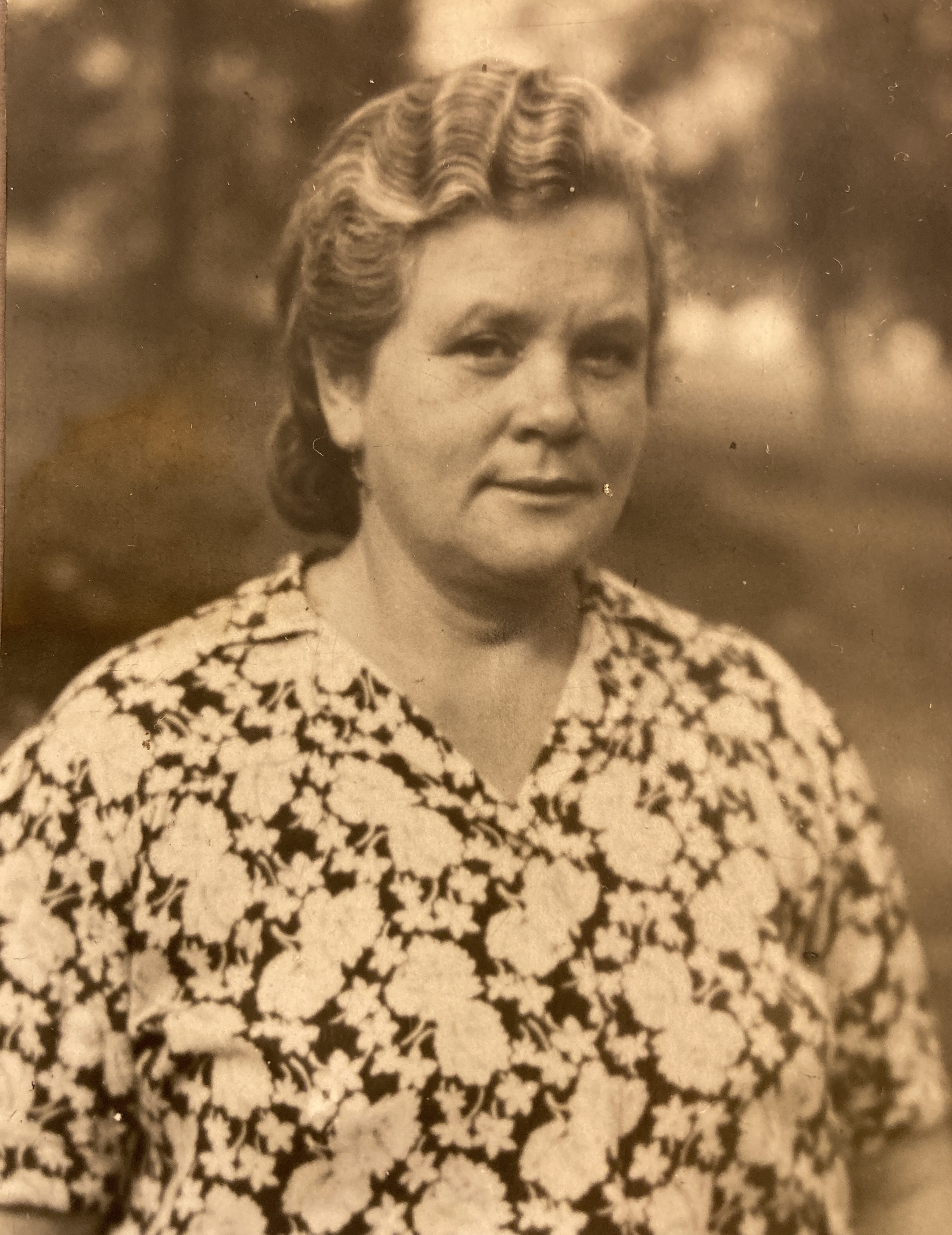
Ludmila Nekužová

* 1936

  • "I was scared when we were going up that hill and those Germans and those Russians were shooting at us. And my mother says to me, 'If they kill both of us, there's nothing to be done. But if they only killed you, father would go crazy,' because they really loved me. So I had to go with her, and we always hid in some ditch. And when they stopped shooting, we'd go on again. Until we went over that hill, that's where they call the Devil's Valley and At the Well."

  • "I also wanted to tell you how we were in danger of having the dam blown up. If the Germans had done that, the whole of Bystrc would have been flooded. We had these black balls on our house marking the level where the water would come up if it broke. A Mr. Šikula saved it. Mr. Dolníček, they were friends, went to those Russians and told them not to drive tanks on that dam, that if they went there it would explode. Dolníček and Šikula, but Šikula has a monument on the top, it's called U Lva."

  • "The Russians found out that they could stay there. Ten Russians were staying with us. Among them was a shoemaker, an officer, a non-commissioned officer, and the rest were ordinary soldiers. And they asked if they could sleep there. My mother told them, 'Yes, you can, but you have to take your shoes off.' She was such an energetic woman, maybe I got it from her, she didn't let anything get to her. She used to go around in her husband's old pants and stuff. And the non-commissioned officer would say to her, 'Grandma, what are you wearing, why don't you dress properly?' And she'd say, 'Yeah, you know, I'll dress up for you, and I know what would happen.' They raped all the women that were in that street. So it was normal that they raped everybody. So she got dressed, put on a white apron, and the petty officer said, 'Grandma, you're a woman now. Don't worry, as long as I'm here, nothing's going to happen to you.' Well, really, all honour, it was just the NCO who kept it."

  • "There were Germans settled on Monk's Mountain. They were situated there and could shoot down. Nobody can imagine that. Today there's a zoo there. The Russians were in no condition to get them out. The Russians were on the other side behind us on the hill over Bystrc, which was without power. The electricity, they cut it off right at the beginning, they blew up the bridge. Bystrc was called Bystrc near Brno, it wasn't Brno yet, only after the war. They were shooting at each other across Bystrc. Eventually, when the Russians couldn't cope, they sent the Romanians there. The Romanians went up that hill against the Germans. Then they were carrying them in wagons, like pieces of wood, dead. There were killed an awful lot of them, those Romanians, but they got the Germans out of there. So actually the Russians won, even with the help of the Romanians."

  • "When the war started, my father's cousin from Vienna moved in with us. And he got involved with a group of people and the Gestapo came for him. They picked him up and took him away and he died in a concentration camp. And I remember when the Gestapo came to search our house, they searched everything. They did an absolute search. They even shone a flashlight into the radio to see if there were any weapons hidden there. They took my father away. I remember them leading him away and him saying goodbye to us because we didn't know if he was ever coming back. At that time, it was before the assassination (of Heydrich), it was not so cruel. If it had been later, I don't think he would have come back or he would have ended up in that concentration camp too. They investigated him and found out that the cousin had nothing to do with him, so they let him go. But he had to go to the Reich to work. So he was in Germany, and we were left alone with my mother."

  • Full recordings
  • 1

    Brno, 24.06.2025

    (audio)
    duration: 52:10
    media recorded in project Příběhy regionu - JMK REG ED
Full recordings are available only for logged users.

We were shot at by Germans and Russians, the end of the war in Bystrc was dramatic
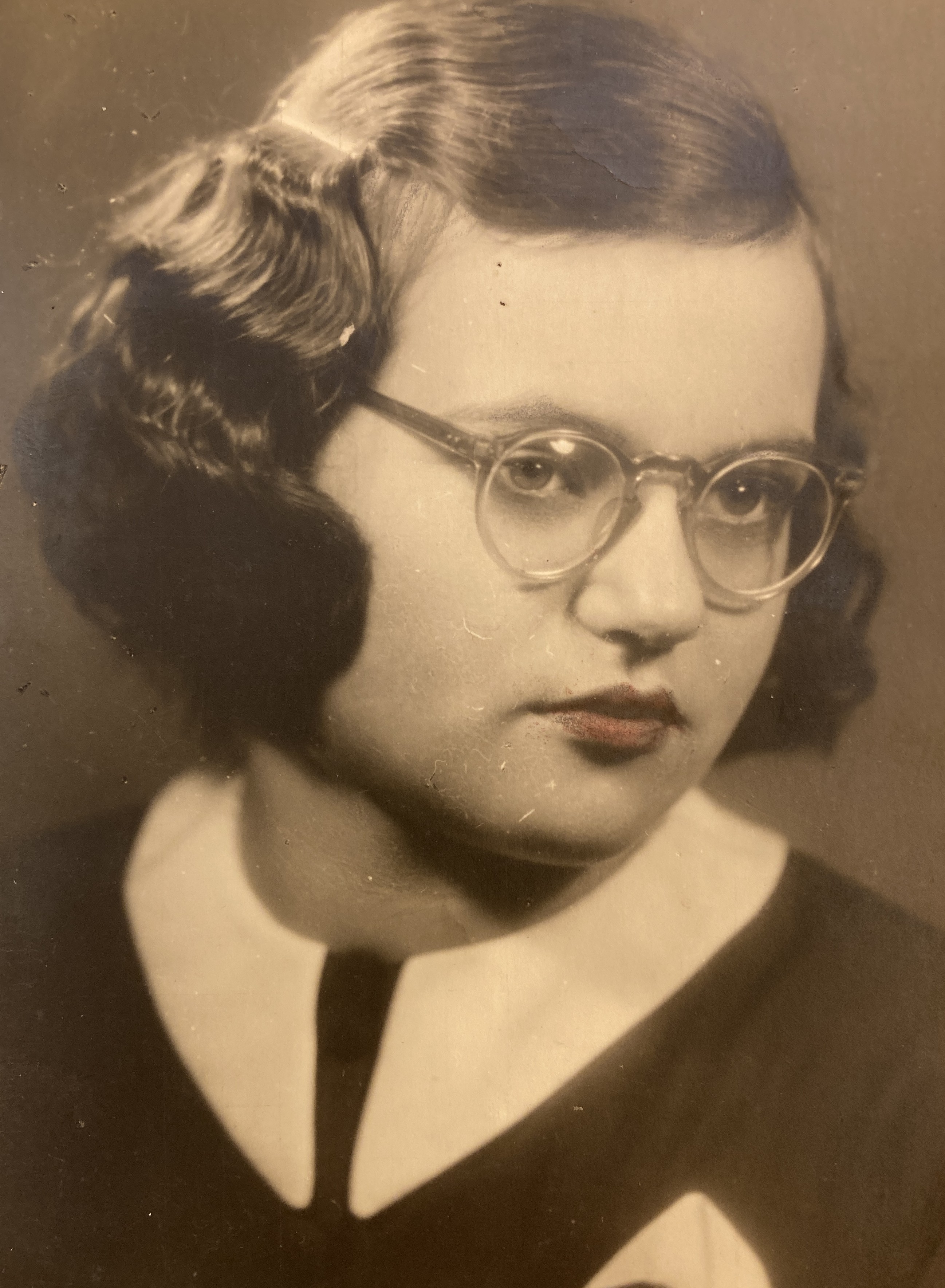
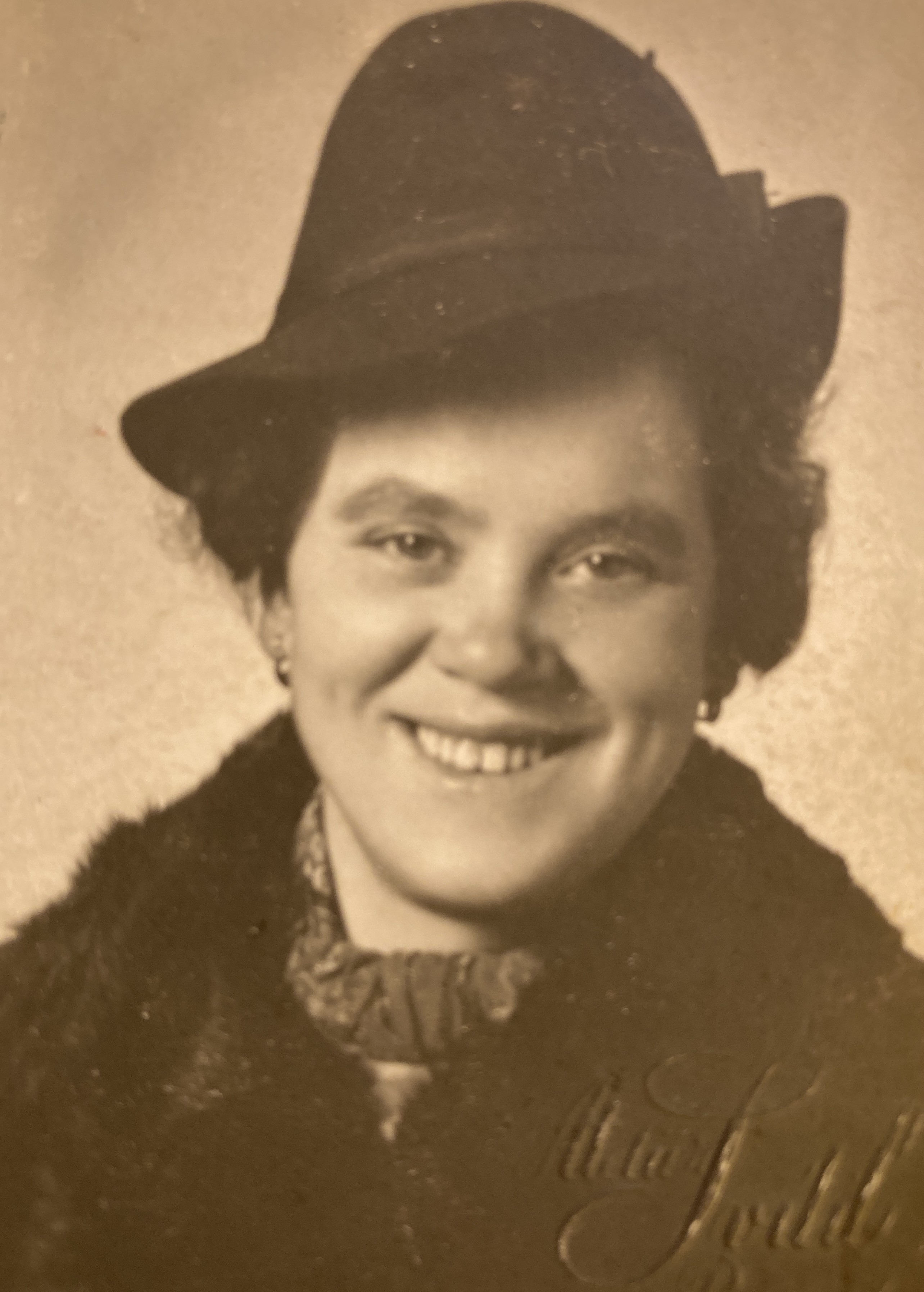
Ludmila Nekužová (Formánková) after the liberation, 1945
photo: witness´s archive

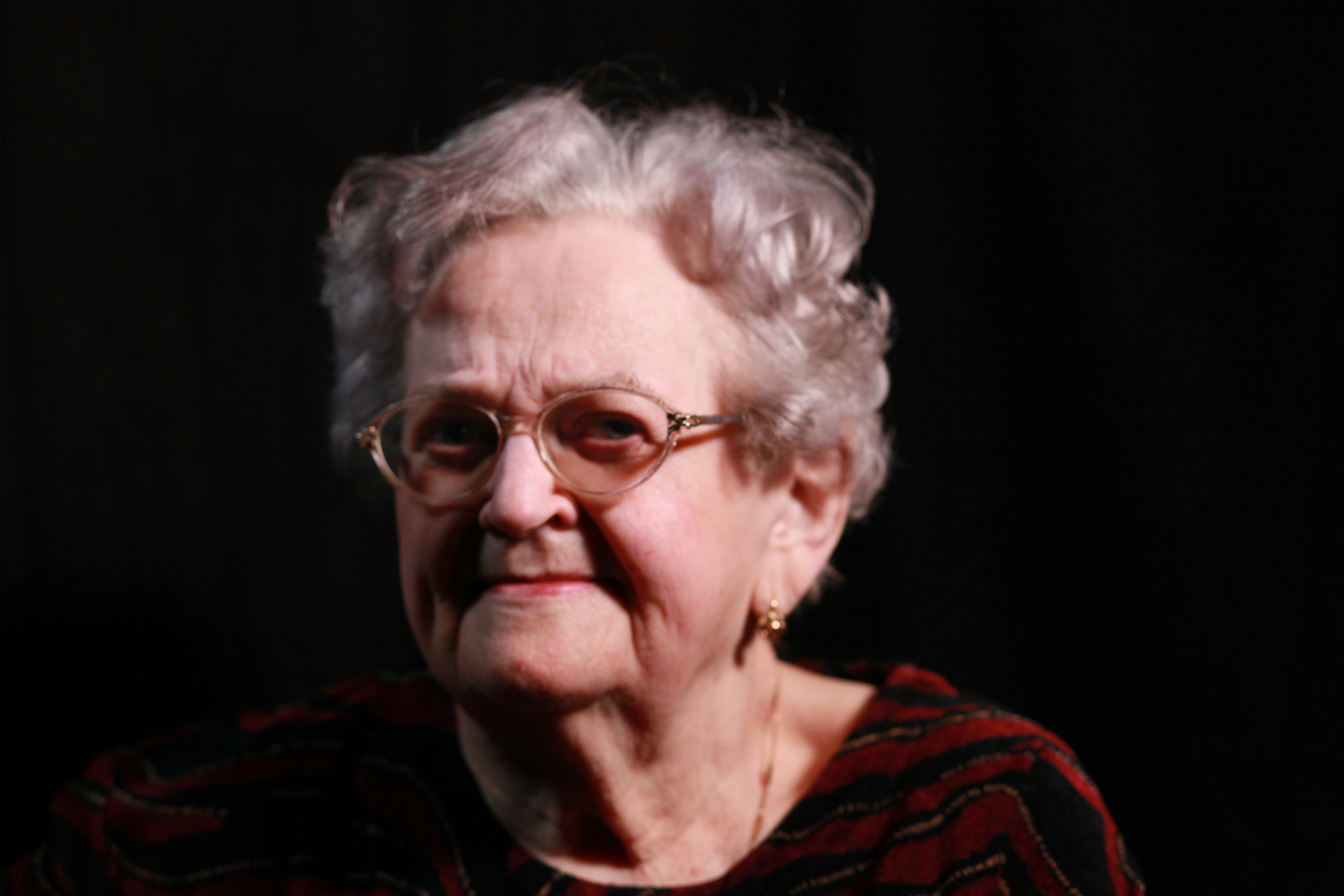
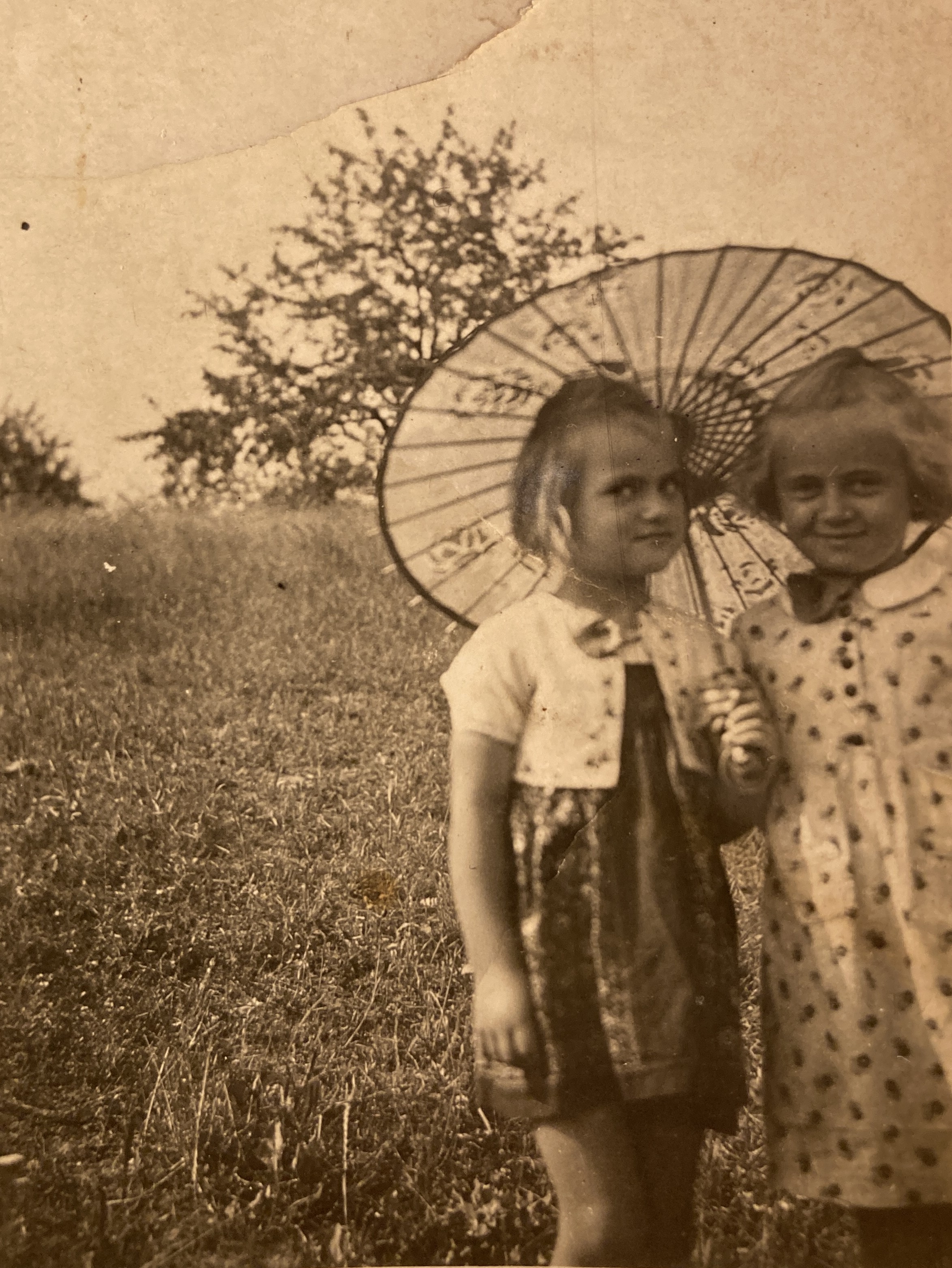
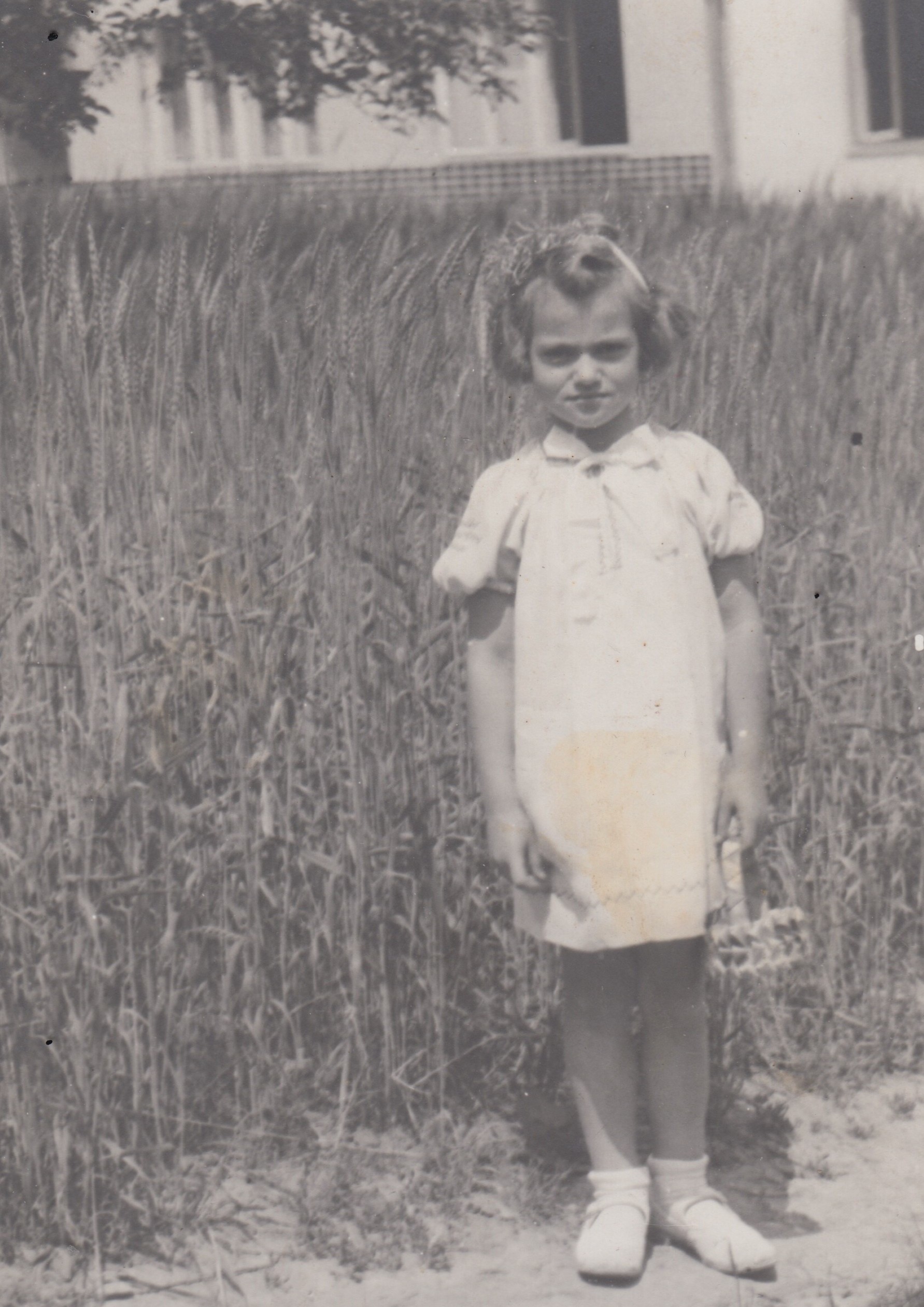
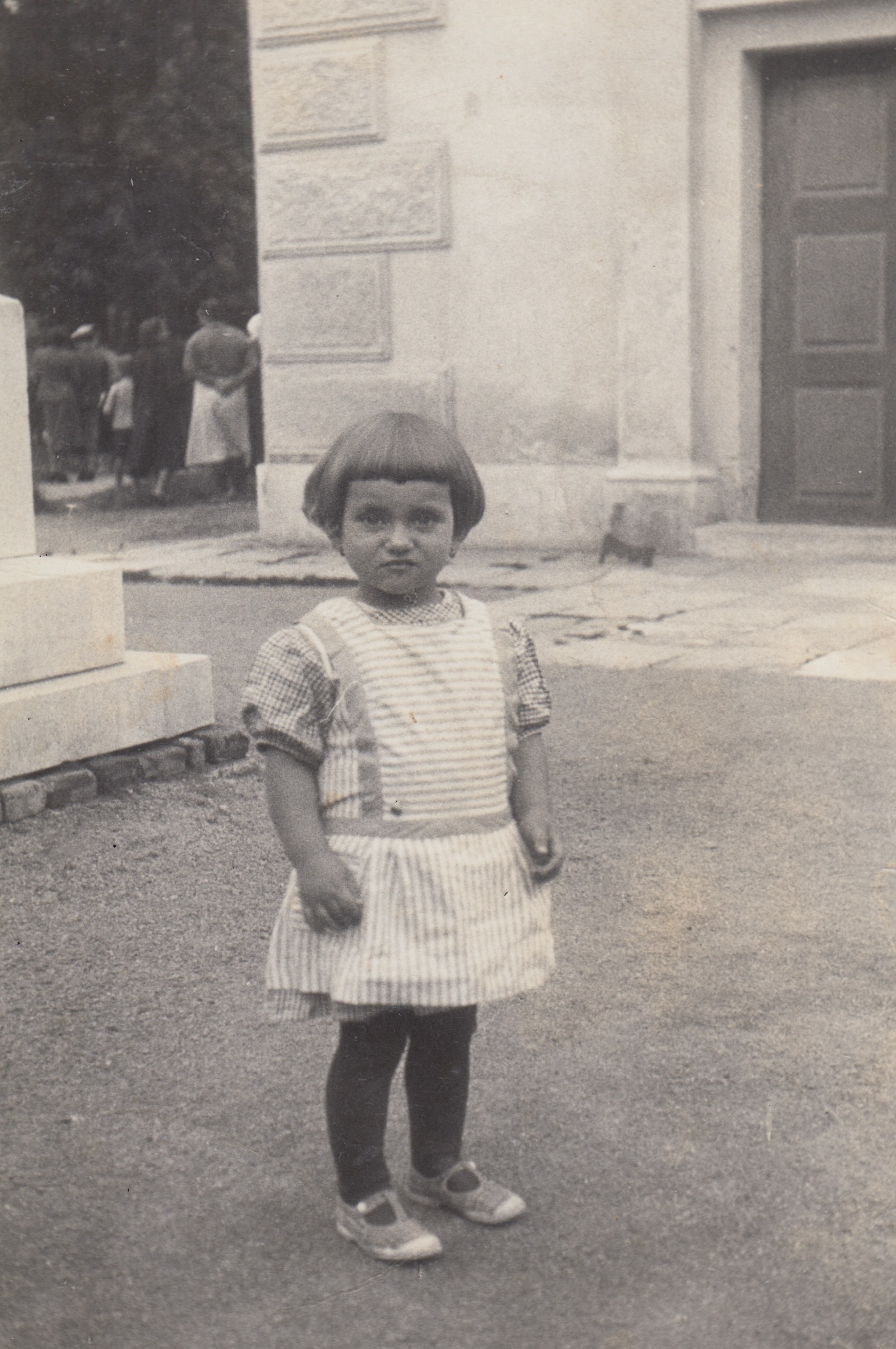
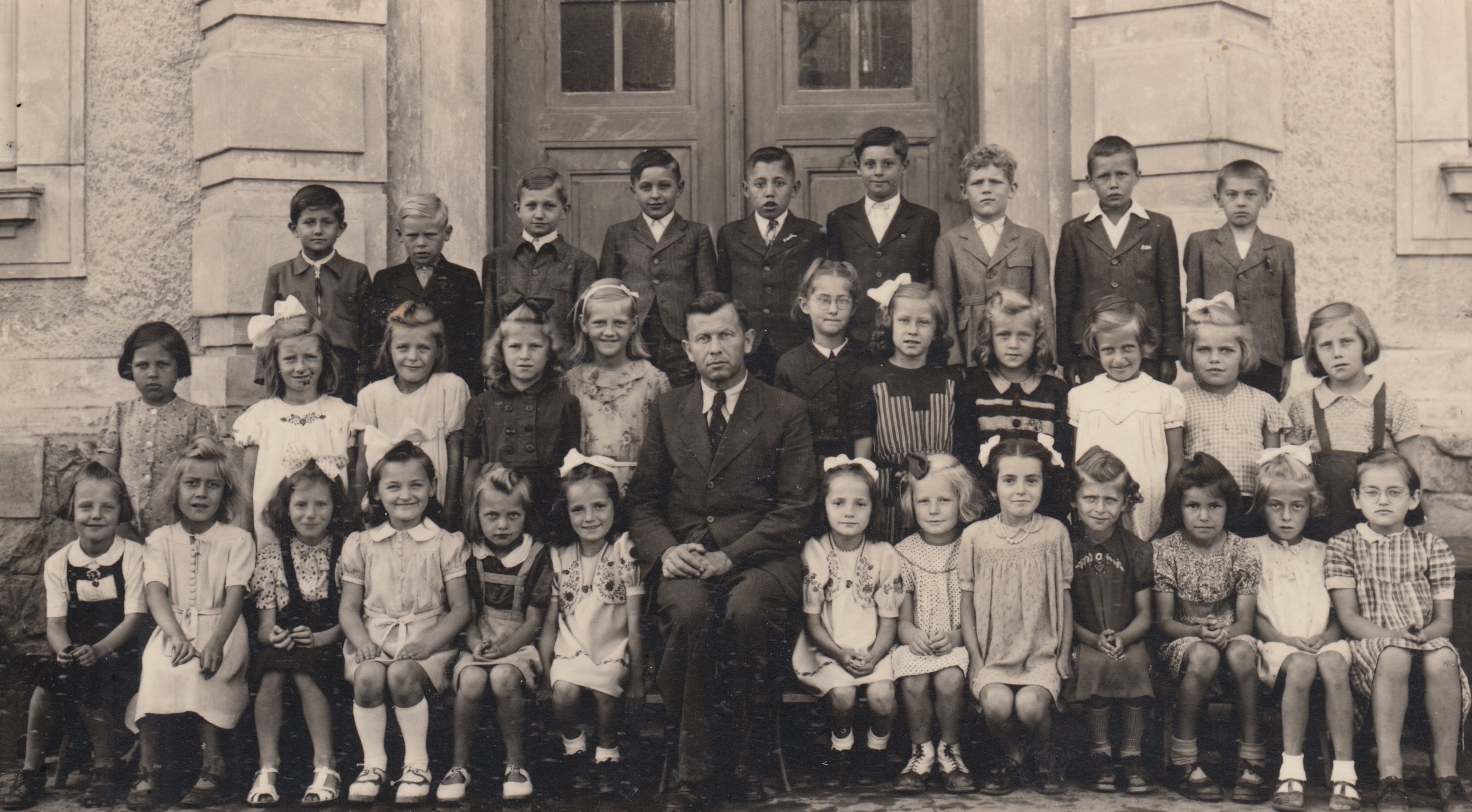
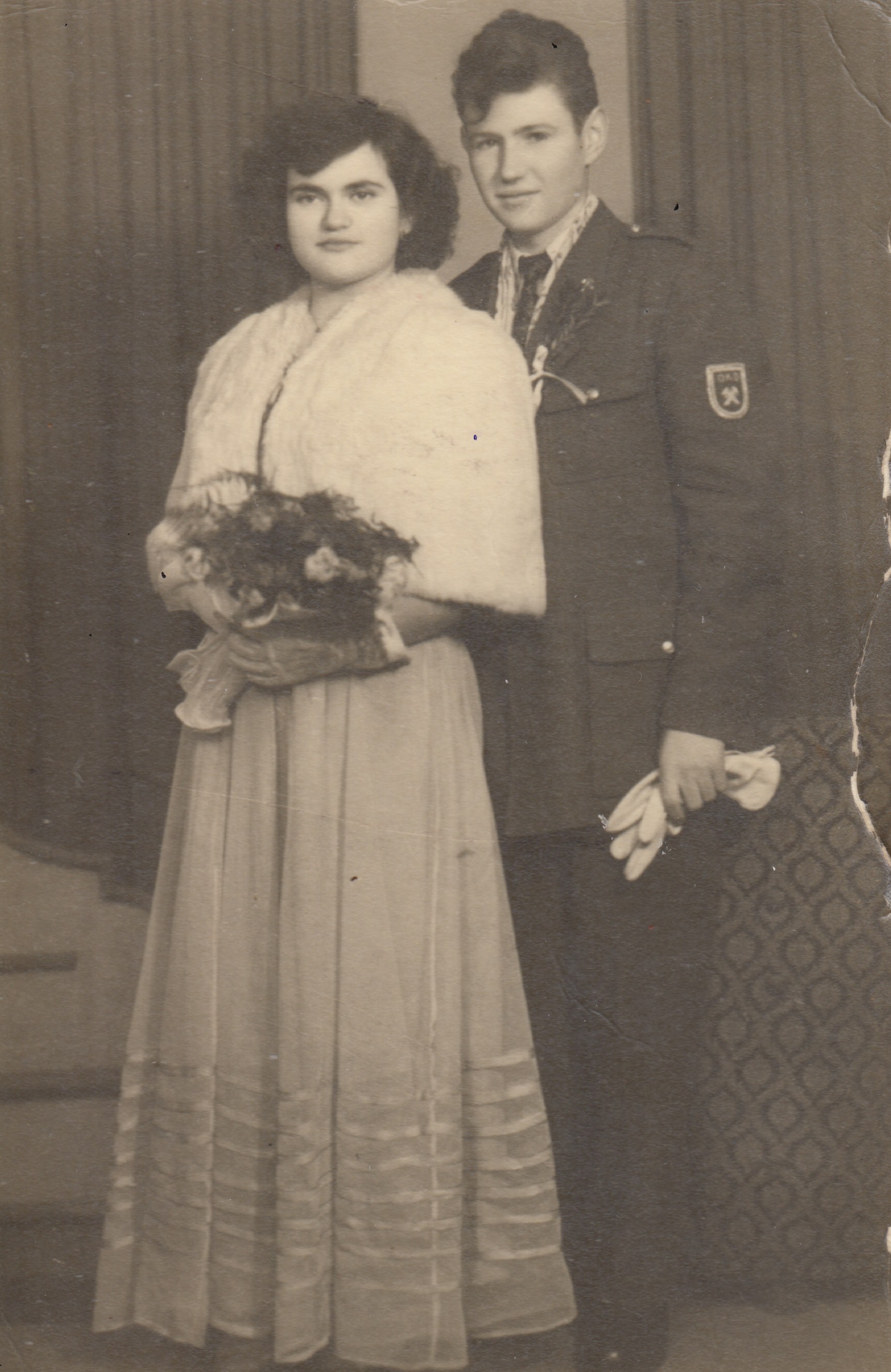
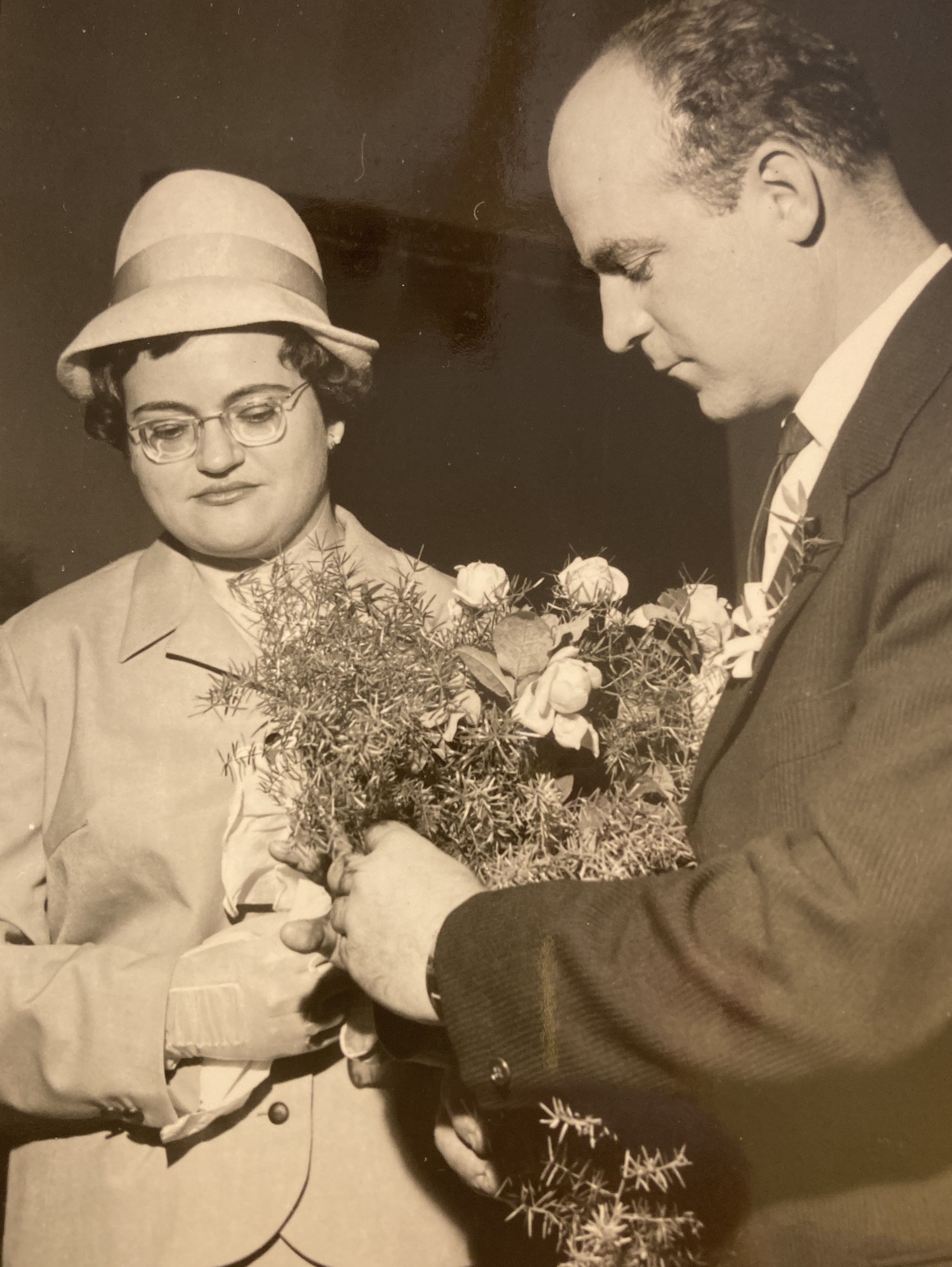
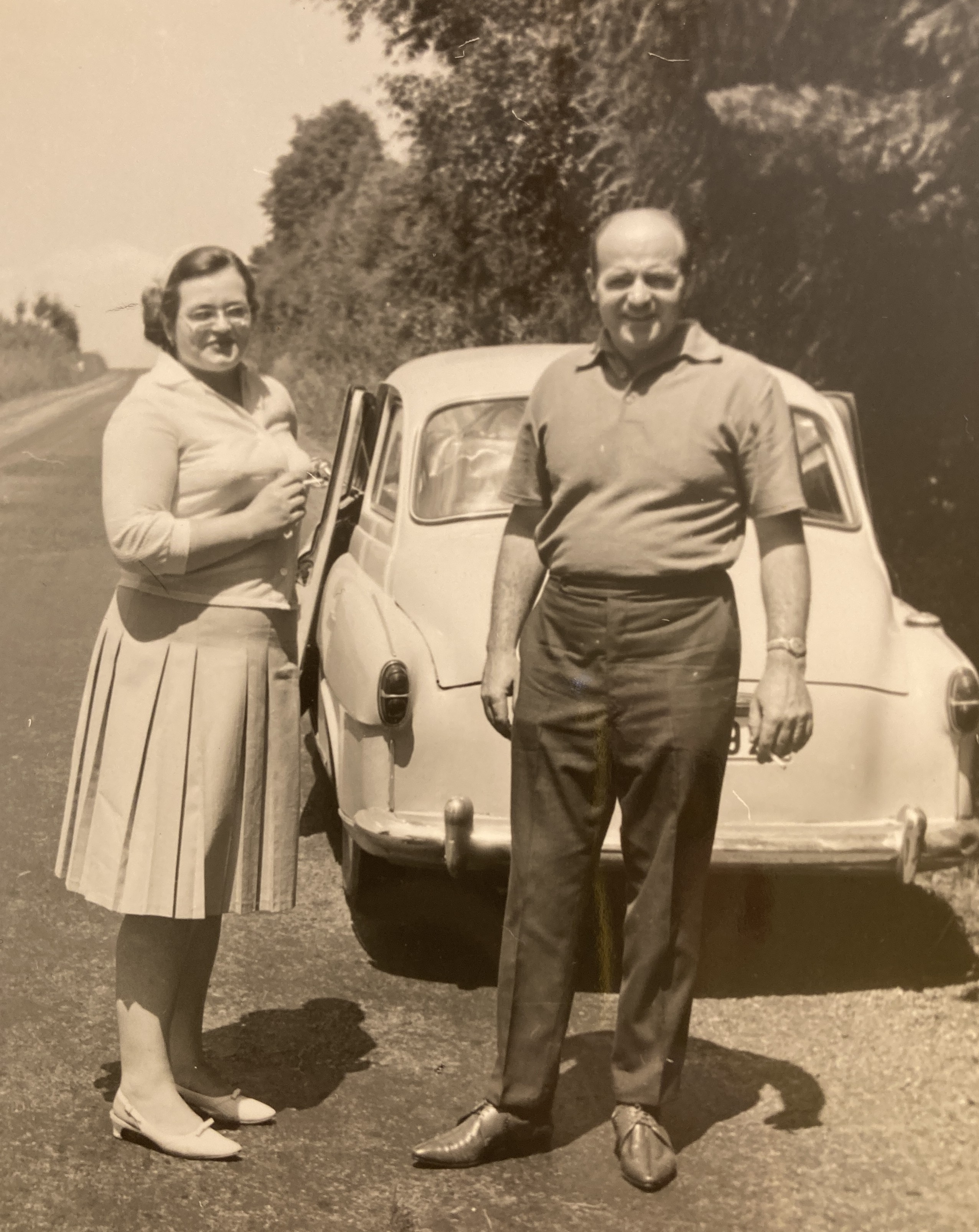
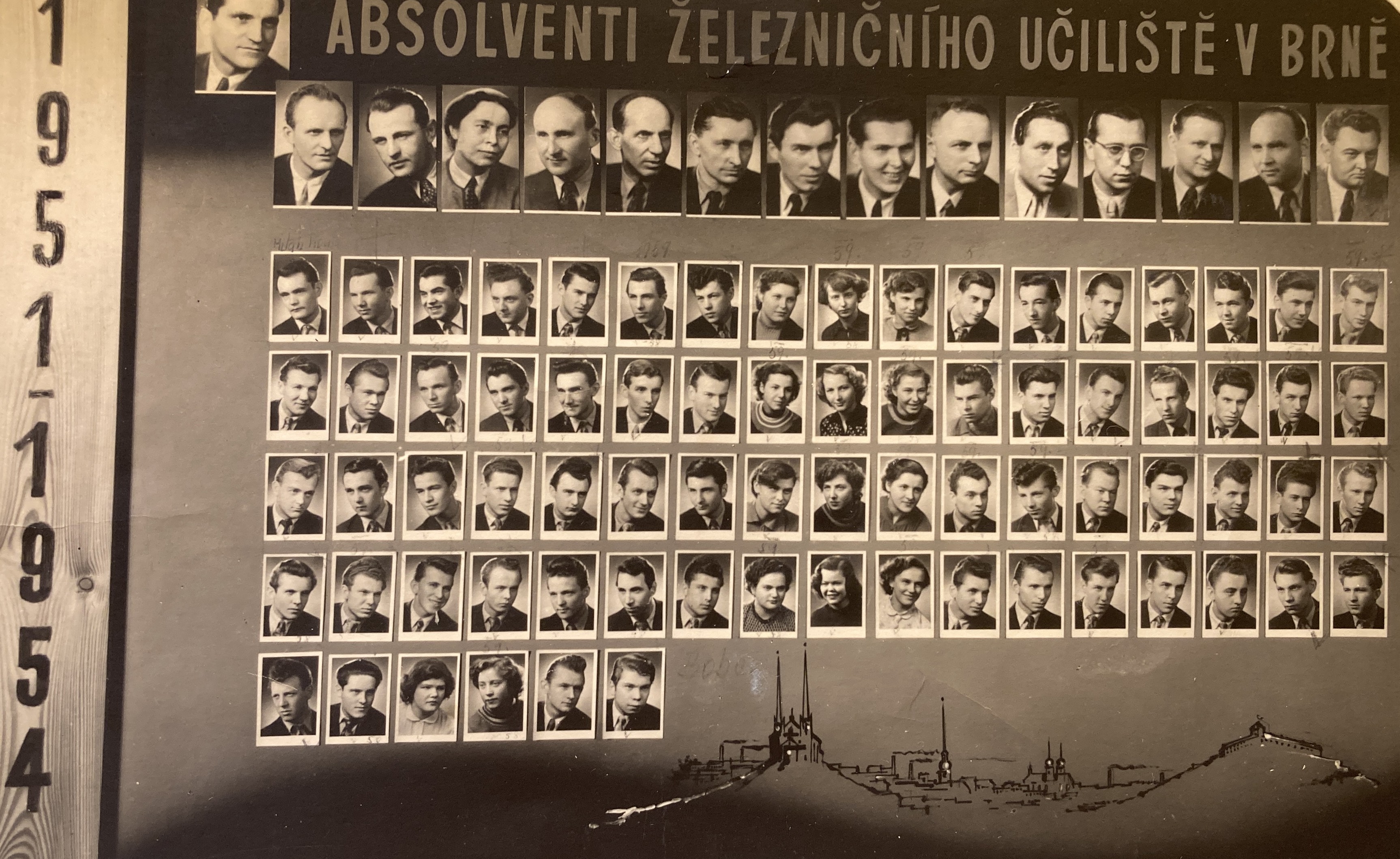
Ludmila Nekužová, née Formánková, was born on 23 March 1936 in Bystrc u Brna (today a district of Brno). She lived her childhood there and experienced the end of the Second World War and the fighting for Mniší hora. She remembers hunger, bombing and the arrival of Soviet soldiers who stayed in their house. After the war, she graduated from the railway apprenticeship, worked at the post office, at the railway and at the telephone exchange. She had a difficult first marriage marked by domestic violence. After her divorce, she found happiness with her second husband, Karel Nekuža. She remembers August 1968 and the Velvet Revolution with emotion - she perceives the invasion as a betrayal, the freedom after 1989 as the fulfilment of her hopes. In July 2025 she lived in Brno-Komín, in the house she and her husband had built.