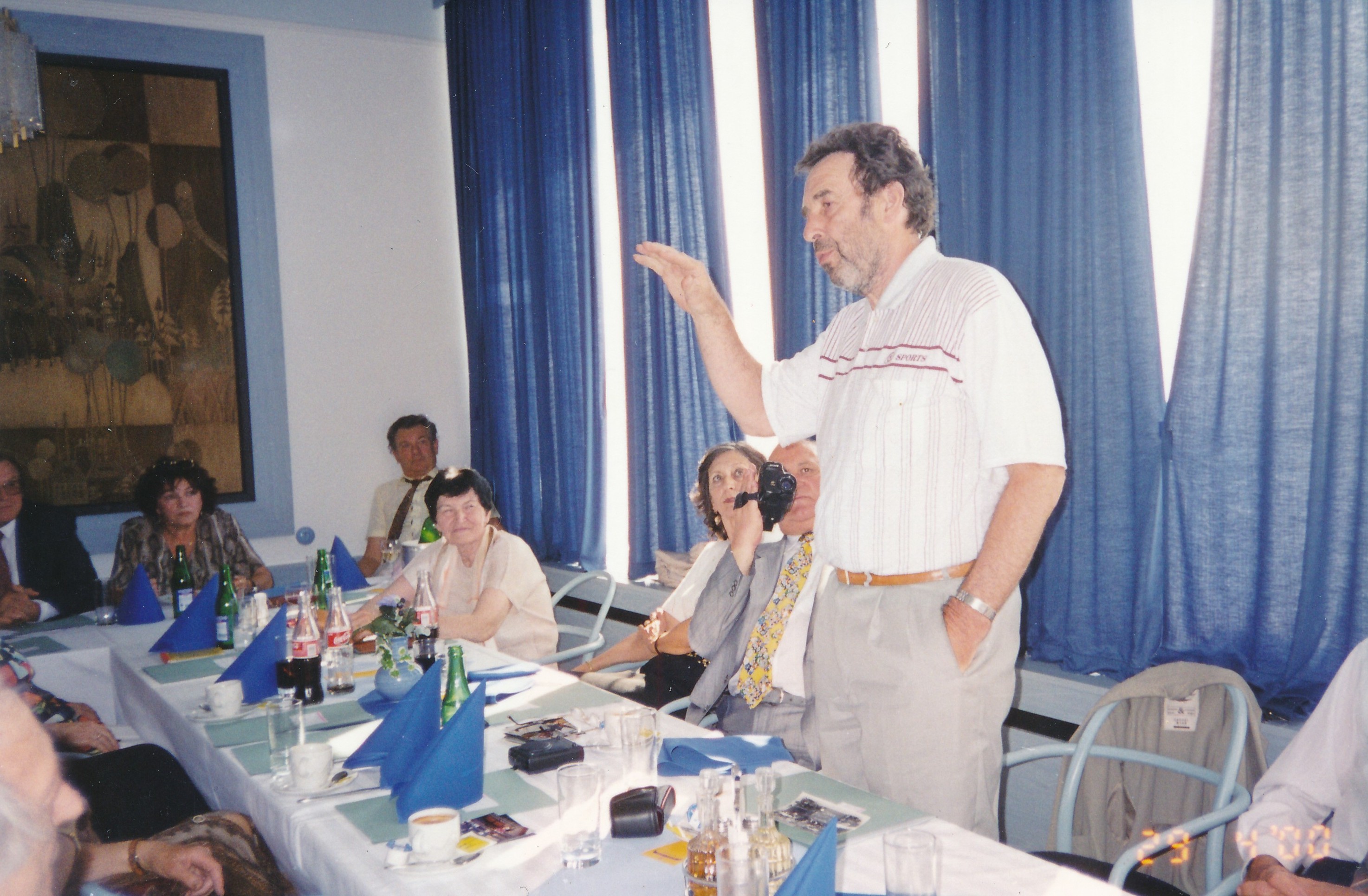
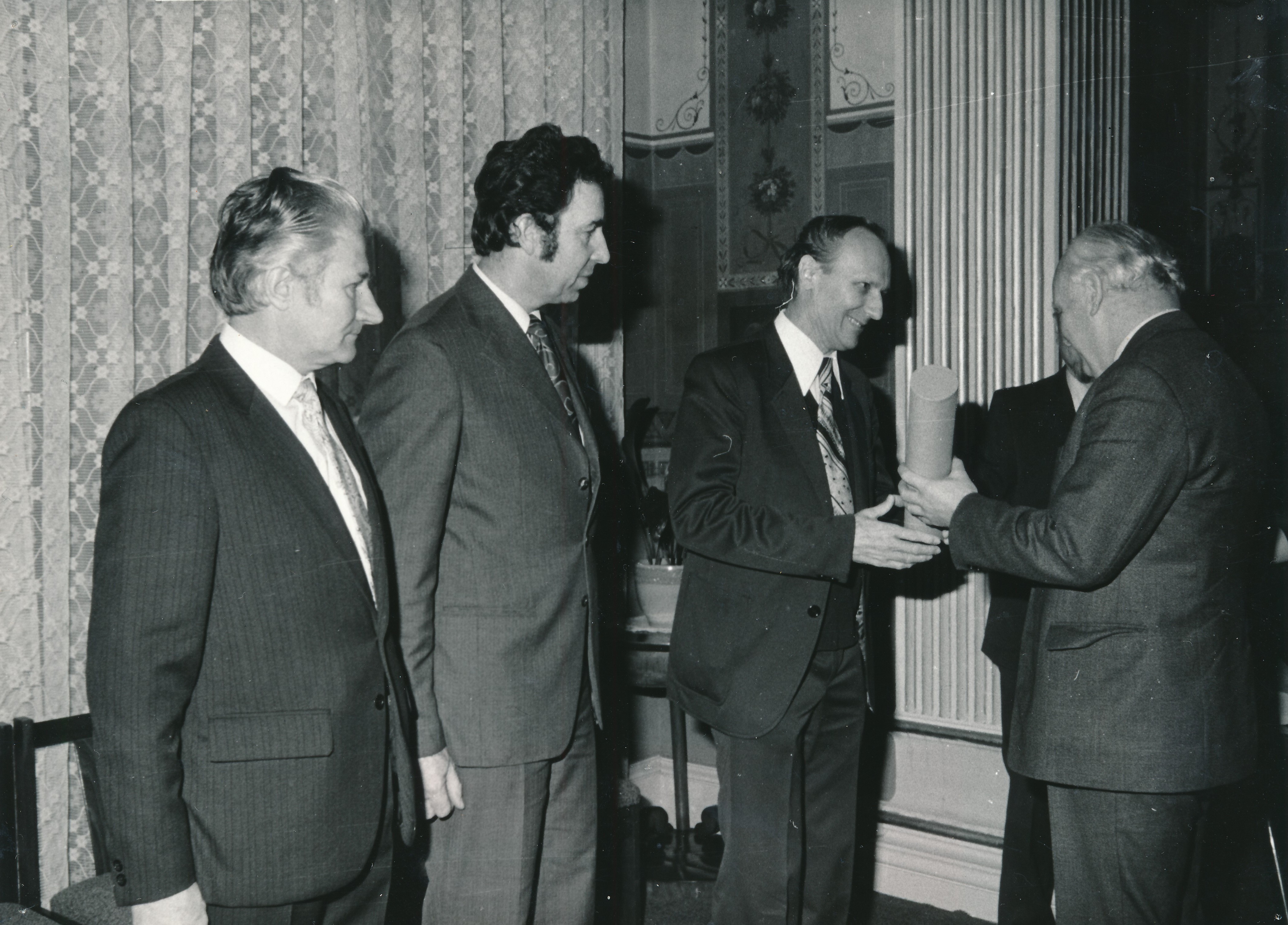
"I was affected and scared too from that point of view, then it became very apparent when the boys were a little bit older and attending schools, so I was worried if, basically, they could go on to have a normal life with the education they needed. So I was more... personally I was still worried about it because the way the issue was resolved by the background checks, that a million people - or however many more - were thrown out of the party and lost their jobs, so that scared me. Actually, I tried, but at the same time I tried to make sure that somehow I didn't get too involved in those, if I stayed in the party, that I didn't get involved in those activities that were being done within the party grounds. So I remember, one of those activities that I can't forget is that we fired my colleague Krejčí, the historian, because he was at Patočka's funeral. And the next day, because they had been filming it, the next day they called all the party members together. Unfortunately, I was at work. If I hadn't been there, it would have been better. And we had to approve that by voting, and I blame myself for that."
"That was the only contact with the Interior Ministry or State Security, the part here that did the counter-espionage or espionage. That was the only contact that was connected with that here. And then I, because I wasn't comfortable with it, and suddenly in the operation of the project, which was to influence the decision on the price, I actually became familiar with the methods and I was very dissatisfied. And then when the opportunity arose sometime in the sixties, I had been about two years at the Japanese embassy, I left. I left, and then sometime after I'd been at the Academy for two years, they suddenly called me up too and wanted me to work with them. And at that workplace where I was working, to make a long story short, to inform on my colleagues there, and of course I was very uncomfortable with that. So I also consulted with this friend of mine, a senior colleague, and he said for some personal reasons, 'Don't do this, I'll arrange it for you, and if they invite you, say you refuse to do this.'"
"And there at the Japanese [embassy] I was fine that first year. I got to know the commercial attaché there quite well and it was quite a nice job, but that first year was fine. Nobody took any notice of me there, but the second year there was a problem because they were buying this technology, petrochemical technology for Kralupy, a big project that was supplied by the Japanese. And that's basically where I was used by the counter-intelligence, or people came there. The Diplomatic Corps Service Administration, which I understood afterwards, is rather a department of the Ministry of the Interior where espionage and counter-espionage is organized. And basically, they put me in charge there, or manipulated me by supplying me with information that was supposed to pass on to the commercial attaché that I had contacts and that I knew something about how they were preparing. And if there were any alternatives to the Japanese deal or the Japanese contract. So then somehow it worked out, because it did turn out well, I guess, but by then I had basically already figured out that I was in a spy or counterspy situation here."
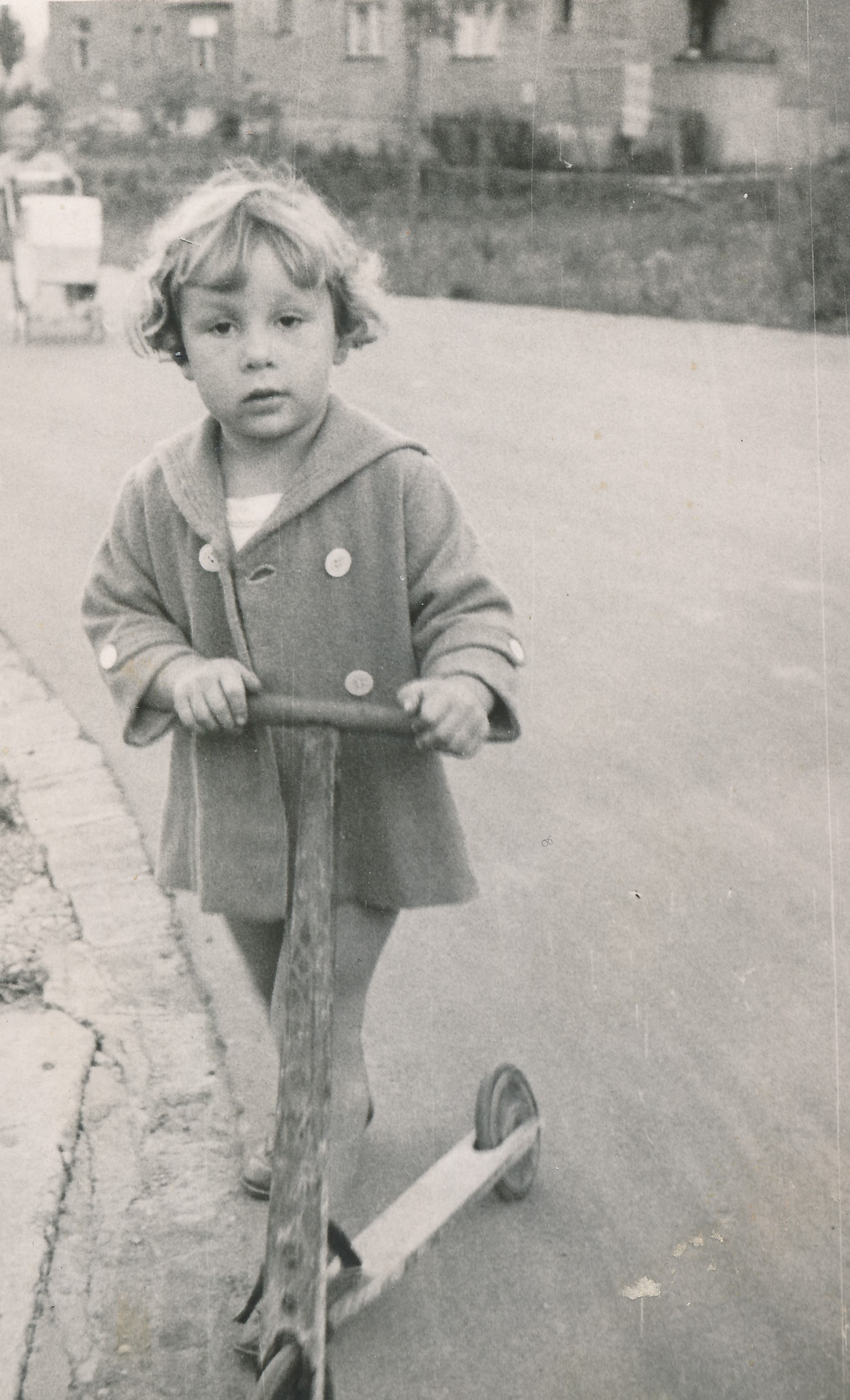
"I think it was in 1940 [when] I started school, just started primary school, that I was walking to meet my father. He had to finish work at two o'clock and I was walking alone through this housing estate of these brick houses and two Wehrmacht soldiers were walking towards me, obviously, or I don't know if they were SS or Wehrmacht. And they had a dog that they obviously had on some kind of leash, and the dog broke off and jumped on me and tore a chunk out of my thigh here." - "So such a terrible attack?" - "So they took me to the hospital right away and they stitched it up. So I had that experience, which to some extent I'm having now too, not so much with any hatred of Germans, but the fact that I'm scared of dogs, when I see a dog I get a kind of shiver."
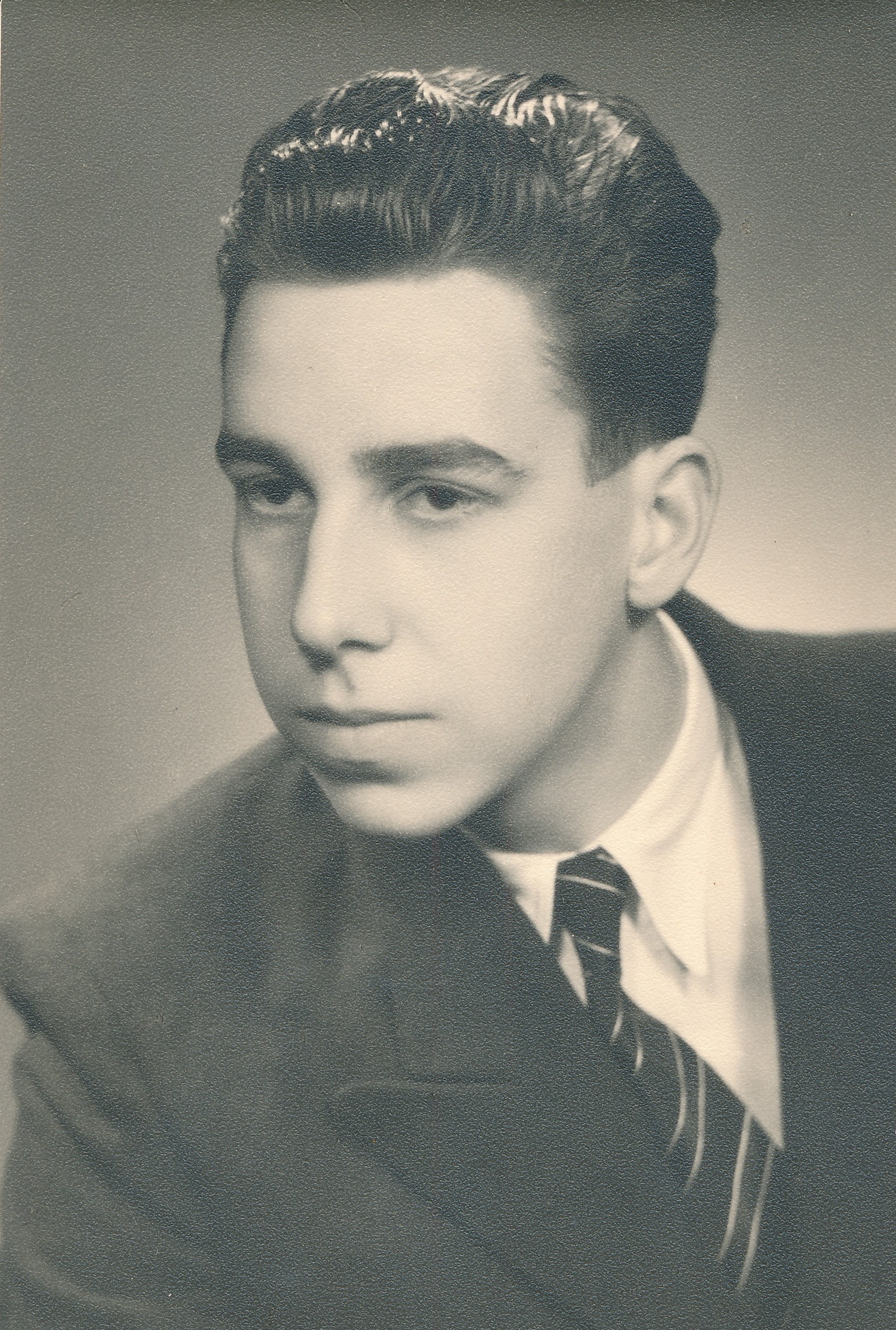
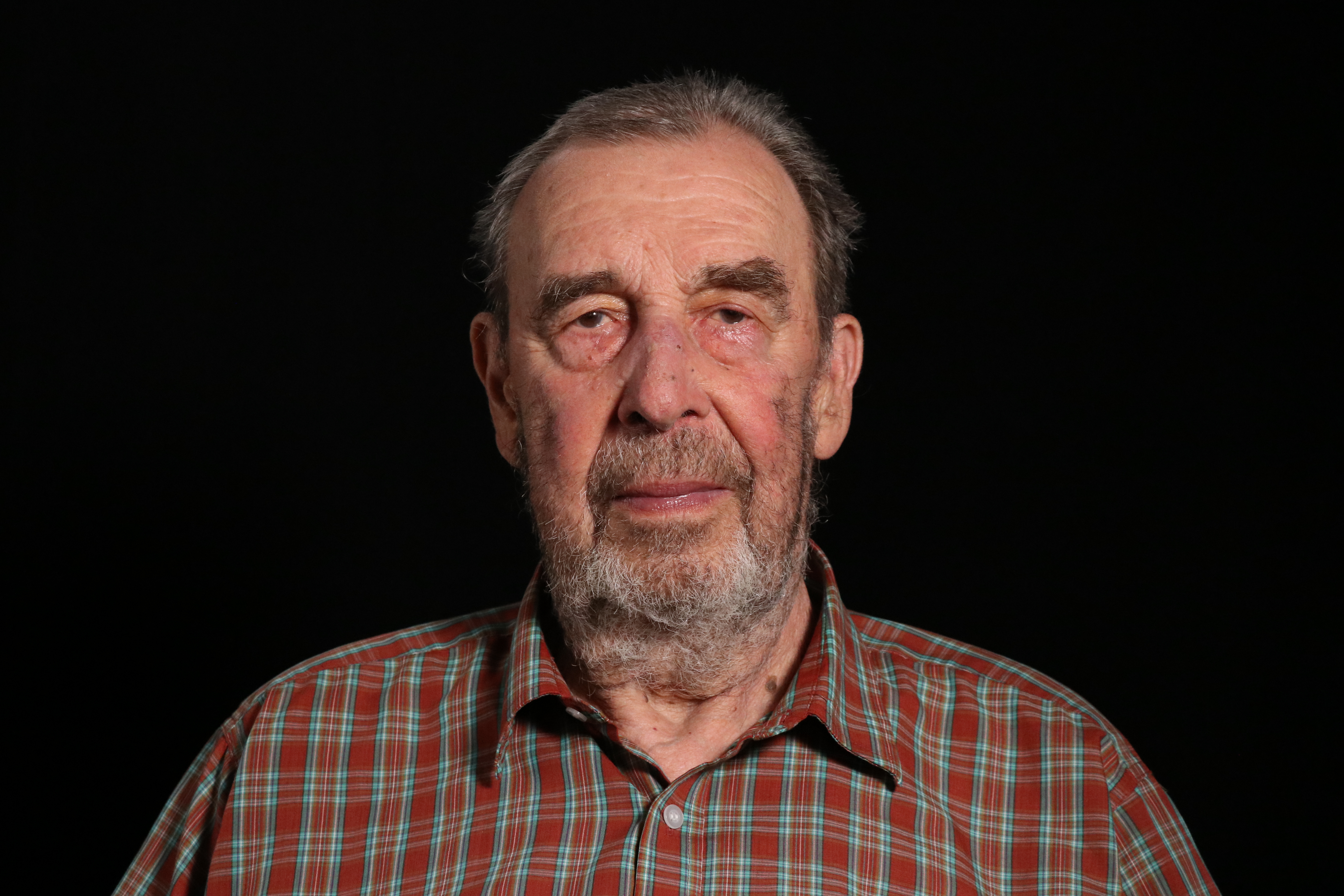
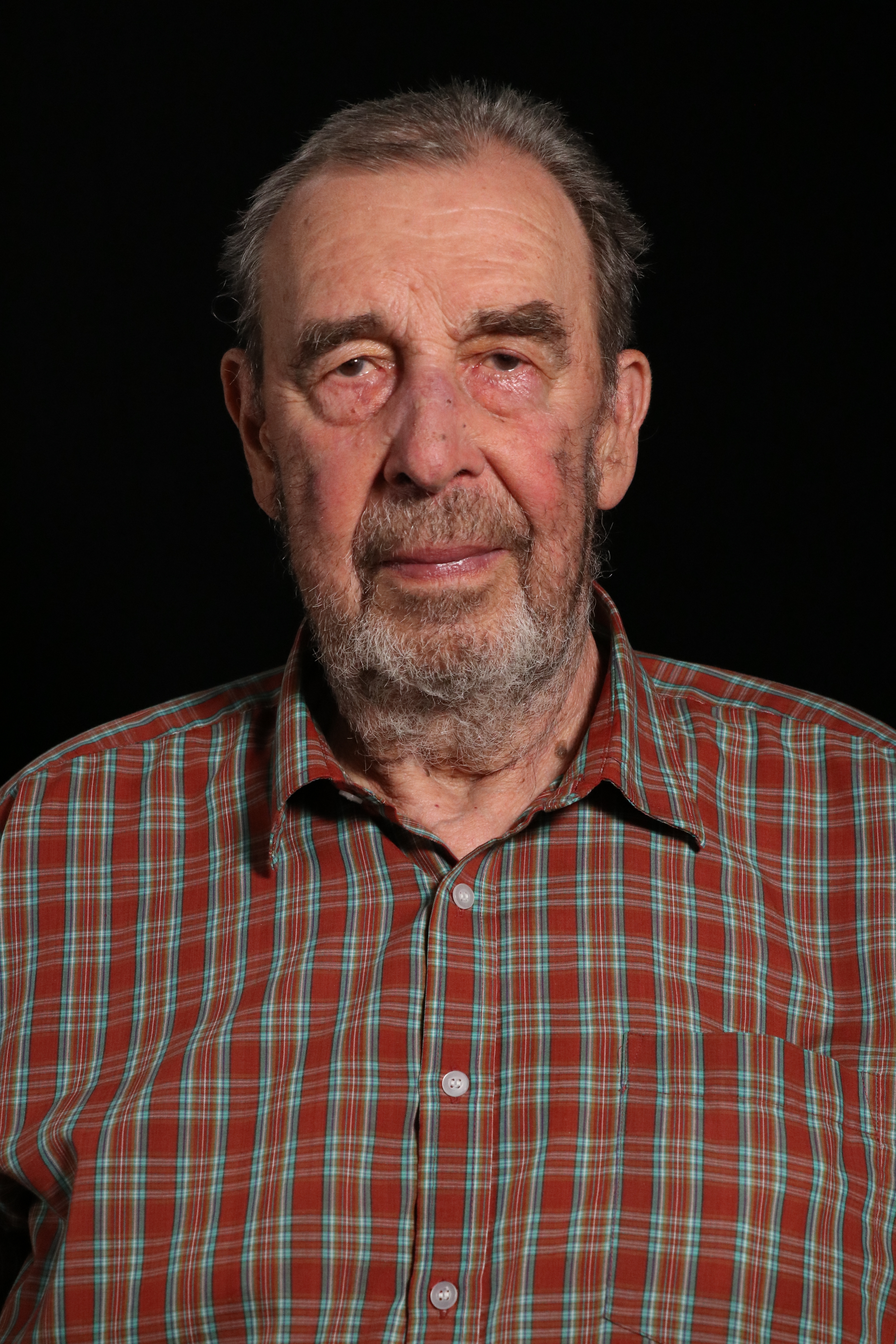
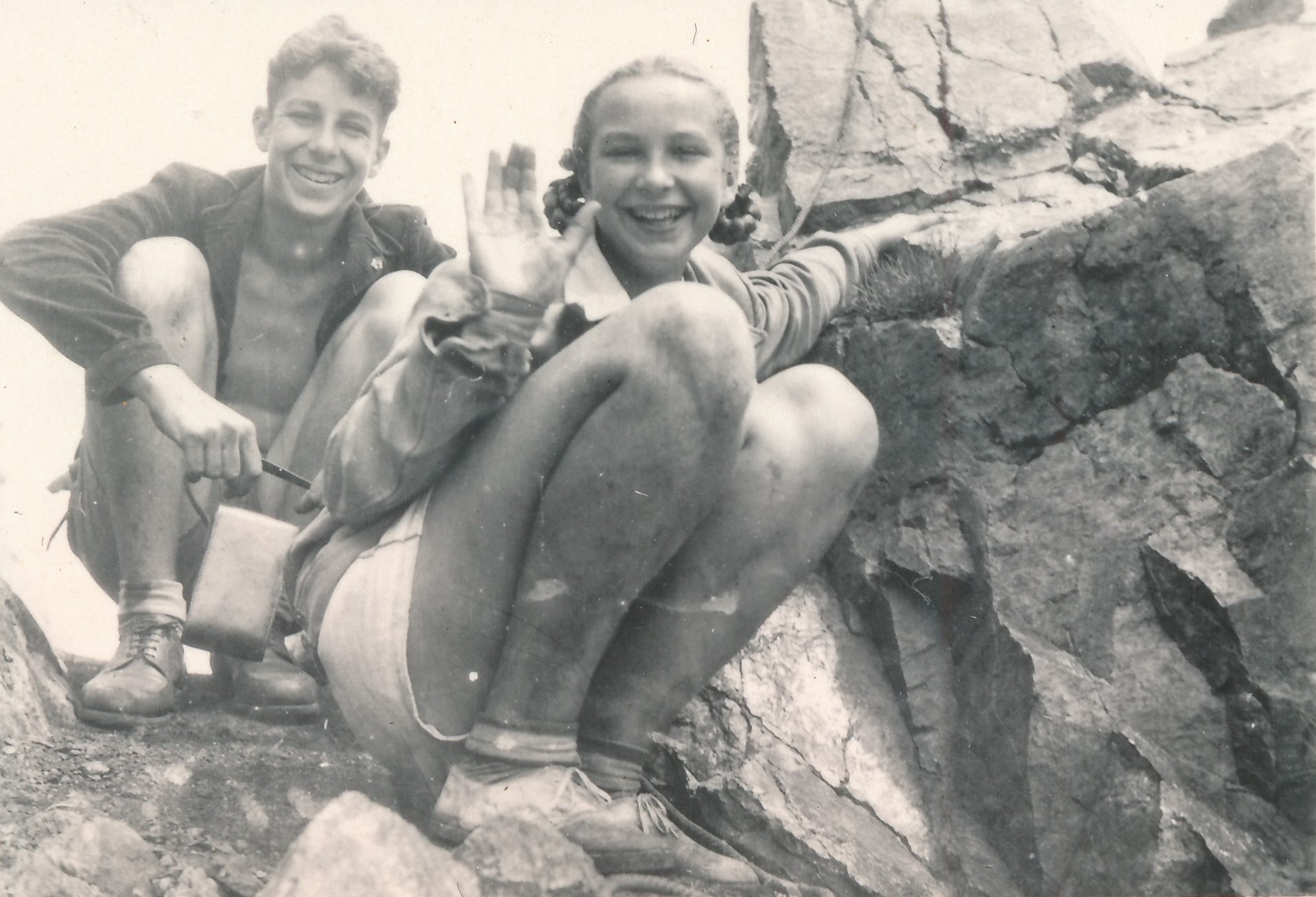
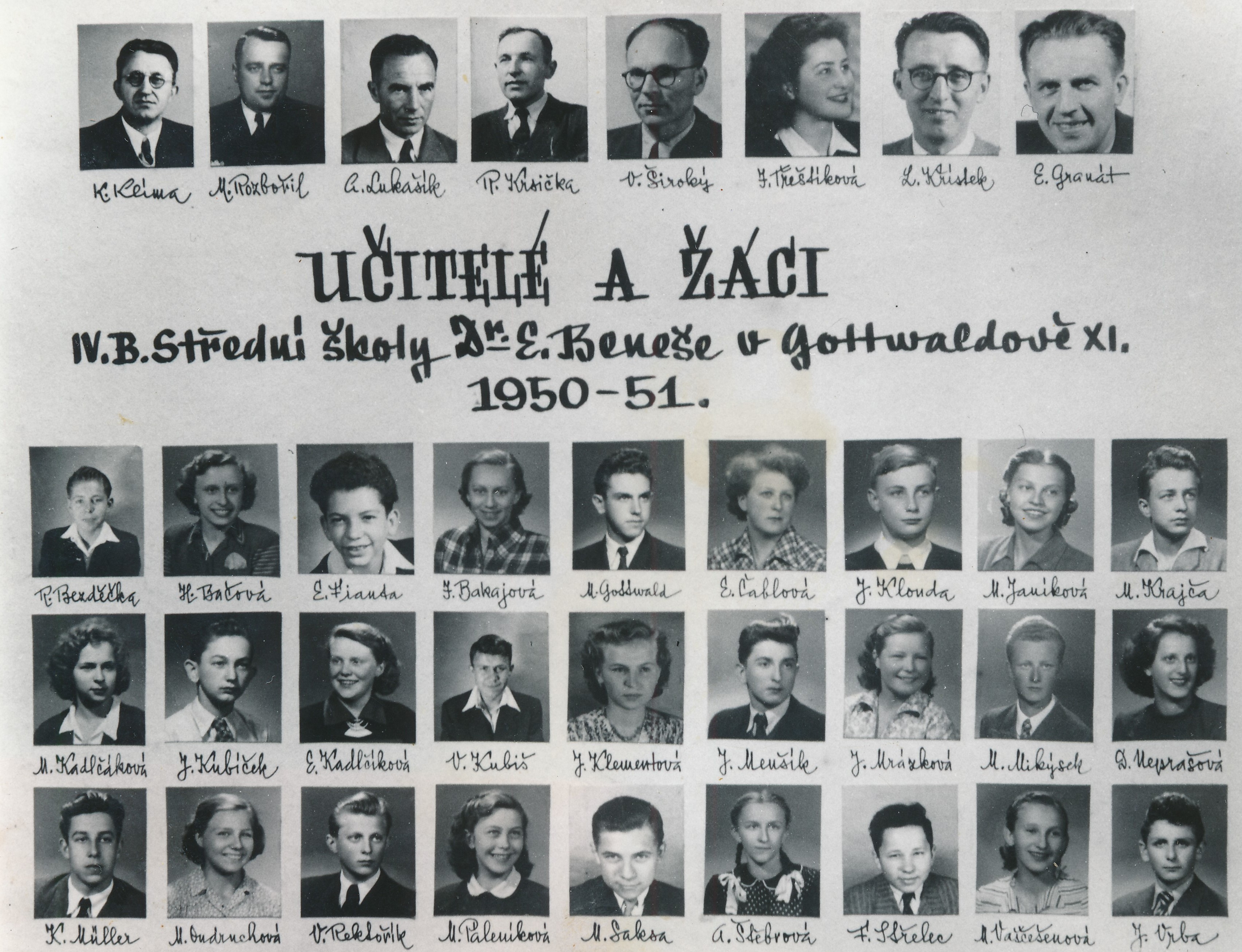
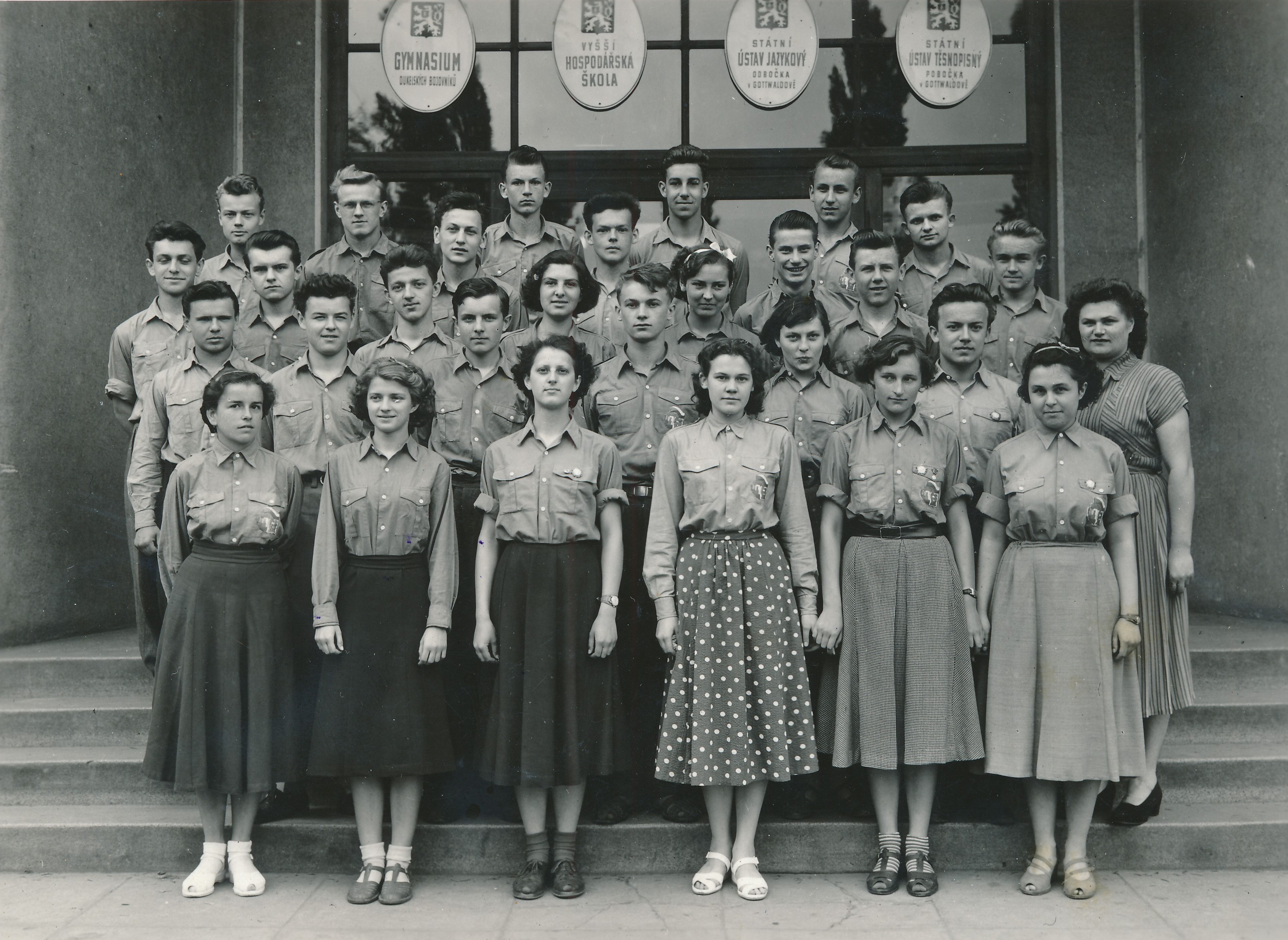
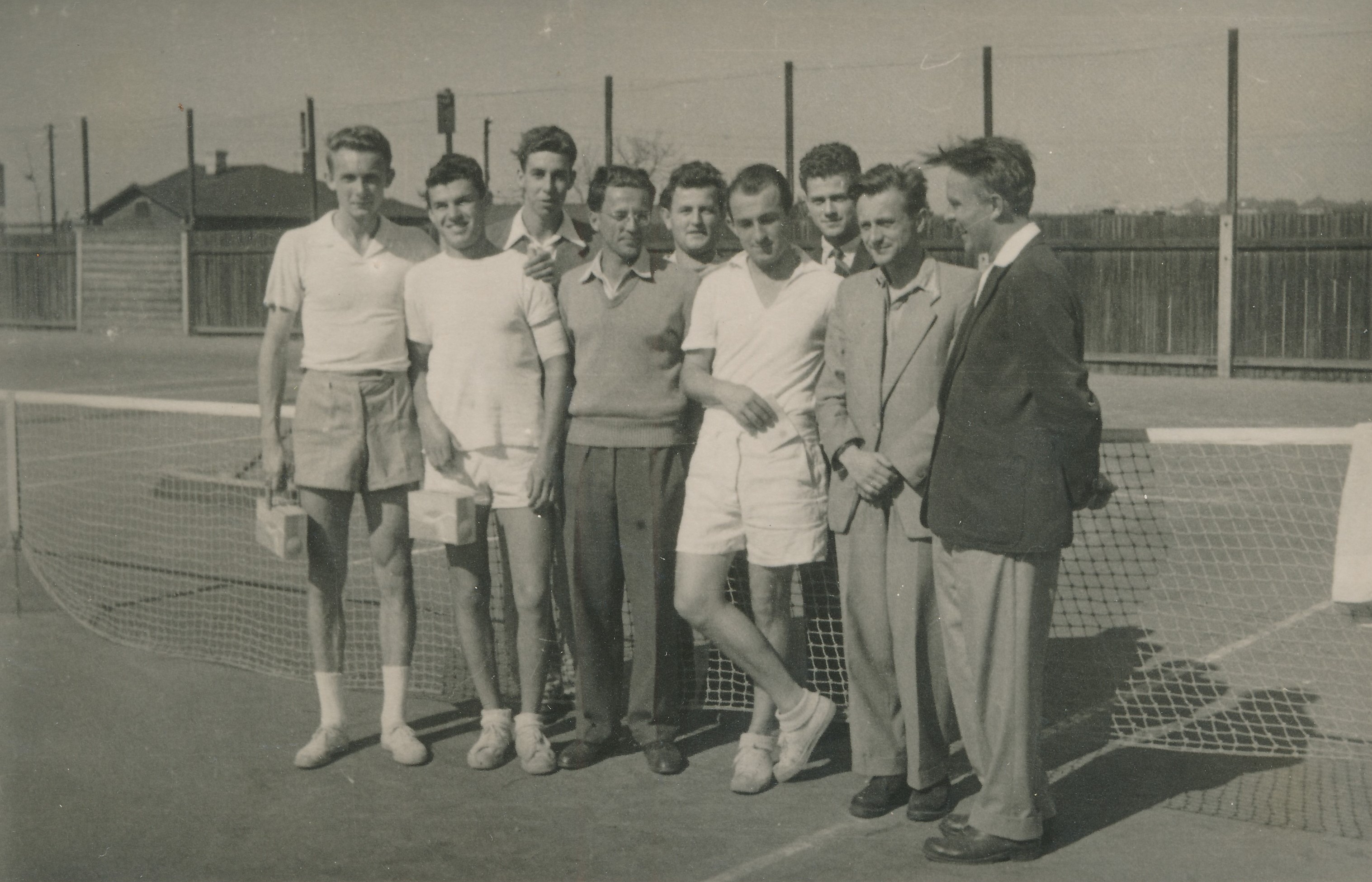
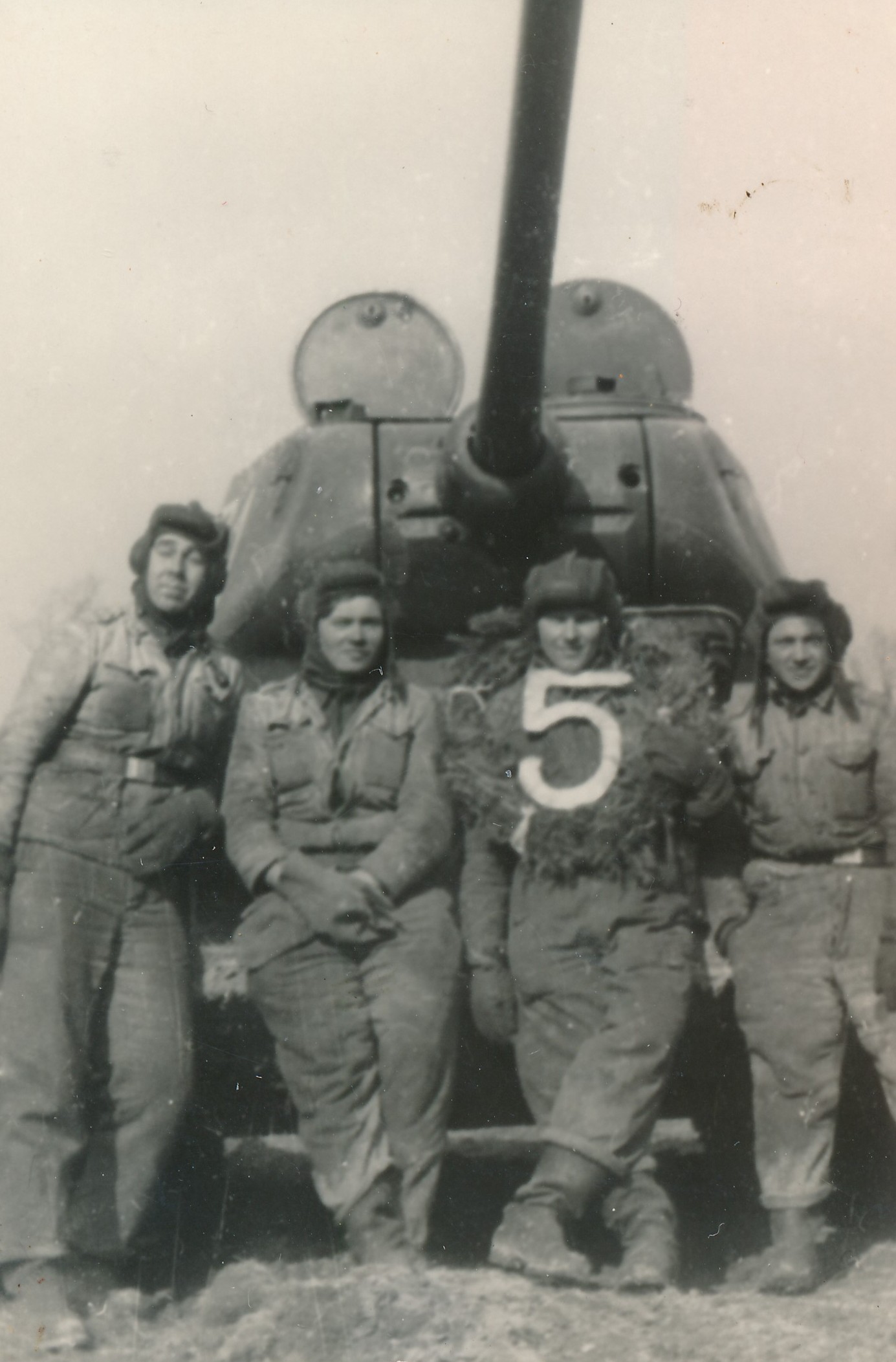
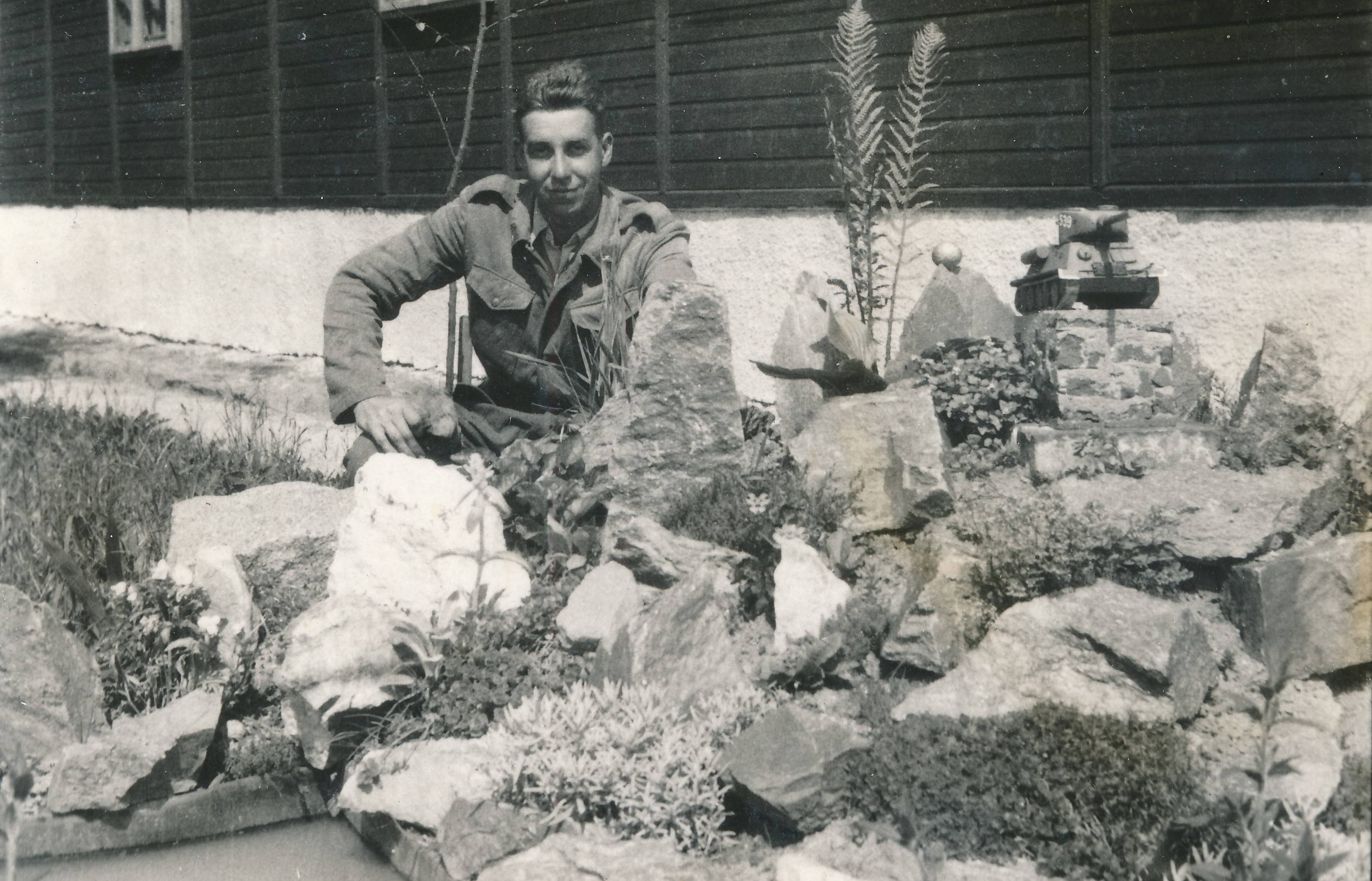
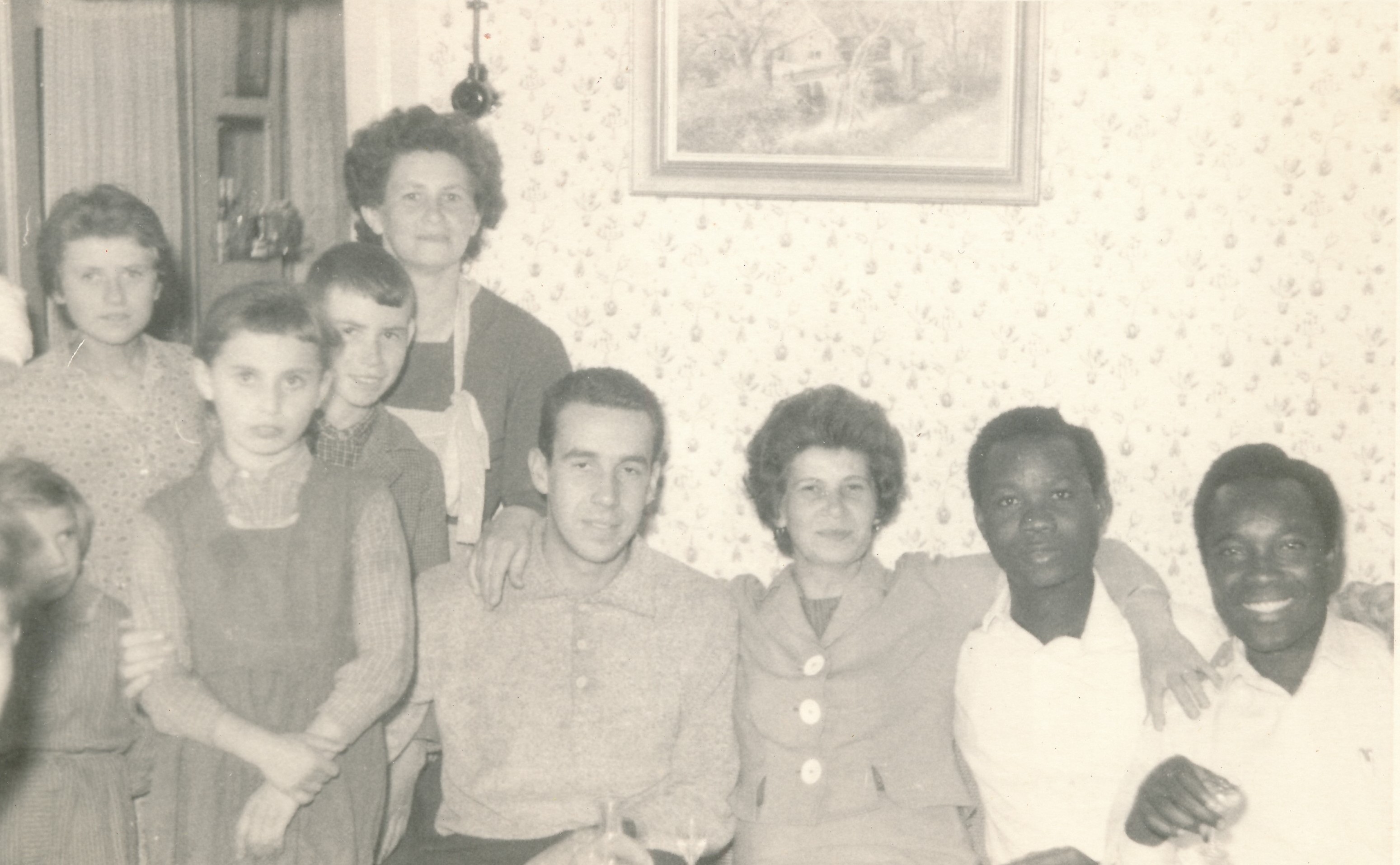
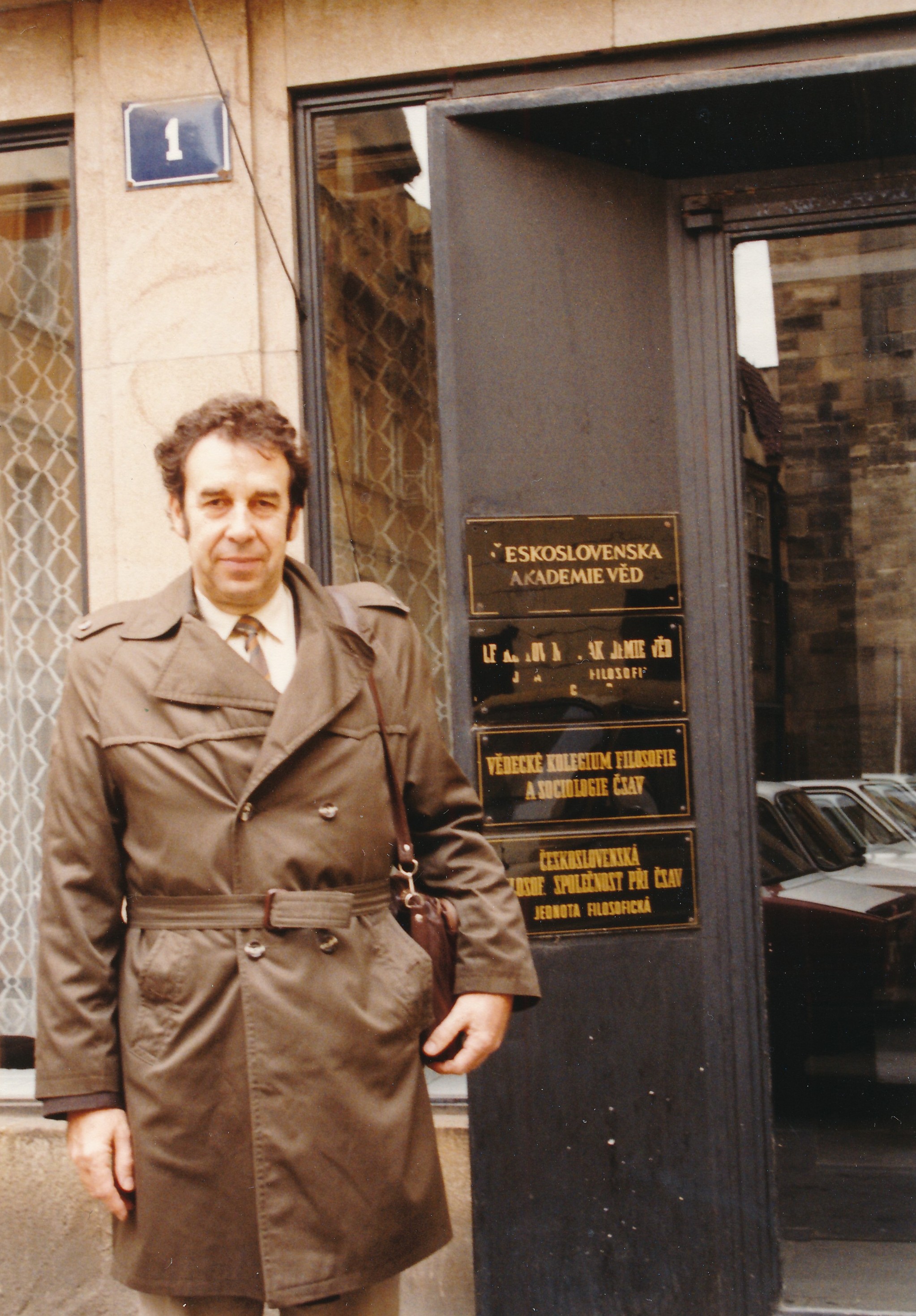
Karel Müller was born on 22 May 1936 in Zlín to parents Karel Müller, an engineer in the tannery at Bata’s factories, and Aloisie, née Sommerová. He lived his childhood during the war, marked by food shortages and the trauma of an attack by a German military dog. He also experienced the Allied air raid on Zlín. The family was hit hard in 1948: his father was deprived of his posts because of his “bourgeois origins” and worked only as a laboratory technician, and his children, including Karel, faced restrictions in their studies. Nevertheless, in 1953 he graduated from the eleven-yea school (already in the then town of Gottwaldov) and got into the University of Economics, majoring in material and technical supply, later switching to foreign trade. After obtaining his diploma, he had to do two years of military service with a tank battalion in Domažlice. After his return, he worked as an interpreter at the Prague Information Service (PIS) and at Čedok. In 1963 he joined the Japanese Embassy under the Diplomatic Corps Services Administration (SSDS), initially unaware that it was a structure of the Ministry of the Interior. Out of existential concerns, he became a collaborator of State Security (StB), which used him in a counterintelligence operation in trade negotiations with Japan. In 1966 he went to the Czechoslovak Academy of Sciences (CSAS), Cabinet of Theory and Methodology of Science. That same year he married Libuše and, mainly under the influence of concern for his future family, joined the Communist Party of Czechoslovakia (KSČ) in 1968. After the occupation by Warsaw Pact troops in August 1968, he remained in the party to protect his sons Libor (1969) and Karel (1972). He spent the period of normalisation at the Institute of Philosophy and Sociology, where he was mainly engaged in research on science and technology. After 1989, he left the Communist Party of Czechoslovakia and participated in the transformation of academic institutions. A completely new stage in his life was teaching at the emerging Faculty of Humanities of Charles University, where he worked until 2022. In 2025, he lived in Černošice.