We were sitting on the train when they told us we weren’t going to be expelled
Download image
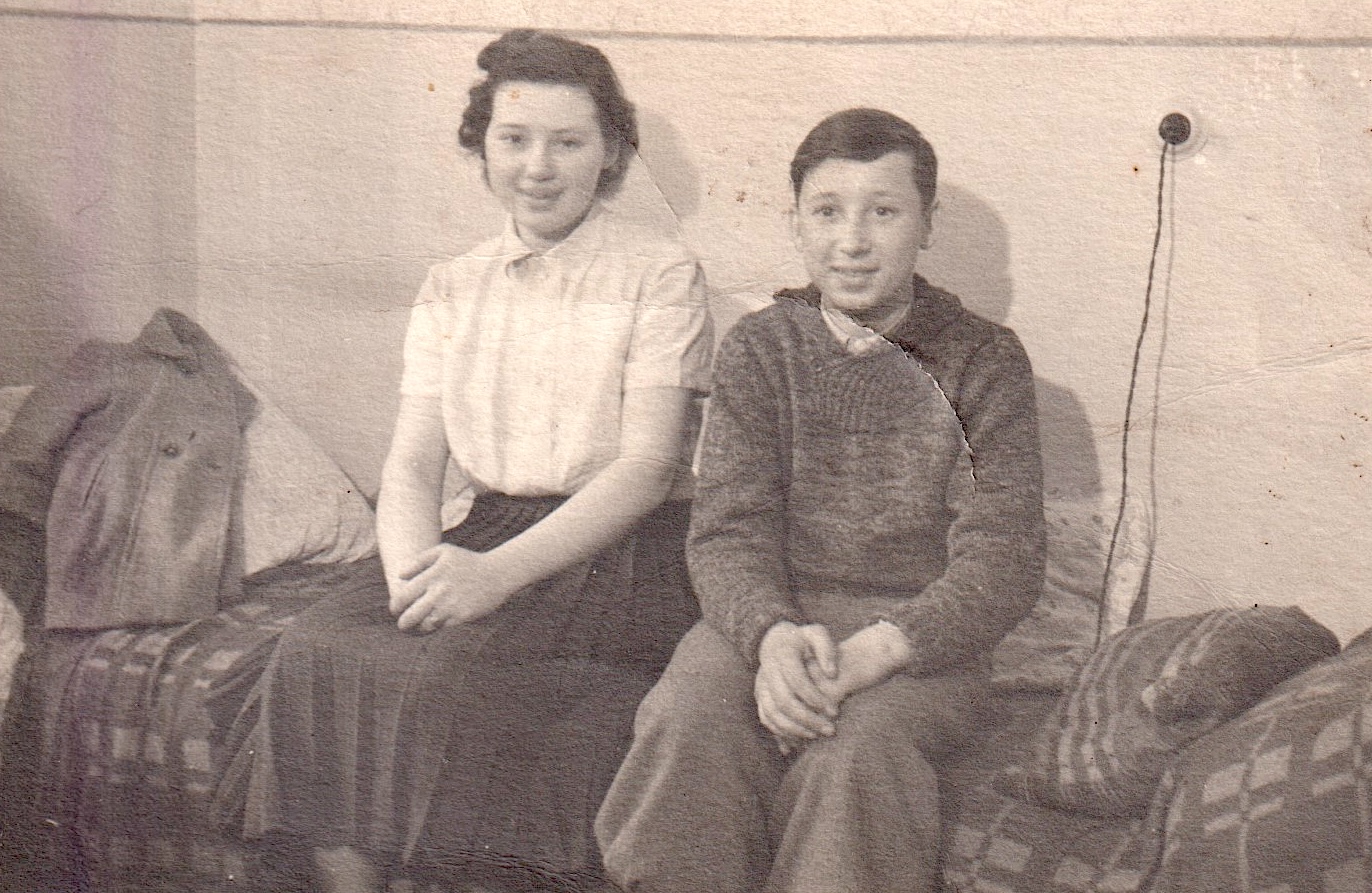
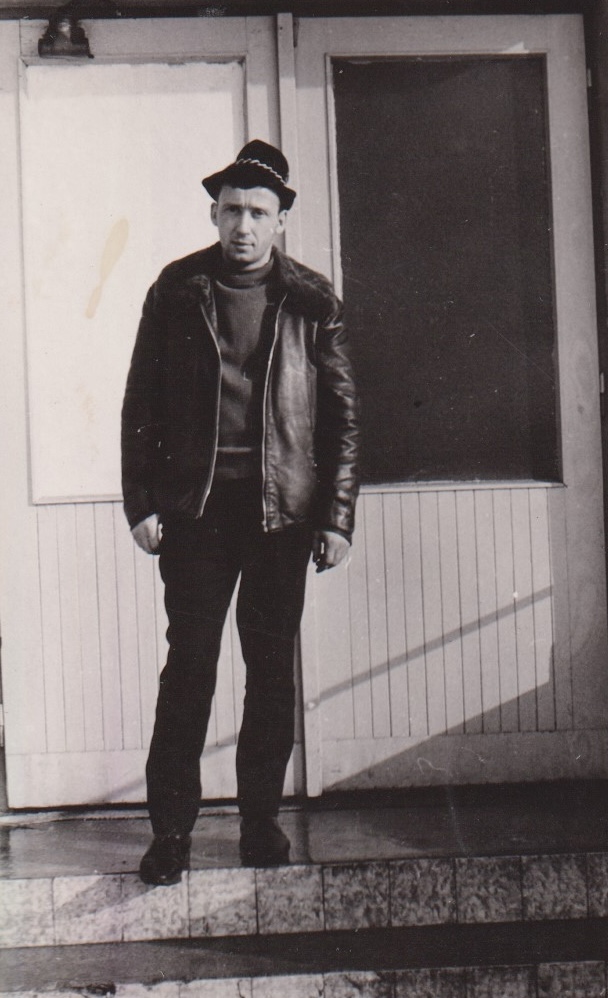
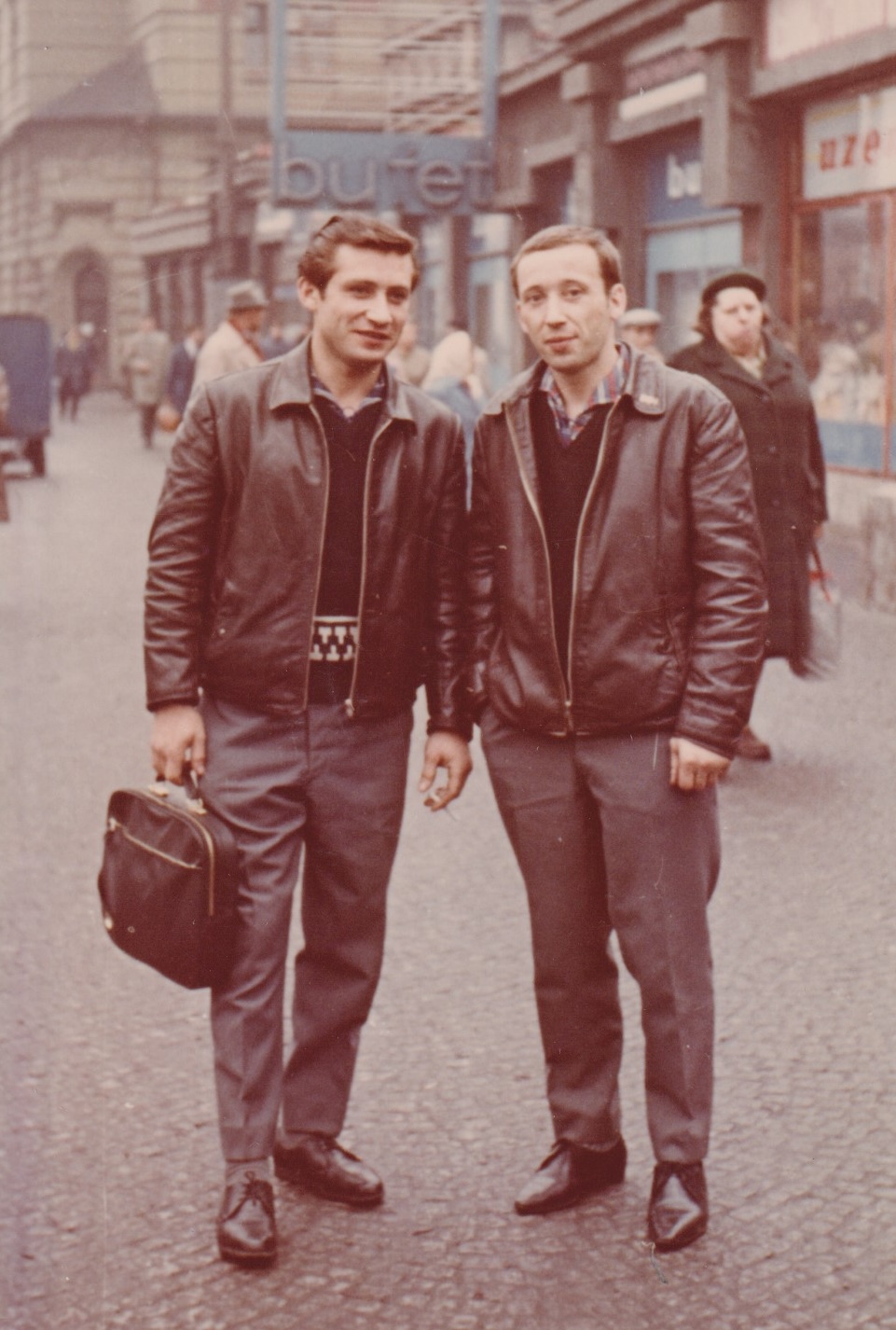
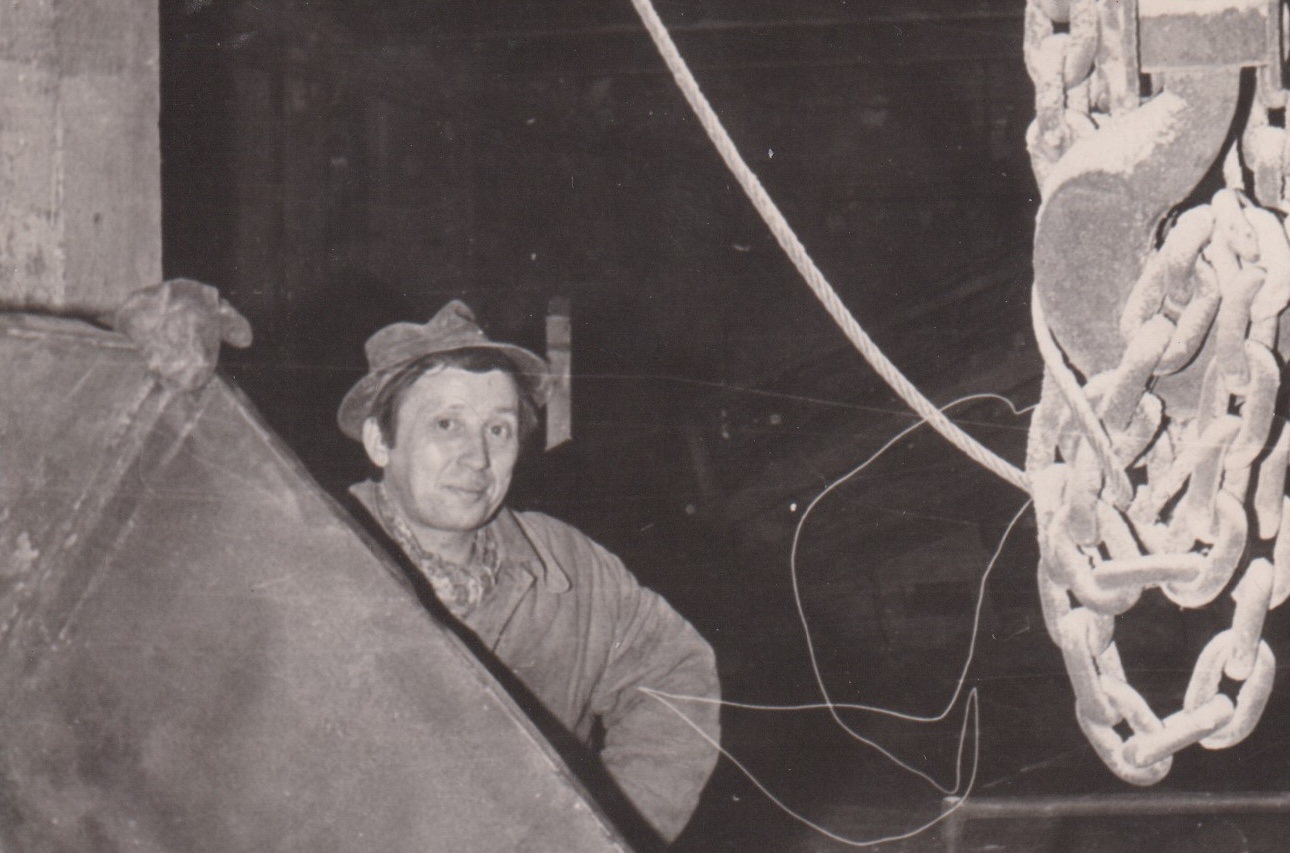
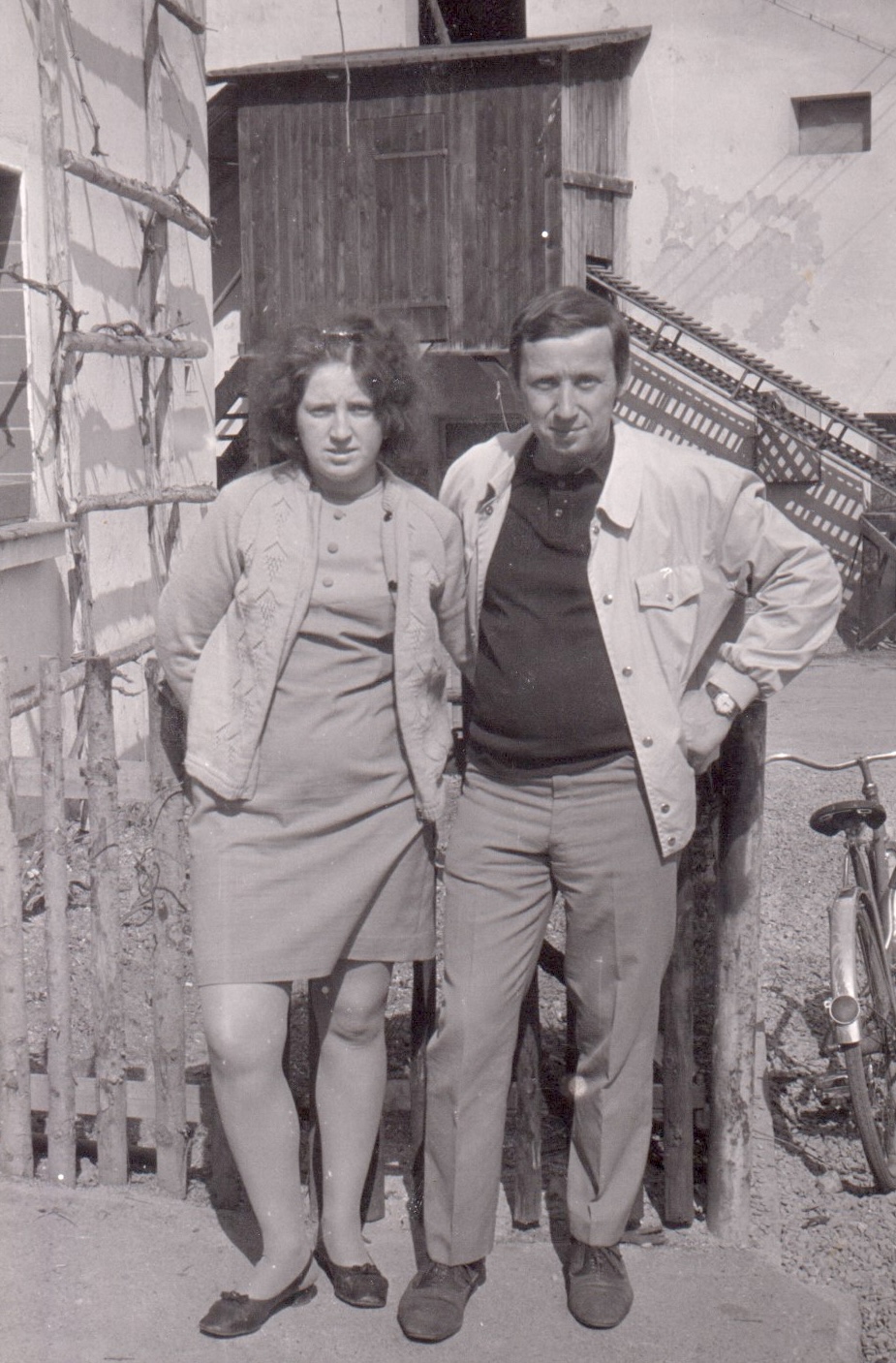
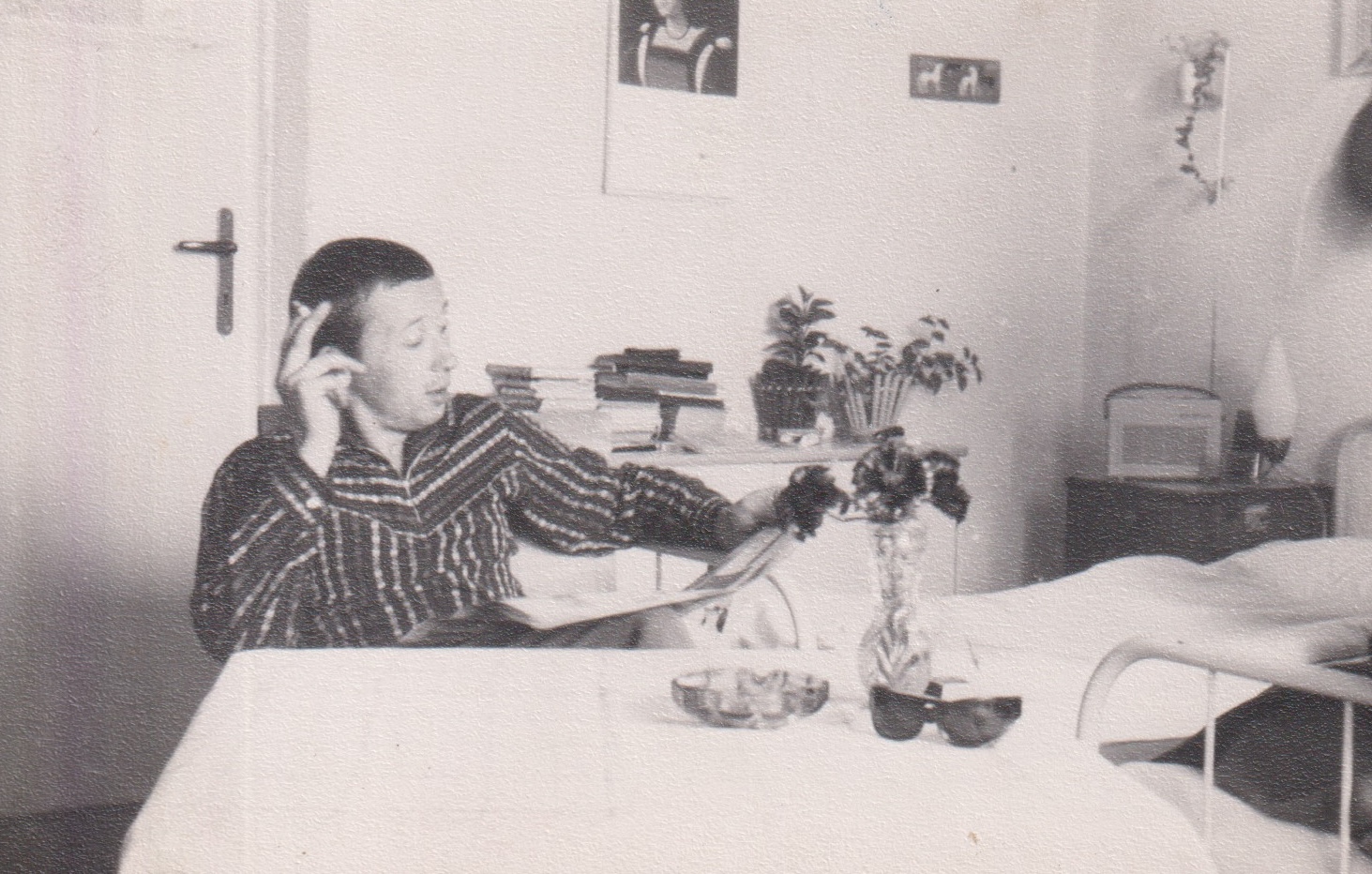
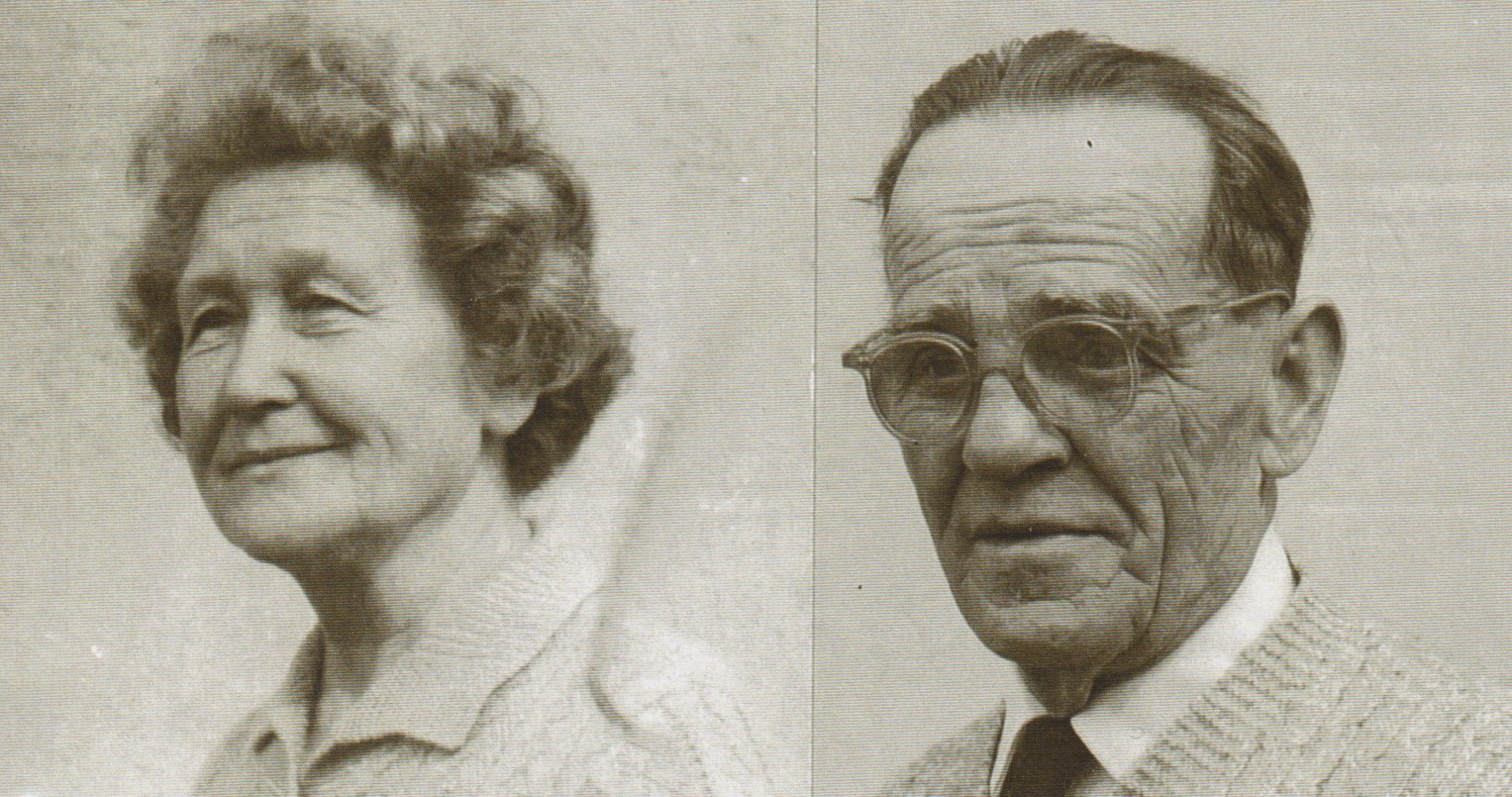
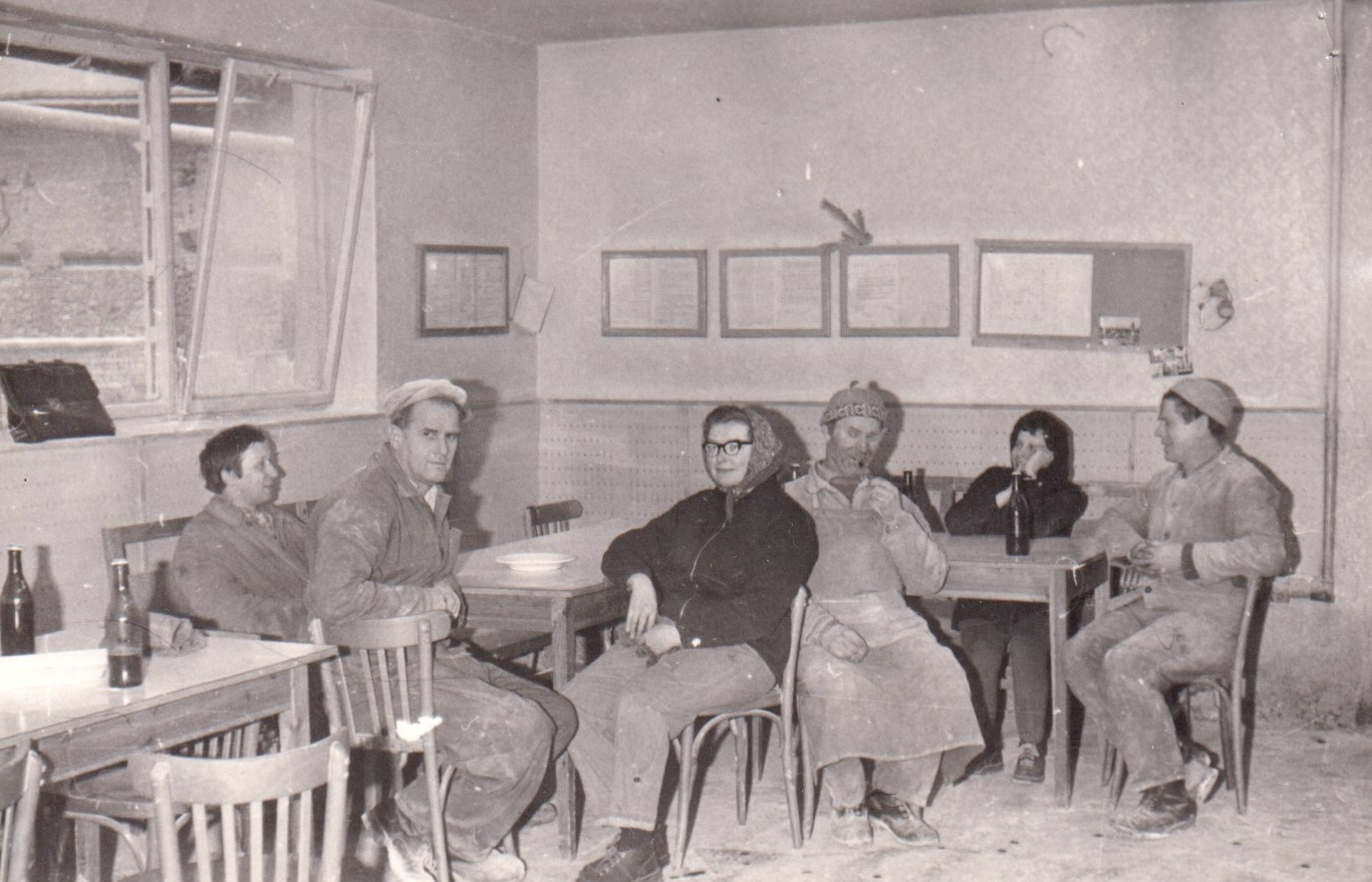
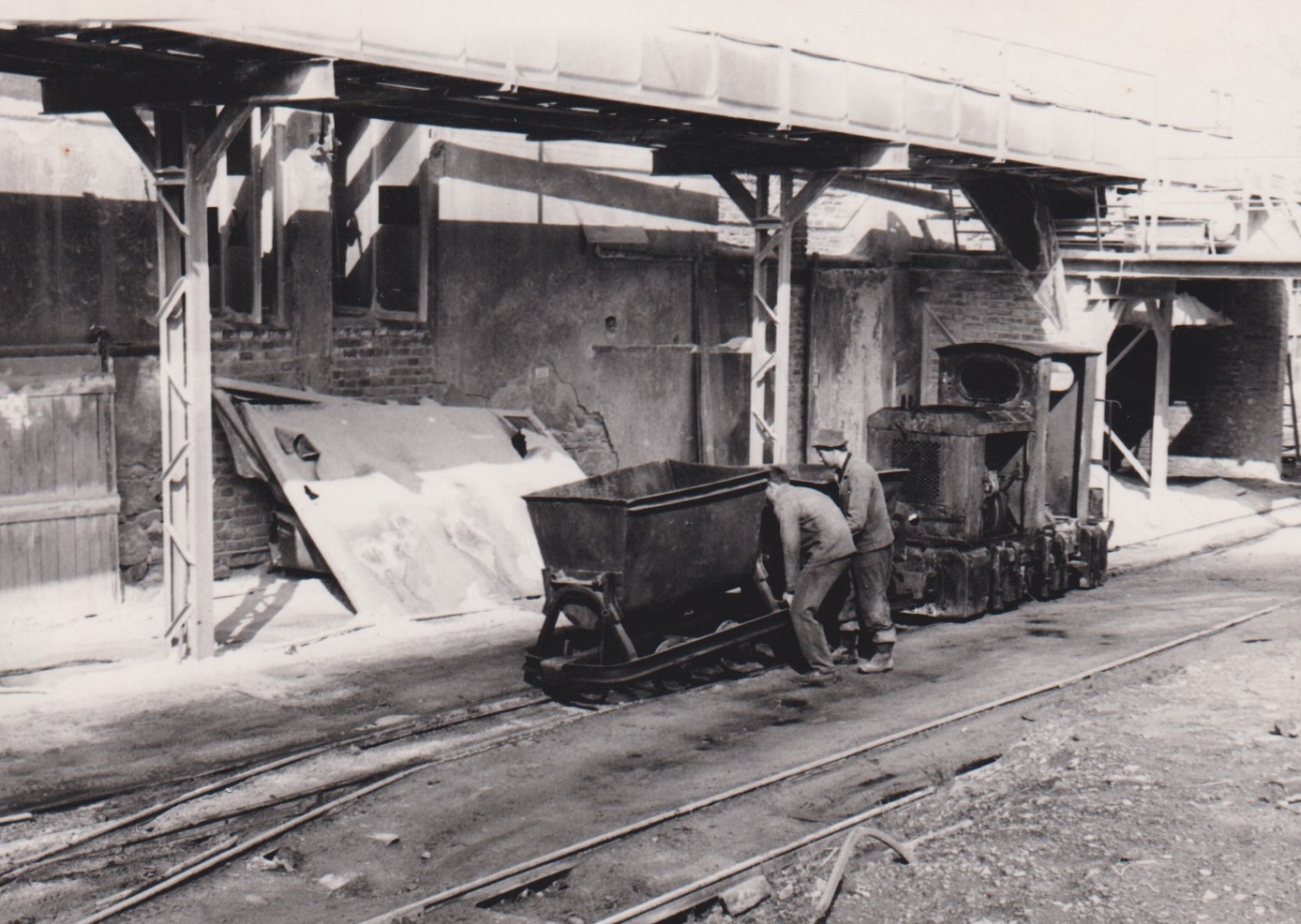
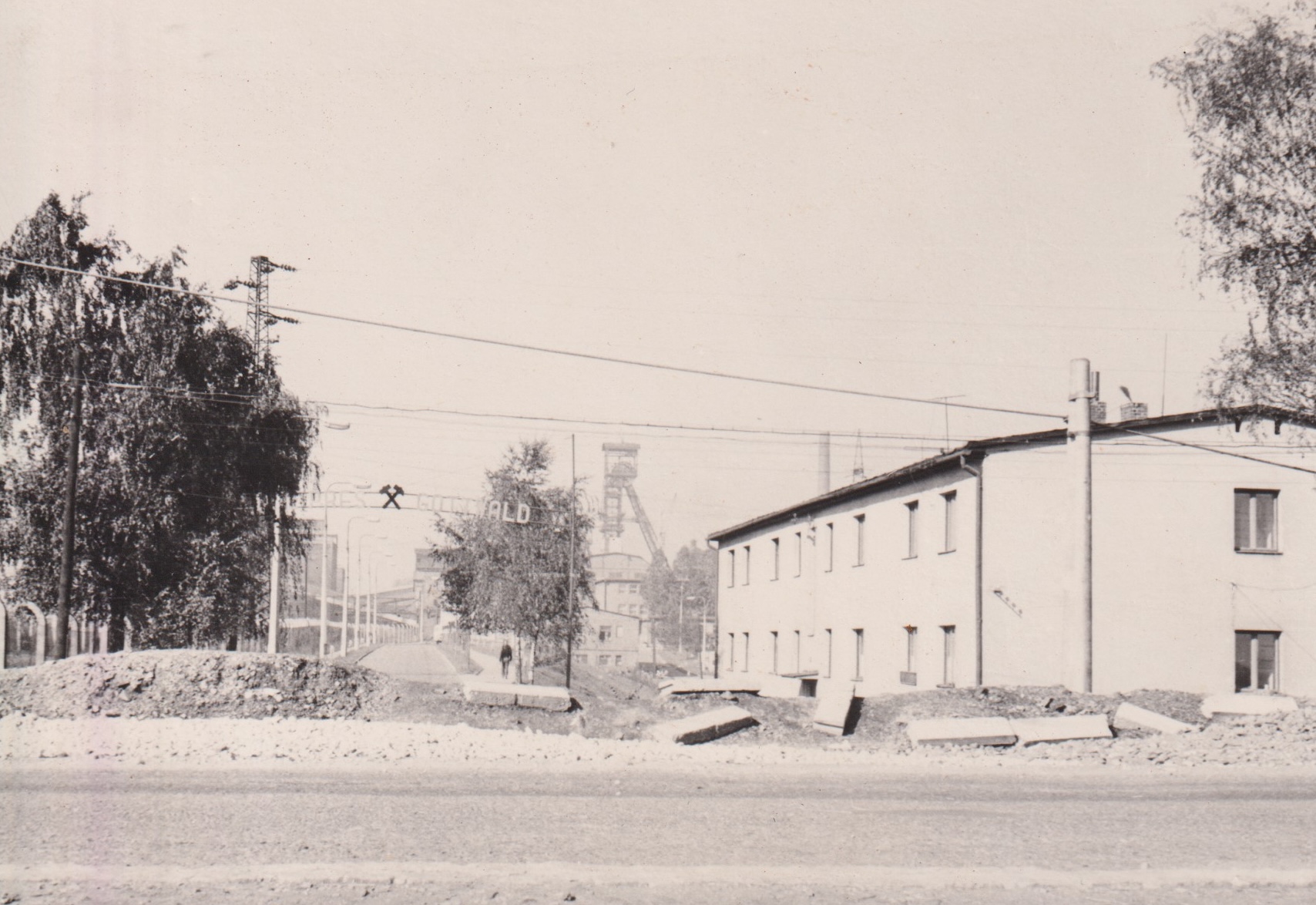
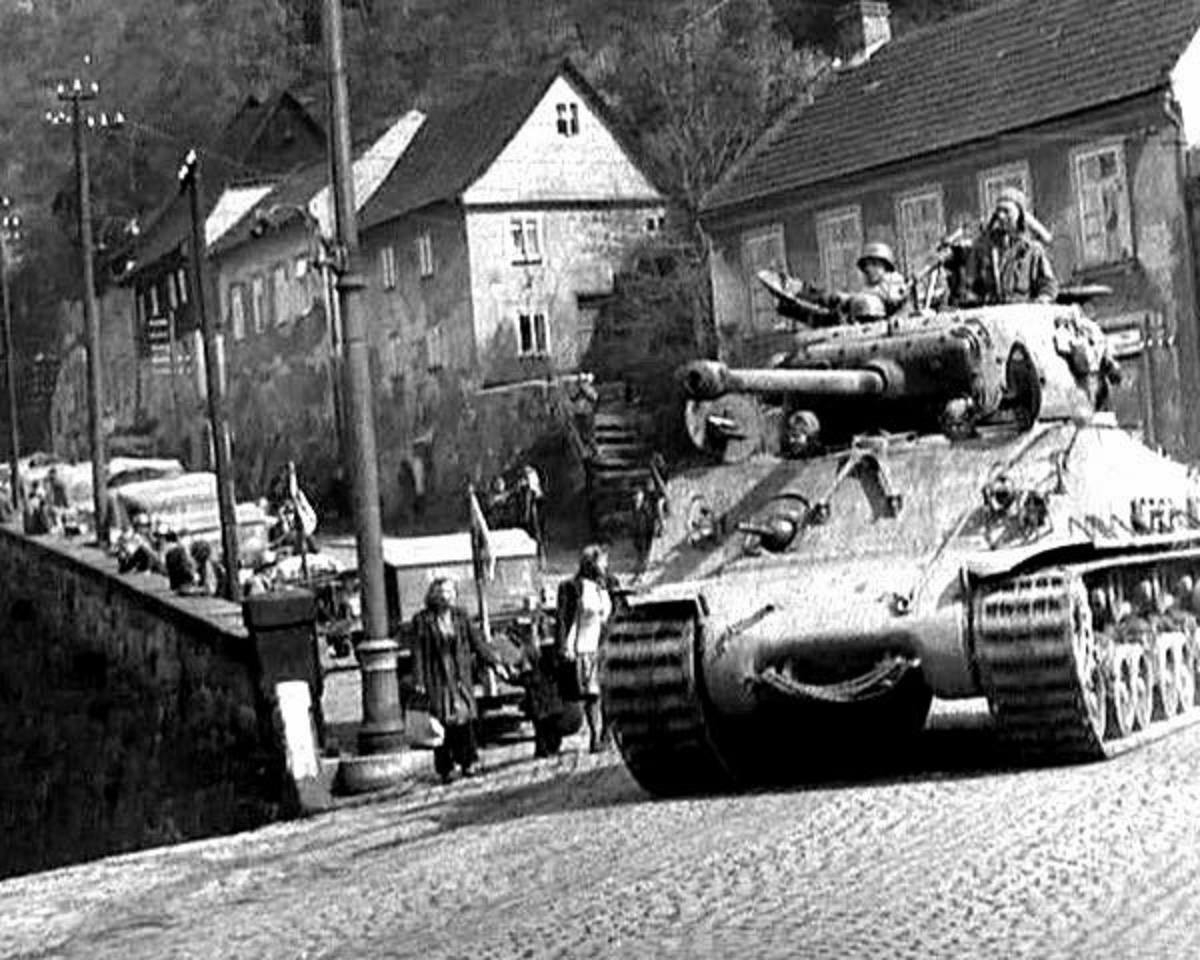
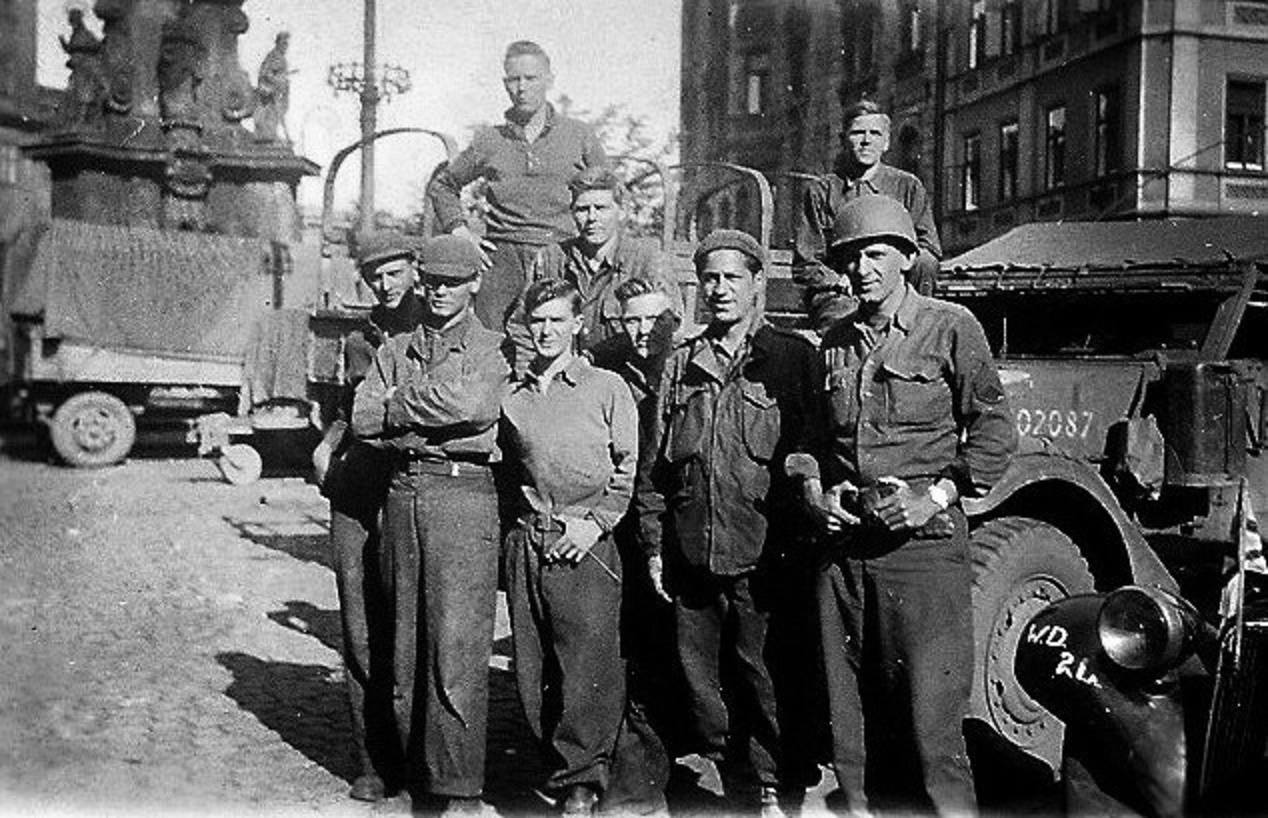
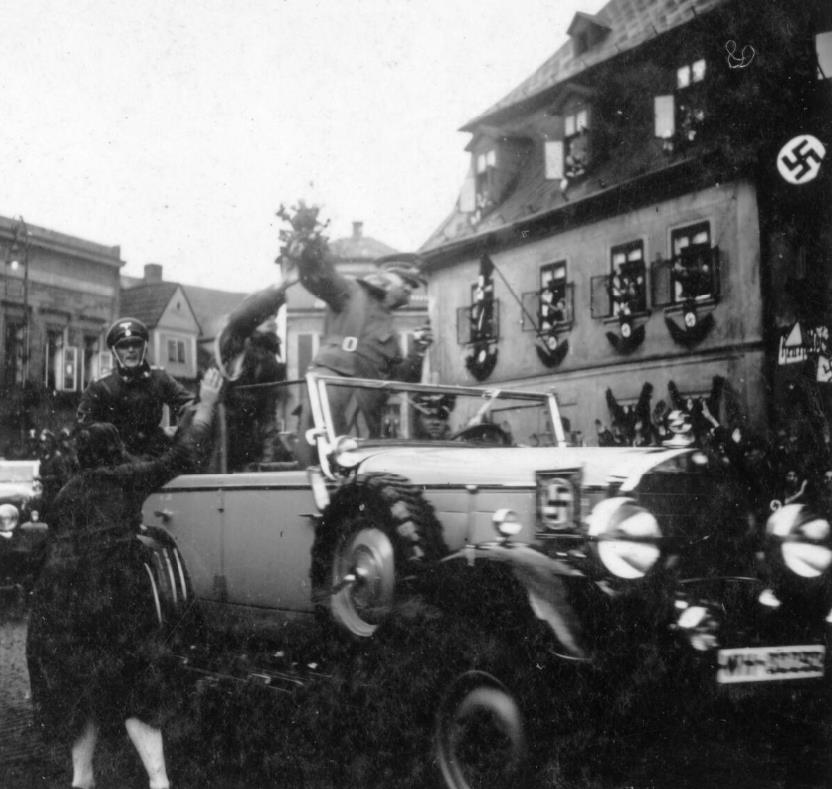
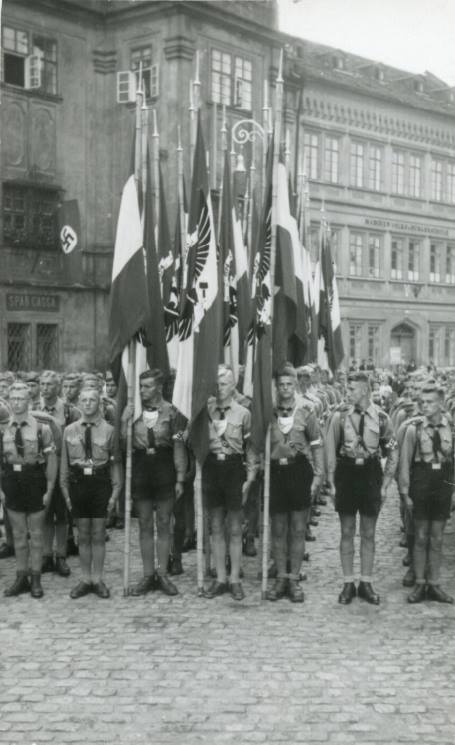
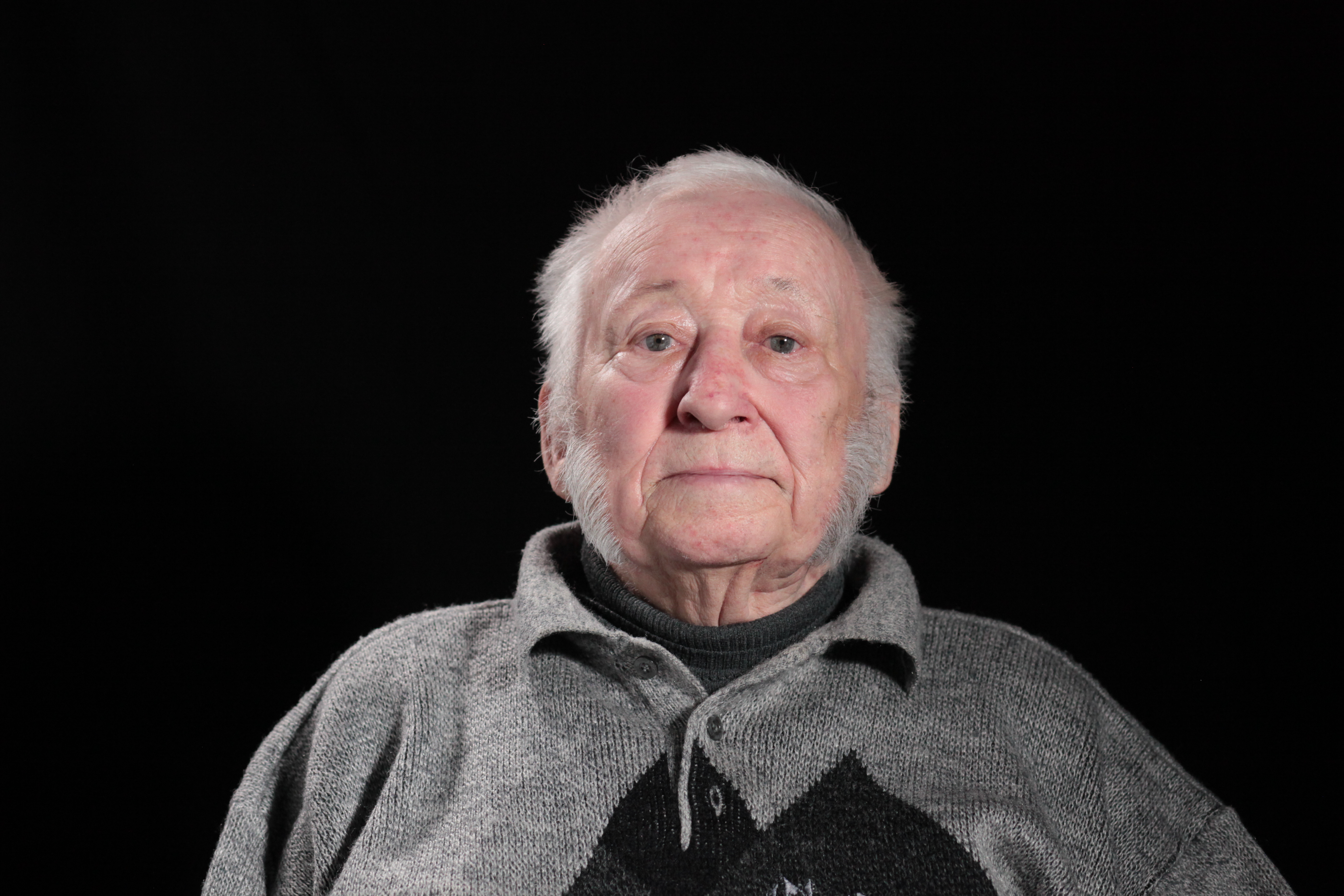
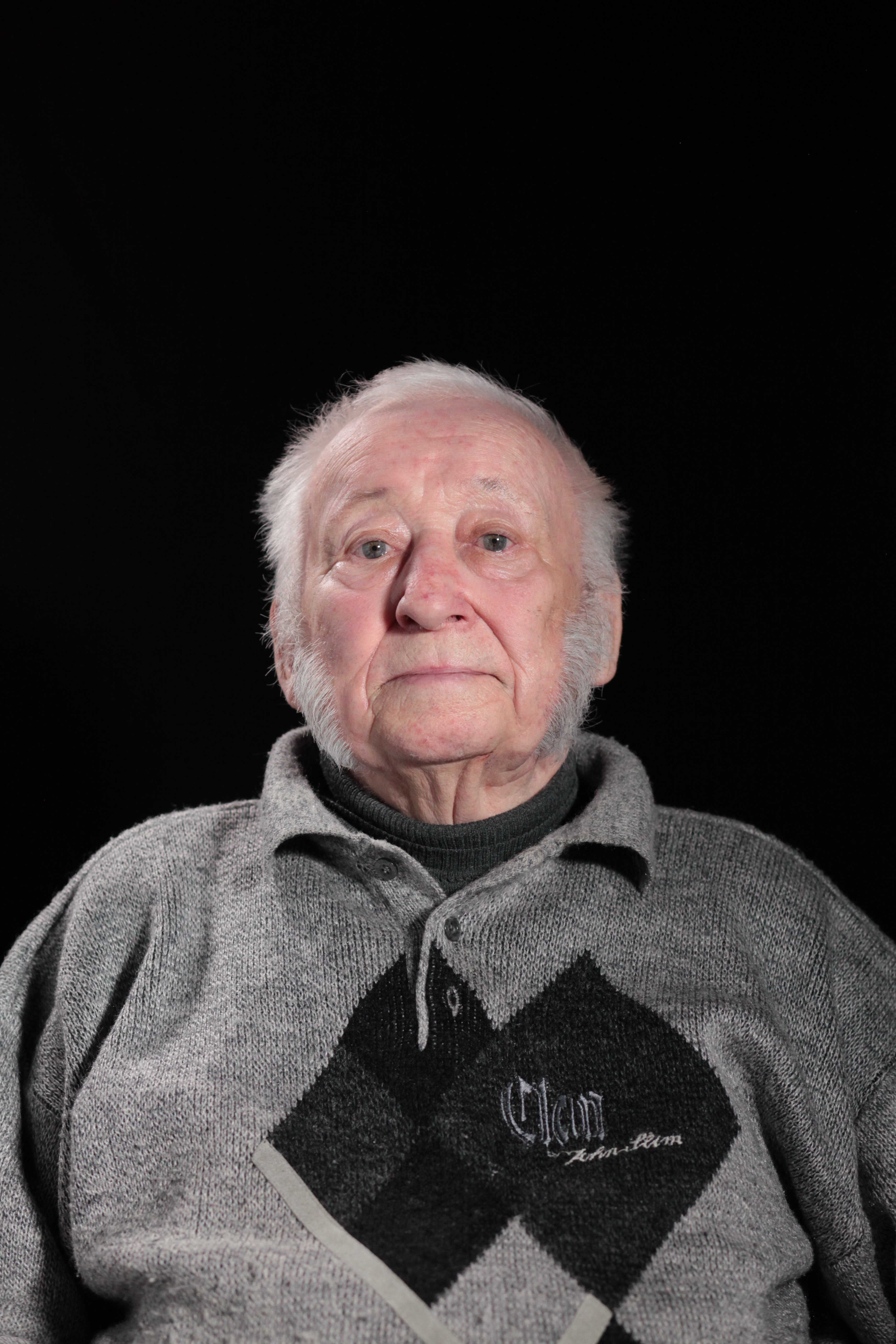
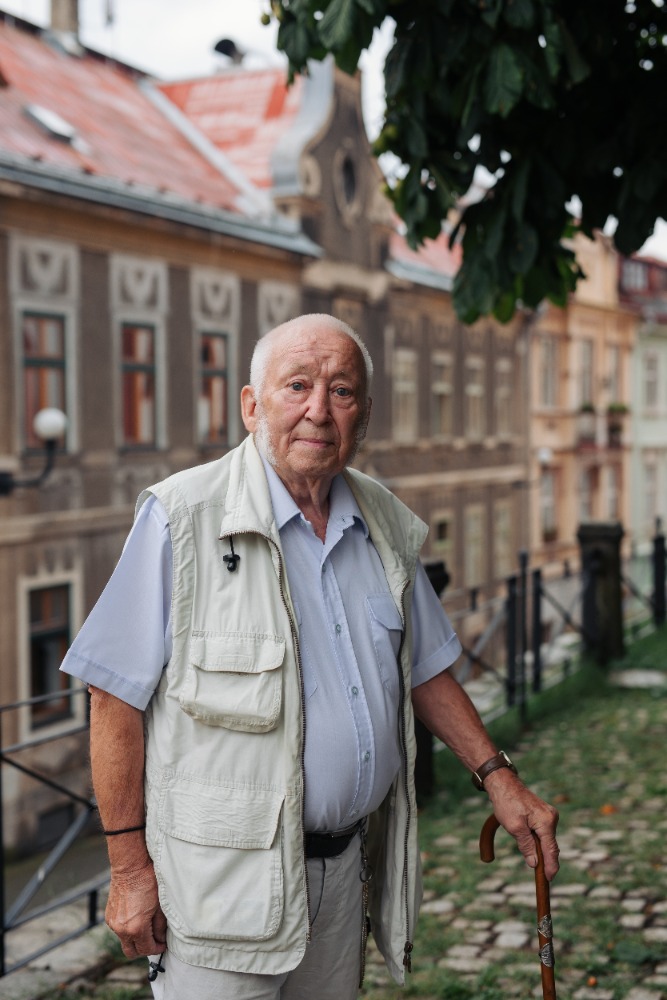
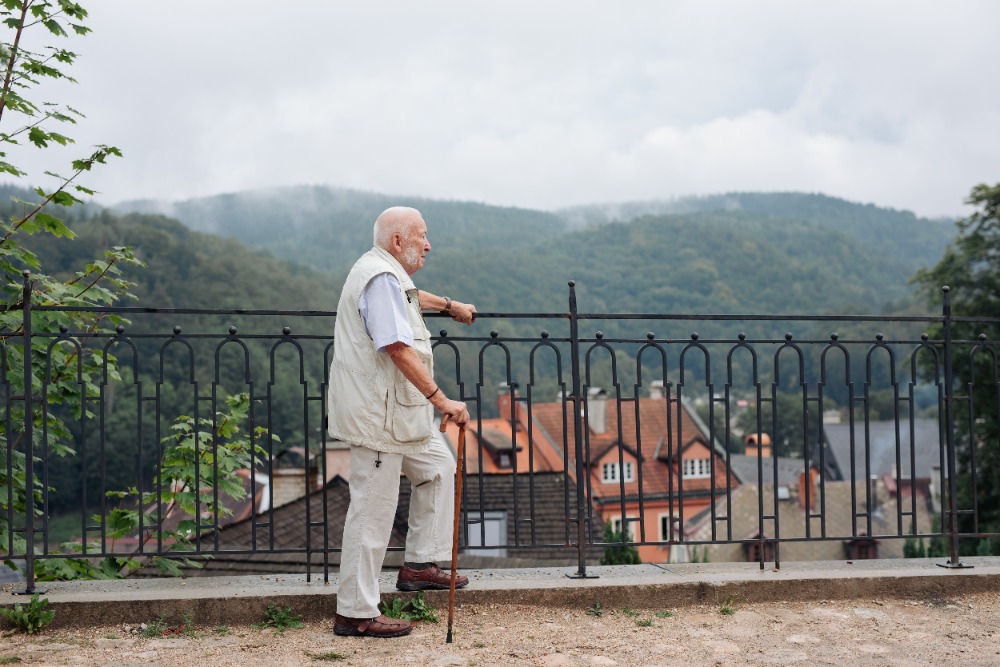
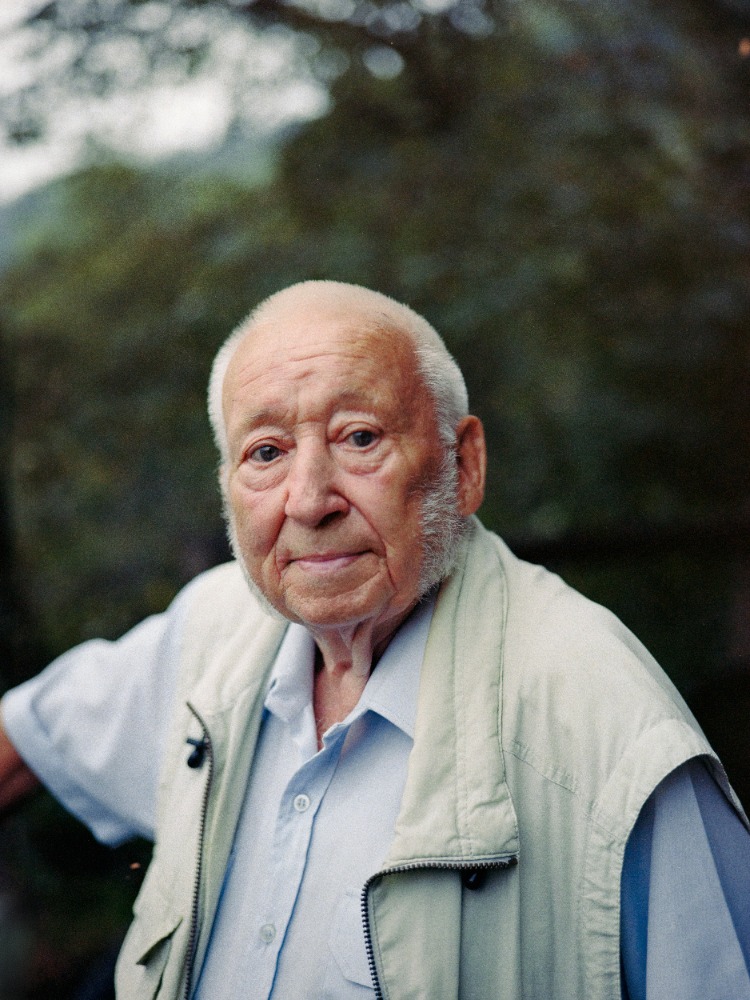
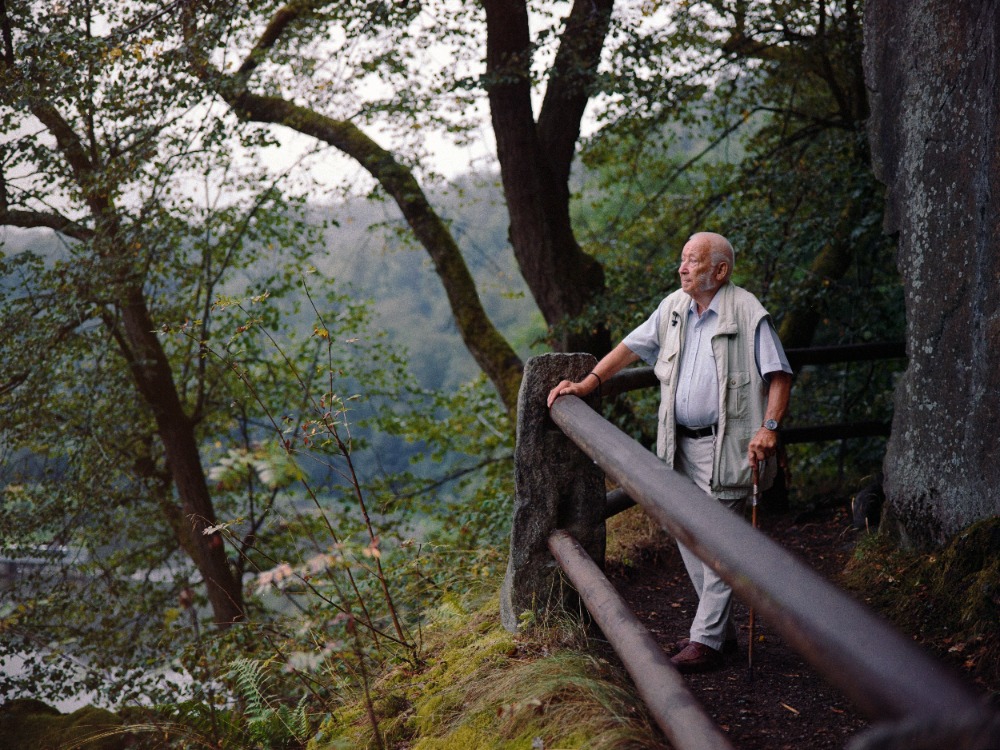
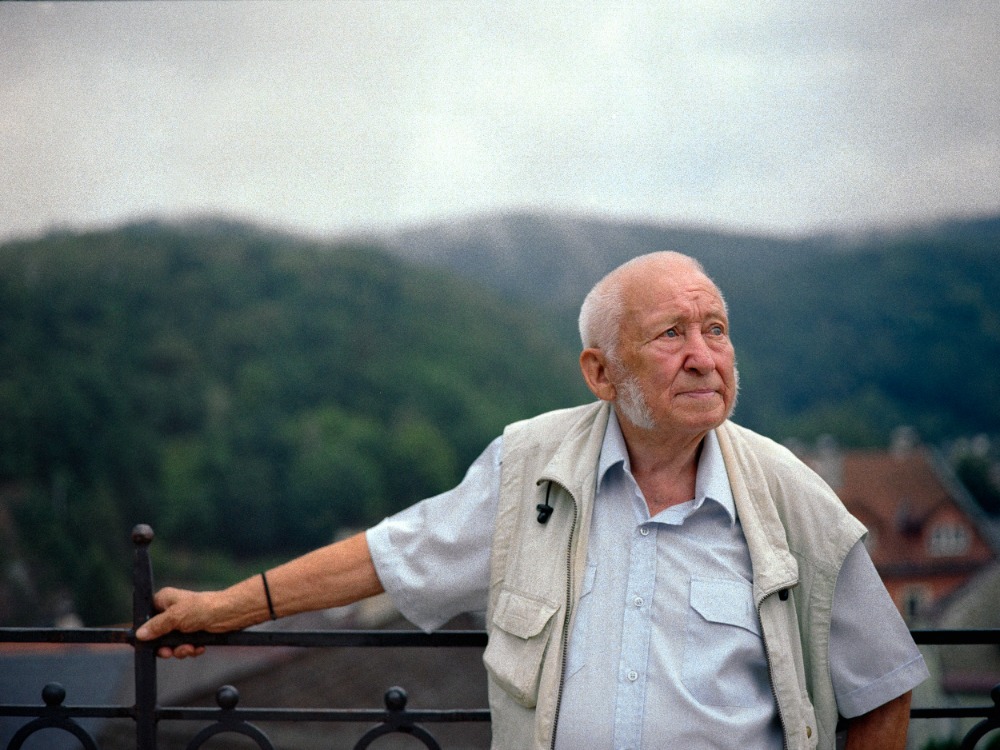
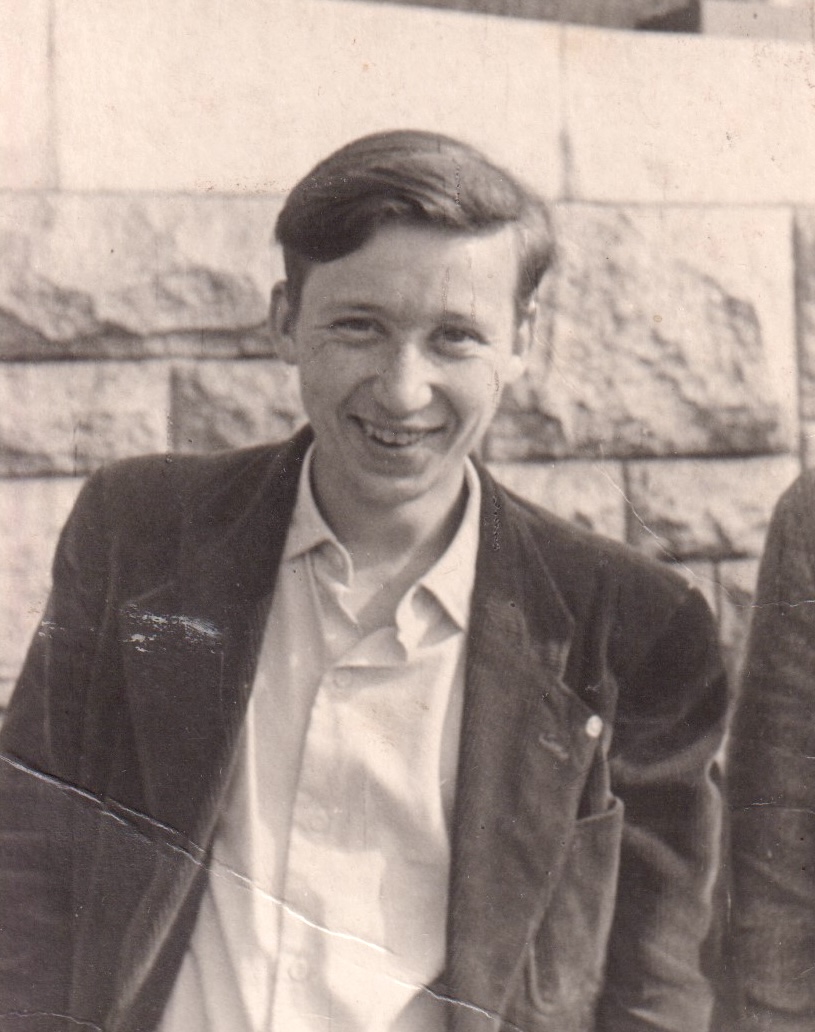
Jan Mosebach was born on 10 September 1941 in Saská Kamenice (Chemnitz). At birth he was given the name Karl Hans, the Czech name Jan was written on his documents by the registrar after his resettlement to Czechoslovakia in 1945. His mother Franziska, née Liepert, was a trained waitress originally from Loket, his father Karl Hans Mosebach was a shopkeeper. Shortly after the boy’s birth, his father enlisted at the front as a Wehrmacht soldier and was missing for many years after the war. Although he survived the war, he never returned to his family. As a young boy, Jan Mosebach experienced Allied air raids in Germany. Shortly after liberation, he, his mother and sister moved to his mother’s hometown of Loket, where his mother found a new partner, Franz Dotzauer. They experienced persecution by the Czechs coming to the borderlands and internment on an island in the Ohře River. As Franz Dotzauer worked as a specialist in a porcelain factory, the family was exempted from the expulsion and continued to live in Loket. At the beginning of his schooling, Jan Mosebach did not speak Czech at all and therefore did not do well at school. From the third grade he was brought up by his aunt and uncle. After finishing primary school, he was unable to continue his studies and took several short-term manual jobs. In 1961, he started his basic military service, serving part of the war in the Hradiště military district and the displaced town of Doupov. He was discharged from the army three months early because he signed a contract to work in the mines of Ostrava, where he worked for the next four years. In 1966 he returned to Loket and was employed at the glassworks in Nové Sedlo until his retirement. Here he experienced the invasion of the Warsaw Pact troops and the normalisation checks. He was regularly able to visit his relatives in West Germany, but faced pressure to join the Communist Party and to cooperate with State Security.