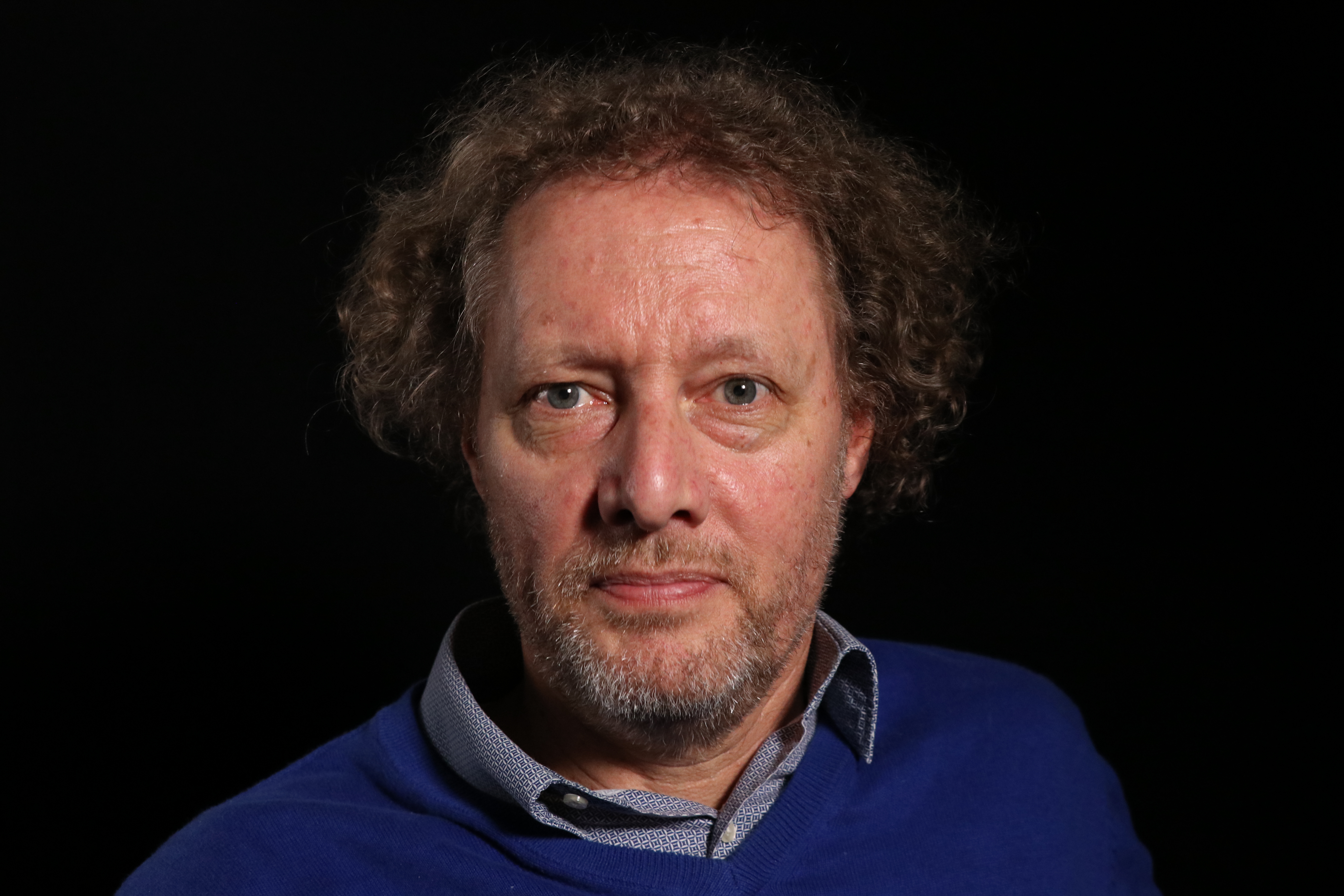
Dr. Peter Morée

* 1964

  • "I remember exactly where I lived, and there were no cell phones, right? So there was this student house, it was quite a big house, about ten of us lived there. We had one phone, it was down the corridor. I lived on the first floor. And somebody would call, and I'd go in and it was this Henri. I think he asked me straight away if I would be interested in staying in Prague for a year. And he surprised me, of course, because I had never been to Prague. And although I knew that he had like some connections there, he's something there, he's part of that group and stuff, but I was very surprised that he was thinking of me, I didn't seem to have any tendency in that direction. So I said to him, okay, I need to know a little bit more. So we met and then he also facilitated just a meeting with Hebe Kohlbrugge, who was actually in the background. And then that led to my first trip to Czechoslovakia and that was probably in '85."

  • "The certainty was quite great. I didn't have to deal with not believing or not belonging. That's not an option that's there. So I also just have to deal with it somehow. That I imagine has something, has some positive effect on let's say development and on self-esteem, if that's relevant. The negative, of course, is that it just opened up a world to me, especially after, say, eighteen, that I hadn't known at all. And that was when I started my studies. Suddenly I had to come to terms with the fact that the world was much, much more colourful than I had actually imagined until then. Which I didn't mind, I was fascinated by it, but of course that's the problem, or was."

  • "The second moment when [the parents] actually discovered that religion needs to be treated a little more carefully, more tolerantly. The first moment was when I was six years old, I guess, when my brother got polio. Of course vaccination, there was all that, but in those circles it was said, and partly still is said, that we shouldn't get vaccinated because God protects us, and if we get it, it's according to God's will. And therefore we will not vaccinate. So repeatedly there have been waves of polio. And this wave when he was four years old and I was six years old, so it just hit my brother." - "So it was the younger brother?" - "The younger one. And somehow in the beginning the first impact was that he couldn't walk."

  • Full recordings
  • 1

    Praha, 12.03.2025

    (audio)
    duration: 02:03:11
    media recorded in project Stories of the 20th Century TV
  • 2

    Praha, 19.03.2025

    (audio)
    duration: 03:22:14
    media recorded in project Stories of the 20th Century TV
  • 3

    Praha, 20.06.2025

    (audio)
    duration: 03:02:09
    media recorded in project Stories of the 20th Century TV
Full recordings are available only for logged users.

Some values have to be fought for, risked and sacrificed
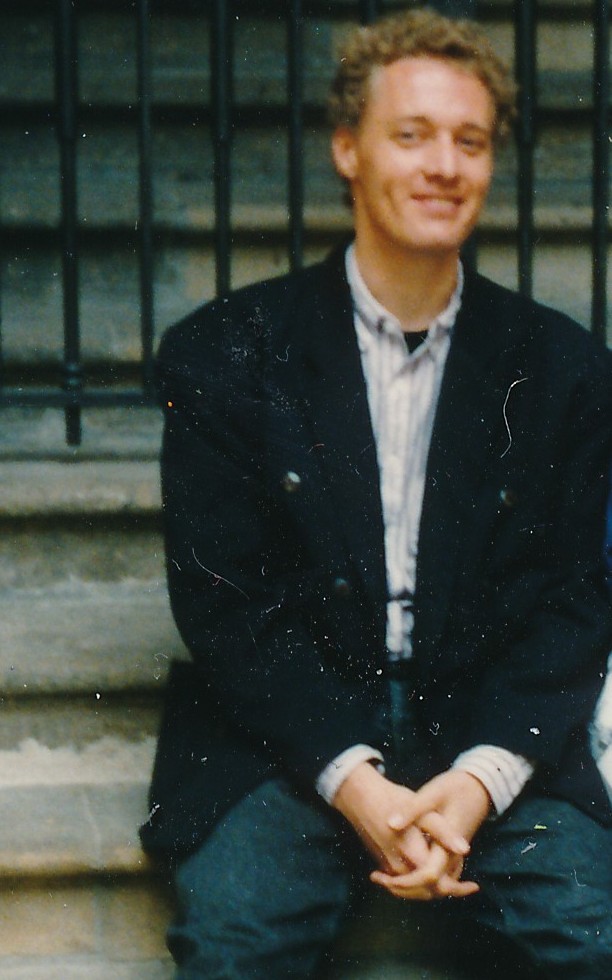
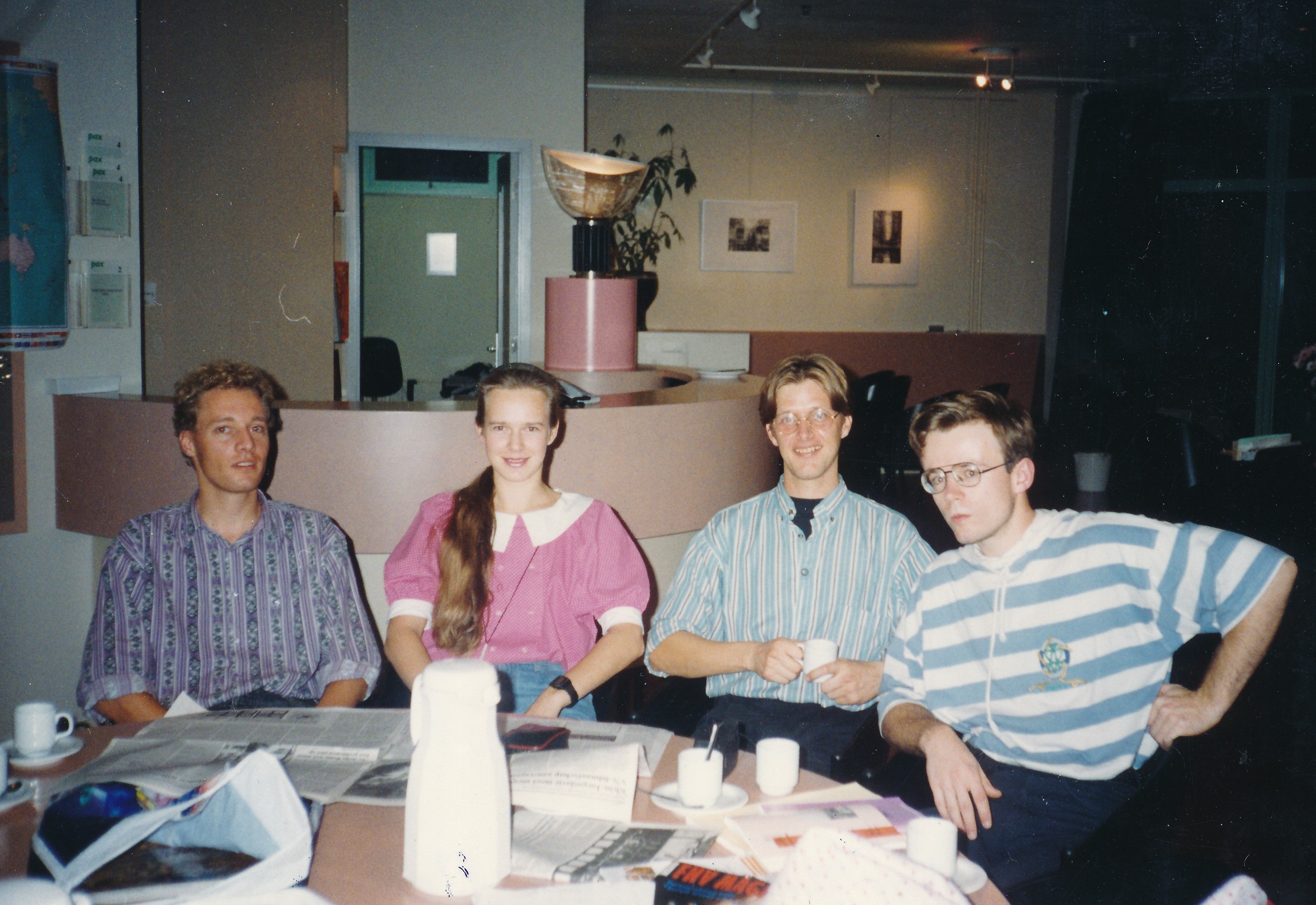
Peter Morée, 1987
Peter Morée, 1987
photo: Witness´s archive

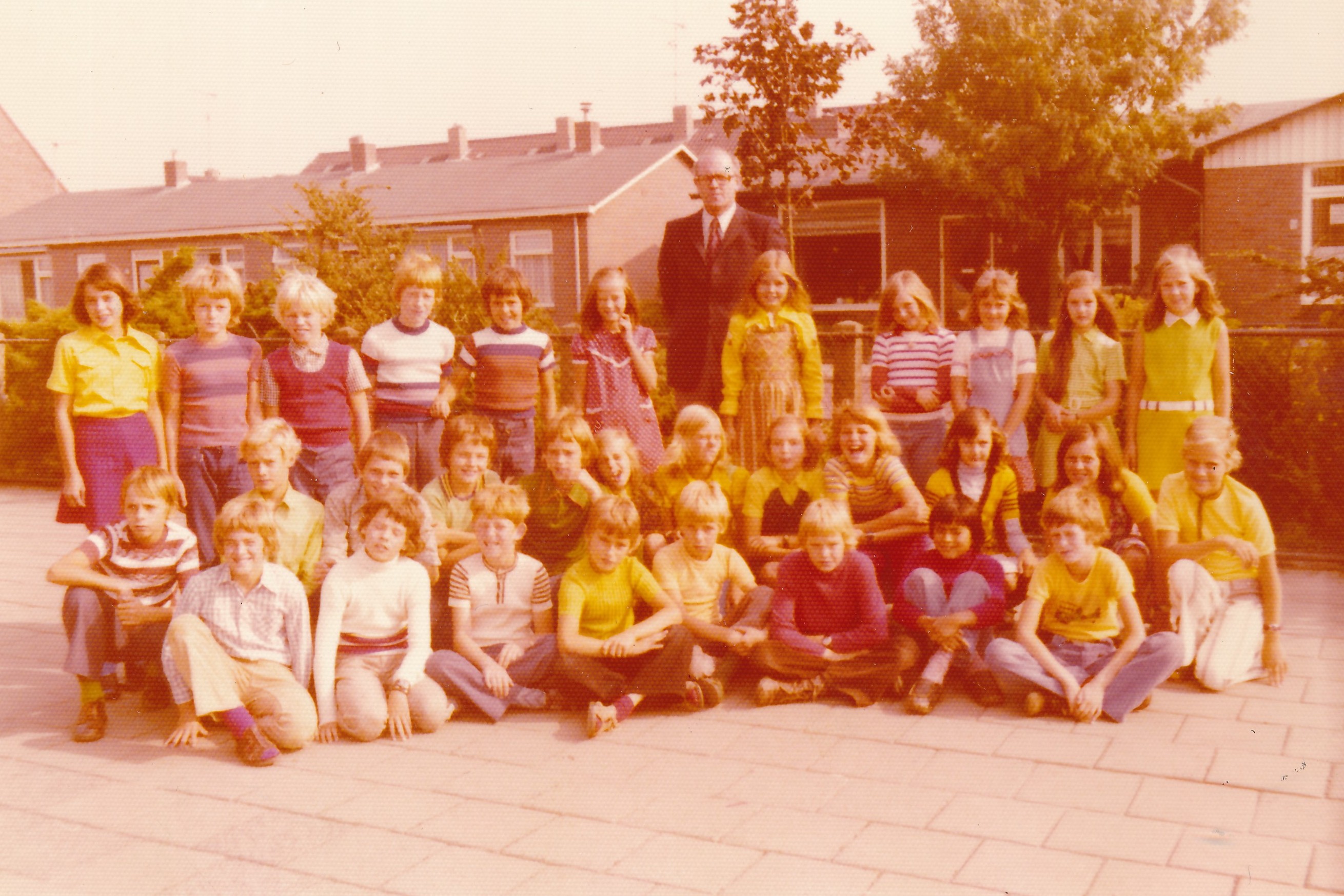
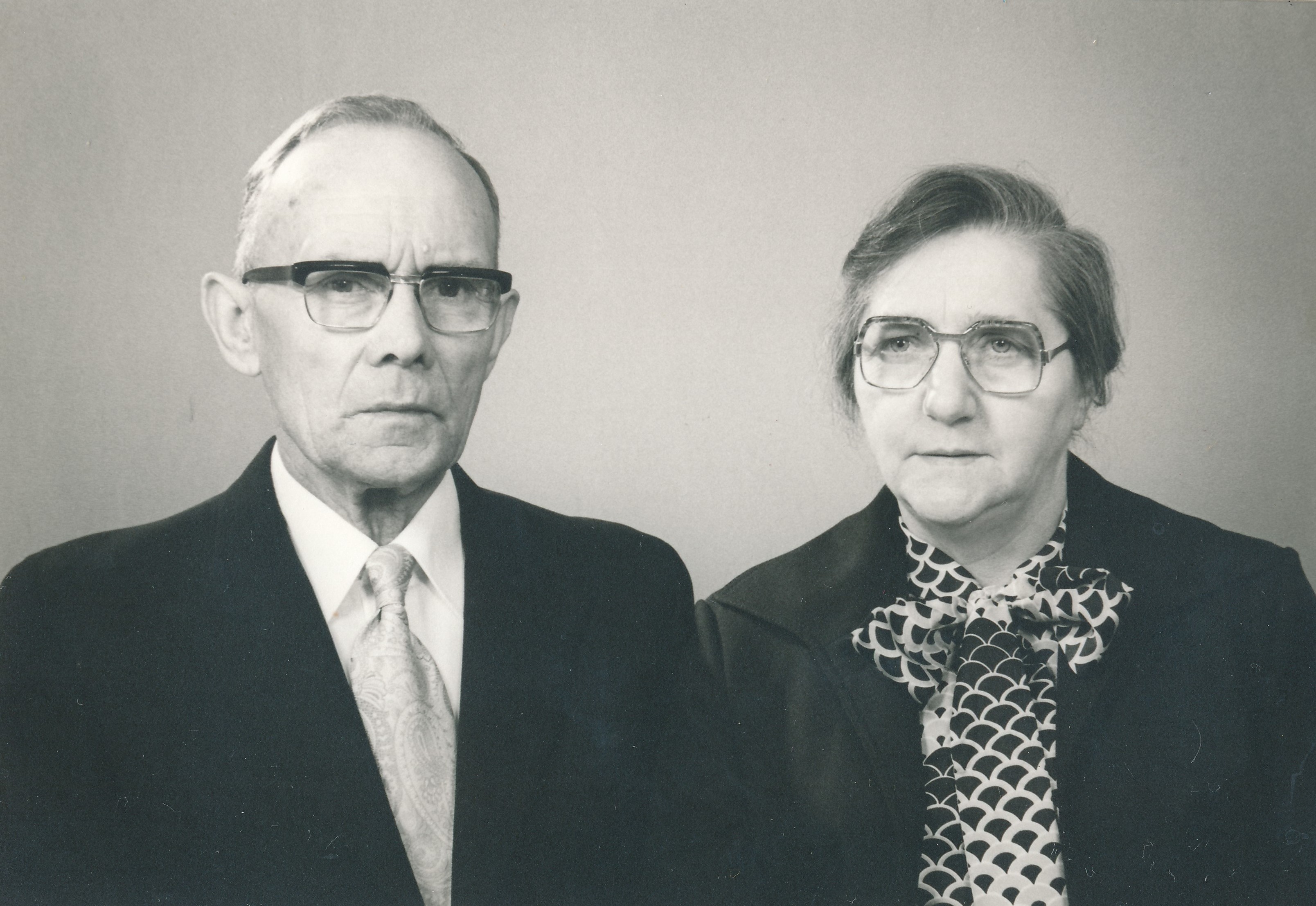
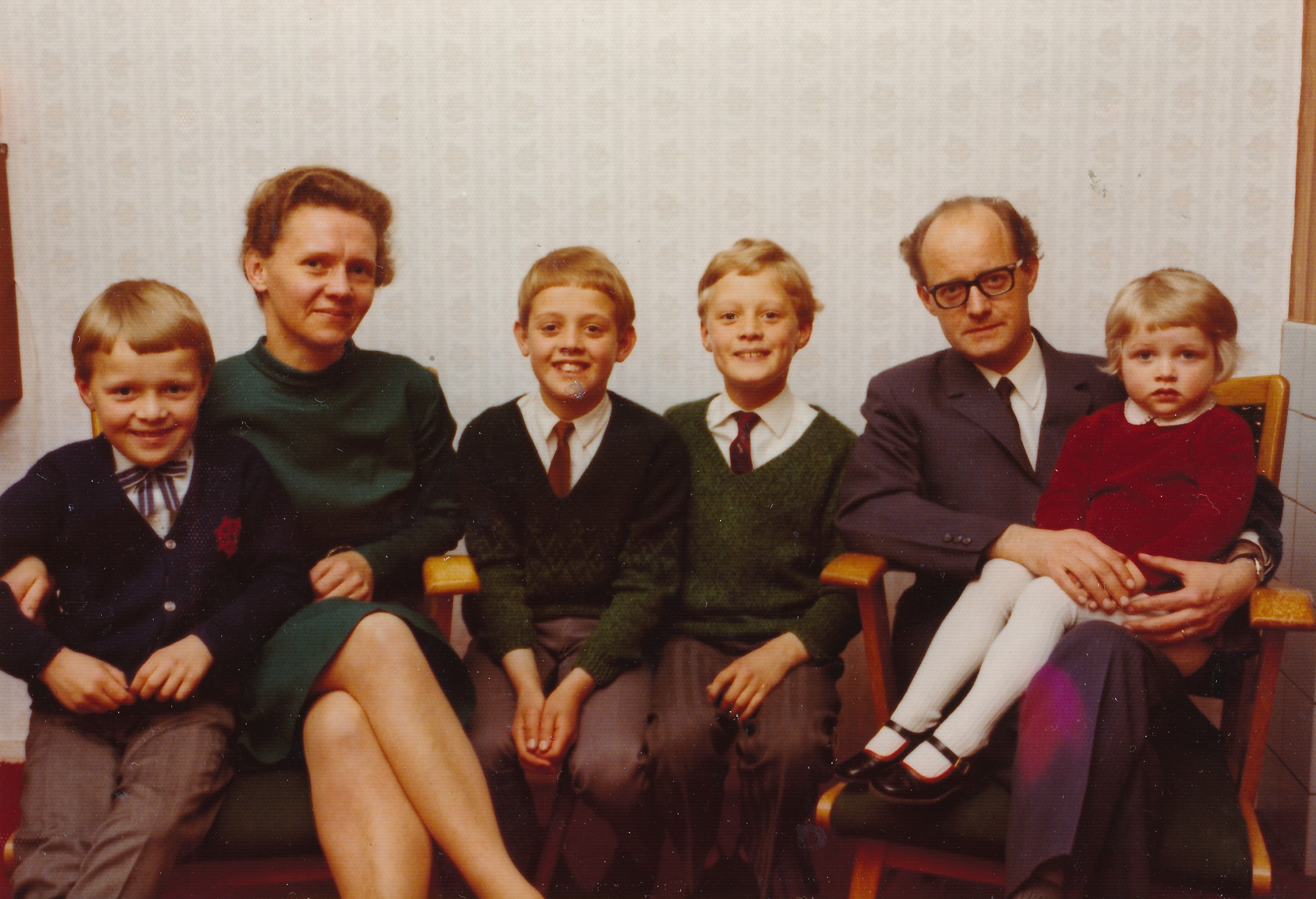
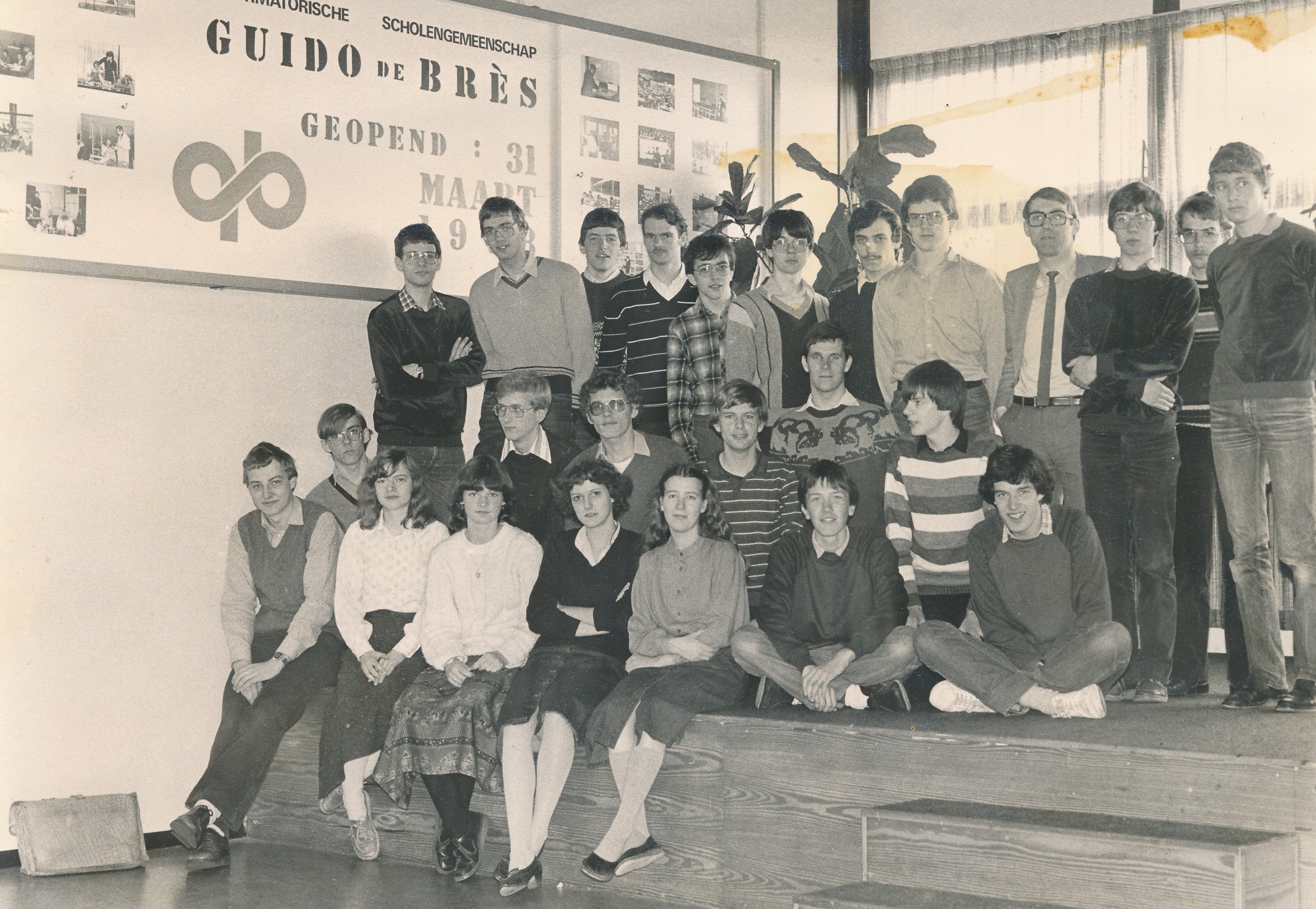
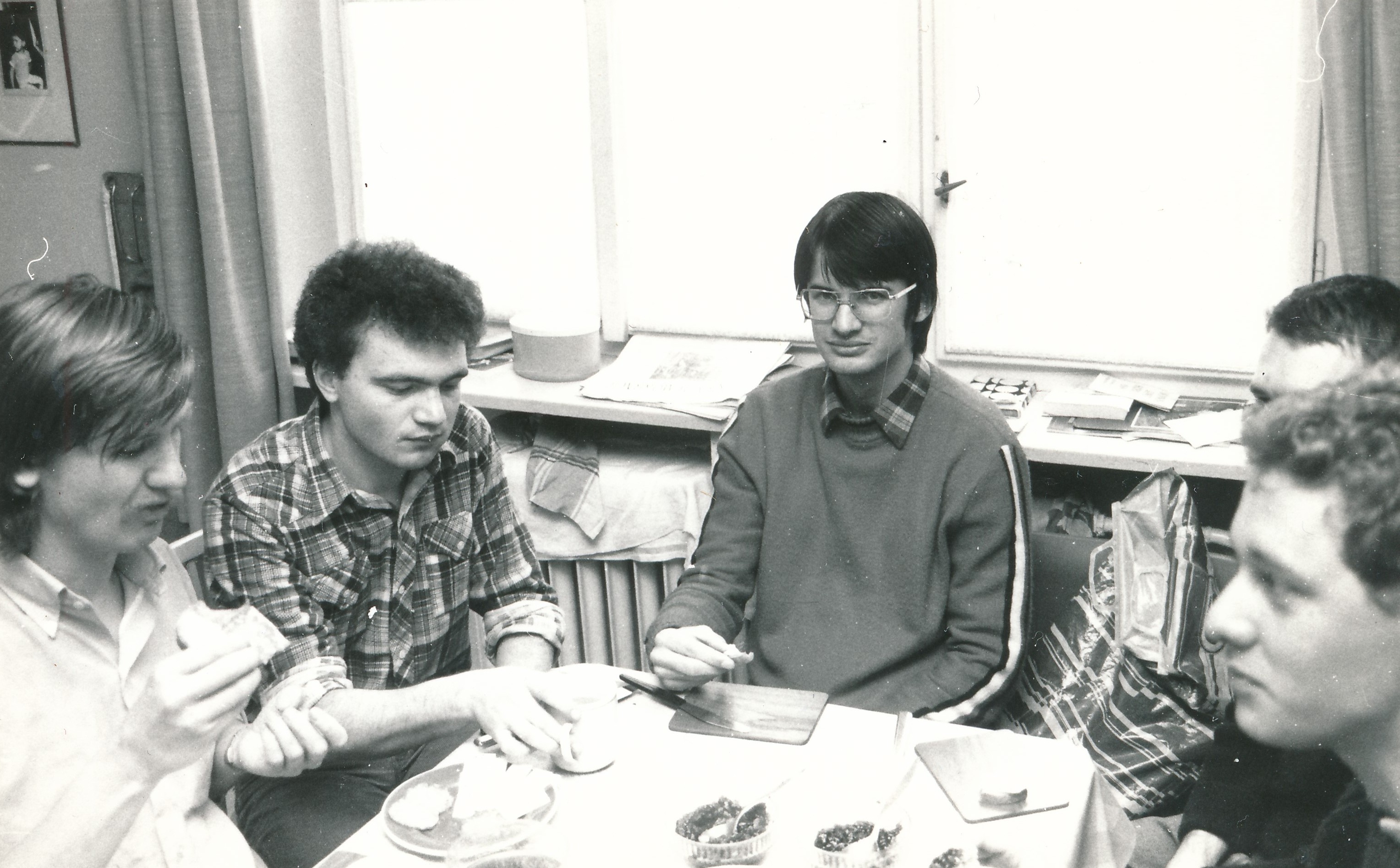
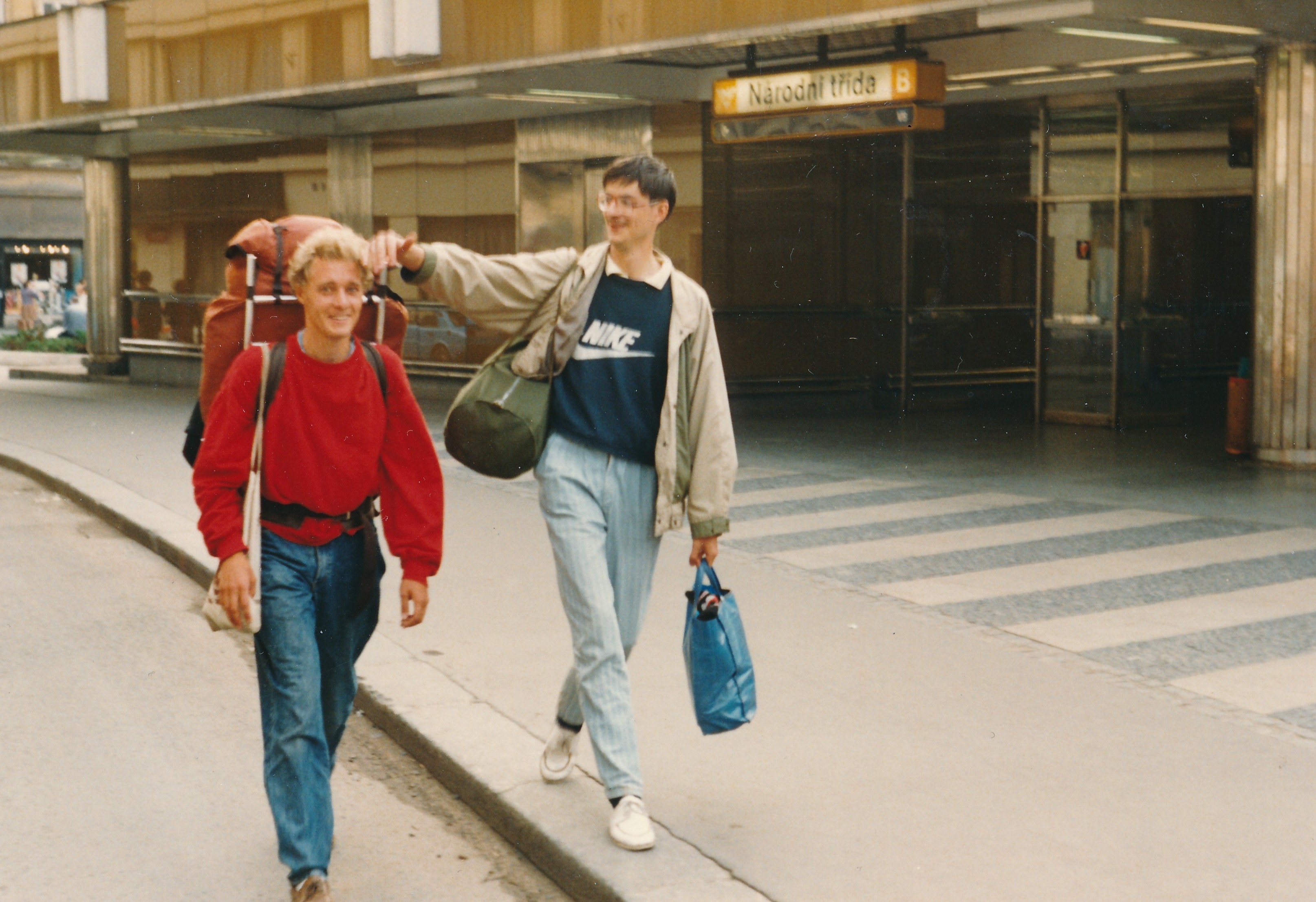
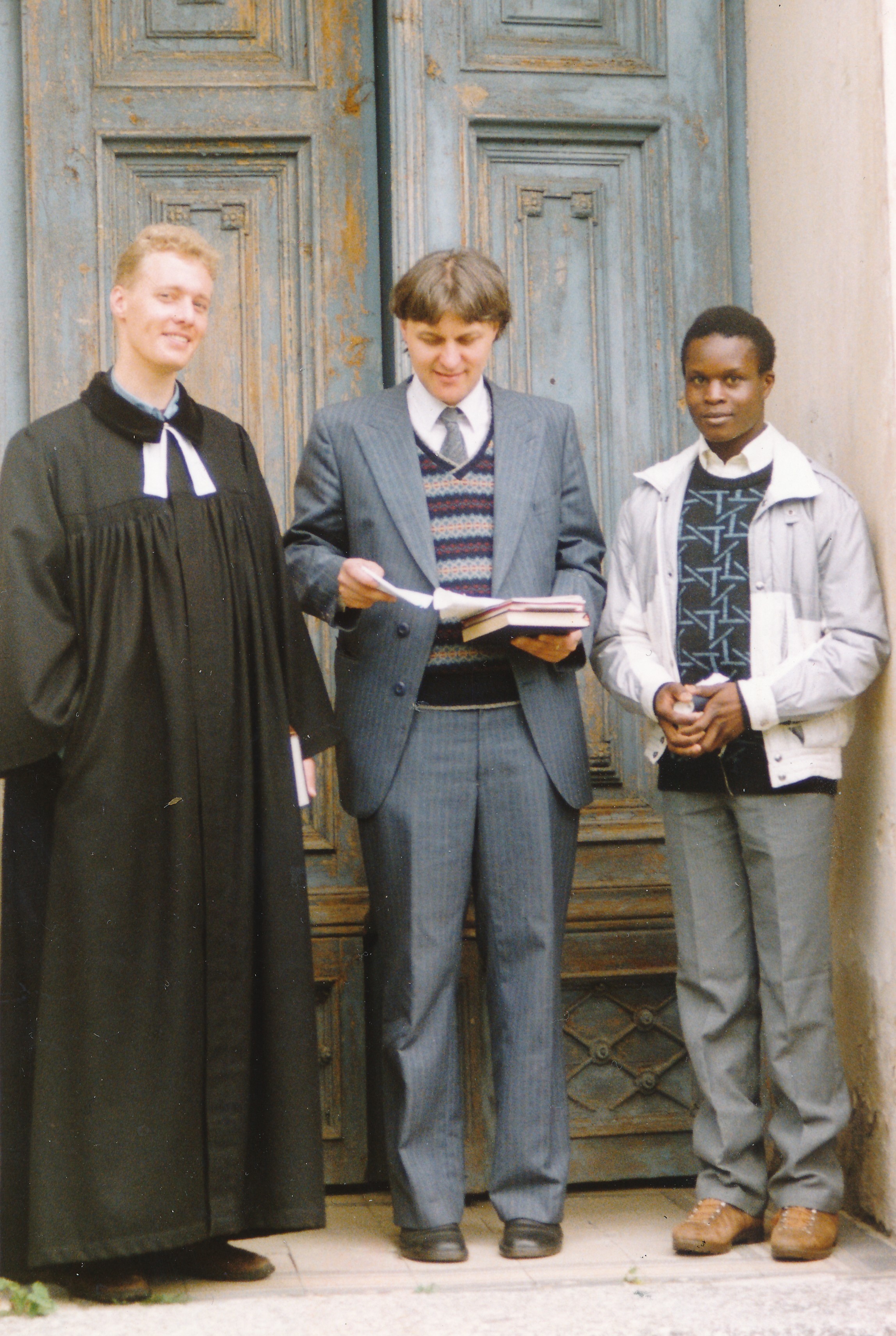
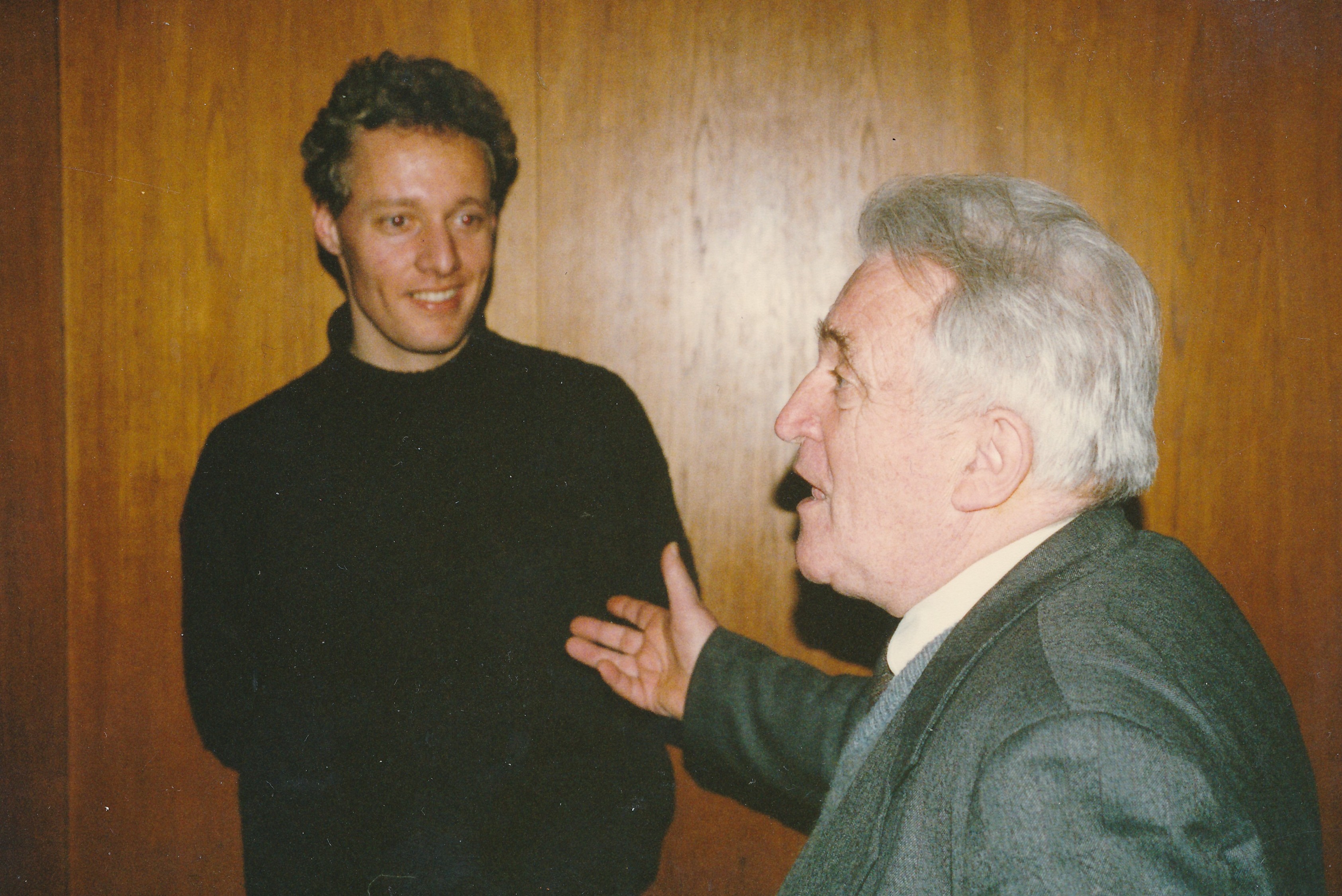
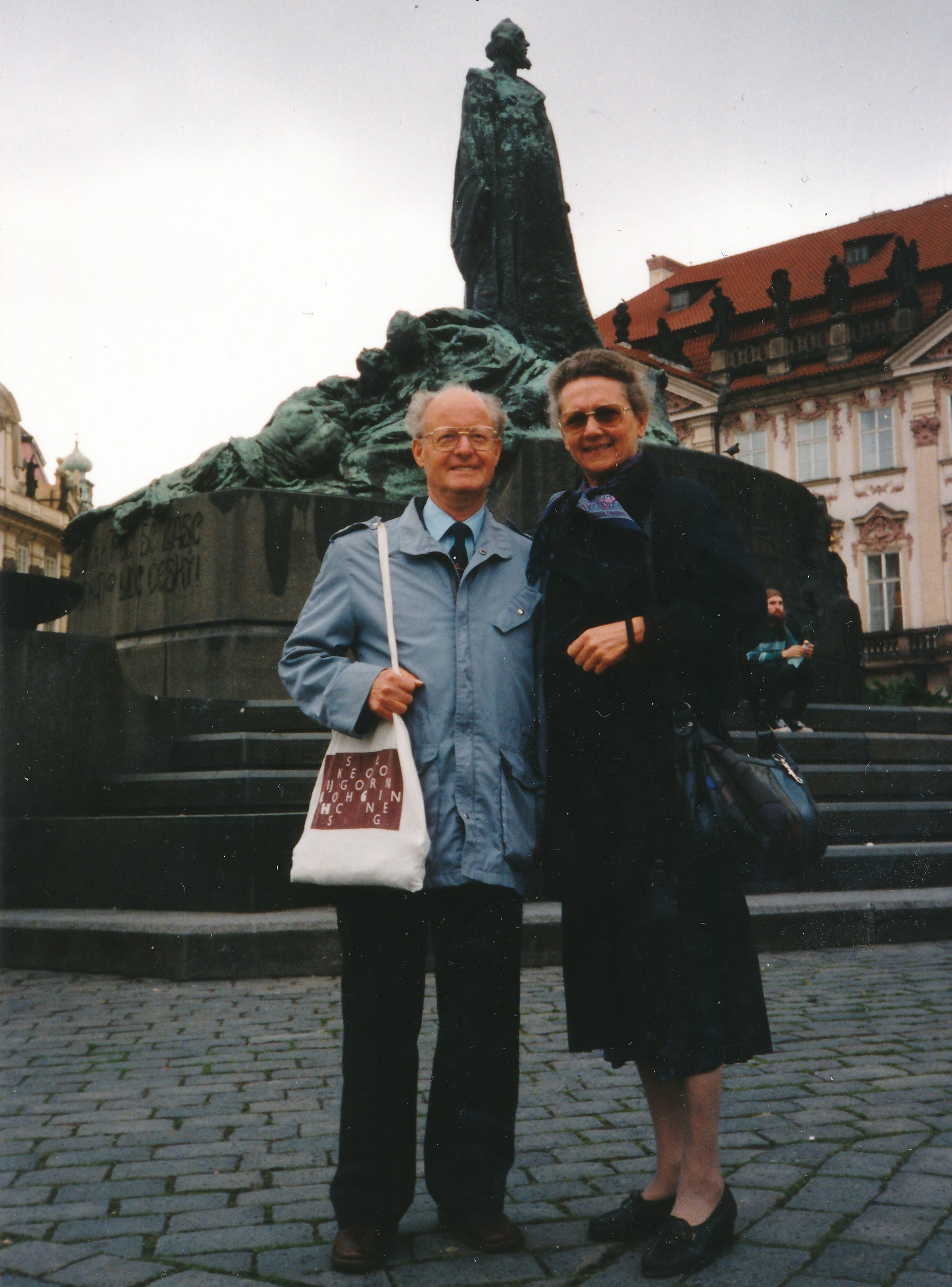
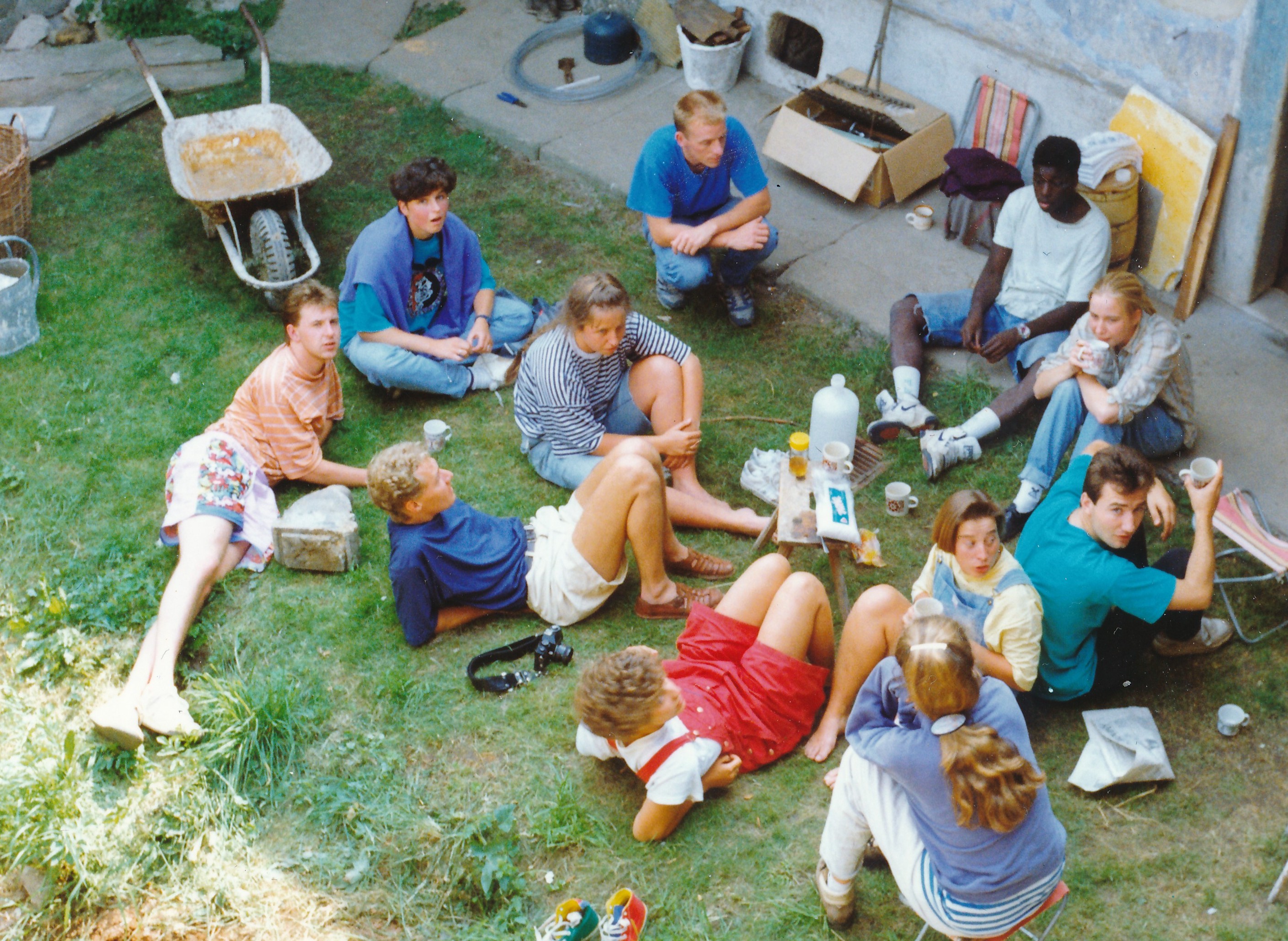
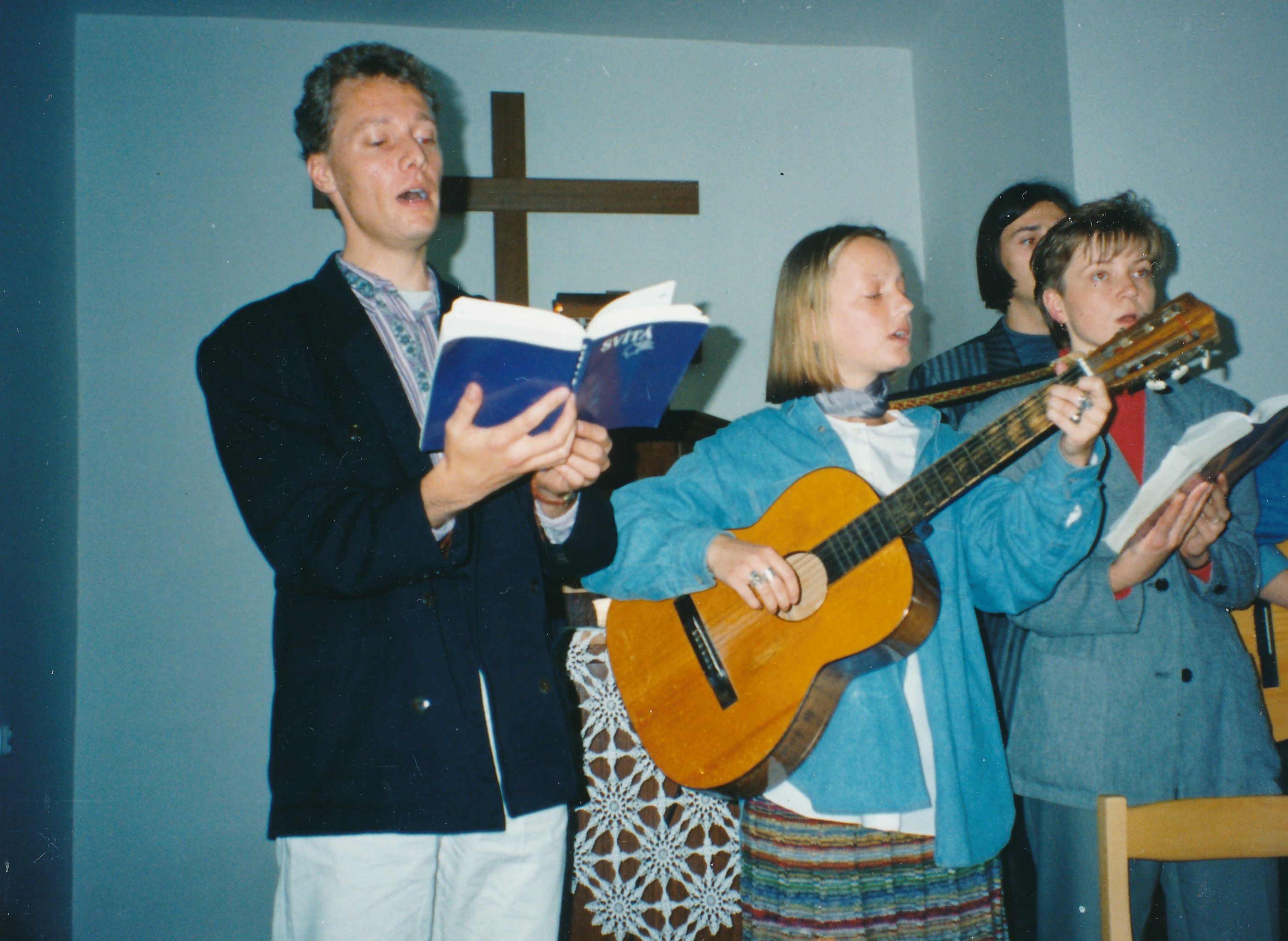
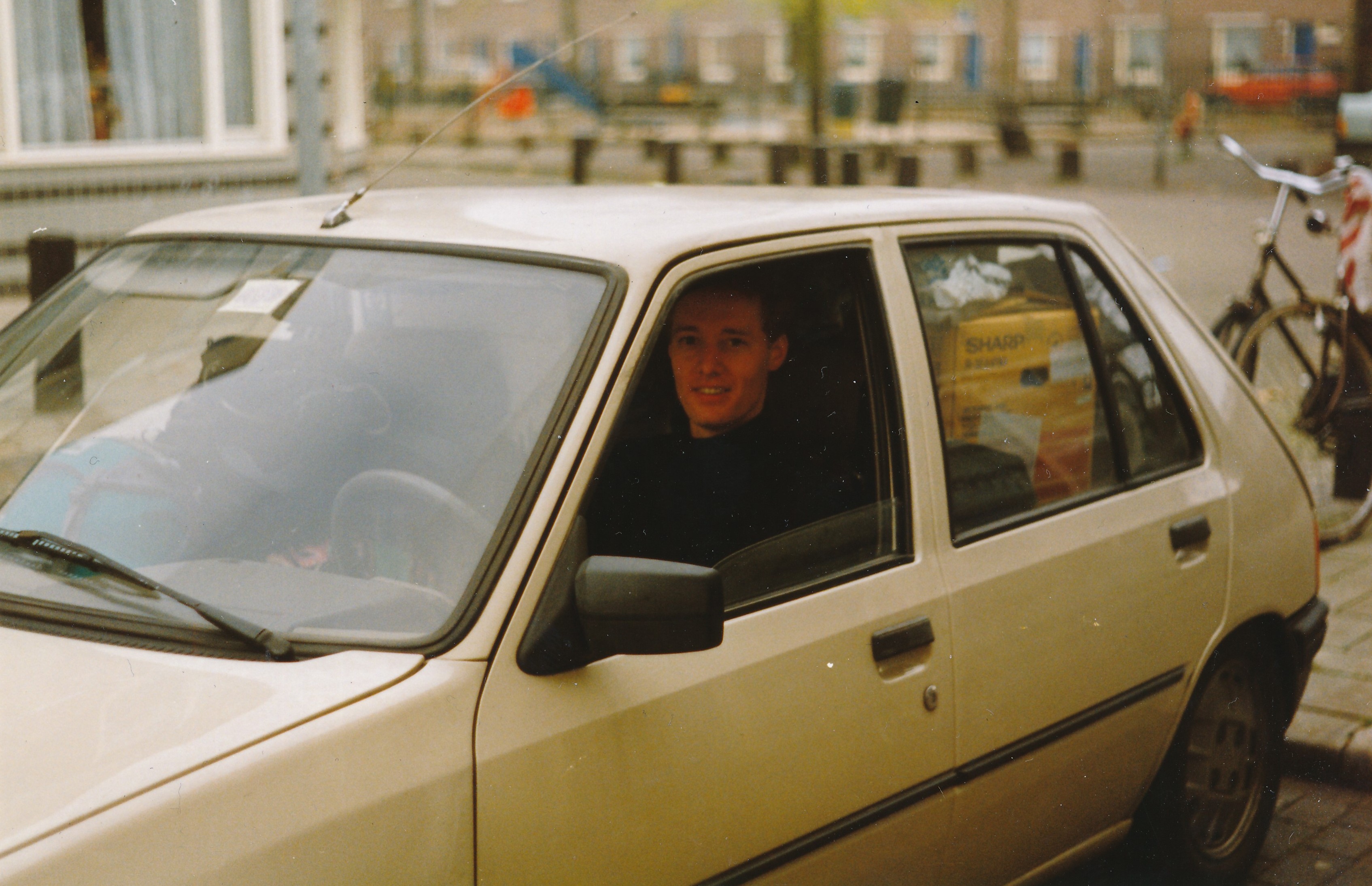
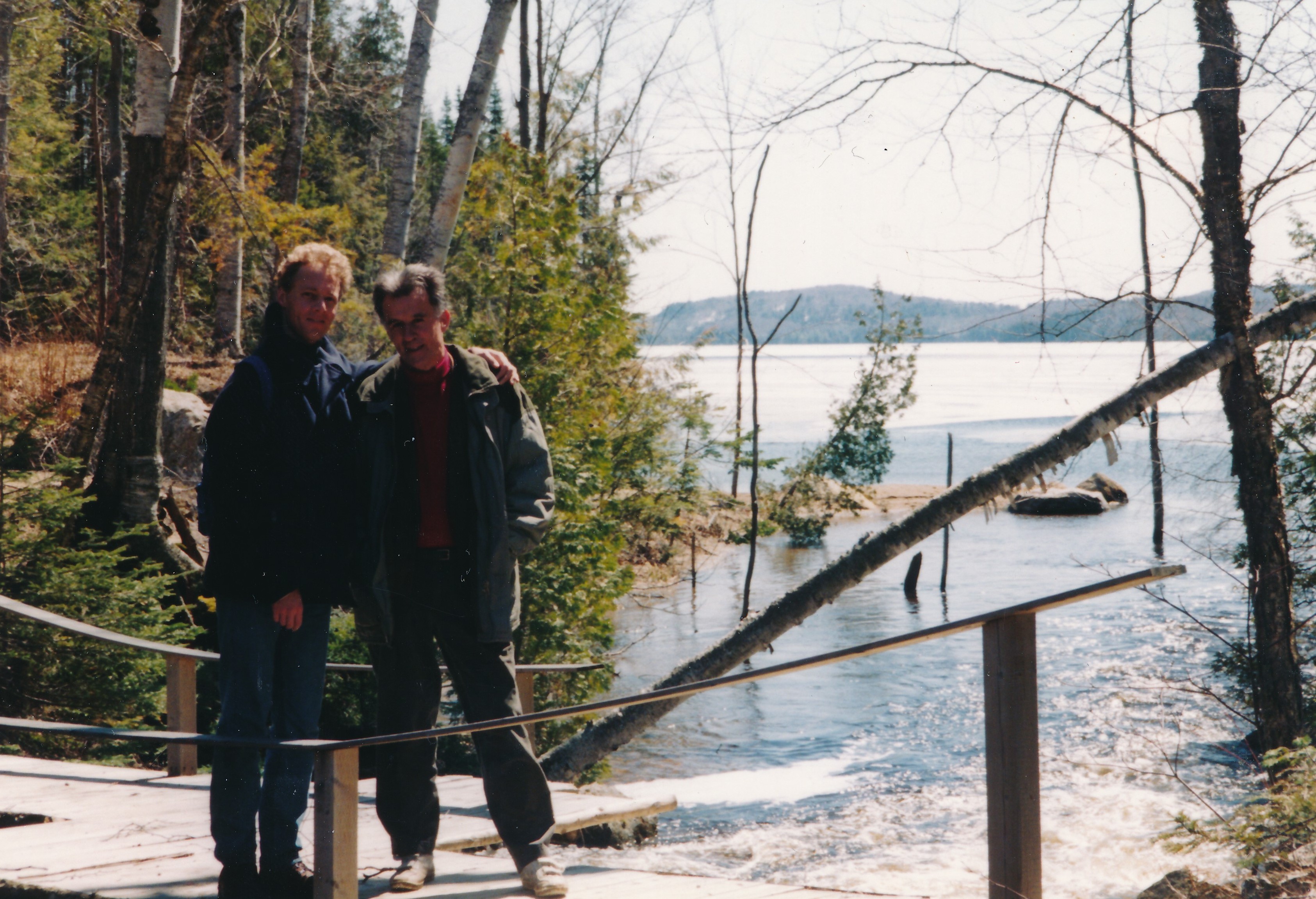
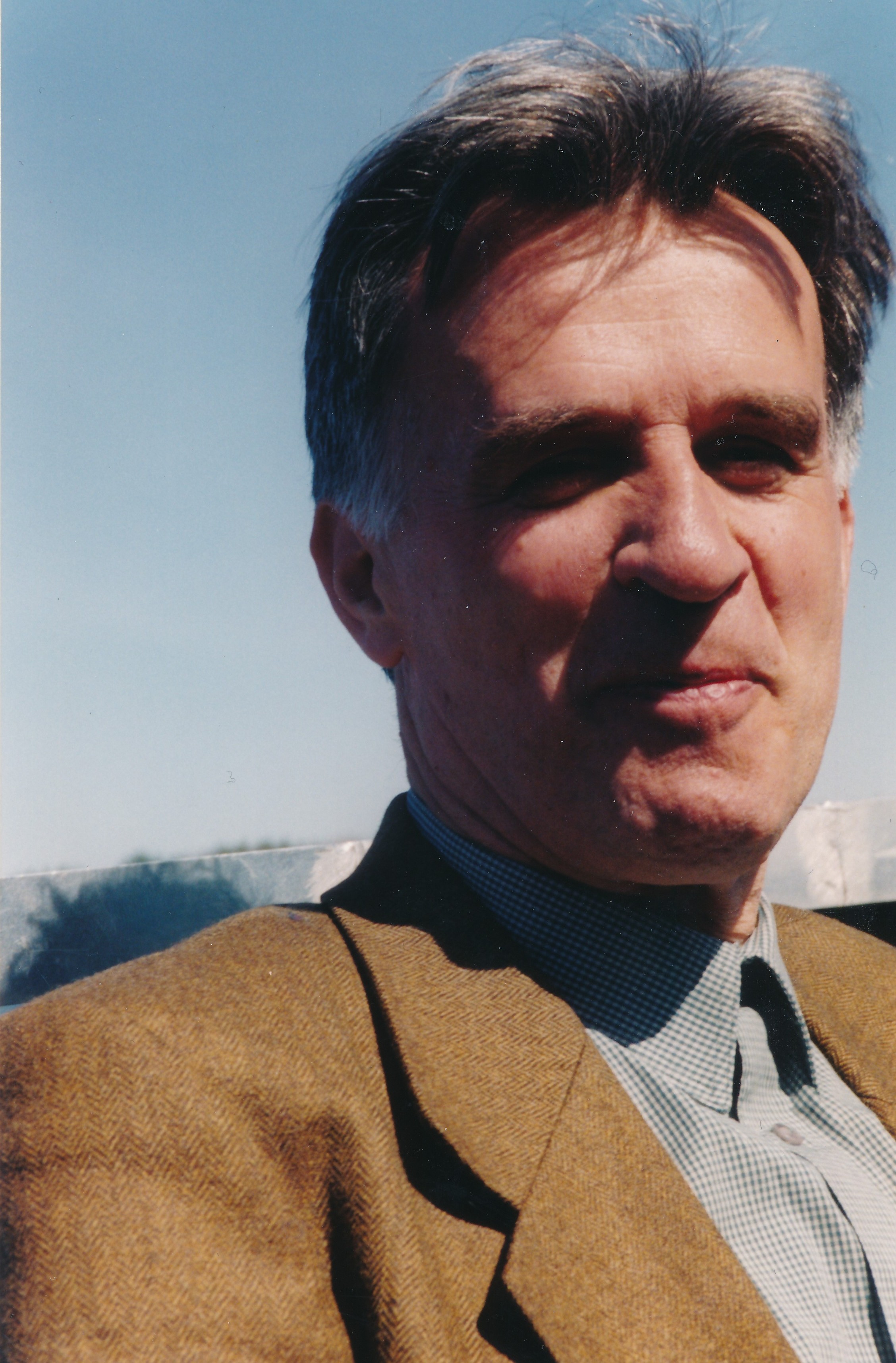
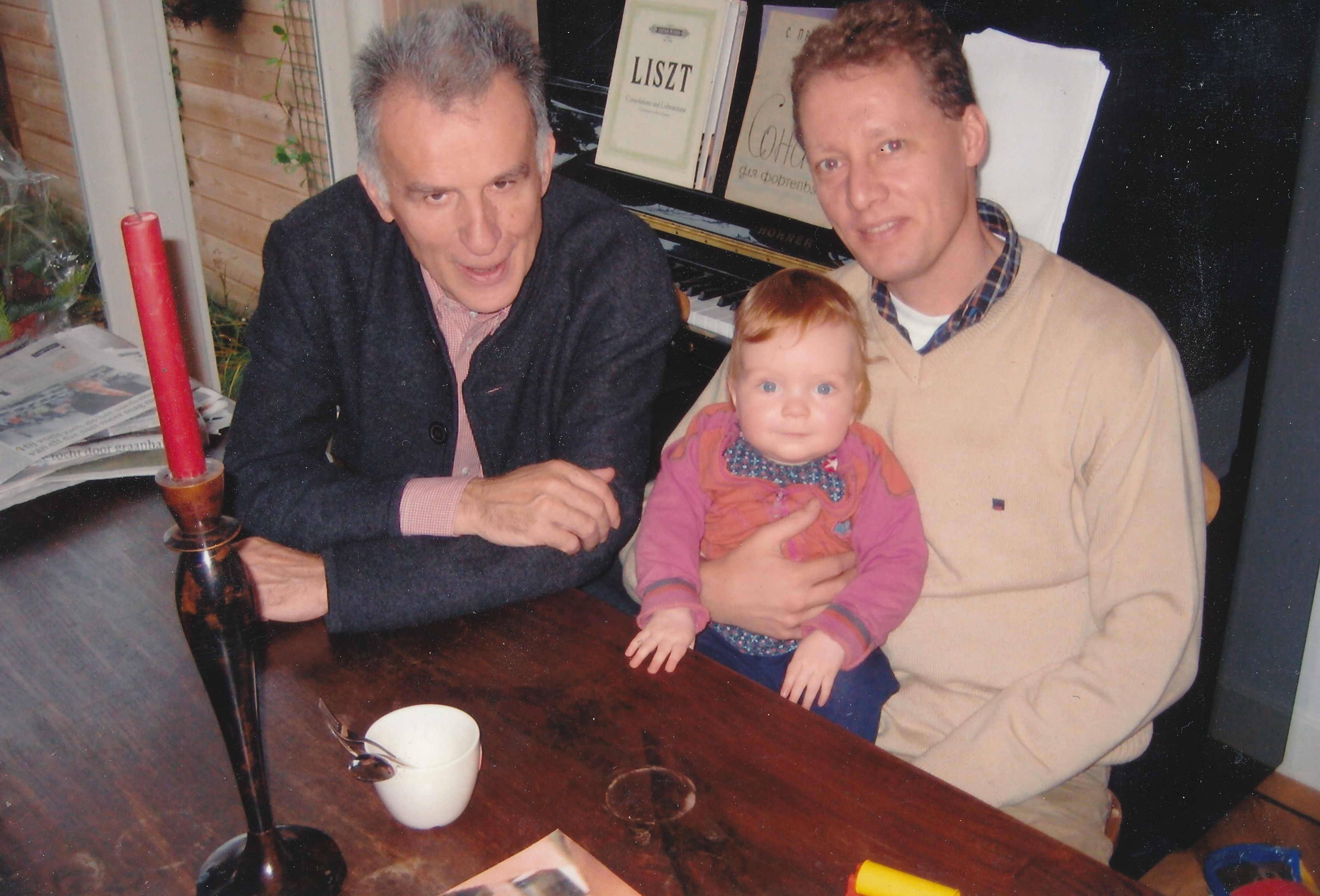
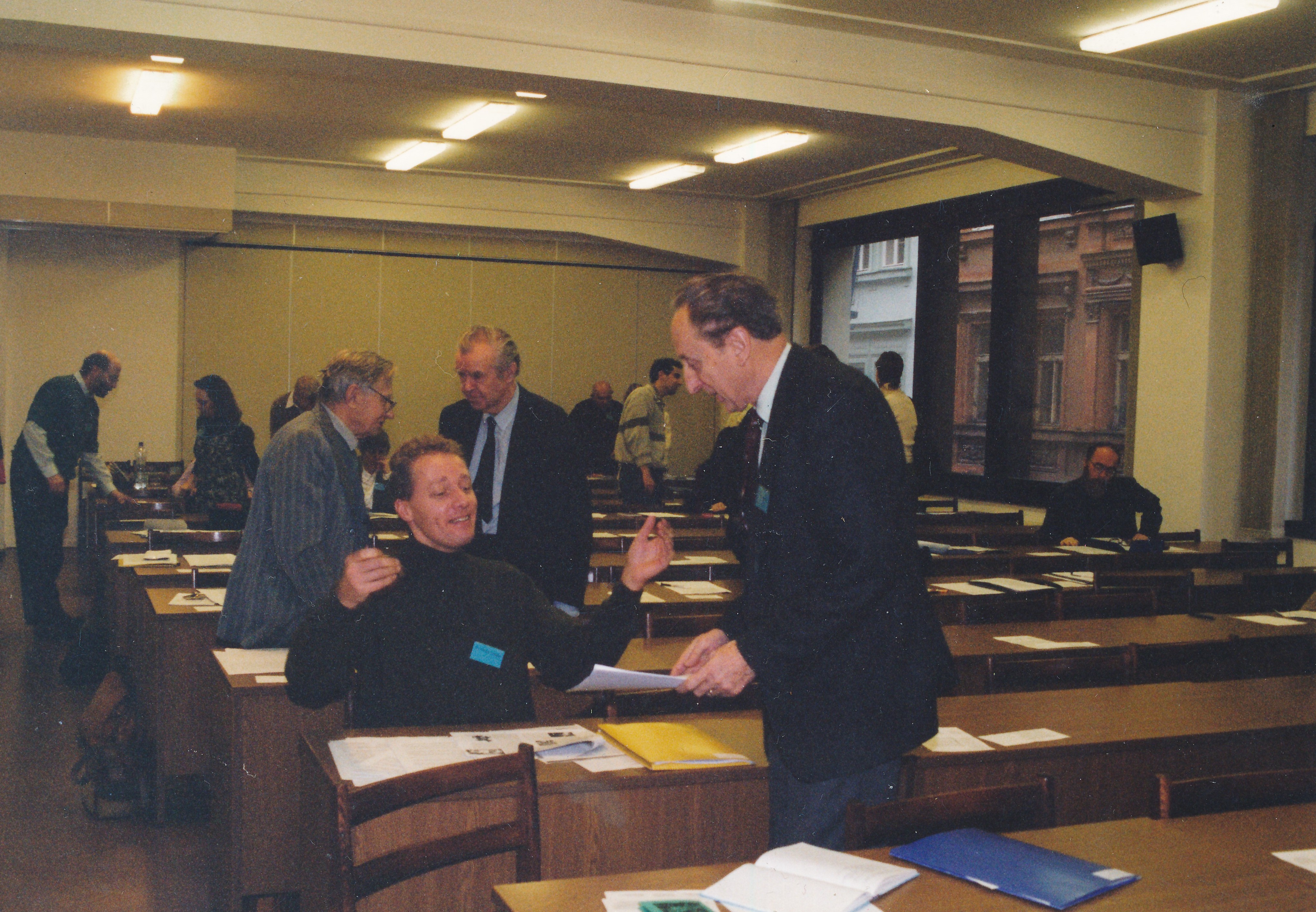
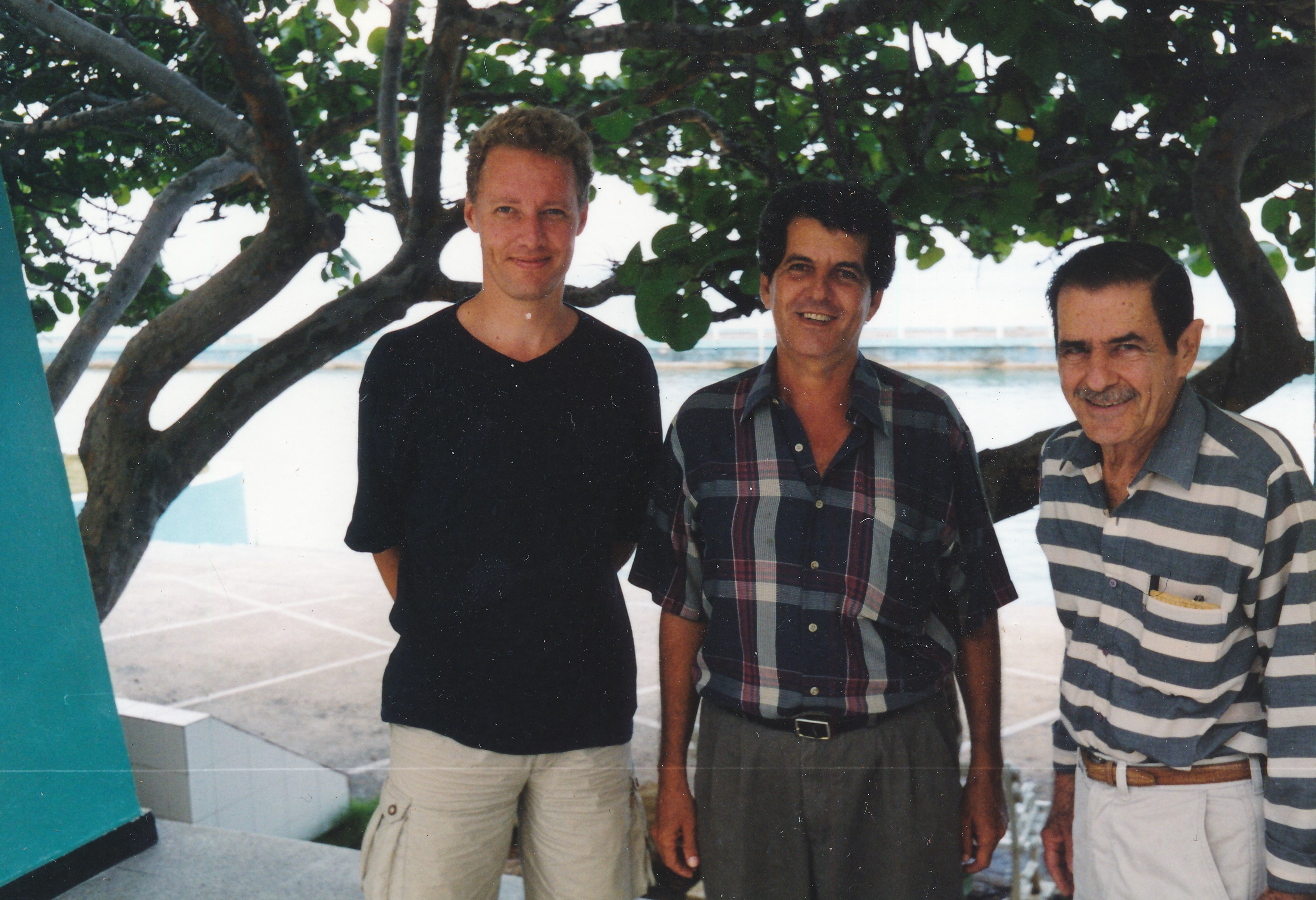
Peter Morée was born on 28 January 1964 in the Netherlands and spent his childhood in a family environment of conservative Protestant faith. After graduating from grammar school in 1982, he began studying theology at the Faculty of Theology in Utrecht. During his university studies he became involved in the activities of Hebe Kohlbrugge, a Dutch Protestant theologian. He was given the task of maintaining contacts with dissident and evangelical circles in Czechoslovakia and carrying secret correspondence. The turning point for him was a one-year study stay in Prague, where he studied at the Comenius Evangelical Theological Faculty from October 1985. He met Evangelical pastors who were suppressed by the regime, as well as organizers of residential seminaries, and was inspired by their inner freedom. He came to understand that these values had to be fought and risked for. In the spring of 1987 he secretly took the manuscript of a new church hymnal to Holland, which was published under the title New Song. From 1987 to 1990 he studied theology and Slavic studies with a focus on Czech in Utrecht and in November 1989 he took part in the events of the Velvet Revolution in Prague. He had been preparing his doctoral project on Milíč of Kroměříž since 1990 and defended his doctoral thesis in Amsterdam in 1998. He moved to Prague permanently in October 1993 to work at the Evangelical Theological Faculty (ETF) and also got married there. At the ETF he focused on modern history, the role of the Evangelical Church in the communist period and especially the personality of Josef Lukl Hromádka. He was a founding member of Institut Pontes, a human rights civil society organization dedicated to supporting independent dissident and church initiatives in Cuba. In 2025 Peter Morée was a professor at the Department of Church History at the ETF of Charles University and lived in Prague.