Dragoljub Matić

* 1945

  • "I could practically carry on. I filled my four years, I could have easily come back, and applied for some new post. But all that was happening in my country, all that I was told by people who had escaped the war, it stayed with me, it made me feel mentally uneasy. For example, a gentleman came with a girl who was eight months pregnant. He was a Serb, and she was a Muslim. He found some job where they wanted her to be his wife, not his girlfriend. I could, but only if their country allowed it. And he says, 'Which country?´ I say, 'Bosnia and Herzegovina.´ So he complained about it, he told me that if I could give it to him, that then he wouldn't be in Bosnia and Herzegovina at all. So I gave them away, wrote them a marriage certificate and everything. And he was a friend who had a lot of other friends. So then the Muslims came, the Croats, the Serbs, and I married them all."

  • "When Yugoslavia started to disintegrate, I was depressed. Every day I had 50 people in the waiting room of that embassy, which is not big, even the consular section was not big, waiting for me to help them. I tried to talk to everybody to help them as much as I could. On top of that, on the negative side, as Yugoslavia was breaking up into republics, Croatia, Bosnia and Herzegovina, I was instructed by the Foreign Ministry in Belgrade that passports were no longer to be given to those who were no longer citizens of little Yugoslavia, that was Serbia and Montenegro. At the same time, a lot of people had fled the war conflicts that were in Yugoslavia and needed some proof that they were what they were. A lot of people came with some of our Yugoslavian identity cards and I was supposed to issue them something on that basis. Those were sad times. I didn't have the possibilities, but I did everything I could. Officially I didn't have the opportunity, but unofficially I did a lot of things."

  • "We went to Vodičkova Street discreetly, each group separately - to the elevator, to the top floor. There was a hall for the production of the News, which was played before every film in the cinema. There they showed us for the first time one documentary film, A Century of Czechoslovakia. And underneath the documentary, there was a short film newsreel from August 21, which talked quite ironically about the occupation and everything that was happening there. They told us that the people from some cinema had hidden it, because the cinema only showed these films one afternoon, and immediately State Security came and destroyed it. So this was one of the few copies that remained."

  • Full recordings
  • 1

    Praha , 20.06.2025

    (audio)
    duration: 02:20:18
    media recorded in project Stories of the 20th Century TV
Full recordings are available only for logged users.

I had fifty Yugoslavs fleeing the war every day at the consulate
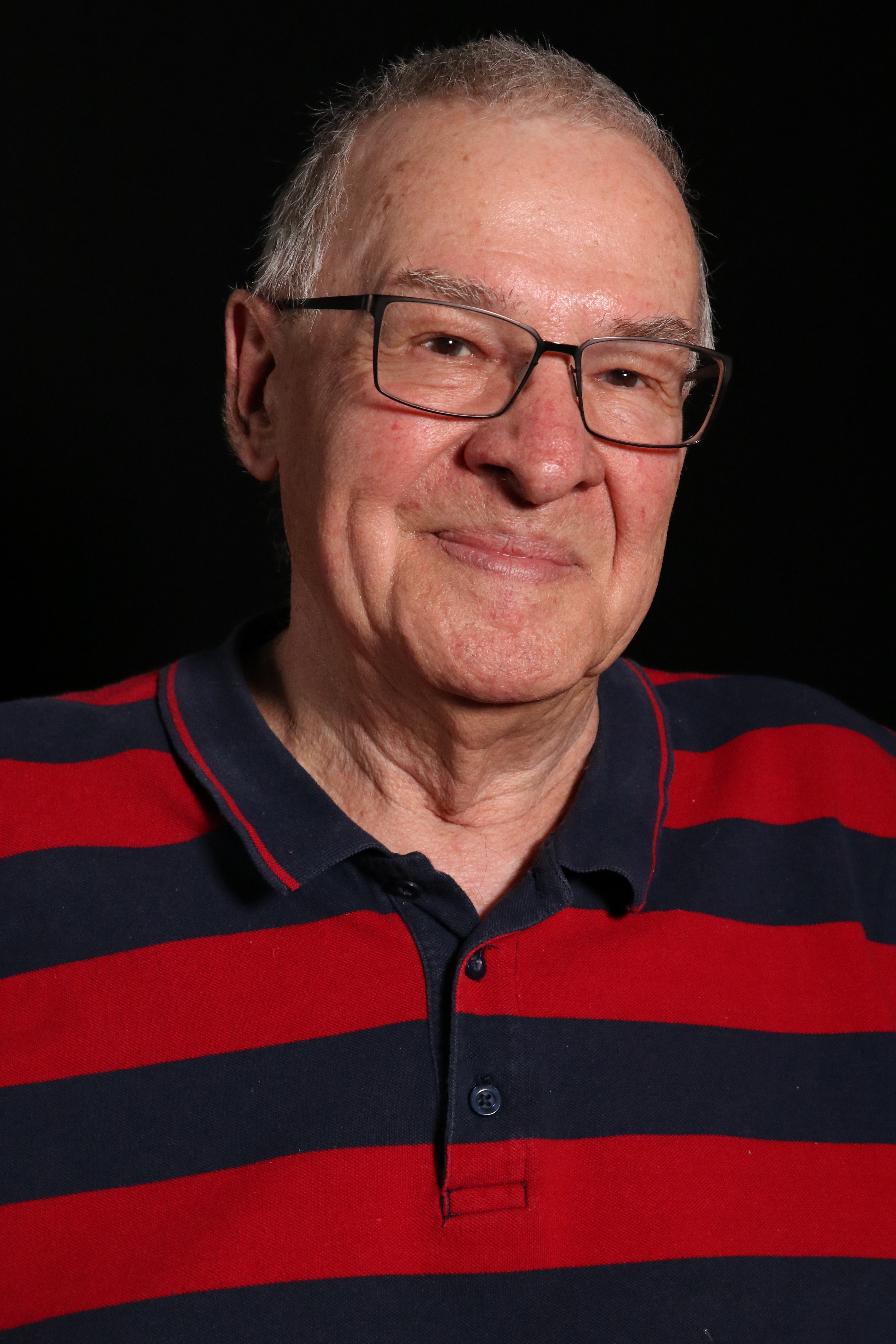
Dragoljub Matić at the time of the interview (June 2025)
photo: Post Bellum

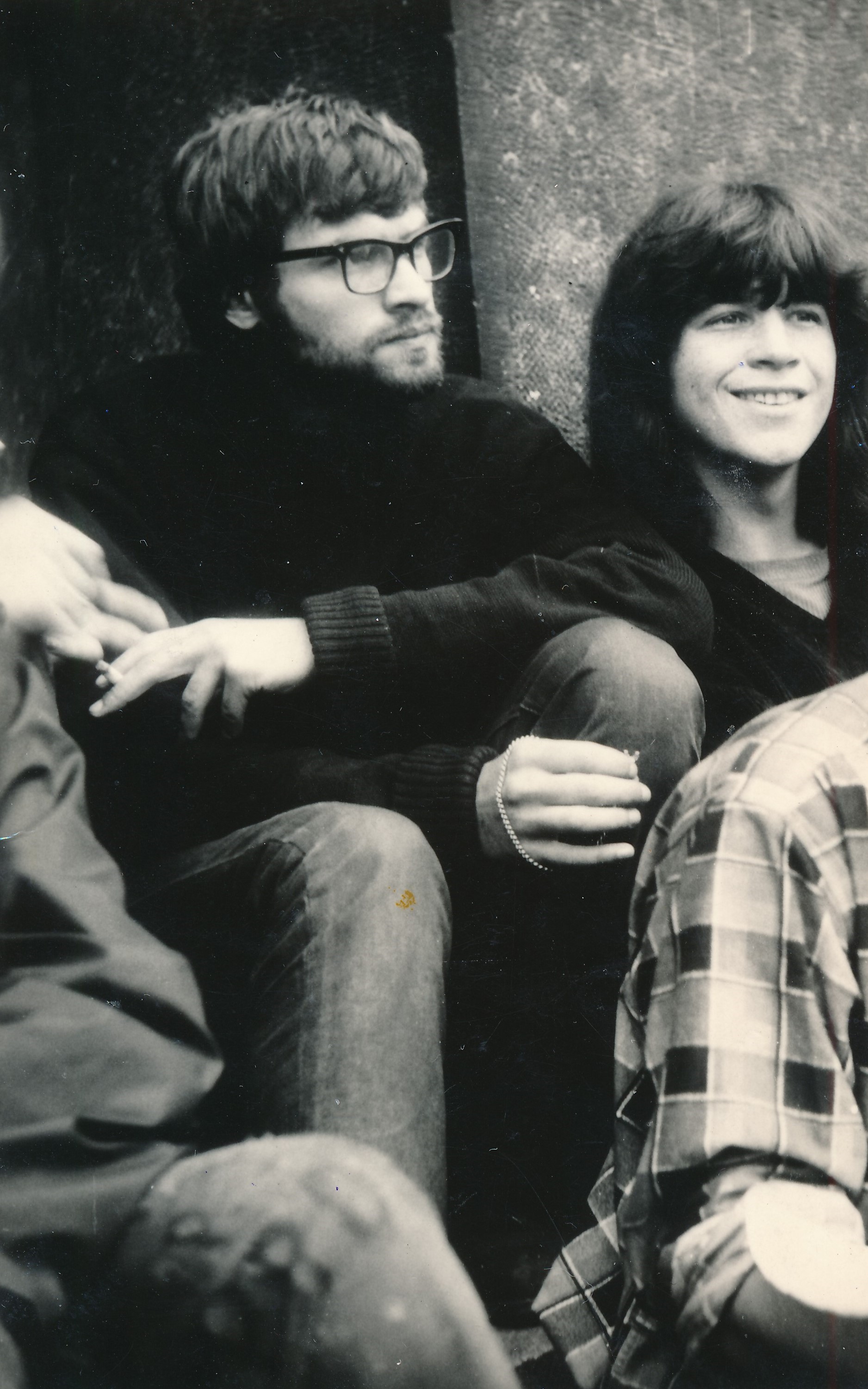
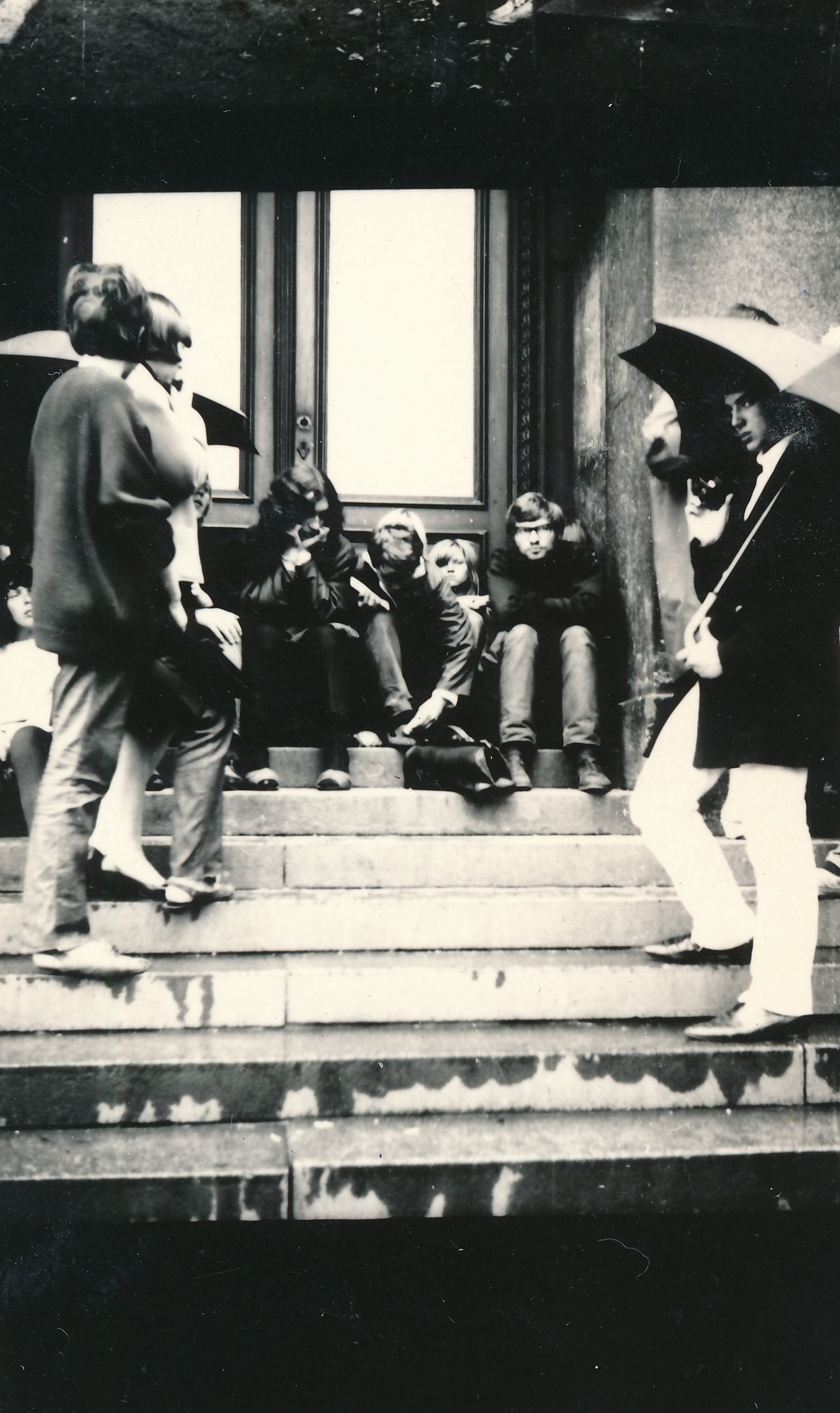
Dragoljub Matić was born in Belgrade on 11 October 1945. His father was Alexander Matić, his mother Drenka Matić. He spent his childhood in the Žarkovo and Čubura districts of Belgrade. He graduated from a XI Belgrade Gymnasium, and later on he completed philological university studies with a focus on Czech. In his youth, he made guest appearances on the radio with new records, joined the daily Džuboks and started travelling through the countries of Eastern Europe. He visited Czechoslovakia in 1966 and 1967 and grew to love it. After Džuboks, he began working for Politika, the main Yugoslav geopolitical media, where he also reported on the events of 1968. After the war, he joined the SKJ (Union of Communists of Yugoslavia) and eventually followed the path of diplomacy. He spent four years at the consulate in Paris, and in 1989 became consul for the Czechoslovakia. He lived through the events of November and helped his fellow citizens during the Yugoslav civil war. Deeply affected by the events in his native country, he later resigned from his post and began to explore the possibility of helping immigrants from all over the world, for whom he founded the SLOVO magazine, where he served as editor-in-chief. At the time of the interview he was living in Prague-Hostivař with his wife Olga.