Milan Linhart

* 1953

  • "I was basically supposed to be without medication, but they didn't care. When he got sick of me, he prescribed thirty drops of Neuleptil and I was knocked out for a week. I have no idea [what was happening to me]. I just sat there, soiled, completely knocked out. Eyes rolling, pupils up and you don't know about yourself. Drooling... If they decided, they'd burn your brains down in a couple of weeks." - "Did they do it out of some belief that they were helping?" - "[Sarcastic laugh] Out of conviction! Yeah! They were convinced they were helping. Yeah, they were. Nobody could talk them out of it. They were more like they were helping the society of the time. They were instructed to do that from above."

  • "The hole - it's not worth talking about. Those were such niceties. You were alone in the cell. You had two mattresses, so rotten, so ugly, with kind of horsehair inside. You had two blankets, two mattresses. And that was it. And what you were wearing, tracksuit bottom. Well, now [the guard] would come in there, for example, and take a bucket of that greasy soap, dump it on the floor, and pour four or five buckets of water in there. Of course, there was no canal. You had to take off your tracksuit jacket, the tracsuit top, the brown, ugly one, and you had to wipe it with that and wring it out into the toilet. When you put five or six handfuls of that greasy soap in there like that, there was foam everywhere, the mattresses got soaked, wet, damp, cold. Not to mention the food. Once a week, you'd go to the shower, and when you got there, they'd turn off the hot water. I got knocked out a couple of times in there too, got hooked up behind the heater, got a nice beating and was sent back in. And what also happened to me was that even though it was solitary confinement, you were supposed to be there alone, they put a boy in there for about a week who had gangrene in his leg and they had amputated his leg. And they must have done it very badly and kept making him try some weird prosthesis. It didn't fit the leg at all. He was screaming all night. There was no soothing medication. For a whole week, until they took him somewhere at the end of that week, and then I found out he died. I guess that's the memory I have of it."

  • "It wasn't basically a parade, it was just groups of people pushing each other, all trying to get to the post office, to the center, but they had it blocked. They had Masarykova Street blocked, there were armoured personnel carriers, from Becherovka on the other side to the Praha cinema, there were water cannons and they were spraying water into Jaltská Street, there were rubbish bins, there were rubbish bins flying through the air, all the people were getting drenched. One boy was caught, he was lifted up at the entrance, he was left lying there. Well, they just beat people and they had it all cordoned off so people couldn't get to the center because Thermal didn't exist yet. From the bottom, from Kriváň to the post office, the People's Militia was pushing it in a big way - batons, they were armed with machine guns. Complete idiots. And from the other side, there were armoured vehicles, Public Security. So actually they pushed all those people who were concentrated on Masarykova, all the way to Becherovka, they pushed it from there. So those people didn't have a chance, so they were running, they were gathering more or less in the side streets, like in Zeyerova, in that Jaltská Street. And there they advanced from the other side from Staliňák. There were policemen there, they had a big station next to the church, so from there they were beating the people from the other side, and people had nowhere to run. So then they were running away through different side streets. They dispersed, whoever could zigzag, zigzagged. Well, we ran to Tuhnice because we lived in Tuhnice."

  • "...a boy from Bratislava, whom we called Slámko, slept there with us. Well, when I came back after that vacation, I met this friend and he told me that they [the Soviet occupiers] had shot Slámko. And that he was lying covered with a flag in the passage of the Blaník cinema. So we went there to see him. Of course he was covered, there were eight bodies covered. And so we were just pissed off, there's no other way to describe it. And the rage - young teenagers, so we went down Štěpanská Street, now there was this little GAZ vehicle. He had a machine gun on top. They were repairing the pavaments in Štěpánská Street and there were cobblestones. And we boys couldn't think of anything but to take a few of those cobblestones and throw them at them. But we could not even throw it at them, we were weak. And now they were coming and all we could hear was somebody shooting in the air. We got scared, scared, so we ran right into the first house, there was a big classic oak door. We ran into the house, there was a staircase, behind the staircase there was a kind of a mezzanine, and down into the yard, into the yard we disappeared. And the next day we went down there to see. And the door there, there were six or seven holes, and a completely split wooden staircase. As they wete shooting at us with a machine gun. So those are my memories of the 1968."

  • Full recordings
  • 1

    Karlovy Vary, 24.09.2025

    (audio)
    duration: 01:07:59
    media recorded in project Příběhy regionu - Karlovarský kraj
  • 2

    Karlovy Vary, 30.09.2025

    (audio)
    duration: 02:59:15
    media recorded in project Příběhy regionu - Karlovarský kraj
  • 3

    Karlovy Vary, 02.10.2025

    (audio)
    duration: 01:01:34
    media recorded in project Příběhy regionu - Karlovarský kraj
Full recordings are available only for logged users.

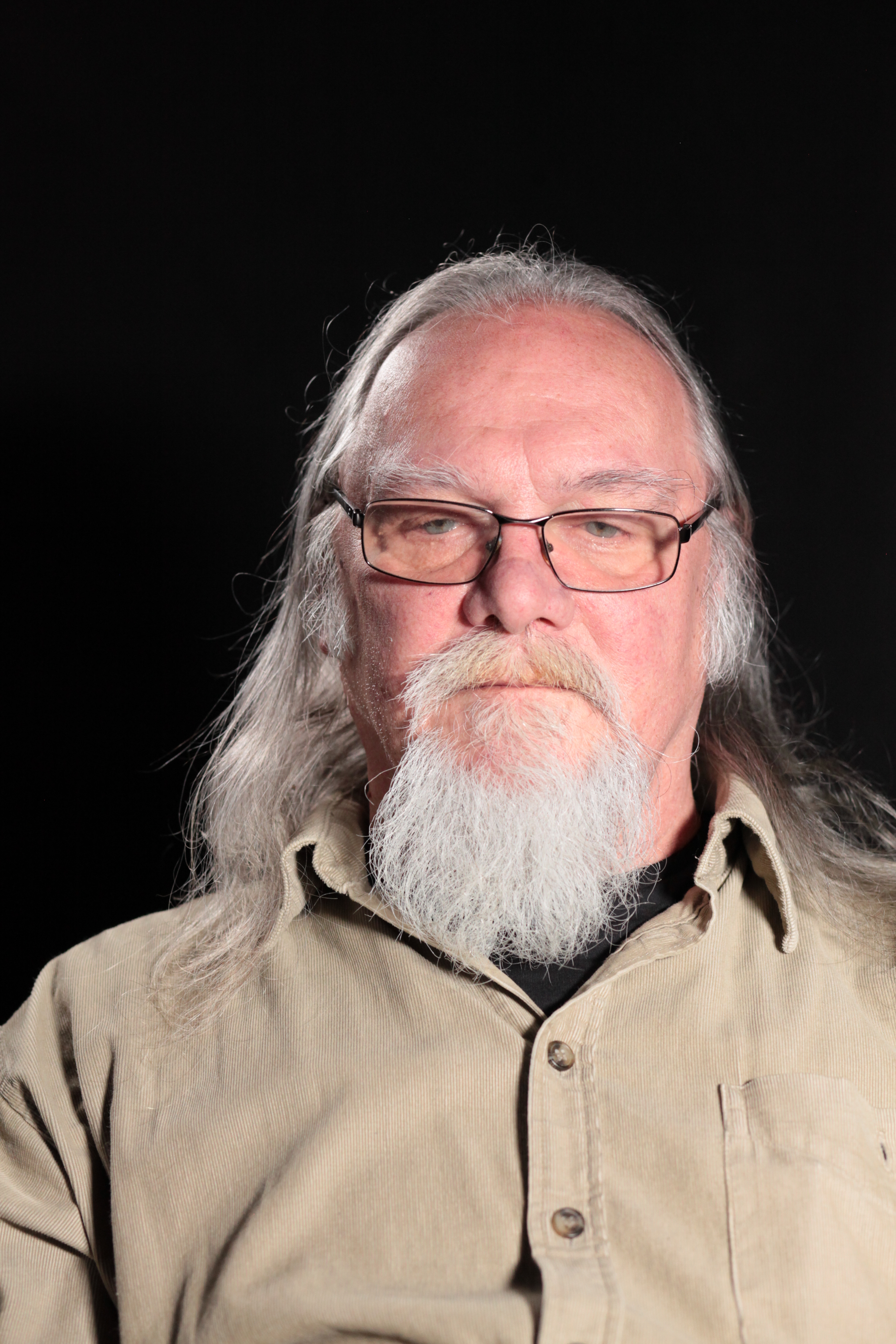
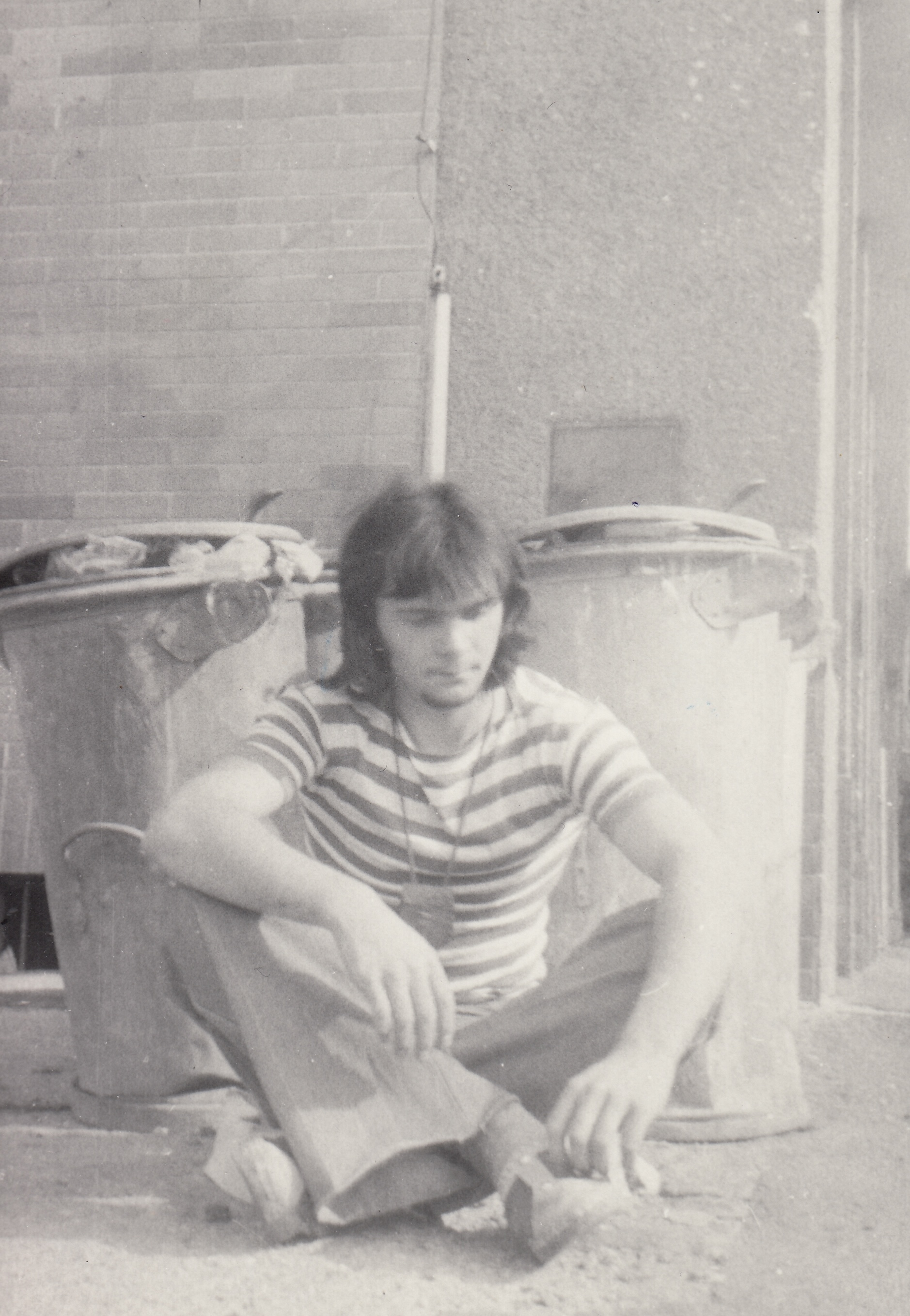
Treatment was part of the punishment. If someone didn’t like you, you got thirty drops of Neuleptil and were knocked out for a week
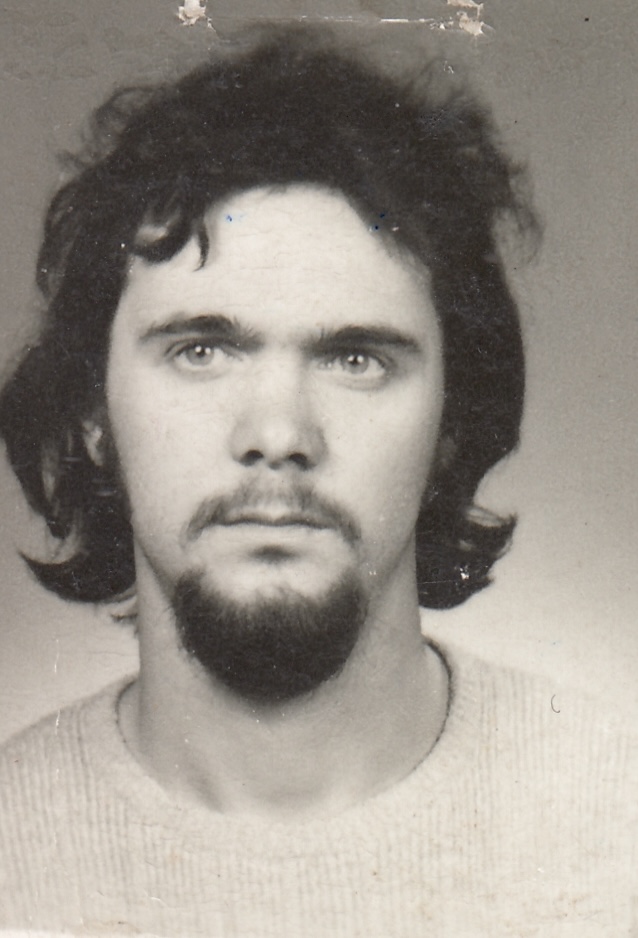
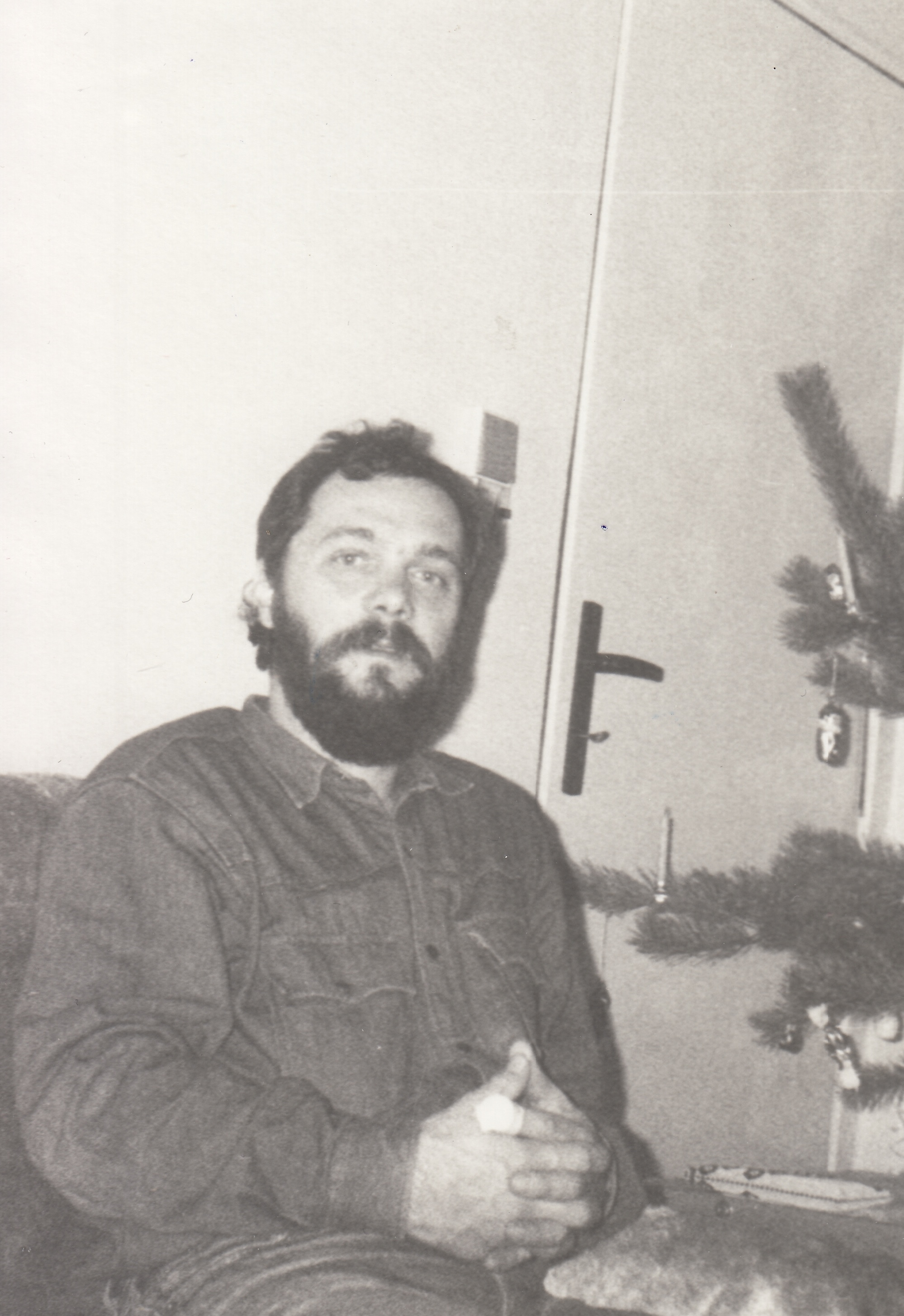
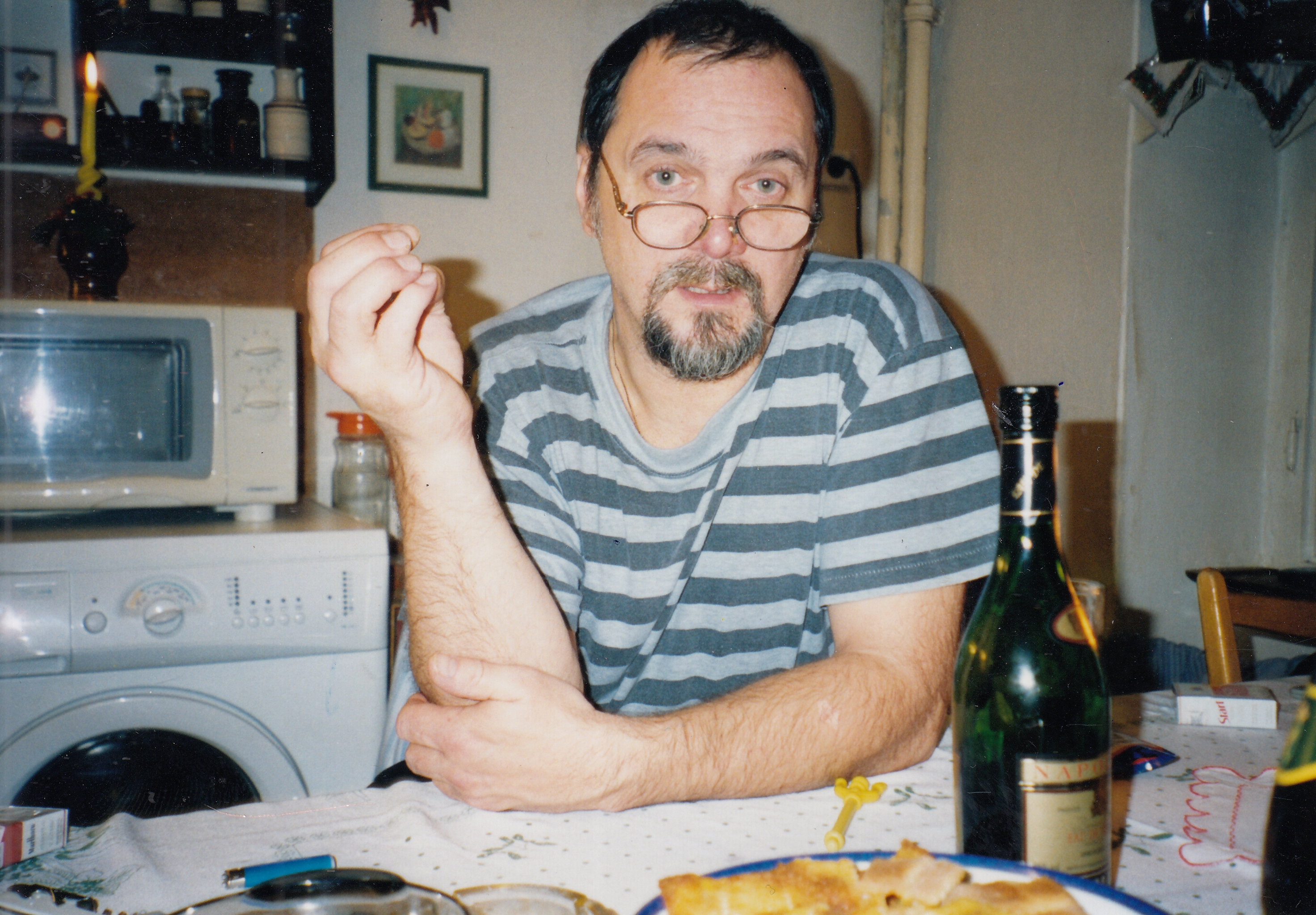
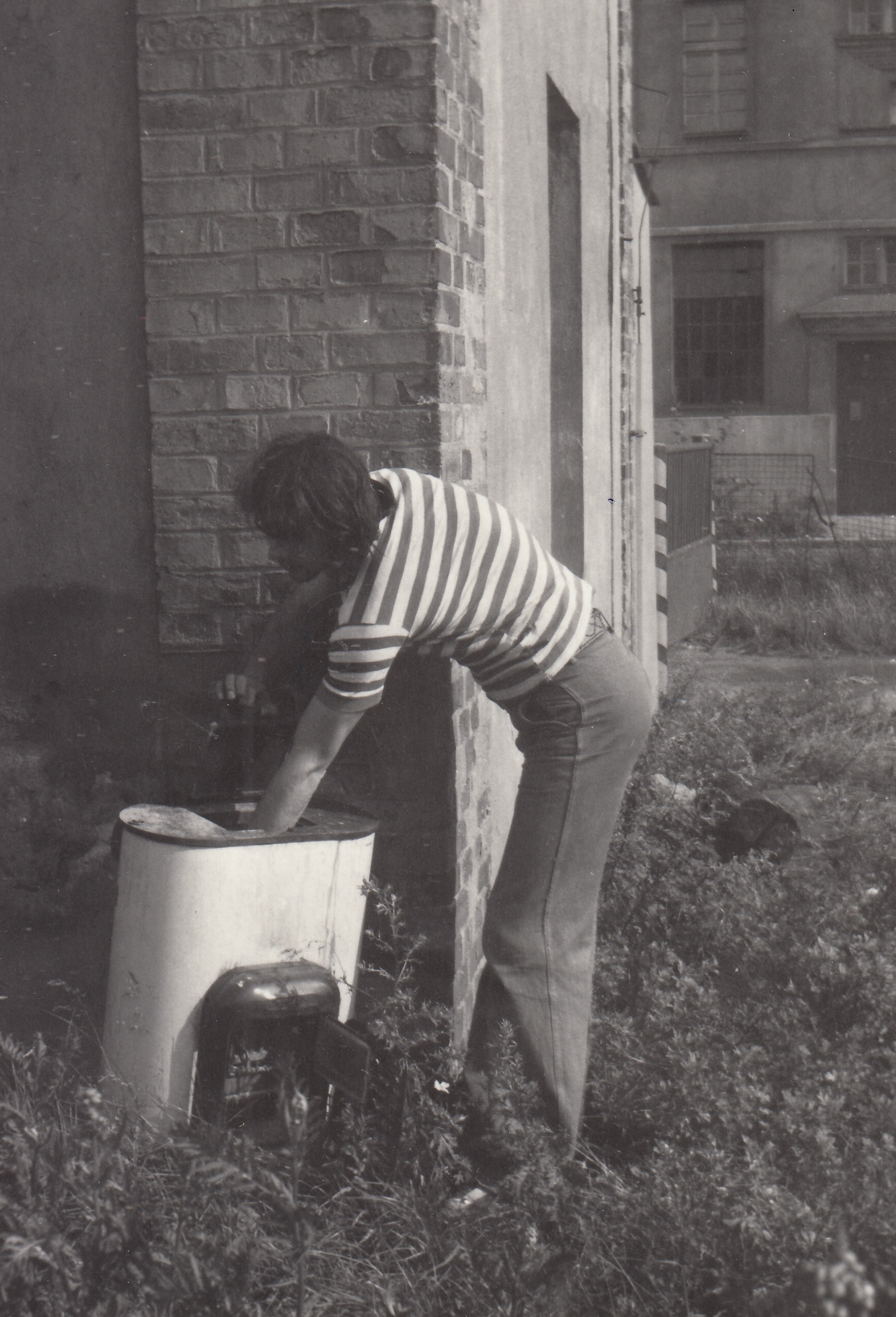
Milan Linhart, 1980s
photo: witness´s archive

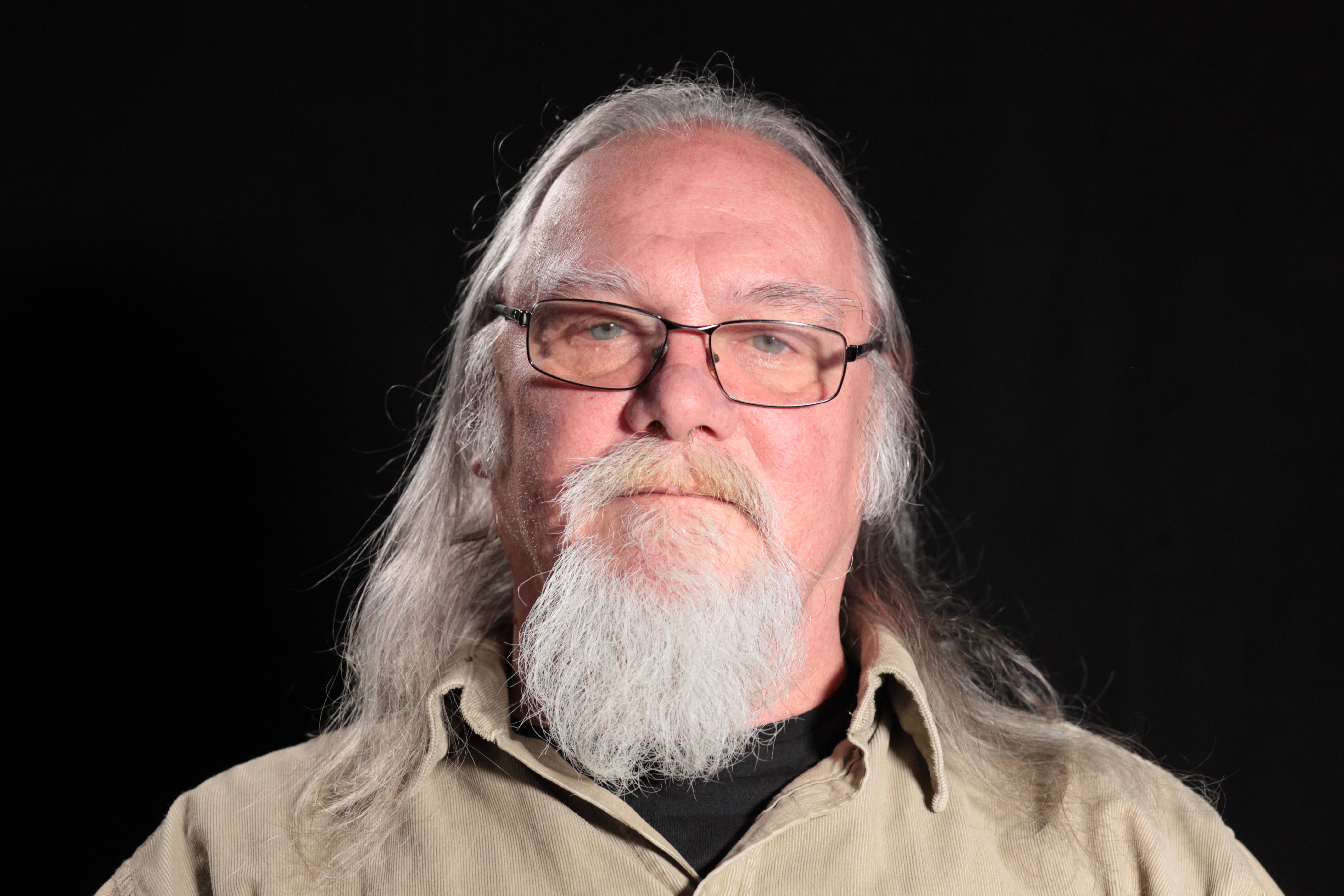
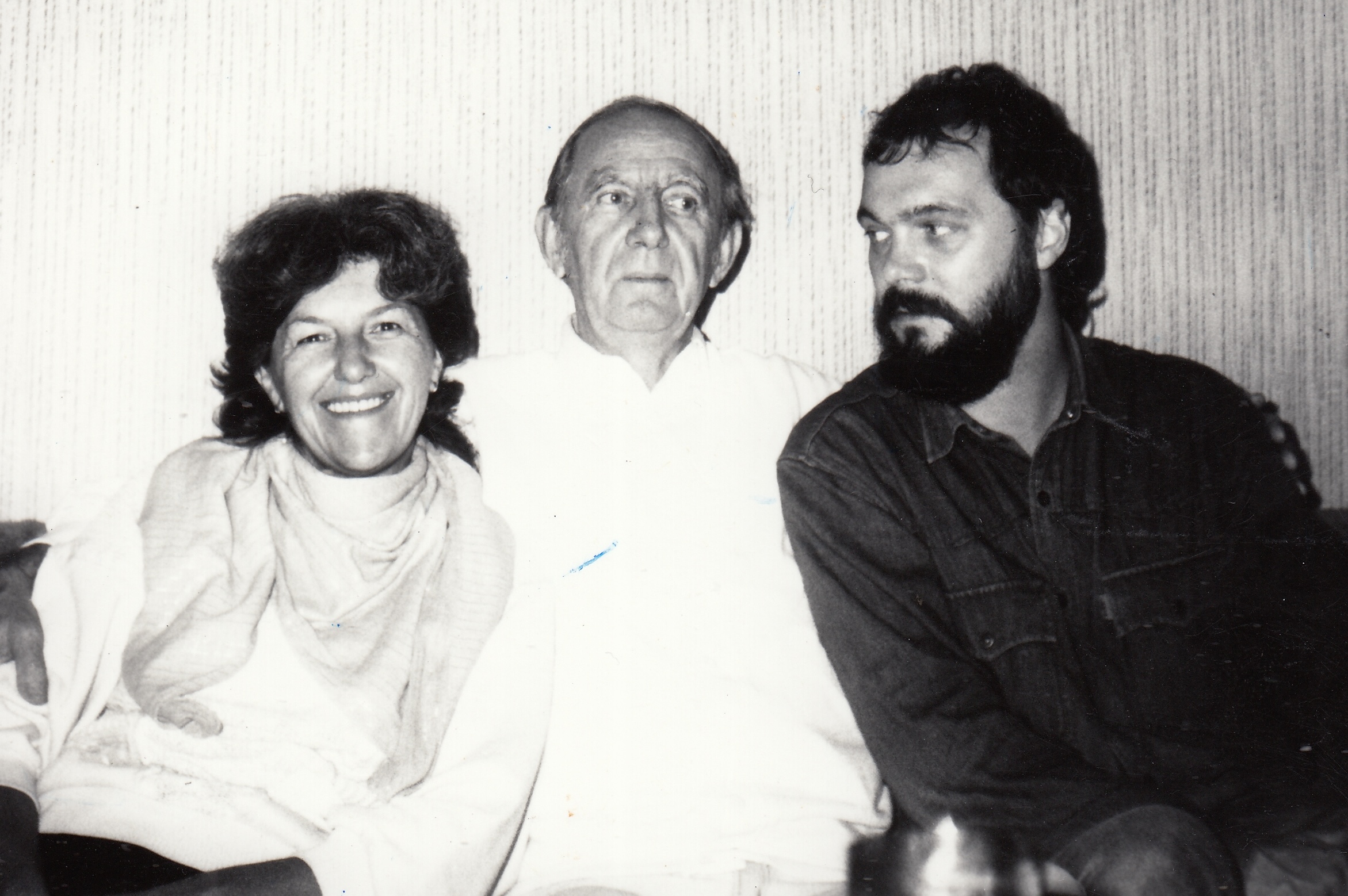
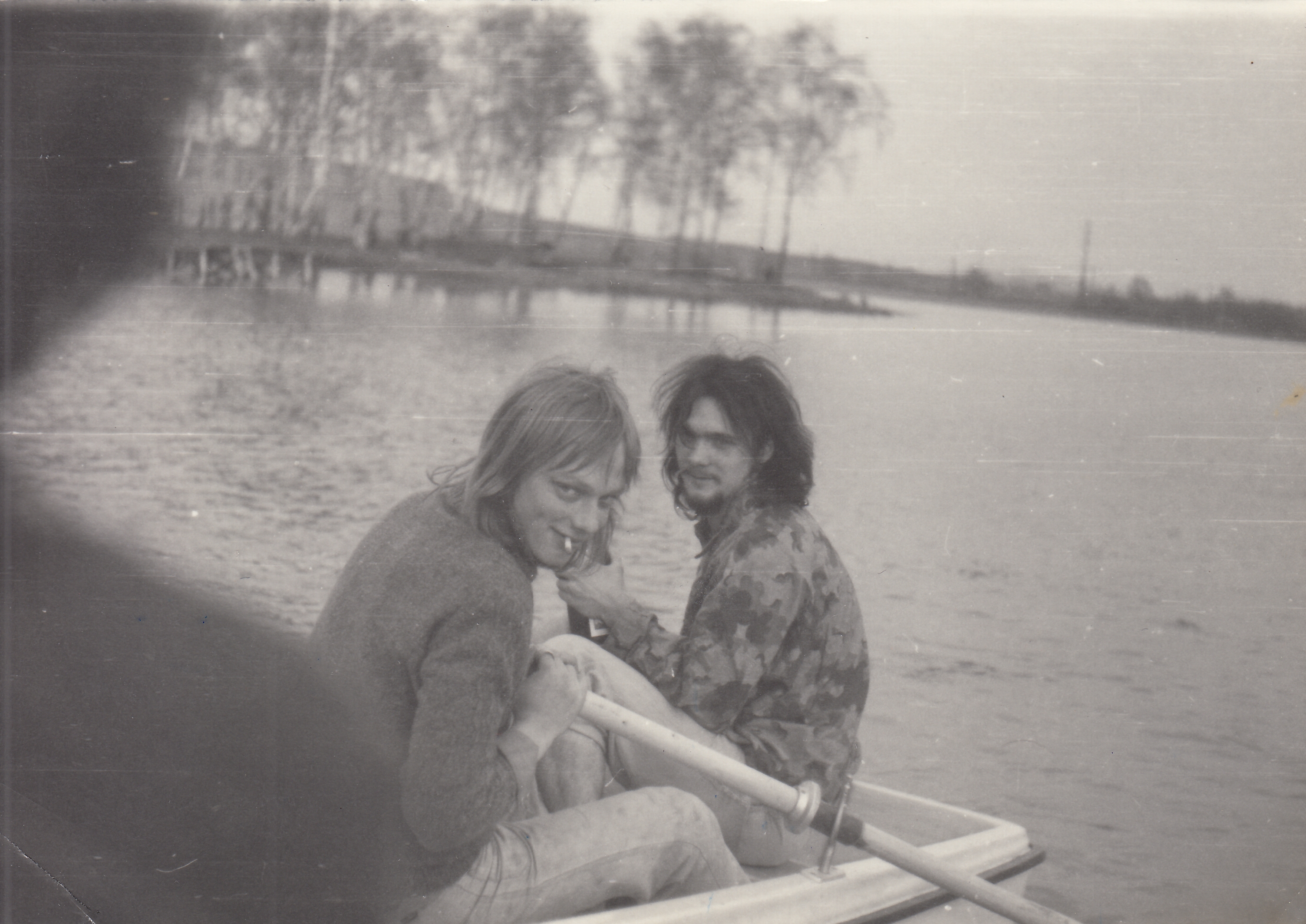
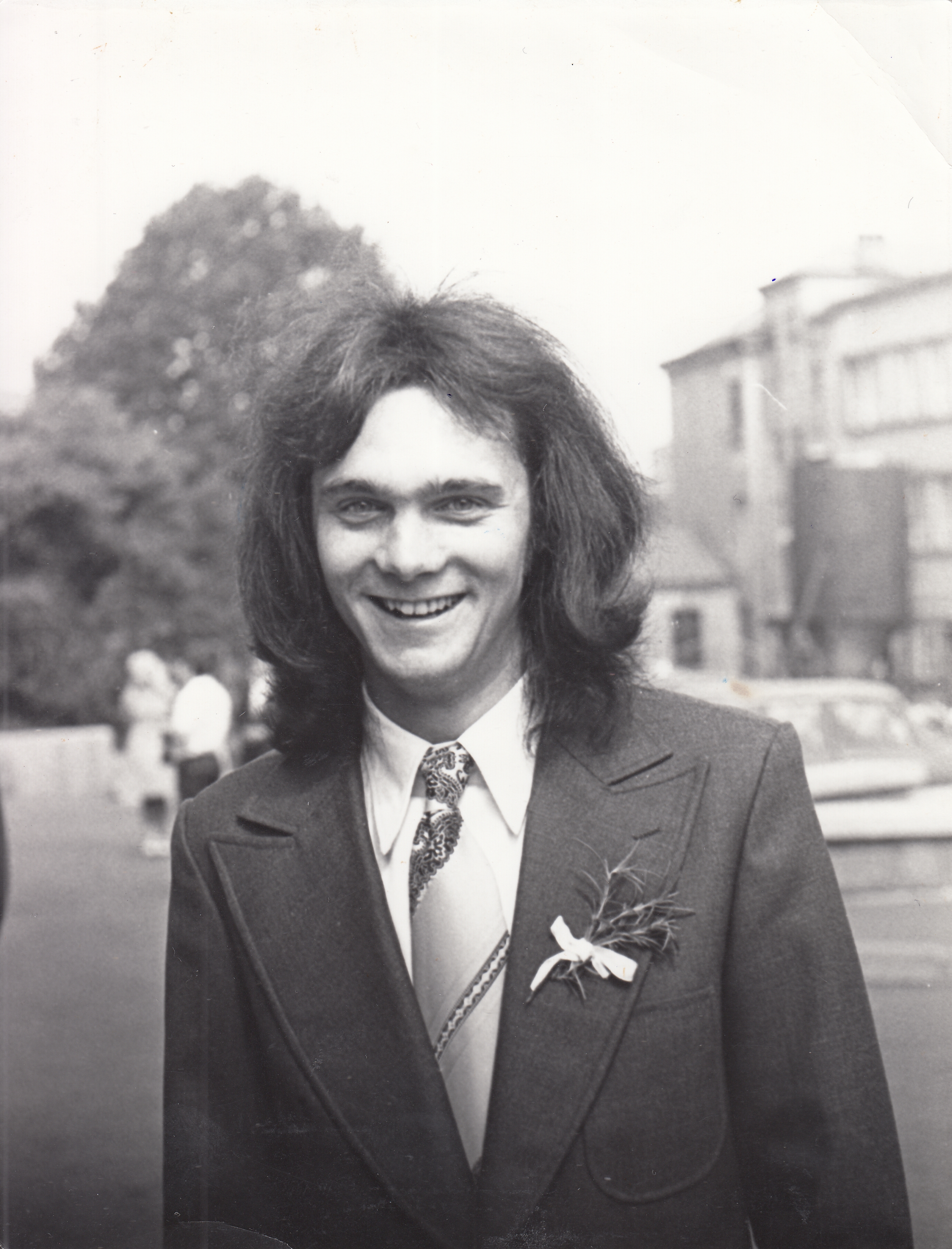
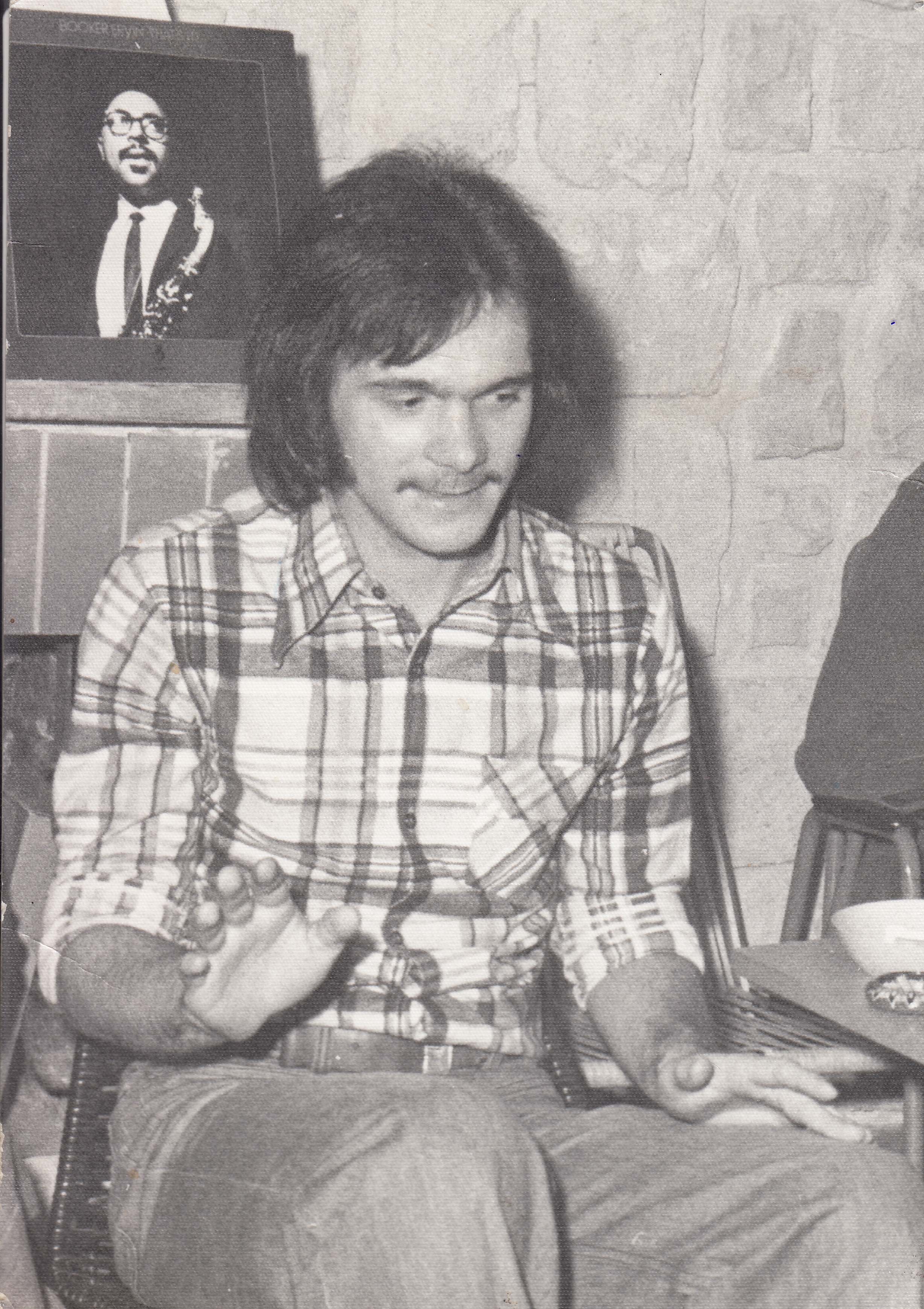
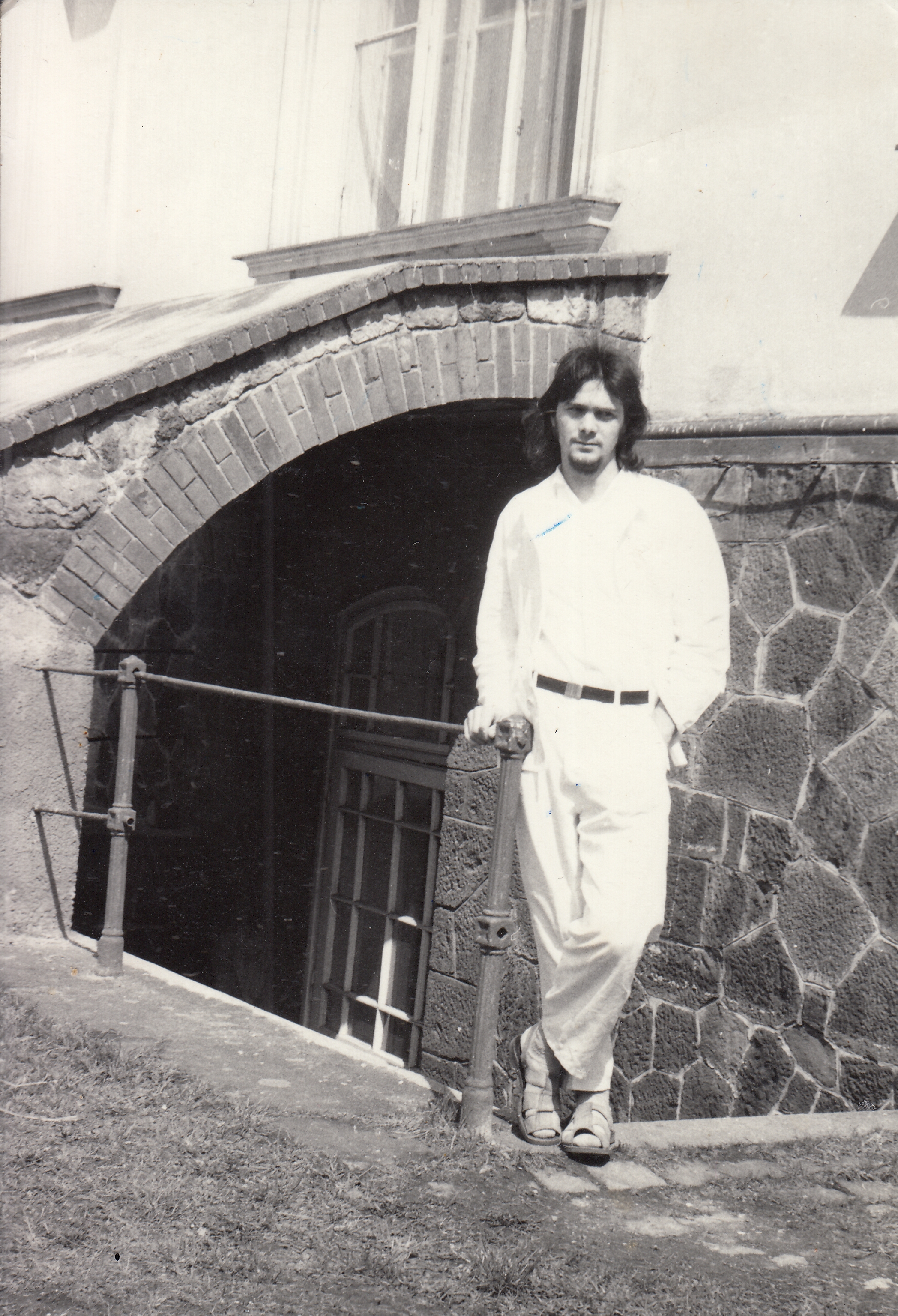
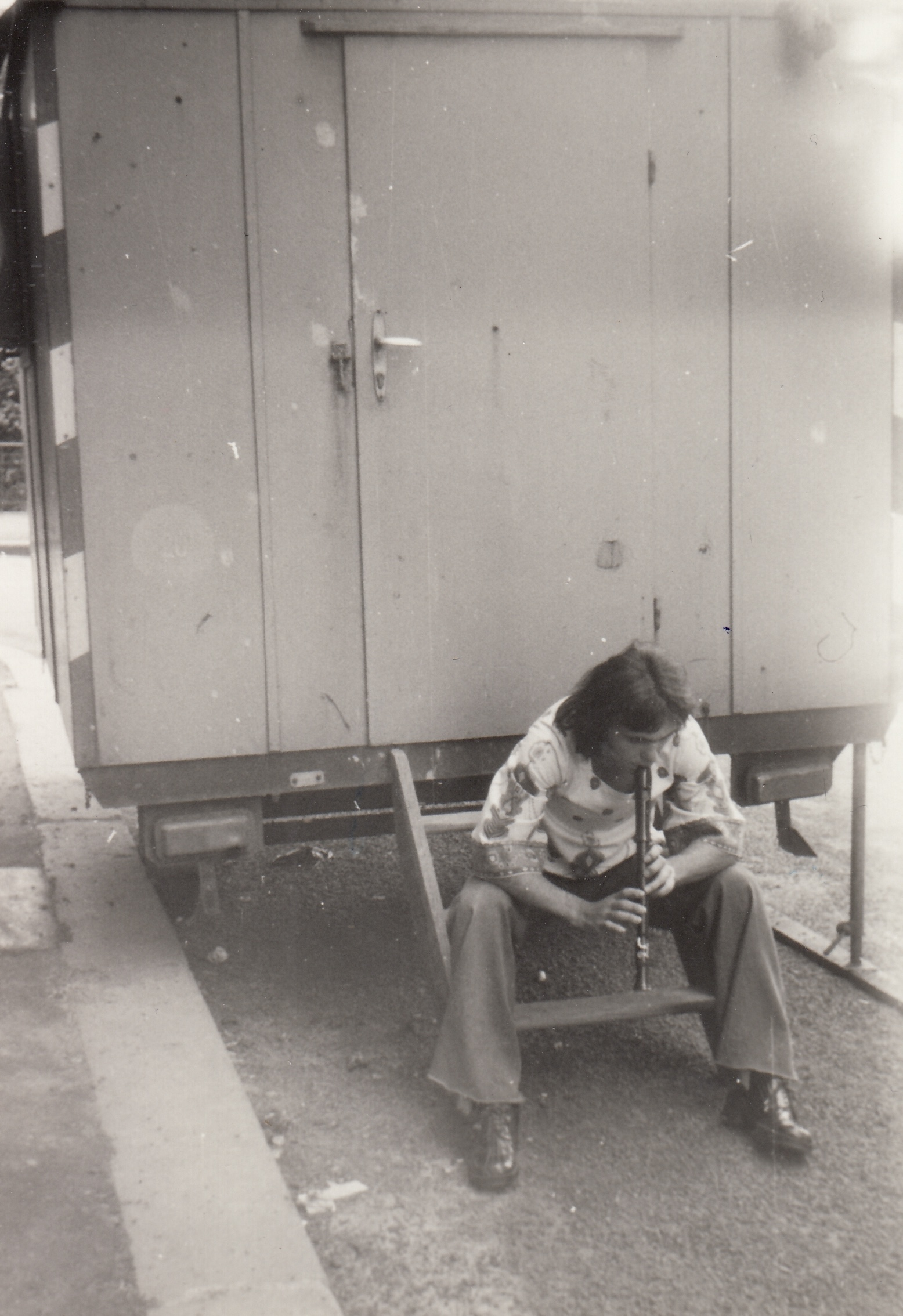
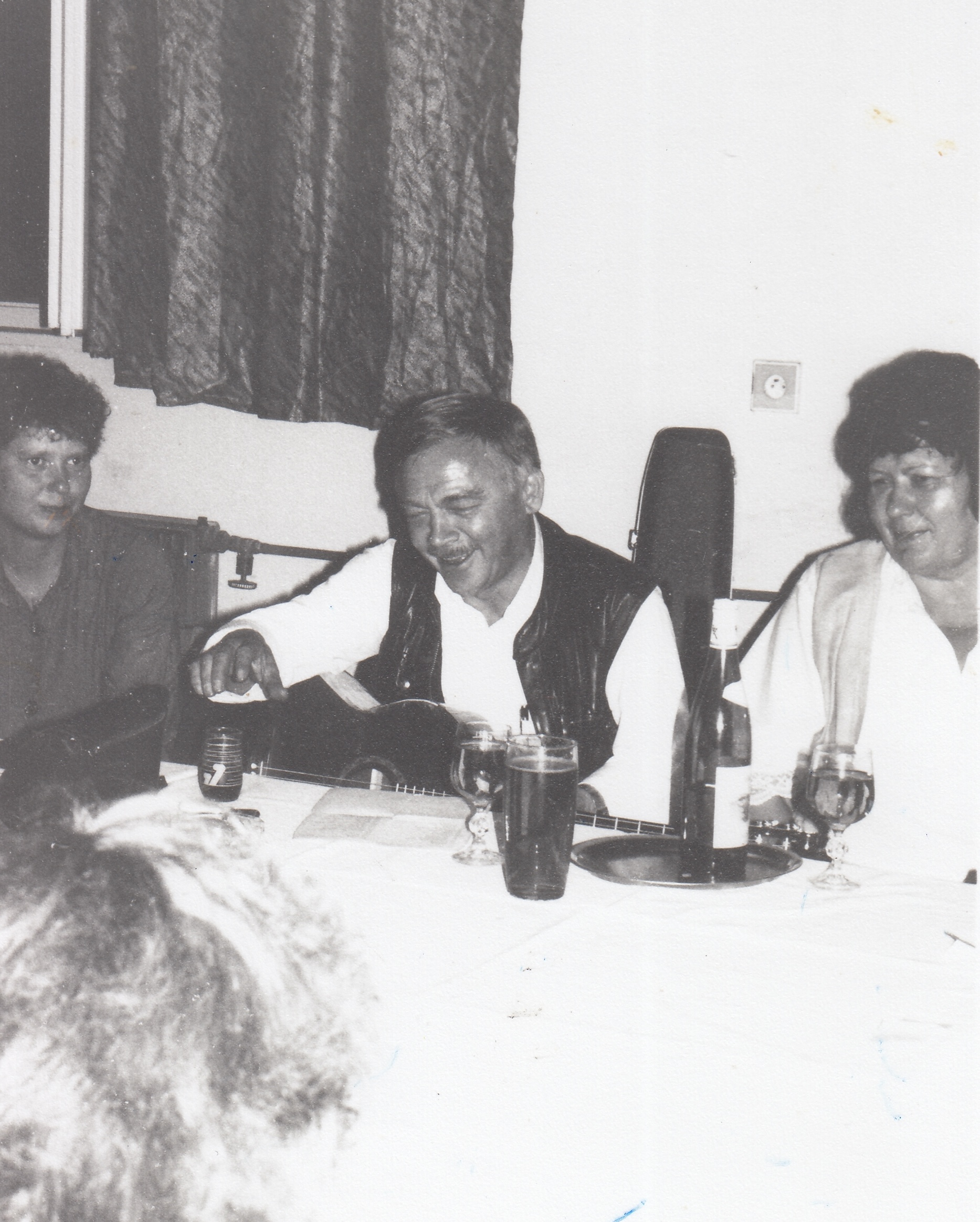
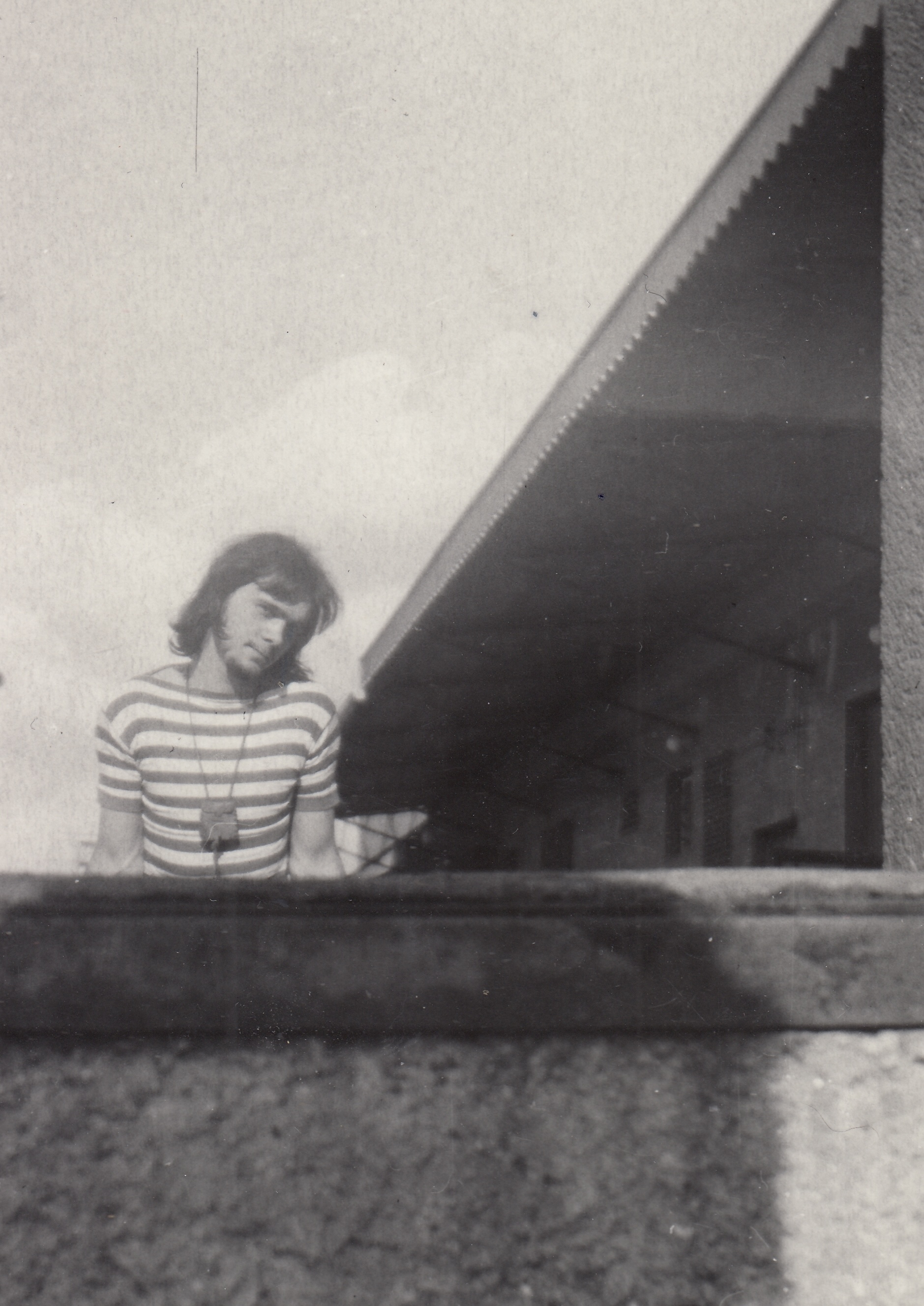
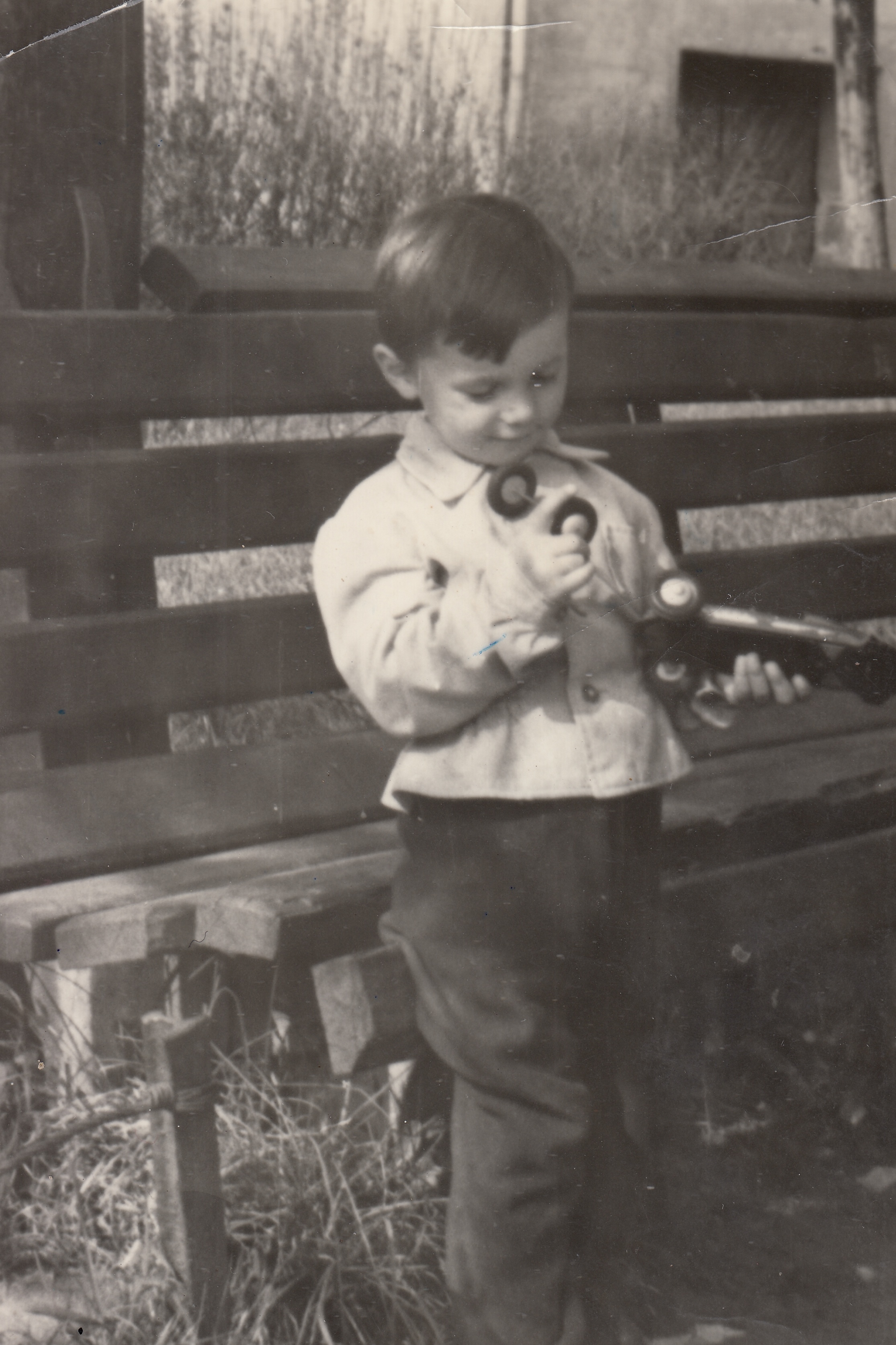
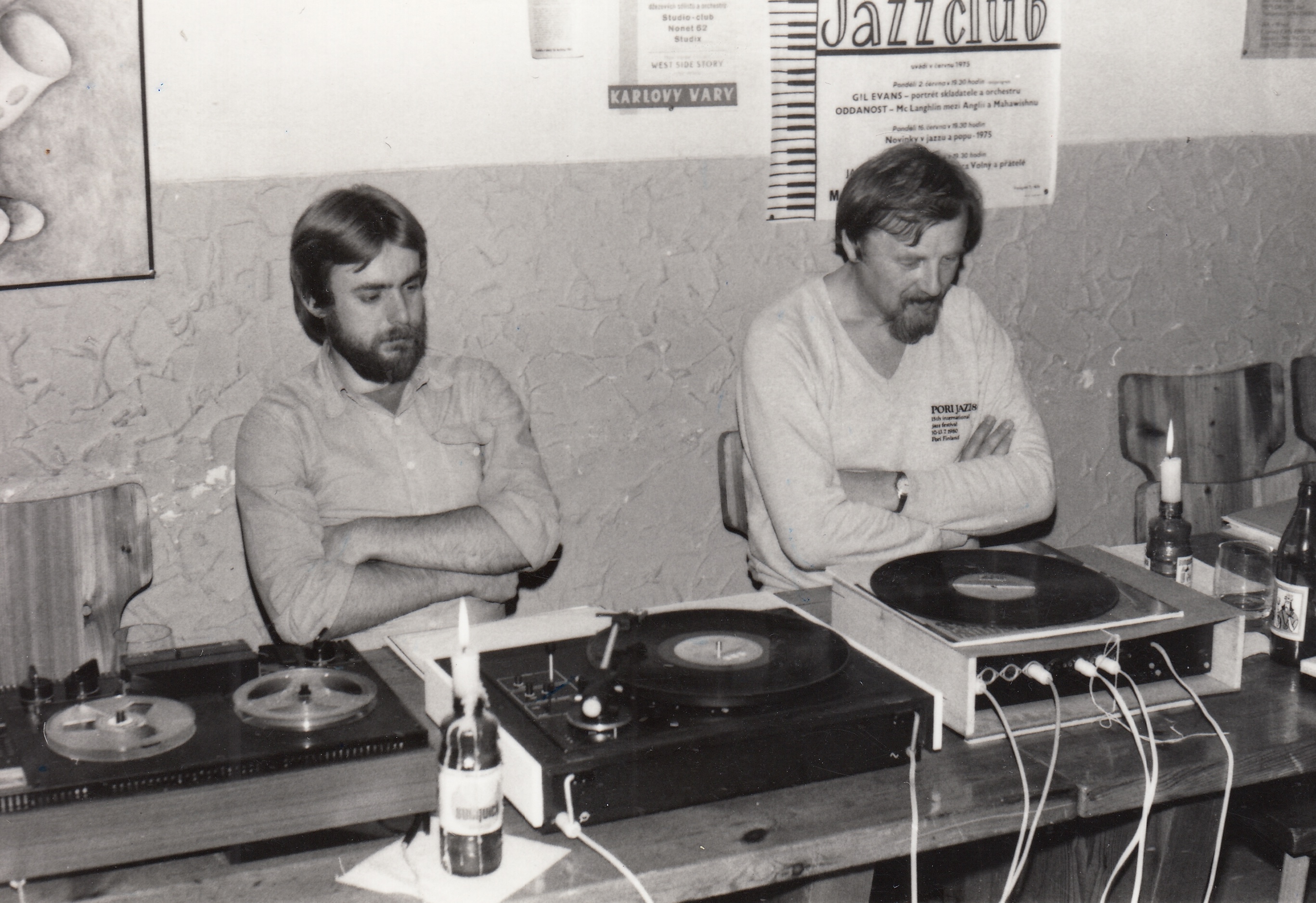
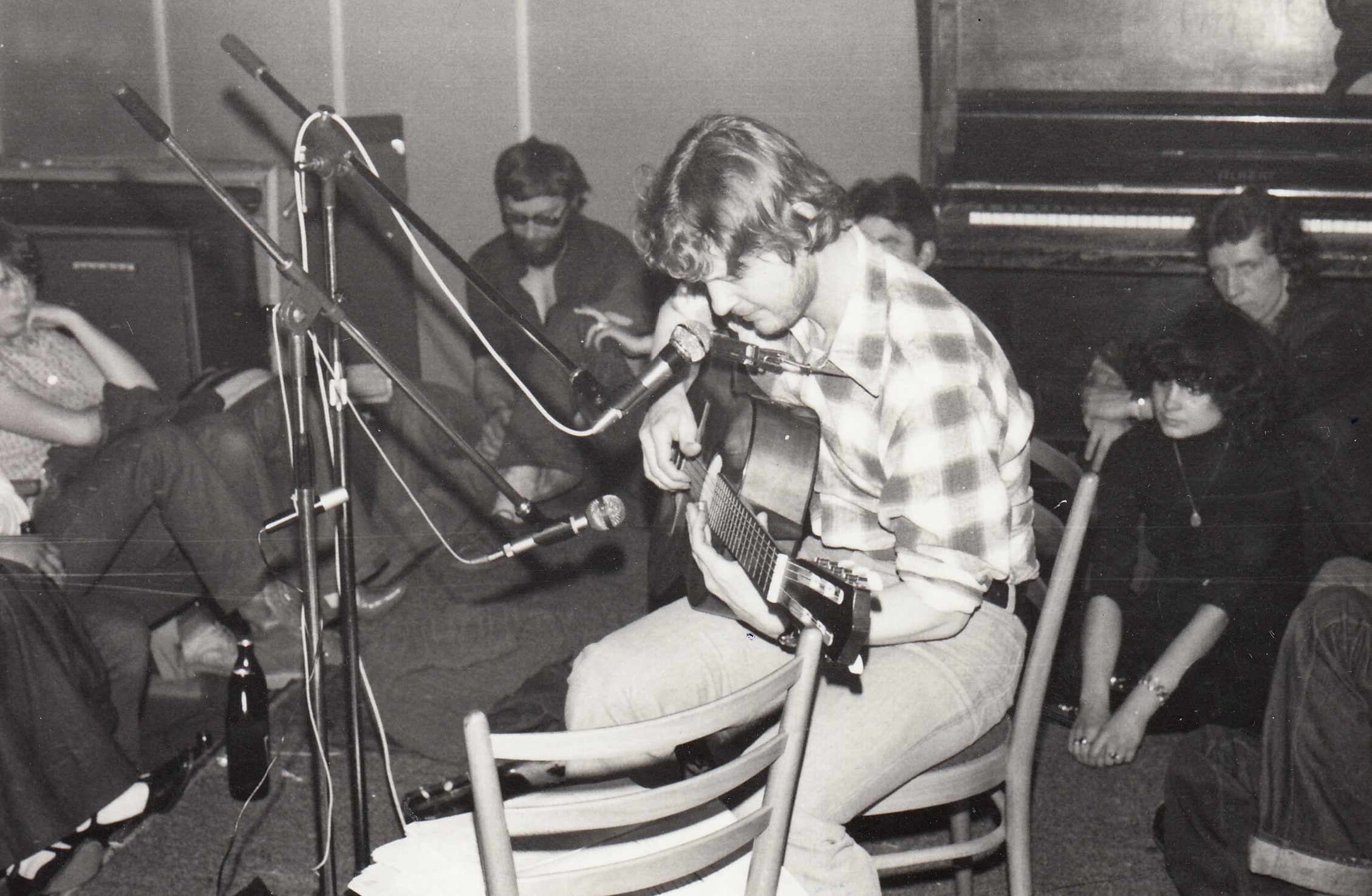
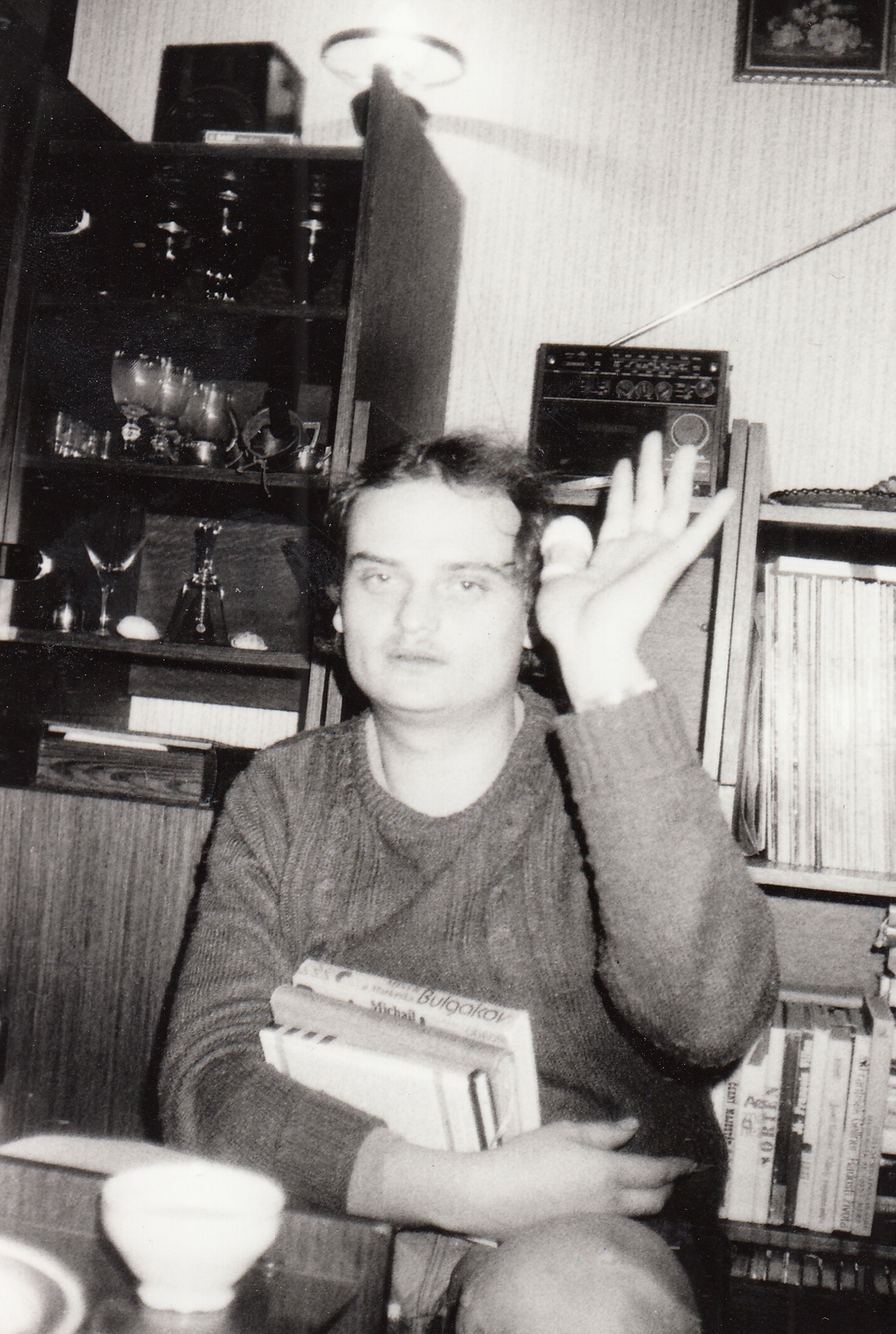
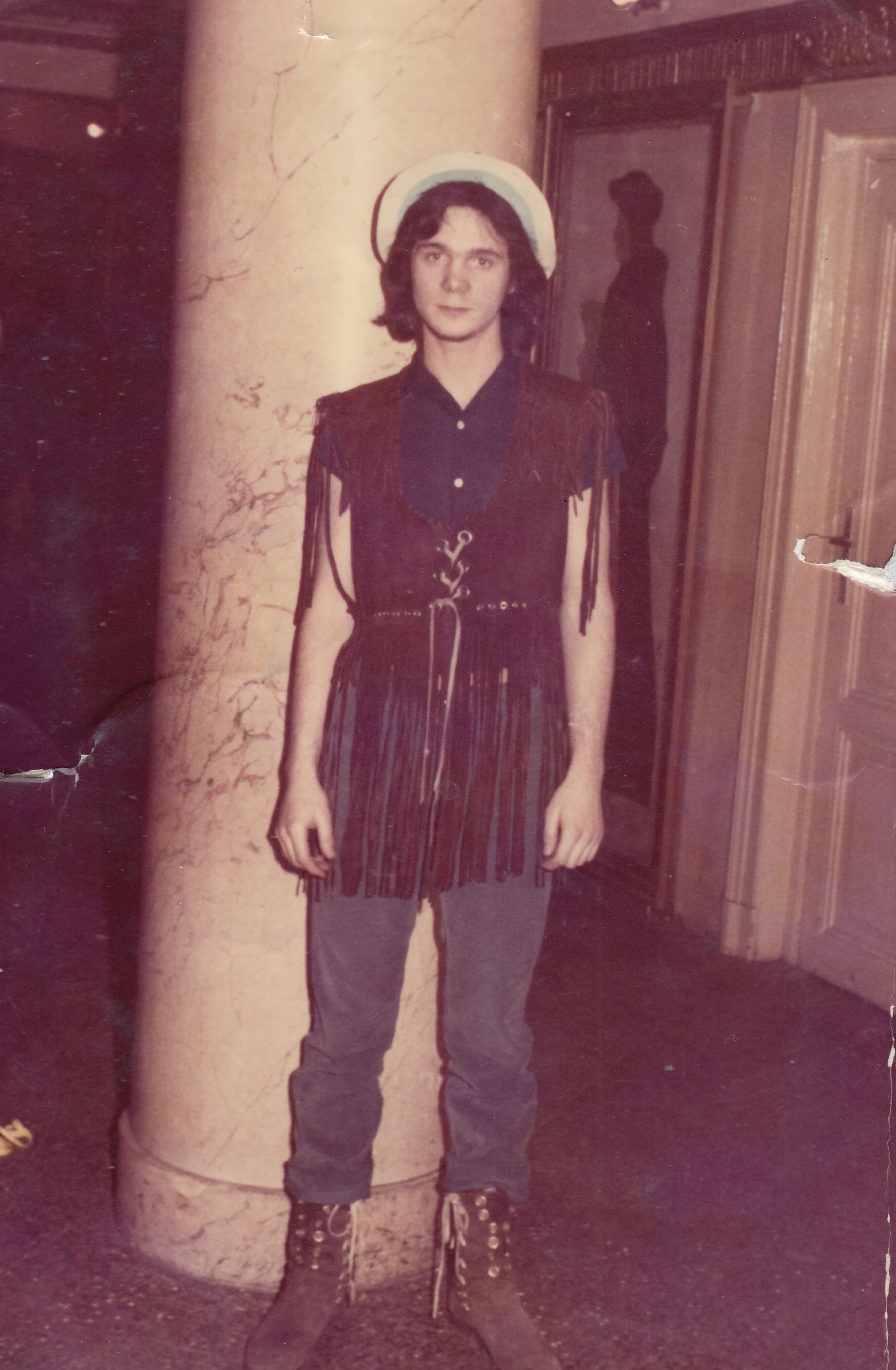
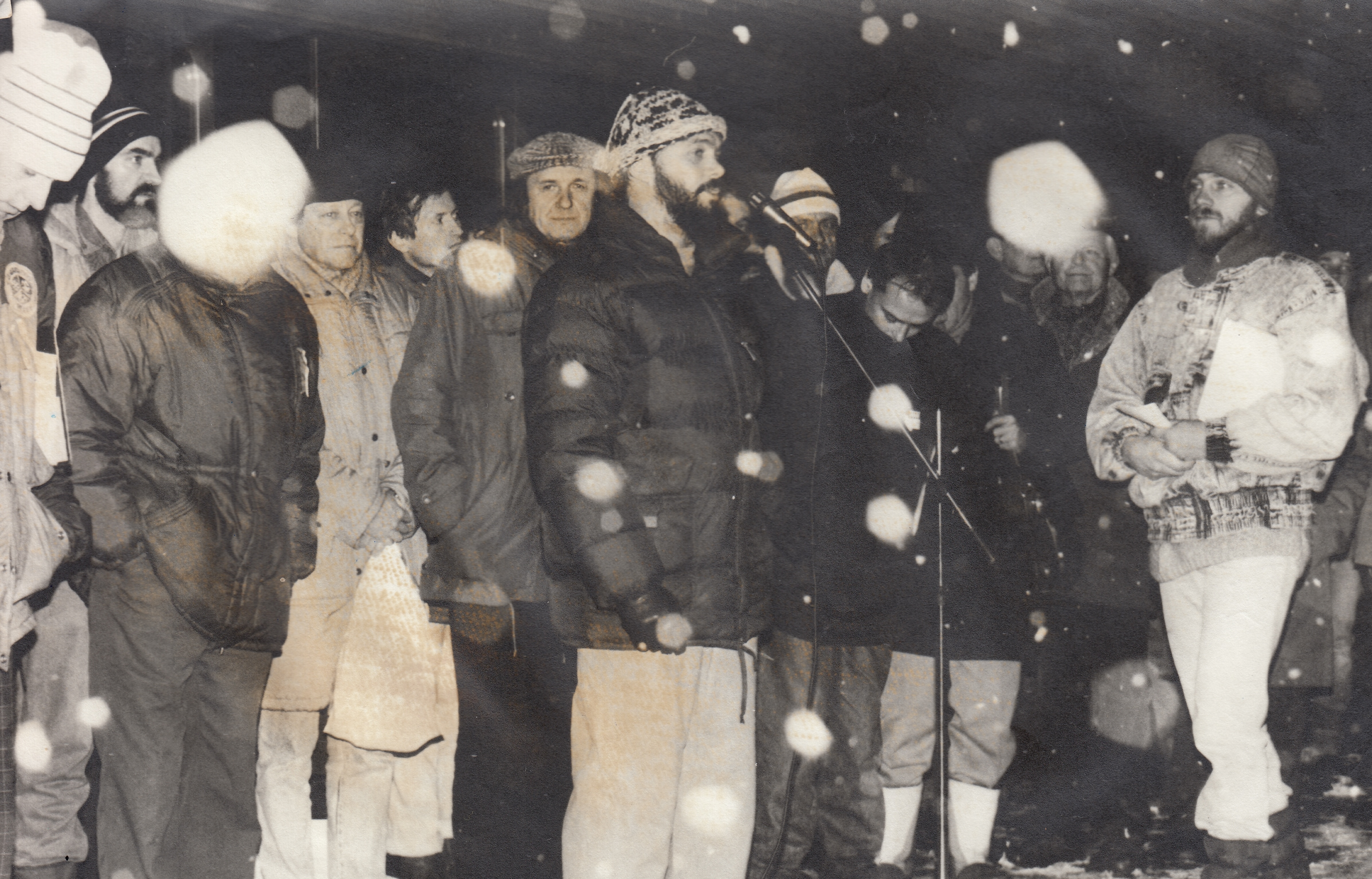
Milan Linhart was born on 9 June 1953 in Karlovy Vary, the second of three brothers in the family of František Linhart and Berta Linhartová. His father worked as a bank clerk, his mother originally as a porcelain painter, later, when her sons grew up, she worked in administration and as a dietary nurse in a hospital. He grew up in a culturally stimulating environment, shaped by his father’s critical attitude towards the communist regime. A crucial turning point in his adolescence was 1968, when he experienced the occupation of Czechoslovakia and its violent consequences in Prague and Karlovy Vary. His father, who was a member of the Club of Committed Non-Partisans (KAN), was fired from his job at the beginning of normalisation. In 1968, Milan started his apprenticeship as a refrigeration mechanic in Častolovice, and was often in Prague in the environment of alternative youth and underground culture. Due to conflicts with a repressive boarding school tutor, he was expelled from the apprenticeship. He worked as an orderly at the General University Hospital, attended concerts of banned bands and gradually the repressive state forces became interested in him. In 1972, he was sentenced to an unconditional ten-month prison term for drugs, distribution of banned literature and politically compromising material. After serving his sentence, he was placed by court order in a psychiatric hospital in Dobřany, where he spent eight months in an environment that was part of the repressive apparatus of the normalization regime. After his release, he lived in Chodov, where he worked in the labour professions, founded a jazz club and studied at the Secondary Technical School (SPŠ) of Mechanical Engineering. In 1979 he signed Charter 77 and in the 1980s he was actively involved in dissident activities, spreading samizdat and organizing unofficial meetings. In November 1989, he participated in the founding of the Civic Forum in Karlovy Vary, but later withdrew from politics and devoted himself to working in the family business. At the time of the interview in 2025, he lived in Mezirolí near Karlovy Vary.