Pavel Lhota

* 1950

  • "My mother was the head of lingerie in Prior department store, [which is] the former Breda department store. They had such an interesting deputy. He once - it was 1965 or 1964 - he got an internship in Germany, and there he saw that they were doing self-service sales. So he thought that there must be self-service sales in the Breda department store as well, and on a trial basis it would be in ladies' underwear. My mother protested against it, that it wasn't that simple and that it had to be secured, that they wouldn't keep it secure, that people would steal it, because it was something new. Today it's commonplace, but in the '50s it wasn't commonplace at all. She protested, she didn't sign any material liability, she refused, he pushed it through, it was done there. Because there was self-service sales, there weren't that many saleswomen. He [the deputy] got a big bonus for introducing the novelty - my mother at the time said something like 20,000, which was a lot of money. After half a year, an inventory was taken and there was a huge shortfall; people just stole it. The criminal police came in, they investigated, my mother was responsible as the manager. It went to court and because [mother] didn't have a signed material responsibility and she also had [letters of disapproval that she wrote to the deputy], the court brushed it off, she was acquitted, the court didn't deal with it at all. The shortfall must have been attributable to Prior Opava. The deputy cancelled the self-service sales, filed it again as an improvement petition, and got 20,000 again as an improvement petition. That's the way things were done. It's so comical: he got it twice, once for introducing it and twice for abolishing it. The deputy always benefited from it."

  • "When [Unity left], there was scrap metal, it all had to be scrapped. There was such a torso left. About [the year] 1965 they left, and before '68 we liquidated it all because there was no way to do business at that time. So it was torn down and destroyed and rooms were made. So that's how it ended up. The other sad thing is that when the revolution came in '89, we asked for a replacement because they took it all, took it all and then left it. [When asked if the communists took anything from us, I replied:] 'Well, they didn't, they left and left everything here.' So [we were unfortunately told] that we were not entitled to any compensation, they couldn't give us anything, [because] nobody actually took anything from us."

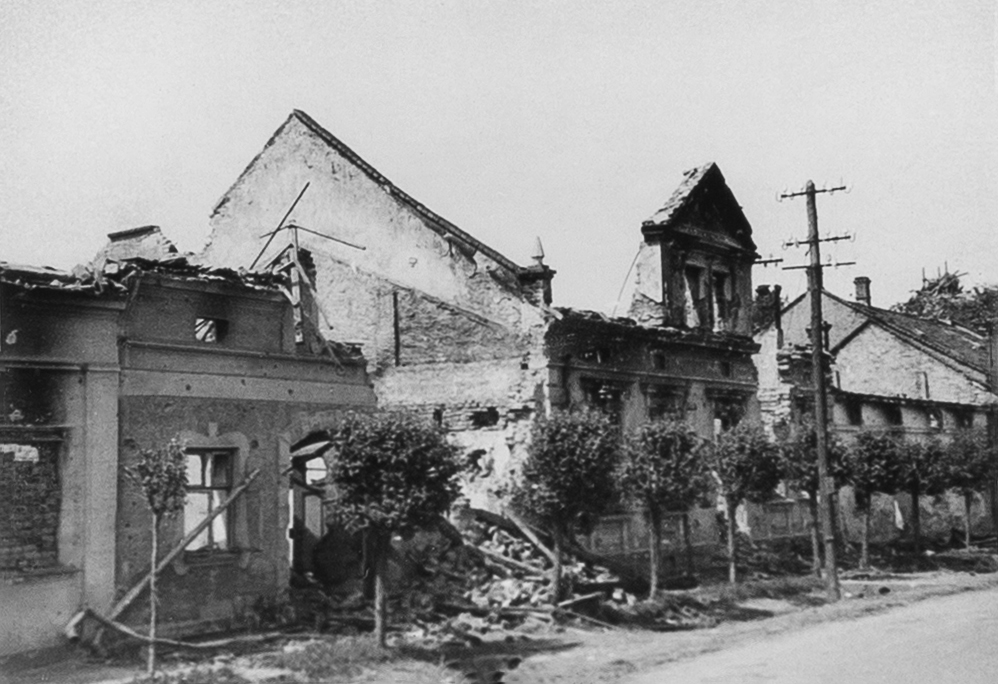
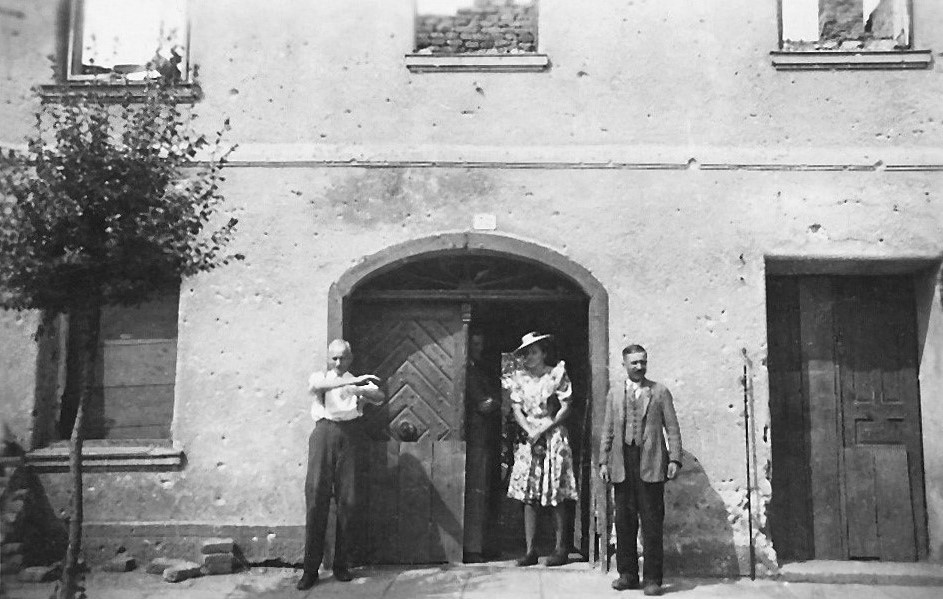
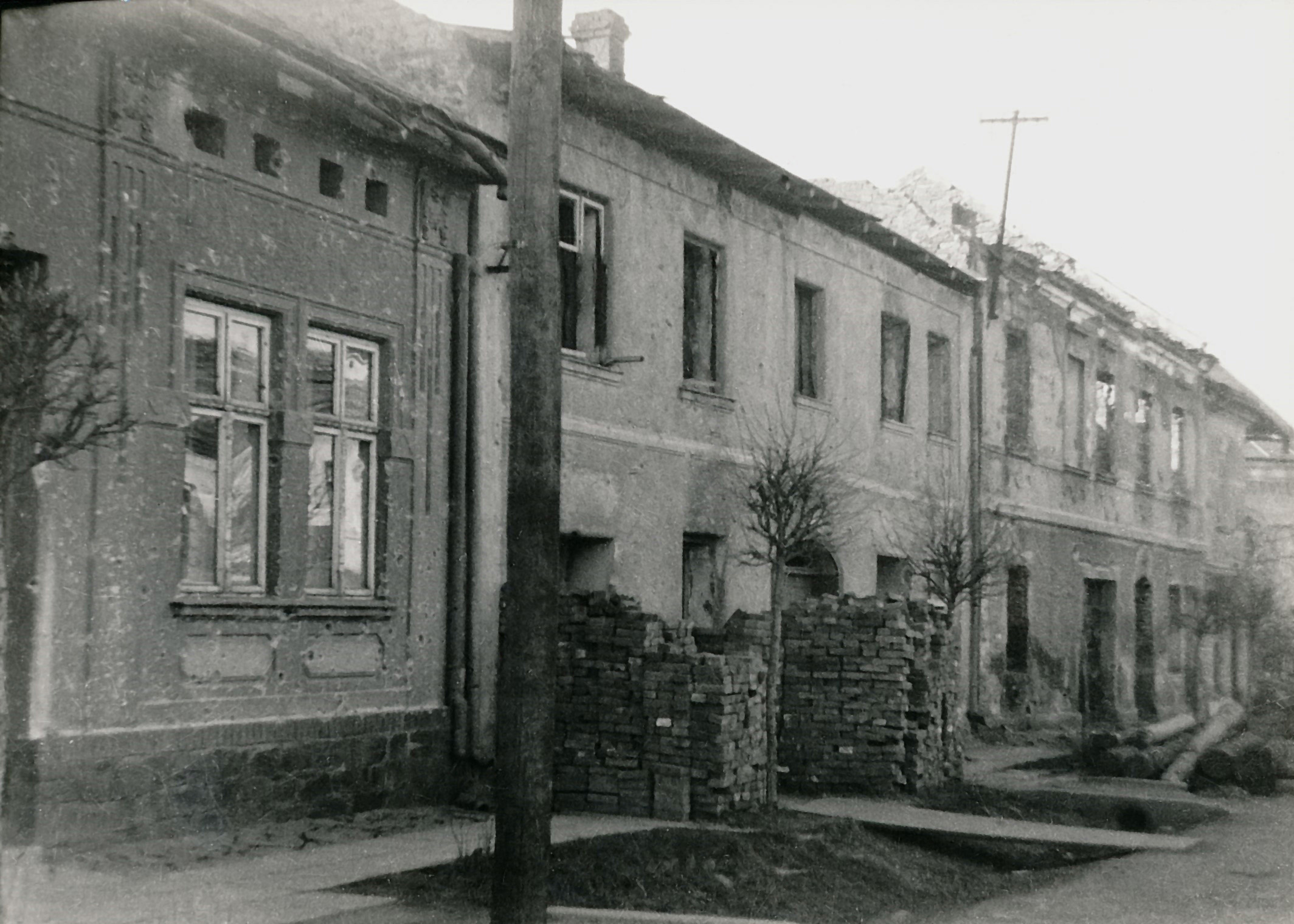
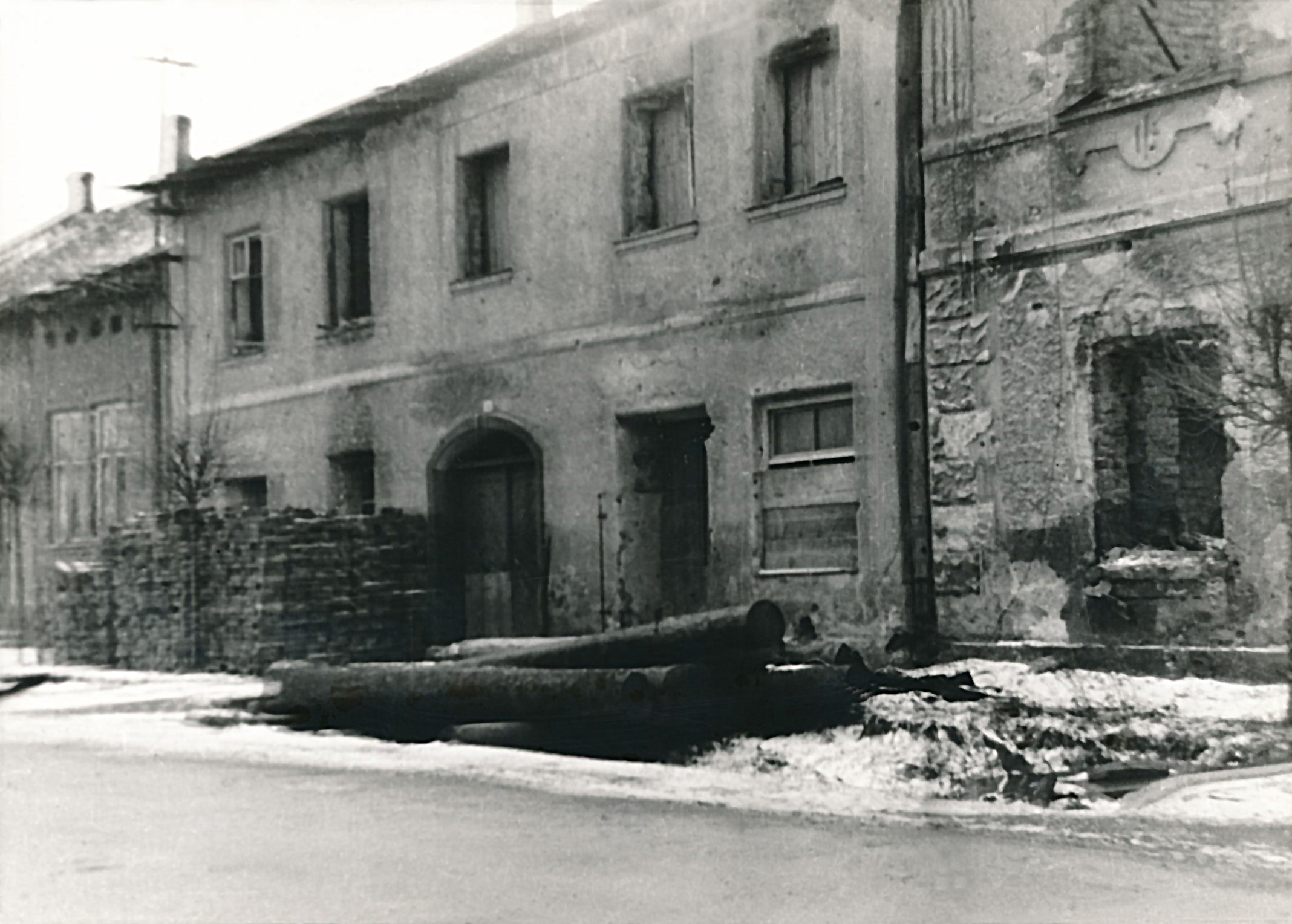
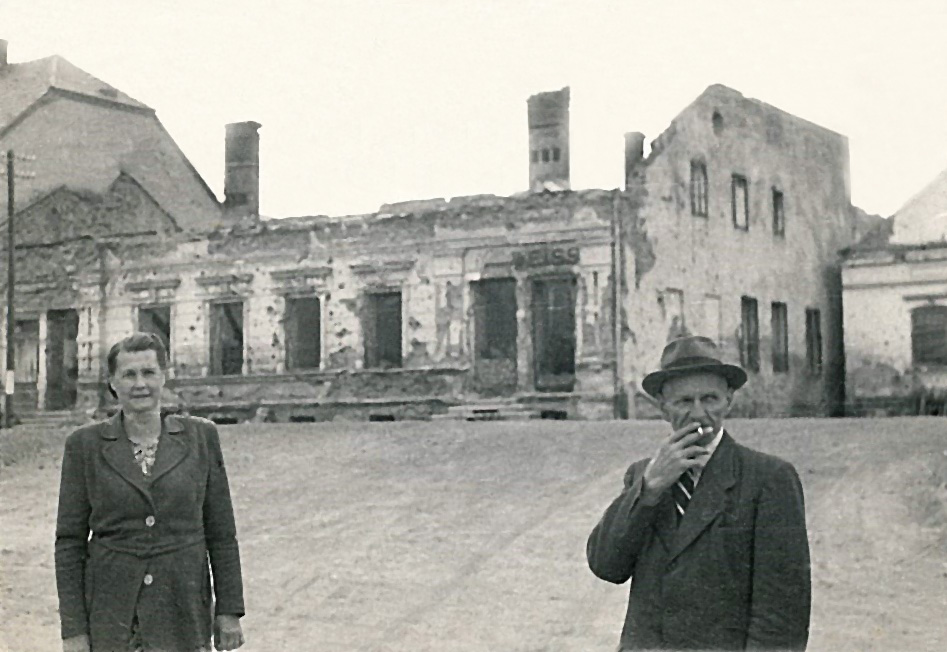
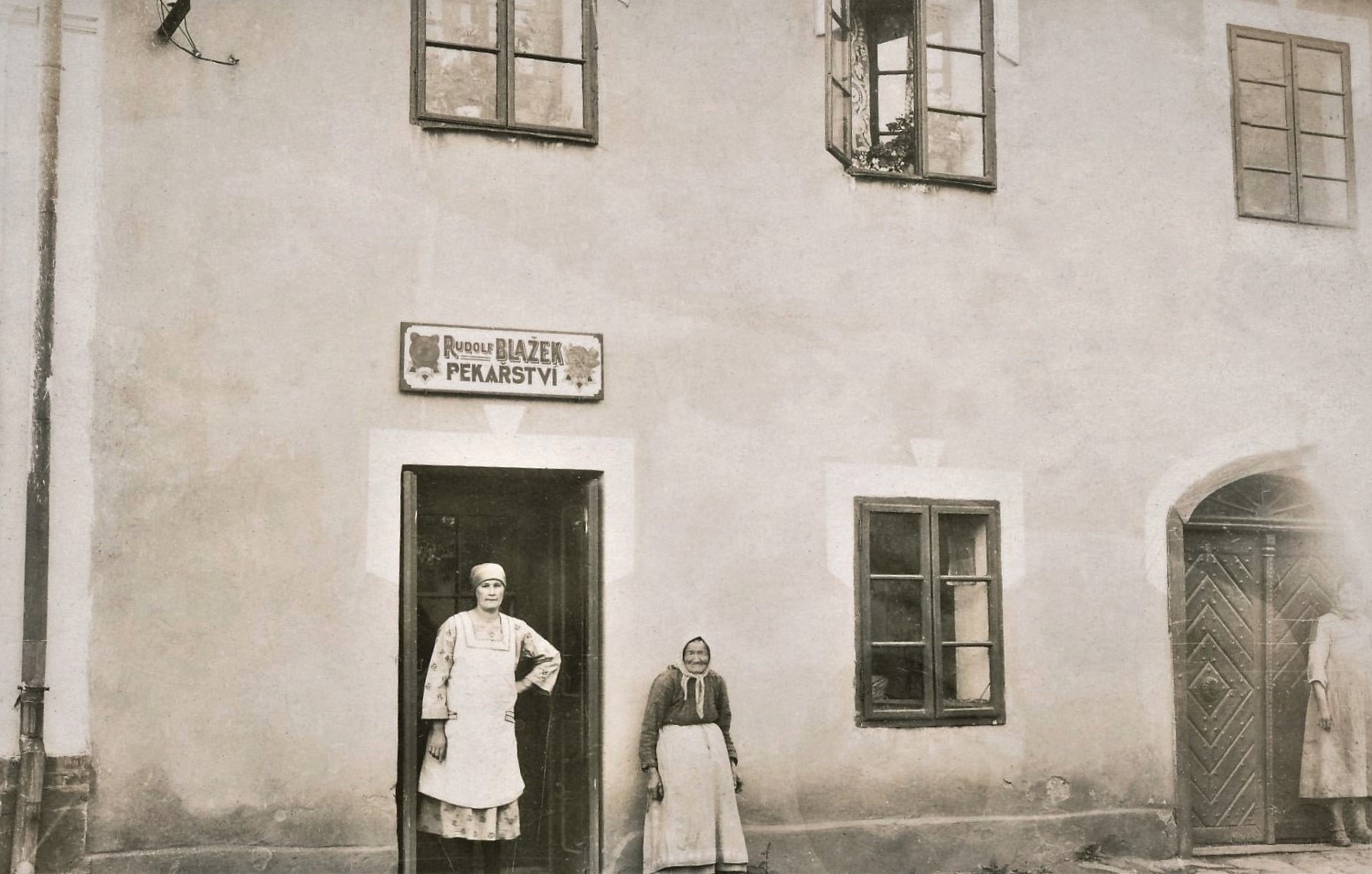
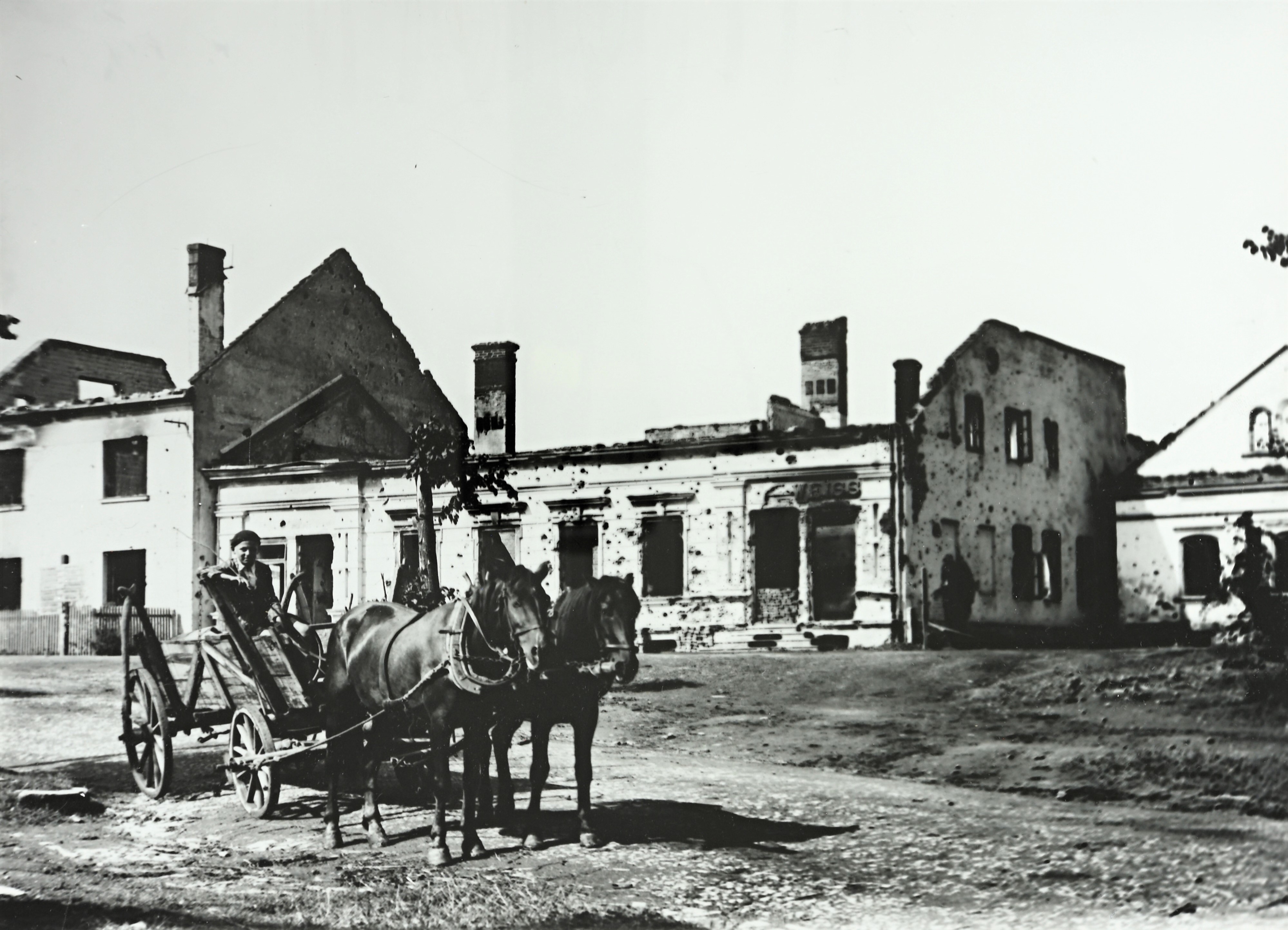
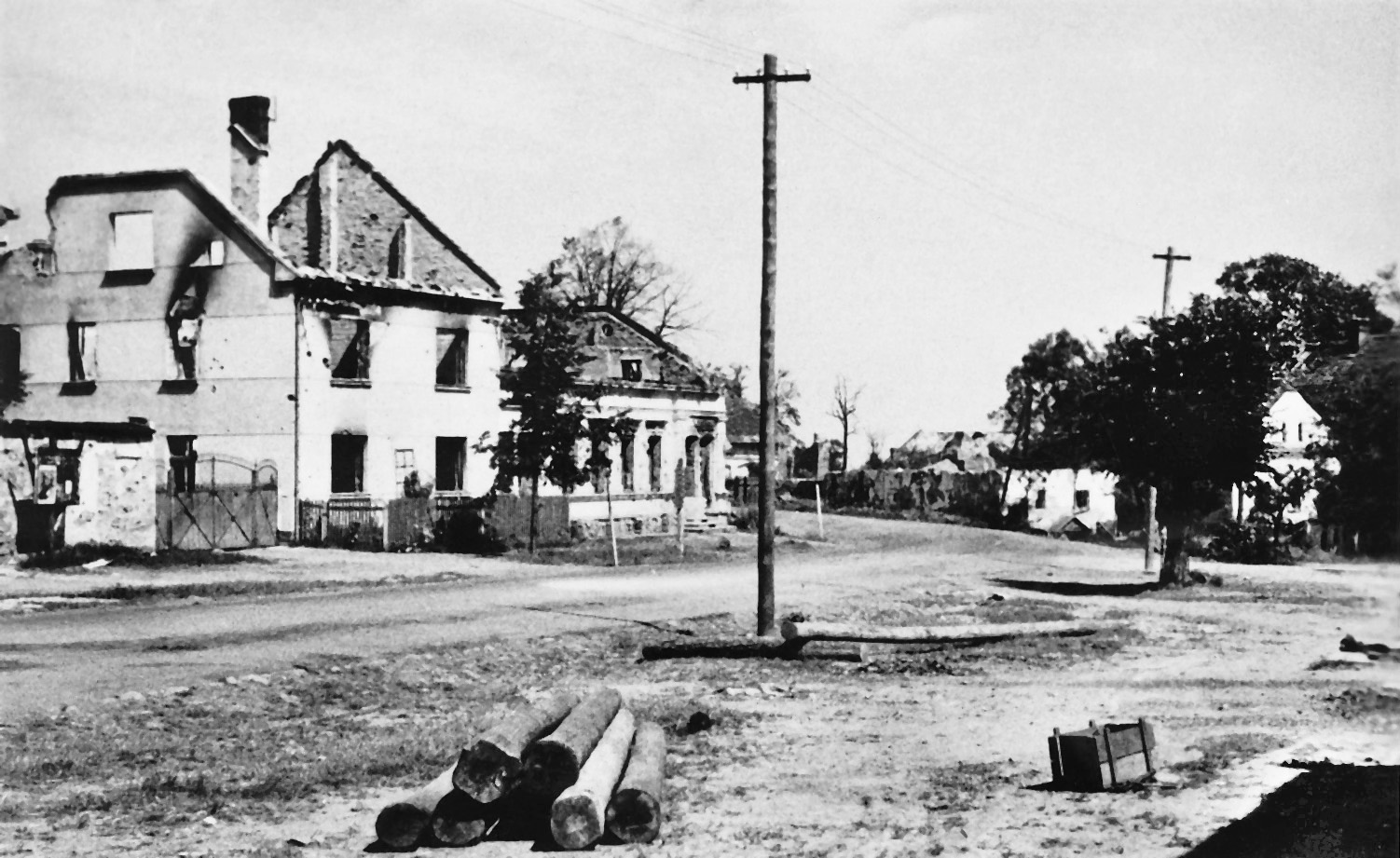
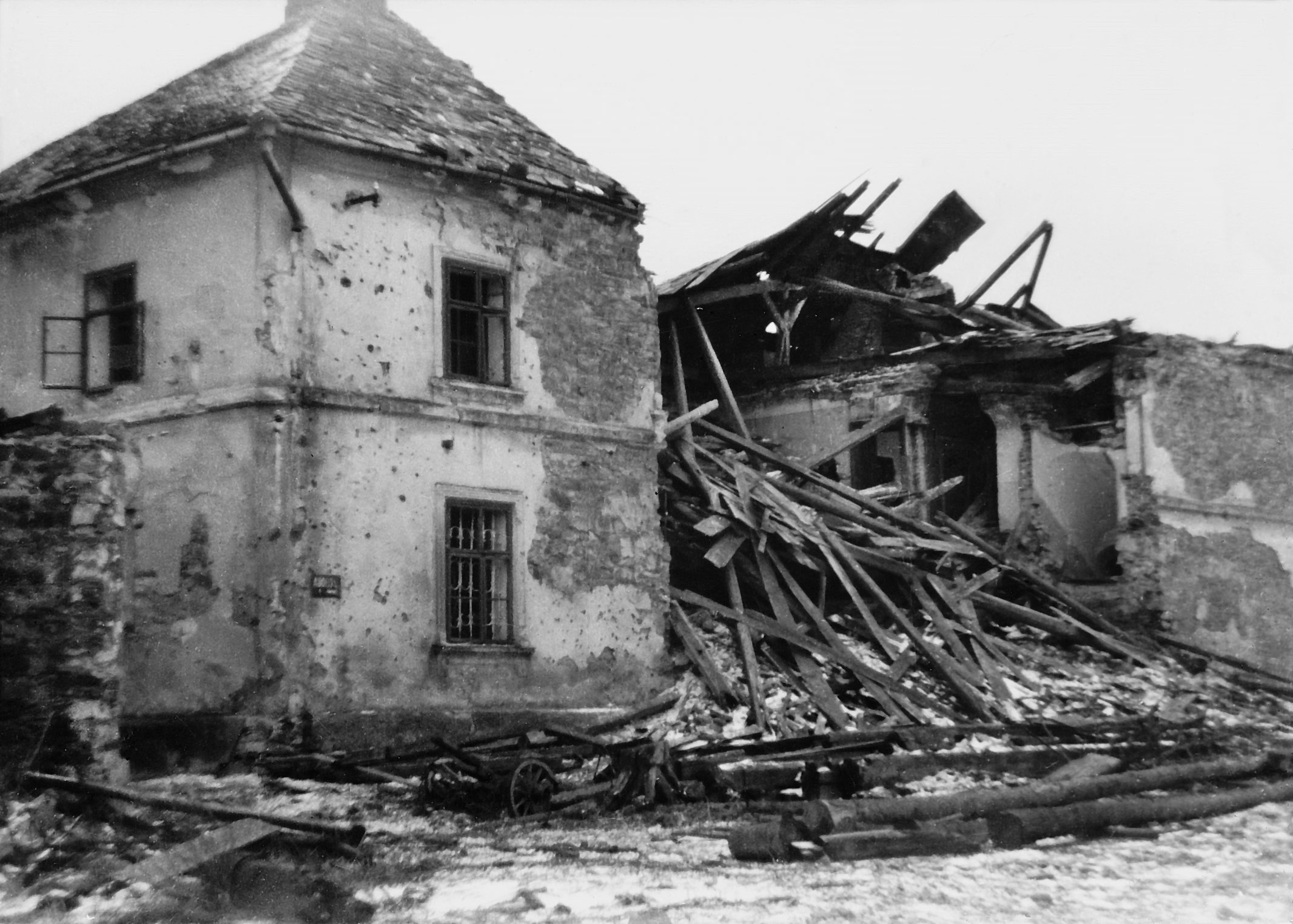
  • "After the war, our house was just as destroyed as the Engliš house next door. Thanks to loans and various aids, [my grandfather] rebuilt it and in 1947 he opened a bakery. Unfortunately, in 1952 a decree came: they took away my grandfather's bakery, nationalized it, turned it into Jednota, and my grandfather had to leave, he was a foreign baker. So the communists took half of our house. Every day we got ten rolls and one loaf of bread, that's what we were entitled to. For the monthly rent they gave - if I remember correctly - sixty crowns."

  • "The end of Engliš's garden led to where the playground was and is. When we were playing football there as boys, I ran and tripped, he went there and I didn't greet him, he called me right away. He gave me a sermon that the elderly should greet each other. He gave me this advice for my life, that I should treat old people decently, that I should greet them and so on."

  • Full recordings
  • 1

    Skype (Praha/Hrabyně), 28.03.2021

    (audio)
    duration: 58:02
    media recorded in project Stories of 20th Century
  • 2

    Skype (Praha/Hrabyně), 05.04.2021

    (audio)
    duration: 01:19:20
    media recorded in project Stories of 20th Century
Full recordings are available only for logged users.

So that in Hrabyně nothing is forgotten
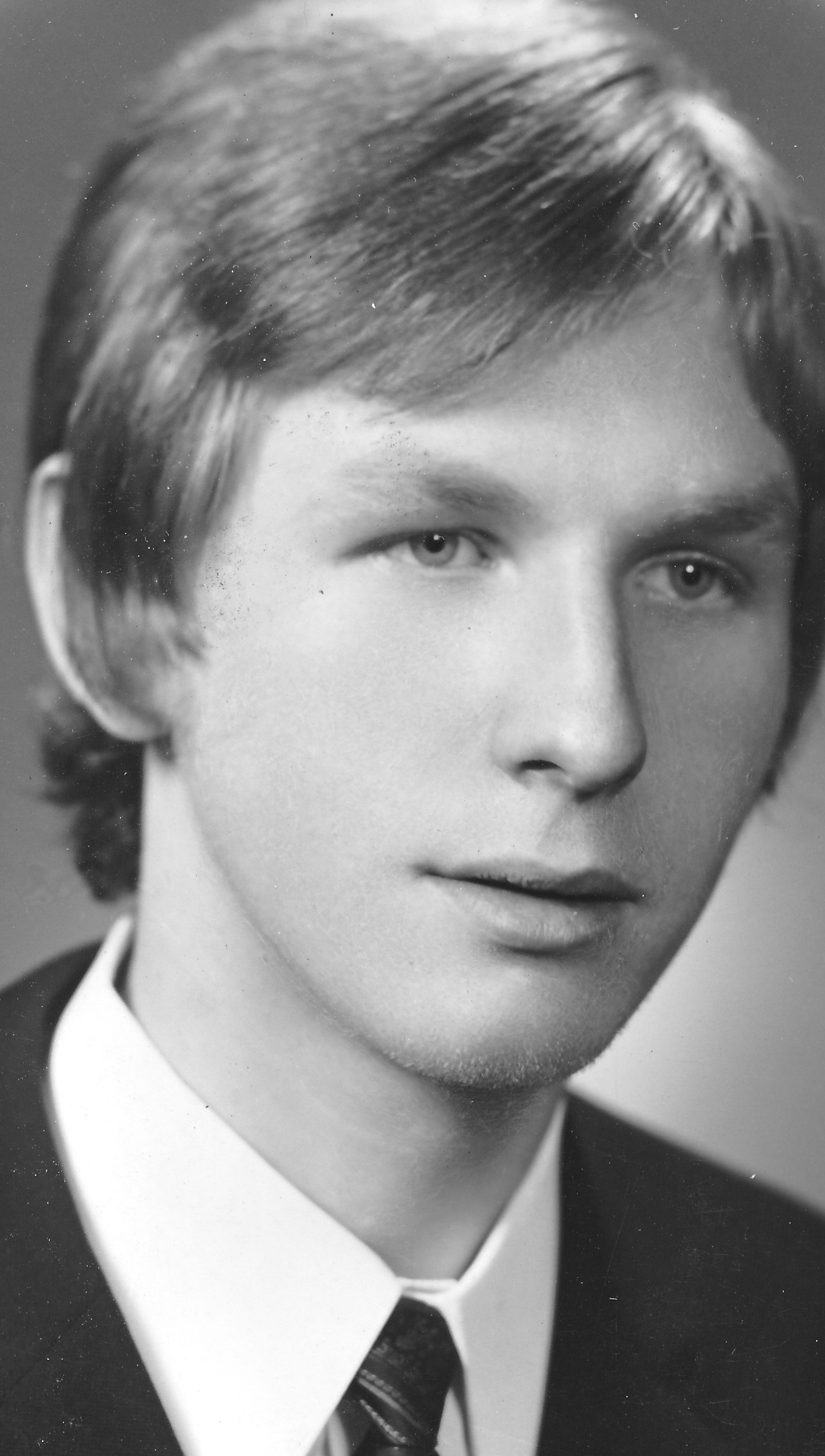
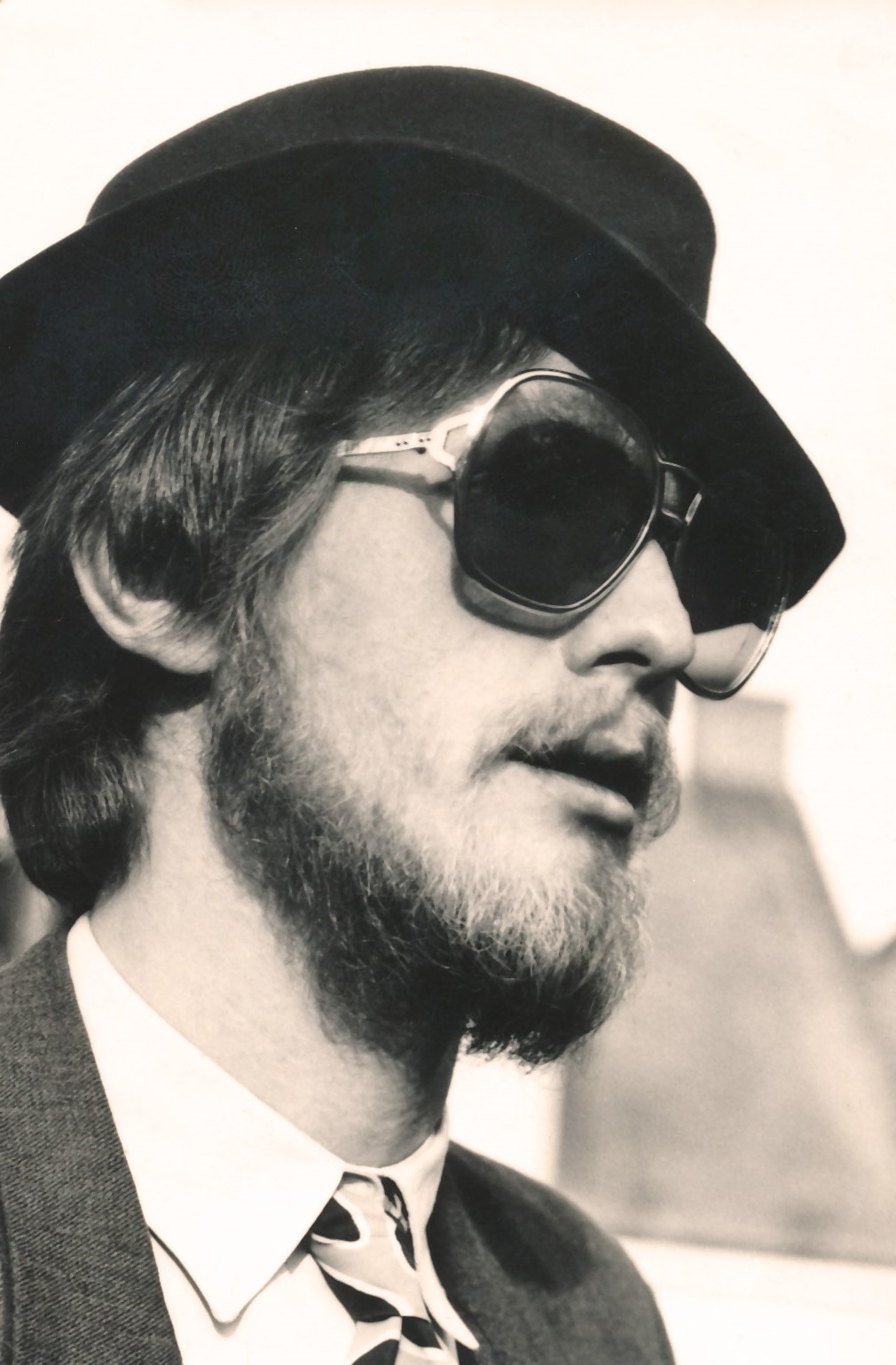
Pavel Lhota, 1968
Pavel Lhota, 1968
photo: archive of a witness

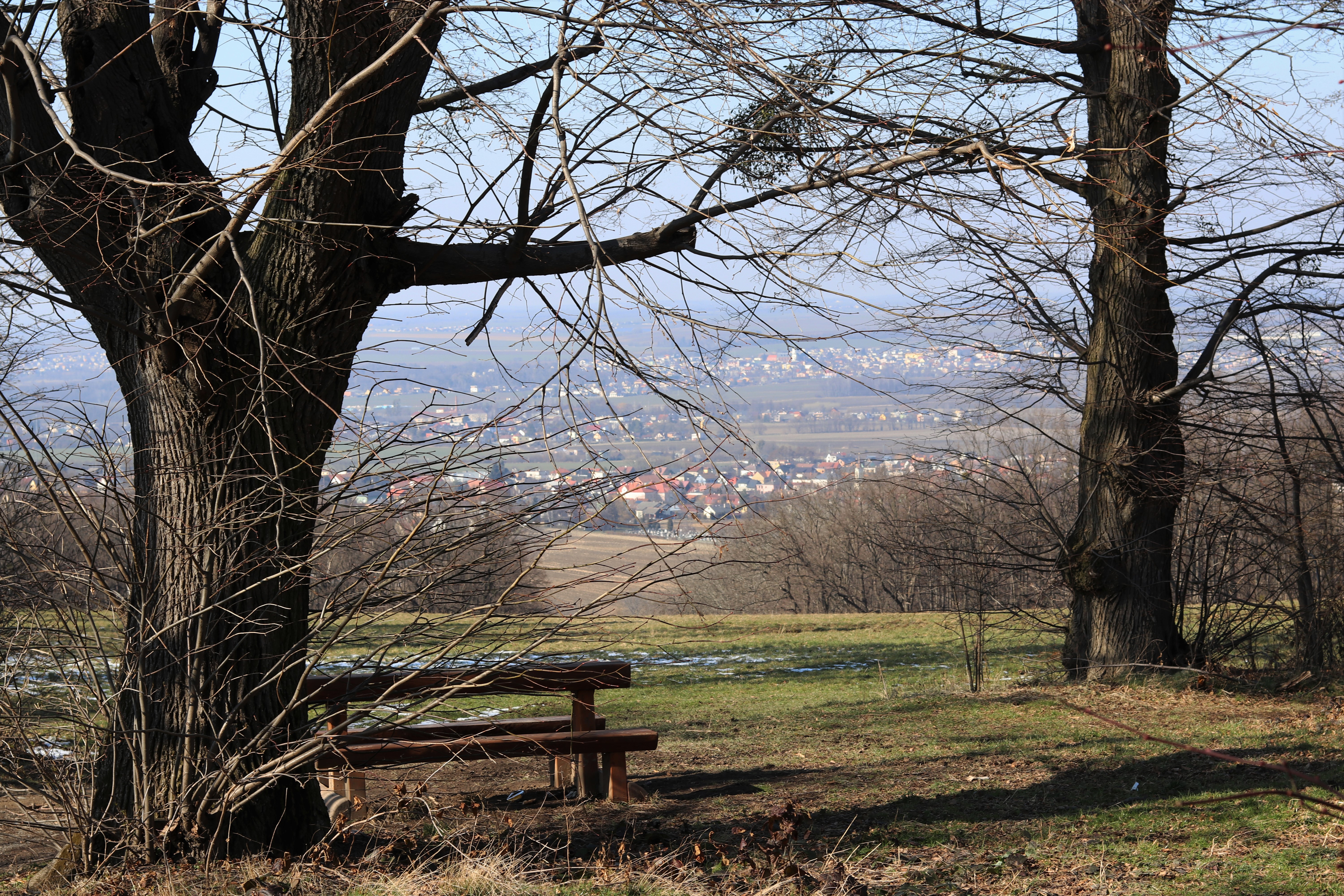
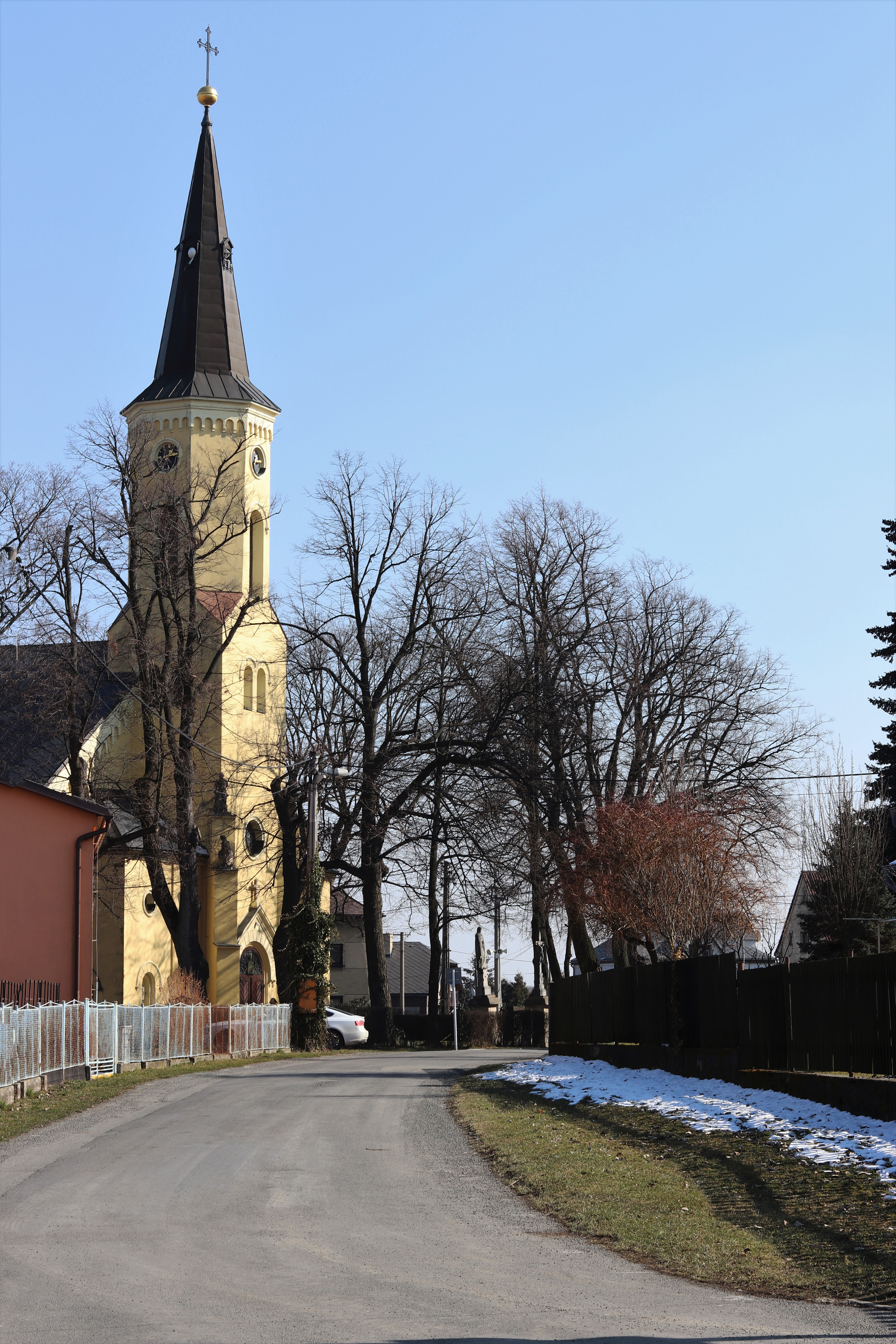
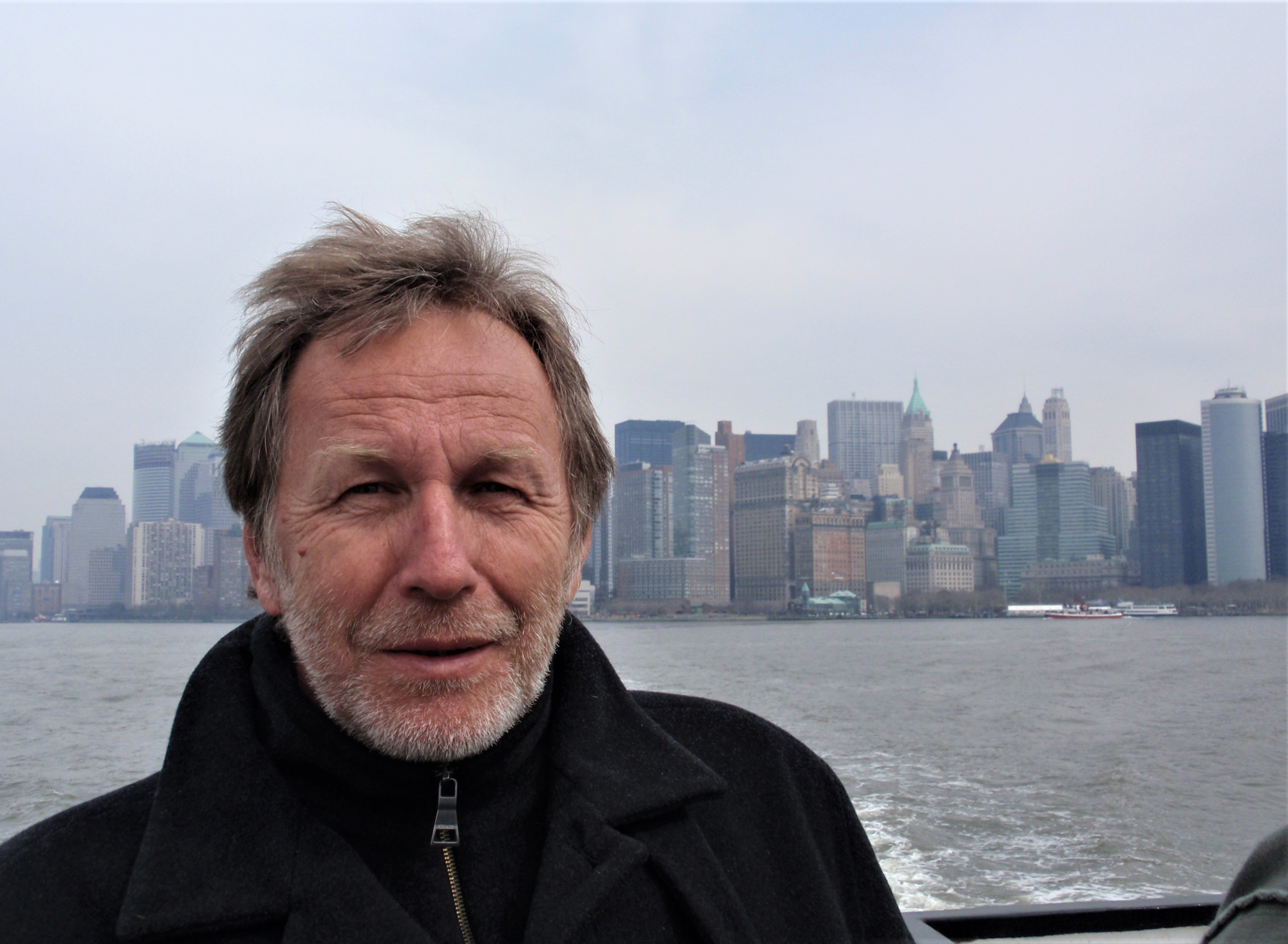
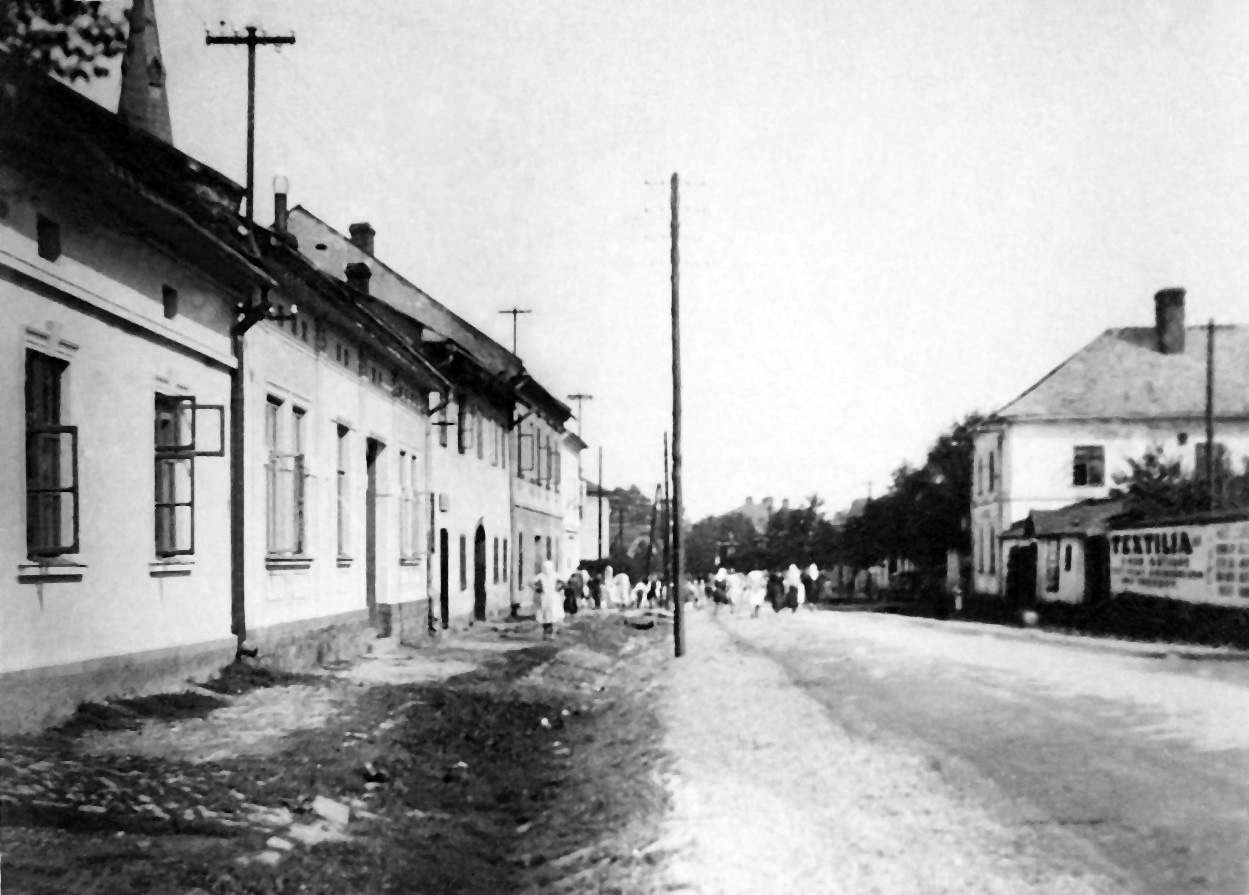
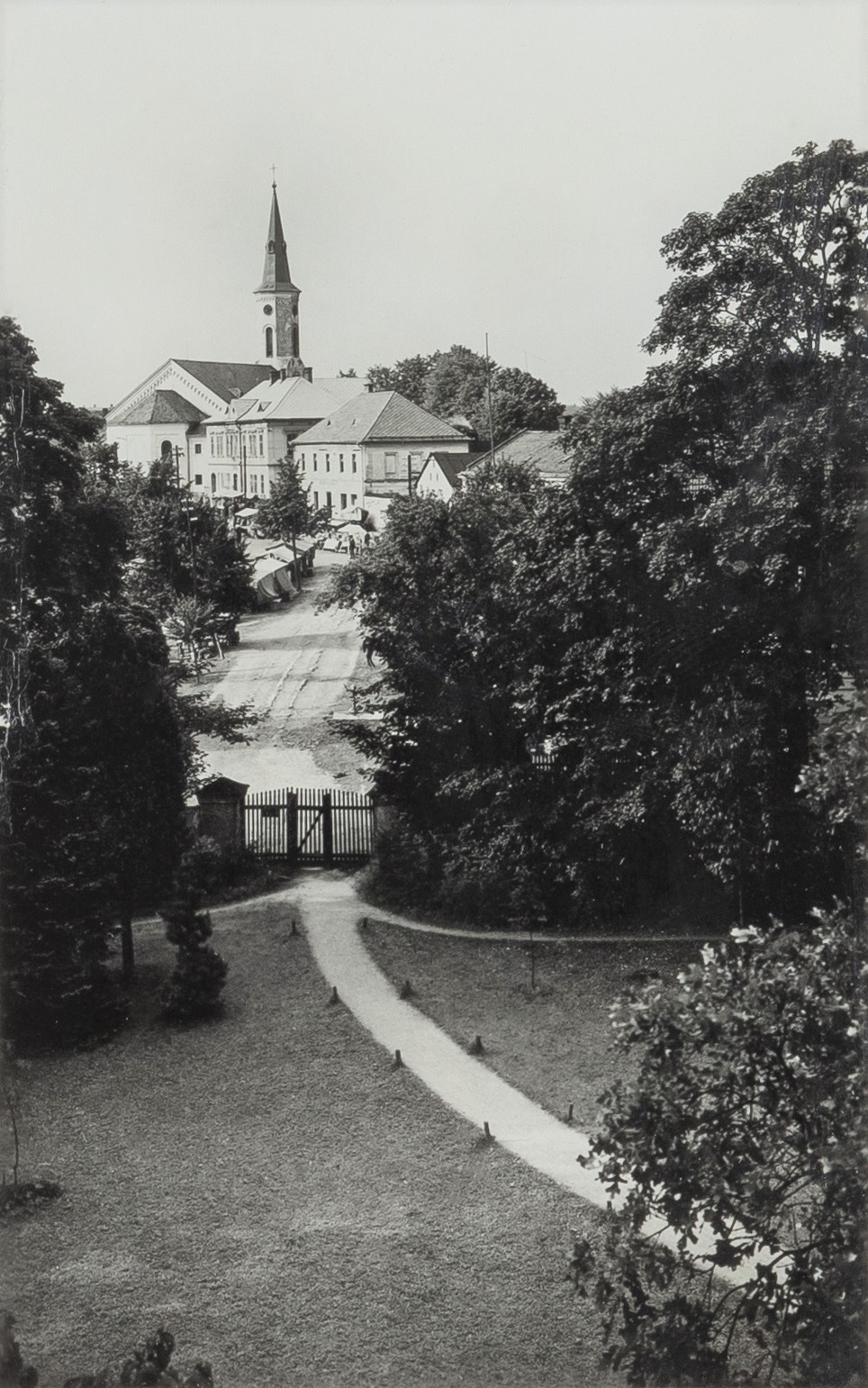
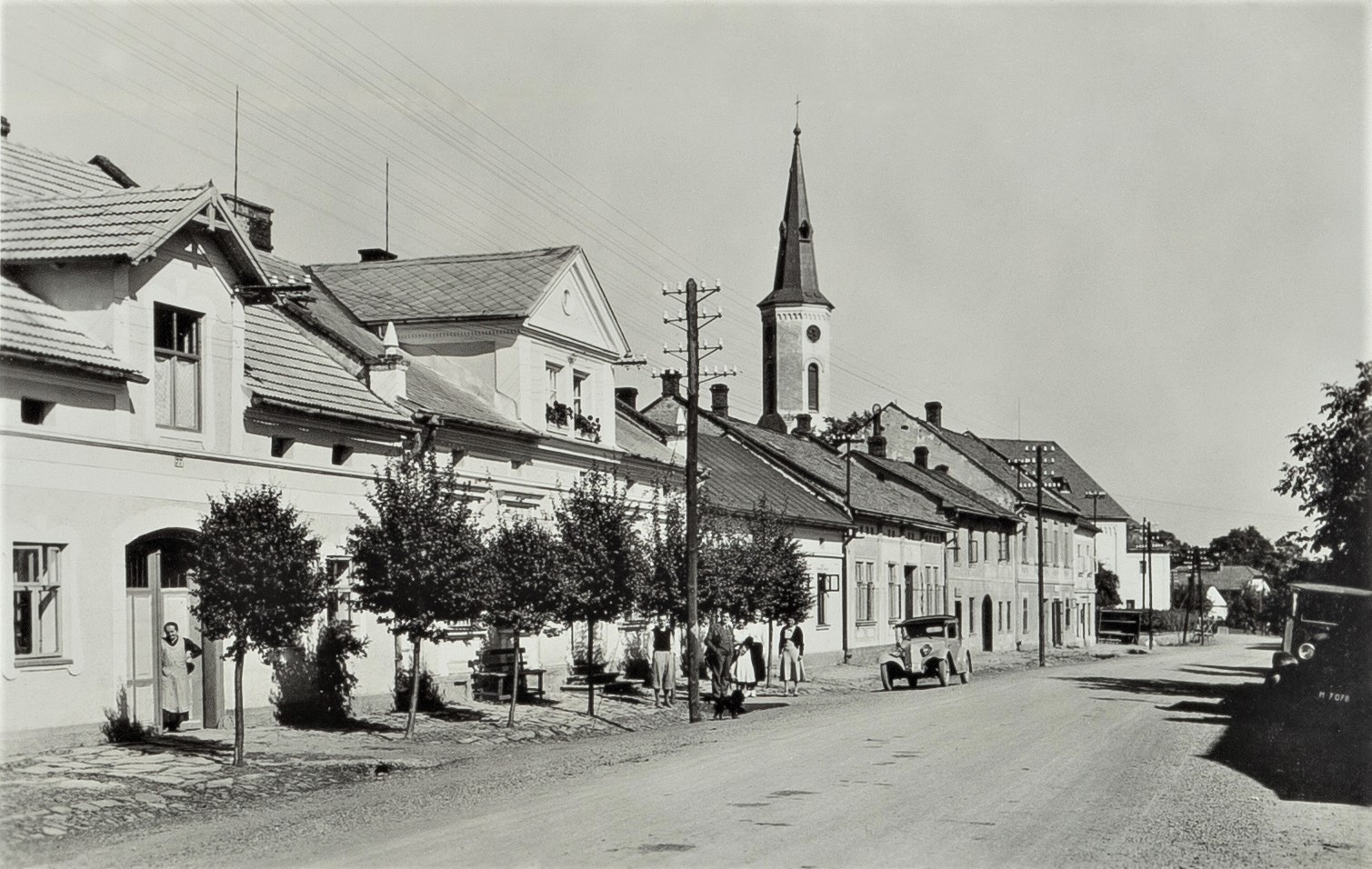
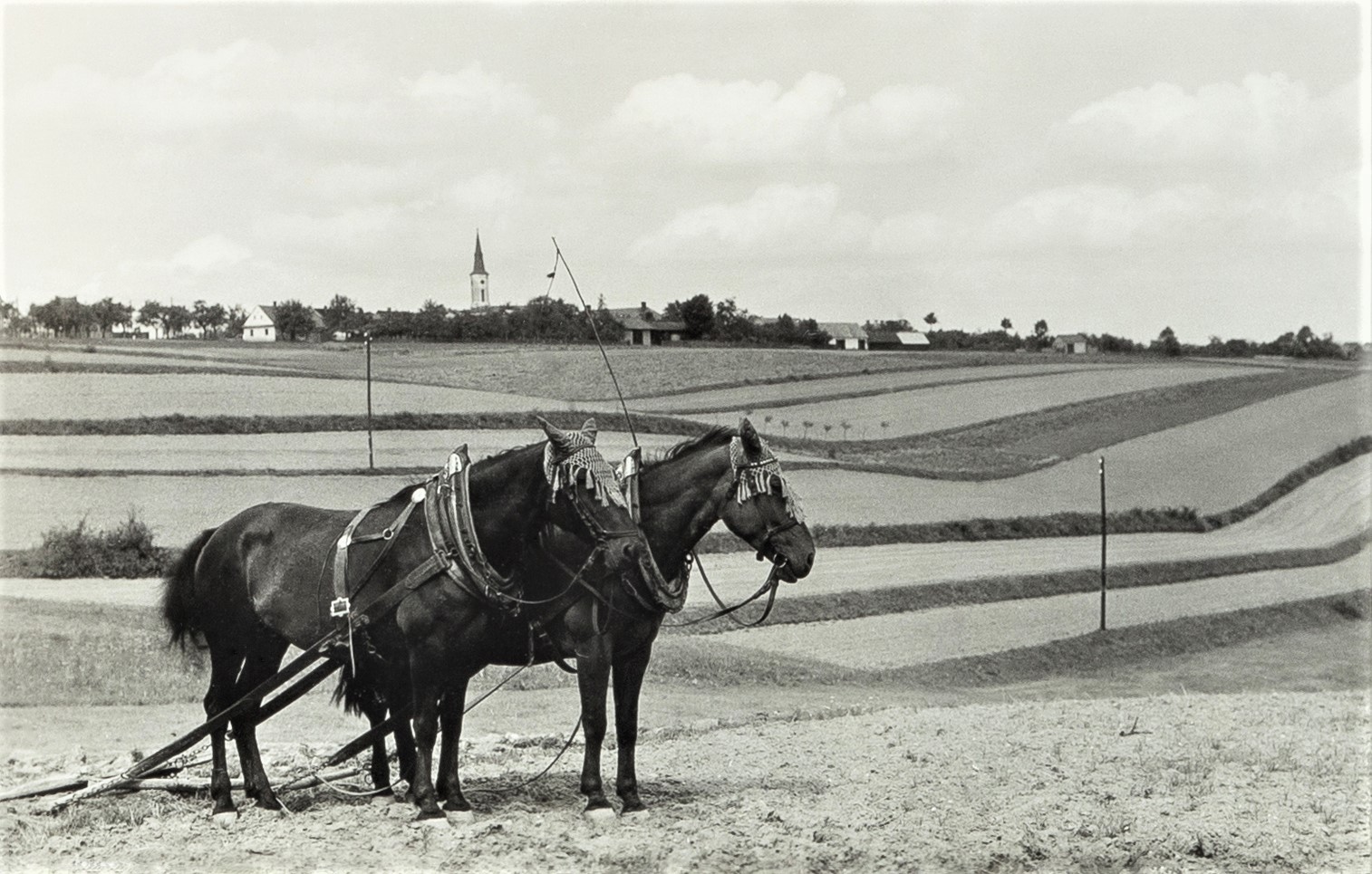
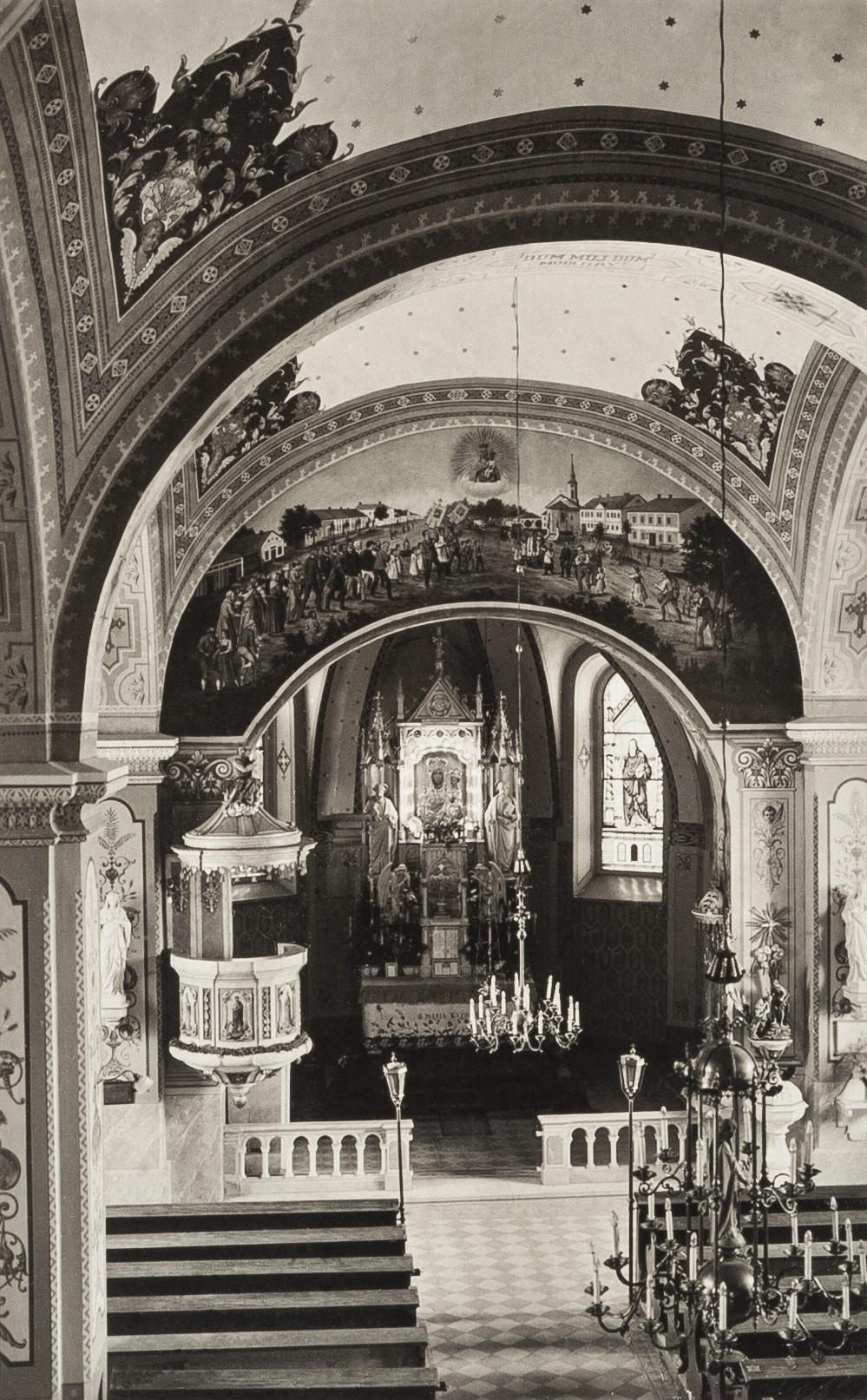
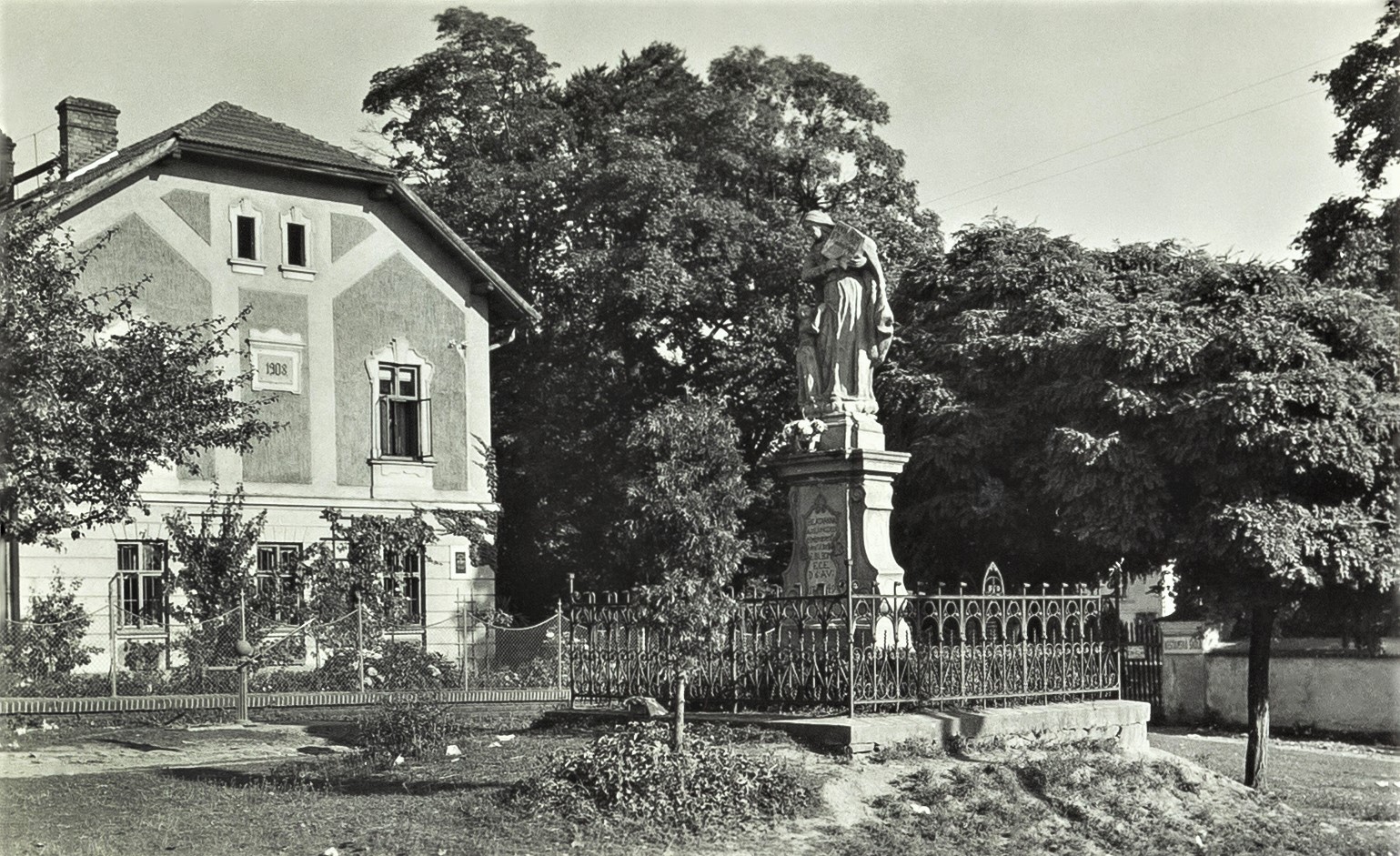
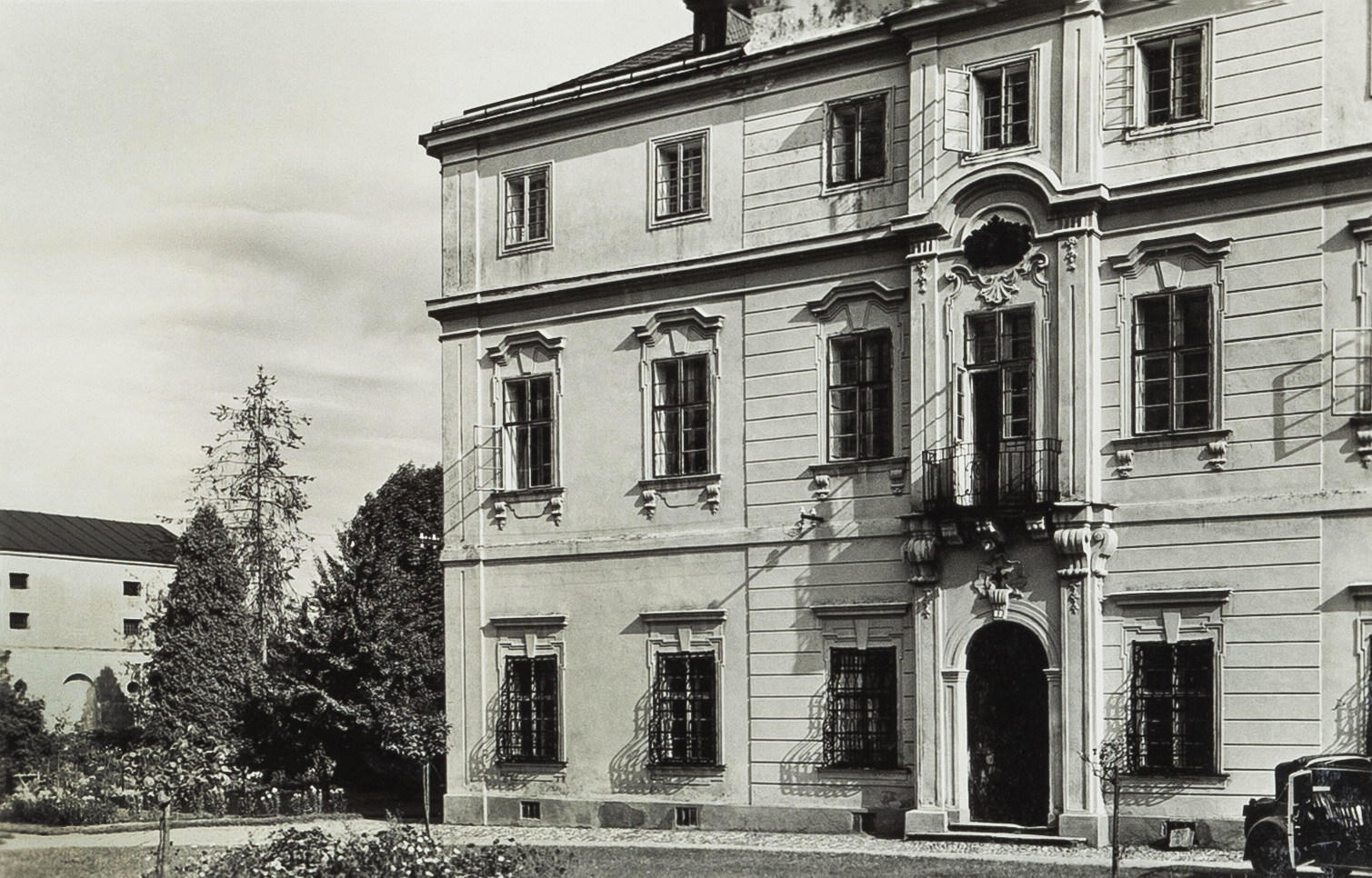
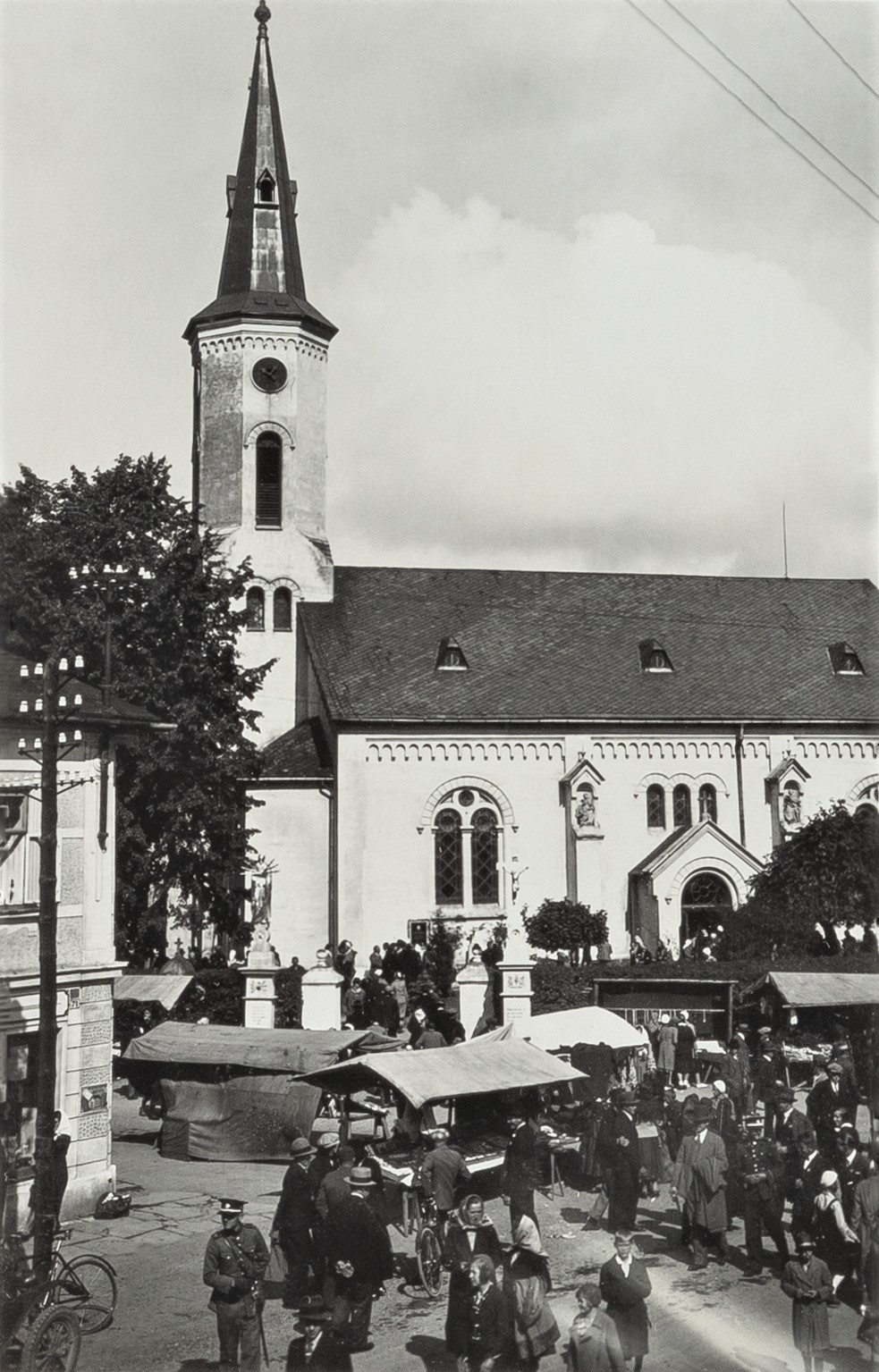
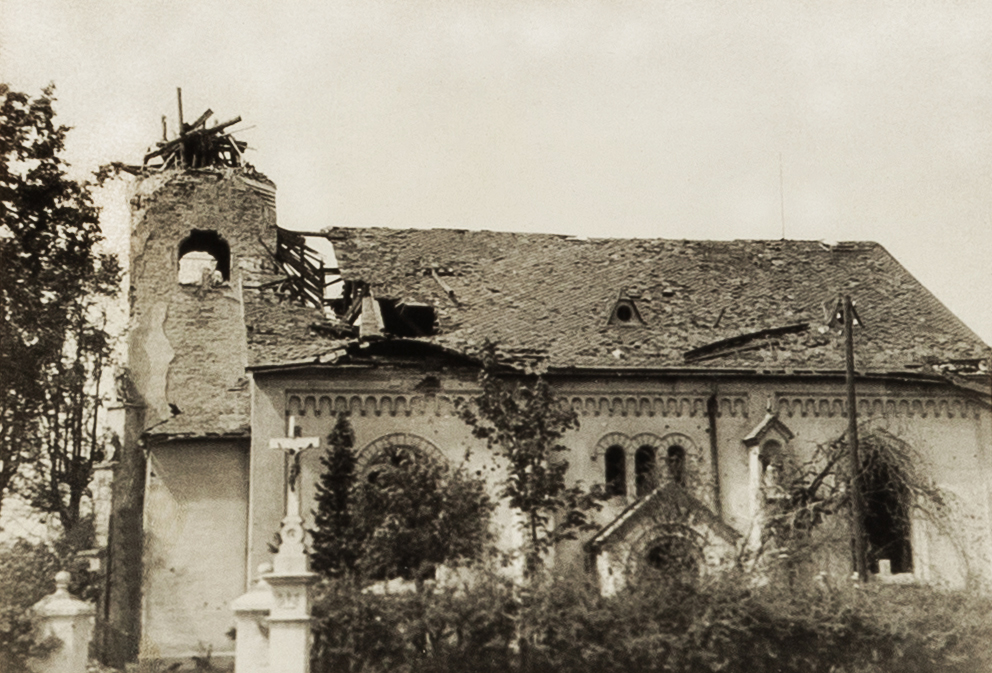
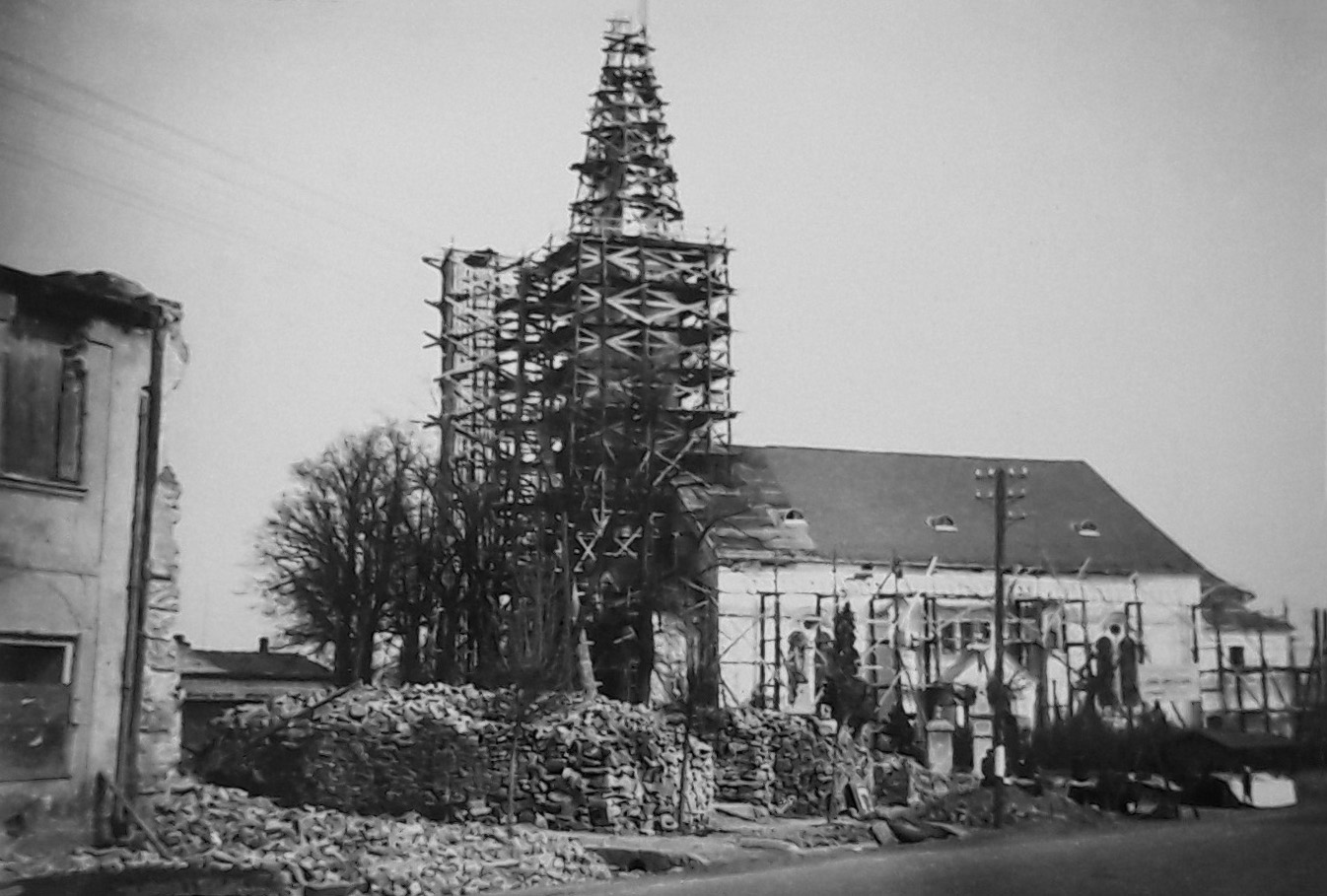
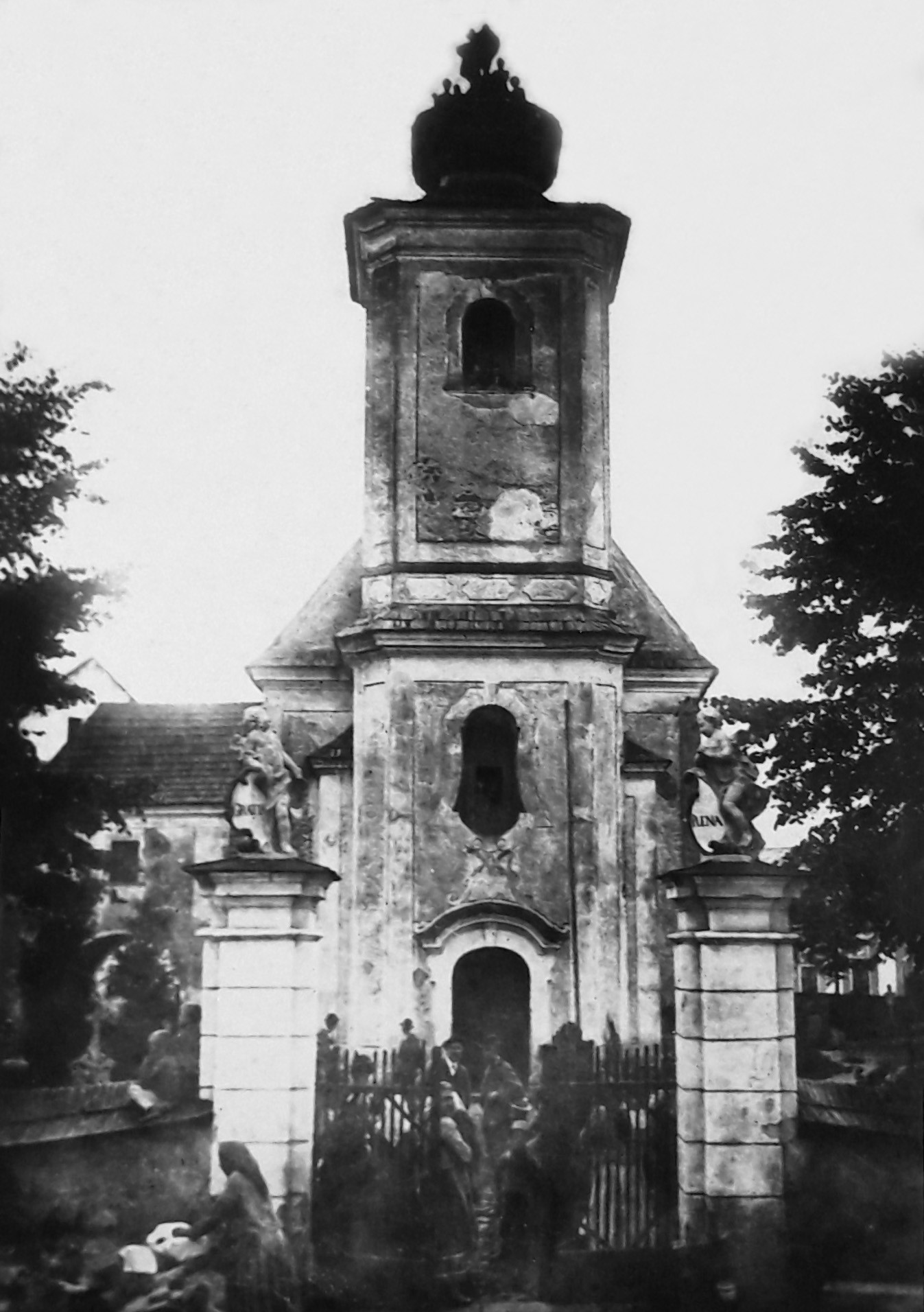
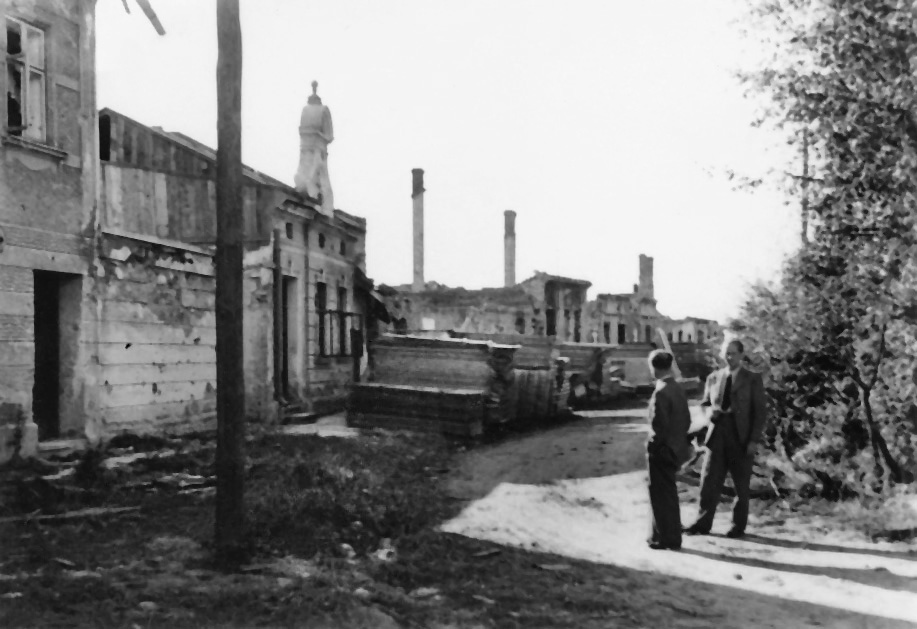
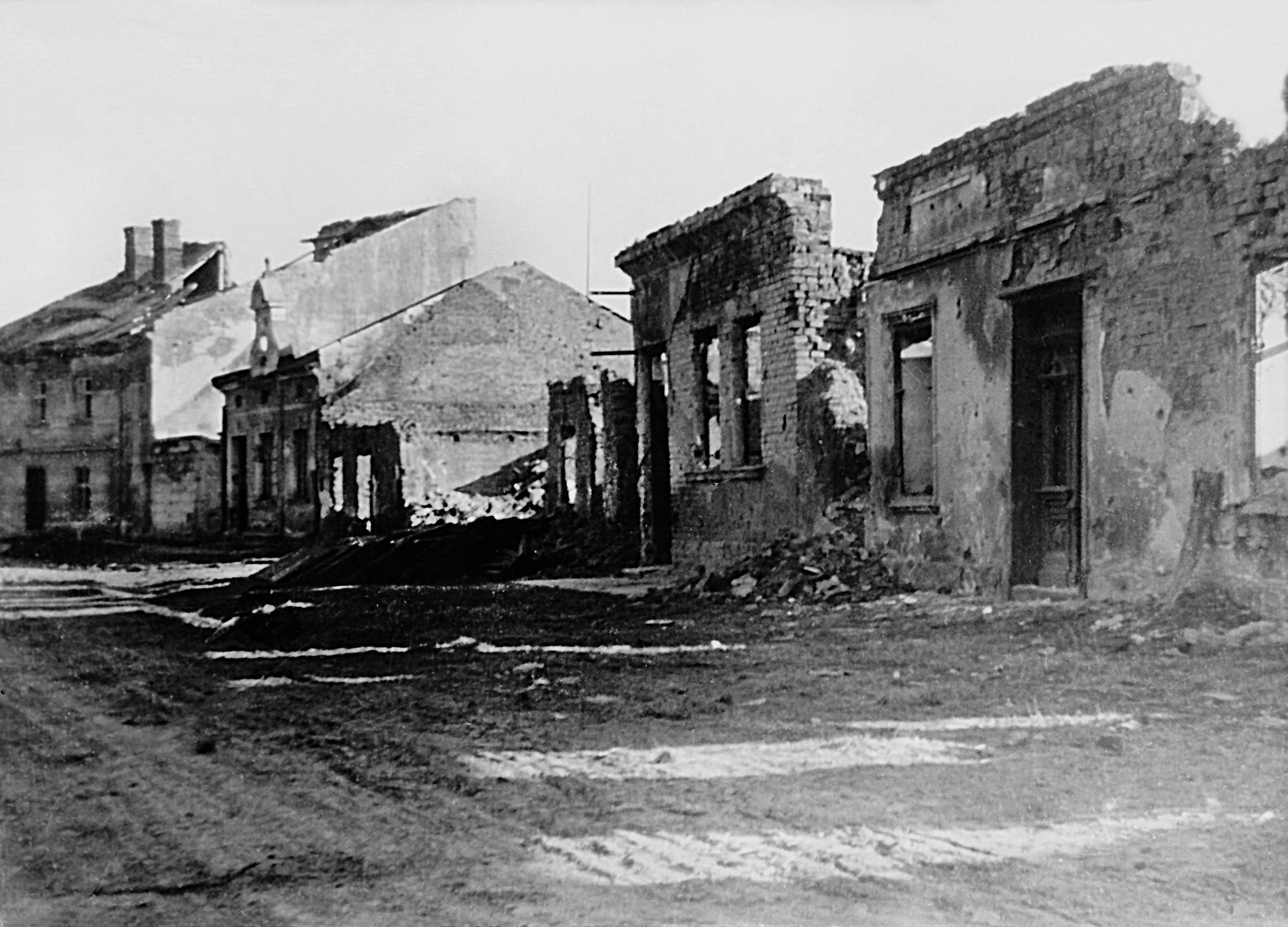
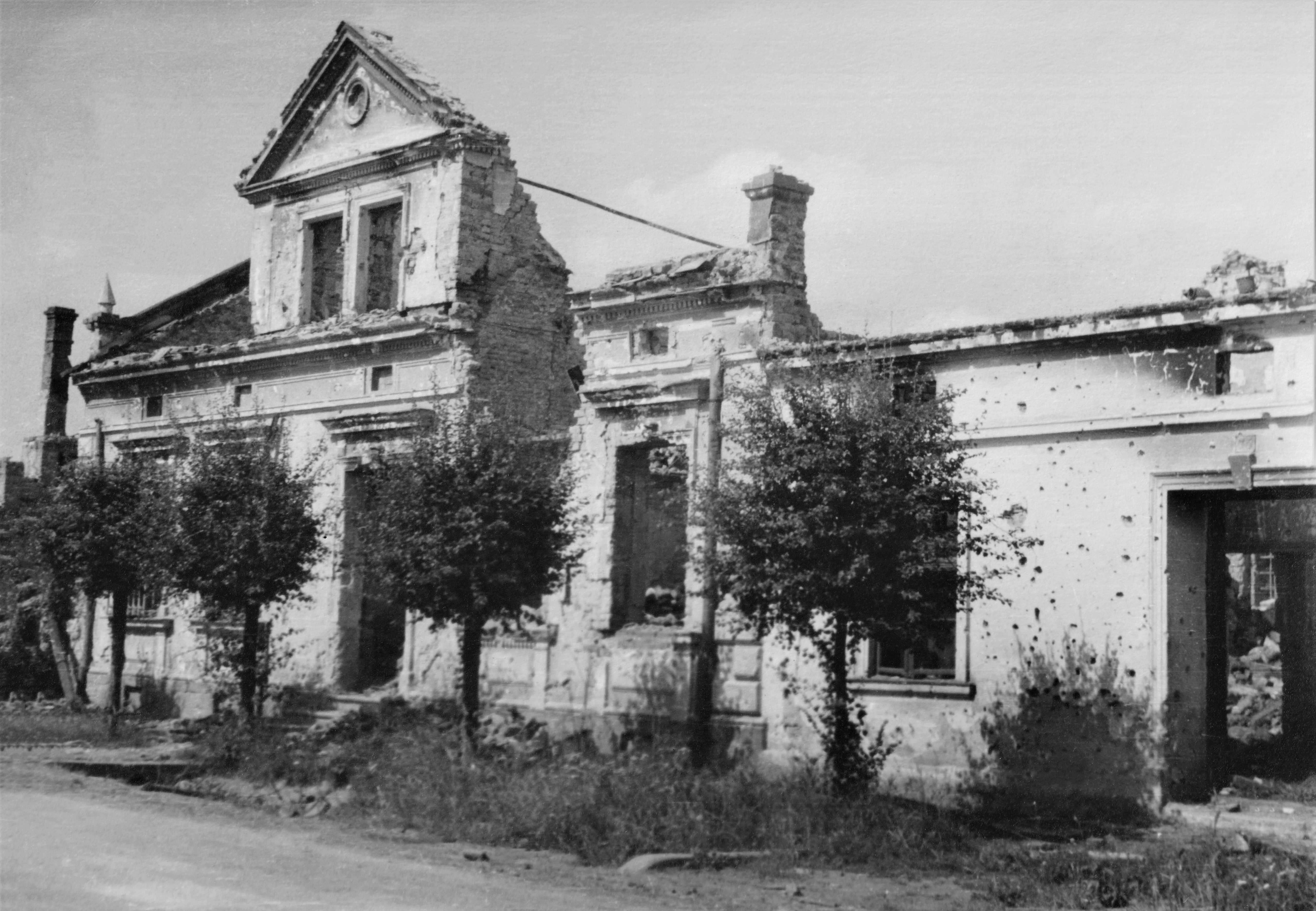
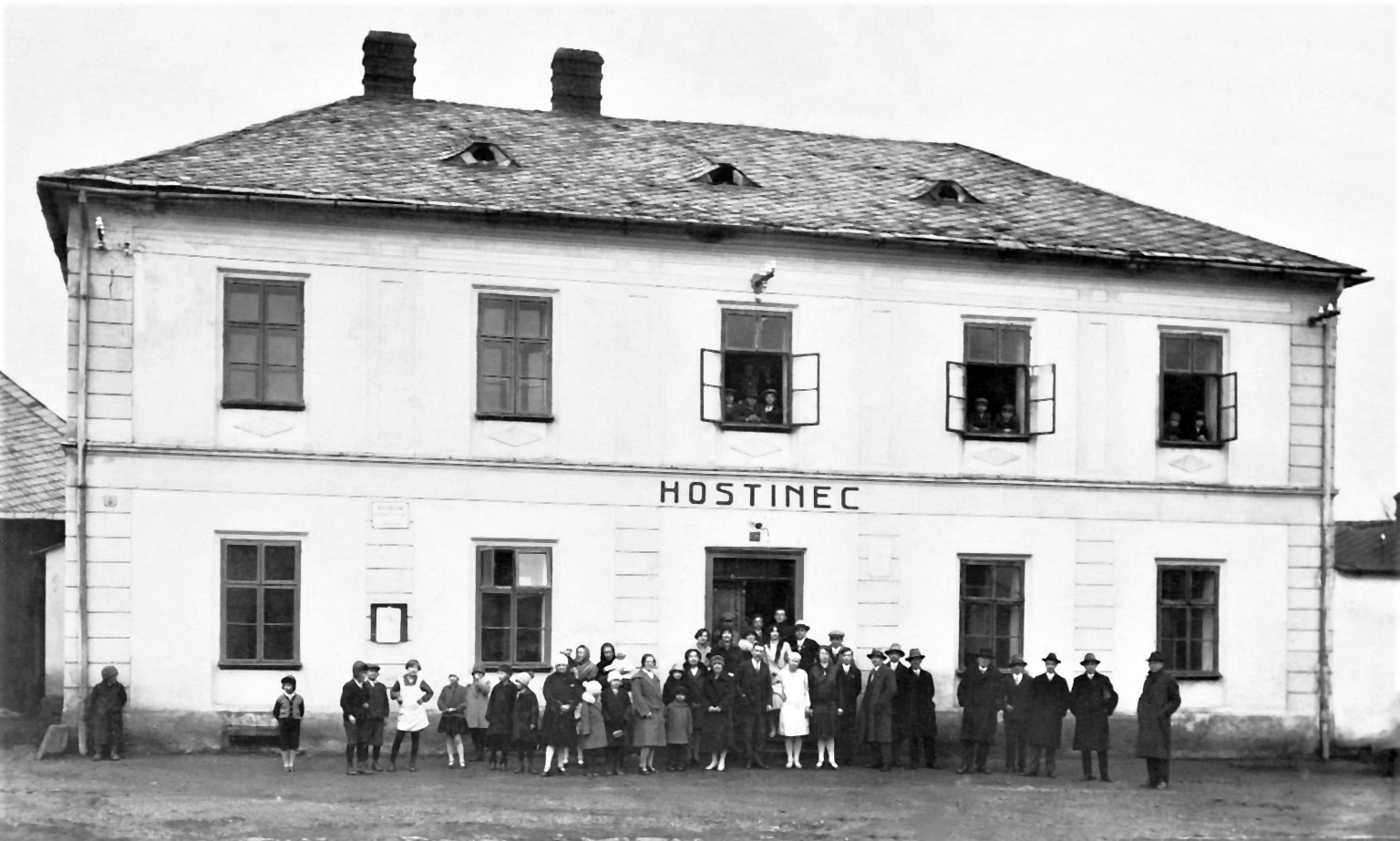
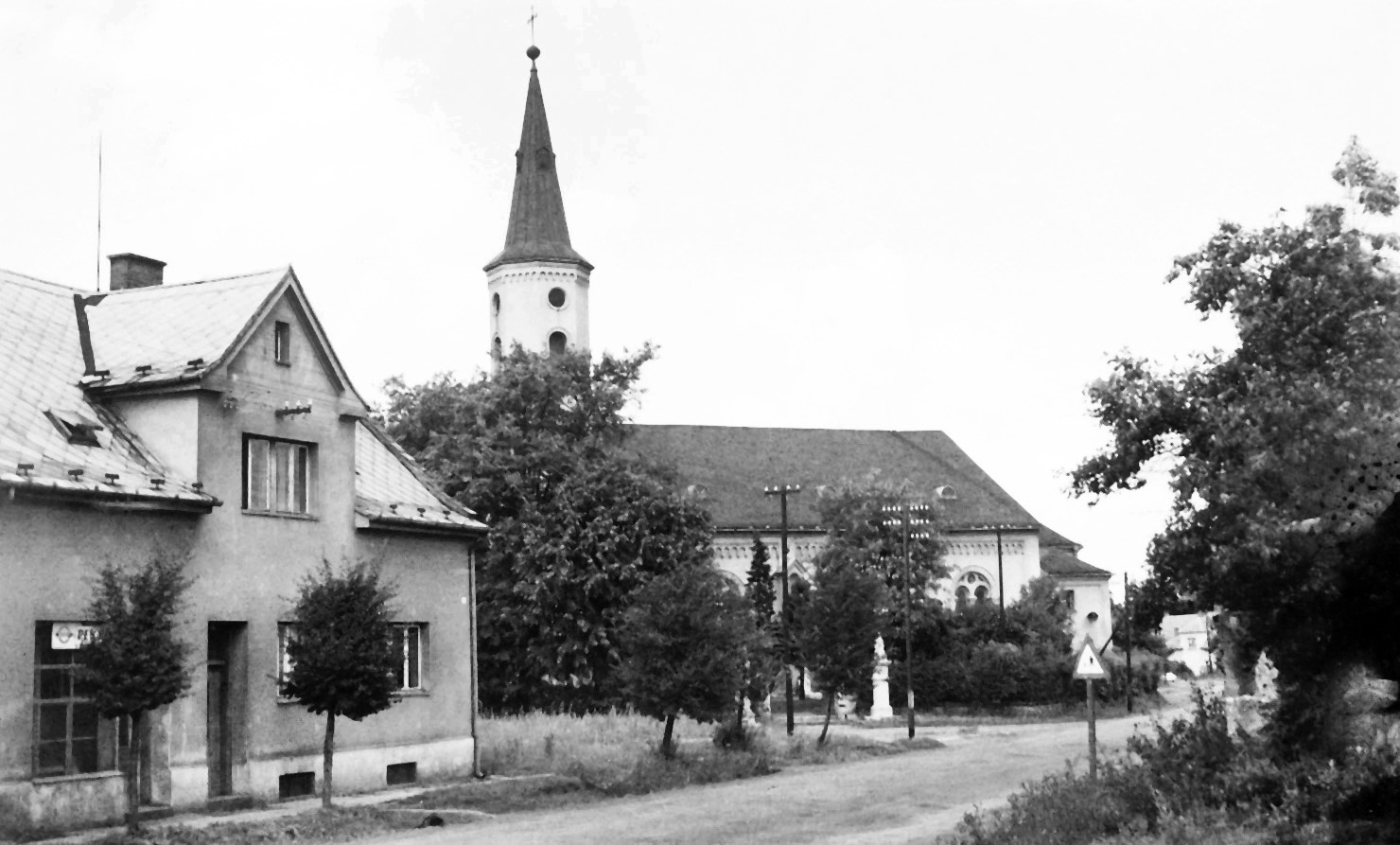
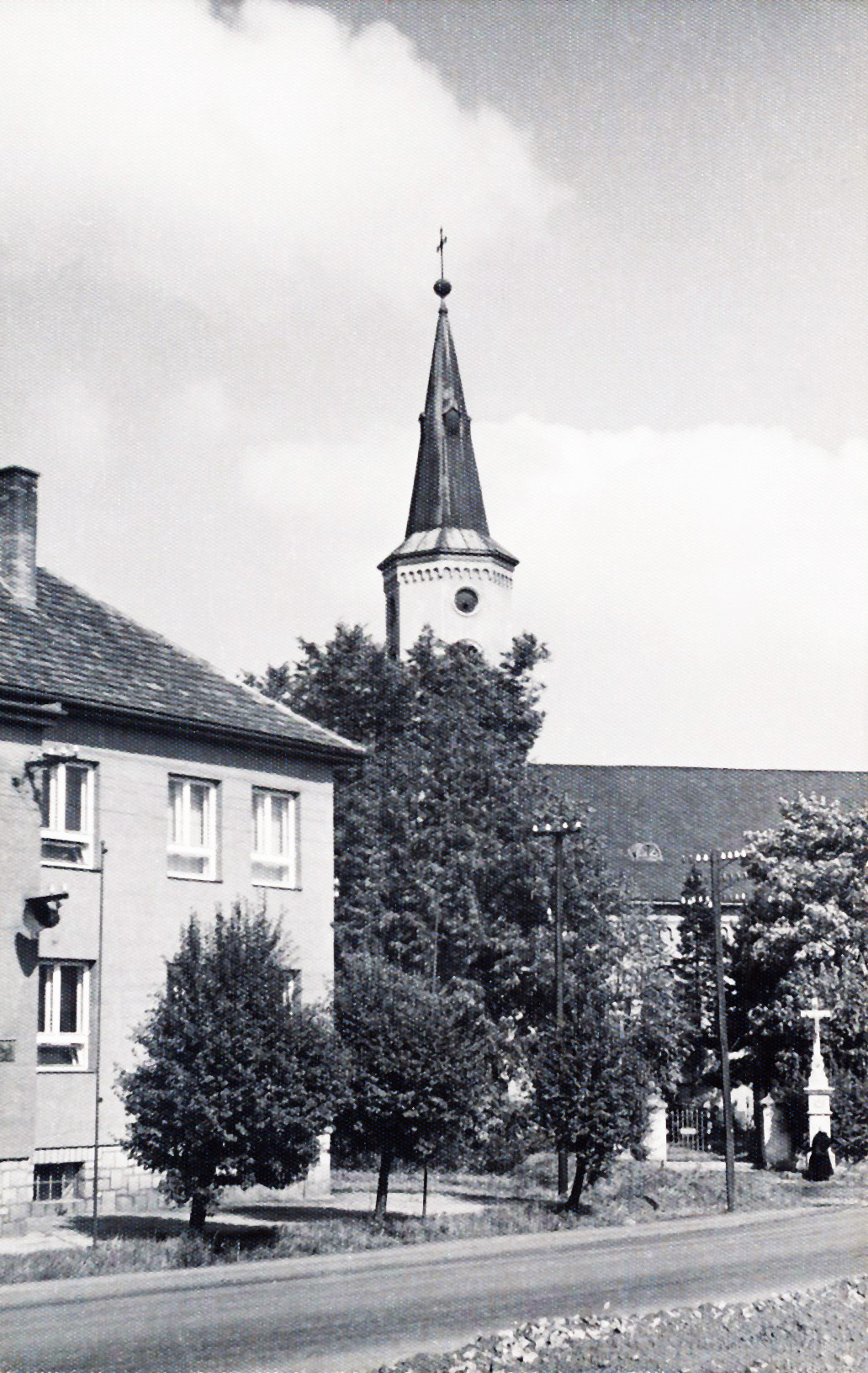
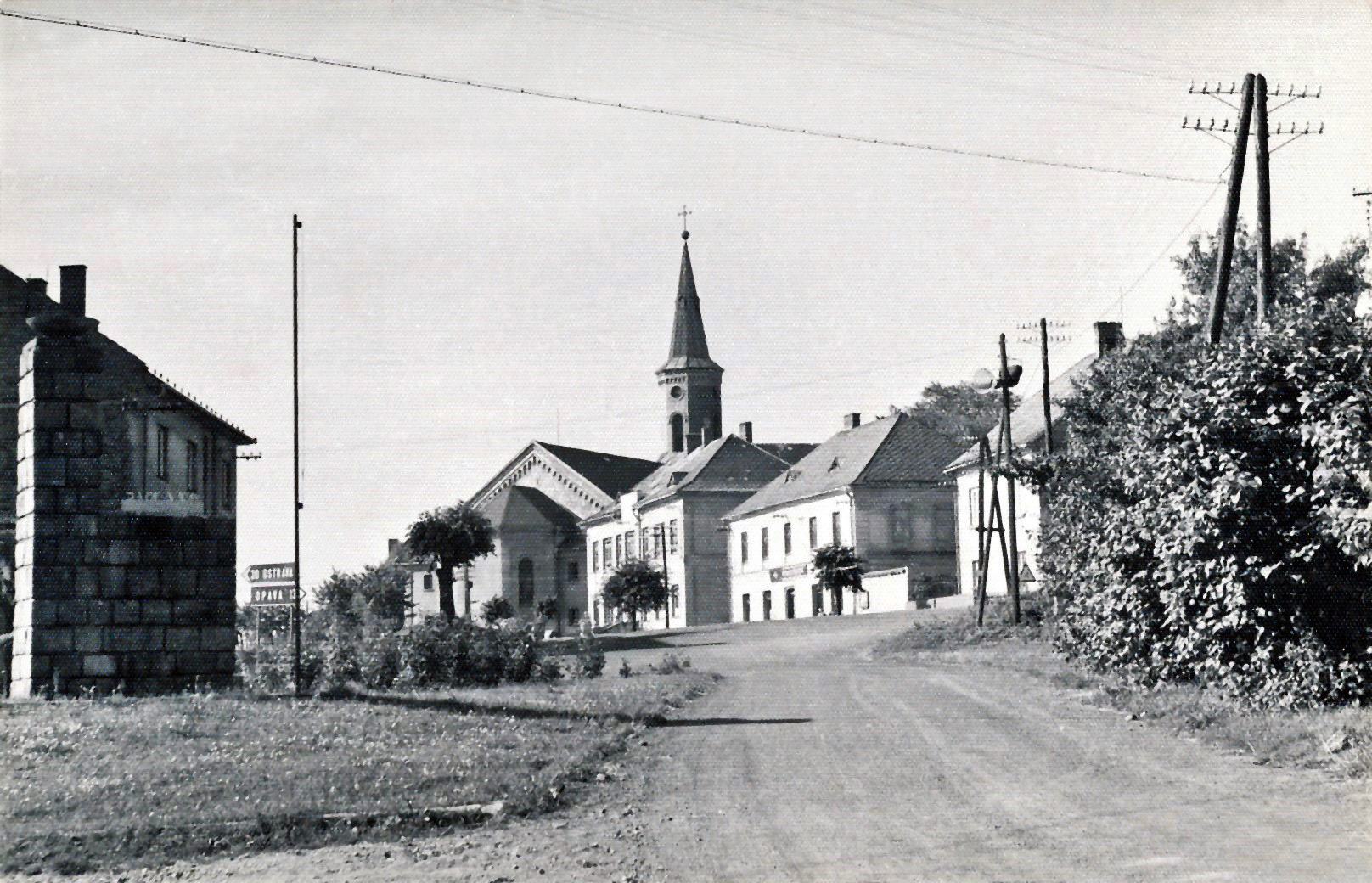
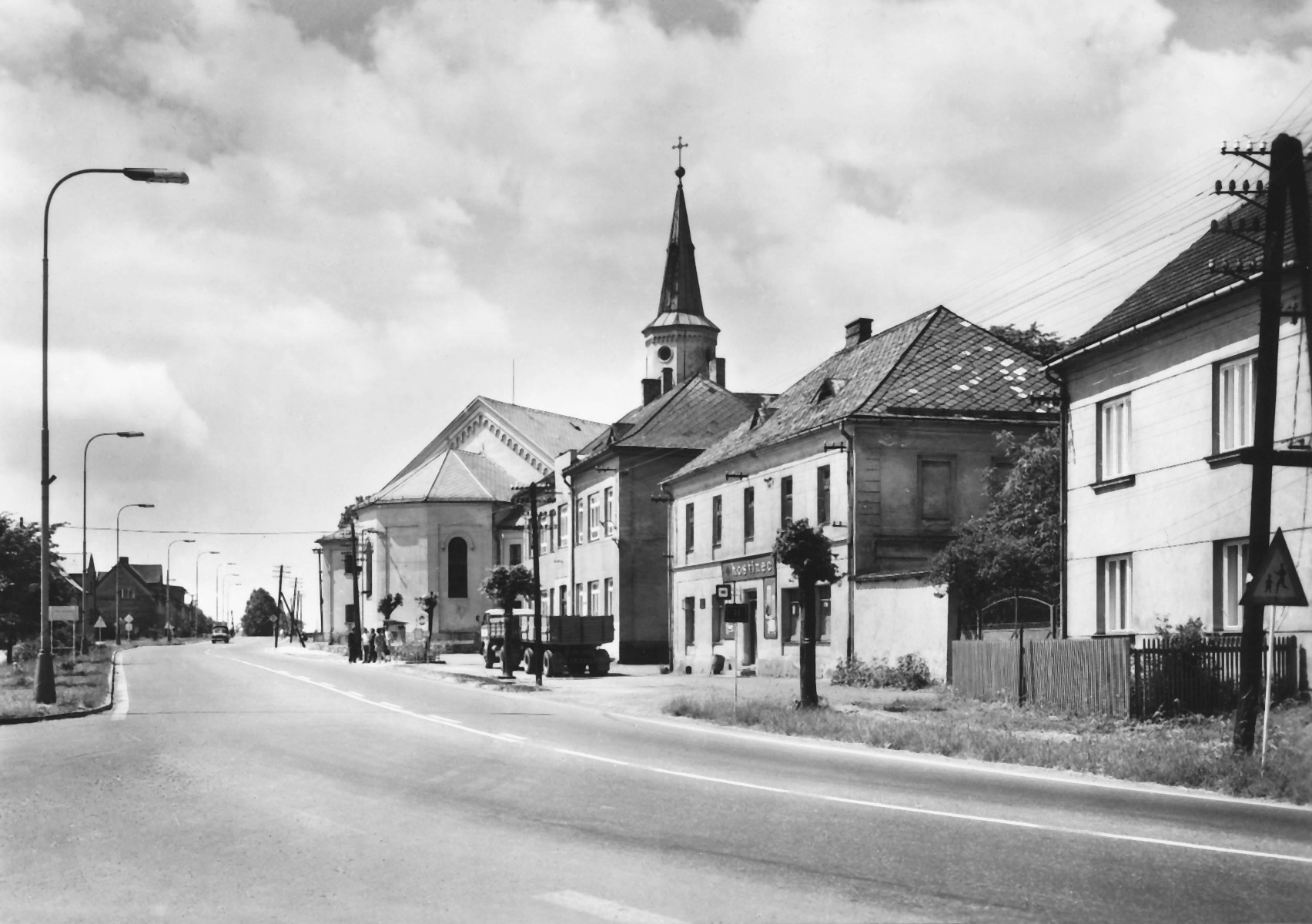
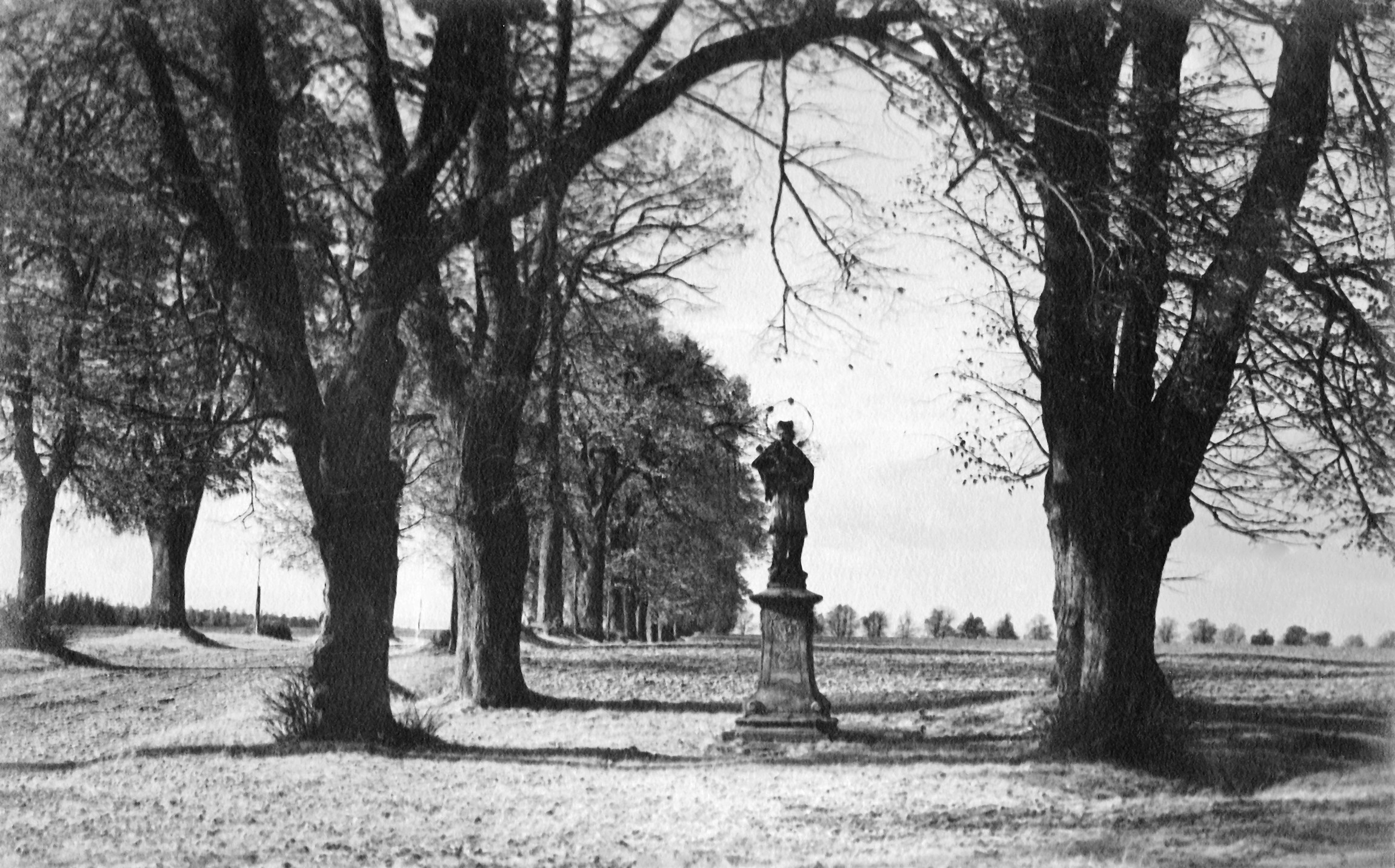
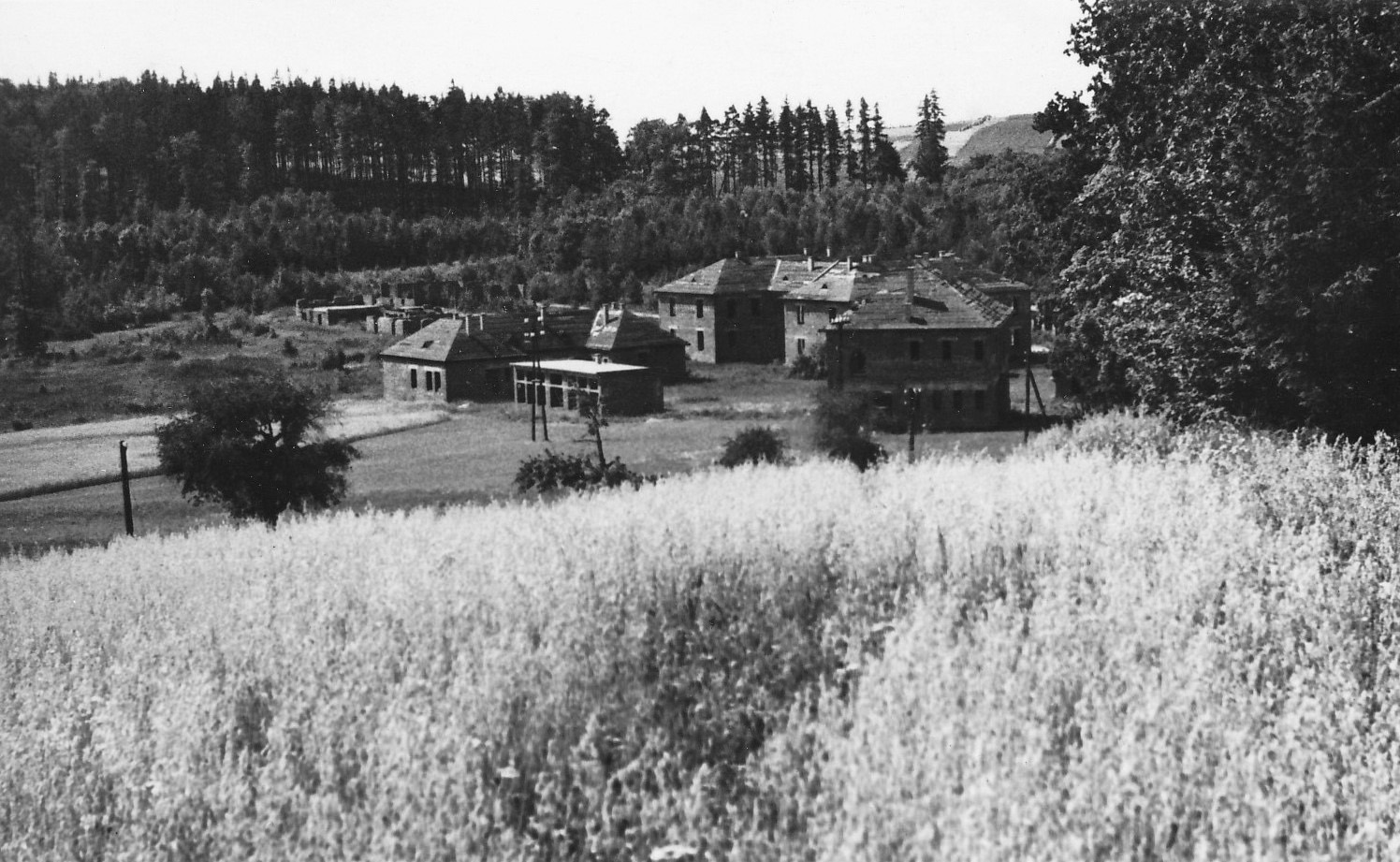
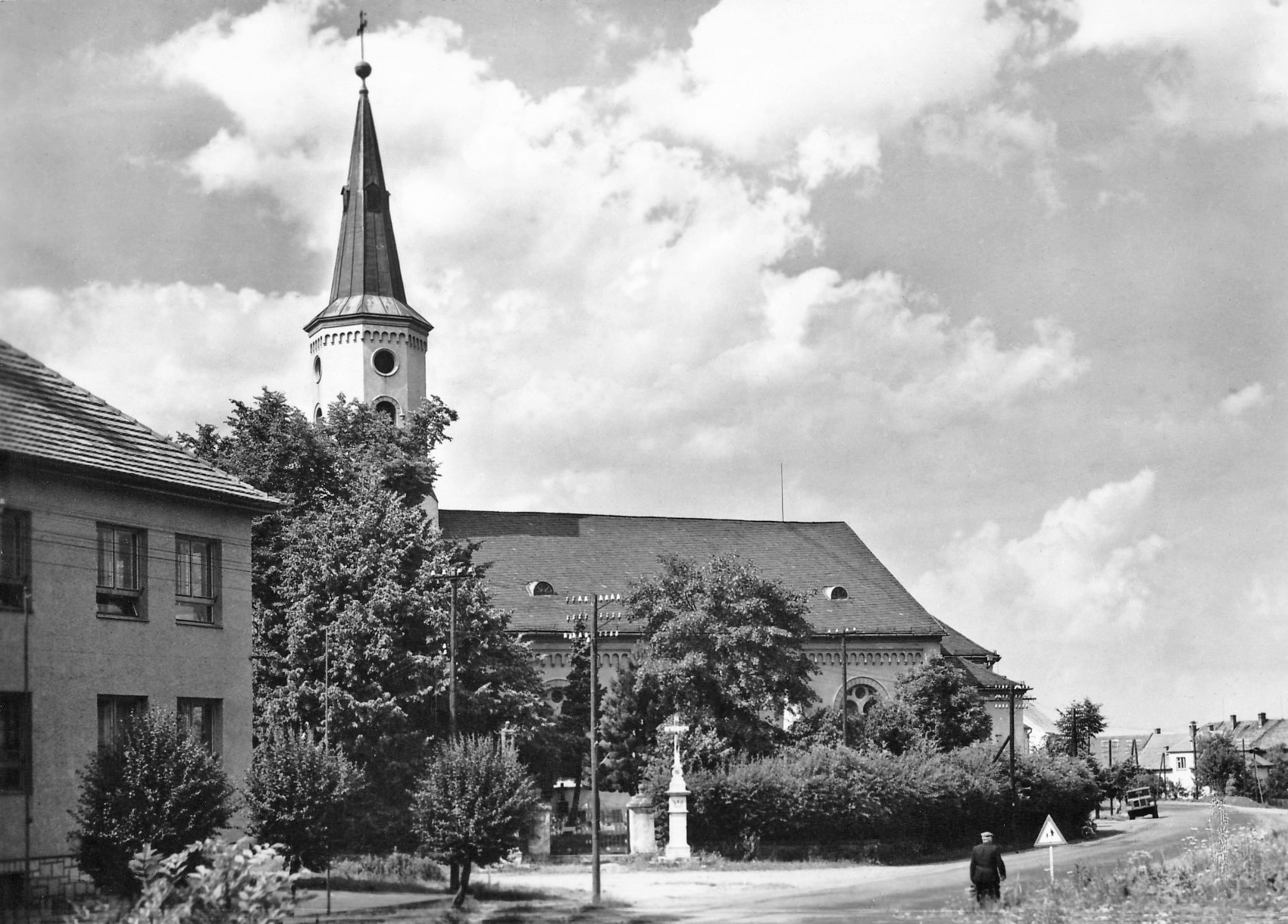
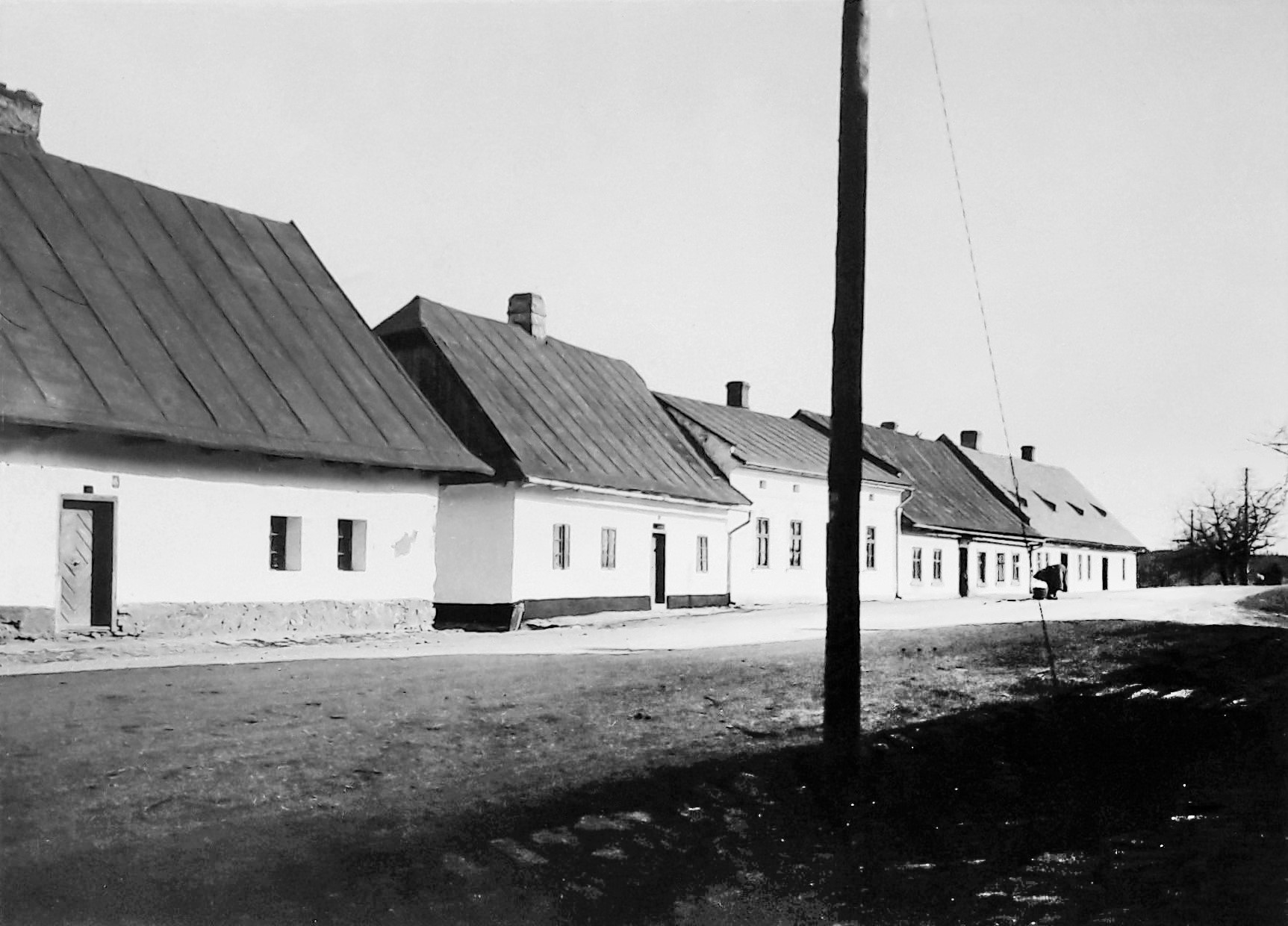
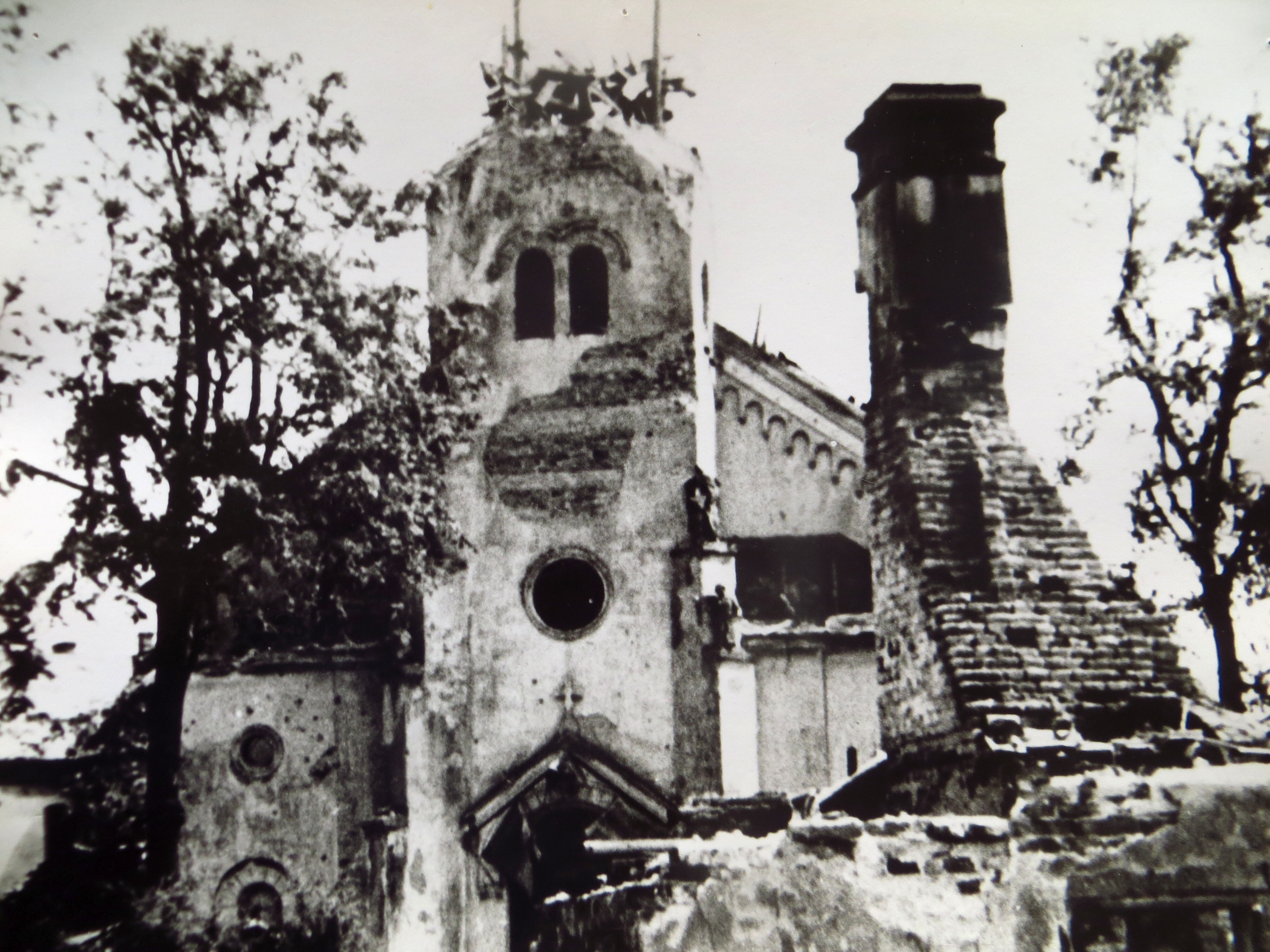
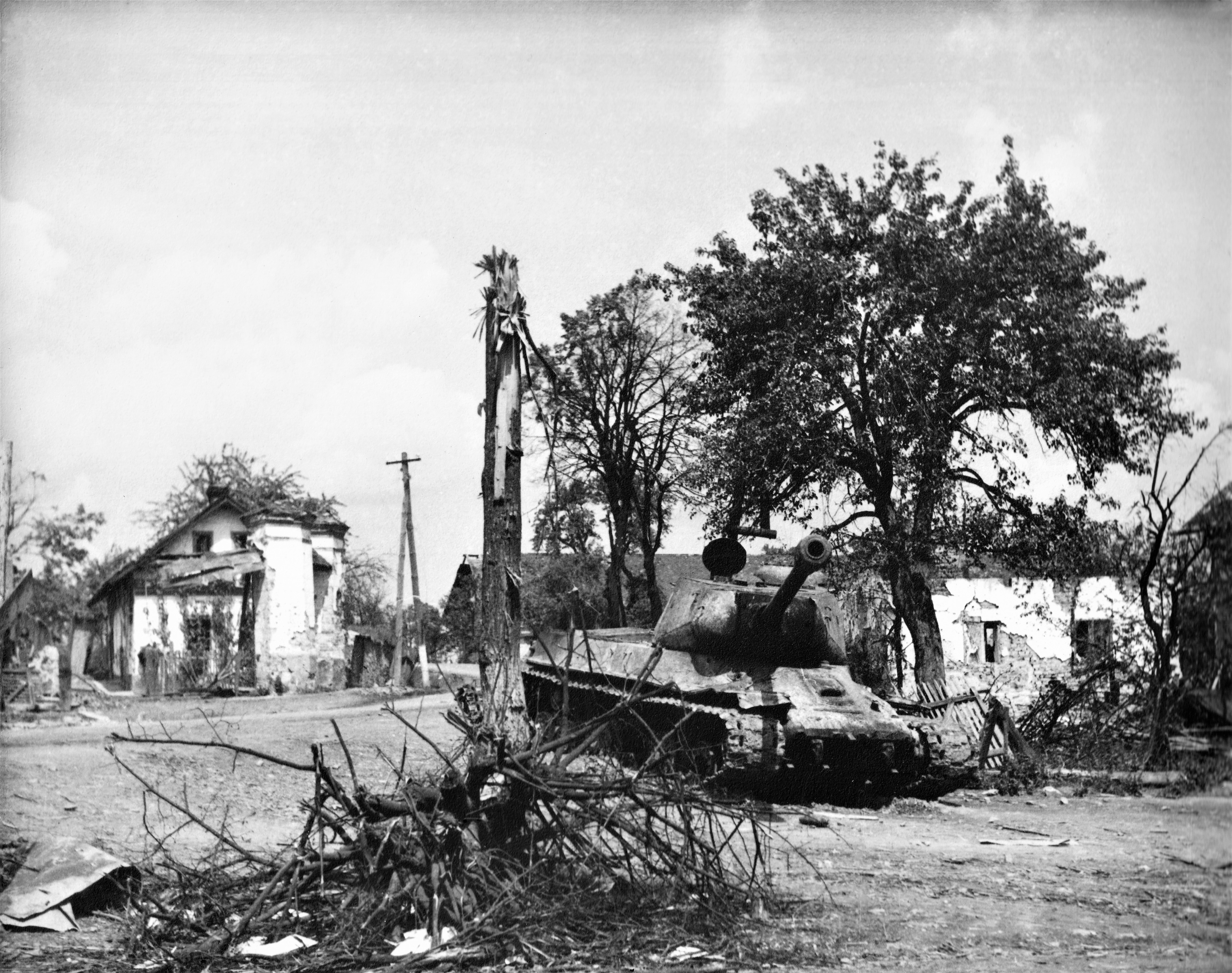
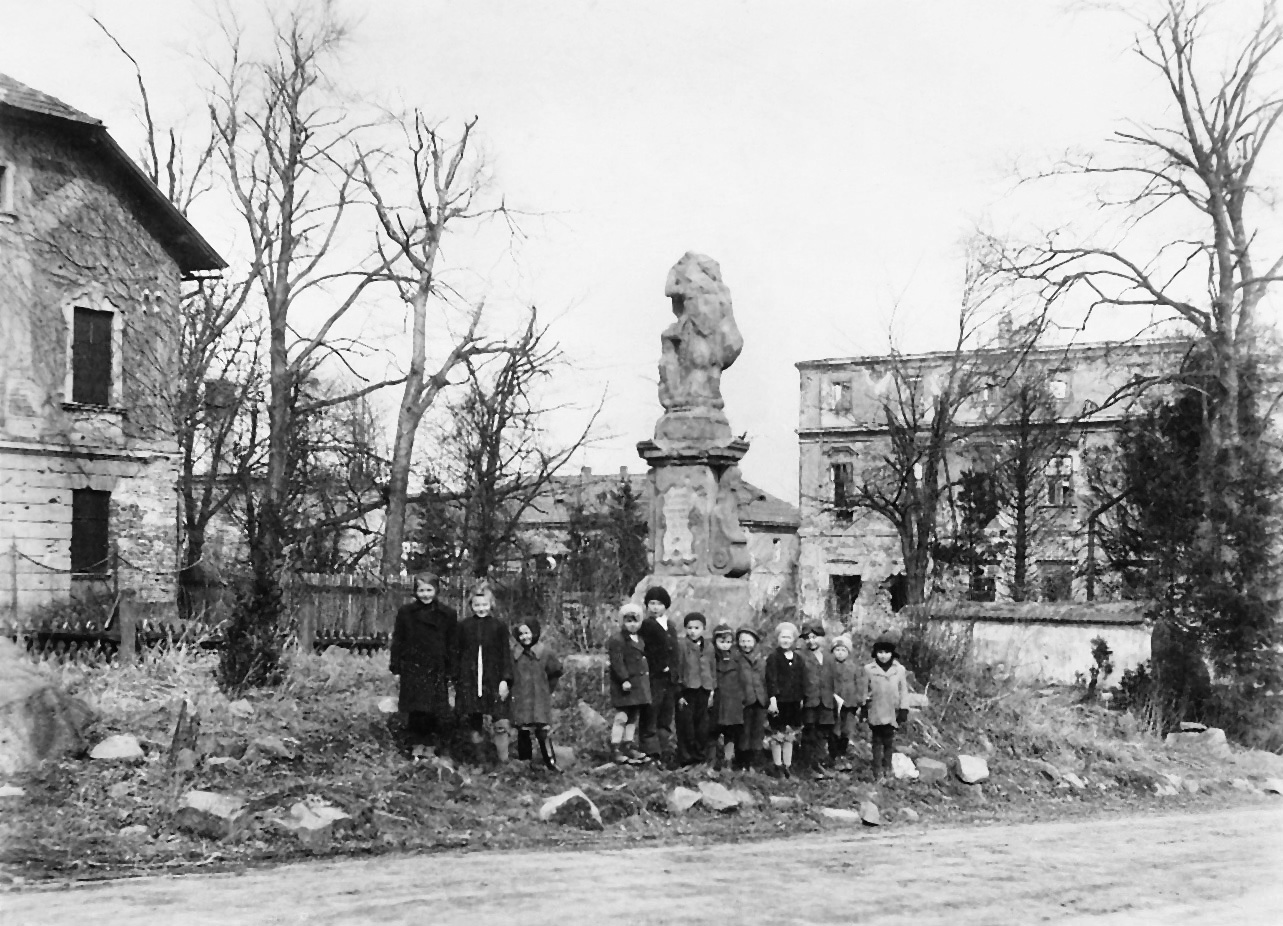
Pavel Lhota was born on January 31, 1950 in Opava. He grew up in Hrabyně, one of the villages that were most severely damaged by the Second World War in what is now the Czech Republic. He witnessed nationalisation and collectivisation, which also affected his family - they lost their bakery in 1950 and were entitled to a ridiculous monthly rent as compensation. Until the age of 11 he lived in close proximity to the national economist and First Republic statesman Karel Engliš, who lived in forced exile in his native Hrabyně. Since his youth he has been interested in photography, and over the decades he has amassed a large collection of images documenting the history of the village. After studying at the building industry school in Opava, he worked as a proofreader and technical editor at the Ostrava printing house of Rudé Právo in 1973-1990. He then founded his own studio and printing house Pressart and ran his own business until 2010, when he began to devote himself fully to the figure and legacy of Karel Engliš. He created a unique archive of photographs, books, documents and artifacts related to Karel Engliš. In 2020, he became one of the founding members of the Friends of Karel Engliš Society. At the time of the filming in 2021, he collaborated in the publication of Karel Engliš’s works.