My mother had me baptized so I wouldn’t be Jewish anymore. I wasn’t ashamed of David’s star
Download image
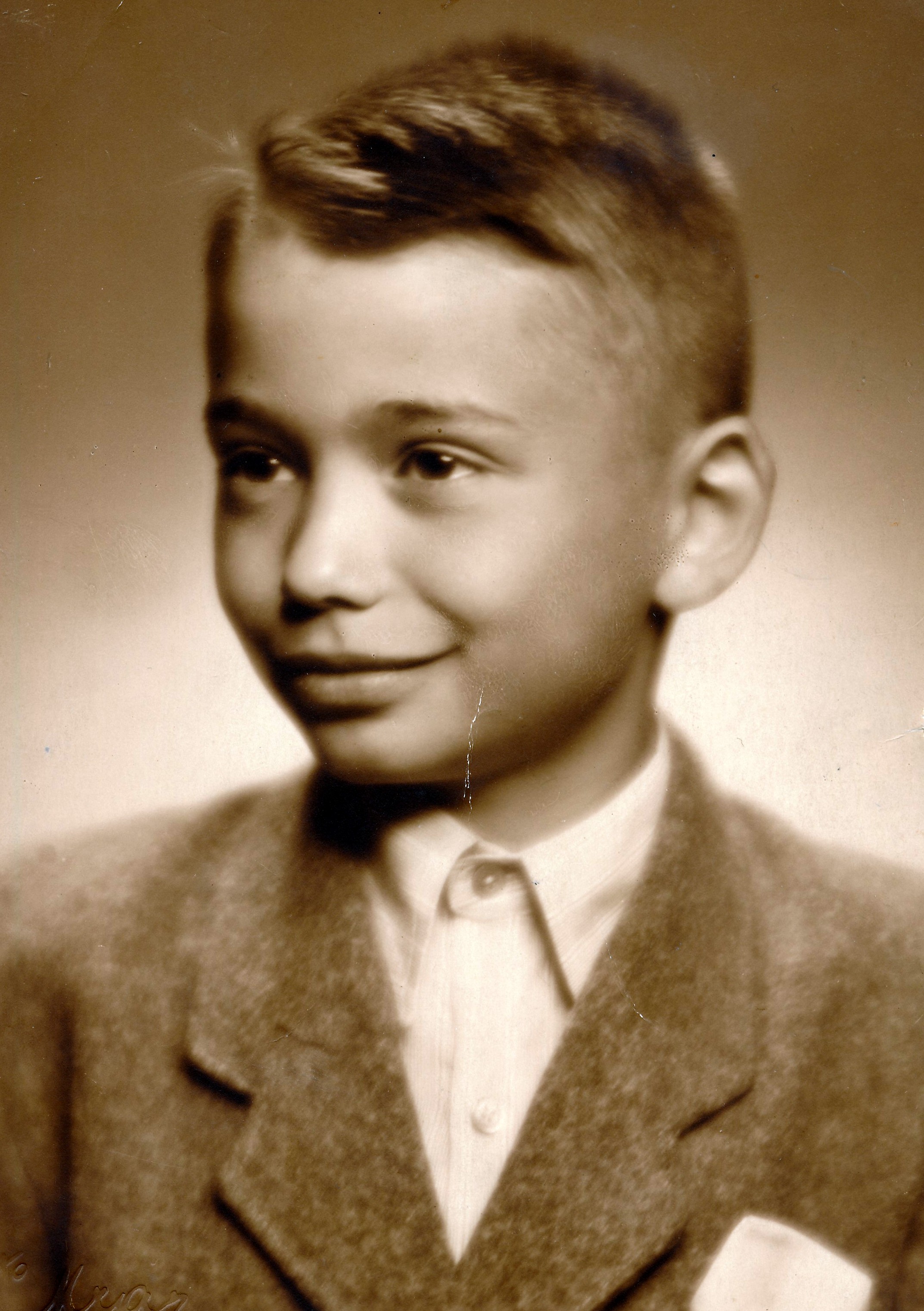
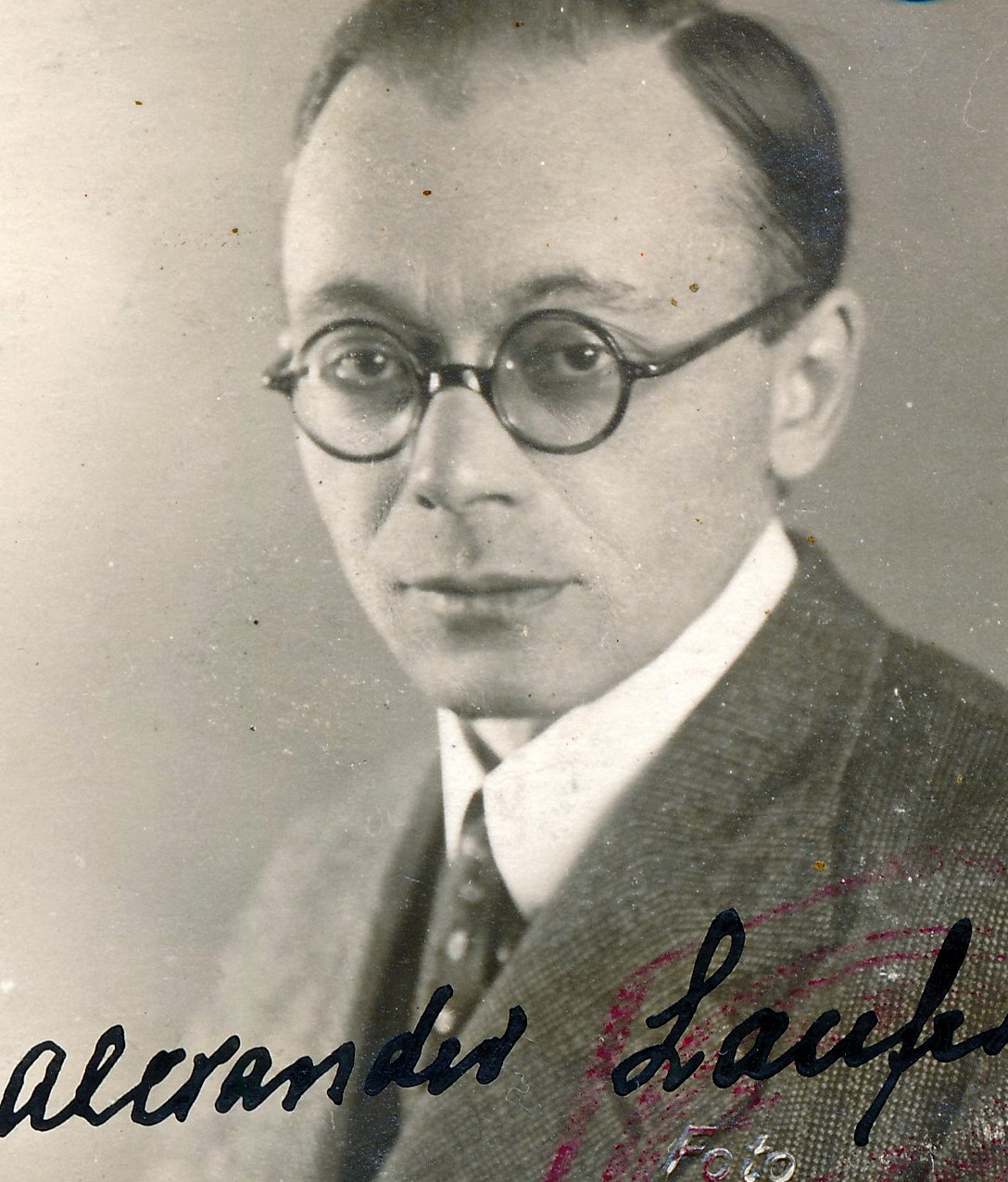
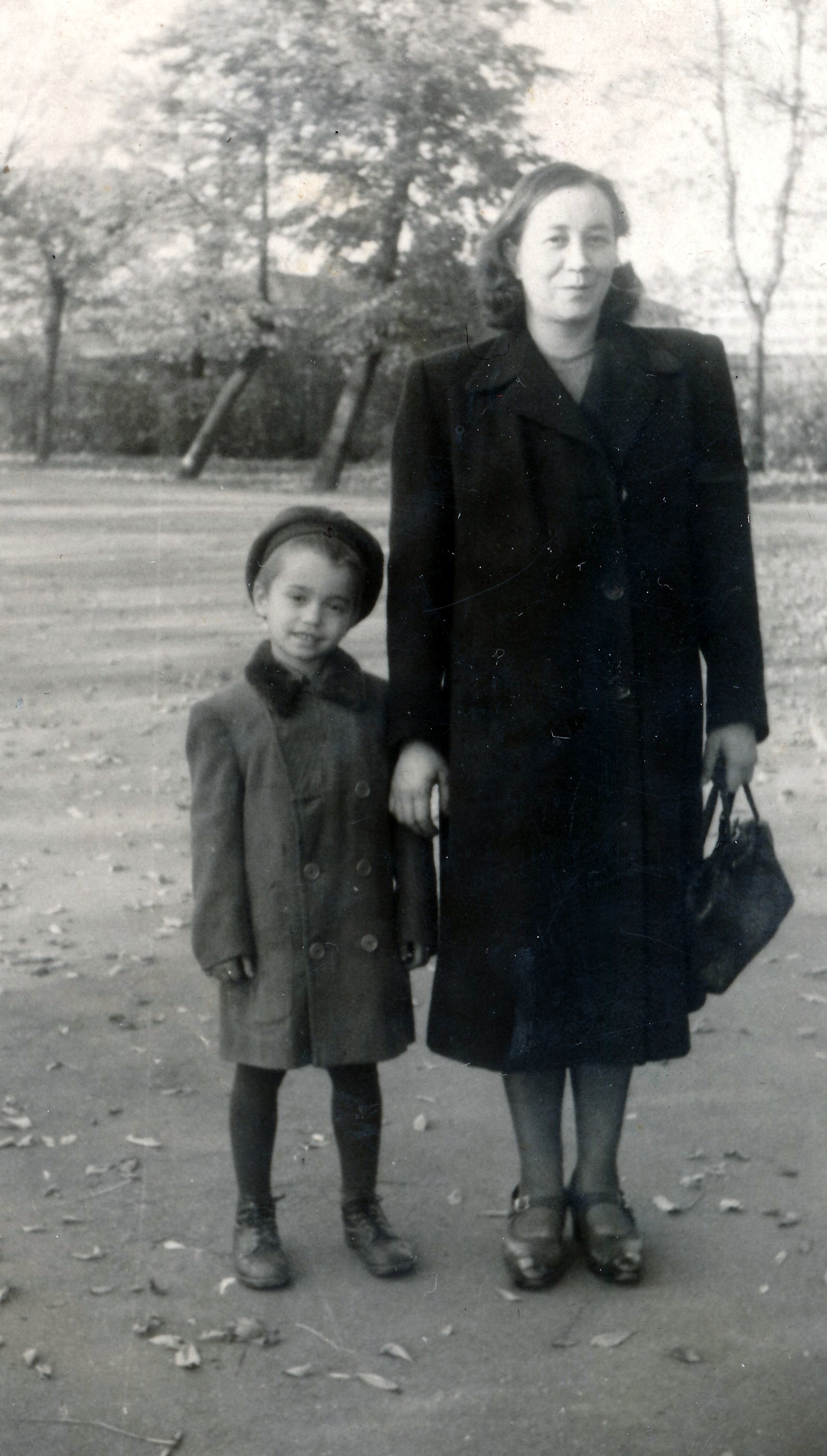
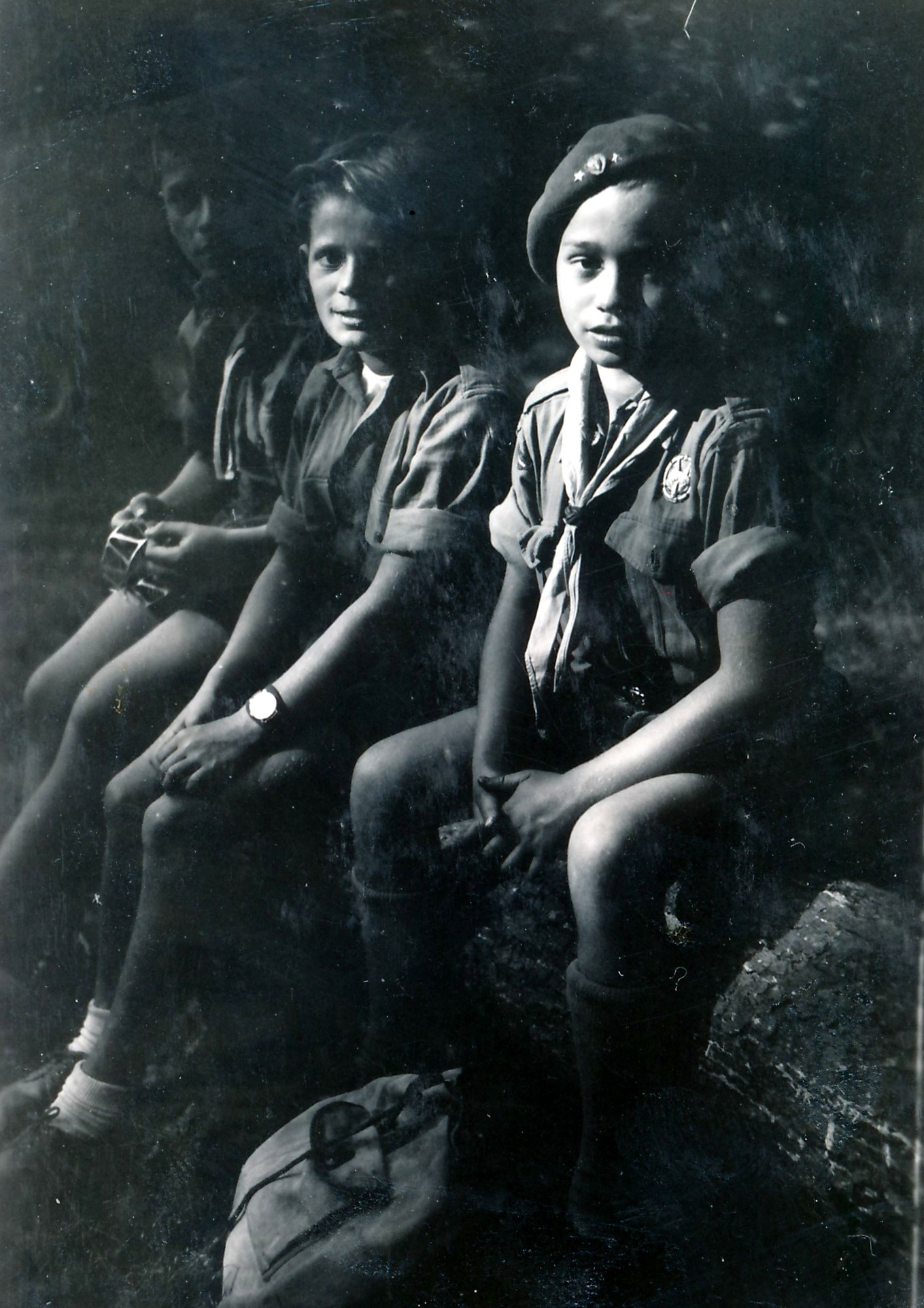
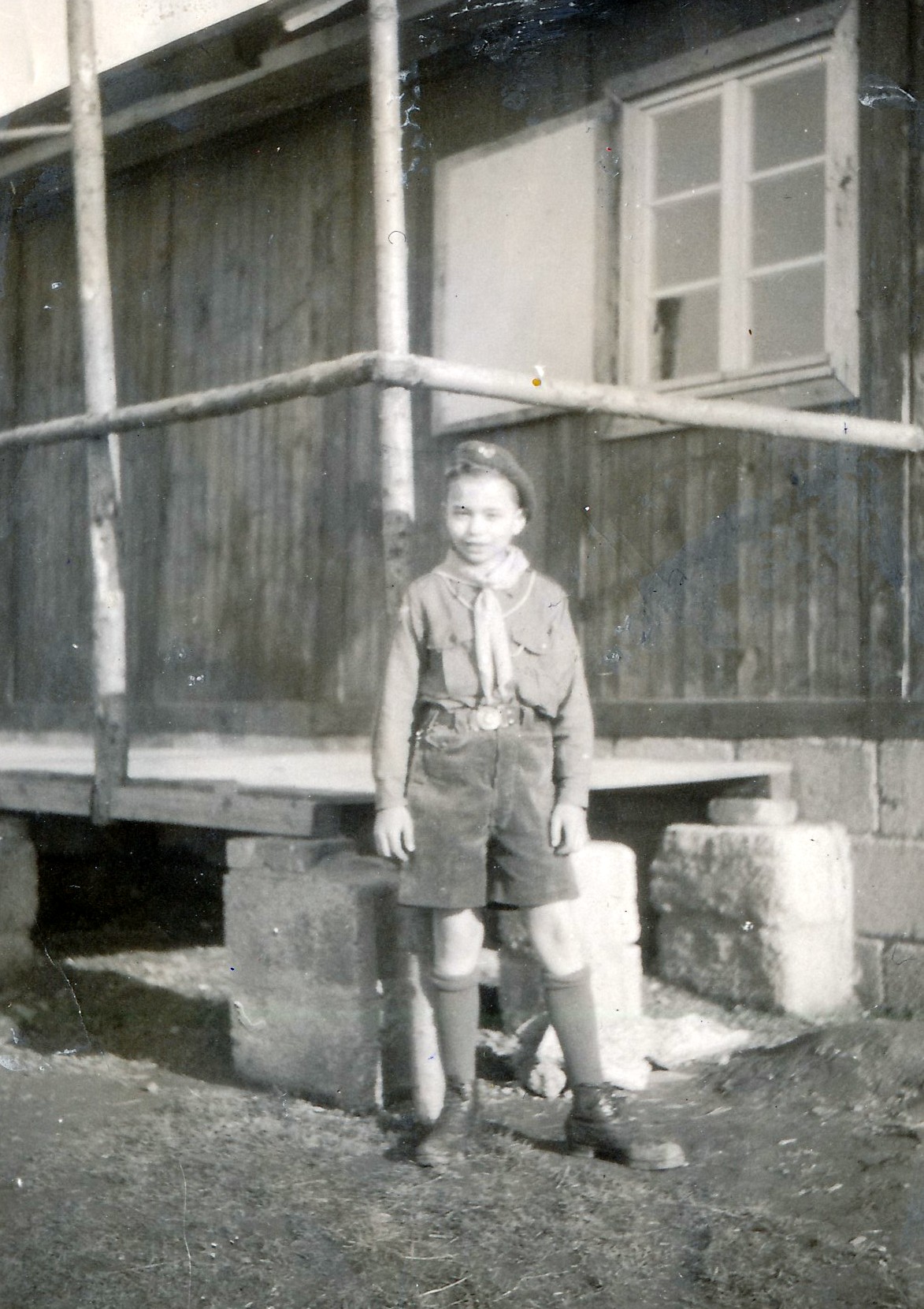
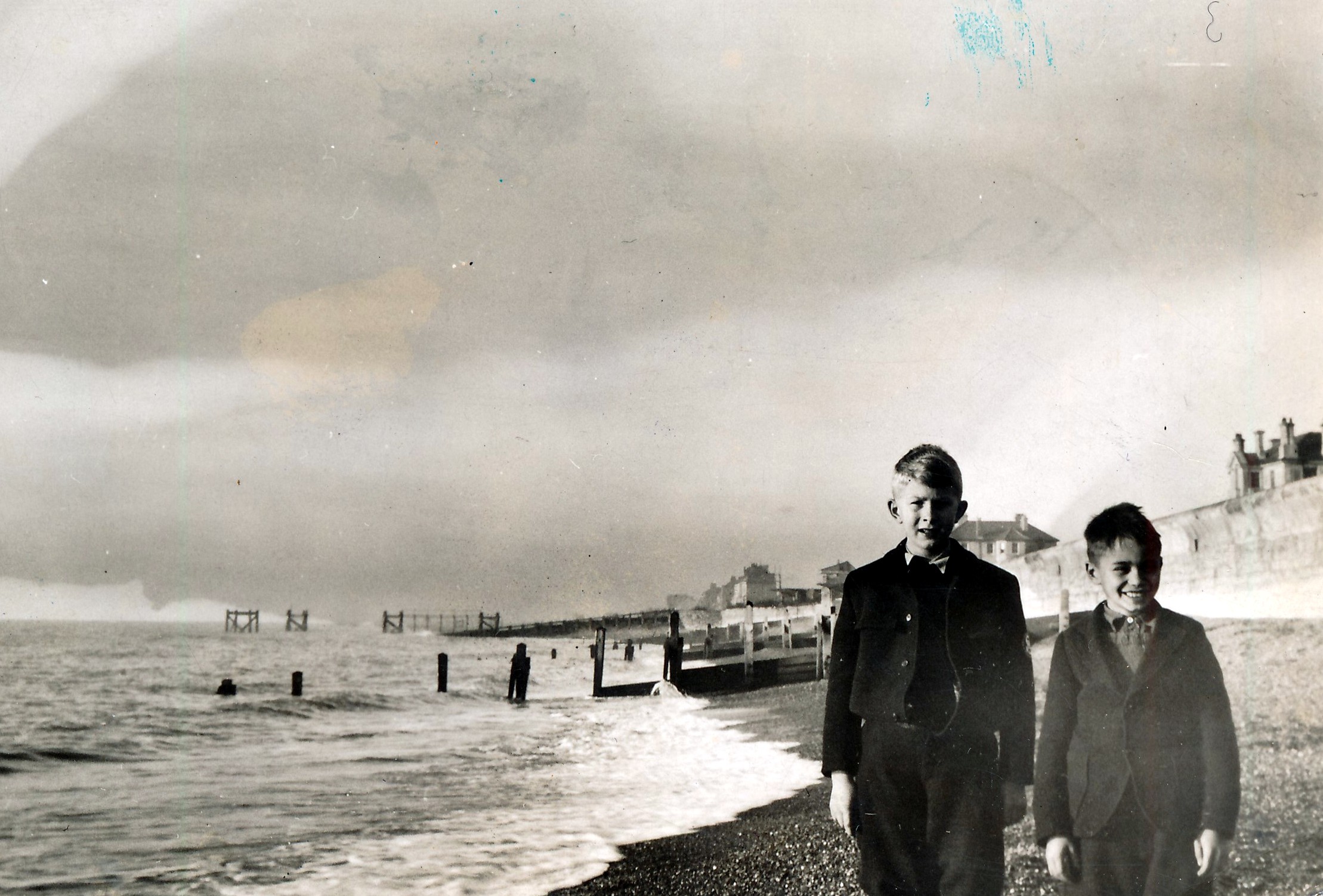
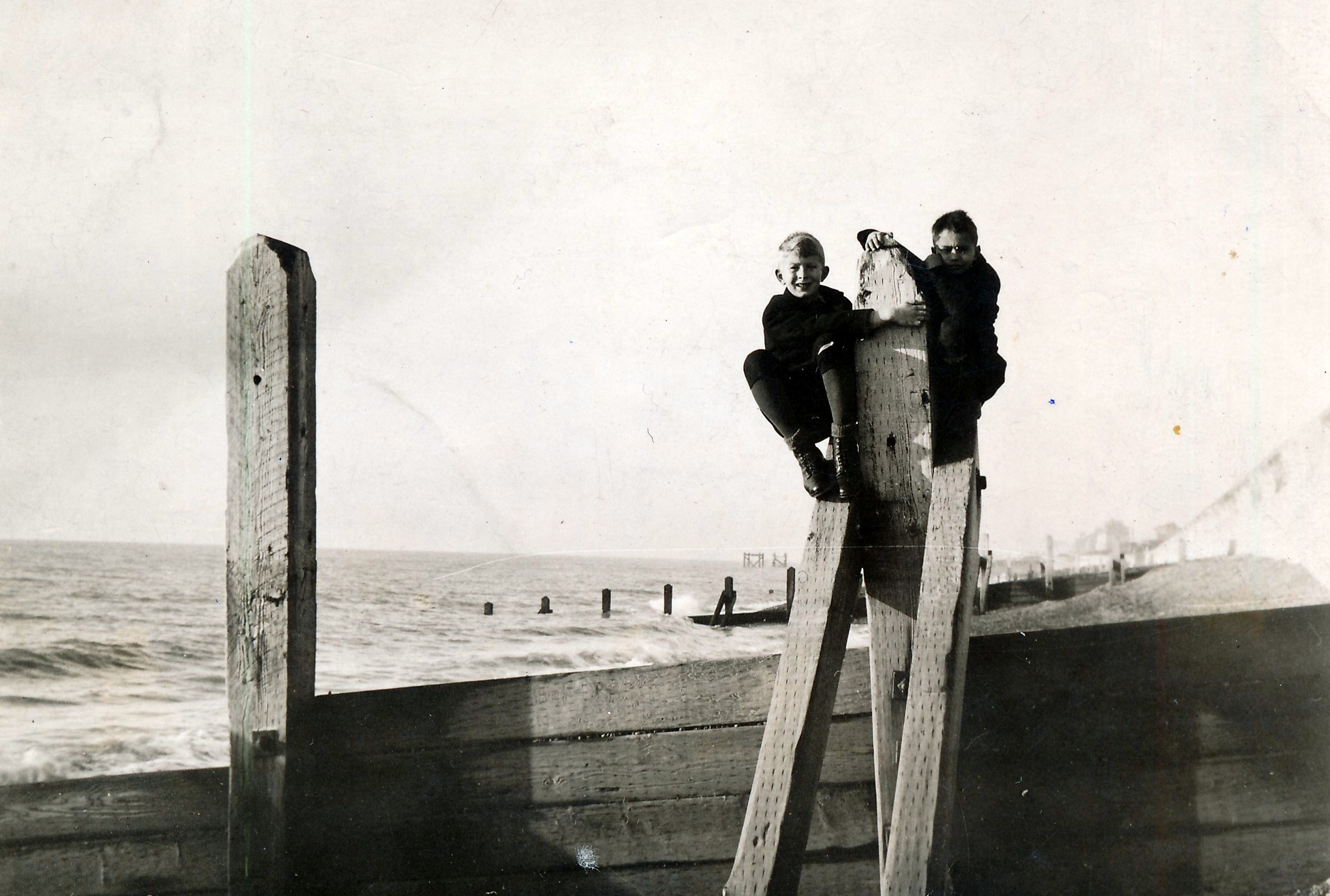
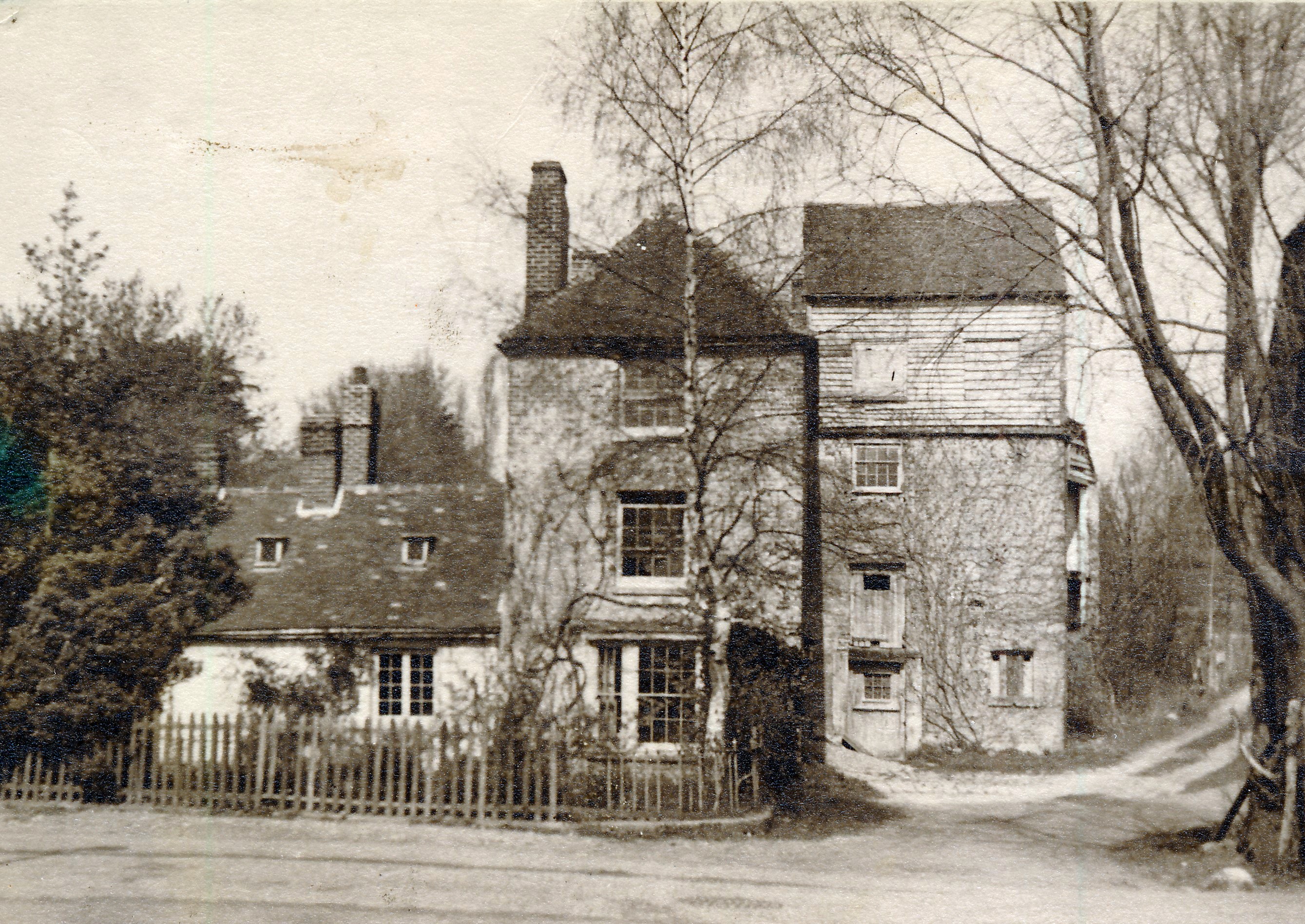
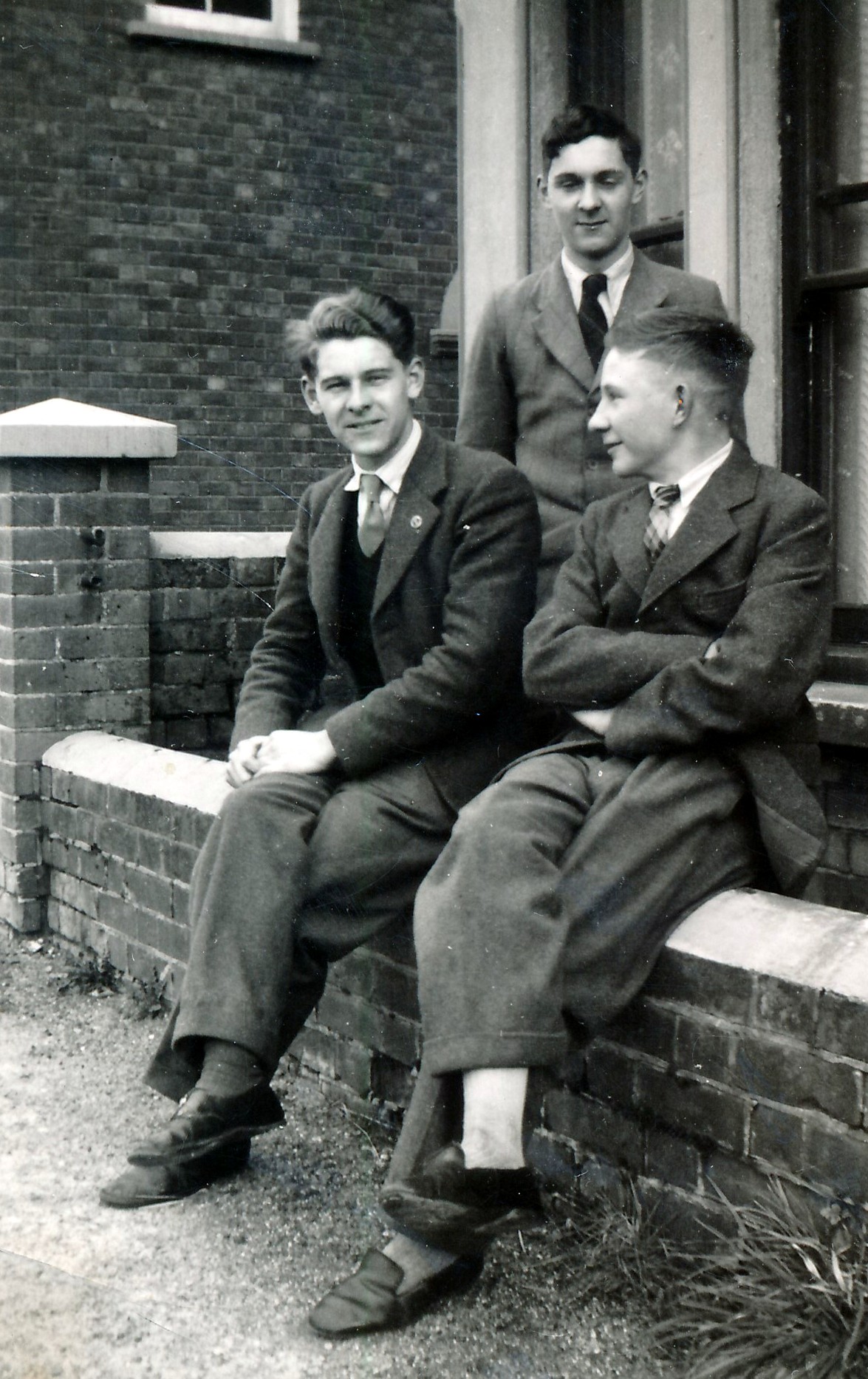
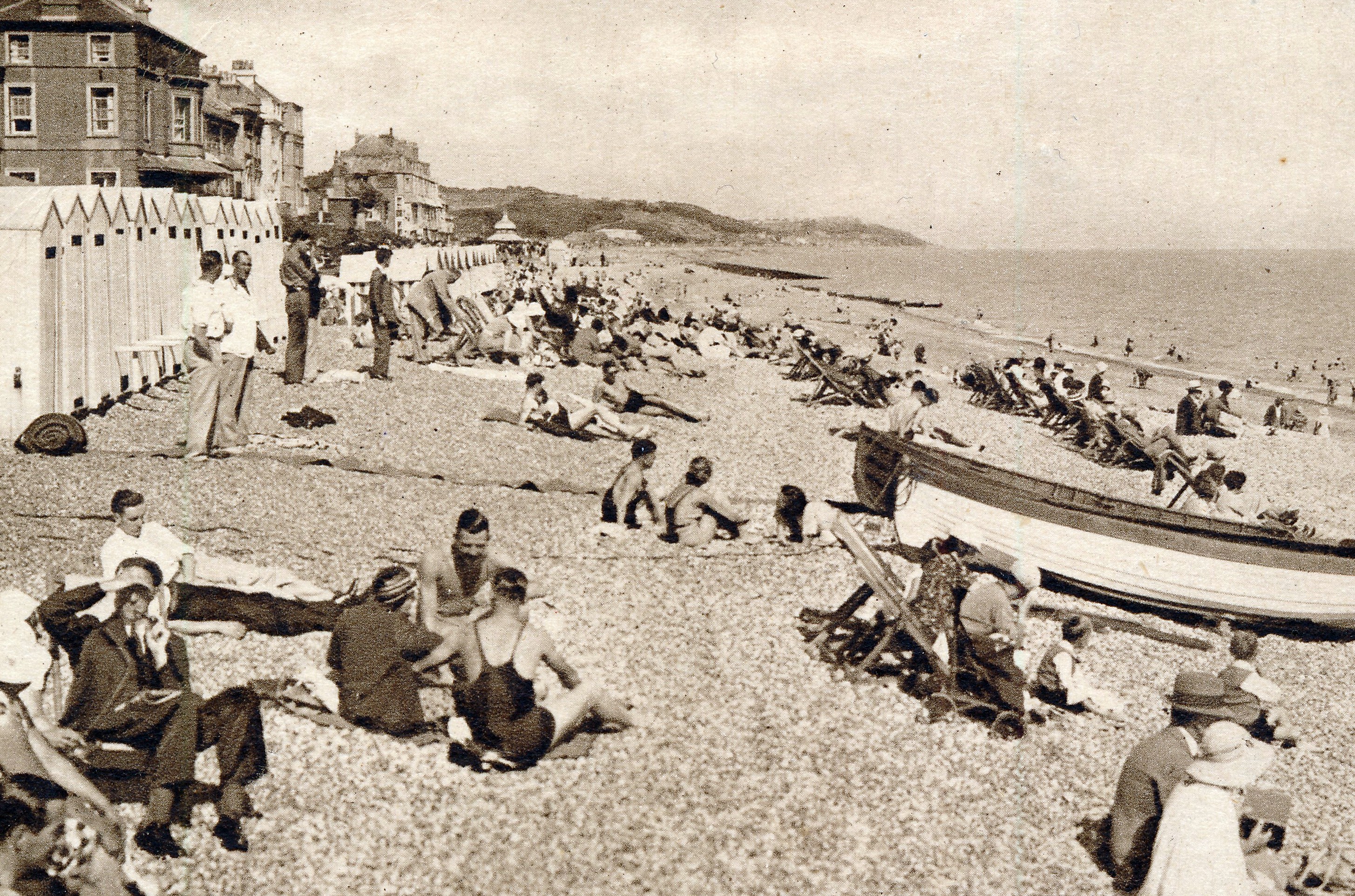
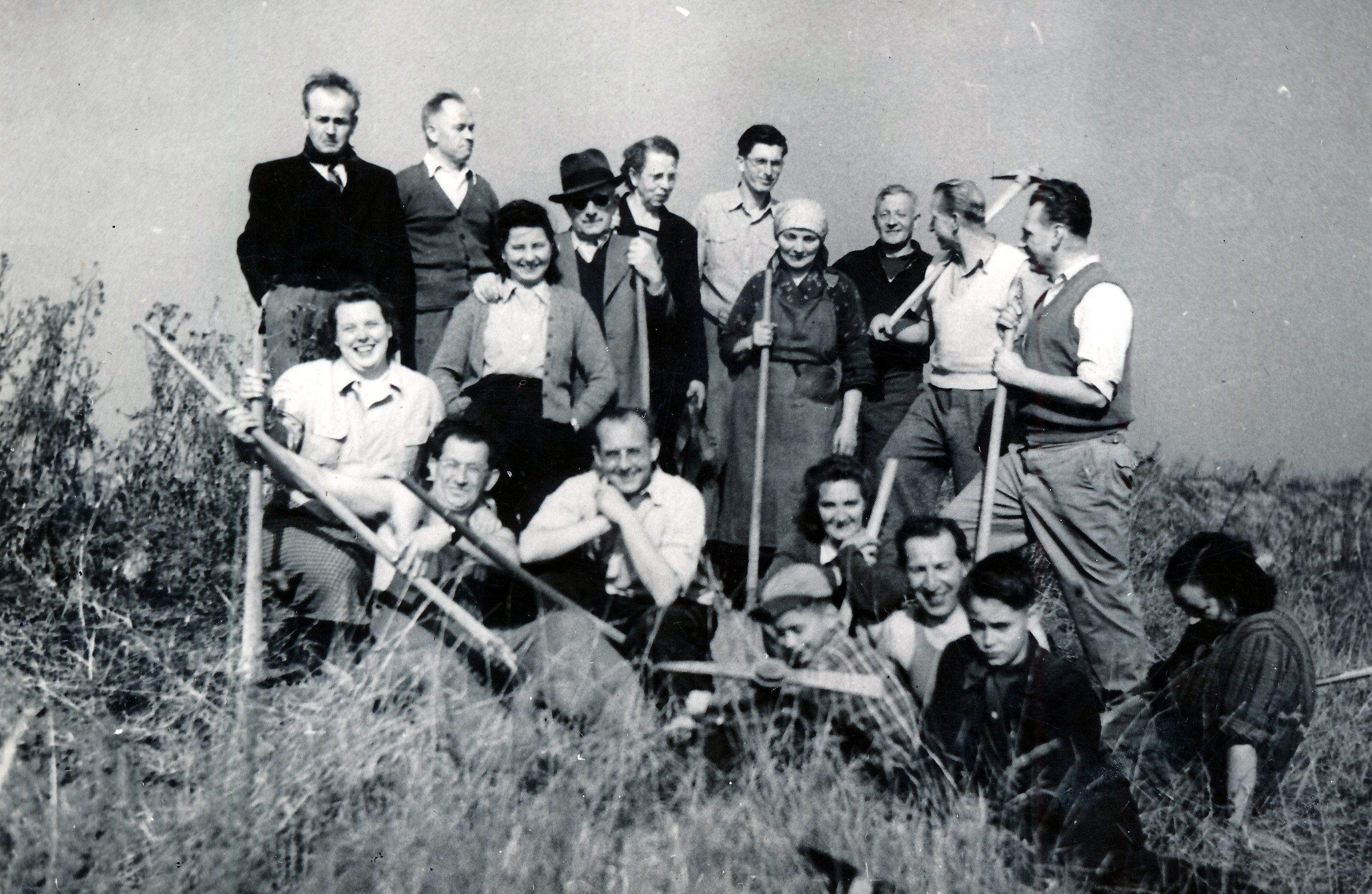
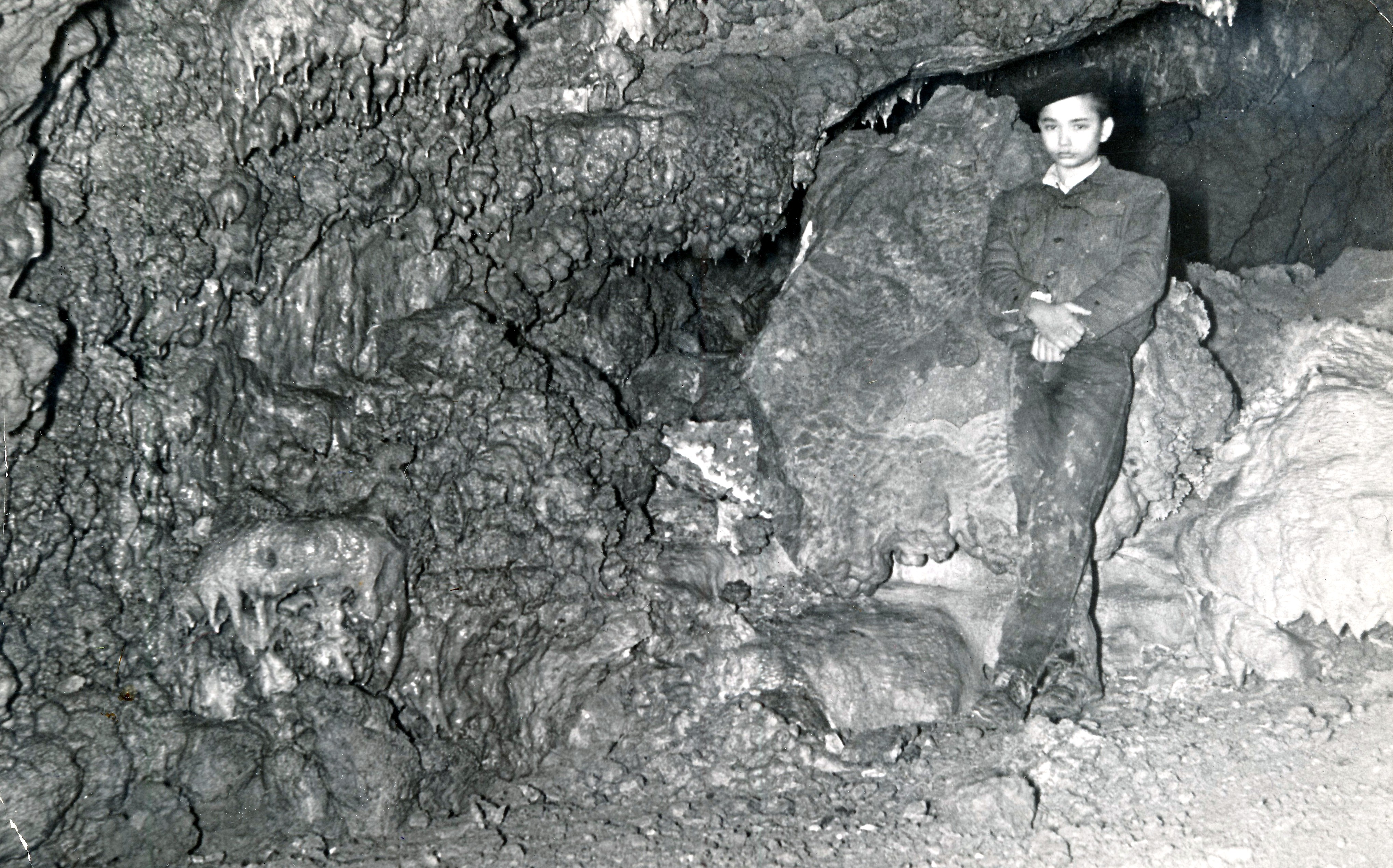
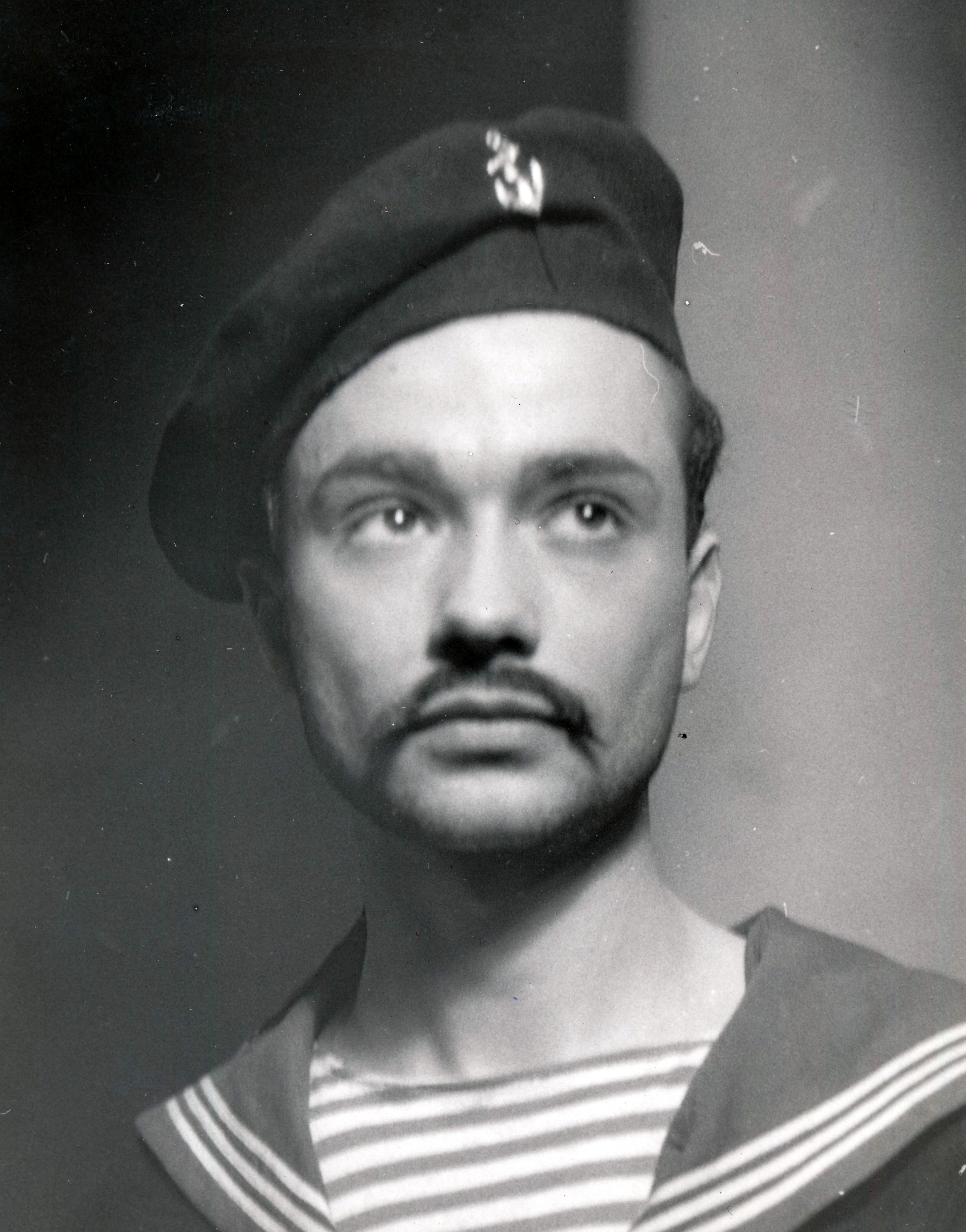
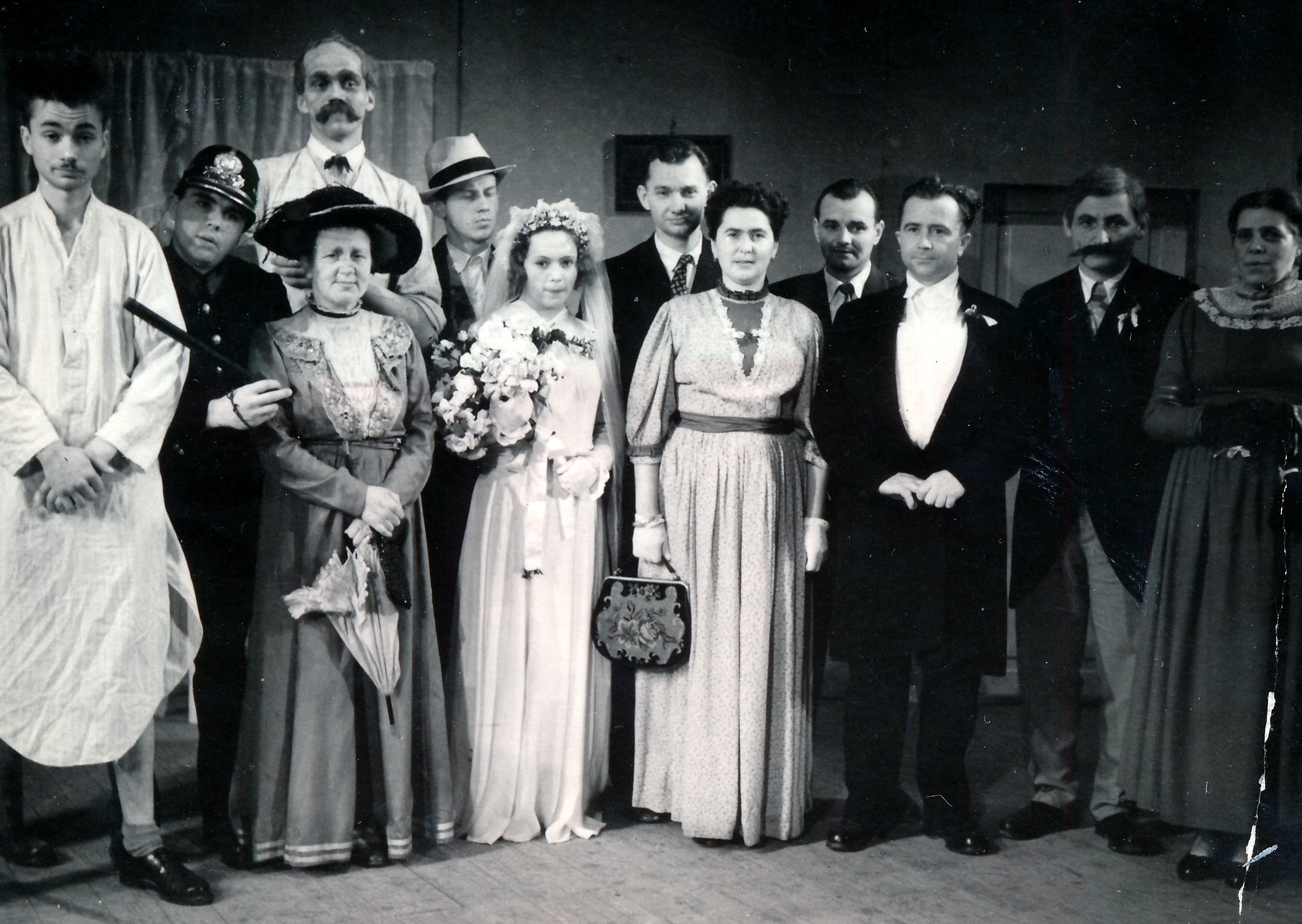
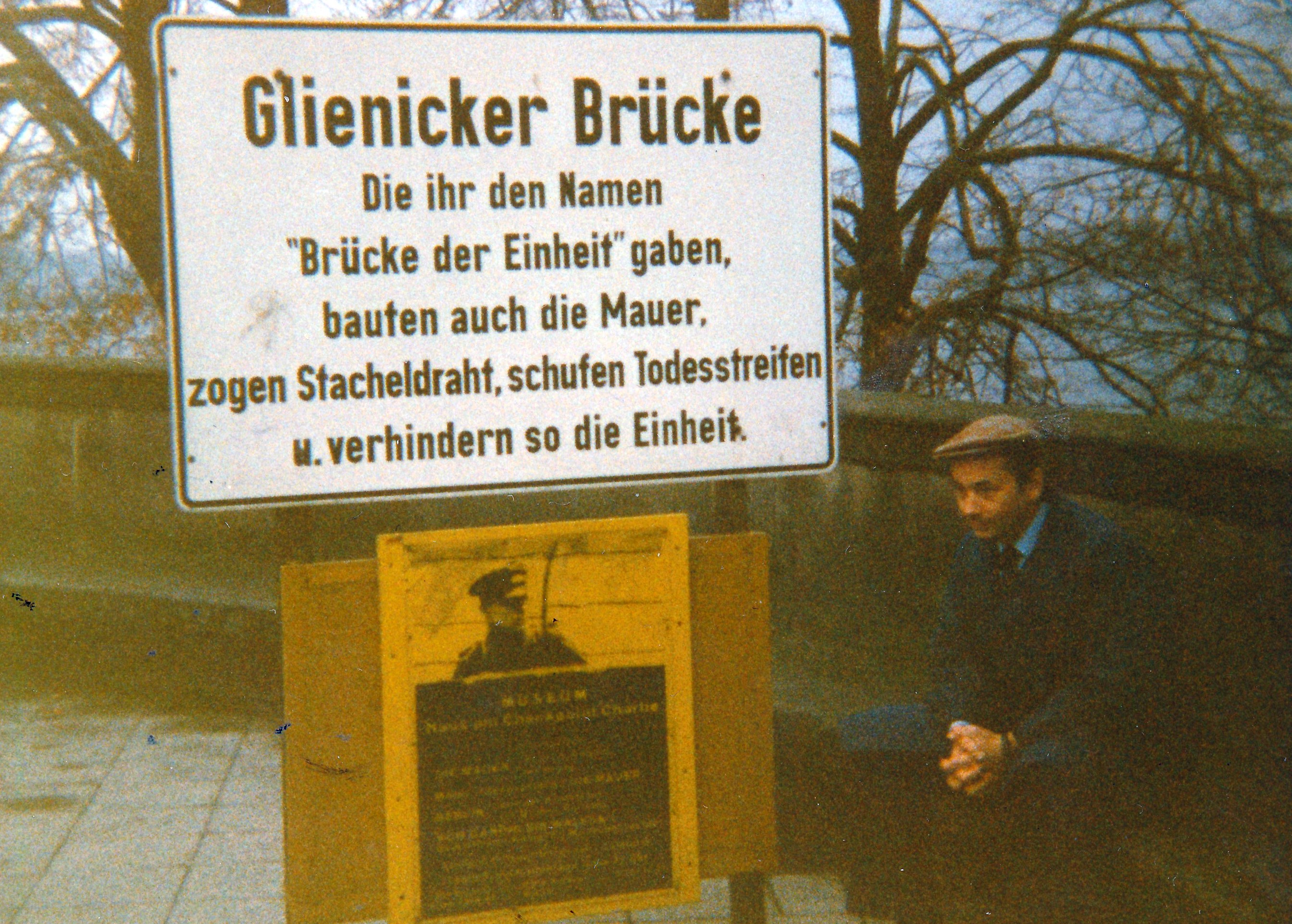
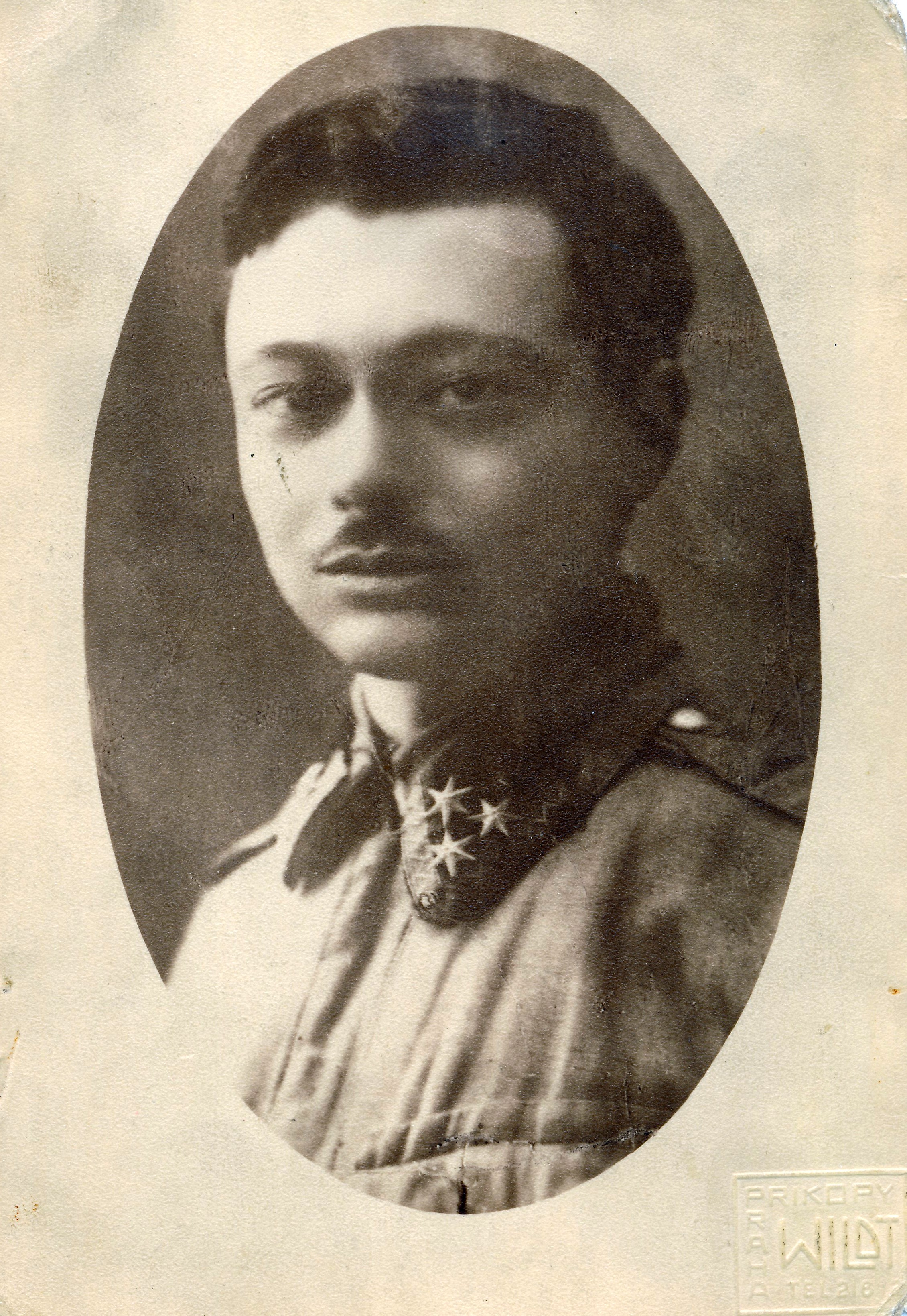
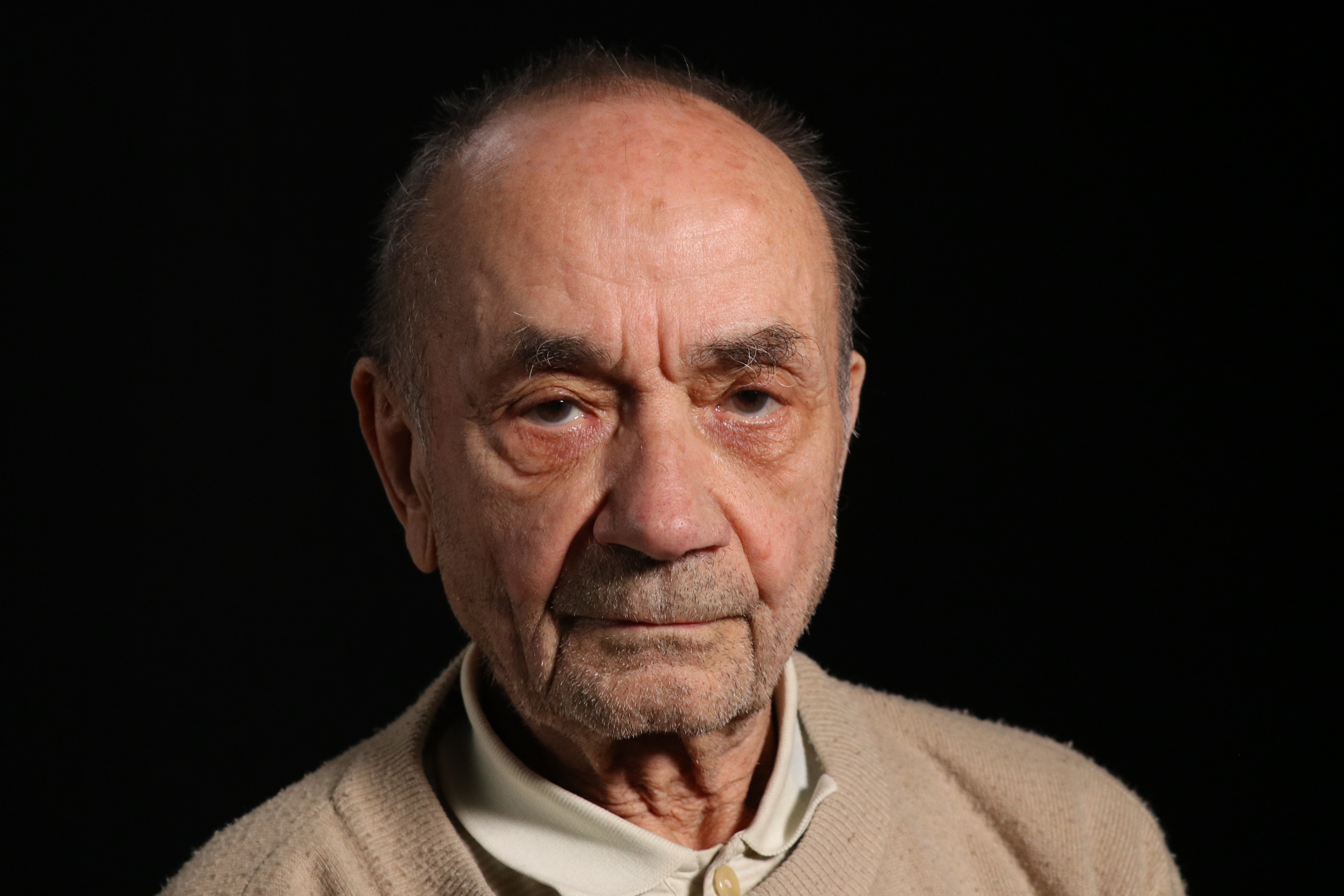
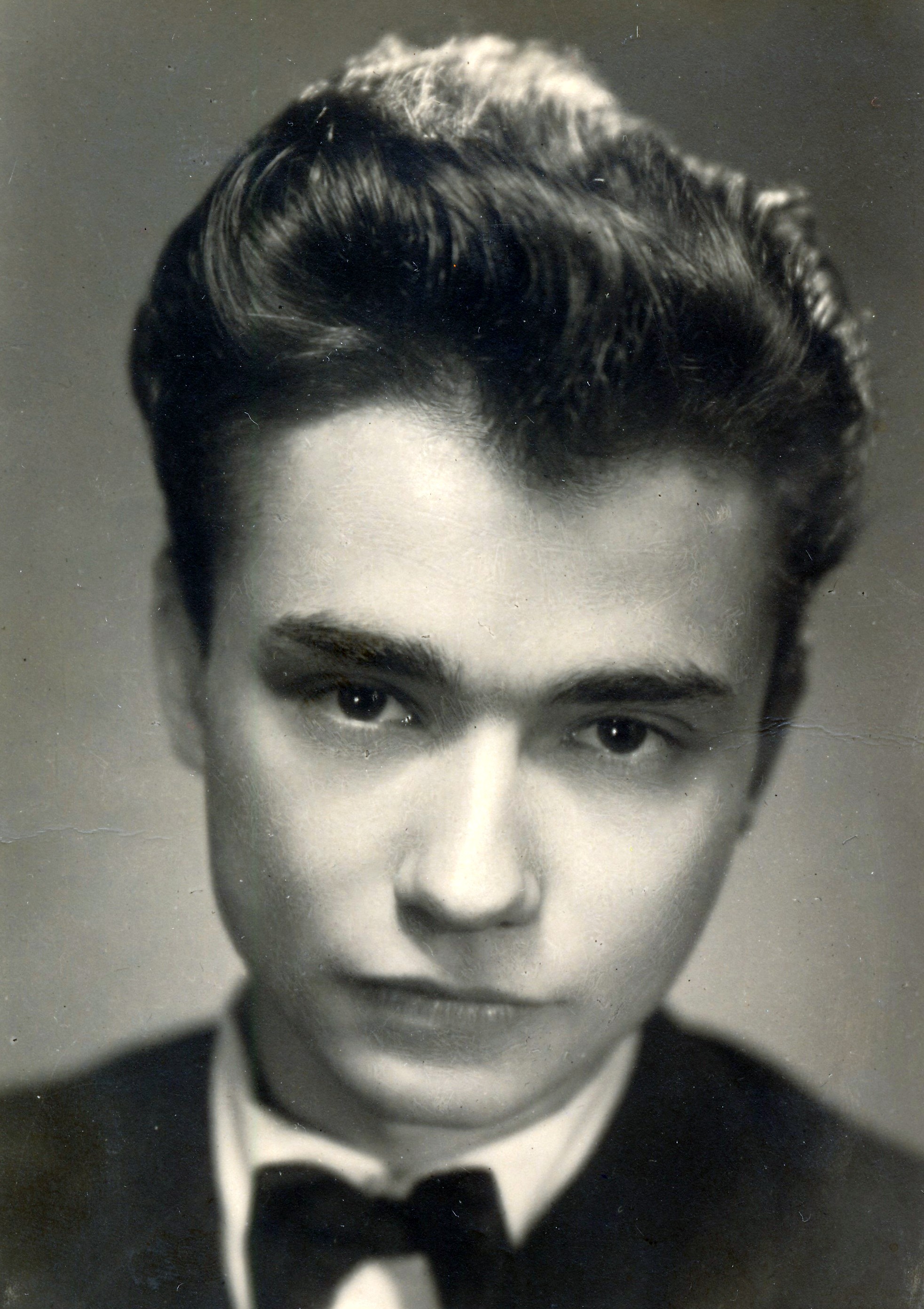
Juraj Laufer was born in Prague on 4 September 1936. His parents came from Slovakia fleeing the rising anti-Semitism. His father Alexander was Slovak with Jewish ancestry and his mother Berta was Hungarian. They hoped to find a safe home in Prague. They got an apartment in Prague’s Old Town with the help of the Prague Jewish community but lived in very modest conditions. They left Slovakia with a two-year-old daughter and the family added more children in Prague - after Juraj, a second son Julius was born in 1938. A pharmacist by education and vocation, the father had to leave his job after the introduction of racial laws and earned his living at the Malešice incineration plant, separating waste. In 1942, Alexander was arrested by the Gestapo in front of his entire family. The alleged reason was a minor economic offence but he was recorded as a political prisoner in the Mauthausen concentration camp where he died shortly after. Alexander’s brother, his wife, their seven-year-old son and all their relatives who stayed in Slovakia also perished in the Nazi concentration camps. Juraj has traumatic memories of his father’s arrest and he was also deeply affected by the curt announcement of his father’s death. His other childhood memories also reflect the racial laws that greatly affected him as a mixed-race Jew. He recalls the dramatic final days of the war and the time shortly after when his mother got seriously ill. Juraj and his younger brother Julius were cared for by their father’s first wife during their mother’s hospitalization and convalescence, and they also spent some time in an orphanage. In 1947, Juraj went to the UK for a three-month convalescence camp for war orphans. Through his membership in a scout troop, he took interest in geology and decided to study this field. He then worked as a geologist until 1969 when he had to leave his job over his disapproval of the Warsaw Pact invasion. He then worked as a hotel porter until retirement. Juraj Laufer is married for the second time and has raised two sons and three daughters. He lived in Prague in 2025. The filming of memories was made possible thanks to the support of the International Visegrad Fund.
The project is co-financed by the Governments of Czechia, Hungary, Poland and Slovakia through Visegrad Grants from the International Visegrad Fund. The mission of the Fund is to advance ideas for sustainable regional cooperation in Central Europe.