“There will be a lot of support needed, because Cuba is a country that is in total economic collapse and there will be a need of a trustful project in order to have people to help you. If by the time we have something in advance, it would be better. We want to propose something which is possible, and we know that there are reformers within the country, as well as we know that within the government’s leadership, everybody goes against everybody, and the issue is very complicated. So, it might be that creating a bond to those many people who would like to take the step and who do not dare because they are afraid and they don’t know to who to turn to and neither they know how to do it, so we want to tell them: gentlemen, if you do it here, you will find support, which is the only thing we can do from outside. Support and legitimacy for a change, as soon as it begins.”
“So, I said that we were going to monitor, to do our work, but to monitor everything, what really happens. In other words, [the issue of] the prisoners is phenomenal, but in Cuba everyone is imprisoned, but in the end people get used to the issue of the prisoners and they get exhausted, so we were going to try to handle it out from other points of view. And then we started, Alejandro, Bertha [Soler], all the prisoners, among others, and we started to work and it began to pick up its pace. We have many observers within the country. It works well and we have also had a lot of problems. We have achieved many things in Europe, although not everything we would have wanted, but we could bring a Motion to the Council of Europe on workers' rights. We were able to get all the recommendations to the bilateral Agreement, because we did not agree with what Mogherini was proposing. We also presented all the amendments to the Constitutional Reform.”
“In the United States, we didn't have a bad time. That house was a big house where they were welcoming people all the time. And there I began to experience what exile was like. People, relatives or not, relatives or friends, who were there and then left, were welcomed all the time. You could never create any strong ties. These were three very difficult and very instructive years. When my father left [Cuba] and finally he got there, he said, well, now we have to organize us, because this does not seem to have any function. The Bay of Pigs had just happened, it was difficult.”
“We no longer belong to ourselves, we belong to the Homeland. With this phrase, the Revolution claimed the right to dismantle society and families. Not only, let's say, through education, meaning that they closed all private schools, free schools, they monopolized education, but also the system which was imposed in kindergartens, country schools, pre-university schools and high school boarding schools. They took the children away from their families. In addition, they threatened to take away the parental authority of the children from the parents and send the children to Russia, but after that they didn’t send them there. But that was when my family and many others made the decision to take their children out [from Cuba], because they did not want to lose their children's parental authority. They [the Cuban government] did not want Catholic families. You probably already know that Marxism and Christianity are almost religions, because Marxism almost became a religion. Marxism denied God, but you had to worship a human being as if he were God, which is an absurd thing.”
(Esta entrevista fue realizada dentro del marco del proyecto Memoria de Nuestros Vecinos Cubanos)
Entrevistador: ¿Y qué querrías decir algo a todos los niños de Cuba, qué le dirías?
Entrevistada: Le diría a los niños de Cuba que nunca perdieran la esperanza, que nunca perdieran la alegría, que nada es para siempre, que hay que luchar y que tirar para adelante, que no pierdan su conciencia y su sentido de individualidad y de ser humano. Que las cosas se arreglarán y que nosotros todos desde aquí trabajamos día a día a día para que ellos puedan ser tan felices como eres tú aquí en España.
(Esta entrevista fue grabada dentro del marco del proyecto Memoria de Nuestros Vecinos Cubanos)
Entrevistador: ¿Cómo ha afectado el régimen cubano a tu vida?
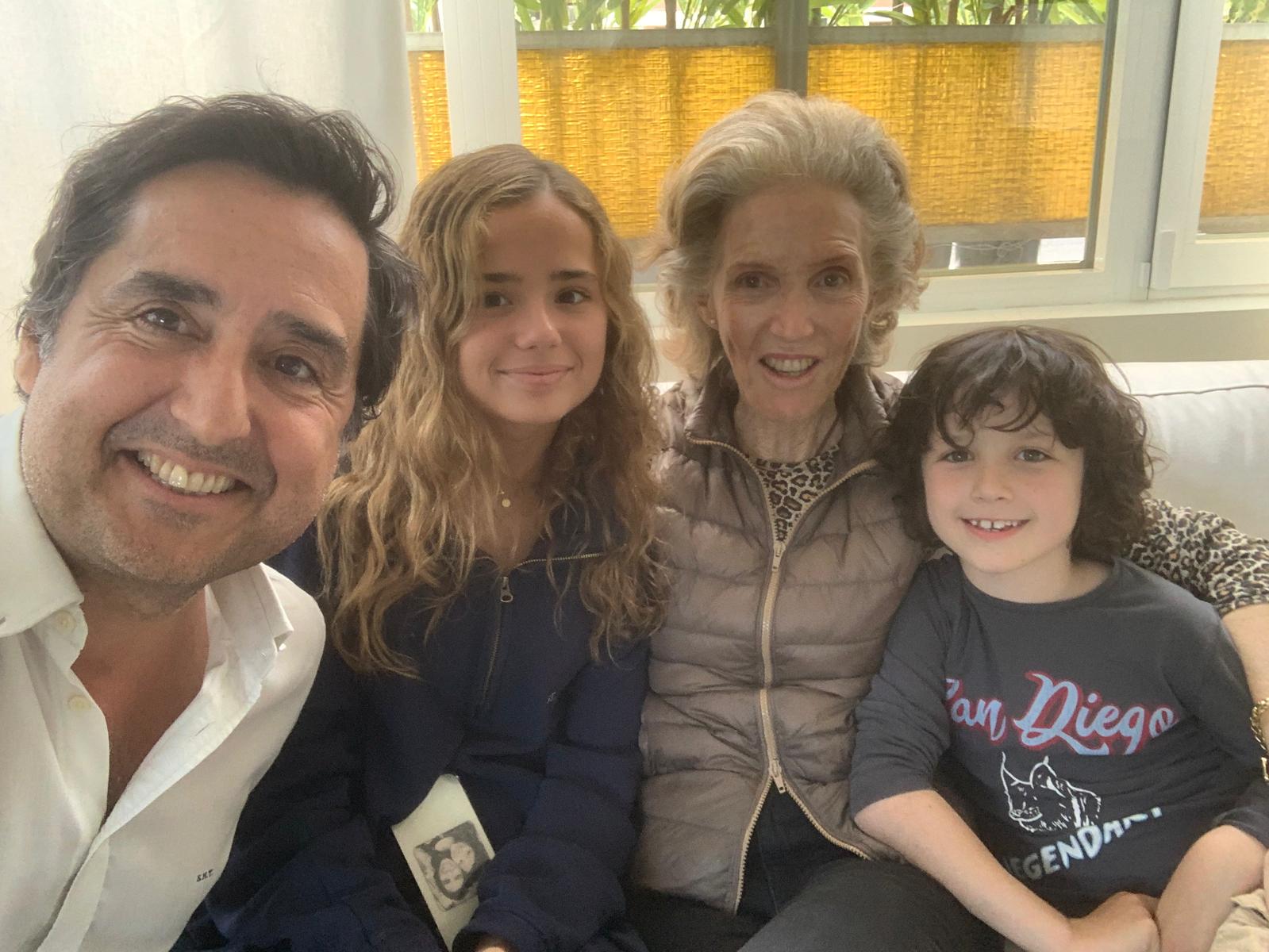
Entrevistada: Mira, me emociona que tú, que eres un niño que tienes 7 años, me preguntes, me preguntes eso, porque eso me gratifica mucho y me da la seguridad de que de verdad ustedes, estos niños, estas terceras generaciones, entienden la cuestión. Pues el régimen cubano afectó muchísimo a nuestra vida. Nuestra vida porque supuso en aquellas épocas, que eran los años 60, hay que tener en cuenta que no había ni teléfonos móviles, ni revolución tecnológica ni nada y supuso la separación total de muchas familias. Yo he habido primos que después de que salimos de Cuba nunca más los he vuelto, los he vuelto a ver. Nuestros padres nos mandaron internas y nos pasábamos a lo mejor seis meses sin saber nada de ellos porque no podían llamar por teléfono, porque las comunicaciones no existían. Ahora, yo siempre digo que del sufrimiento se aprende, se debe de aprender porque es una gran, una gran escuela, la escuela del sufrimiento y hay que superar en la vida cualquier cosa dura y difícil que te pase, tienes que intentar superar.
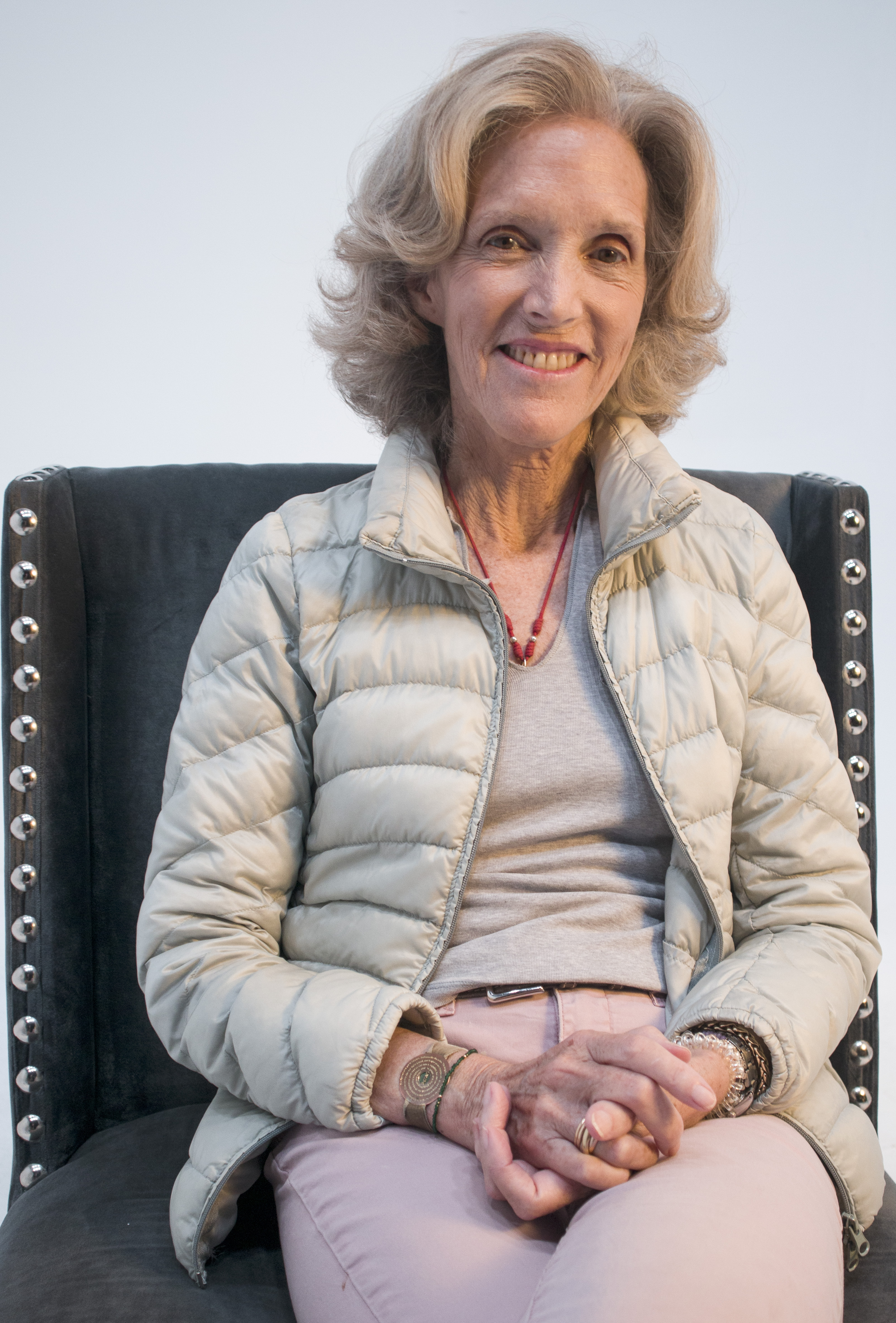
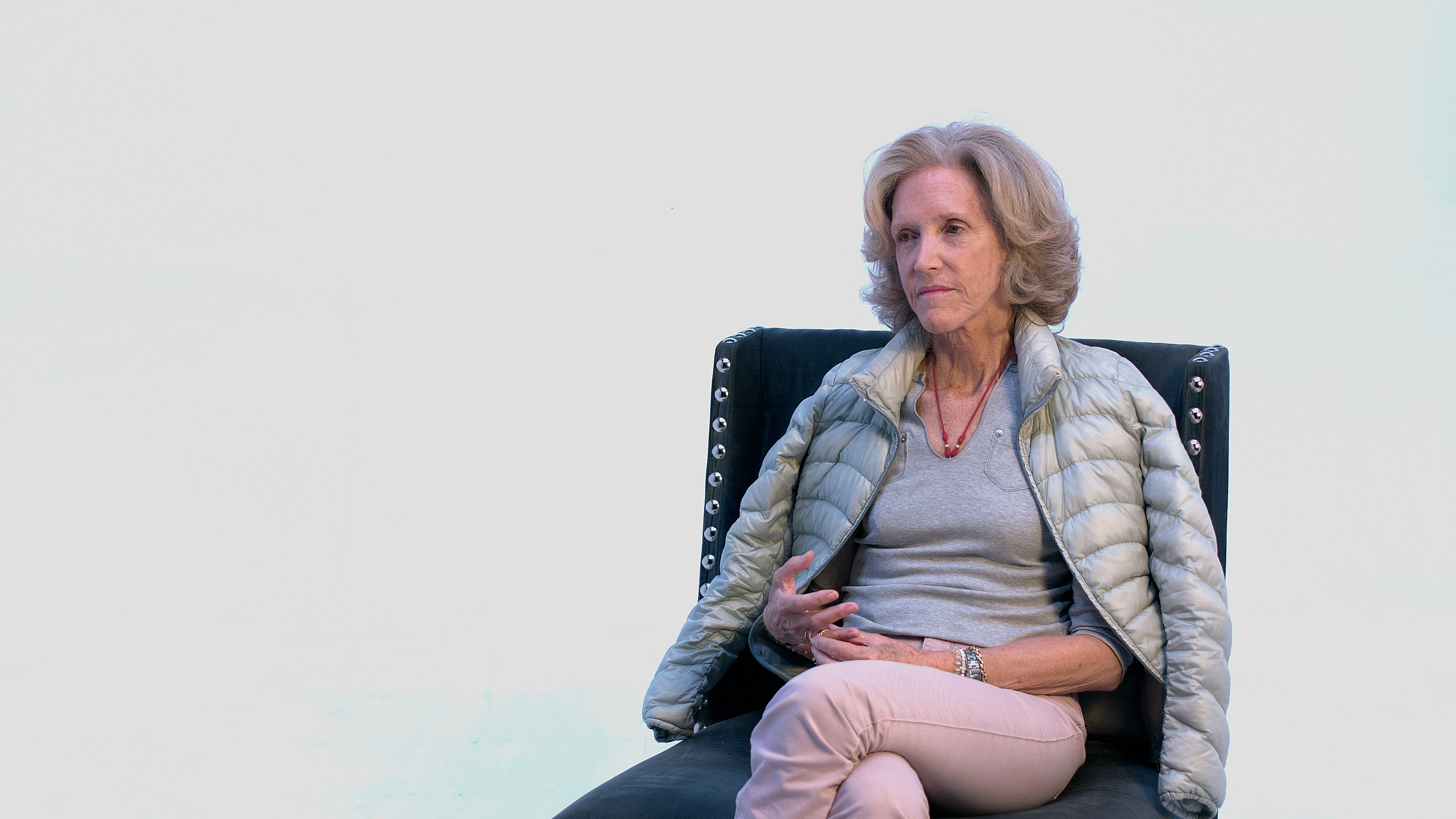
Elena Larrinaga de Luis was born on December 4, 1955, in Havana, Cuba, into a deeply Catholic family. Her childhood was initially happy but changed abruptly after the triumph of the Cuban Revolution. Her father, executive vice president of Antillana de Acero, was affected by the nationalization of foreign companies in 1959, which forced the family to leave the country.
Emigration was marked by family separation and dispersion. Elena, still a child, was sent abroad, while her father remained in Cuba before he was able to reunite with the family. Exile was shaped by uncertainty, lack of communication, and the loss of family ties—experiences that left a deep mark on her life. She became an orphan at a very young age.
In exile, Elena became actively involved in the Cuban cause. She served as president of the Federation of Cuban Associations in Spain and promoted projects to support political prisoners. She traveled to Cuba and managed to meet with key opposition figures such as Oswaldo Payá, Laura Pollán, and Guillermo “Coco” Fariñas. She later founded the Cuban Observatory of Human Rights to document violations of fundamental rights on the island.
From Madrid, where she currently lives and is married, she describes the situation in Cuba as grave, marked by poverty, repression, and a lack of freedoms. Despite the suffering she has endured, she conveys a message of hope and unity, especially directed at Cuban children, encouraging them not to lose faith and to believe in a future with dignity and freedom. This interview was conducted as part of the project Memory of Our Cuban Neighbors, in Madrid, 2025.