"In the year about sixty-two, there was a public meeting of the Communist Party of Czechoslovakia at the Orbis, which was attended by editors and journalists, and non-party members also had access. I went to that meeting and I was absolutely thrilled. There was Gsellhofer (a journalist), Miroslav Langášek (head of the educational magazines at Orbis), just personalities, he had a number tattooed there from the concentration camp - and as they spoke against the regime, against the communists - and especially they spoke against Antonín Novotný, I was completely enthusiastic... And it happened, although I had refused to join the party at the university before, but they came to me after about six months, just before I left the People's Creativity, they came to me to join the party, and I stupidly signed it. That's another chapter. Then I paid the price."
"The commander-in-chief was Zdeněk Mahler, a well-known name, he was then with the president and wrote a book - I think about Masaryk. And he was our leader and he always had us come in in the morning with the picks and shovels and he always gave us a ten to fifteen minute political lecture. I used to look at him wide-eyed, because I didn't know anything about it. What did I know about politics from high school... And we had to work according to him: an hour for Stalin, an hour for Gottwald, an hour for Lenin, an hour for Kim-Ir-Sen, there was a war with Korea at that time, and that's how we fooled around. I knew it was stupid..."
"They wanted to bomb the railway bridge too, and the ramp leading up to it was just eight meters from our house. That ramp took a direct hit, and the massive stone blocks flew into our home. We were on the first floor. We had a living room there, filled with beautiful antique furniture, dark wood—and since my grandfather was the director of the Kavalír Glassworks, he knew glass well. In the cabinets, we had a stunning collection of cut glass—and after that air raid, not a single glass was left. My brother, who had a room next door, had one of those blocks from the bridge land right in his bed.
There was also a chestnut tree between our house and the embankment—it snapped at the base and flew clear over the house to the other side. Sadly, we had rabbits and goats there, and they didn’t survive. Otherwise, we lost nothing else. But in the cellar, where I was sitting with Radunka (my sister), the little doors by the chimney blew open. They were tiled, and suddenly we were covered in soot. I don’t think anyone had cleaned those chimneys the entire war. We started choking—it was awful. But the men broke down the cellar doors and we got out, because the raid lasted about twenty minutes or so. I’ll never forget: the bomb that’s coming straight at you—you don’t hear it. You hear the one flying past. And then everything shakes. That day, 420 bombs fell. They hit Zavadilka, where there were small houses—so many people died. And in Závodí, beyond the bridge, it fell there too. It was madness."
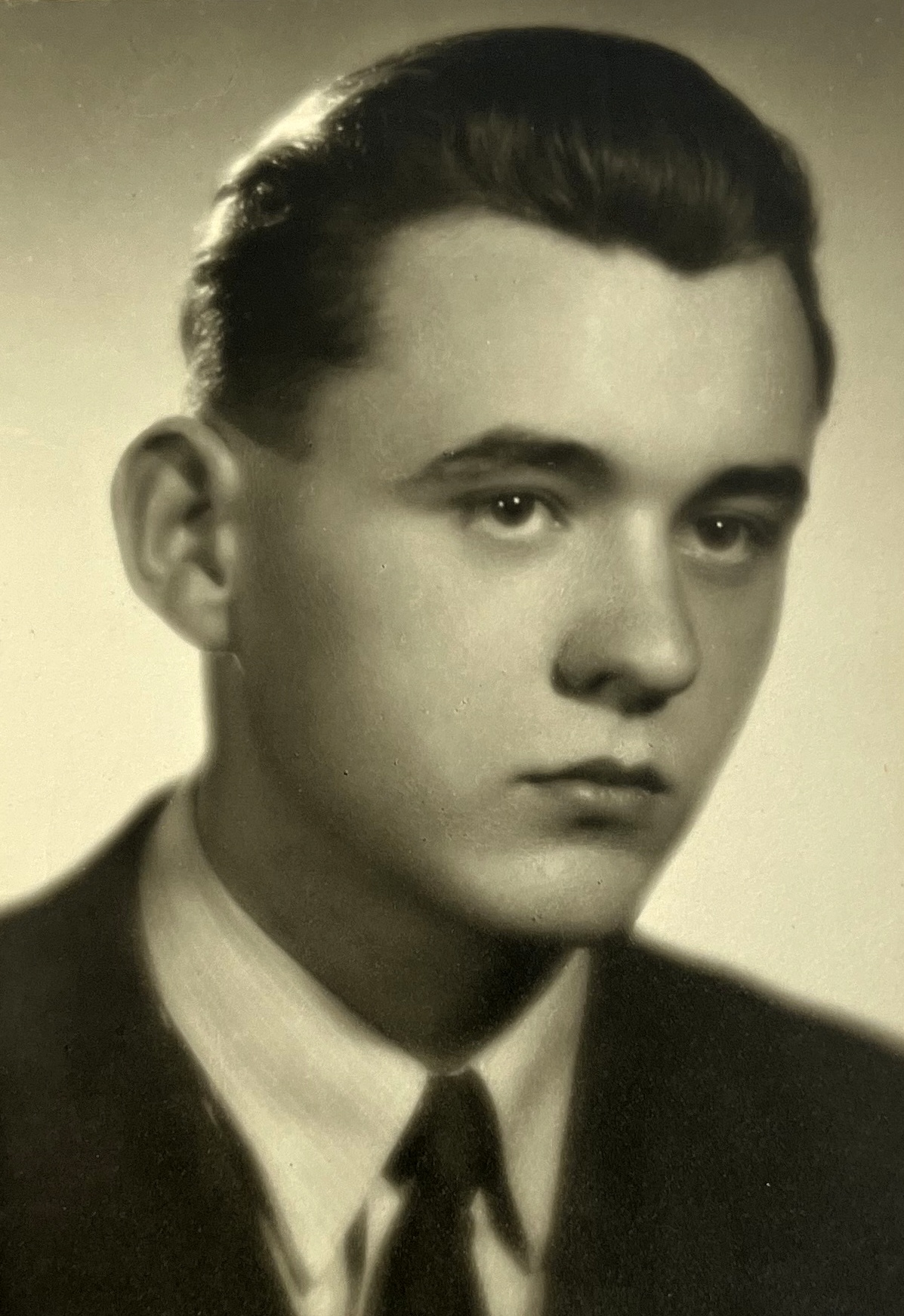
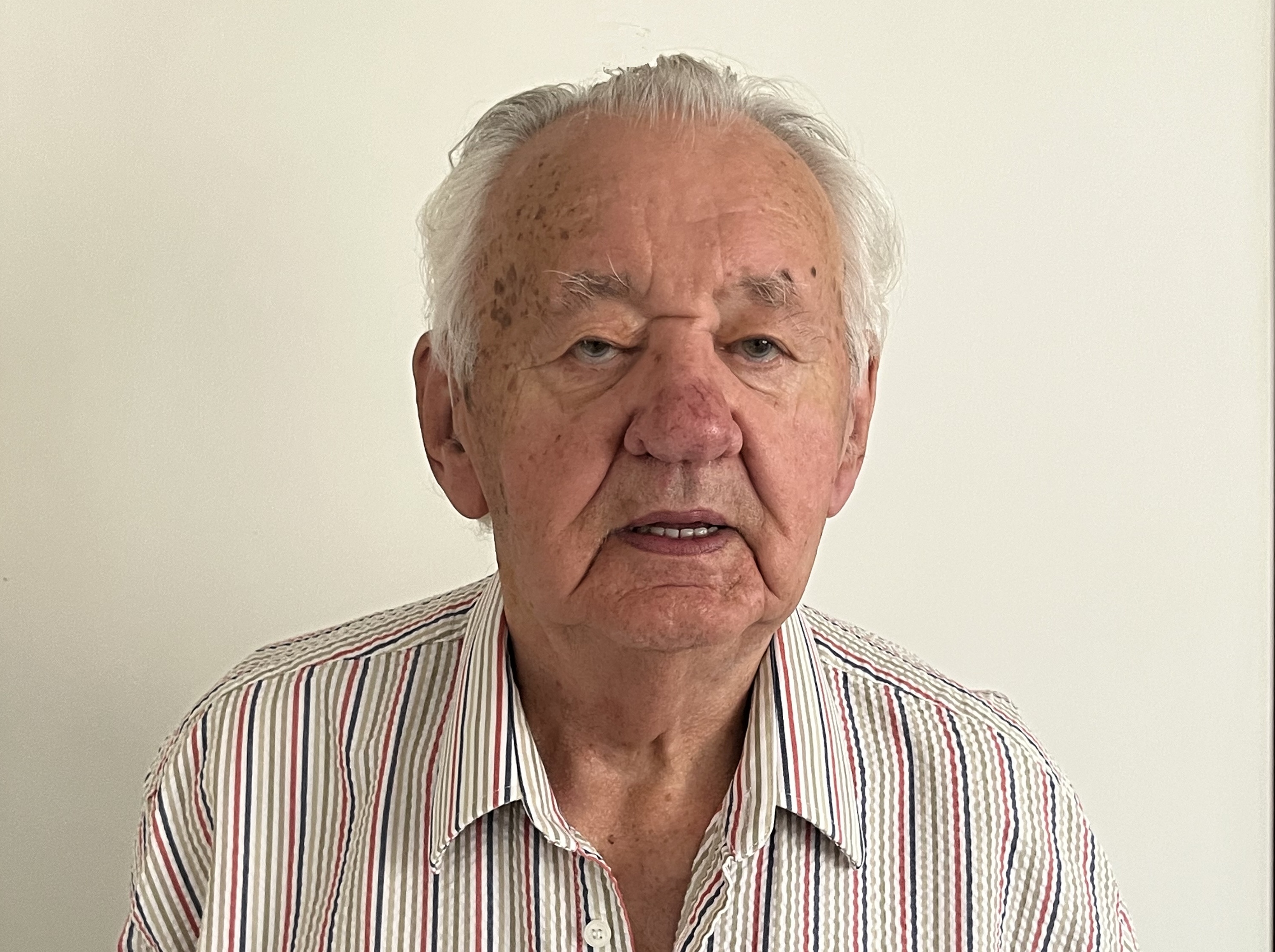
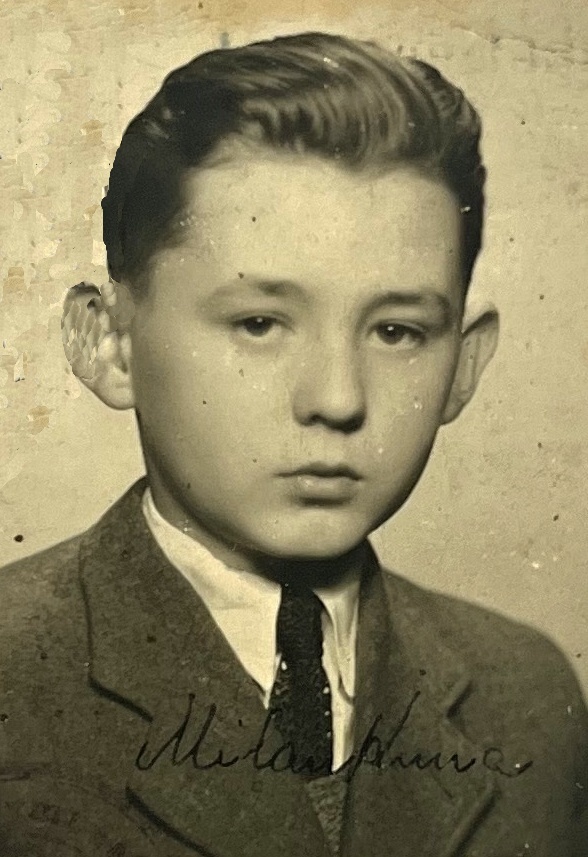
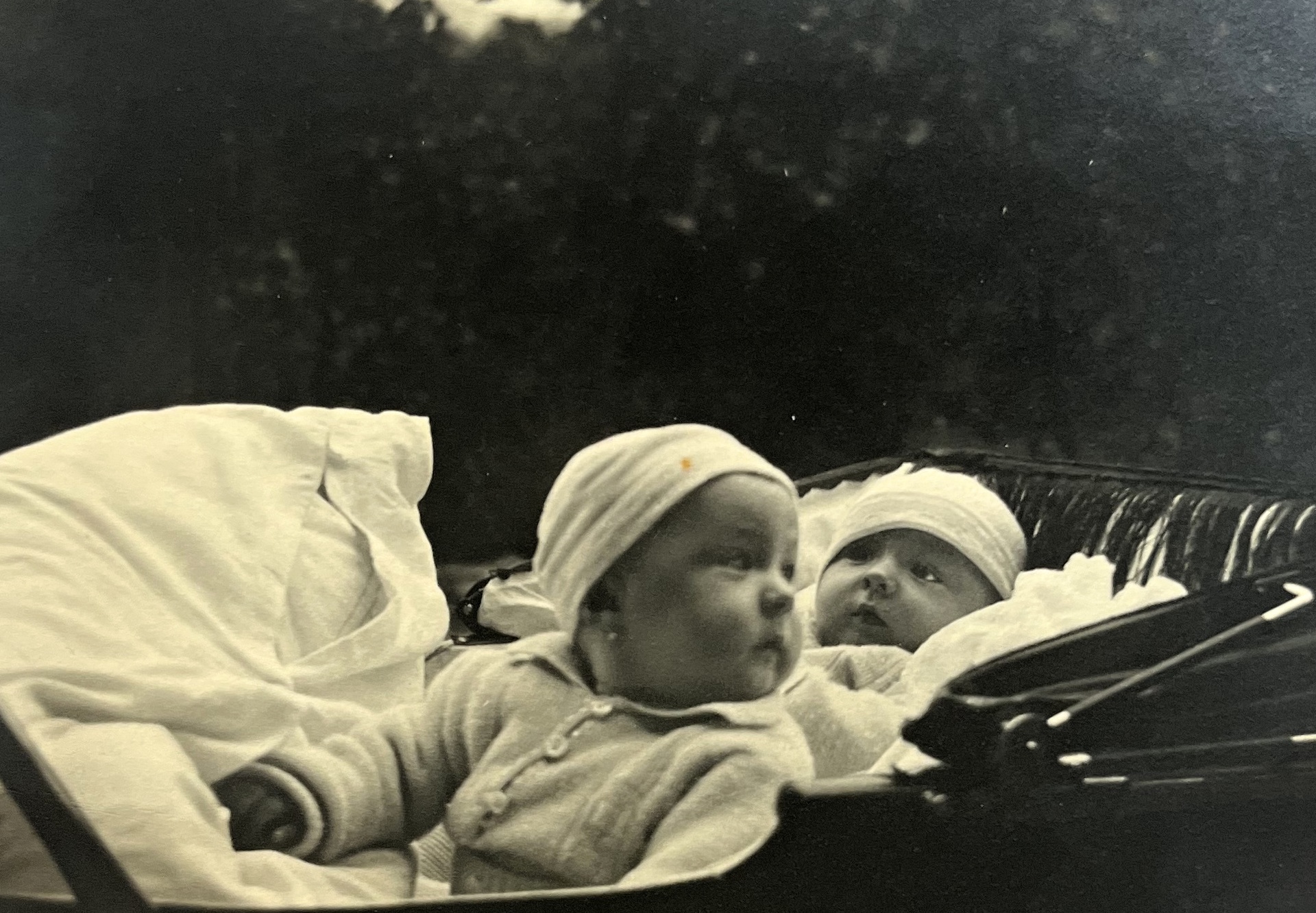
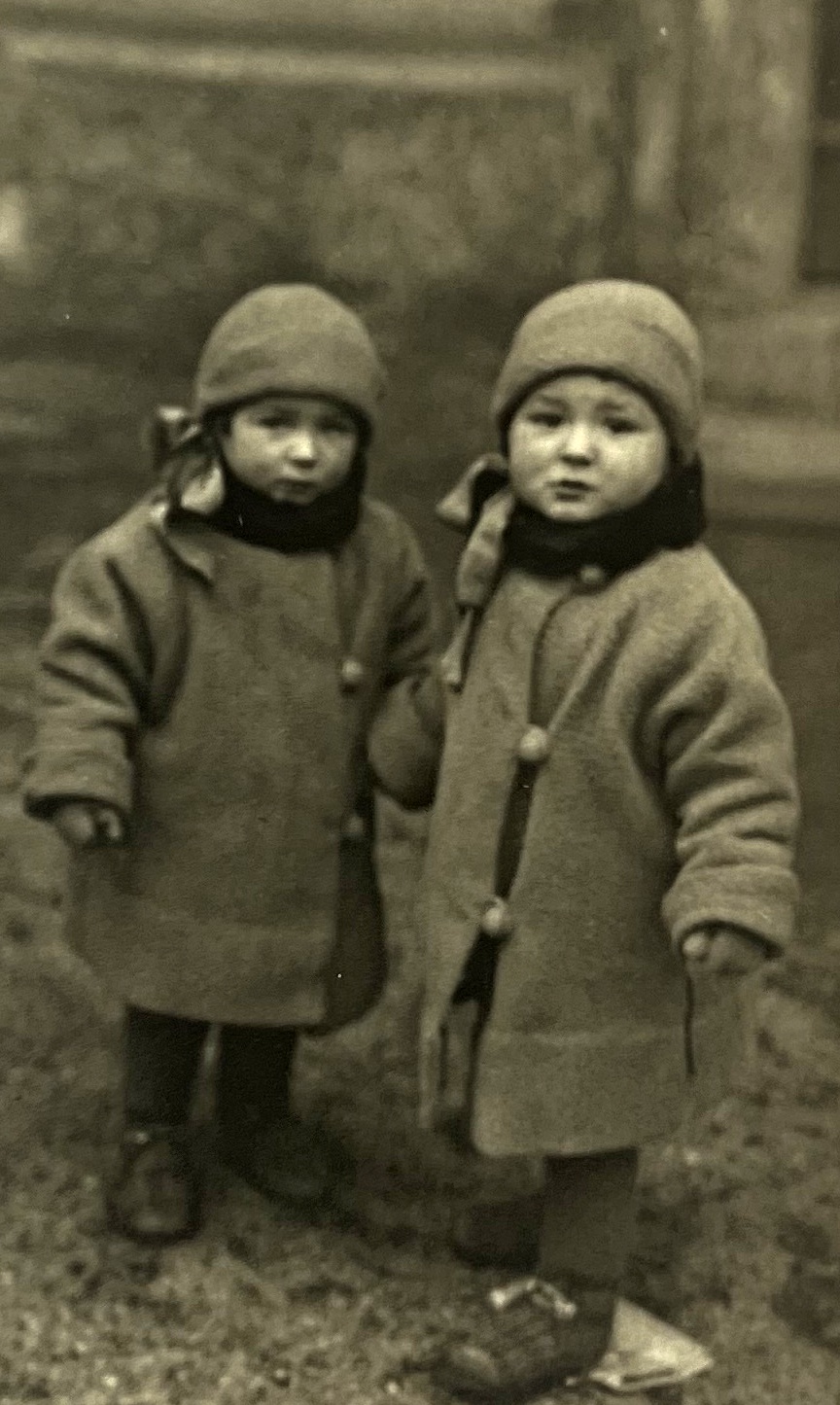
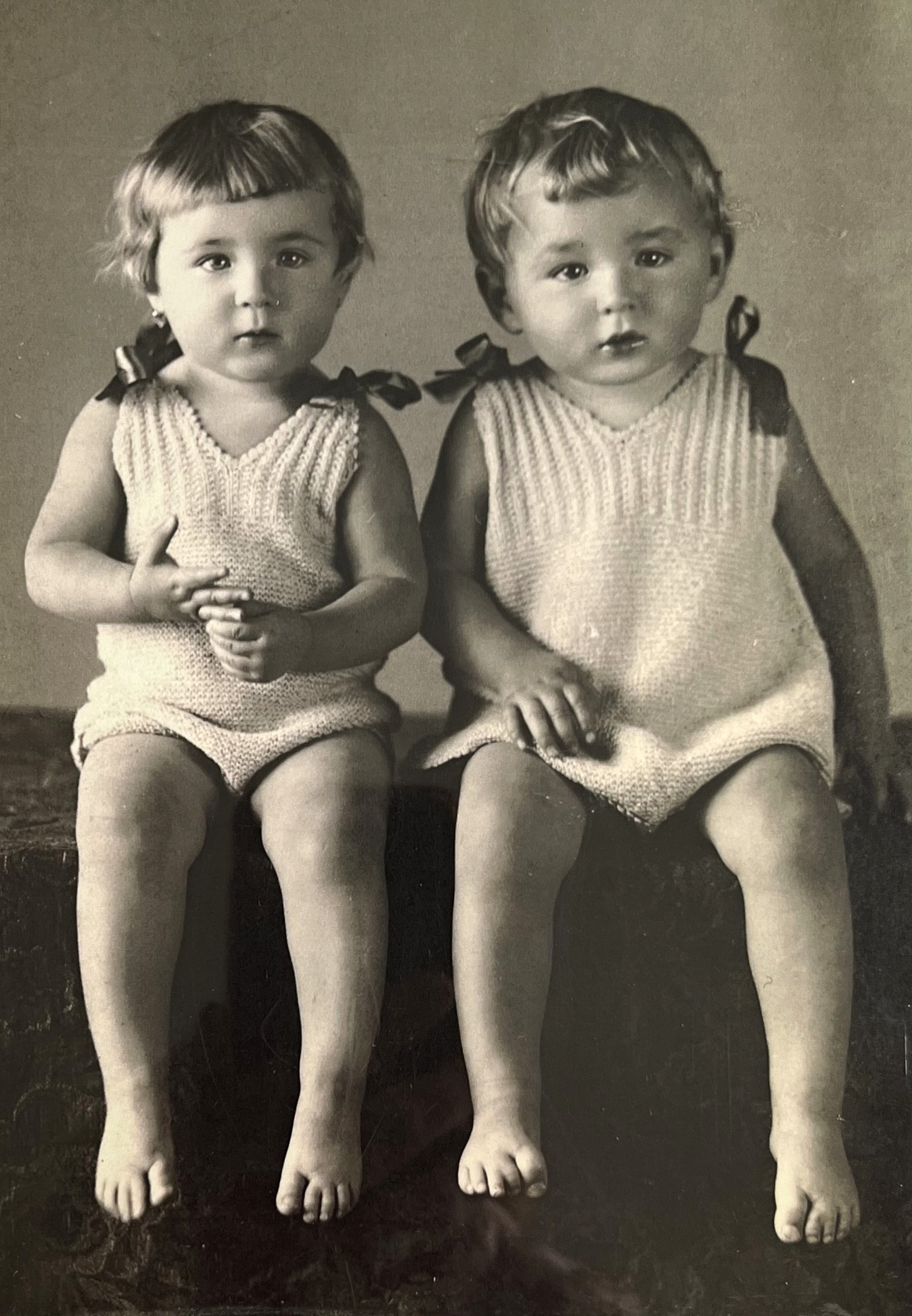
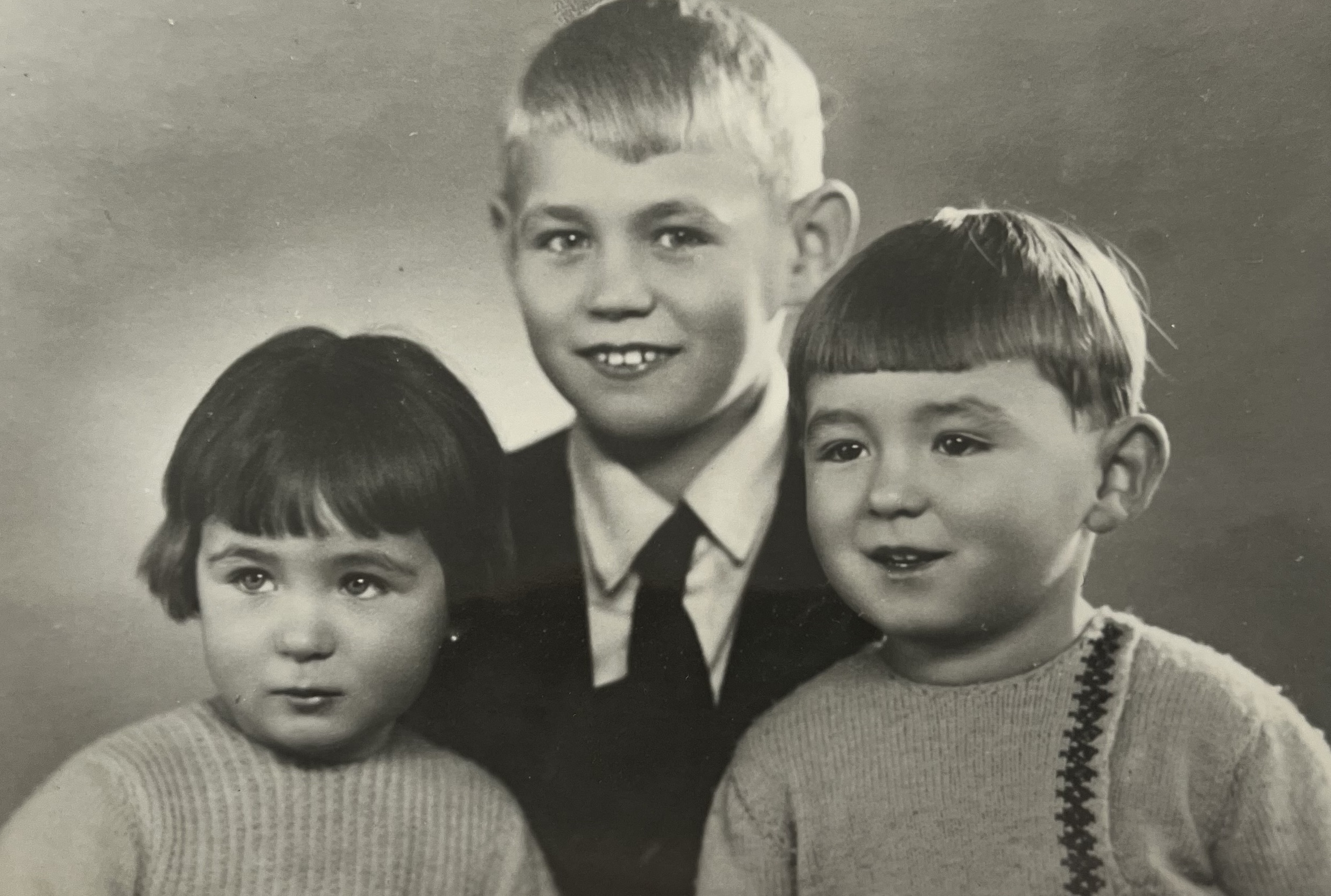
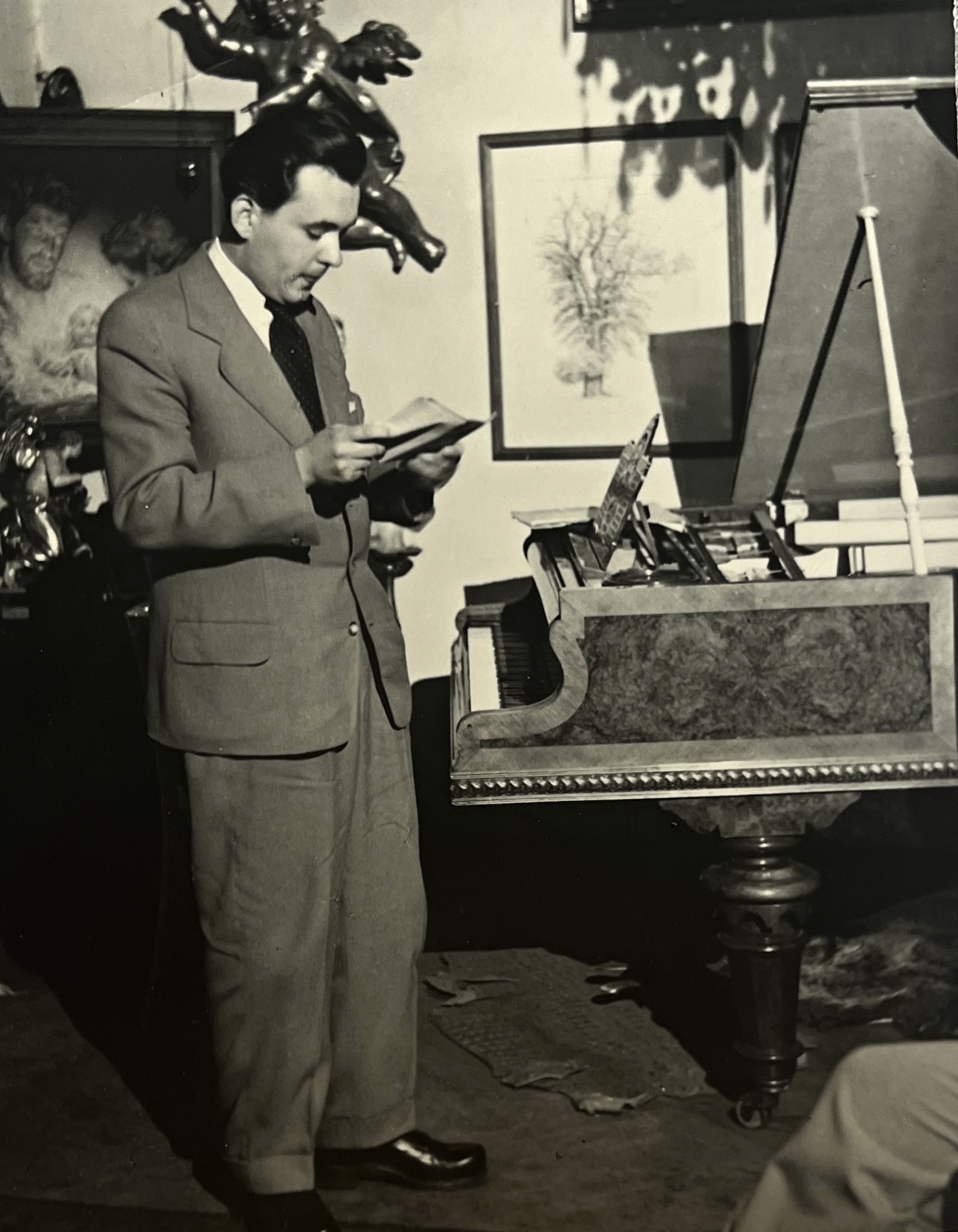
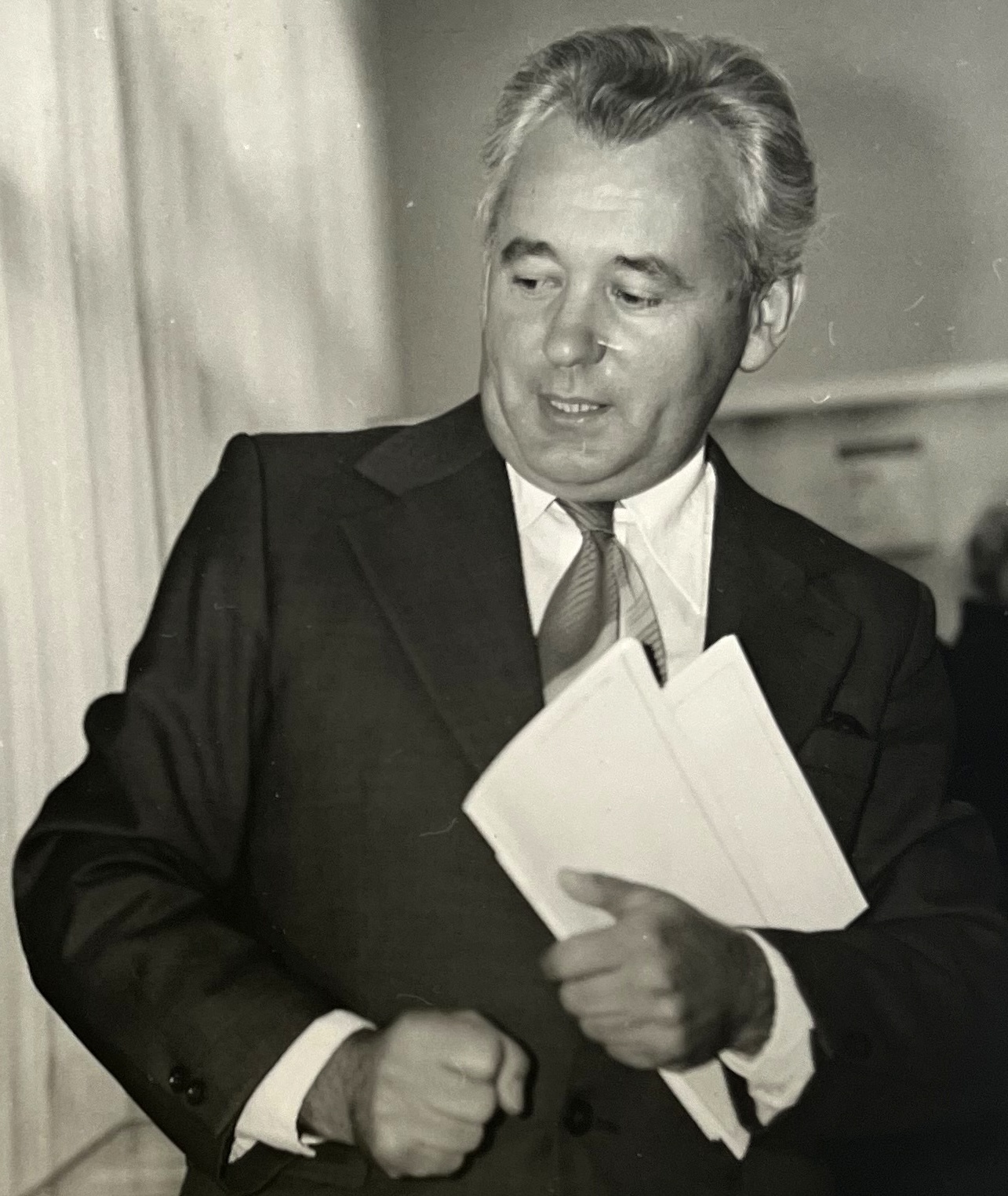
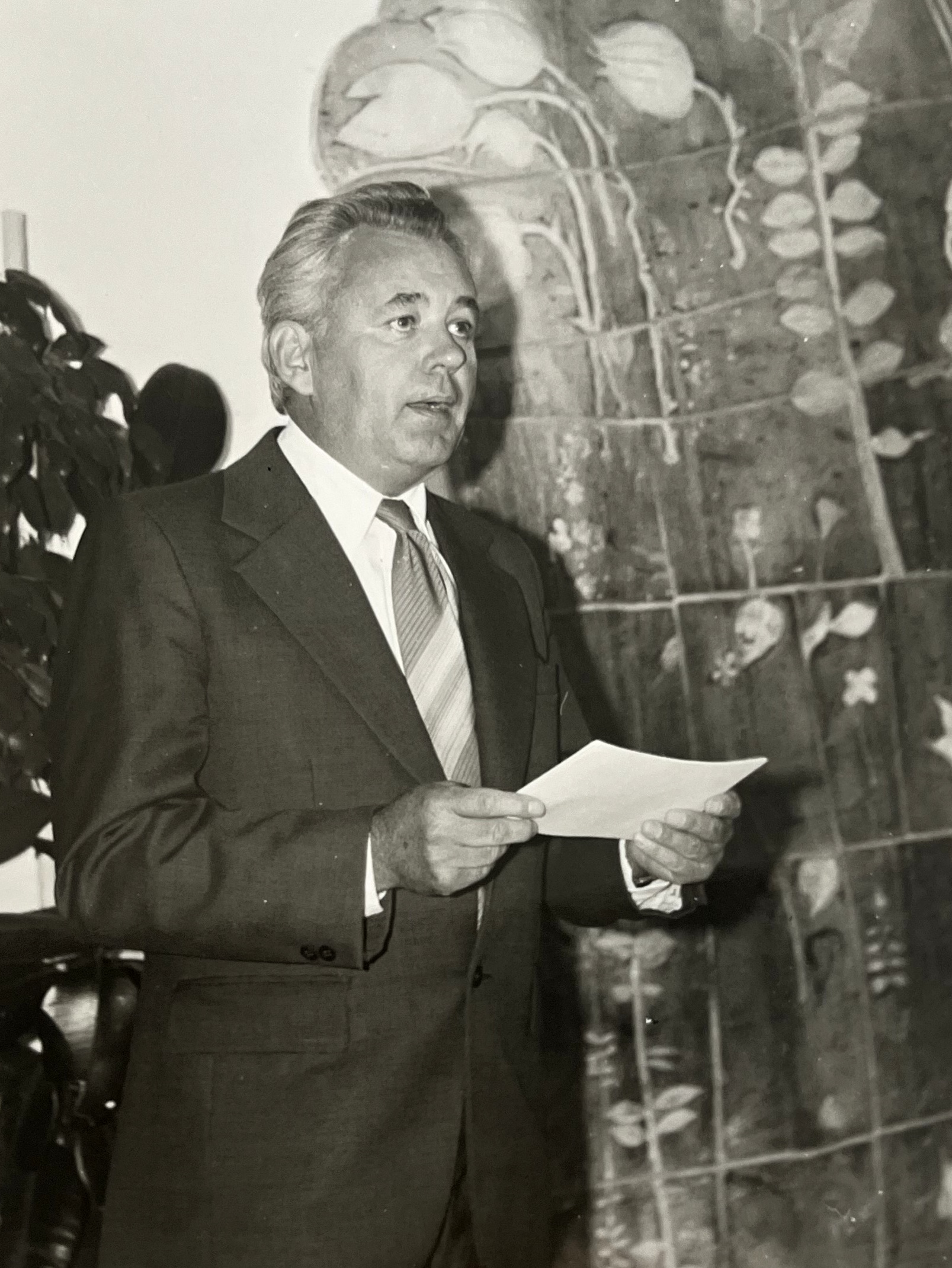
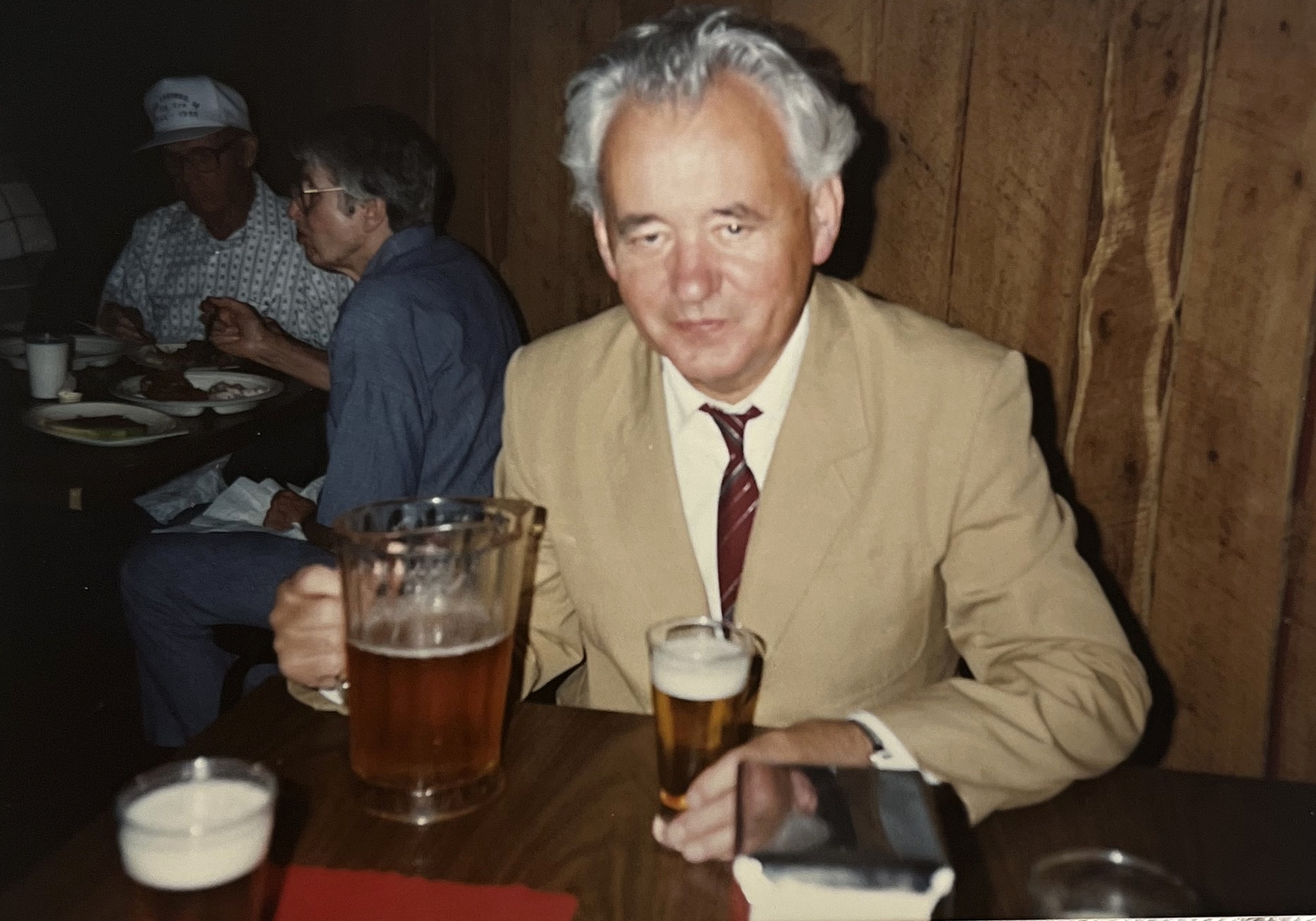
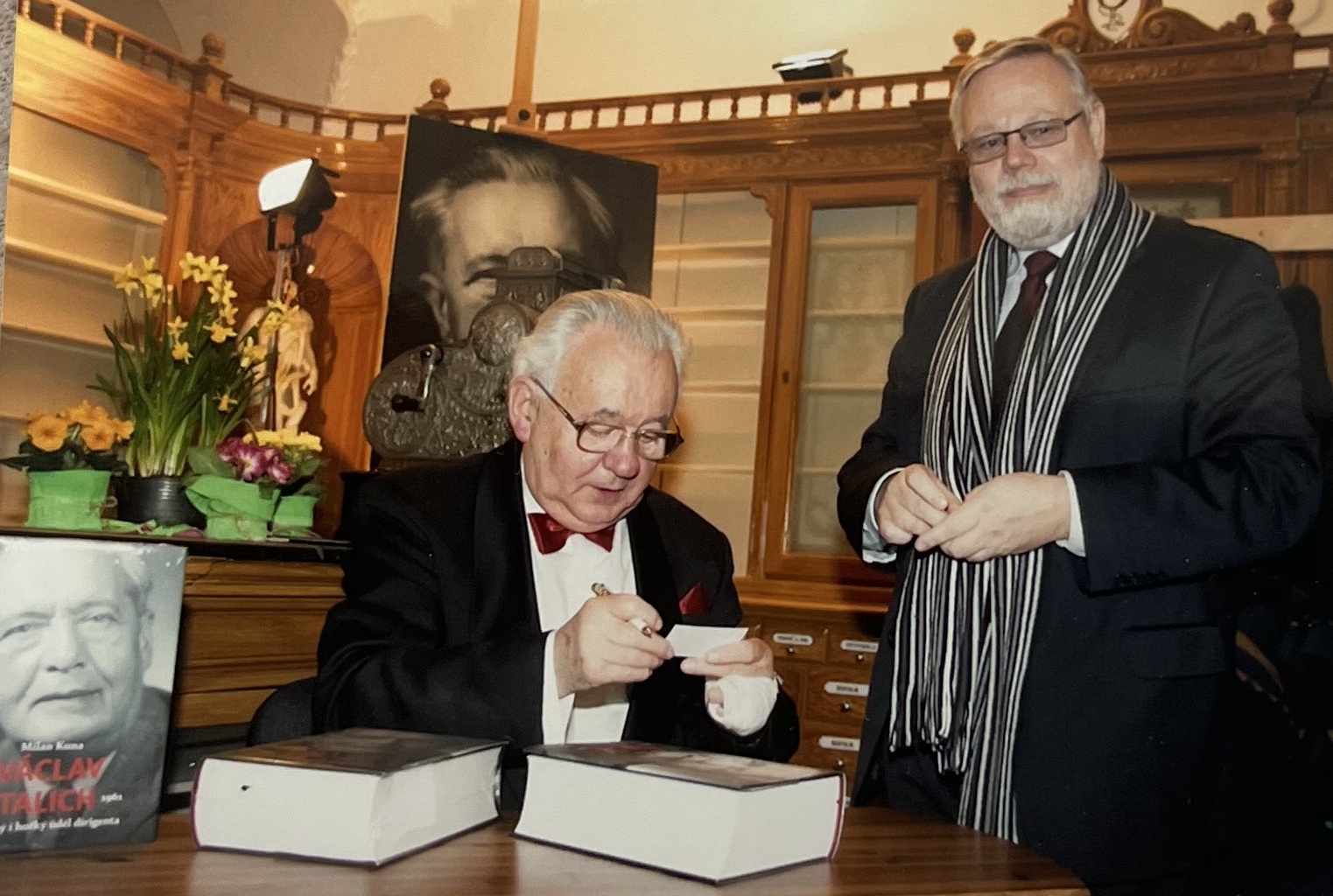
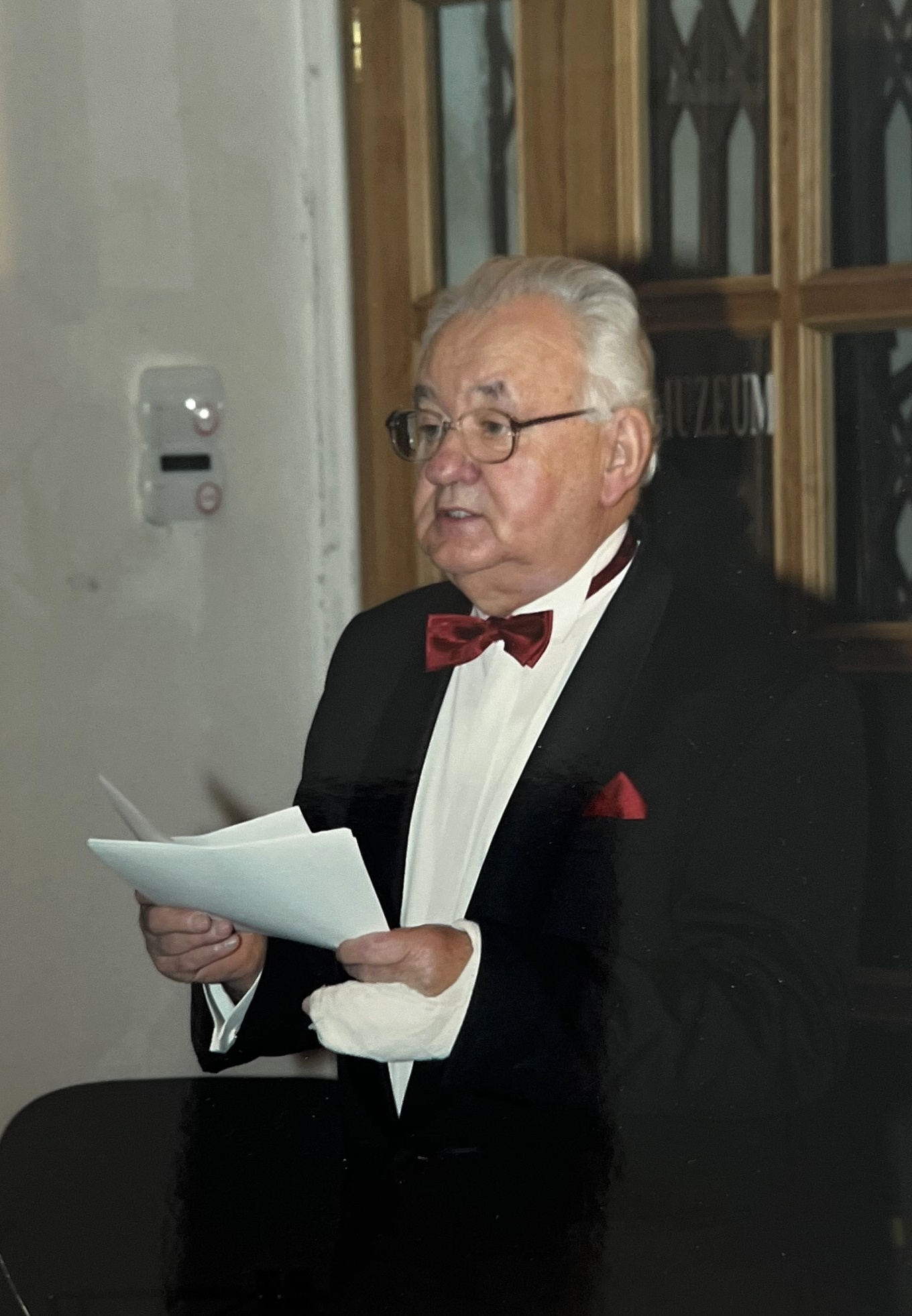
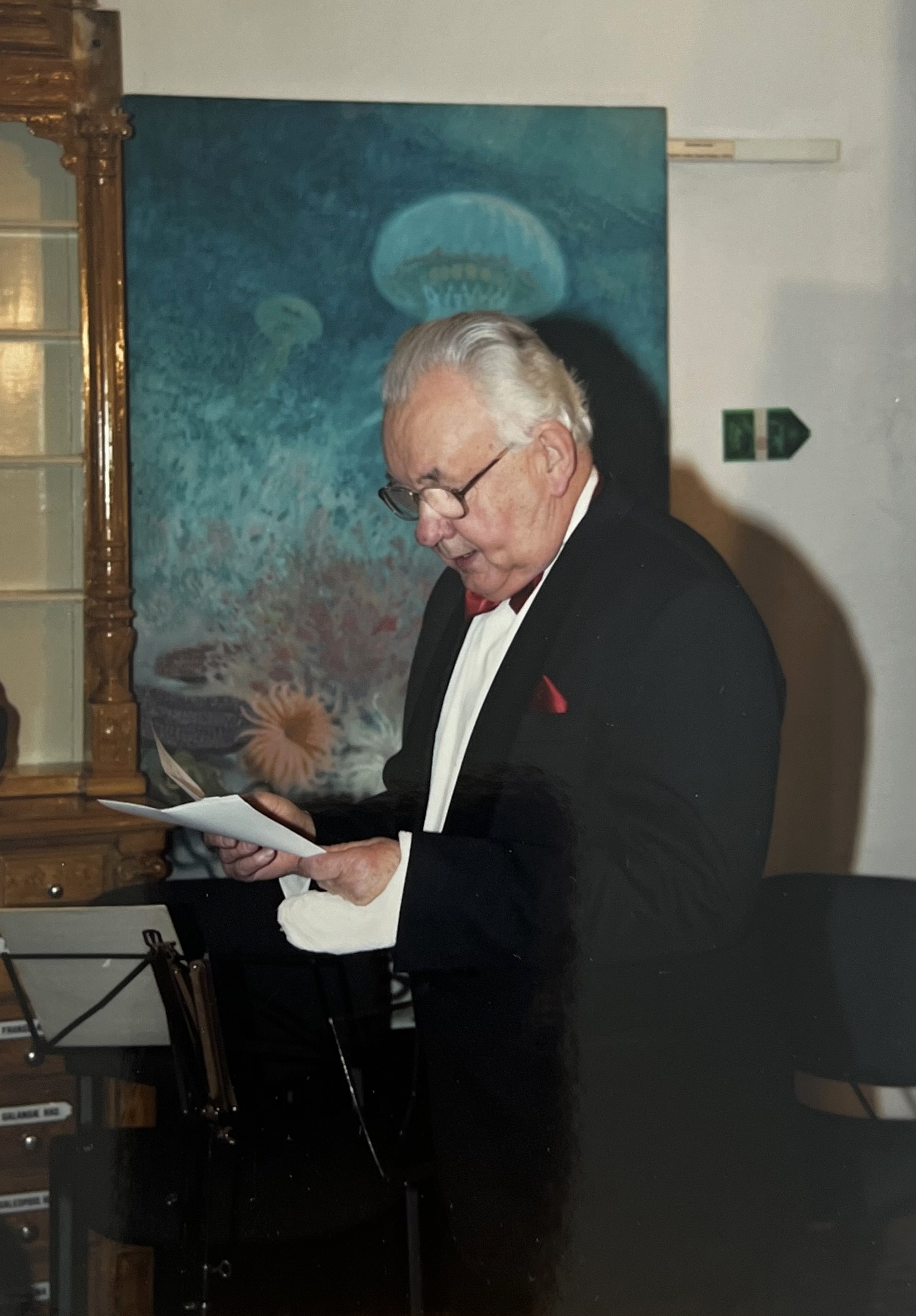
Musicologist Milan Kuna was born as one of a pair of twins on March 19, 1932, in Zdice near Beroun, to sugar industry technologist Oldřich Kuna and his wife, painter Zdeňka Kunová. The family lived in the local sugar refinery, which was seized by the Germans at the beginning of the Protectorate. In 1941, the refinery was shut down, and the Kuna family relocated to Beroun, where Milan’s father continued working as a technologist in the town’s sugar factory. His mother took care of the household. The family lived near the railway bridge, and their house became uninhabitable after an air raid on April 17, 1945. In 1945, Milan Kuna enrolled in grammar school, where, in the sixth year, he founded his first orchestra among other activities. He studied musicology at Charles University and became a musicologist. After completing his studies, he worked until 1958 at the Central House of Folk Creativity, where he oversaw amateur ensembles. That same year, he became editor of the magazine Lidová tvořivost (Folk Creativity). Two years later, he successfully split the magazine into Taneční listy (Dance Pages) and Melodie, which began focusing on popular music. In 1962, he joined the Czechoslovak Academy of Sciences (ČSAV), specifically the Institute of Musicology, and remained devoted to musicological research until his retirement. That same year, he joined the Communist Party of Czechoslovakia (KSČ). Two years later, he became editor-in-chief of the journal Hudební věda (Musicology). During the political screenings in 1970, he opposed the Warsaw Pact invasion and was expelled from the Party, which caused him significant difficulties. Until the mid-1980s, he was denied independent research projects, forbidden from traveling to the West, dismissed from Hudební věda, and most importantly, his major publications were blocked from release.
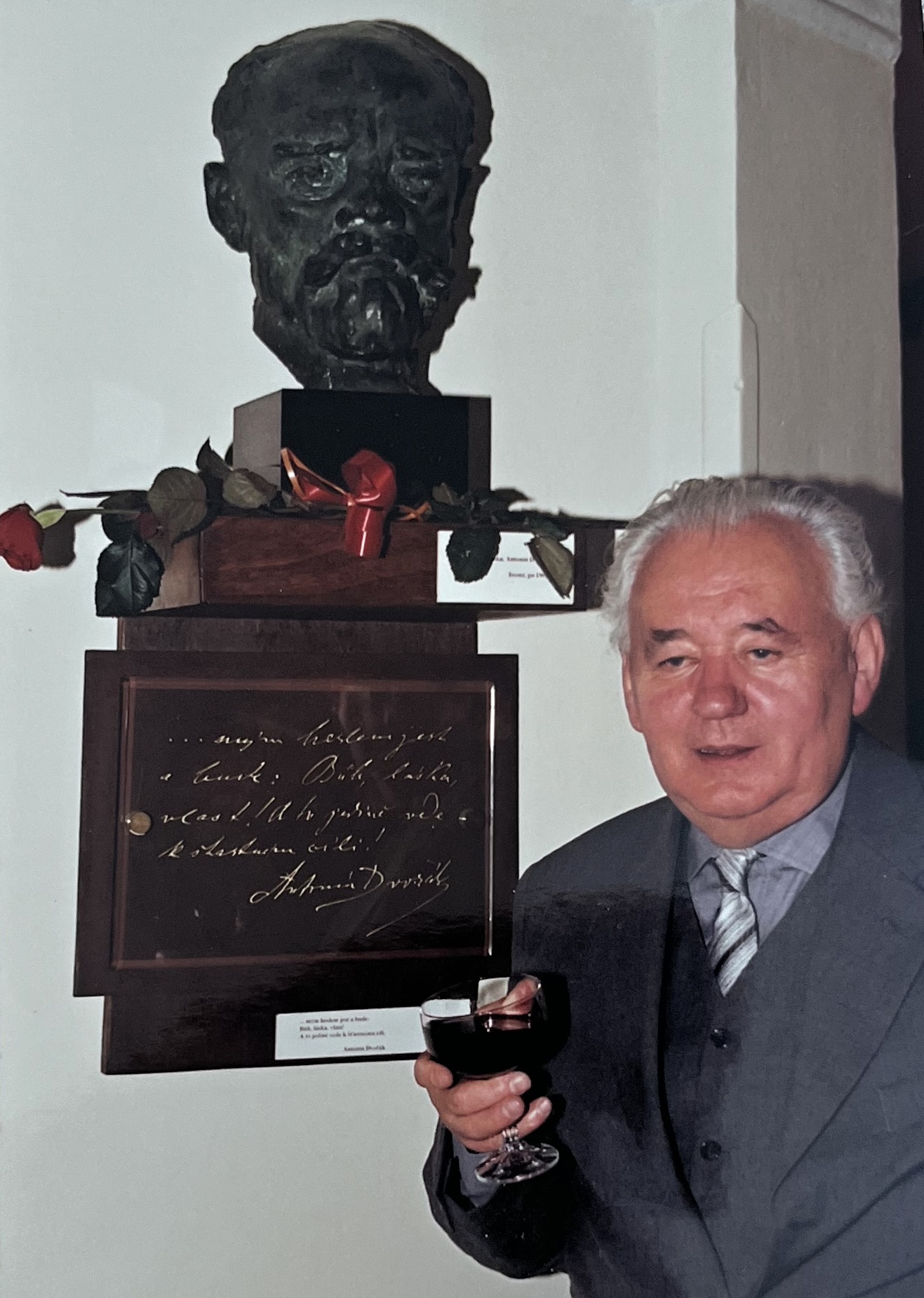
In 1985, the situation slightly improved when Milan Kuna was commissioned to write a ten-volume publication on Antonín Dvořák. True change came with the Velvet Revolution. He returned as editor-in-chief of Hudební věda and continued his scientific work at the Institute of Musicology under the ČSAV until the age of sixty-six. As of 2025, Milan Kuna lived in Prague and remained active in musicology. His body of work includes more than thirty books and hundreds of articles, analyses, and critiques. He has received numerous awards for his contributions. Among his most significant publications are a monograph on Václav Talich, books on Antonín Dvořák, and the powerful study of musical life in concentration camps, Music on the Edge of Life.