An artist must have a solid ground under their feet

Download image
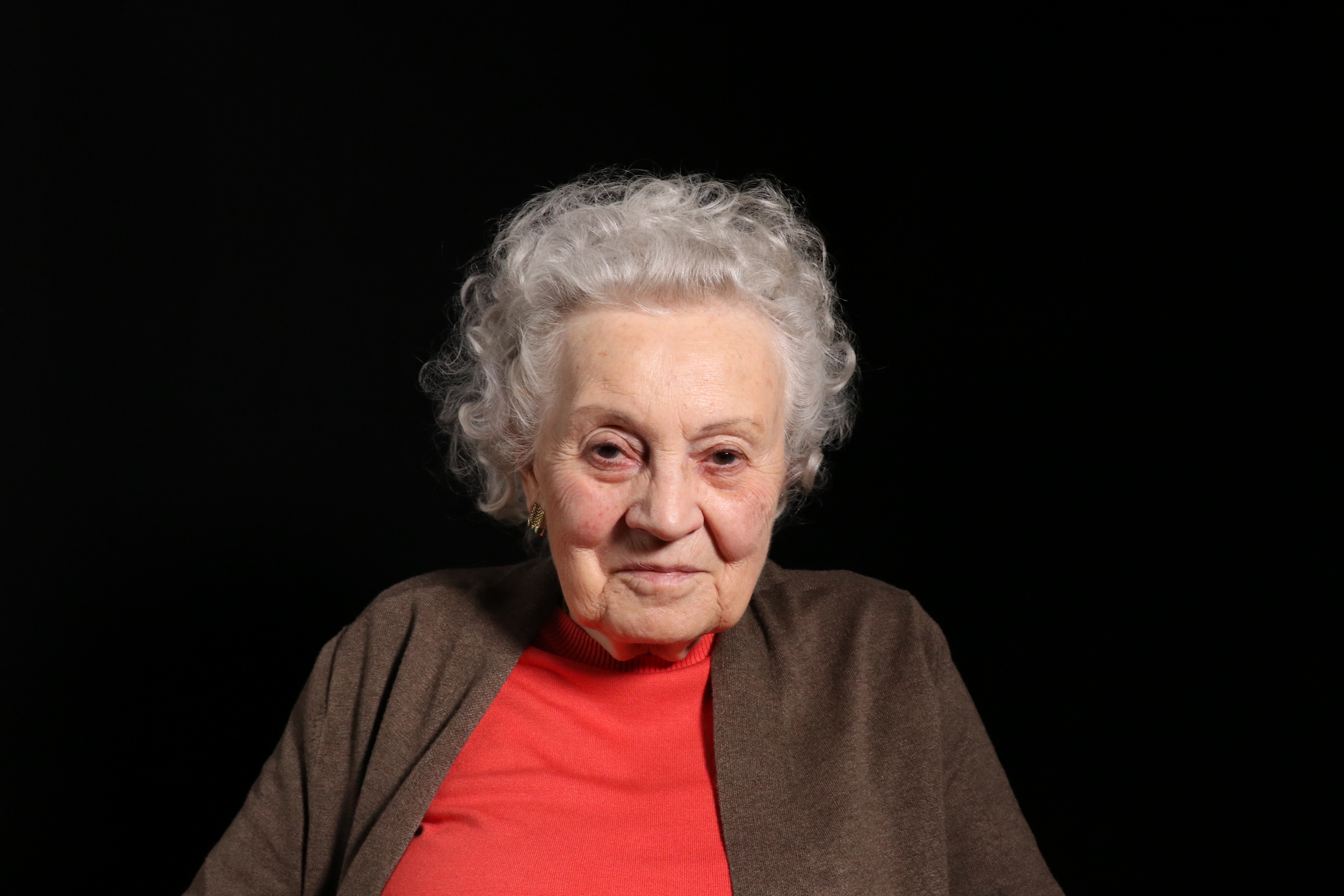
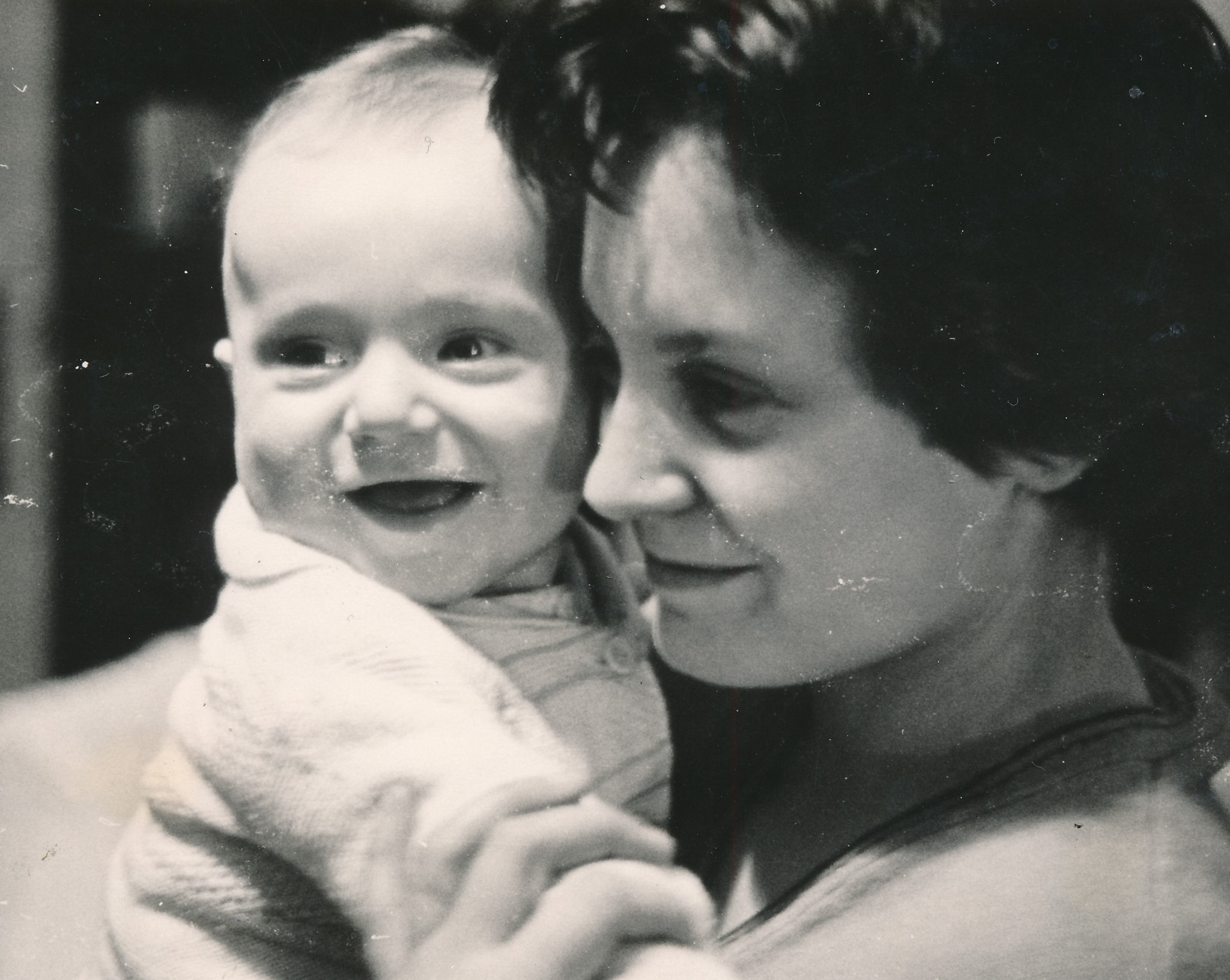
Božena Kubicová, artistic name Bena Havlů, was born as Božena Havlovcová on 10 February 1938 in Stránce u Mostu. Her father, František Havlovec, graduated from the military music school, and it was he who discovered her musical talent and brought her to the xylophone. He was just working in Lučenec when the fascist Slovak state was declared, and he had to make a difficult escape to the Protectorate of Bohemia and Moravia. He then settled with his family in Rousenice near Mělník, where he joined the anti-German resistance. When Prague called for help on 5 May 1945, he did not hesitate and left to fight. Little Božena stayed with her mother, and both of them experienced the bombing of Mělník by Soviet planes on 9 May. At the age of seven, she found herself alone in the streets and suffered a severe trauma from the air raid, from which she recovered for a long time. After the war, they lived for a while in Teplice, where the witness made her first public appearance with a xylophone. In Prague, she then graduated from the school of nutrition and also trained in athletics under Otakar Jandera. After graduation, she married in Brno. The marriage broke up, but she later met her future second husband, conductor and pianist Jiří Kubica. From 1970, she accompanied him on engagements in West Germany, where, thanks to his support and piano accompaniment, she began to give concerts herself. The duo of Bena Havlů and Rudolf Rod, as they came to be known in the art world, was successful and popular. But then, on a visit to Brno, Božena Kubicová had her passport taken away and was not allowed to see her husband again. Moreover, they repeatedly questioned her in a rather indiscriminate manner. In spite of State Security harassment, envy and prejudice, she managed to establish the xylophone as a full-fledged concert instrument of classical music. After the Velvet Revolution, she was finally free to build her professional concert career, and in 1996, she even played for a Thai princess to great acclaim. She patented her own five-row xylophone and ended her musical career at the age of 80 with a concert in Žižkov. In 2024, she was living in Prague.