"Our soldiers or the Russians, it was a hundred and one. They didn't care. If they had something to drink, they just 'nas mnogo', went and didn't miss. Even ours liked to drink, everybody likes to drink, but they never said 'nas mnogo.'"
"My father told them what it was like in the Soviet Union, and that's why he was bad. That's why he got a lot of denunciations from the village, and he bought a house in Brno. That's why he and my sister and I were arrested."
"My father also saved several Jewish lives there. He kept them in his favour. He knew them, he knew they were good people. After the war they all went abroad and didn't remember that we saved their lives. Only one lady, who now lives in Brooklyn, we keep in touch with."
"Then my father was in the training centre and I followed him there, I was a liaison. It was a Slovak officer Laurinec, I was his servant soldier. I used to clean his shoes, they always had to be cleaned in the morning. When he needed to do something, he sent me. I stayed with him until the end of the war. He was such a good man, he saw that I was a boy, so even when I made mistakes, he was sympathetic."
"We kept our uniforms because we had no civilian clothes. We did get some money, which we used to buy civilian clothes in Prague, but we sent it here in suitcases. But it got lost on the way, the suitcases came empty. So we had nothing again. For about two months we continued to walk around in our uniforms until we found civilian clothes somewhere."
“We, the Volyně Czechs, we simply had a bad reputation. We were arrested in 1952 because my father had a brother who was also the first lieutenant in Svoboda Army but he fled across the border. Both my father and myself were imprisoned for four months and a half, my sister Stázinka for a month. We were imprisoned in Cejl in Brno.“
"Then they shot all the Jews. Women, men, children, everyone. They dug big, deep pits, and they had to lie down there, undressed, and the SS were walking around and shooting them. Uncle Jaroslav used to drive them in a truck to the burial ground. But there were SS men with guns, so he couldn't help anyone. About twenty-eight thousand of them were executed there in Lutsk at that time."
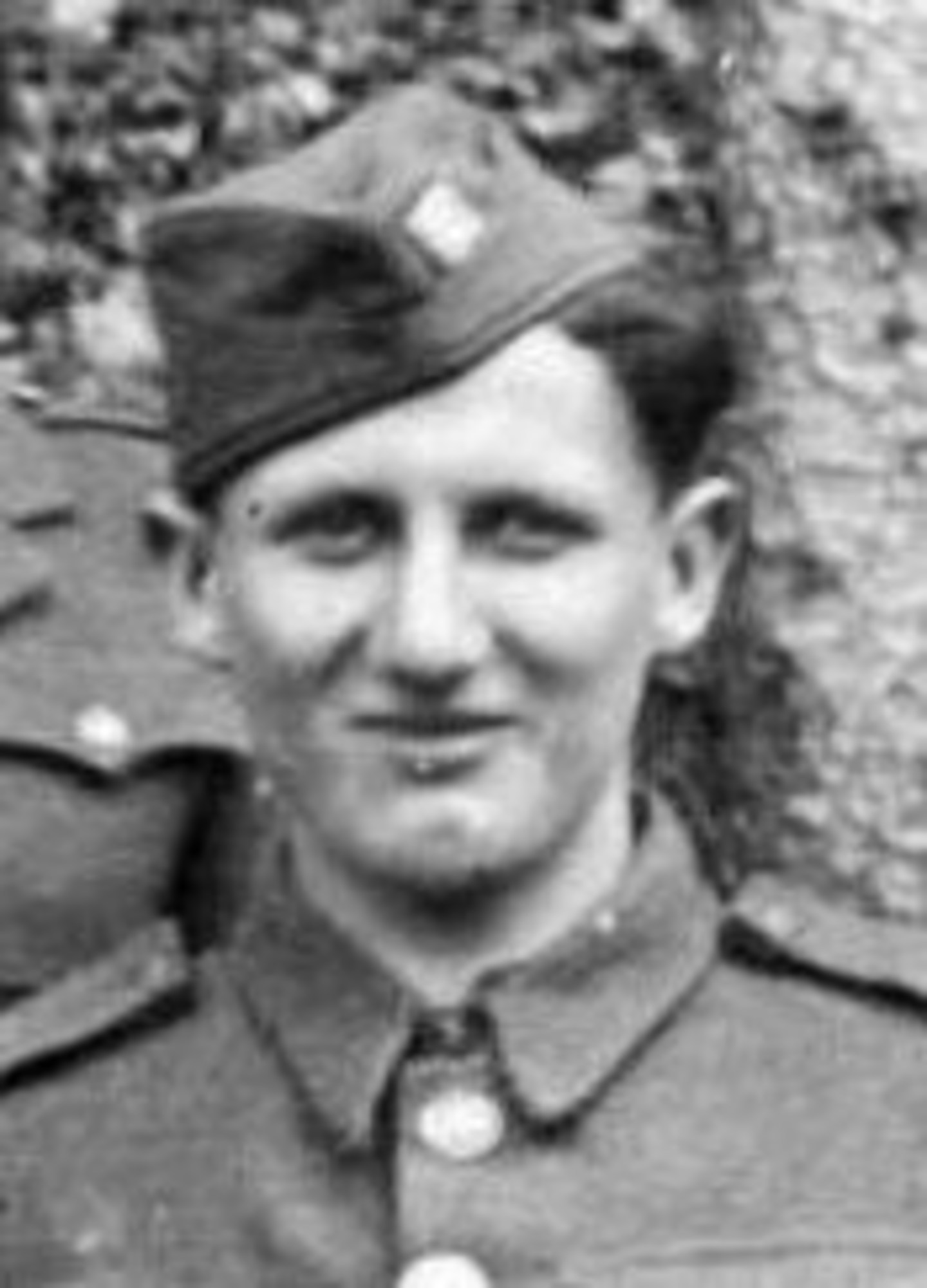
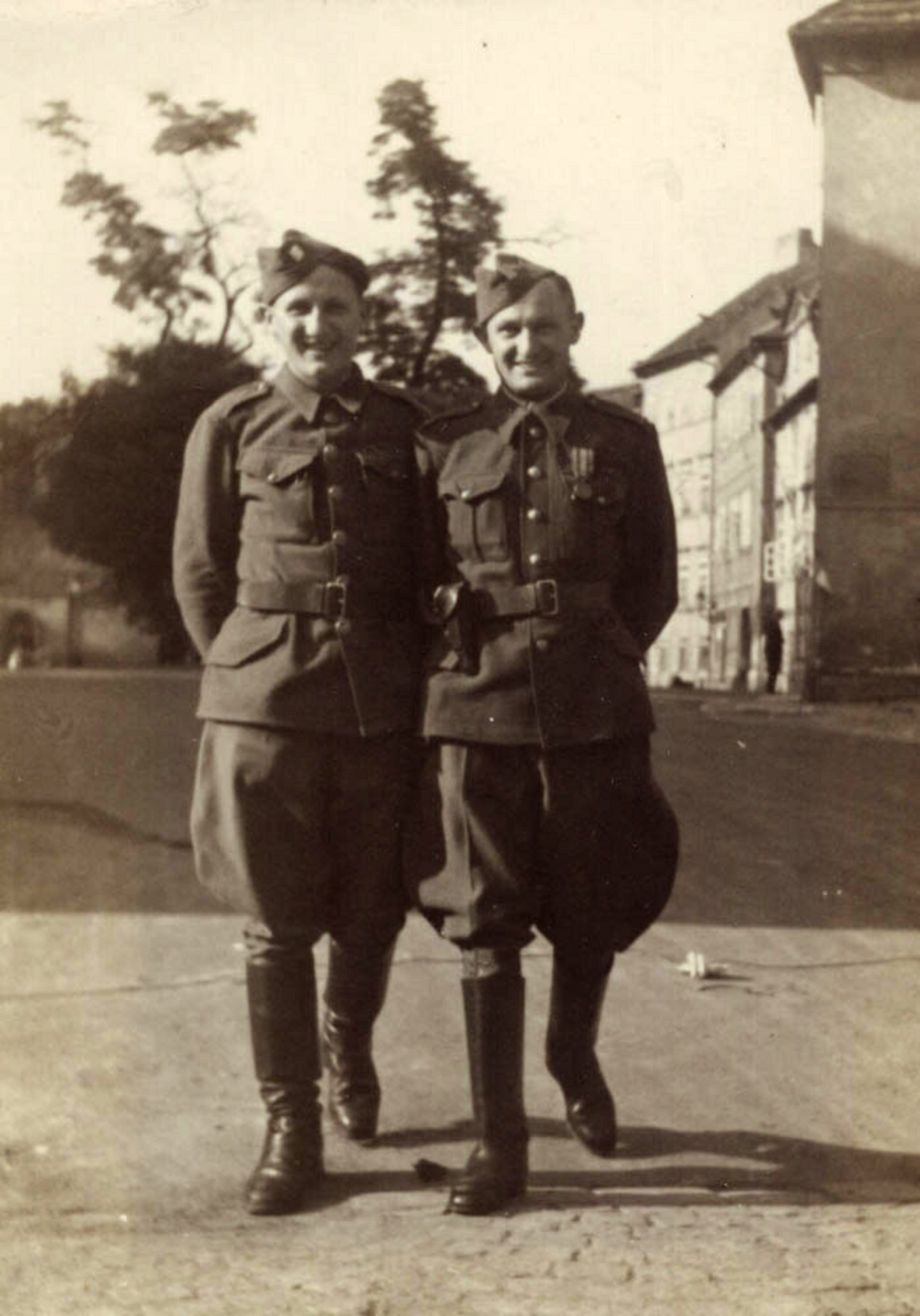
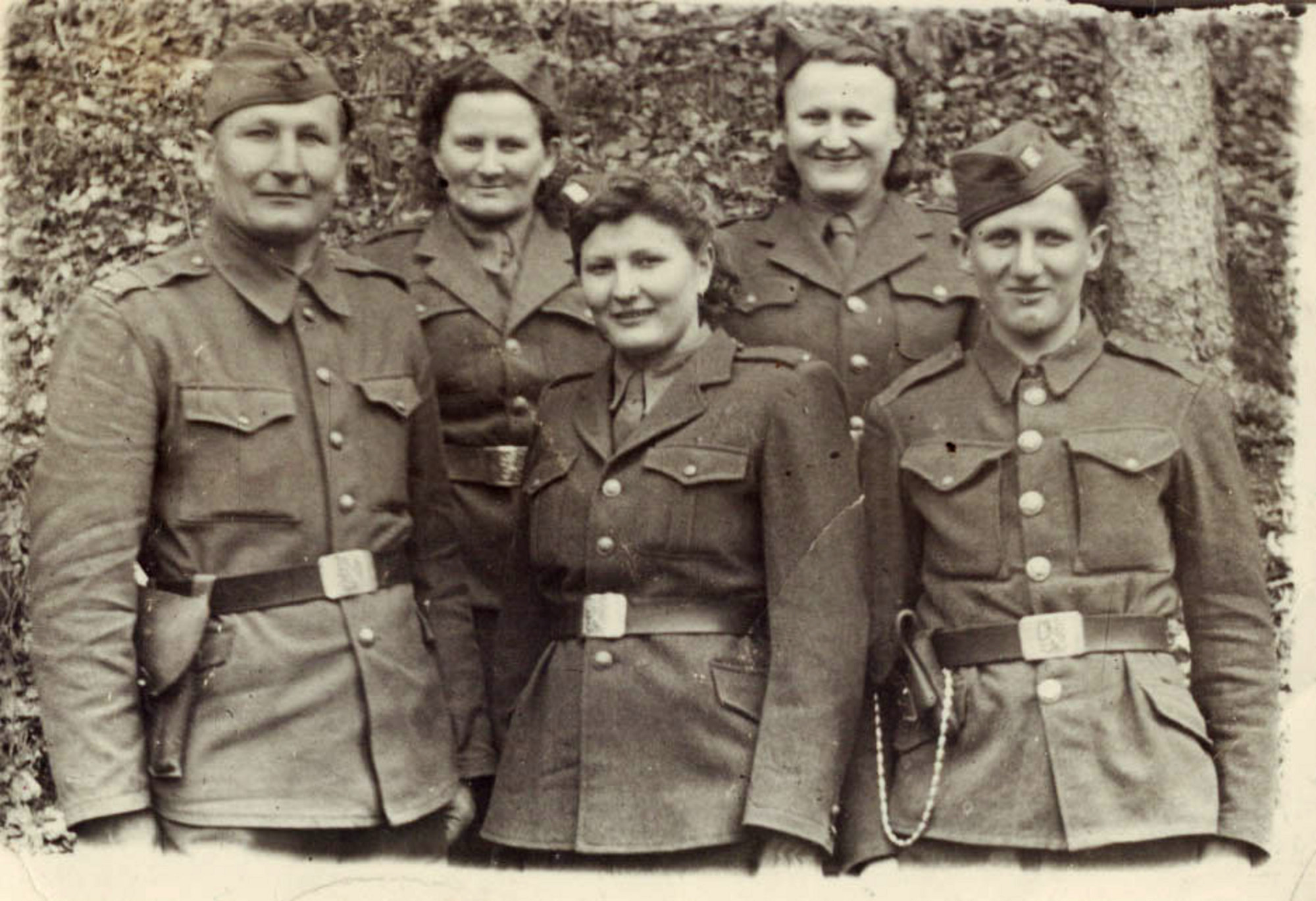
Jaroslav Kozák was born on 5 July 1929 in Volhynia, in today’s north-western Ukraine, the youngest child of František Kozák and Zdena Kozáková. He grew up in the Czech village of Lipiny and the nearby town of Lutsk, where the family moved so that the children could attend Czech school. His father and uncle built and operated a mill on the outskirts of Luck, but it was seized by the Soviets after the start of World War II and the annexation of eastern Poland by the Soviet Union. During the Nazi occupation, the Kozaks witnessed the murder of the Lutsk Jewish community. In March 1944, after Volhynia was rejoined by the Soviet Union, his father František enlisted in the 1st Czechoslovak Army Corps in the USSR. Soon after him, his older sisters Emilie and Anastázie joined the Czechoslovak unit, and after a few months, fifteen-year-old Jaroslav and his mother Zdena. The whole family then went through the Carpathian-Dukla operation with the army. Apart from Emílie, they moved in the army base several kilometres behind the front, the underage Jaroslav helped in the kitchen, served as a “liaison” in the training centre and also worked as a “servant soldier” for one of the officers. With the army they reached Prague. After the war they stayed in Žatec, then they acquired a mill in Bohumilice in the Znojmo region which the deported Germans had left. Jaroslav graduated from business school, married and became the father of a daughter and a son. After the communist coup, the Kozák´s family mill was confiscated and in 1952 State Security arrested three members of the family. Jaroslav and František spent four and a half months in prison in Cejl, Brno, and Anastázie was released after a month. After his release, he and his family moved to Znojmo. He worked as a driver´s assistant and driver. Jaroslav Kozák died on 3 December 2014.
Kozák's family during the war in the forest in Polish territory in early 1945 (from left: father František, mother Zdenka, eldest sister Emilie, elder sister Anastazie)
Kozák's family during the war in the forest in Polish territory in early 1945 (from left: father František, mother Zdenka, eldest sister Emilie, elder sister Anastazie)