"When I was still in Blansko, it was before my wedding in August (1961). At that time it was Berlin, the Berlin Wall was being built and we were also in the National Front. I was always terribly funny and I always had that life was great fun. Everybody was saying what's going to happen now, we're in this Central Europe, what's going to start, and I said, as a joke, I said, 'Well, what the hell, they'll give the women and children ushanka hats and felt boots and we'll go to Siberia.' I gave away state secrets by doing that, I started going around to the Communist Party of Czechoslovakia for background checks and I don't even know where. My supervisor told me off what I had talked about, where I got it. I had to sign that if I came across any such information, that I must not reveal it to anyone. So I gave away a state secret by telling a joke."
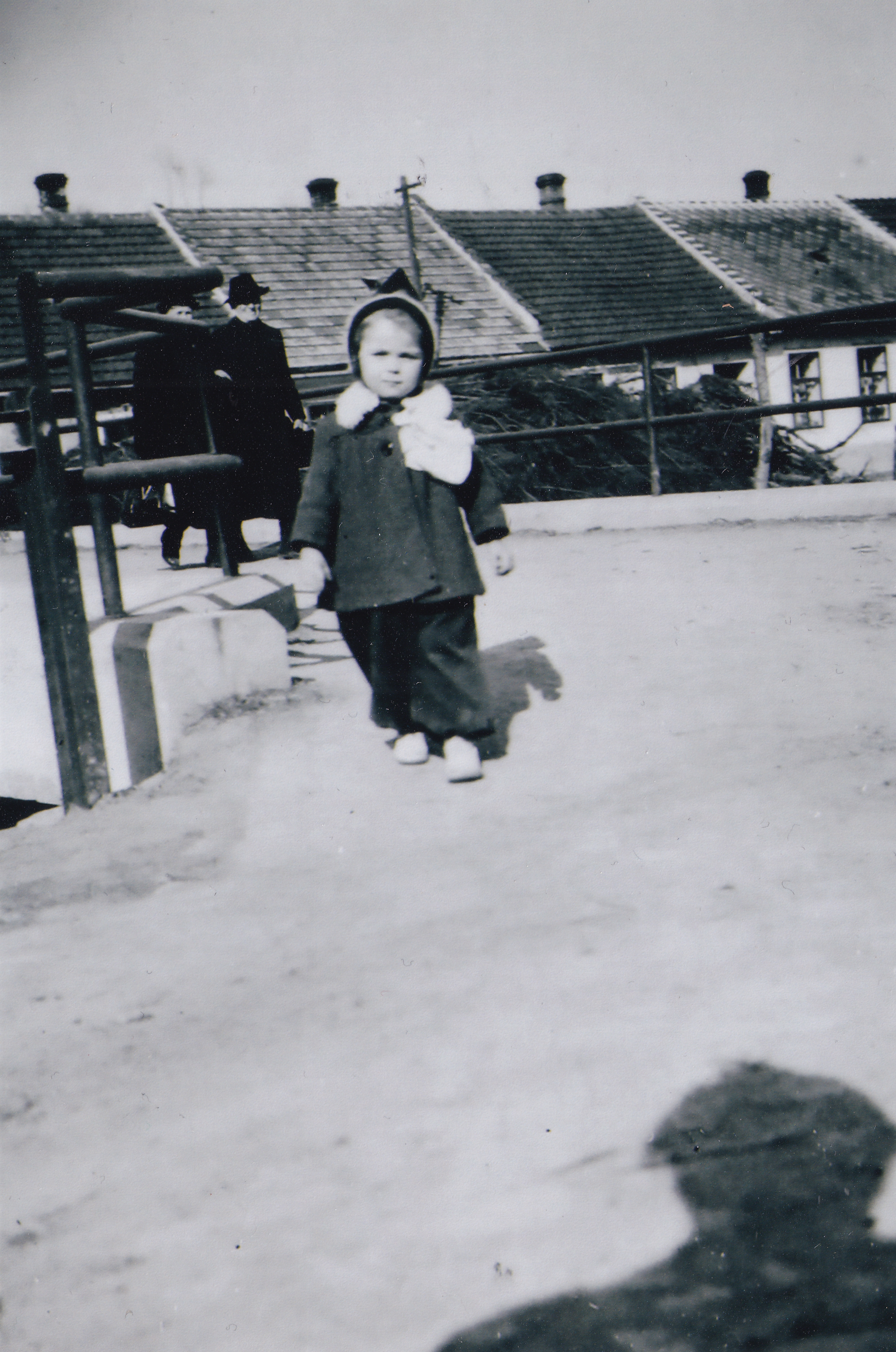
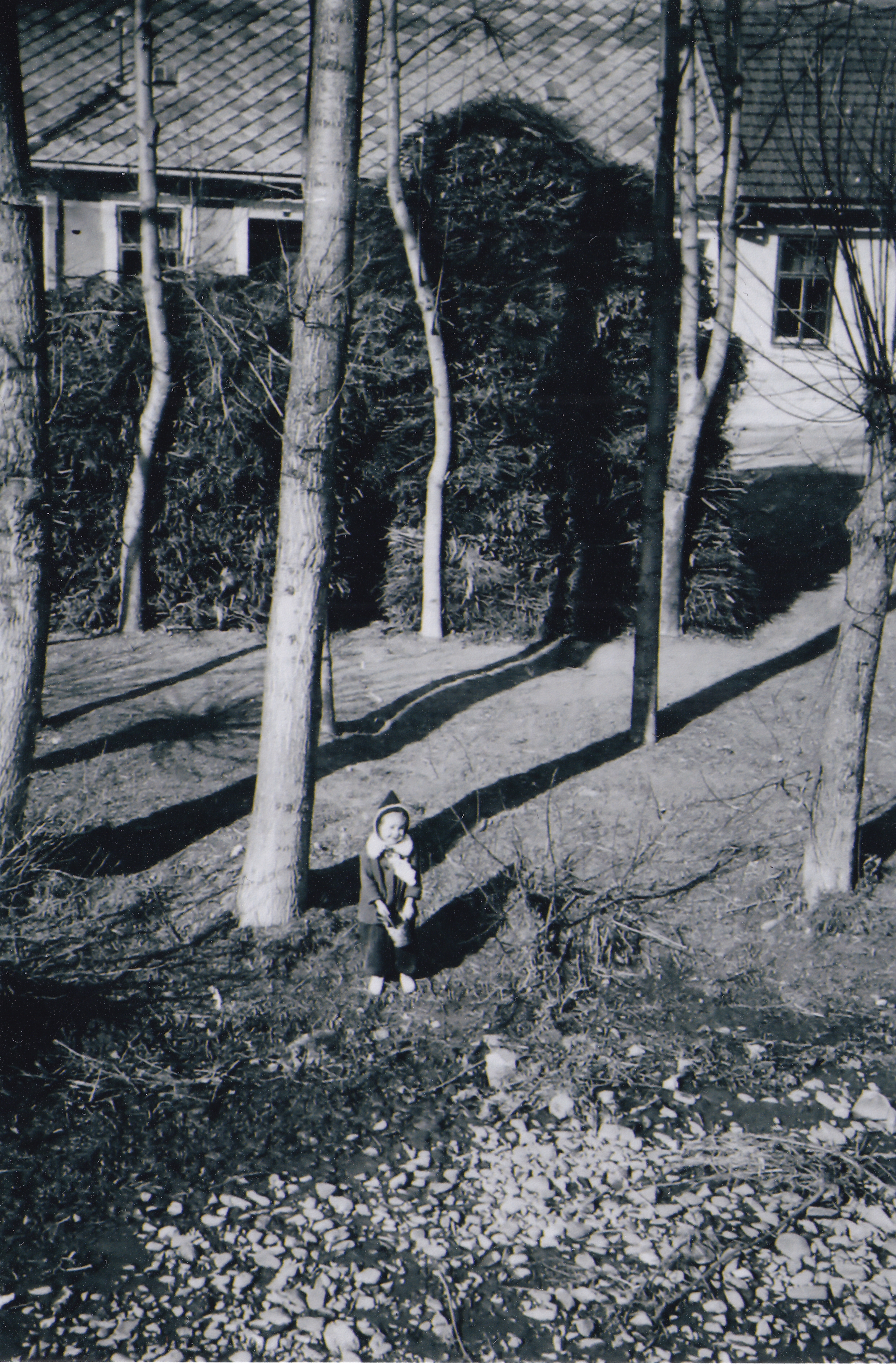
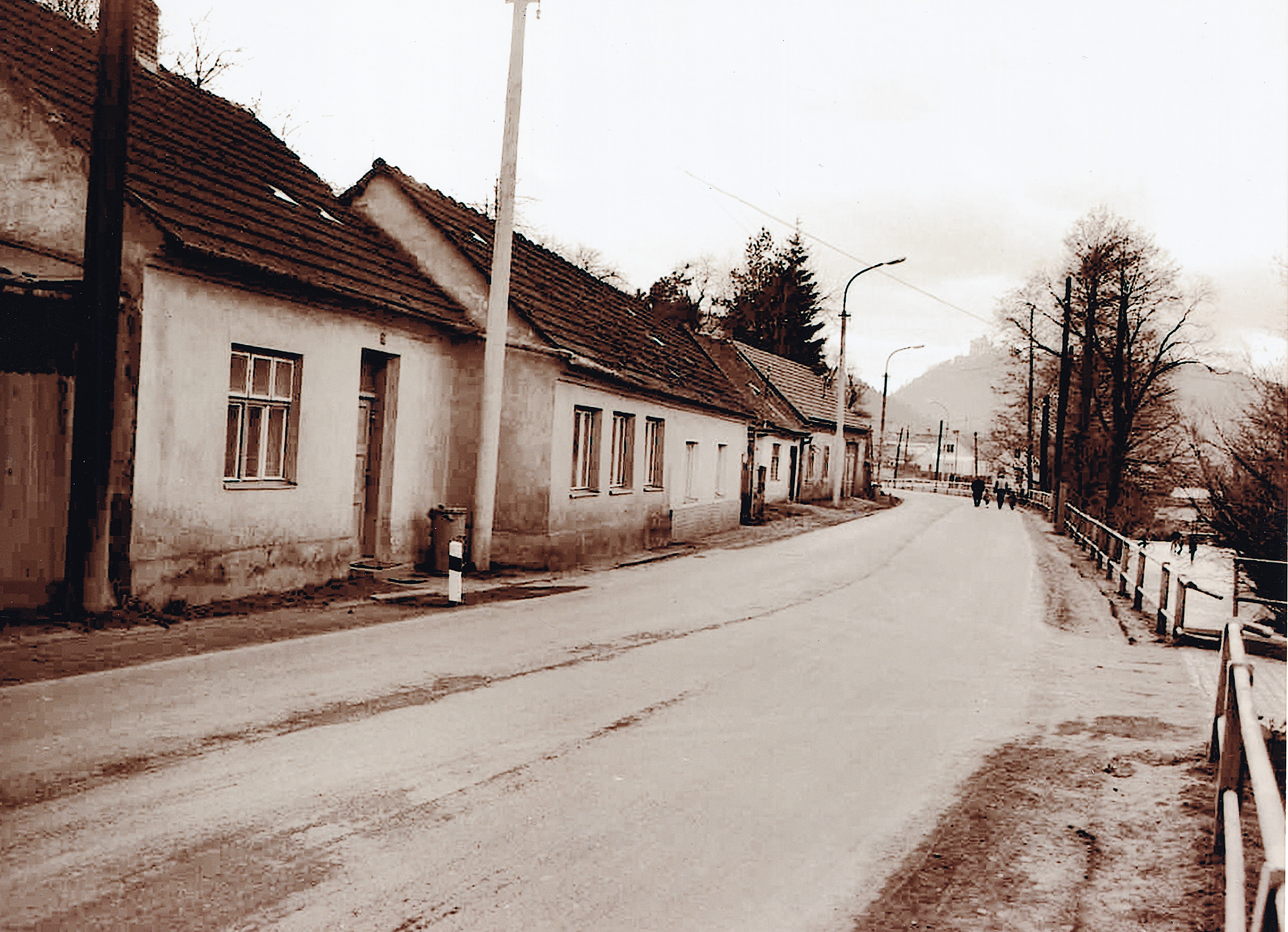
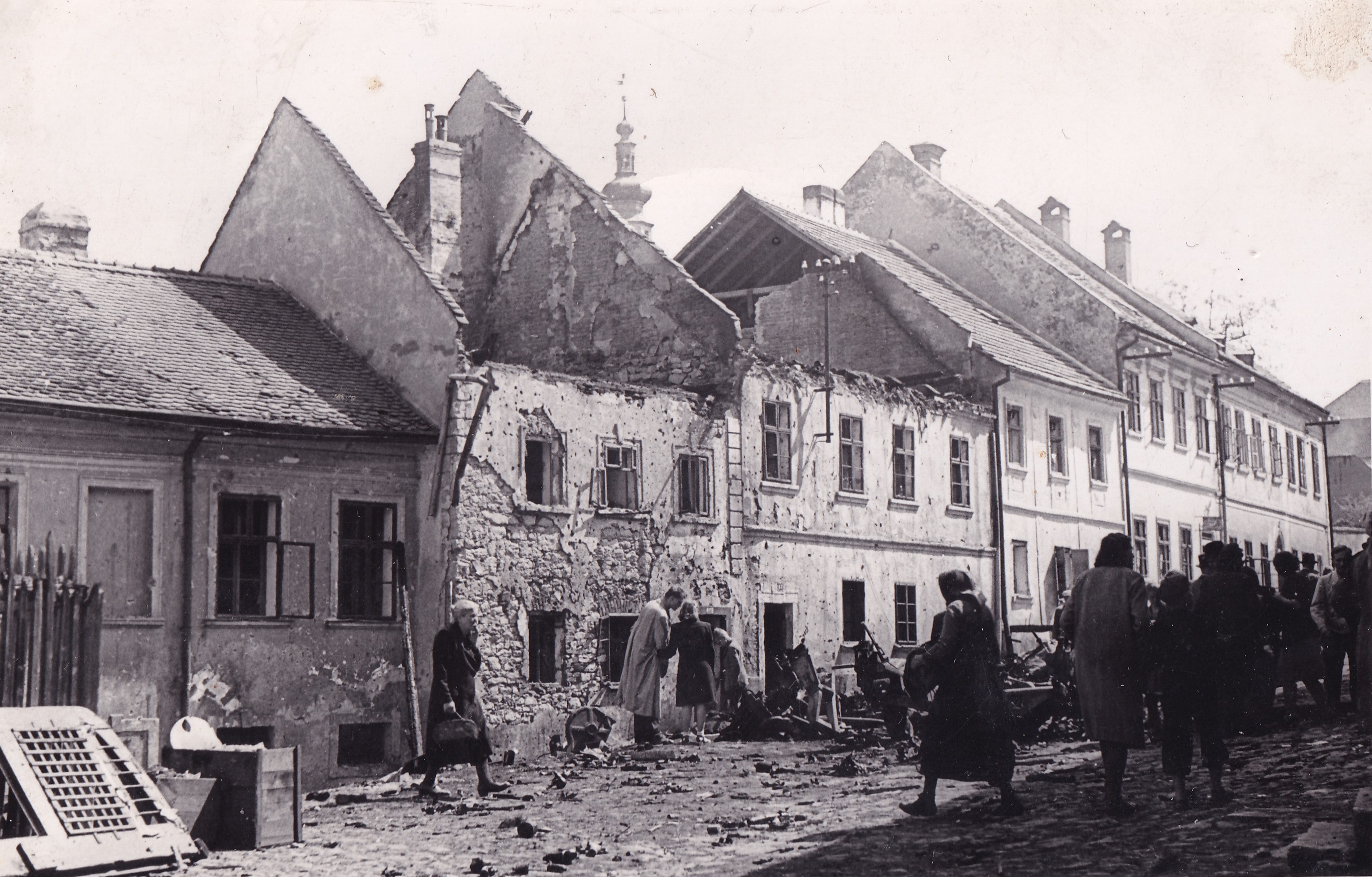
"The neighbours on Bělská Street had bunkers on their gardens and I fell asleep there, there was probably a candle there, so I watched the grass and roots next to me, I still registered that, but then I fell asleep and I don't know anything. Until all of a sudden they came to wake us up, saying that the war was over or that it was quiet, and they took us to Víteks and then we slept there with them. I must say that Daddy was right. In front of our house, right by the bridge, the Germans threw a cannon, and the shrapnel smashed our whole cottage. It was standing, but it had no windows, no glass, only one room, where grandma lived, so it was okay, but it didn't have glass either. Somehow we survived, Mrs. Kalandrová would just come and say, "God, Skoumal, where are you going to live, you have a completely broken cottage. And Daddy said, the main thing is that we are all alive and well."
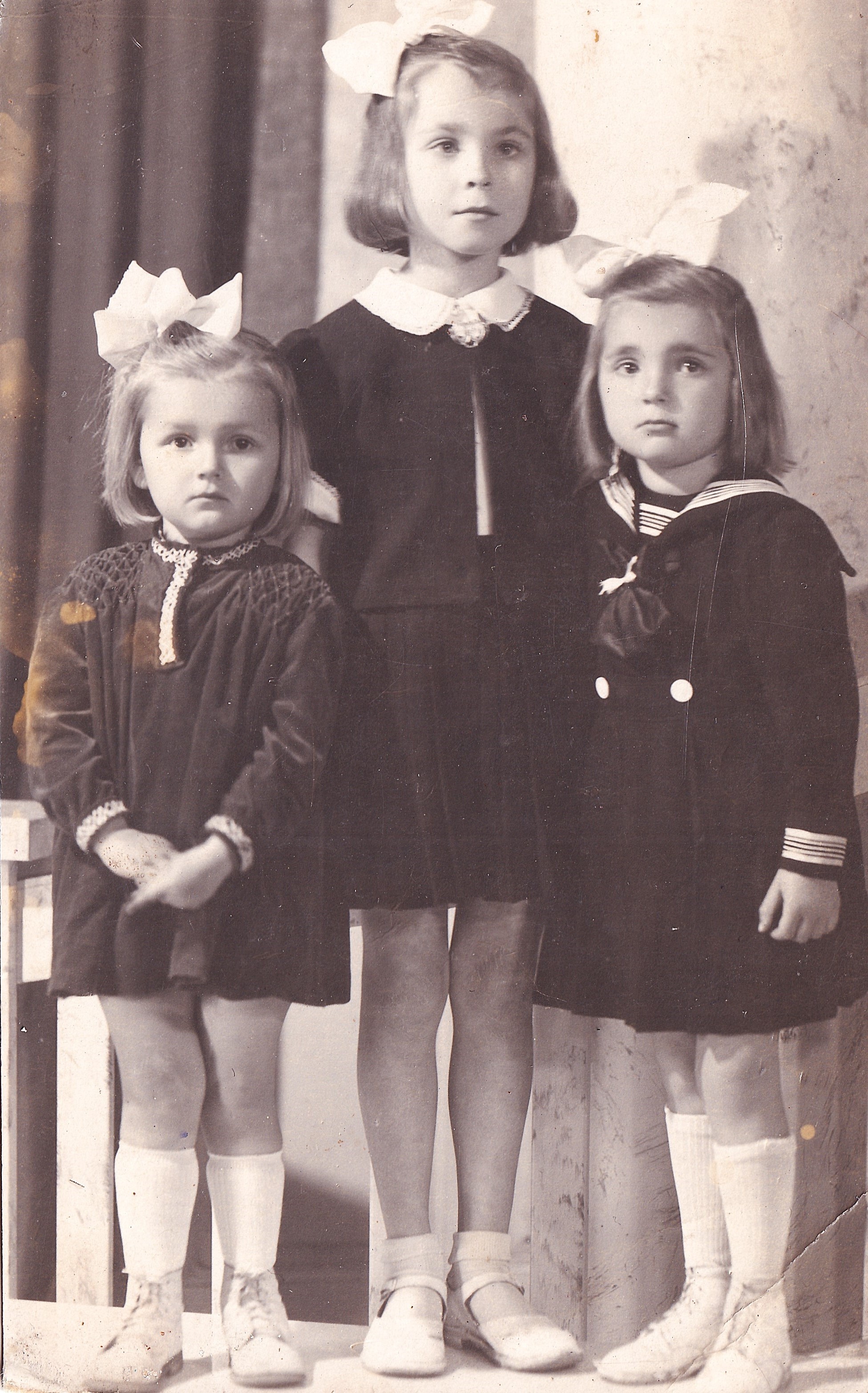
"I was five years old, Jana was three years old and Vlasta was five weeks old, so we went on a march back to Boskovice. When we went to Vratíkov, we didn't meet any soldiers, everything was calm. Suddenly at the chapel we came upon hordes of Germans moving towards Boskovice. From Okrouhlá it was hordes and hordes endless, three, four soldiers side by side. They were dragging some kind of war equipment and they were scary. And I was afraid of the Germans, so I was very afraid. Everybody had a rifle, everybody had something, it was so unpleasant, I was afraid to even look at them, lest one of them might shoot me."
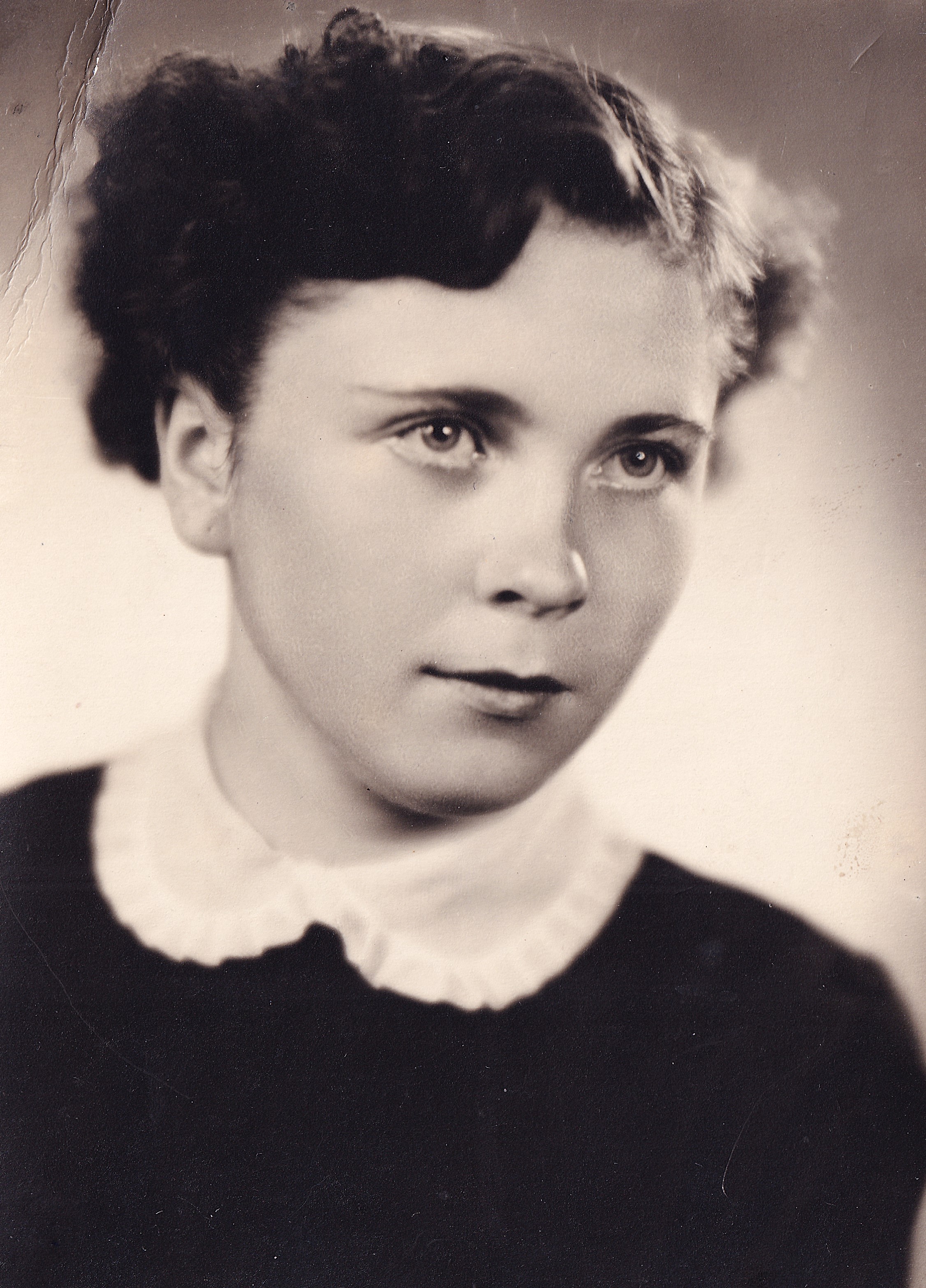
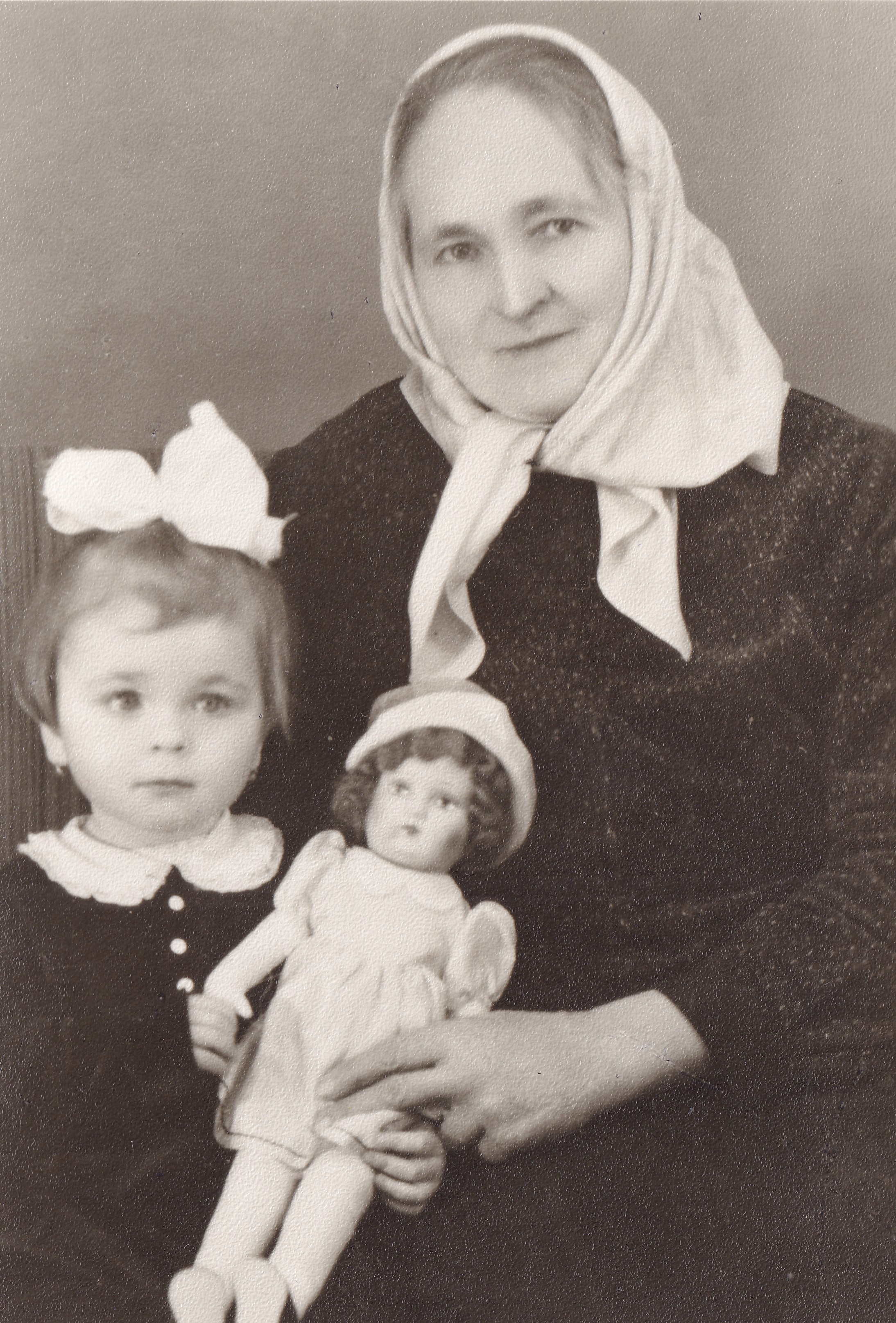
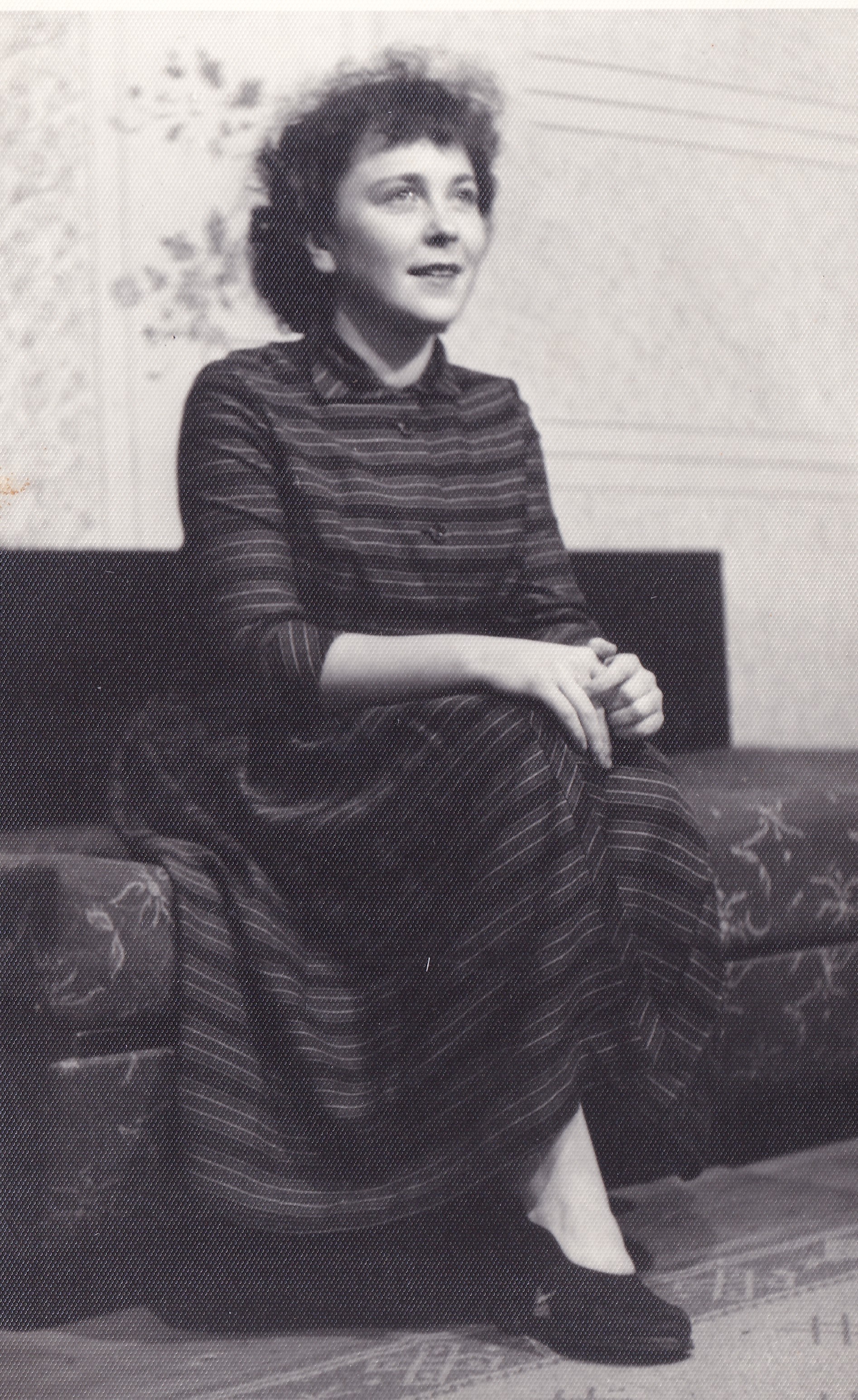
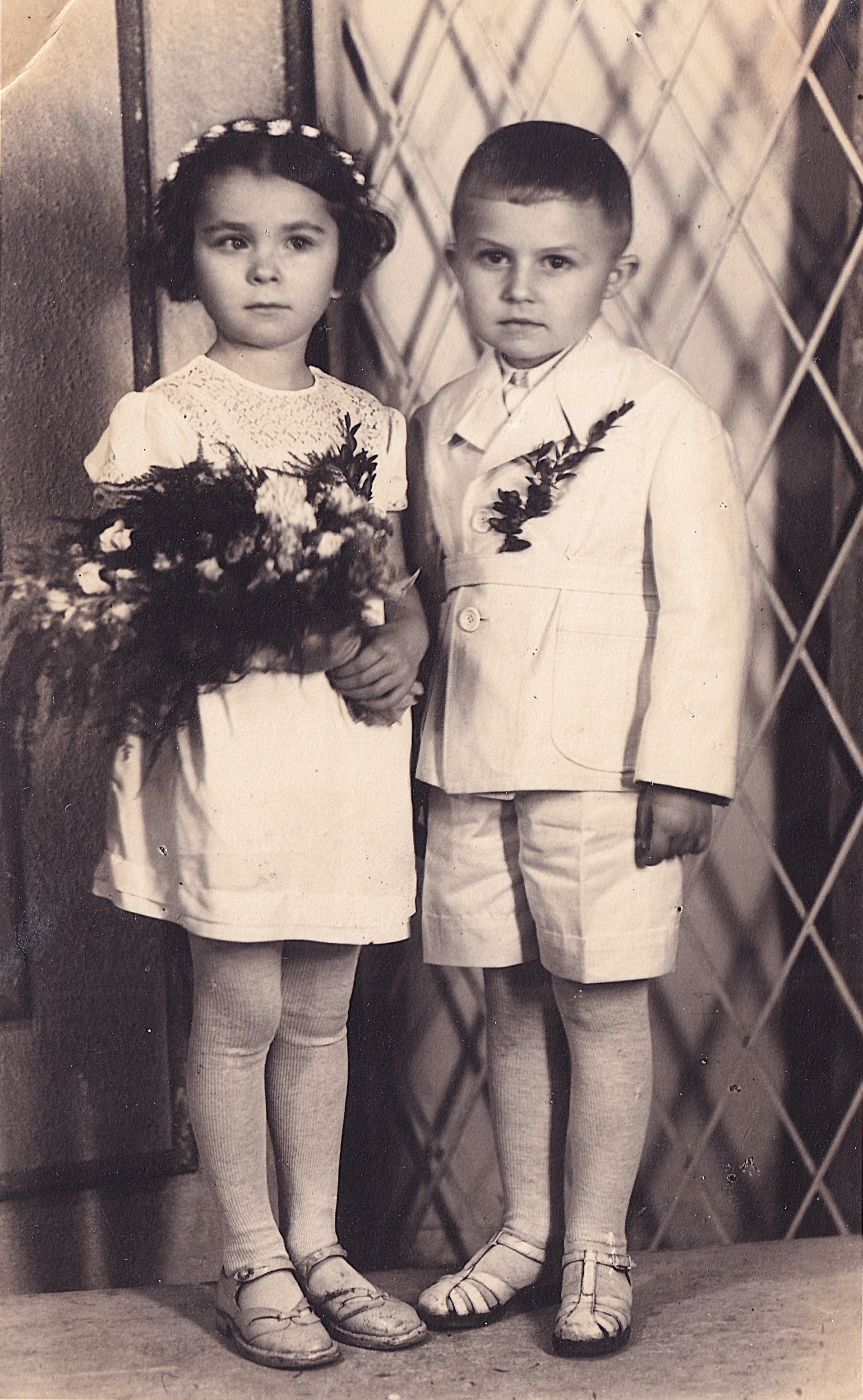
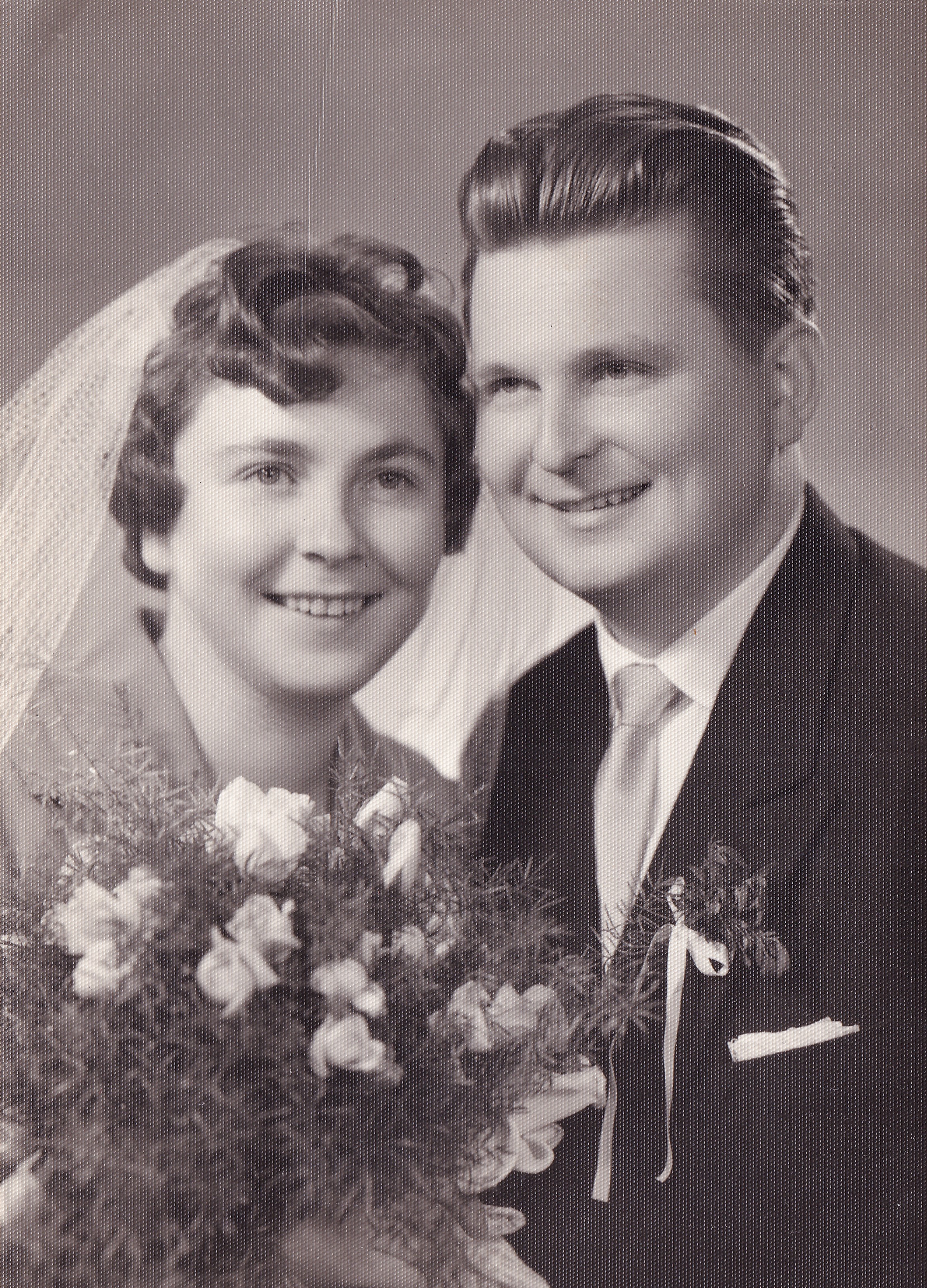
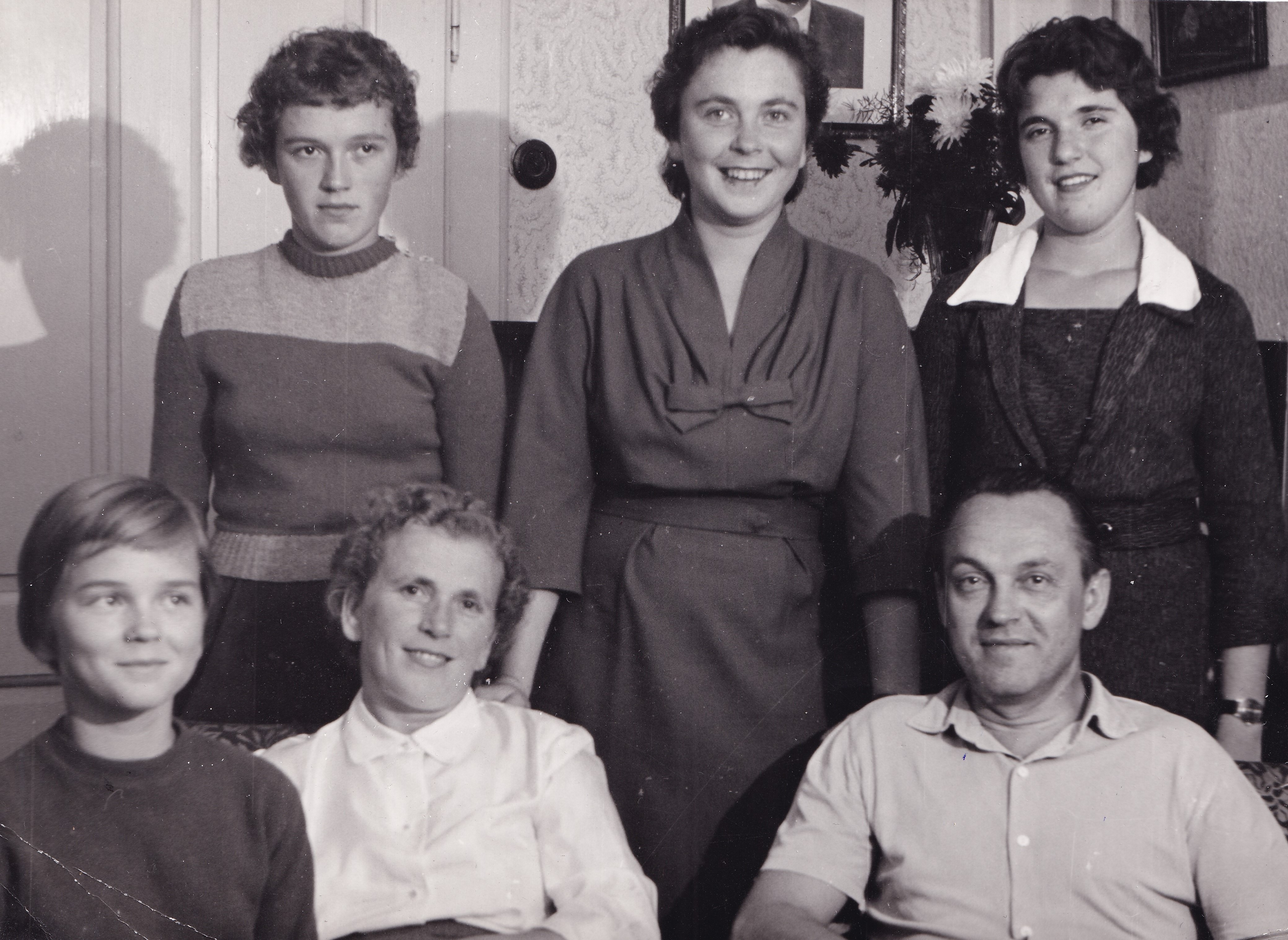
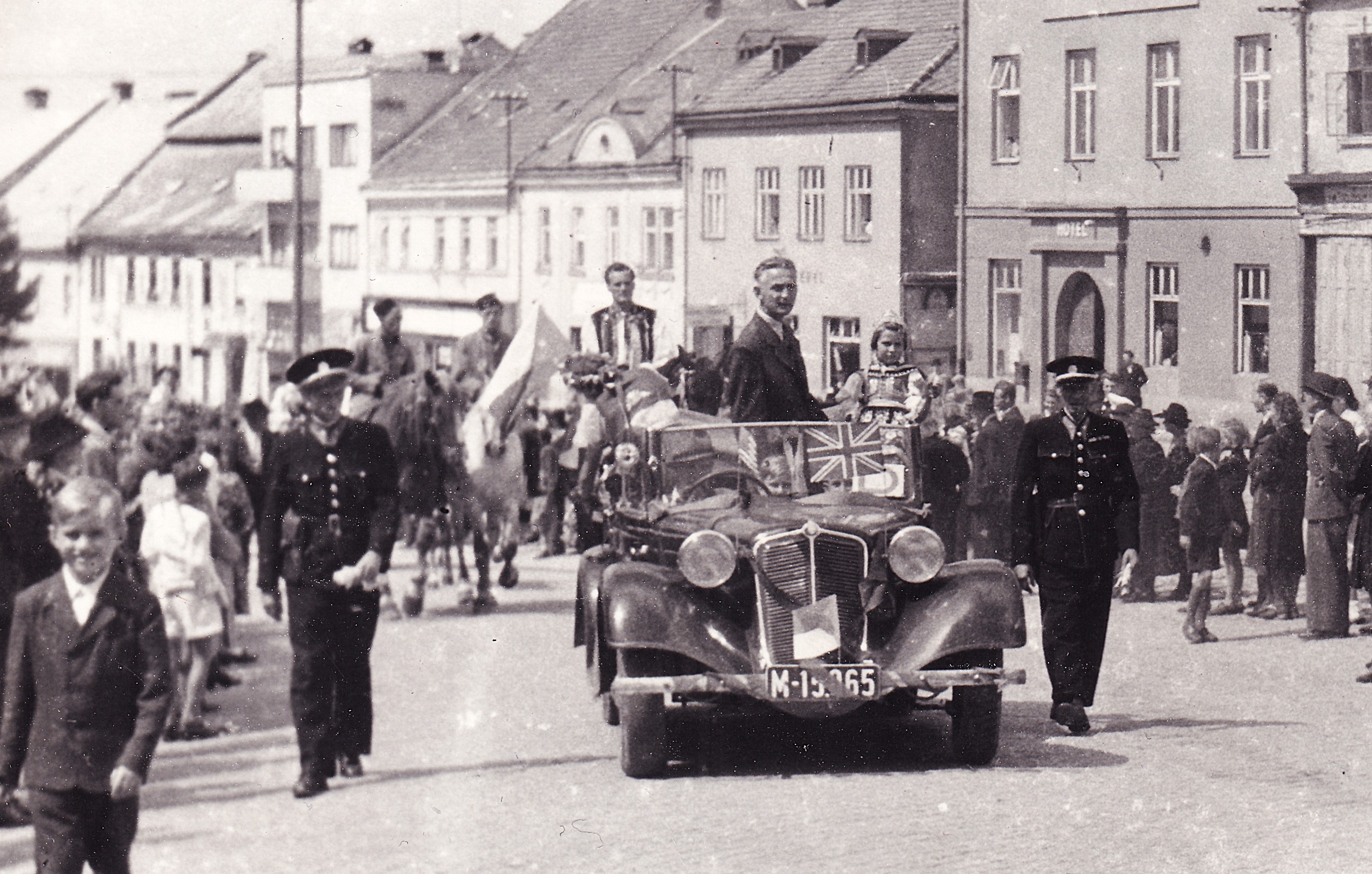
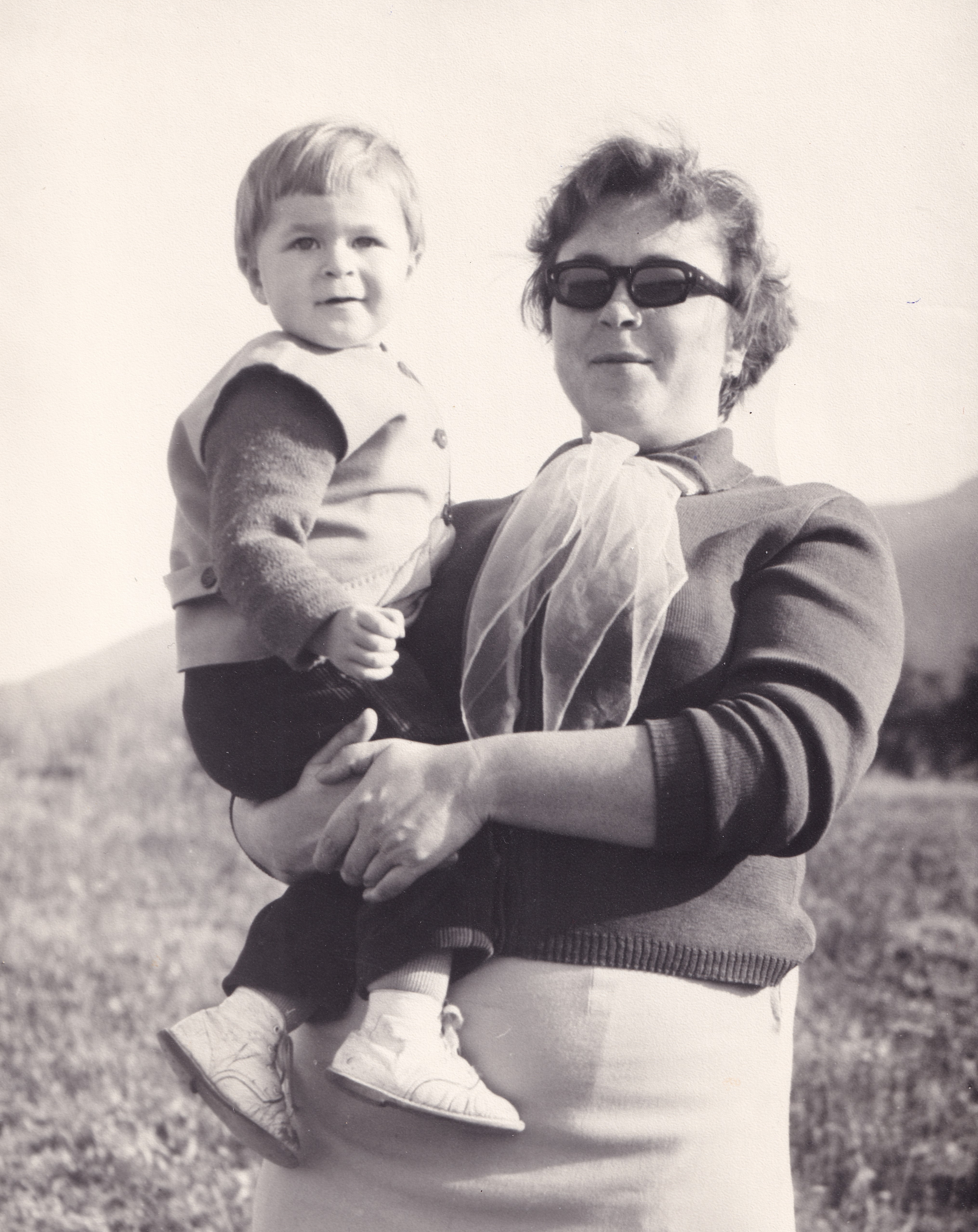
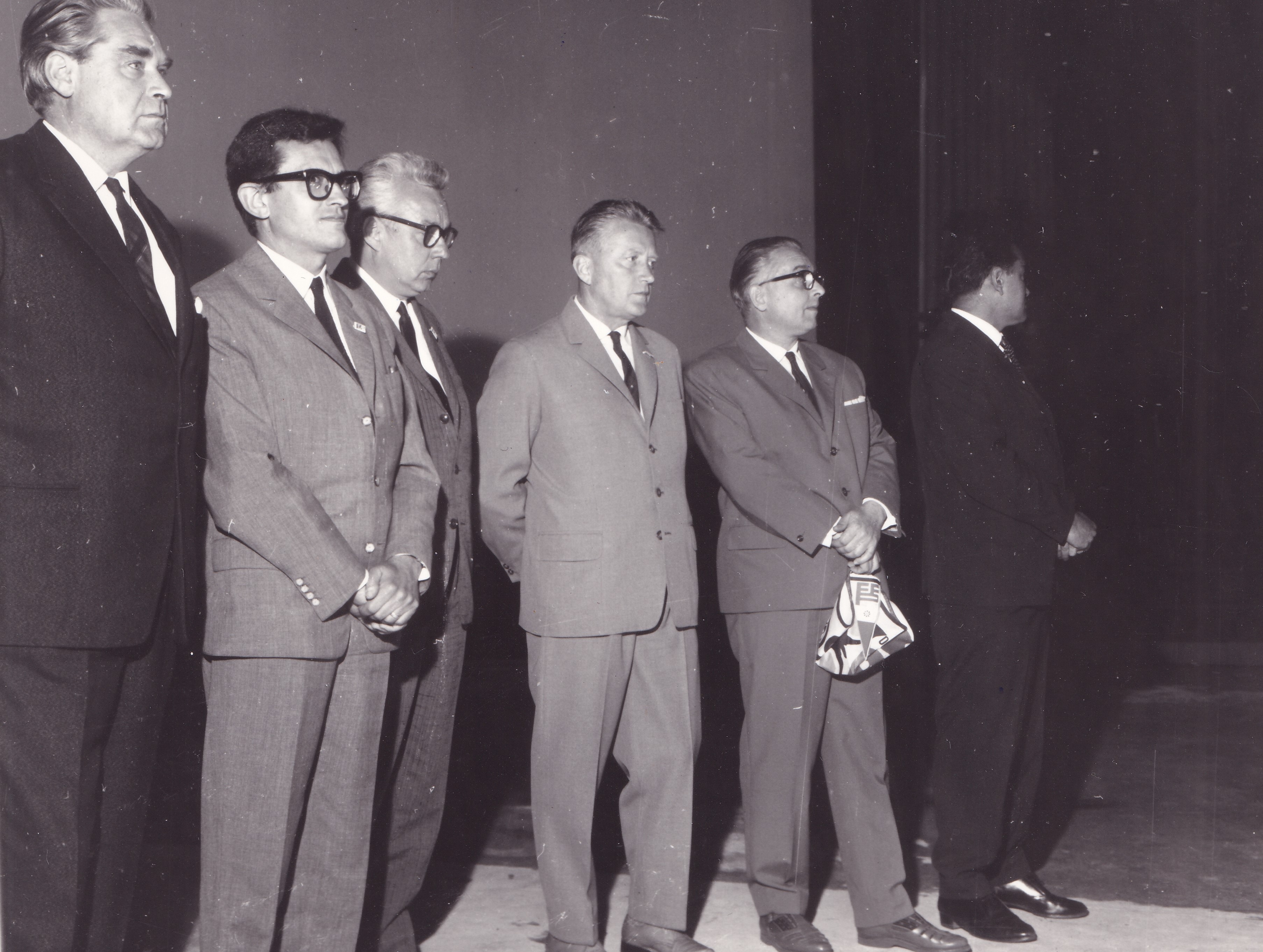
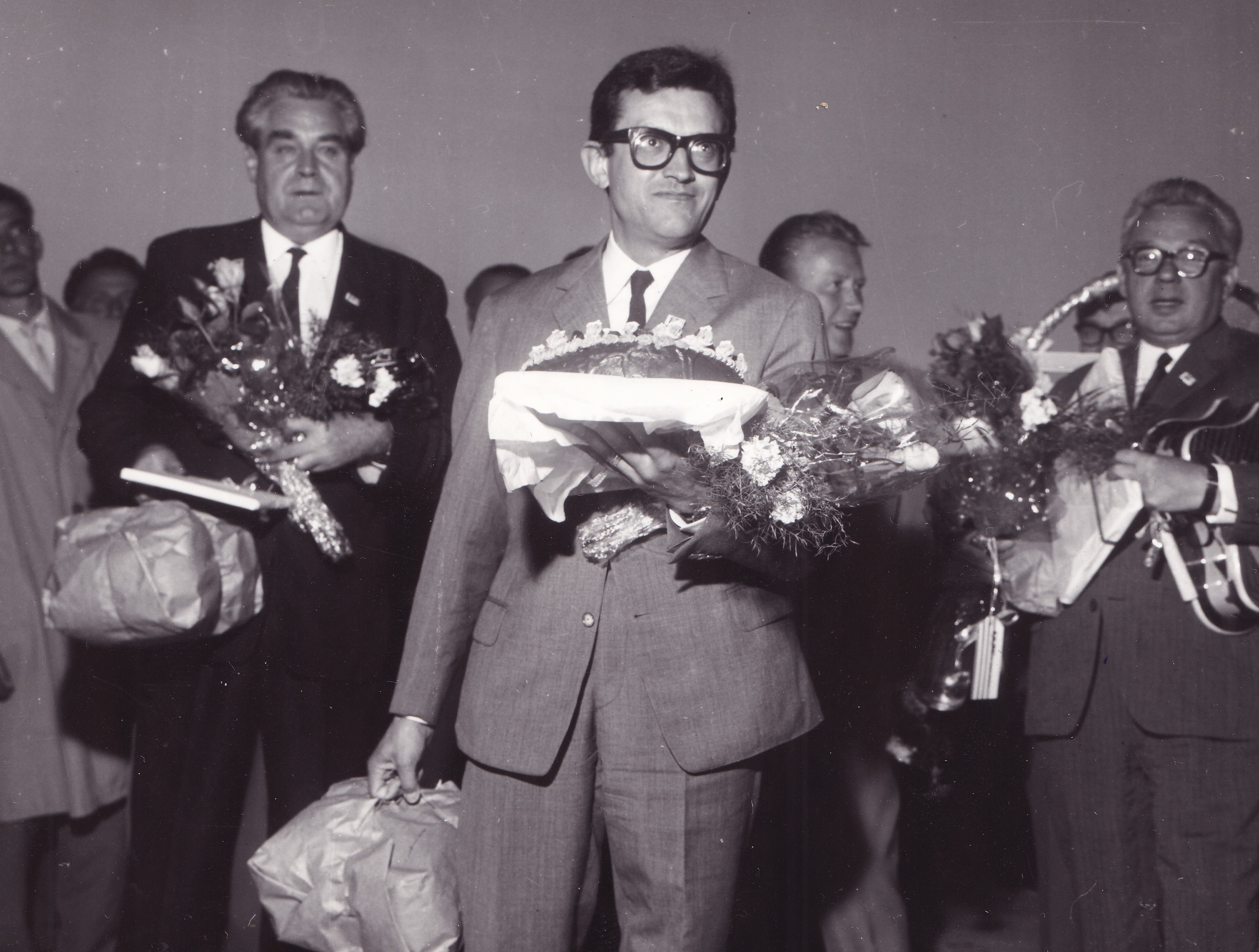
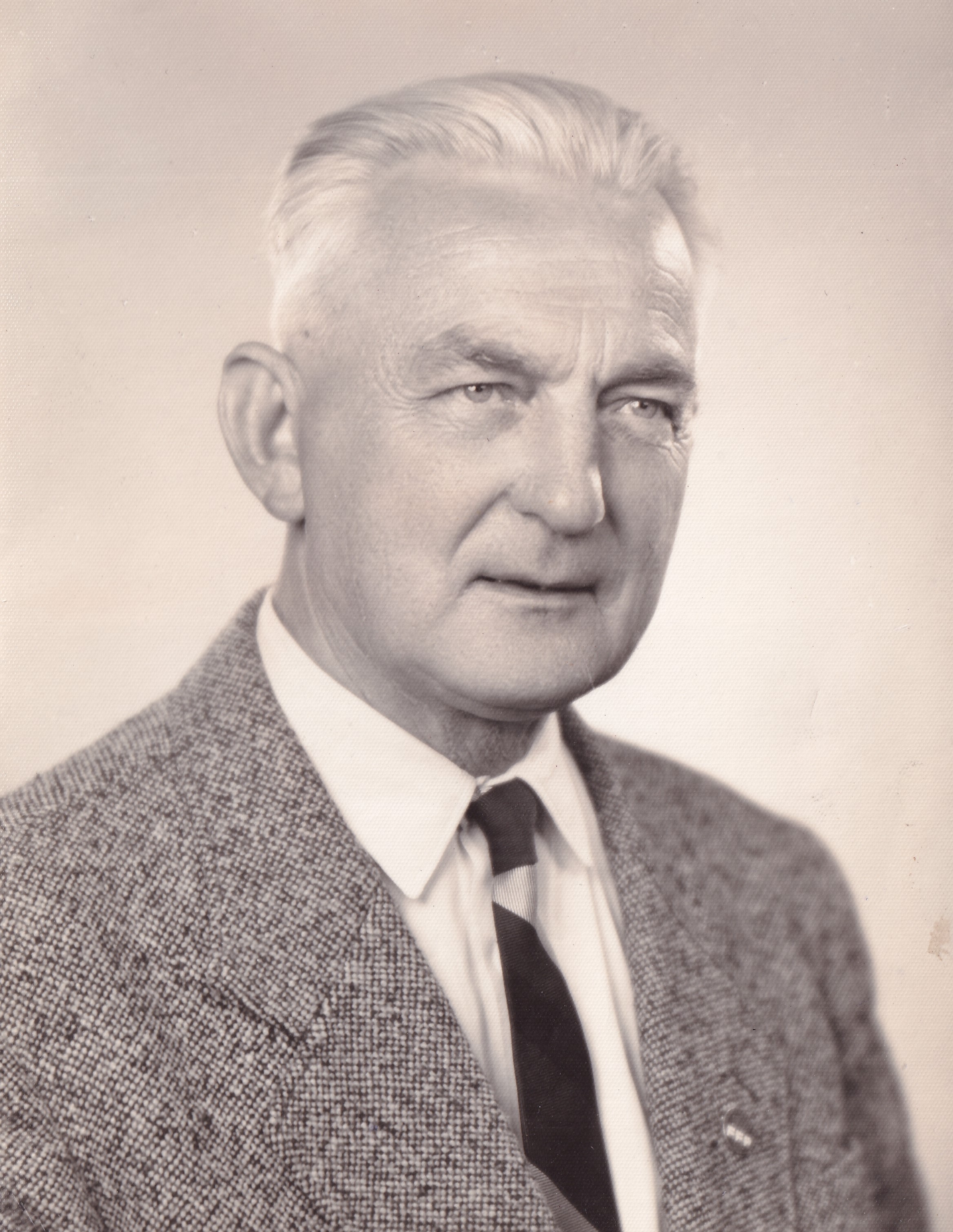
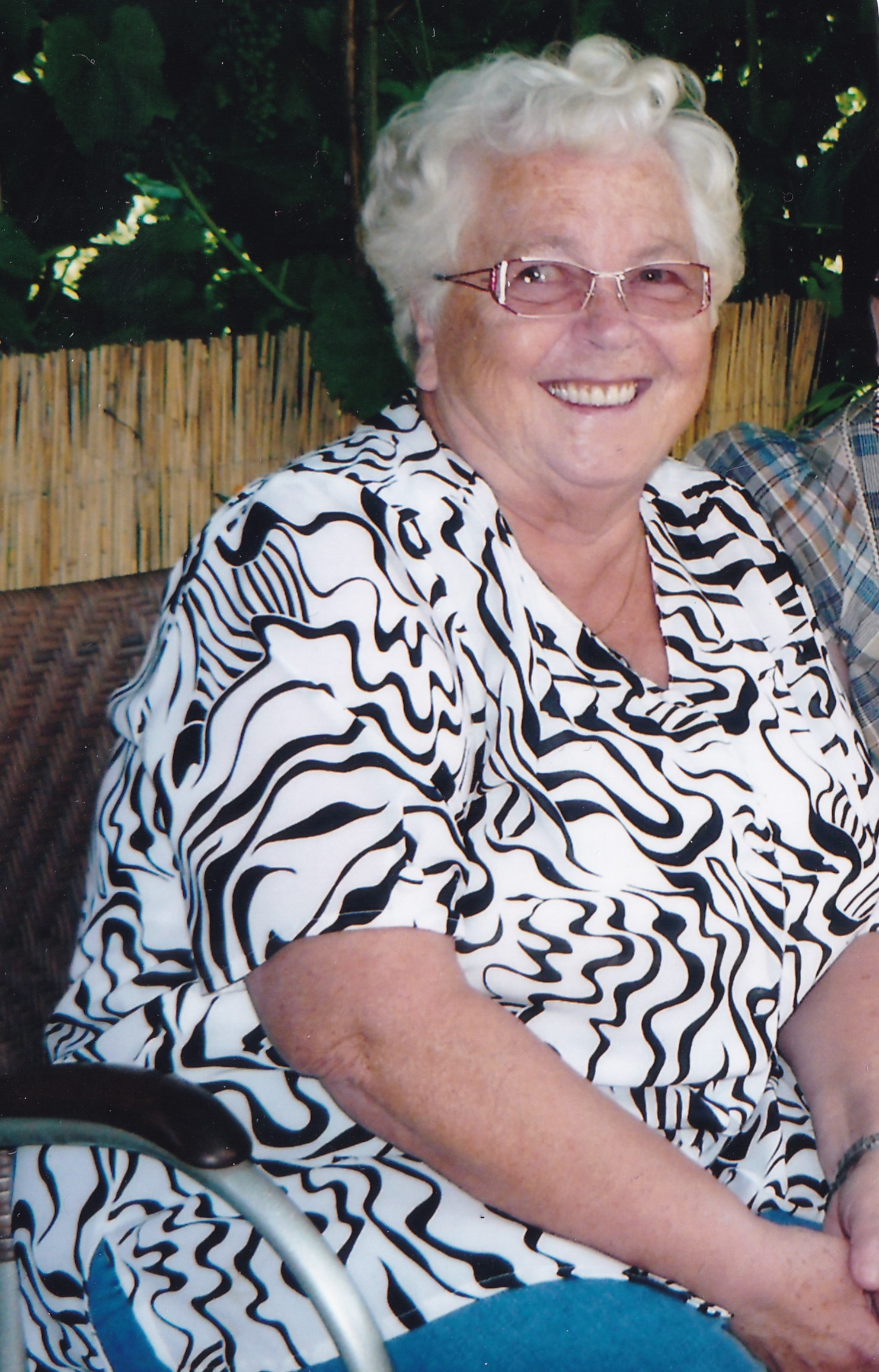
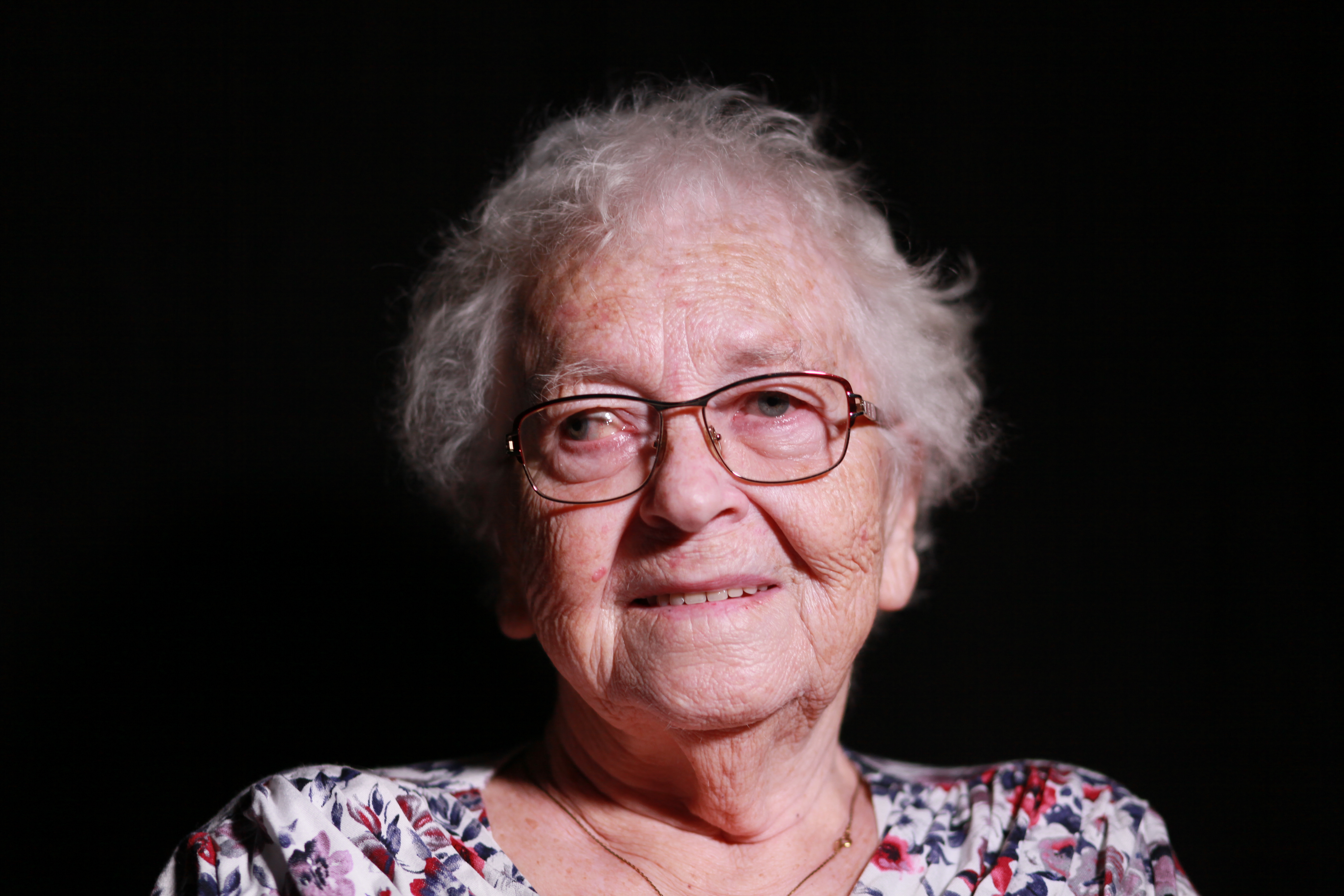
Jaroslava Kovaříková was born on 30 March 1940 in Boskovice to parents Božena and Jaroslav Skoumal. As a five-year-old, she experienced dramatic moments when, at the end of the war, she returned home with her mother and two sisters from a neighbouring village, surrounded by retreating German soldiers. On the last night of the war, when they were sleeping in a neighbour’s bunker, their house was badly damaged by a German cannon blast. After completing her primary education, she graduated from secondary school in Bučovice and took a placement in a special department called Plenipotentiary of the Ministry of Agriculture, where compulsory agricultural supplies were checked. In 1961 she married Pavel Kovařík and they had two daughters, Jana (1963) and Renata (1968). She changed several jobs, worked in Blansko at the fire brigade, then returned to the municipal services company in her hometown. During the normalisation period she failed her background checks, was accused of burning the Soviet flag and disagreeing with the entry of Warsaw Pact troops. She became unwelcome person, had to leave the economic department and worked in jobs that no one was interested in. During the 1990s she was actively involved in the activities of an association called the Club of Friends of Boskovice. Currently (2025) she lives in Boskovice in a flat with her husband.