Naděžda Kantová

* 1940

  • "My sister talked my mom into going to see me during the holidays. So they came at my sister's request, but they didn't let me know. I was going to our place, and they were standing on the road and shouting, 'Nadia, Nadia!' I said, 'What are you doing here?' - 'We came to see you.' They came in, we chatted, and when mum saw the way we lived - really poor - she said we should move to Jihlava. So we did right away."

  • "We were grown by then; I went to the orthopaedist and spoke to her. I told her my dad had been in a concentration camp. When we did something and he came home, he didn't beat us: he literally kicked us so hard I couldn't even sit up. The physician said, 'It wasn't his fault; he should have gotten psychotherapy.' There was no such therapy after the war, and so we took the brunt of it." - "What about your mother, how did she cope?" - "She got kicked too."

  • "Past Okříšky, there is a village called Petrovice, and in between there were fields like there are today with these baulks in between. This is where we would all lay down at the end of the war. The villagers came and said, 'Be quiet kids - if you so little as speak, the Germans will come and shoot everybody.' We hid behind the baulk as cars drove past. There's a gas station now. The cars would stop there and soldiers changed from cars to trucks to make the column shorter, and drove away. Cars and tanks were on fire there; we would lift our heads up and watch it all blow up and burn. It was terrible. I wouldn't want to experience that again." - "Were the burning cars there during the air raid?" - "No, they burned as the Germans were leaving. They set the cars on fire - the Germans - to shorten the convoy. They got on the big trucks and drove off to Jihlava. There were tanks and cars burned down past Okříšky on the way to Jihlava. They set fire to them and drove away."

  • "And when we went to the forest, for example, we were ordered not to collect anything in the forest. That there were such boxes or as oval as eggs. And they told us it was grenades or mines, and if we took it in our hand, we would die, it would explode. How many times had I seen them lying by a tree, but it never occurred to me that I would take it, nobody. Then they went and collected it, like adults."

  • "I was actually small during wartime, and dad was locked up. He was... I was three years old, so they locked him up for having flyers like the Germans and alike. Well, they locked in a lot of people there, like, I remember my mom and I were going to the city, to the village, and watching them being taken away by truck.”

  • "We always ran away or we went to Petrovice in the fields. And there used to be like fields and always large lanes, so we lay below those lanes. And there were more of us from the village. And the adults told us not to say anything else, or else they would shoot us. Well, the Germans left Třebíč, via Okříšky to Jihlava, and they always set something on fire... they got into a truck, for example, and set the passengers on fire. The tanks were burning along the way, it was just banging, we were crouched, we didn’t say a word. And when we stuck our heads out a little, our parents always pushed us down so that we wouldn't be seen."

  • Full recordings
  • 1

    Jihlava, 26.11.2018

    (audio)
    duration: 28:32
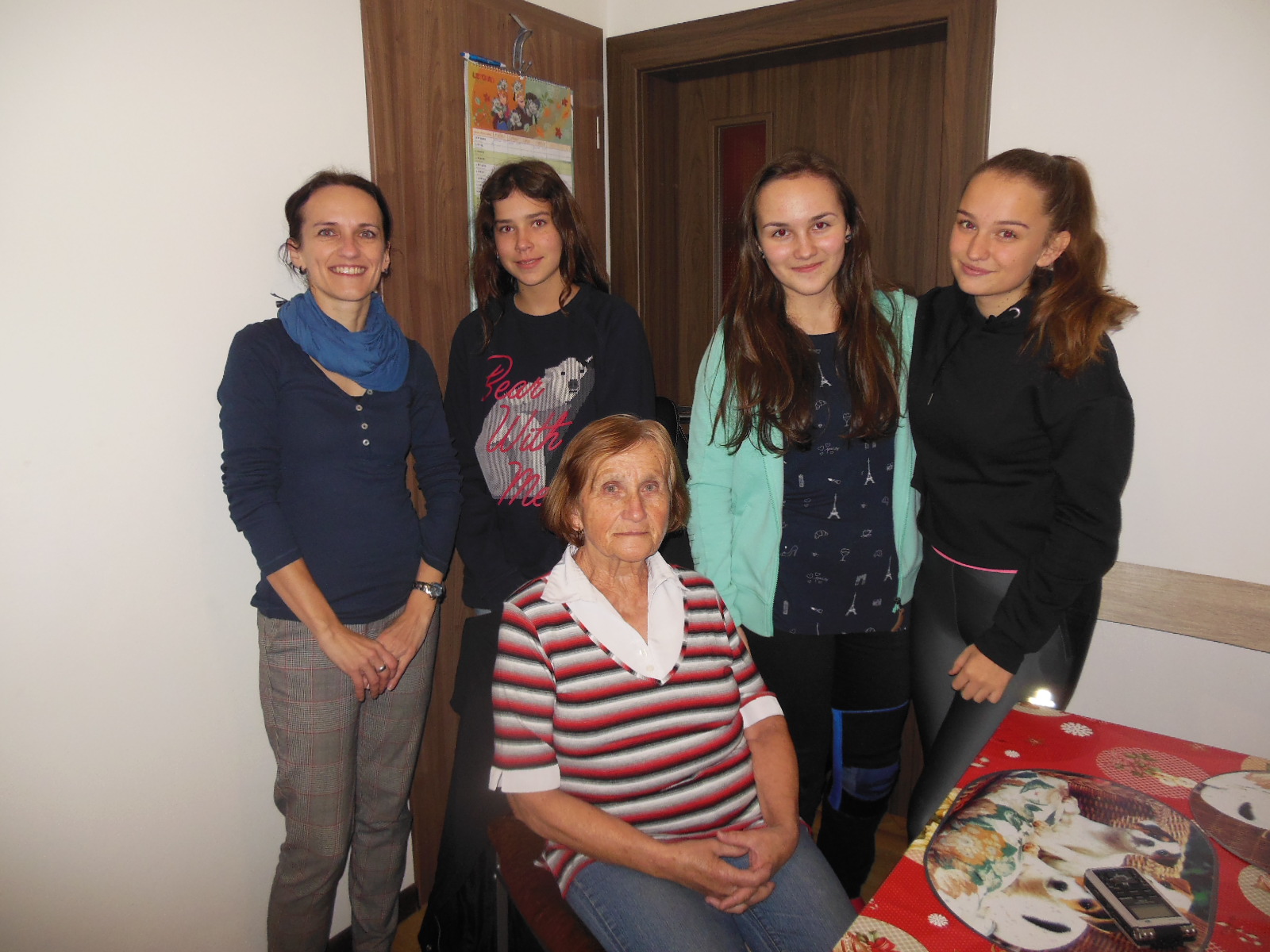
    media recorded in project The Stories of Our Neigbours
  • 2

    Jihlava, 04.07.2025

    (audio)
    duration: 01:11:06
    media recorded in project Stories of the 20th Century TV
Full recordings are available only for logged users.

You never forget the fires, sirens and air raids
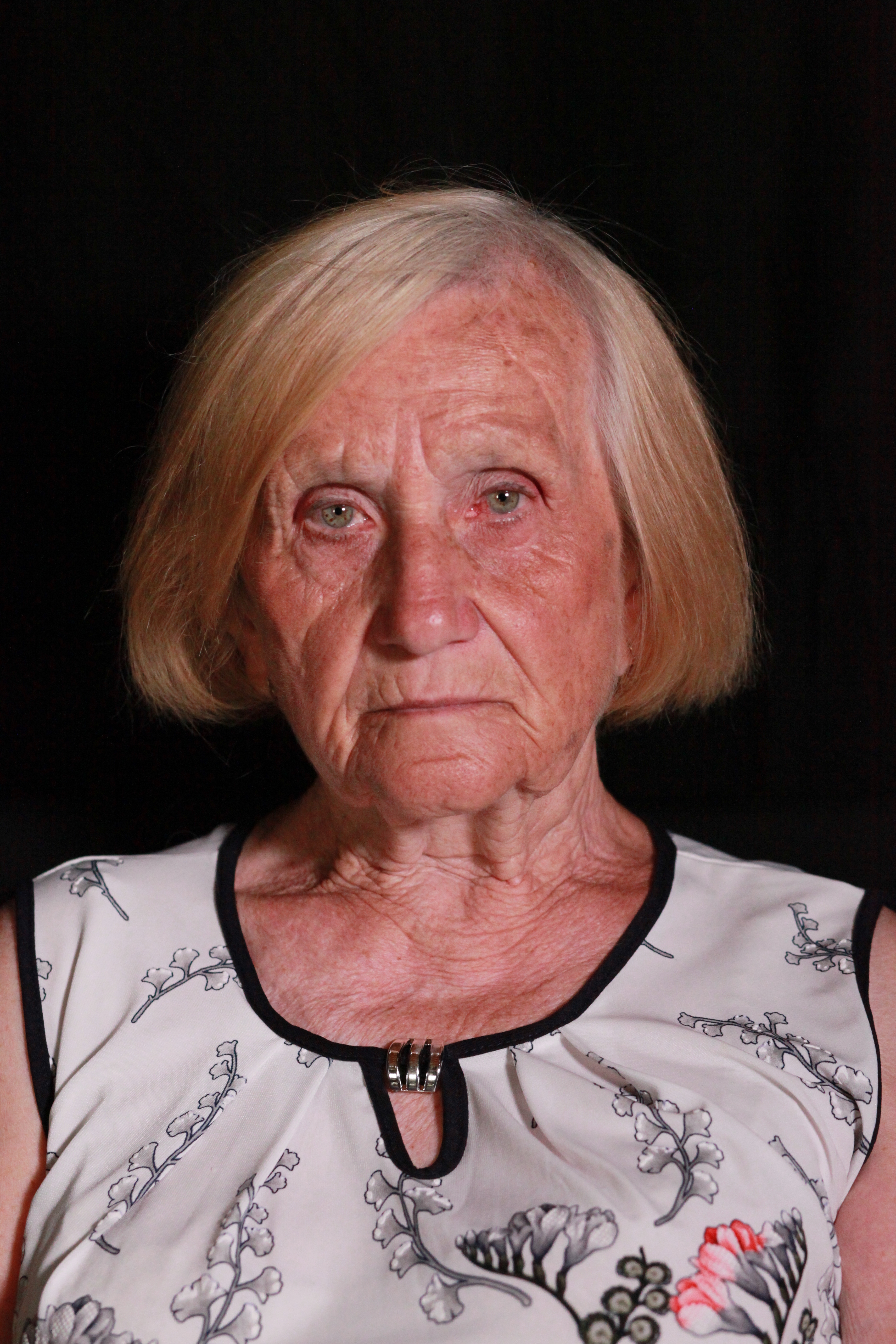
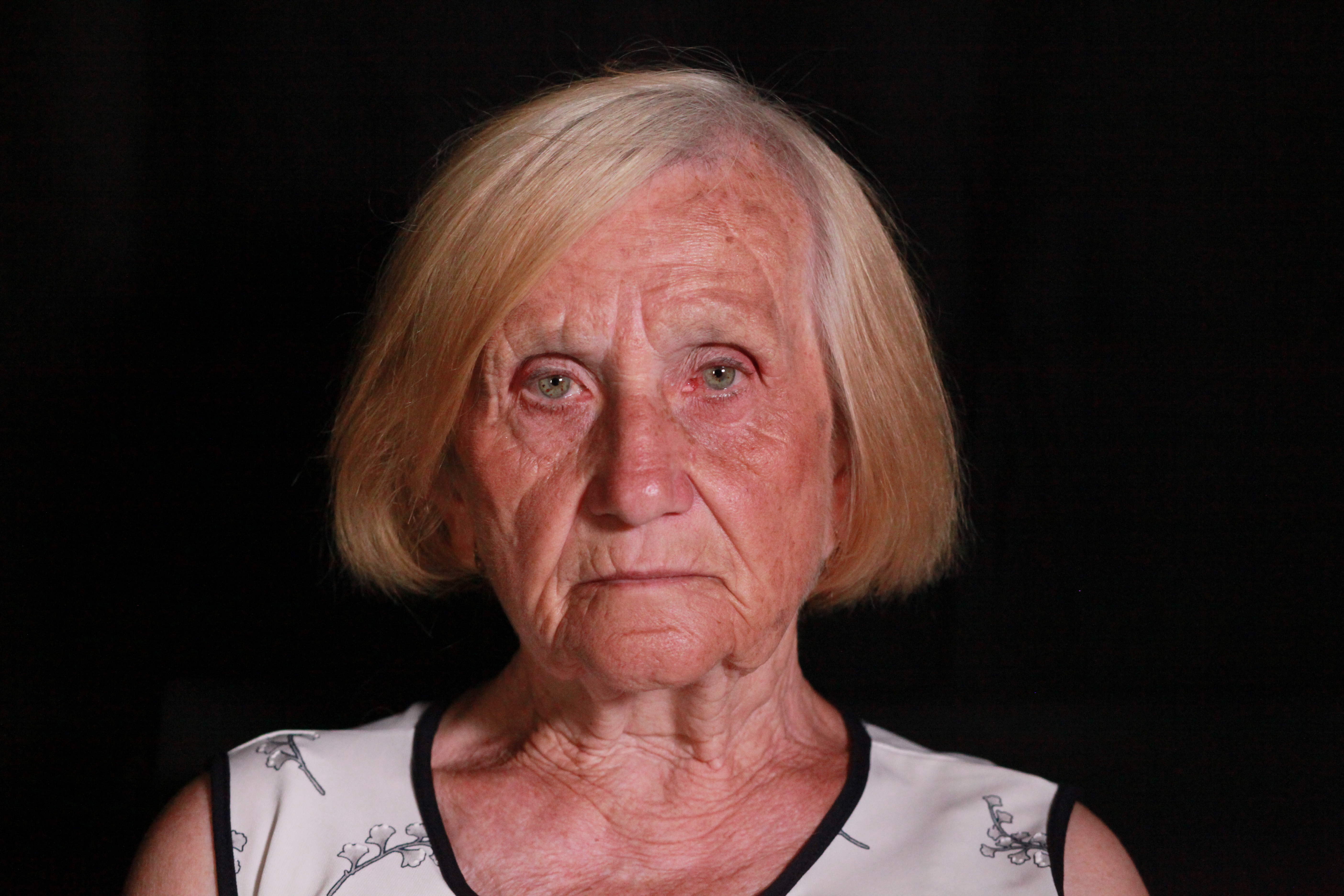
Naděžda Kantová in 2025
photo: Post Bellum

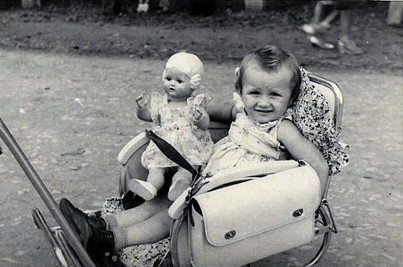
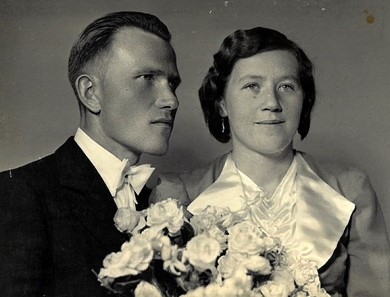
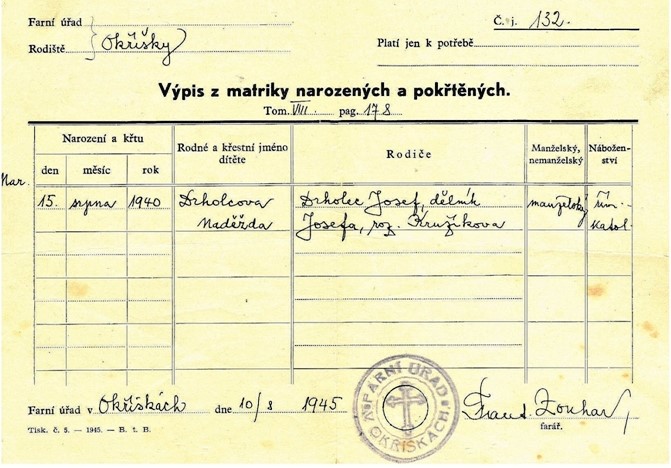
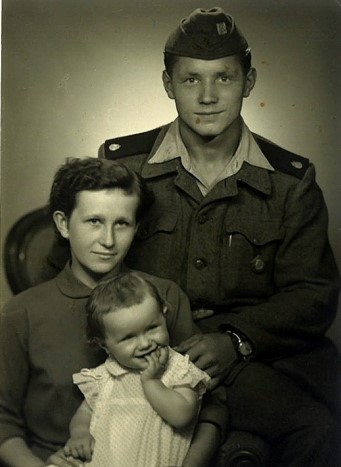
Naděžda Kantová was born in Okříšky near Třebíč on 15 August 1940. Her father Josef Drholec was arrested for disseminating anti-Nazi leaflets and imprisoned in Buchenwald for two years. He came home with tuberculosis and a damaged spine. The witness survived air raids and hiding from German soldiers at the end of the war. Her father’s concentration camp imprisonment affected him mentally and changed his personality. His daughters and wife faced his physical and mental abuse. She started her first job right after completing primary school at age 14. When her parents divorced in 1956, she stayed with her father while her mother and sister moved away. To avoid further attacks, she married in 1957 and had a daughter. She and husband moved to Brtníky in north Bohemia. This is where she experienced a lot due to living close to the guarded state border. Three years later, she moved to Jihlava. She lived in Jihlava in 2025.