Anaïse Kanimba

* 1992

  • “He flew to Qatar and from Qatar to San Antonio, Texas. That´s where our home is. There is a military base in San Antonio, Texas, that welcomes people who were former hostages or wrongful detainees. We were all waiting for him in this room where he was supposed to stay for a couple of days and he door was open and dad came in. When we saw his face, all of us could not stop crying. Tears of joy, tears of relief. We all hugged him. He did no cry. Instead, he kissed each one of us on the cheeks and he said: Dad is home. Dad is home. We will be k. Ad he became dad again. He took care of us and he took us in his arms and was comforting us as we were all crying, happy to see him, relieved that he is free, relieved that he can relive and start his life again. He looked old and tired. But he was still our dad. Just as usual. When we were crying, when we were sad, dad always hold our hand and stroke our cheeks and said: It will be ok. He did the same thing. As if we were the ones who were coming back home and not him.”

  • “It changed my life. Those two and half years changed my life. At the end of the first week, I had to call my boss and let her know I will have to take some time off and I didn´t know when I would return to work. I thought it would be two months, but after two months, dad was still not back. I had to completely stop my job. My sister also had completely stopped her job, we were working day and night. Day and night, for his release. E-mailing anybody who could respond to us. Asking anyone who could help us. Everyone in our family, we were all the time on the computer, e-mailing, trying to have meetings with people who could have some kind of influence. But the most important is that we knew that we had to stay united as a family. Because if us as a family were not united and would not support each other, that meant Kagame had won. That meant he had broken us. The biggest pride of my father was his family. So we wanted to keep that. We supported each other, we helped each other financially, when one wasn´t working. My oldest siblings were helping me pay for rent. My sister was in our home in Belgium, so she didn’t have to worry about it. We tried to find ways to help each other. My aunts moved with my sister so she wouldn’t be alone. My cousins moved with my sister so she wouldn’t be alone. The most important thing was we needed to stay united.”

  • “This is the story he told us. When they opened the door of the plane, military people came in right away. And they took him, they grabbed him by force. He was screaming: Rusesabagina is here, Rusesabagina is here! In the hope that at least one person who was working in the airport or on the tarmac would hear him and could note that he is alive. Because no one knew where he was. They could have killed him right away, they have killed people like that. They have taken people, disappeared them and you didn´t know where they were. You looked for them for years and years and then you realised they had been killed. But for him, he was spared. They wanted to make him an example to the rest of the Rwandan community both inside and outside the country, that if they can get Paul Rusesabagina who is believed to be protected by the Americans and is such a public profile, if they can get him, then all of you guys will have to shut up and follow orders of Kagame. In those three days form August 27 to August 31, my father was in a ´safe house´. That´s what they call those places in Kigali. The safe houses are actually torture houses. For those three days, he was in the dark. He was beaten up, he was… horrible things happened to him over there. And on the 31st I woke up to the media… Actually, a friend called me that something happened… Actually no, my brother called me first and I didn´t pick up. He called my sister, she didn´t pick up. And he called again. It was like 6 a.m. in the morning. My brother Tresor, why is he waking me up at 6 a.m. on a Monday morning? I picked up the last call and he said: They have dad. And when he said that they have dad, I understood right away, what he meant.”

  • „My dad cared a lot about education, he put us in a school called Collège Saint-Michel, which is in the city of Brussels, it was a Jesuit school. We were among the few black students there, it was a Belgian school. In Rwanda, we went to international school. I was accustomed to different kinds of people, but this was a bit different. In this school, people looked at us differently. And the school actually knew about me being adopted before O knew. My parents discussed all this with teachers. And it was the school that helped my parents to find the courage and strength to tell us the truth about our biological parents. They said that of we grow up thinking that we have these parents and an outsider tells us the truth, it could affect us greatly. It was better for us to know the truth earlier rather than later. You can imagine how hard it was for Tatiana to tell me that she´s not my mother. To tell me the man, who is my father, is her brother who died. Just six years after the genocide. It was still so fresh. She lost her mom during the genocide as well. Ton talk about it with the kids was very hard. Nut this Jesuit school helped them a lot. Despite these difficulties, we were quite sheltered as kids. We knew we were immigrants. Dad told us that every time we come back to our house, we were back in Rwanda.”

  • “My aunt was living with us at that time, she was around 24 years old. Her name is Dorothée. She was in the house and she is the one who told me what happened. The war erupted. The day after we decided to go to a church, there was a plaza near where we were, in a different neighbourhood. Fifteen to twenty minutes away. But it felt like far away, because everybody was leaving. And people didn´t know if it was the Tutsies who are being killed, or the Hutus. Because we all lived together when the genocide happened, it happened during a civil war. Sometimes people forget that. All neighbours and our family, we all went to this plaza, Hutus and Tutsies mixed, and the military people told us to line up. We lined up, thinking they will bring us somewhere to refuge. Instead, they started shooting people, who were Tutsi. Everyone ran. And while running, that´s how they hit my father and he was killed on that day. Me, my mum and sister and aunt, we went back to our neighbours´ house. Then we released, they were looking for Tutsies, not Hutus. Our Hutu neighbours were ok. Because we lived all together, they were trying to protect us. When they would hear that a group of people were coming to our area, they would hide us. For the next three weeks, we were living in hiding, with my aunt, my sister and my mum.”

  • Full recordings
  • 1

    Praha, 13.10.2025

    (audio)
    duration: 02:14:33
    media recorded in project Memory and Conscience of Nations
Full recordings are available only for logged users.

Two and a half years of campaigning for my father’s release from the Rwandan prison changed my life
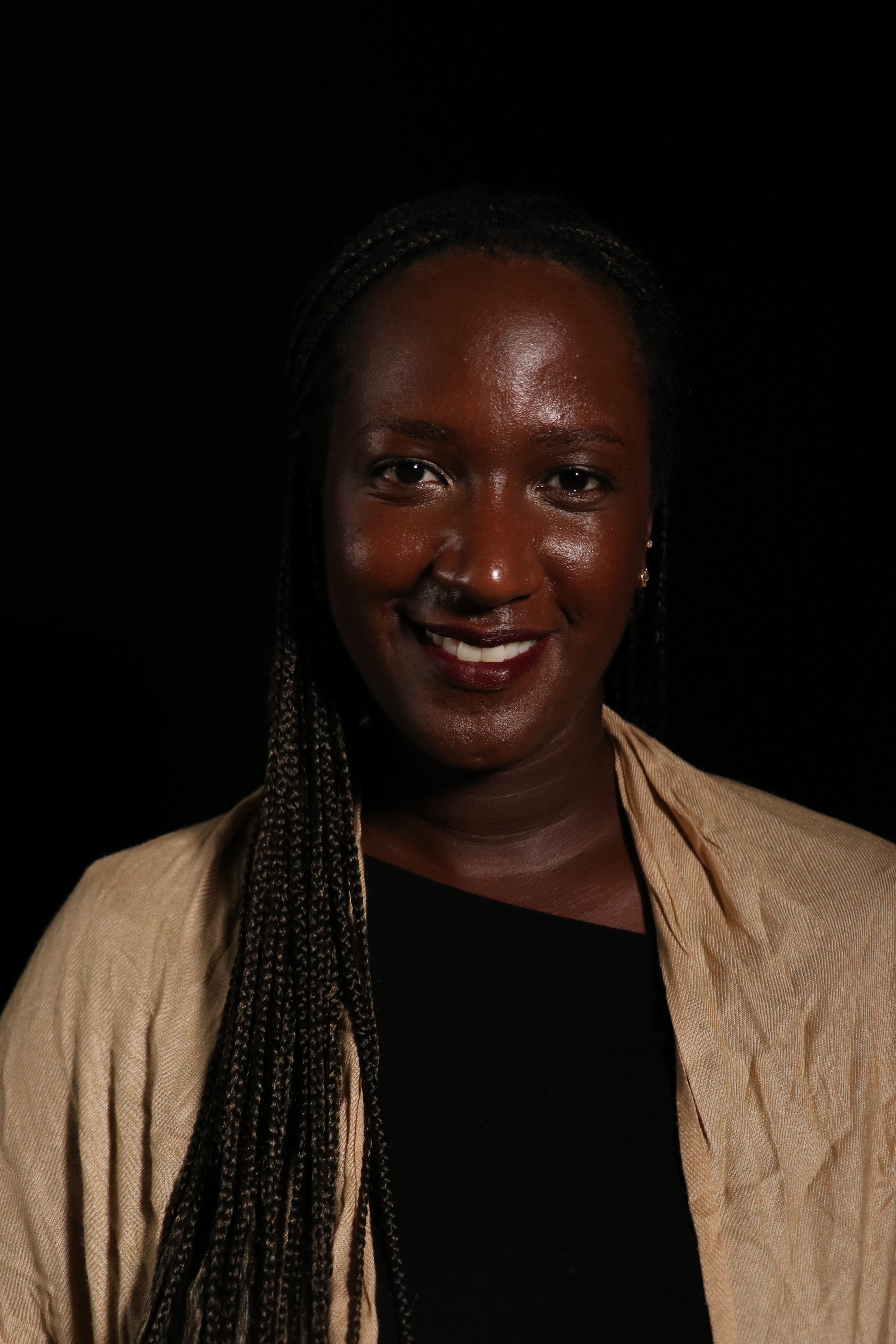
Anaise Kanimba, Praha 2025
photo: Natáčení

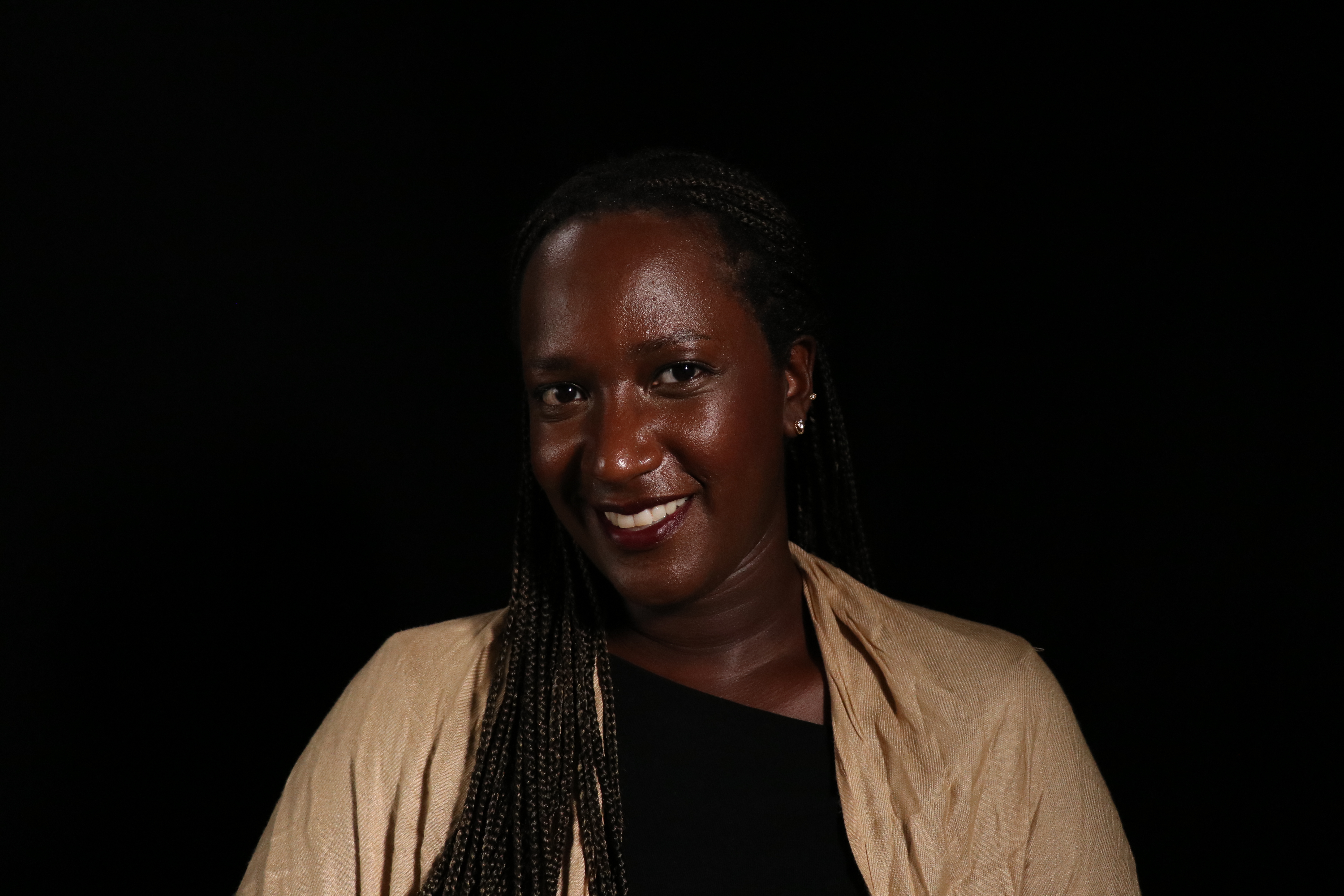
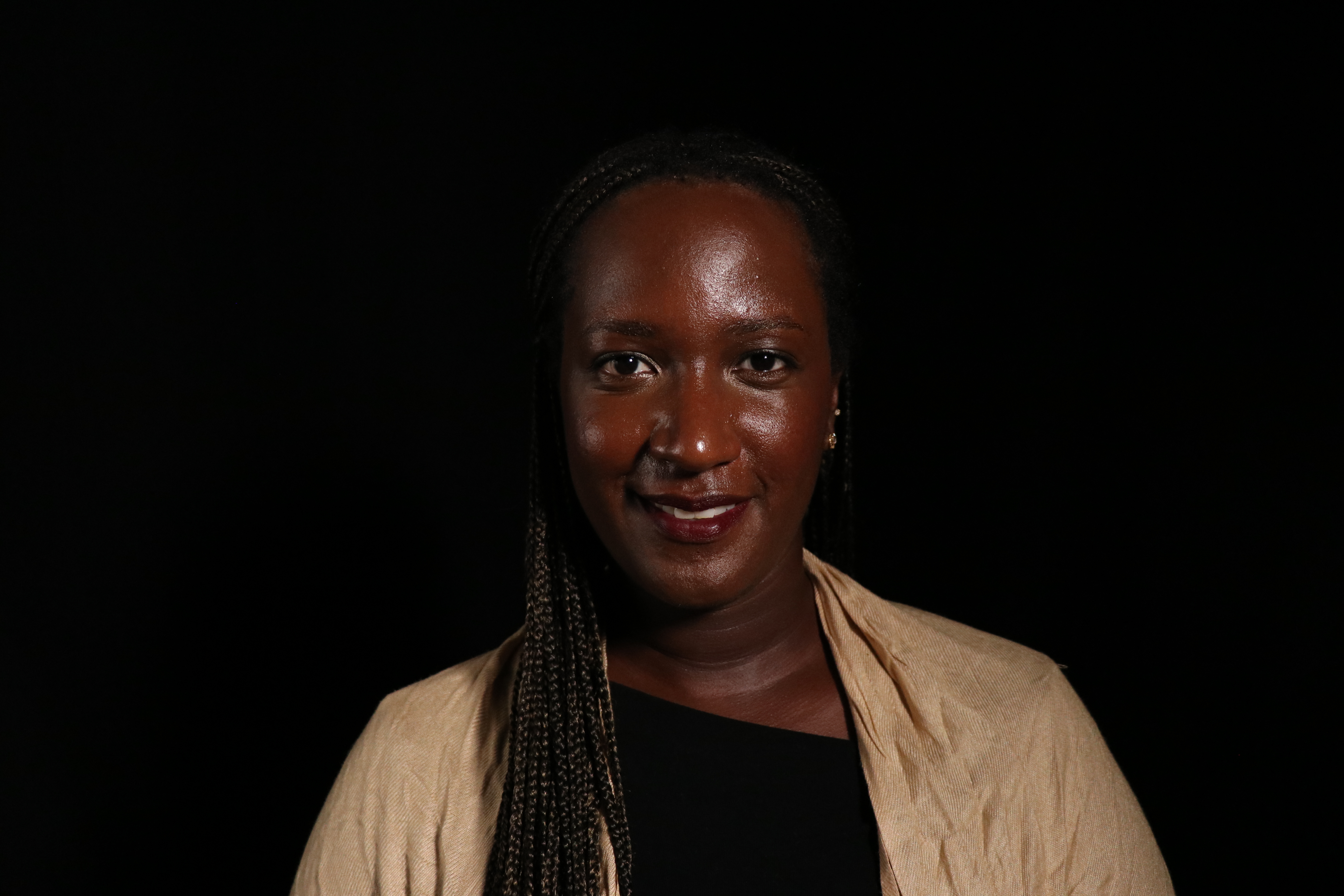
Anaïse Kanimba was born in 1992 in Kigali, the capital of Rwanda. Her parents were among the victims of the Rwandan genocide, but she and her younger sister Carine survived. They were adopted by their closest surviving relatives, Paul and Tatiana Rusesabagina, known from the film Hotel Rwanda. Paul Rusesabagina, as manager of the Milles Collines hotel during the genocide, selflessly saved hundreds of lives by providing them with refuge. After the war, however, Rusesabagina, a staunch democrat, fell out of favor with the new president, Paul Kagame. He managed to flee to Belgium, where his family moved to join him. Anaïse grew up there and it was there that she learned the truth about her parents. Later, she and her sister went to boarding school in the US, where she still lives today. She is a graduate specialist in humanitarian aid and African studies. Her uncle and adoptive father, Paul Rusesabagina, ran a foundation to help Rwandan orphans and, even in exile, continued to criticize the autocratic tendencies of the Rwandan president. In August 2020, he was kidnapped by trickery and flown to Kigali, where he was imprisoned and tortured. Anaïse and Carine became the driving forces and faces of a massive international campaign for his release, which fortunately came to a successful conclusion after two and a half years. Today, Anaïse Kanimba is active in the field of human rights and assisting the families of political prisoners. She visited Prague at the invitation of the Forum 2000 Foundation, to which we are grateful for arranging the interview.