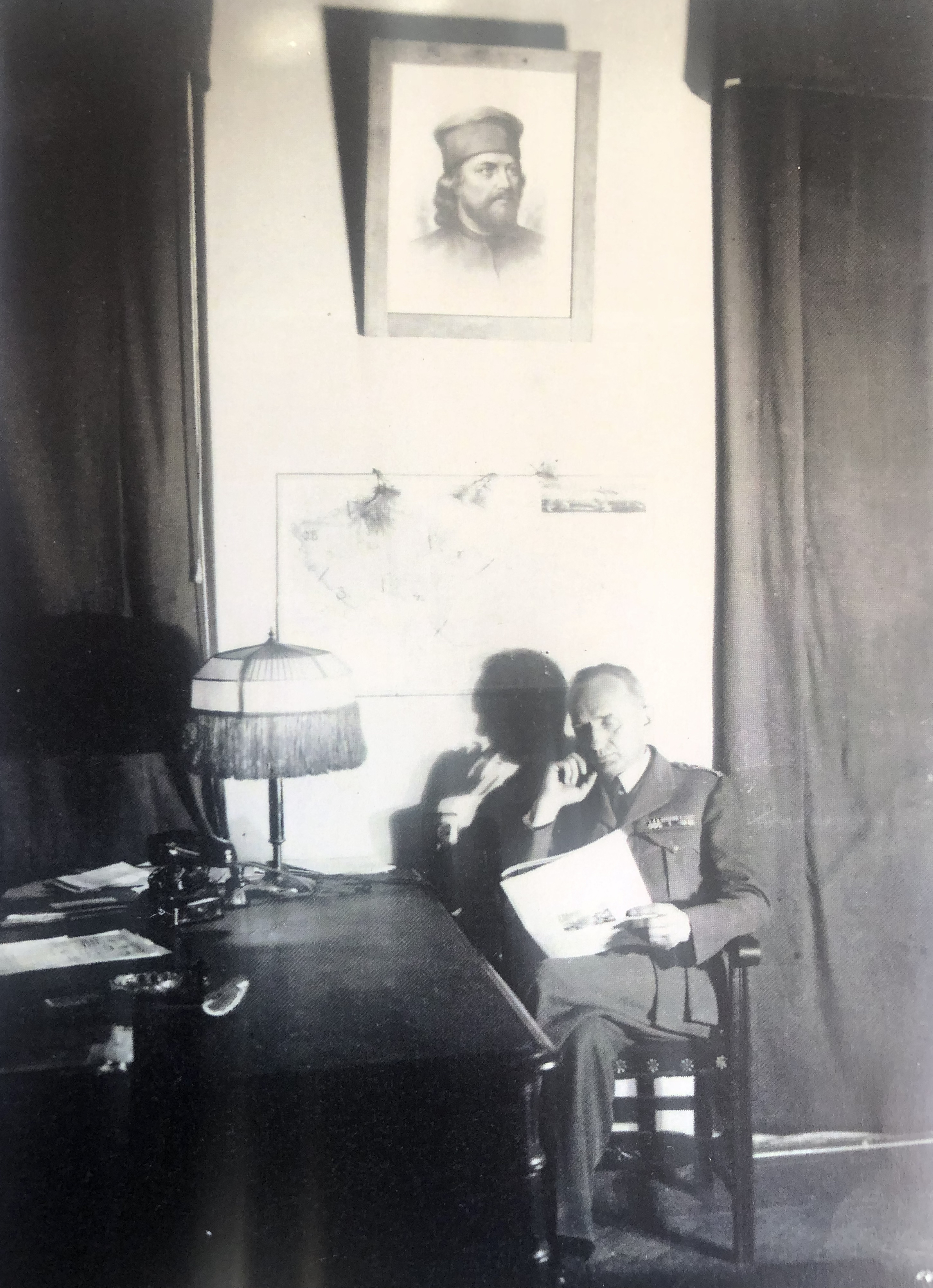
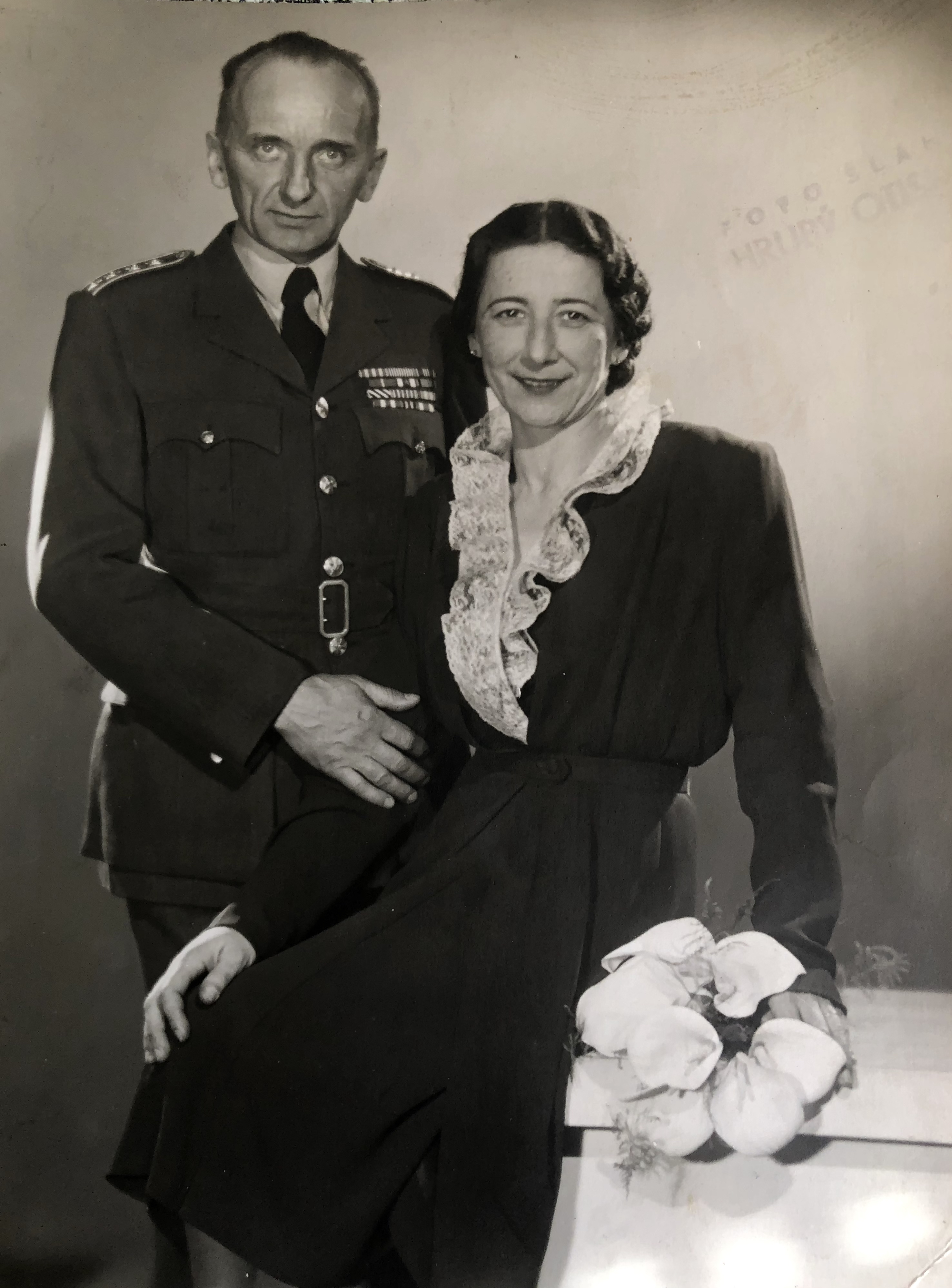
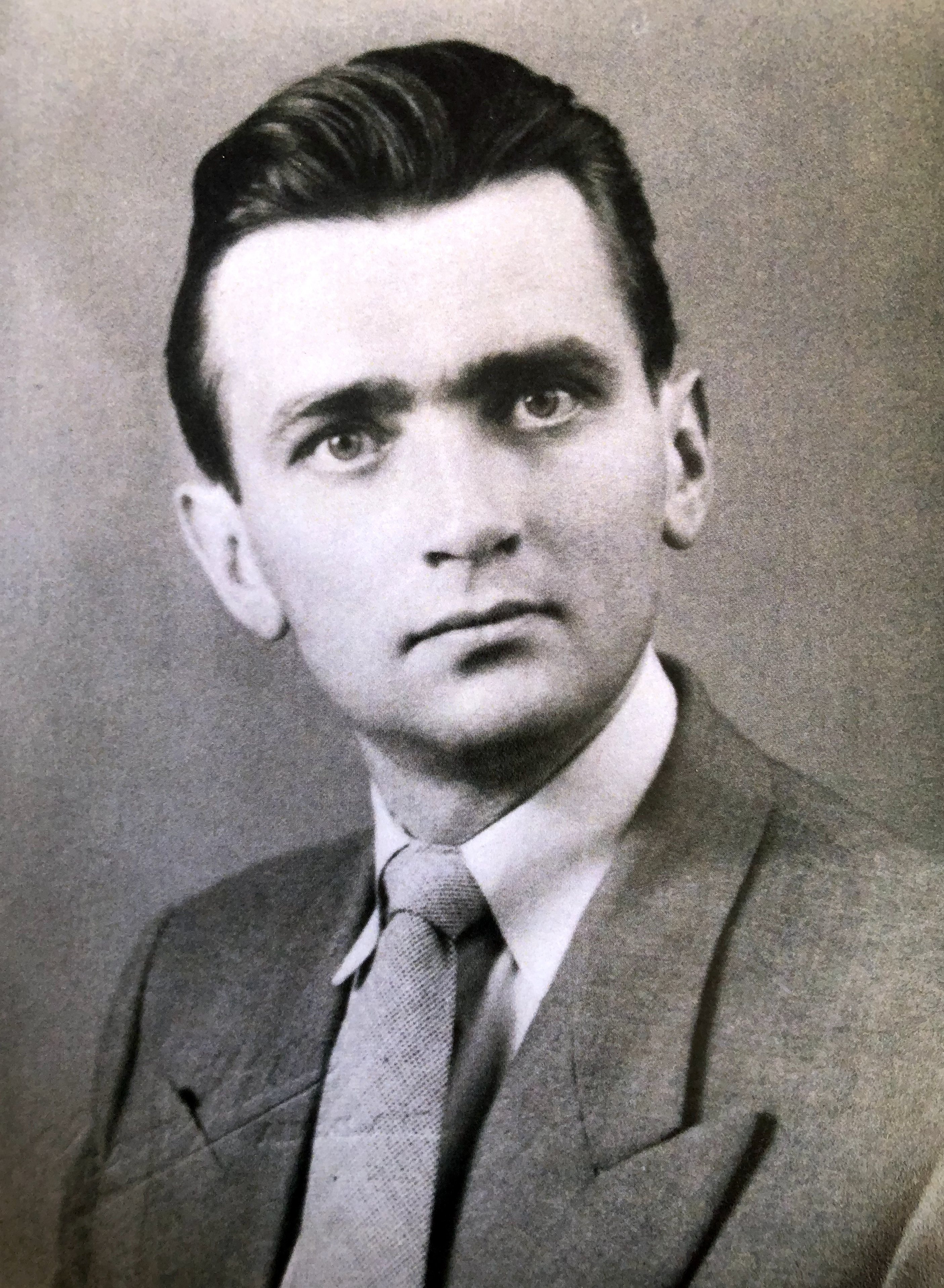
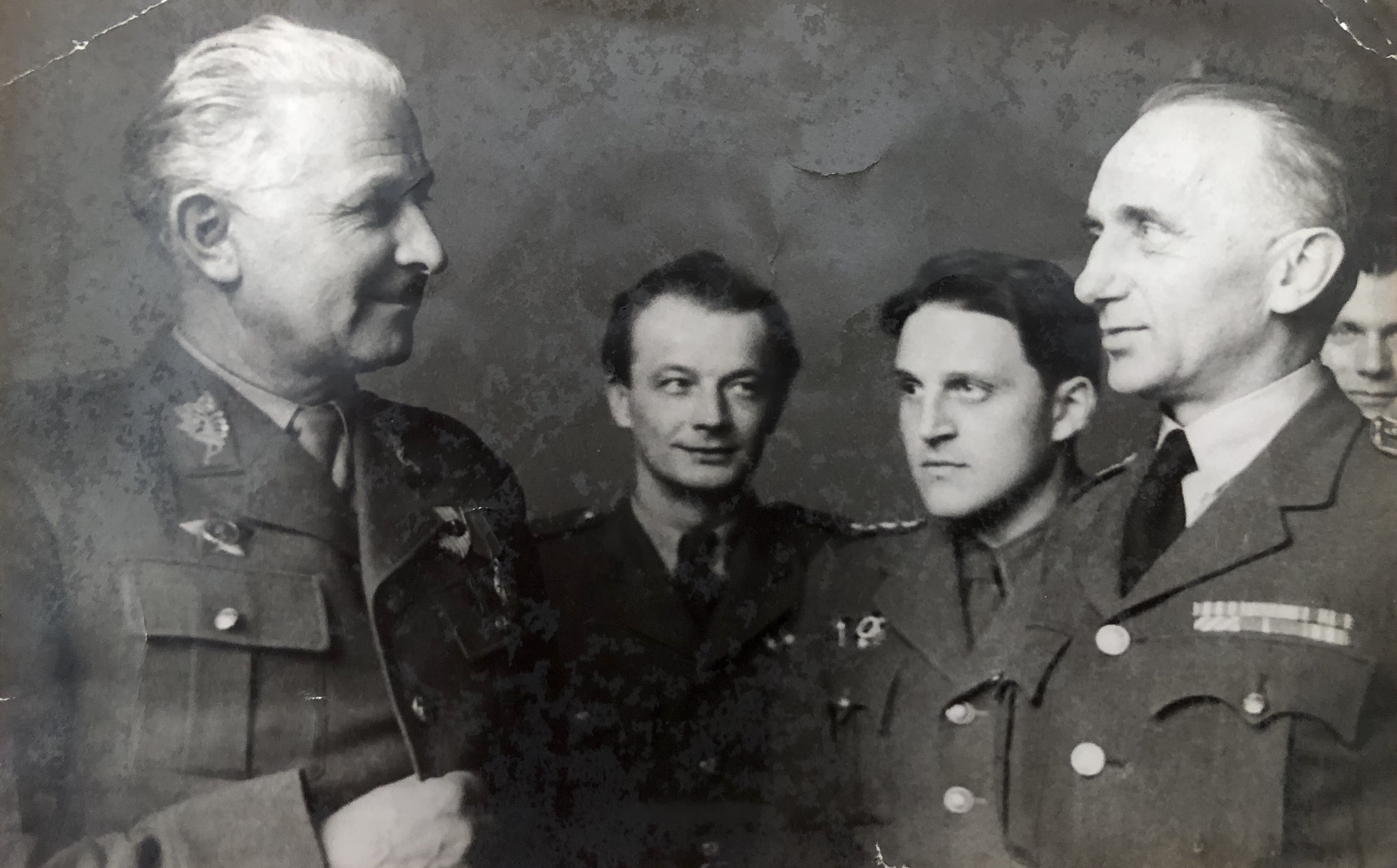
"First he was a deputy to [Heliodor] Píka, then he was a military attaché [in the Soviet Union]. The powers-that-be likely didn't like him very much because he was supposed to have Stalin's image hanging on the wall, and dad hung Master Jan Hus on there. He was a fan - Žižka and Hus were his heroes from his youth. When a committee came in and asked him who he was, he told them he was a man who died for the truth. He didn't come back from the Soviet Union until 1946, and only then were he and my mum able to get married."
"My dad worked at the ministry. One day, he came to the office and found an application for the Communist Party on his desk. General Svoboda was the Minister of Defence at the time; they knew each other from Russia. Dad called him and asked him what to do; he wasn't signing it under any circumstances. General Svoboda advised him to apply for retirement. So dad did - he was old enough, he was past 50. But... he got his pension, it was granted, but then he was branded an enemy of the people and it was withdrawn. Brother Karel contributed to that by being abroad. We knew nothing anything about him but nobody believed us. We only heard from him when dad was in hospital in Motol. Before he died, Karel found out from a friend, I guess; I don't know."
"When my mother saw the film [Assassination] about our paratroopers on TV, it gave her a nervous attack. She realized she knew all those guys. She said it was terrible. She used to get food for them; she went to Moravia to farm people she knew and used to go to them for eggs, meat and butter. She carried it in suitcases, which wasn't very safe. They caught her in Brno once and took her to Špilberk where she spent about a week there in the company of Germans. When she came back she had like four teeth knocked out."
"The flat in the castle, those were unheated rat holes. We only heated one room because we wouldn’t have been able to heat both rooms and buy coal. Just in the winter, we burned sixty quintals of nut coal and thirty quintals of briquettes in just one room. And we even went to my grandmother’s in Prague for Christmas. The day before Christmas Eve, my mom packed the coal. We arrived after three days, and we had frost on the walls and water in a bucket frozen to the bottom. It was a horrible apartment. We had to carry water from the square because it wasn’t supplied there. We carried coal up from the cellar, that also gave dad some extra work."
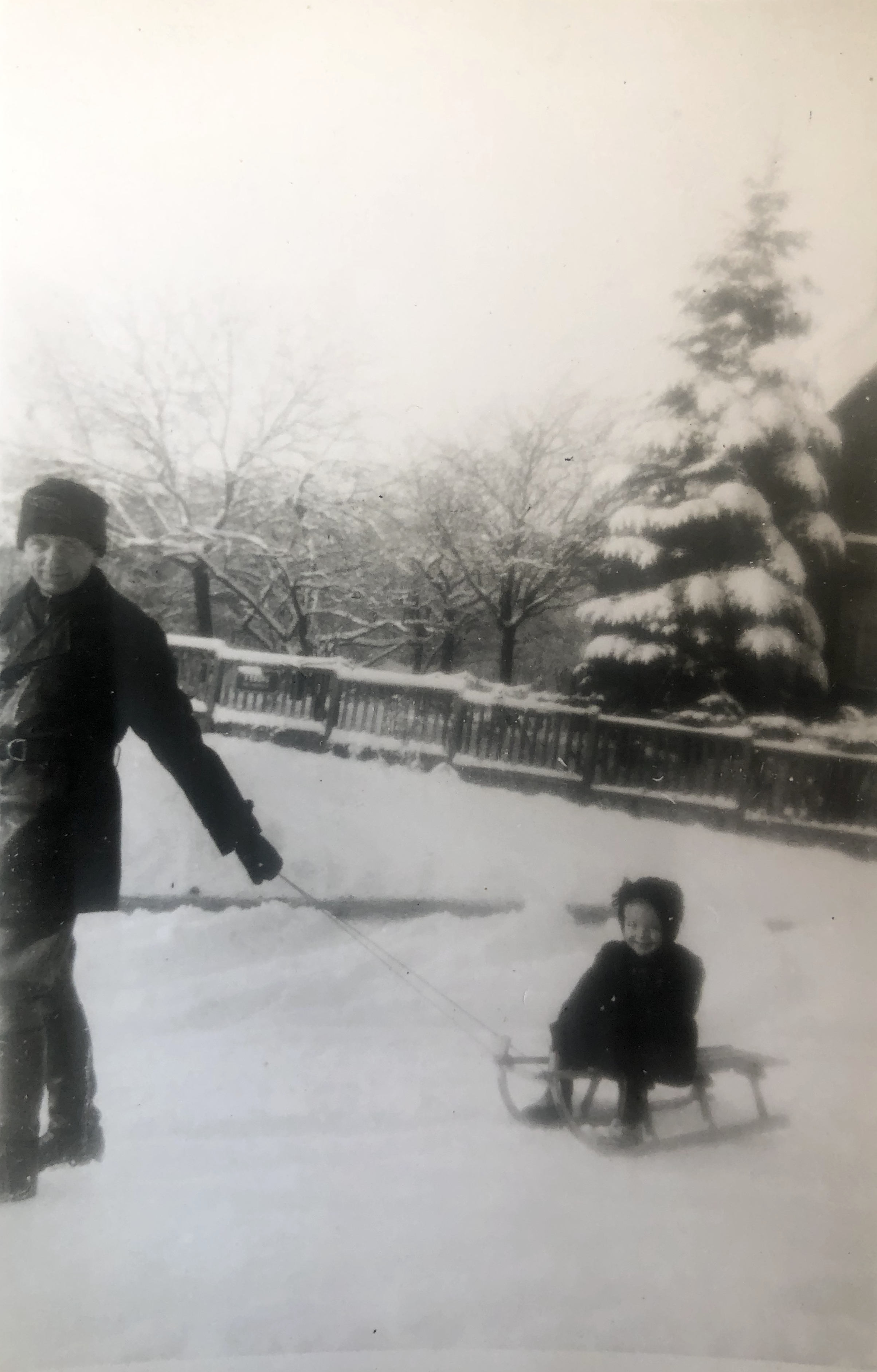
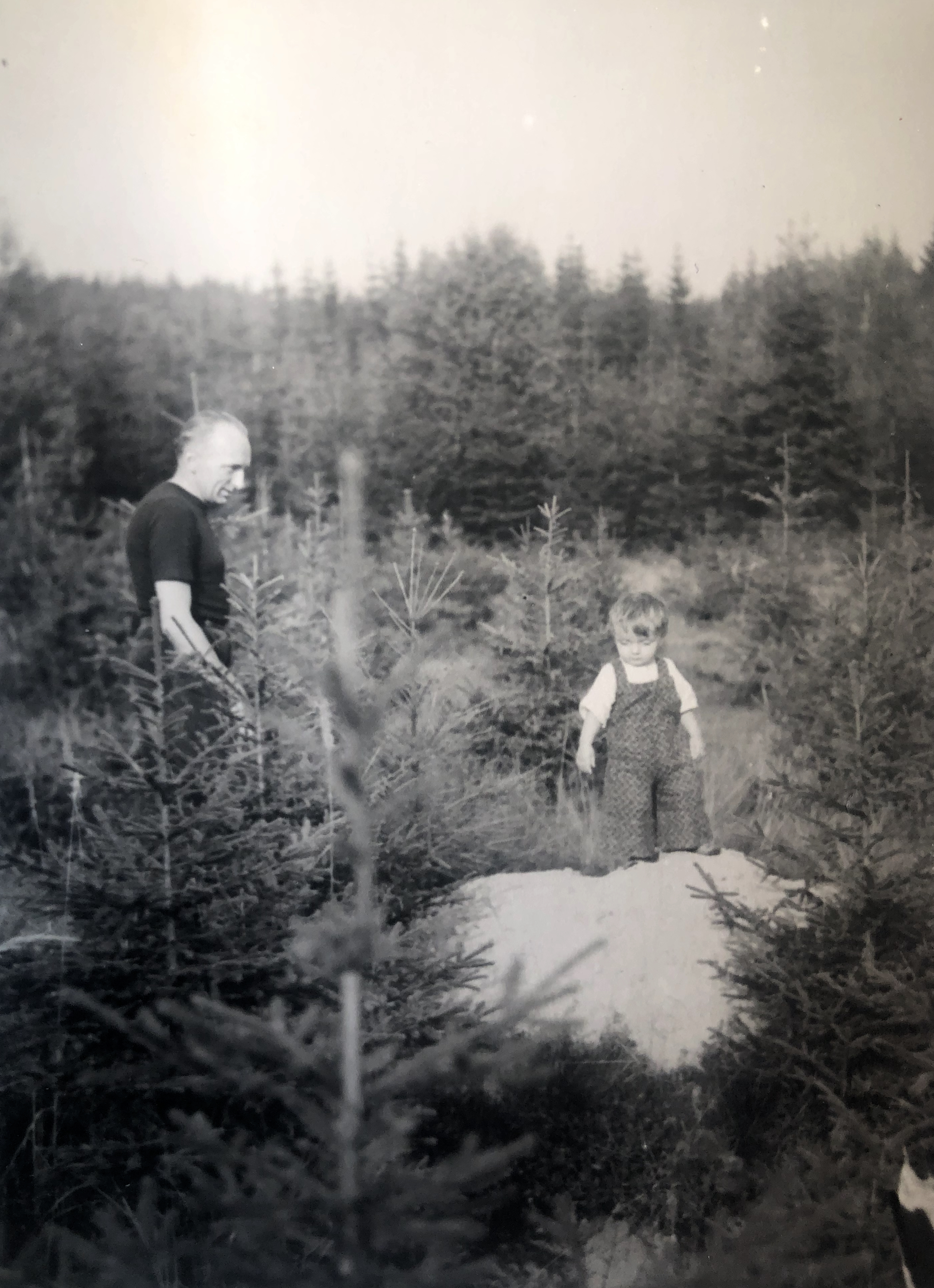
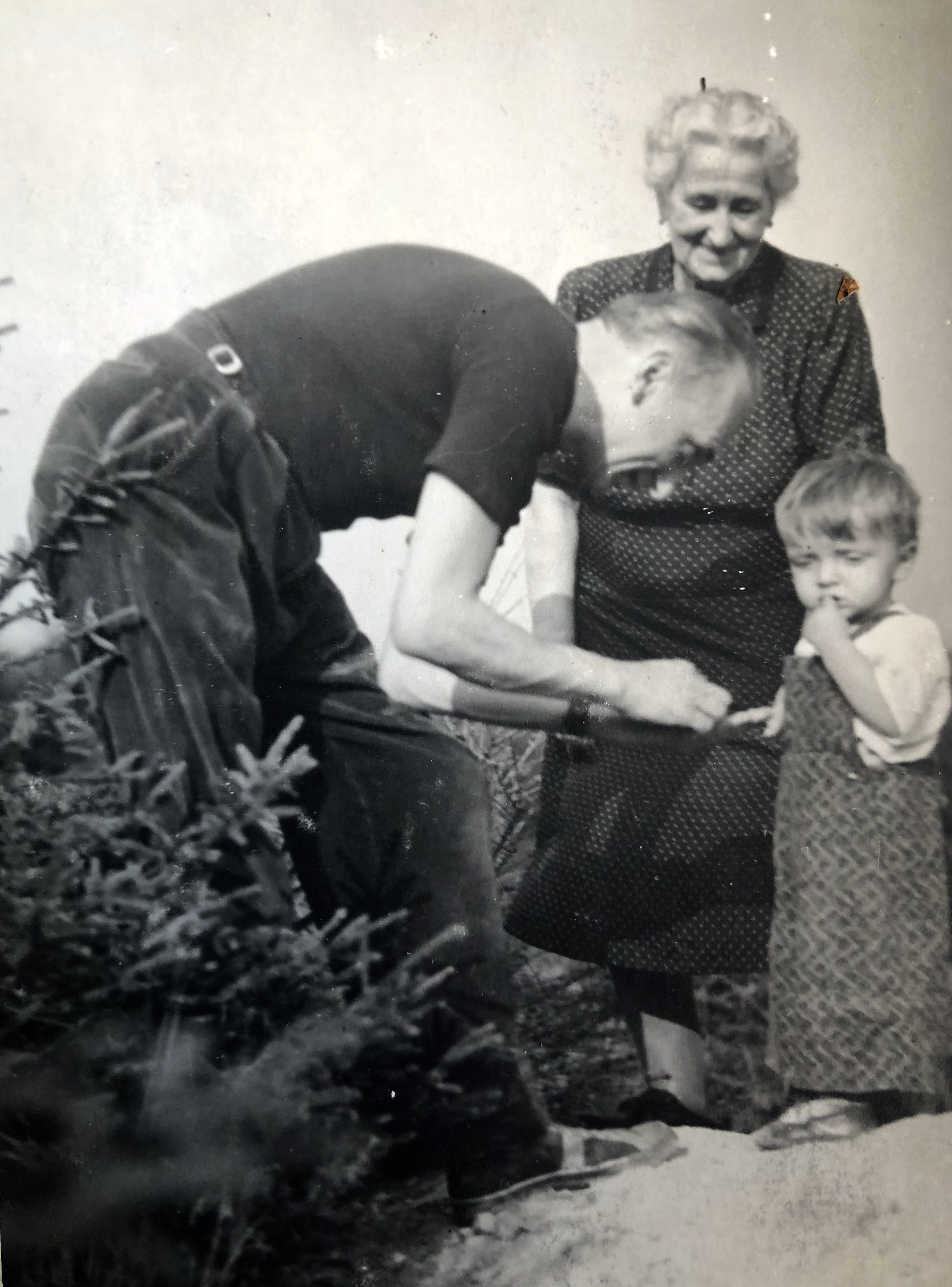
"I remember him as more of a person who loved animals and I never heard him complain about anything in his life. He was an awfully nice guy. He would come into the woods with me in the winter, teach me how to ski and skate. He'd walk in the woods with me, teach me to spot animal tracks. Or we'd go skiing. There was a little hill near the forest, so he showed me where to go. And at the edge of the woods, he'd build a fire and I'd ride down the hill and pedal up. And he'd toast me bread, spread it with goose fat, and I can smell it when I think of it. Those were great memories. Or in the summer we used to go swimming for a whole day, he had a car - a Minora two, so we used to go to Klimětice, where there was a beautiful pond. There he taught me to swim again."
"My brother said he was going to Horažďovice to visit mother for the holidays and he and a friend had escaped through Germany. In the refugee camp they got an application form, got to New Zealand and got married there. He married a Czech girl. They moved to Australia, but we didn't know about him at all. Of course, that didn't help my dad either. First he was in detention because of General Píka and then again because of his brother. Eventually, his pension was confiscated by order of General Čepička, and we were evicted. It was his chauffeur, Janota, who invited him to live in a castle in Kosova Hora. Fortunately, there was a good doctor there, because dad was going to work in the mines in Jáchymov. Dr. Kott and Chief Kareš from Sedlčany from the internal medicine wrote him a recommendation that he was not healthy and he was going to work only for the state farms. First he rode with oxen and then with horses."
"When he died, my mother wasn't even allowed to put his uniform in his coffin. He told my mother in the hospital that he wanted an air force uniform in the coffin, but she had to cut off the gold buttons, the spacers, everything. There wasn't a single gold button at the funeral. There was no one there. They were Kosovars from the tractor faktory. The guys there loved him so much, so there were people from the farm, from the tractor factory, Kosovars, relatives, otherwise everybody was afraid. Even though my mother put an announcement in the newspaper that my father had died and when the funeral would take place."
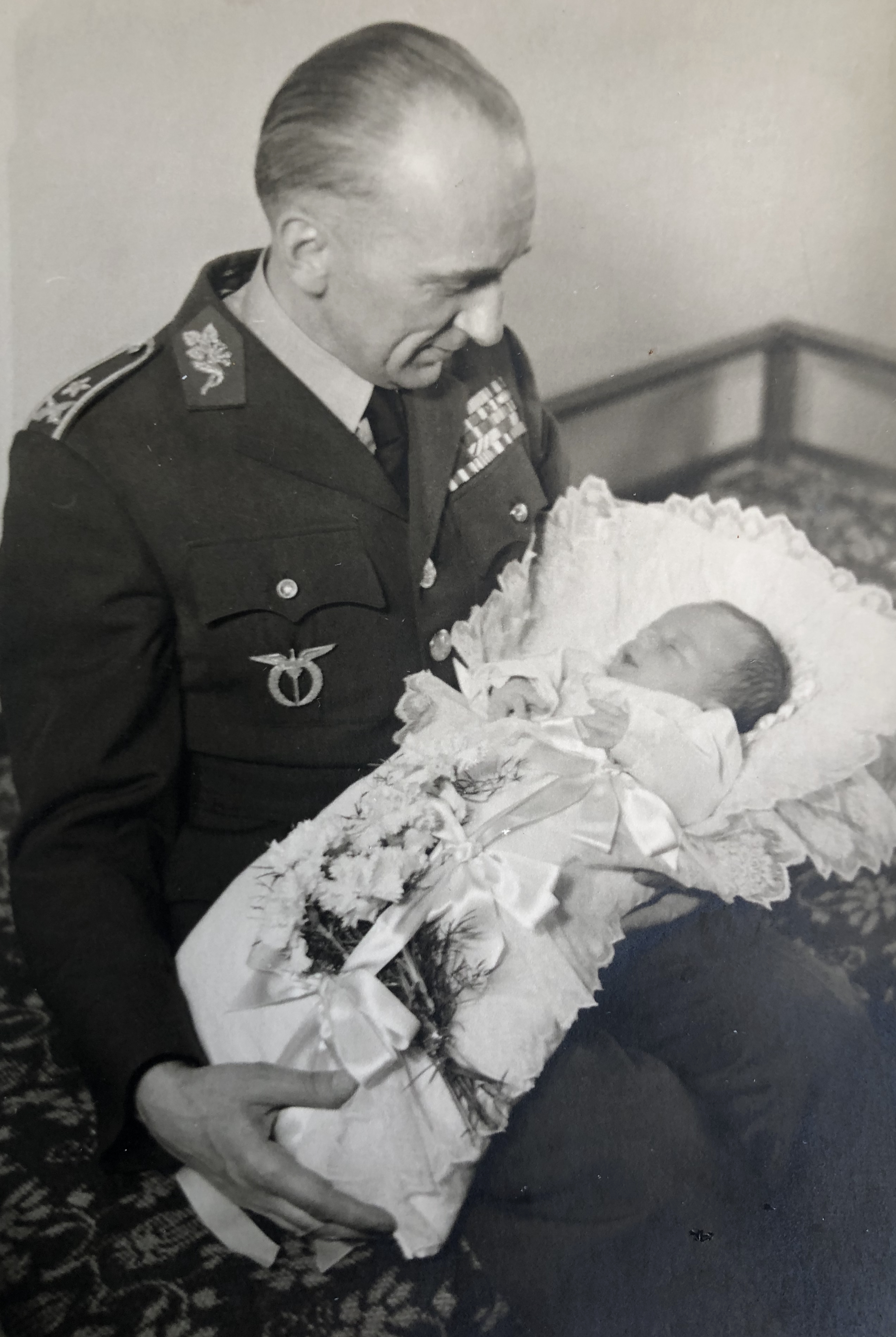
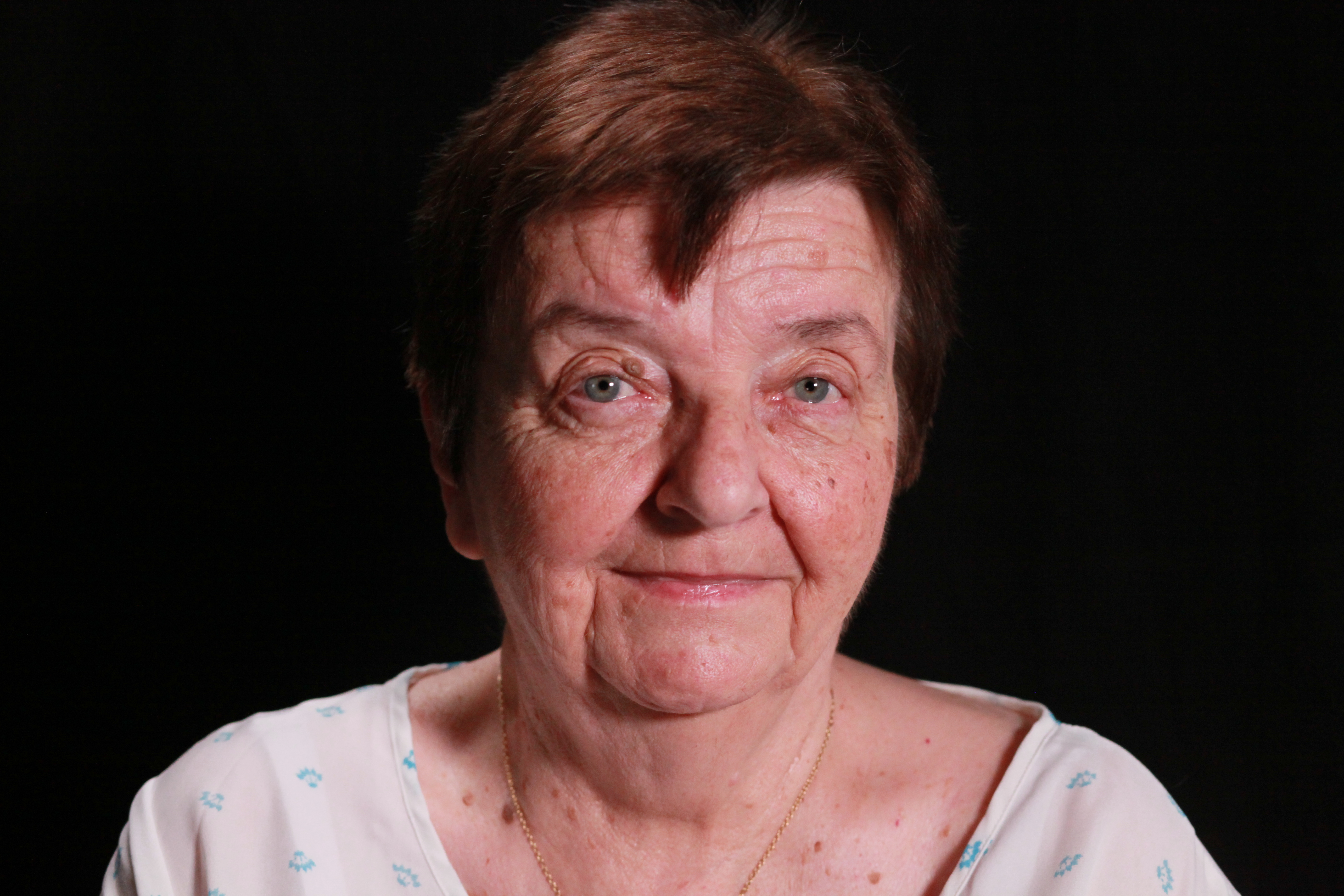
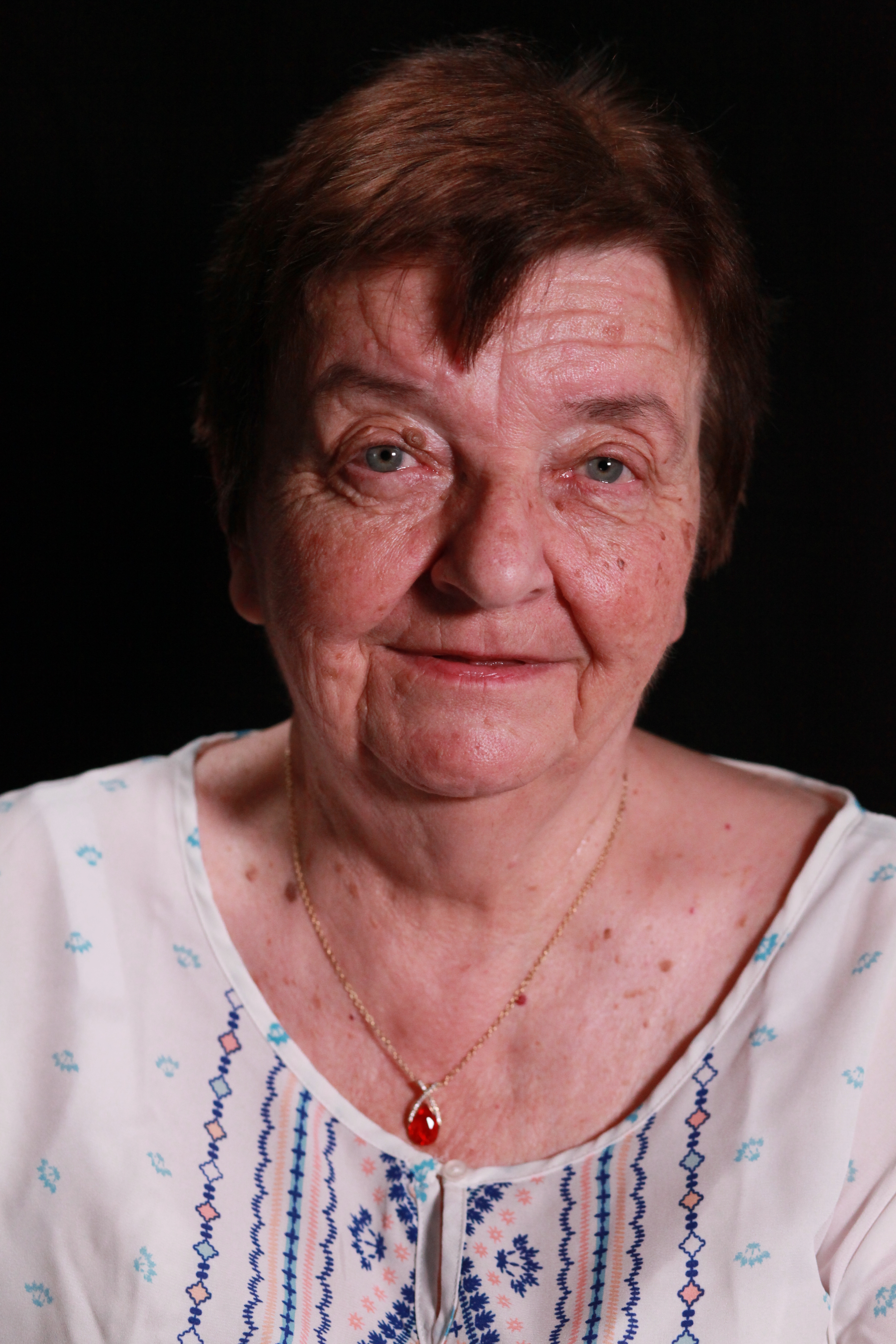
Dagmar Jungmannová, née Marešová, was born in Prague on 14 March 1947. Her father was Karel Mareš, Brigadier General and the first commander of RAF 311th Czechoslovak Bomber Squadron who fell victim to communist persecution. He was arrested soon after February 1948, first in connection with General Heliodor Píka’s mock trial and then due to his son Karel leaving the country illegally. He retired at his own request in 1949 and received a disability pension. The Minister of Defence Čepička demoted him to the rank of private. The family was evicted from their Prague apartment, the witness’s father was banned from living in Prague, and they moved into a derelict mansion in Kosova Hora near Sedlčany in April 1951. The father was to be sent to work in the uranium mines but avoided this thanks to a medical report, and joined a state farm as a labourer. When his disability pension was revoked, the family lived on the verge of poverty and under constant surveillance by the State Security. The father died in the Motol hospital on 10 June 1960. Due to her cadre profile, the witness was banned from studying and apprenticed for a working-class job. She married for the first time in 1968 and until the mid-1970s she and her mother lived poorly in Kosova Hora. In May 1990, Karel Mareš was fully rehabilitated and restored to the rank of Brigadier General in memoriam. In October 2023, the witness received the Order of the White Lion 1st Military Class from the President. The witness was living in Sedlčany in 2025.
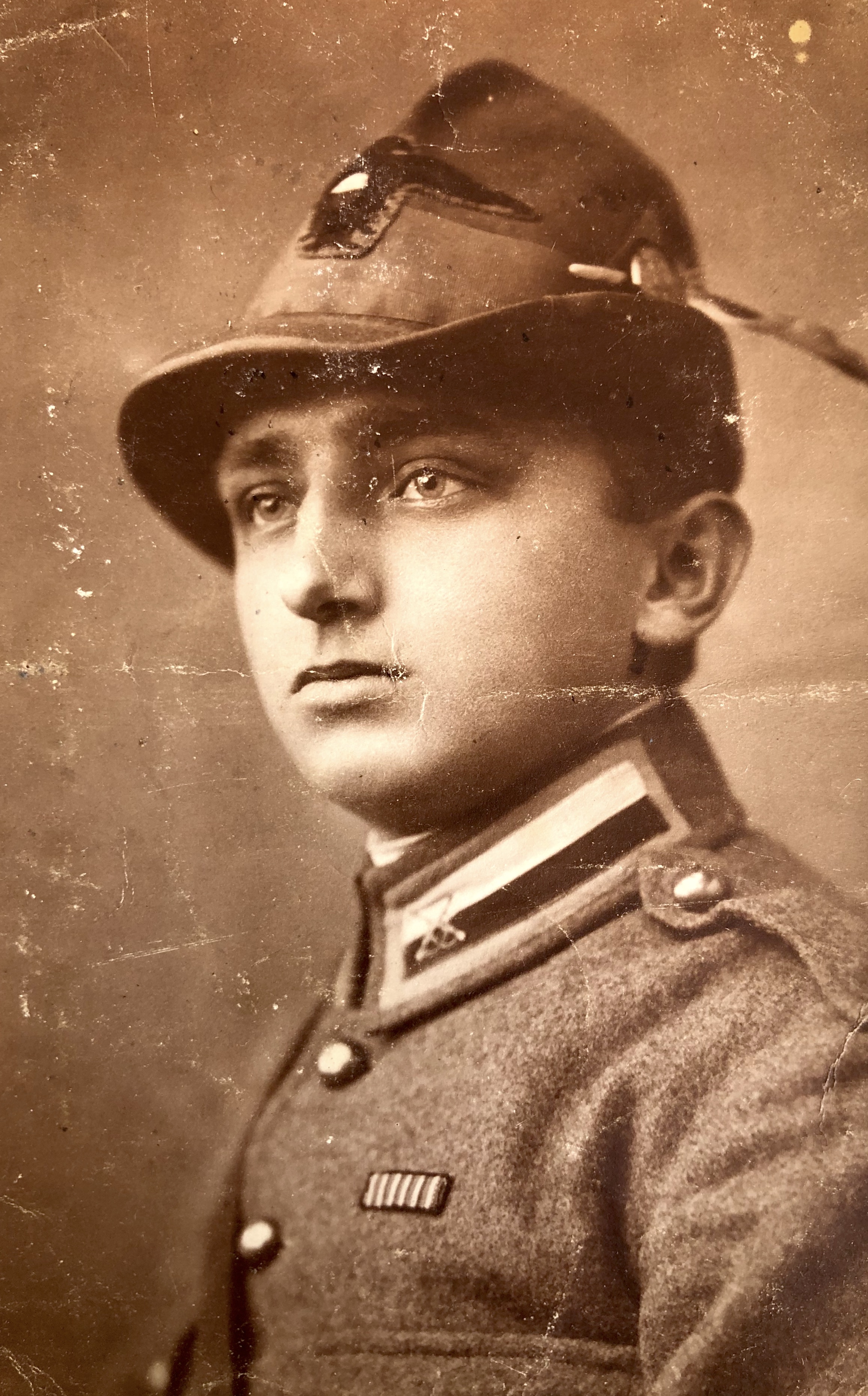
Young Karel Mareš during the First World War in the ranks of Czechoslovak troops, who wore standard uniforms of the Italian army with a red and white ribbon on the collar
Young Karel Mareš during the First World War in the ranks of Czechoslovak troops, who wore standard uniforms of the Italian army with a red and white ribbon on the collar
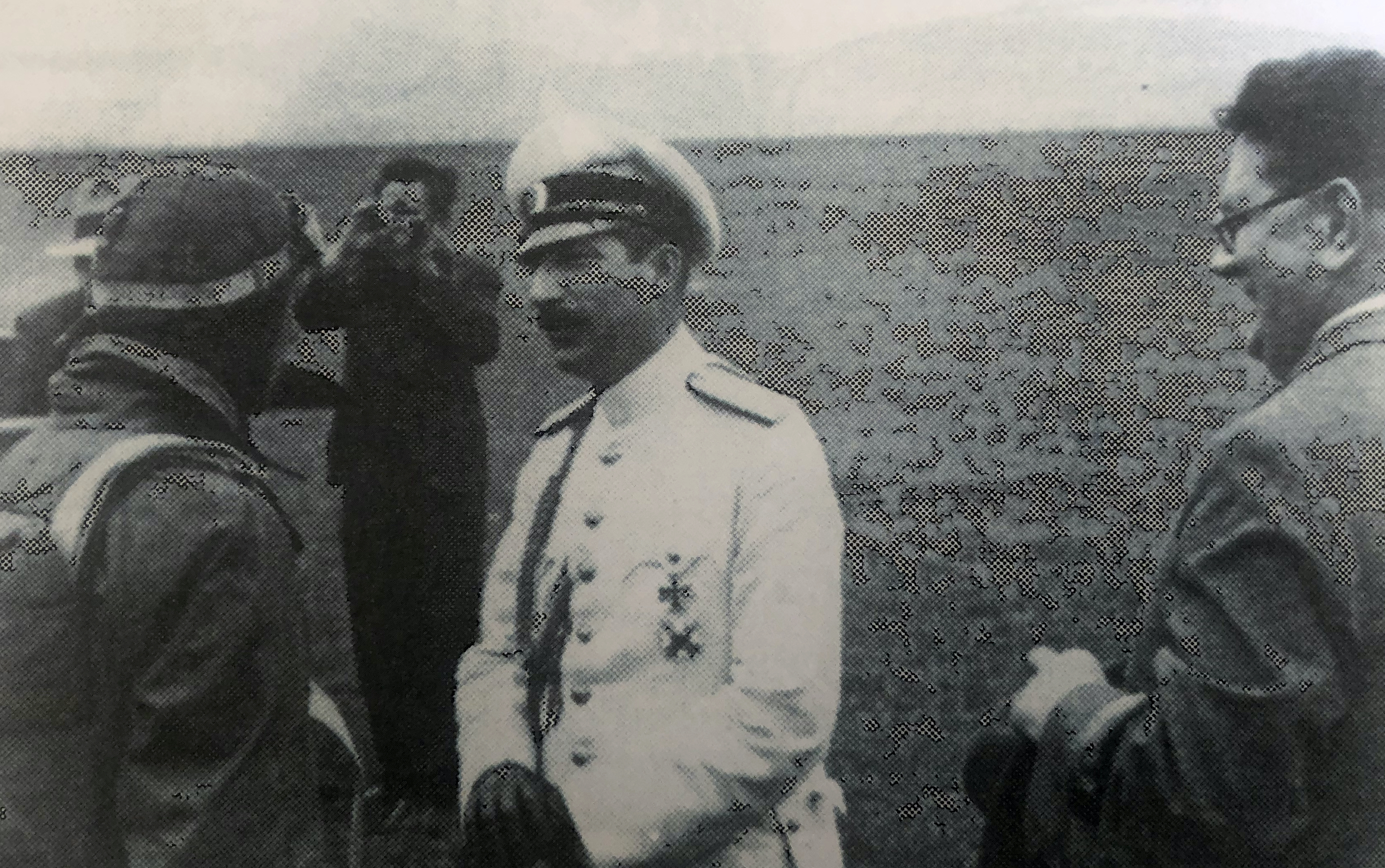
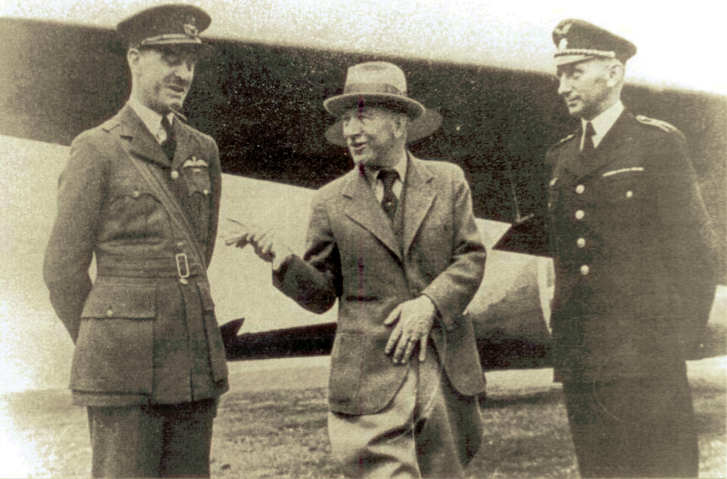
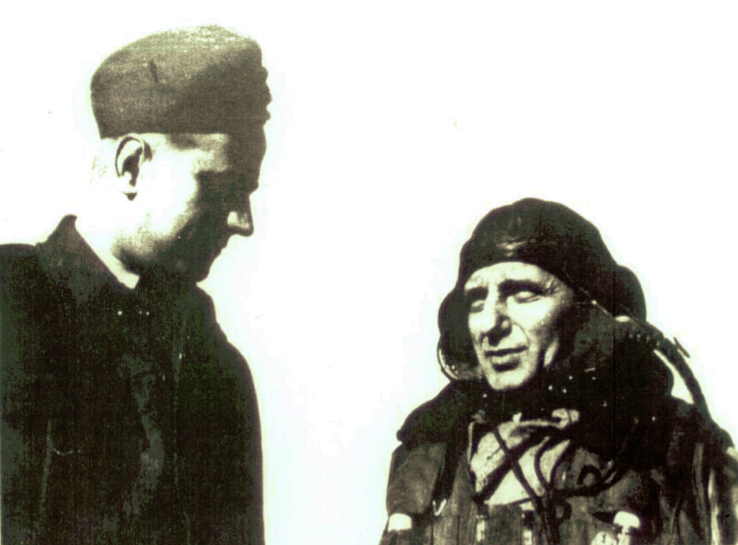
Air Force Major Karel Mareš (left) receives thanks and appreciation from Bulgarian Tsar Boris III (centre in white) for a demonstration flight at Sofia airport, 28 May 1935
Air Force Major Karel Mareš (left) receives thanks and appreciation from Bulgarian Tsar Boris III (centre in white) for a demonstration flight at Sofia airport, 28 May 1935
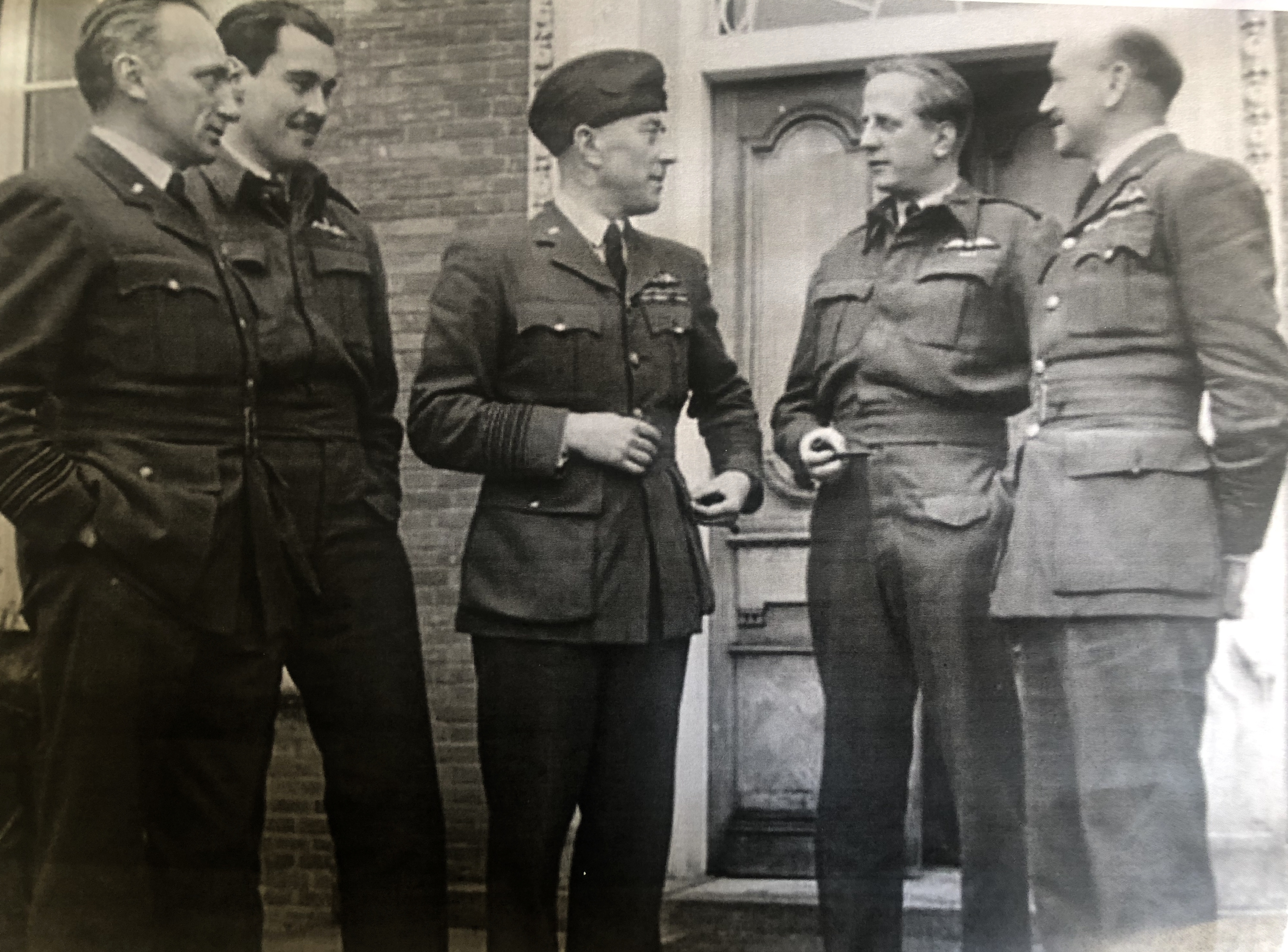
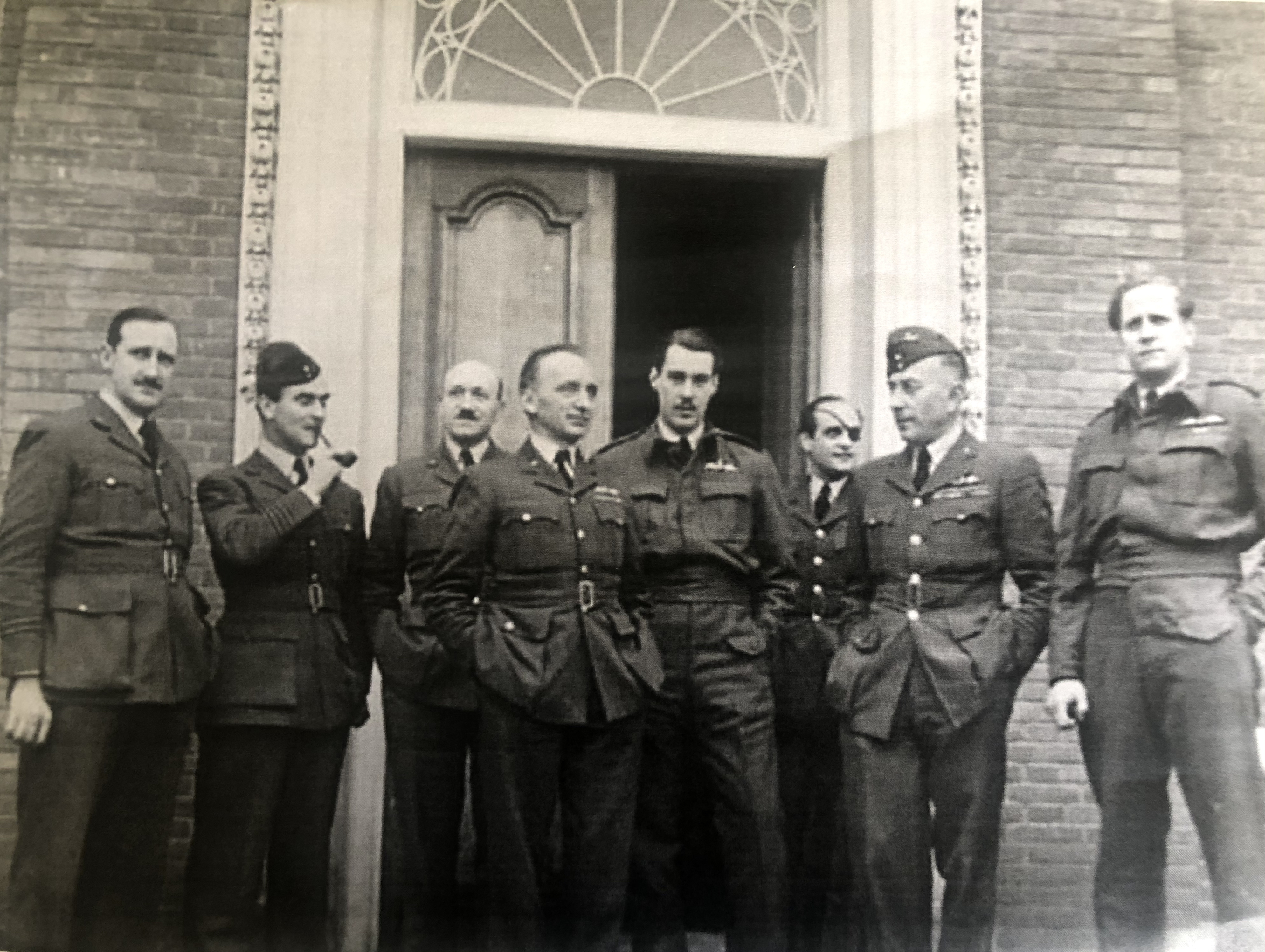
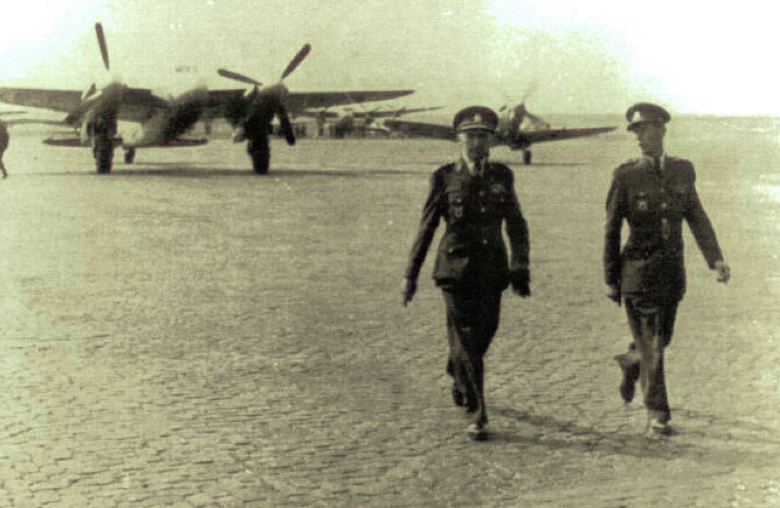
Karel Mareš (right), as the first commander of the 311th Czechoslovak Bomber Squadron with Czechoslovak President Edvard Beneš in Great Britain, 1940-1942
Karel Mareš (right), as the first commander of the 311th Czechoslovak Bomber Squadron with Czechoslovak President Edvard Beneš in Great Britain, 1940-1942
The general's son, Karel Mareš (*1925), "He said he was going to Horažďovice to visit his mother for the holidays and he and a friend had escaped across the border to Germany. He got to New Zealand, married a Czech girl and they moved to Australia. Of course, that didn't help my dad either. First he was in jail because of General Píka, and later because of his brother. But we didn't find out that he had fled abroad until just before my father's death," says Dagmar Jungmannová about her half-brother Karel.
The general's son, Karel Mareš (*1925), "He said he was going to Horažďovice to visit his mother for the holidays and he and a friend had escaped across the border to Germany. He got to New Zealand, married a Czech girl and they moved to Australia. Of course, that didn't help my dad either. First he was in jail because of General Píka, and later because of his brother. But we didn't find out that he had fled abroad until just before my father's death," says Dagmar Jungmannová about her half-brother Karel.
Degraded, evicted from Prague and humiliated over and over again by the communists, war veteran Karel Mareš and his daughter Dagmar, Kosova Hora, 1950s
Degraded, evicted from Prague and humiliated over and over again by the communists, war veteran Karel Mareš and his daughter Dagmar, Kosova Hora, 1950s
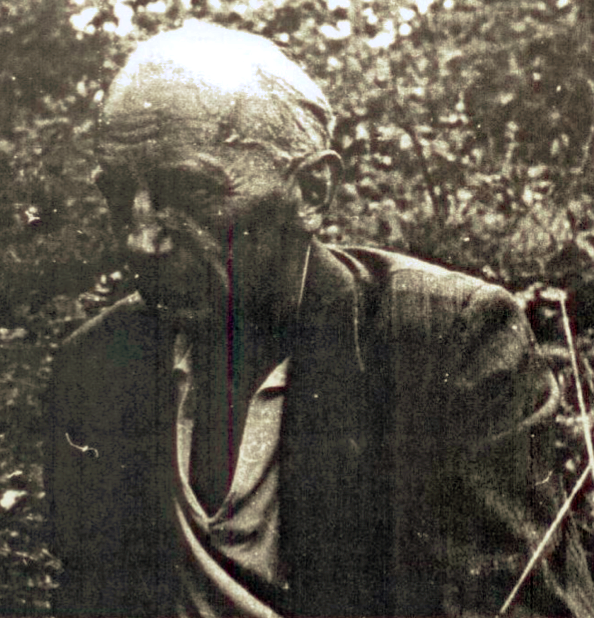
He lived out the last years of his life as an agricultural worker for the State Farm, ill, on the verge of poverty and still under the watch of State Security, Kosova Hora, 1950s
He lived out the last years of his life as an agricultural worker for the State Farm, ill, on the verge of poverty and still under the watch of State Security, Kosova Hora, 1950s
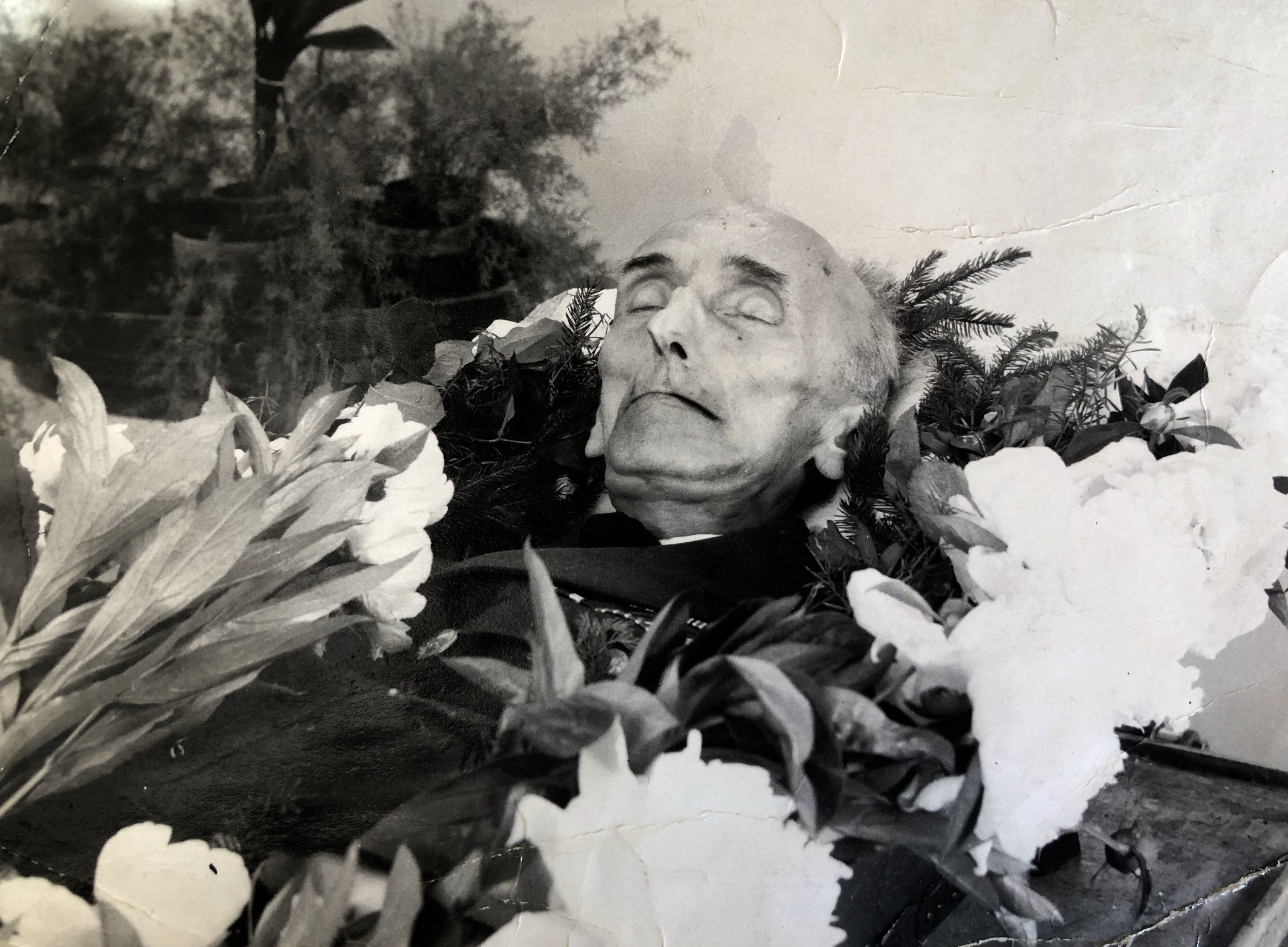
Karel Mareš died on 10 June 1960 and the last farewell to the war veteran took place at the Motol Crematorium in Prague. "They did not leave us alone even when he died. My mother was not even allowed to put his uniform in his coffin, he wished to be dressed in an air force uniform. She had to cut off the gold buttons, the spacers, everything. Only Kosovars came to the funeral - guys from the tractor and people from the farm who liked Dad. They loved him. The others were afraid to come," recalls the general's daughter.
Karel Mareš died on 10 June 1960 and the last farewell to the war veteran took place at the Motol Crematorium in Prague. "They did not leave us alone even when he died. My mother was not even allowed to put his uniform in his coffin, he wished to be dressed in an air force uniform. She had to cut off the gold buttons, the spacers, everything. Only Kosovars came to the funeral - guys from the tractor and people from the farm who liked Dad. They loved him. The others were afraid to come," recalls the general's daughter.
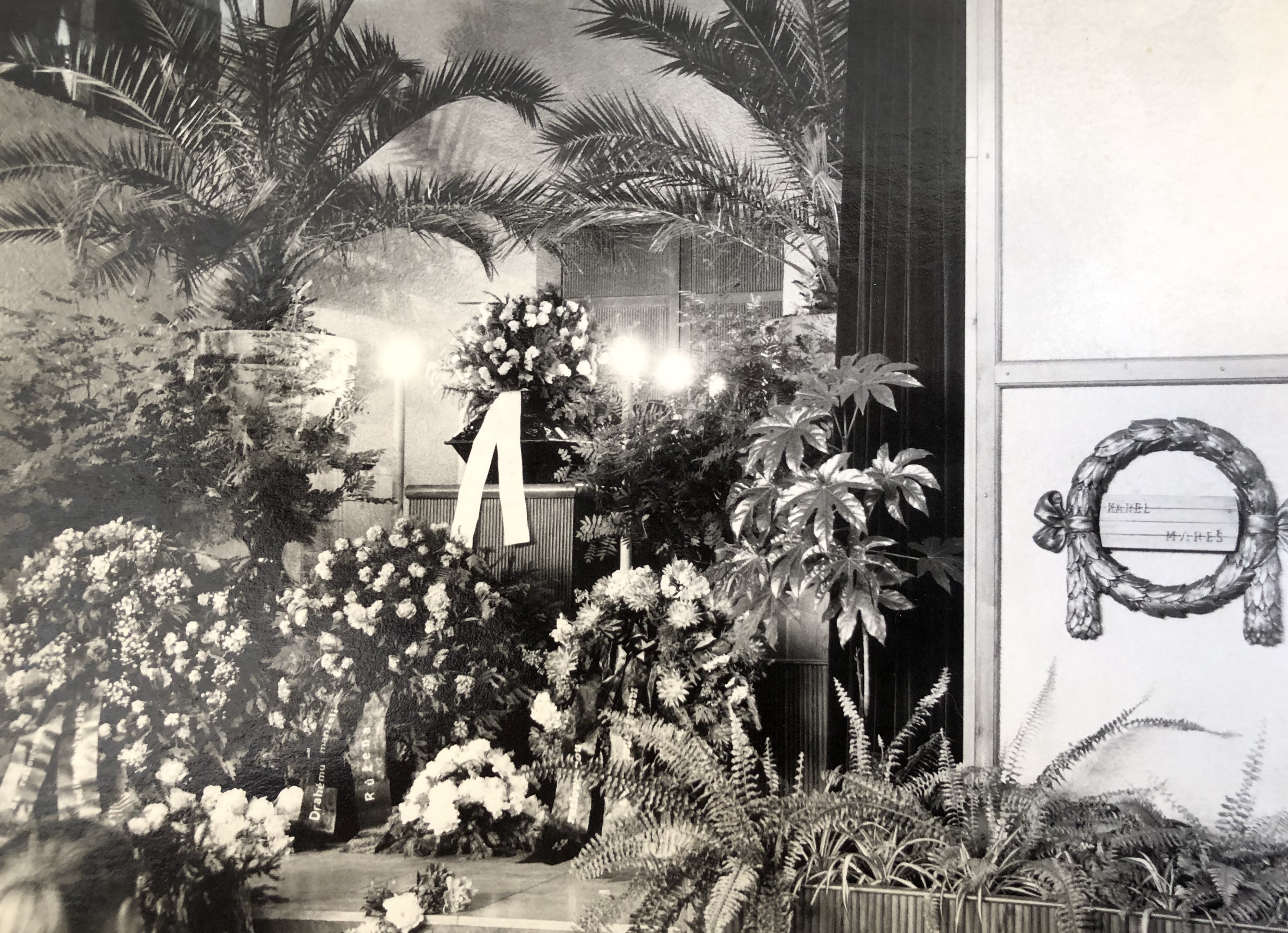
Funeral farewell to General and Commander of the 311th Czechoslovak Bomber Squadron RAF Karel Mareš. "Professor Niederle from Motol told us that if my father had stayed in the ranks of the army and attended regular medical check-ups, the carcinogen could have been discovered in time and it might not have turned out the way it did," recalls the general's daughter Dagmar Jungmannová
Funeral farewell to General and Commander of the 311th Czechoslovak Bomber Squadron RAF Karel Mareš. "Professor Niederle from Motol told us that if my father had stayed in the ranks of the army and attended regular medical check-ups, the carcinogen could have been discovered in time and it might not have turned out the way it did," recalls the general's daughter Dagmar Jungmannová
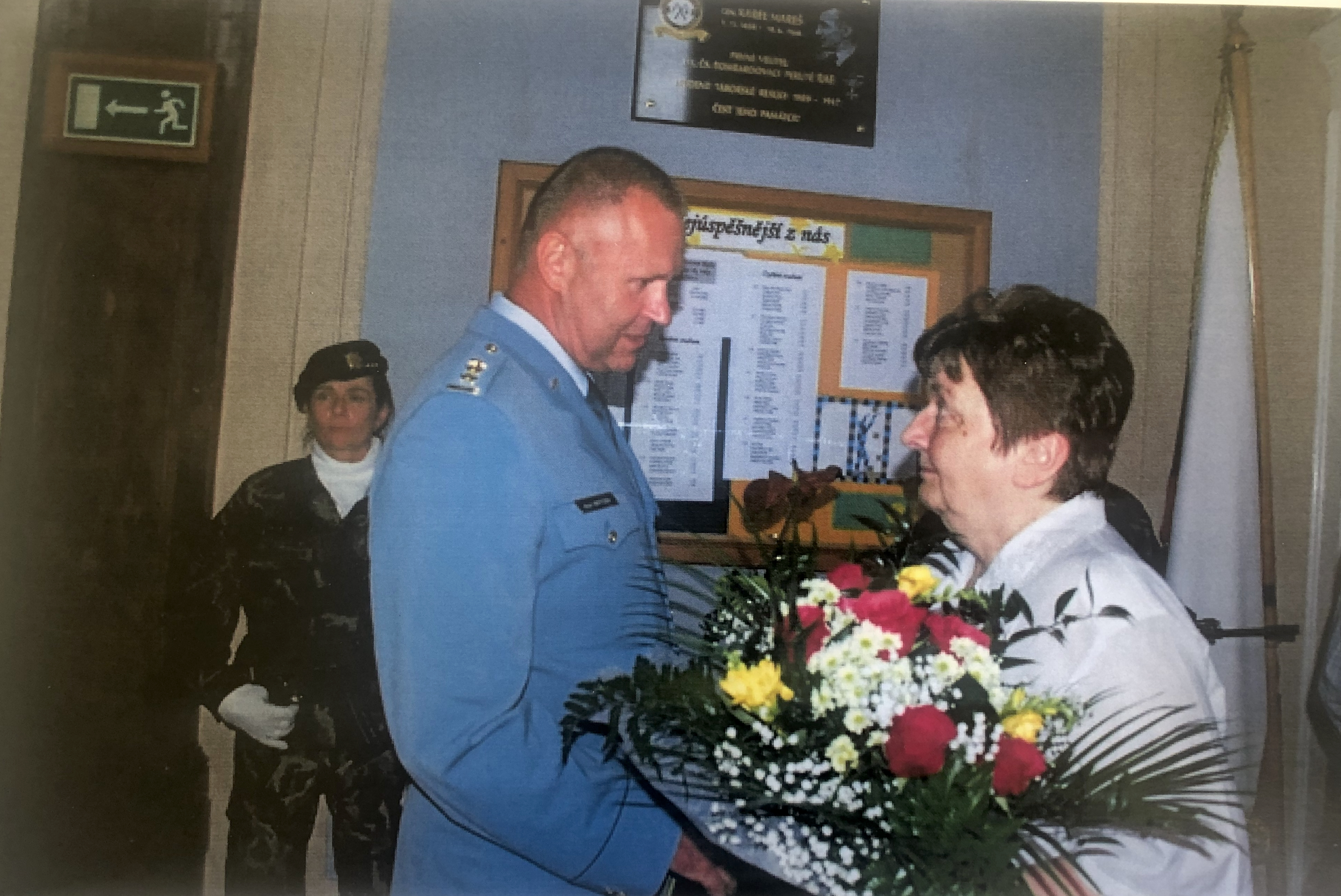
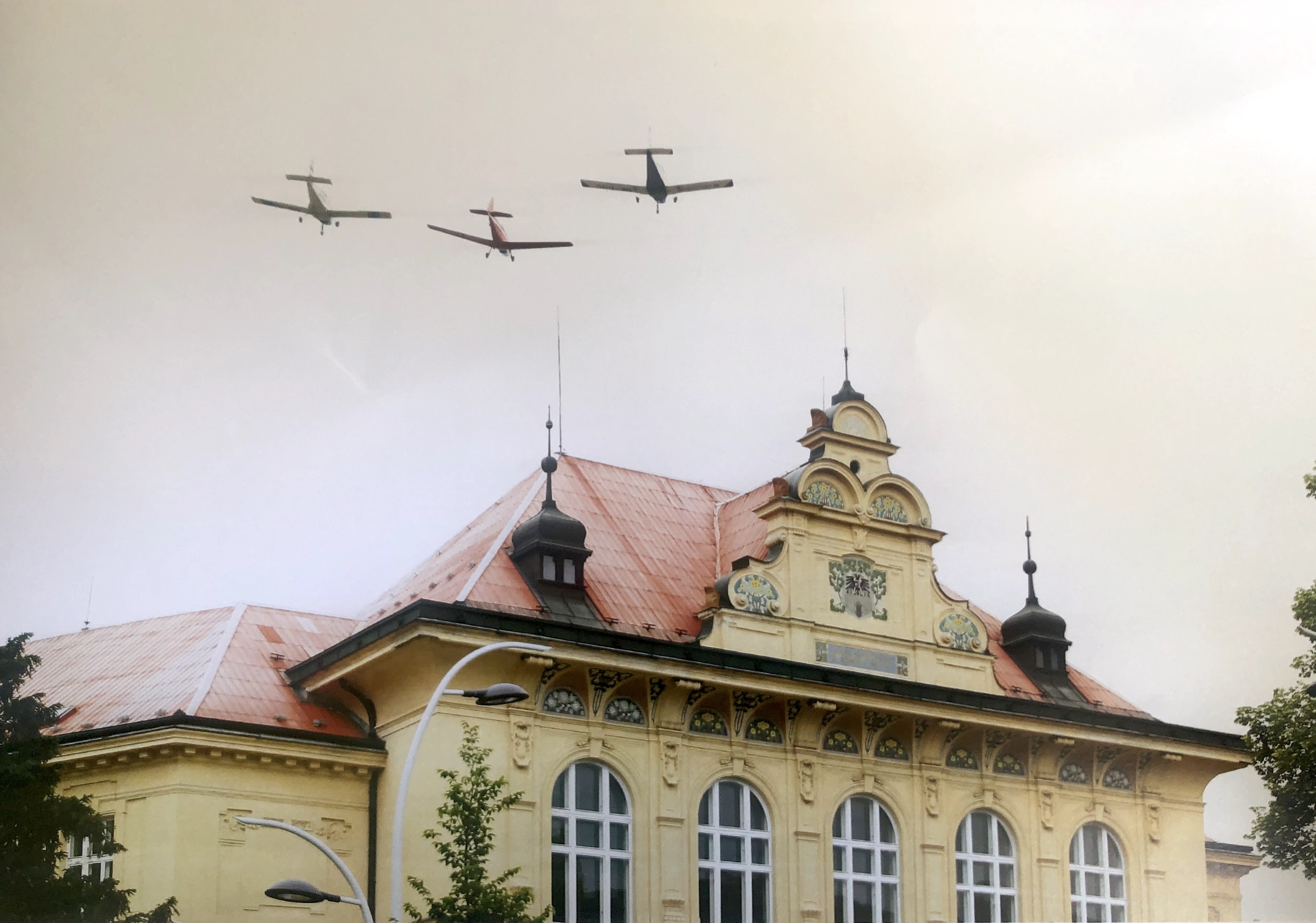
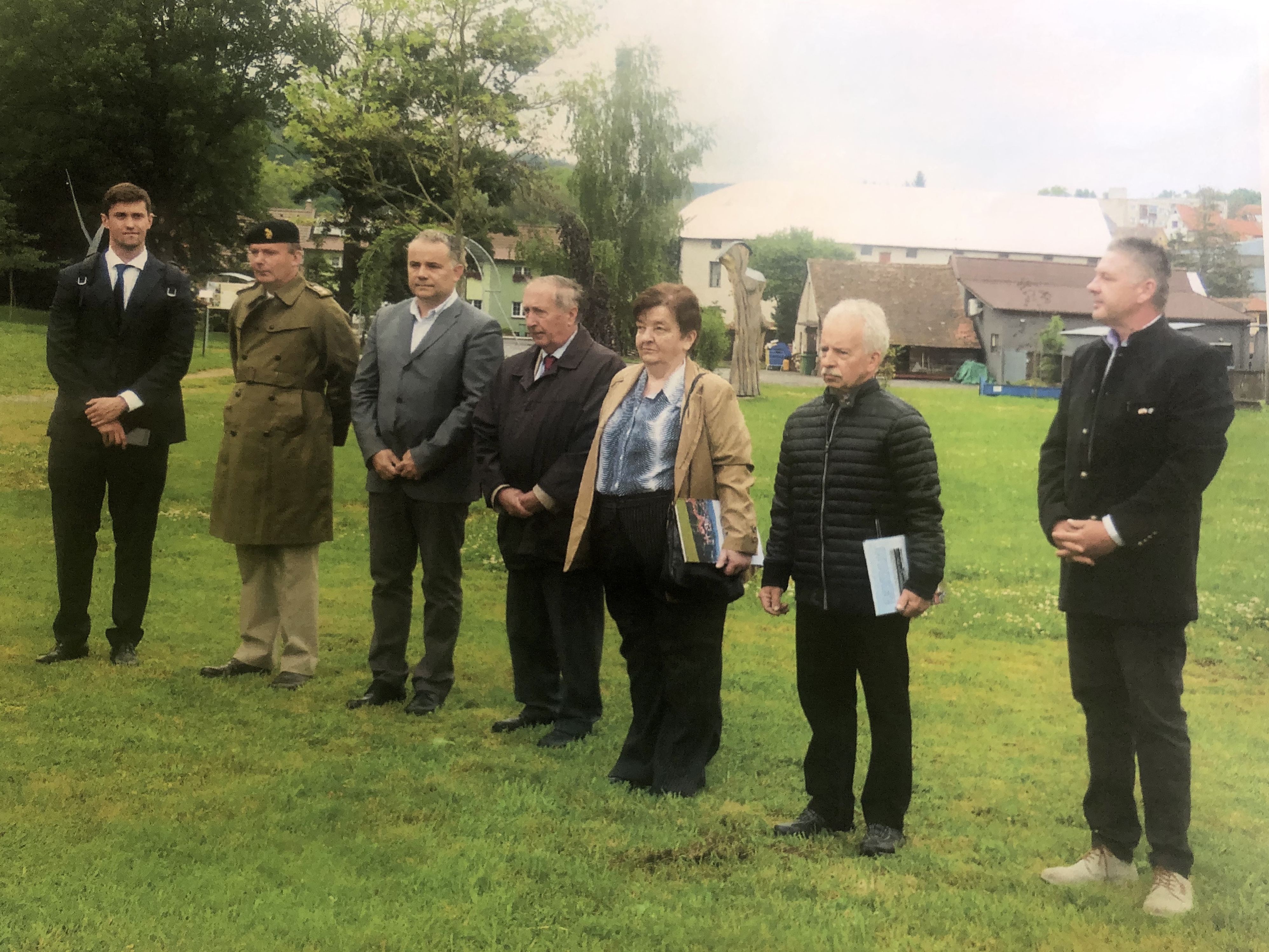
Chief of Staff of the 22nd Helicopter Air Base Colonel Alois Matýska with Dagmar Jungman at the unveiling of the memorial plaque to her father General Karel Mareš, Tábor, 2015
Chief of Staff of the 22nd Helicopter Air Base Colonel Alois Matýska with Dagmar Jungman at the unveiling of the memorial plaque to her father General Karel Mareš, Tábor, 2015
"Don't look at the quantity" The motto, which was followed by Jan Žižka and later by Karel Mareš, who incorporated the slogan into the emblem of the 311th Czechoslovak Bomber Squadron of the RAF, Kosova Hora, June 2023
"Don't look at the quantity" The motto, which was followed by Jan Žižka and later by Karel Mareš, who incorporated the slogan into the emblem of the 311th Czechoslovak Bomber Squadron of the RAF, Kosova Hora, June 2023
photo: Memory of Nations in Rostislav Šíma's paintings
Download image
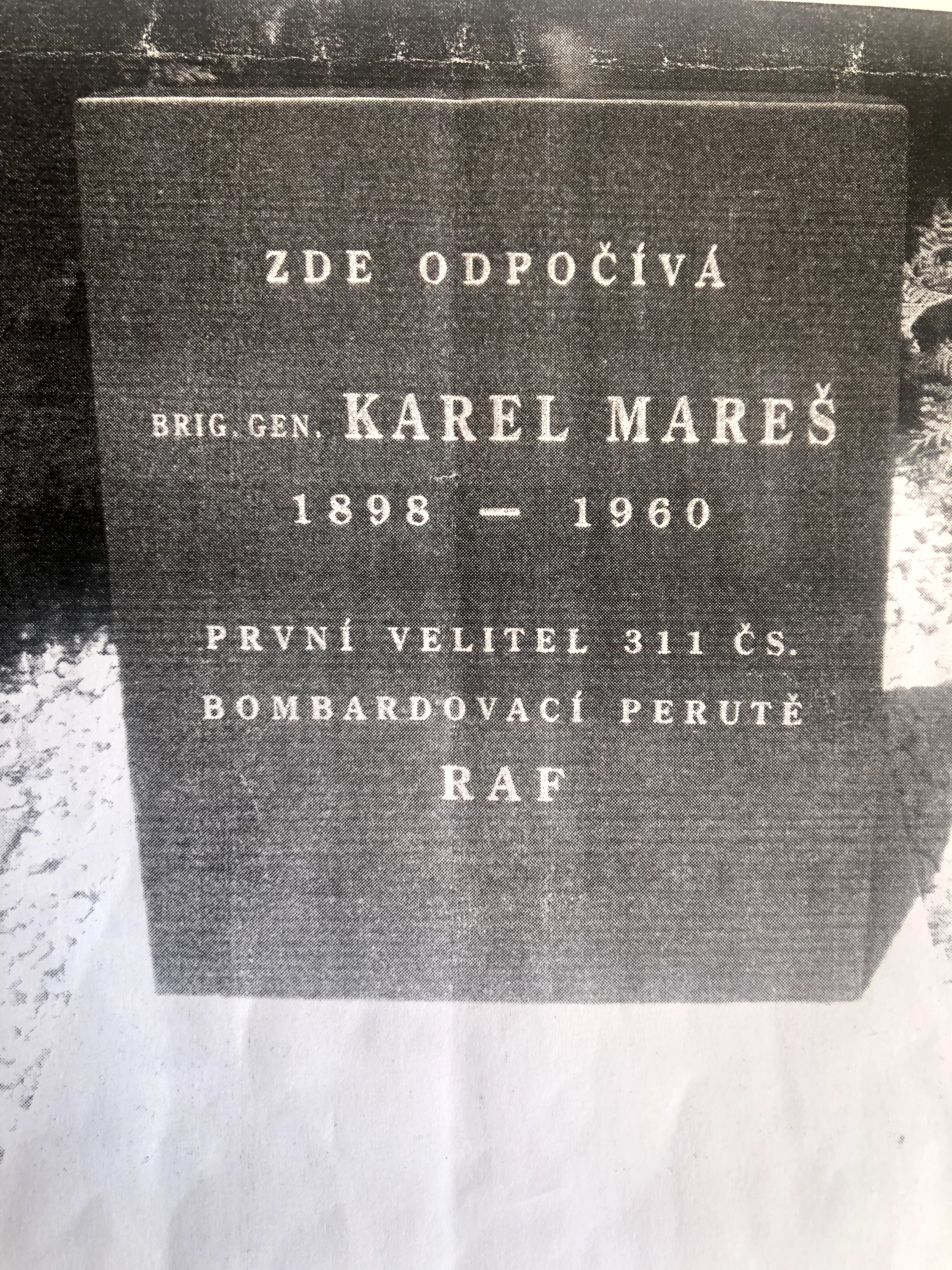
Memorial plaque to General Karel Mareš on the wall of the cemetery church in Kosova Hora, June 2023
Memorial plaque to General Karel Mareš on the wall of the cemetery church in Kosova Hora, June 2023
photo: Memory of Nations in Rostislav Šíma's paintings
Download image
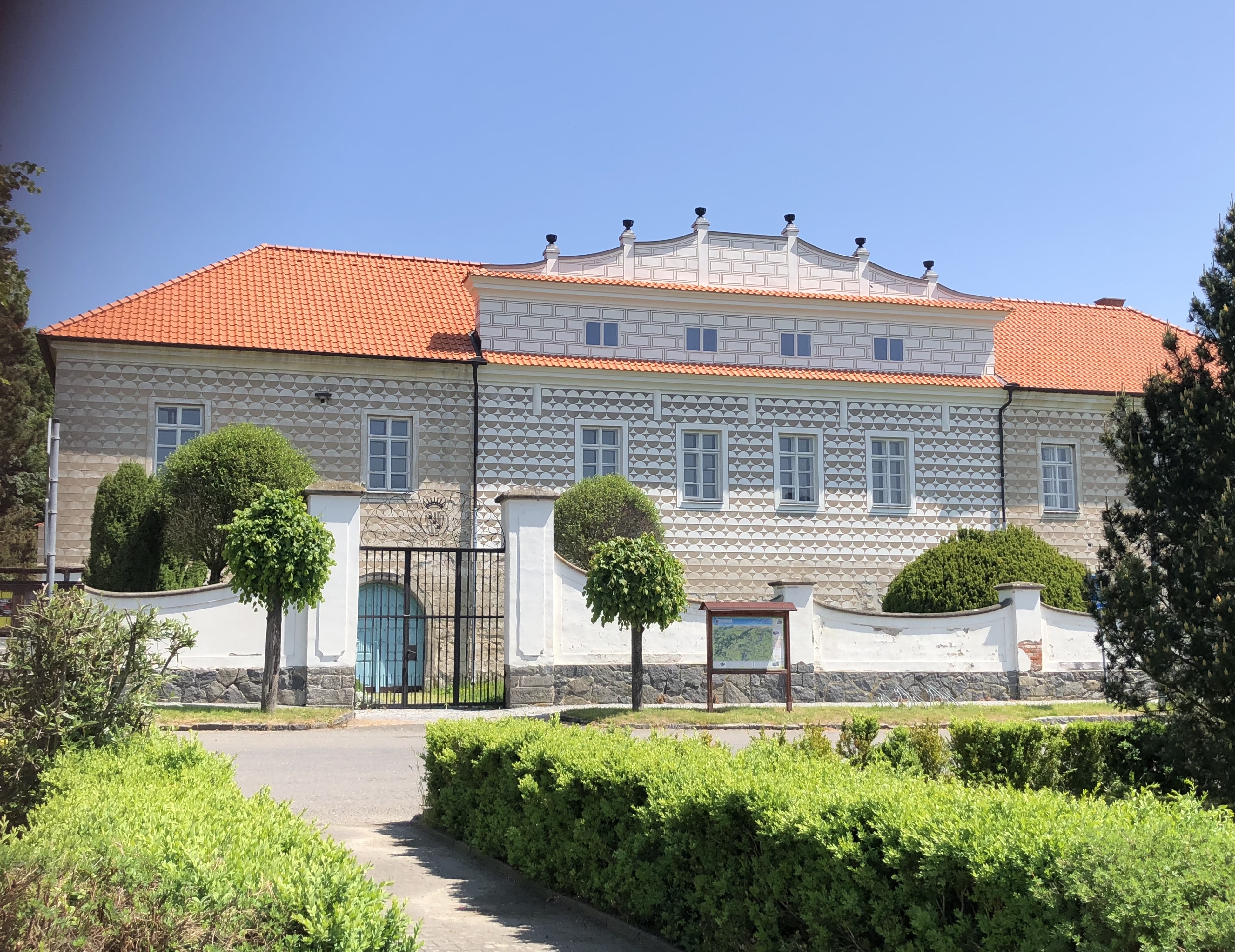
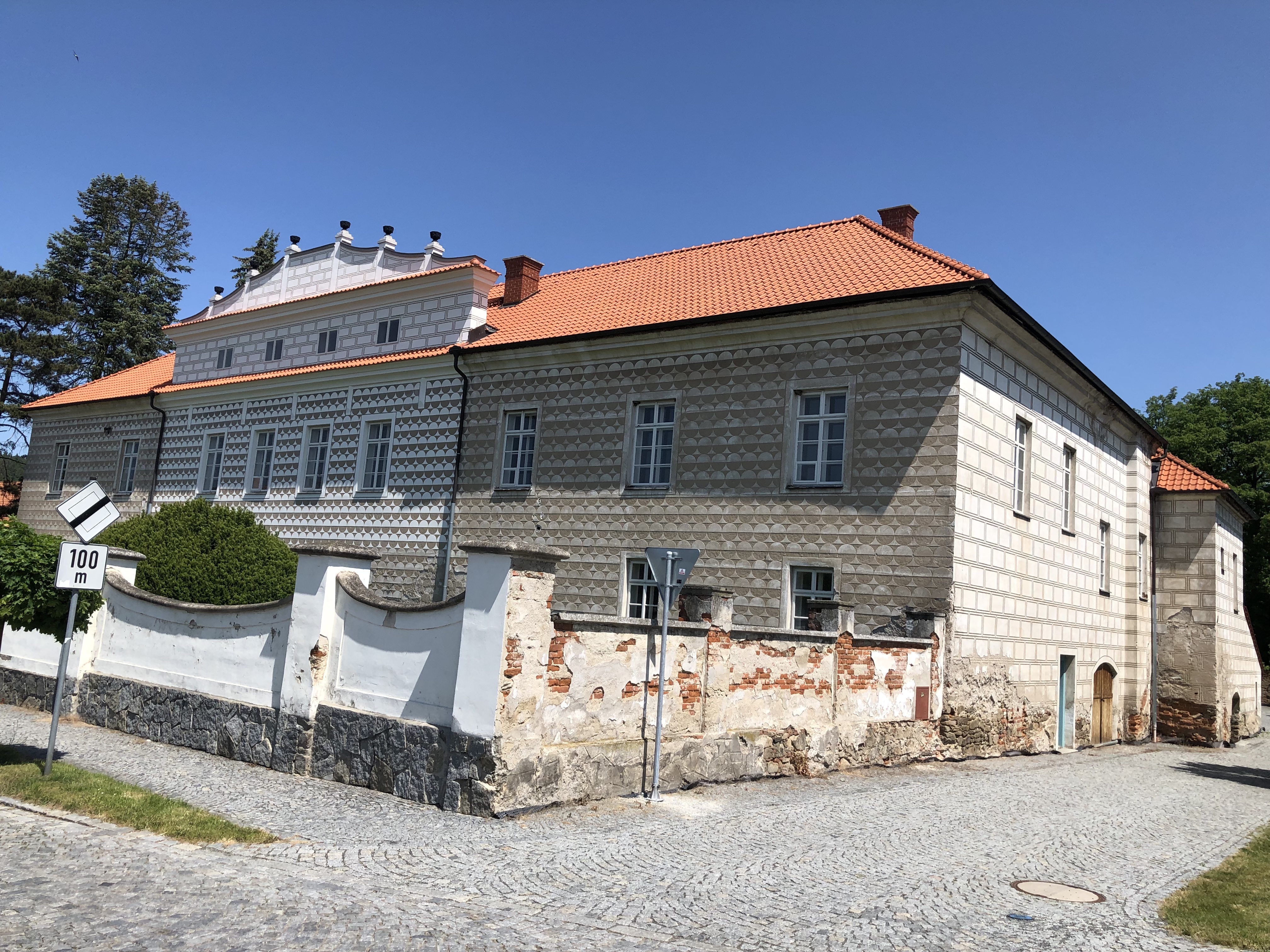
The current appearance of the castle in the village of Kosova Hora, where the family of General Karel Mareš lived since 1951
The current appearance of the castle in the village of Kosova Hora, where the family of General Karel Mareš lived since 1951
In 1951, by order of the Ministry of National Defence, the family of Karel Mareš was evicted from their Prague apartment. Prague was forbidden to General Mareš and they lived in a castle in the village of Kosová Hora near Sedlčany, where they lived in poor conditions.
In 1951, by order of the Ministry of National Defence, the family of Karel Mareš was evicted from their Prague apartment. Prague was forbidden to General Mareš and they lived in a castle in the village of Kosová Hora near Sedlčany, where they lived in poor conditions.
photo: Memory of Nations in Rostislav Šíma's paintings
Download image
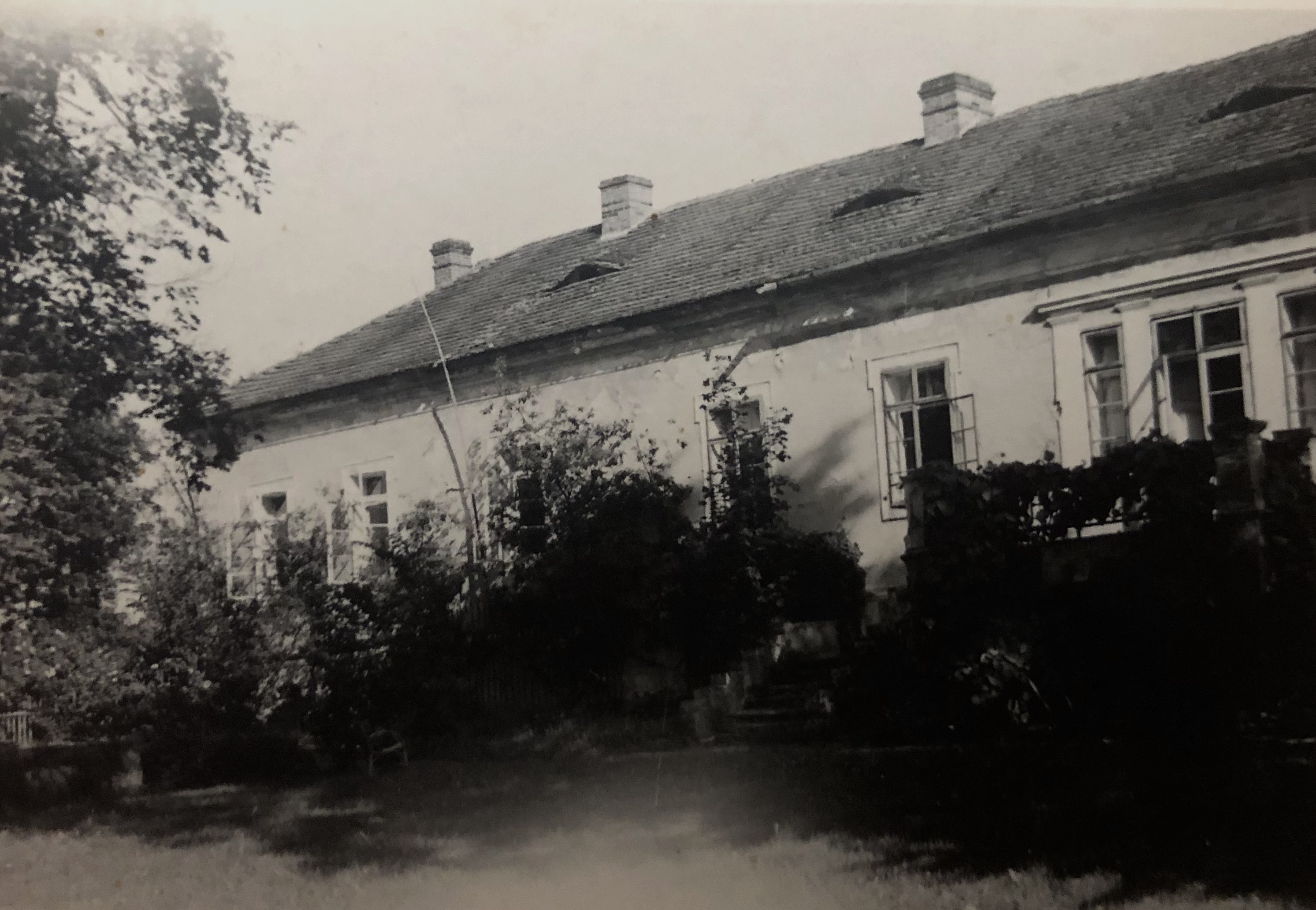
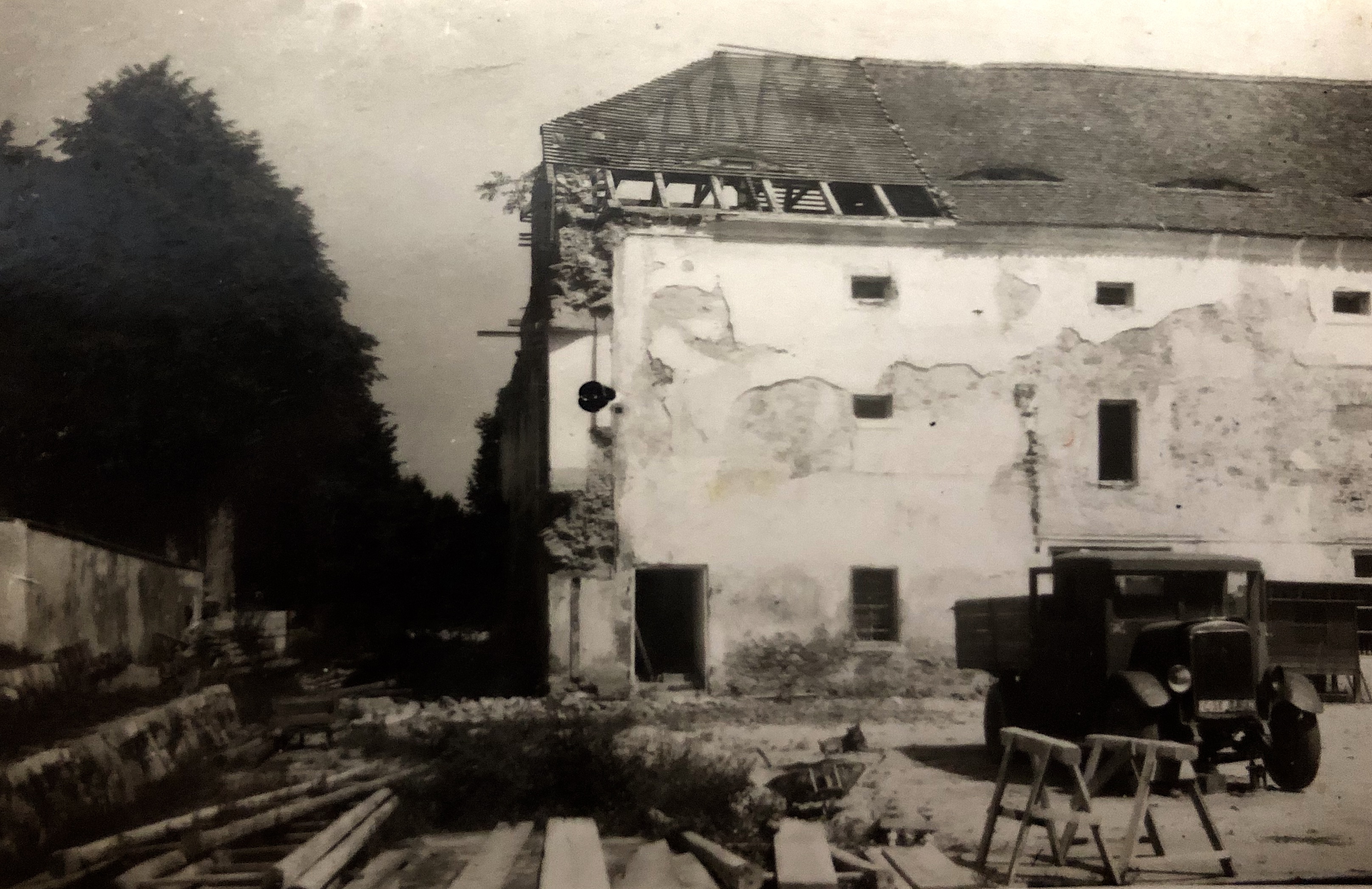
The castle in Kosova Hora at the time when the family of former general Karel Mareš moved in, turn of the 1940s and 1950s
The castle in Kosova Hora at the time when the family of former general Karel Mareš moved in, turn of the 1940s and 1950s
Špejchar in Kosovo Hora. On the ground floor, Antonín Janota had a Motex plant for the production of engine oil filters for cars and aircraft. For a short time, the expatriate and former general Karel Mareš worked here, around the 1950s.
Špejchar in Kosovo Hora. On the ground floor, Antonín Janota had a Motex plant for the production of engine oil filters for cars and aircraft. For a short time, the expatriate and former general Karel Mareš worked here, around the 1950s.
Dagmar Jungmannová with a photo of her father Karel Mareš, the first commander of the Czechoslovak 311th Bombardment Squadron, General Karel Mareš. Filming for Memory of Nations, October 2023, Sedlčany
Dagmar Jungmannová with a photo of her father Karel Mareš, the first commander of the Czechoslovak 311th Bombardment Squadron, General Karel Mareš. Filming for Memory of Nations, October 2023, Sedlčany
photo: Memory of Nations in Rostislav Šíma's paintings
Download image
Dagmar Jungmannová with a photo of her father Karel Mareš, the first commander of the Czechoslovak 311th Bombardment Squadron, General Karel Mareš. Filming for Memory of Nations, October 2023, Sedlčany
Dagmar Jungmannová with a photo of her father Karel Mareš, the first commander of the Czechoslovak 311th Bombardment Squadron, General Karel Mareš. Filming for Memory of Nations, October 2023, Sedlčany
photo: Memory of Nations in Rostislav Šíma's paintings
Download image
President Edvard Mareš accompanied by General Karel Mareš (right), 1940s
President Edvard Mareš accompanied by General Karel Mareš (right), 1940s