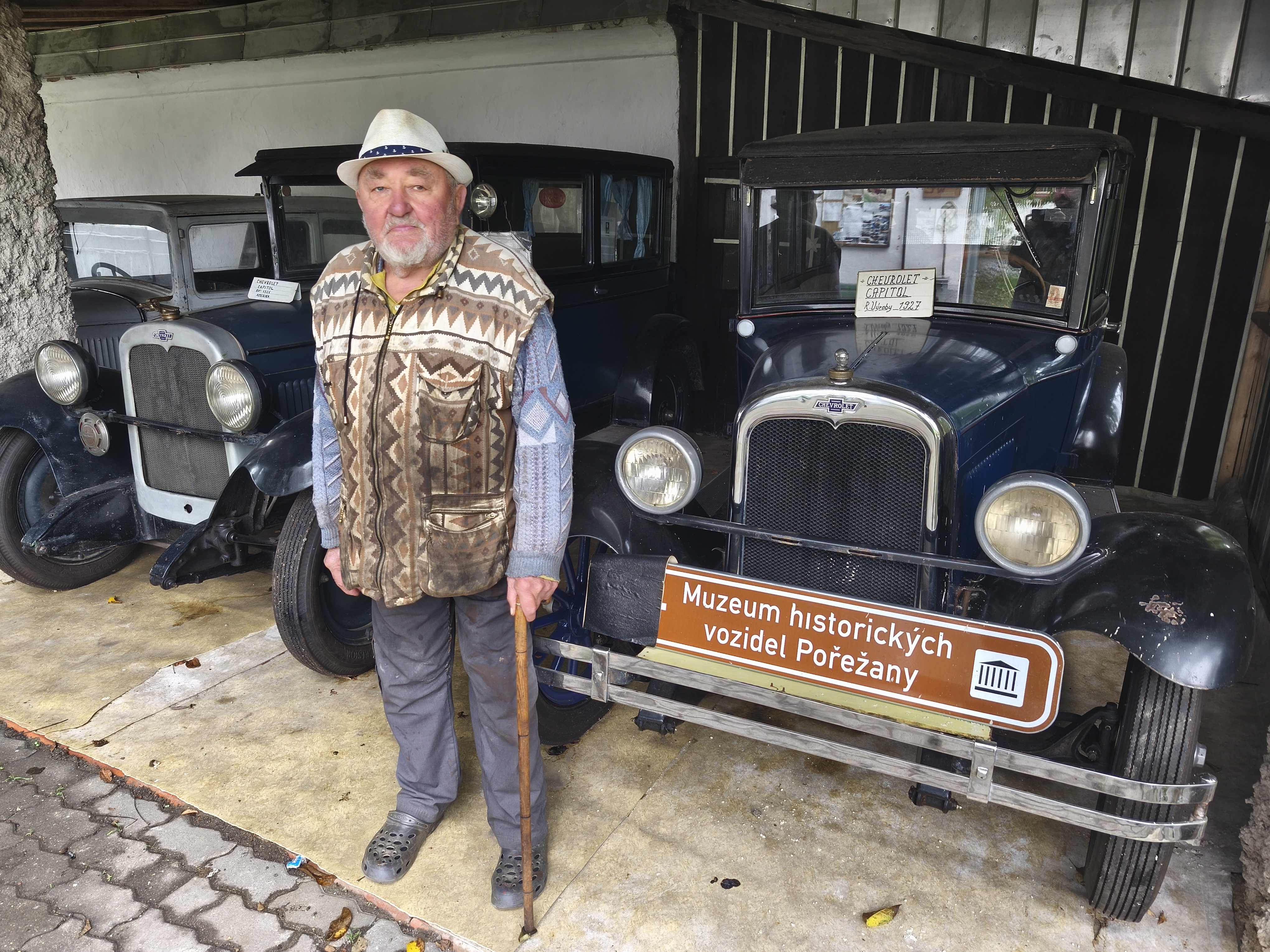
František Jiříček

* 1931

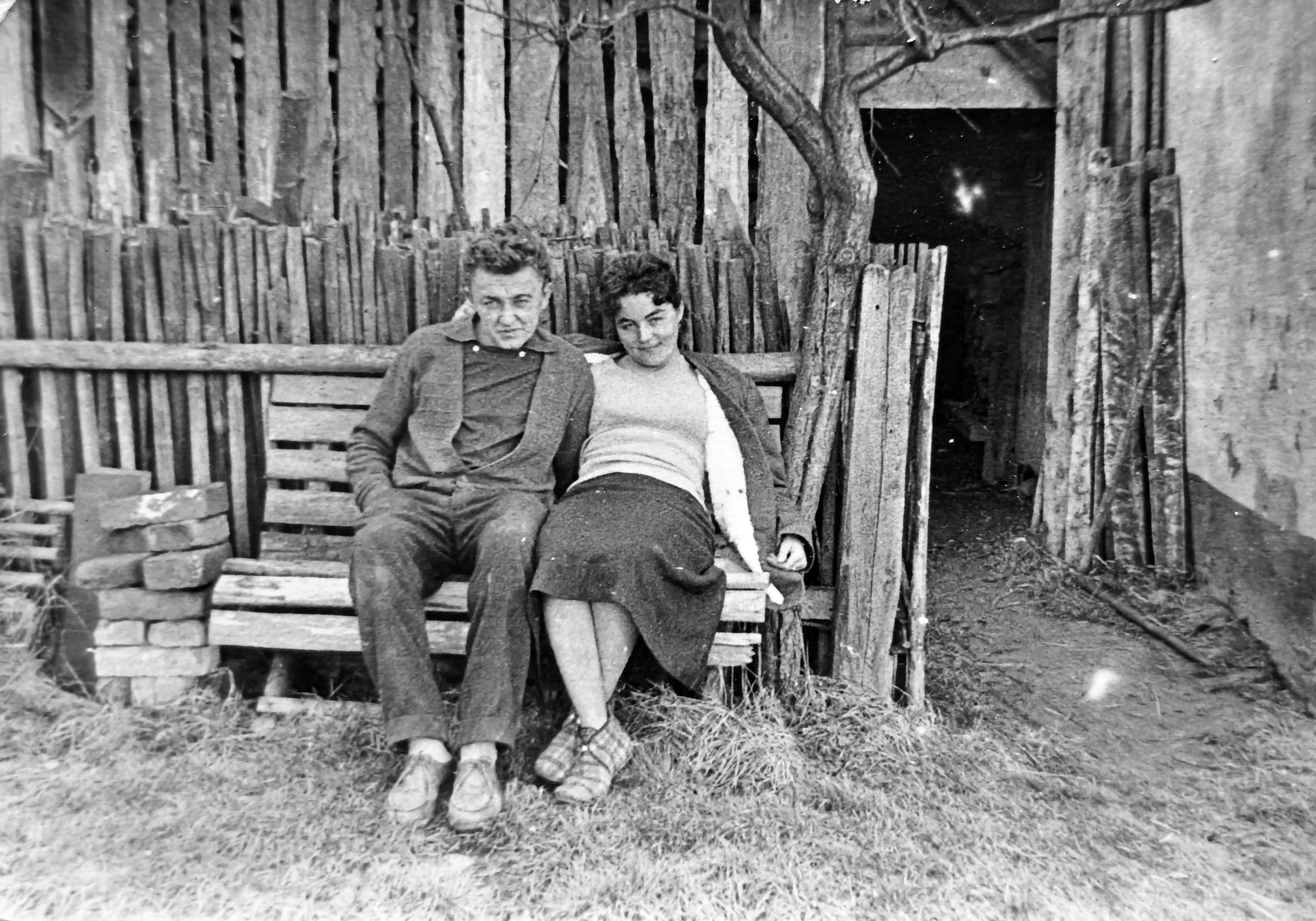
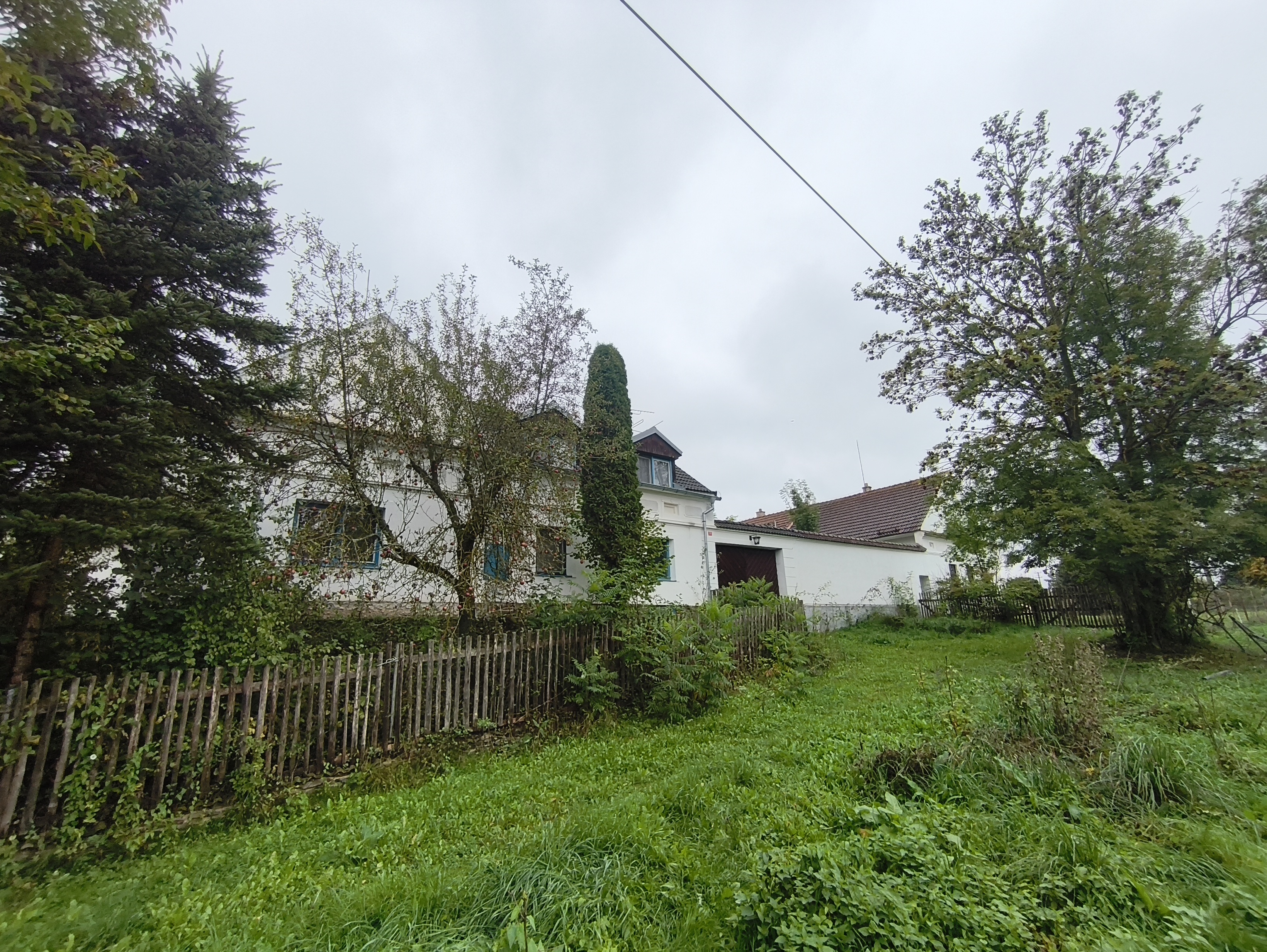
  • "My father didn't want to join the cooperative farm and relied on the boys after the military service to come and manage the farm. He didn't rely on his brother, who was studying mechanical engineering. They changed his fields twice. For the fields we had around the village, they gave him a field by the river. By that time we had horses, a new wagon - a rubber wheels wagon, a mower, a new thresher, all sorts of things that my father had bought, a hay blower... And they pulled it out of the house over there behind the village and then they dismantled it and turned the stables here into a pigsty. Then they built another one in our garden. There were pigs here, but they didn't change litter for them and they shoveled out the slurry. The yard was full of slurry, a full well. My parents had to go to the well on the side of the road to get water. They built a cow house and made silage pits by explosions. That broke the roof on our living quarters, too, and nobody even fixed it."

  • "Suddenly two SS men arrived on the road from Štipoklasy. Thin, tall guys with those caps with skulls and 9mm guns at their waists. They jumped off their horses and wanted the commander. The Hungarians had an interpreter who spoke good German, so they brought him in. They wanted horses. They ran out of gas on the main road from Veselí through Žimutice to Týn. They had motorbikes, tracked vehicles, cars, no petrol, so they wanted horses. The Hungarian shook his head that no. We had a huge Alsatian, who was smart, guarded the cottage. He didn't mind the Hungarians, he was friends with them, but when these started clicking their boots, the dog growled and wanted to go at them. He was in the kitchen, in the same room as the commander. My mother was baking bread and she was making dough to feed the Hungarians. And the Hungarian was singing to her. It didn't take half an hour before the SS arrived. They were arguing and the dog was growling at them. My father knew German from the World War. The SS man pulled out the gun that he was going to shoot the dog. My father yelled at him, and he had an axe by the door. Then he said, 'If he had hit the dog, I would have taken the axe at him, and the Hungarians might have helped me, because the Hungarians had been with the Germans - and then because of them they didn't know where they were...'"

  • "On the fifteenth of March 1939, the radio (we had a battery radio) announced that we were ambushed and that we had surrendered without a fight. There used to fly these military aeroplanes here - biplanes, we always ran to see. All of a sudden we hear this roar and there were 15 planes flying over us with swastikas. Low, like 50 meters above our house. From Budějovice to Prague. A lot of snow had fallen by morning. I ran out into the garden in my rubber boots and looked at the huge planes. Two-engined, German. So that was the invasion of our country. But we didn't see any soldiers, they were wandering on the other side of the Vltava."

  • Full recordings
  • 1

    Pořežany, 26.09.2025

    (audio)
    duration: 02:28:34
    media recorded in project Stories of 20th Century
  • 2

    Pořežany, 29.09.2025

    (audio)
    duration: 01:08:15
    media recorded in project Stories of 20th Century
Full recordings are available only for logged users.

My father didn’t want to join a cooperative farm, but they waited until my brother and I were at the military service, and then they forced him to join
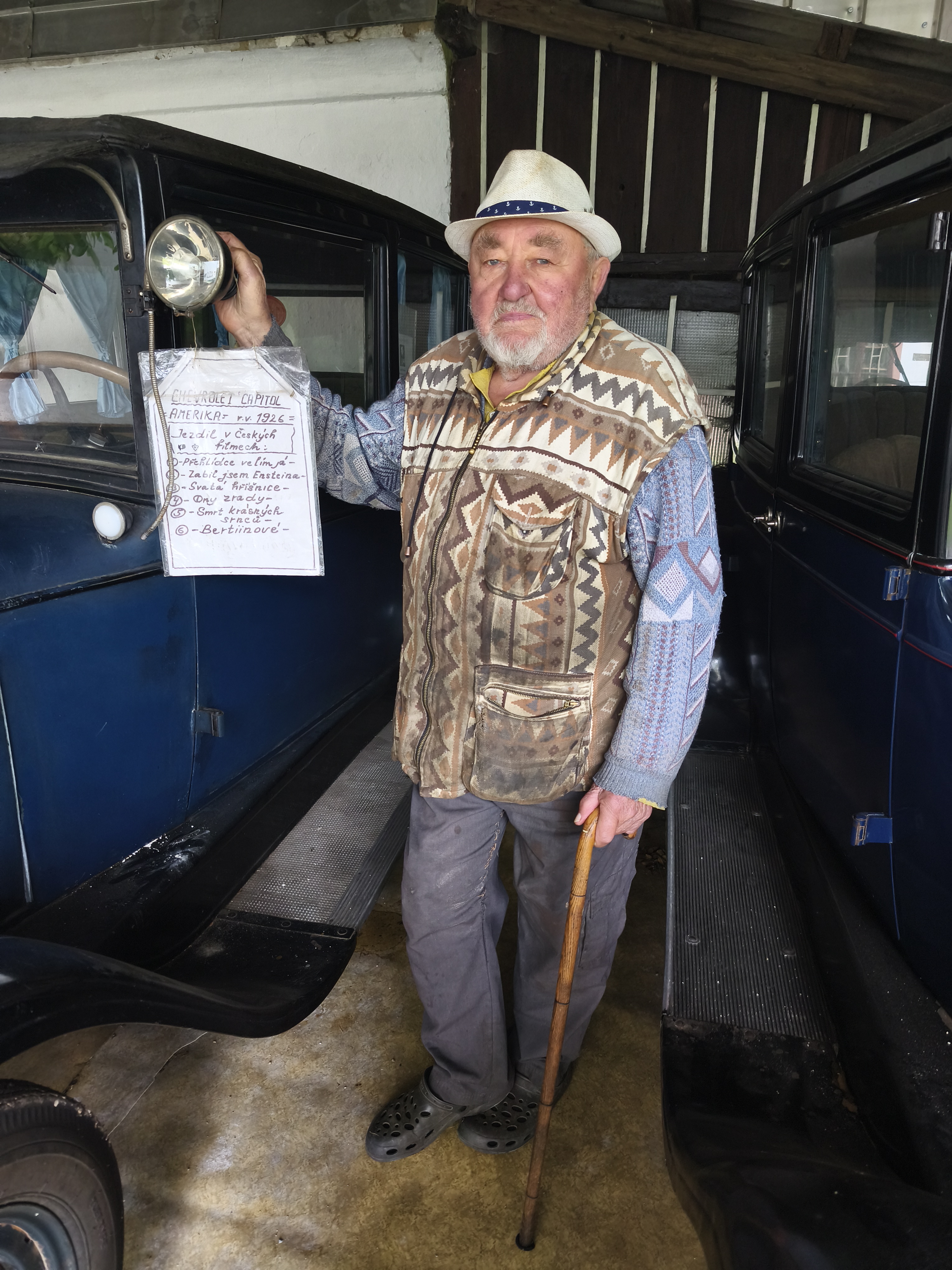
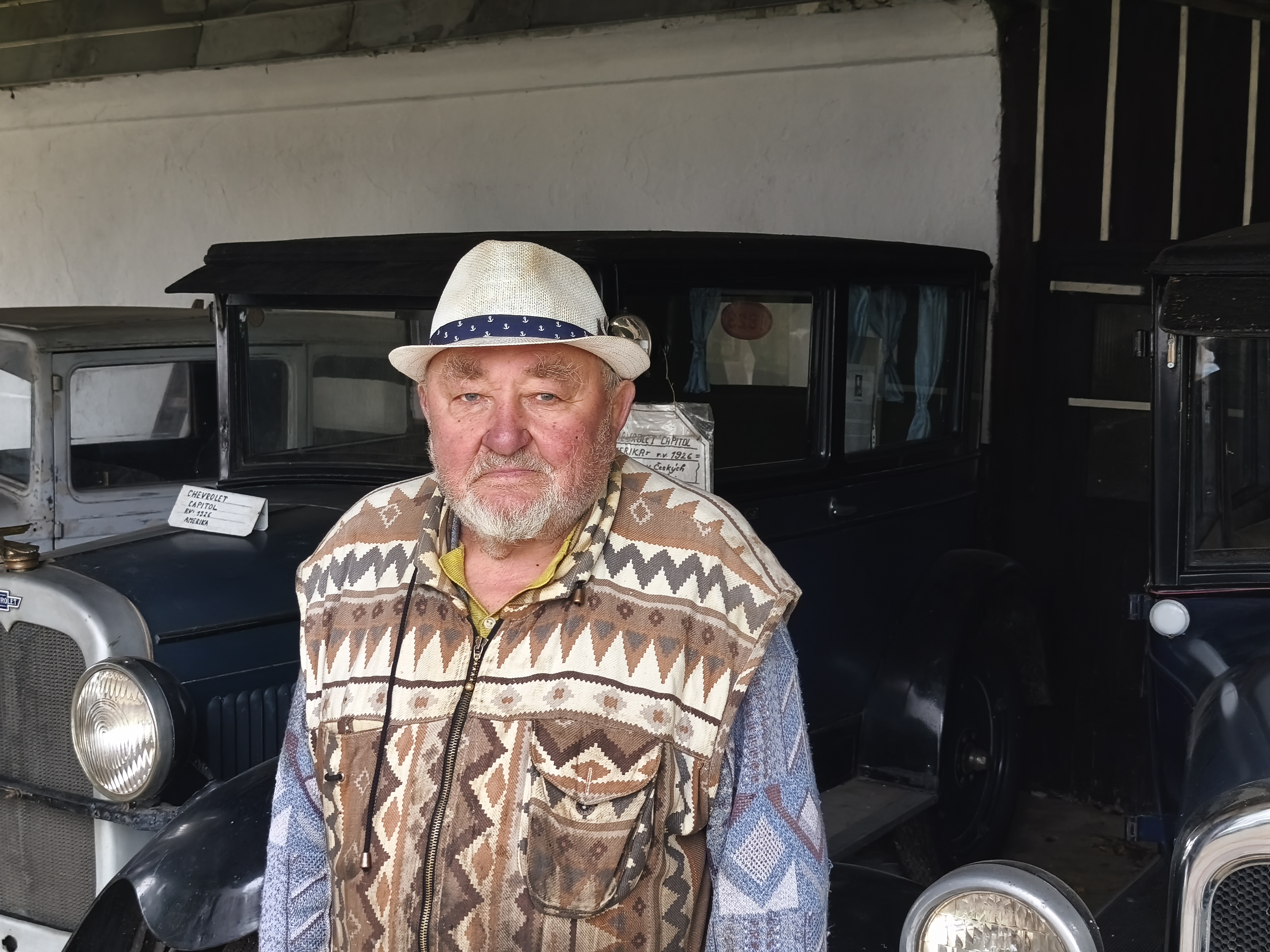
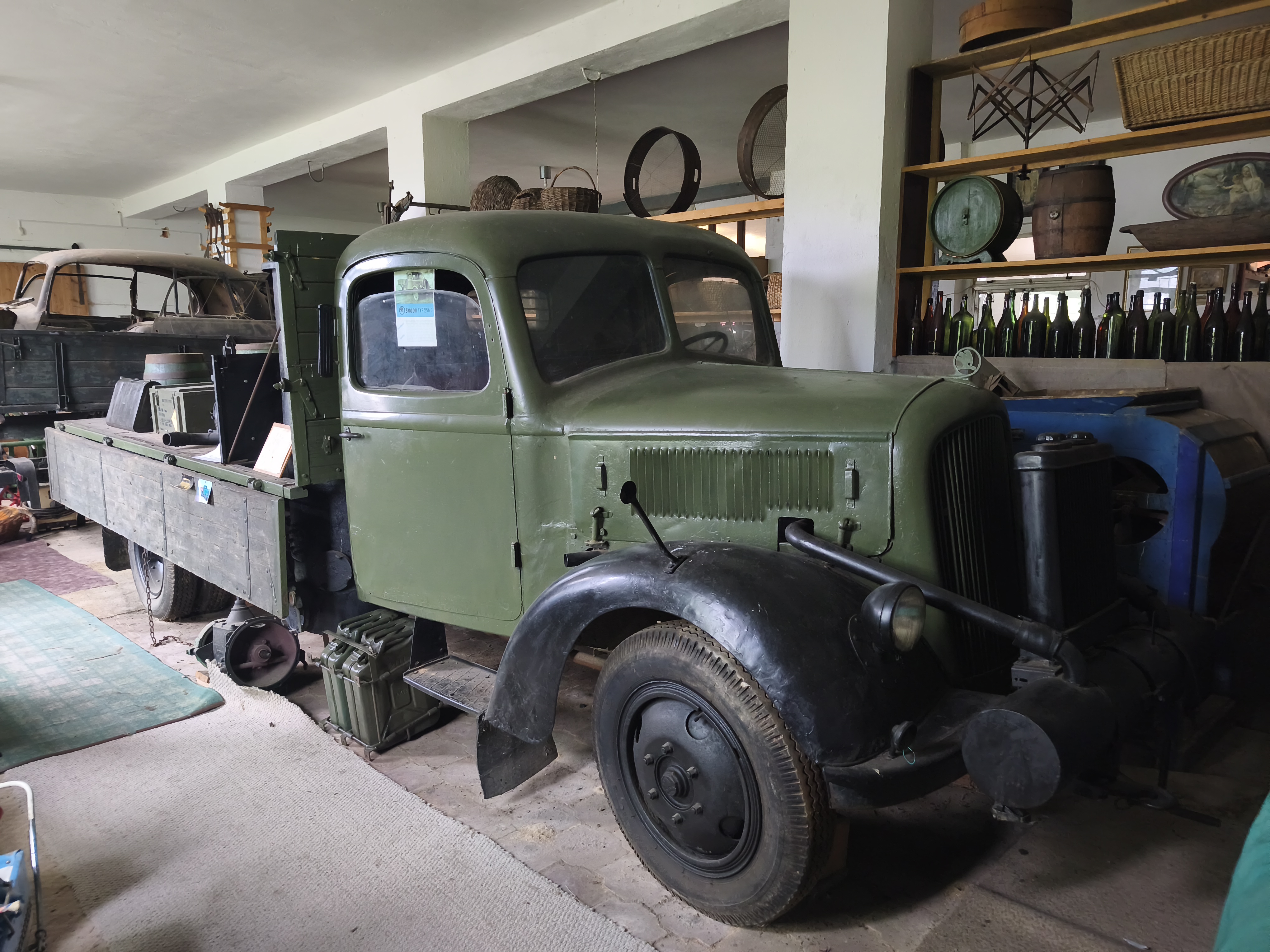
František Jiříček in his museum in 2025
photo: Jan Ciglbauer

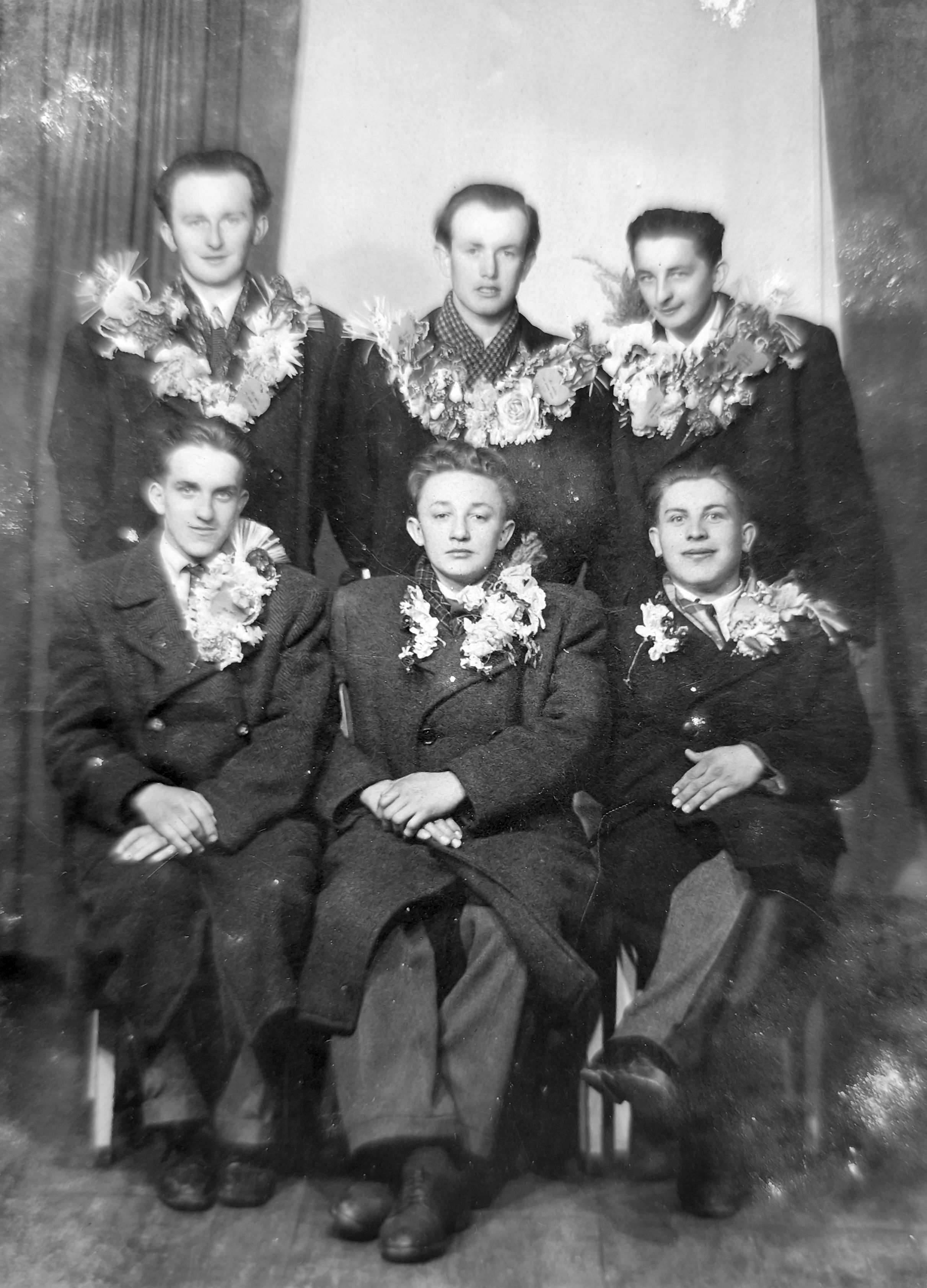
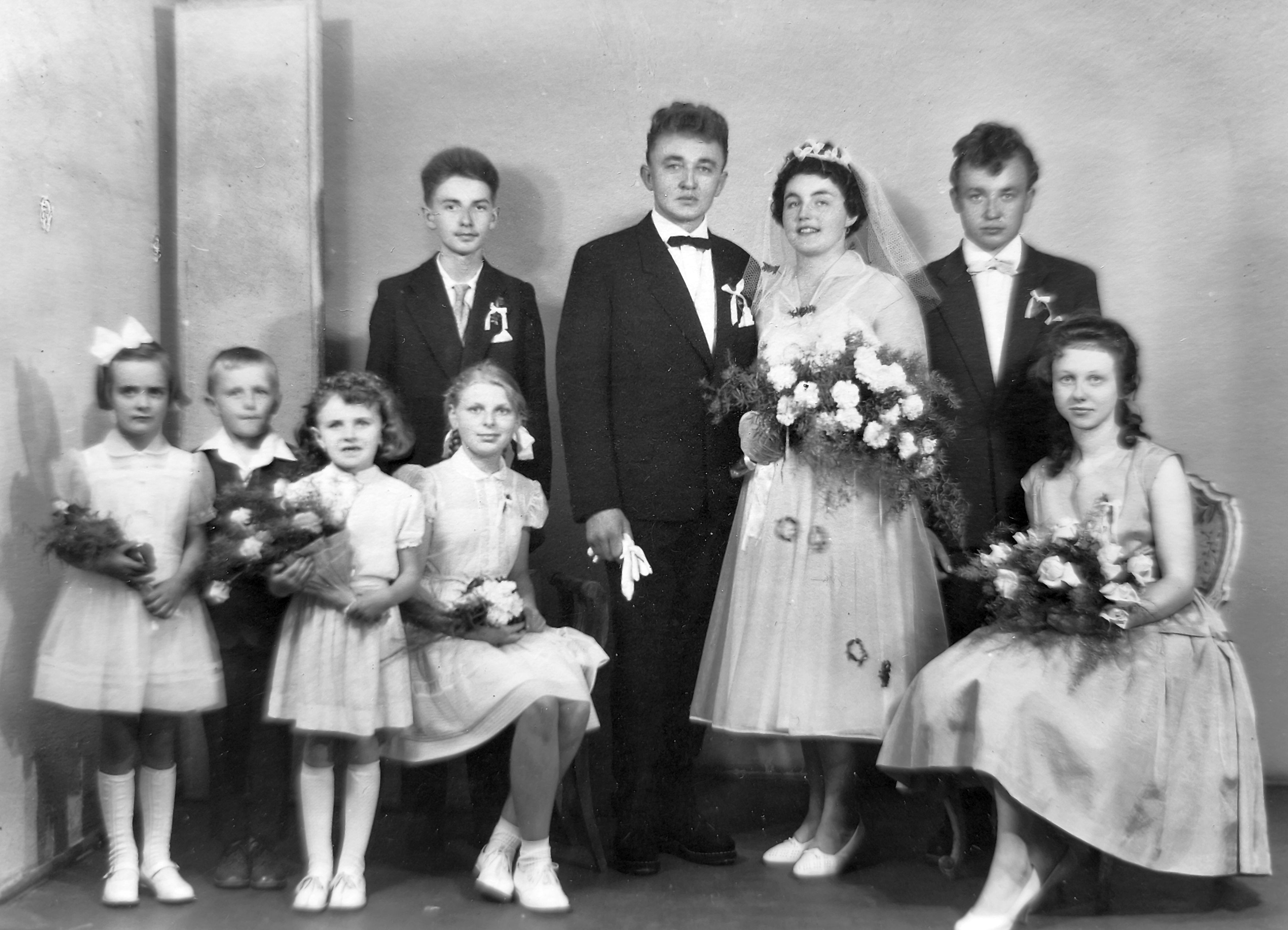
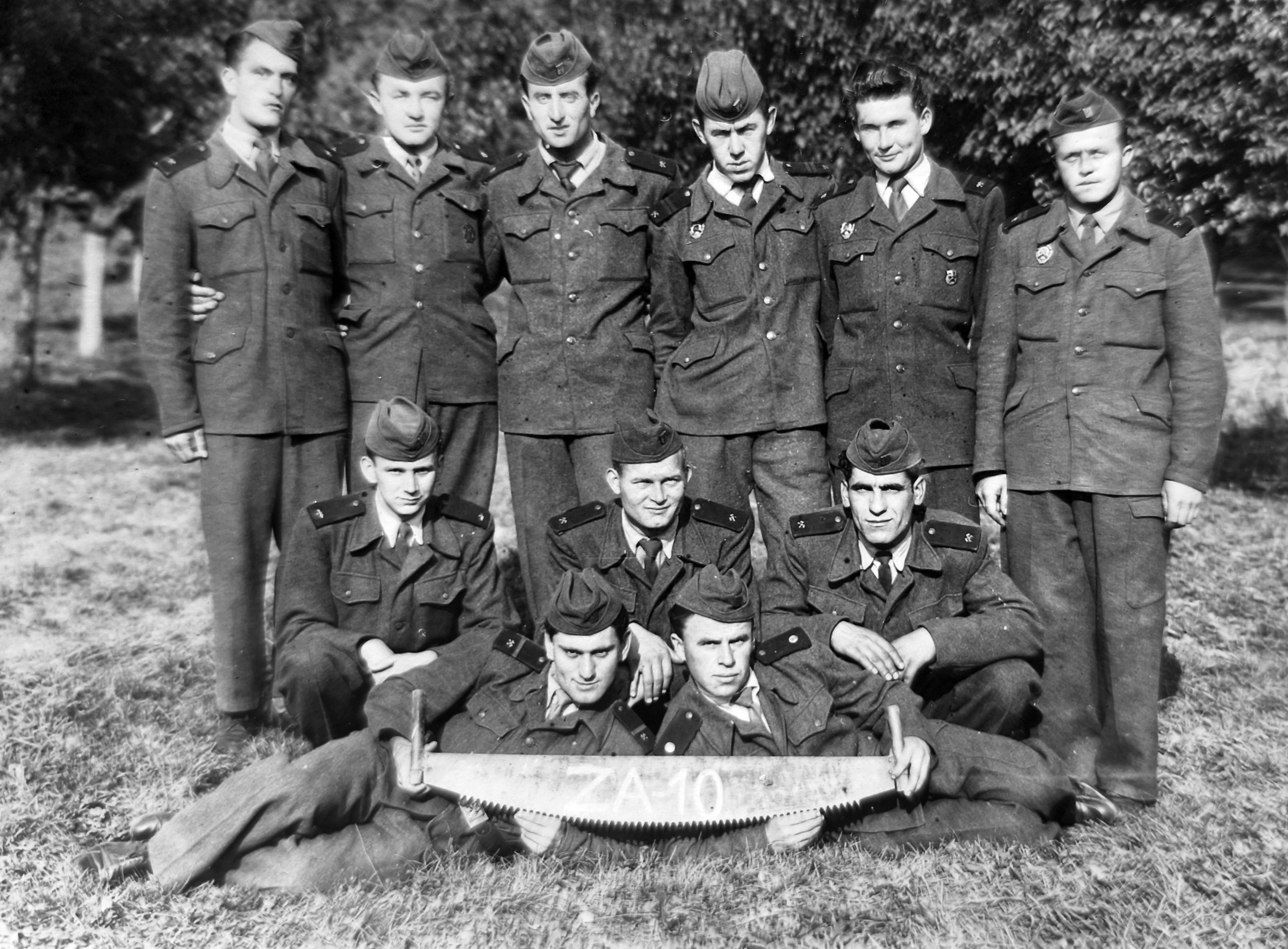
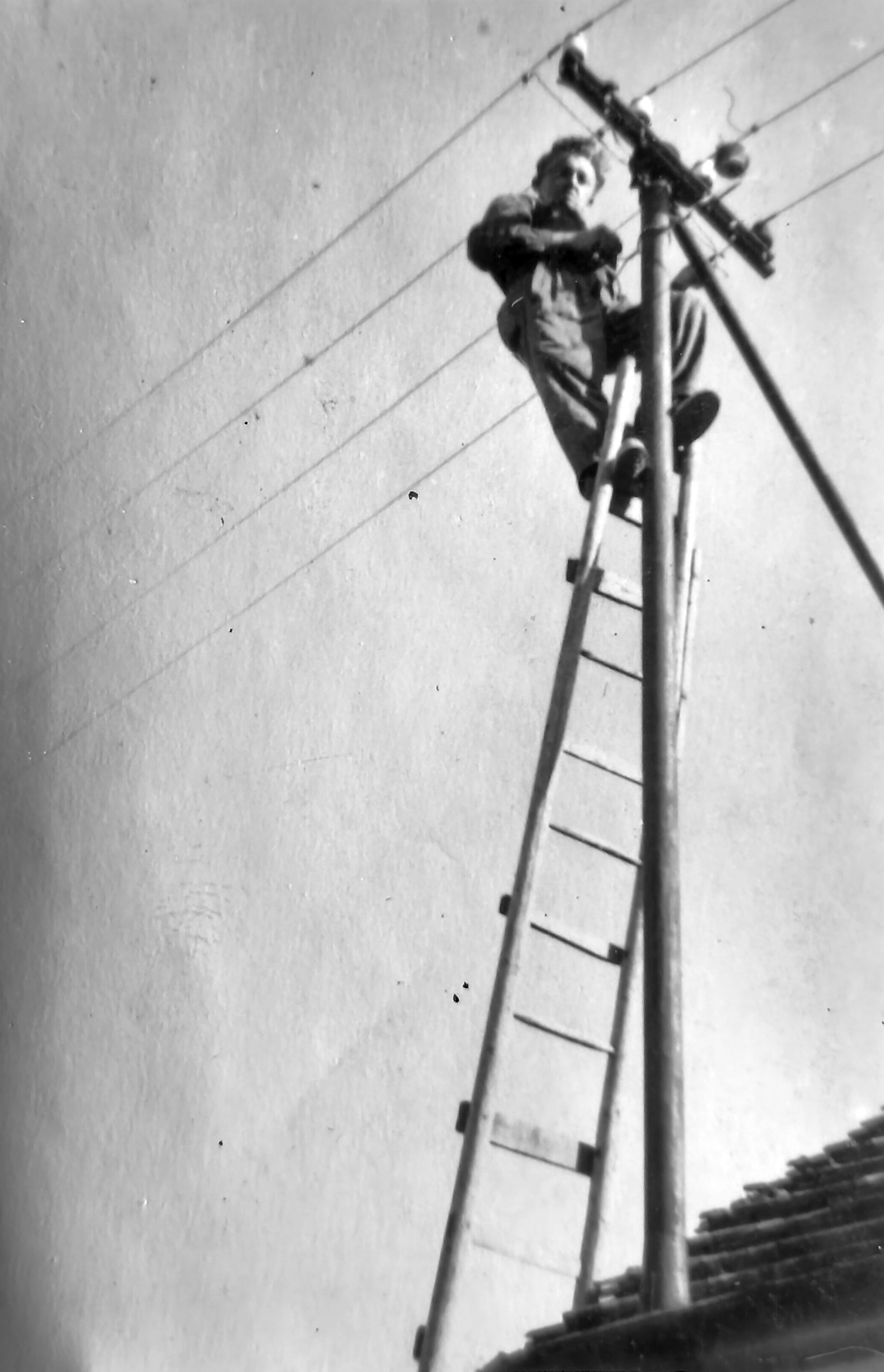
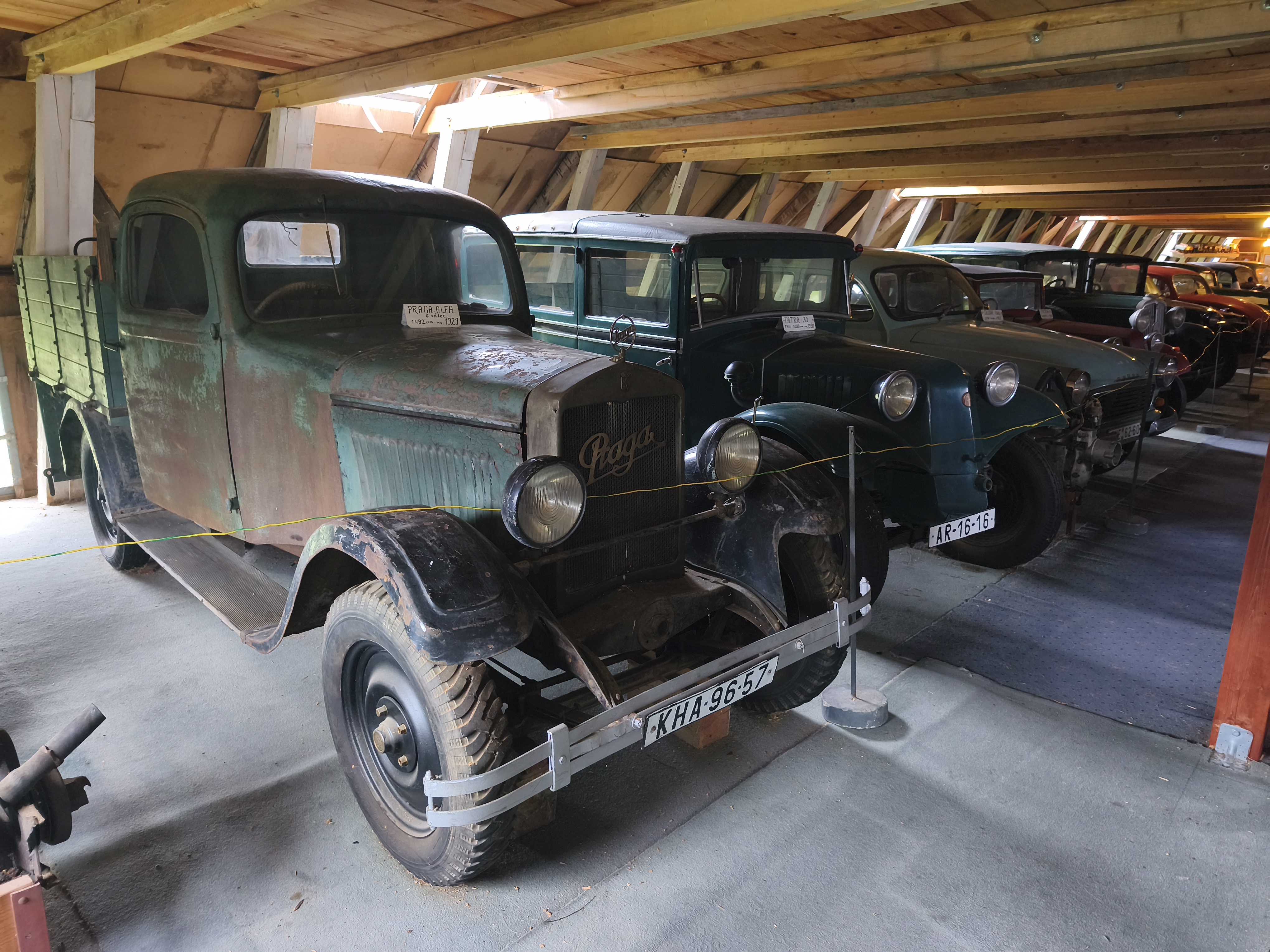
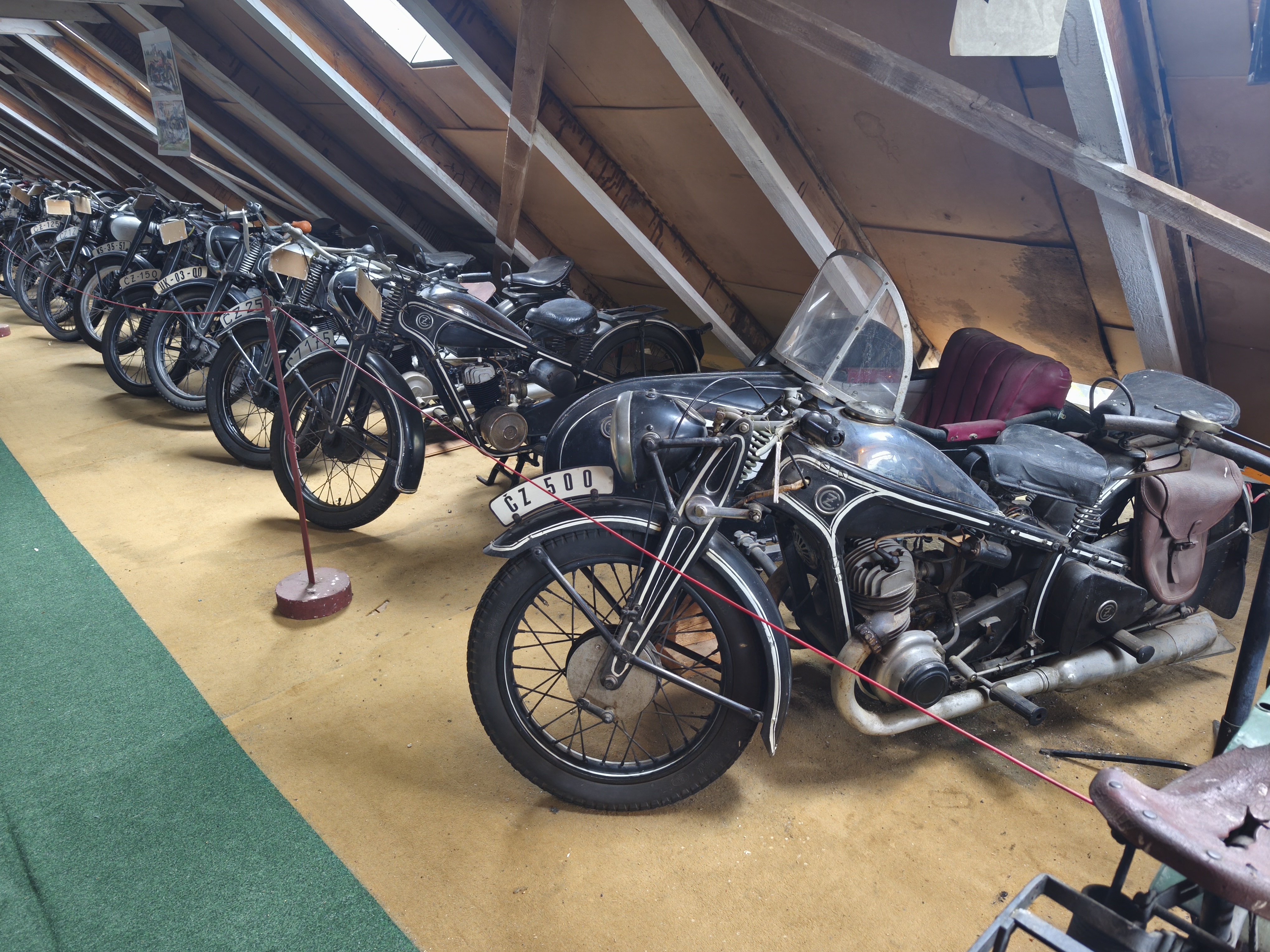
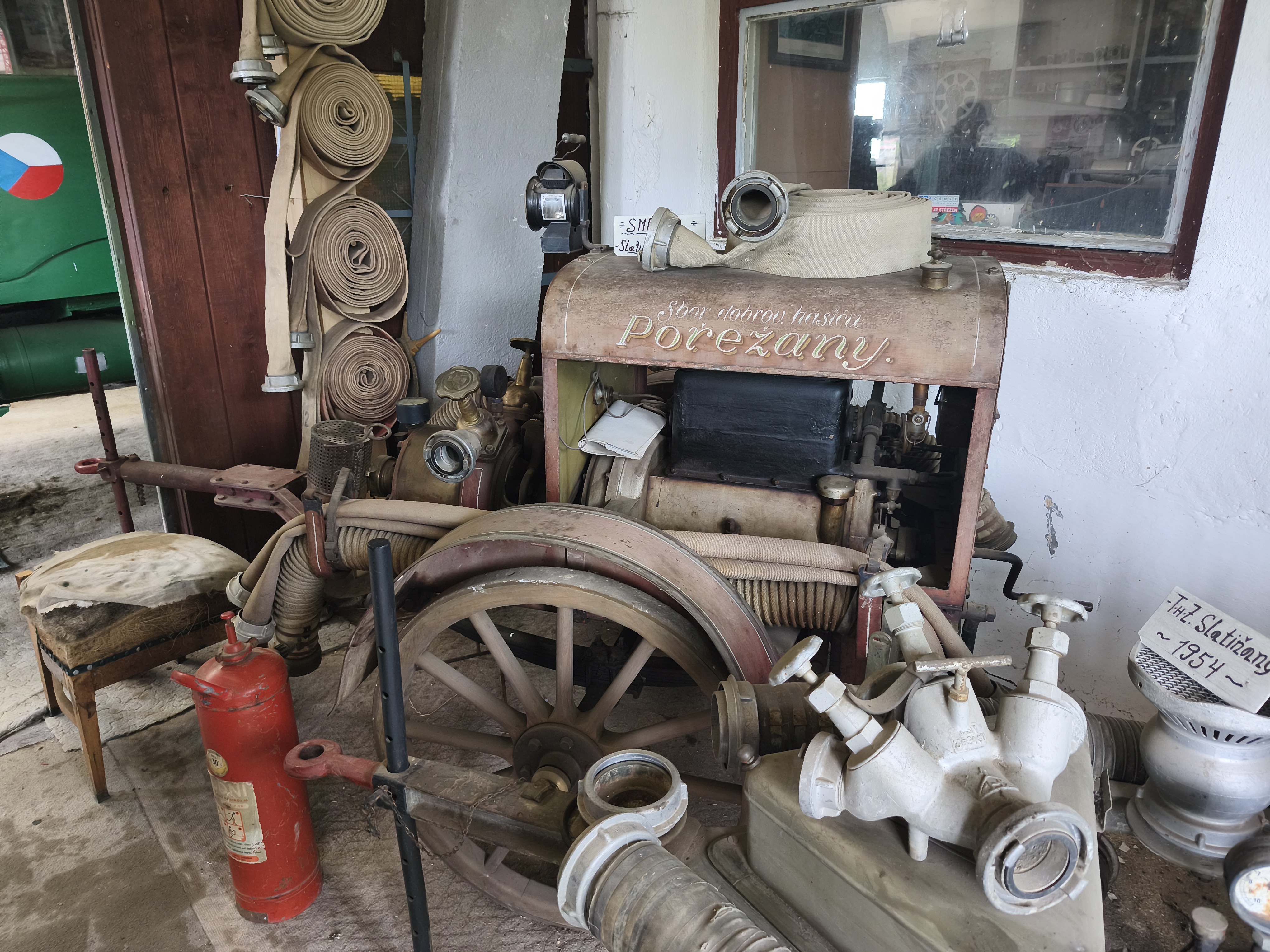
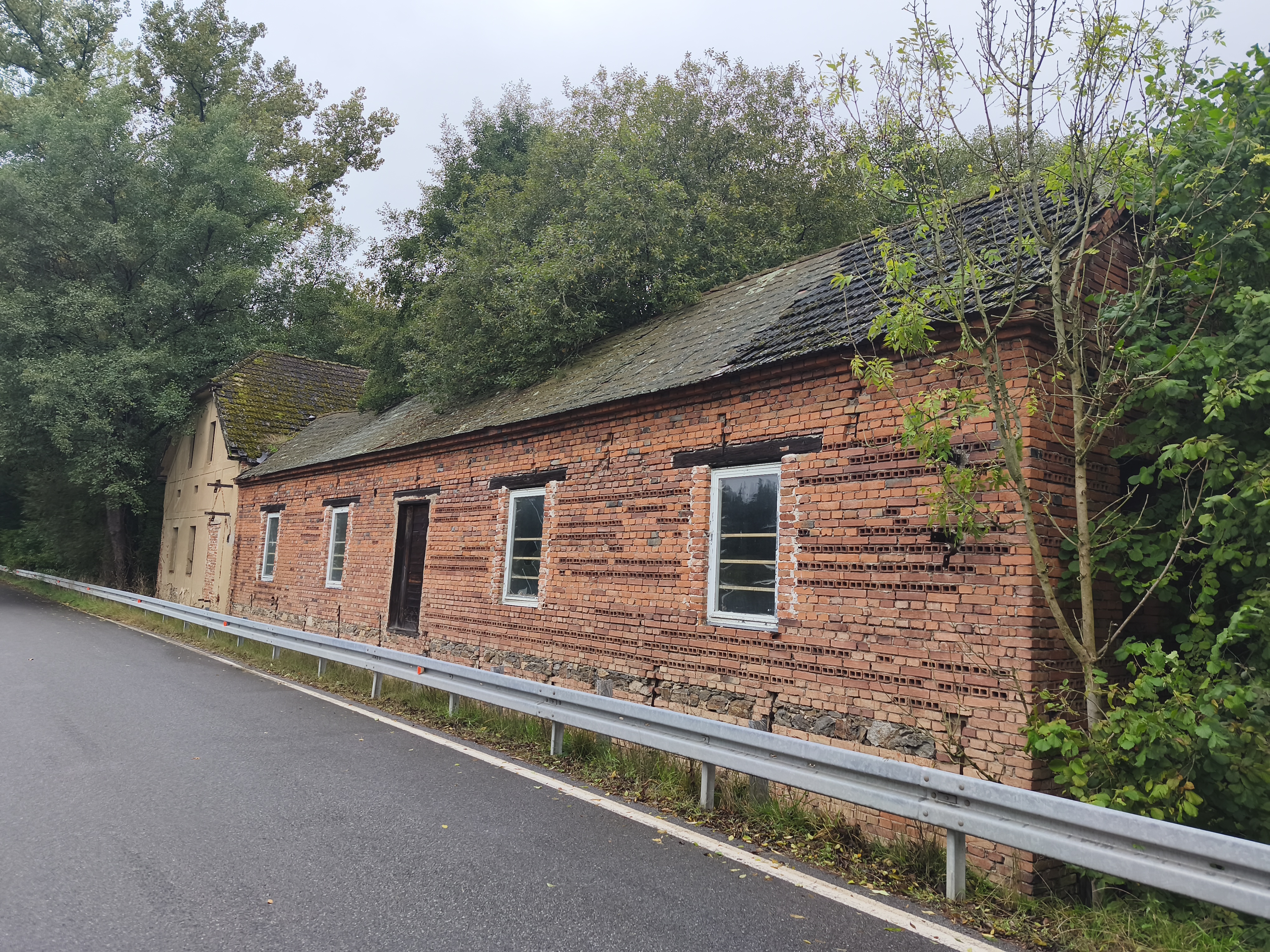
František Jiříček was born on 24 August 1931 in Pořežany near Týn nad Vltavou. He came from farmers family and from an early age he helped on his family farm. He witnessed the construction of fortifications in the Vltava valley in 1938 and the arrival of the occupants the following year. His school years were marked by the Nazi regime. A distant relative, the miller Vojtěch Rada, declared to belong to German nationality, for which his son paid with his life as a German soldier; the miller himself died tragically in May 1945. The witness saw an incident between Hungarian soldiers and SS men at the end of the war and the subsequent arrival of the Red Army. After 1948, he refused to join the Socialist Union of Youth and his departure for military service in 1952 was used by the local communists to pressure his father František Jiříček Sr. to join the cooperative farm (JZD). After returning from the war, František Jiříček ran a travelling cinema and after graduating from the evening secondary technical school, he joined the South Bohemian Hydroelectric Power Plants. During the completion of the Orlice Dam he worked on the dismantling of small hydroelectric power plants in old mills and managed to save the Křižík power plant in Písek as a technical monument. His wife’s father, Arnold Haudrych, was a high-ranking police officer and was imprisoned as a political prisoner in the 1950s. Throughout his life František Jiříček collected historical machines and vehicles, but the regime did not allow him to store his collections on his own family farm, where a pigsty and cowshed were built by the regime; the farm itself was plundered until the Velvet Revolution. Due to disputes over the preservation of other technical monuments, he left the power plants company in 1987 and retired in 1990, but worked as an external power engineer for several Budějovice companies until he was 91. Immediately after the revolution, he took over the rescue of his family farm, where he also moved his collections and, together with his son, officially opened the Museum of Historical Vehicles Pořežany in 2004, which they still run.