Pavel Husák

* 1960

  • "We weren't able to absorb the thing at all after the revolution, when a priest who had been persecuted all the time and was, for example, a bishop and was ordained by a bishop, how to just accept that the person has - is being asked to renew those vows, when he proved it here with his life and his service and the risk and everything and he led - Professor Krátký - I haven't been in contact with Davidek, but well, a contradictory personality - but how could anyone expect - we were not able to accept that. And those priests who - it was such a difficult time. But why didn't they use that hidden church for what a tremendous experience they had in that provisional just to function? How they had a tremendous amount of ideas, pastoral."

  • "When I was seventeen, I met Mirek, and then a little later, so maybe again, yesterday my wife and I talked a little bit about it, because the first truck of literature came to Štěpánov, and that was a little later, and they put it all in the attic and then it was distributed around the country, which was terribly interesting, because it got cloudy and it was completely dark, like a storm, and the truck left and nobody noticed anything. Because Davídek, Bishop Davídek worked at Štěpánov at a certain period. And that also left a trace there."

  • "It happened that we went to Kostelec - they killed Přemysl Coufal, but the parents had - they had beaten him in Bratislava in that apartment, but he was traveling abroad, so preparations were being made - according to Mirek, we needed to get to the parents because they had documents about - first, preparations were being made for the canonization of Zdislava. And the documents - because it was very difficult, the communication, so he got out somehow, because he was a physicist or something, and we went there and that night we sat down, we woke up - so he was, it was very rough sometimes. We knocked on Father Olejnik's door, because he needed to sort something out again, Mirek, as an excellent musician, composer, he did ordinaries, and he helped us to do some things in Olomouc, like we sang with him. So we stopped at his place, and I know that he somehow got to those parents from the back. I don't know how long after he was murdered, but somehow the documents managed to... Then I know that later that night we went to Moravec to see a priest." - "What did you do with the documents then?" - "He just had these contacts, that the documents needed to be put together, saved, because there was a preparation for the canonization of Zdislava, and there were people working on that. And now, of course, it started, the State Security officers started collecting it, doing searches on the parents, because they needed to get rid of him somehow. Because as he was getting abroad, he had contacts outside and just - I don't know all the details completely." - "So you took the documents and..." - "The documents I know he managed to have some of them with him, then somehow it was put together and then someone else was working on it."

  • "I didn't handle puberty ideally. I was around a lot of my peers here in the South, whether it was feasting or all the parties and stuff like that. And at one party, I felt like - I didn't handle the party at all with being out of the group and kind of there for a laugh, I drank a little too much, which I shouldn't have, and I came home and my dad absolutely hated it. He just couldn’t take it in. And with the church — when I was fifteen and finished school — my parents gave me some freedom. I started going to dances and such. Right after finishing school, in September, there’s a feast in Moutnice for St. Giles. That’s when I first met Mirek Richter and Bohumil Poláček, a priest. It was in seventy-five. They were still just guys going to the dance at the time, and later Poláček joined the seminary. With Mirek we just exchanged a few words when we met walking from Nesvačilka to Moutnice. And now, back to my issue: I woke up one morning, and for me it was like a bolt from the blue. I got dressed and went to church in Moutnice, and I was just barely glad I made it through the night at all. But then something happened to me — I sat down there, without even standing or kneeling, just sat — and I suddenly realized that everything was coming to me clear, filtered, exactly the way I needed to hear it. And I understood that something was happening. Some might say I imagined it. But something was happening. And then the question was: what now? What do I do with the fact that I’ve lost my parents’ trust? That was so hard for me — I had no idea how to deal with it. Because with my father, it wasn’t easy to argue your case. He was the head of the collective farm, an agronomist, but still — it was unthinkable for him to come home and say: ‘I’m a Communist.’ My grandmother wouldn’t have let him into the house. That’s just how it was. So I knew it would take a long time before I could convince my parents that things were different.”

  • Full recordings
  • 1

    Brno, 21.03.2024

    (audio)
    duration: 02:34:03
    media recorded in project Příběhy regionu - JMK REG ED
  • 2

    Brno, 10.06.2024

    (audio)
    duration: 01:27:28
    media recorded in project Příběhy regionu - JMK REG ED
Full recordings are available only for logged users.

Mirek wanted us, the main members of the community, to take something like perpetual vows
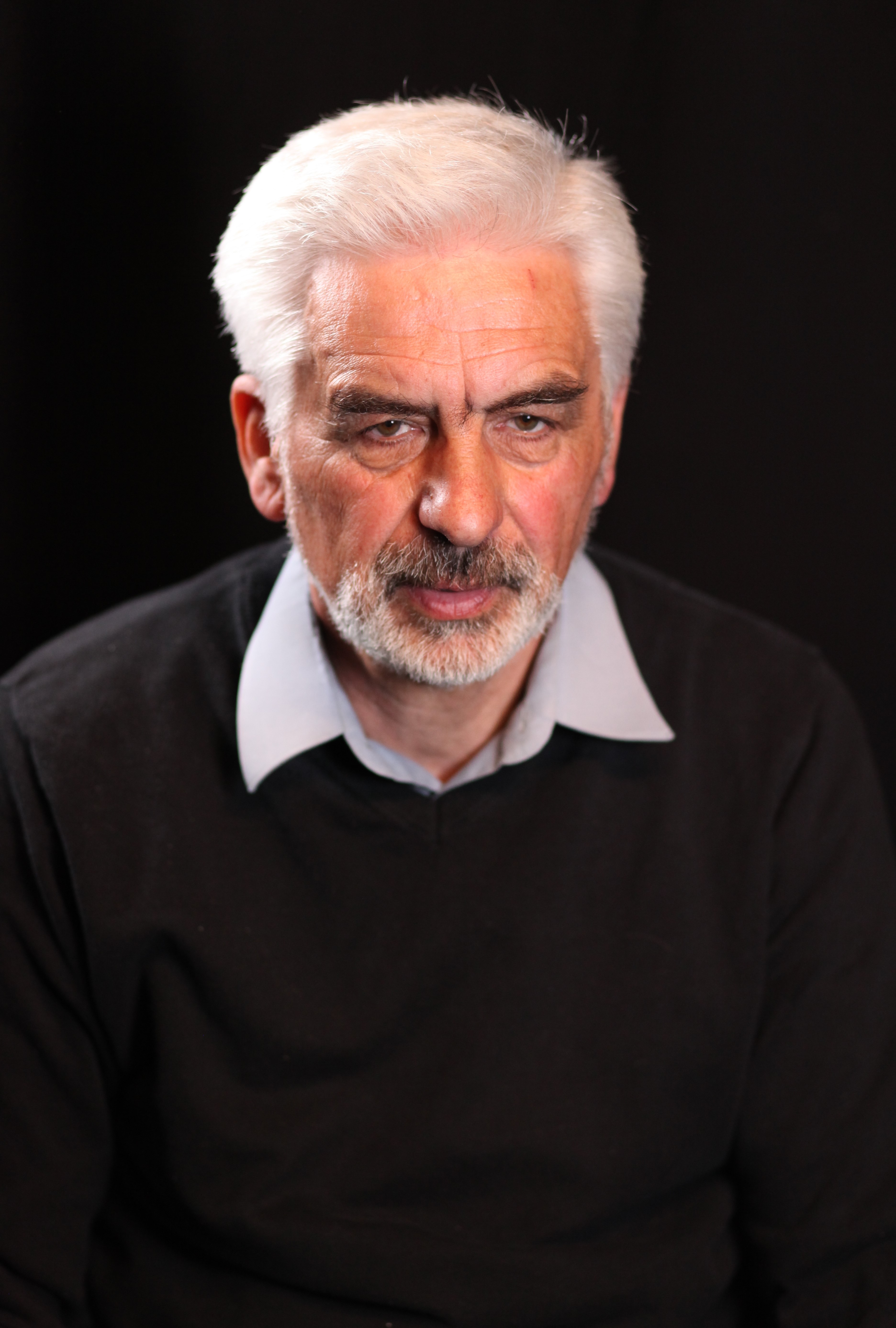
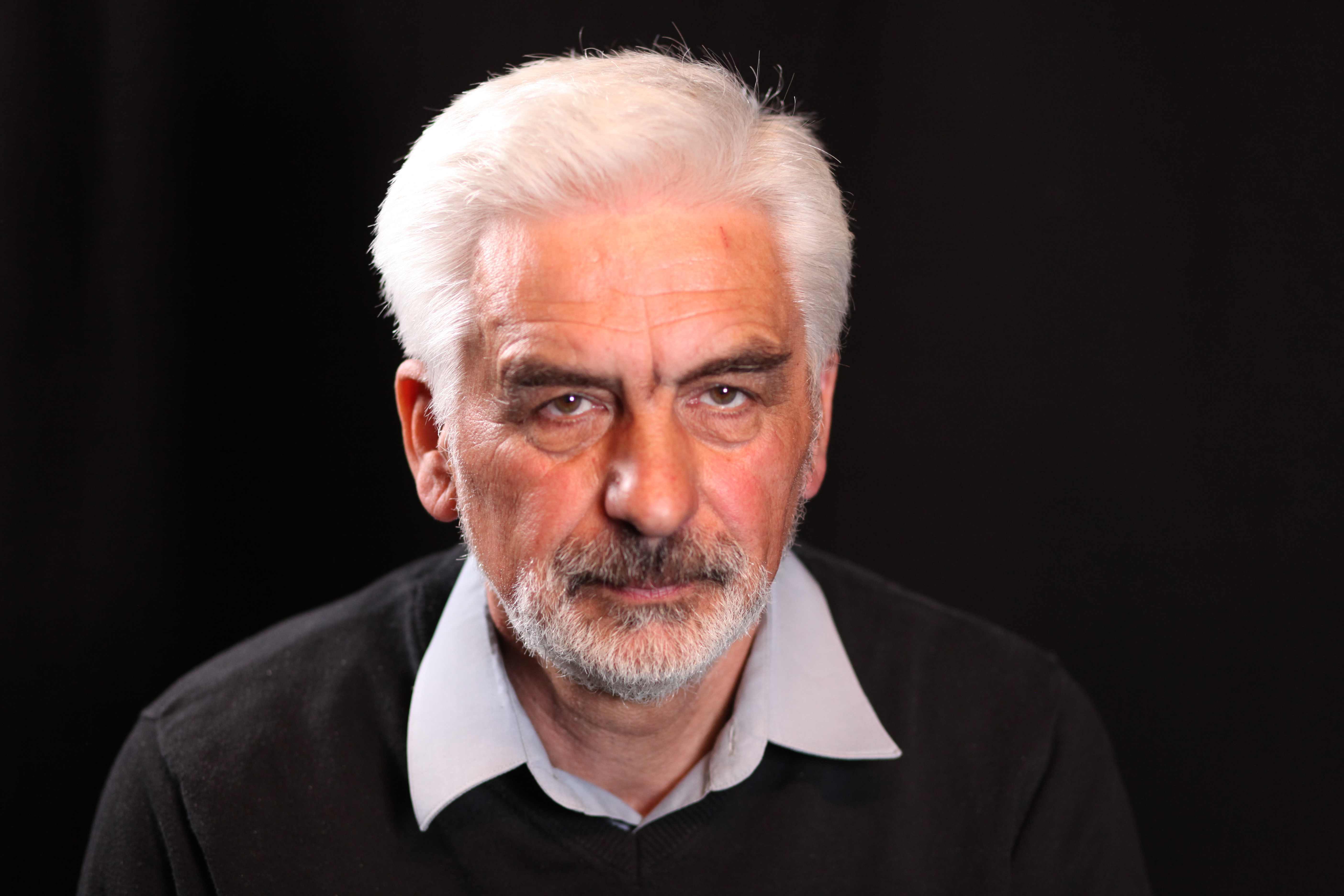
Pavel Husák in 2024
Pavel Husák in 2024
photo: Memory of Nations

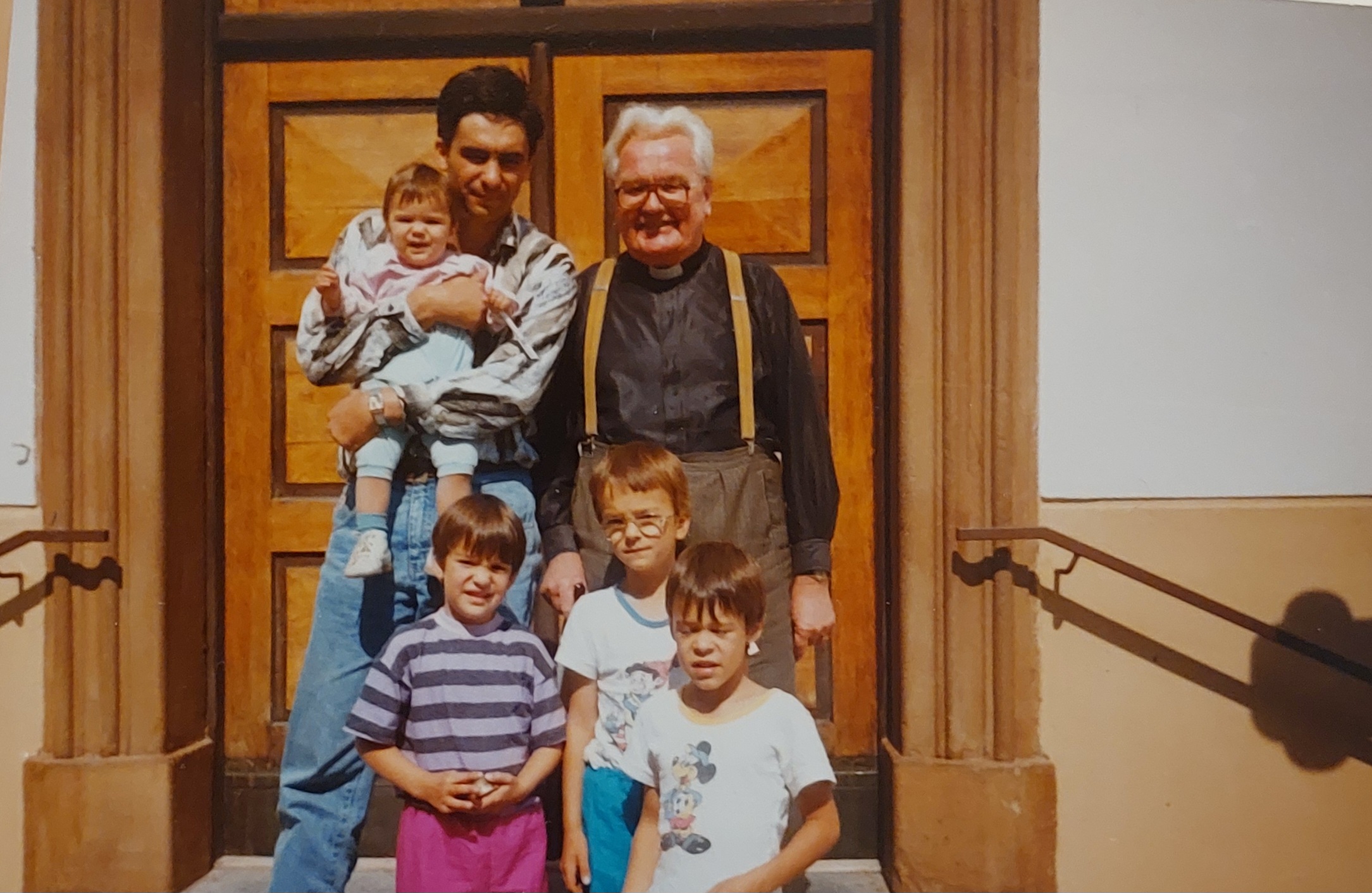
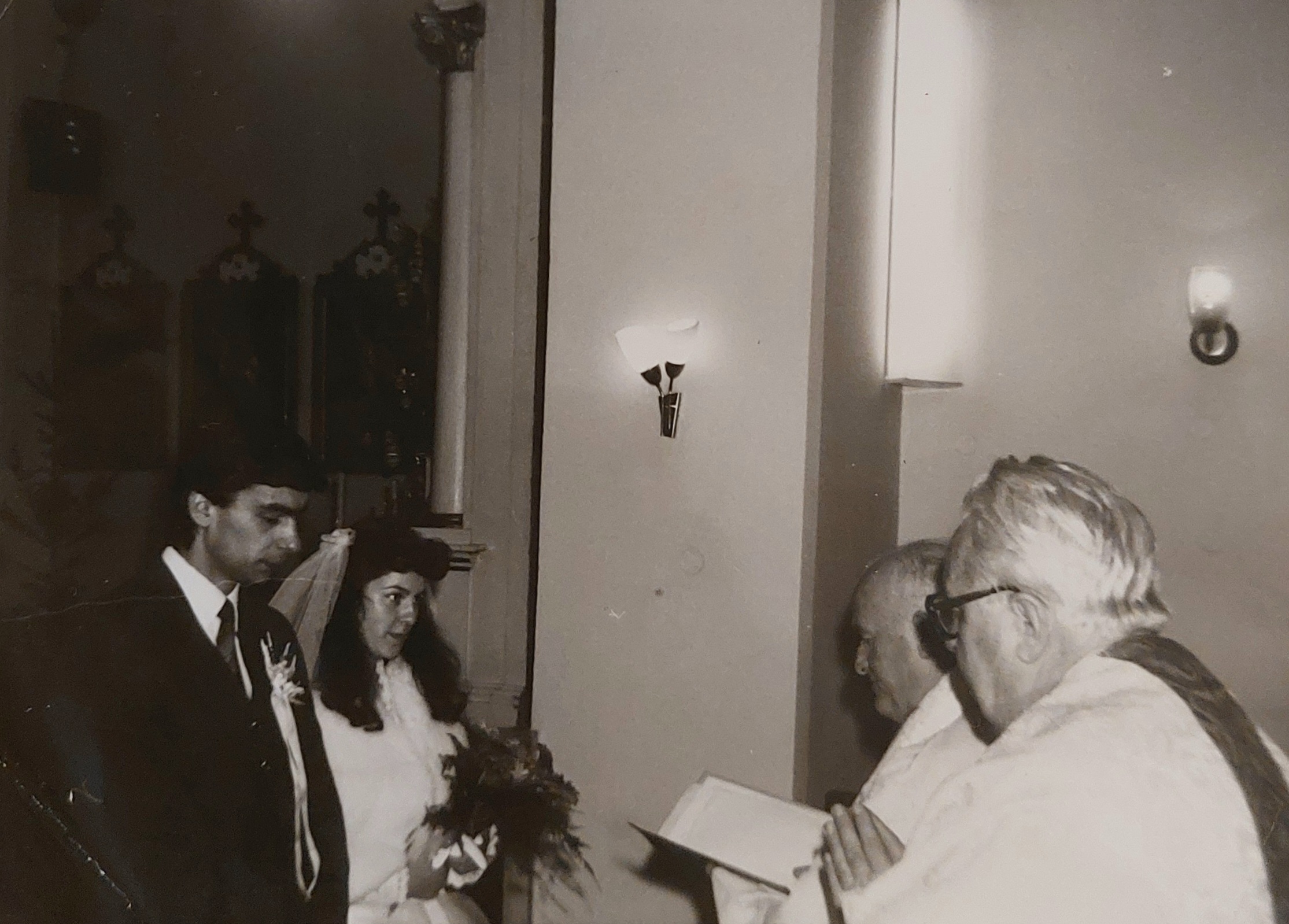
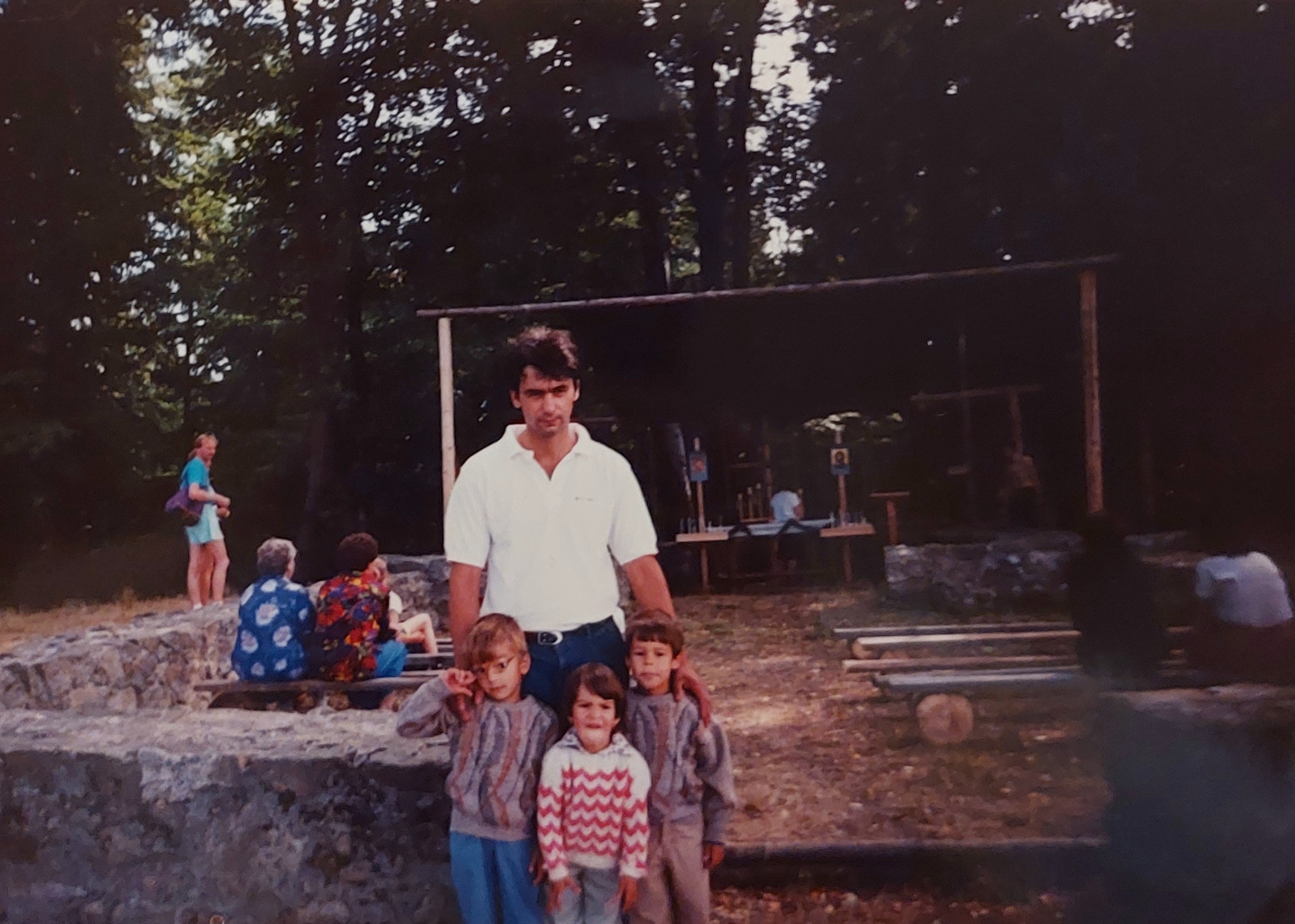
Pavel Husák was born on July 31, 1960 into a South Moravian farming family. He was brought up in the Christian faith, which belonged to the family tradition. During his adolescence he began to drift away from religion; under the influence of his materialistic upbringing at school he wanted to become an atheist and a “progressive”. In the 1970s, however, he met an older law student, Miroslav Richter, and this meeting made a deep impression on him. Miroslav Richter brought him to the Moravan congregation, and some of its members eventually formed the Society of St. Gorazd and Comrades. This community is nowadays classified as a Christian dissent - it maintained contacts with the underground church and carried out anti-regime activities. At the same time, as the Moravian Cherubic Choir, it performed with a liturgical band at official music festivals. Pavel Husák was one of the founding members and was especially active as technical support until his departure in the late 1980s. Even his family was unaware of his affiliation with the Society of St. Gorazd - Miroslav Richter was the witness’s brother-in-law, and so they passed off their meetings as mere family friendship. After the Velvet Revolution, however, their paths diverged, and Pavel Husák had no interest in entering politics with the original Gorazd family. In 2024, he was living in Těšany near Brno, still working in engineering and helping with repairs to a nearby hospice.