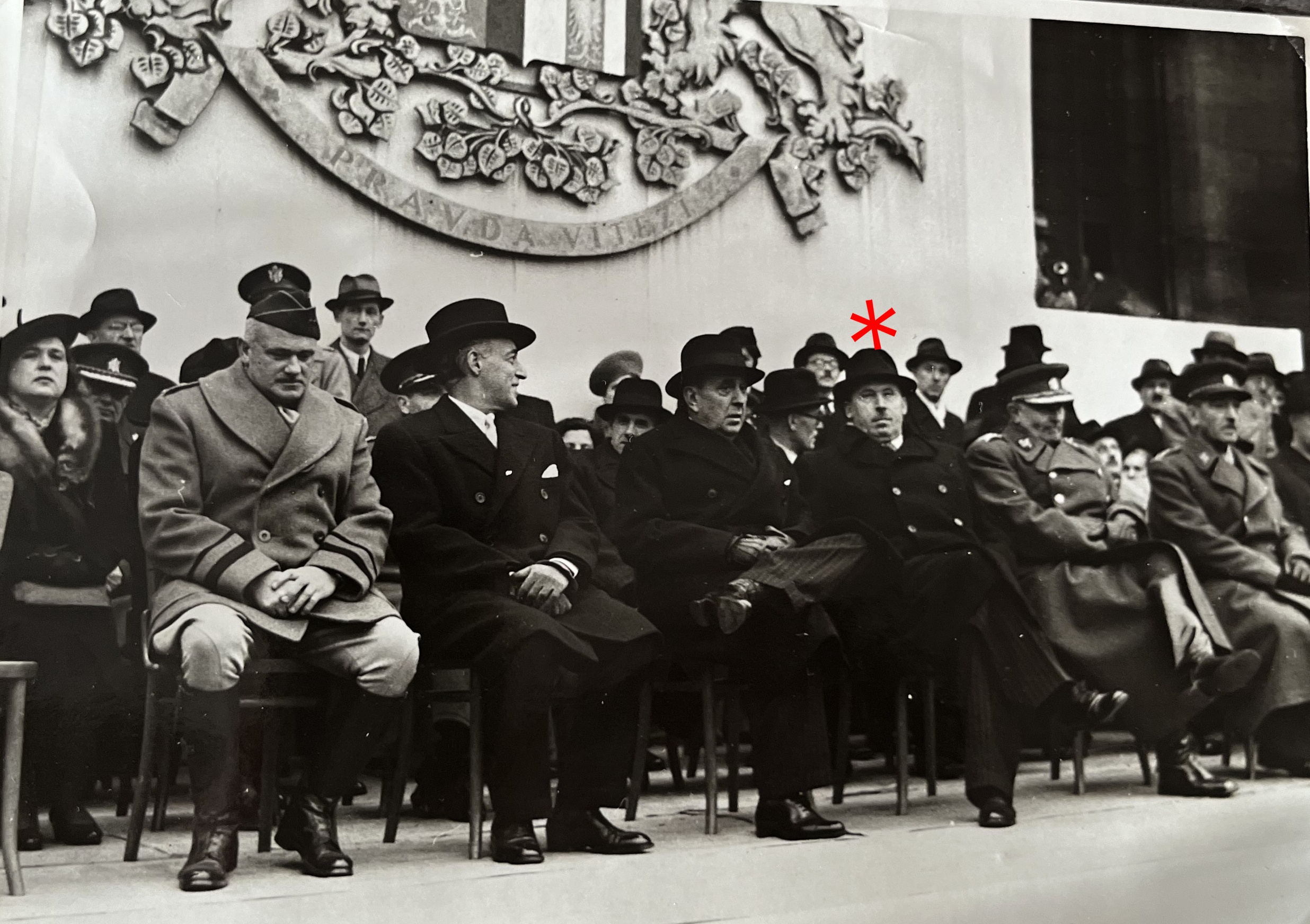
"We were joyful, we were joyful, and it made my daddy happy. I used to go to my parents twice a year, as much as I could, with two children and a sick husband, it was quite difficult. I would come visit my parents, and be overjoyed, and I would say, 'Daddy, it's going to get better.' And Daddy would say to me: 'It won't. They've already been to see me from Bystrica to give a speech and so..., no, my daughter, don't rejoice.' He said, 'Dubček's a nice boy and he means well, but he's not a politician. We won't survive, don't rejoice.' – (witness:) 'The whole nation, my father, the whole nation is awake. It will be fine. It will be better.' - (Father:) 'It's already a given, Hani... It's already a given, Haninka...'"
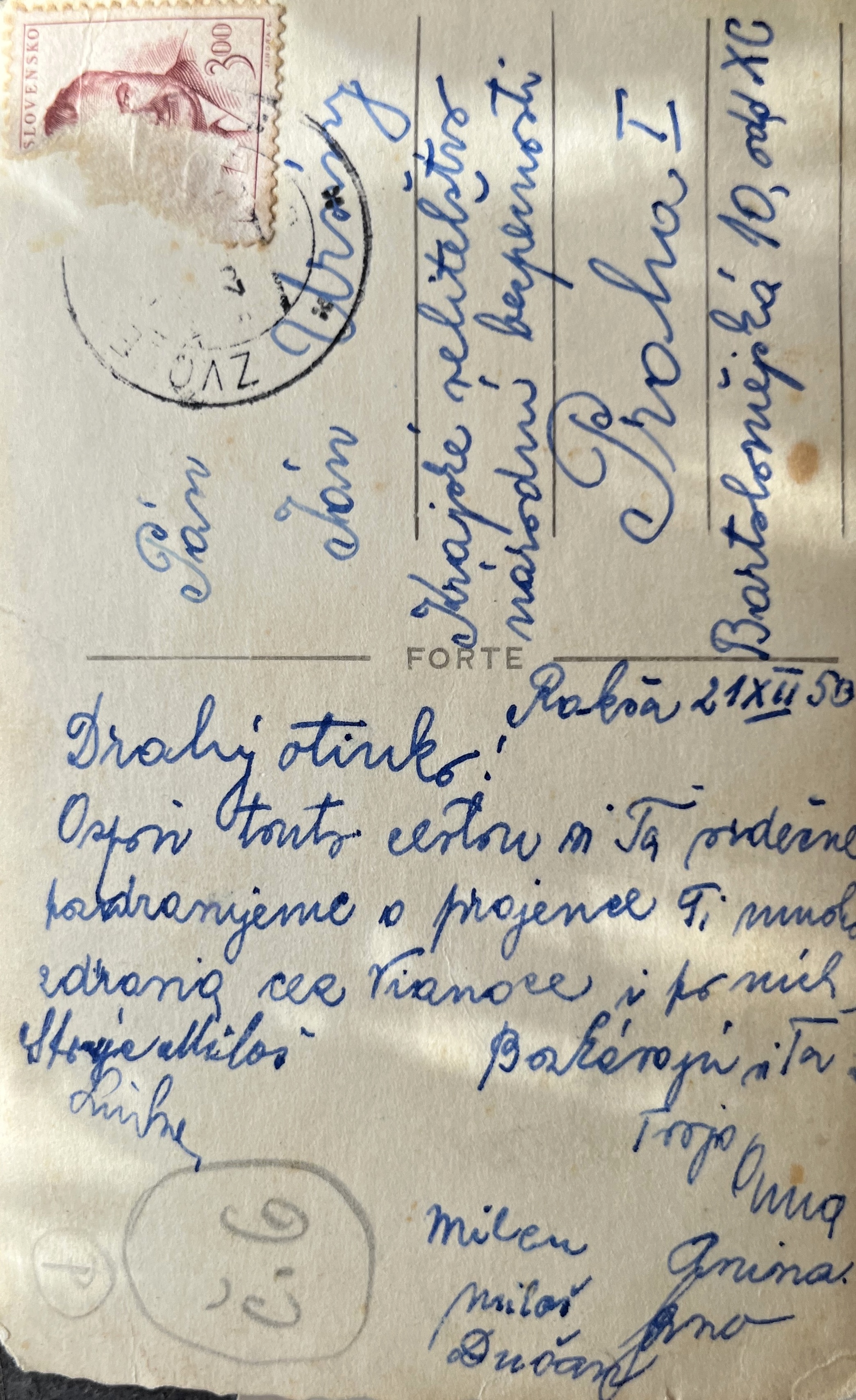
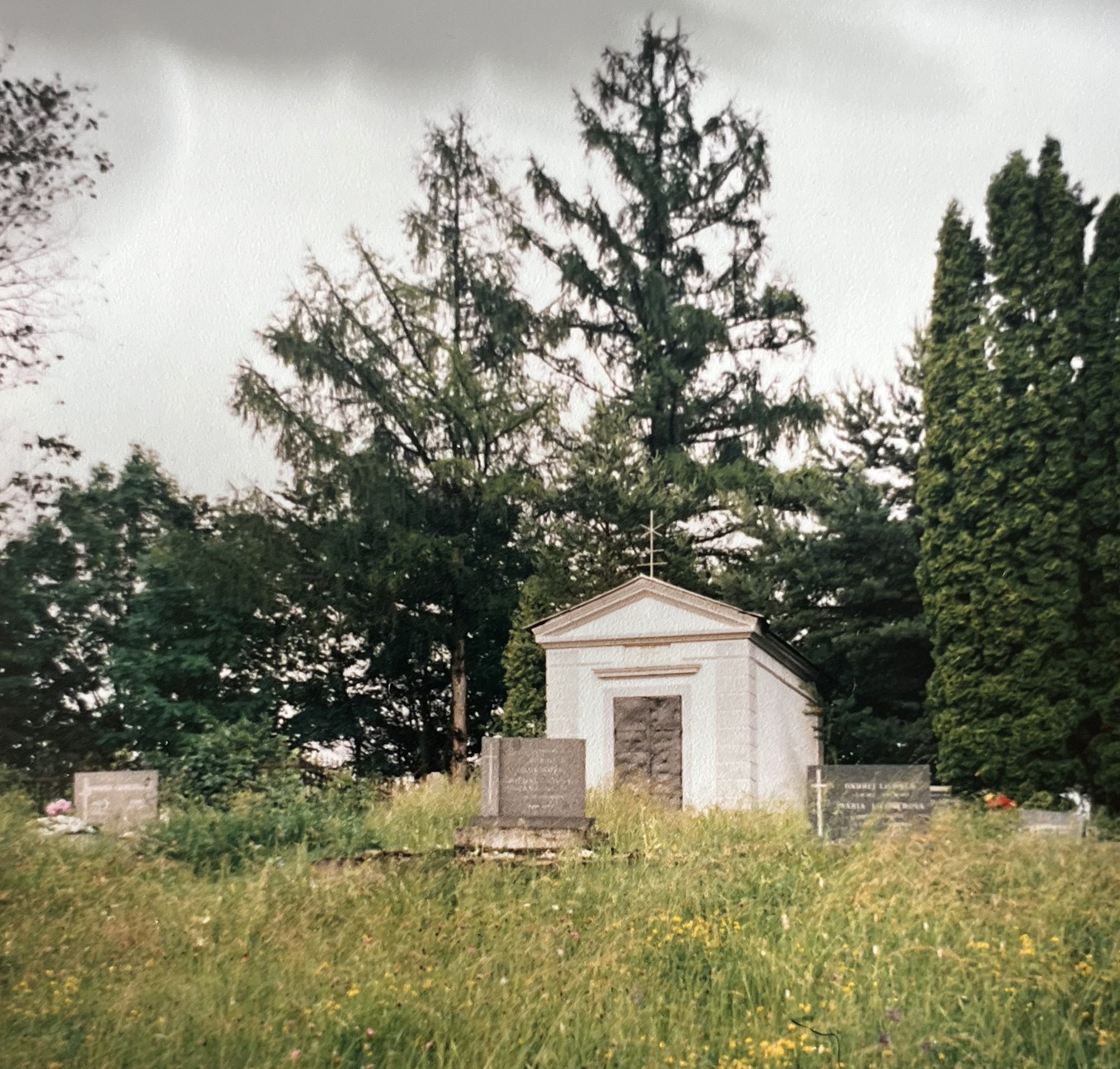
"When we found this out, they locked Obuch and Daddy resigned, and we thought we would continue living in Rakša because we had a sawmill and Daddy had the sawmill nationalised even before he had to, because there were quite a lot of people employed there. So he did a lot of things like that. He always took care of people. That's why we were able to last in the village where my parents had the property advantage, because the people who were employed by us didn't want to give us up. You know, you always get some justice somehow, even if it's late. If I didn't believe that, I couldn't survive. And Daddy never had any hate in him. He didn't even know the word hate. He was careful about some things... After the victorious February, State Security came for Daddy in March and took him away. And the people of the village were going after them. Somehow, the word got out. I was welcoming them, I was welcoming everybody, I had to be at all the visits, and Daddy let me. I sat in the armchair and listened. I was so entertained by the people. And it turned out that Daddy said: 'But Paľko, whoever was in charge, I'll be back in a minute, they can't prove anything.' And that minute lasted over five years."
"My mother didn't want us to go out, but we had a radio, and in the evening, there were usually fireworks over the Kremlin when the Russians liberated a town. And I remember to this day the announcement, I learned it by heart: 'Govorit Moskva, slušajtě naše radioperedače, osvobožděn byl Michajlovce i Gumenne.' And we were looking forward to them coming to Slovakia, that they would liberate us too, and I used to go and watch the fireworks in the corridor, there were these heavy curtains, and the hotel was lined with marble. But there were mice up to the tenth floor. Because it was so miserable. I ate very little at that time, so my mother used to leave food for the cleaners. She always tried to give some of her own because they didn't even have tea; they drank hot water, there was nothing. It was cold, it was a very sad town."
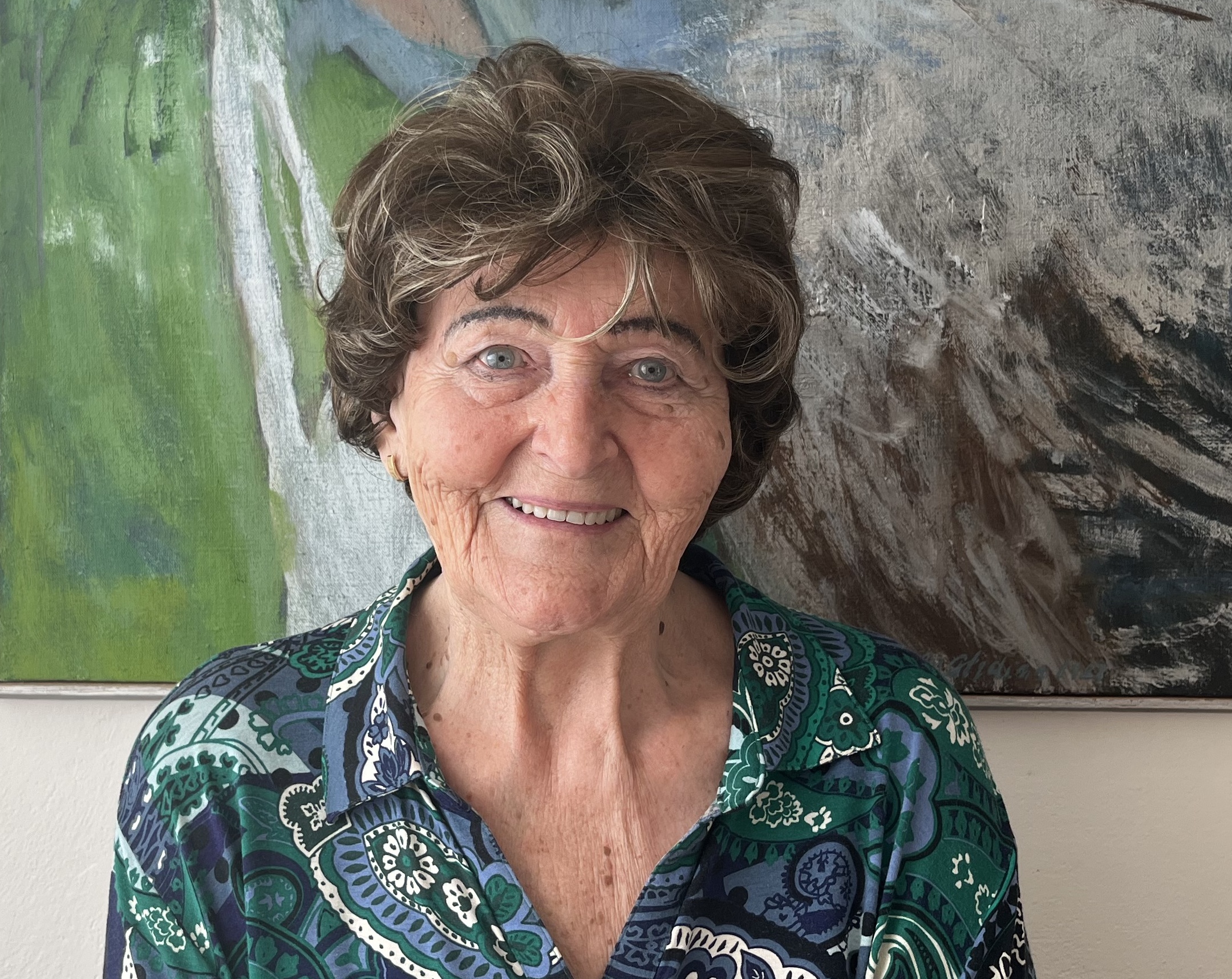
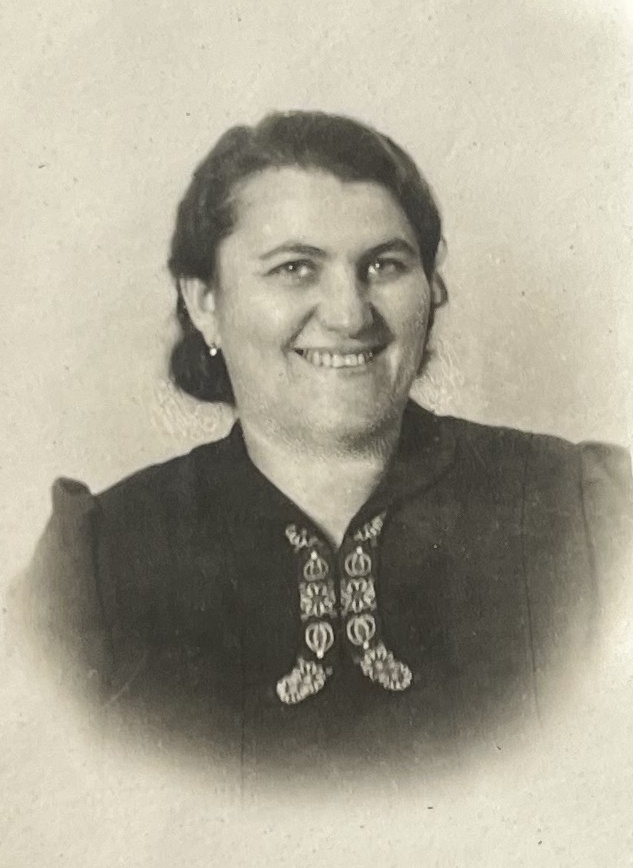
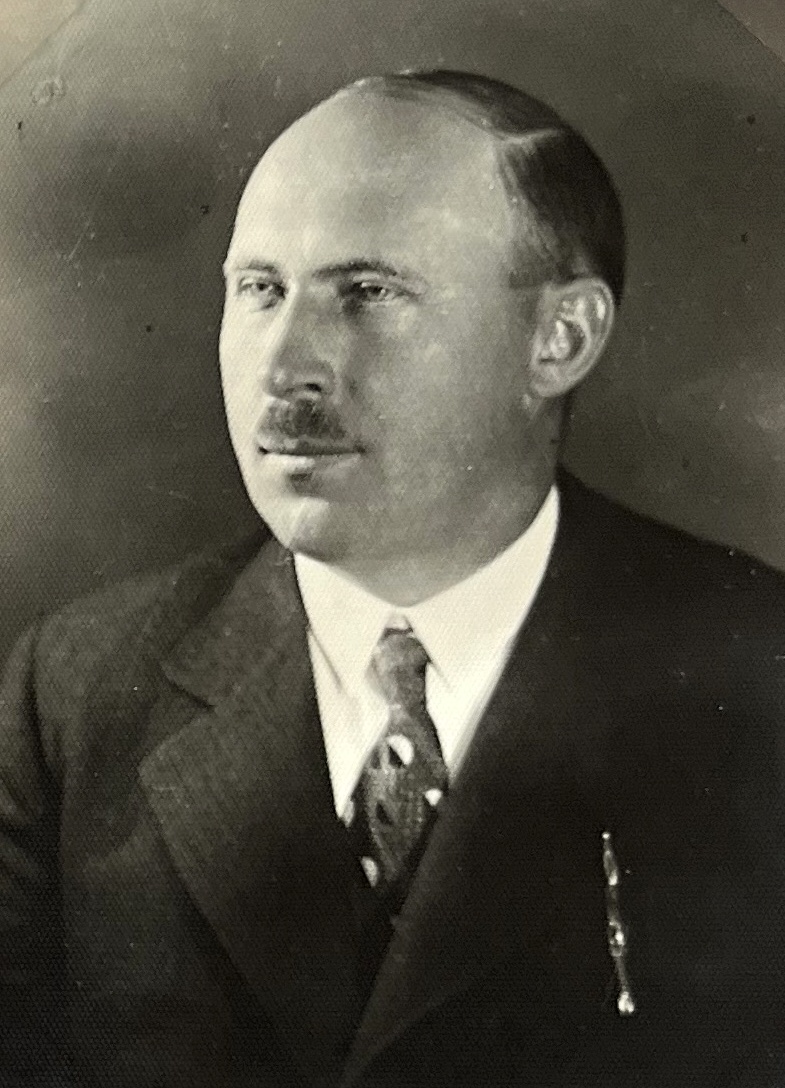
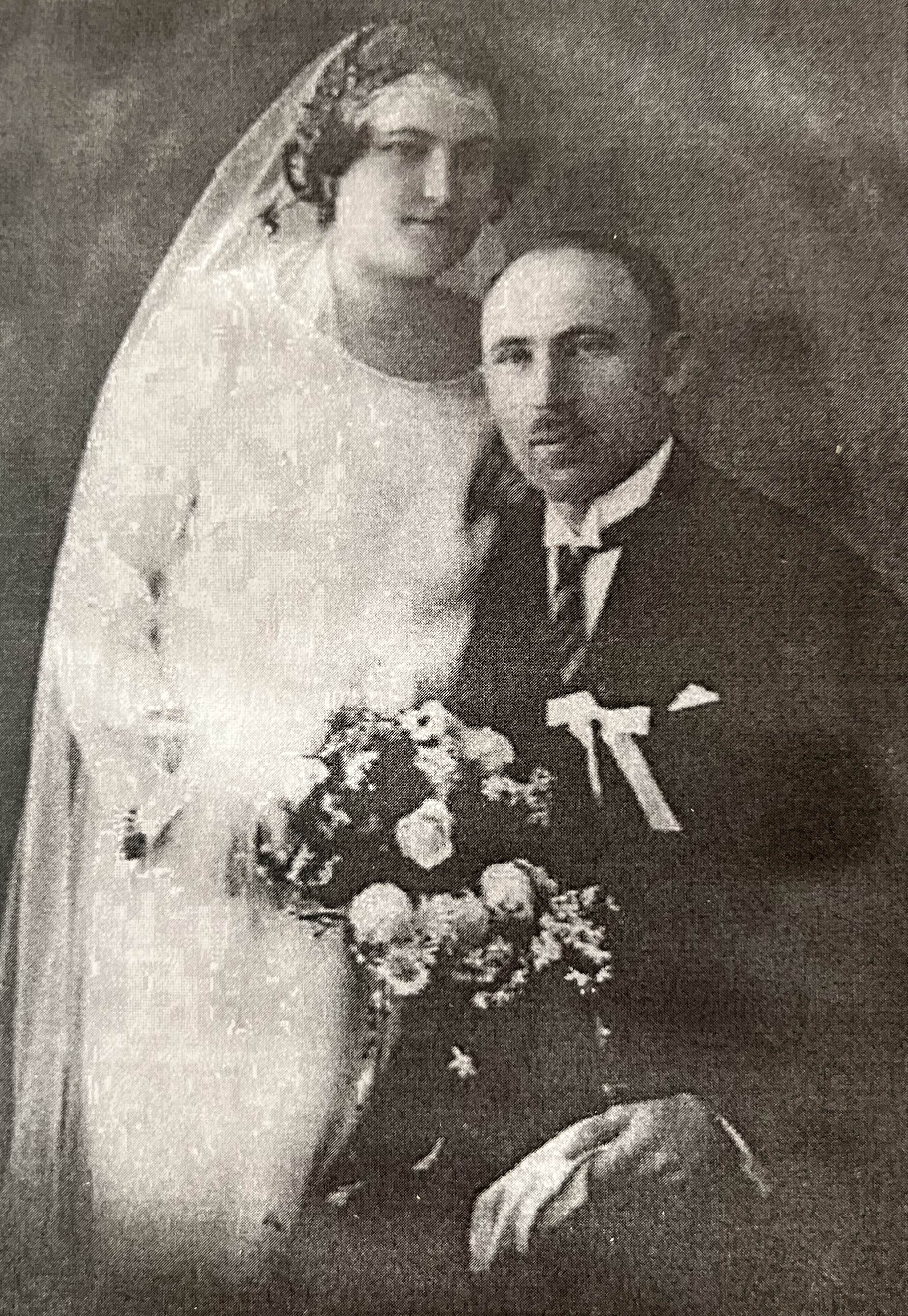
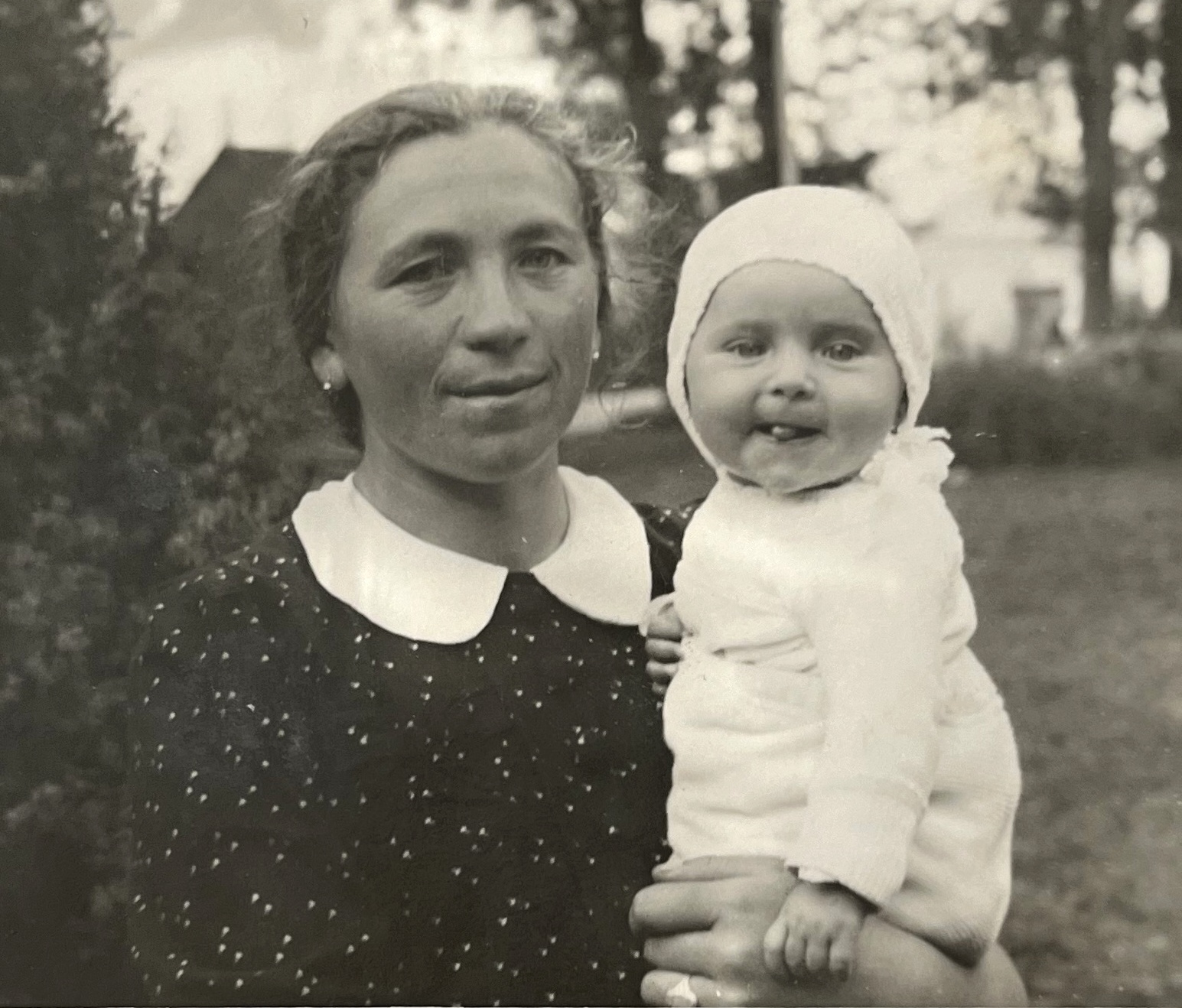
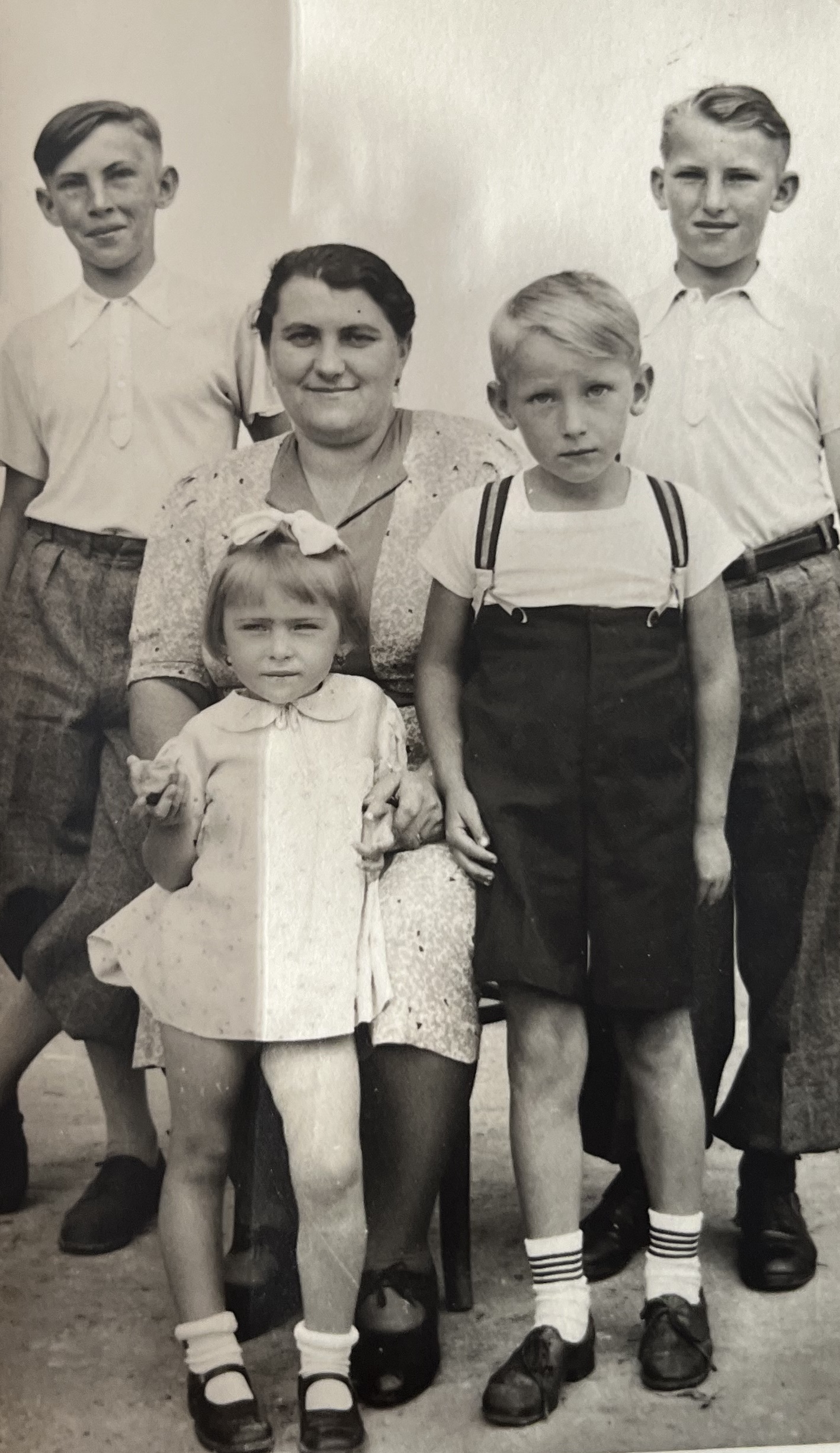
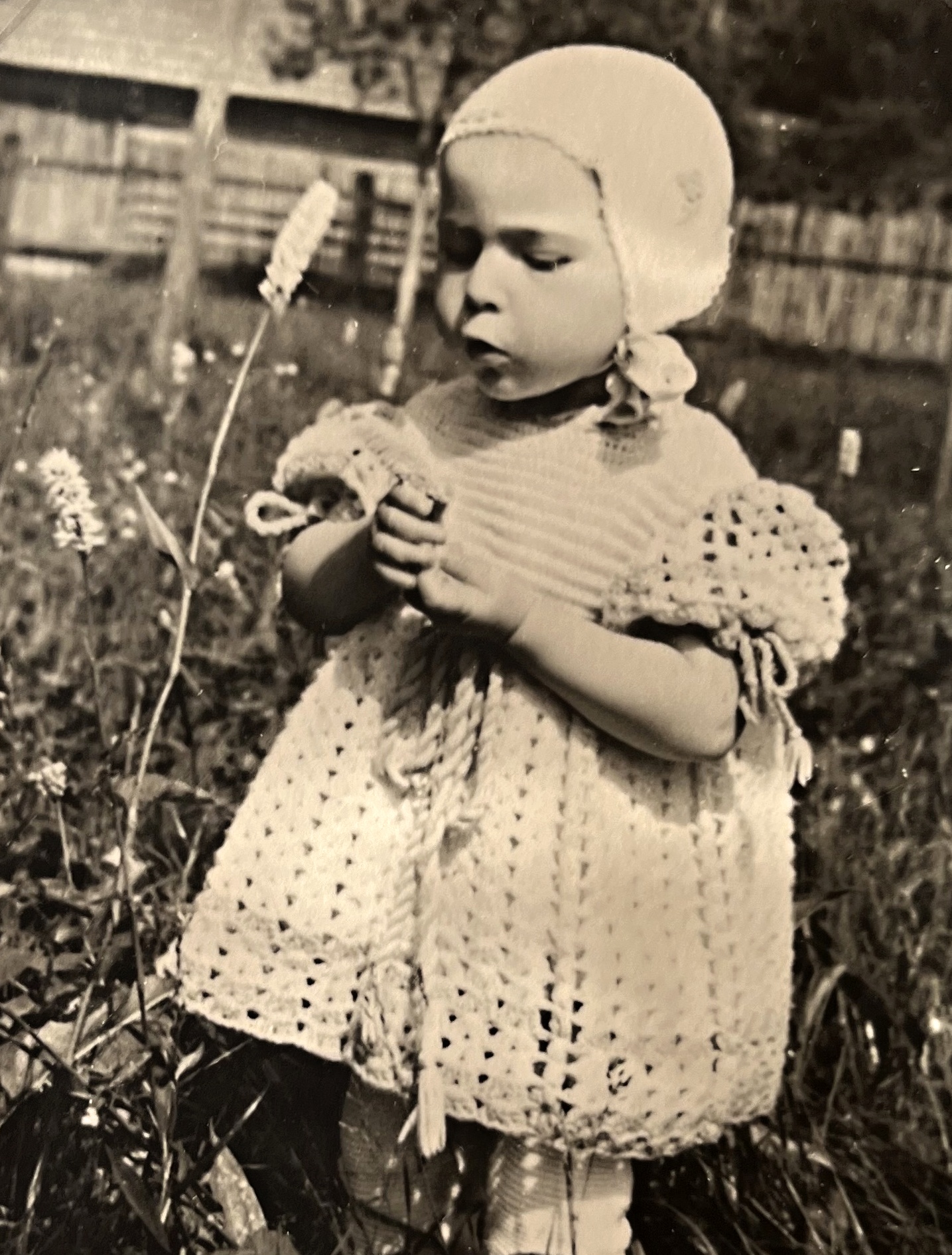
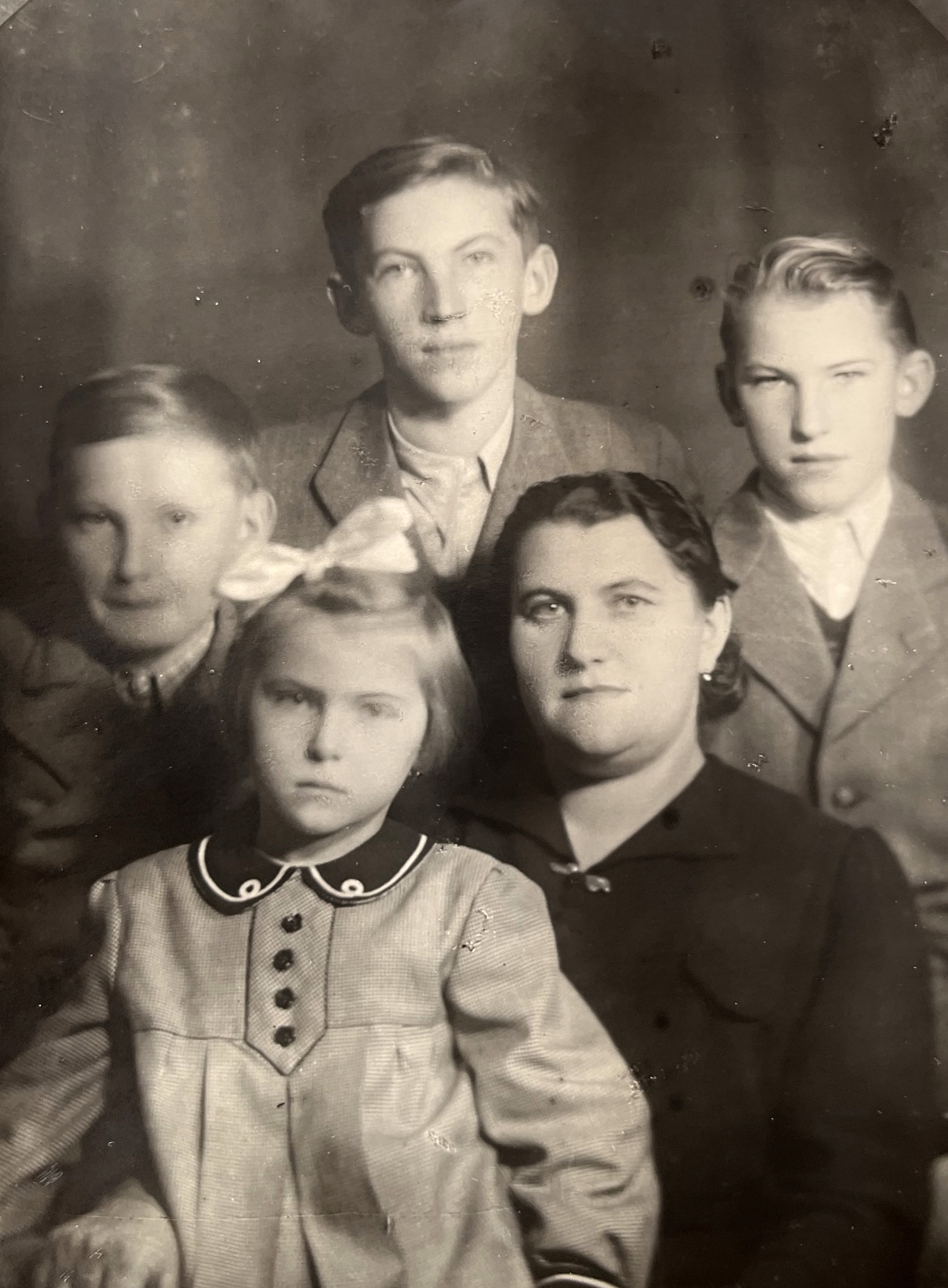
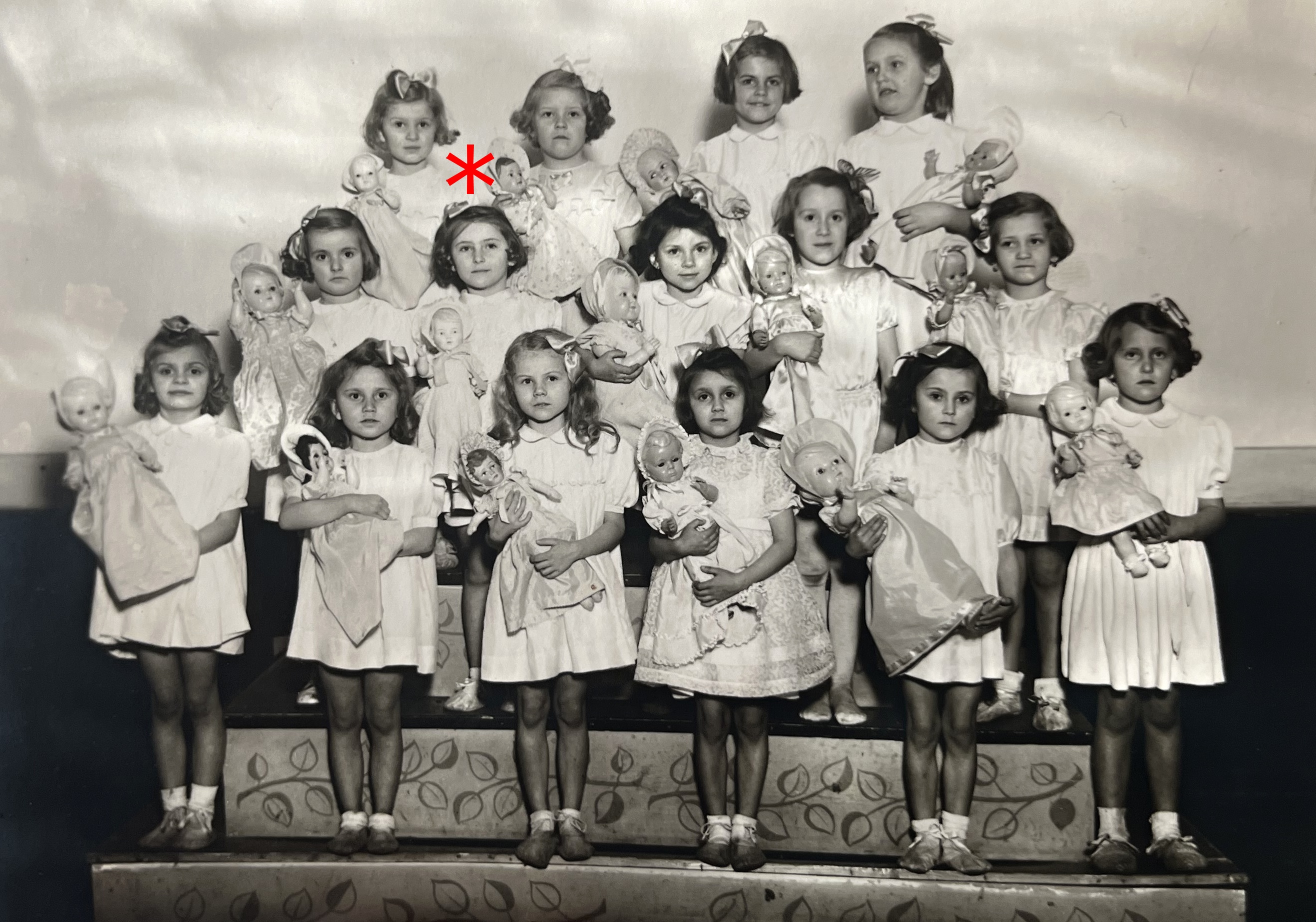
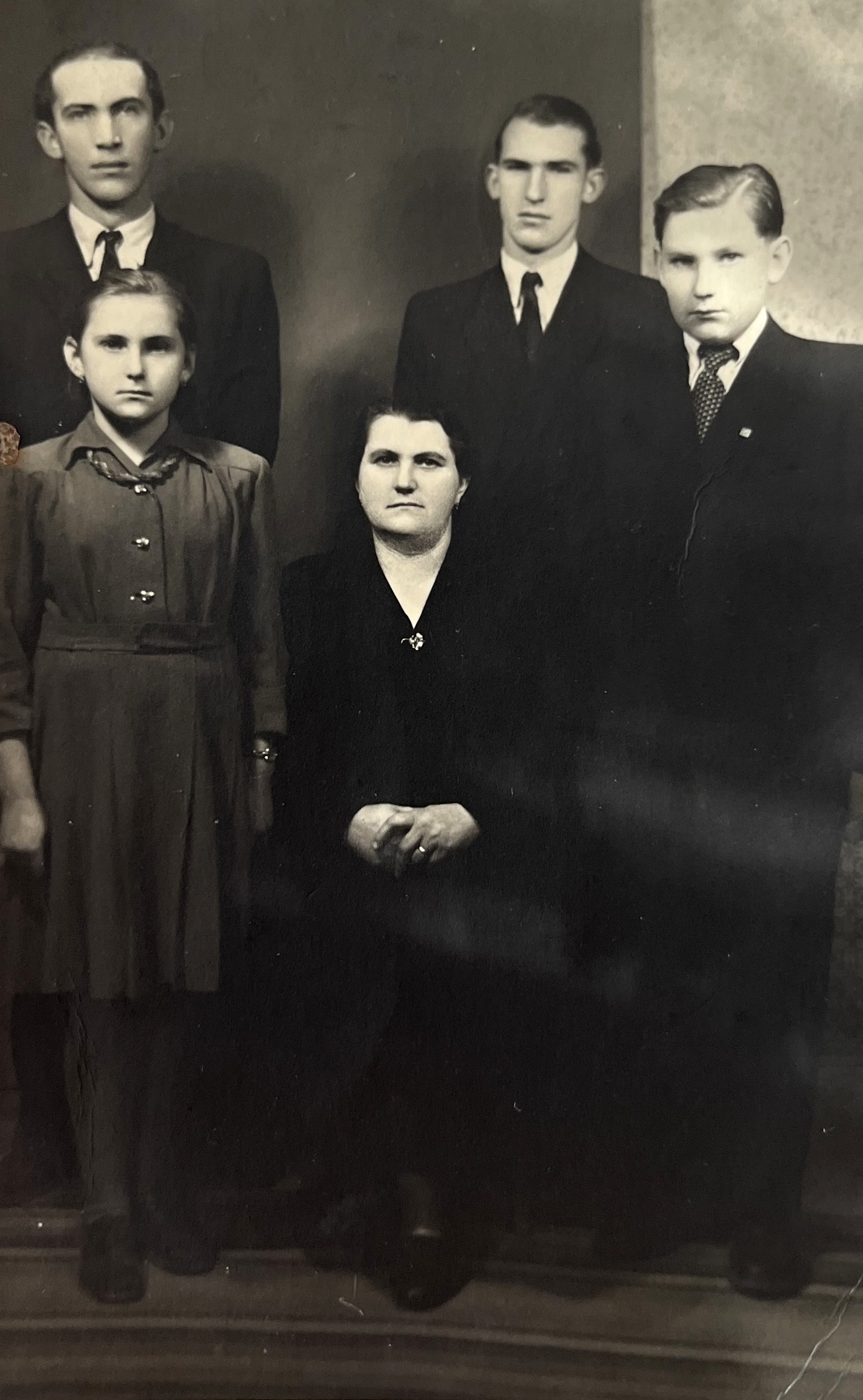
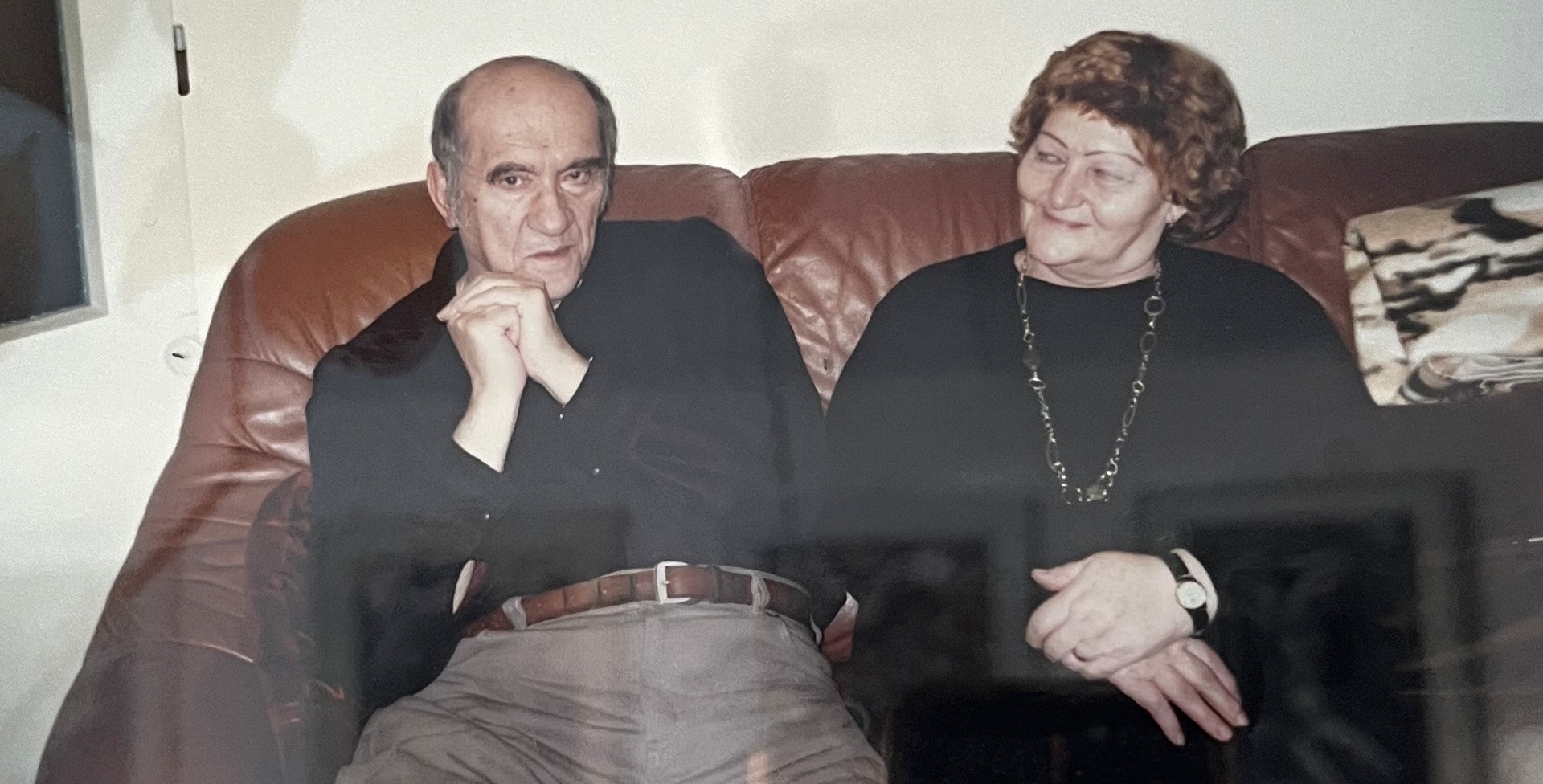
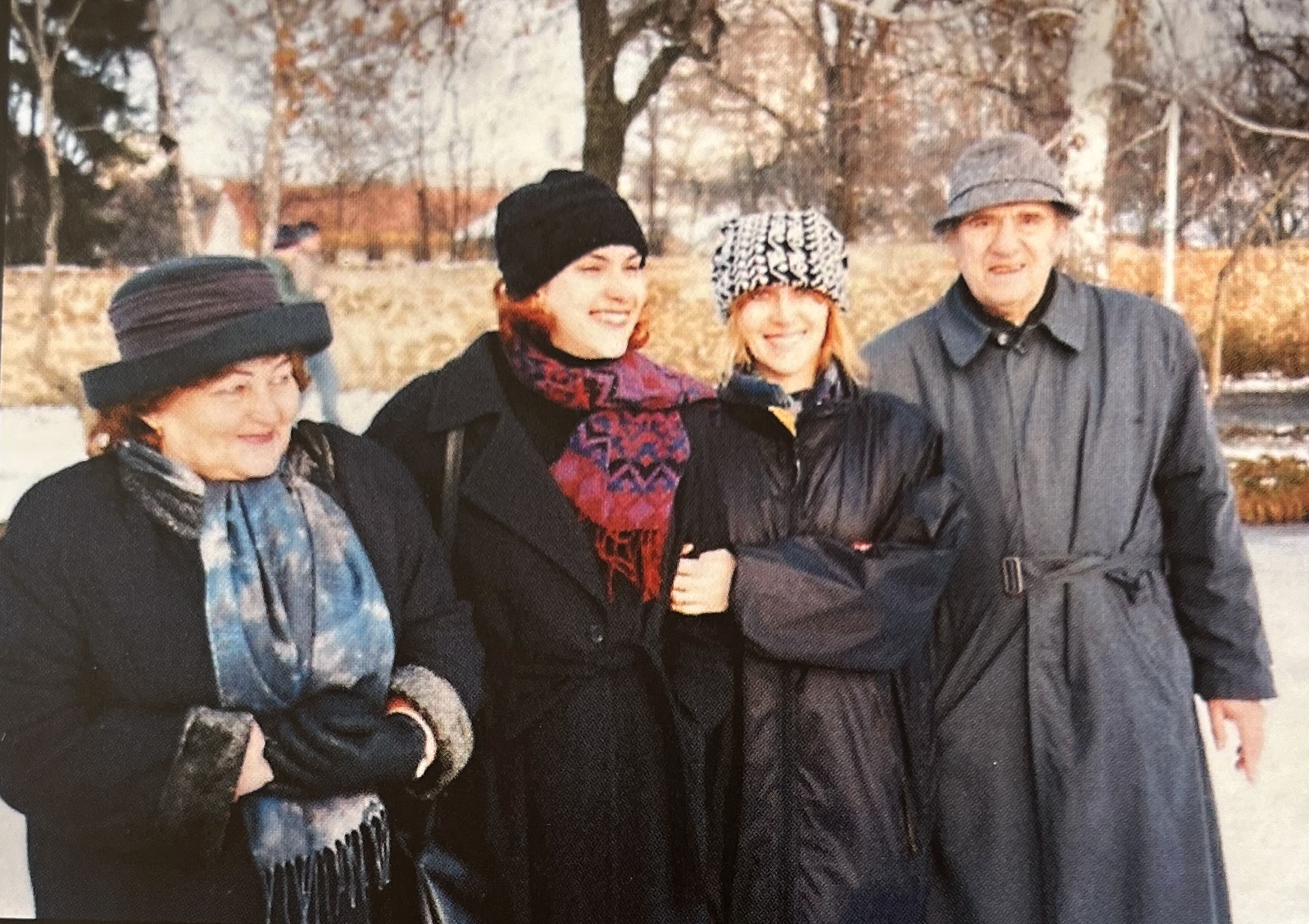
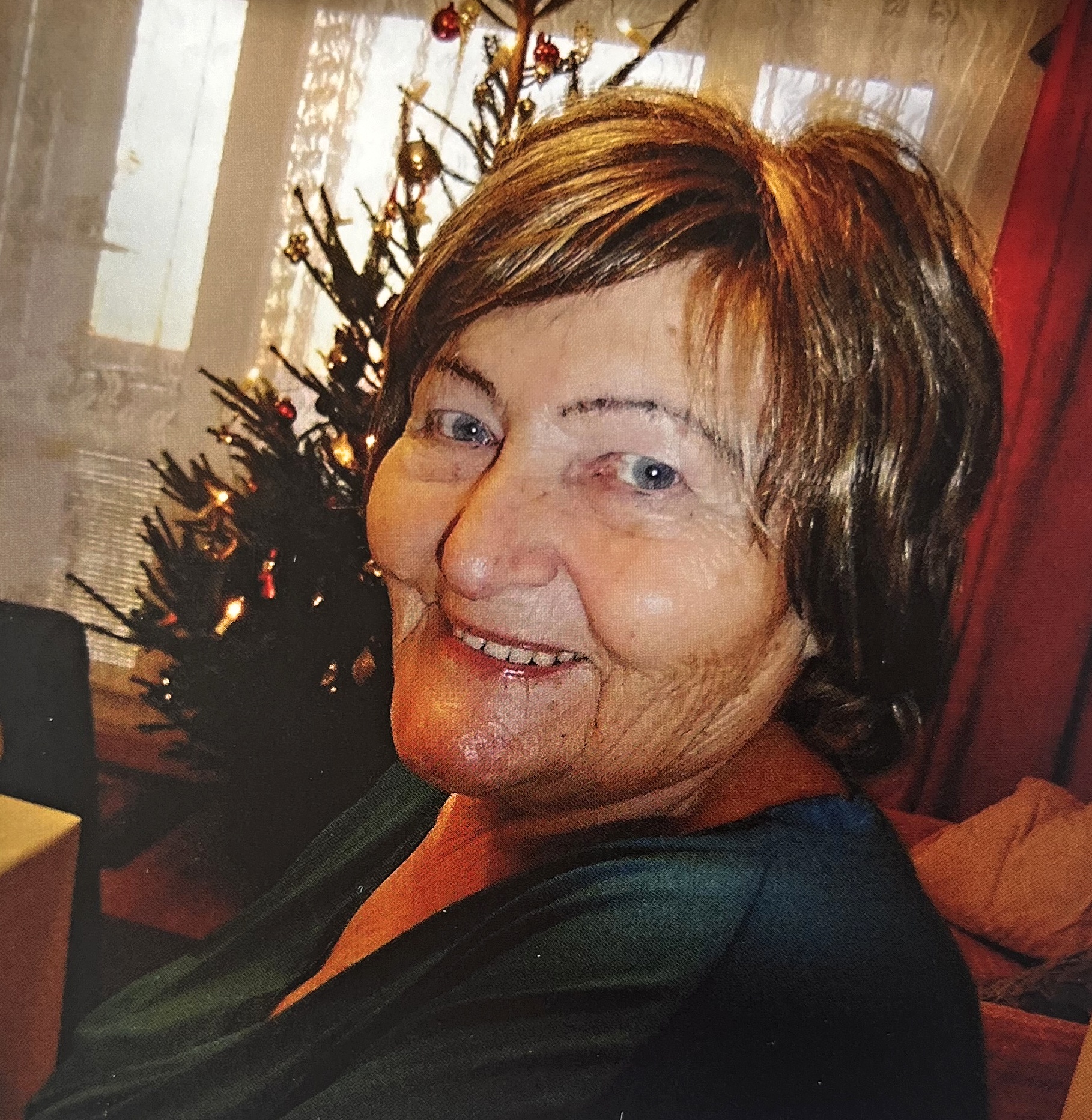
Anna Hrdinová, daughter of the First Republic politician Ján Ursíny, was born on 5 May 1939 in Rakše, Slovakia. Her parents and relatives had a large estate there. Ján Ursíny was deputy chairman of Fierlinger’s government when, in 1947, he was accused of treason for the activities of his press secretary, of which he was unaware. He was sentenced to seven years in prison, released after five years and rehabilitated in 1965. As the daughter of a traitor, the witness was not allowed to study, so she trained as a textile worker at the V. I. Lenin factories in Ružomberok. During her work, her employer sent her to study chemistry at the Higher Industrial School of Textiles in Dvůr Králové nad Labem, which she completed with a high school diploma in 1958. At that time, she was already writing poems, reciting and devoting herself to her beloved culture. In 1960, she married the artist Miroslav Hrdina. Unable to find a job that matched her education, she joined Umělecká řemesla (Art Crafts) as a worker; however, while working evenings, she completed a four-year course in art history at UMPRUM. In the late 1960s, she completed a typing course and began working in administration. She started as a typist at the Association for the Marketing of Tar Dyes at the Ministry of Chemical Industry, and later worked in the technical department, translating technical texts from Russian. From 1974, she was employed at the Housing Estate Construction Company, where she worked her way up to head of the secretariat and then became an HR officer. Although she was offered a share in a newly privatised company, she refused and retired in 1994. In 2025, she was living in Prague.
The filming of memories was made possible thanks to the support of the International Visegrad Fund.
The project is co-financed by the Governments of Czechia, Hungary, Poland and Slovakia through Visegrad Grants from the International Visegrad Fund. The mission of the Fund is to advance ideas for sustainable regional cooperation in Central Europe.