Petr Hladík

* 1956

  • "My parents were allowed to return in 1969 even though the ruling said they were banned forever. See, the atmosphere got a bit more relaxed after 1968. People didn't collaborate with the regime so much and more or less supported them. The people who lived there in the meantime were going back - they had somewhere to go, they got it fixed up and went back. For my grandfather, it was amazing; he felt rejuvenated to be able to go back after 17 years. It was so important to him. We got the land and other stuff back only in the restitution after 1989."

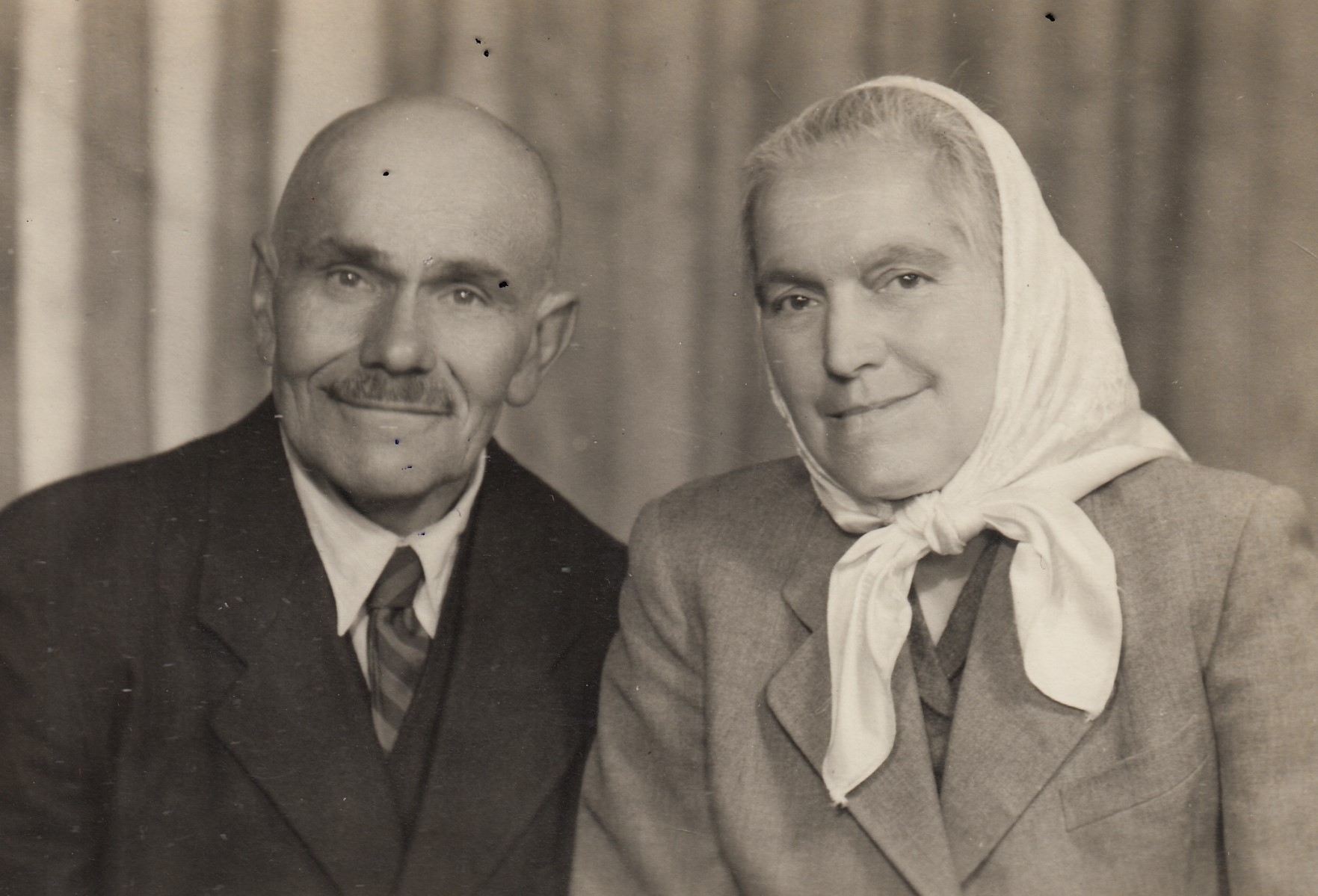
  • "By 1952, my grandfather was no longer able to deliver. He went to court over that and was convicted. Two citizens testified falsely against him, claiming his cattle were in bad condition and neglected, whereas his horses were in very good condition. They said he fed his horses the grain he was supposed to deliver to the government. He got a suspended sentence of four months, which is very little for the 1950s. Back then, life and even death sentences were handed out on a daily basis. For example, we know Milada Horáková... Rudolf Slánský, a classic case... In the 1950s, many people were happy to "only" get a life sentence and not the rope. So he got four months and a 30,000-crown penalty, and should that be uncollectable, he would get three more months. Of course, he didn't have the money. Once he had served his term, he went in again for another three months. He had no money, it was winter time, they were living in barracks with no heat in Žďár nad Sázavou in a penal colony that Žďas was building. The end of his term was approaching, he was supposed to go home in a month, but he wrote home asking grandma to borrow money and pay him off. He was afraid he wouldn't survive. It was frosty in January and he was afraid he wouldn't make it. They eventually let him go about a month early."

  • "I remember my father telling a story; he was born in 1928. He was 17 at the end of the war, living in Pořežín, a village near Přibyslav. There was an incident where General Luža was shot near the village of Hřiště. In revenge, the guerrillas killed the police crew in Přibyslav. My father recalled seeing the guerrilla commando in person, walking to Přibyslav. It was dark; it was in the evening. They were walking in twos or threes, some 15 people. Some were in civilian clothes, others in Russian and English uniforms - a typical mix of guerrilla fighters. It was a narrow side road from Losenice to Pořežín where hardly anyone drove. The next day they heard the commando had executed the police officers in Přibyslav. A Czech gendarme had caused the Hřiště tragedy. He reported two Czechoslovak officers hiding there - General Luža and his aide - and called for reinforcements. According to my father, the two's papers were in order, but instead of a routine check, the gendarme drew a pistol and ordered them 'hands up'. A shootout ensued, General Luža was badly wounded, and he shot himself given his hopeless situation."

  • Full recordings
  • 1

    Jihlava, 08.09.2025

    (audio)
    duration: 01:08:29
Full recordings are available only for logged users.

I rebuilt the family farm after the revolution
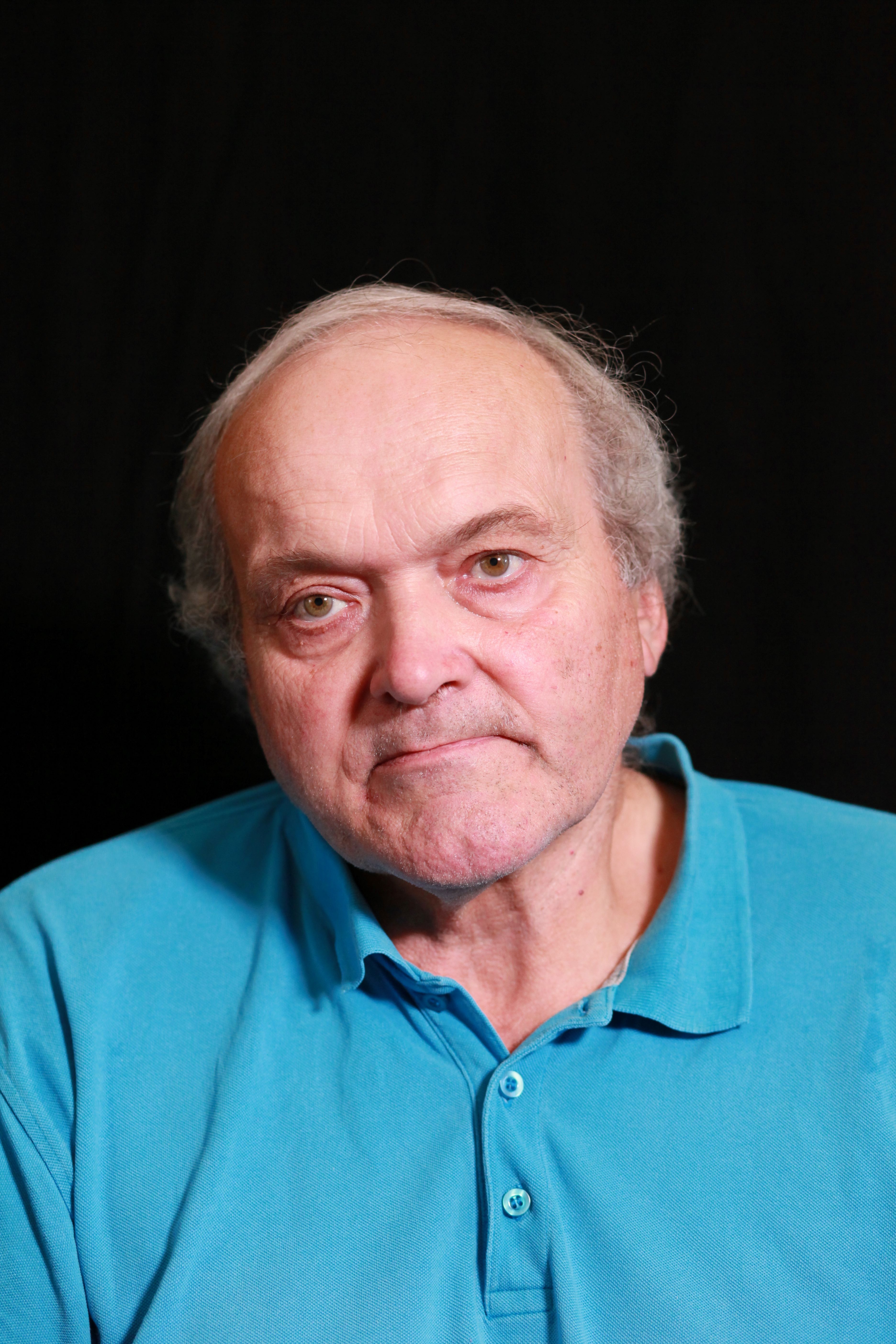
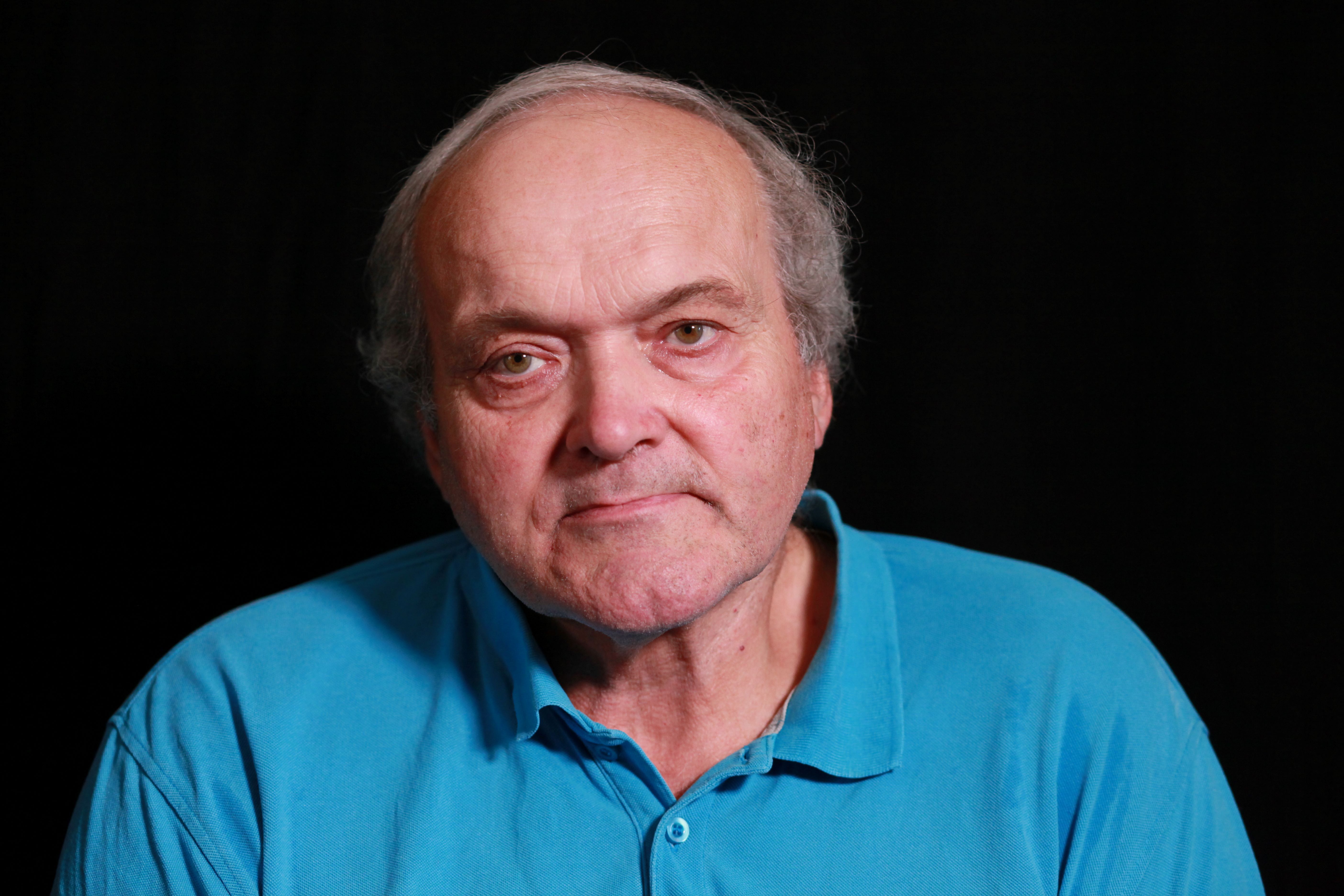
Petr Hladík in 2025
Petr Hladík in 2025
photo: Memory of Nation

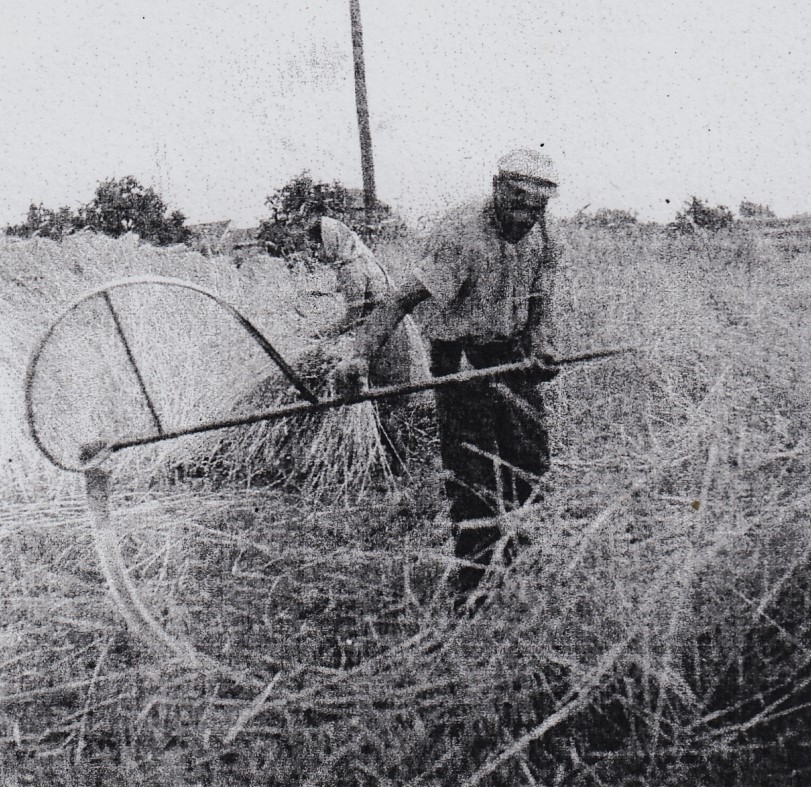
Petr Hladík was born in Nové Město na Moravě on 16 July 1956 into the family of Čestmir Hladík and Jaroslava née Rozmarýnová. He grew up in Žďár nad Sázavou. His father’s parents experienced local war developments in the Přibyslav region; his mother’s parents the Rozmarýns let guerrillas stay overnight on their farm in Lhotka near Tasov several times. Both parents came from farmer families who lost their farms in the early 1950s. Petr’s grandfather Rudolf Rozmarýn was sentenced to four months in prison and a fine as a kulak. The District National Committee ruled to evict him from the village and confiscate his property. In 1953, the family was evicted from Lhotka u Tasova and the government seized the property. Petr Hladík trained for a locksmith at Žďas where he worked until 1980. Then he drove a truck for five years. Having married his wife Marie he joined the state farm as a tractor driver. After 1989, Peter’s mother applied for the restitution of their family farm, which they got back in 1991. Petr Hladík started farming there again in 1992 and one of his sons took over later on. The witness and his wife raised five children. He was living in Osová Bítýška in 2025.