Irena Hirai

* 1960

  • "It was a paradox because [the teacher] made such a political contest. He had a wrinkle, and in this way he wanted to fix it, to set it right, but so extreme that he completely changed himself. He wrote political questions and there had to be correct answers. It was brought home and the whole family had to solve it. Daddy always filled it in for me, as it should be. Me and one classmate had the best result. Daddy was a very good writer, had a great imagination and knew exactly what to write. Still, it wasn't enough - that I got the most points - I still didn't get any recommendations. There was a strong Communist Party in Rtyně and it always approved applications. I was told no. Then the postwoman called, I went to get my letter, and she was nasty. She said it was right that I didn't get it, that we weren't getting involved [politically] anywhere."

  • "There is still a big base in Rtyně, there was tramping there. When [Junák] was officially banned, all the scout friends from Hronov and Rtyně and the surrounding area got together and went to Vízmburk. Back then it was just a buried ruin and there was a quarry where sandstone is still mined. In the quarry, the last meeting was held - in costumes. It was in the evening, there was a farewell fire, it made a big impression on me. It was sad and there was talk about what was going to happen next. Not just in scouting, but what's next in the situation. I was eight or nine years old, but it was still a powerful experience. Then it was quiet for a while and then it went under Svazarm as a tourist group."

  • "Then I was to fly to Japan for two months. I got permission for both, it was in between [going to the Netherlands and going to Japan]. He came, rang the bell, walked in. You don't know what to do. Whether you should let him in, but what can you do. He sat down and asked that I was there and I hadn't come. I said, 'I came, but you weren't there, you were on holiday.' He asked all sorts of stupid questions, but I guess they weren't stupid, they get you into such... they knew how to do it, he was a handsome man, a lawyer. Then he started saying I was travelling, which was great, maybe I could watch something somewhere. I had already arranged to get married. That I'd go there and then we'd organize the wedding. I told him that I was going to Japan, that I was moving, that I was going to have a wedding. And he said, 'You could look for Czechs who live in Japan,' and I said, 'In Japan?´ I thought it was ridiculous that I would snitch, there were probably no political emigrants there, there were glassmakers or architects who taught there. That was at the beginning of September 1989."

  • Full recordings
  • 1

    Žacléř, 30.04.2025

    (audio)
    duration: 01:41:31
    media recorded in project Příběhy regionu - HRK REG ED
Full recordings are available only for logged users.

A State Security guy wanted her to inform on Czechoslovaks in Japan
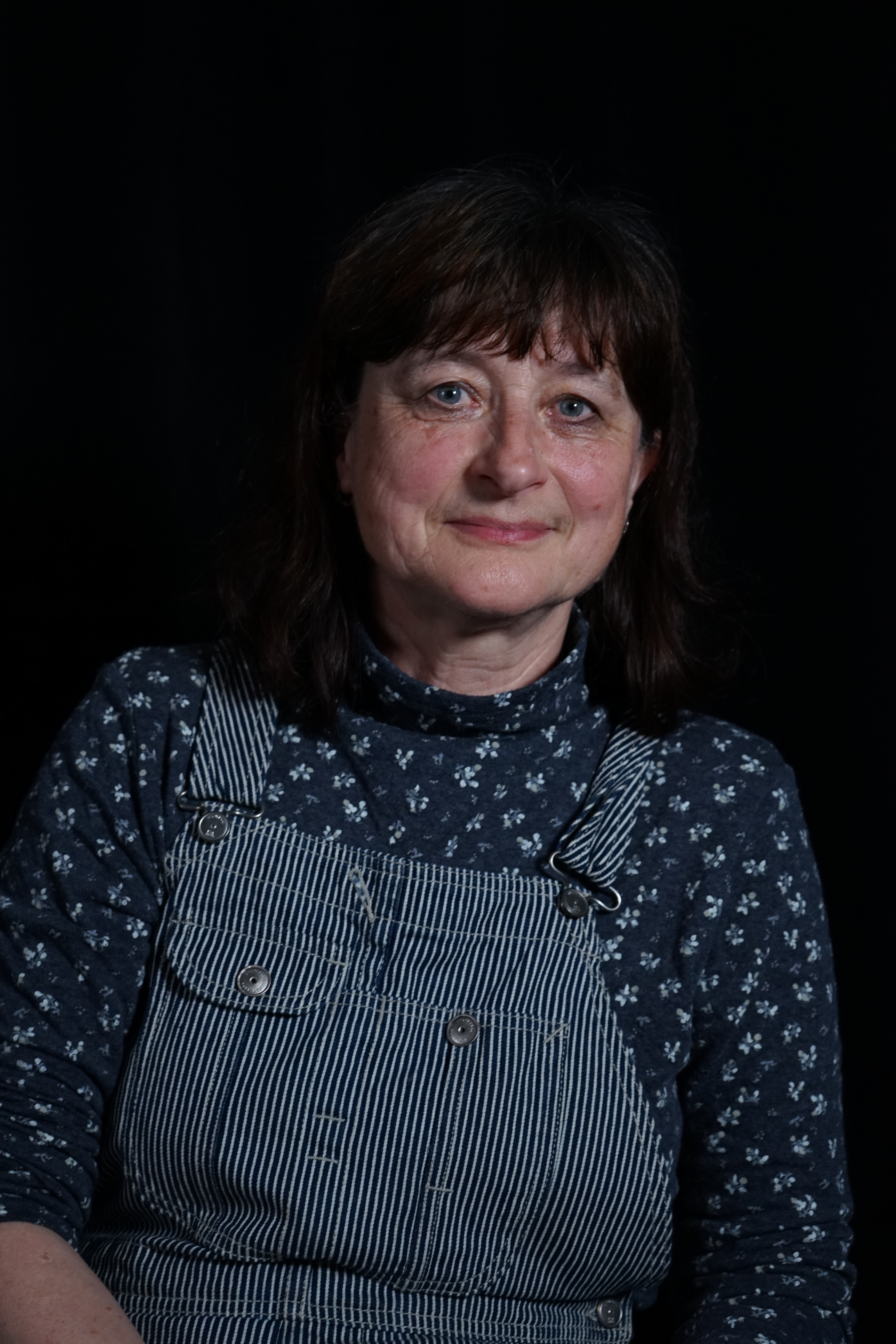
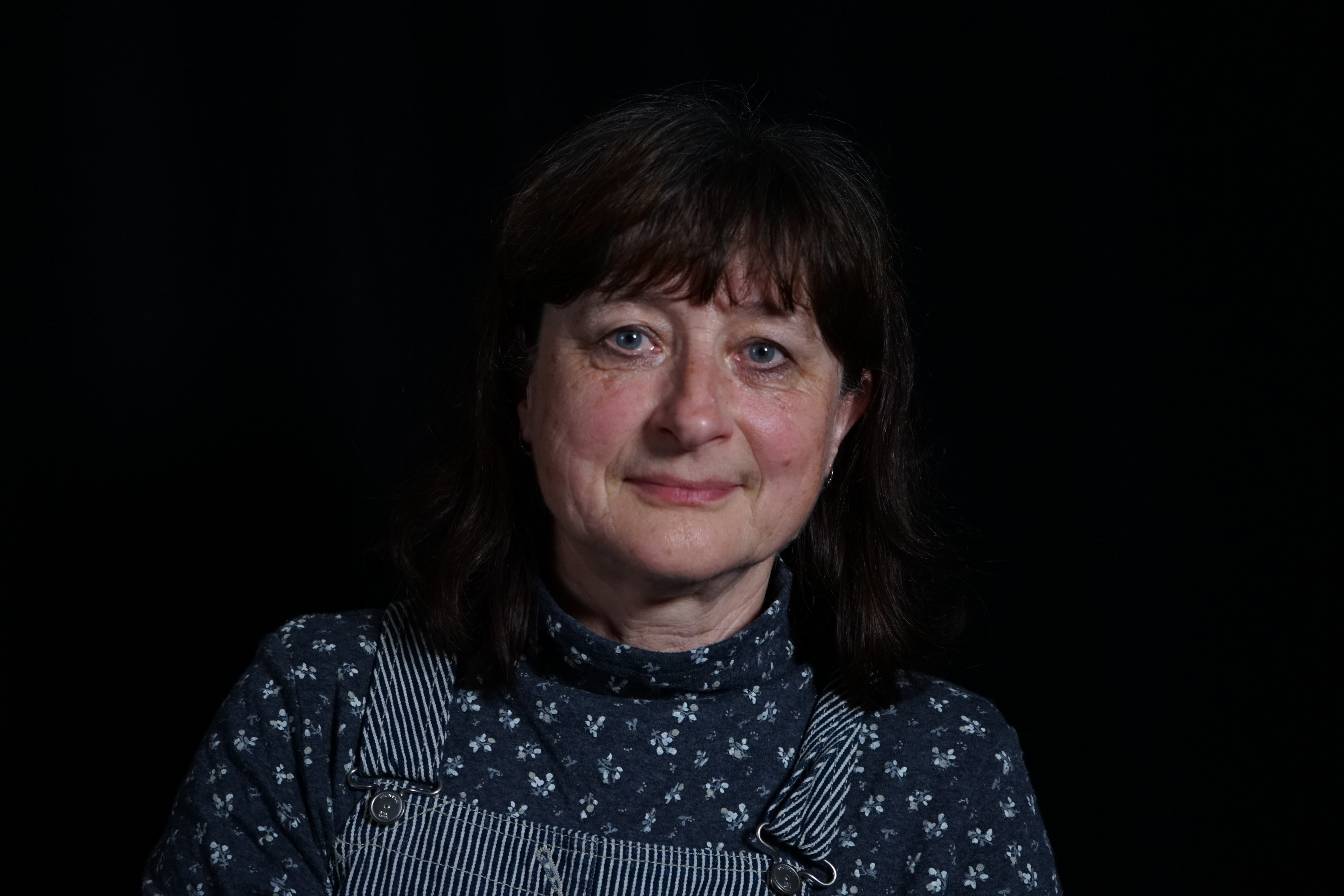
Irena Hirai during recording in 2025
photo: Memory of Nations

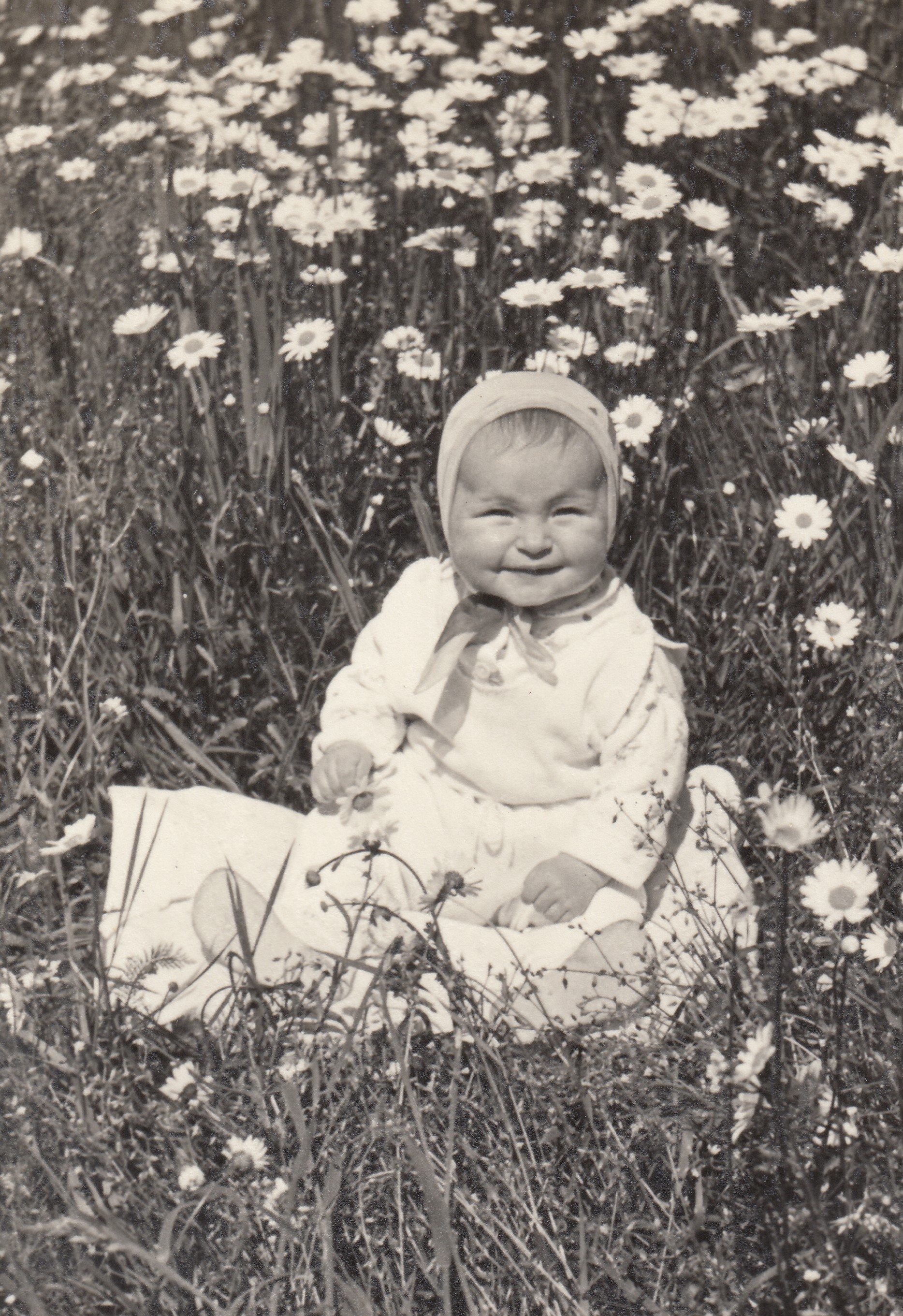
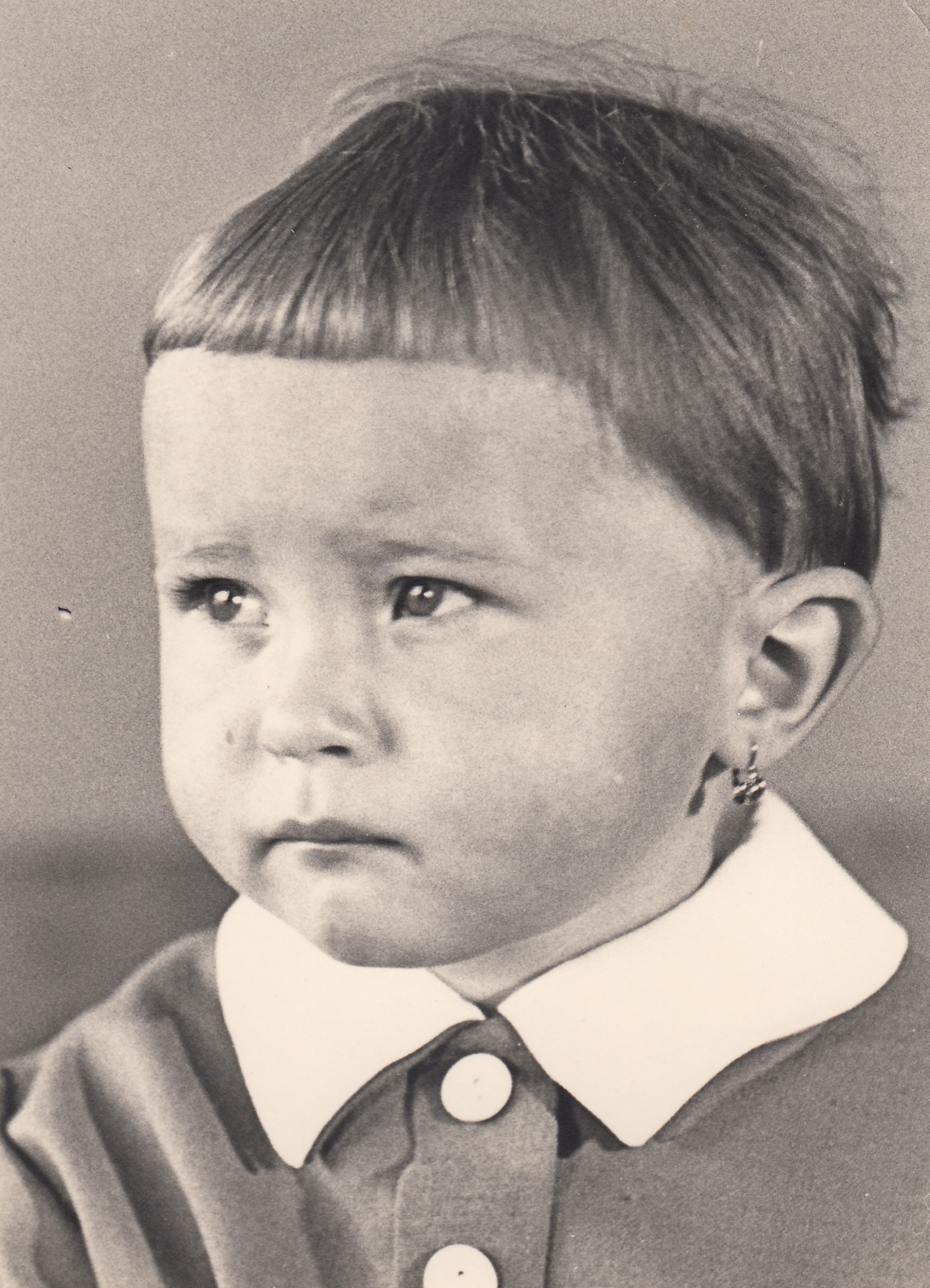
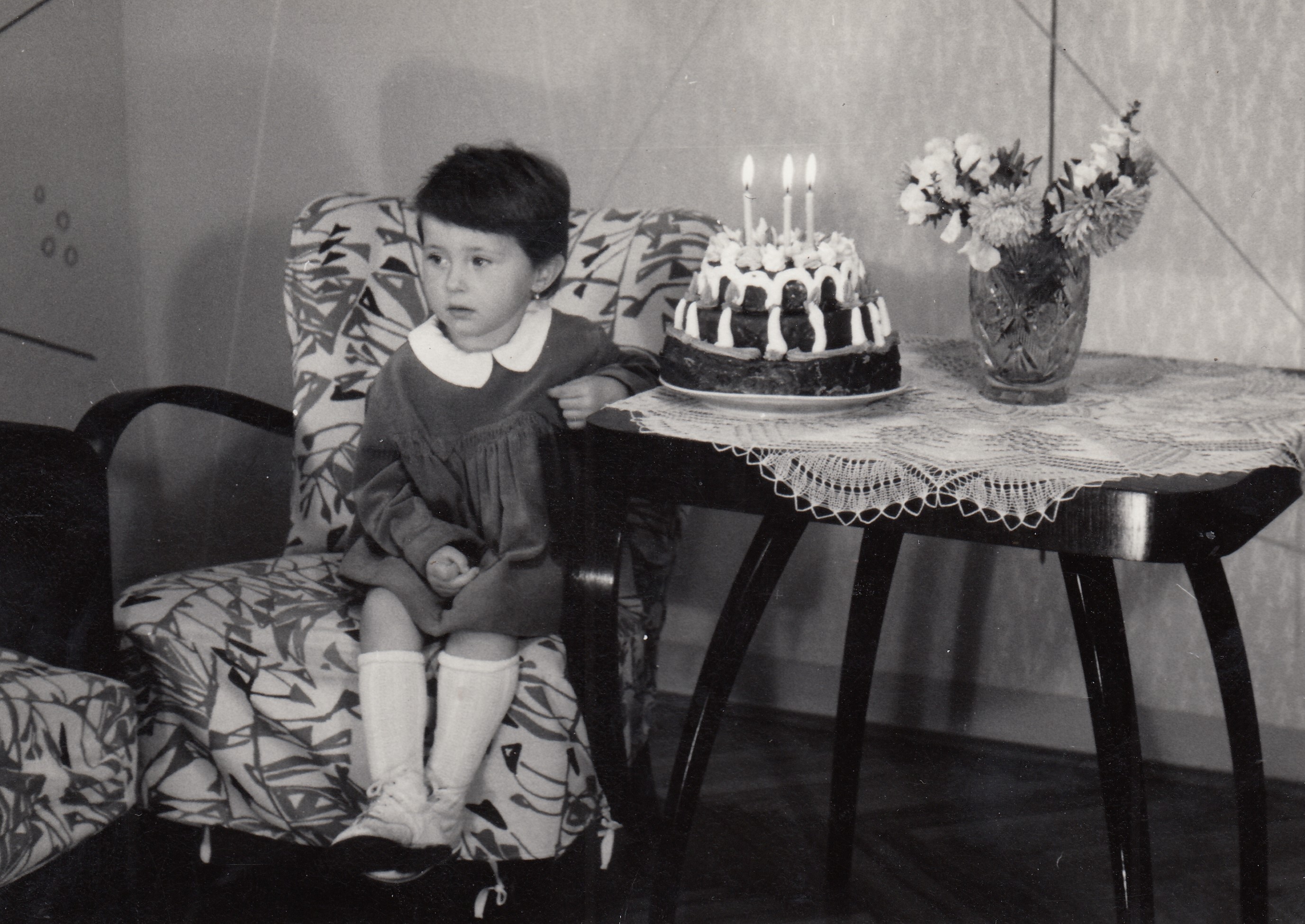
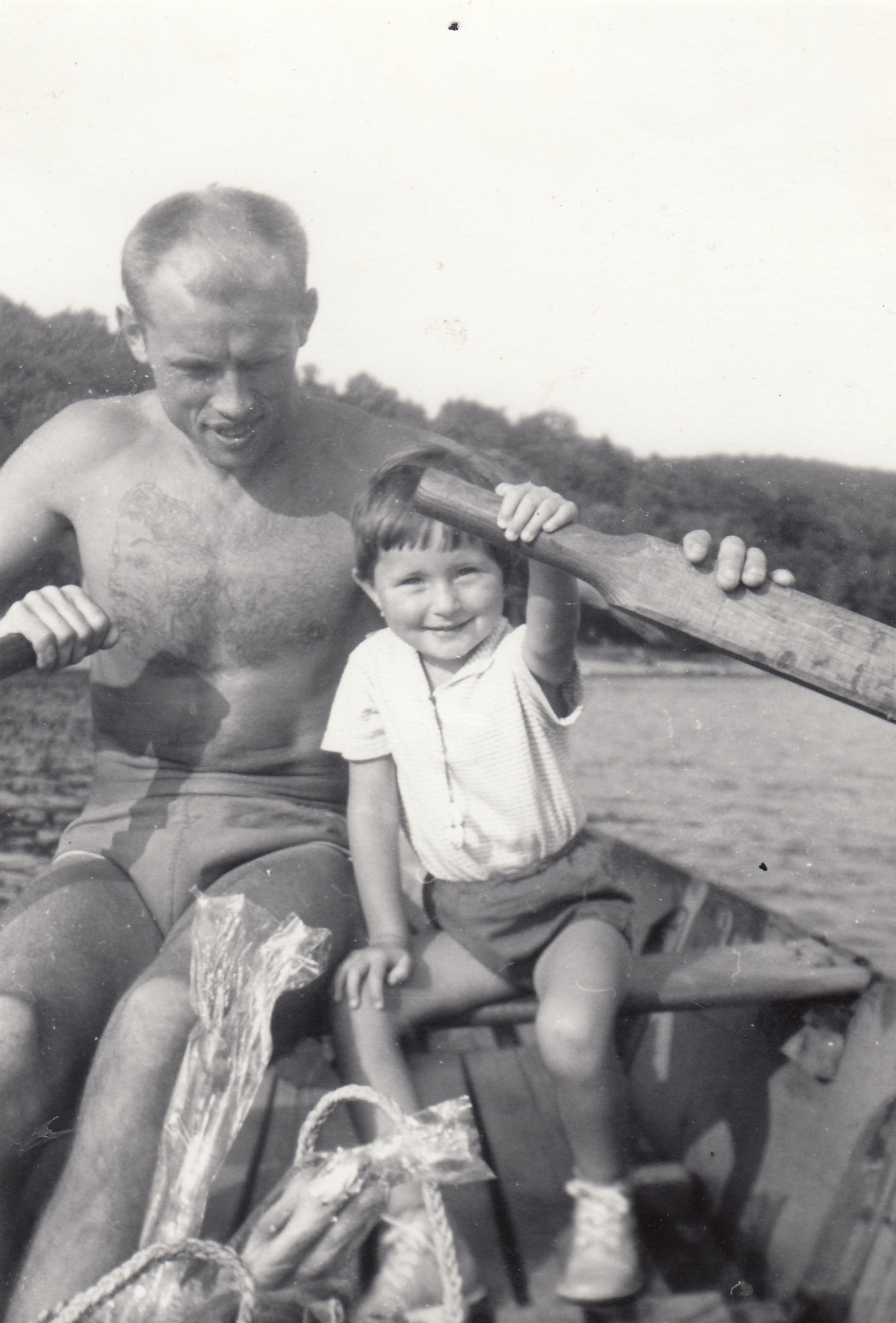
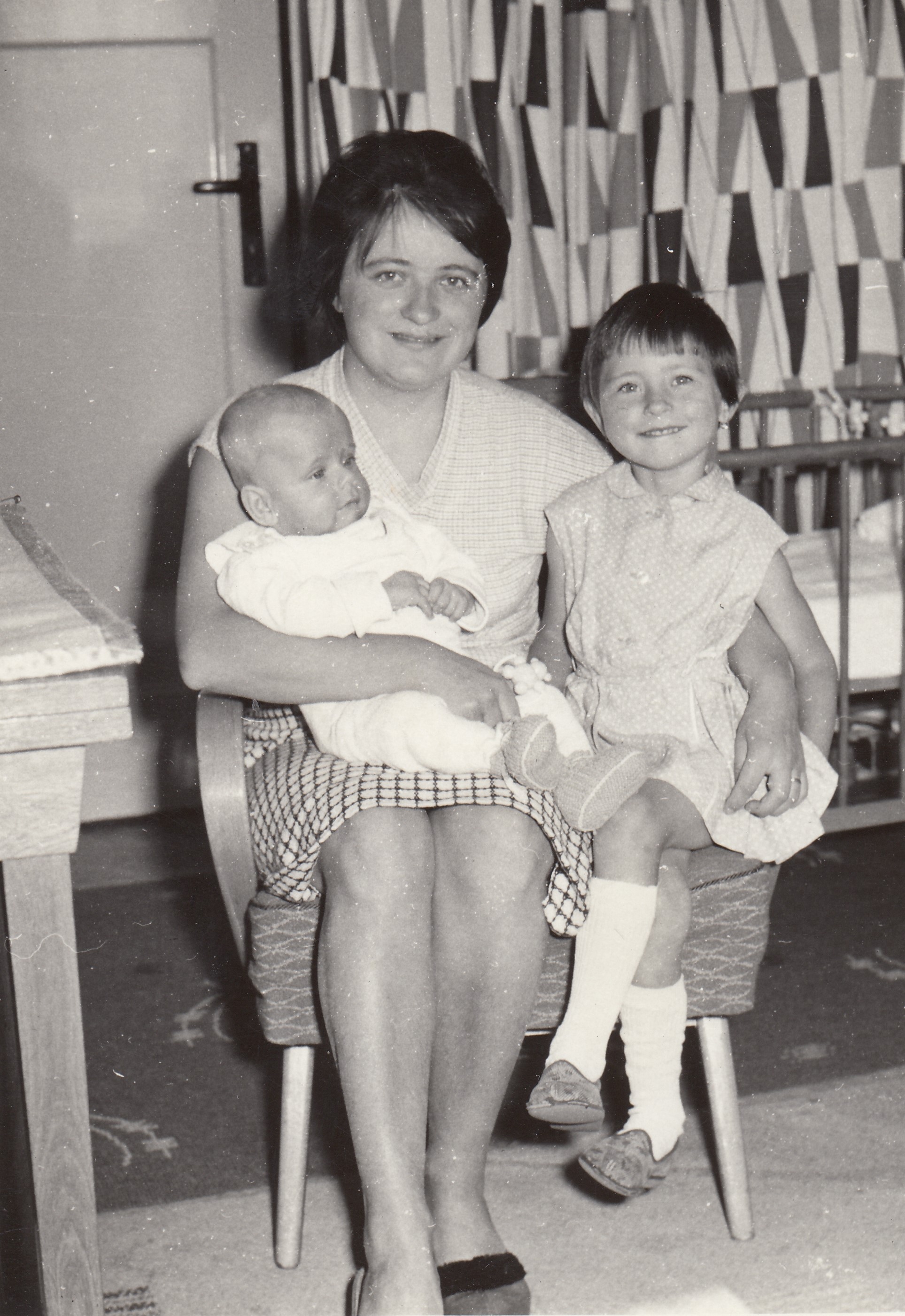
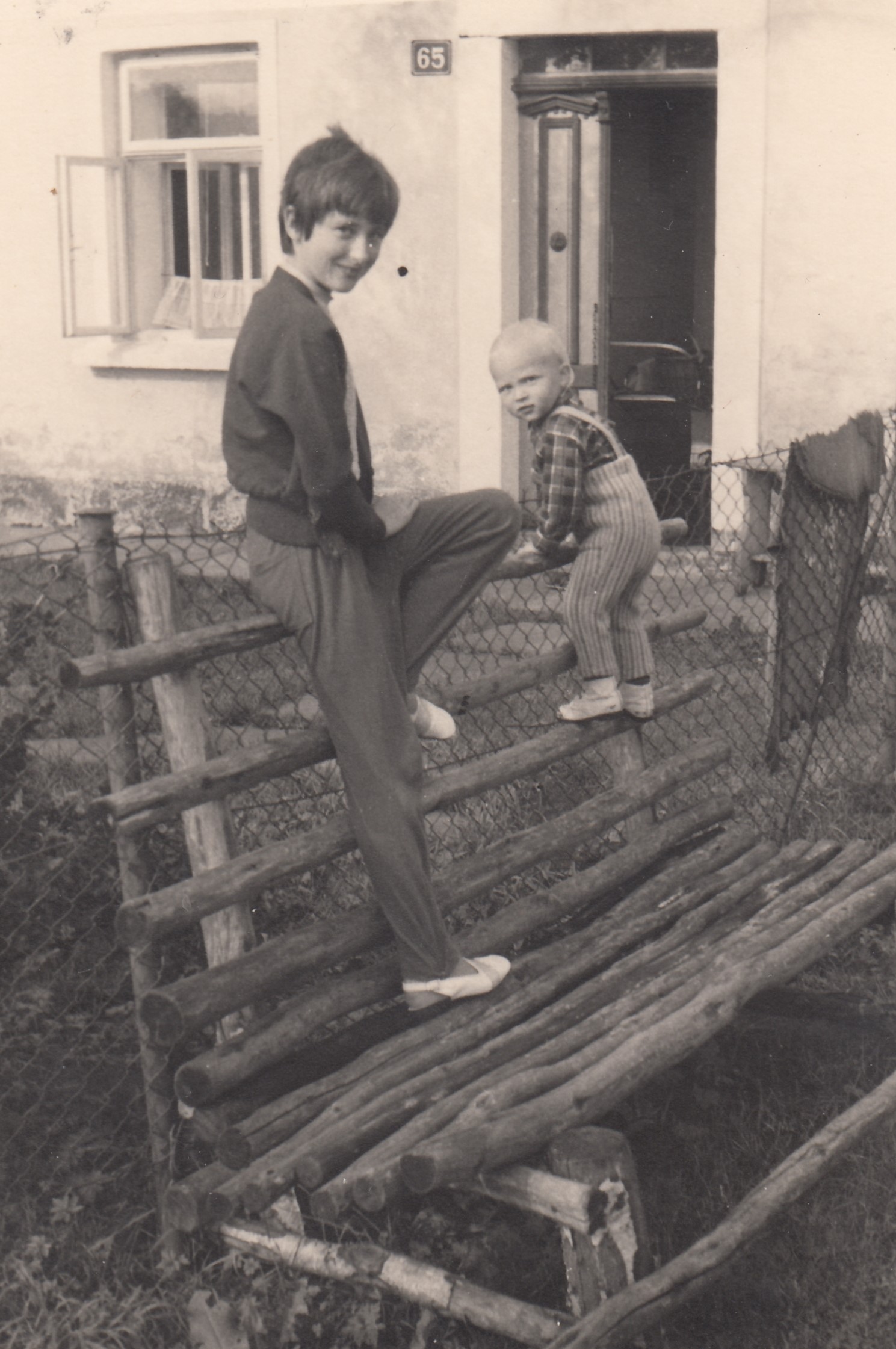
Irena Hirai, née Jirásková, was born on 9 August 1960 in Náchod. She lived with her parents and younger brother in Rtyně v Podkrkonoší. Her father Jiří Jirásek worked in a mine. Her mother, née Reina Raab, came from a German family from Chlívce in the Broumov region and worked in the textile industry. Their family was not displaced because their grandfather worked in the mine. Irena Hirai joined the renewed Junák in 1968. She did not get a recommendation for secondary school study. After training as an artistic ceramist, she was admitted to the Secondary Industrial School of Ceramics in Bechyně in 1978, where she graduated in 1981. She was not allowed to go to university, she worked for two years as a designer and painter in a ceramic workshop in Hořice. Then she taught art at the art school in Žacléř. She became a member of the Esperanto club and travelled to congresses abroad. In Poland she met her future husband, a mechanical engineer from Japan. In 1989, after attending a congress in the Netherlands, she was interrogated by State Security (StB). She married in 1990 and then lived in Japan with her husband Hirofumi Hirai for ten years. She studied traditional Japanese art, created art and organized exhibitions. They had two daughters. They returned to Žacléř, where she started to work in an art school. In 2025 she was living in the settlement of Bobr in Žacléř.