Josef Heldes

* 1929

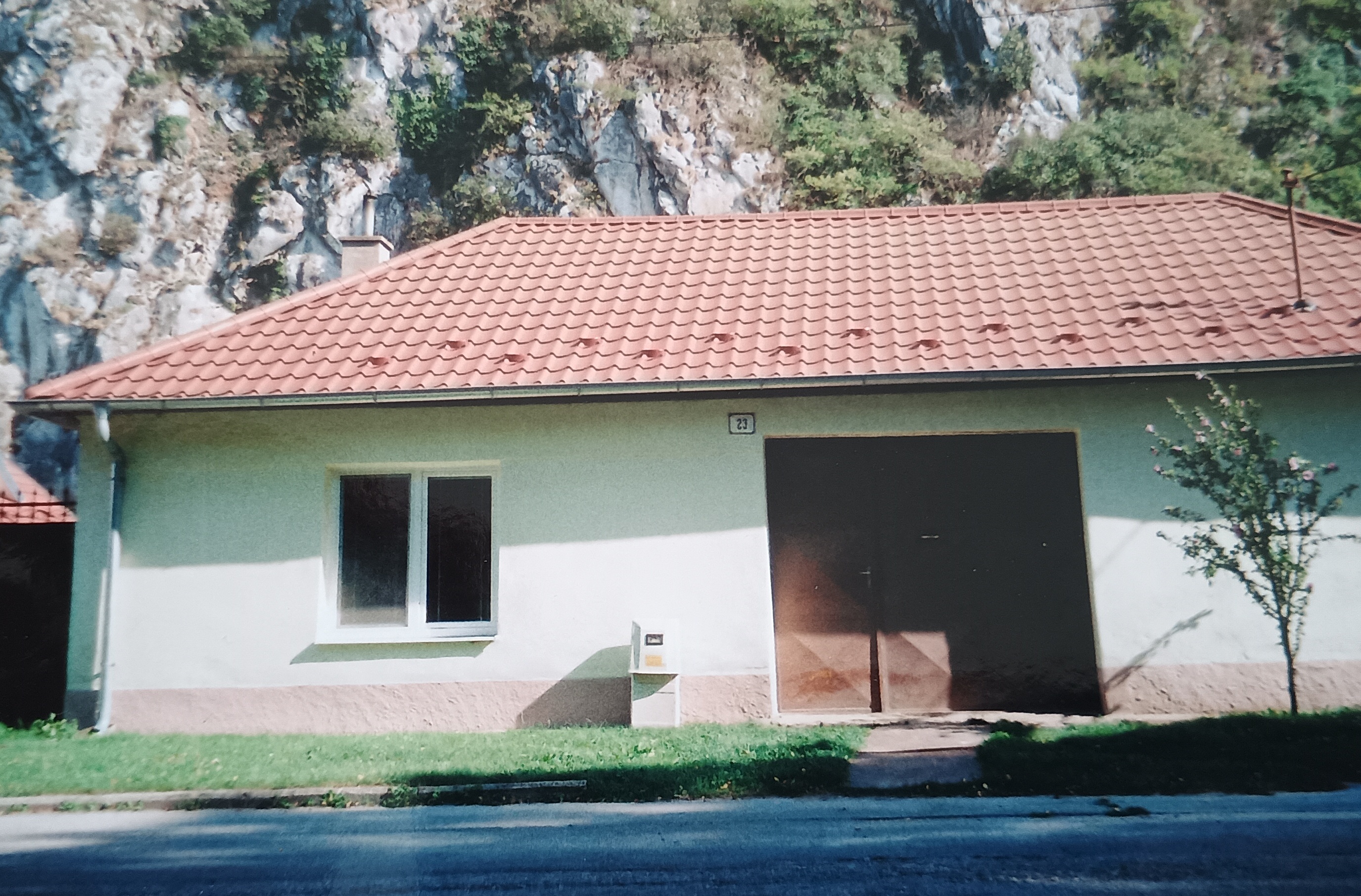
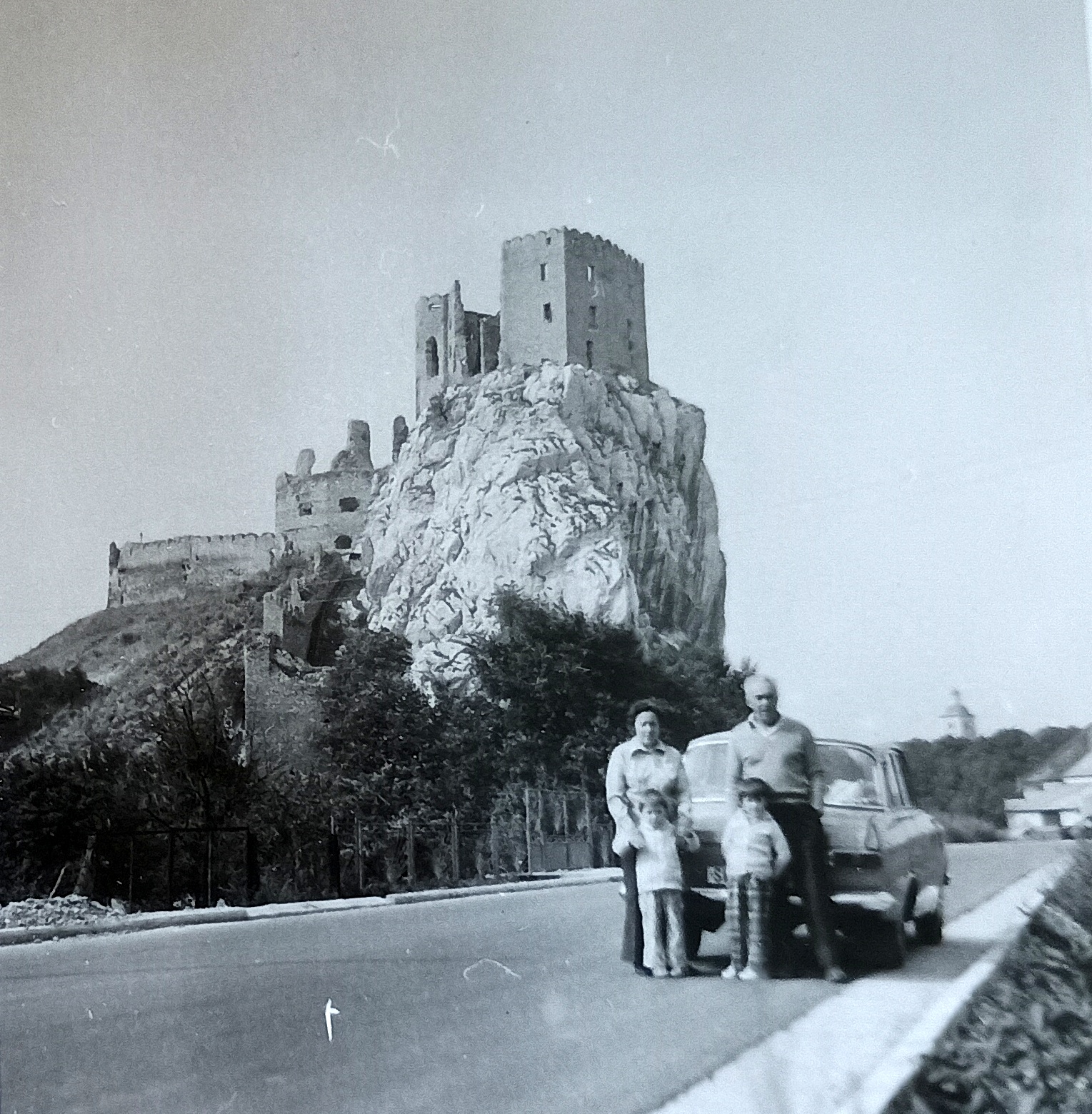
  • "On April 8, 1945 [April 5], three or five bomber planes flew in from behind the mountains and attacked Beckov. It must have been around eight or nine in the morning. It was a great help that they flew in from behind the mountains, and Beckov Castle served as a protective wall for our house and Beckov. The bombs dropped from the planes fell either on the ruins of Beckov Castle or behind the park in its vicinity. Thanks to this, we were not too badly affected by the bombing. Of course, fires broke out in the area. The planes returned in about half an hour to two hours and carried out another raid from the direction of the castle, which led to further bombing and more fires. I remember that about seventeen people [three people] died in this bombing. The planes fired machine guns and dropped various types of bombs, both incendiary and explosive. The advantage for the locals was that with the front approaching, some people had taken refuge in the castle, in its corridors and rooms, to save at least their lives."

  • "[Beckov] did not participate in the partisan war to any great extent. But in Selec, where my mother comes from, which is tucked away between the mountains, like a wedge beneath the Inovec Mountains, there were plenty of partisans. Well, as luck would have it, the Germans surrounded the whole of Selec, shooting at anyone who ran, killing or wounding them. And the men who were there, about 73 of them [56], were herded into the park in Beckov. Among them were my mother's sister's husband and son, the Šišovský family. And there was Kabát, my mother's brother, and his two sons. One of his sons had been wounded in the partisan war, he had some kind of prosthesis, something wrong with his hand. They interrogated them at the Cholar Hotel, beat them there, didn't give them anything to eat or drink. They kept them there for about two days in the park, no bed, no shelter, nothing. Whoever could or couldn't, gave them something or nothing, like some food, whatever they could. Then they were taken away and, of course, many of them did not return because they died in concentration camps. There were two partisans who were convicted, I don't know how, so they were taken away from Beckov Castle. They had to dig a pit, where they shot them both and buried them. After the war, they dug them up and buried them in the cemetery as a kind of act of reverence."

  • "Of course, some of them were also in the National Committee. Of course, Hlinka's Guard used to go there. As children, we used to march around them. It ended up with Hlinka's Guard expelling all Czechs. 'All Czechs out!' The reason? 'Czechs into the moss, moss into the Danube!' Because when you looked around, there were Czechs everywhere: the priest was Czech, the notary was Czech, all the police were Czech, the teachers were Czech. Wherever you looked, there were no Slovaks, only Czechs. And they stuck to their Czech language. In the end, there was so much pressure that the Czechs were forced out. They drove all the Czechs out of Beckov. Maybe three families remained, the neutral ones, who had been neutral before. The rest had to leave! They were kicked out, and that was it. In Slovakia, all over Slovakia, and that was that. 'We will govern ourselves.'"

  • "Some were wealthy, mainly the Wiener and the Kurz families. Some were merchants, others were dealers. They simply did what they could. I can also mention the expulsion of the Jews. When the Slovak State was established and the expulsion of the Jews began, Germans came to Beckov and the Jews had to prepare to leave. So they drove them away, deported them all, and out of 38 Jewish families, only seven people returned after the war. I remember very well another thing, which is that originally the Jews, especially the rich ones, Kurz and Wiener, tried to prevent the expulsion by converting to Catholicism, by being baptized into the Roman Catholic religion. But even that didn't help them, because they were still in danger of being taken away despite all that. And imagine what it must have been like for the Jews who were hiding in the monastery in Beckov, in the crypt underground, where they lived for what must have been a year and a half, two years."

  • Full recordings
  • 1

    Hanušovice, 03.06.2025

    (audio)
    duration: 01:57:38
    media recorded in project Stories of 20th Century
  • 2

    Oskava, 27.06.2025

    (audio)
    duration: 01:16:00
    media recorded in project Stories of 20th Century
Full recordings are available only for logged users.

When I saw that I couldn’t make ends meet no matter what, I told myself that all I had left was a noose
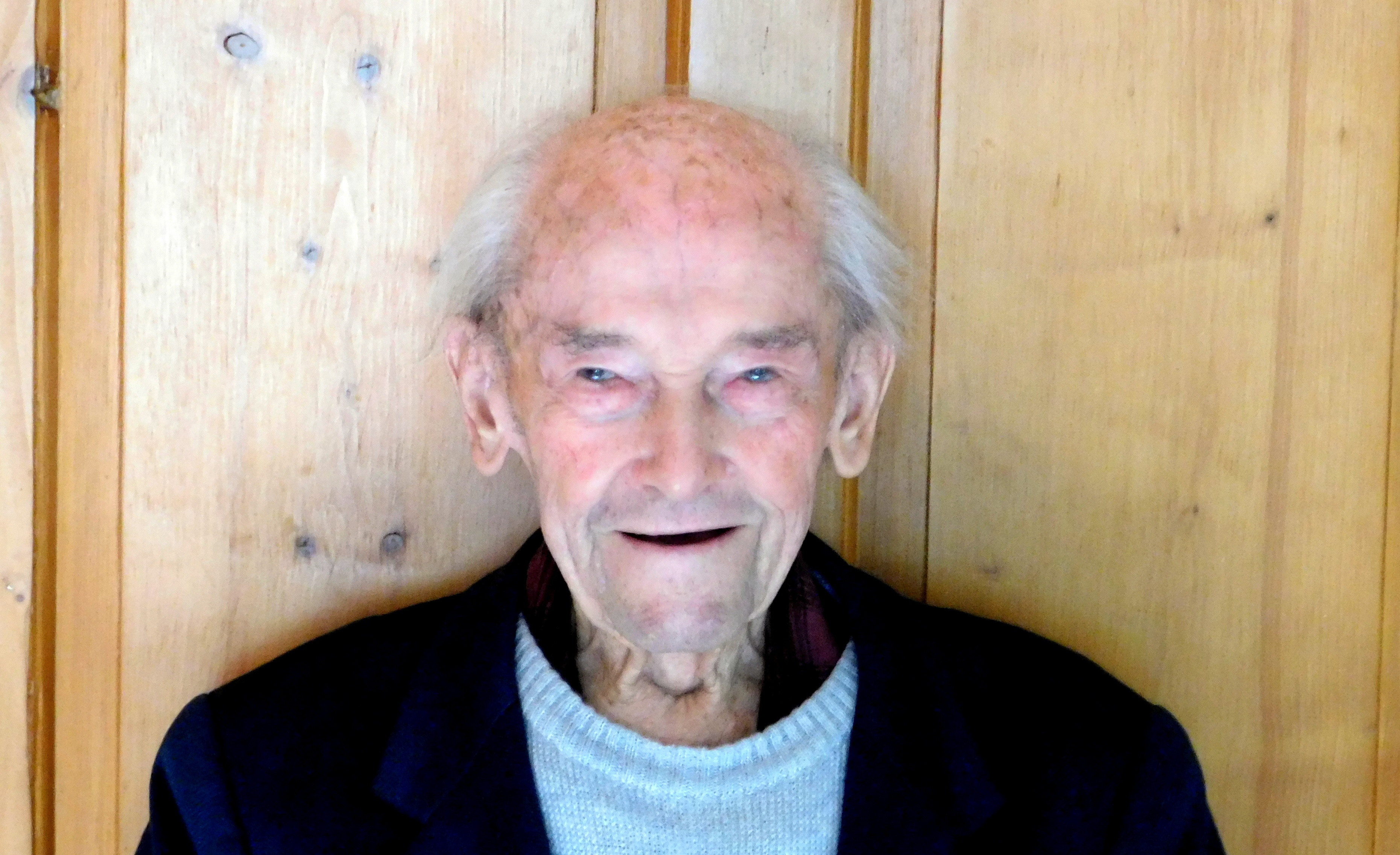
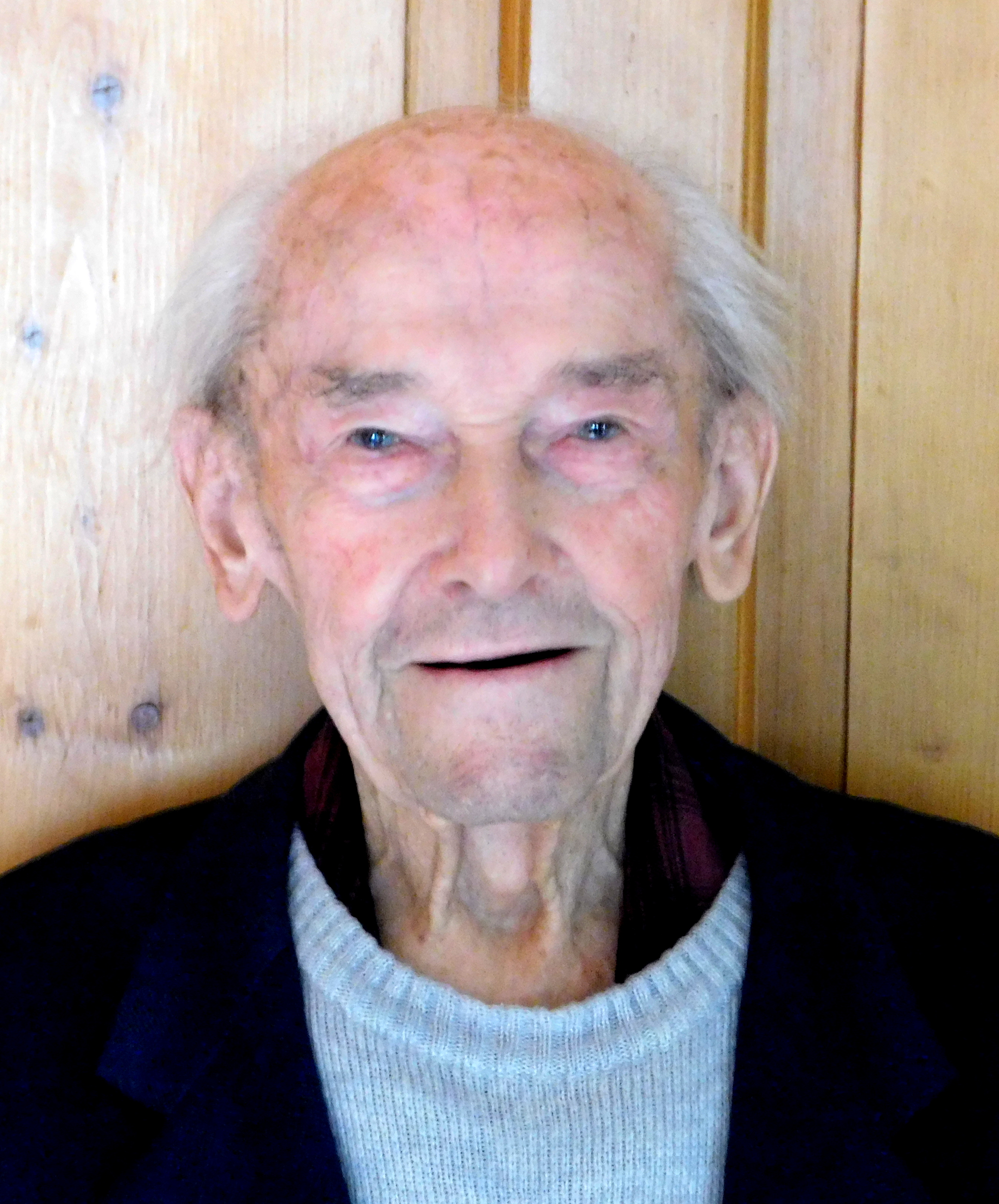
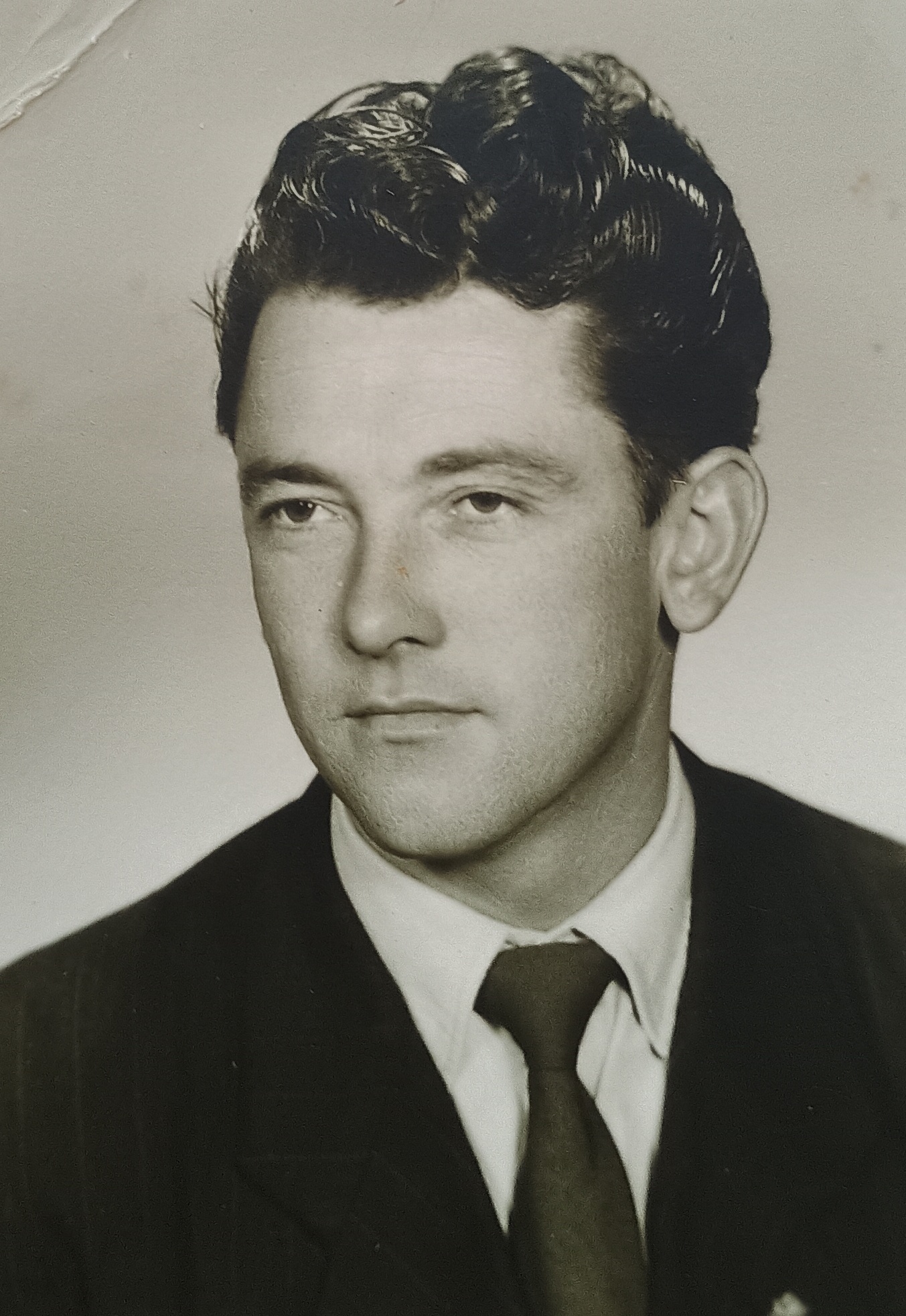
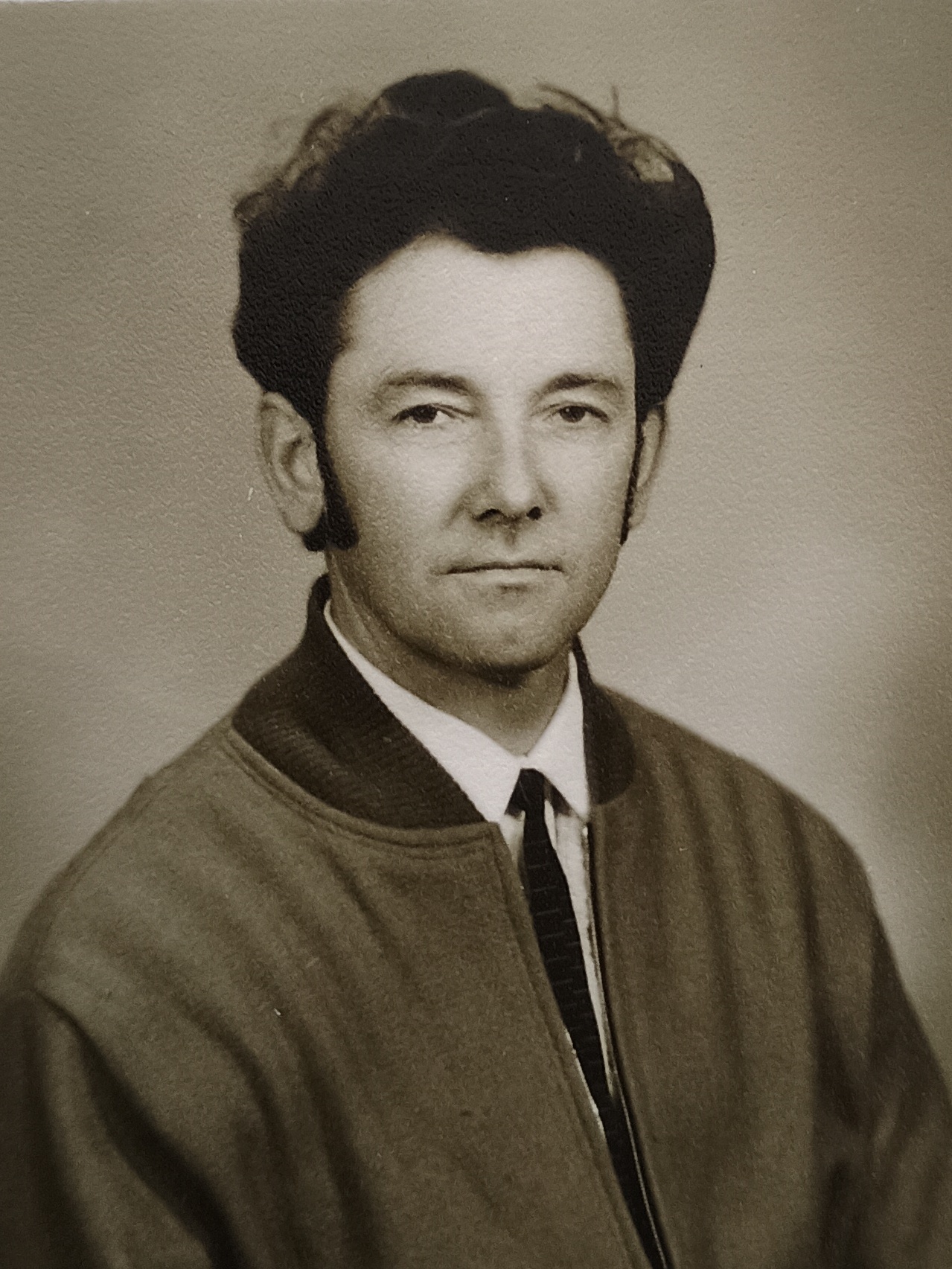
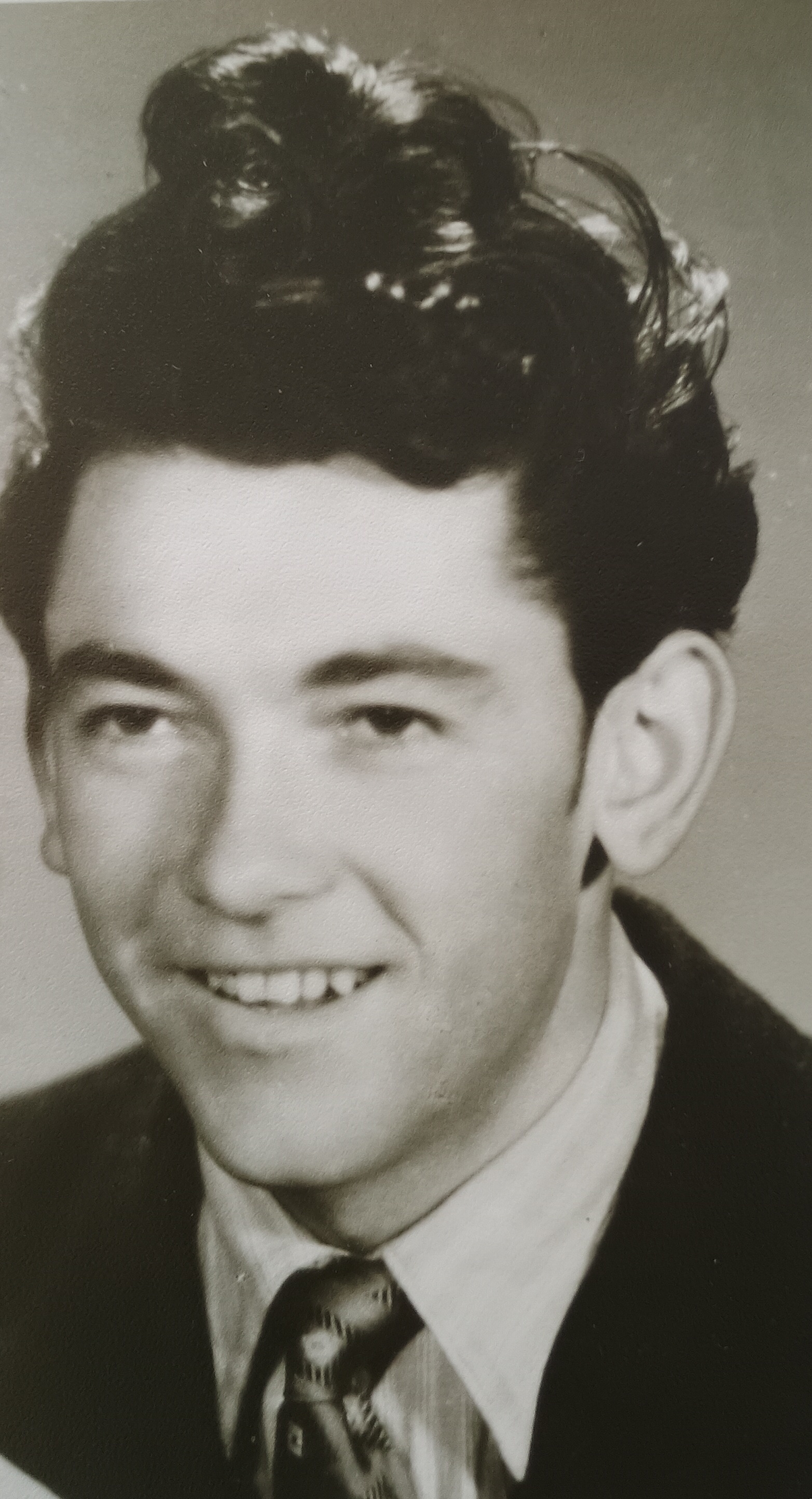
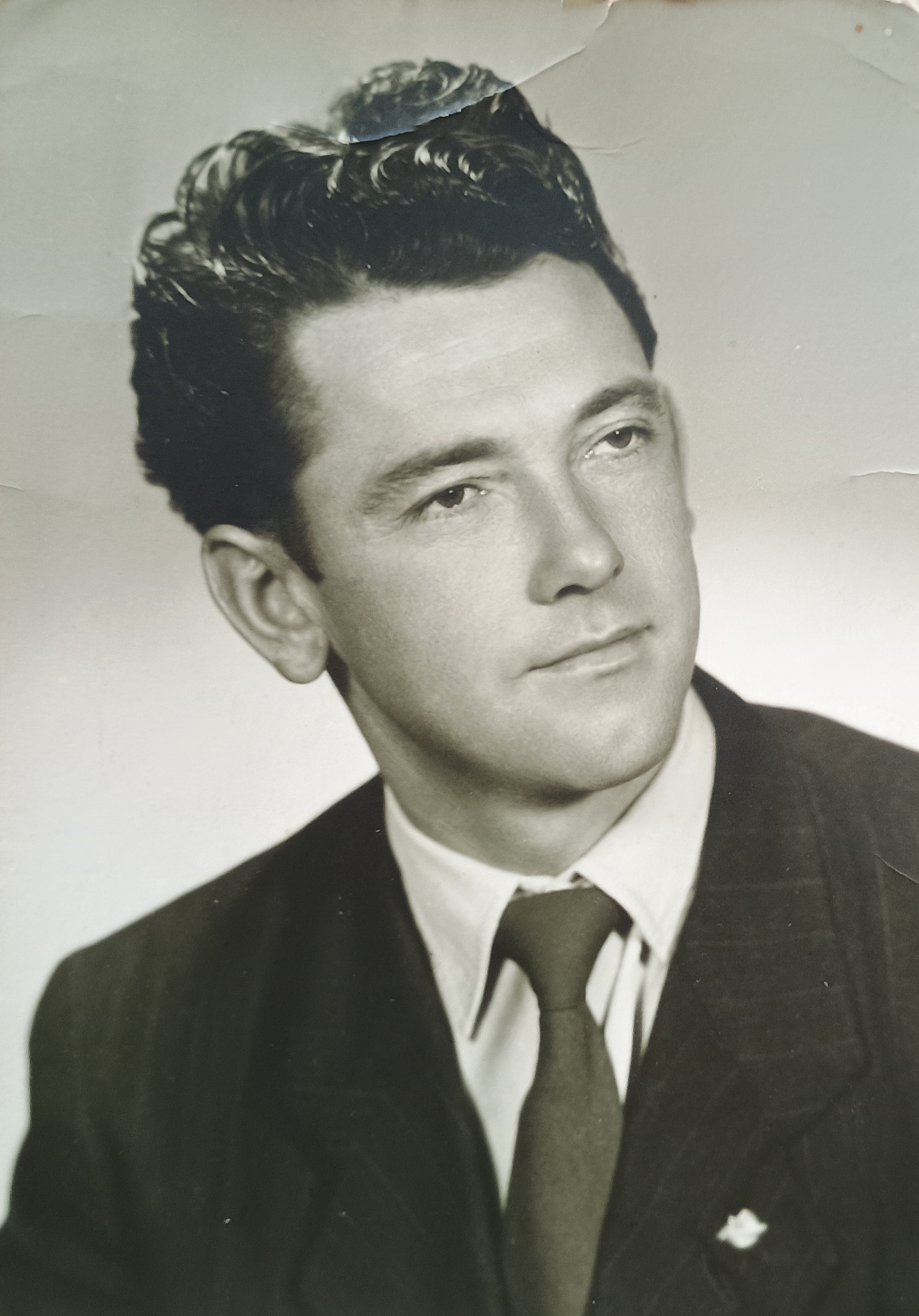
Josef Heldes
Josef Heldes
photo: witness archive

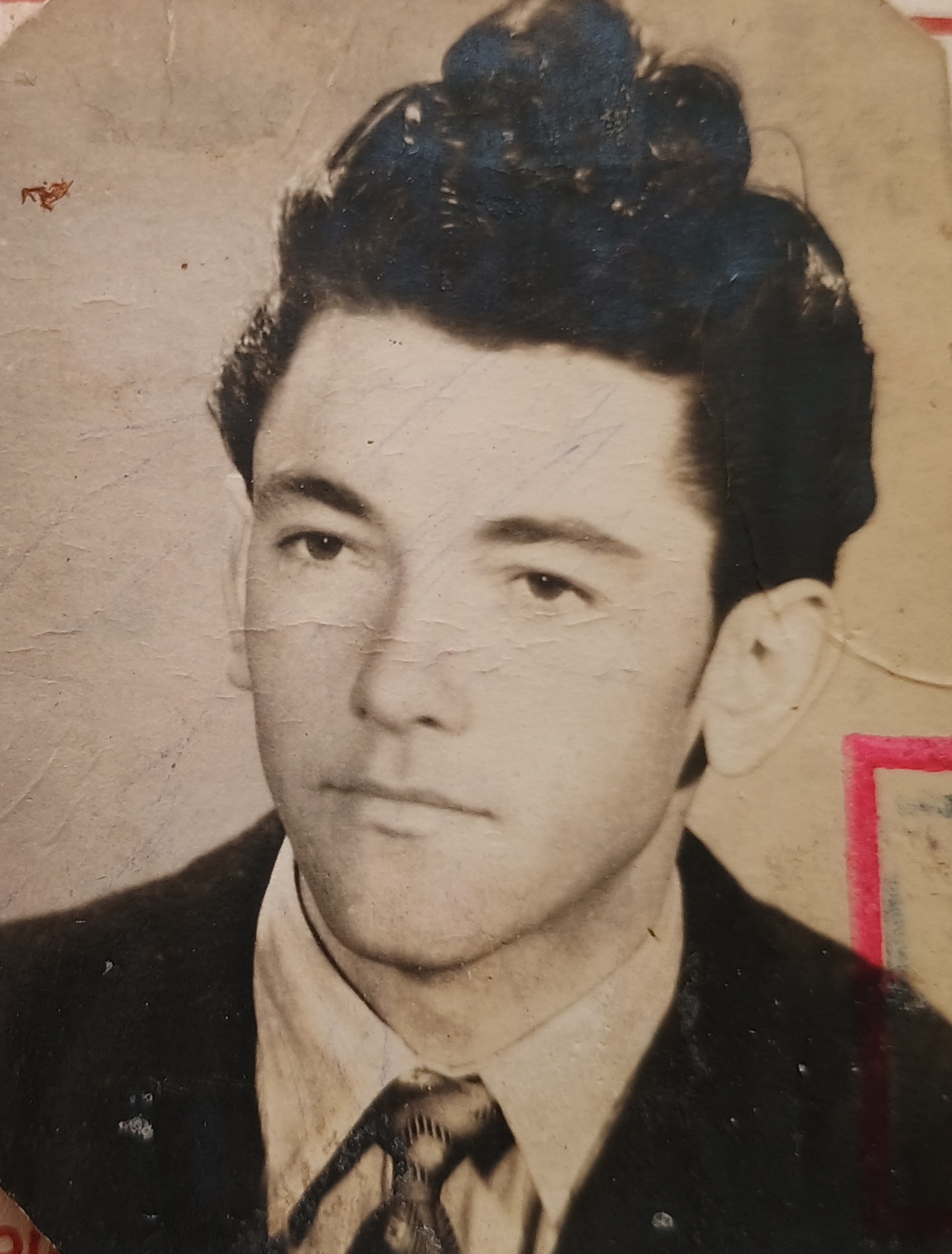
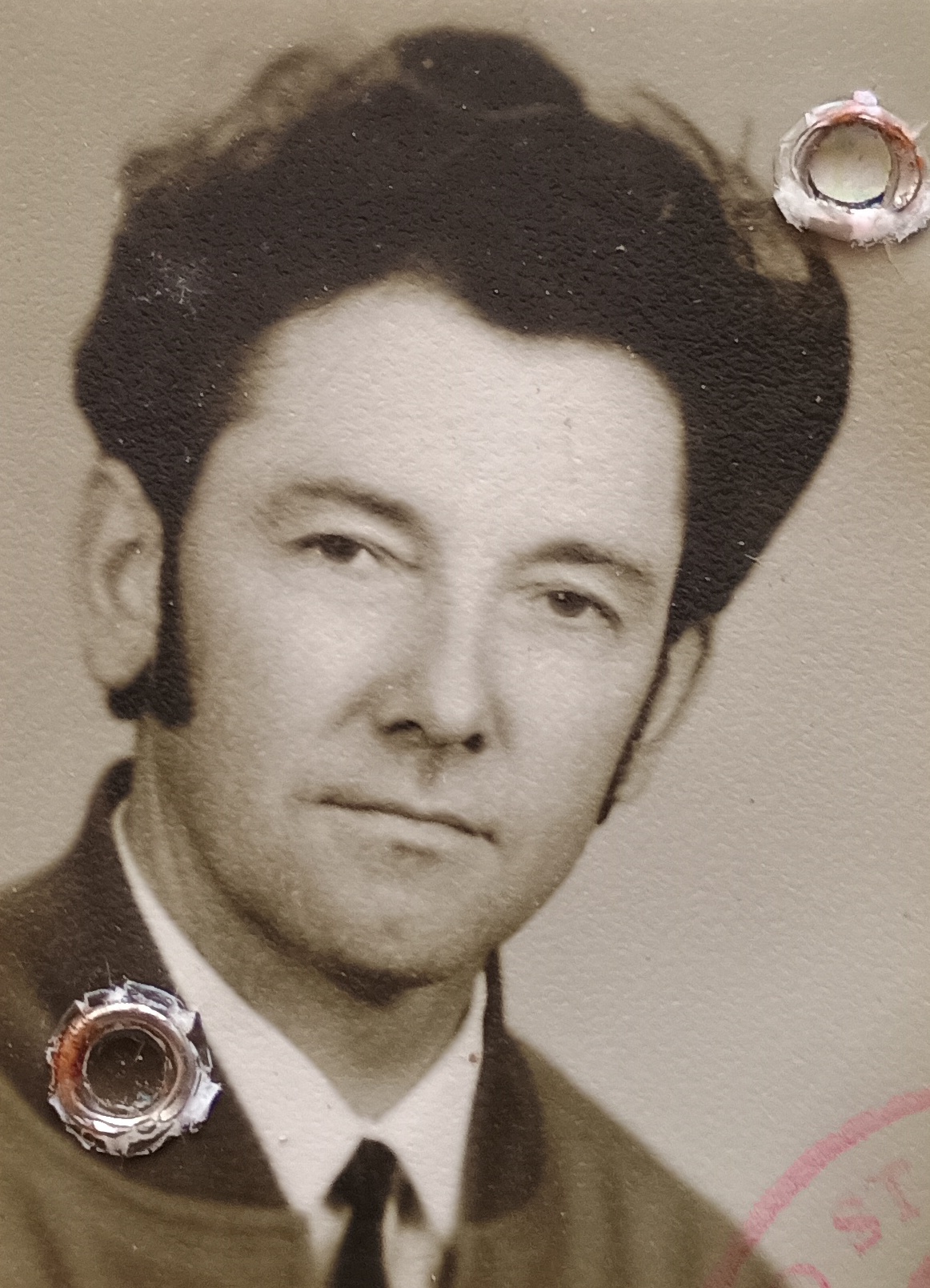
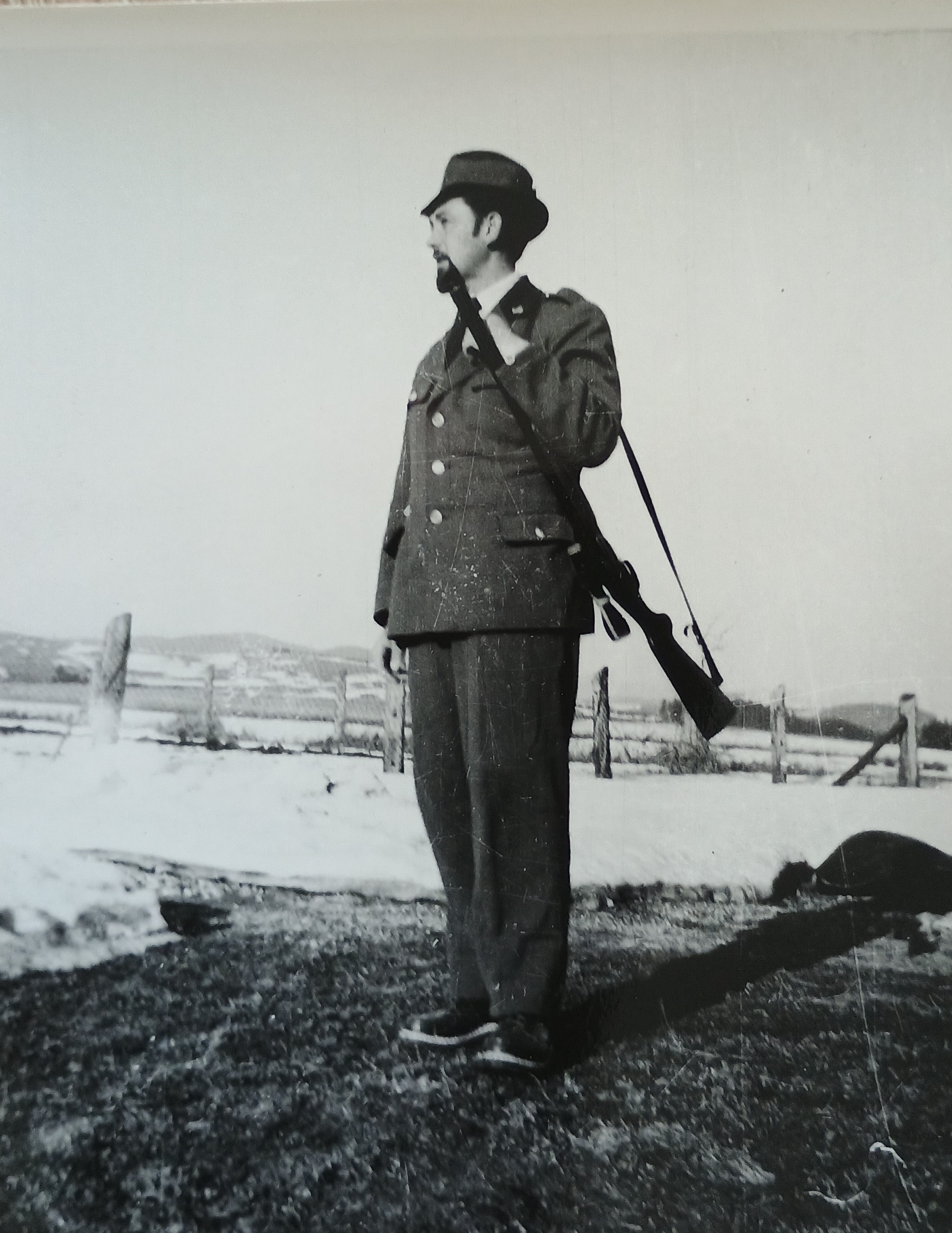
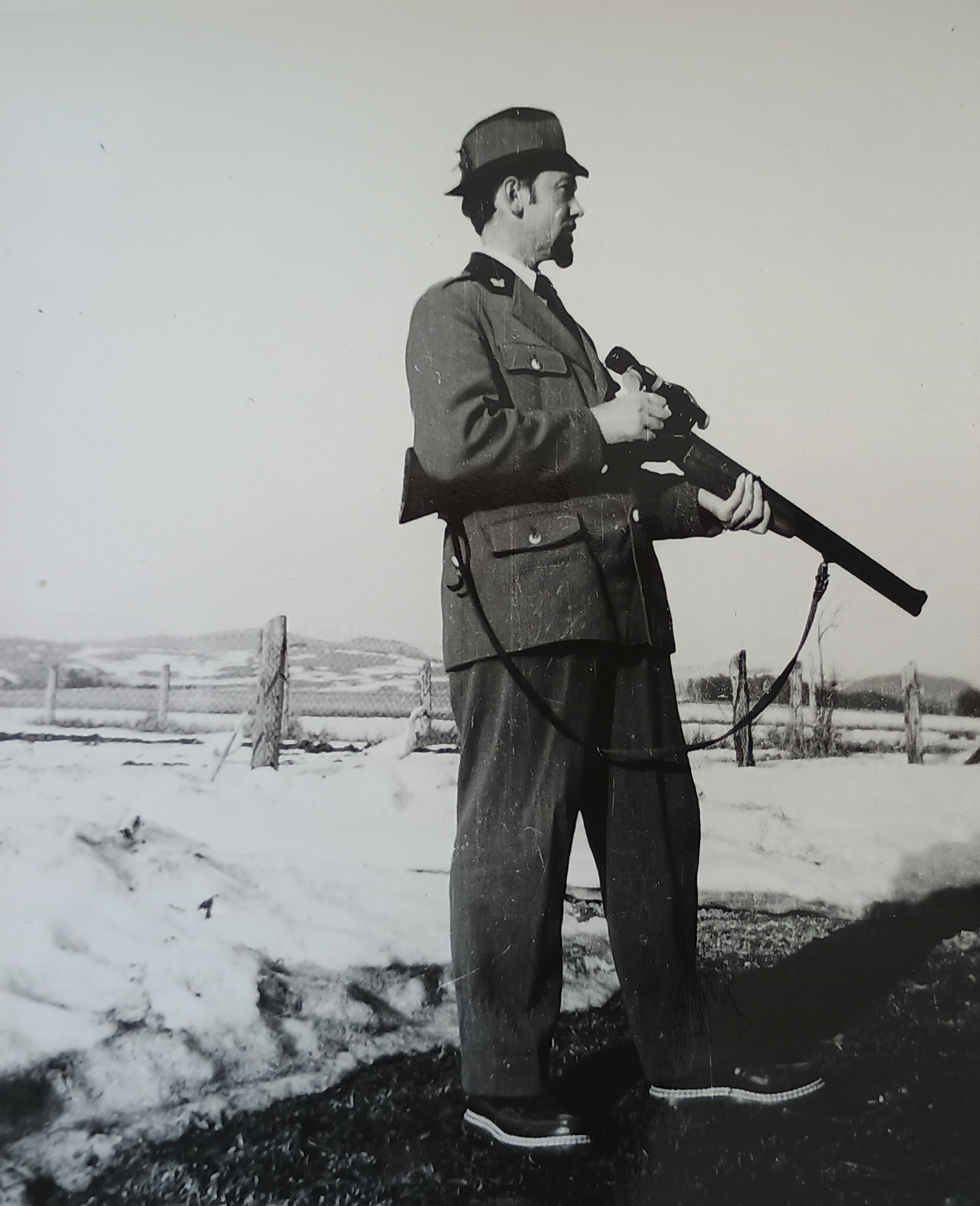
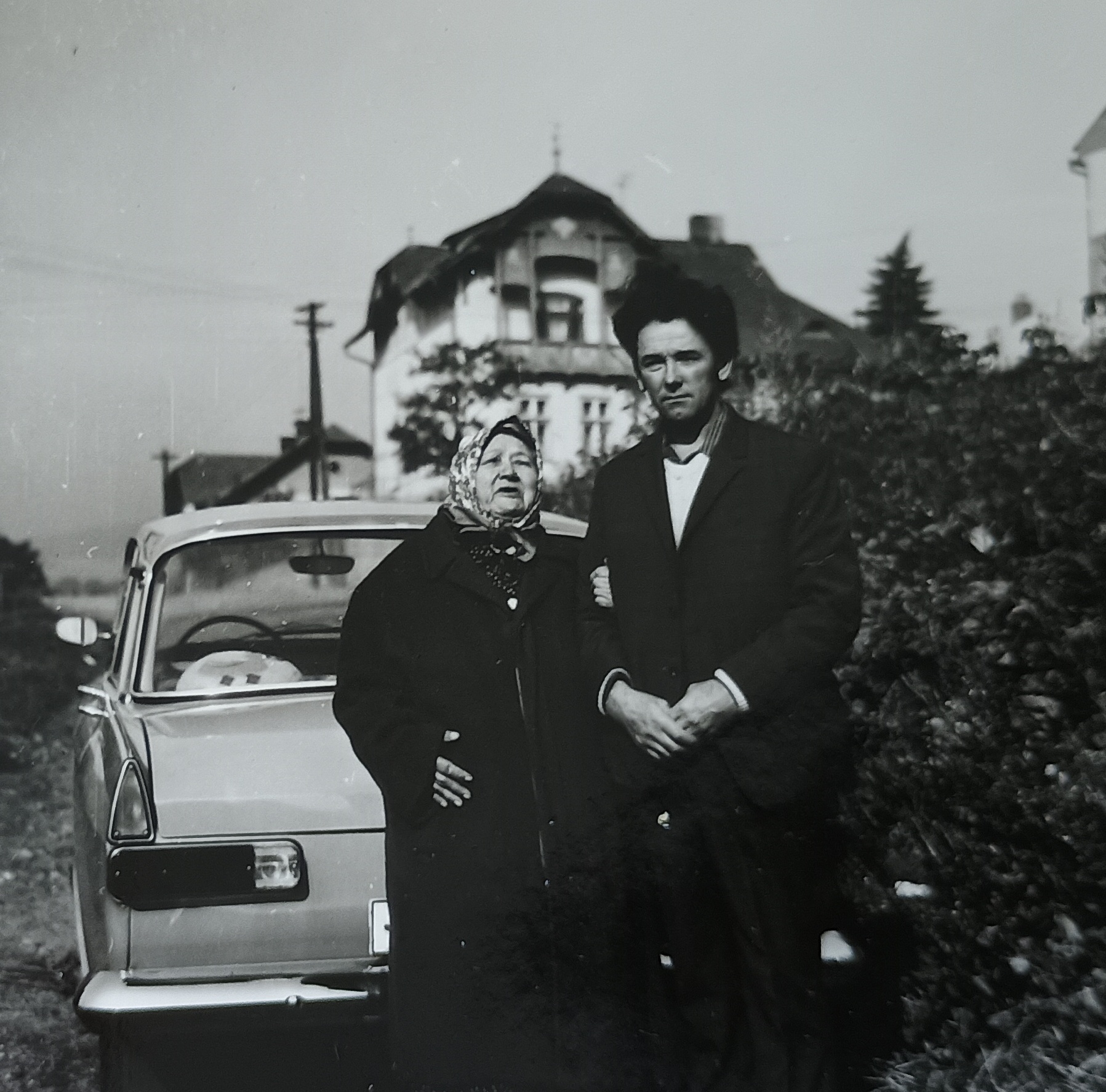
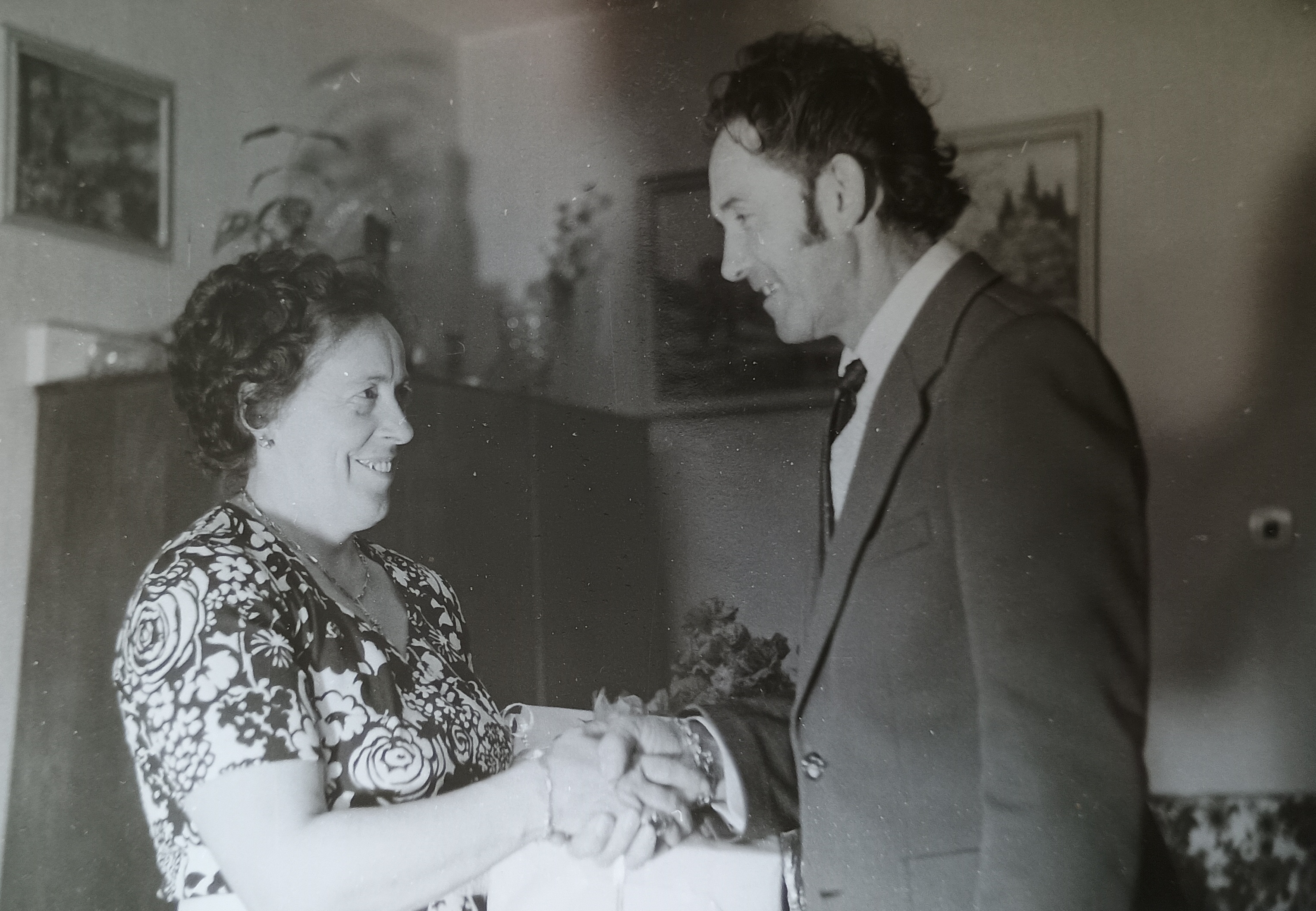
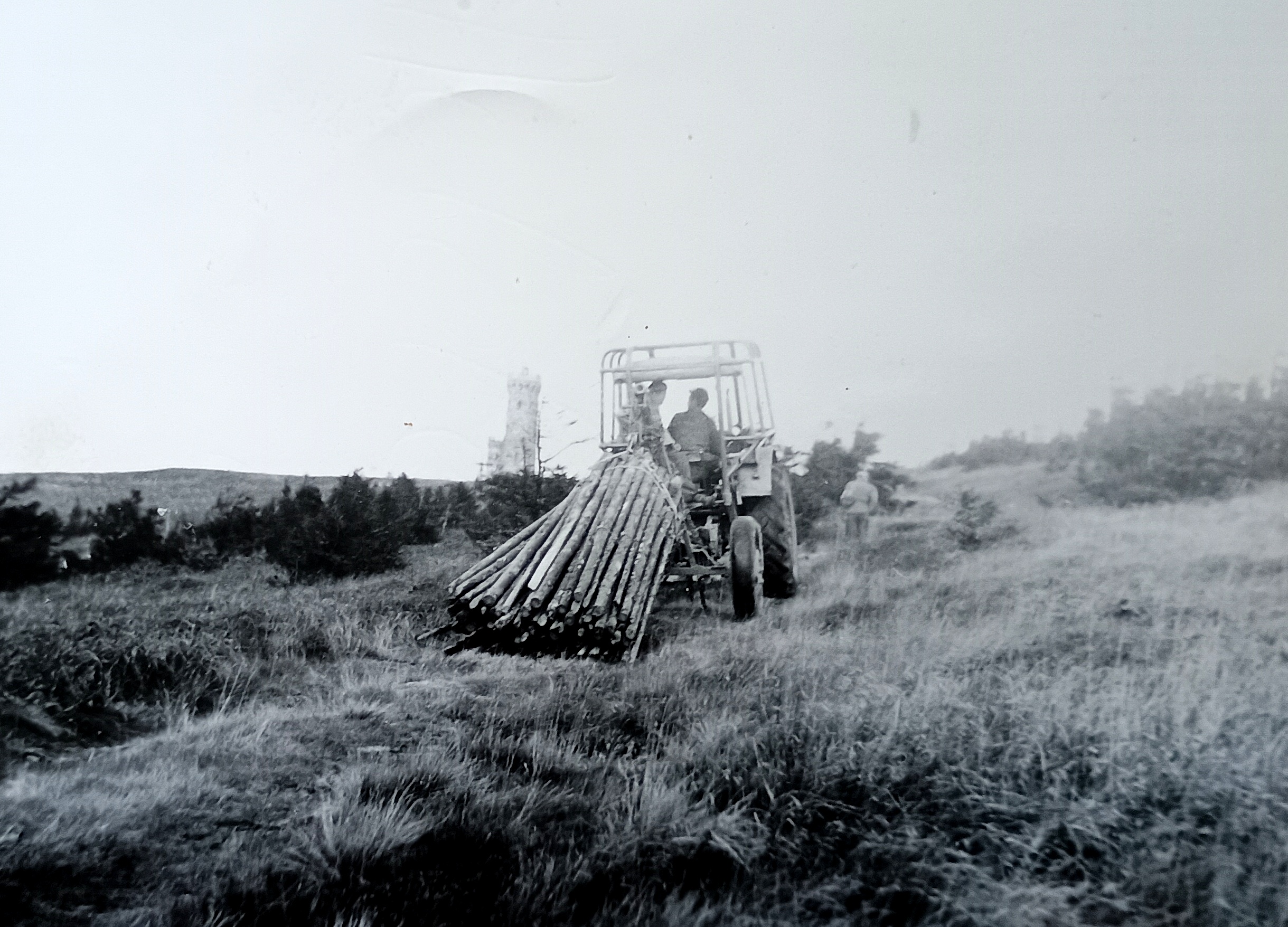
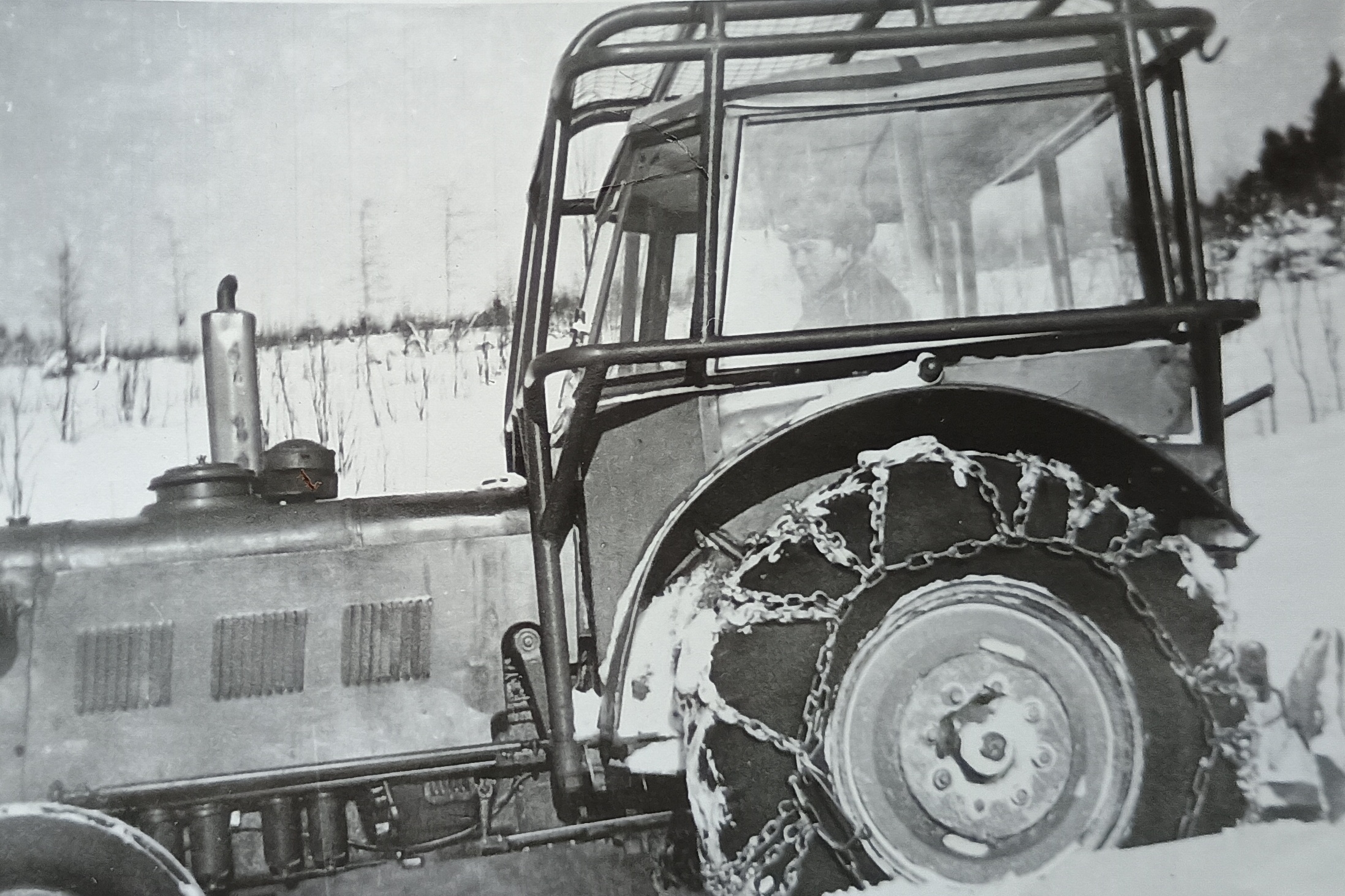
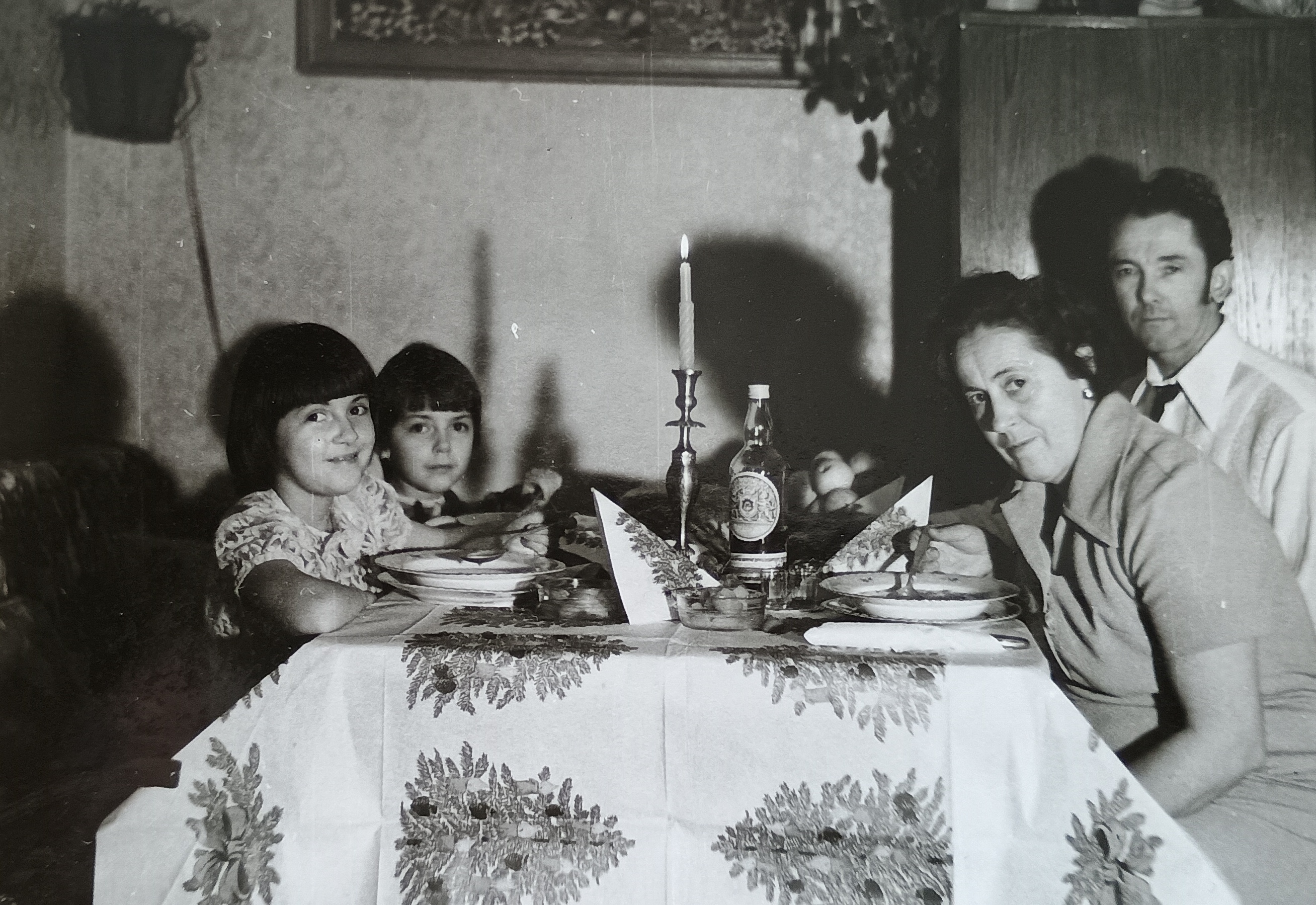
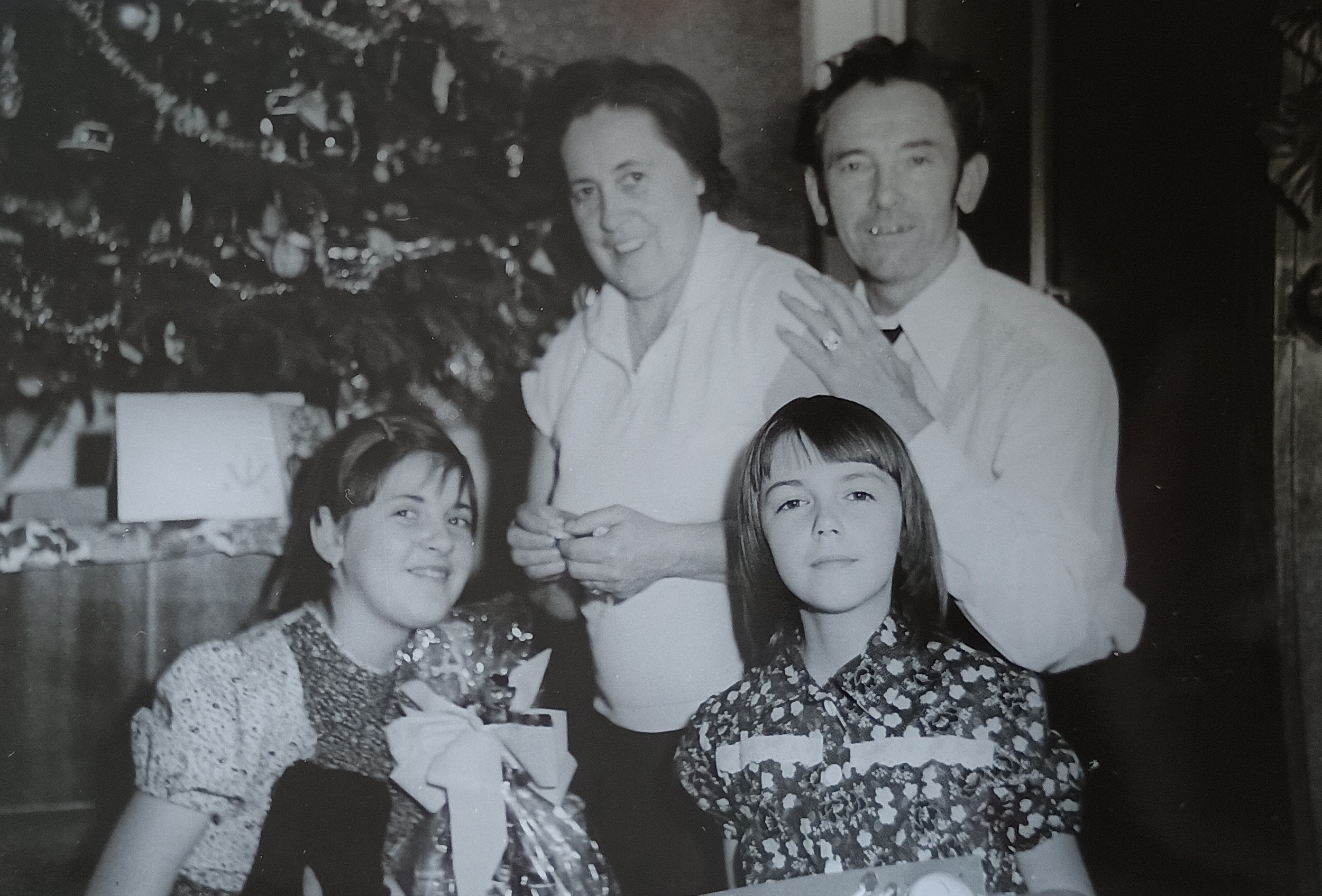
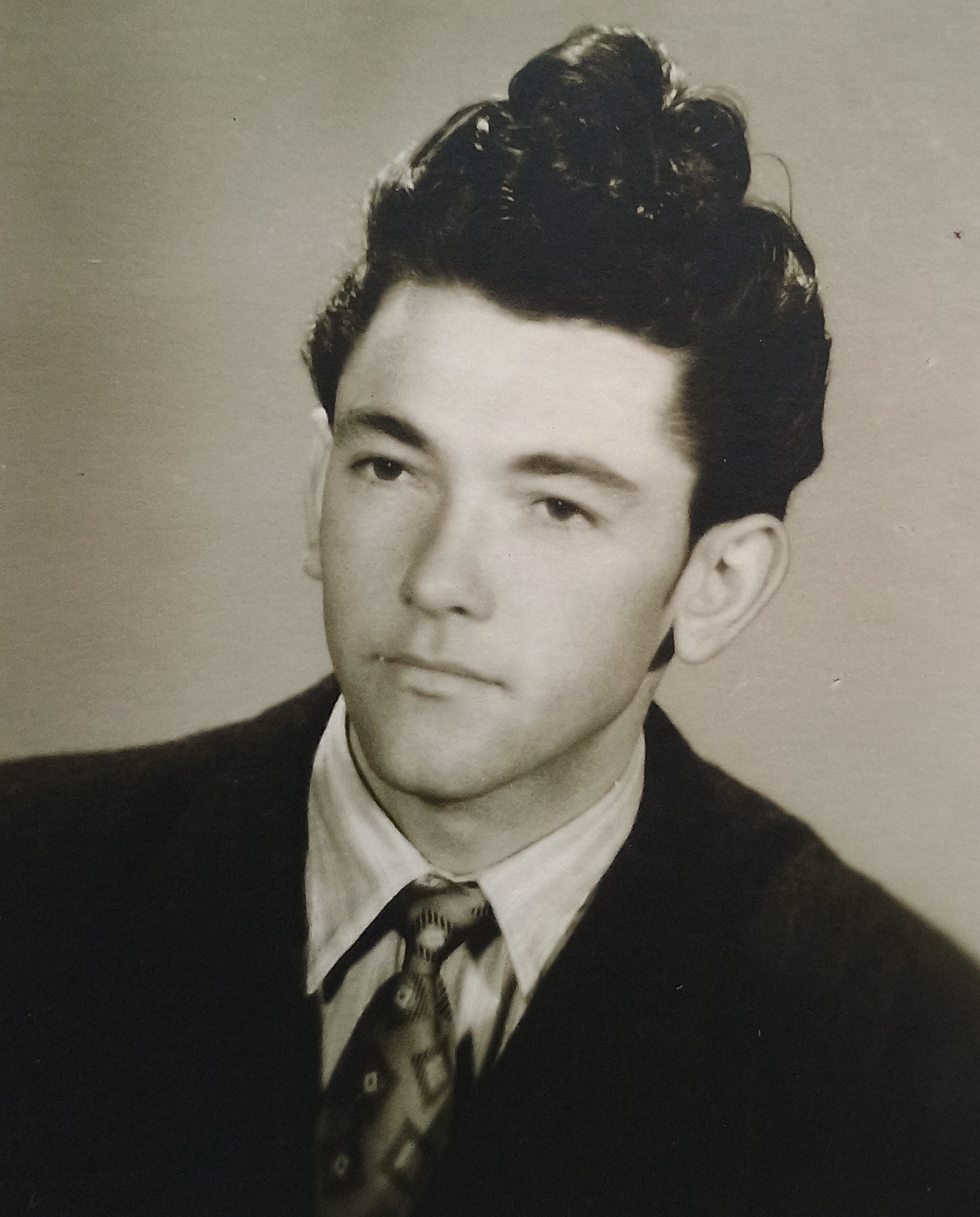
Josef Heldes was born on June 21, 1929, in Beckov, Slovakia. He spent his early childhood at his grandfather’s house because his father worked in France. After his father’s return, his parents bought half of a house below Beckov Castle. Josef witnessed the establishment of the Slovak state and the expulsion of the local Czechs. During World War II, he witnessed the transport of Jews from Beckov to concentration camps and the sale of their property. In April 1945, he experienced the bombing of Beckov, in which three residents of the village were killed. He also witnessed the violent behavior of Soviet soldiers during the liberation. After the war, the family moved to the border town of Kopřivná in the Šumperk region, where they farmed privately. After the communist coup in 1948, they faced pressure to join the unified agricultural cooperative (JZD). Josef Heldes’ parents joined the JZD in Kopřivná in 1950, but left again due to low financial returns. The family was then unable to meet their mandatory deliveries and faced imprisonment. There was no money to run the farm, so Josef took on various side jobs. He also worked in the Budoucnost cooperative, demolishing a mill left behind by displaced Germans in the former hamlet of Lesní mlýn, which no longer exists. In the end, he decided to return to Slovakia, where he worked as a tractor driver on a state farm. Around that time, his parents rejoined the JZD, and a few months later, they fled Kopřivná and joined Josef in Slovakia. In 1959, Josef returned to Moravia. He lived in Staré Město and nearby Stříbrnice and worked as a laborer in state forests for over 40 years.