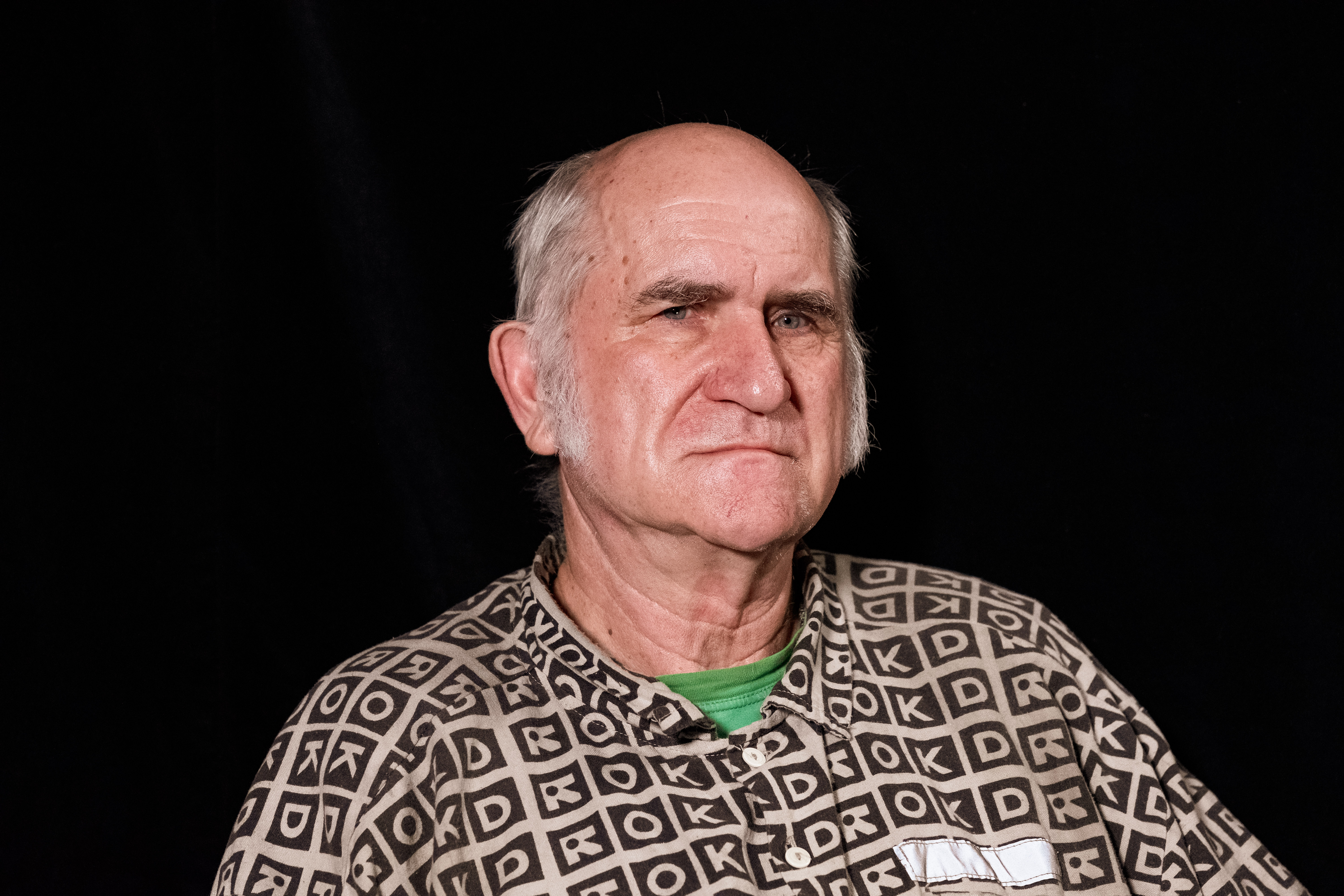
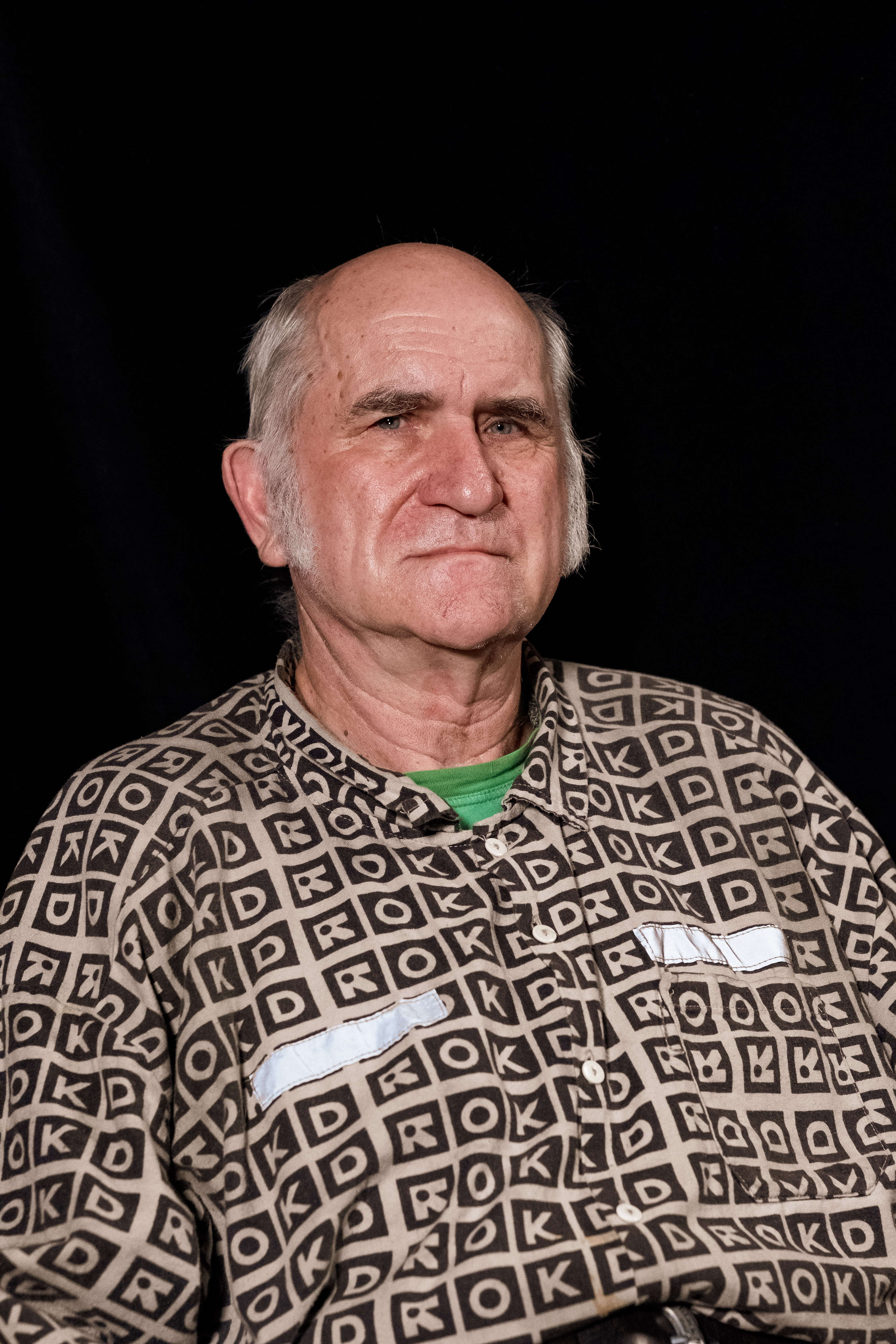
Josef Grobelný

* 1953

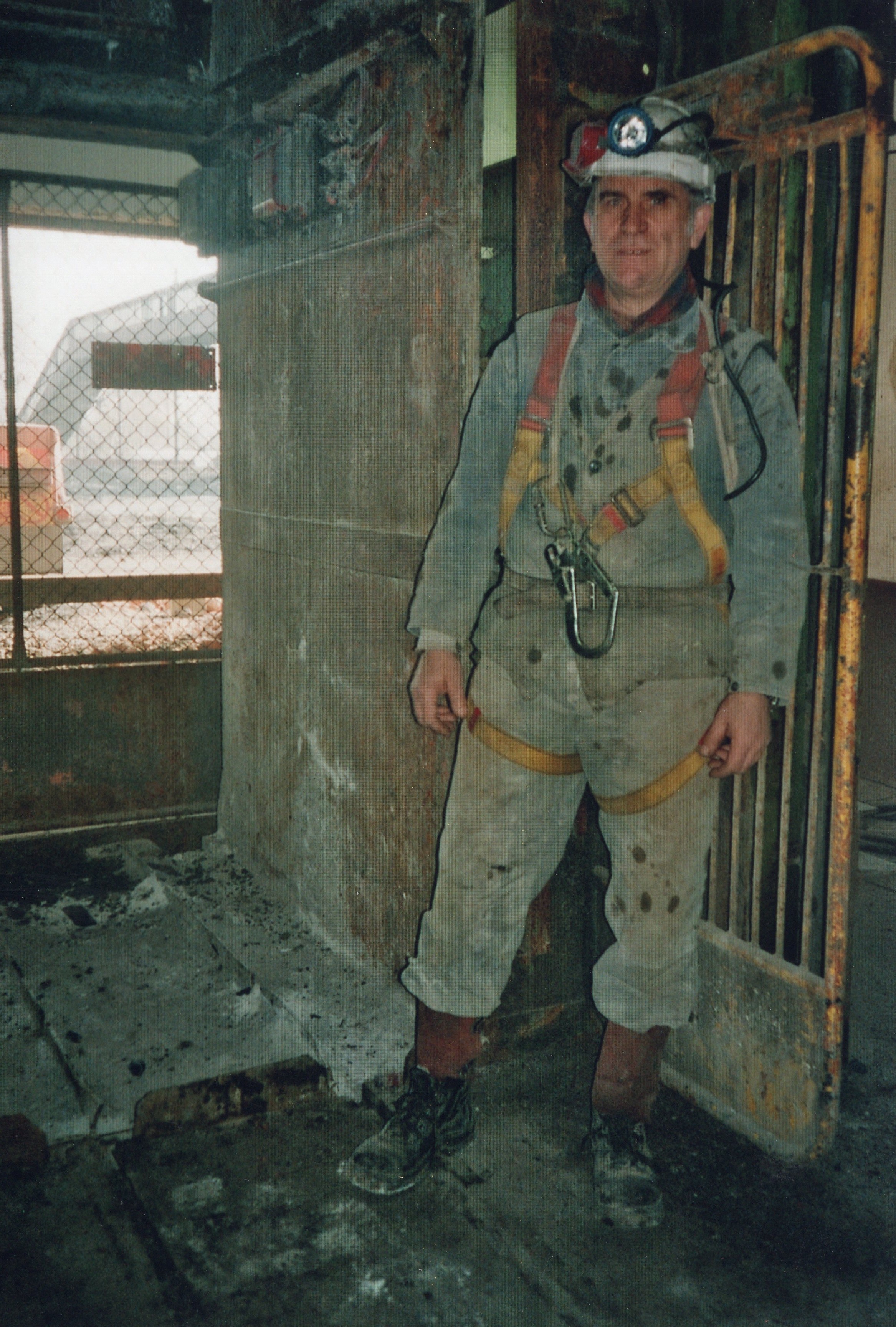
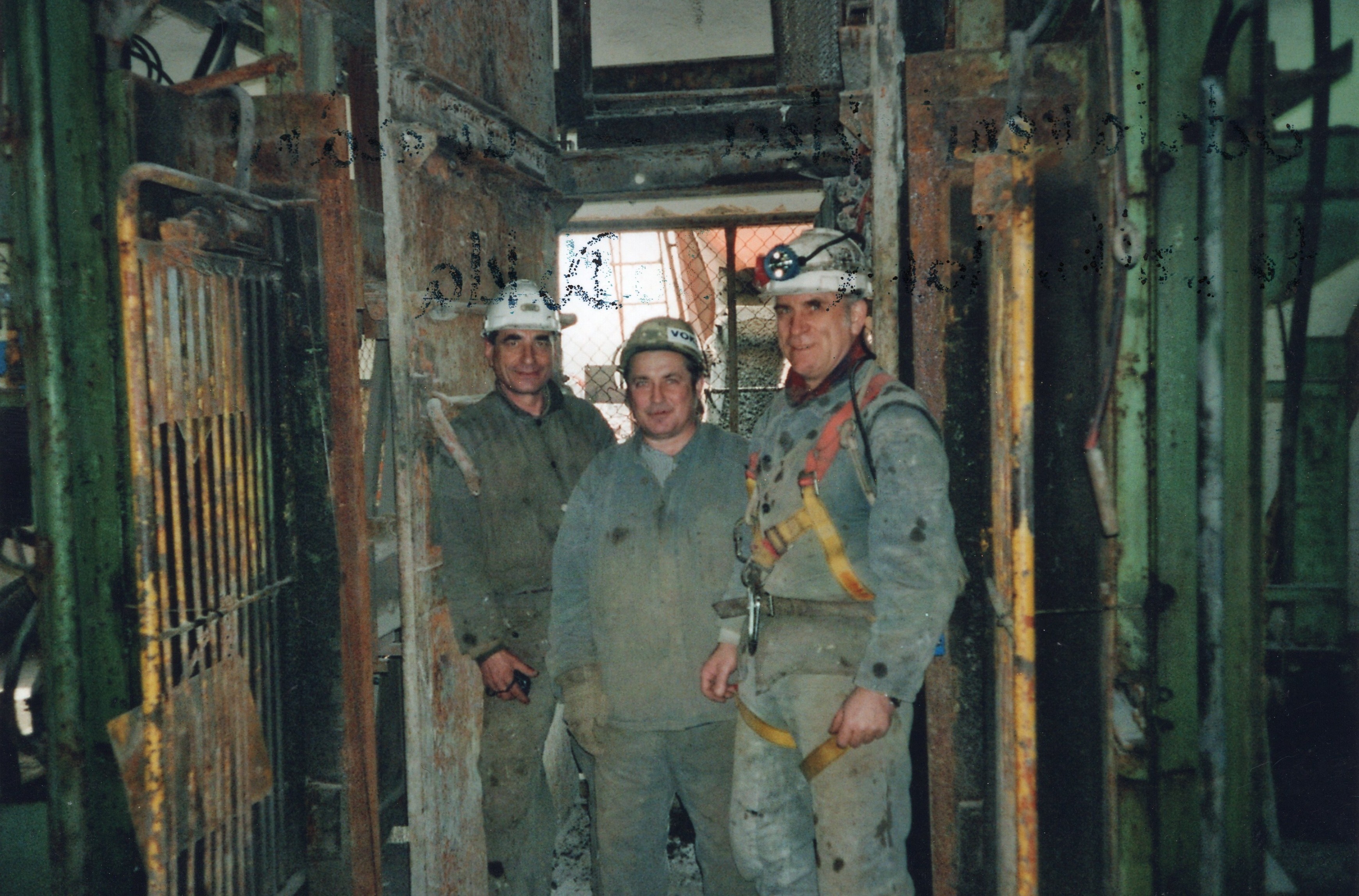
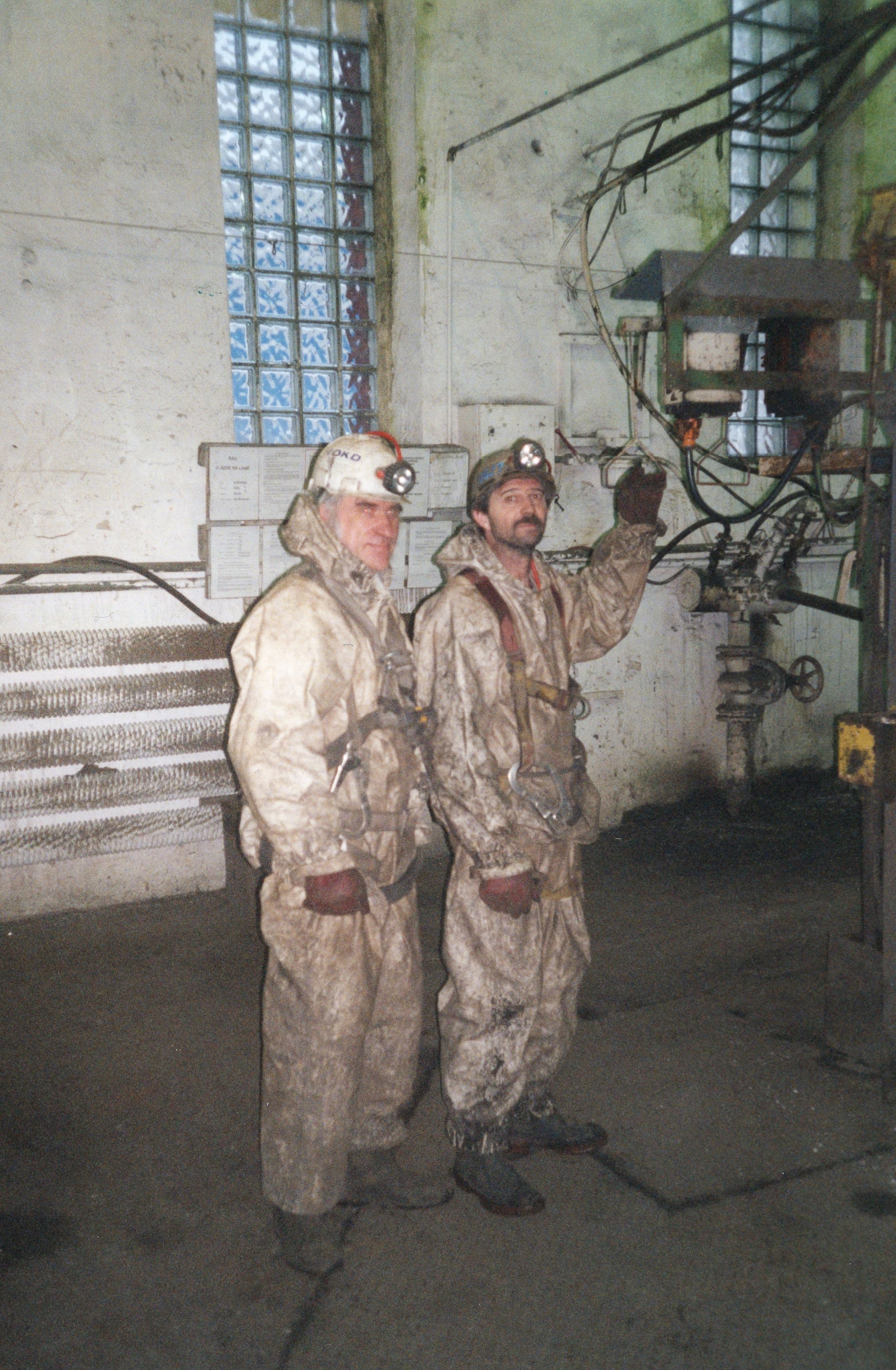
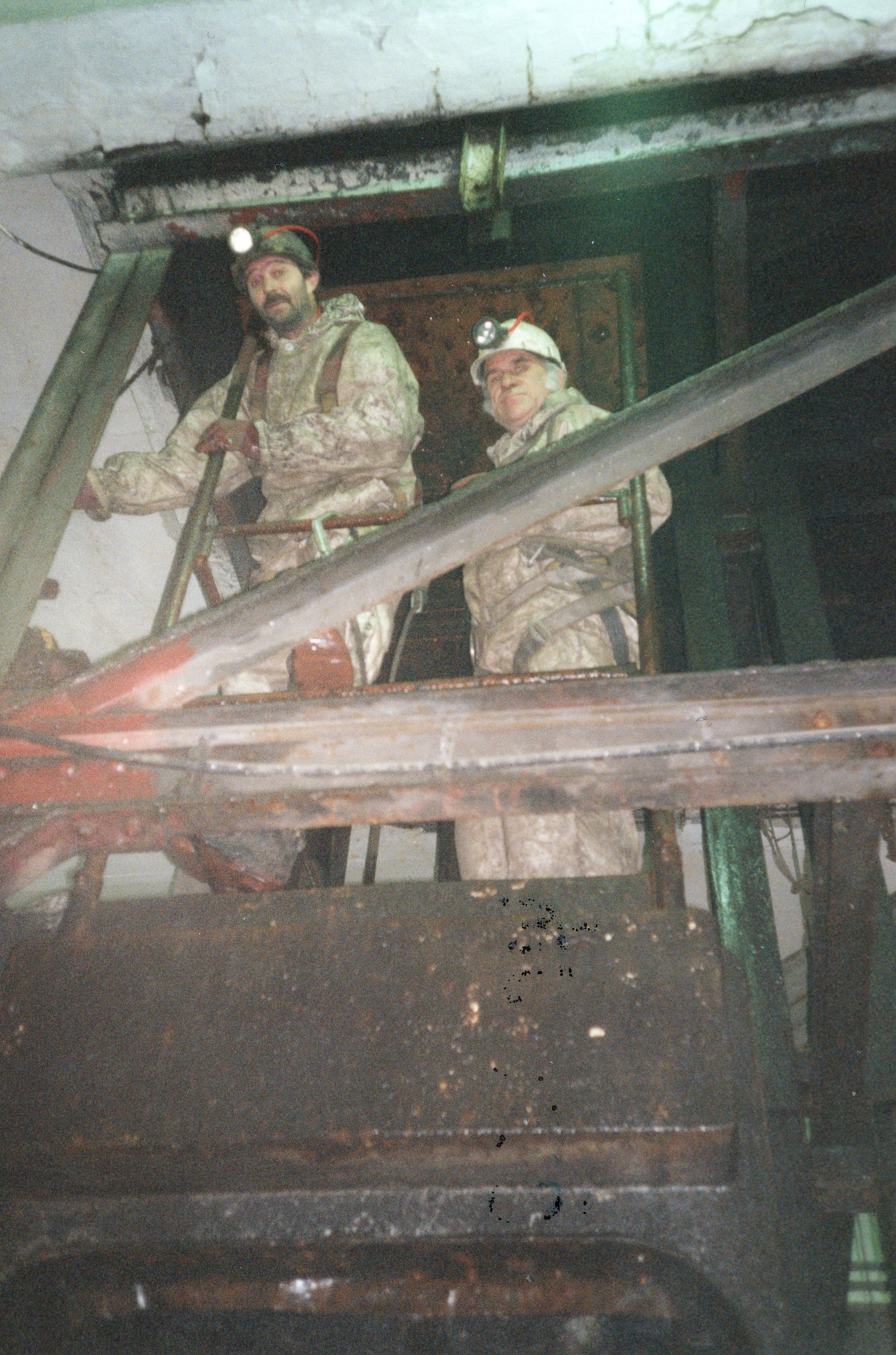
  • "It was such a bang in that pit that it shook the whole shaft. It depended on the type of explosive and detonators. If we were digging a trench or shaft where there was no coal, we could use electric time detonators. There was a quarter of a second difference, so you heard that boom, boom, boom, boom until twelve. But as the firing was going on when there was coal, you just heard this kind of drawn-out boom - a prolonged boom. There's a difference of only twenty-three milliseconds, which the human ear is not able to discern. The pit, it was always worth it. We brought in a full truckload of explosives, did patrols, and took half a shift to load everything up. We had to be careful not to cut the wires. You walk between them like a ballerina to make sure you don't step on anything and rip something. On the headboard it's hanging in front of you, but here it's on the ground where there's extra water that has to be pumped out. Detonating work the pit was very difficult, but I loved it. It was a good job. I liked going to the diggers to make it explode."

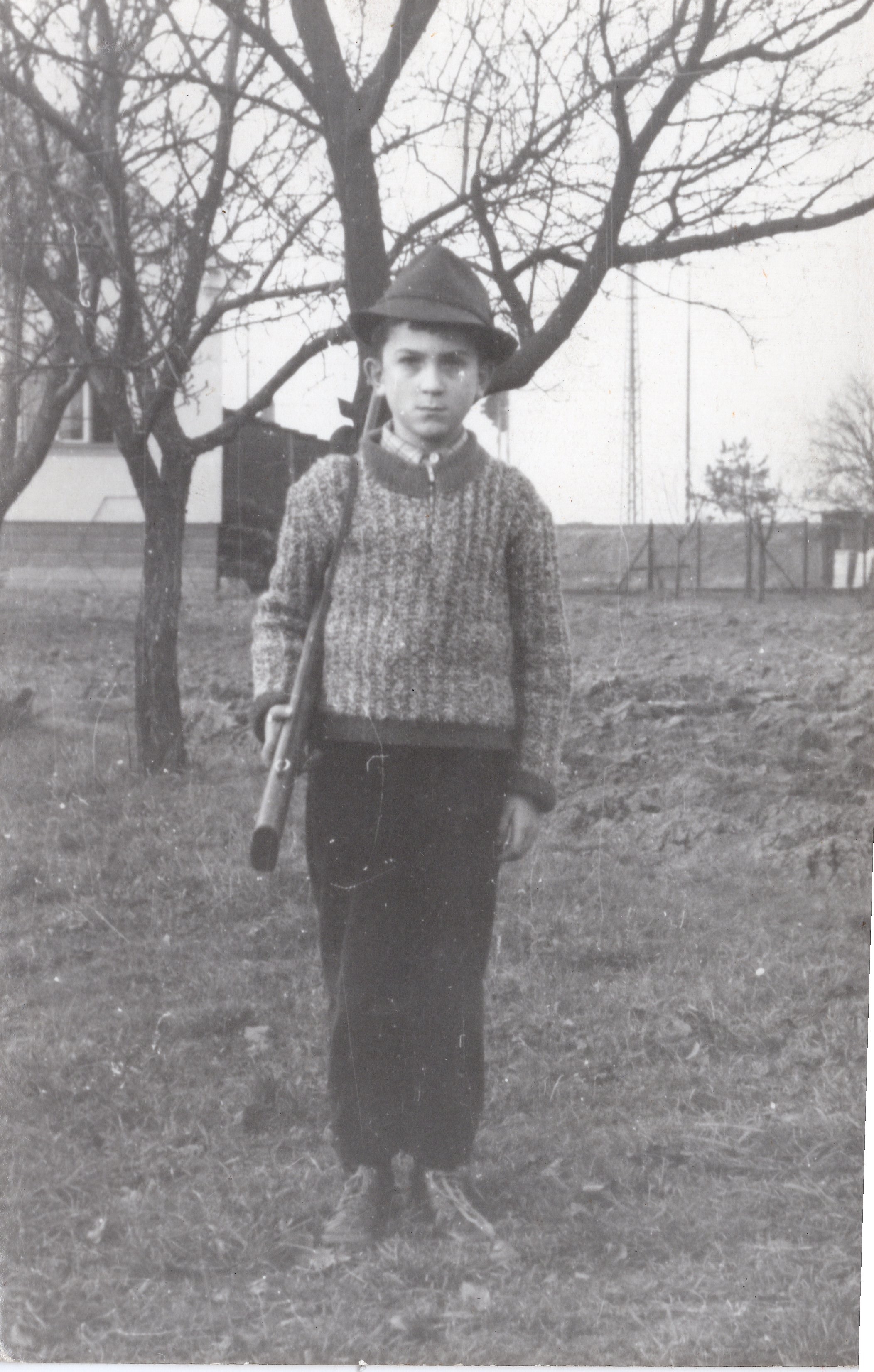
  • "I was at a camp in Valašské Klobouky and suddenly we saw planes flying. One was in the east, one was above us and the third was in the west. I was fifteen at the time, so we were surprised. The television was already broadcasting the latest news. As boys we didn't understand - the Soviet Union was our greatest friend, and suddenly it started occupying us. The camp ended early and we were sent home by bus. By the time we arrived from Valašské Klobouky, the bus was plastered with period posters, like 'Long live Dubček.' At home, my dad came and said, 'Give me the air gun. The Russians are such jerks that if they see you with an air gun , they'll be able to shoot you.' So he locked them in the closet for us. There was a tank left hanging in Dětmarovice. The shoulder of the road broke off under it and it was left hanging on a big cherry tree. It was there for a week. The soldiers were sitting on it and people gave them water and something to eat because nobody took care of them. They still had the maps from the year fifty-five and the roads that were plotted there were basically non-existent. I don't think those guys had it easy either, but we saw it as a show - a tank in a ditch."

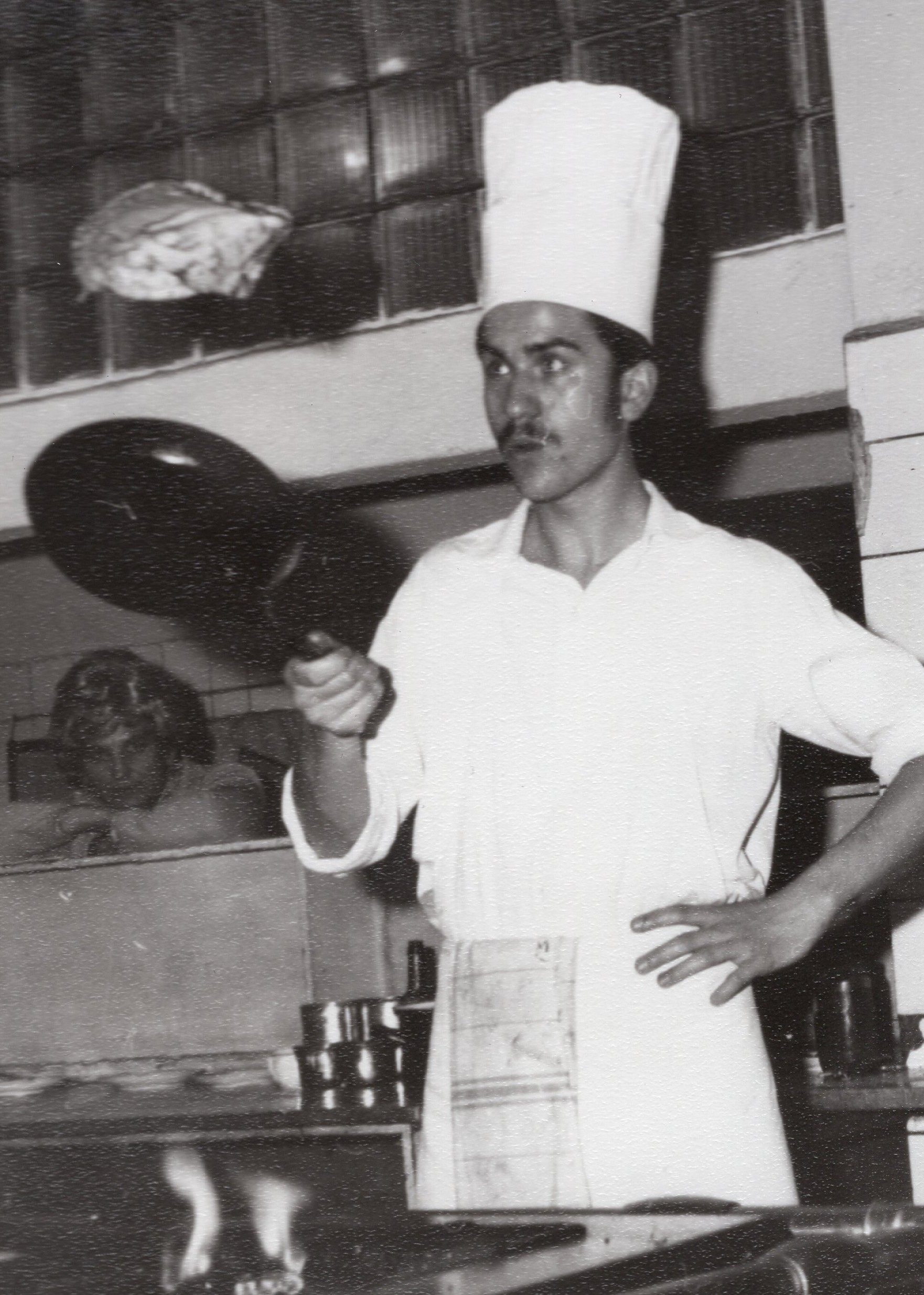
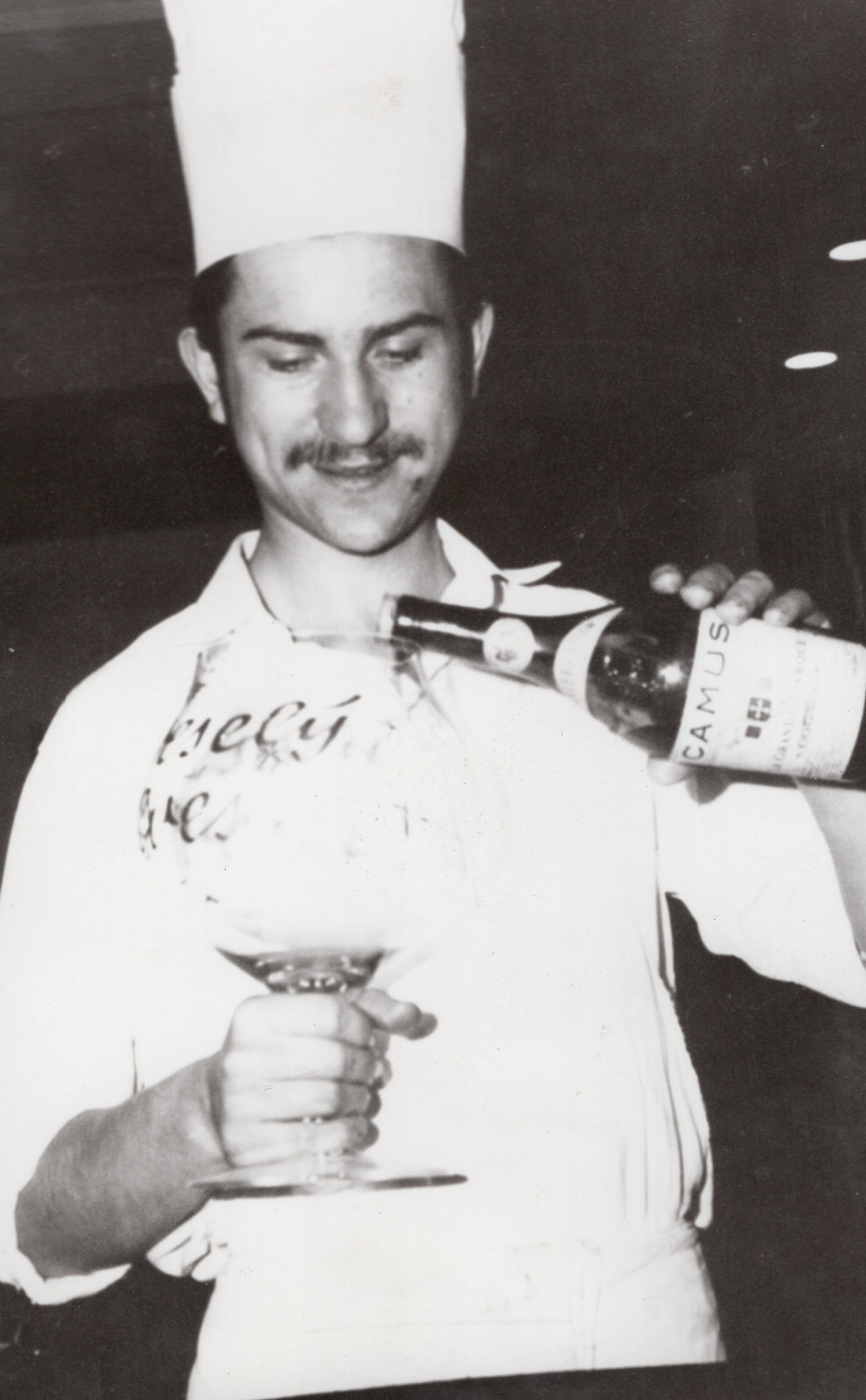
  • "I have never cooked for the President of the Republic, but I have cooked for Štrougal, Vasil Biľak or the then Minister of Fuel and Energy Ehrenberger. We used to go to the government villa here next to the Polish consulate or to Ostravice, where those comrades of ours had all kinds of gatherings. Like Mamula's birthday. It was interesting work, but it wasn't talked about much. You had to be blind and deaf there. My job was to cook well, to make everyone happy. We were rewarded well, and when we crossed the threshold of the villa, we had to forget everything immediately. I know how the then Secretary of the North Moravian Region, Mamula, stomped on the table until all the glasses jumped and yelled at the directors of the enterprises, excuse me, we will make a beep beep, how come you are not following the plan? The ones who didn't deliver were really making themselves small. If they could have, they would have hidden under the table."

  • Full recordings
  • 1

    Ostrava, 13.11.2025

    (audio)
    duration: 01:41:51
  • 2

    Ostrava, 24.11.2025

    (audio)
    duration: 02:19:18
Full recordings are available only for logged users.

He cooked for the communist leaders and later dug mines with dynamite
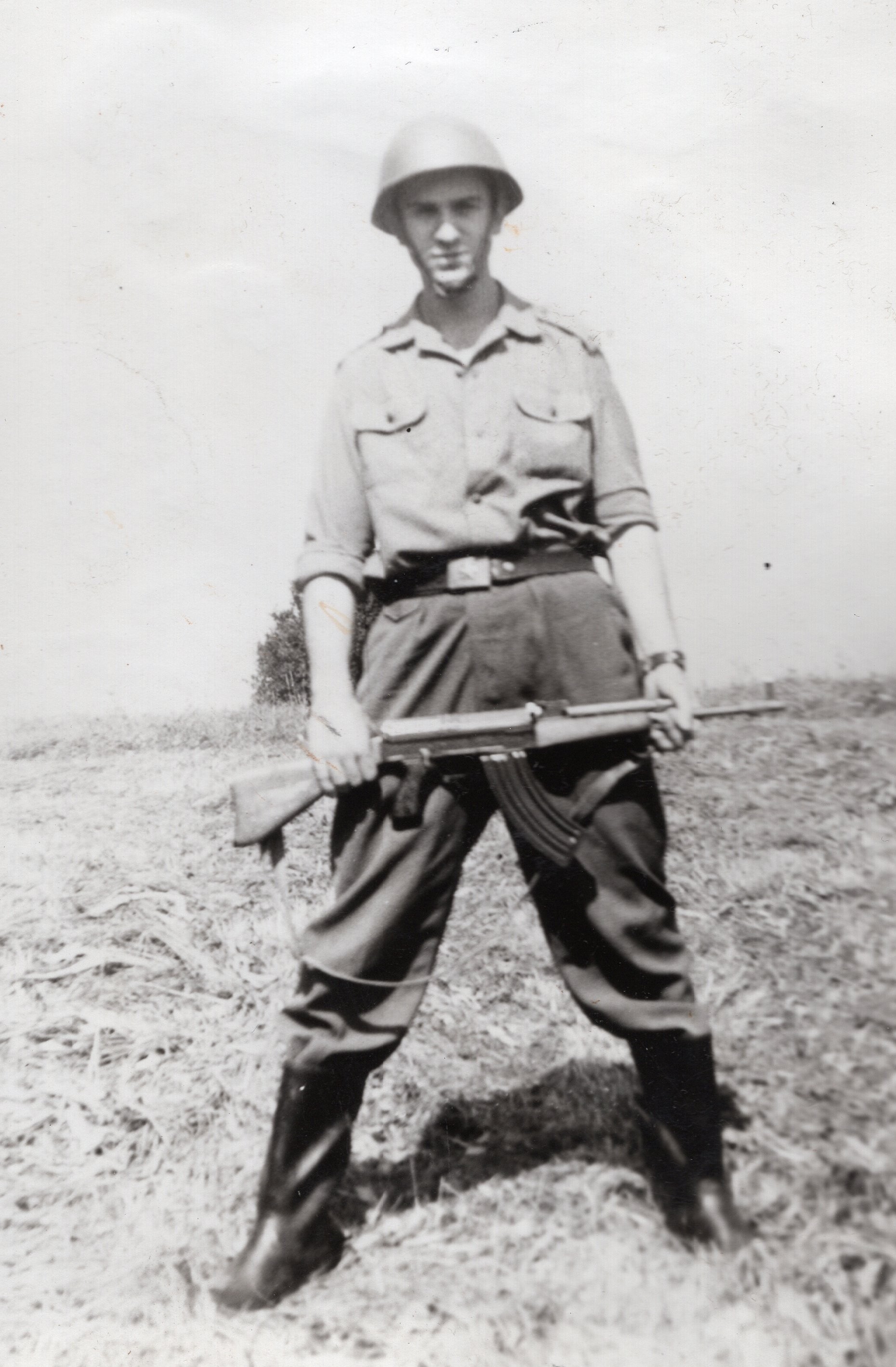
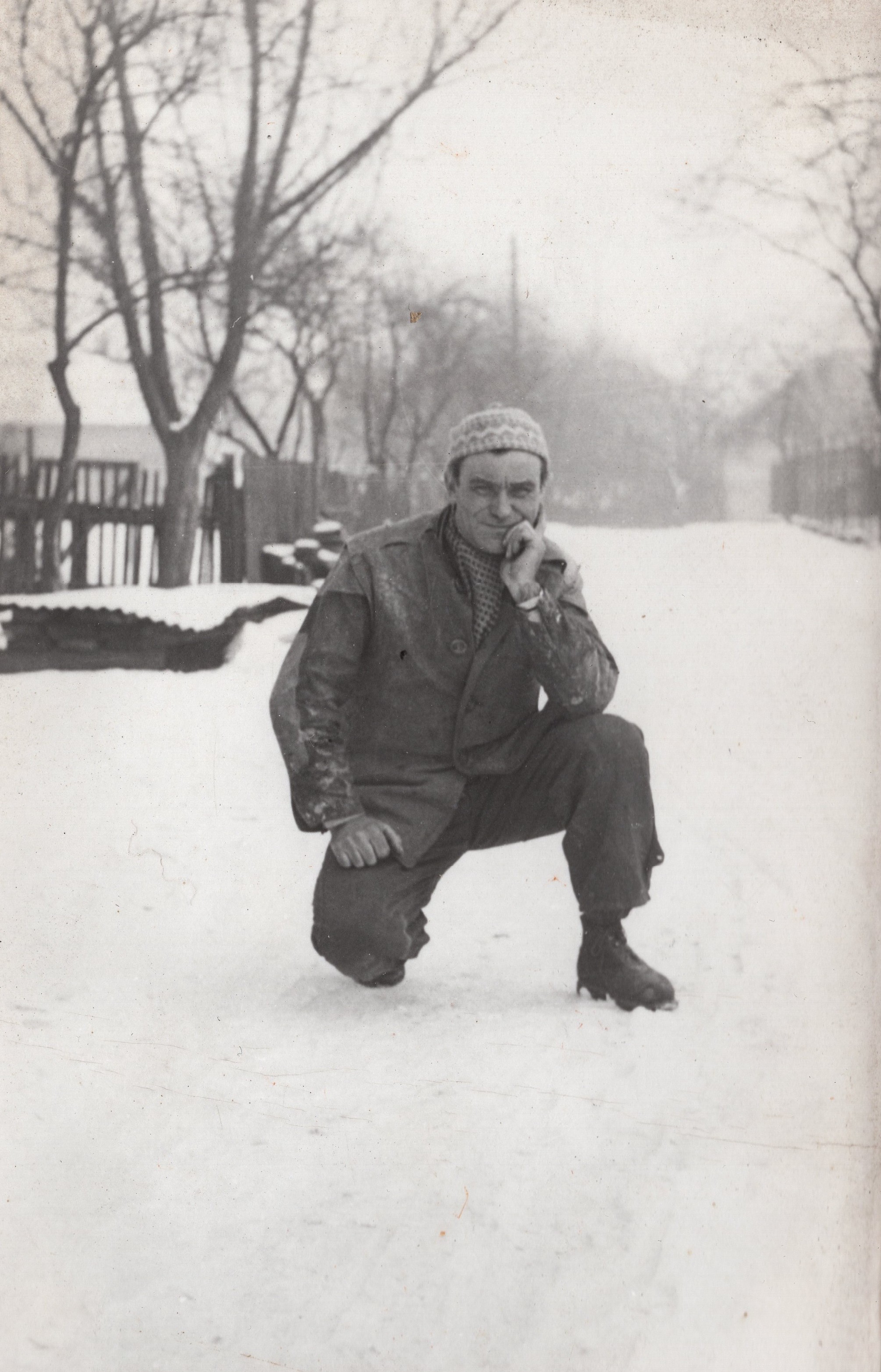
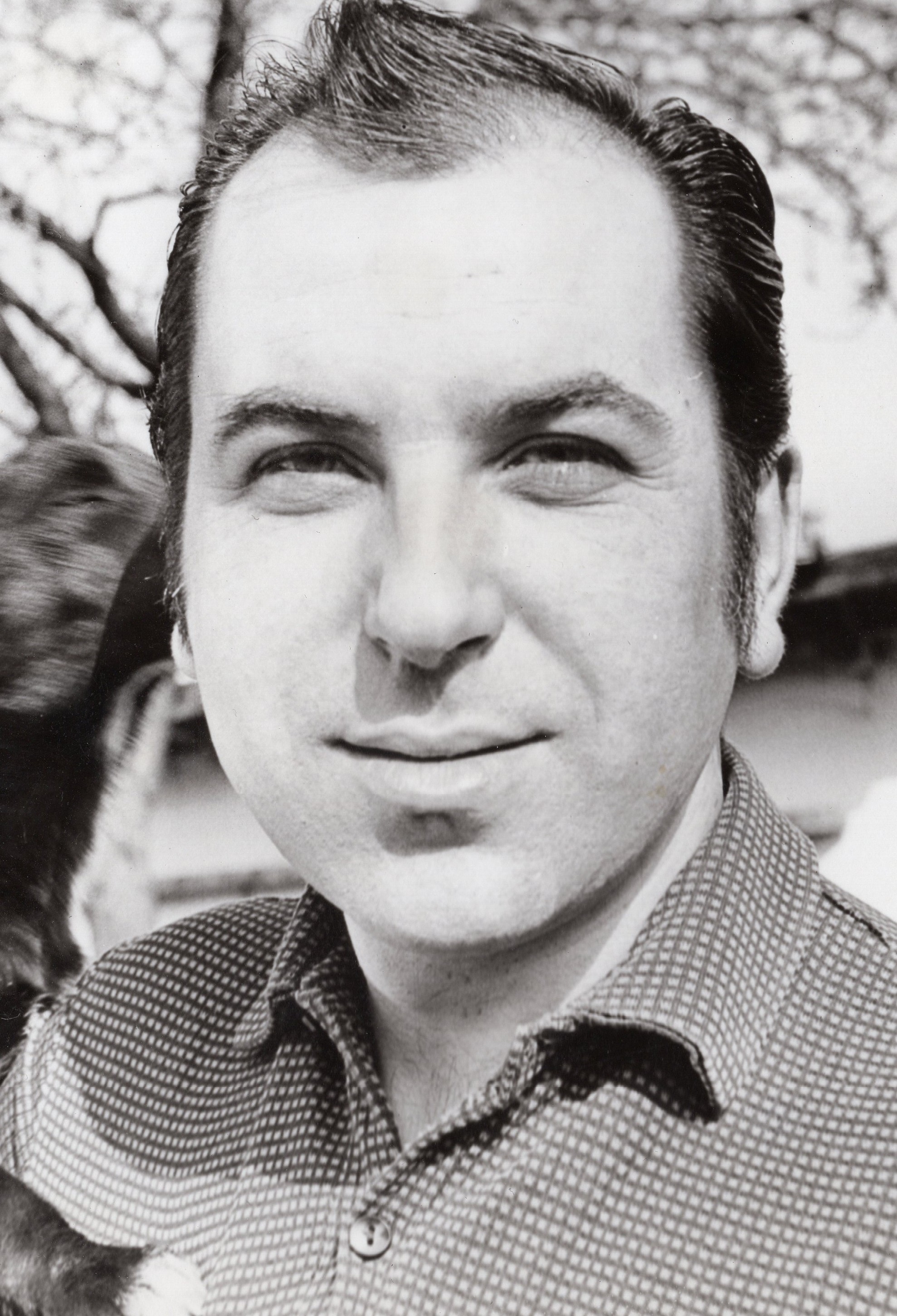
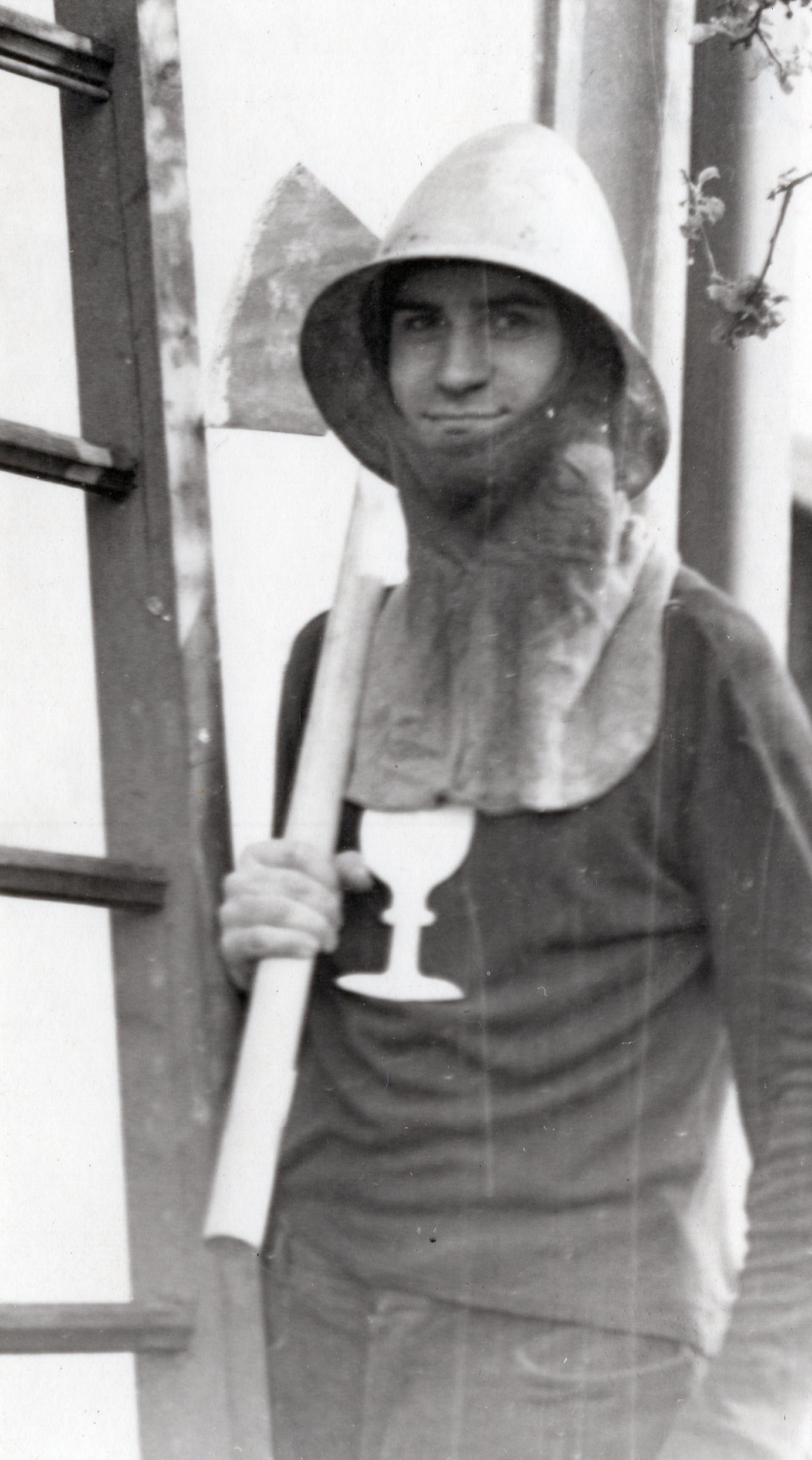
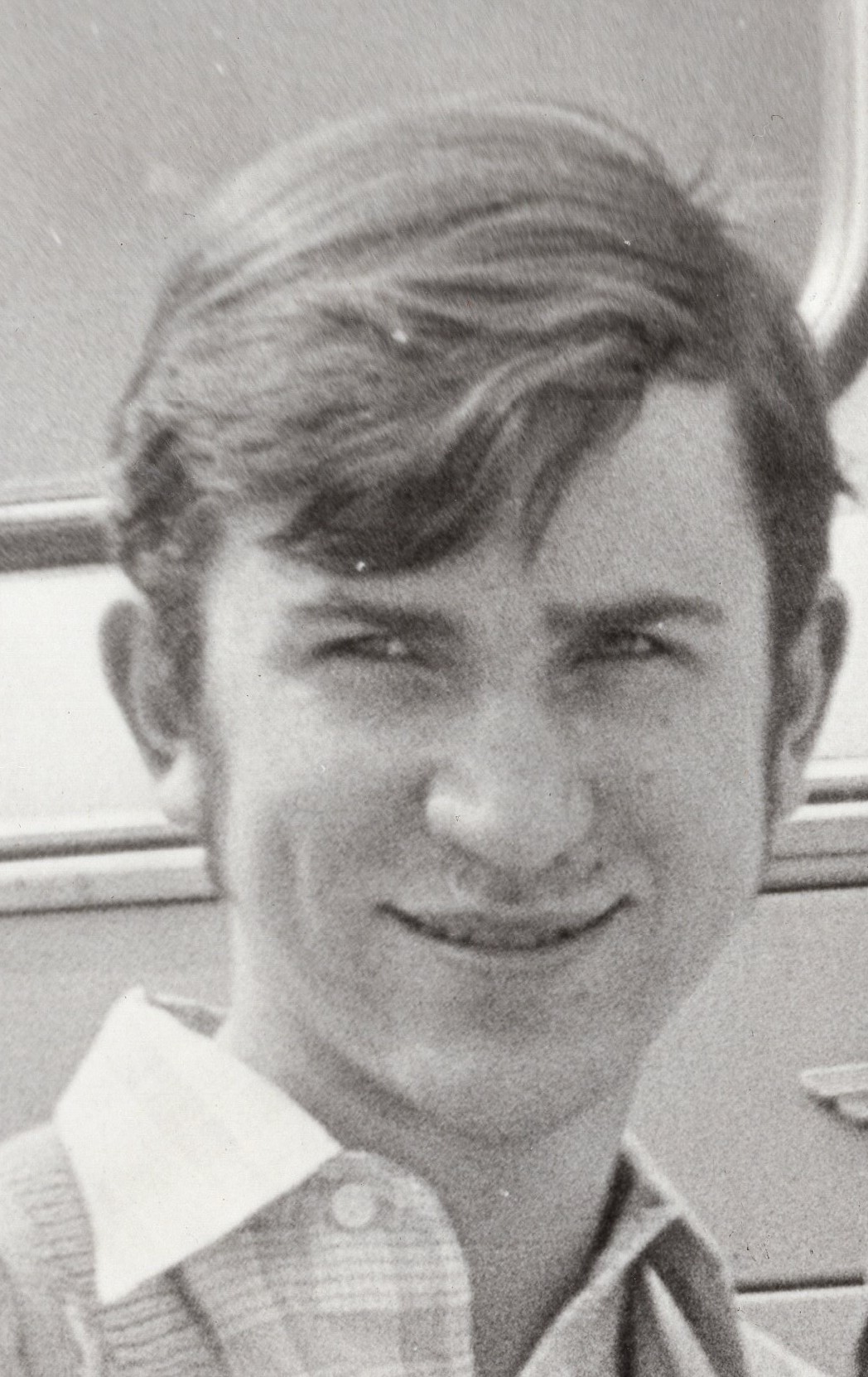
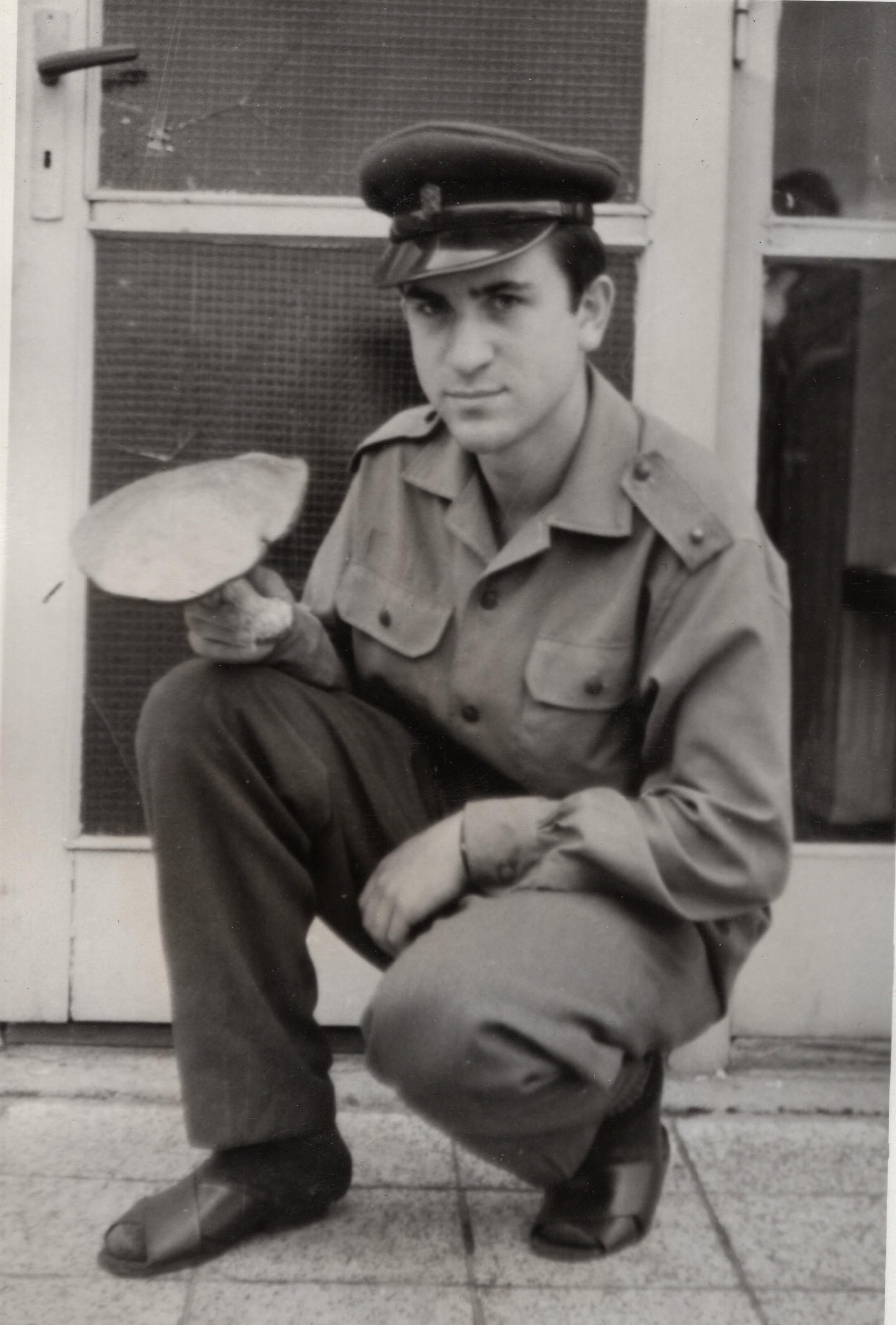
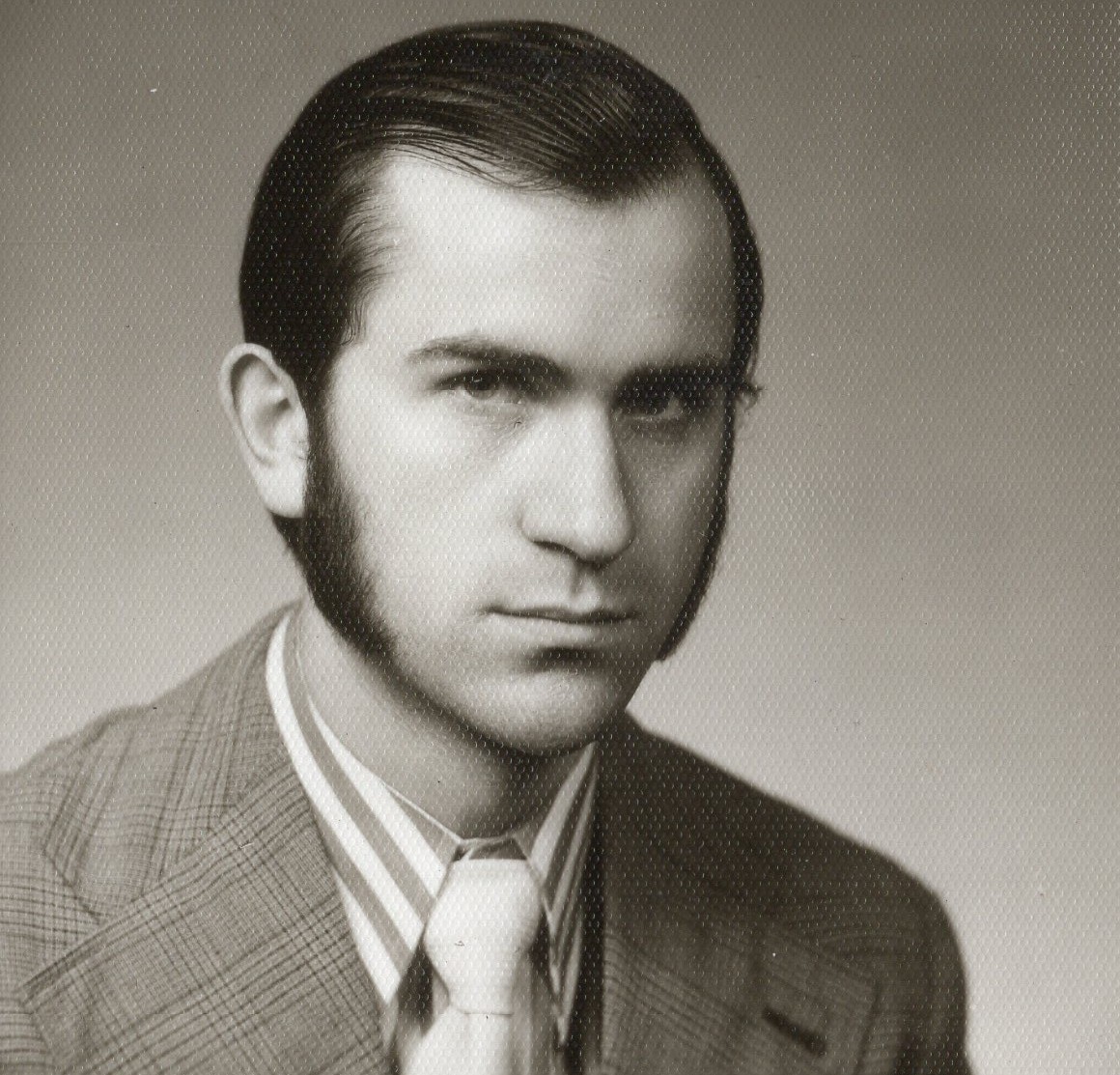
Josef Grobelný during his service in the Border Guard (1972-1974)
photo: witness´s archive

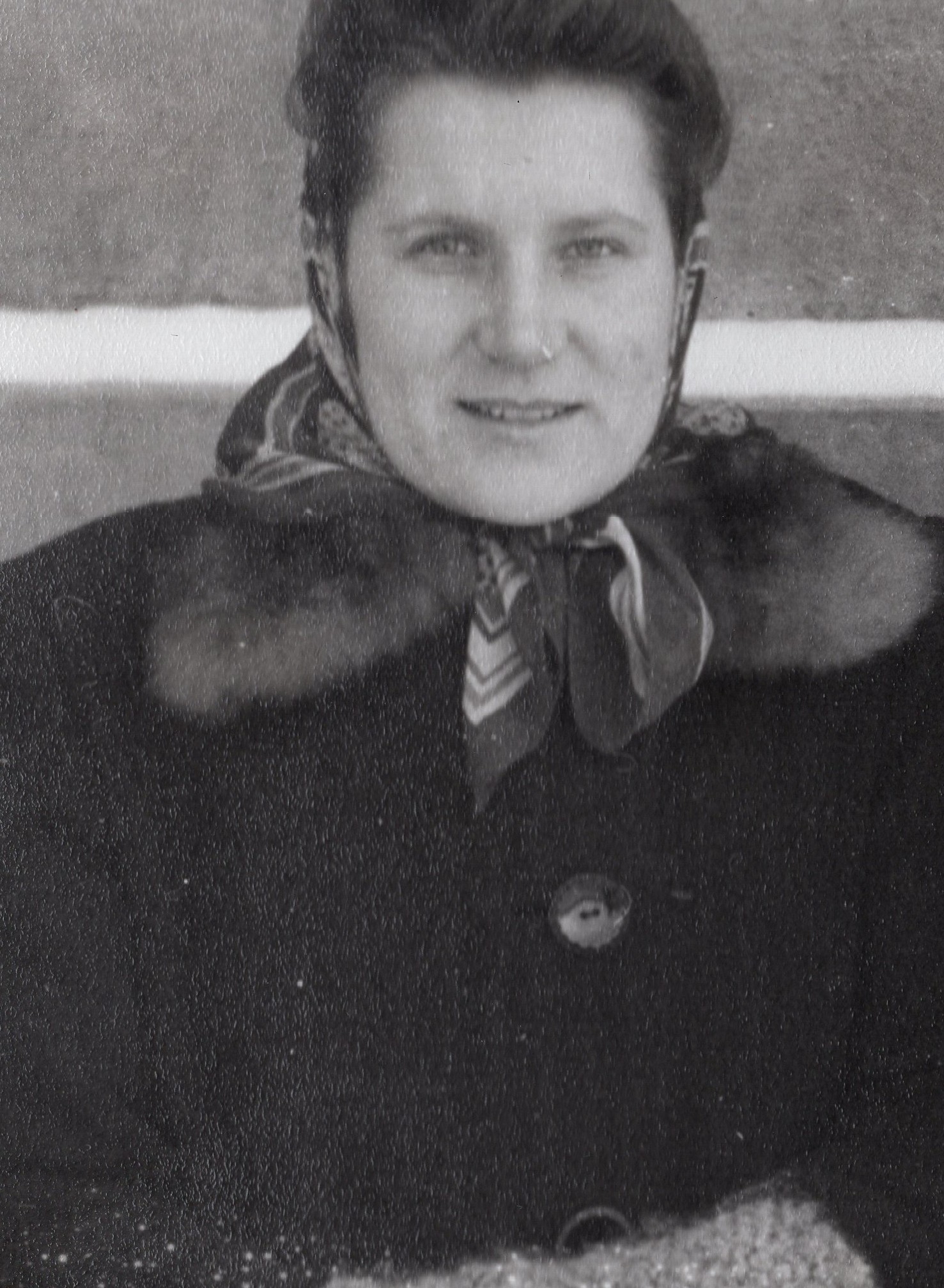
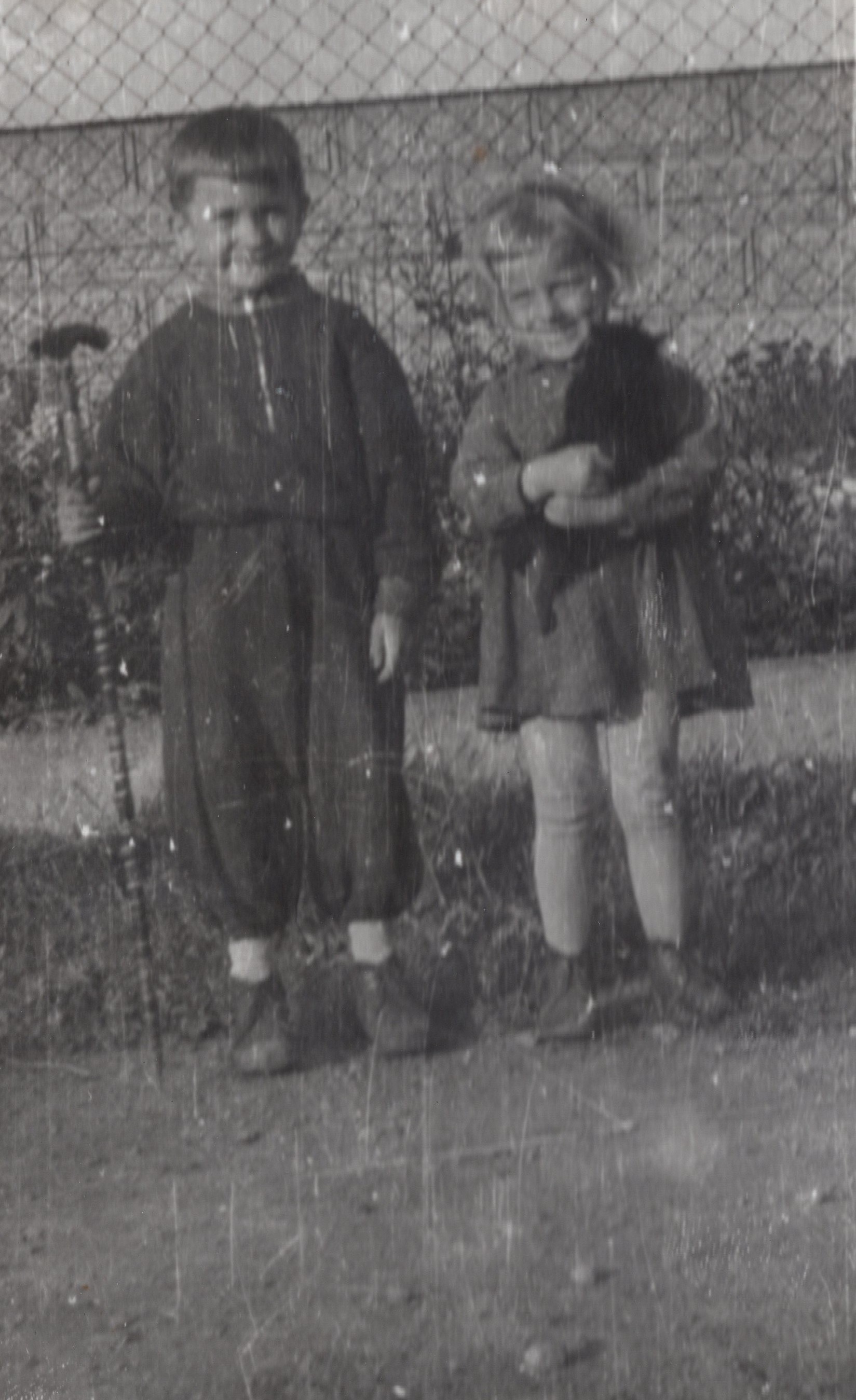
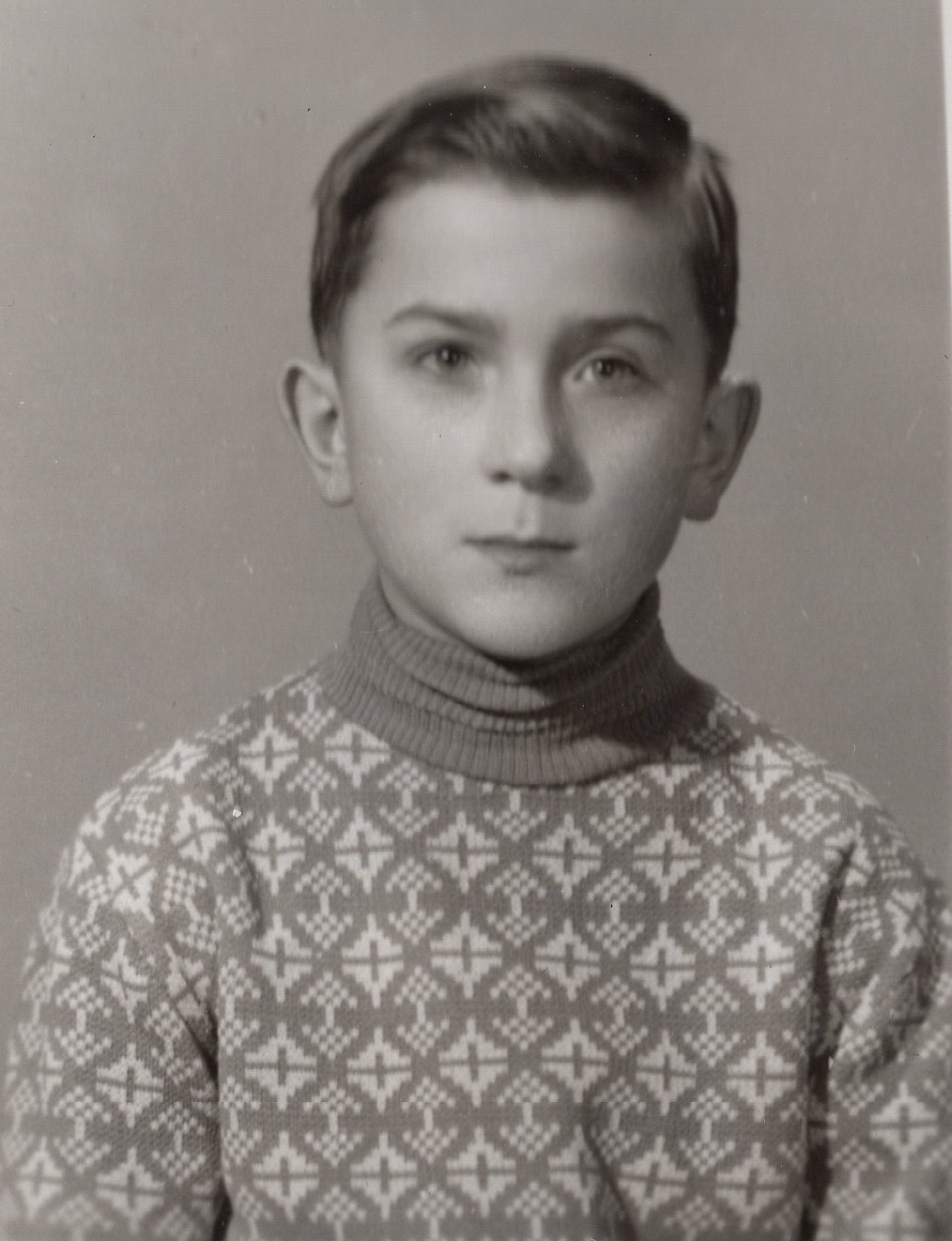
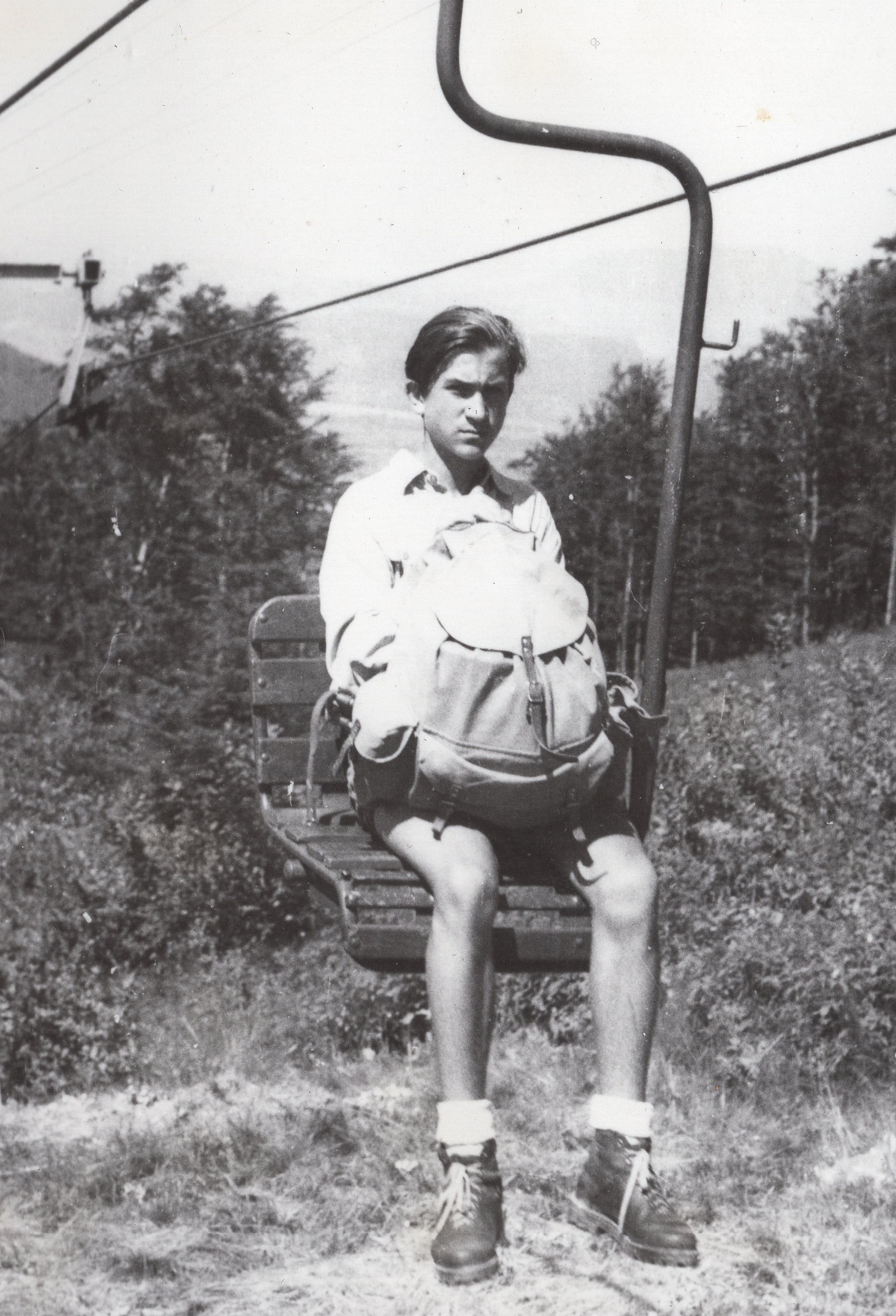
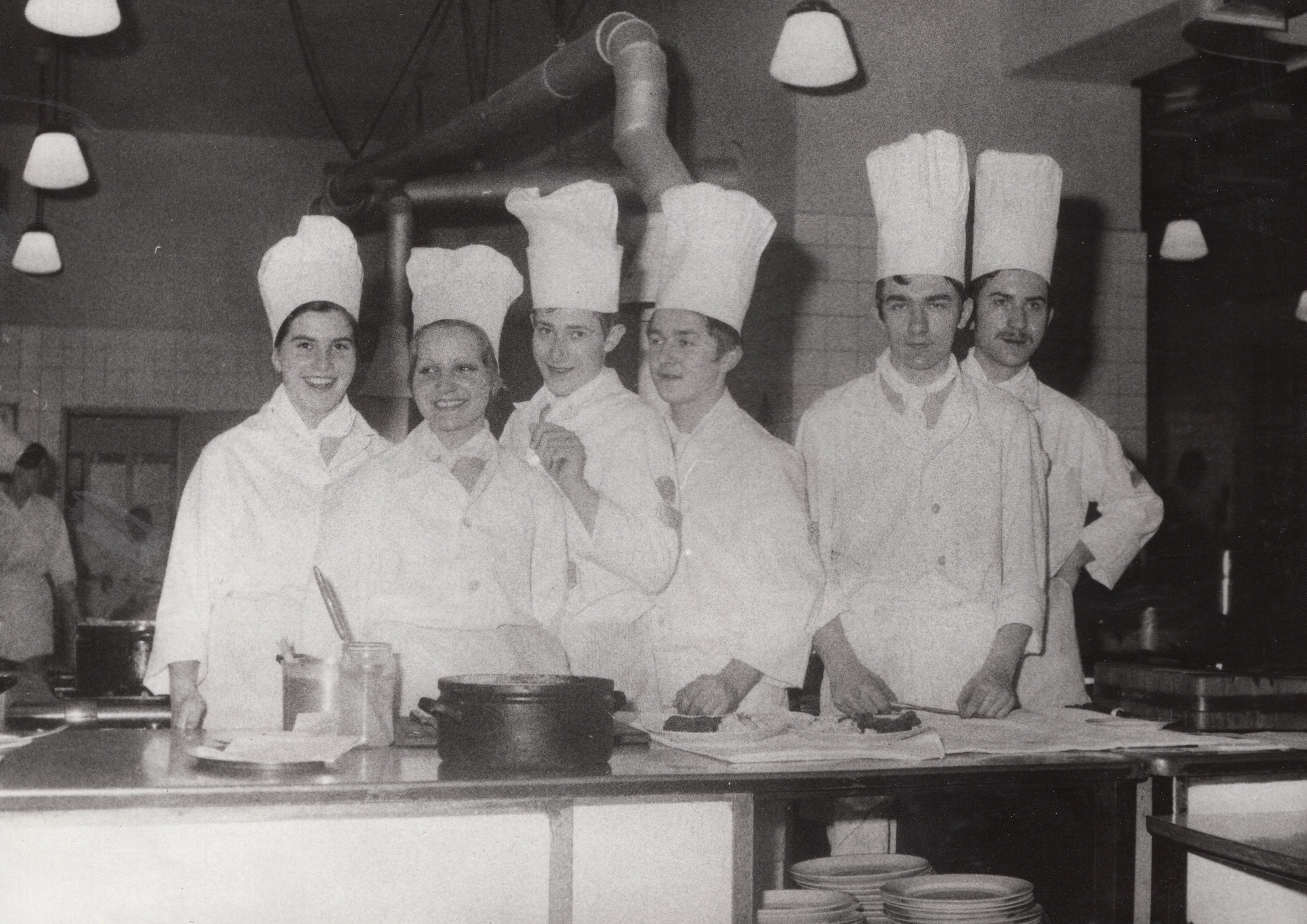
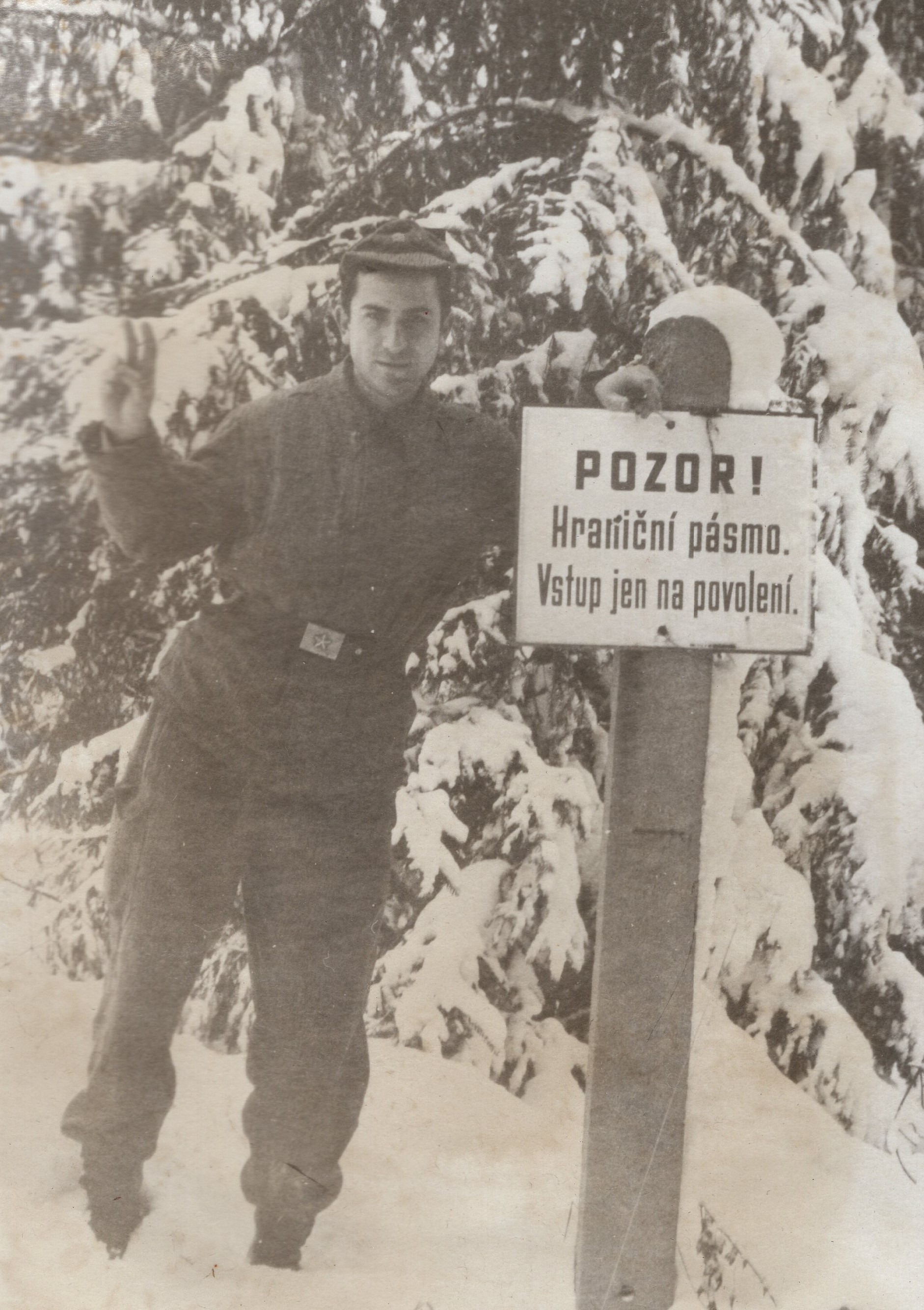
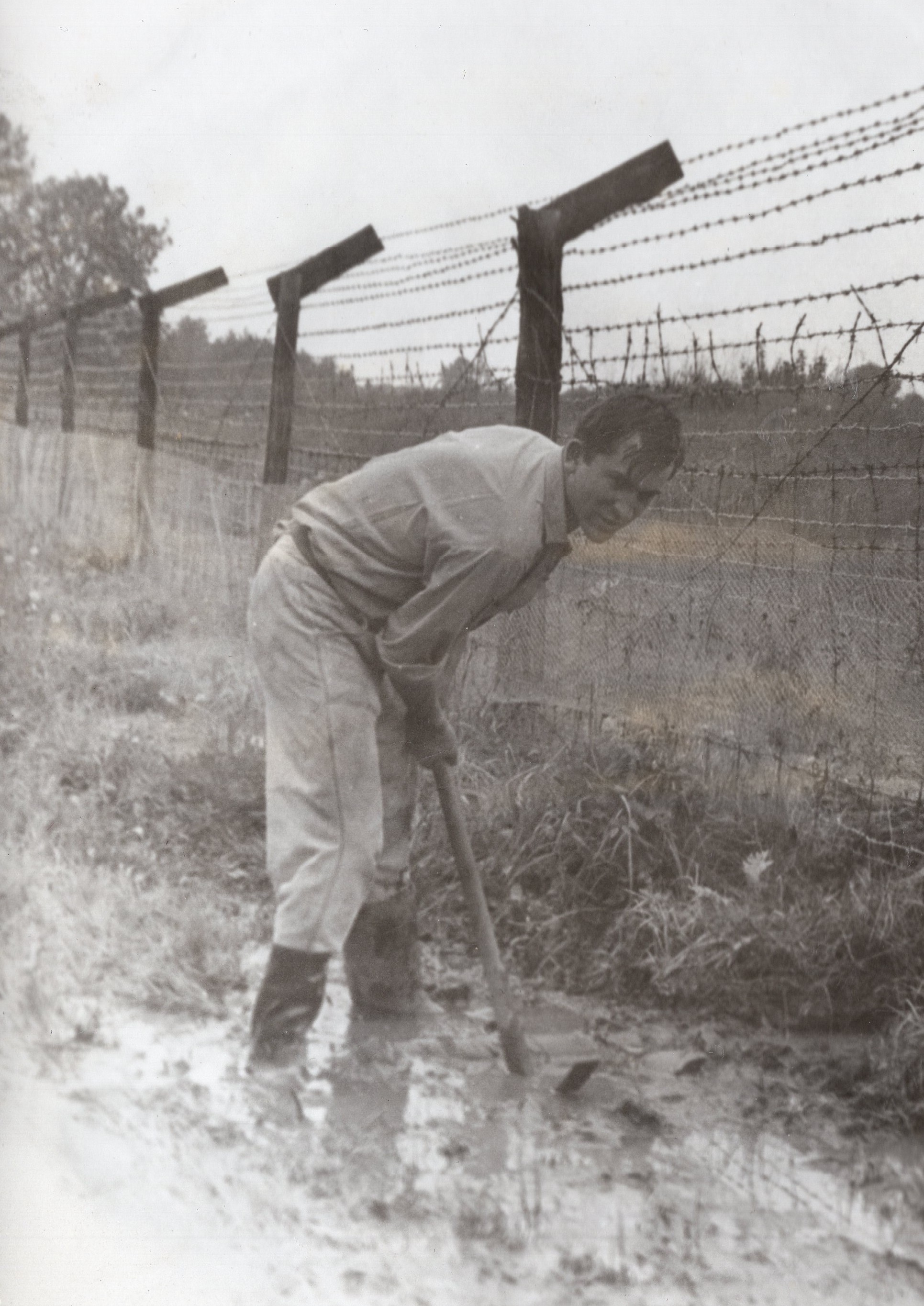
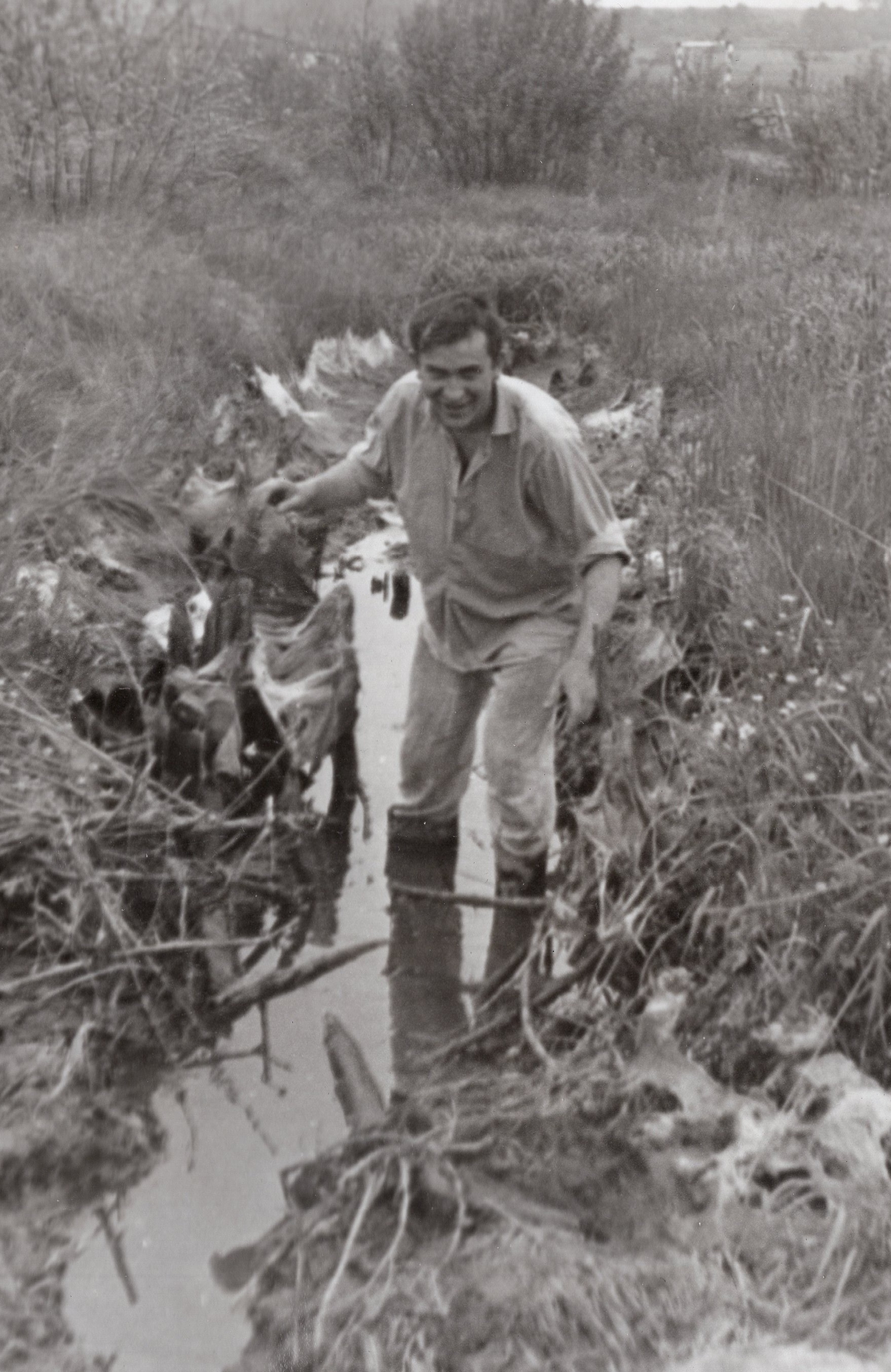
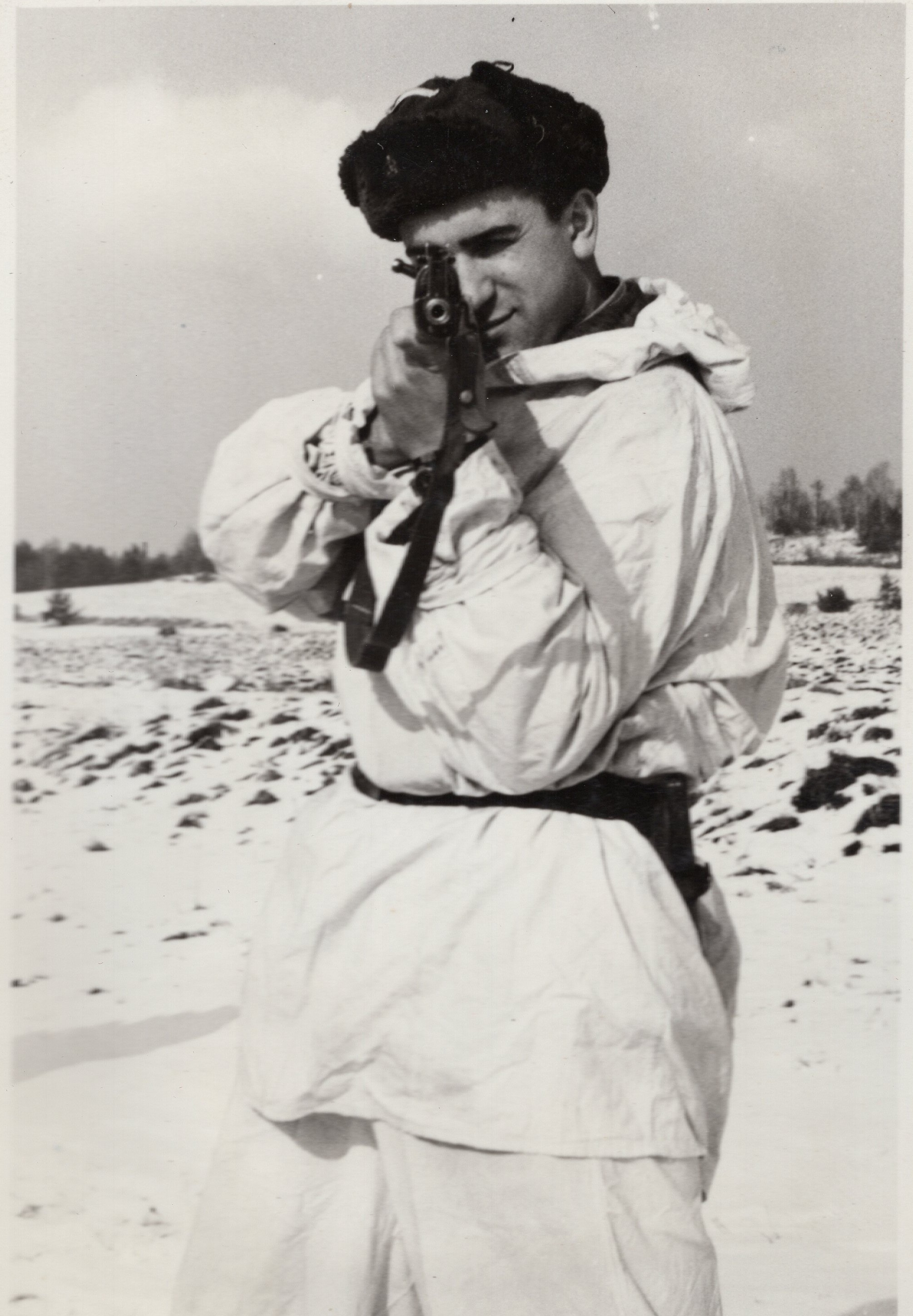
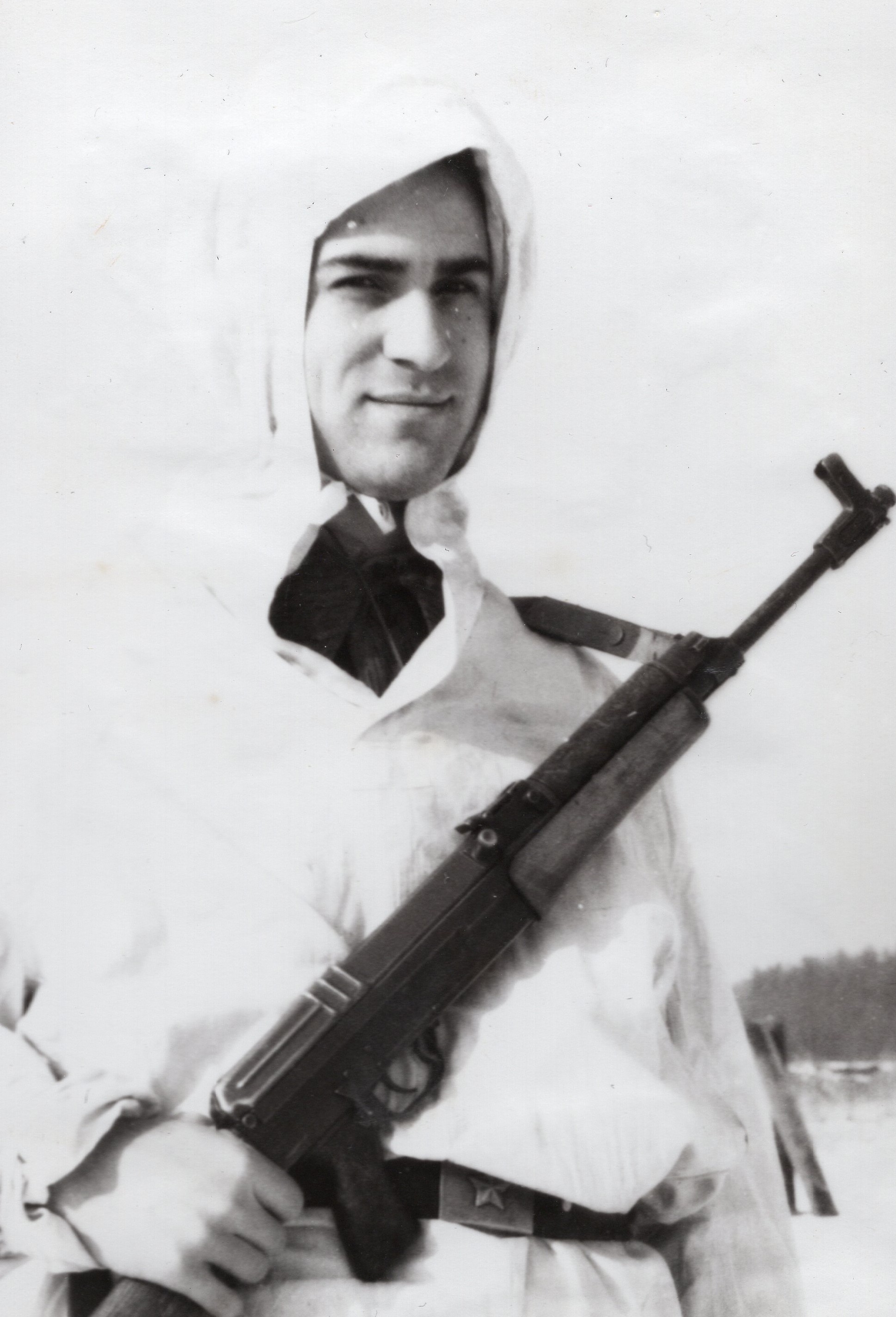
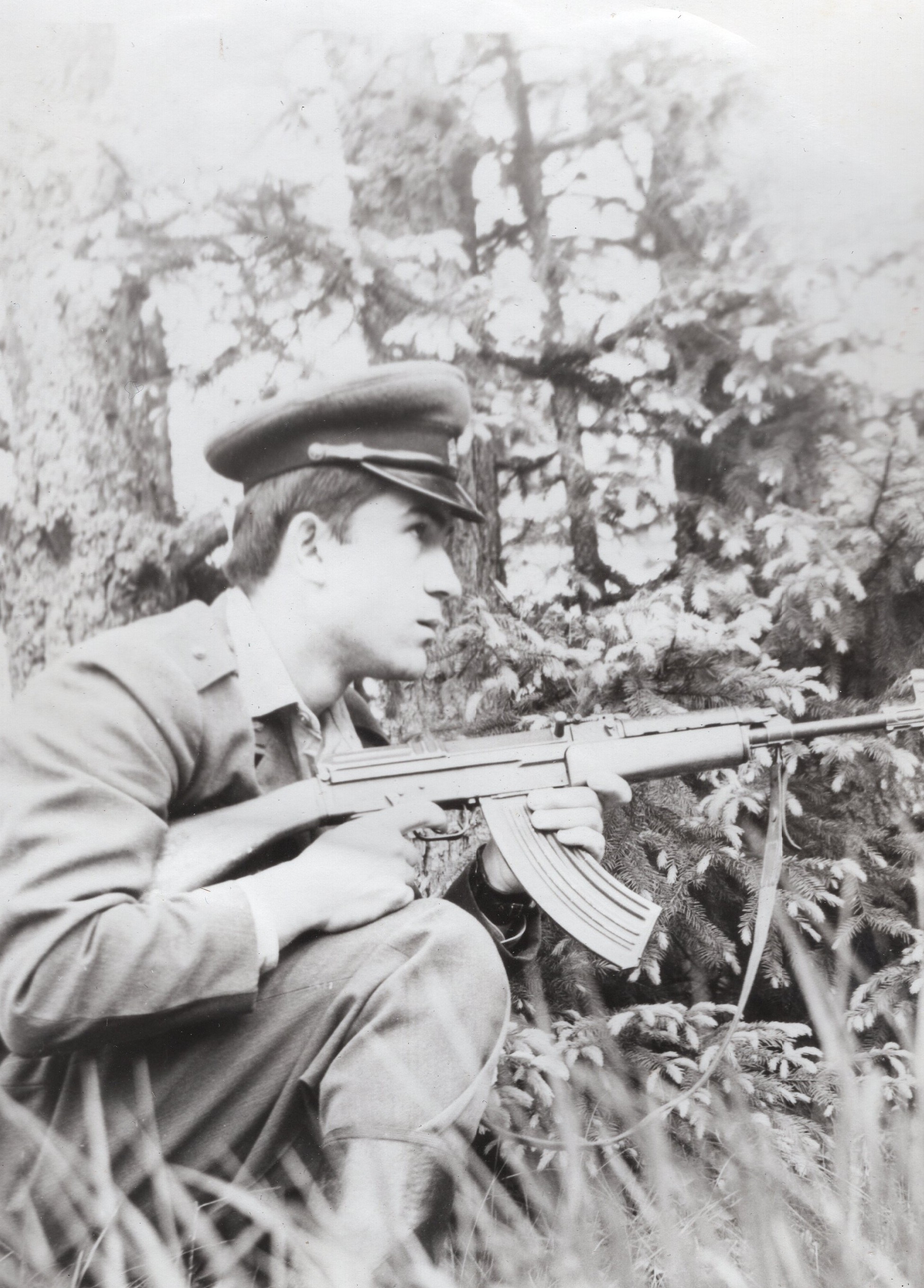
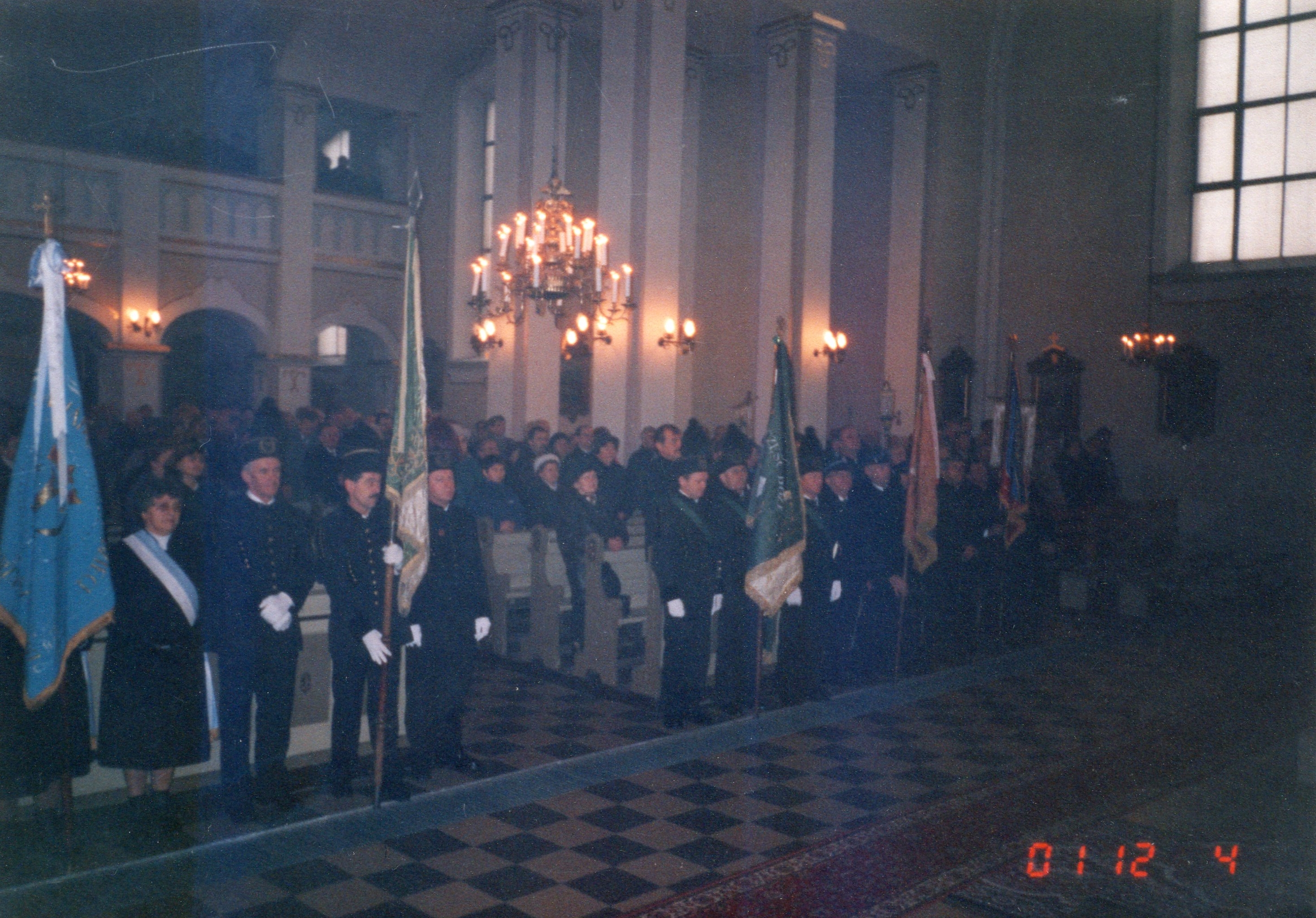
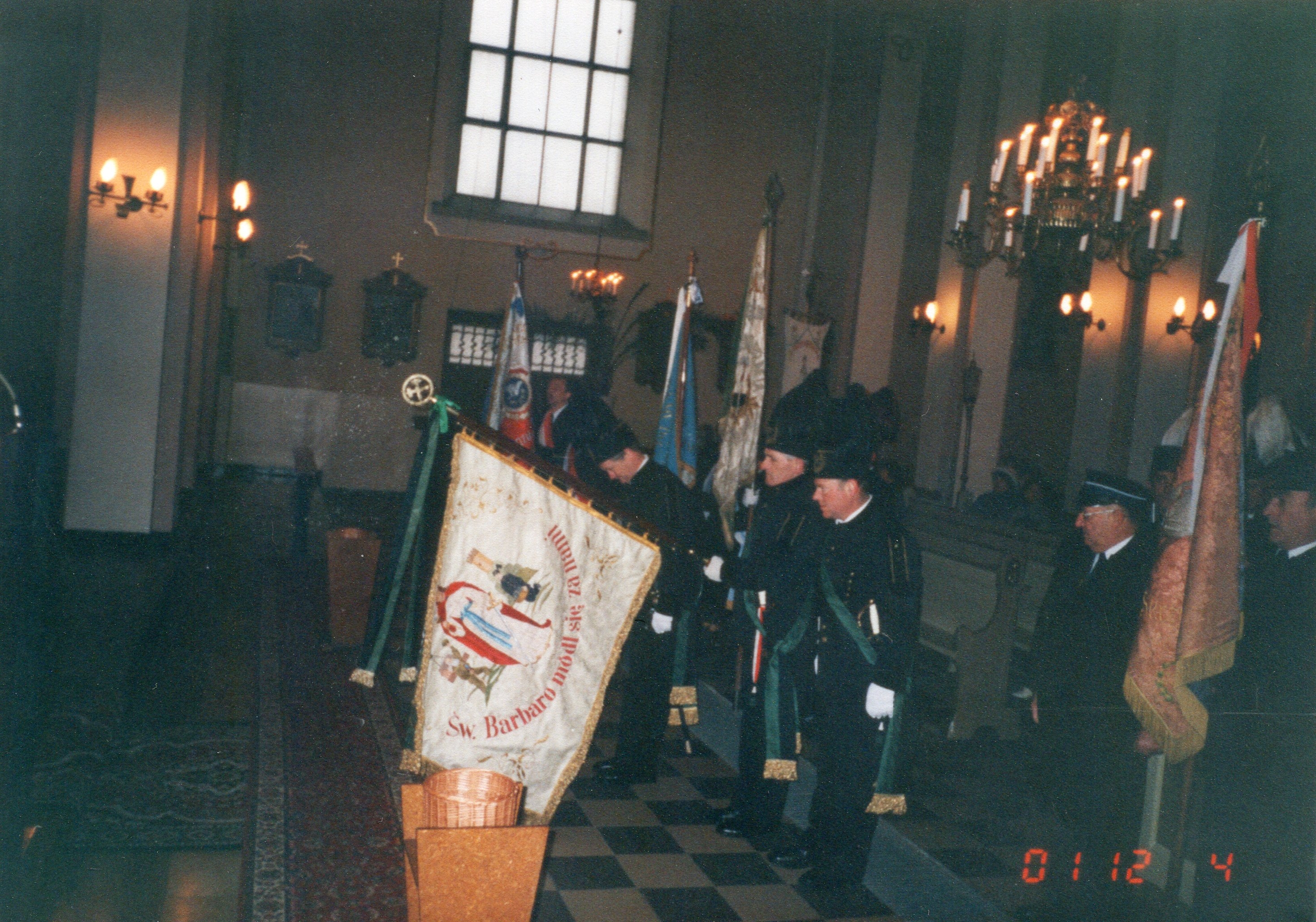
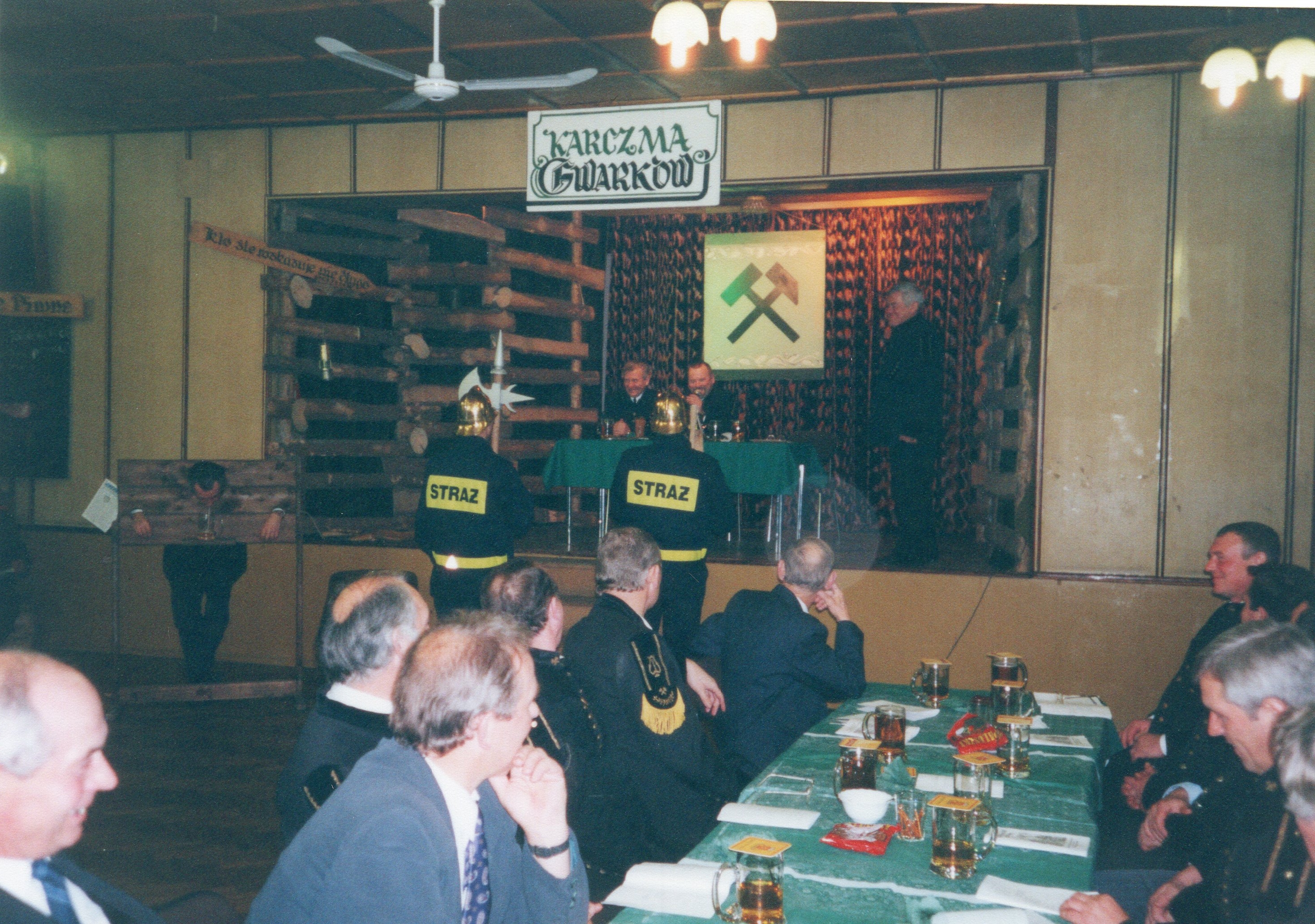
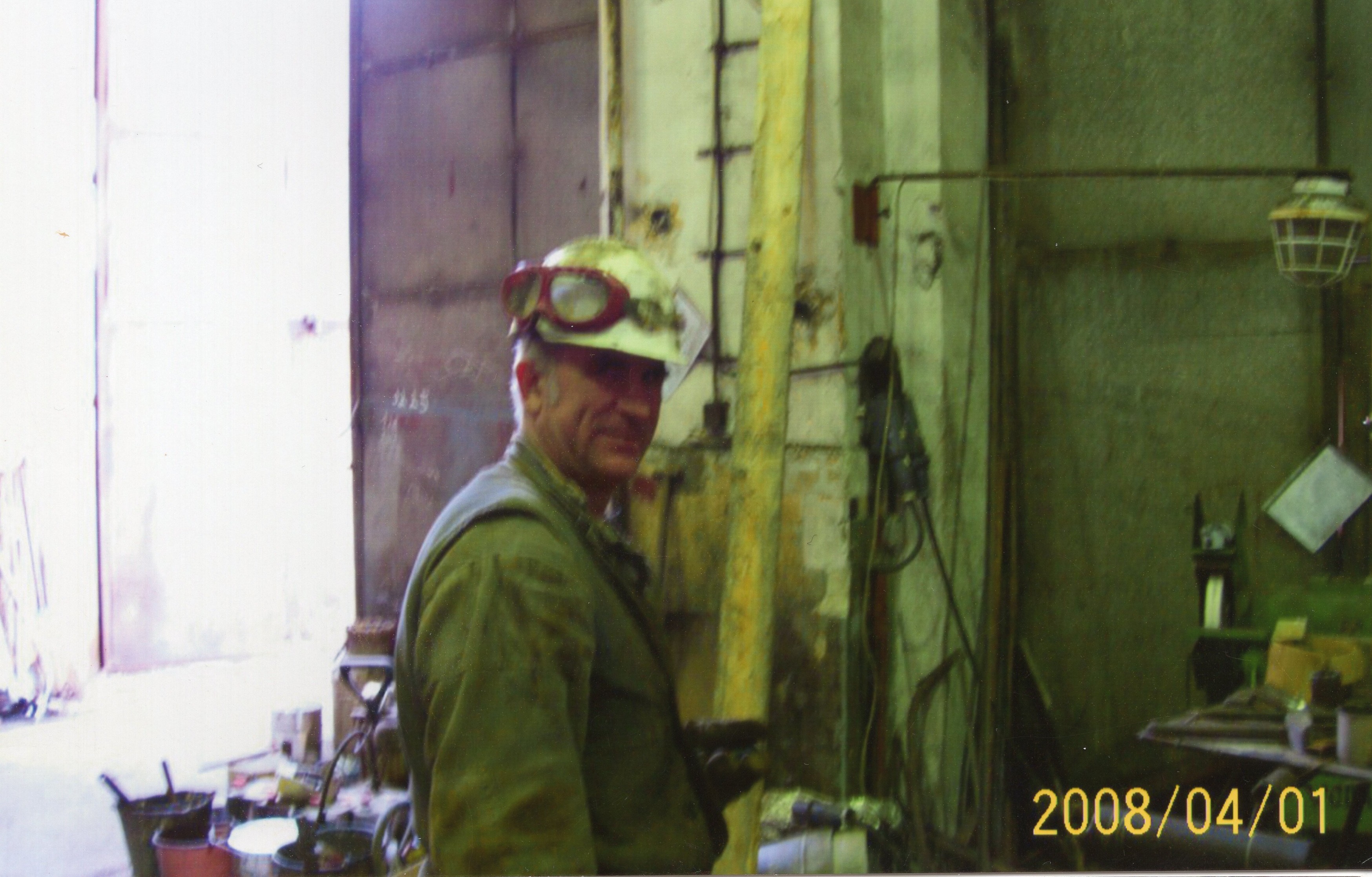
Josef Grobelný was born on 29 November 1953 in Dětmarovice. His father František worked as a joiner and his mother Marie was employed by the railway. He lived through the August 1968 occupation as a 15-year-old boy at the pioneer camp in Valašské Klobouky. His father confiscated his air gun for fear of the occupiers. Although he longed to work as a forester, he trained as a cook in Český Těšín and joined the Hotel Jelen in Karviná. Thanks to his skills, he prepared meals even for high communist officials. From 1972 to 1974 he completed basic military service with the Border Guard at the Dolní Dvořiště and Cetviny companies, where he worked as a cook and a member of the patrol. For financial reasons, he later left the catering industry and joined the Ostrava-Karviná Mines Construction Company. He passed the examinations for a gunner and participated in the digging and excavation of the mines ČSM, Darkov, 9. květen, ČSA and Doubrava. During the demanding work underground, he survived a fall into a mining pit and a cave-in with loose rock. After 1989, he participated in the liquidation of the mines and personally supervised the backfilling of the pit at the Dukla mine. He retired in 2011. In 2025, Josef Grobelný lived in Dolní Lutyně and guided visitors around the former Michal Mine in Ostrava.