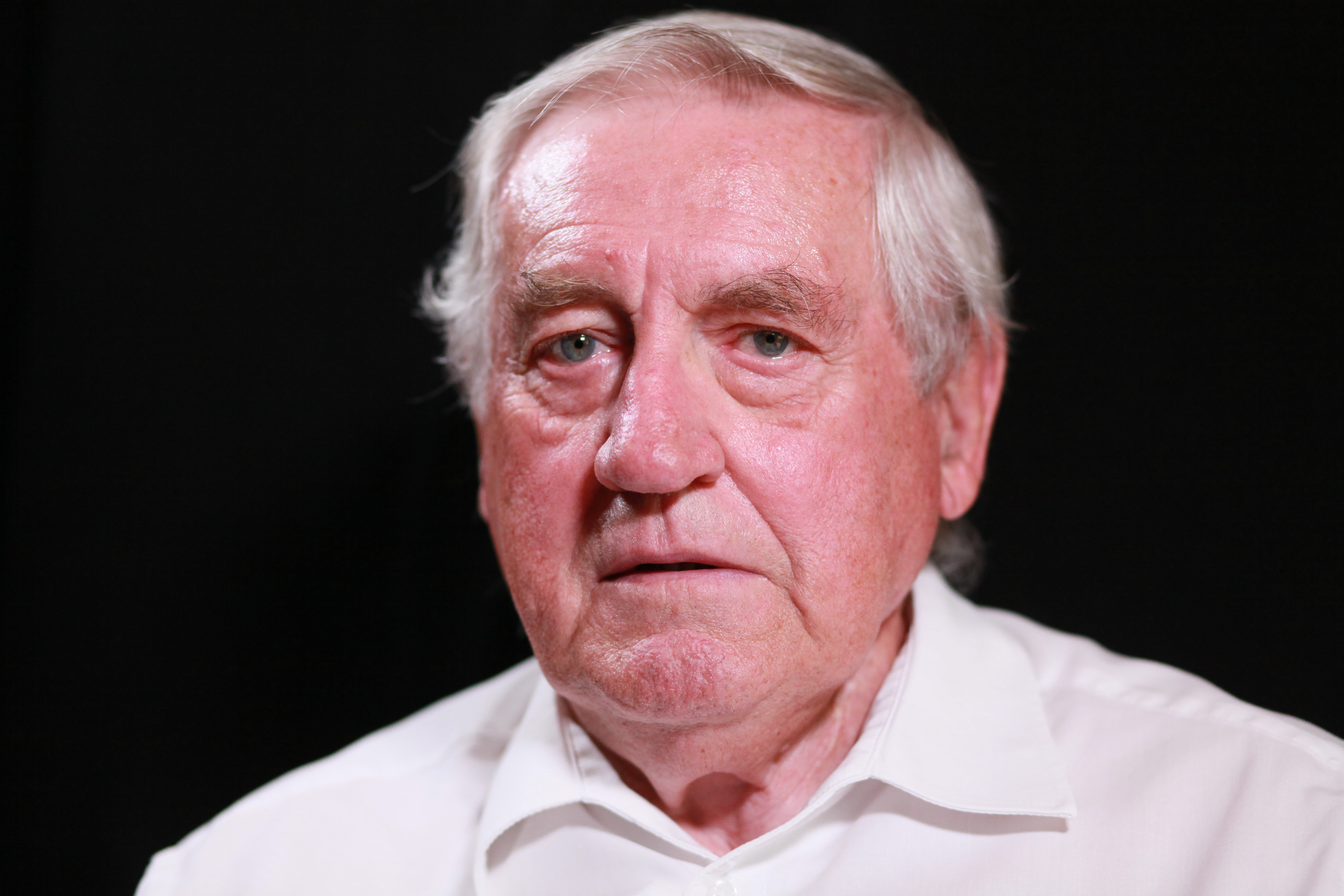
Hans-Günter Grech

* 1942

  • "I know they suffered the most, like all others, from losing their home and old life. In addition, the first weeks, months and years in Austria or Germany were tough. It was a difficult time for my parents and even more so for my grandparents. They suffered the most, having suddenly been thrown into a situation where they felt completely useless, and on top of that they were attacked by neighbours and people who didn't understand that they had suddenly lost everything and now, on top of that, couldn't find their place in the labour market. They suffered the most."

  • "I only knew it from my parents' stories. For me - and for my brother and my sister as well - it was a paradise rife with milk and honey, with everyone well off, just paradise. Then we crossed the border. Sure, Austria was no paradise at the time, but it was so much worse across the border. It was... Every other house was broken or torn down and taken apart . When a house was no longer inhabited, it was instantly used for building material, and the villages looked like that. The streets were almost unpaved. Side roads were all patches. To us, it was... I once dared tell my parents, 'You told us how beautiful it was across the border, but...' And then I said something and my father got very angry with me for talking about our old country like that. The first time he crossed the border with me was on New Year's Eve in 1989. It was foggy and a bit frosty as we were driving via Klentnice and Mikulov. He was somewhat quiet, making only approving comments such as, 'Look at the beautiful view here!' I thought, well, I don't know about that. We returned to our village, which frankly was really backwoods too, and then he said: 'What have they done to our homeland?'"

  • "But again, some were against it, like 'First they kicked us out, and now they want us to help them?' But my predecessor, thank God, was so strong and energetic that he stuck it out and said, 'This is our culture over there, and as such, we sure have the duty and responsibility to look after it - especially since the other side is really willing to work on it. Most of the mayors saw that there was something happening here that could benefit their communities, livening up that bleak environment a bit. I have to say that this was fine, and it still is one of our main tasks. More and more events are being organized across the border, with the local priest, with our former local priests. So, we're seeing a reconnection of what always belonged together if it weren't for nationalism."

  • Full recordings
  • 1

    Mikulov, 30.08.2025

    (audio)
    duration: 01:36:58
    media recorded in project Living Memory of the Borderlands
Full recordings are available only for logged users.

Homeland is a piece of paradise
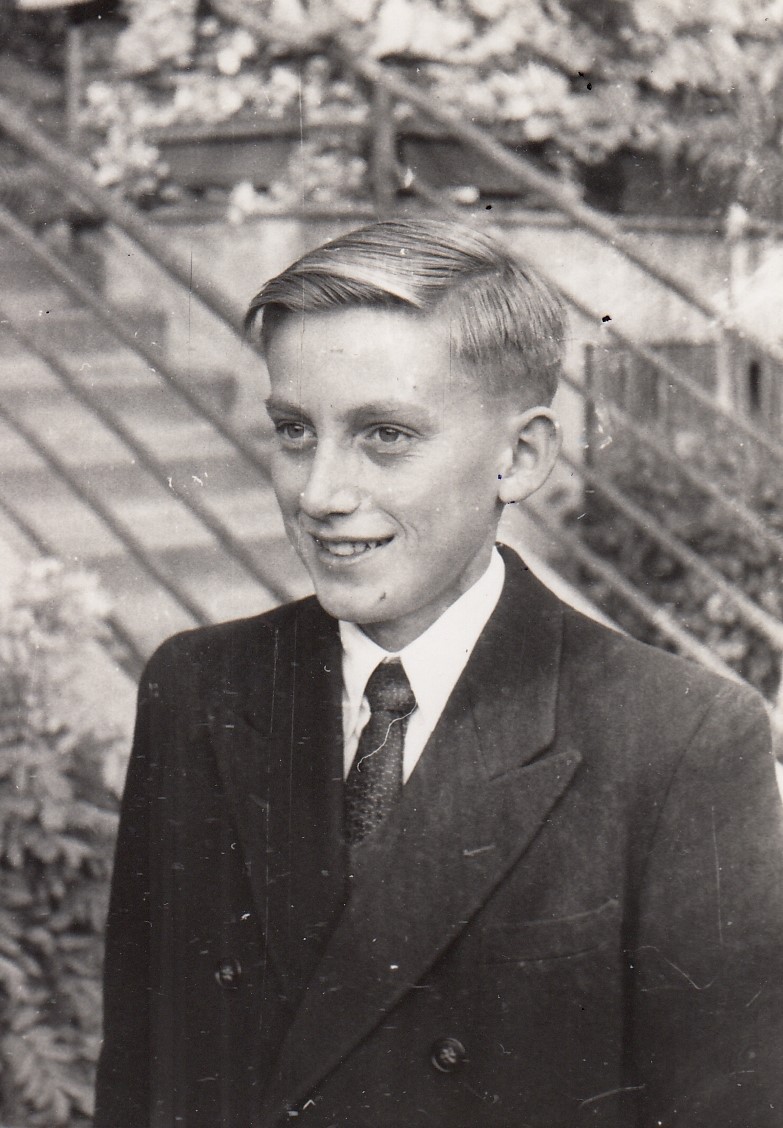
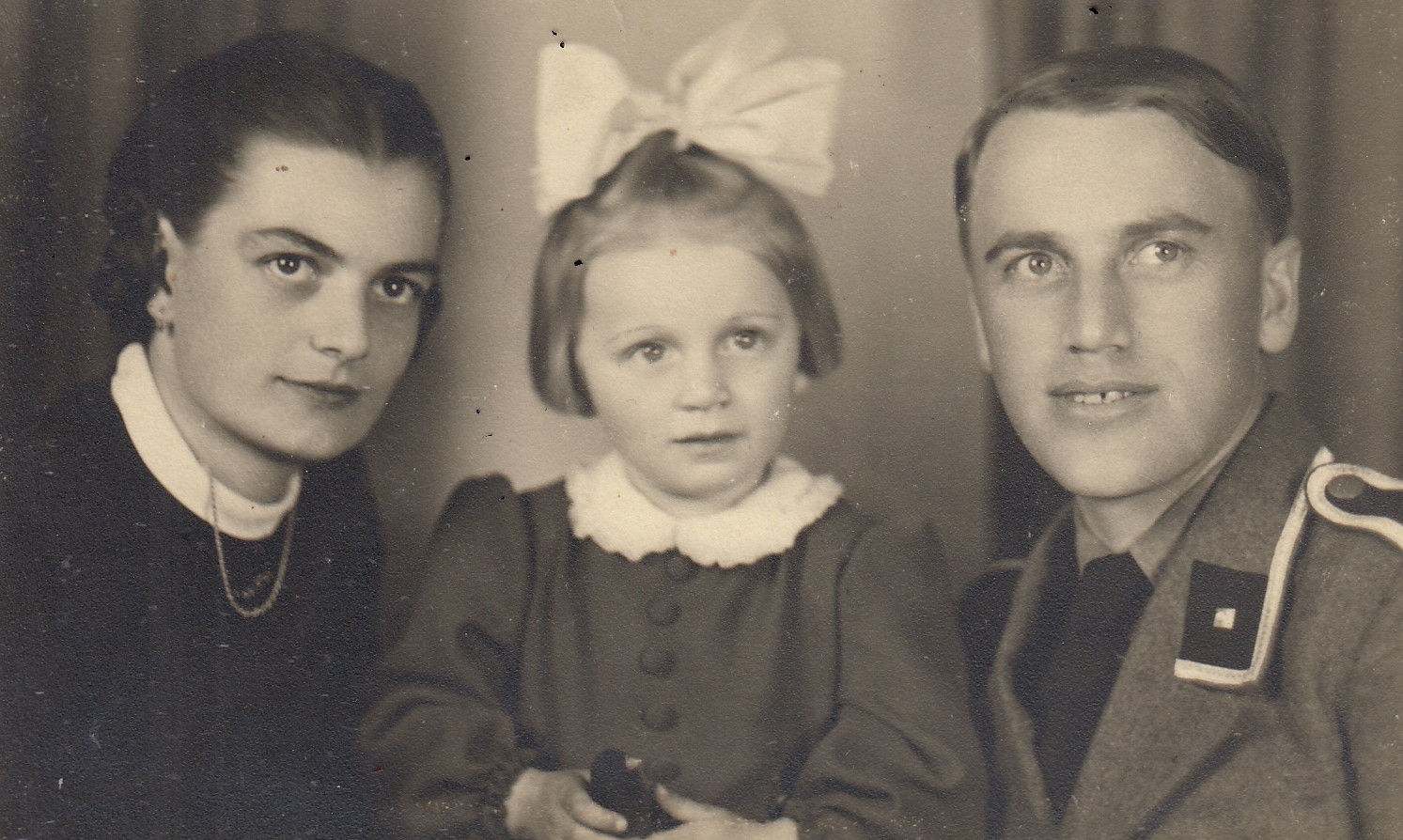
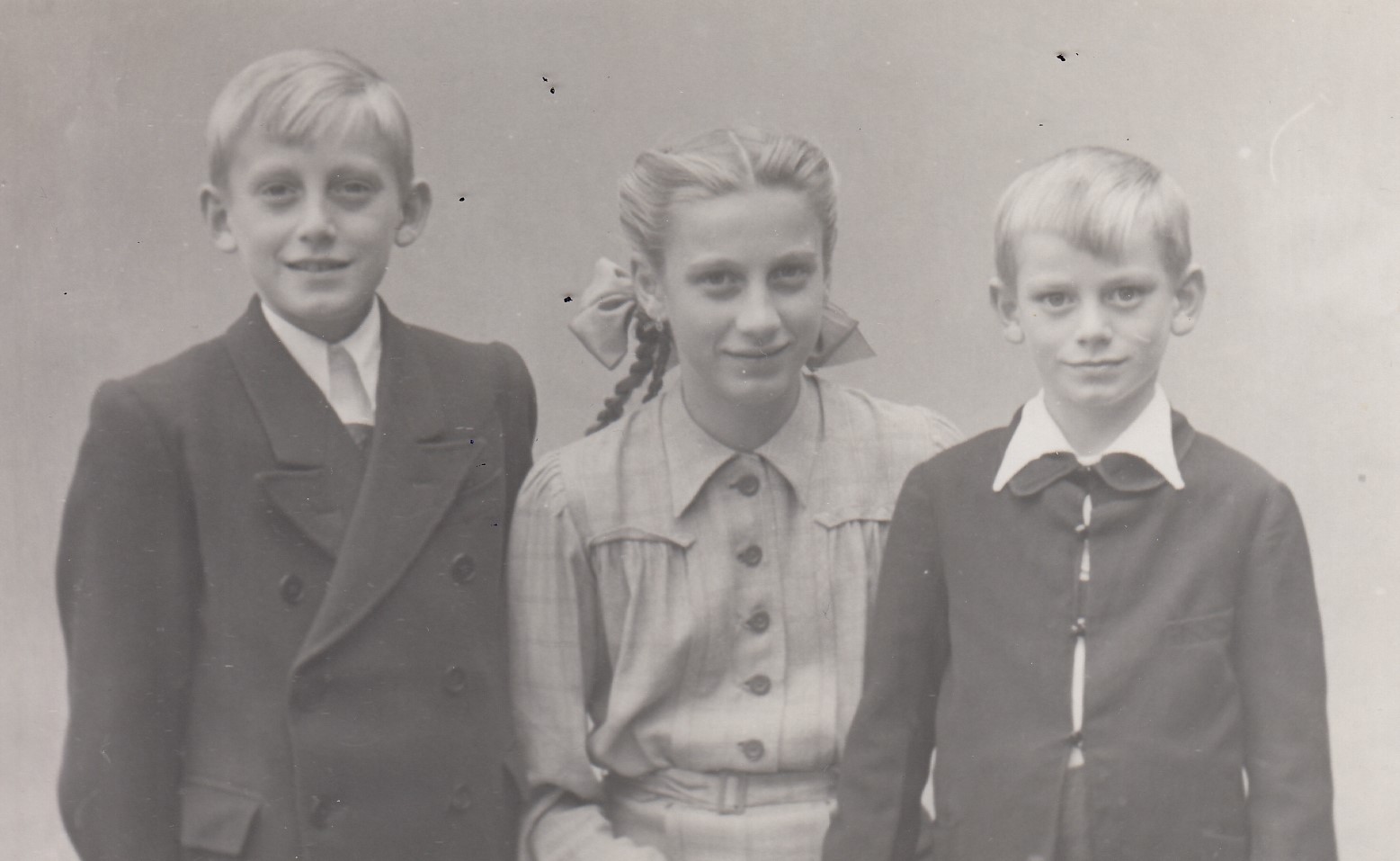
H.-G. Grech, 1954
H.-G. Grech, 1954
photo: Witness's archive

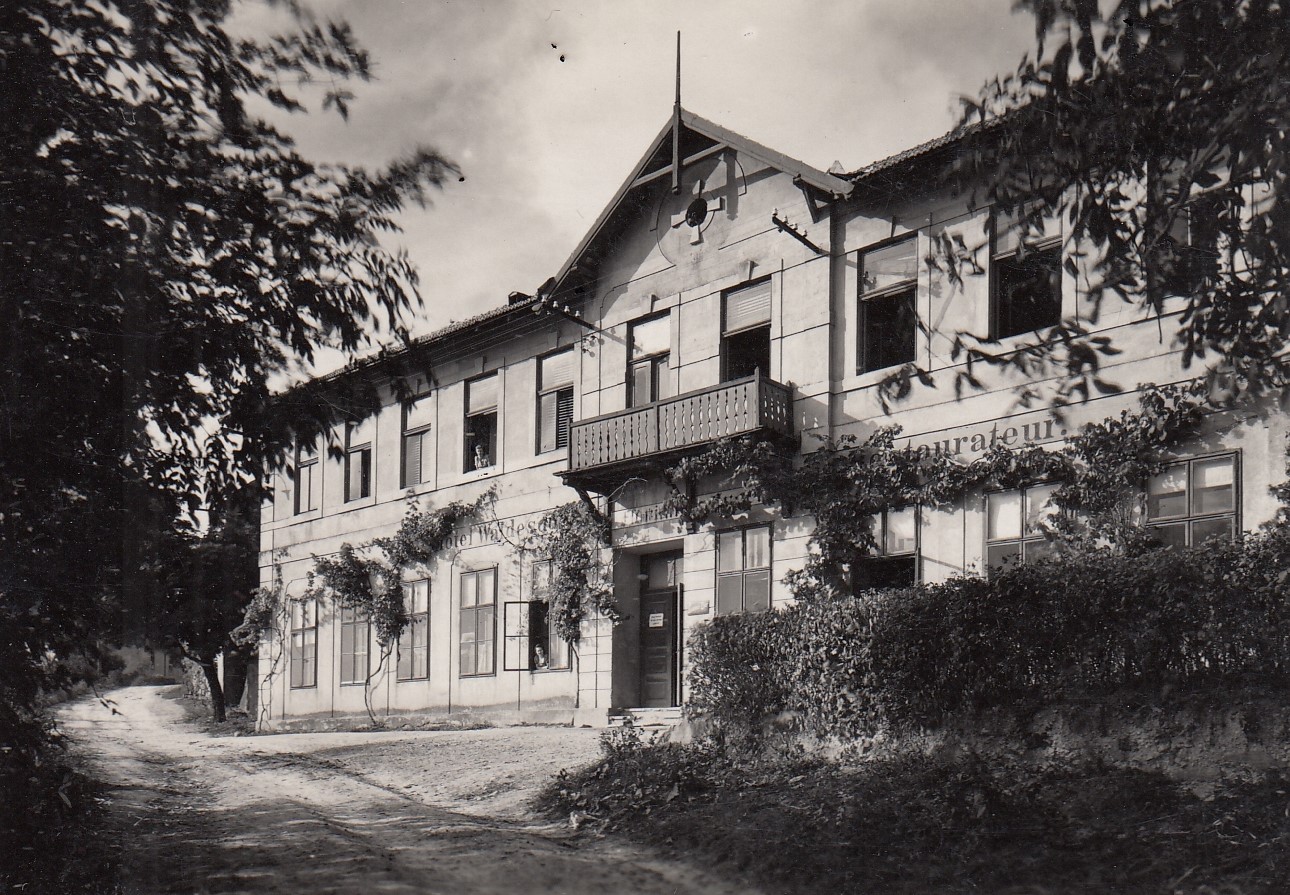
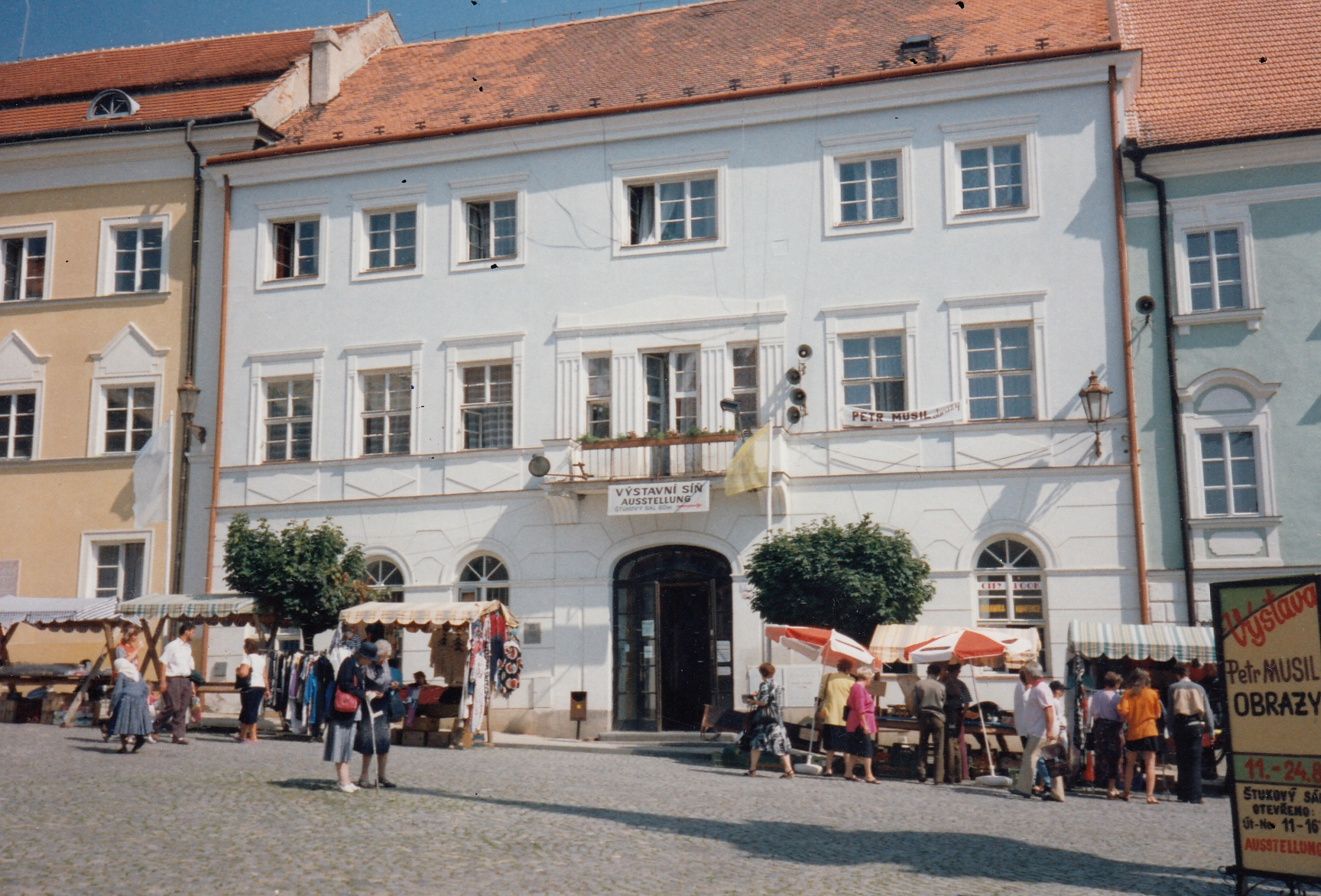
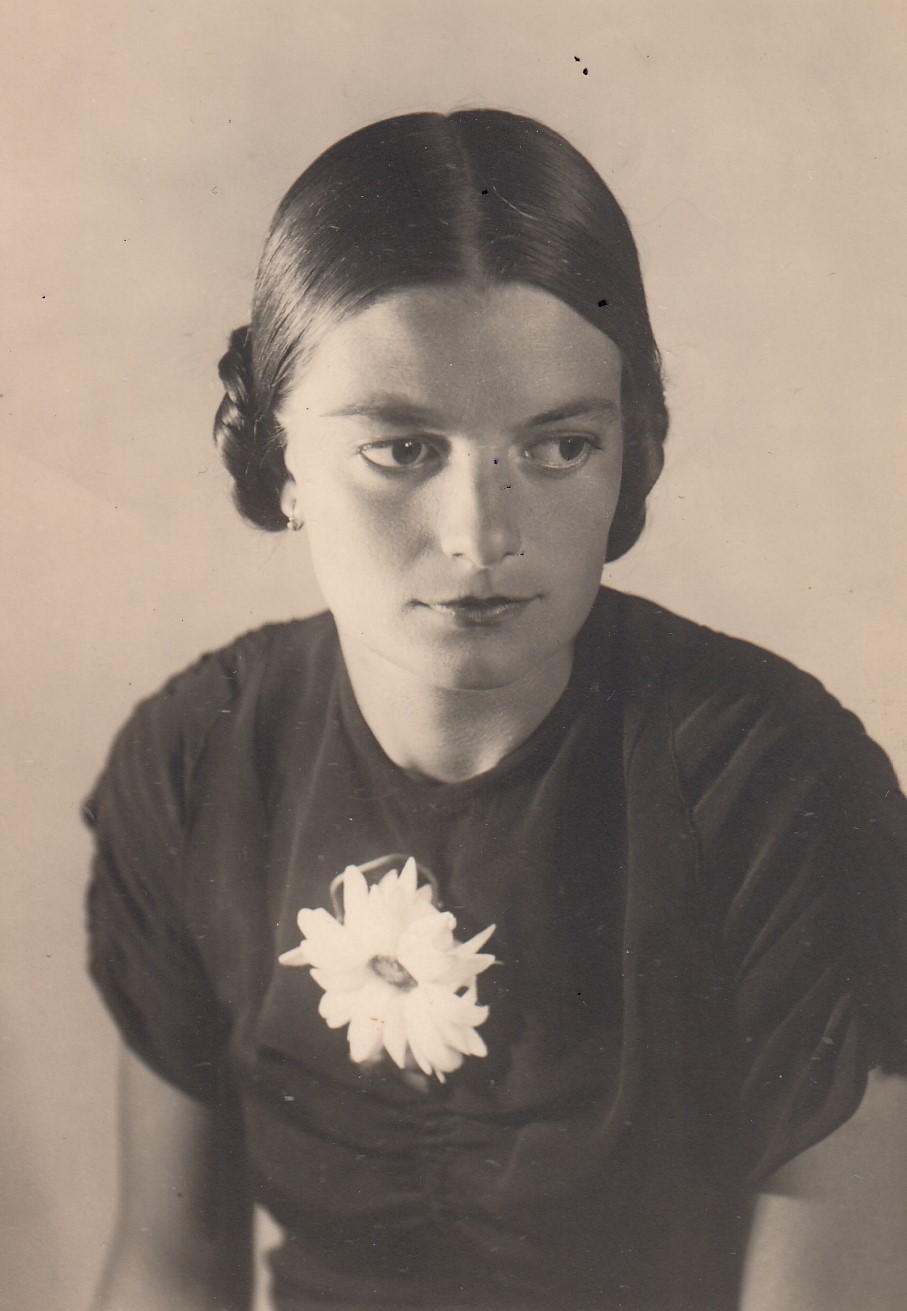
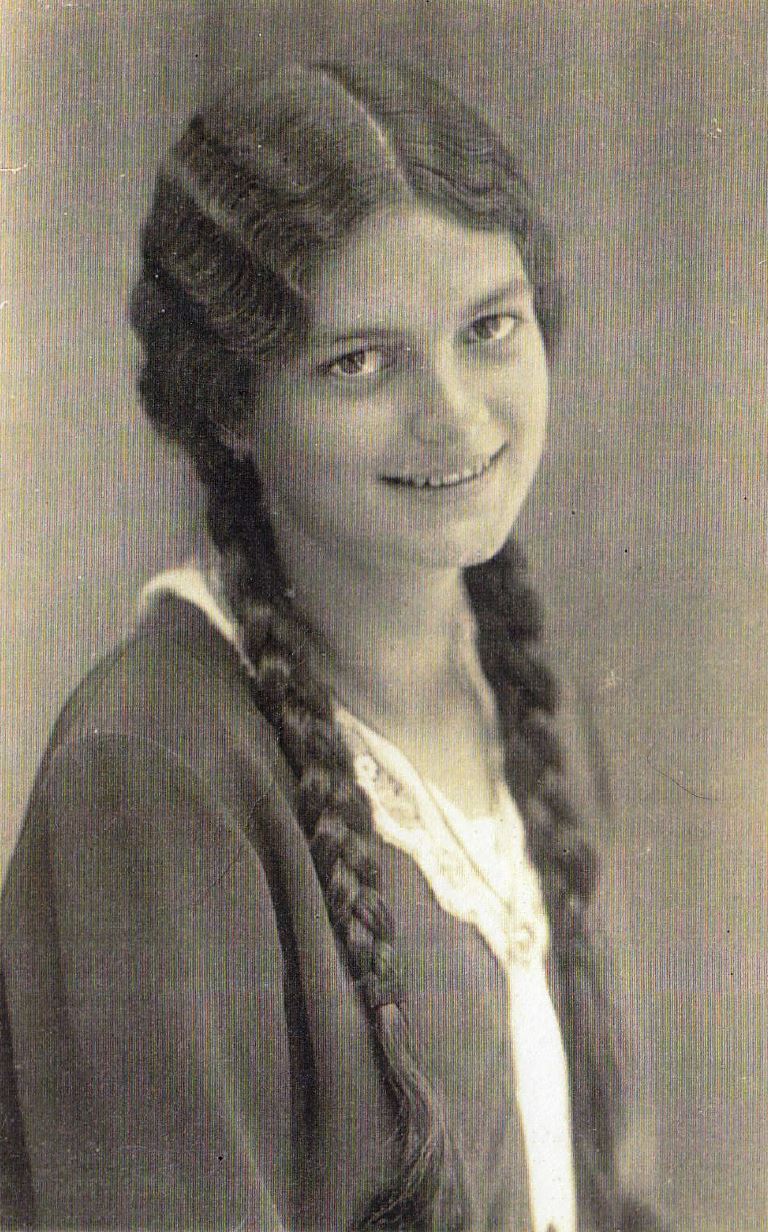
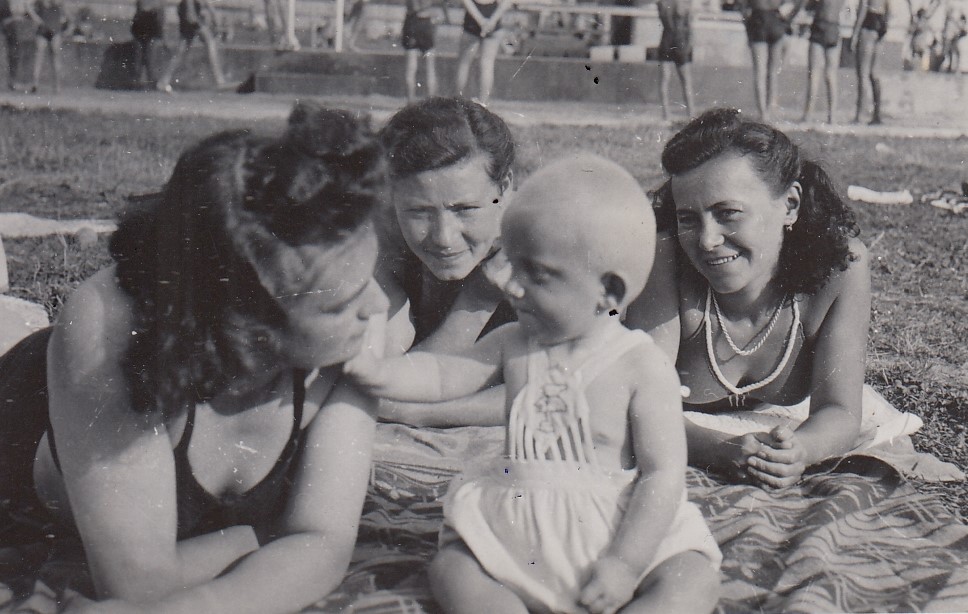
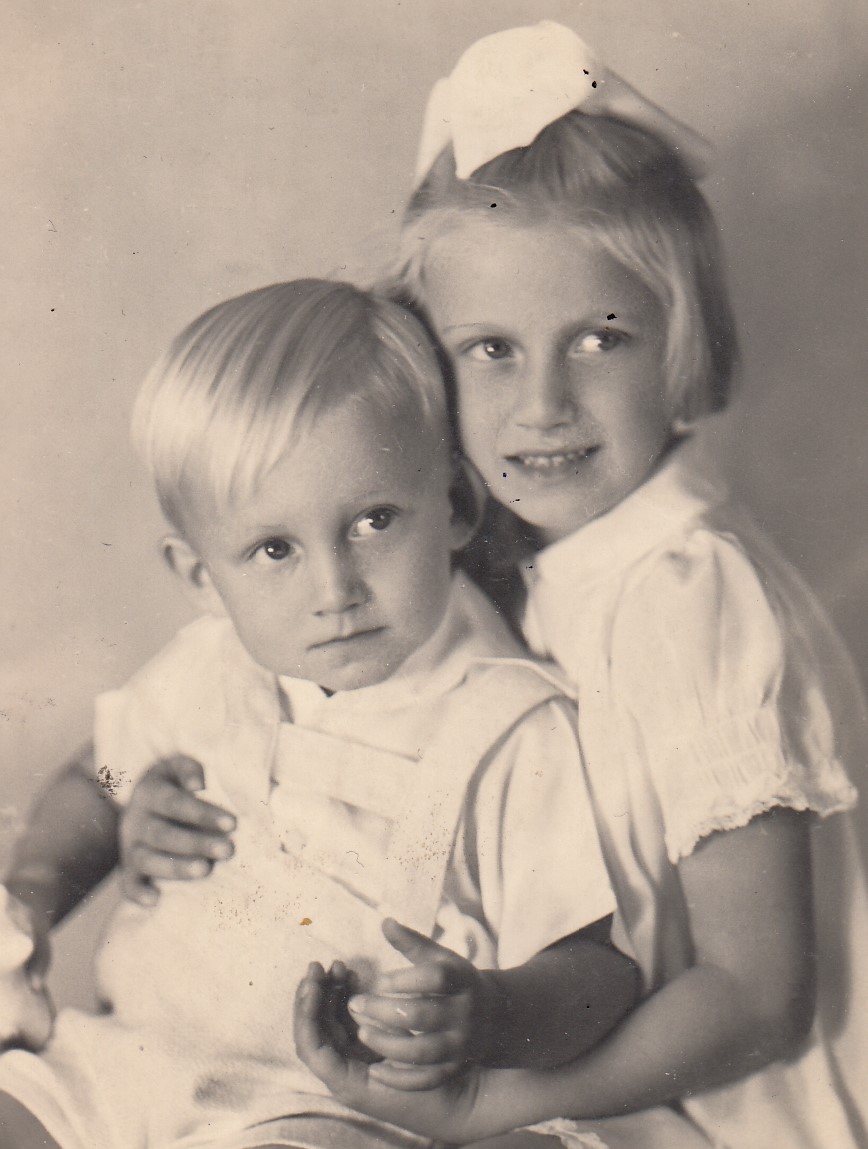
Hans-Günter Grech was born in Mikulov on 22 December 1942 into a German family. His father Viktor Grech grew up in nearby Klentnice where his family ran a boarding house, and his mother Marie Stumvoll came straight from Mikulov. The witness’s parents married before the war and opened a wholesale grocery store in Mikulov Square. The father spent the entire war in the German army, but came home occasionally, and the family welcomed three children during the six war years, of whom Hans-Günter was the middle child. In 1945, the mother and children fled to Austria to escape the advancing Soviet army, and the father joined them a few months later. For the next few years, they moved one village to another trying to find a living and a permanent home. Having lost all the possessions they had to leave behind in South Moravia, they started practically from scratch. The hope of returning to their native land faded away. Despite the tight finances, Hans-Günter Grech completed the University of Economics in Vienna. From 1967 to 1991 he worked as head of the sales department at IBM and then in a similar position at Lexmark until retirement in 2005. In 2025, he was living in St. Pölten, Austria, and as the chairman of the Cultural Association of South Moravians in Austria, he worked to preserve the cultural heritage of his ancestors on both sides of the Czech-Austrian border.