Blanka Göthová

* 1945

  • "I remember, if the painter Doleželová says anything to you." - "Yes, Míla Doleželová." - "And Jiří Mareš, they were married, they lived in Klatovec. We used to visit them with our director. In Studená or Krahulčí we bought something in the meat shops and brought them food. I know that the painter Doleželová once told me that she didn't consider anything to be kitsch. She said, 'If people like it and want it in their homes, why should it be kitsch?' I didn´t perceive it much at that time. There was also Mrs. Sylva who used to go there, and when we were there she used to hide behind the door. It wasn't until later that I realised that the dissidents had been meeting there. We also visited the painter Moštěk, who lived in a broken-down cottage behind Stará Říše, and the painter Stritzek. We also went to the Florians' in Stará Říše, where we hedn´t been allowed before. The Florians - their daughter was married to the poet Magor [Ivan Martin Jirous]. We simply visited various artists within the framework of culture, for example in Brtnice the painter Toufar. I knew a lot of people who didn't seem to exist after 1968."

  • "Then we had to go to various interviews, even though we were not in any party. We went to the district national committee, to the department of culture, and there we had to explain what our position was in the 1968 and before. I don't even remember what I told them there. Then they instructed us that we had to go around the districts, everyone was given an area, and we had to check the chronicles in the villages to see what they wrote about the '68. And if there was anything serious in there, that we had to remove it. But my friend, my colleague, and I just didn't give a damn. Then we said everything was fine. We weren't happy about it at all, and we were very emotional and judgmental. We didn't even want to hear about it."

  • "We distributed the leaflets in various ways. We had two company cars and two drivers. We drove them around the district. We picked up leaflets, it was September, the anniversary of Munich - the thirtieth anniversary. The leaflet was written in connection with Munich and the attack. We were going to Brtnice and there were Russians lying in the forests of Brtnice, we didn't know that. We were throwing the leaflets out of the car and suddenly a car followed us. Our driver, Honza, says: 'It's bad!' They drove us to Příseky in front of the school and forced us to get out. I was going with my colleague and the driver. They put us against a fence and said they would shoot us and our families. I don't speak Russian together anymore, but at that time I started to explain to them that it didn't concern them. Of course they didn't know Latin alphabet, they read in Cyrillic. I tried to explain to them that it was the anniversary of Munich, when they sold us out before the war. Somehow I changed the subject, and eventually they let us in."

  • Full recordings
  • 1

    Luka nad Jihlavou, 21.10.2024

    (audio)
    duration: 57:38
    media recorded in project The Stories of Our Neigbours
  • 2

    Jihlava, 08.07.2025

    (audio)
    duration: 01:10:05
Full recordings are available only for logged users.

A Soviet patrol stopped them and threatened to shoot them
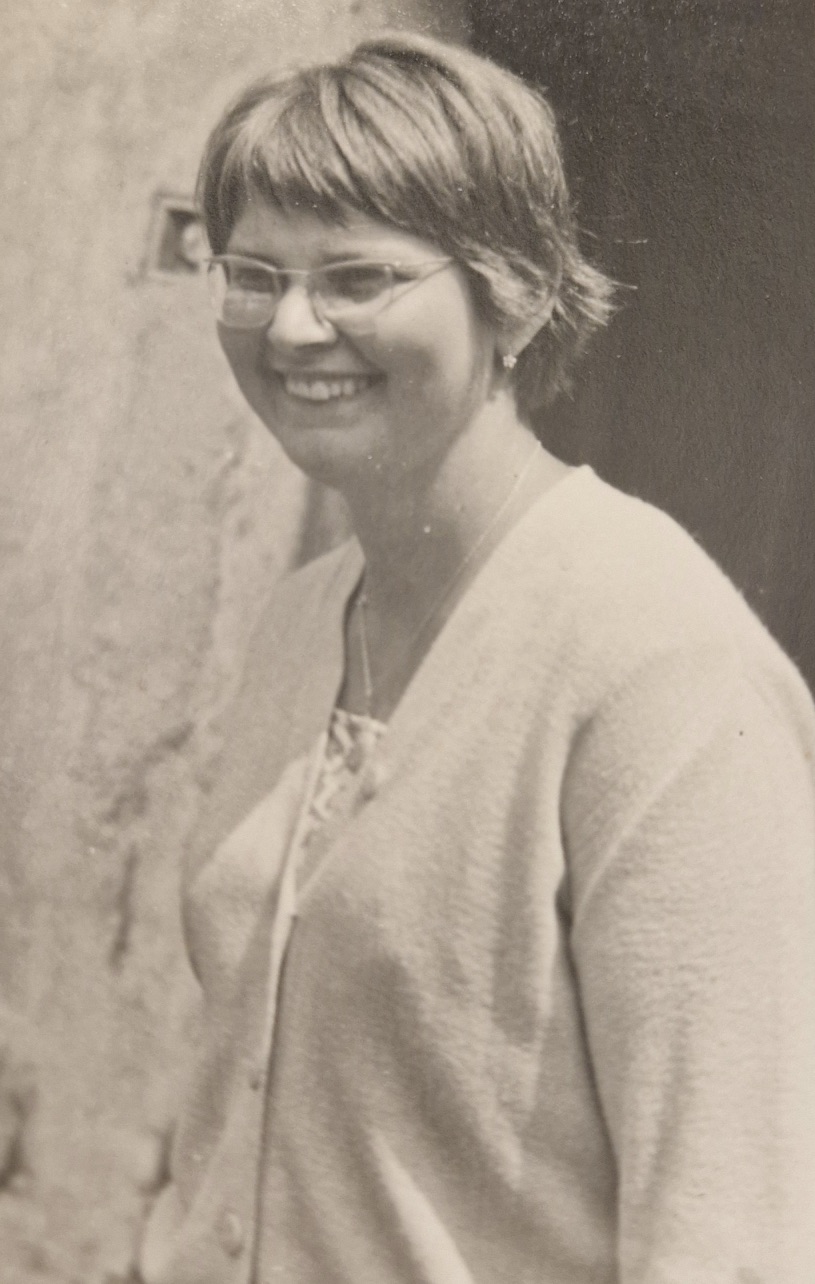
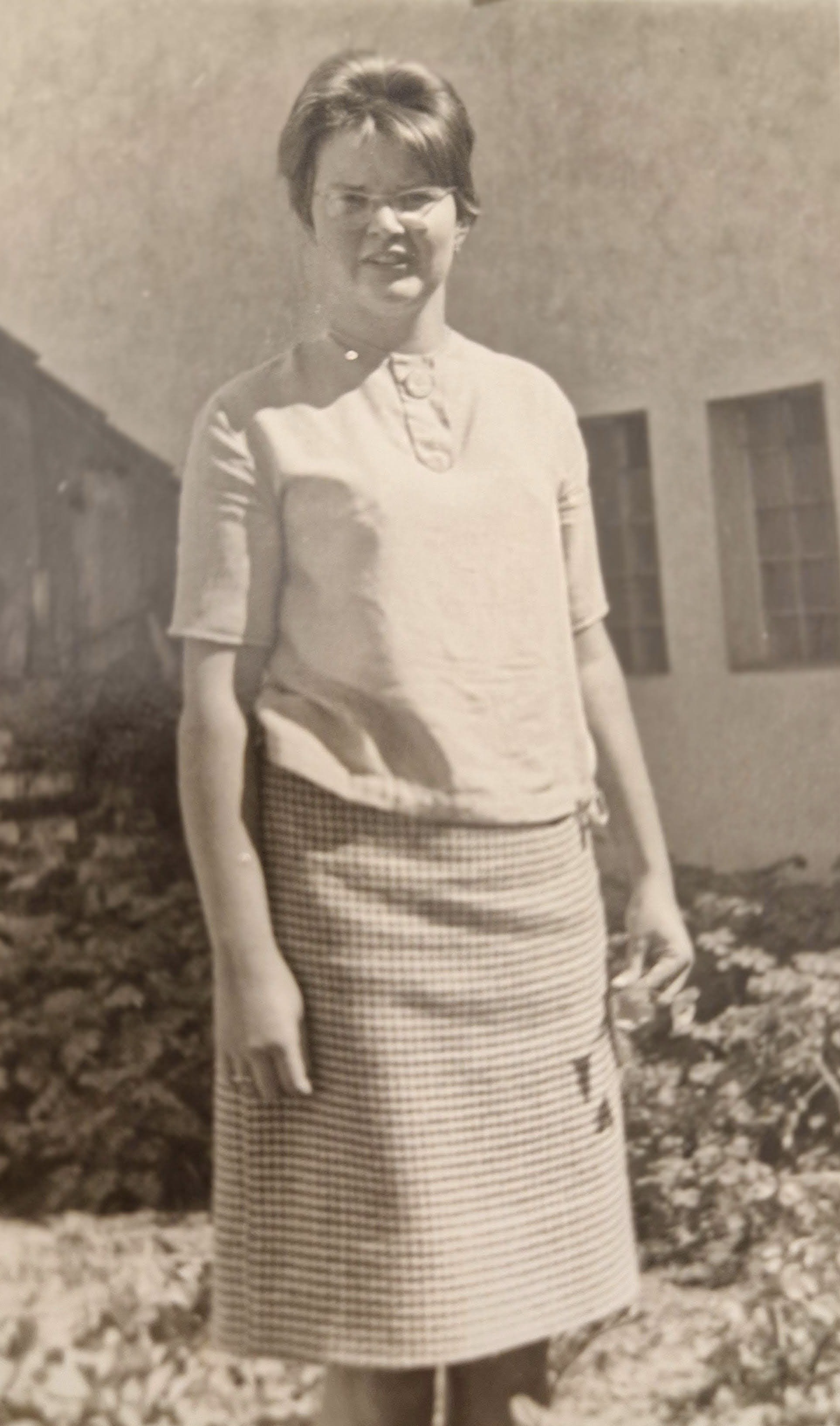
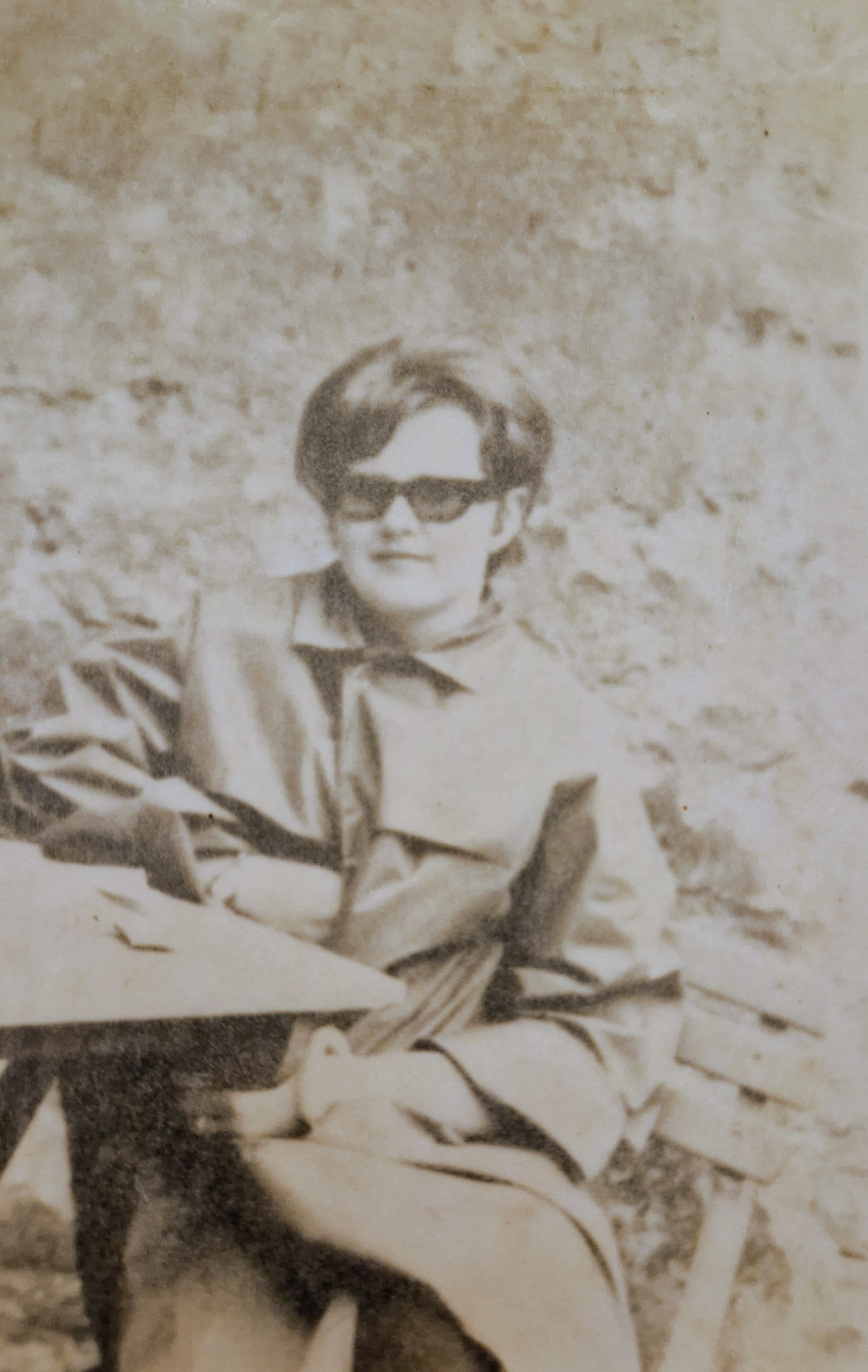
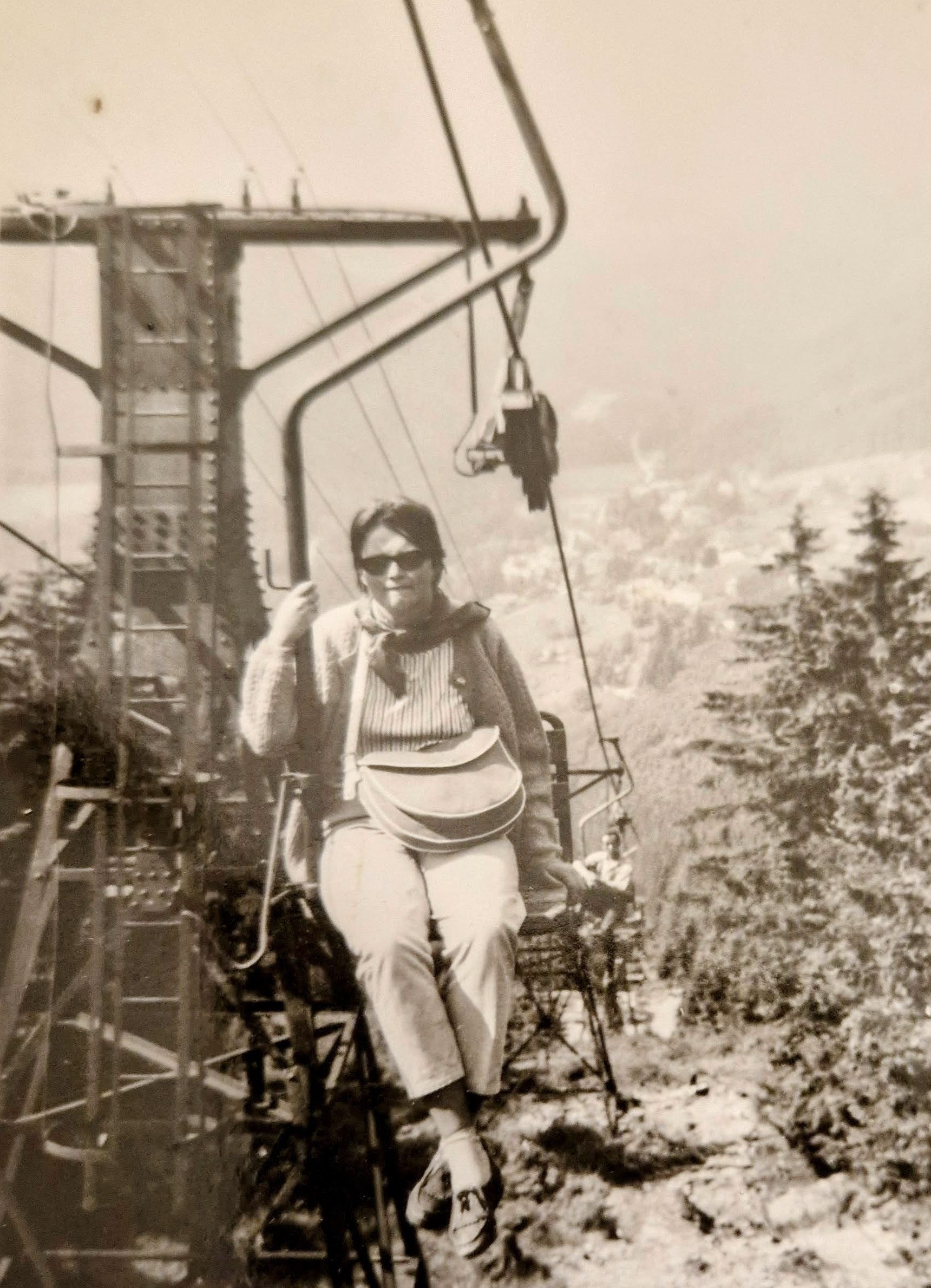
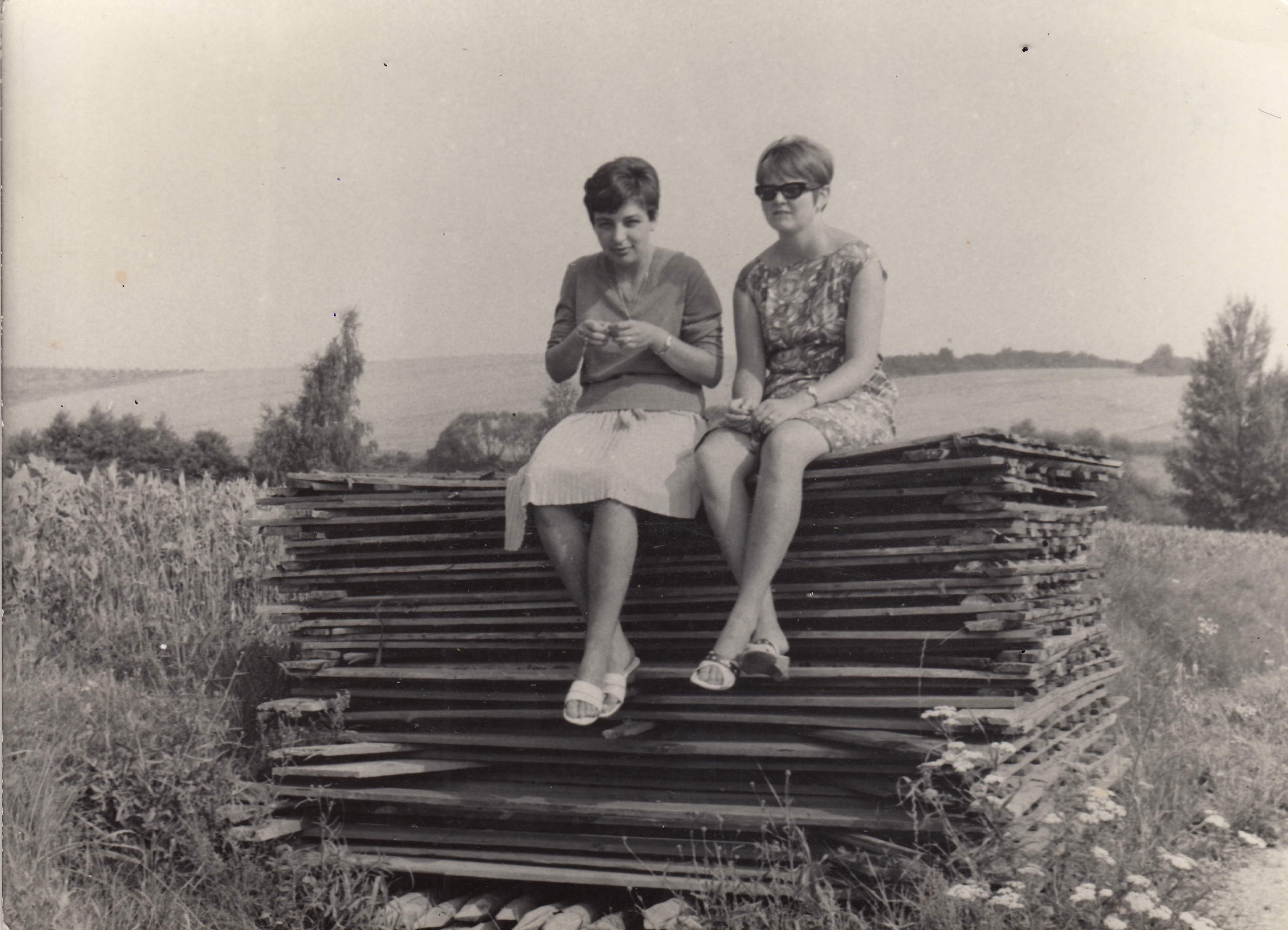
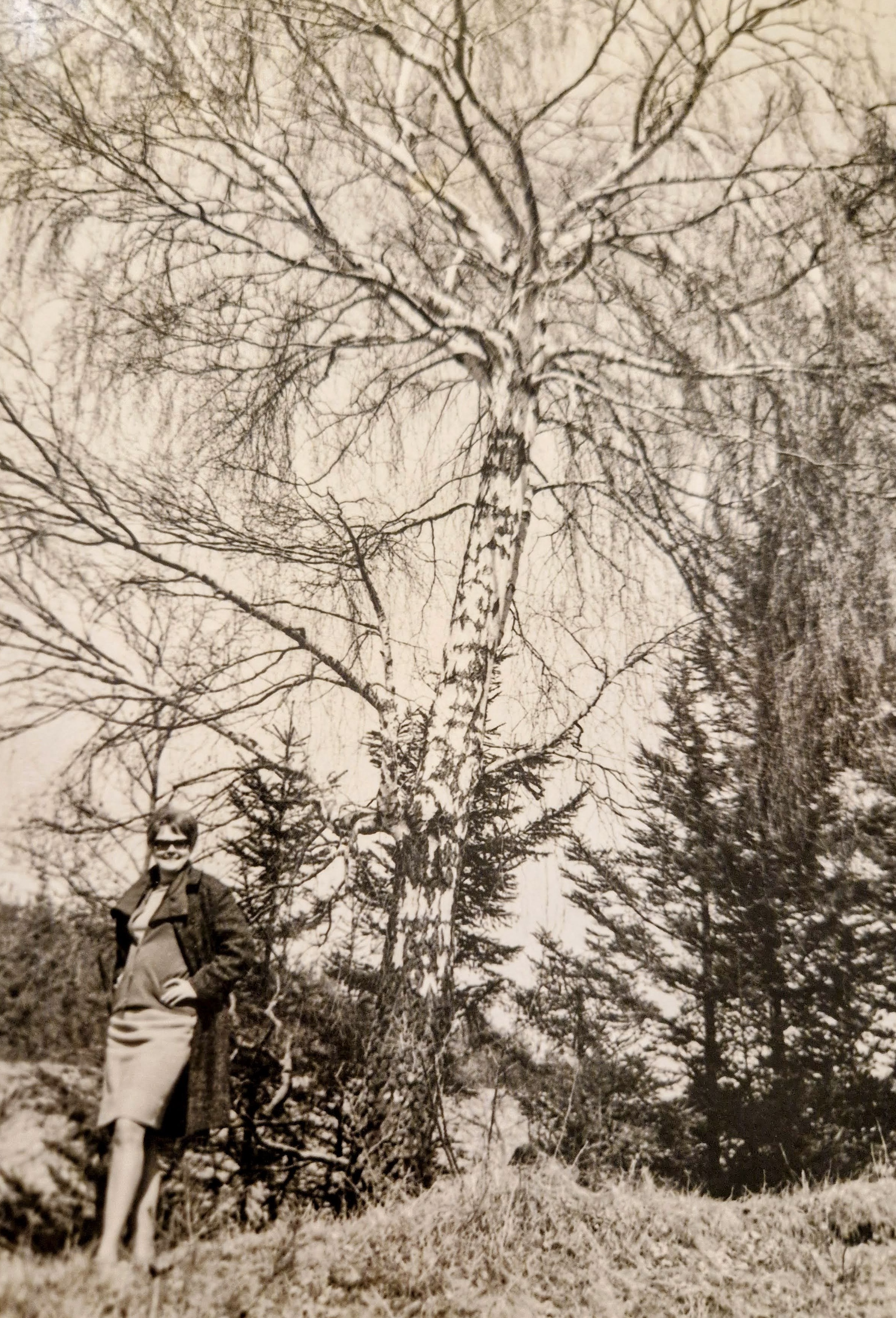
Blanka Göthová, 1960s
photo: Witness´s archive

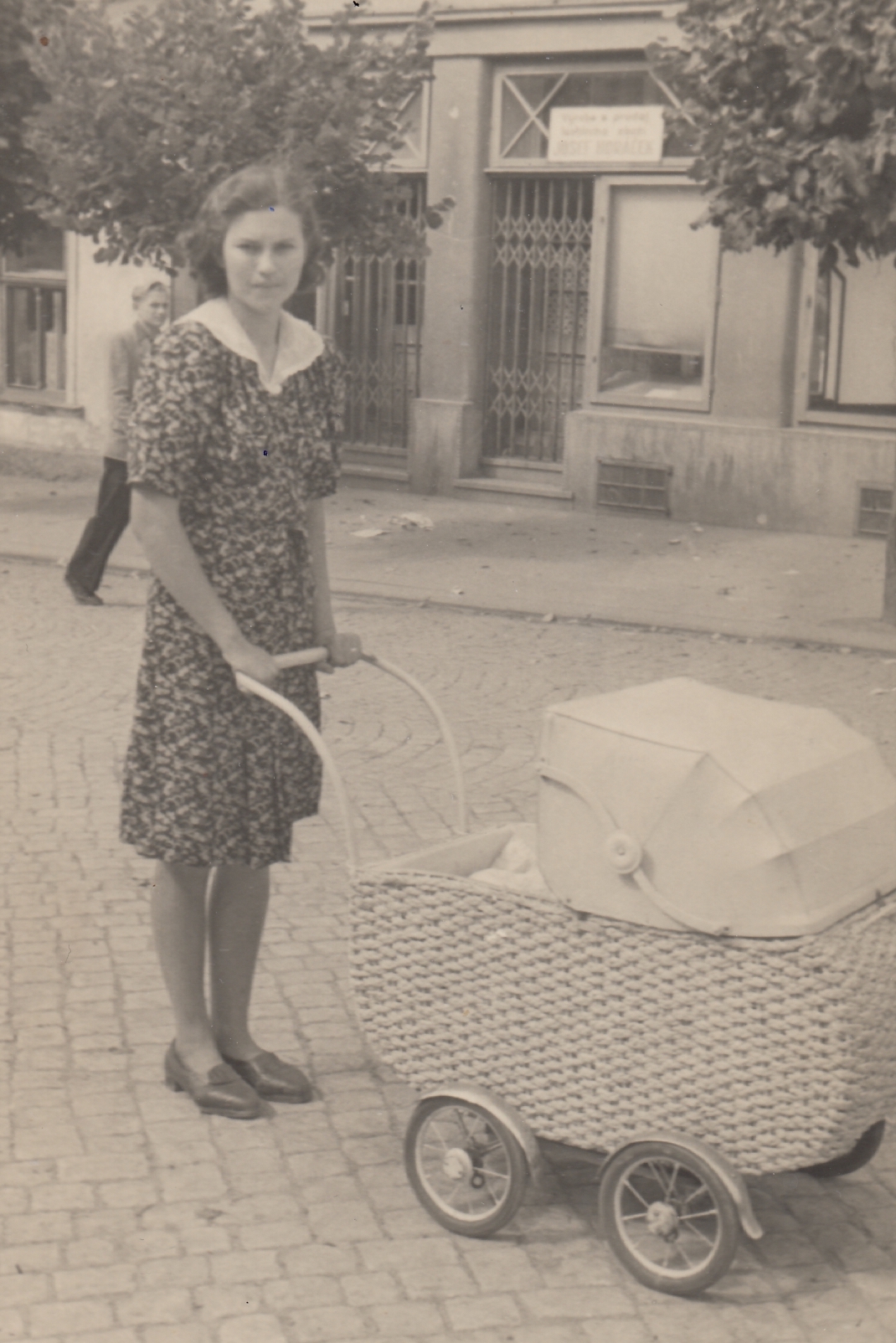
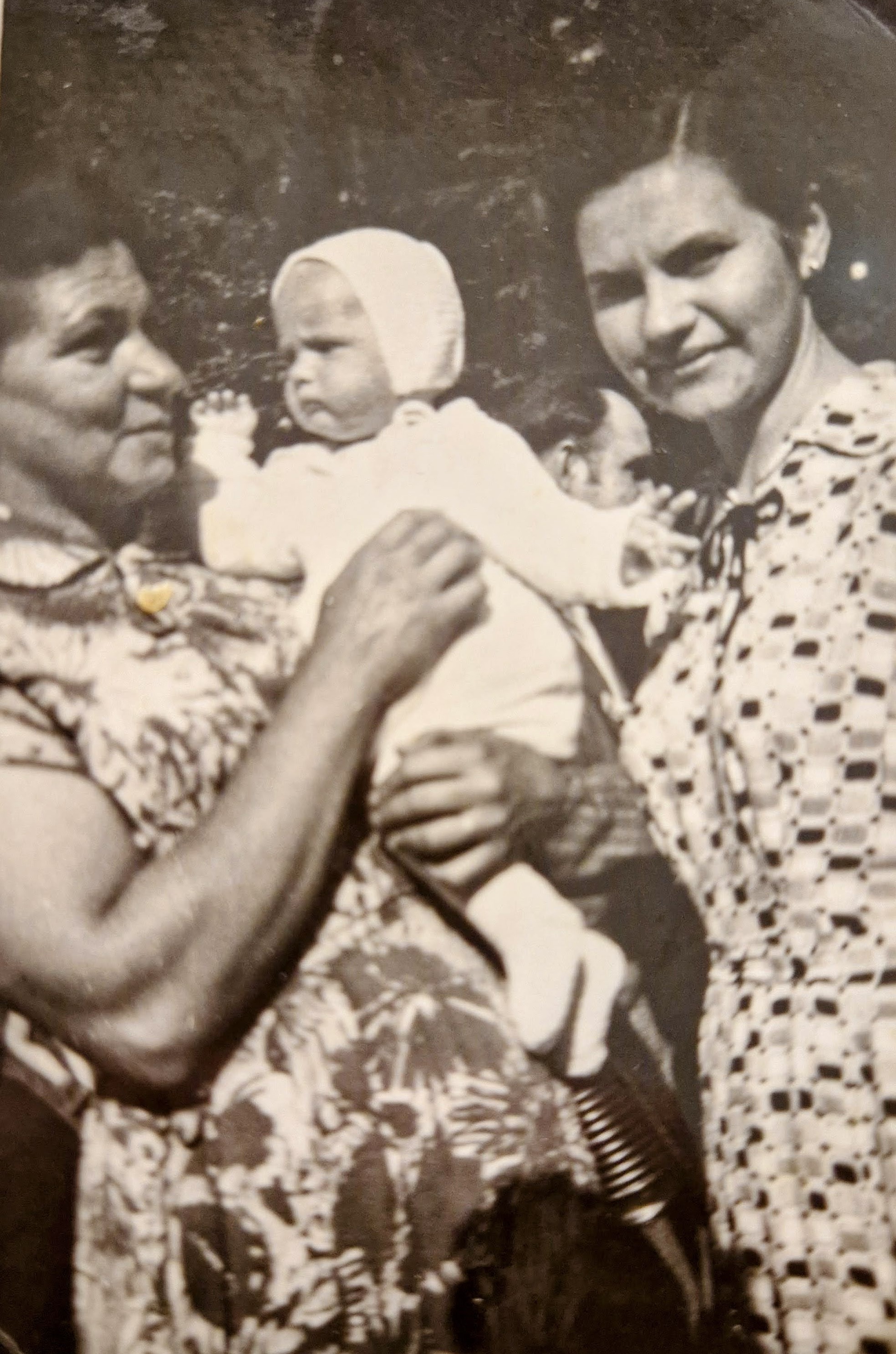
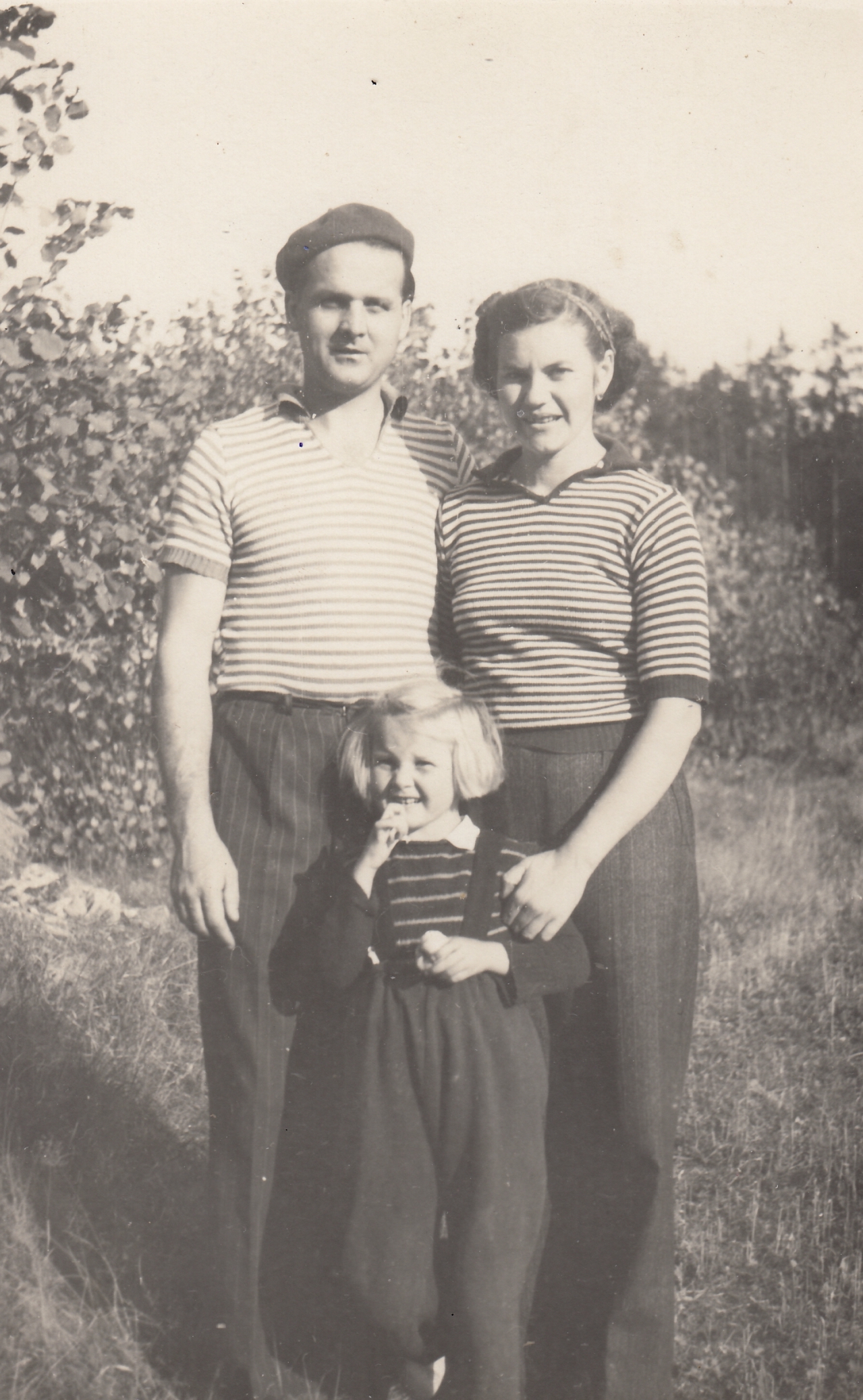
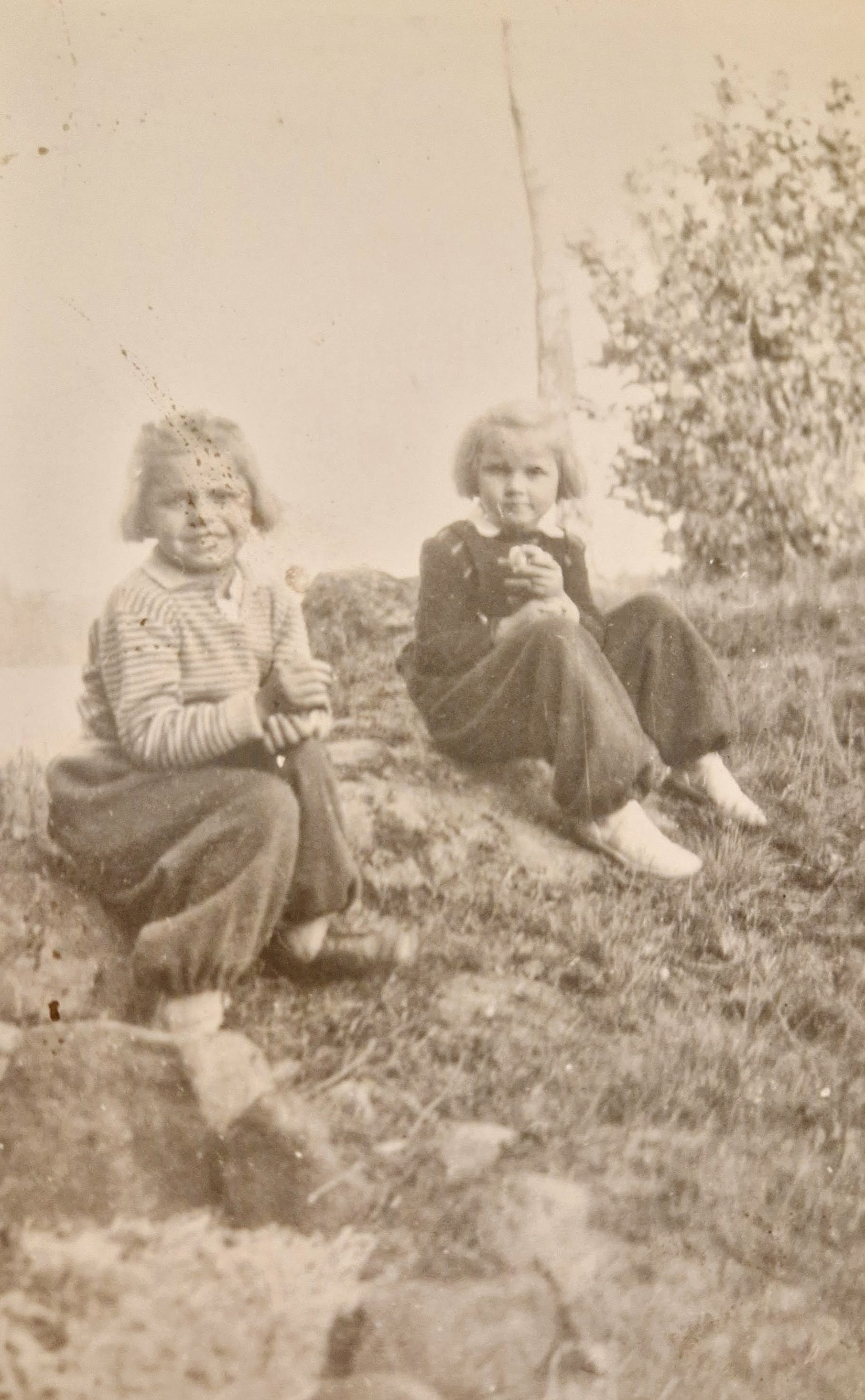
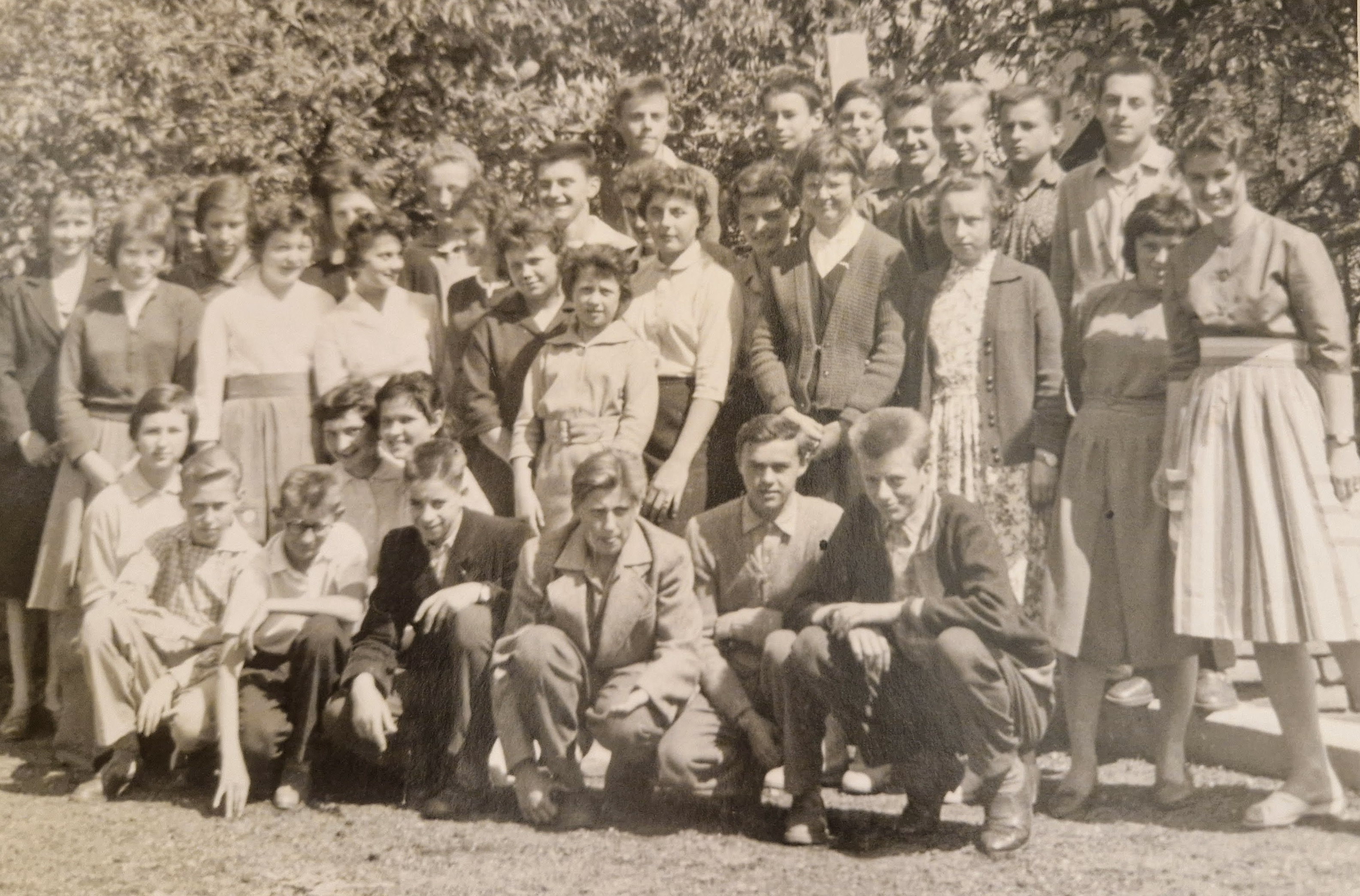
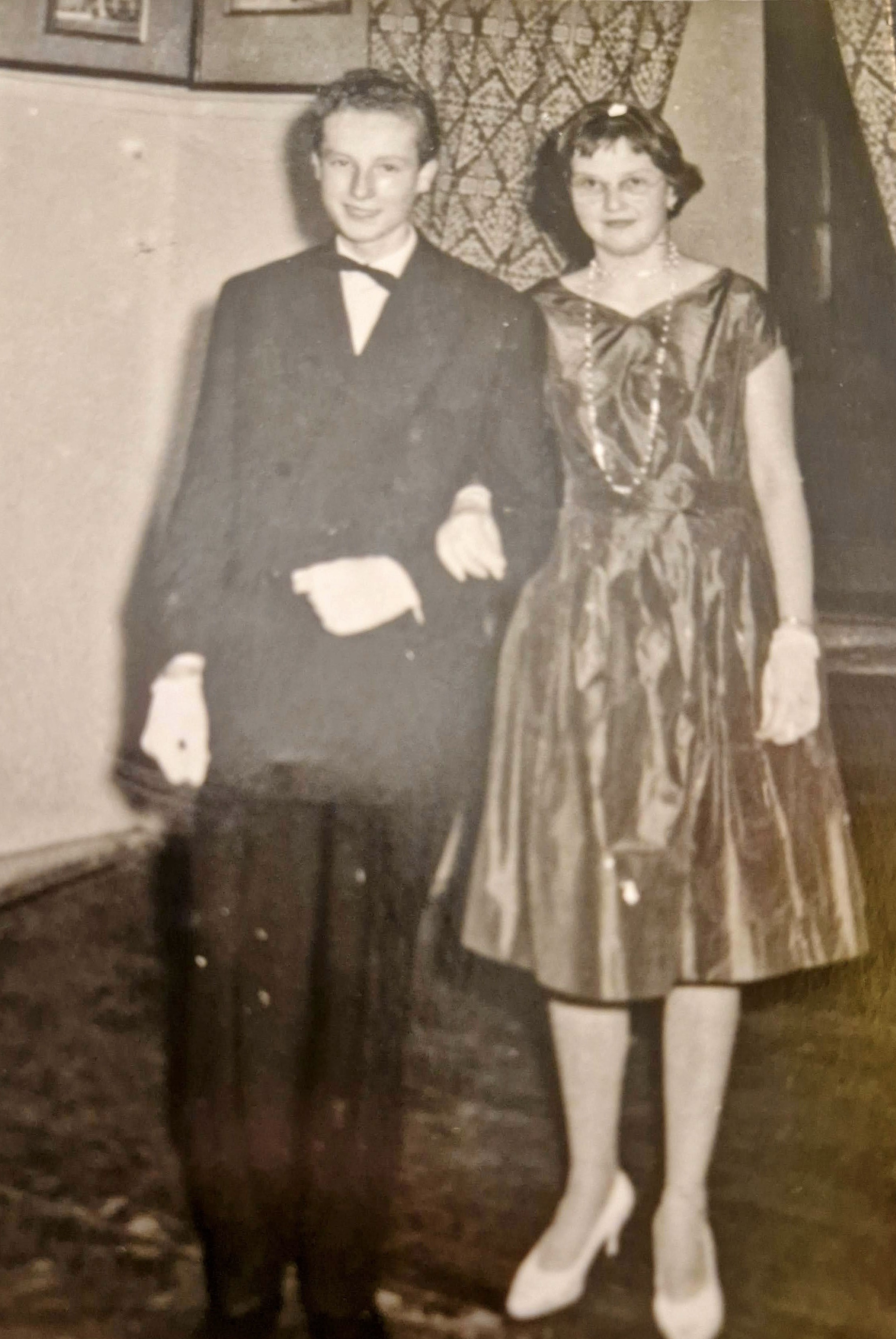
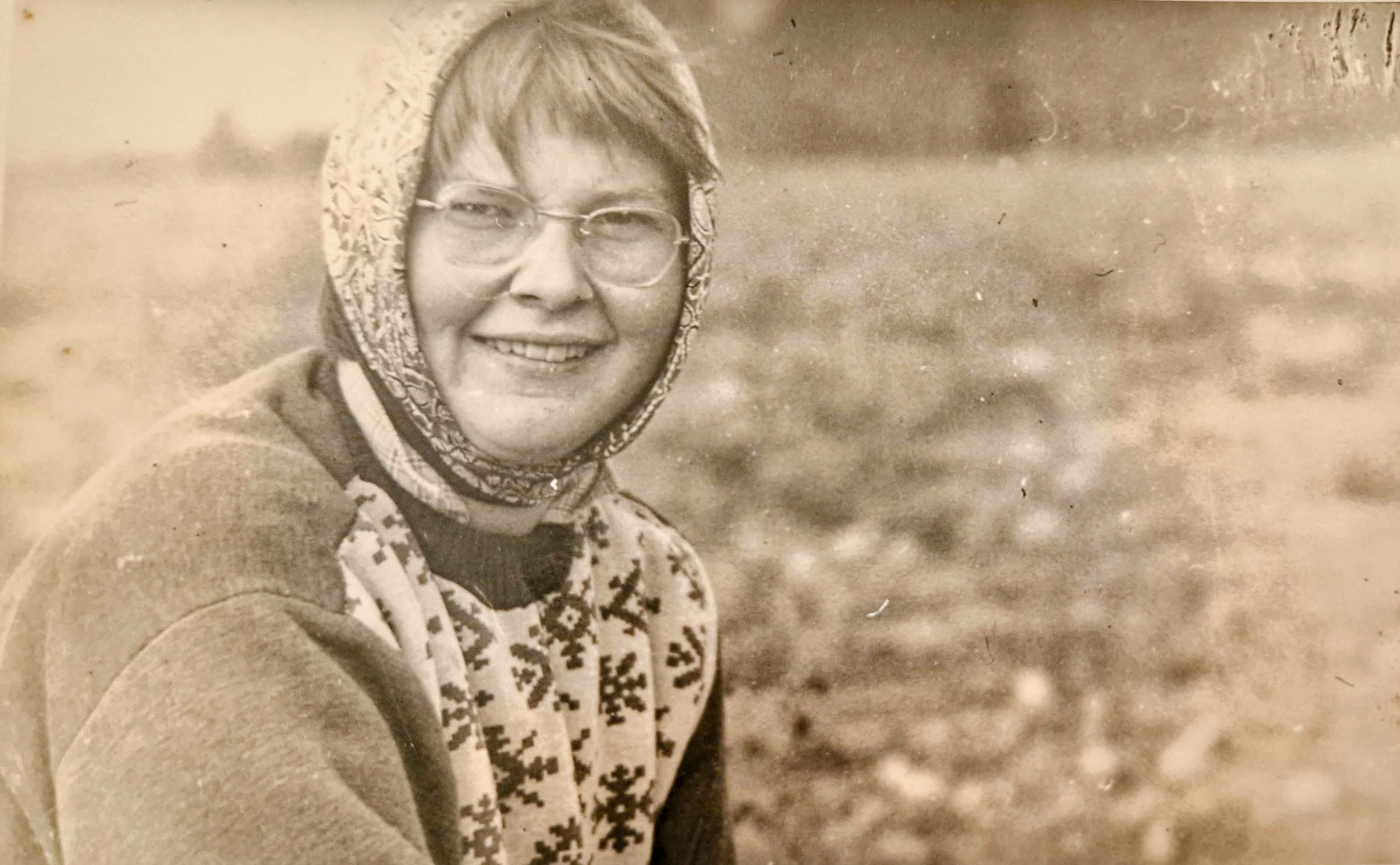
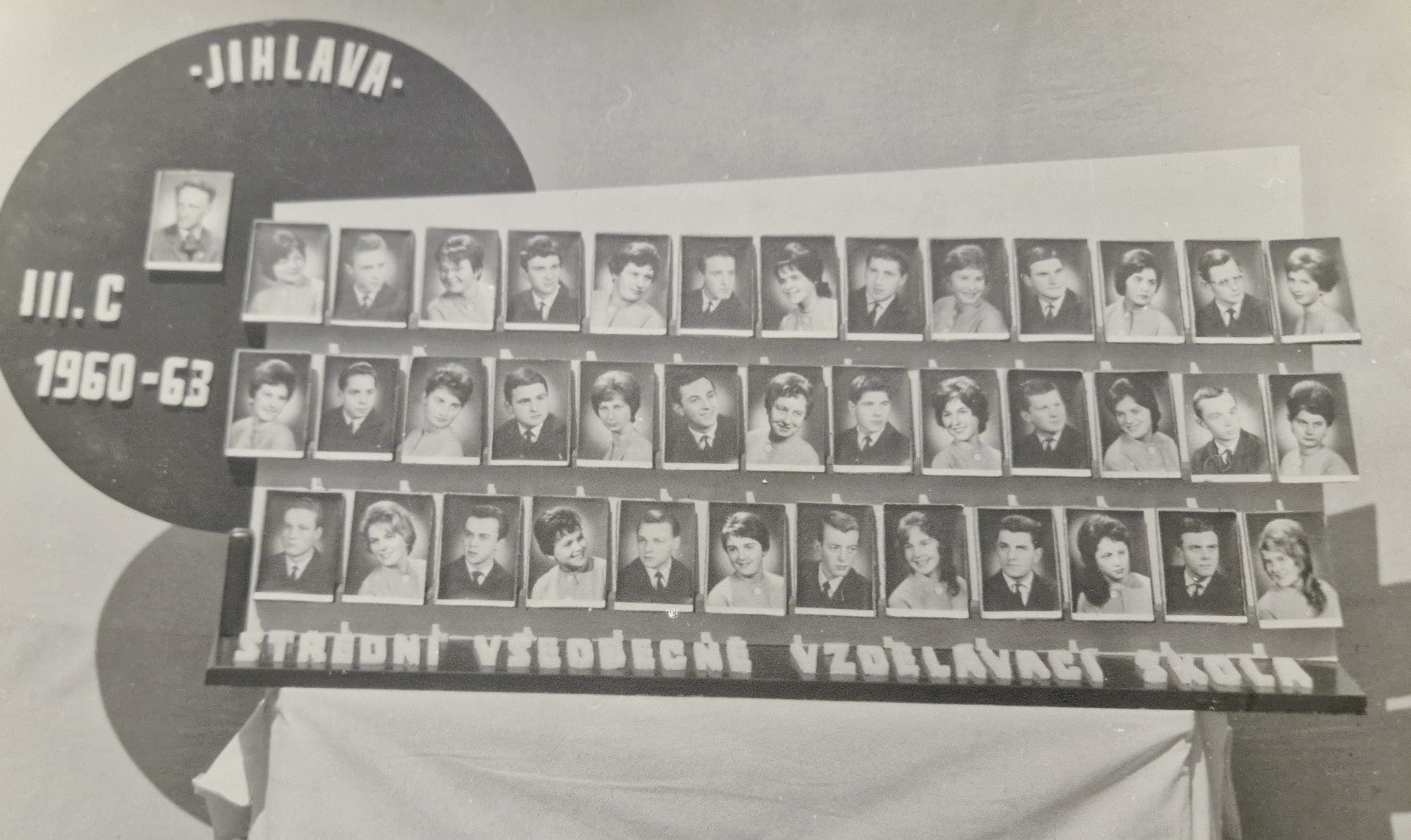
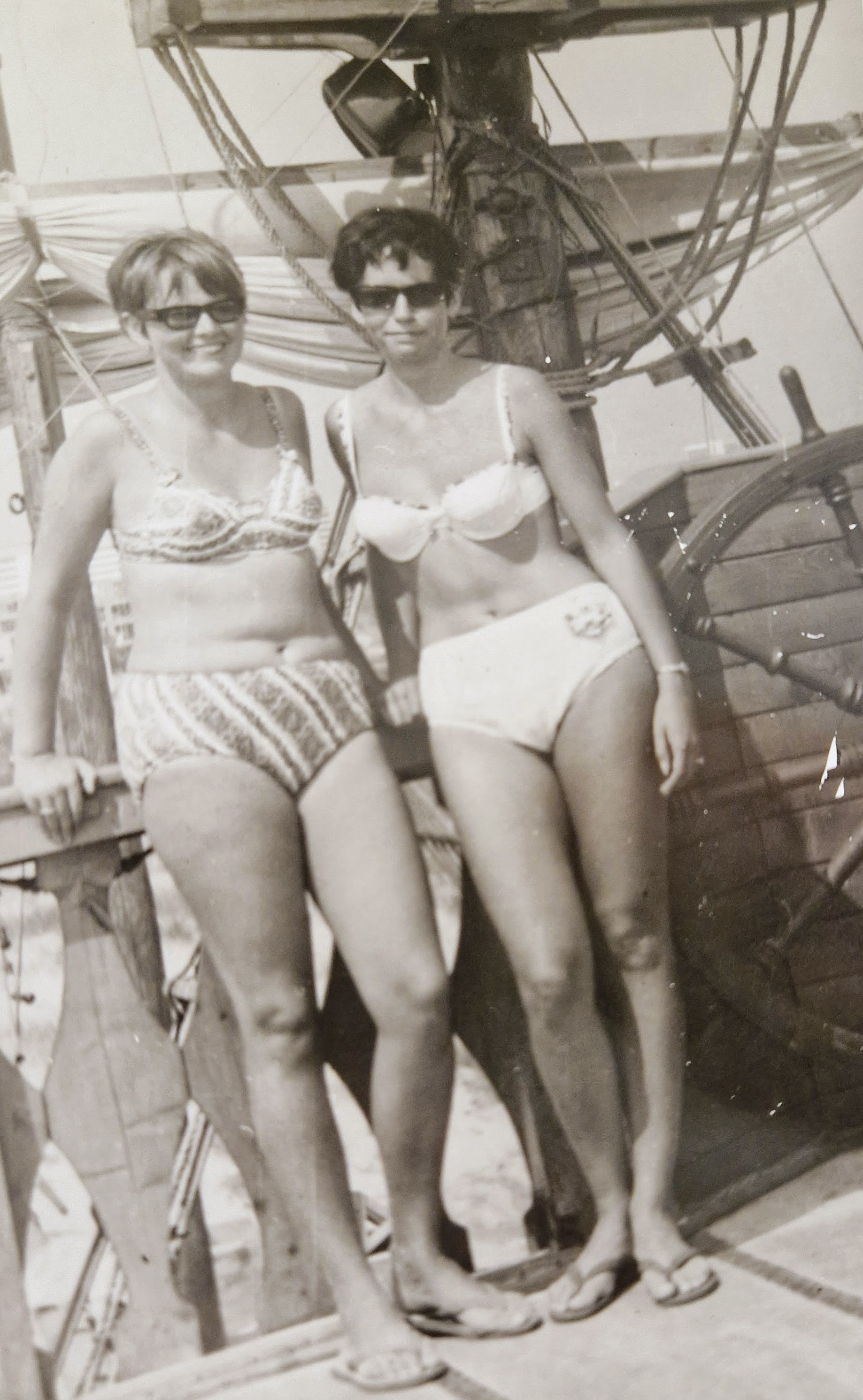
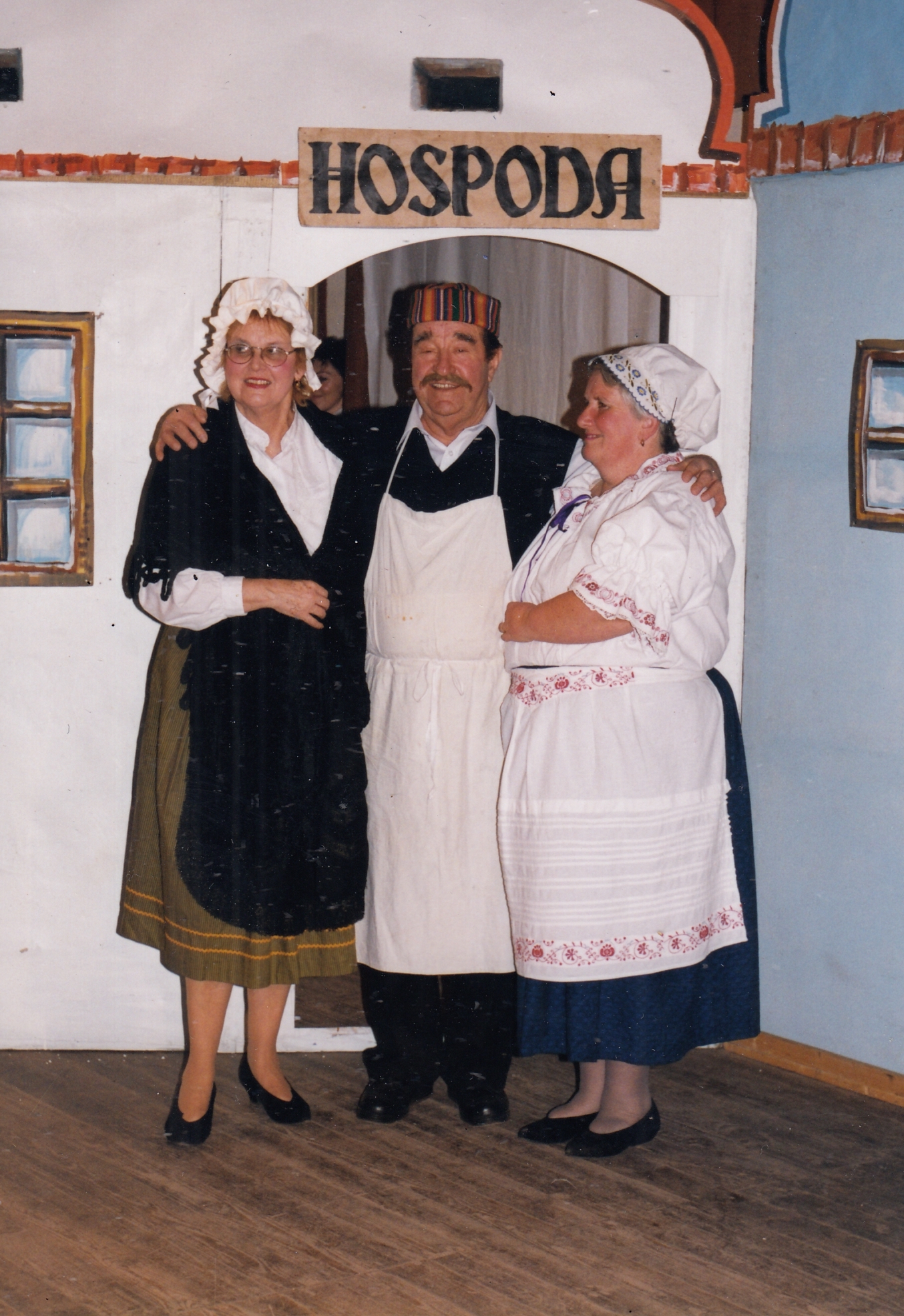
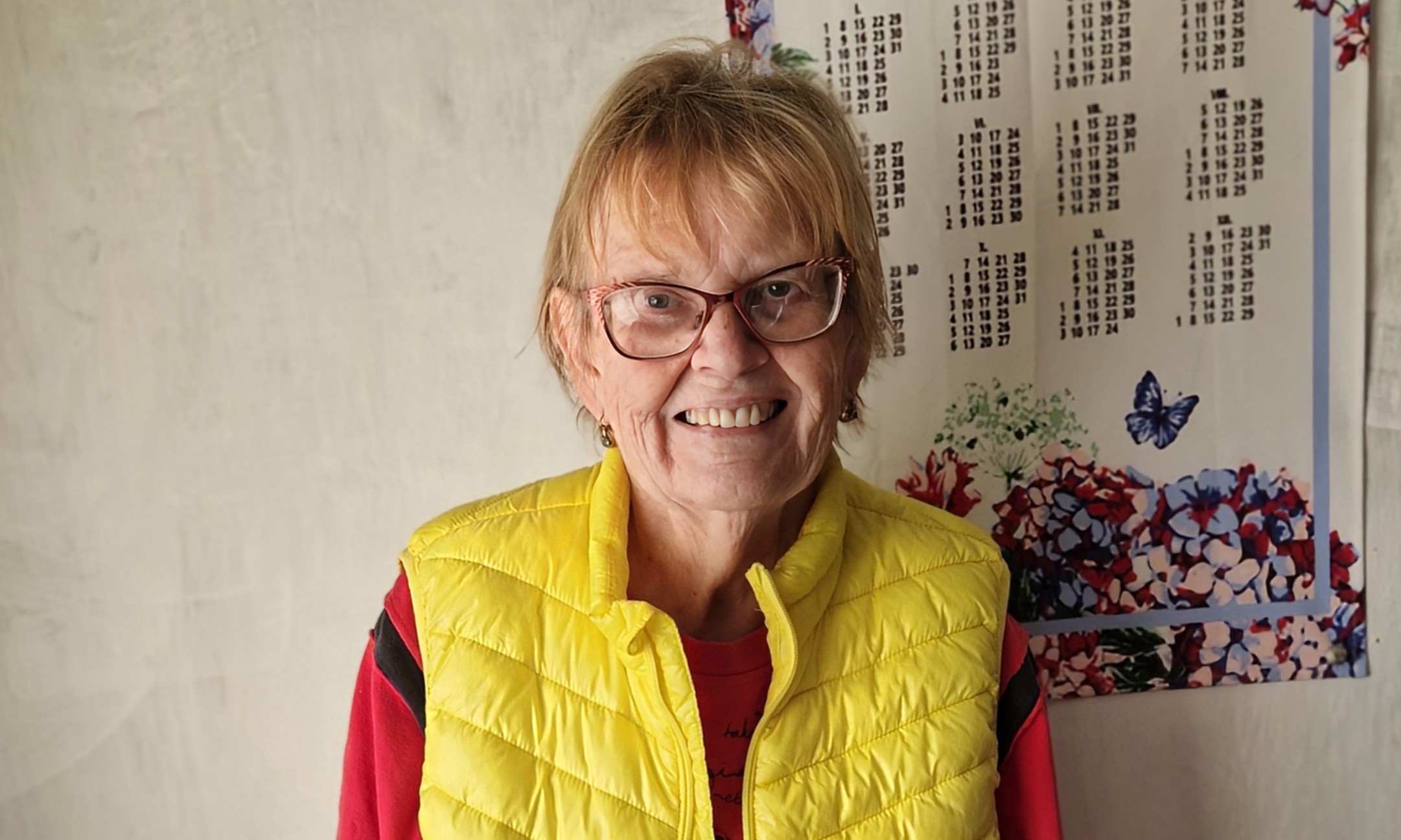
Blanka Göthová was born on April 10, 1945 in Luka nad Jihlavou into the Catholic family of Ludmila and Karel Cila. Her birth was accompanied by dramatic events when on the same day partisans blew up a railway bridge near nearby Helenín, over which a German military transport was passing. After graduating from an eight-year school, she entered the Secondary General Education School in Jihlava in 1959. After her successful graduation she wanted to study law, but was not admitted. She therefore went on to library school in Brno, after which she started working at the District Cultural Centre in Jihlava. After the August 1968 occupation, she participated in the distribution of anti-occupation leaflets. During one of her trips, she and her colleagues were stopped by a Soviet patrol, which threatened to shoot them. After the onset of normalisation, she underwent political checks and was charged with checking municipal chronicles for critical references to the events of August 1968. She married in 1969 and went on maternity leave two years later. She did not return to her original job and took a job as a registrar in Luka nad Jihlavou, where she worked for many years. In her spare time she was actively involved in the activities of the local amateur theatre association. In 2025 Blanka Göthová lived in Luka nad Jihlavou.