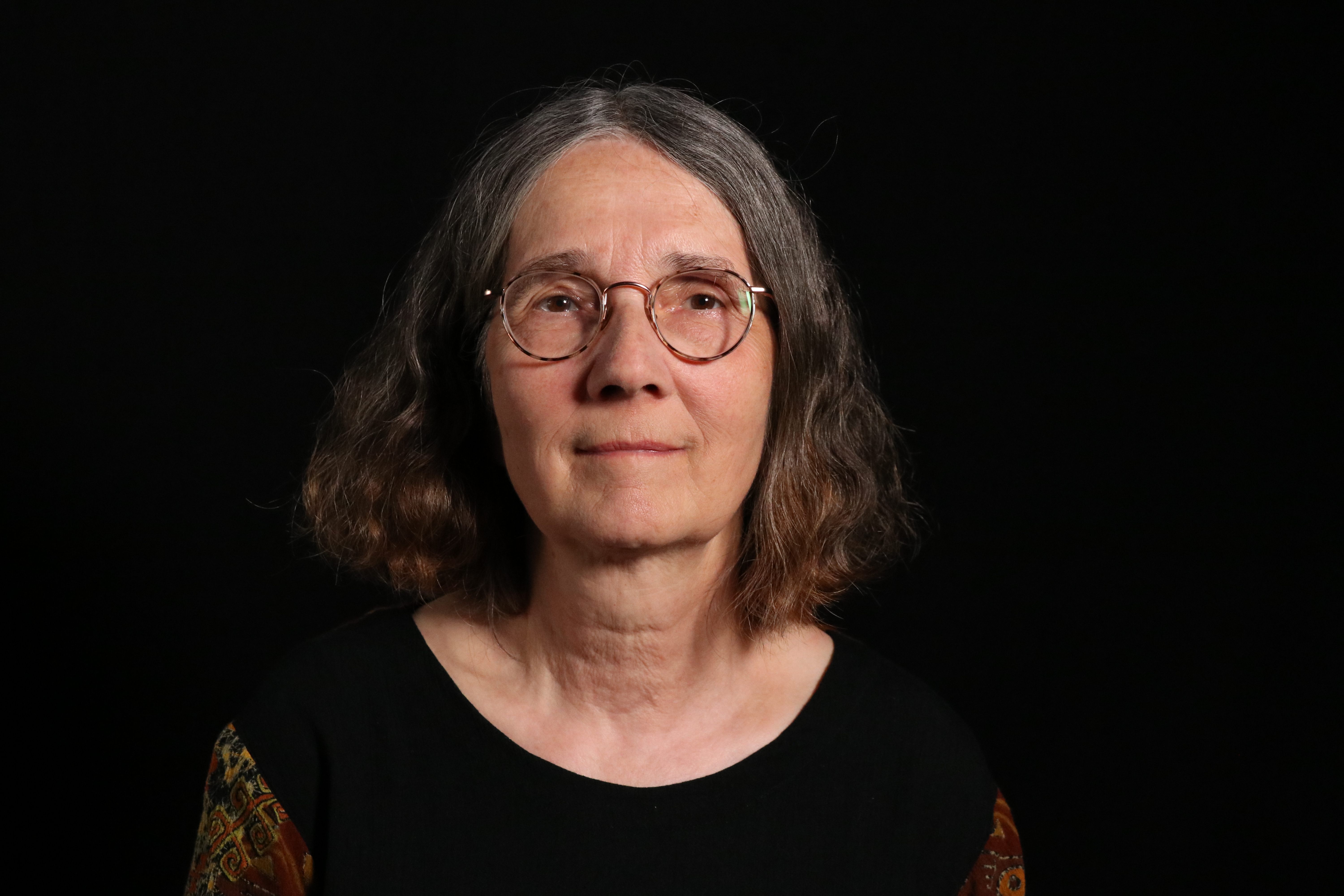
She experienced fear and humiliation in socialist school, today she writes about it
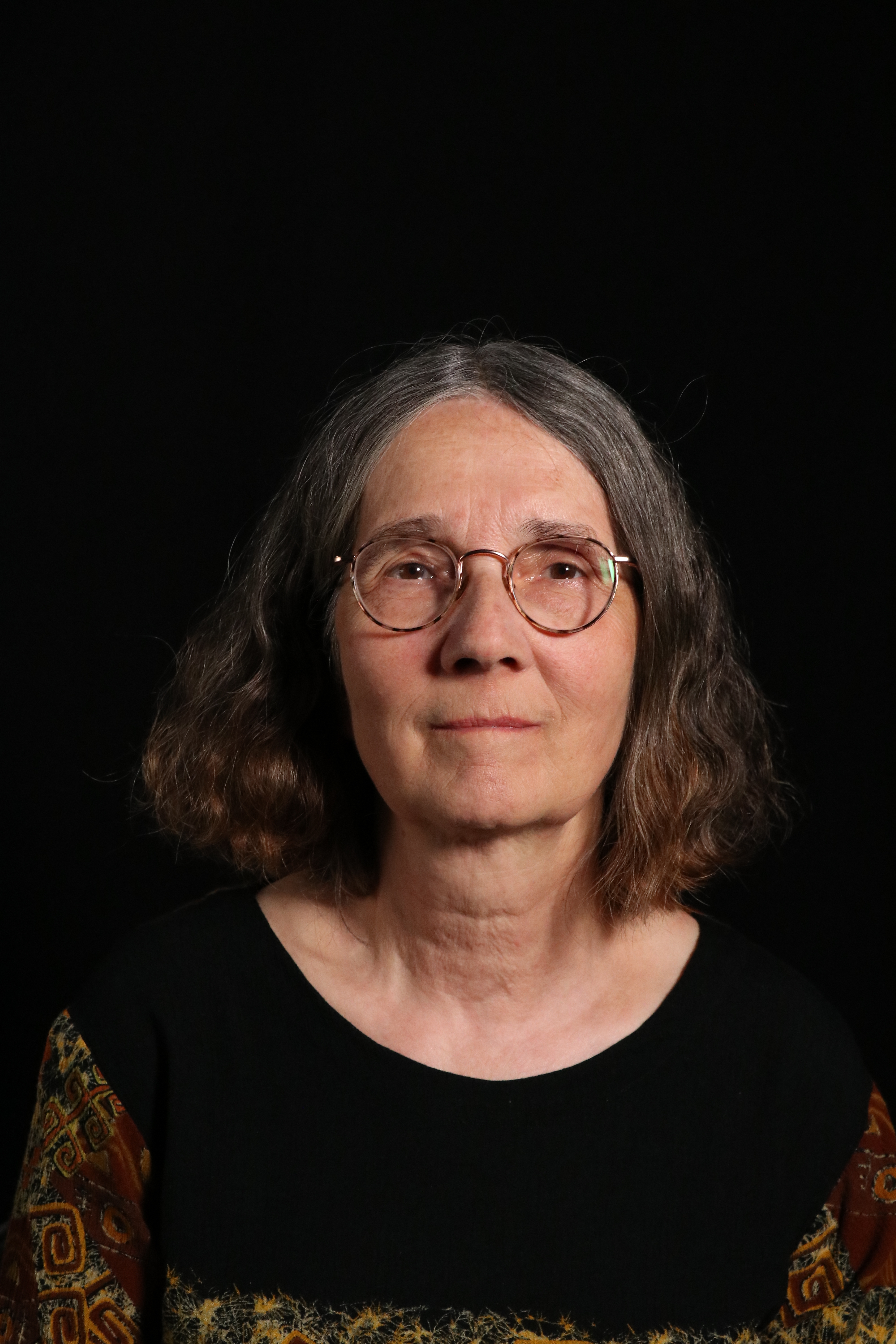
Download image
Caritas Führer, née Böttrich, was born on 25 March 1957 in Chemnitz (then Karl-Marx-Stadt) in the German Democratic Republic to Albert Böttrich, a pastor of the Evangelical Lutheran Church, and his wife Annelies Böttrich. She had four older and one younger sibling. As a non-member of the Pioneer and FDJ (Free German Youth) organizations, she could not pass her high school diploma or study. She took a four-year course at the school of the State Porcelain Manufactory in Meissen and trained as a porcelain designer and modeller. She worked at the company until 1980, then spent a year doing social work with children in Zwickau, where she met her future husband, Dr. Michael Führer, then a theology student. At the porcelain factory she was a member of the so-called writing circle of the workers. Through the church community she also had contacts with believers from the Federal Republic of Germany, her eldest sister emigrated to Sweden. In Leipzig she remotely studied at the Johannes R. Becher Literary Institute. St. Nicholas Church, where her husband’s relative Christian Führer served as pastor, became a center of opposition activities in the 1980s. She had two sons and therefore stayed away from protest actions. In September 1989 they moved to Zschopau in the Erzgebirge, where her husband was a parish priest. They experienced the demonstrations and the regime change there. After the revolution they travelled, organised humanitarian aid for Romania and adopted a third son. She began to publish her writings, and in 1998 her first book “Montagsangst” was published, where she elaborated her experiences of socialist education. Since 2000 she has been a full-time writer. She was living in Dresden at the time of filming in 2025.