The biggest enemy of democracy is uninformed people and an authoritarian personality who knows how to win them over
Download image
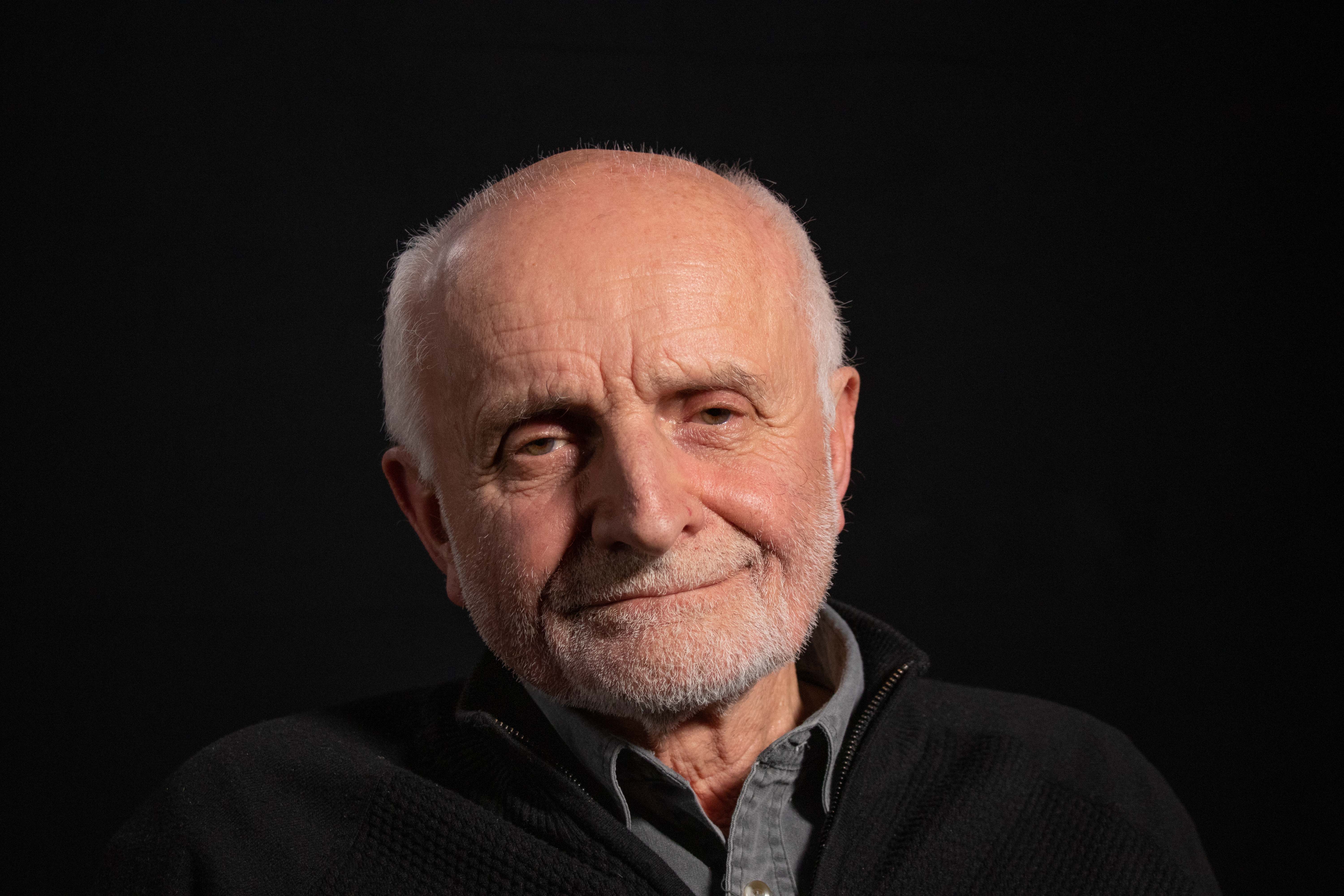
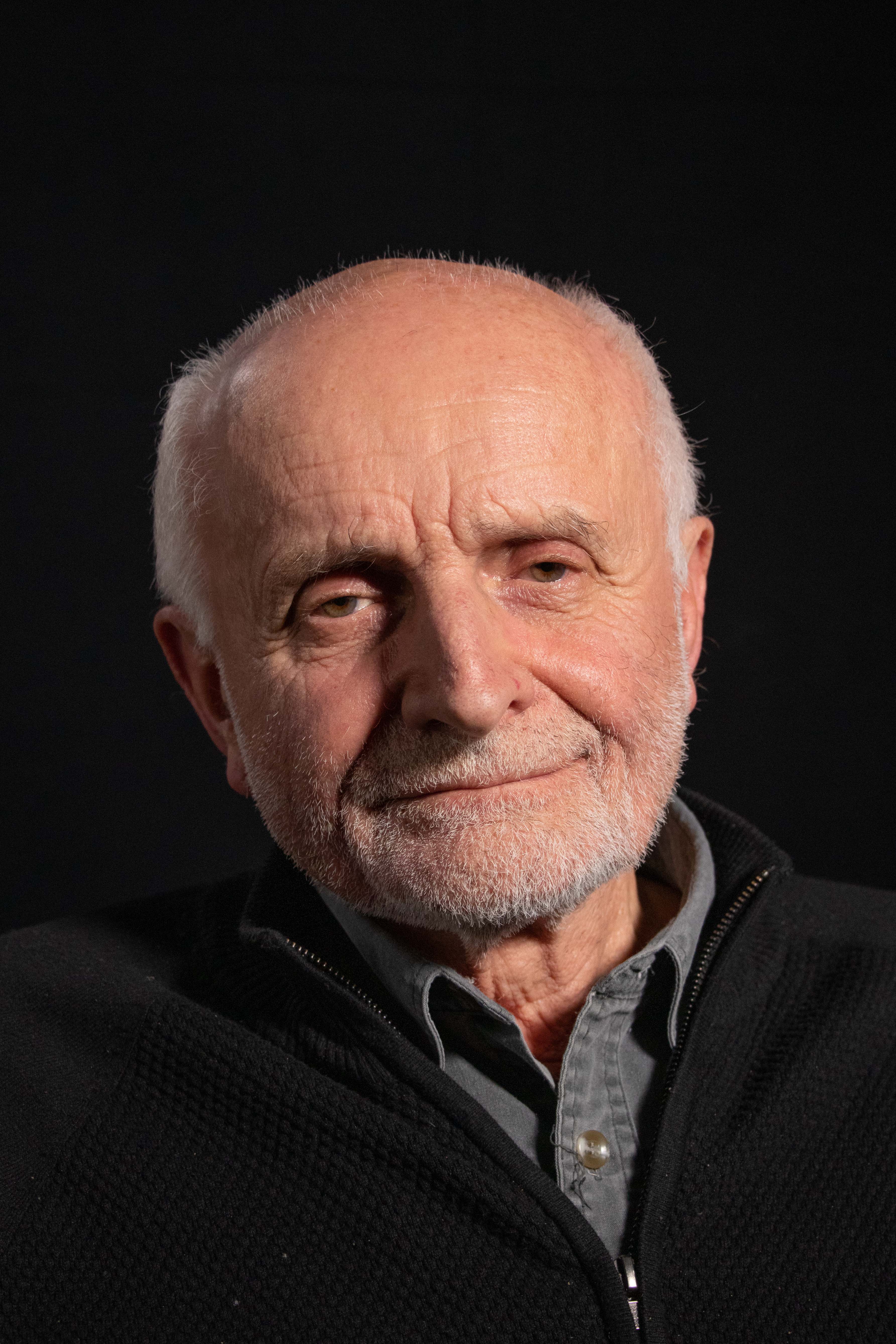
Sociologist and former politician Ivan Fišera was born on 10 April 1941 in Německe (now Havlíčkův) Brod, but grew up in Prague. Both his parents were lawyers. His younger sister, Lenka Fišerová, played the lead role in the film Prayer for Kateřina Horovitz (1965). His father, Vladimír Fišera, was involved in the resistance organisation Petition Committee We Remain Faithful during the war. He worked for the Czechoslovak Institute of Human Labour. After the war, both parents joined the Communist Party of Czechoslovakia. In December 1949, his father committed suicide under unclear circumstances; it is probable that he was driven to it by the impending political persecution, or perhaps he was even forced to commit suicide. Ivan Fišera graduated from grammar school and then studied philosophy at the Faculty of Arts of Charles University. However, since the beginning his studies he was attracted to sociology, then considered “bourgeois science”. At university, he joined the Communist Party of Czechoslovakia and was chairman of the faculty committee of the CSM, witnessing injustices in the admission of students and the investigation of the student celebration of the Majáles. In 1965, he began working at the newly established Institute of Sociology of the Czechoslovak Academy of Sciences. During the Prague Spring, he was a member of Zdeněk Mlynář’s political science team, which tried to devise alternatives to the political system in Czechoslovakia. He was expelled from the Communist Party of Czechoslovakia and had to leave the Institute of Sociology during the vetting process at the beginning of normalisation. He then worked at the Institute of Consulting at the Czechoslovak Committee of Public Management and at the Research Institute of Engineering Technology and Economics. He was engaged in the study of new methods of management, organised workshops and training for managers from industrial enterprises. In December 1989, he began working as a manager at the headquarters of the Civic Forum, becoming one of its elected representatives. In January 1990 he was co-opted to the Federal Assembly. He became a member of the Social Democratic Orientation Club of the Civic Forum, criticizing Václav Klaus and the project of coupon privatization. In 1992 he joined the ČSSD, but left the party after clashes with Miloš Zeman. He worked as an advisor to the Czech-Moravian Chamber of Trade Unions and taught at the Czech Management Centre in Čelákovice. In 2004, he became head of the team of advisors to then-Prime Minister Stanislav Gross.