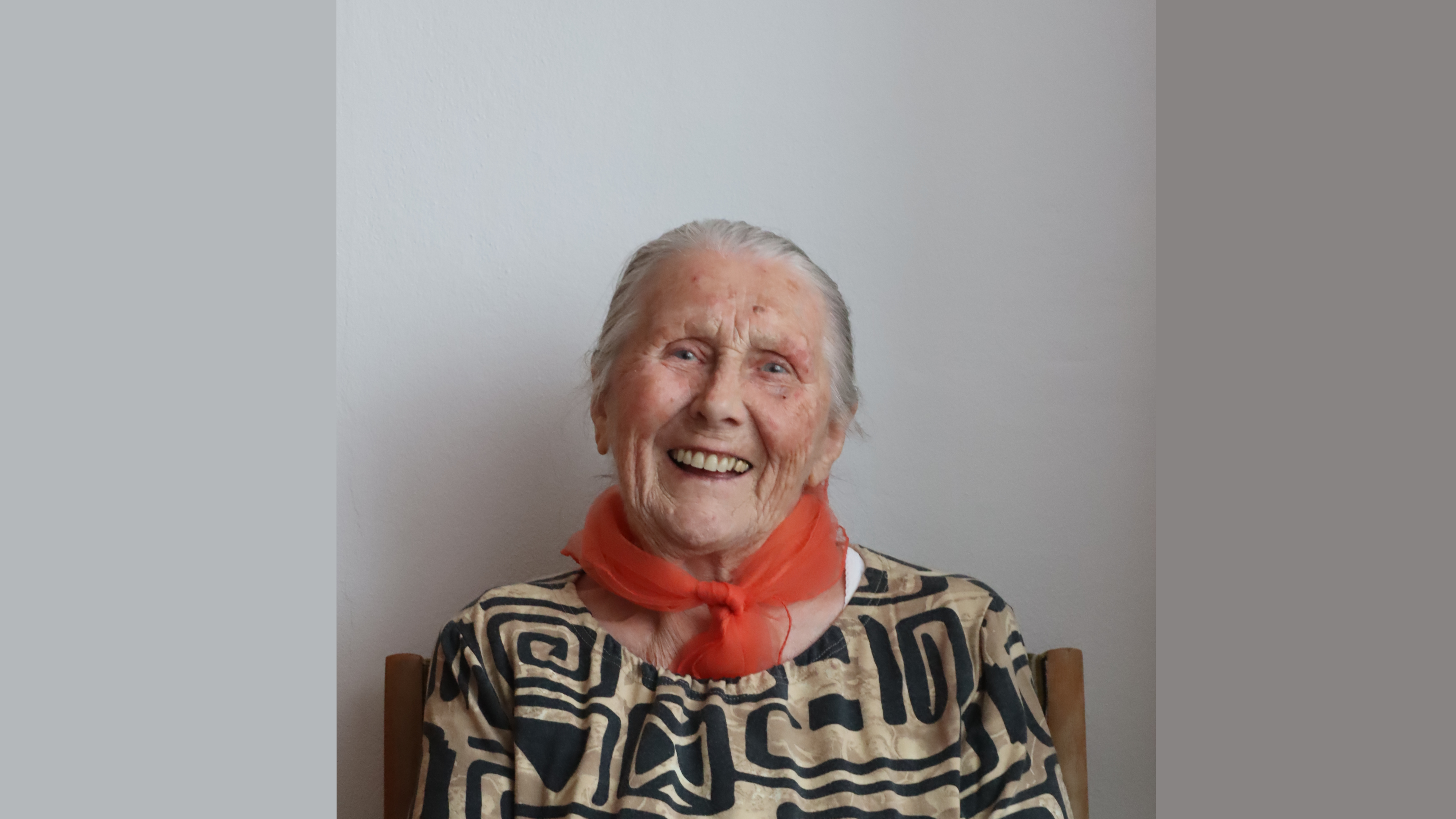
Anna Fenclová

* 1933

  • "And I can tell you, at the time when the Russians invaded here, I was doing a driving test with a guy and his sister-in-law was Russian. And she was just announcing on Czech Radio afterwards, 'Vnimanije, vnimanije,' that [they were] 'usurpers.' Poor thing. She was a doctor, and then she blew it off with all the pomp and circumstance. Well, I remember some of those things from the radio, or it was even in the village, how there were those loudspeakers..."

  • "It was terrible because the Americans had to leave, so it spread, you know, everywhere... There was no American zone here then. Well, and vice versa, like it was advertised at the time that Russian soldiers were disguised as American soldiers. I remember the day they arrived. We were at that May Day service at the church. And you could hear the rumbling. And all of a sudden the door opened, two - in helmets - officers came in. They took off their helmets, crossed themselves, looked around the church. And the parish priest turned from the altar and said, 'Calm down, parishioners. And they looked around like that, crossed themselves, put on their helmets and left. They were just waking up because at that time the Germans were still running down the national road to get to West Germany."

  • "But as I say, everything was pretty limited in that youth until the end of the war. And people had to help each other as much as they could. There were food stamps, for example. And when the food stamps ran out, they couldn't give you anything in the store. And there were all these bakers who made bread. And they'd take it by cart around the villages. Or they had this big dog and they would take it out. And now you had to give them a scrap or something... And when they checked it, we'd get the bread without the paper. And when they came to do the checking, how much he loaded and how much he sold, I remember that time - the gentleman's name was Mira - he opened it and blew into it. And it came out. And he said, 'I'm not going to collect it for you.' To save it, he was giving it to these people without it. It was all so strict in those days."

  • Full recordings
  • 1

    Plzeň, 23.03.2024

    (audio)
    duration: 01:03:05
    media recorded in project The Stories of Our Neigbours
Full recordings are available only for logged users.

I’ve experienced deep raids and the arrival of prisoners from the concentration camp
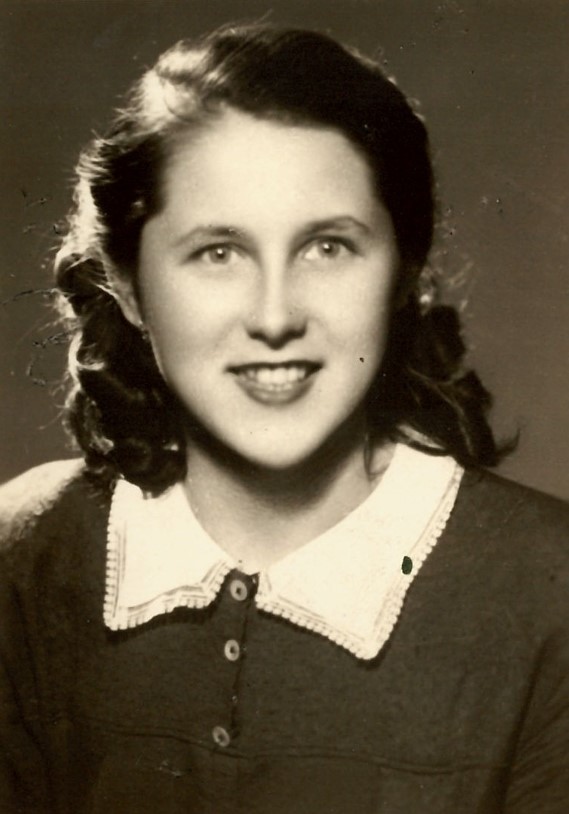
Anna Fenclová, 1952
Anna Fenclová, 1952
photo: Archive of the witness

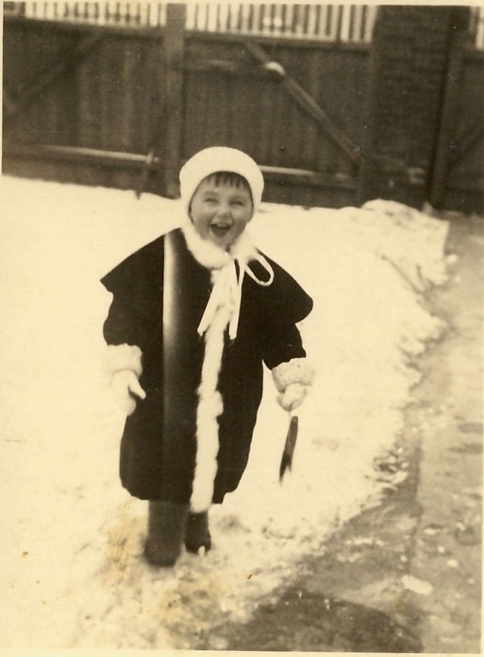
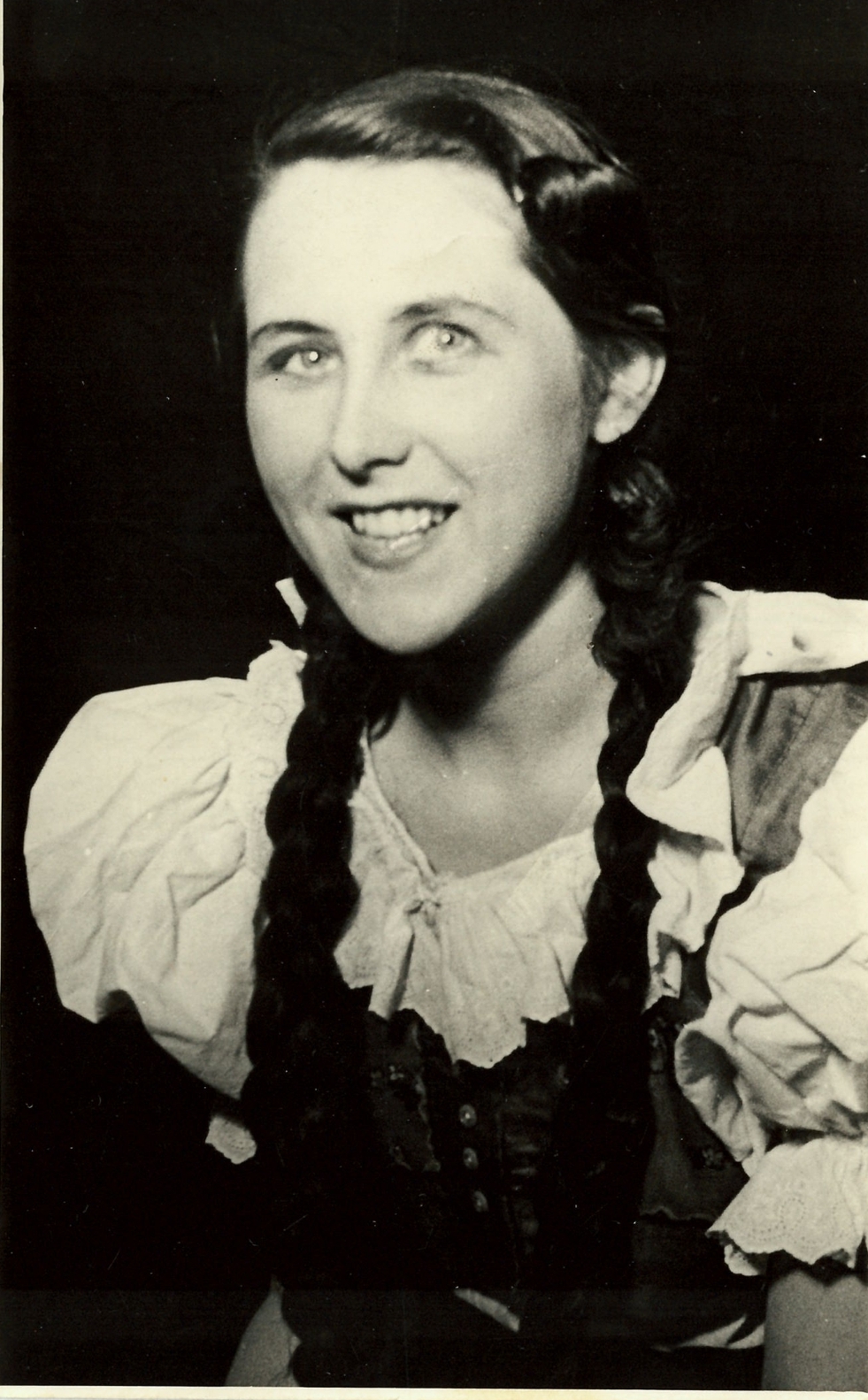
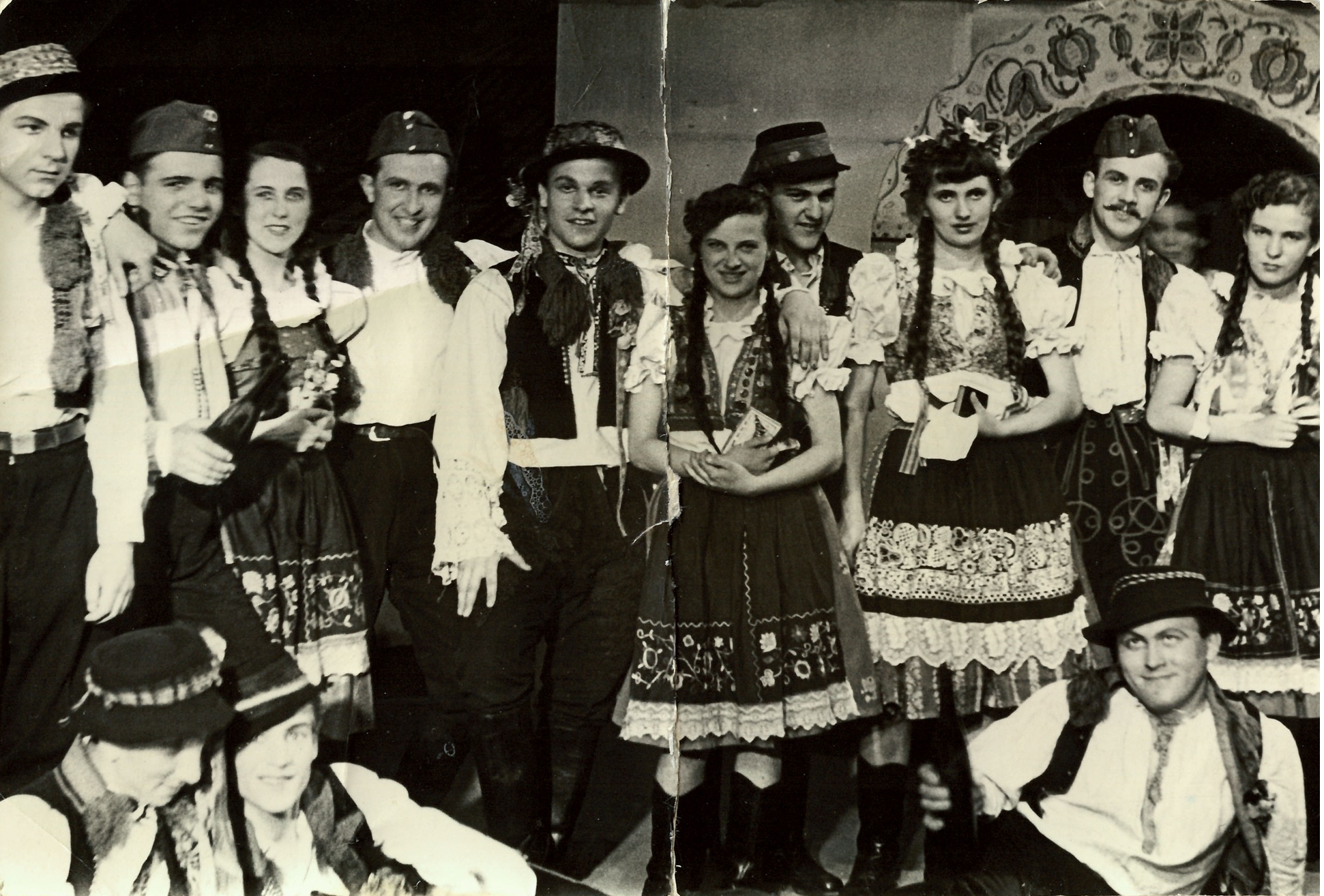
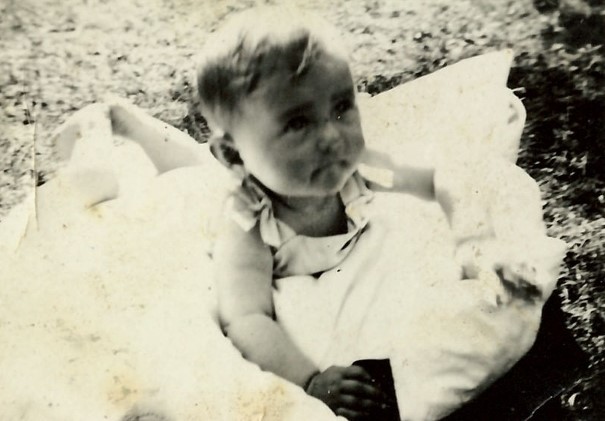
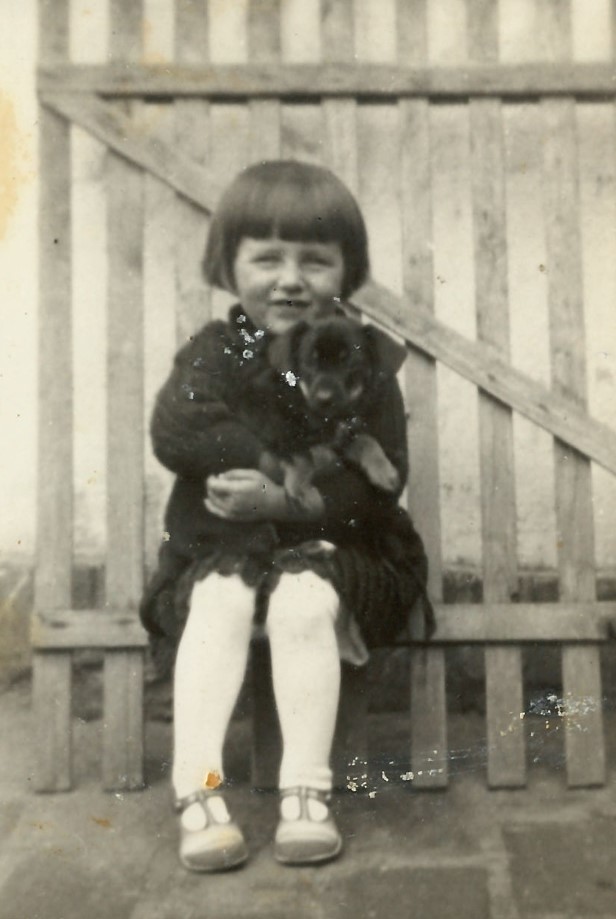
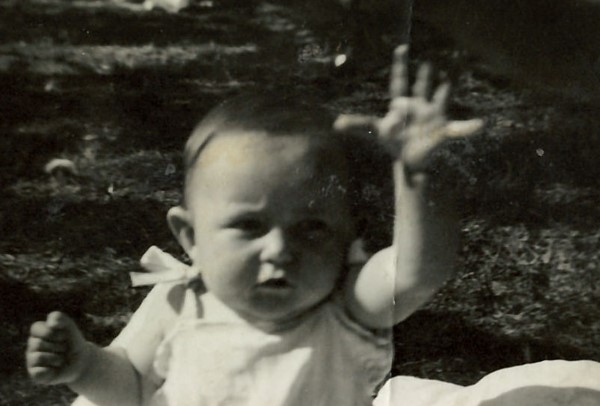
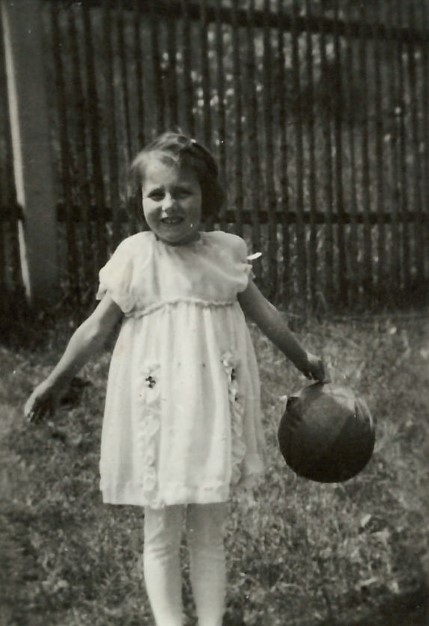
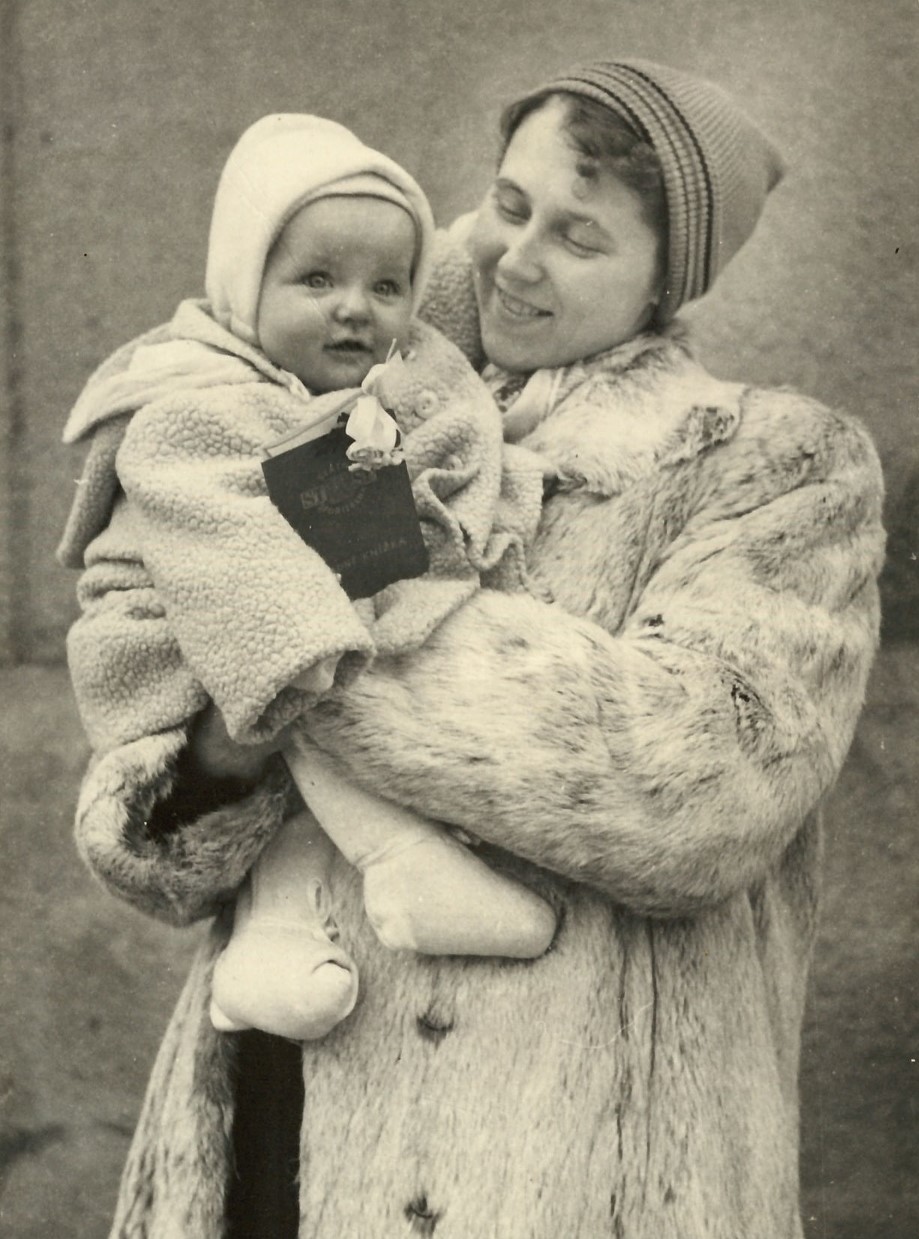
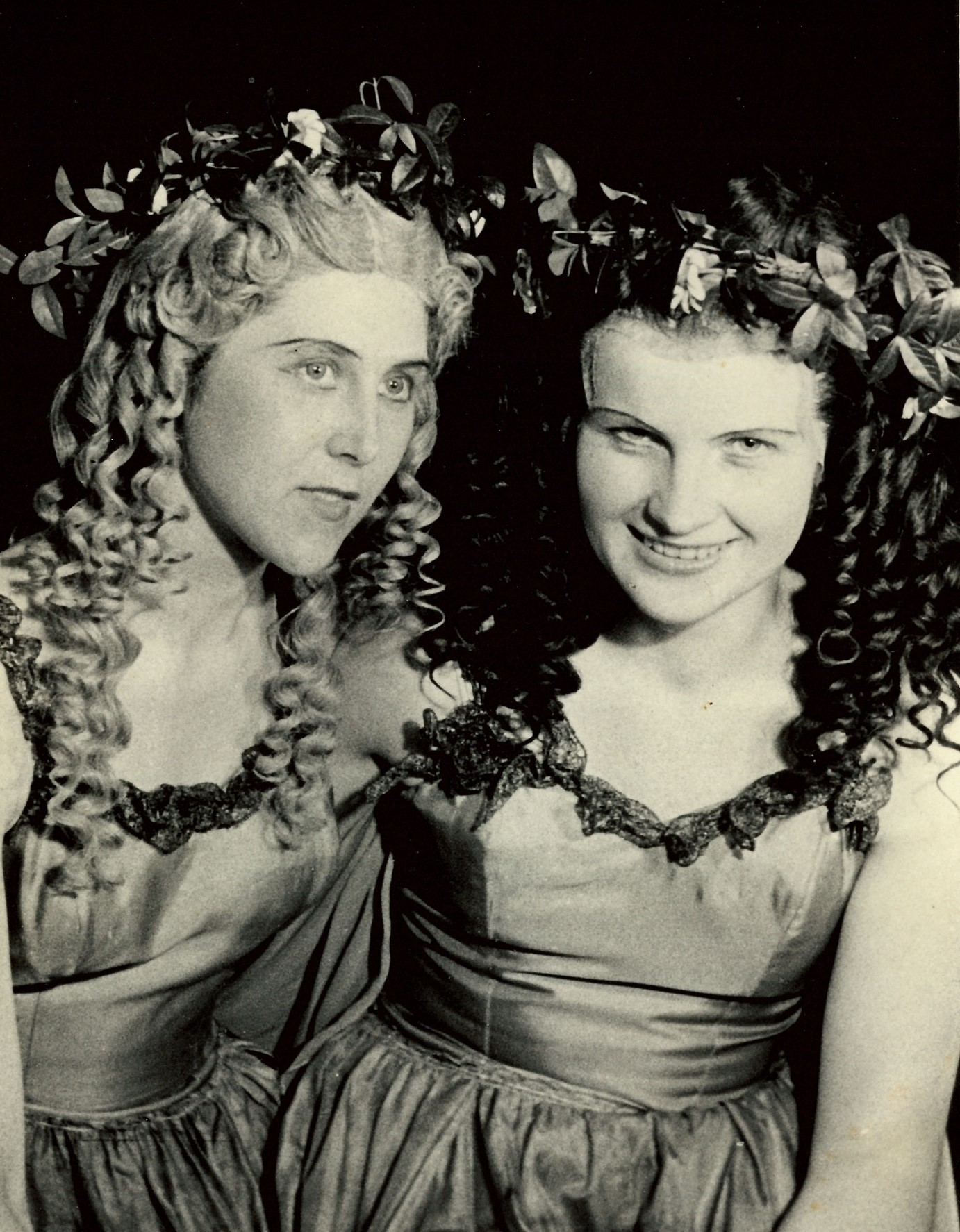
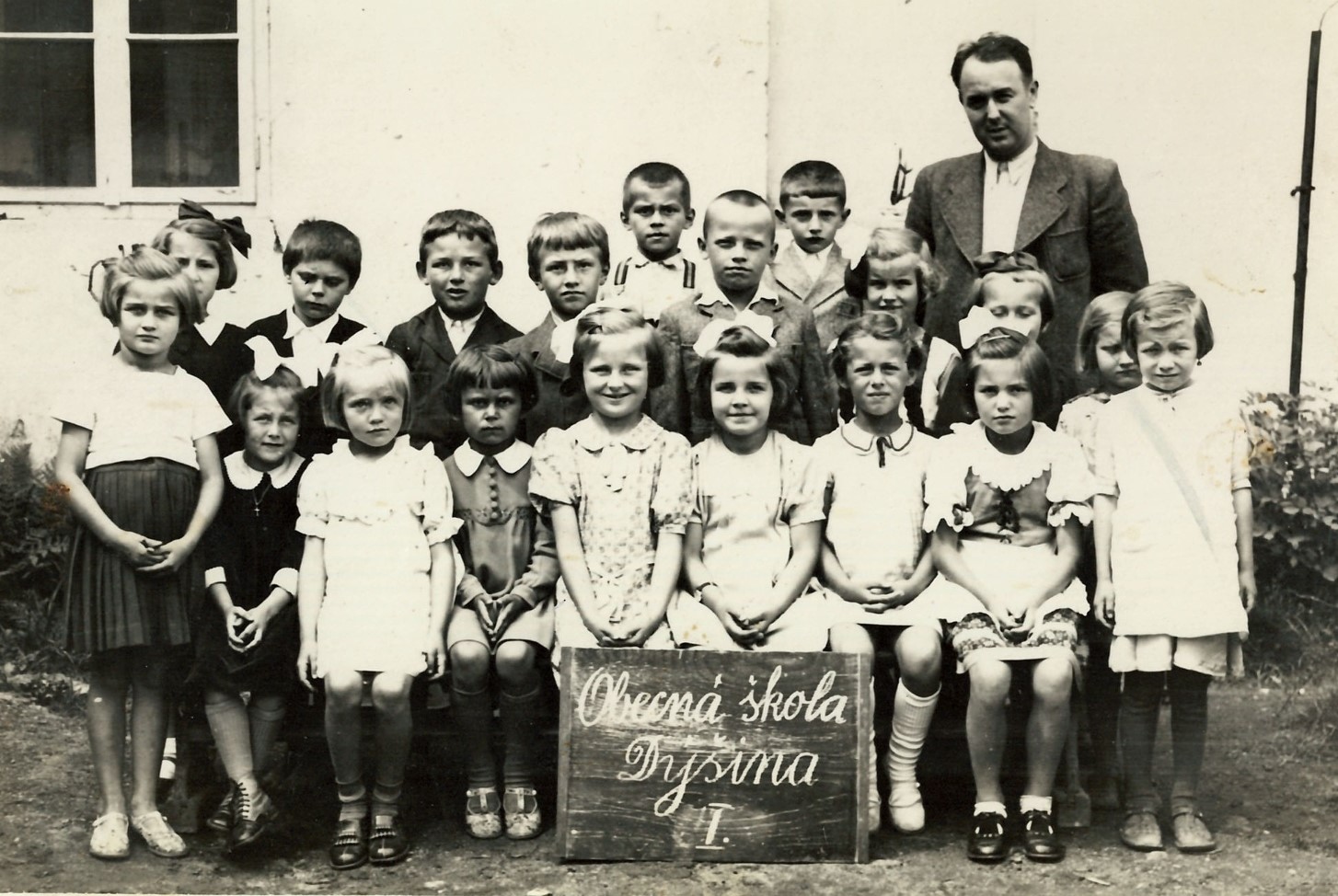
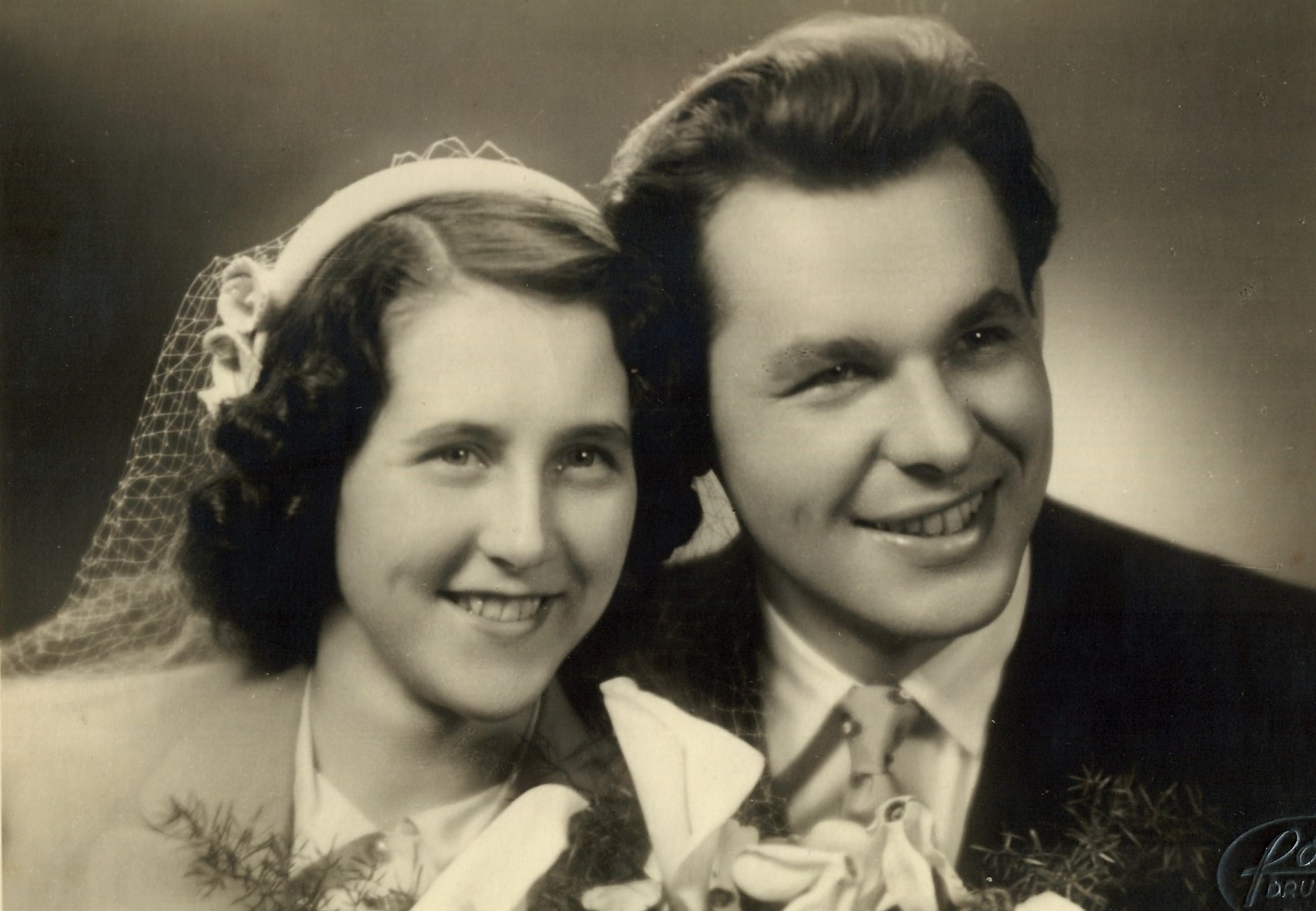
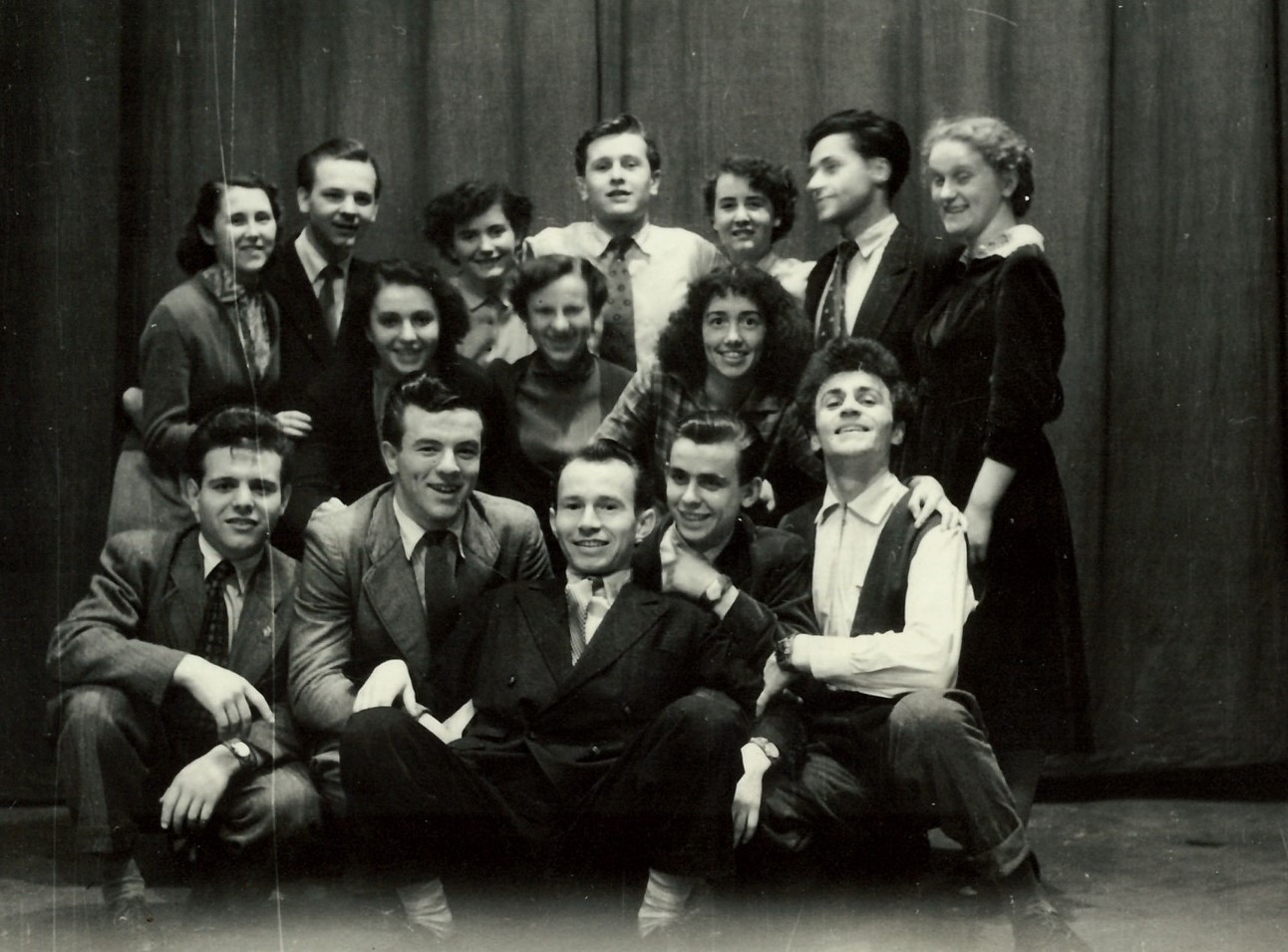
Anna Fenclová, surname Burianová, was born on November 12, 1933 in Plzeň, Czechoslovakia, to Maria and Antonín Burian. Her father Antonín worked in the Škoda factories and her mother Marie was a housewife. She lived through the air raids at the end of the war and the arrival of prisoners from the concentration camps. She studied at the General School of the Protectorate of Bohemia and Moravia in Dýšina. Then she attended the Girls’ Burgher School in Rokycany. After the war she studied at the Private Business School in Konejlov, which was closed down by the communists at the turn of 1947/1948. In 1949-1951 she studied at the State Stenographic School. She worked as a secretary in the Skoda factories in Pilsen and later as a saleswoman and shop manager in a furniture shop. In addition, she was involved in the theatre group of the factory club ROH of Skoda Plants, where she worked from 1952 to 1955. She played there, for example, in A Midsummer Night’s Dream and The Strakonice Bagpiper. She married Bořivoj Fencl and they had two children. Until the Velvet Revolution they lived on the state farm Kumberk. She retired in 1993. In 2024 she lived in Pilsen.