"I was trembling if I would be allowed to graduate. I had finished my exams, and when parents went to jail, I immediately went to tell my class teacher. I didn't tell anyone else, and the fact that I went to school crying almost no one noticed much because of my glasses, and I didn't cry much in public. I can hide my feelings when I need to. And it worked. The class teacher went to the principal and the principal said, "Are they convicted? No. As long as they're not convicted, it's as good as done.' So I was allowed to graduate. I passed the matriculation, as the kids say now, with fours, that means four A's, good. I spoke so good Russian at the graduation that I scared myself. I said to myself, "Jesus, who's speaking Russian here?" I did. I was quite sad when a comrade who was there representing the people as a chairwoman praised us for how ready we were to build socialism. It made me cry. She understood it that I was so moved by her words, but I just felt sorry for how I was going to tell my parents when we were only allowed to write them a letter once a week."
"Either Jirka or Jaromír used to go to Valdice every three month. That was quite gloomy, because the Valdice charterhouse is a sad place. When we got off the train in Valdice, there was always this column of people in nfront of a Sokol gym where we waited. There we handed in our identity card and invitation and then they told us we could go. And then one of the commanders took us through a complicated tangle of corridors, which were characterised by being dark, smelly and decorated with slogans like 'Believe the Party, comrades' or 'With the Soviet Union forever' and so on. So we always got the ideological stuff. Then a table, daddy, two prisoners at one big table and one guard. Daddy and I couldn't even kiss, we weren't allowed to. We had these sterile conversations, he wasn't allowed to get anything, not even a handshake, nothing. It was the same with Daddy and Mommy - we always made sure we were as well dressed as possible, as much in good spirits as we could. That was all we could give. And they accepted it, they took it happily, and I think it made them feel awfully good to see that we were getting on with our lives altogether. They were mainly interested in whether we were going to the theatre, going to concerts, going to the swimming pool and so on. If we were living at all."
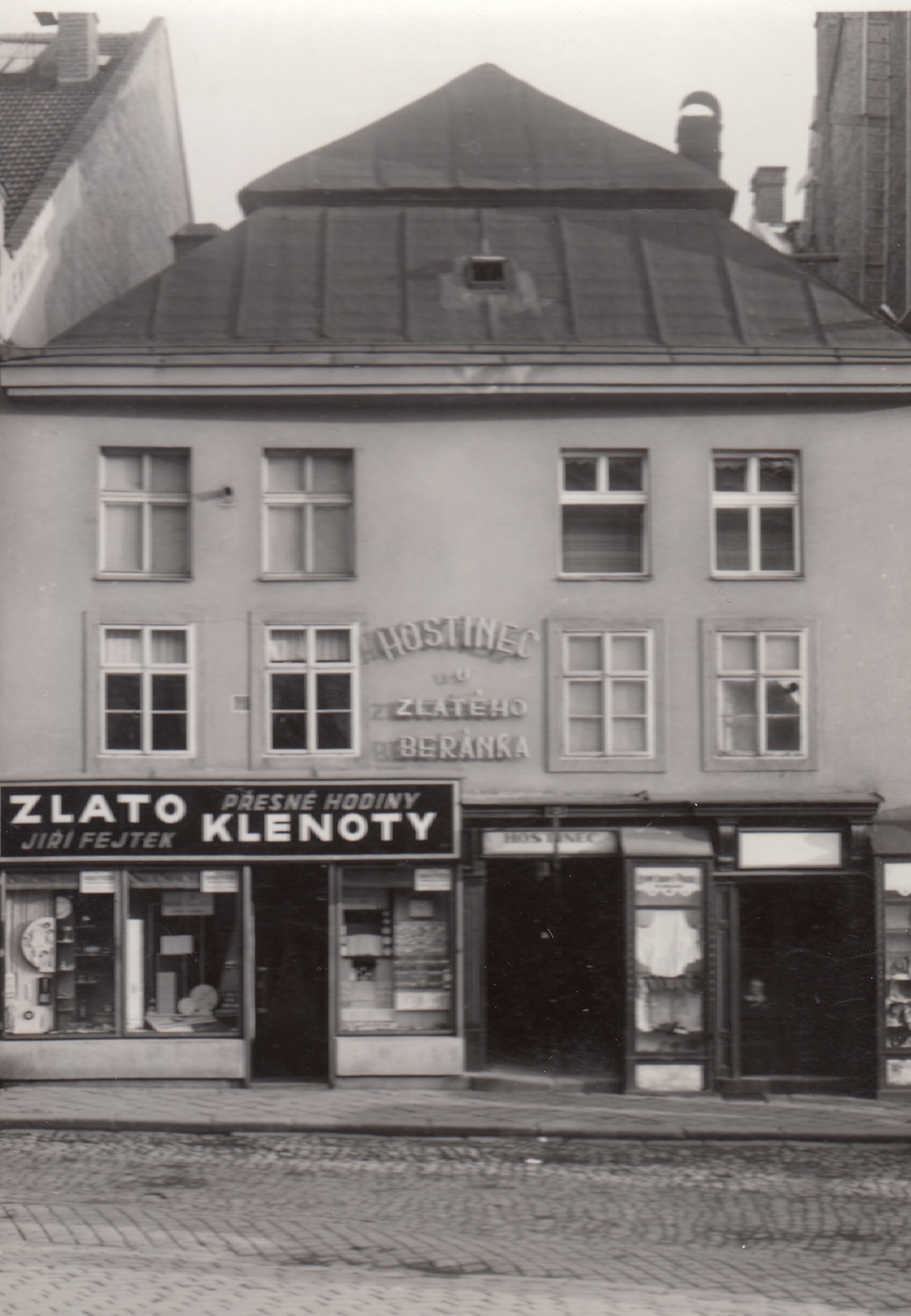
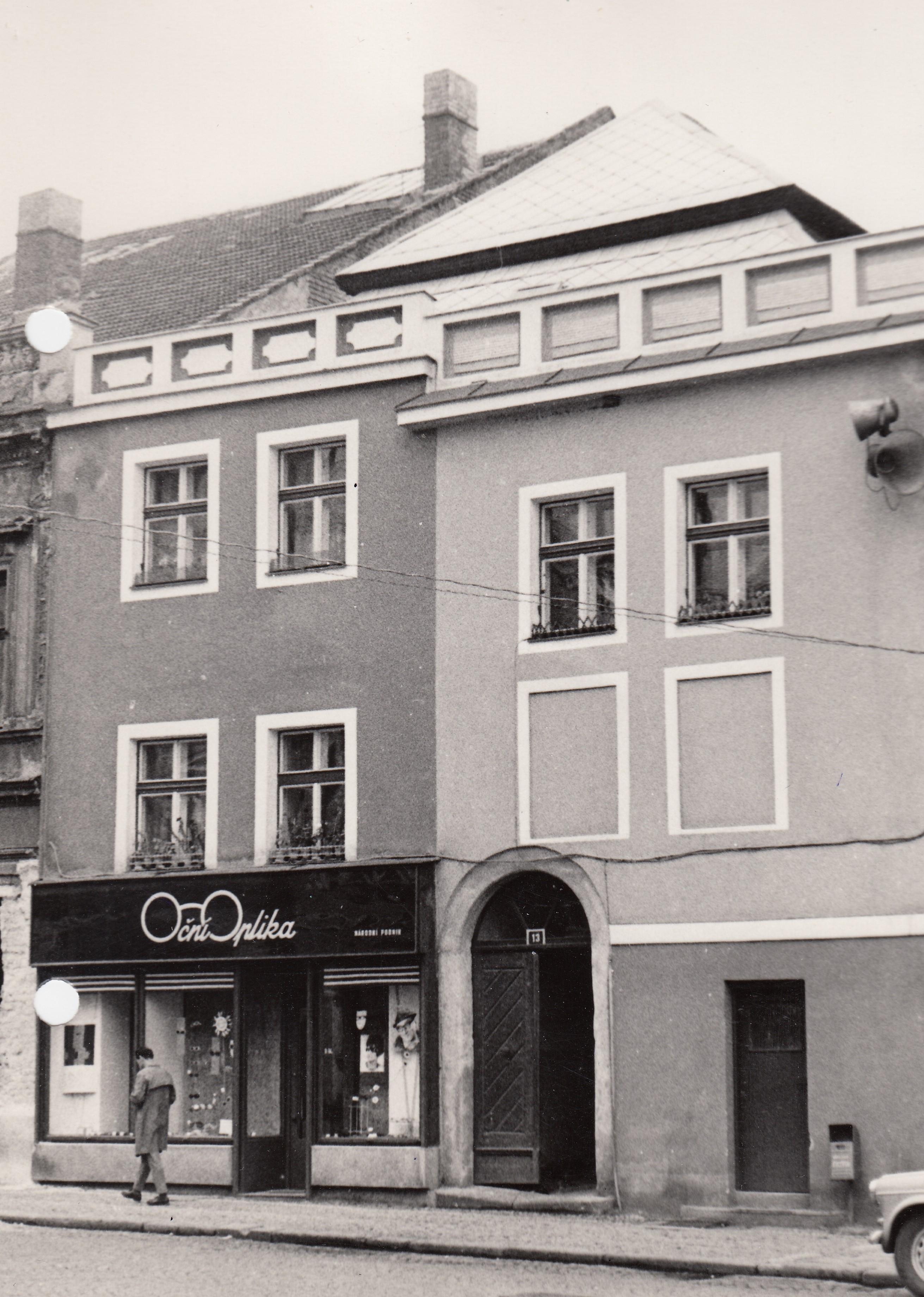
"I had a hard time. We were walking home from the train stop from Dvůr [Králové], where I used to take the train, and at the beginning of the square I saw that the opticians were closed and there was a black sedan in front of the opticians. And it was clear to me what was going on. So I went home all... God knows what. When I opened the apartment, the first thing [I smelled] was a whiff of smoke. My parents didn't smoke, nobody smoked at home. Even my brothers were smoking on the porch. And there were such strange people, open cupboards, and furniture strewn about. Daddy stood in one corner and Mummy in another corner. I could see what was going on. So I went to Mommy, hugged her, kissed her. I said, "Mommy, I'm going to play the organ." - "Yeah, go." And they wouldn't even let me near Daddy. So I went to the choir of the Czechoslovakian Church. I played the organ there until I started crying. By that time, the vicar's son, my classmate, came to me with a clean handkerchief. He said, 'Look, yours is small, it won't be enough.' And after a while he came with a slice of bread and lard. And he says, 'Come, I'll give you some.' I said, 'Well, I'm hungry.' - 'No, come to our place, you'll get some.' So the parish priest took me in and they wasn't sugarcoating it. They said, 'Get ready for the worst. But don't worry, you're strong, you'll survive. And if you need anything, you know where we are.'"
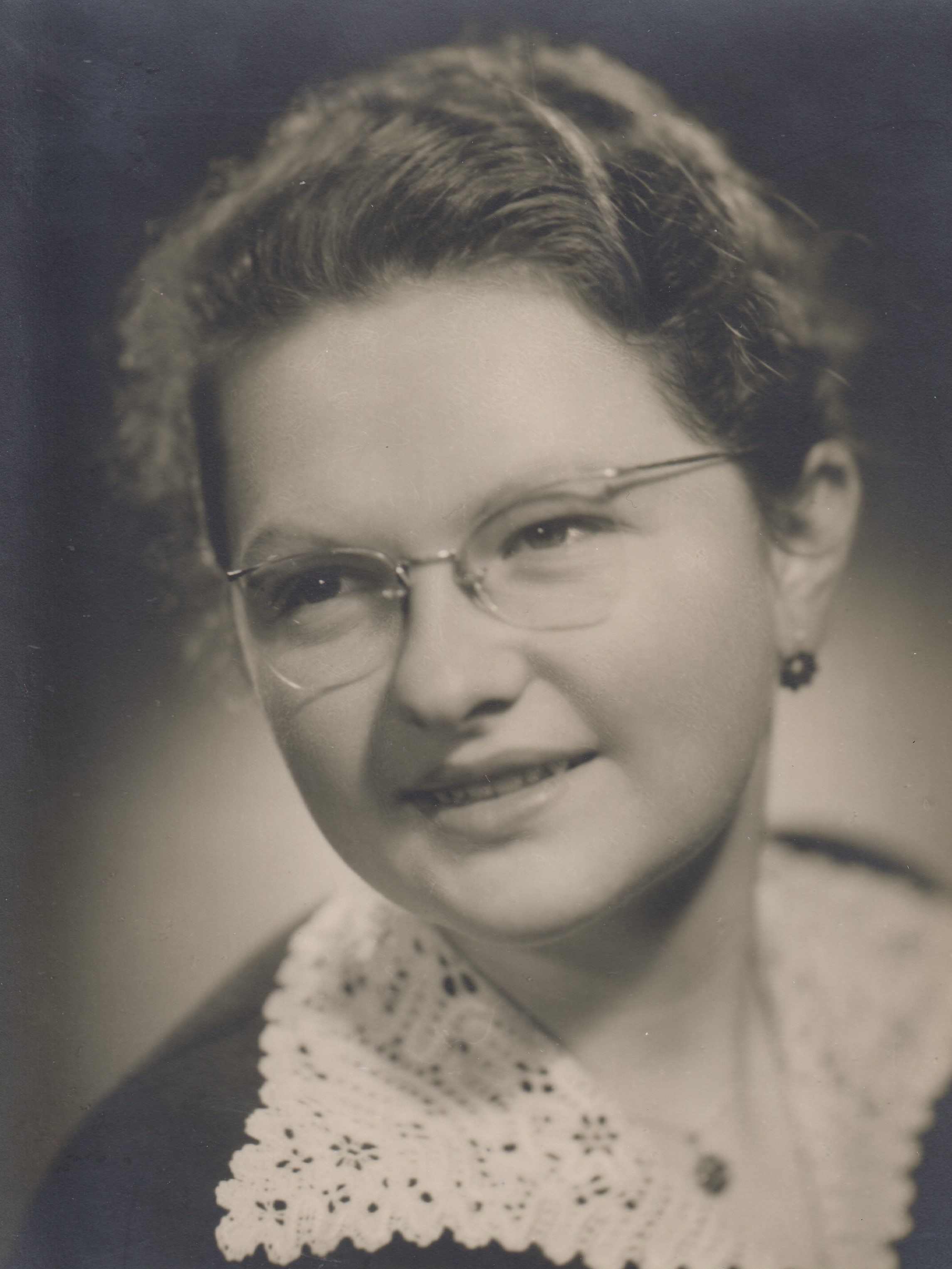
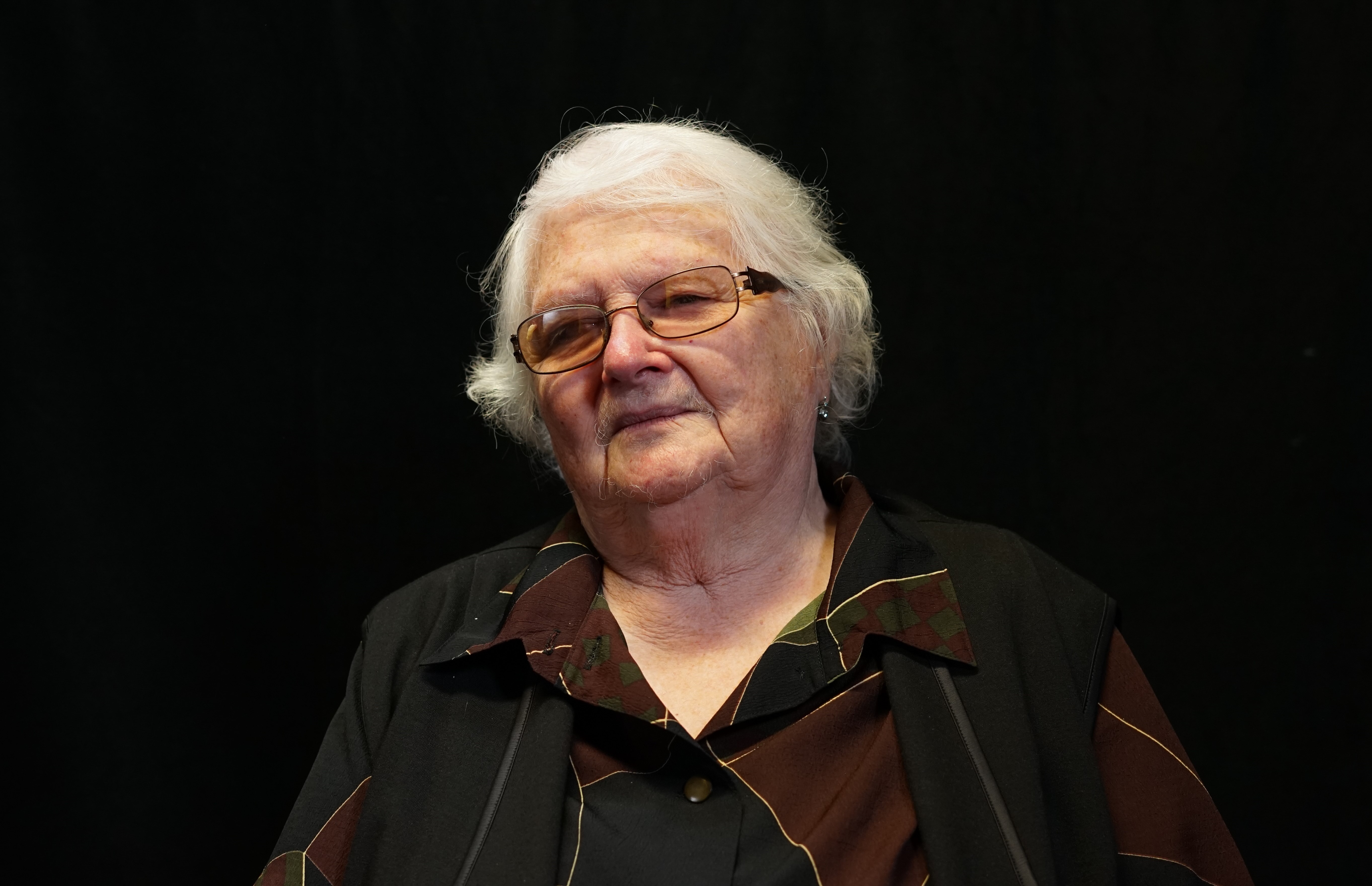
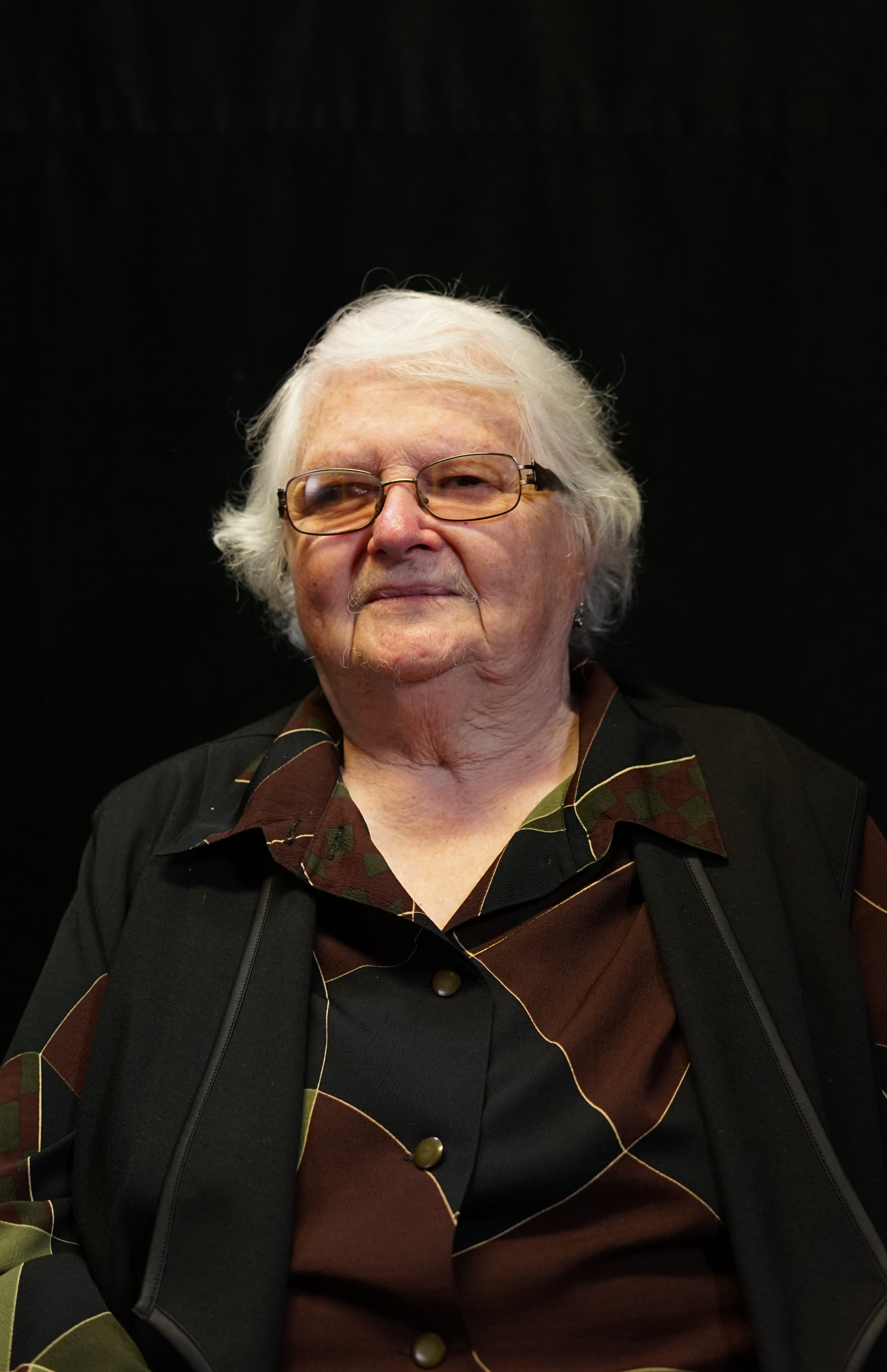
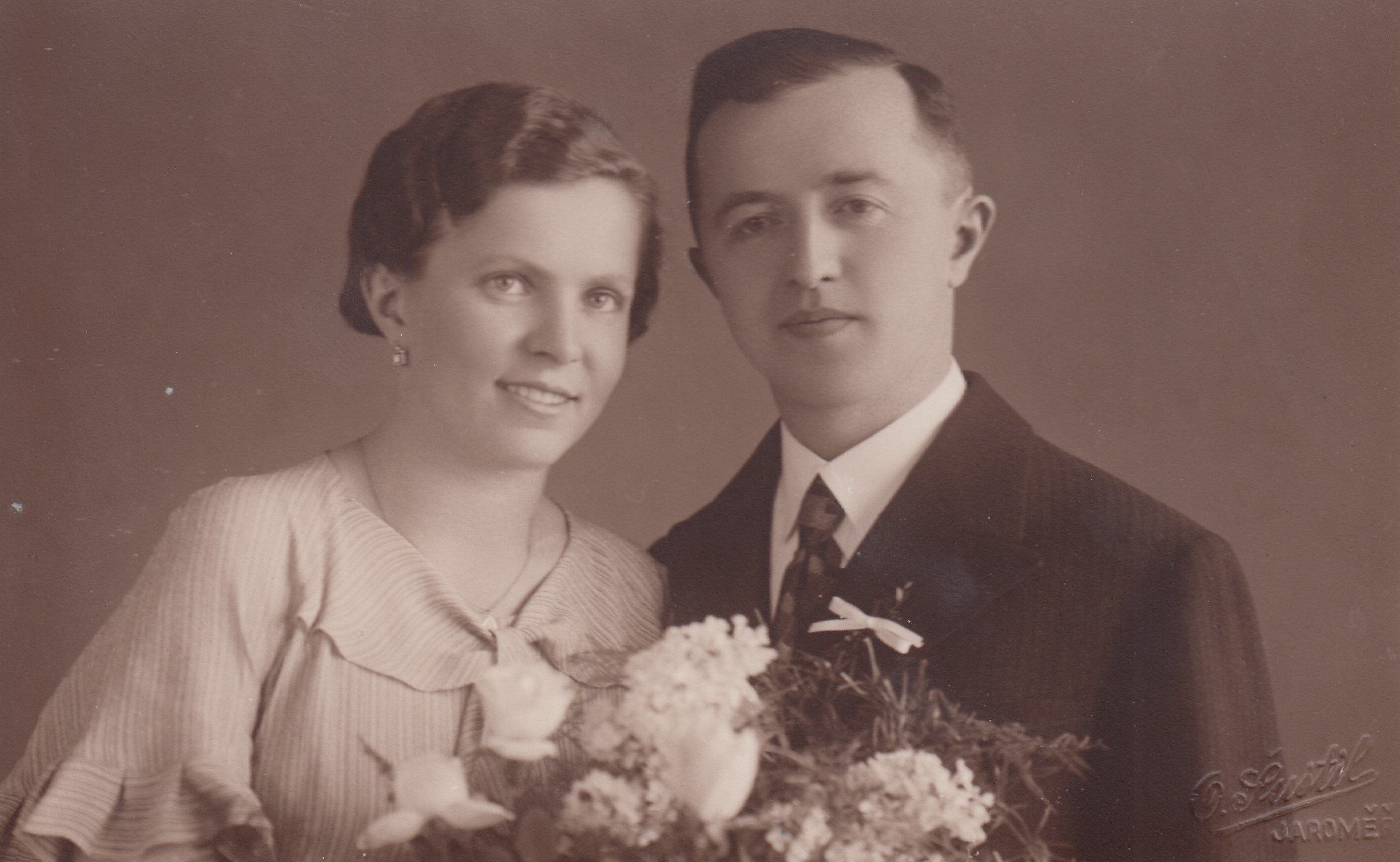
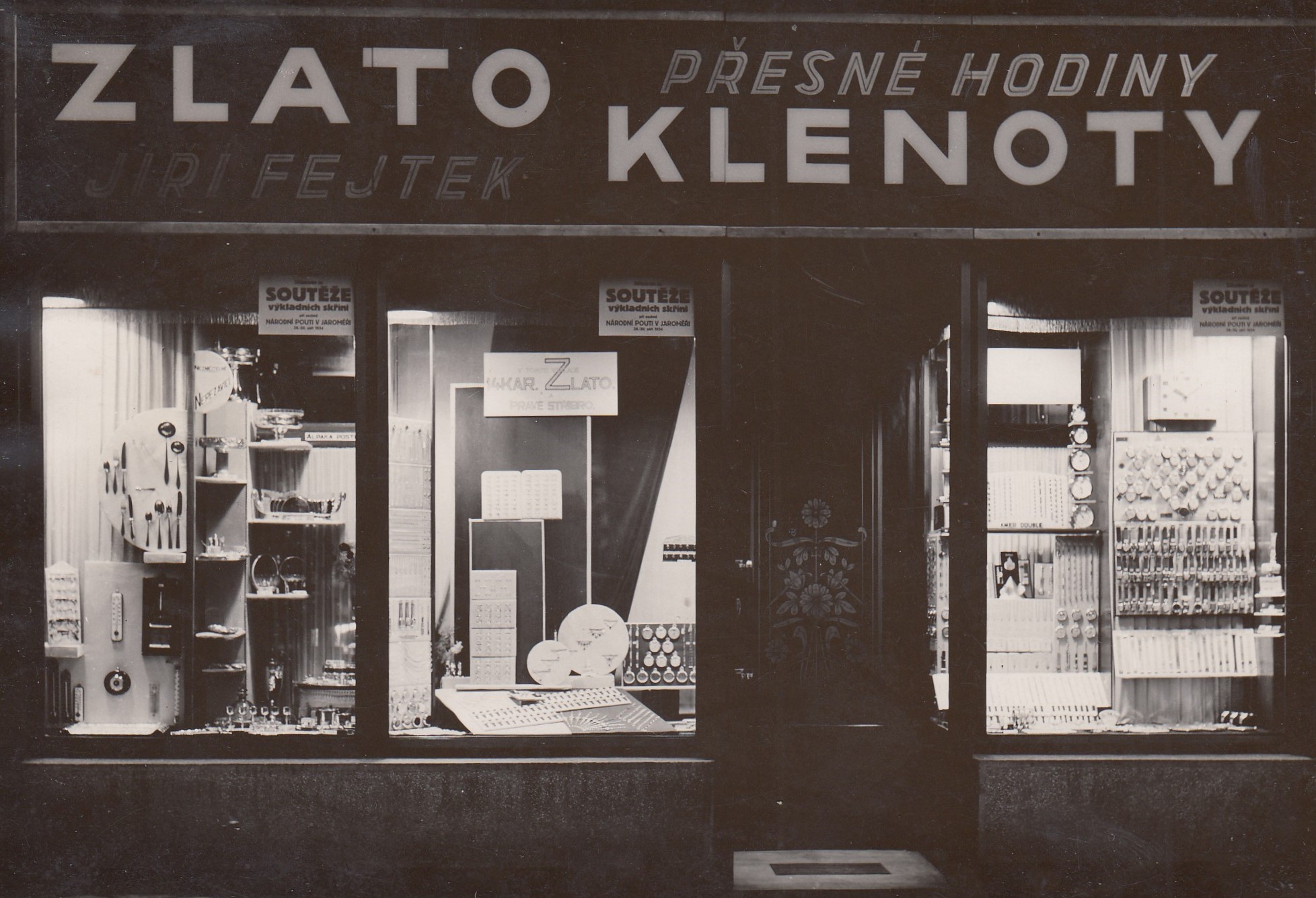
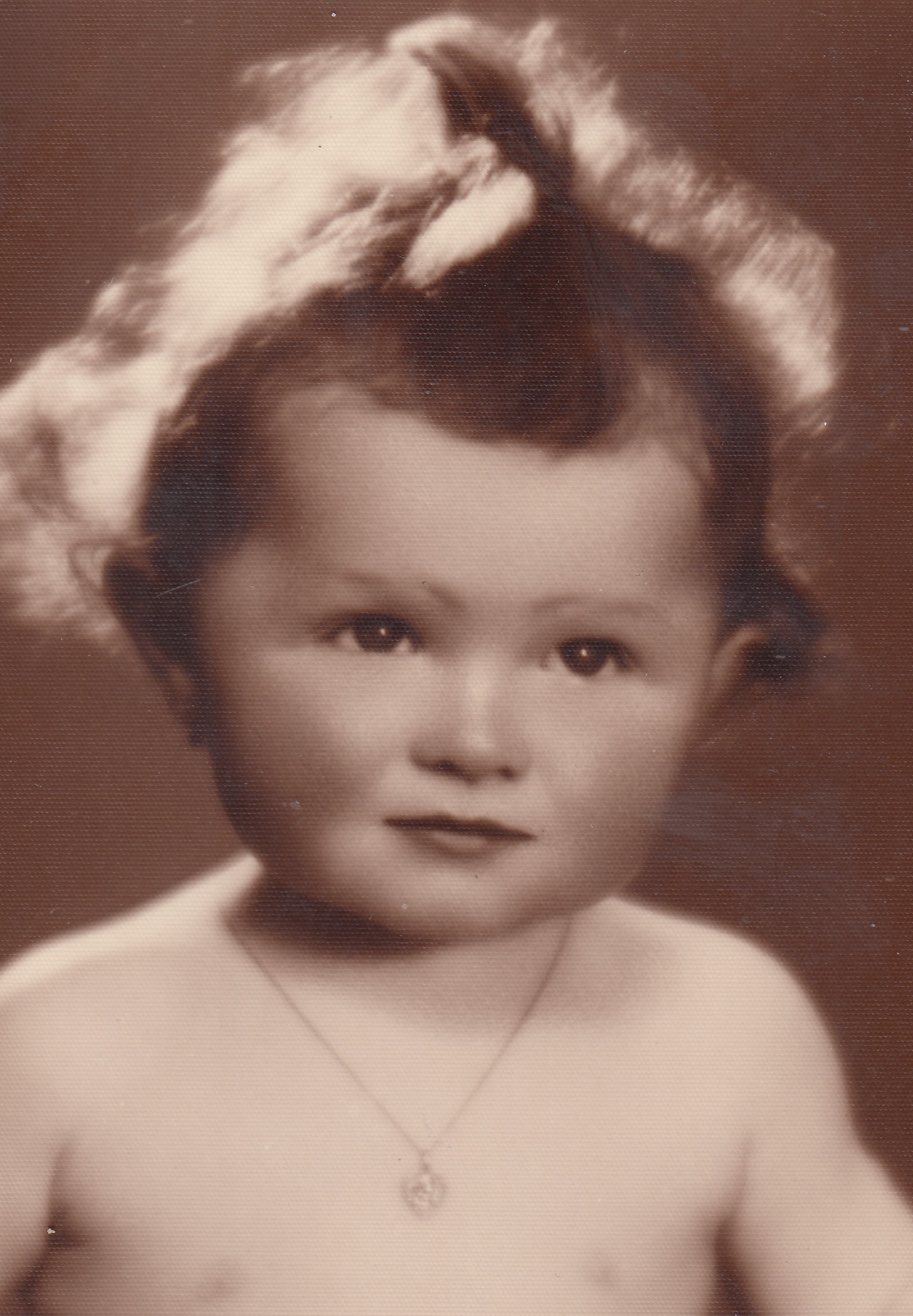
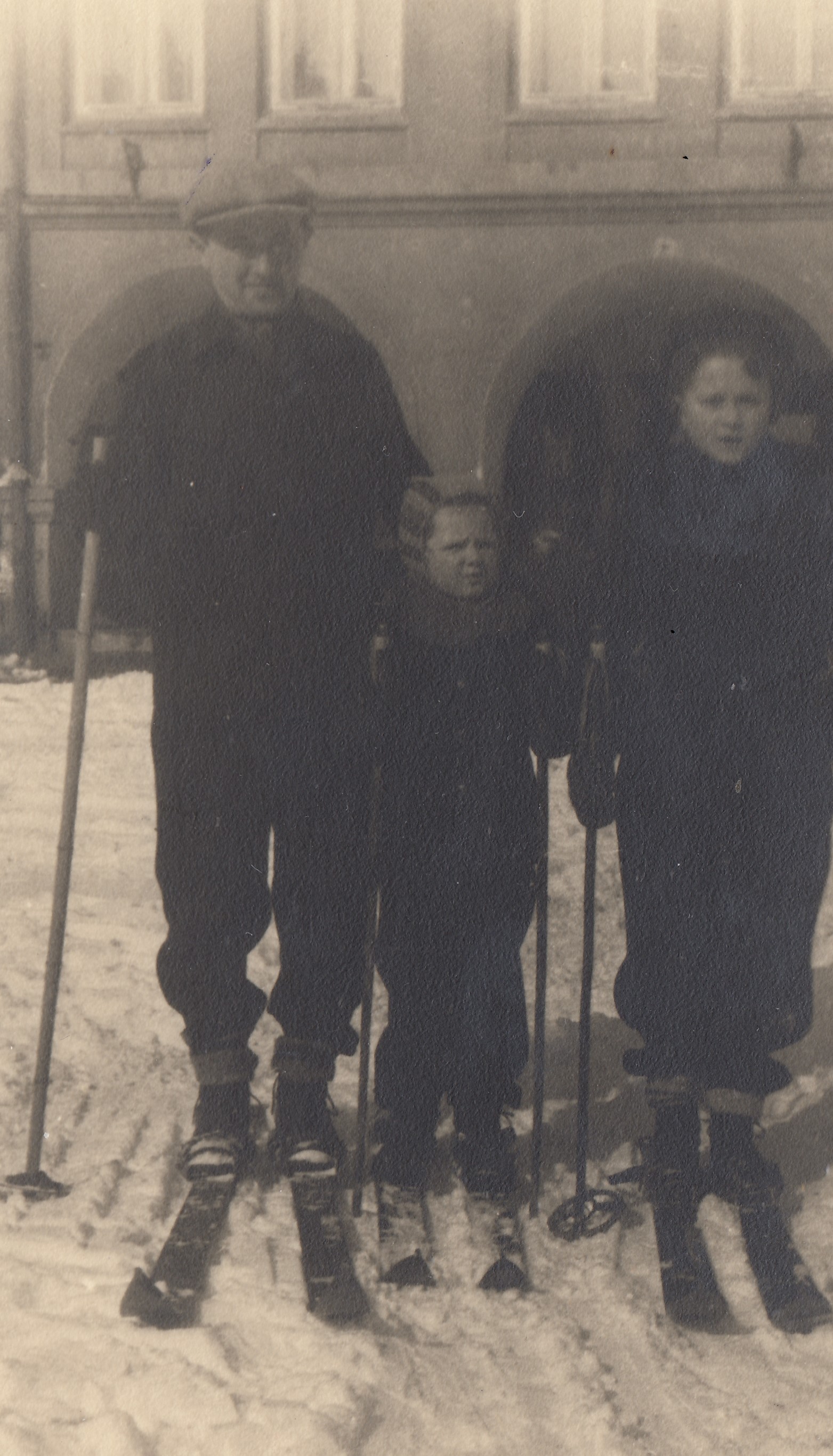
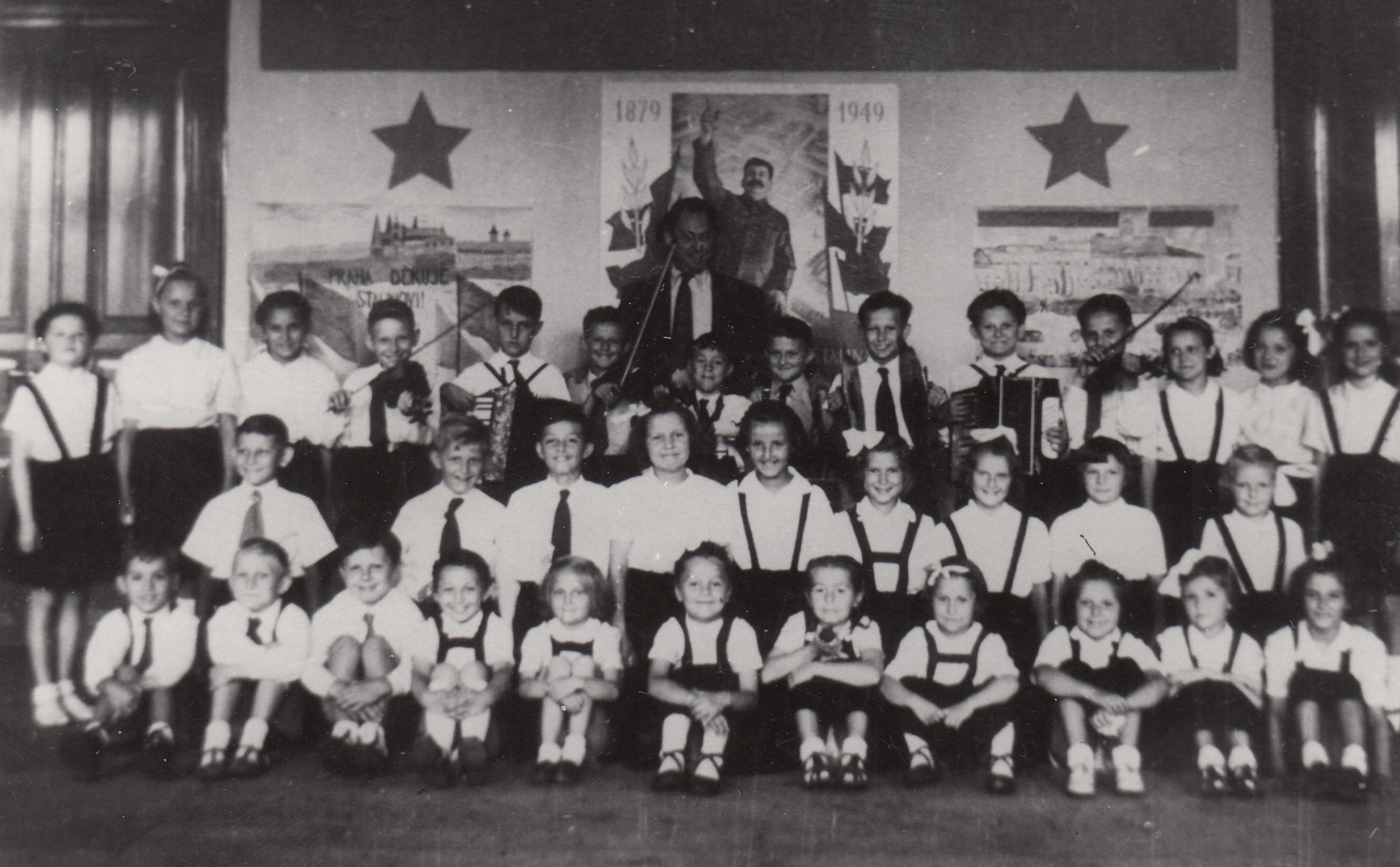
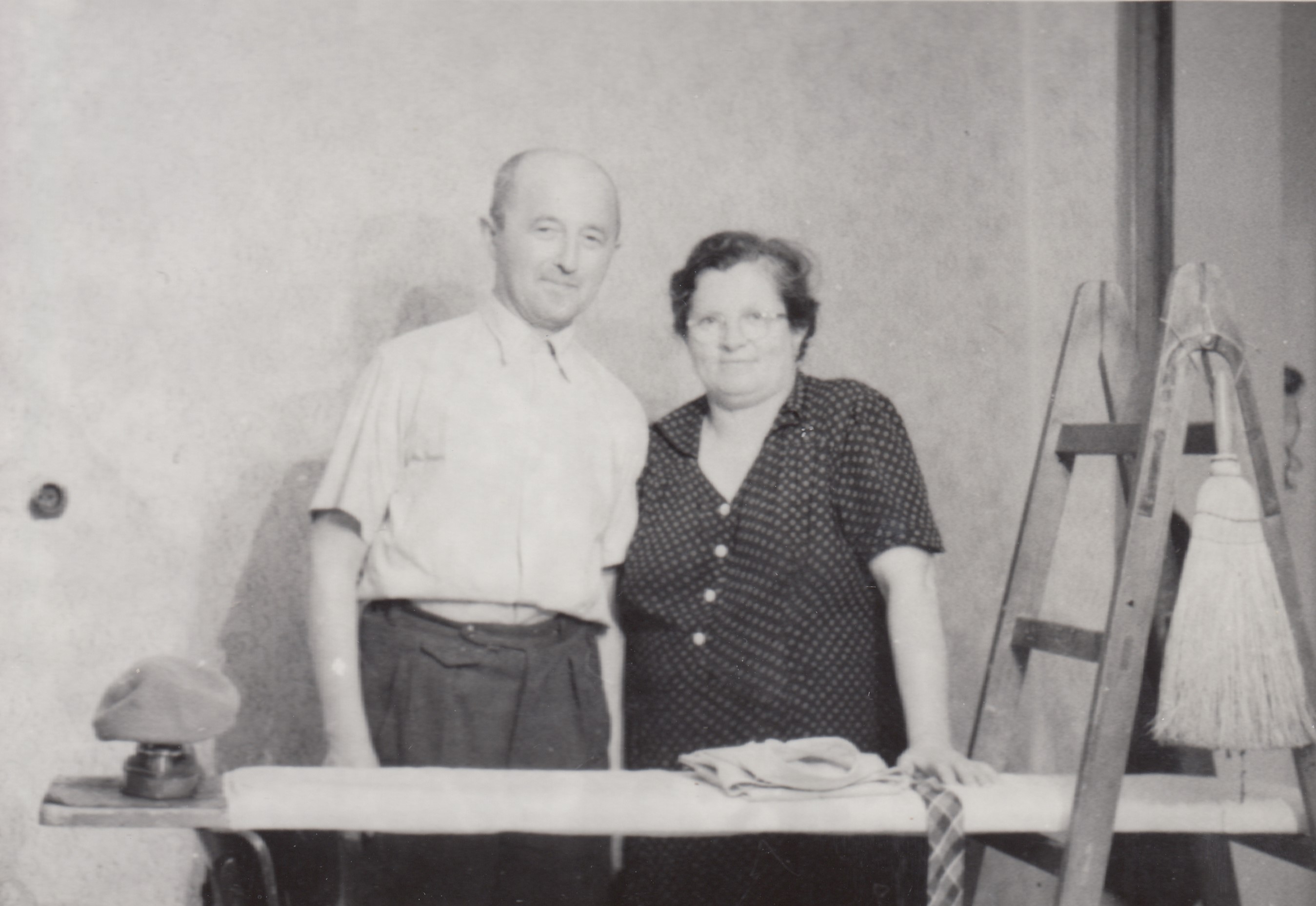
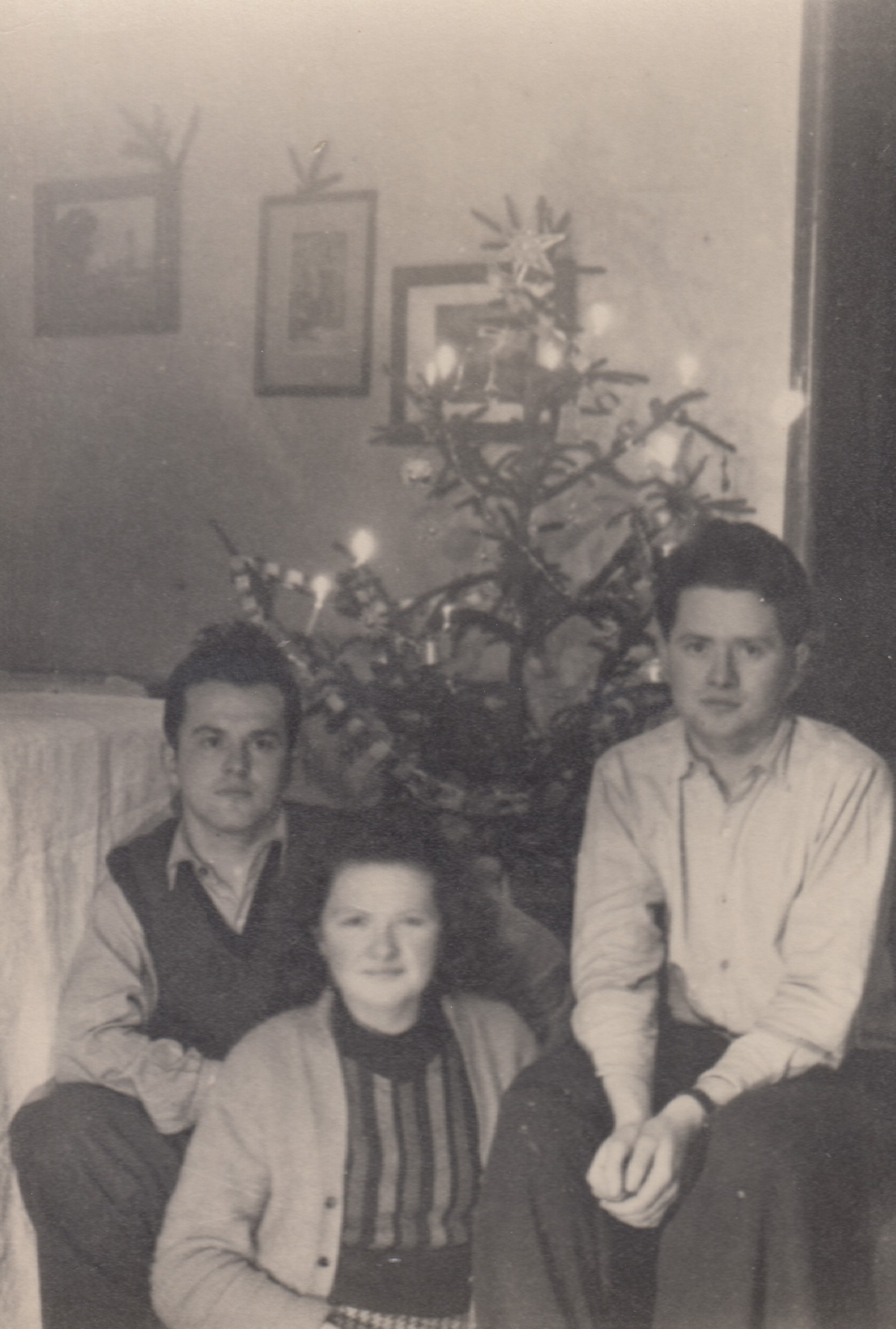
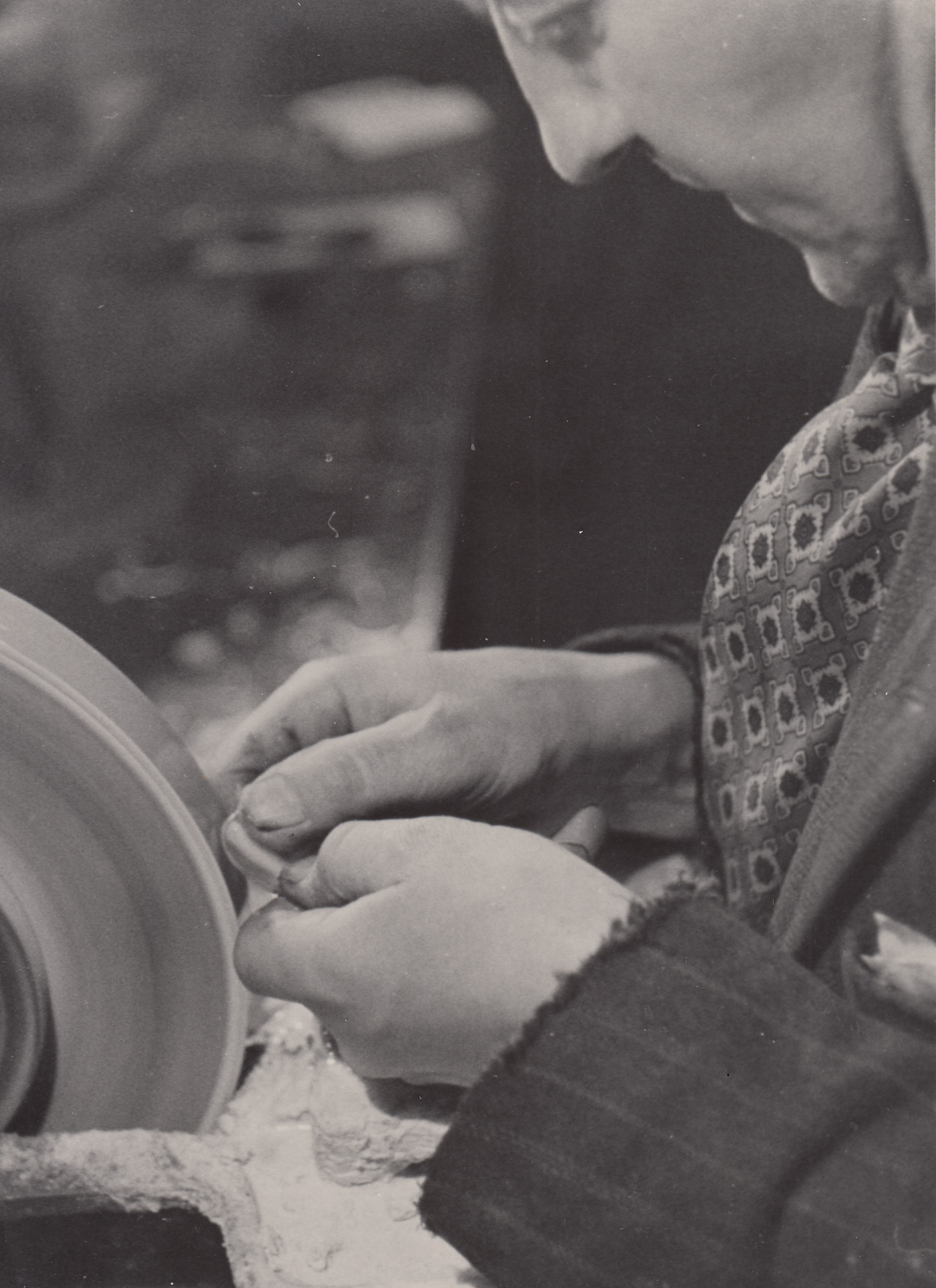
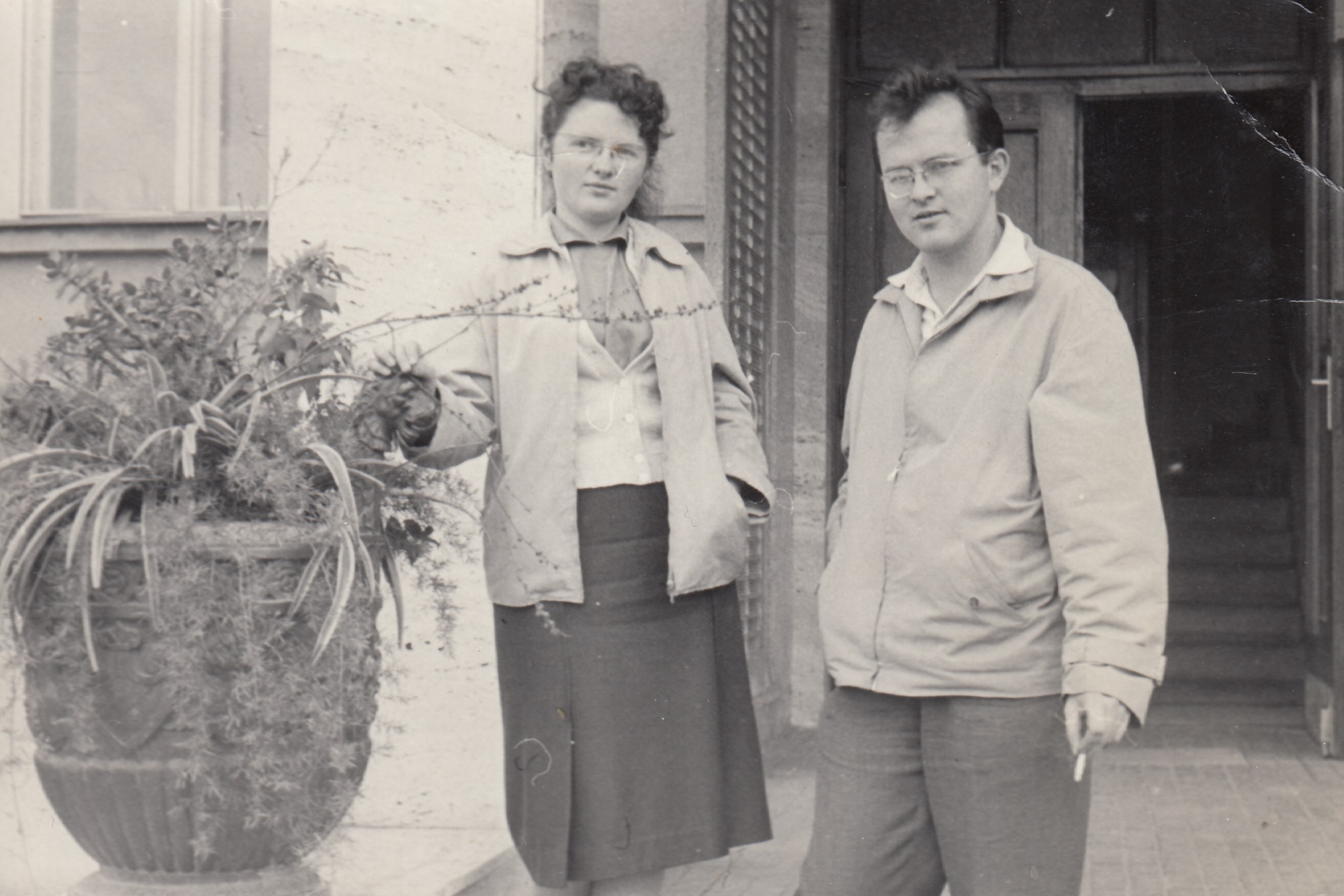
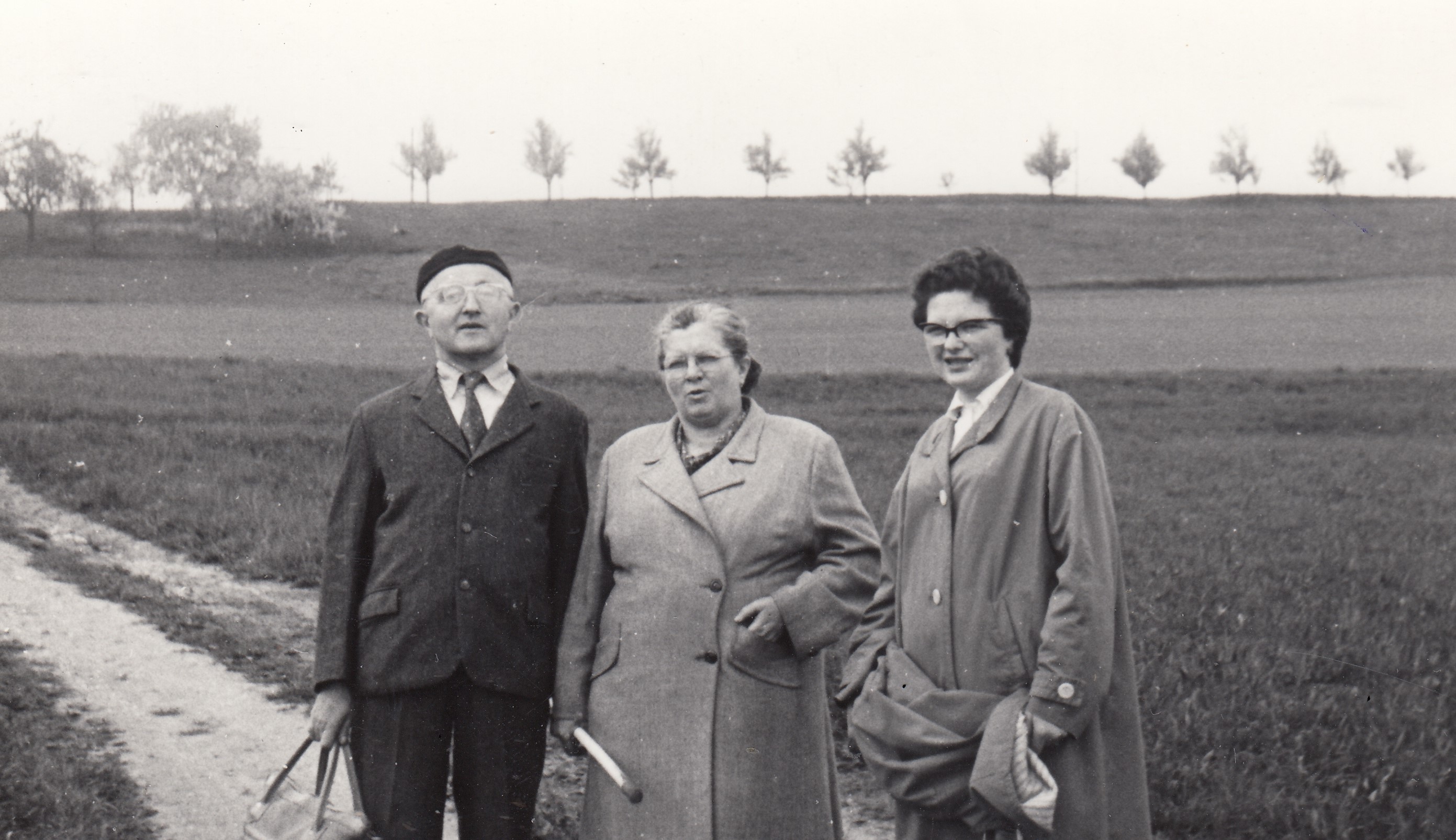
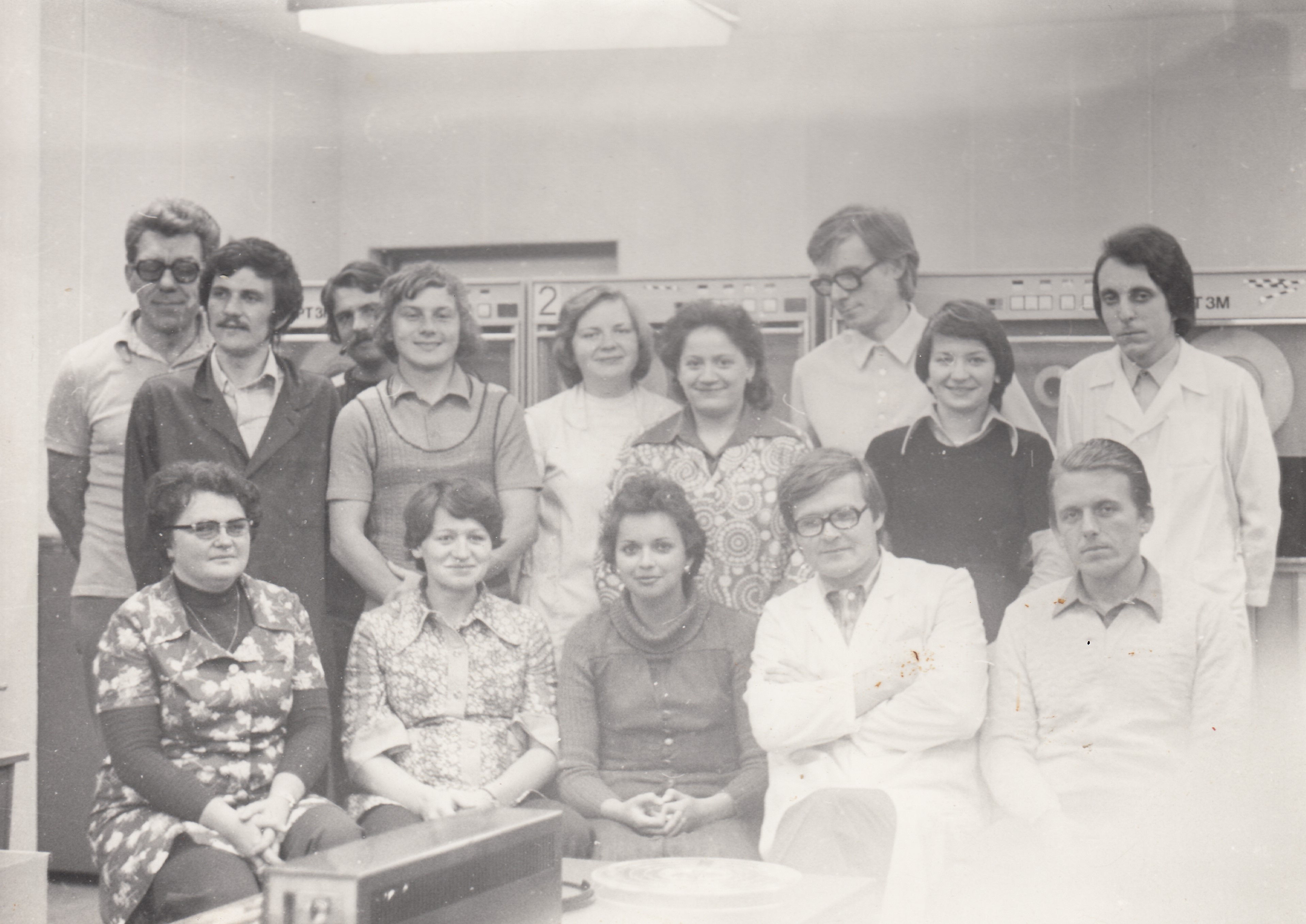
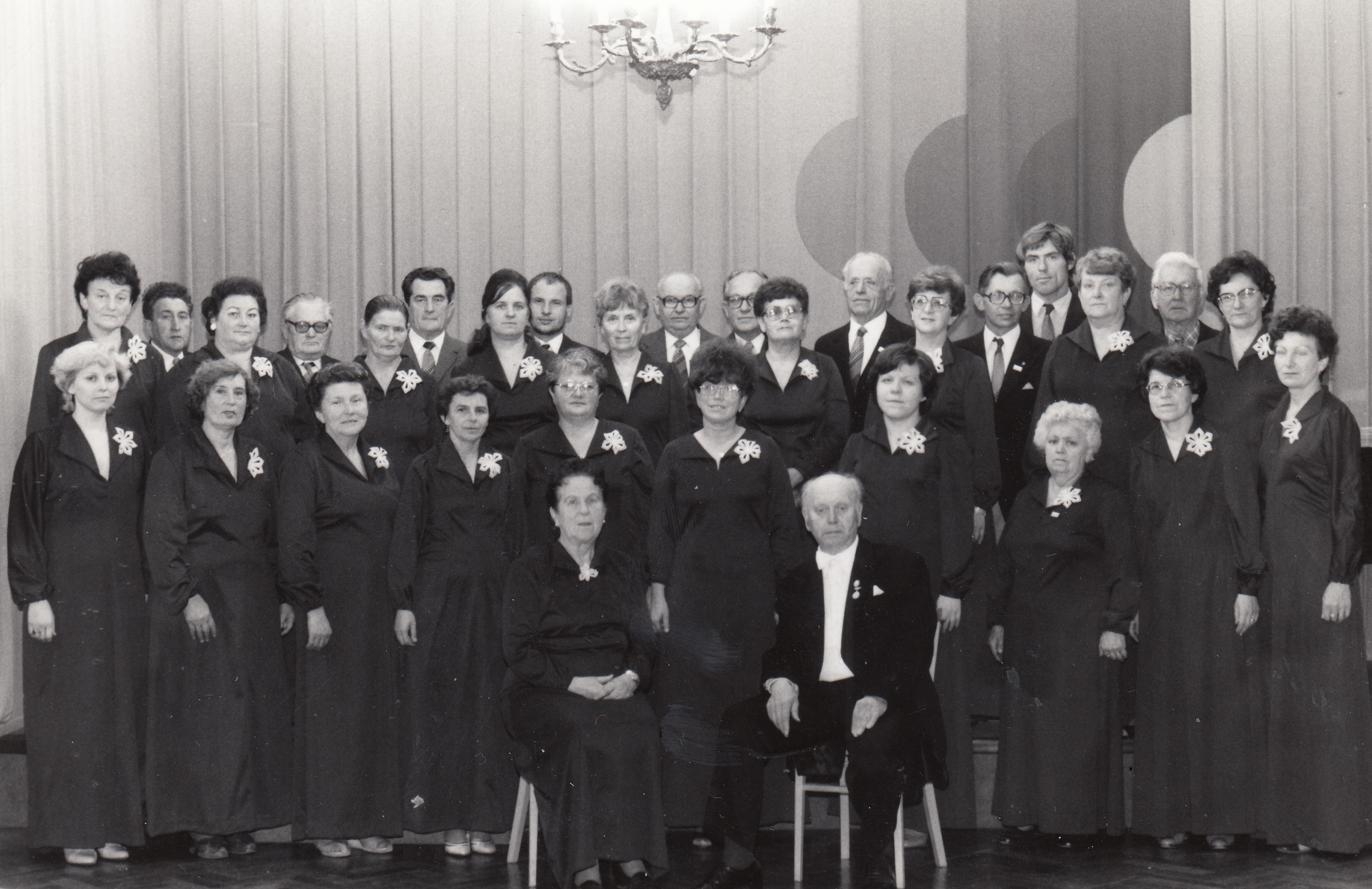
Marie Fejtková was born on 5 February 1941 in Jaroměř into the family of the goldsmith Jiří Fejtka and his wife Marie née Hlinková. She had two older brothers, Jiří and Jaromír. Her grandfather Josef Hlinka was imprisoned for two years during the Nazi era for listening to a foreign radio. After primary school in Jaroměř, she studied at the secondary school of economics in Dvůr Králové, where she graduated in 1959. After 1948, the family jewellery store was taken away from them and in 1959, after a search, her parents were arrested and convicted of speculation and foreign exchange violations. The parents’ property was seized, and brother Jaromír was expelled from college. Her mother served four years in a prison in Pardubice. The father was imprisoned in Valdice and after he went completely blind, he was released early in 1963 after several transfers. The witness was in Paris during the 1968 occupation, but returned home. She worked as an analyst and programmer at Orgalen in Dvůr Králové and then as the head of the new computer centre at ZAZ in Jaroměř. She refused to join the Communist Party several times. She graduated from the University of Economics in Prague. After 1989 she was a councillor in Jaroměř. She sang in the chamber choir Cantus, played at church services and in retirement taught at several schools. In 2000, the Supreme Court overturned her parents’ sentence. In 2025 she lived in Jaroměř.