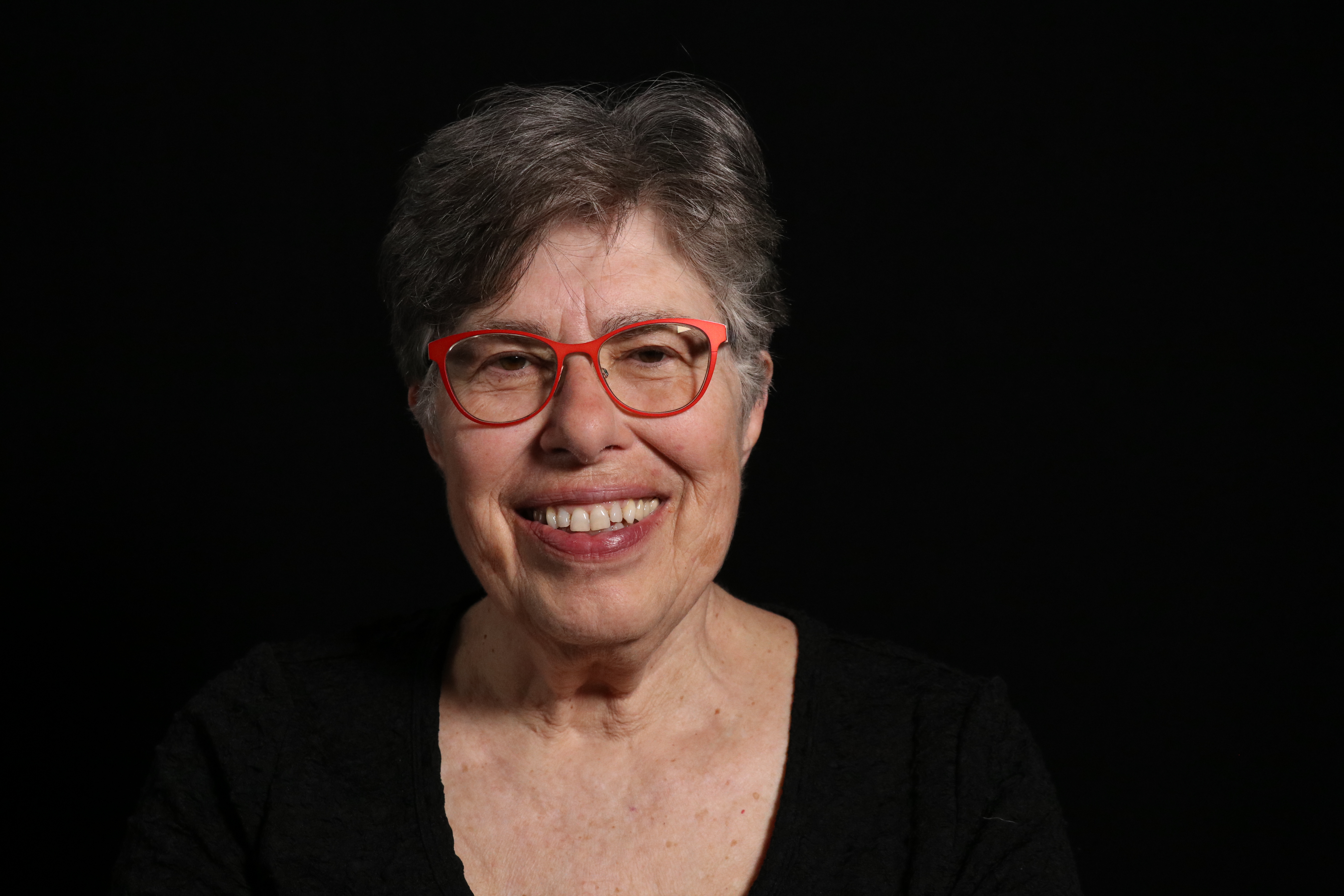
Helen Epstein

* 1947

  • "When I am in the Czech Republic, I feel that everyone is traumatized. I think the second and third generation are traumatized in the same way, maybe not to the same extent, but in the same way that I wrote about. Because here there was so much imprisonment... My parents - even though they were in a concentration camp and it was really, really horrible, starving and so on - it only lasted three or four years, whereas here there were people who were imprisoned for twelve years. What happened to their children? Did they not see their parents for twelve years? What is the impact of that? Then a parent comes out, usually the father, and he's had twelve years in prison. What happens to that person? Does he drink or become violent? I mean, all these themes that I've written about in connection with the Nazi concentration camps apply to people who are in communist prisons."

  • "No one was interested in discussing it. The survivors wanted to draw a line behind the war, they didn't want to think about anything that was bothering their children, they wanted their children to be normal Americans. And psychiatrists were very influenced by Freud, so they didn't think about sociology, politics, war, or trauma at all. Trauma didn't start to be studied until the 1980s, so there was no academic framework for it, no political framework for it. Nobody was interested in it. And when I went to my editors that I had this idea - this group of people, blah, blah, blah... - they asked, 'Are there any promotional materials, letterhead, an organization for this?' I said, 'No, no, no.' They said, 'Does Elie Wiesel attest to your existence?' I said, 'Why do I need Elie Wiesel? I exist, obviously. Both my parents were in concentration camps, all my grandparents were murdered. What more do you want?' 'No, that's not enough.' So I kept writing about music, about musicians, until finally, in that stupid American way - maybe it's the same in Czechoslovakia, although it's different here because it's much smaller here, so everybody knows more about things - but in the United States it happened that an Israeli psychiatrist got a scholarship at Stanford University to study the children of Holocaust survivors. Stanford University had a very good publicity department; they sent some announcements to Time magazine. Time magazine wrote a short paragraph about the intergenerational transmission of trauma, and it was only then that someone at the New York Times said, 'Oh, Helen's been talking about this for five years! Maybe she should write about it.‘ So then they finally commissioned me to write a big article for the Sunday supplement. At the time, the Sunday supplement had two million readers in America, and then it was distributed all over the world, so it was a huge audience."

  • "I arrived in Prague at the train station and it was a terrible shock to hear Czech on the loudspeakers because I had never heard Czech in a public space before. It was a huge shock, it was very confusing. And the other thing was all the people, the men who were selling jeans on the platform - in Czech - and they were also offering in Czech to exchange money, to exchange dollars. So it was really, really, really a shock to me because Czech was something I associated with family, with intimacy, and a very small group of people, and here it was everywhere."

  • "Terezin was completely... How do you say 'unique'?" - "Unique." - "Unique camp because it was universal. It was for transit, it was a concentration camp where people died, but people lived there too. And people did all kinds of artistic things there. And most of the people who were there were Czechs. That's also very, very important. Primo Levi describes in his book how difficult it was for him because his language was Italian and nobody in the concentration camp spoke Italian. In Terezín, everybody spoke Czech at the beginning. Not only that, but they knew a lot of each other from Prague. When my mother got there, there were a lot of women who knew her and my grandmother's salon. And the competition. She was lucky that one of the competitors had already gotten a job as a boss in a sewing shop and she immediately took Mum and said, 'This is where you're going to work.' That was very important, not only because she was doing something she knew how to do. But that she was inside. She wasn't outside. I think that saved her life on one side. And on the other hand, she had her husband there."

  • "You can't imagine how strange all this sounds in America in the English language. Because everything was so weird. Also, in America, most of the Jews are not from Central Europe, they're from Eastern Europe. They speak Yiddish, they have a different culture, different food, different songs. Nobody knew anything about the world where my parents came from. Slogans like AK-1 or Terezín ... Nobody knew Terezín, everybody knew Warsaw Ghetto. It was as if they came from Mars."

  • Full recordings
  • 1

    Praha, 22.04.2025

    (audio)
    duration: 02:04:55
    media recorded in project Stories of the 20th Century TV
  • 2

    Praha, 23.04.2025

    (audio)
    duration: 01:38:43
    media recorded in project Stories of the 20th Century TV
Full recordings are available only for logged users.

We who came after the war
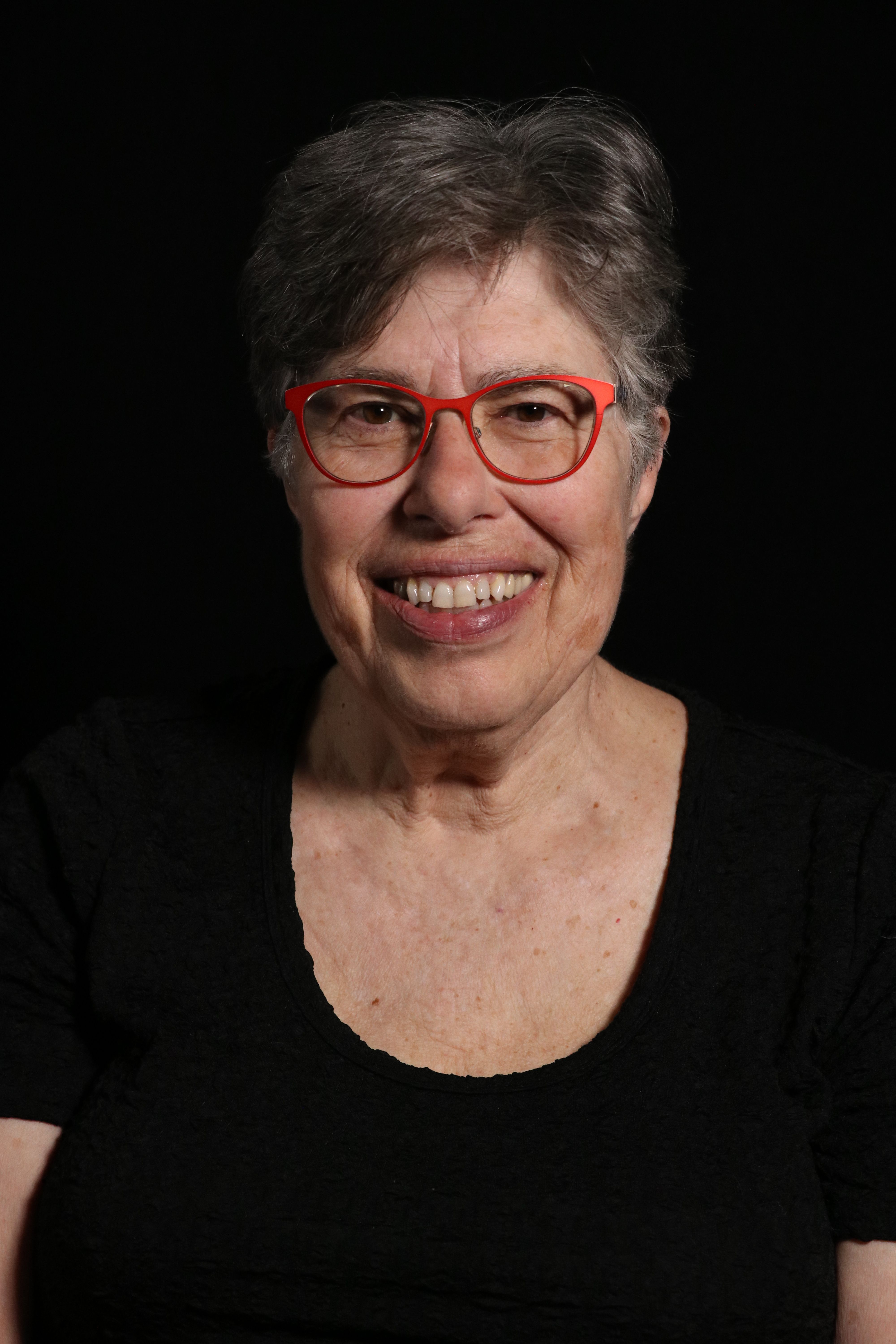
Helen Epstein in 2025
photo: Post Bellum

American journalist and author Helen Epstein was born on 27 November 1947 in Prague to Jewish parents who survived the Holocaust. Her father, Kurt Epstein, was a competitive swimmer and water polo player who represented Czechoslovakia at the Olympic Games in Amsterdam in 1928 and Berlin in 1936. His mother Franci, née Rabínková, trained as a seamstress and designer before the war and with her mother owned the Weigert fashion salon in Prague’s Spálená Street. Both Kurt and Franci passed through Nazi camps during the Holocaust, including Auschwitz, and lost their families. They married in 1946 and emigrated to America with Helen, who was less than a year old, after the communist coup. They found a new home in New York. After graduating from high school in 1965, Helen entered the City College of New York and from 1967 studied literature and musicology at Hebrew University in Jerusalem. In August 1968, during a holiday trip to Europe, she visited her hometown for the first time in 20 years and lived through the first days of the Soviet occupation in Prague. She described her experience in a report published by the Jerusalem Post, which led to a job as a journalist at the newspaper. She returned to America from Israel in 1970, completed graduate studies in journalism at Columbia University, and wrote for the New York Times, the Washington Post, and other newspapers. In 1979, she published a groundbreaking book, Children of the Holocaust, which focused on the intergenerational transmission of trauma to the so-called “second generation,” the descendants of Holocaust survivors. She also dedicated other books to the trauma, Jewish history and her family history. In 1981, she was appointed professor of journalism at New York University. She raised two sons and lives in Massachusetts, but enjoys returning to the Czech Republic.