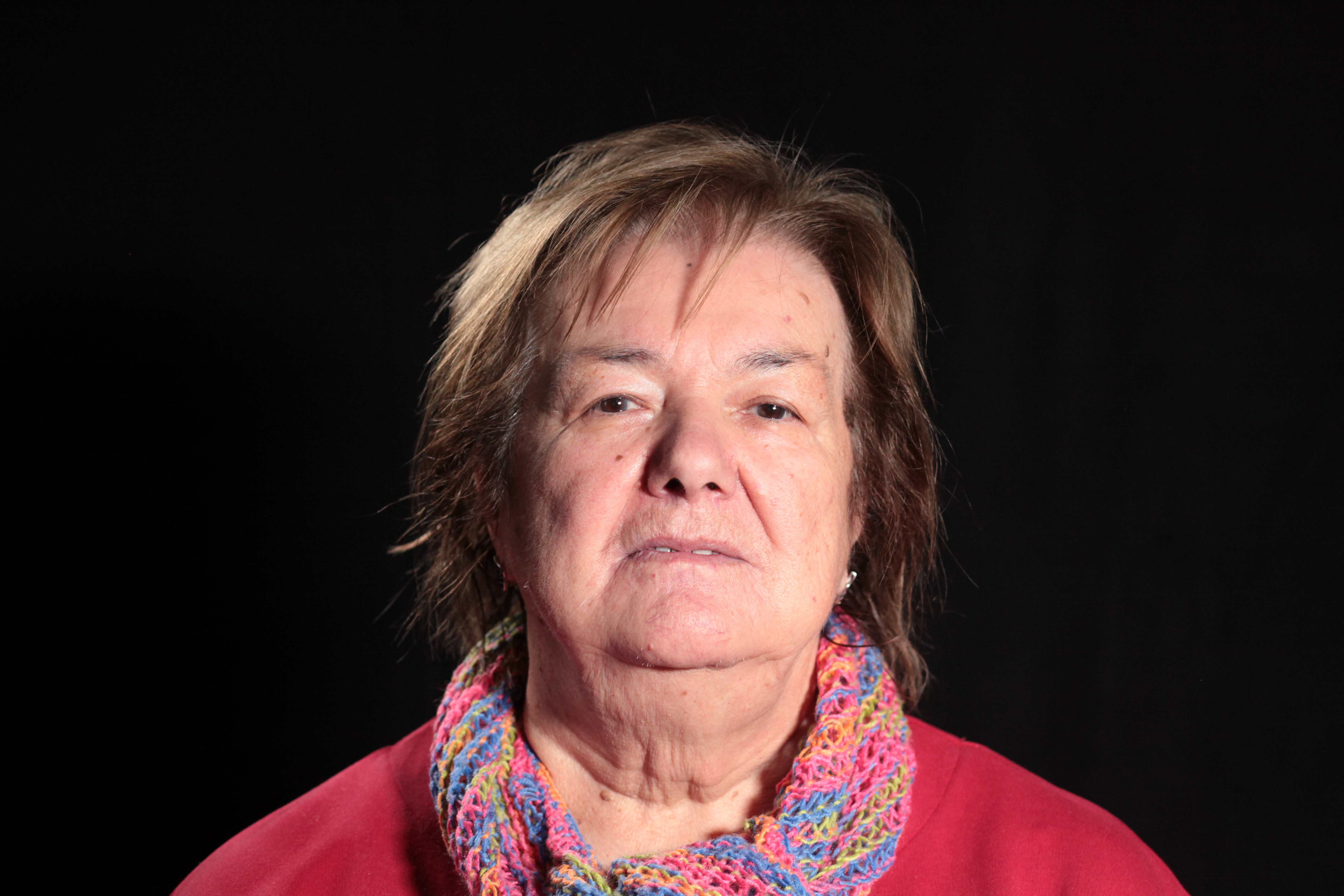
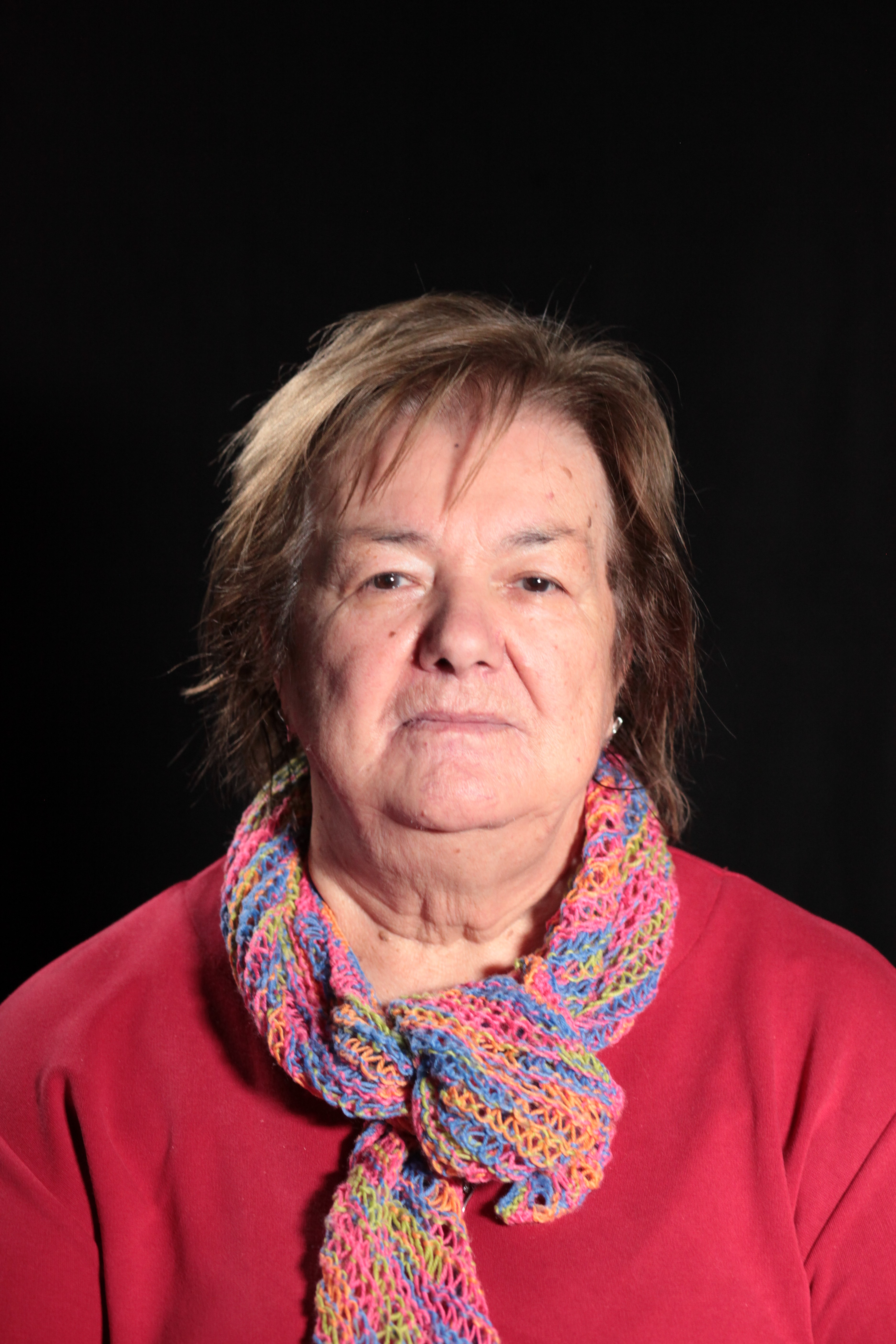
Jana Dvořáková

* 1953

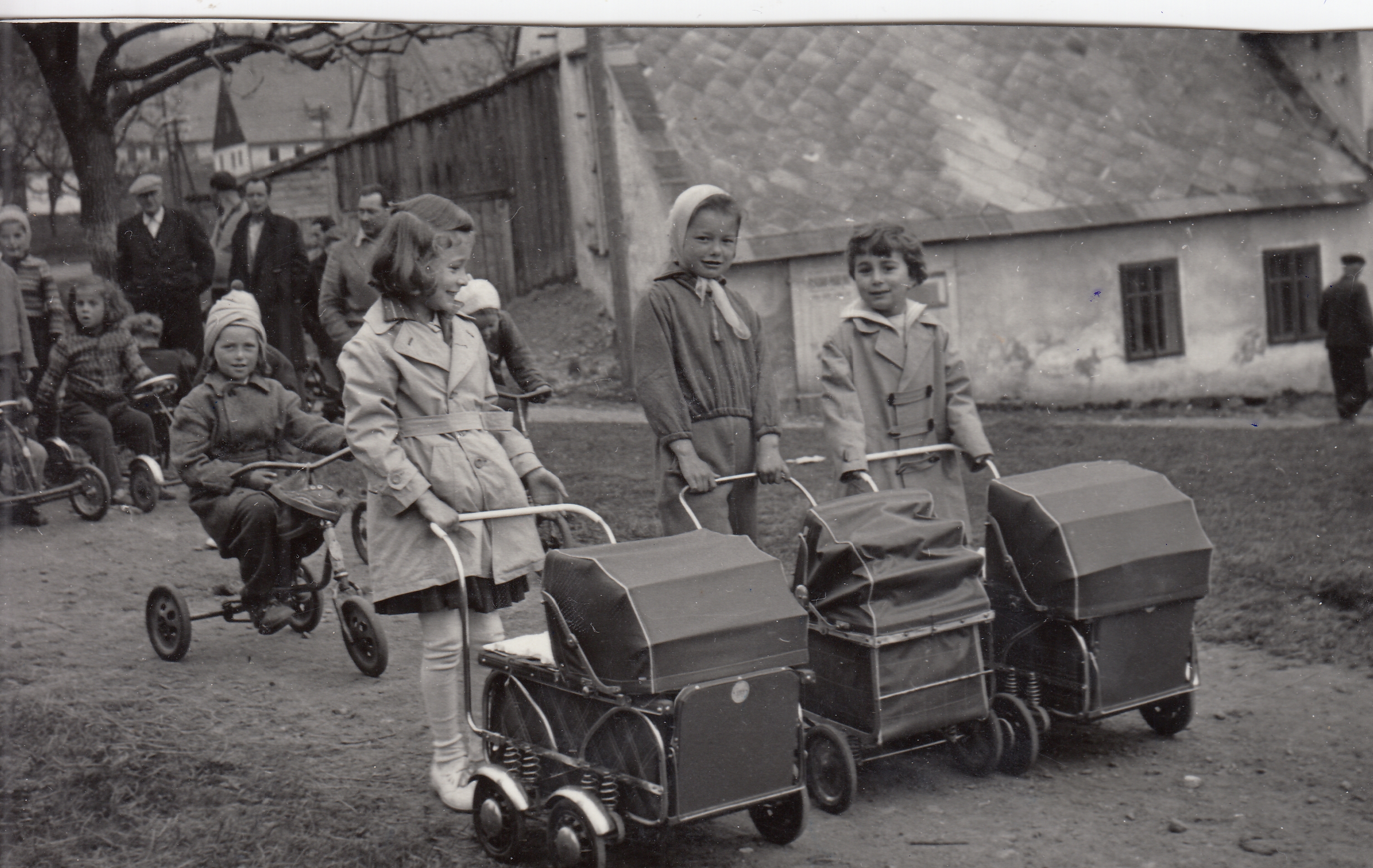
  • “During the resettlement of the border region, some strange performers arrived. As children, we didn’t really understand it, but that’s how they were dressed. They had dead sheep on their wagons, with the heads hanging down from the sides of the cart, and a tarpaulin stretched over the top. They skinned the sheep in front of the former pub and started roasting them. I remember they gave us small pieces of meat because we were watching. We had never seen anything like it before, and then I caught foot-and-mouth disease from the meat. I was about five years old and hadn’t started school yet. I spent eight months in hospital.”

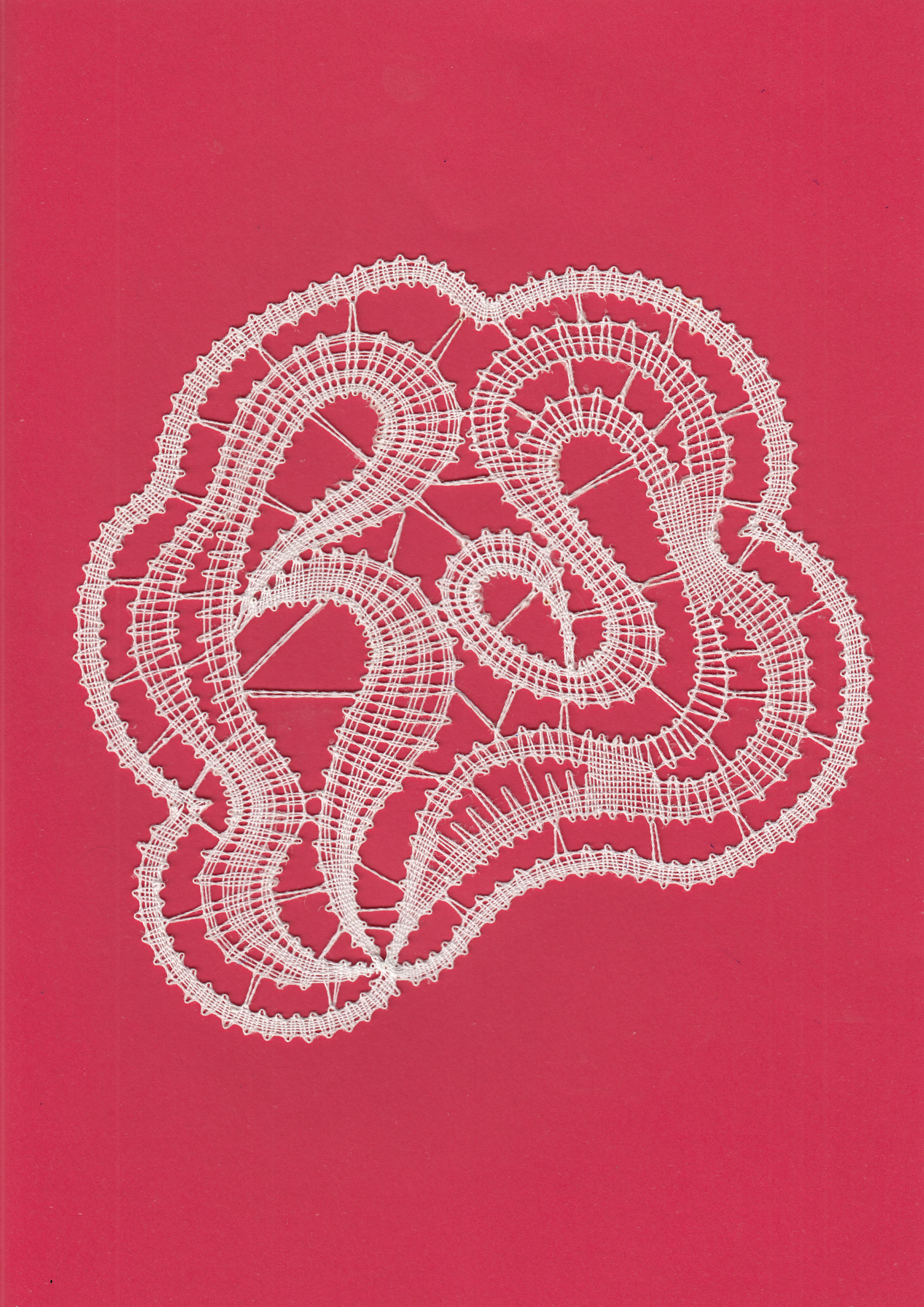
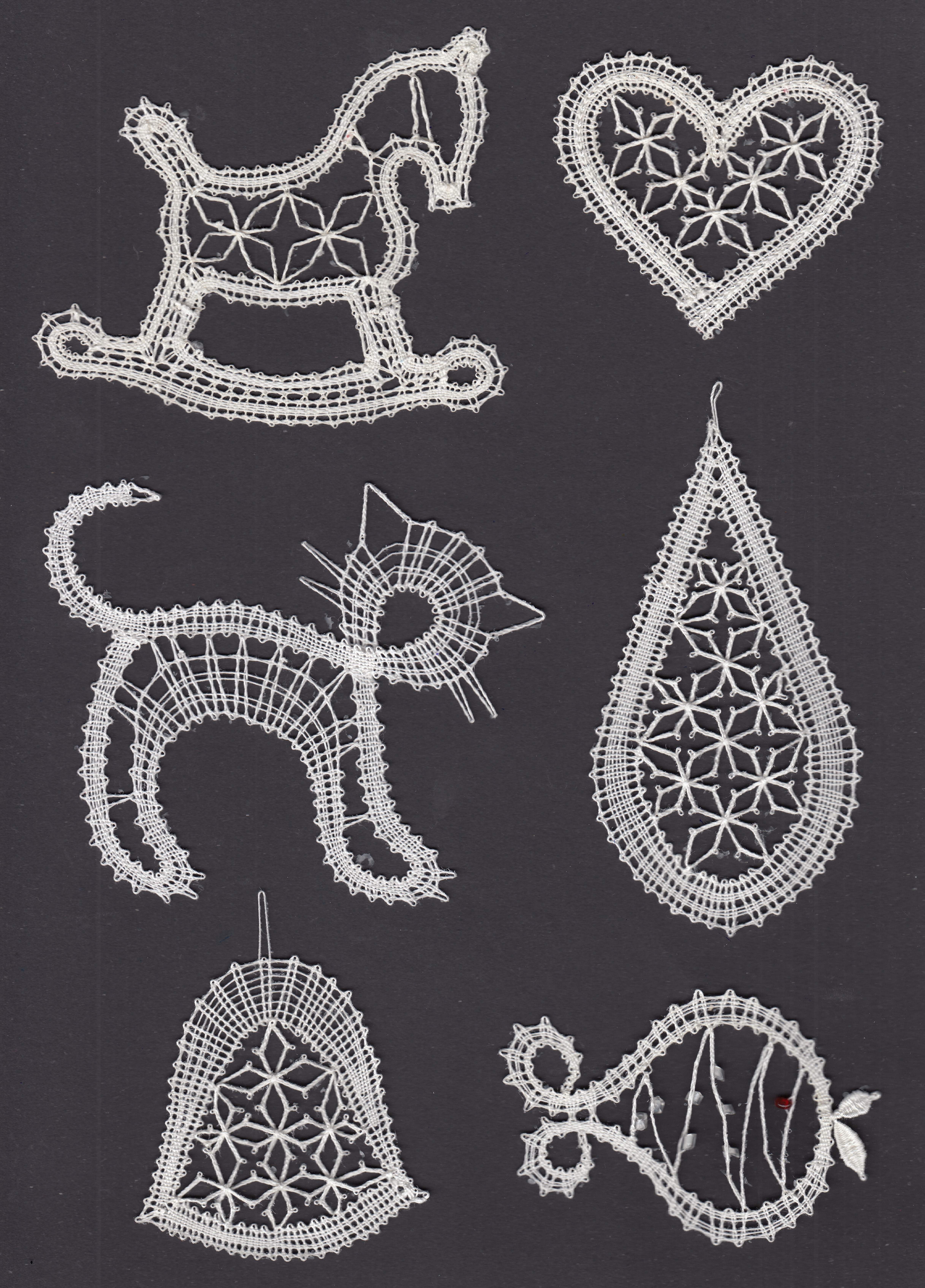
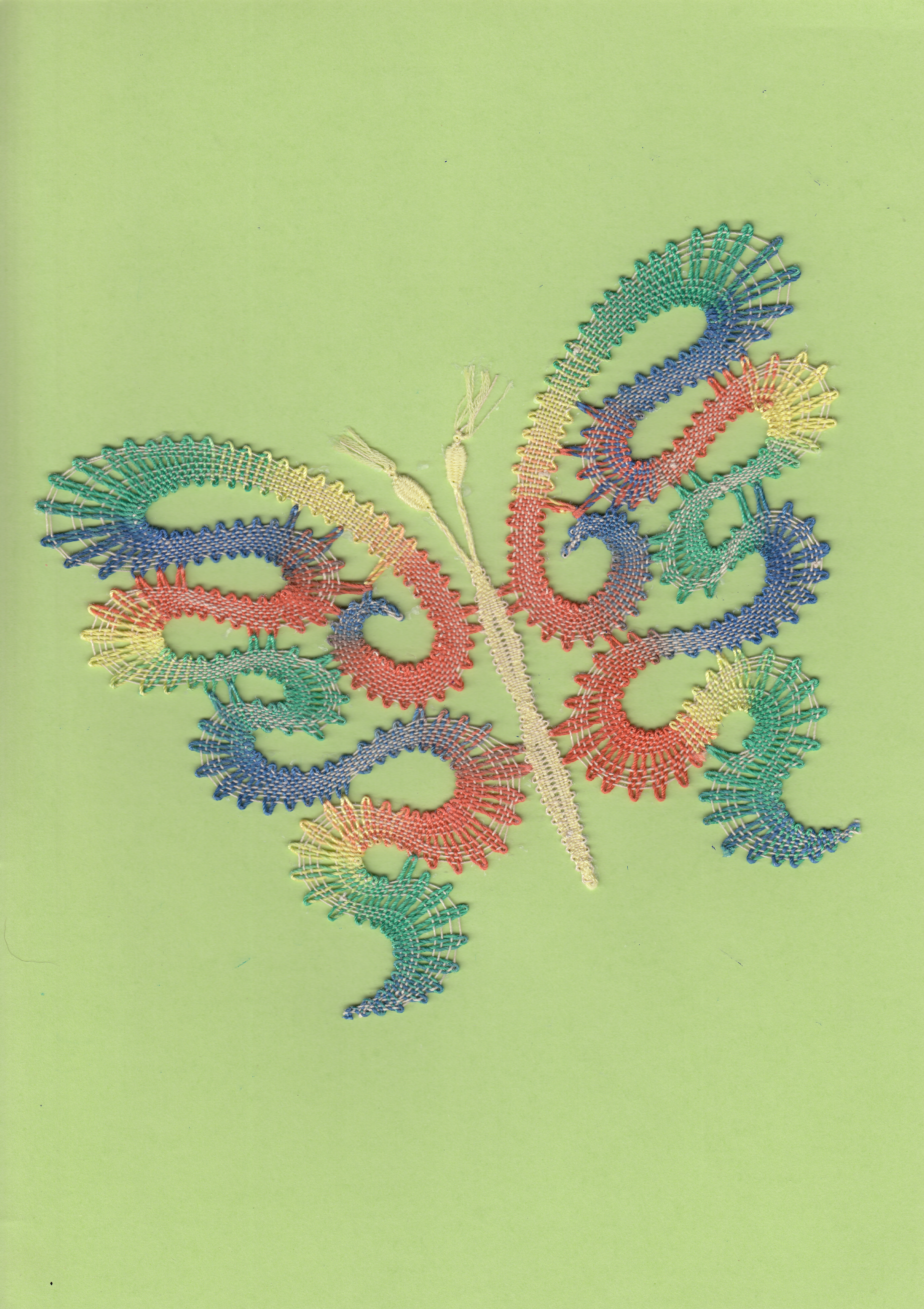
  • "The lace makers used to meet in my grandmother's kitchen and make bobbins. [Grandmother] sewed gloves too, these little twigs on the top of the gloves. It was a special and special job because it wasn't allowed to be too tight or loose. The gloves were pulled forcefully on the hands, so the threads were not allowed to snap. I remember they were special threads and my grandmother used to soap them. She'd put soap through them to make them shinier and make them stretch nicely through the skin. My mother used to sew gloves, too. My grandfather brought them from Abertam on a cart, the gloves and the liner - it was called a futro. The leather top had to be turned all the way around, and the tips of the fur snapped on. Then it was turned all the way back so the fur coat was inside. The gloves were flattened with wood that looked like pickle tongs. The liner - the futon had to be beautifully straightened there and sewn on at the wrist with little invisible stitches."

  • "My mother was born in 1933 and she told me that when our liberators [the Soviet army] came in 1945, they were absolutely ignorant and perhaps even illiterate people. My grandmother hid my mother and aunt in the hay or under the covers, in the closets. They hid them in different ways because the soldiers were very rough. Once my grandfather told me that a soldier came to them and had five alarm clocks under his belt. Apparently he had stolen them from the previous houses he had been to. Suddenly one of the alarm clocks started ringing and he pulled a machine gun on Grandpa because he was scared and Grandpa was scared too. He probably thought Grandpa did it on purpose."

  • Full recordings
  • 1

    Karlovy Vary, 25.09.2025

    (audio)
    duration: 01:42:12
    media recorded in project Příběhy regionu - Karlovarský kraj
  • 2

    Karlovy Vary, 30.09.2025

    (audio)
    duration: 52:23
    media recorded in project Příběhy regionu - Karlovarský kraj
Full recordings are available only for logged users.

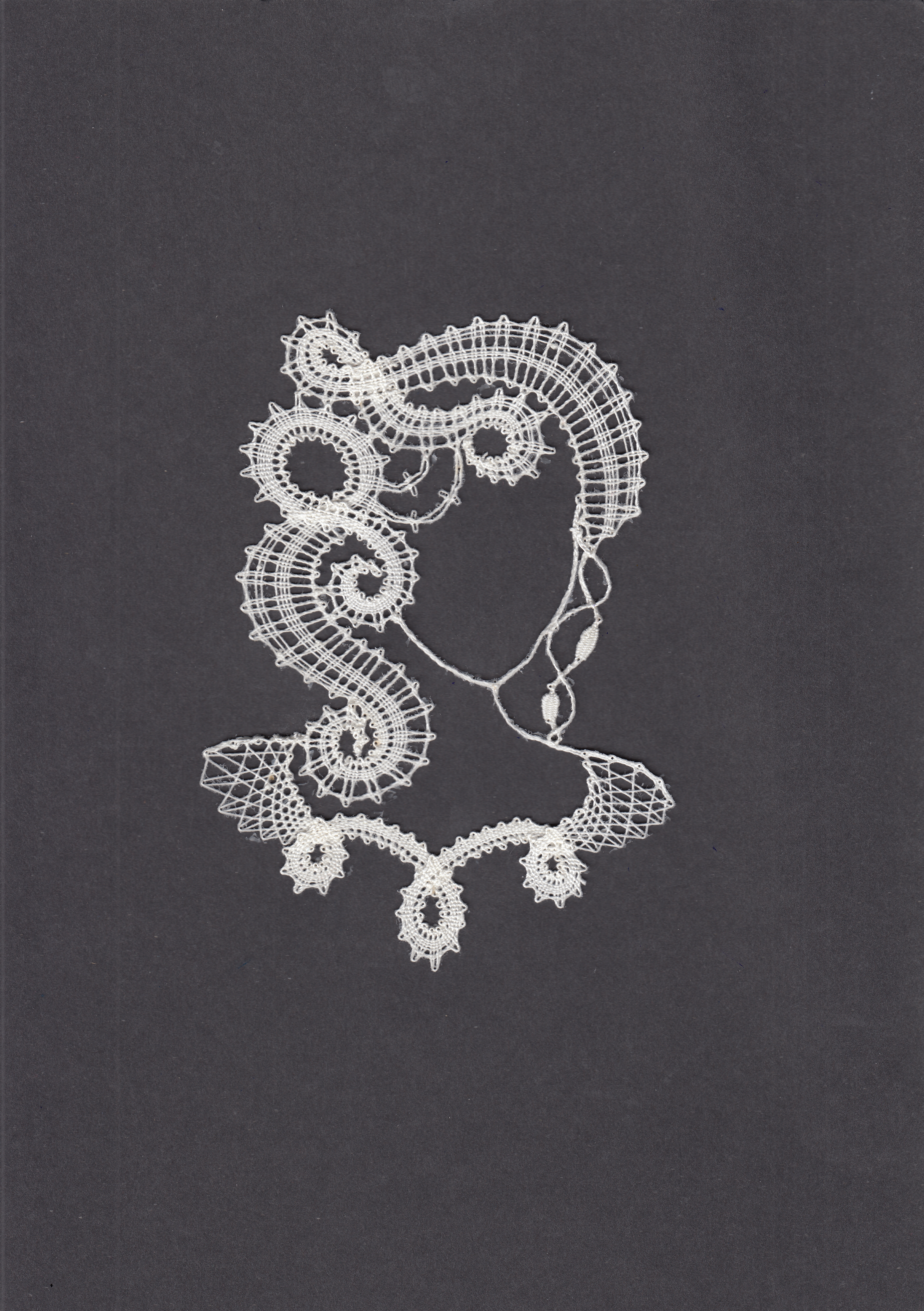
She has continued her grandmother’s tradition and is passing on the art of Ore Mountain lace-making
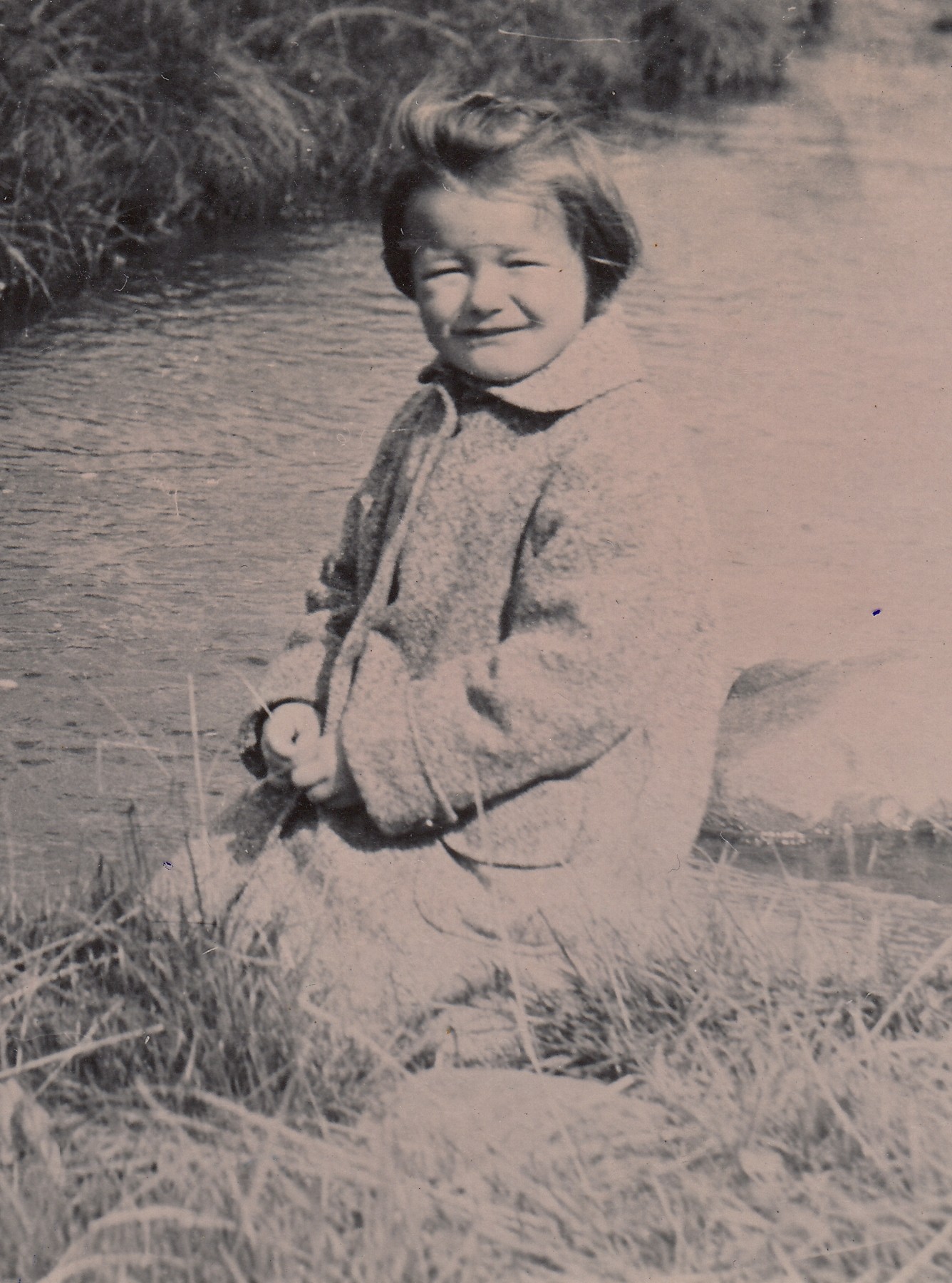
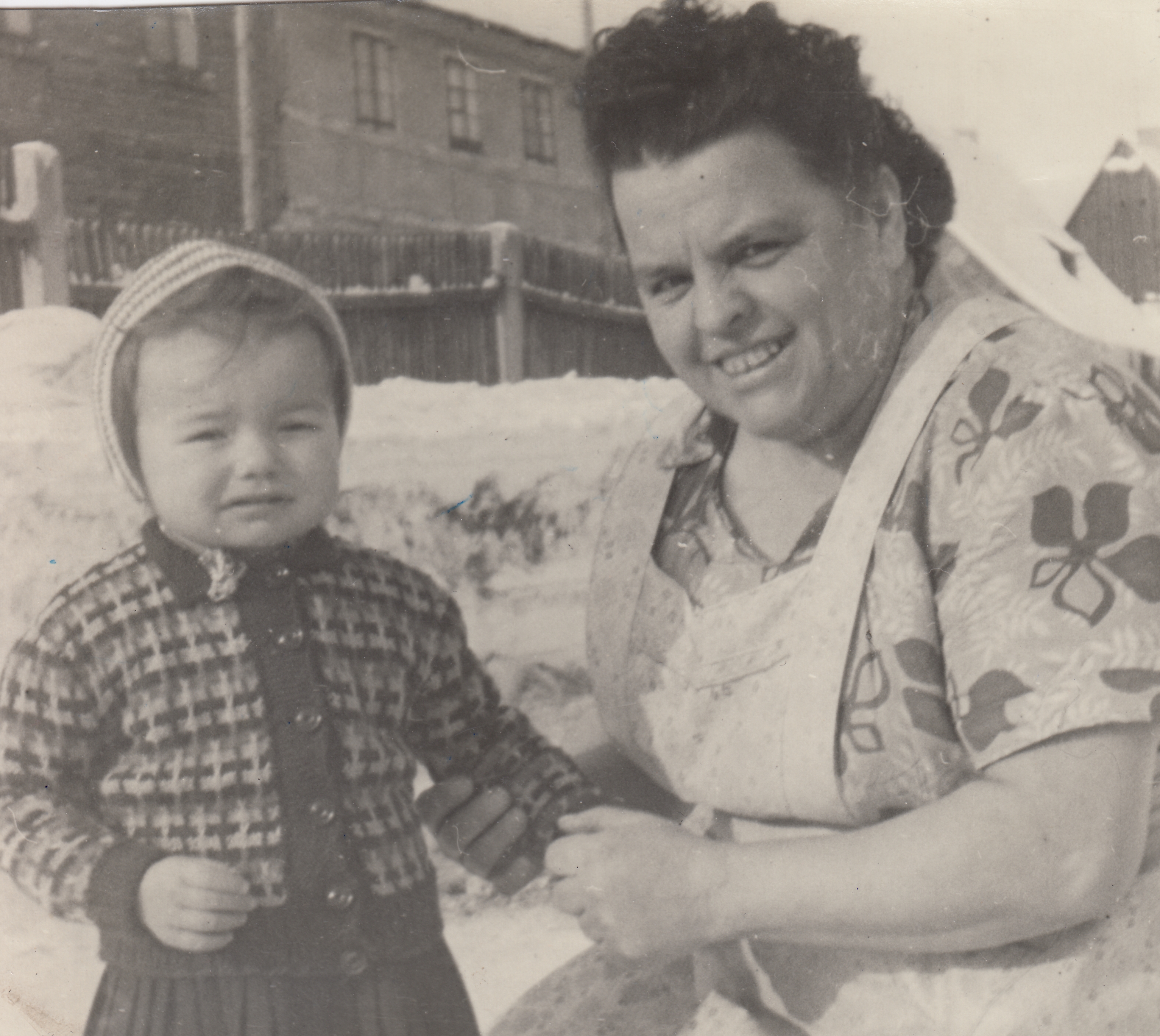
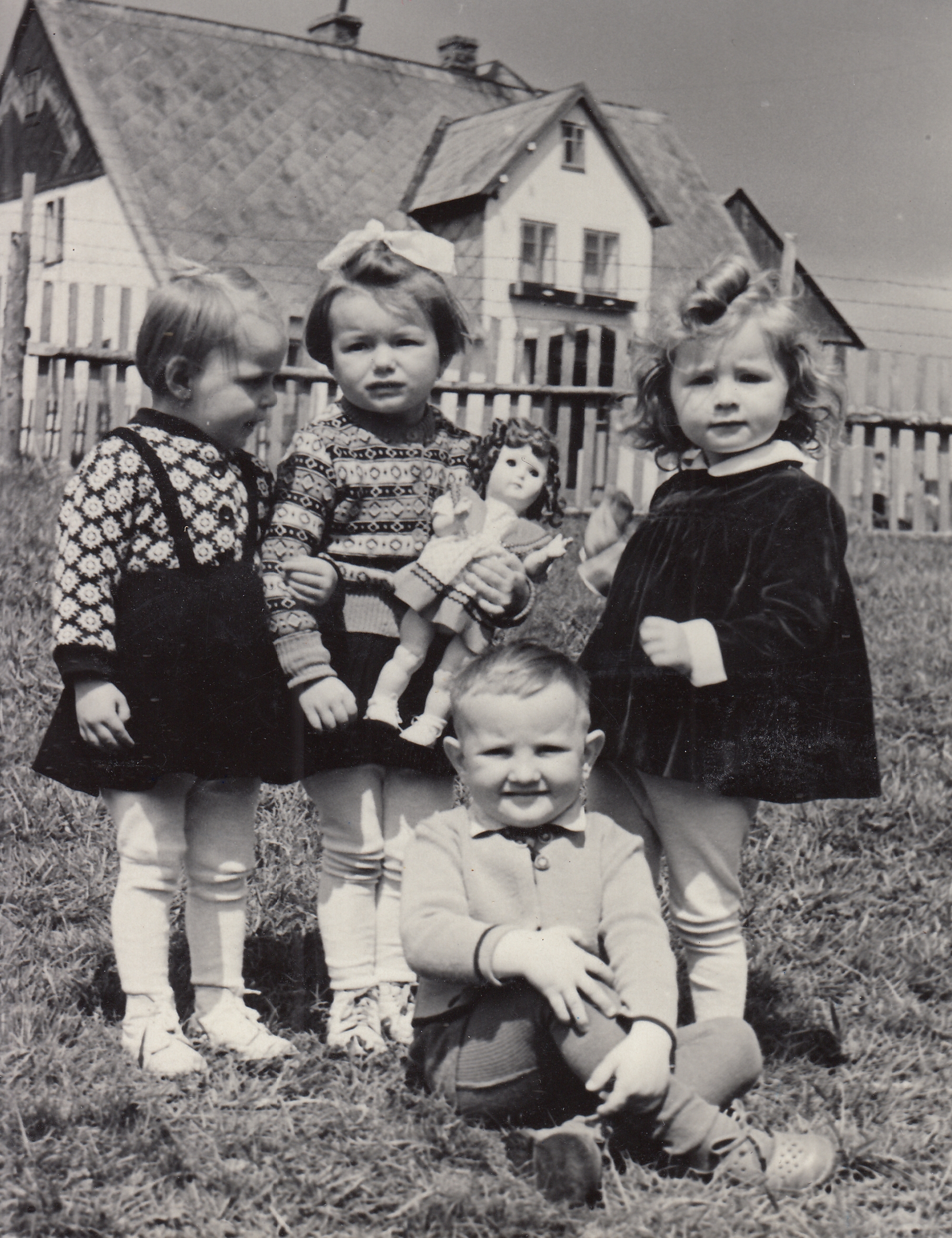
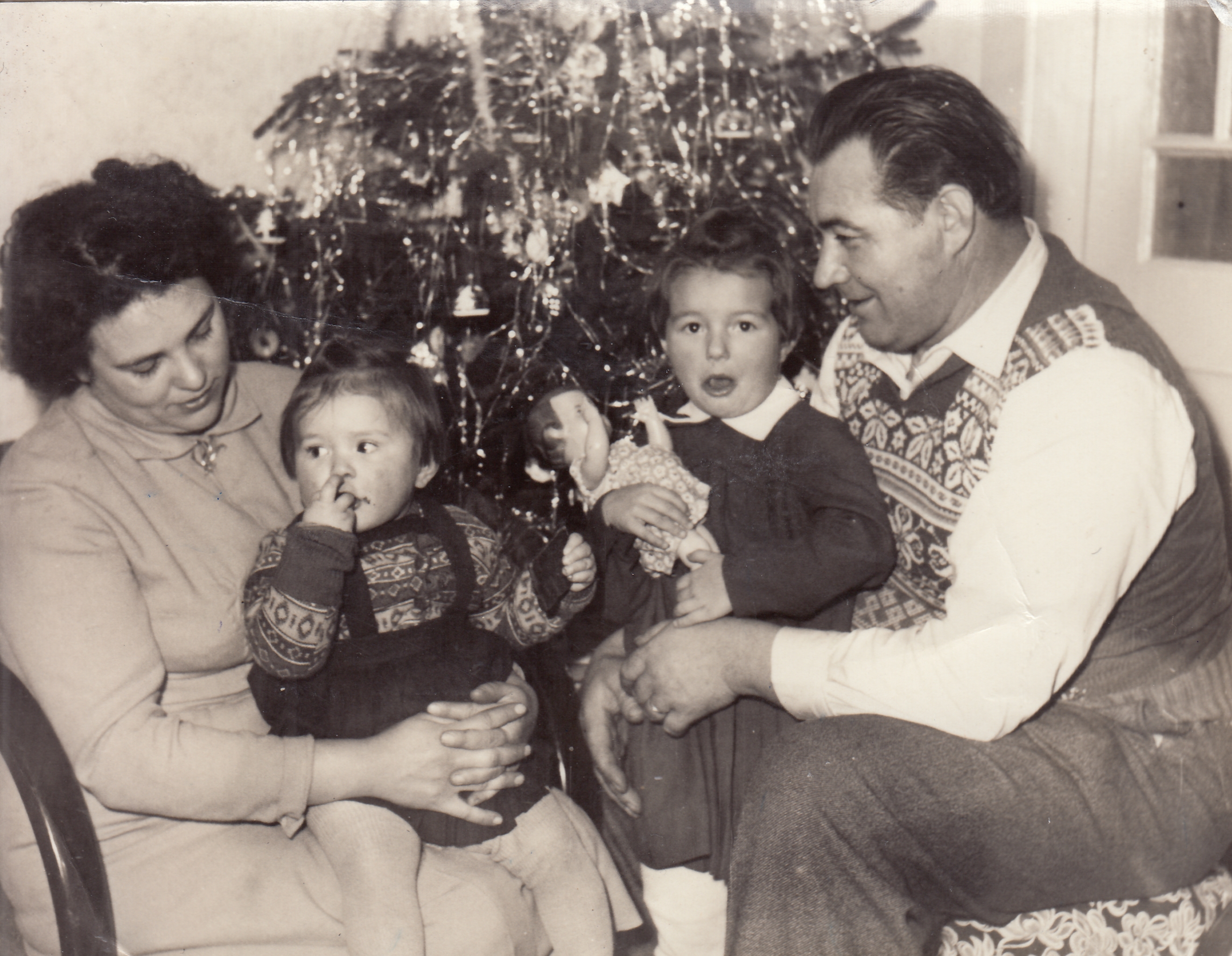
Jana Dvořáková, Hřebečná, 1950s
photo: archive of the witness

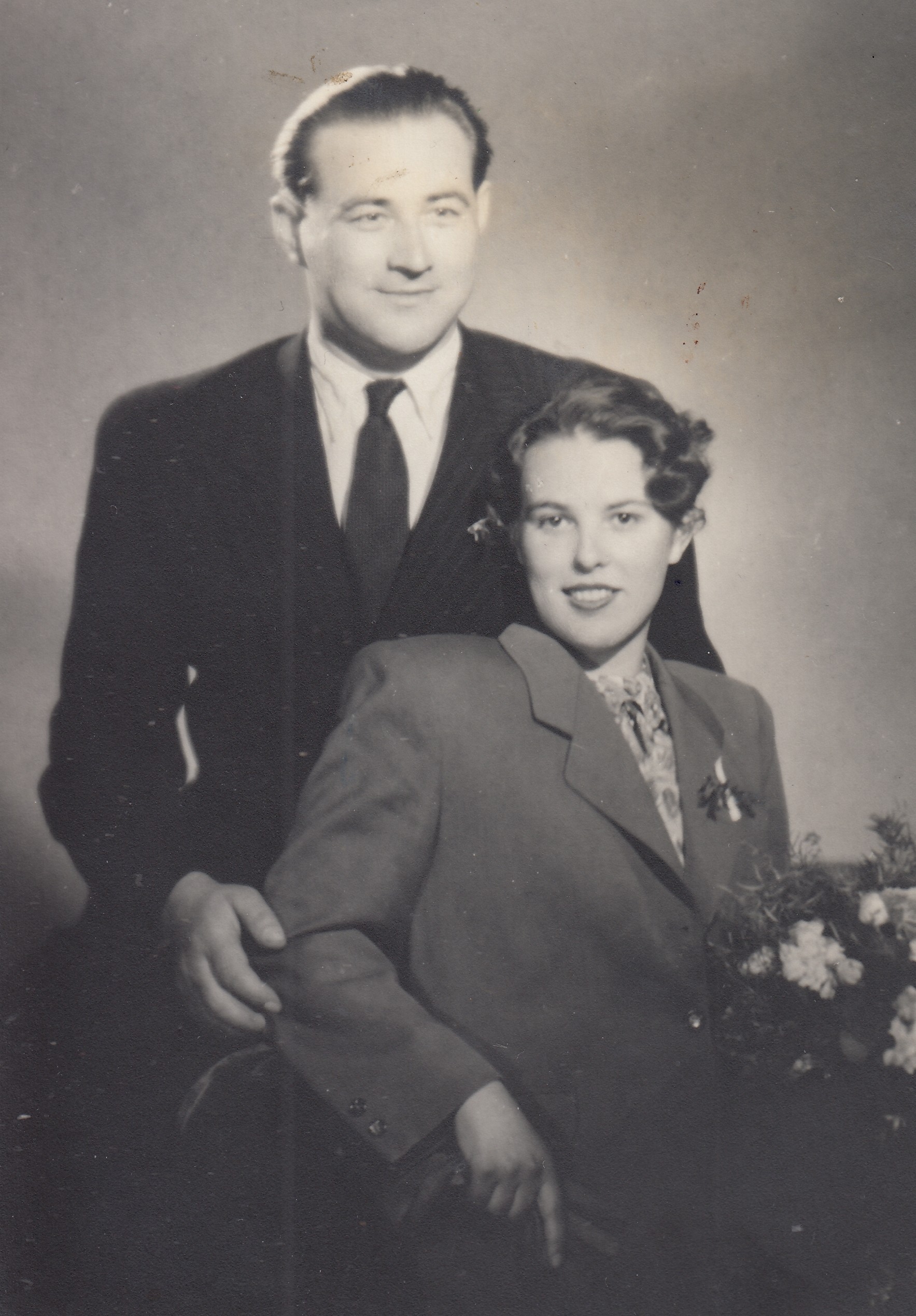
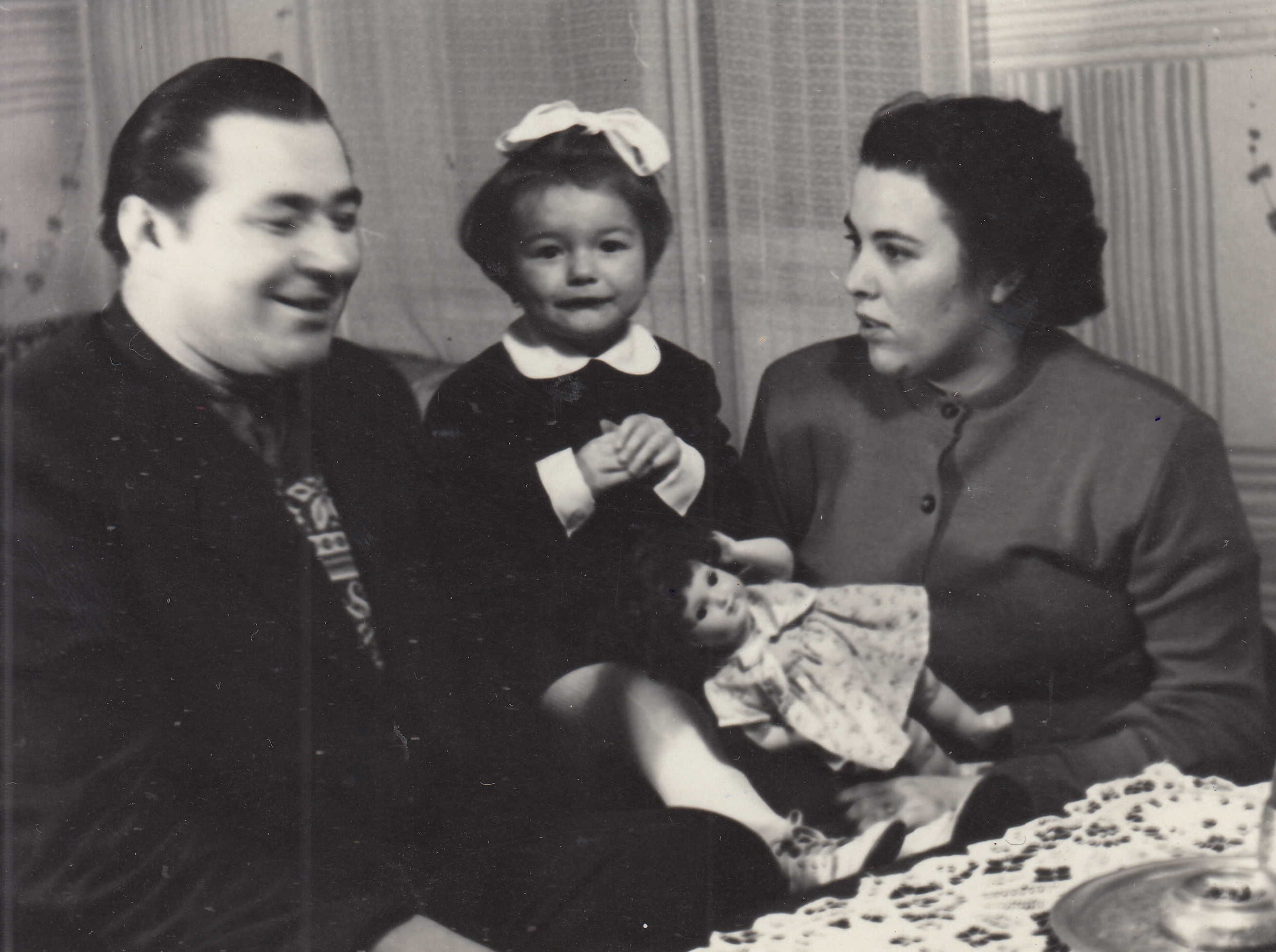
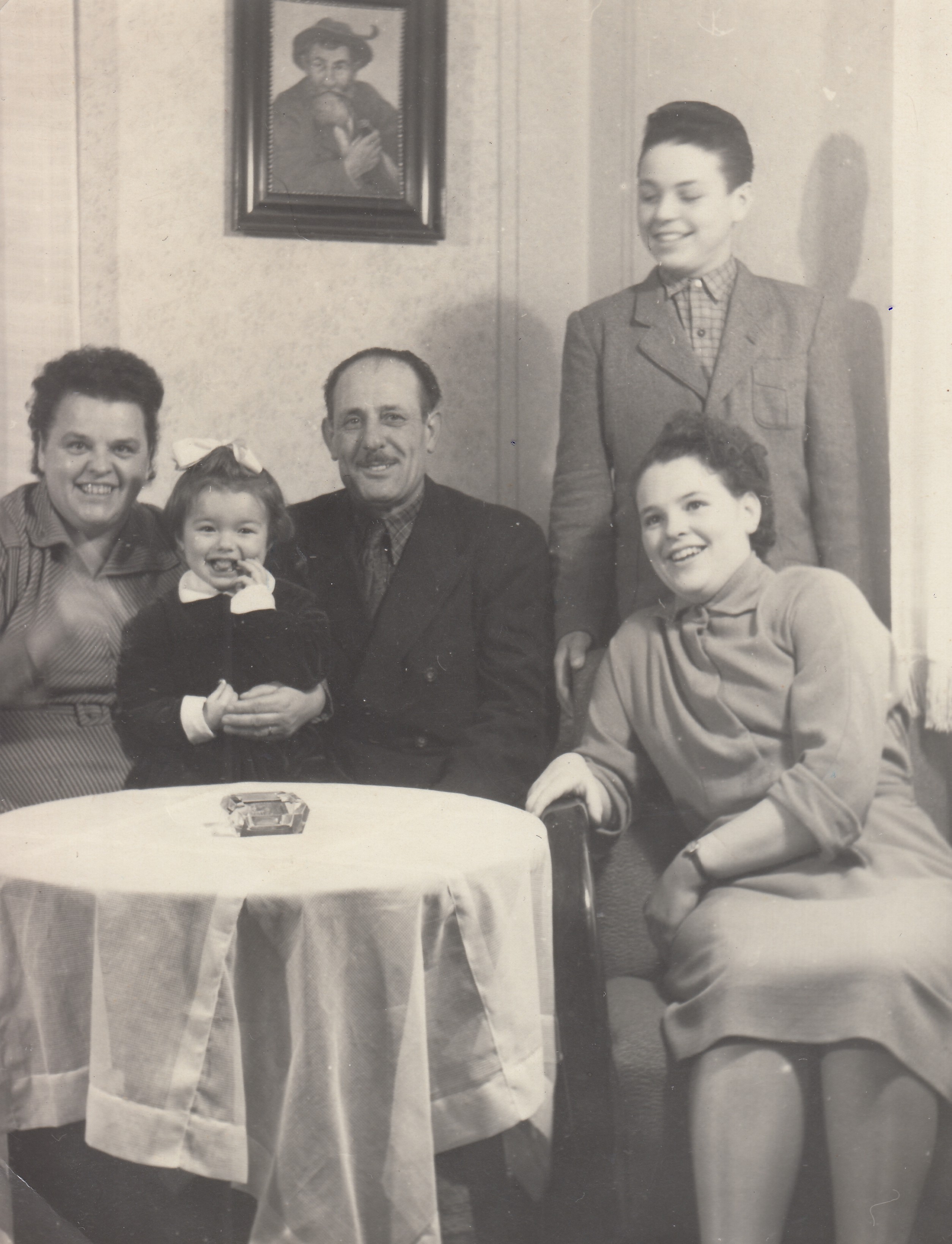
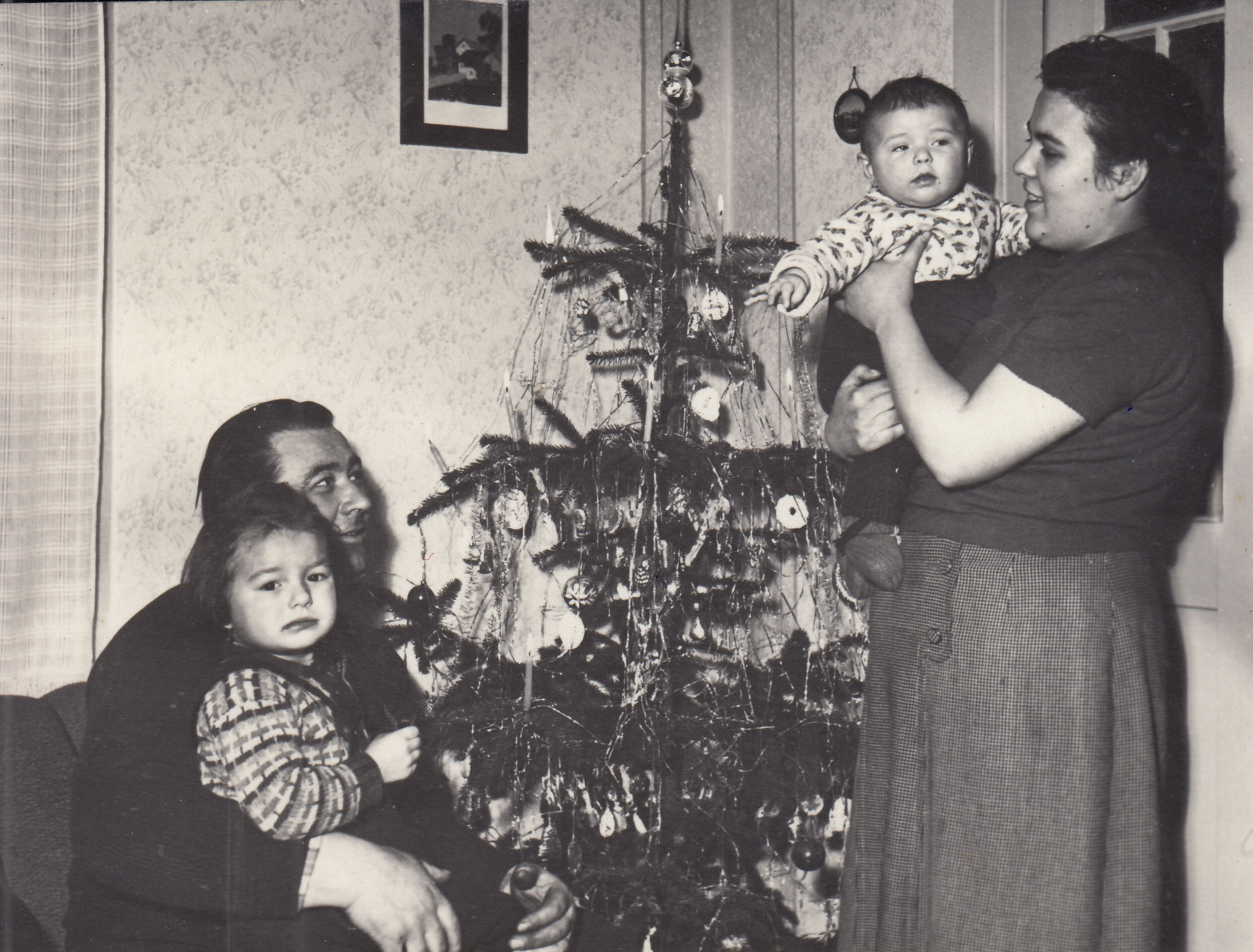
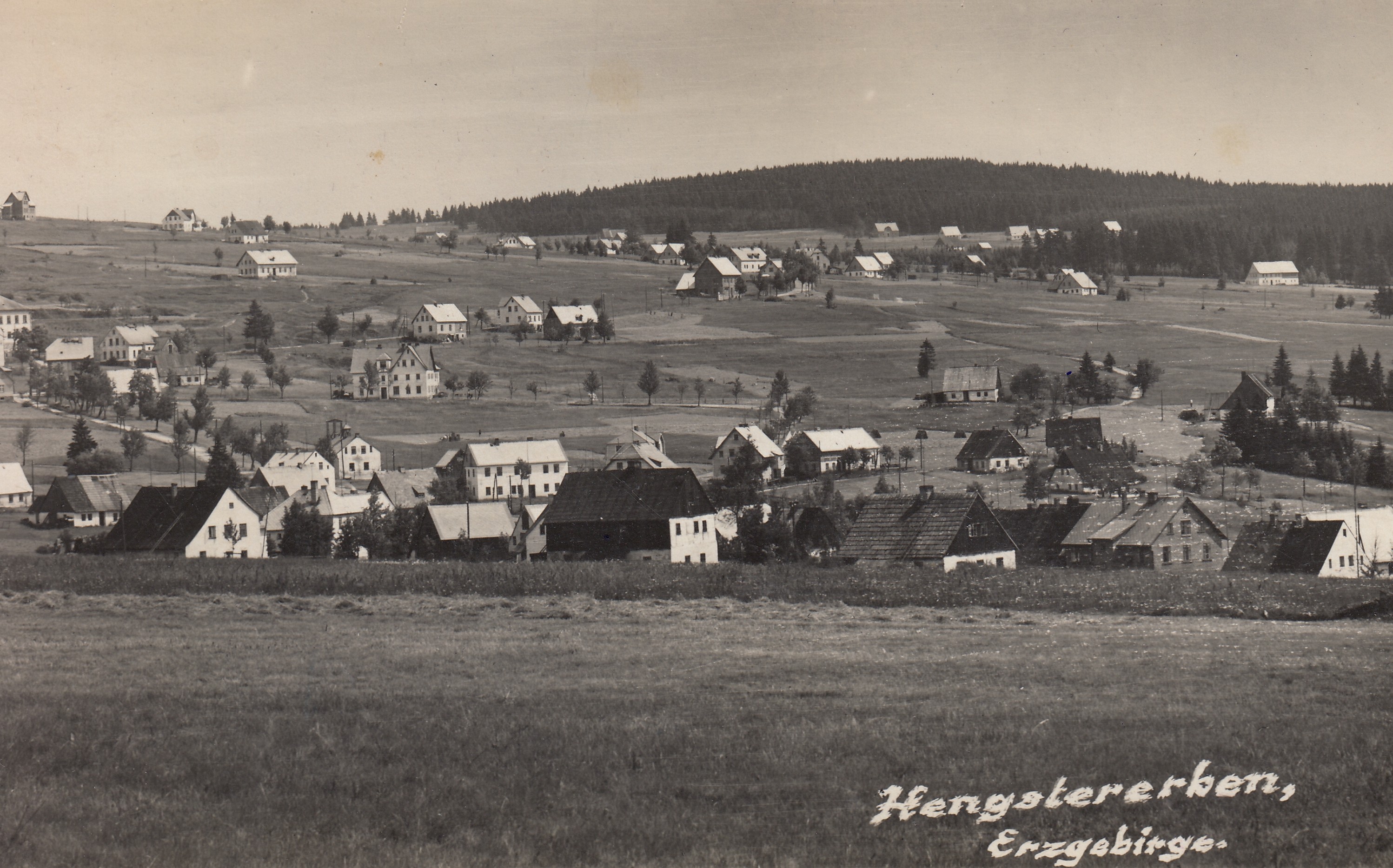
Jana Dvořáková was born on March 24, 1953 in Vejprty to Josef and Annelies Koranda. Her father, Josef Koranda, came from Políkno near Jindřichův Hradec, where he lived with his parents and ten siblings on a farm. He came to Hřebečná, in the border region, for work as a driver, transporting materials and workers to the uranium mines. Her mother, Annelies, née Bendel, came from Ústí nad Labem. Thanks to her father’s profession as a blasting specialist, the family of German origin did not have to be expelled after the war and instead relocated to the Ore Mountains for work. Her mother and grandmother earned their living through traditional Ore Mountain crafts — glove stitching and bobbin lace-making. Jana’s grandfather would bring gloves home from nearby Abertamy for final finishing. Jana first attended primary school in Hřebečná and later in Ostrov nad Ohří, where the family moved in 1963. After finishing school, she trained as an electrician and worked at Tesla Jáchymov. She later completed an economics programme in Karlovy Vary through part‑time study and went on to qualify as a certified secretariat manager in Prachatice. She passed state exams in German and worked for some time as a translator. In the 1990s, she began studying at the School of Crafts, where she returned to bobbin lace-making, thus continuing her grandmother’s tradition. Today (2025), she is a member of the Ore Mountain Lace Association, leads a group of lace-makers, and organizes exhibitions. She is committed to passing the art of lace-making on to future generations. At the time of recording in 2025, Jana Dvořáková lived in Ostrov.