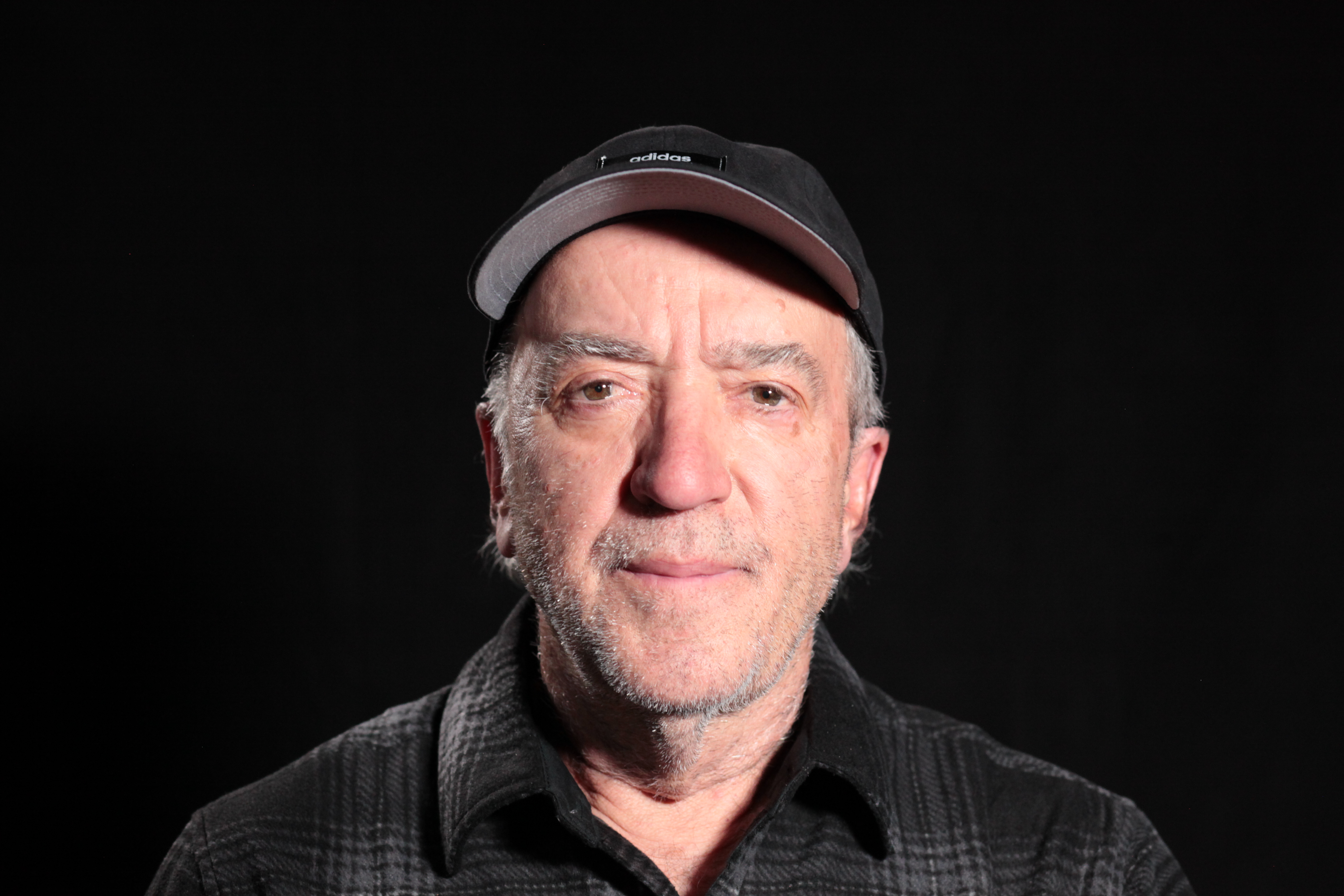
Josef Dvořák

* 1954

  • "The first thing was, you had to know someone who would accept you before you could travel somewhere. Some people ended up in West Germany, some in Austria. That was advice from friends who had already been to Vienna. They said, look, you have to go to the Austrian embassy in Prague. They have a list of the Charter signatories. Explain to them what happened and apply for a permit to Austria, for asylum. That's how it started. They said they would take me and they told me I could start negotiating my departure from the country. I came to the StB passport and visa department. I told them I was applying for exile. I did not know if it would happen, if they would allow it. I just followed the advice of people who had already been to Vienna with whom I had exchanged letters. So they told me all the steps to take. Then I just did what I had to. The authorities required me to 'repay' what socialist Czechoslovakia had made possible for me. They had made it possible for me to study or apprentice and for my wife to study. My son was born in a hospital in Kladno, we had to pay for that too. The processing of the application was another item; it was about 3,000 crowns. My wife had to pay 5,500 because it was for two people. The payment for all these things, as I said, for my apprenticeship, for her school, for the birth. It was all handled at the District National Committee in Kladno, by Comrade Marta Čivišová who I mentioned. She made some rather inappropriate remarks about how the socialist state took care of us and we were ungrateful and what not. I said, I am here for you to deal with my request and not to listen to your opinions. That didn't go over well - how can anyone dare challenge the way a comrade is doing her stuff. That was verboten. But I went through the whole process, and as I said, I had to surrender my ID card, but they didn't give me a certificate that I had surrendered it, so I got sent back from České Velenice on the border. It was delayed for another week. I had to send a telegram to Vienna, there were no telephones at that time, so I had to send a telegram about what had happened to me saying I would come in a week. Then I got through a week later."

  • "I realised it after, as I said, we were called in for interrogations, threatened, they came after us, and then suddenly it changed. What I didn't know was that it was based on an order for the Asanace project came from Minister of Interior Obzina. Suddenly they started acting differently. They acted like they wanted to oblige me with something. I thought, this must be a trap, isn't this...? They've always yelled at us, slapped us, threatened us, and now they turned it completely around. So I thought, I hope this isn't some kind of set-up. But, as I found out later, it was targeted. It was targeted to get rid of us."

  • "They enrolled us all in the SSM, the Socialist Youth Union without our consent, without asking us. I said, that's not good. They told us we would have a lot of benefits such as ice hockey and football tickets and so on, canvassing us. We never got any hockey or football tickets. The SSM officer gave them to young girls because he wanted to date them. He gave us tickets for a chamber orchestra. So I said he could stuff them. I said, you know what, if they don't give a shit about us, let's get out of SSM. We pay our fees, the deduct them from our apprentice pay, so let's get out. The whole class joined in, saying it's true, they don't give a shit about us, and we'll get out as we're not getting anything out of it. That's what I did it with two of my friends. It was a big deal because we said we were all leaving. Then they started calling us to headquarters, asking us what we were thinking. I said, what were you thinking enrolling us without even asking us? There was a lot of fuss about it, and the comrades did it cleverly. They called us to the headquarters one by one and 'processed' us, so most of us backed out and stayed in the SSM. Only three of us were left, myself and two others, and we said no, we are definitely leaving. We don't want anything more to do with you. I guess that was kind of the beginning of how I clashed with the regime."

  • Full recordings
  • 1

    Karlovy Vary, 23.09.2025

    (audio)
    duration: 01:56:24
    media recorded in project Příběhy regionu - Karlovarský kraj
Full recordings are available only for logged users.

When the StB started acting differently, I thought it was a trap.
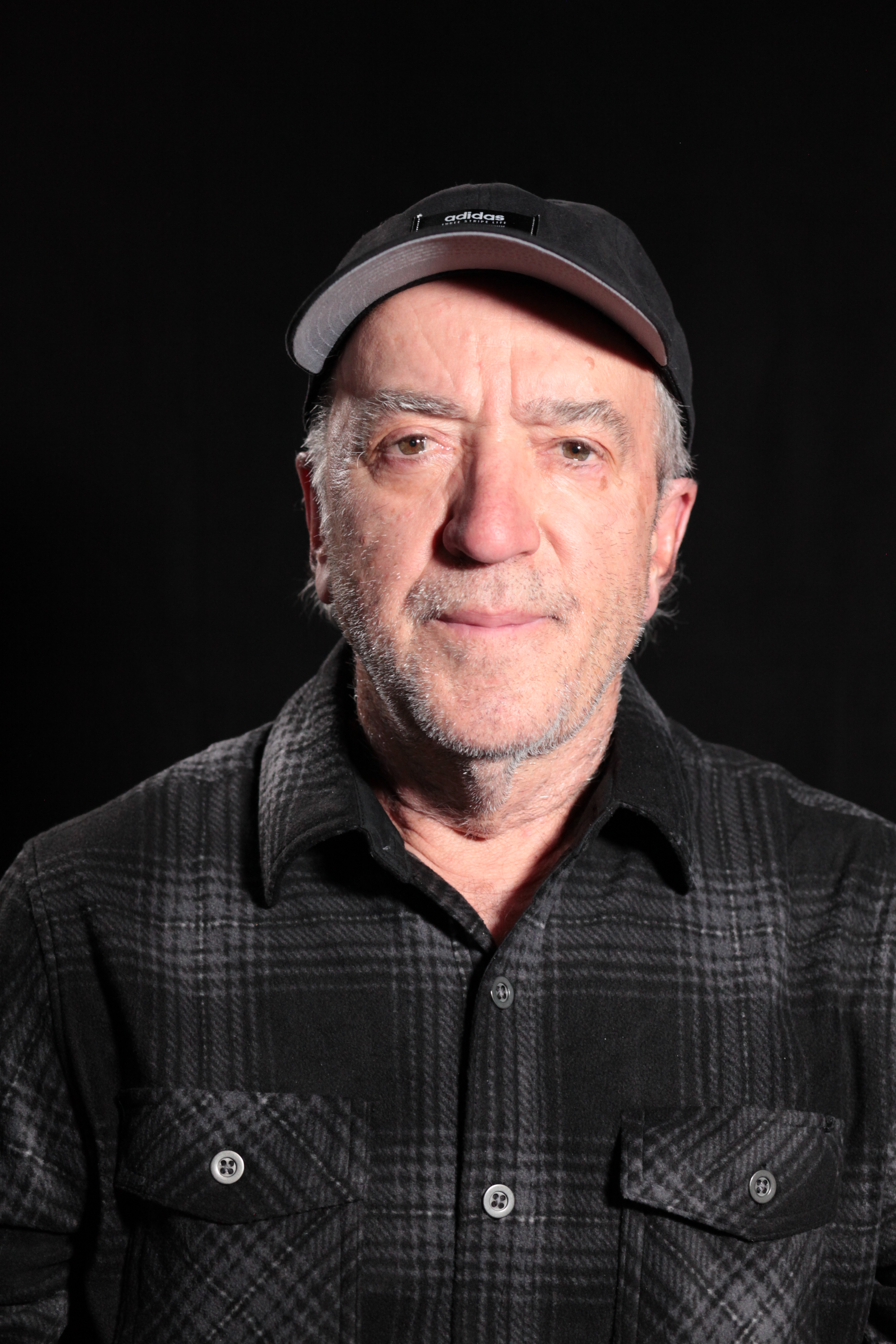
Josef Dvořák during the filming
photo: Post Bellum filming

Josef Dvořák was born in Kladno on 23 December 1954. His father worked at the SONP Kladno steelworks and his mother was janitor and cleaner in a preschool. His parents joined the communist party to obtain an apartment but were not active politically. Josef grew up with his older sister, went to the primary school in Kladno-Sítná and then in Stará Amálka. Before age 14, he witnessed the invasion of Czechoslovakia by Warsaw Pact troops. He trained as a locksmith in SONP Kladno, and initiated the exit of the entire class from the SSM, but in the end he was one of only three apprentices who persisted in their decision. After his apprenticeship, he worked as a locksmith at SONP Kladno, and feigned a suicide attempt and a psychiatric diagnosis to avoid military service. In the following years he worked as a stagehand in the Kladno theatre and at Stavocentral where he and a colleague exited the trade unions (ROH). He wore his hair long and socialised with liberal-minded friends, swapping western recordings and banned printed material. Over time, he got into the State Security sights, and they questioned and persecuted him. His passport was revoked in 1979 and he signed Charter 77 shortly afterwards. He married and had son Aleš. In the early 1980s, the State Security started acting differently and he was “offered” the option of leaving the country for the West as part of the Asanace project Josef Dvořák moved to Austria in 1981, his wife Marta followed him in 1982, but they divorced in Vienna and his wife and son moved to the USA the following year. In order not to lose touch with his son, Josef left for the USA permanently in 1985 and remarried. He lived in California, Idaho and Tennessee. In 2025, he and his wife moved to the Czech Republic, and at the time of the completion of the interview (2025) he was living in Pila near Karlovy Vary.