Jiří Dvořák

* 1960

  • “Once we were at a dance, some kind of music event in Strážov. Back then, the organizers—even though it was just a regular village dance, a rock ’n’ roll gig—wouldn’t let me in, supposedly because I didn’t have a suit. And it got so heated that, in the end, everyone who was there—including my wife—got in. They still didn’t like my shoes. So those of us inside agreed that I’d just give them my shoes, someone would give me some nicer ones, and I’d get in. But the organizers had it in for me so much back then—it was incomprehensible—that they simply wouldn’t let me in and called the police. So the police from Klatovy arrived, they checked my ID, threw me in the car, and took me away without those shoes—in my socks—they took me to Běšiny. There, at a Y-shaped intersection, they told me, ‘The train station is over there on that side; get to the station and get out of here.’ And they drove off to Klatovy. So I walked to the station a little while later in those socks. It was just before winter back then. I know it was already freezing. And I thought to myself, ‘I’m not leaving here.’ So I turned around and walked those six or seven kilometers back to Strážov in just my socks. There, someone gave me—the organizers weren’t there anymore, because by the time I got there, the party was almost over. So they gave me my shoes back, and that’s how I made it back. But I’ll tell you, that feeling when everyone else actually made it in, and you’re the only one they won’t let in...And it just kept escalating. And now there’s nothing you can do—you can’t fight or argue with them. I tried to reason with them, but it didn’t work. So I recently experienced that feeling of helplessness all over again. I saw a film, I don’t remember what it was, and there was something similar in it. And it really brought back how that feeling of helplessness is stored inside you—that sense that the regime can basically do whatever it wants to you. It’s not like it actually can, but you have it stored somewhere inside you. And from time to time, it comes to the surface.”

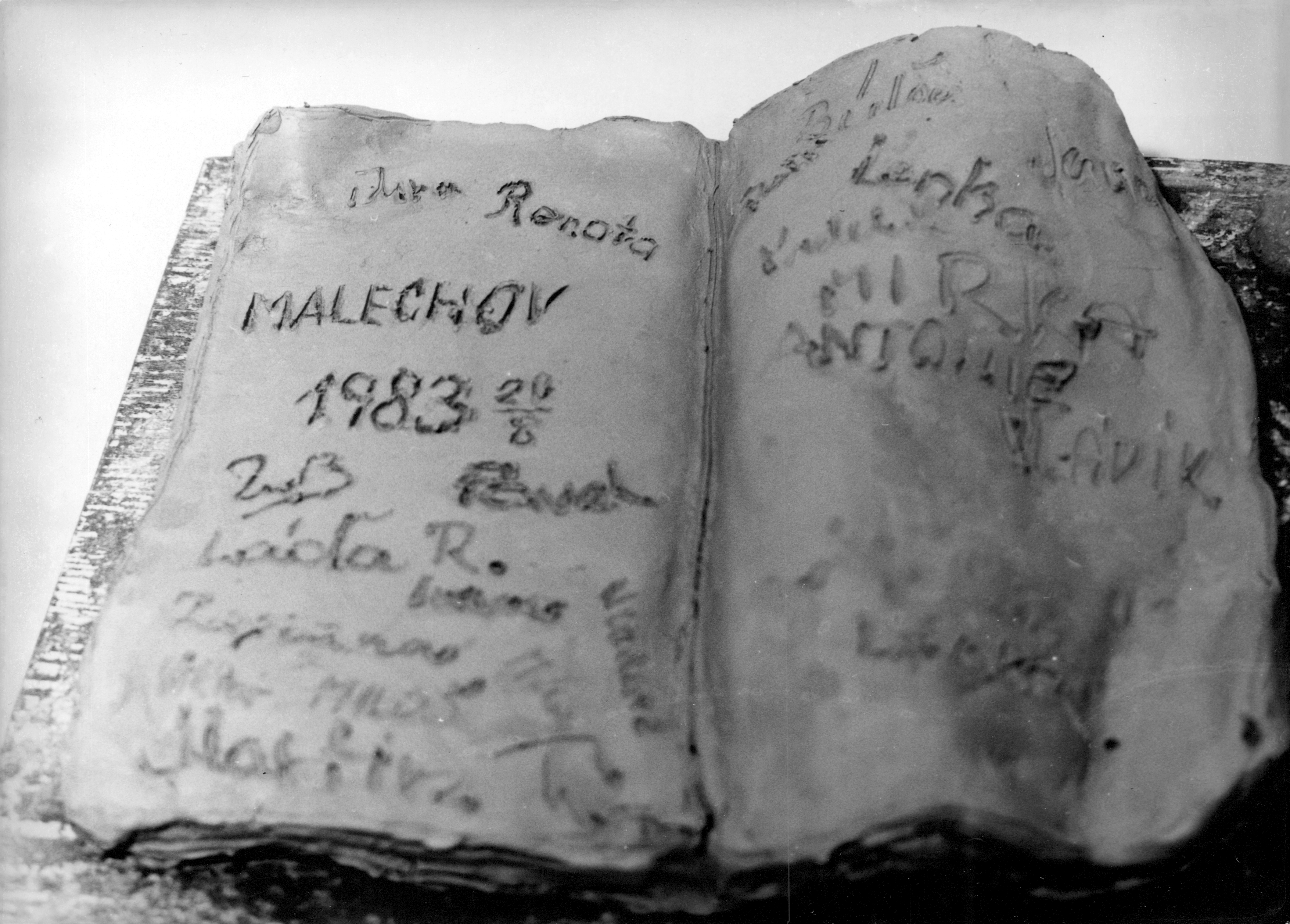
  • "I still remember - in Malechov, when the elections were held in 1986, the whole committee came to our house with the ballot box and asked us if we would vote. So I remember at that time I told them, 'Look, there's no choice. We're not going to vote for the Communists, and there's no choice.' But they said, I remember, 'Oh please, we're not going to have the hundred percent in this village.' That they weren't going to cast one hundred percent of the ballots. And we said, 'It can't be helped.' By that time my wife and I were living there, we weren't married yet, but we were living together. We said, 'I'm sorry, but we're just not going to vote.' So they finally left and then after some time, I know my wife said she was somewhere finding out what the turnout was. It turned out that Malechov presented himself as having had one hundred percent. And I don't know how they did it."

  • "At that time it was still a bit of a tease from State Security. I was in Poland with a friend and I brought back a badge that the Polish scouts had. And on it was a cross and on it was a lily. So I put it on my jacket at the time and it was on a screw, on a nut. So I tightened it with pliers and I wore it on my jacket. And one time I was walking down what is now American Avenue in Pilsen and a middle-aged man stopped me, lifted up the lapel like this, said he was from Security, to show him my ID. I gave him my ID and he noticed that I had the badge. And he said, "What's that I've got there? I said I brought it from Poland. And he said, 'Well, you can't wear that.' And to take it off. And I said, 'Well, you can't take it off, I got it off with pliers at home.' And no, no, so he took it and grabbed my jacket and he tried it for so long until he managed to loosen it and took it from me and said I'd come back to them later. So that was the first thing, I got an envelope with a summons for questioning, up to Klatovská Street. So I went there, and the interrogation took place: who I was in contact with, where the person was, where he went, what friends he had, what his opinions were. During the interrogation, there were more than one of them, it had some kind of scenario. So then he typed it up, not everybody was proficient, so it took a while to type it up on the typewriter. And one had time, one had a little bit more time to think about what to say and what not to say. So they had you read the statement, sign it. And when he was filing it in the folders and putting it in the drawer, the file, I could see that the drawer had a 'defectivce youth' sign on it. So that's actually how I remember getting into the system, so to speak, and they've found you."

  • "One of the first things that when one joined, they came to join the unionists, the Socialist Youth Union [SSM]. Well, I refused that. That was me saying, 'I don't need to be in that union, I don't even want to be there.' And it was such an ongoing, constant struggle. Maybe until the third year, when they forced you. If I may digress, I know that my classmates from primary school who were going to secondary school, back in ninth grade, their class teacher called them in and told them that if they didn't join SSM, she wouldn't give recommendation for a grammar school. So that's actually how it worked. Well, so you were already standing out like that. I didn't do it initially to put myself in the role of some kind of fighter against the regime. But when I saw the hypocrisy that was there, and when I saw that in the family or among friends they were completely different worlds, it just gradually sort of dawned on me that I wanted nothing to do with it. So gradually I took steps like that, naturally. Of course, it takes you out of that society in a way. But it wasn't intentional. You didn't want to be singled out. One wanted to live whatever ideas one had, or as one's values were formed and one was actually entering into life."

  • Full recordings
  • 1

    Mariánské Lázně, 02.10.2025

    (audio)
    duration: 02:14:50
    media recorded in project Příběhy regionu - Karlovarský kraj
  • 2

    Mariánské Lázně, 18.11.2025

    (audio)
    duration: 37:50
    media recorded in project Příběhy regionu - Karlovarský kraj
Full recordings are available only for logged users.

I realized that even in the underground there are people who seek God and faith is helpful to them
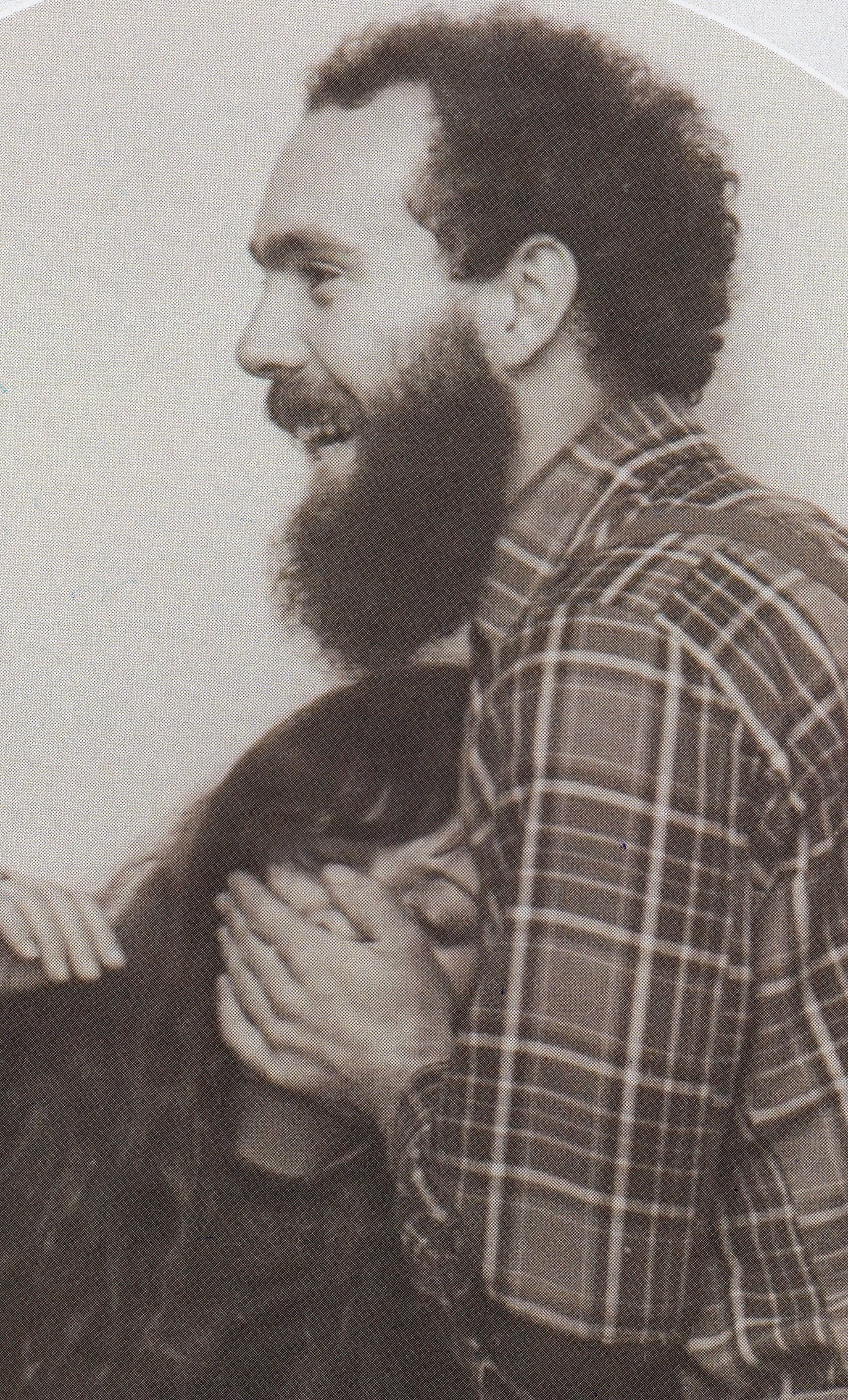
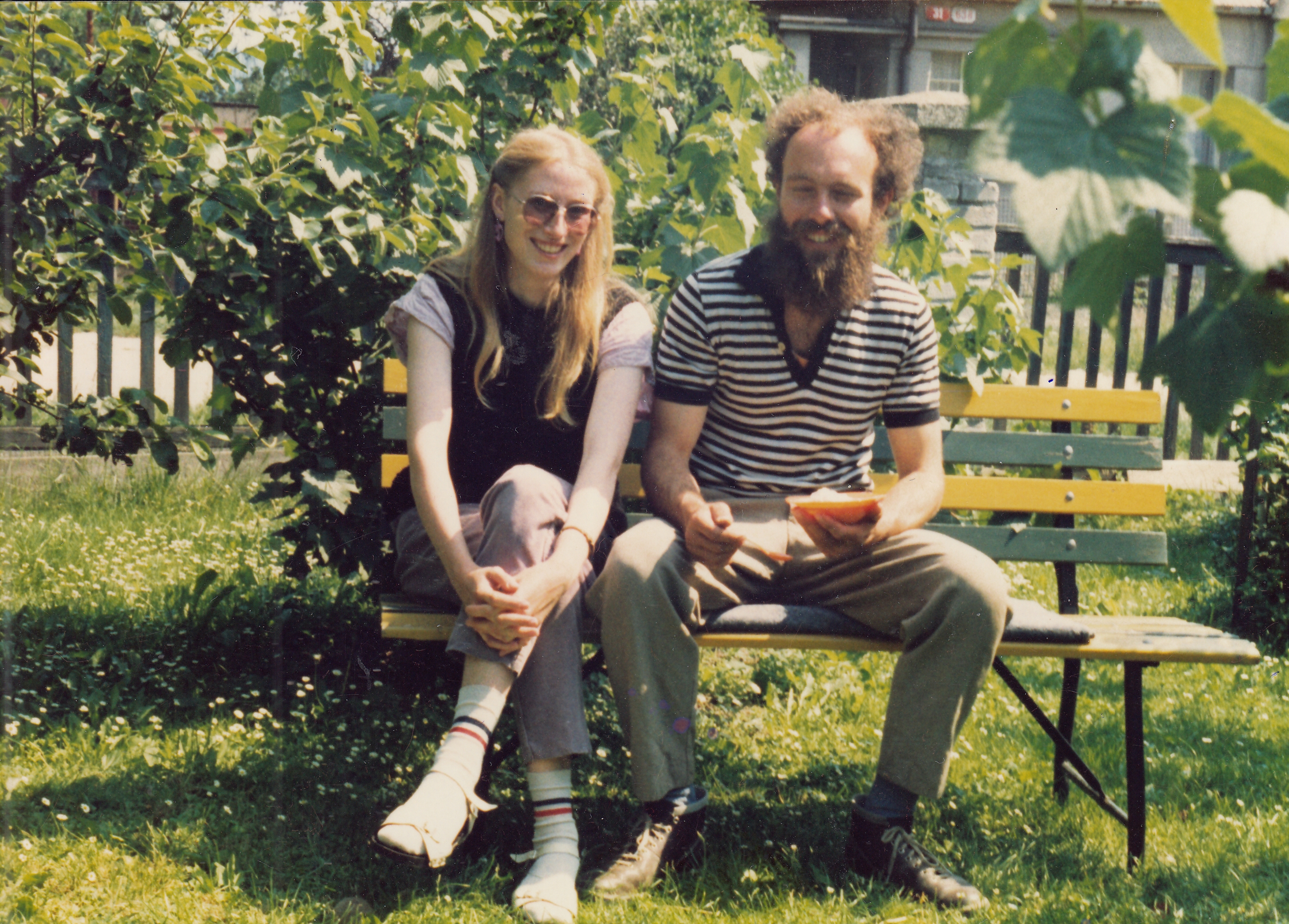
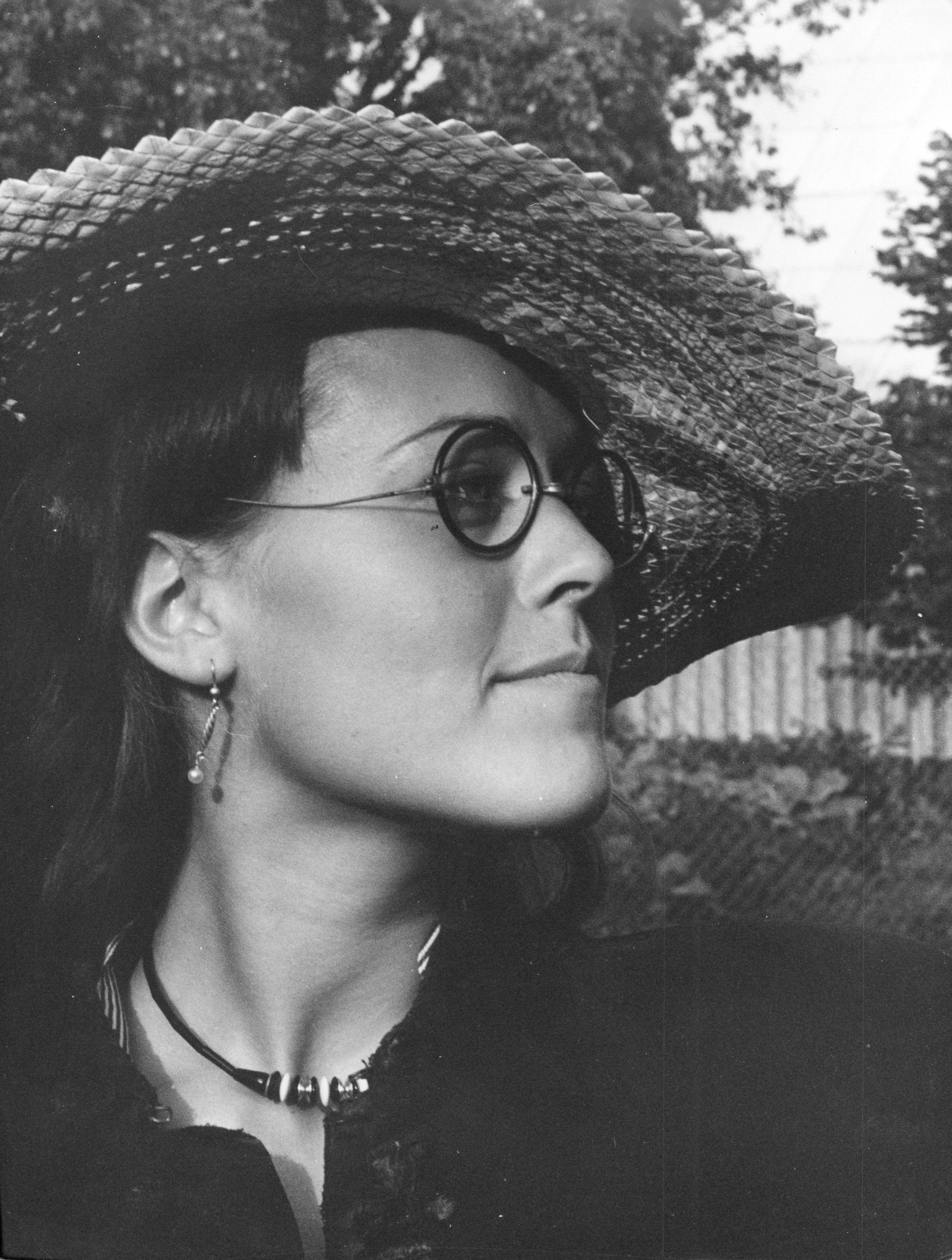
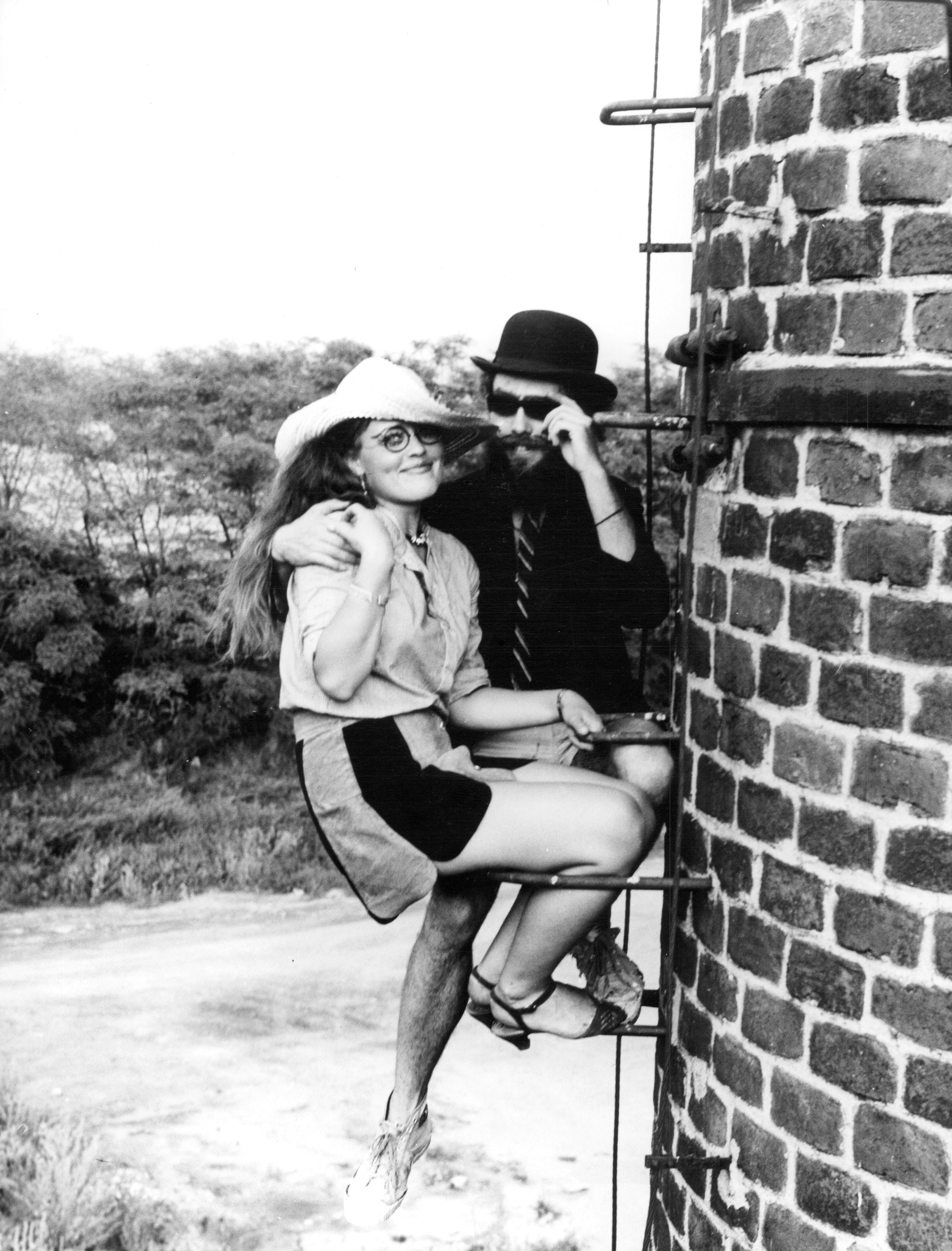
Jiří Dvořák with his wife Jitka in the 1980s
photo: witness´s archive

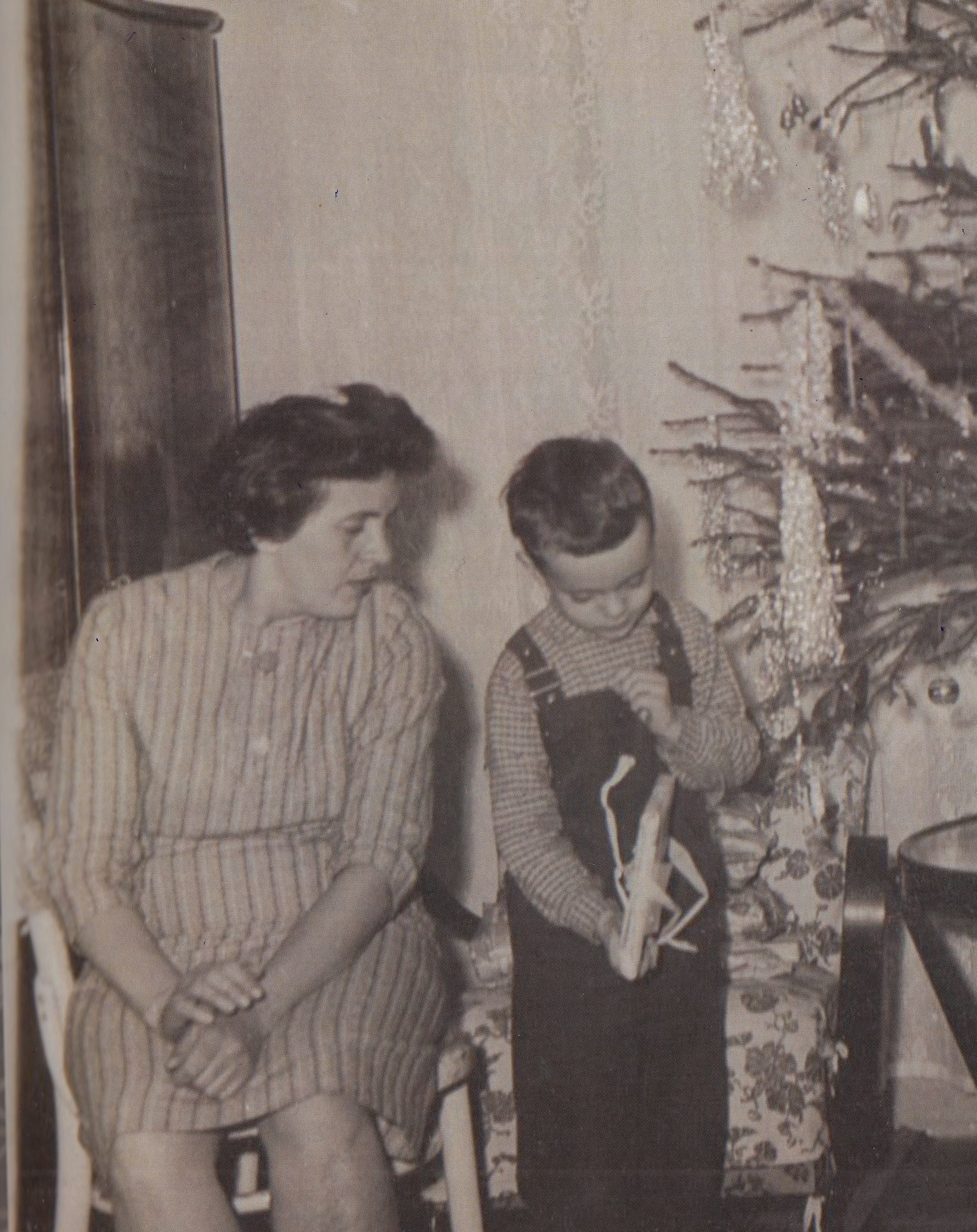
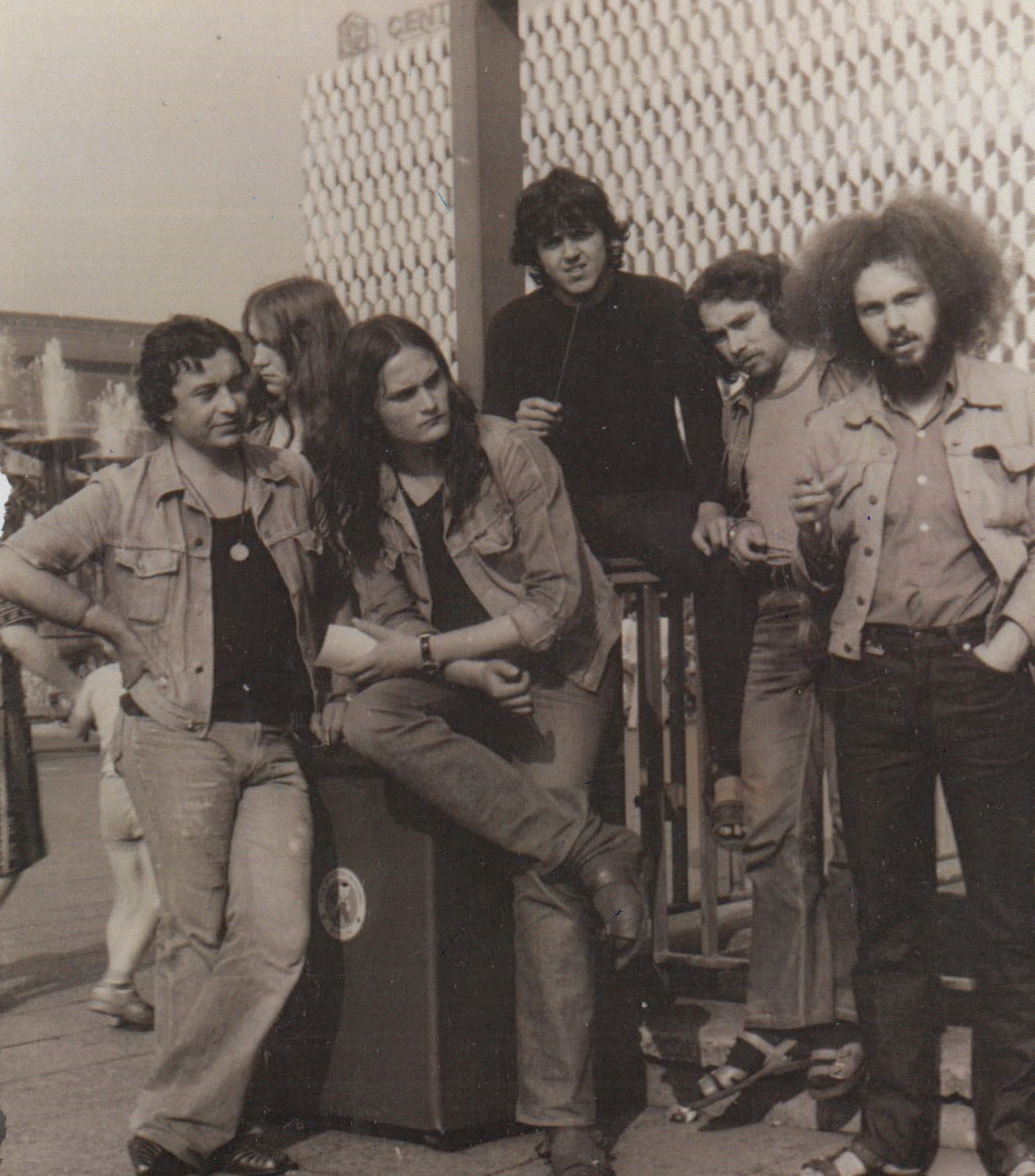
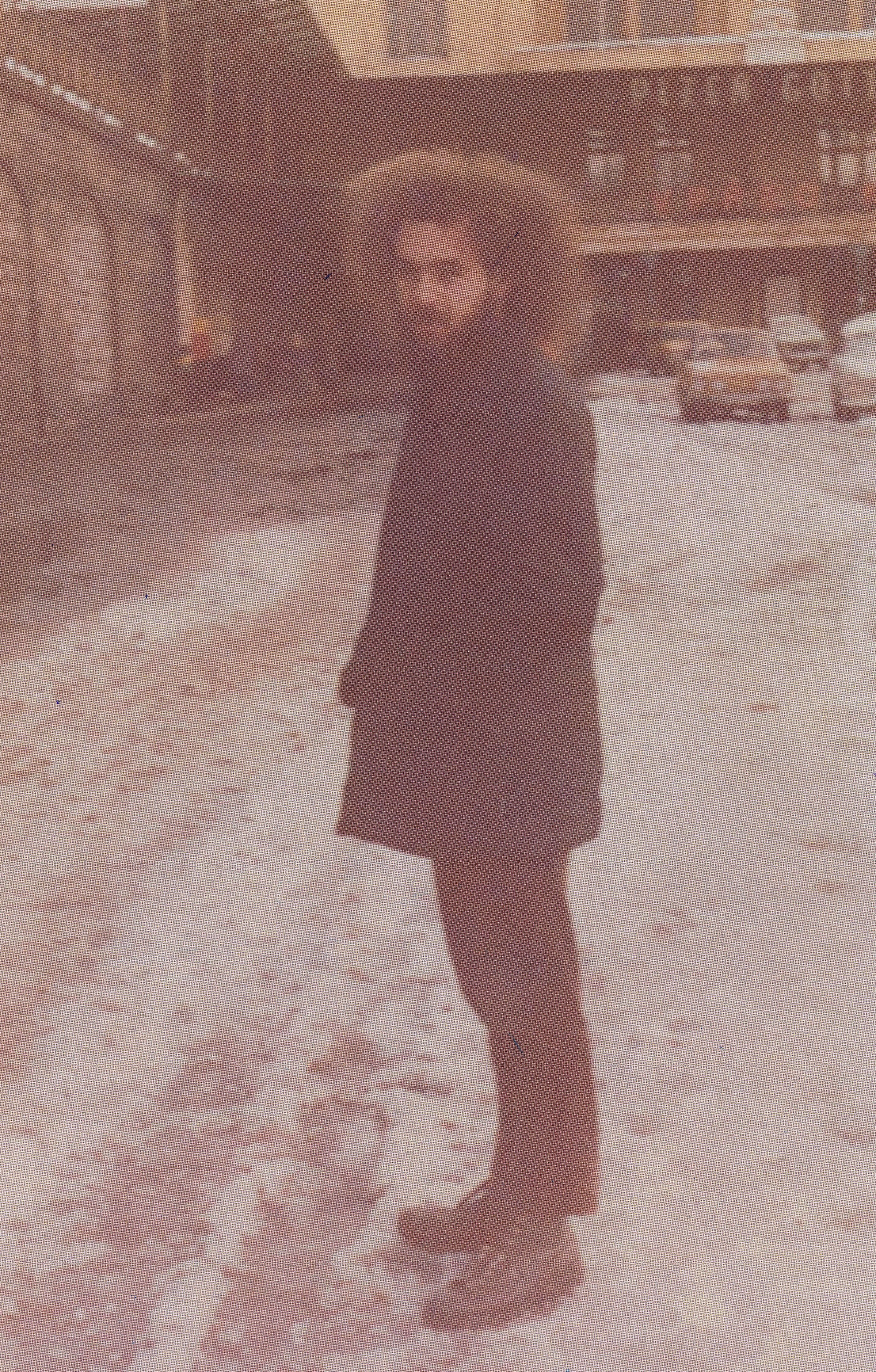
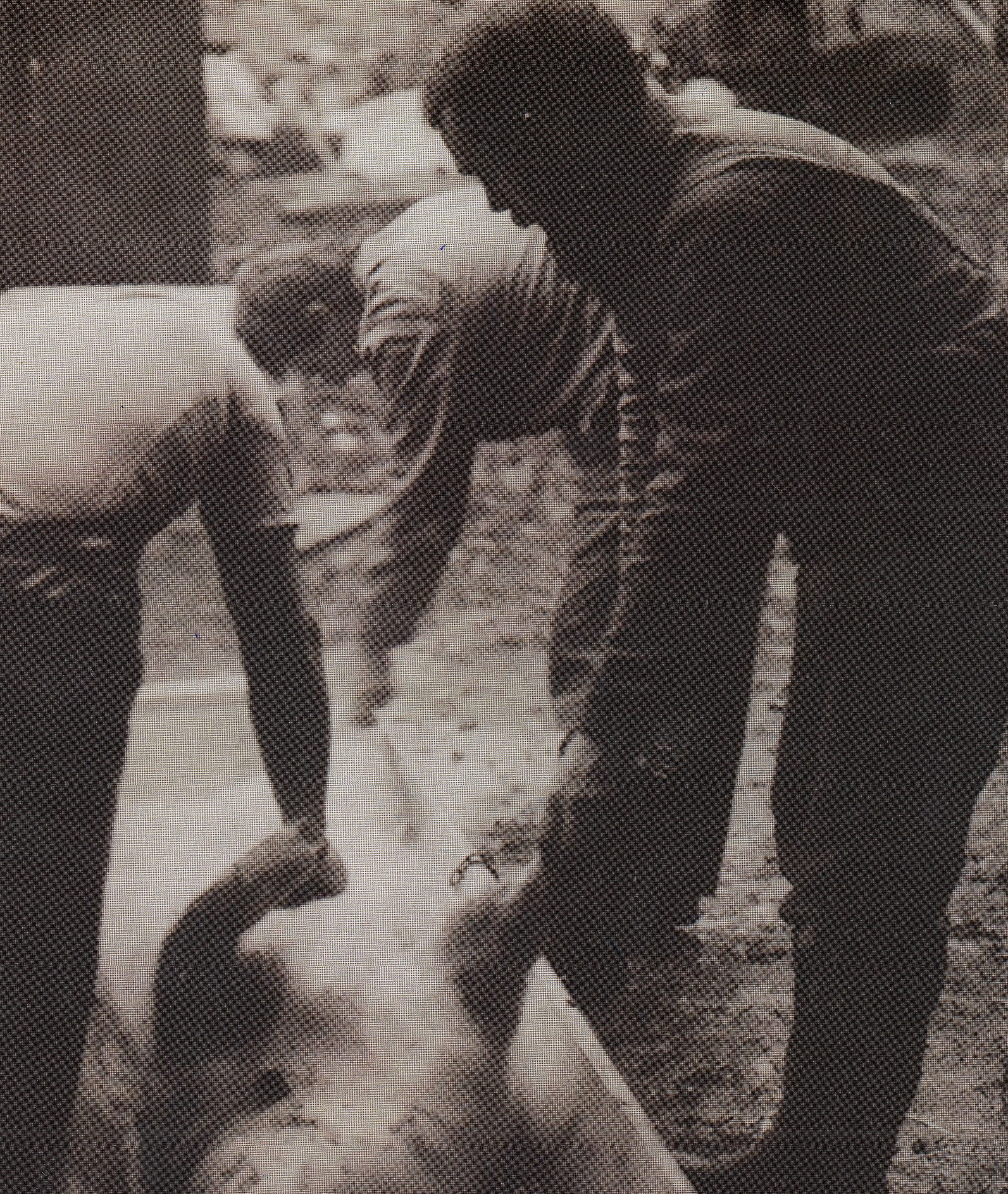
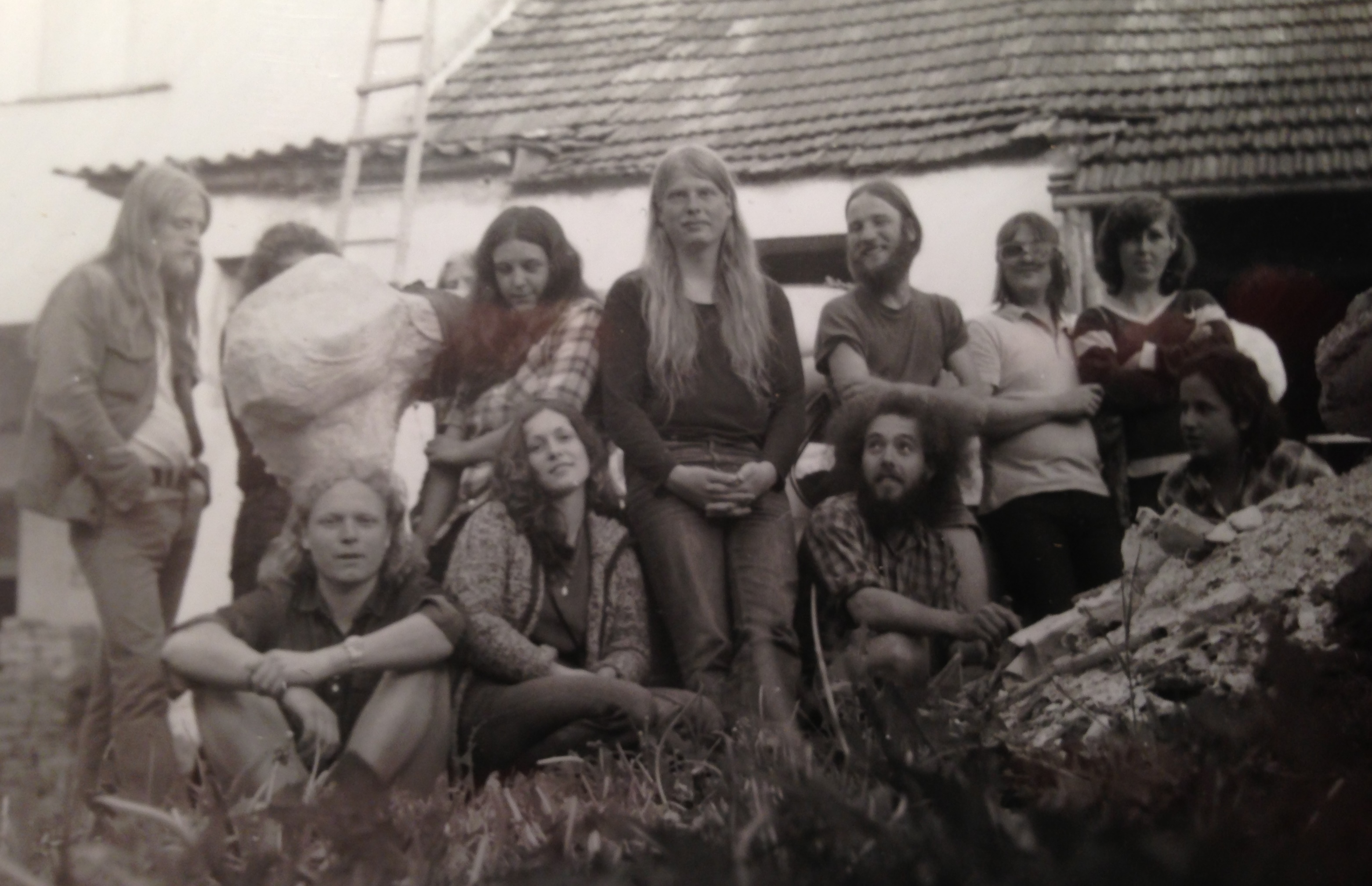
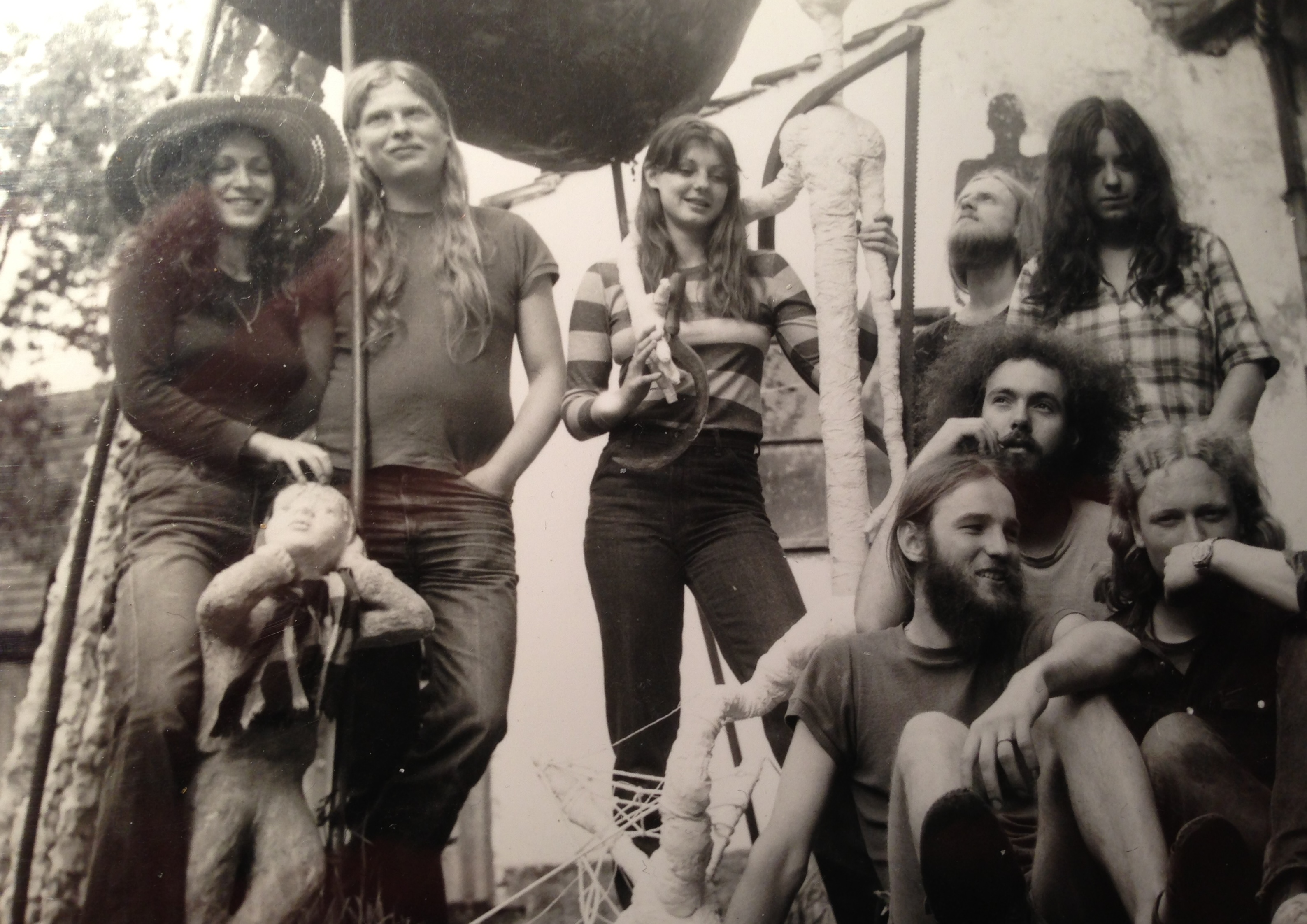
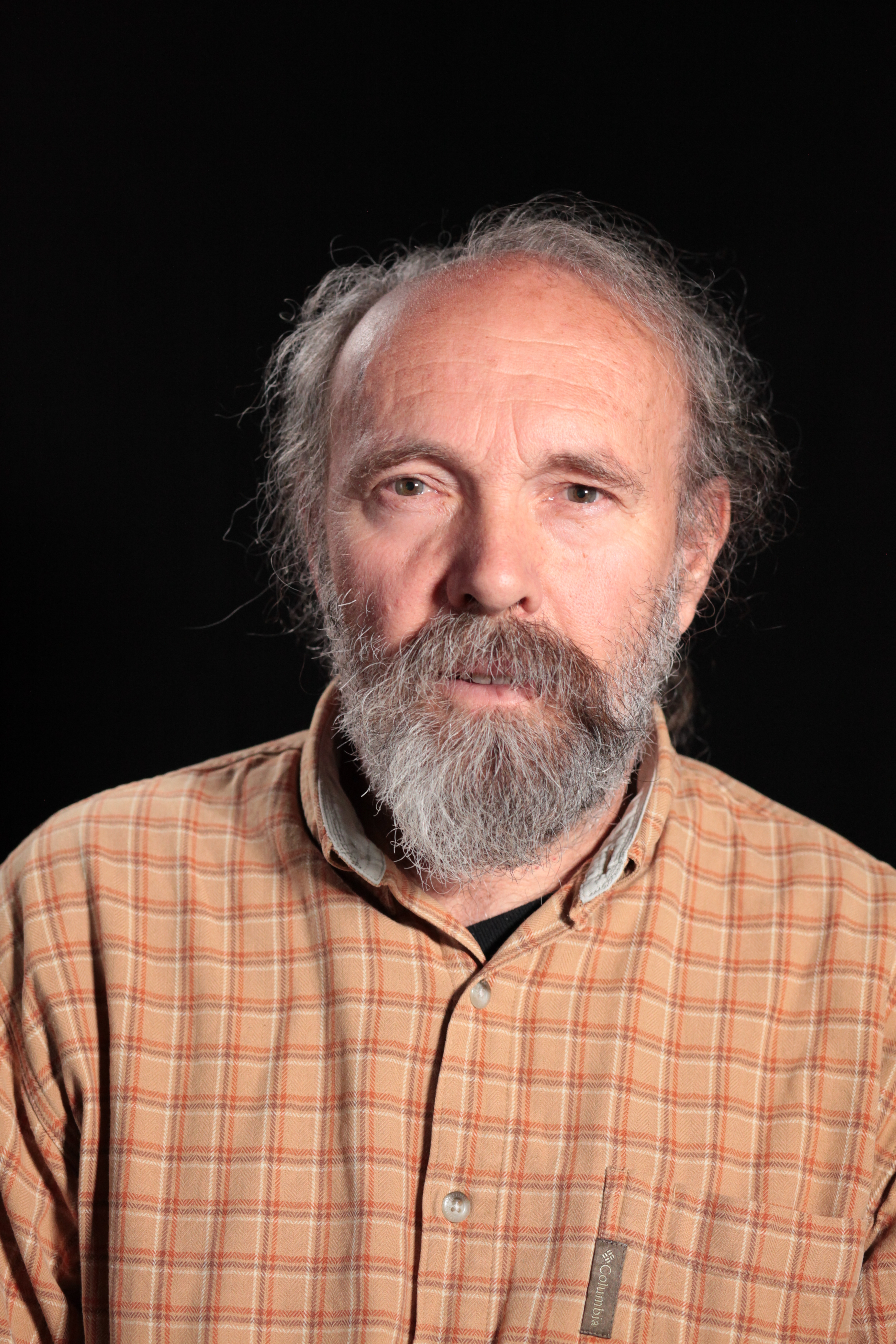
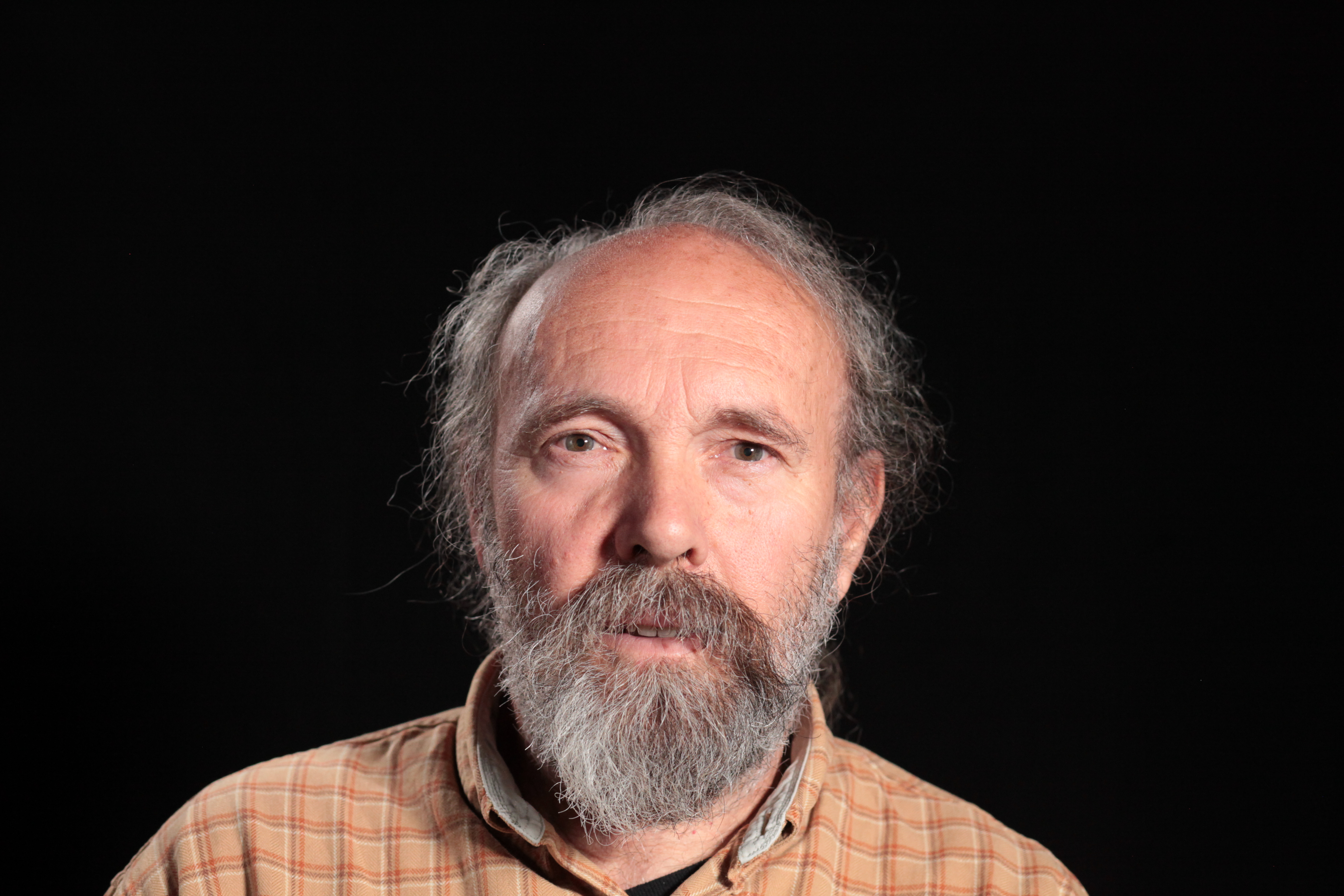
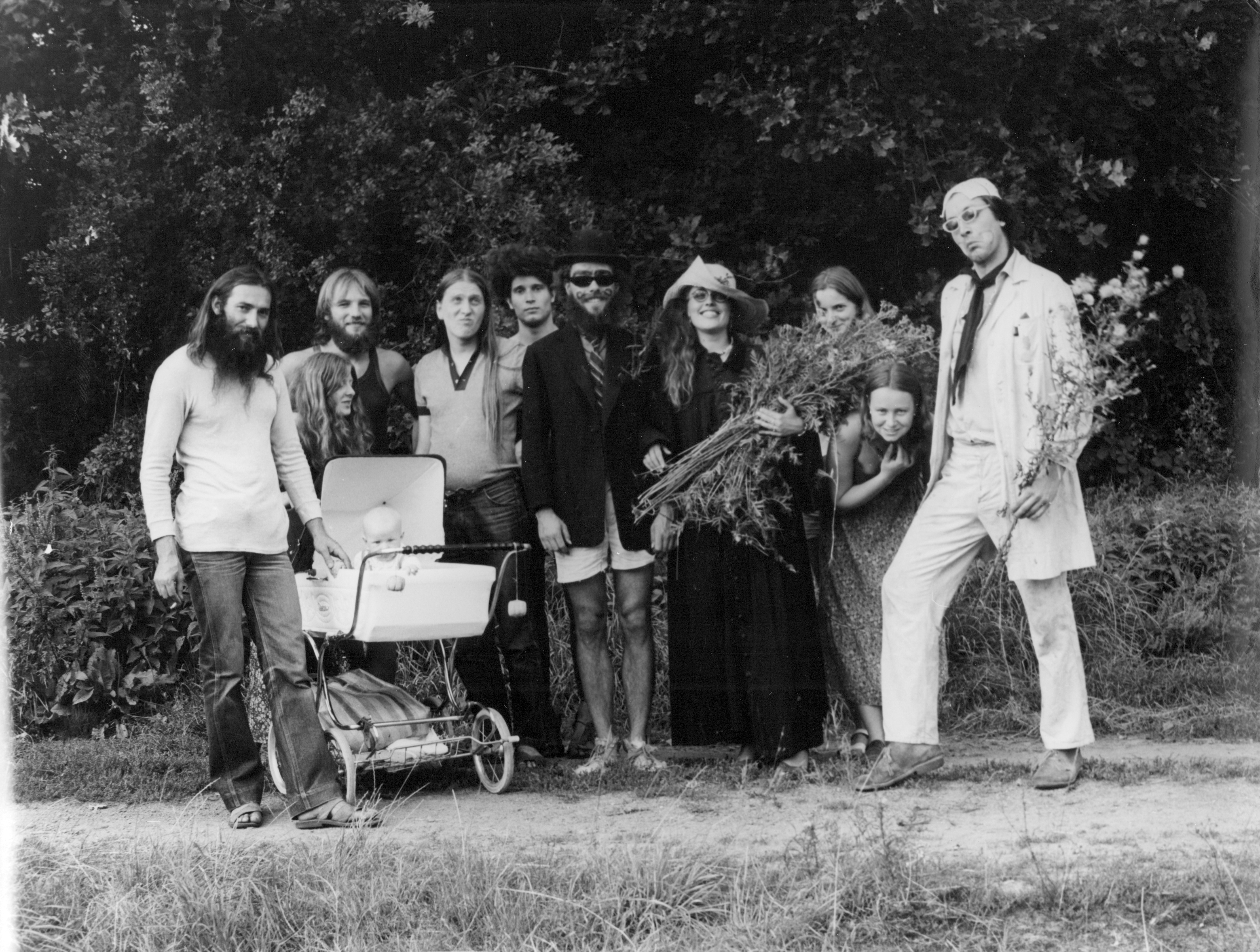
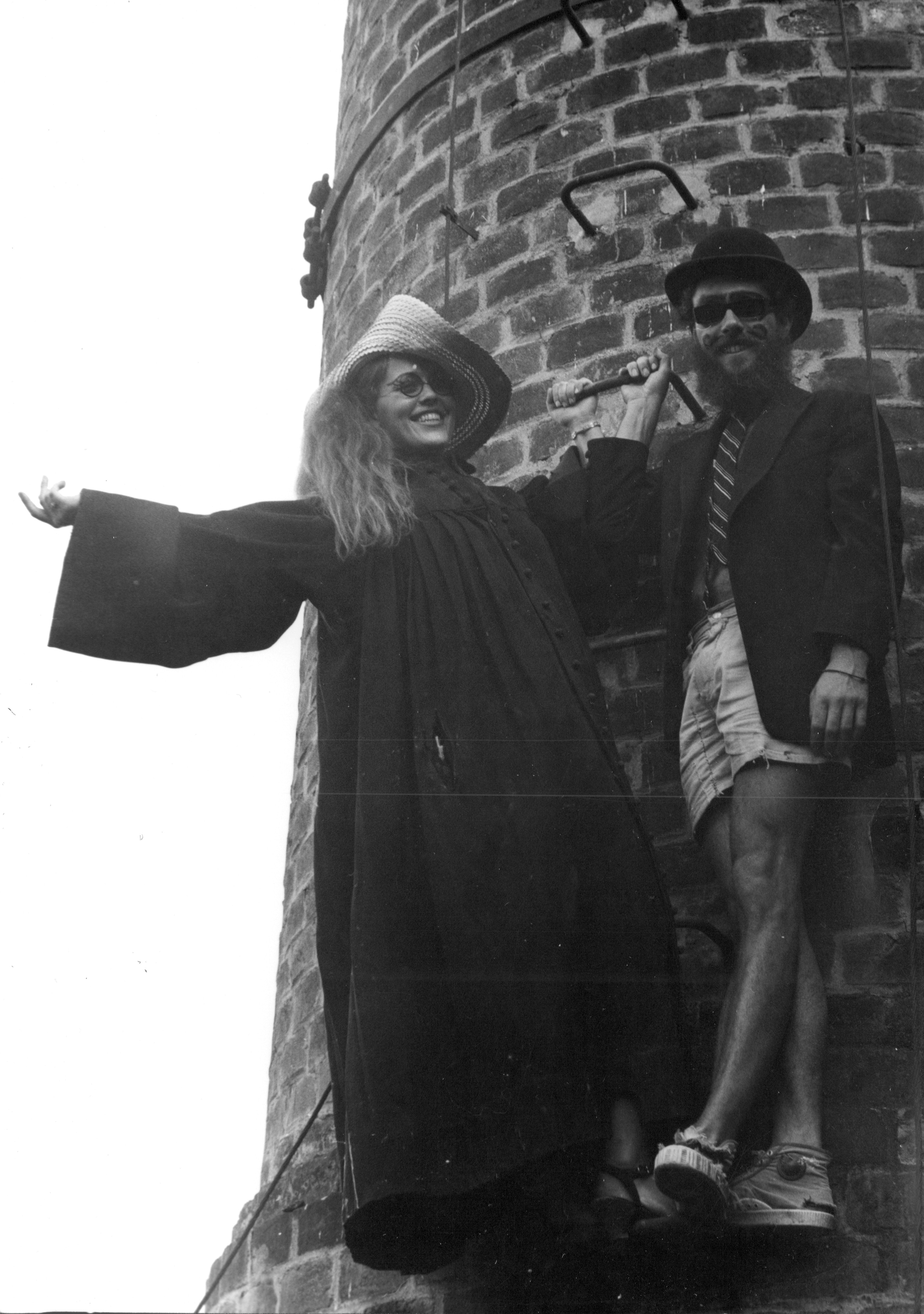
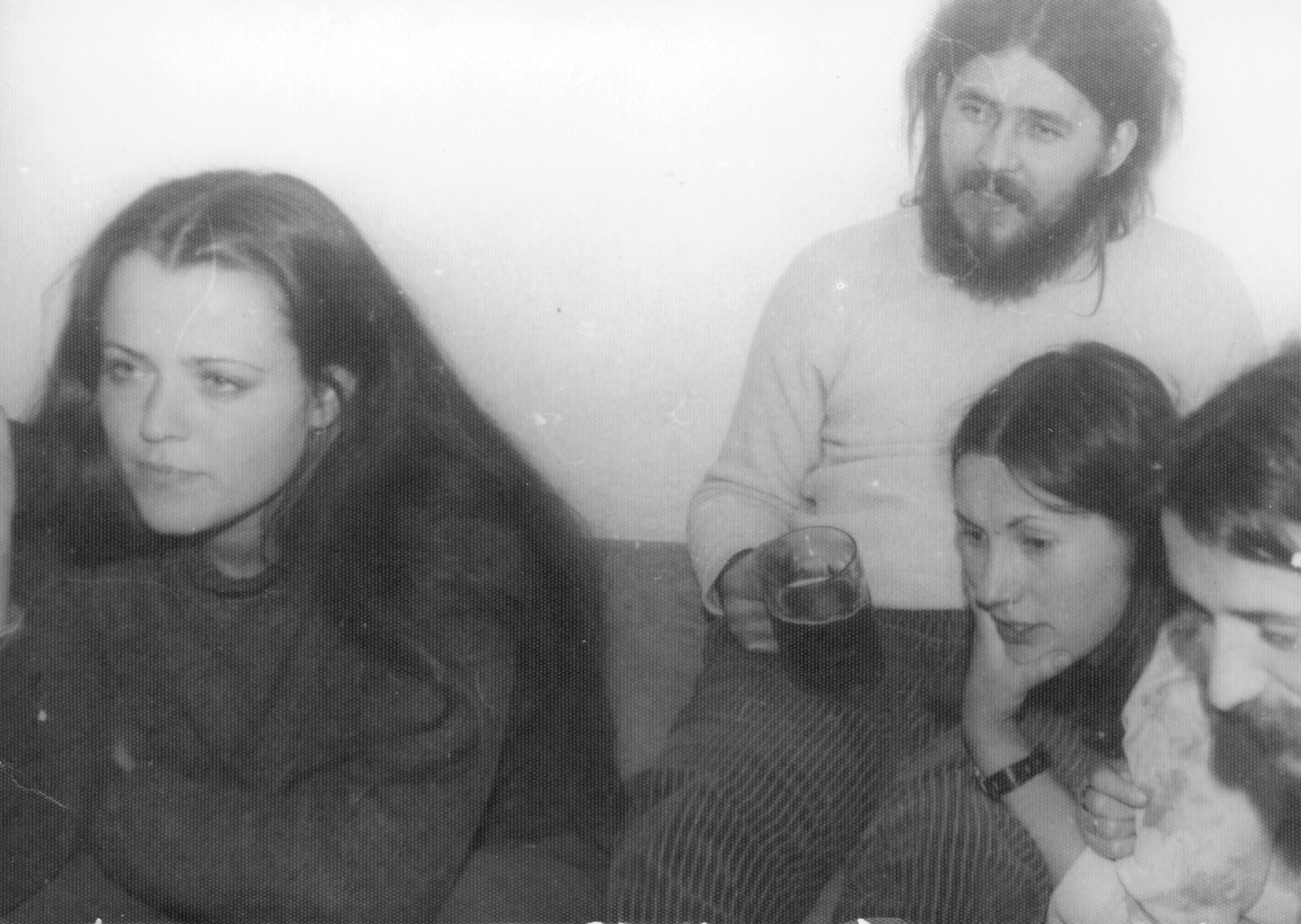
Jiří Dvořák was born on 20 May 1960 in Pilsen, the son of Jiřina and Jiří Dvořák. His mother worked as an accountant, his father trained as a room painter. The family had a tradition of memories of the liberation of Pilsen by the American army, which gave Jiří a glimpse of the contradictions in what the communist regime claimed and taught in schools as a child. As an eight-year-old boy, he experienced the invasion of Czechoslovakia by Warsaw Pact troops in August 1968. After primary school, he trained as a plumber. As a teenager, he refused to join the Socialist Youth Union (SSM), grew his hair long and gradually became closer to the underground culture. He became interested in foreign rock music, participated in organizing unofficial concerts and visited rural underground communities. Because of his contacts, trips to Poland and symbols associated with scouting, he came under the radar of State Security (StB), which repeatedly interrogated him and referred to him as “defective youth”. In the early 1980s he and his friends decided to take up community life in the countryside and establish an underground “baráky” (old houses). Together they bought a house in Malechov near Klatovy, where they tried to live freely outside the official structures. Shortly after moving in, however, they faced legal proceedings over the circumstances of the house purchase; Jiří Dvořák was sentenced to a suspended sentence and lived under StB surveillance for a long time. In Malechov, he participated in farming, cultural activities and routine work in the local cooperative farm (JZD). The house became a meeting place for the underground, dissidents and the dissemination of samizdat, which provoked further interference by the security forces. In the mid-1980s, the community gradually disintegrated under the pressure of persecution. In 1987, Jiří Dvořák and his wife Jitka moved to Babice near Teplá, where they started a family. Here he became involved in the unofficial Christian community, participating in meetings of believers and hiding religious literature. Gradually, faith was an important support for him and a connection to the values he perceived even in the underground environment. After 1989, he worked in various professions - including health care, social services, forestry and culture.