Zdeňka Dušková

* 1959

  • "Most of the people who moved to [Velký] Šenov were people who bought houses there, actually as a reward. They were mostly communists. And my grandmother was moved inthere among those communists as a punishment. So she raised those three daughters almost all her life. Everybody knew who she was. That's why she had to go to work - she worked as a weaver in STAP - at night. As soon as she was out during the day, people would throw things at her, stones, and call her names because she was a pariah because of grandfather. So she and her daughters had a hard life like that. Her earnings were minimal as a punishment, and so she raised the three children alone like that. And I can tell you, the consequences were so severe that my grandmother had five heart attacks and didn't survive the sixth. She died very young. The other thing was that none of the girls could go to school. They weren't allowed to admit them because they were from such a family. So they all had only a basic education."

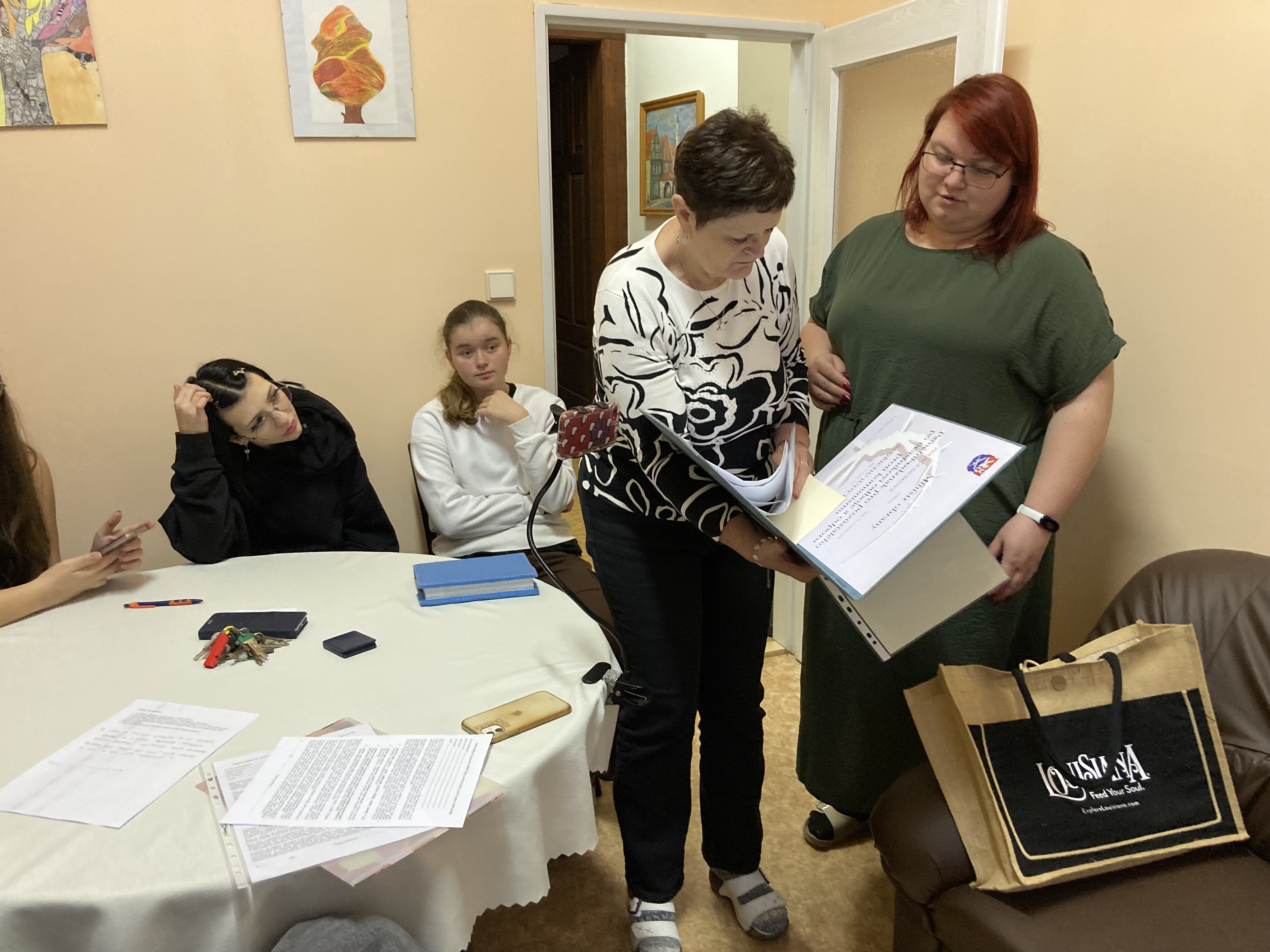
  • "I knew when I was your age that Grandpa had done something wrong. My grandmother wasn't allowed to talk about it, and I don't even have a photograph because everything was confiscated by State Security at the time, so we had nothing. And it wasn't talked about. But when I was, it was about eight or ten years ago, a lady approached me and called me and said that she had known my grandfather and my grandmother and my mother and that she would like to know how things actually turned out with them, how we lived and so on. Originally, when my grandmother's property in Jindřichov was confiscated, she rented her flat and the house. She was a writer, Mrs. Marie Rút Křížková, who is no longer alive, but at that time she was still a famous writer who wrote several books. And she worked in the ethics committee at the Ministry of Defence and she wanted to reach out to people through that and she was looking for some relatives who were still alive who knew my grandmother and grandfather. And then one day a friend of hers worked in the museum here in Rumburk, and they were looking for a contact to see if they could find someone. They found me, because I'm the only one of the family left alive. She contacted me, we met, I went to see her in Prague. And she told me that she knew my grandmother and my aunts, and that [she knew] about the whole trial that had taken place at that time, and that they would like to rehabilitate or pardon my grandfather, so to speak, within the framework of the commission, that he had been unjustly executed."

  • "Unfortunately, it went on with me, because when I was a primary school pupil, when I was applying for another school, I applied for the pedagogical school in Most. And unfortunately, they used to write an evaluation, not like you have today, that you just write: participated in competitions and so on, but a multi-page evaluation, what the political opinion of the whole family was. And there was, of course, that grandfather had been executed, that grandmother was left alone, that they were against the political regime. So I couldn't get into any secondary school. I can thank the deputy headmaster from the pedagogical school, who originally came from Šluknov and knew that there was a shortage of techachers. So I was admitted to the pedagogical school in Most."

  • "When my grandfather was executed, my grandmother was left with three daughters. They originally lived in Rumburk, in Jindřichov, and were evicted to Velký Šenov as punishment. And there she raised her three daughters alone. And because it was like a political punishment at that time, she was moved here to Velký Šenov, and all her property was confiscated, and she raised her three daughters here. Unfortunately, she was on her own, so it affected her health badly. She even had six heart attacks, she didn't survive the sixth. But unfortunately, because it was a political family that was not allowed to express itself anywhere, my grandmother went to work at night, because when she went during the day, they were throwing stones at her. She didn't have any education, none of her daughters had any education because they weren't admitted to any school, they only came out of the ninth grade and they didn't have the rest. Neither of them went to secondary school."

  • Full recordings
  • 1

    Velký Šenov, 09.12.2024

    (audio)
    duration: 20:08
    media recorded in project The Stories of Our Neigbours
  • 2

    Varnsdorf, 12.11.2025

    (audio)
    duration: 58:01
    media recorded in project Příběhy regionu - Ústecký kraj
Full recordings are available only for logged users.

People threw stones at my grandmother in the street, she only went to work at night
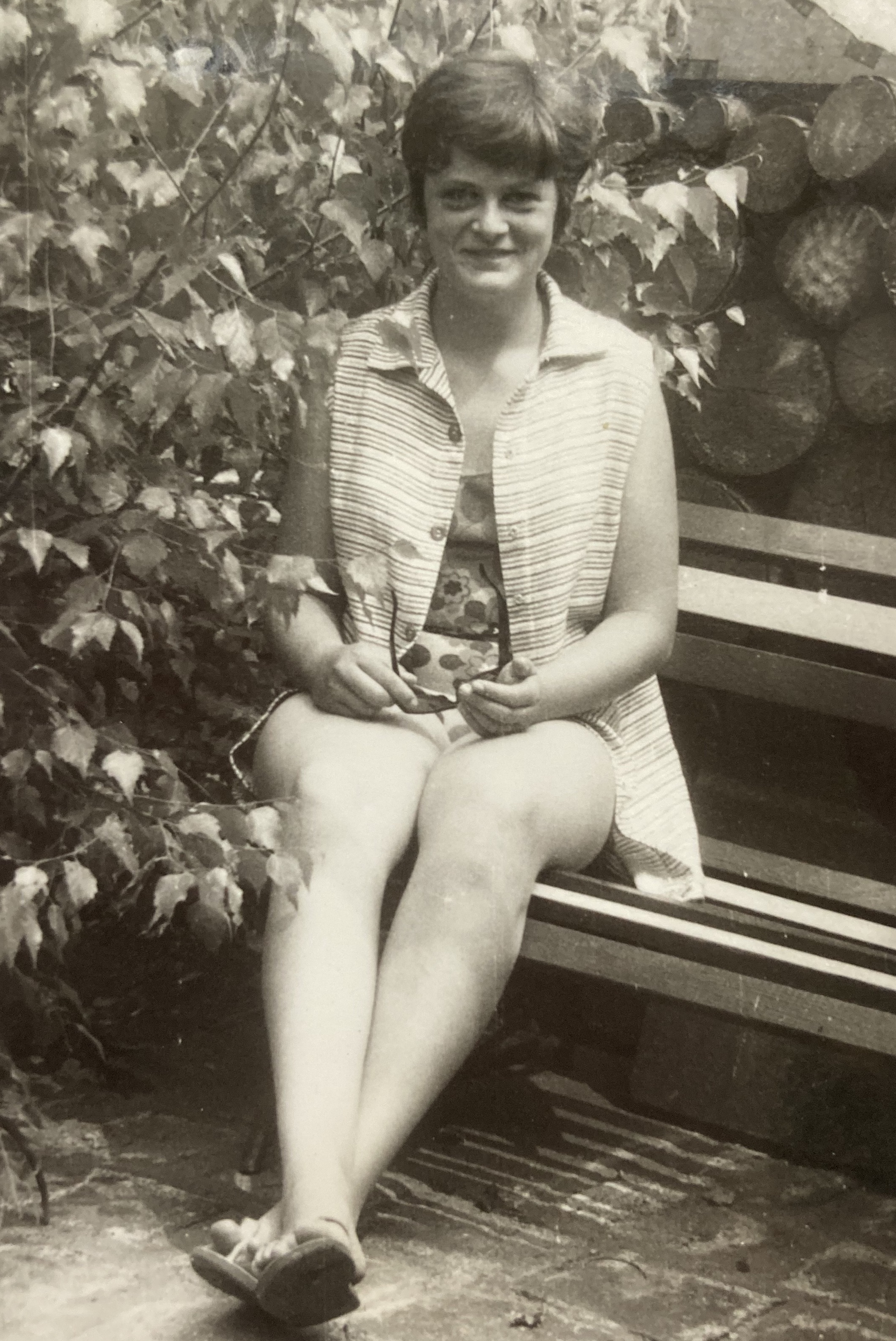
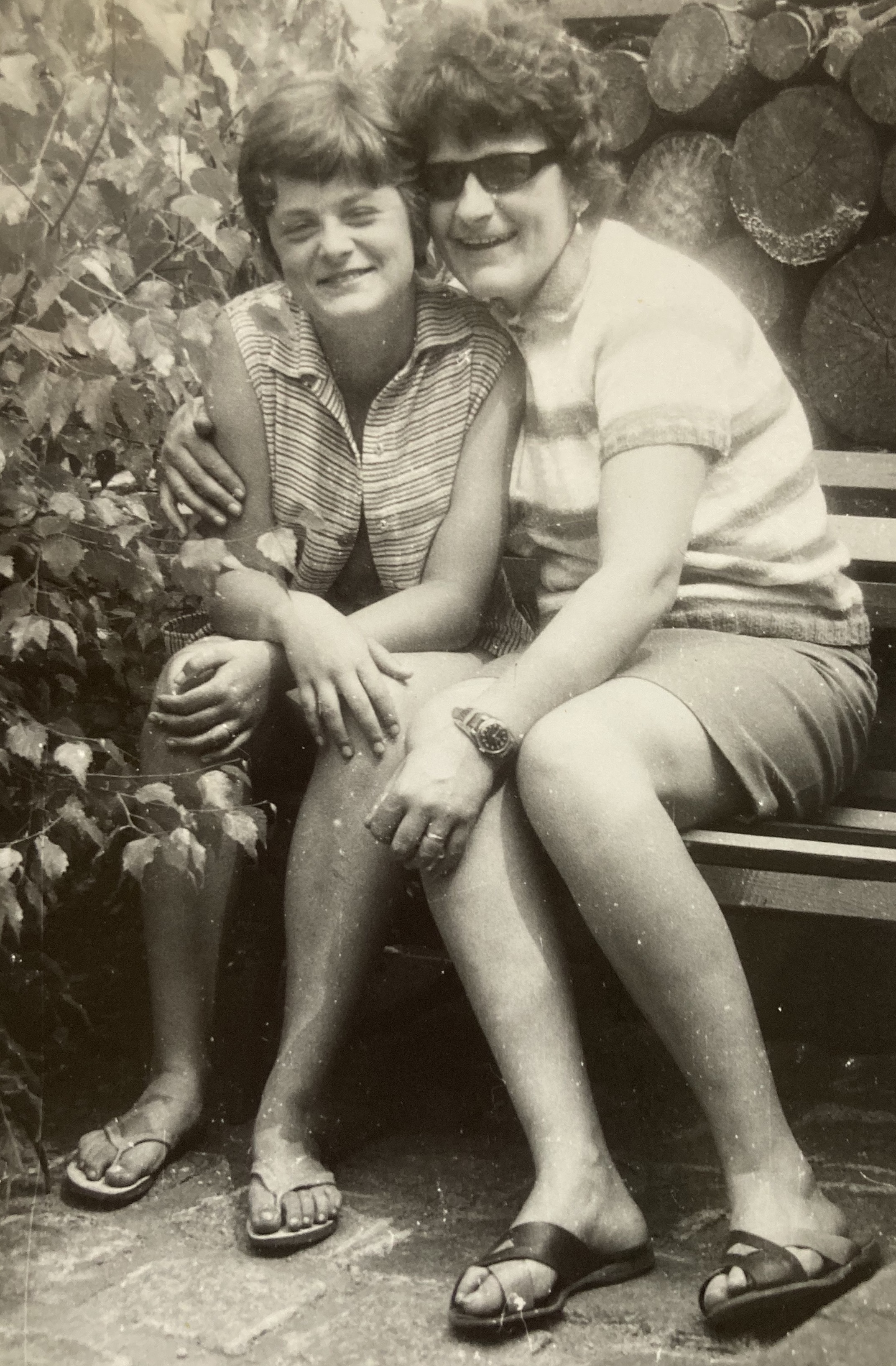
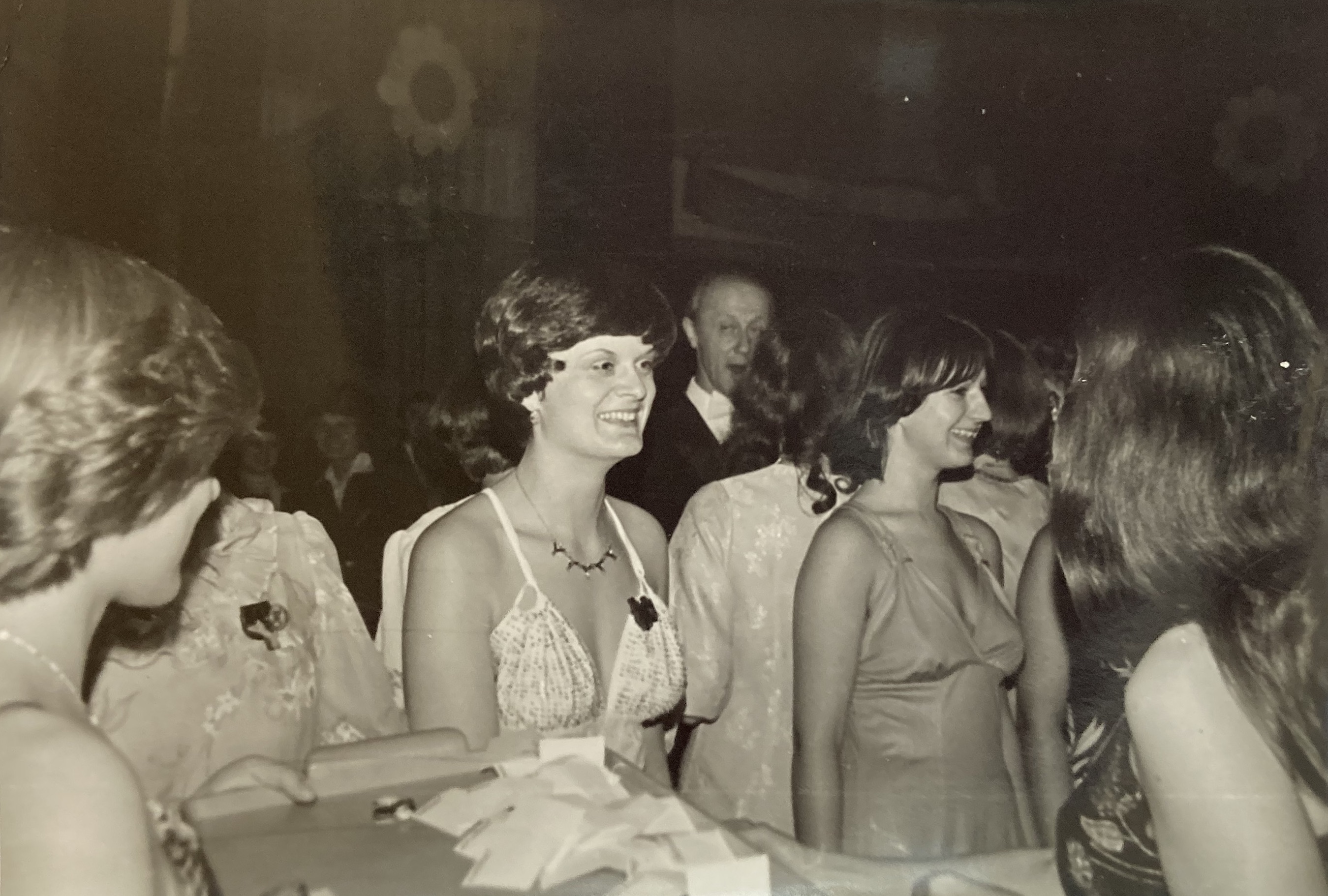
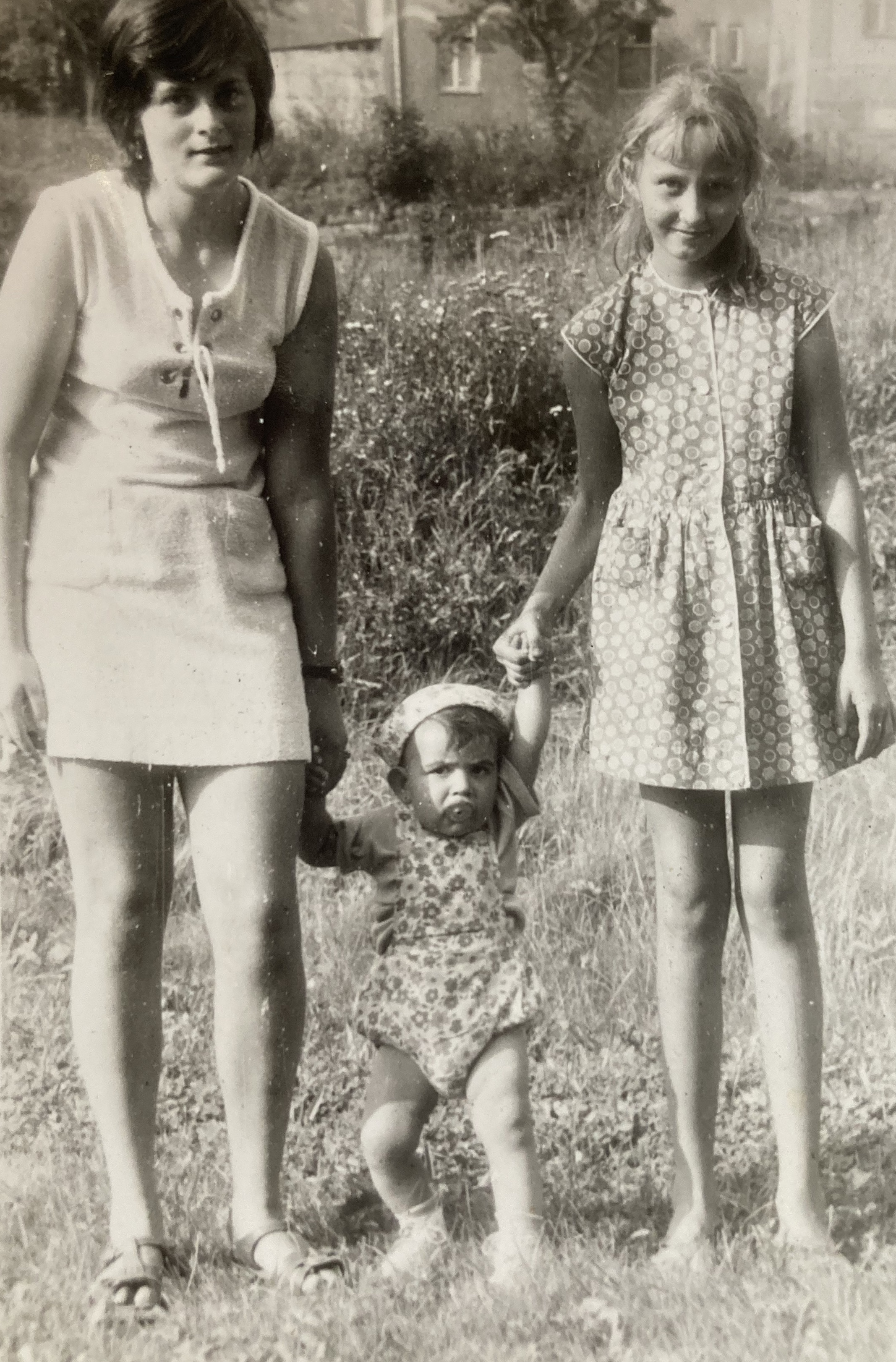
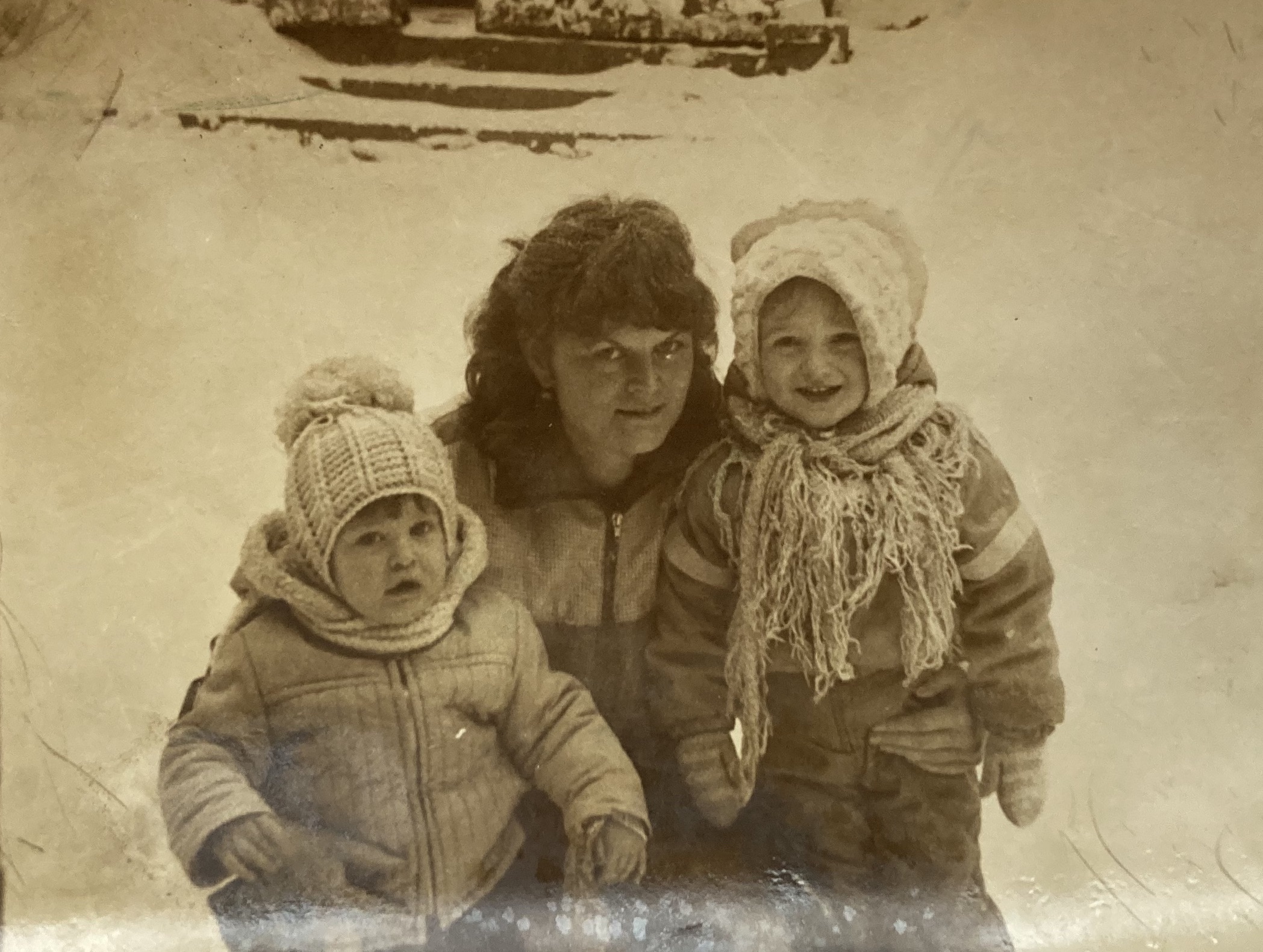
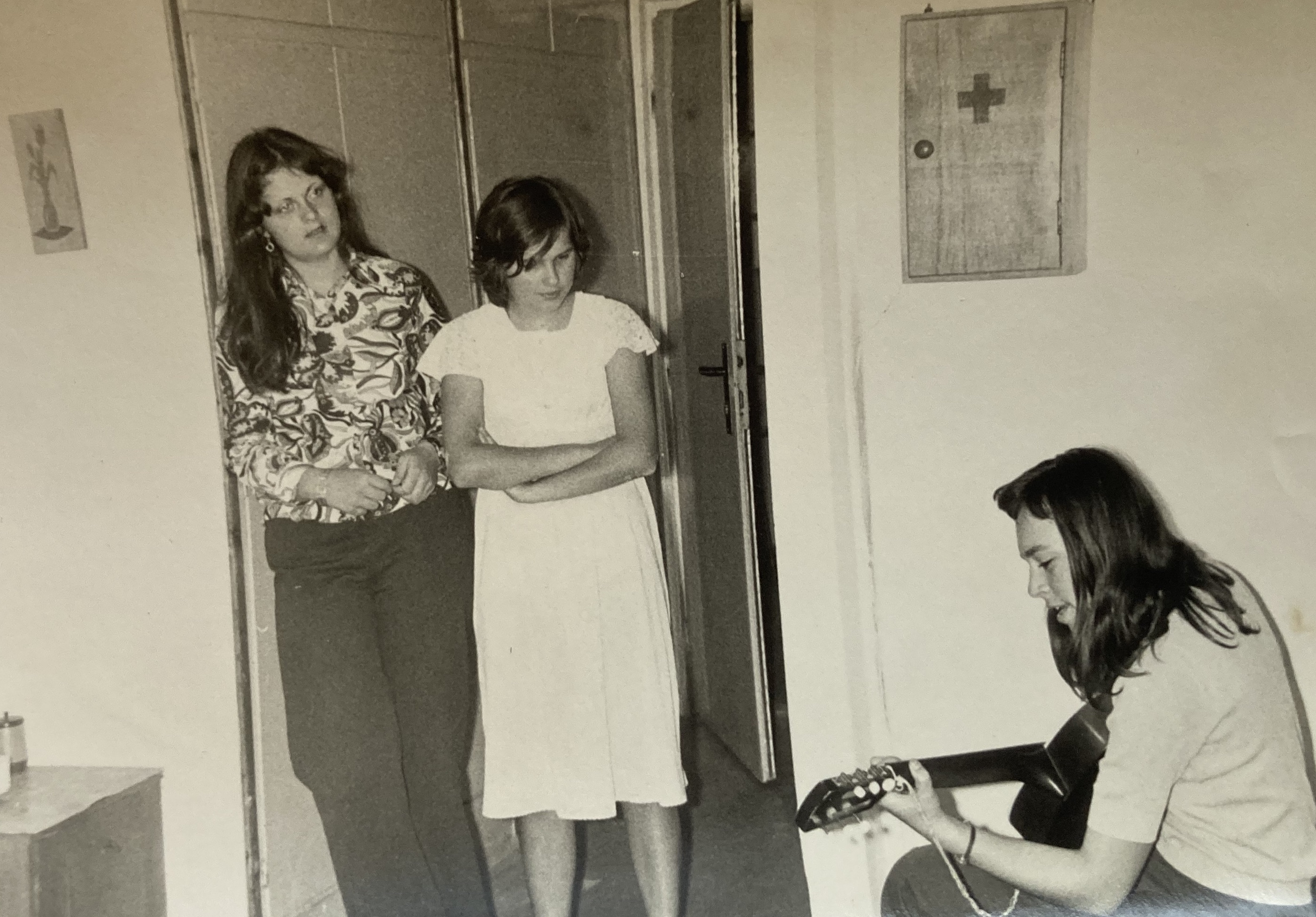
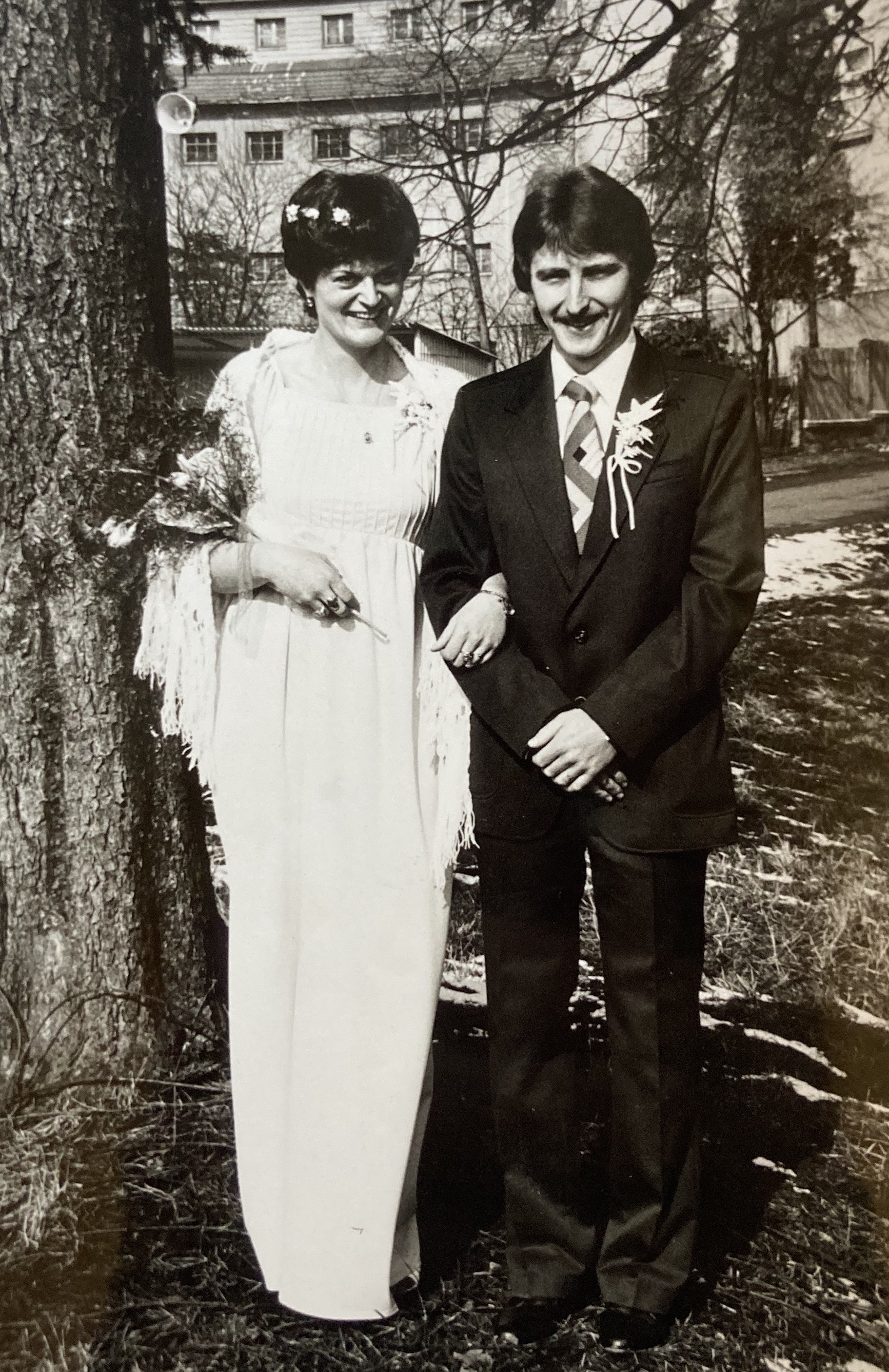
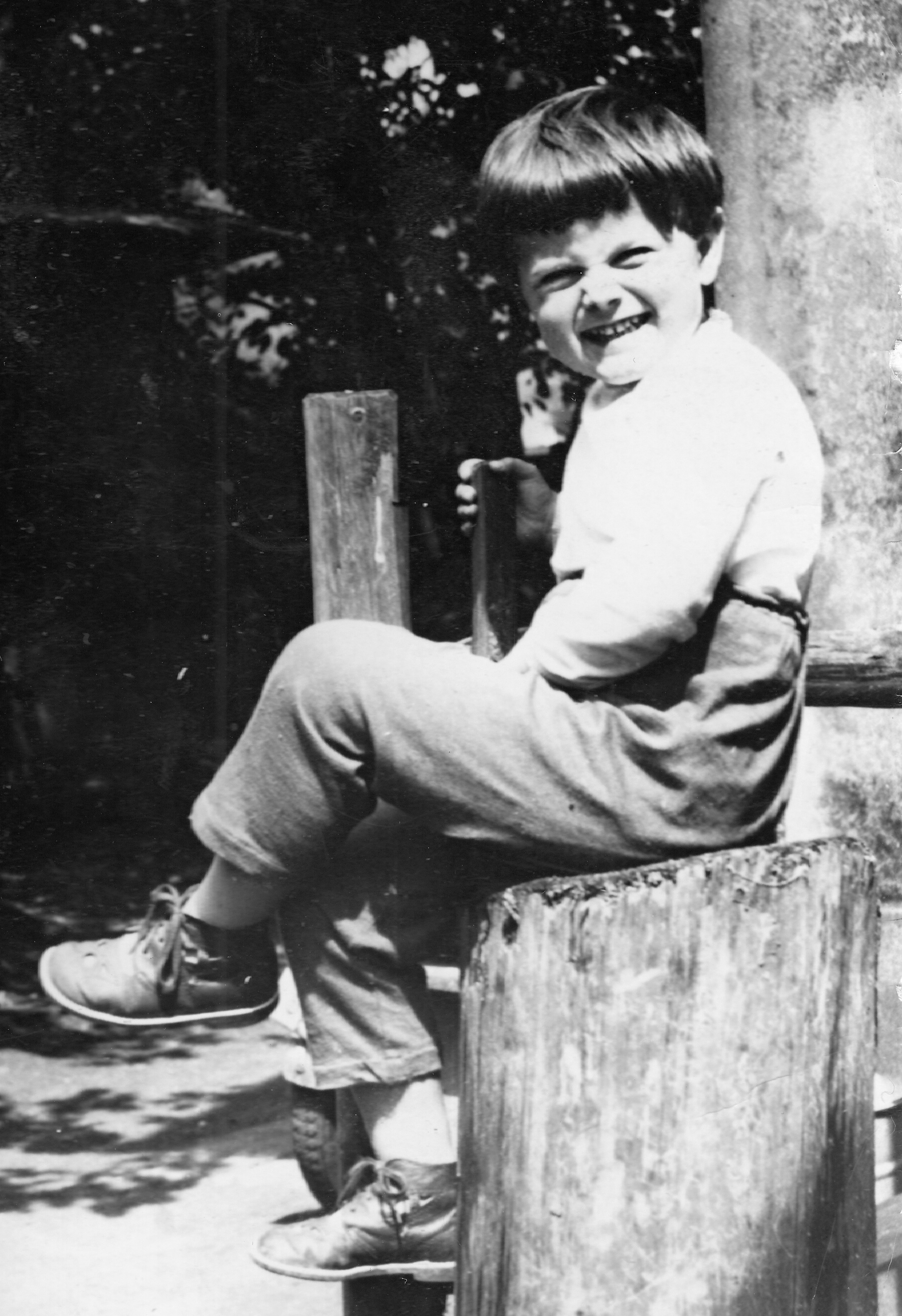
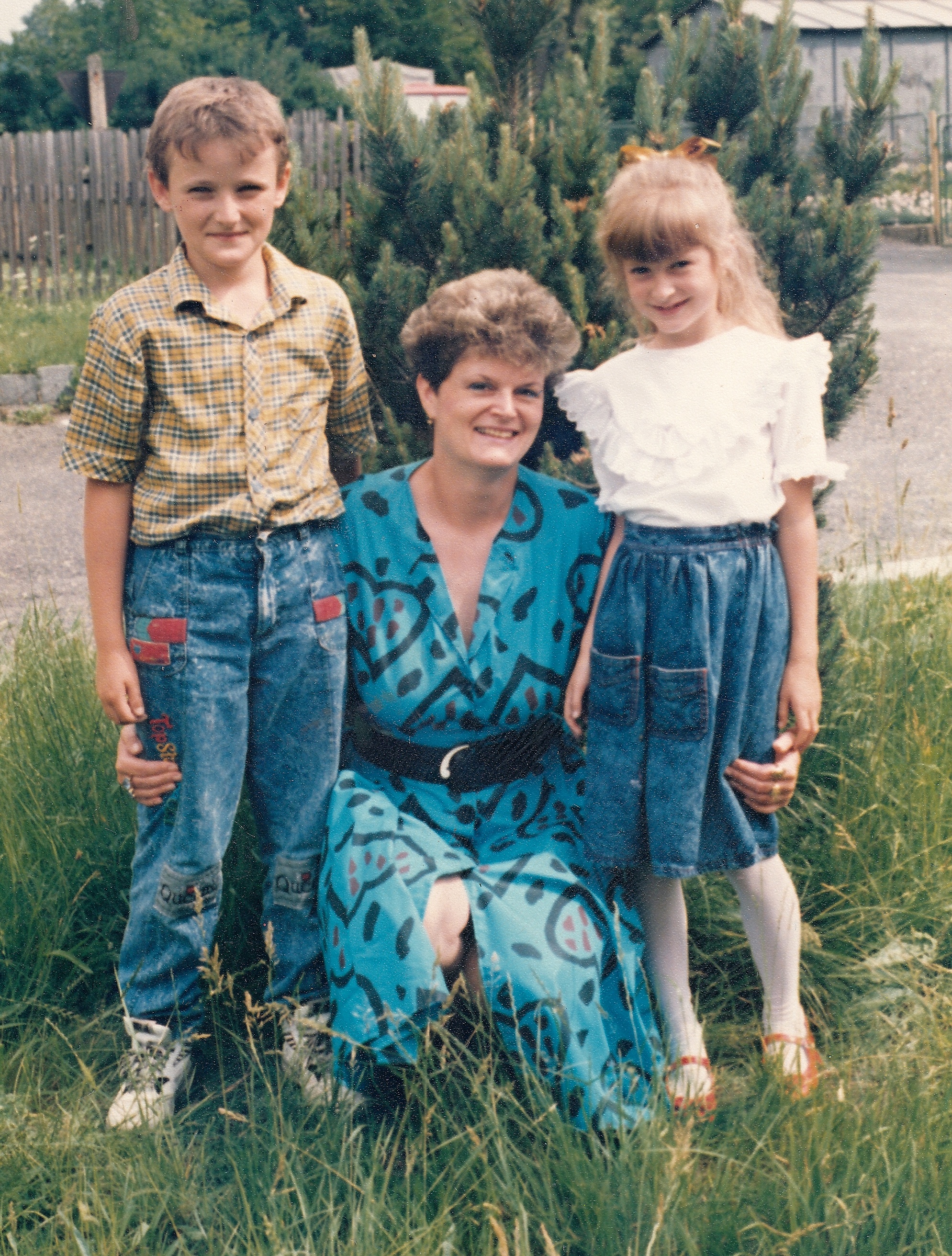
Youth of Zdeňka Dušková
photo: Archive of Zdeňka Dušková

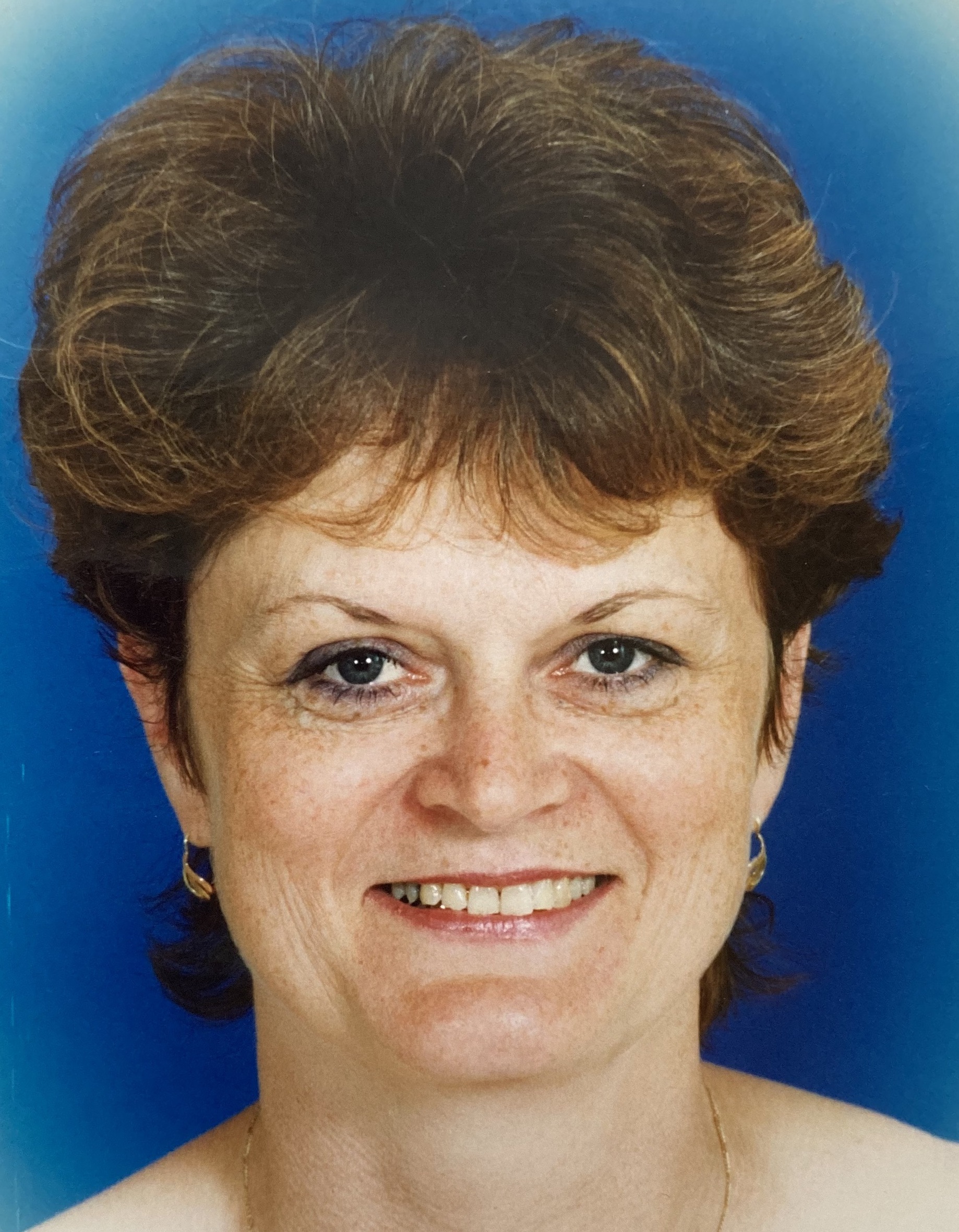
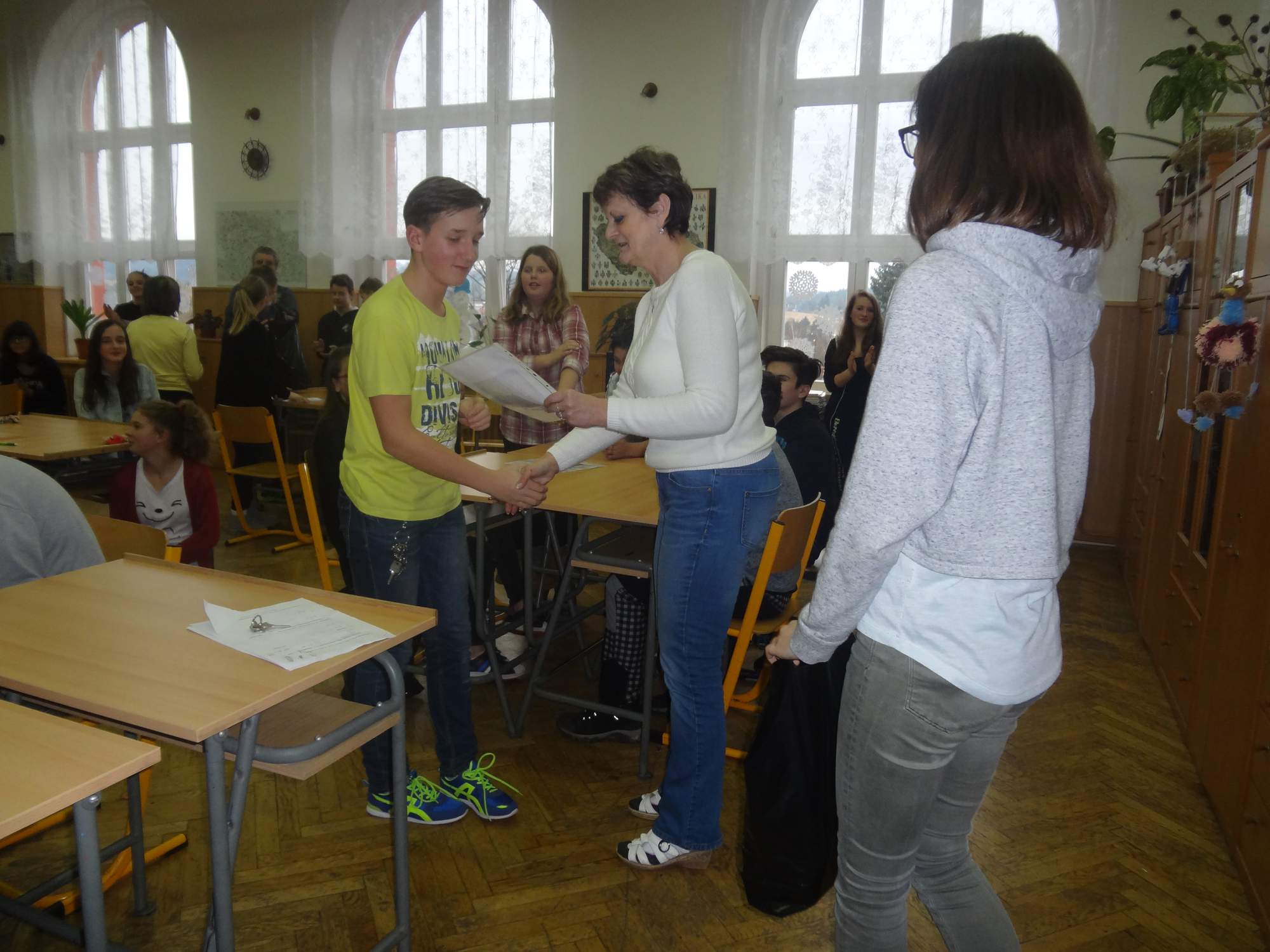
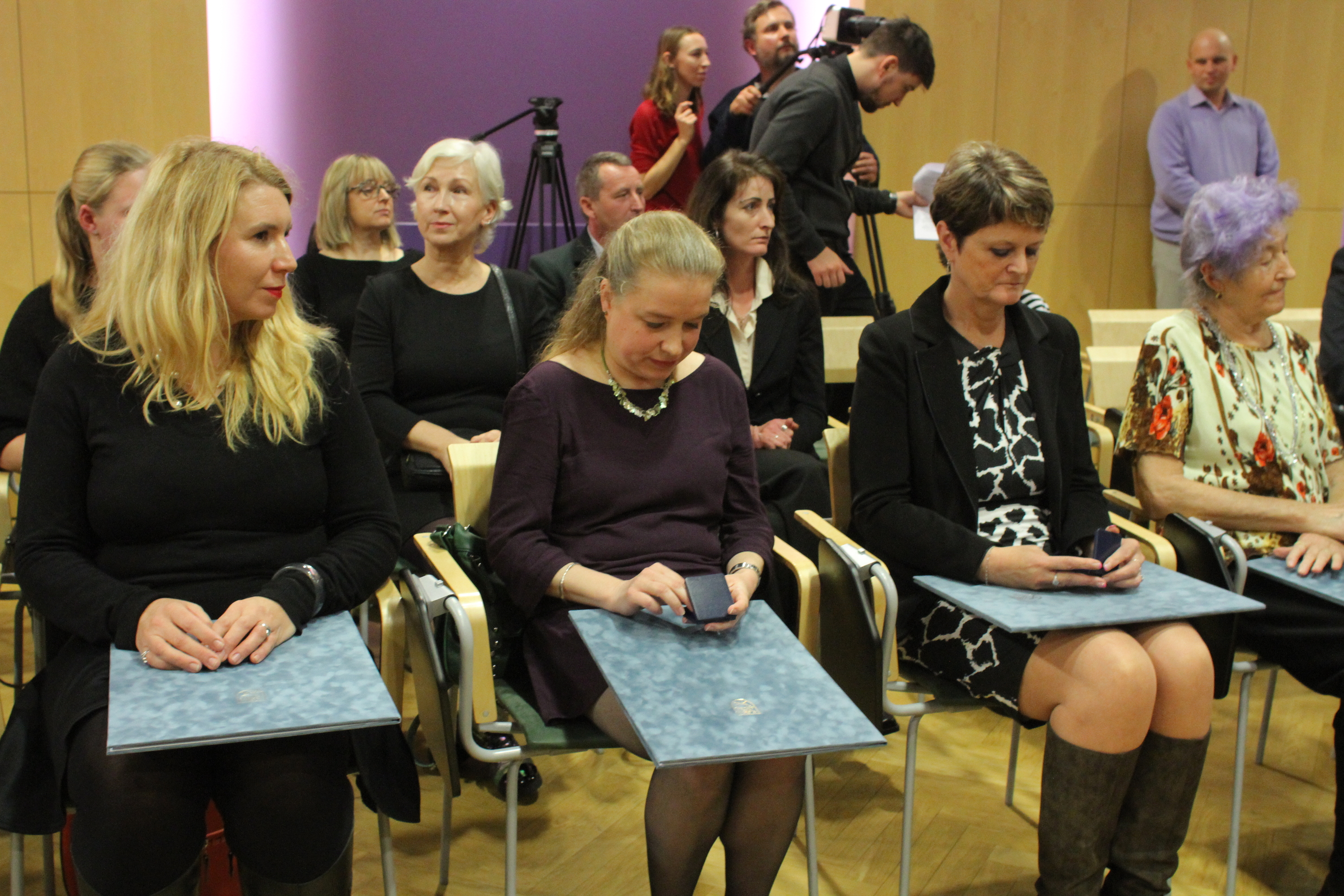
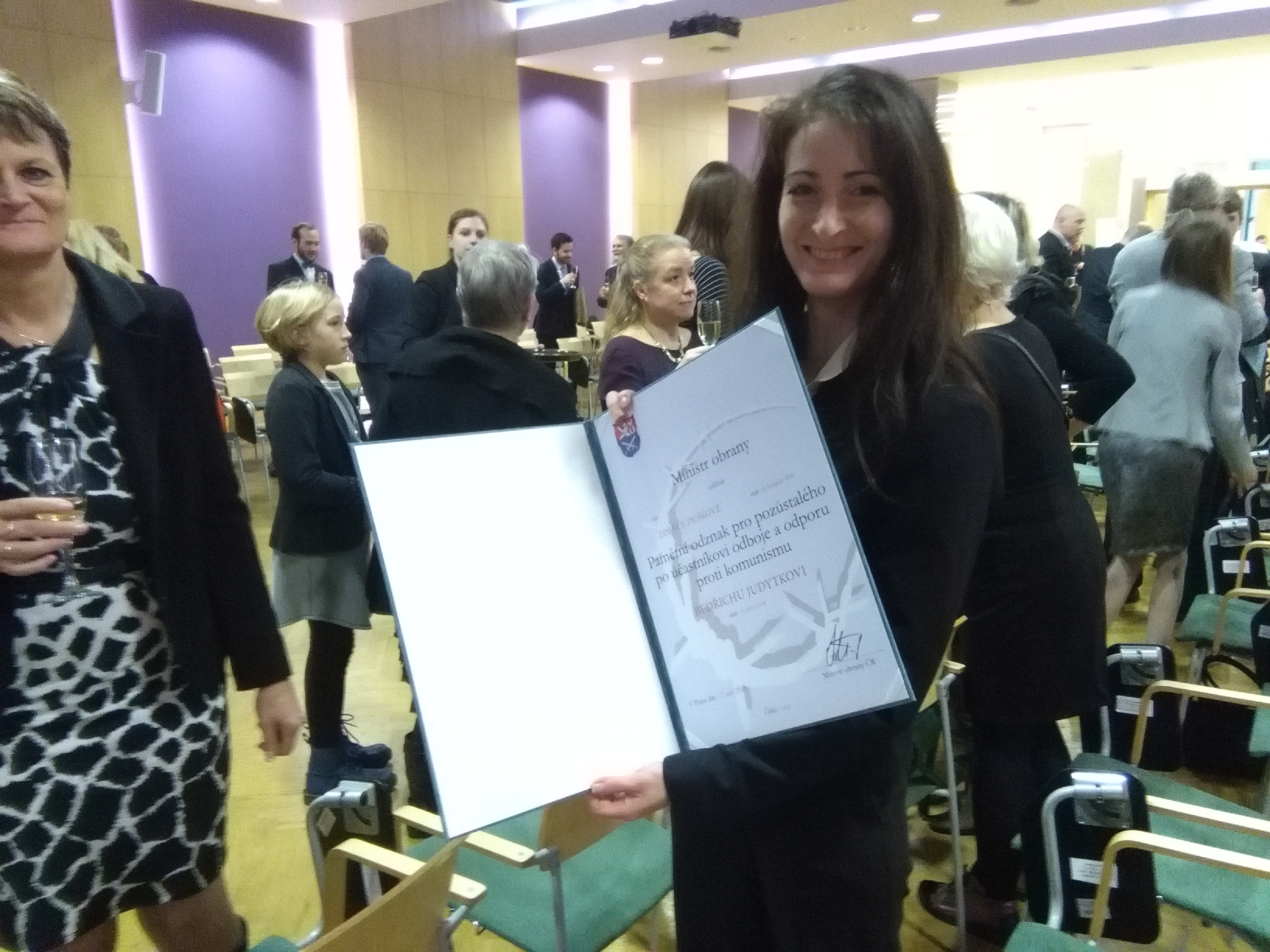
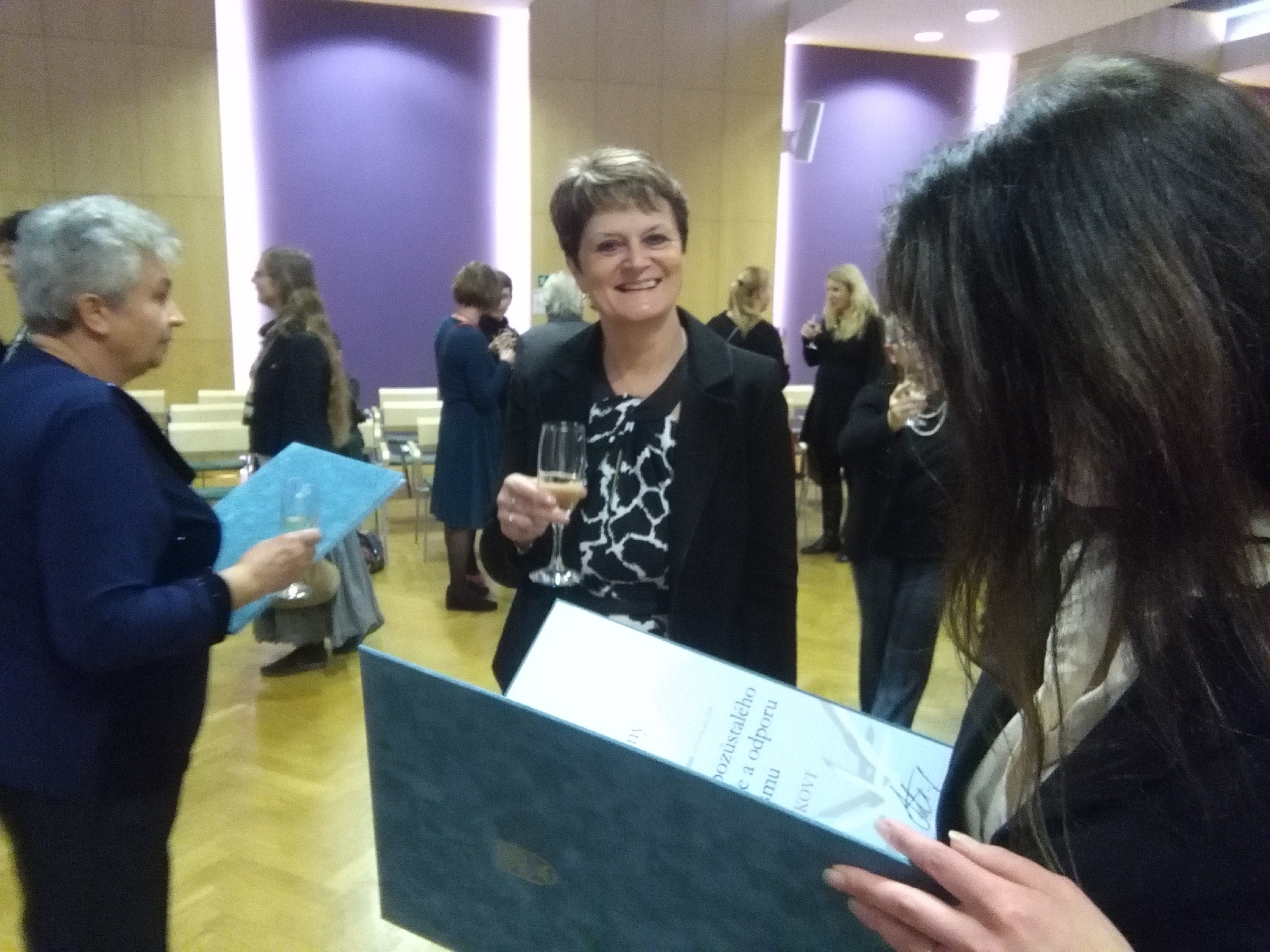
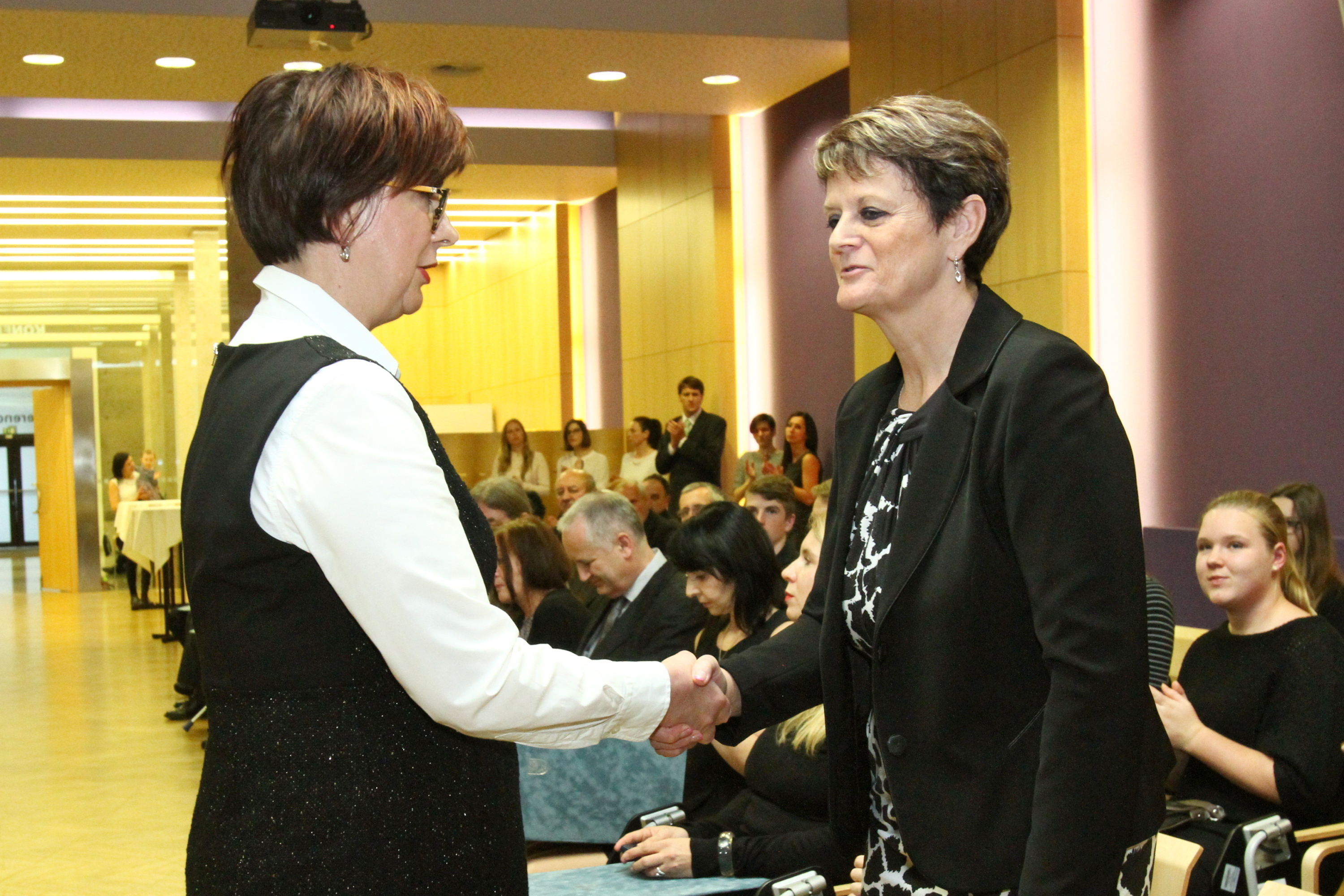
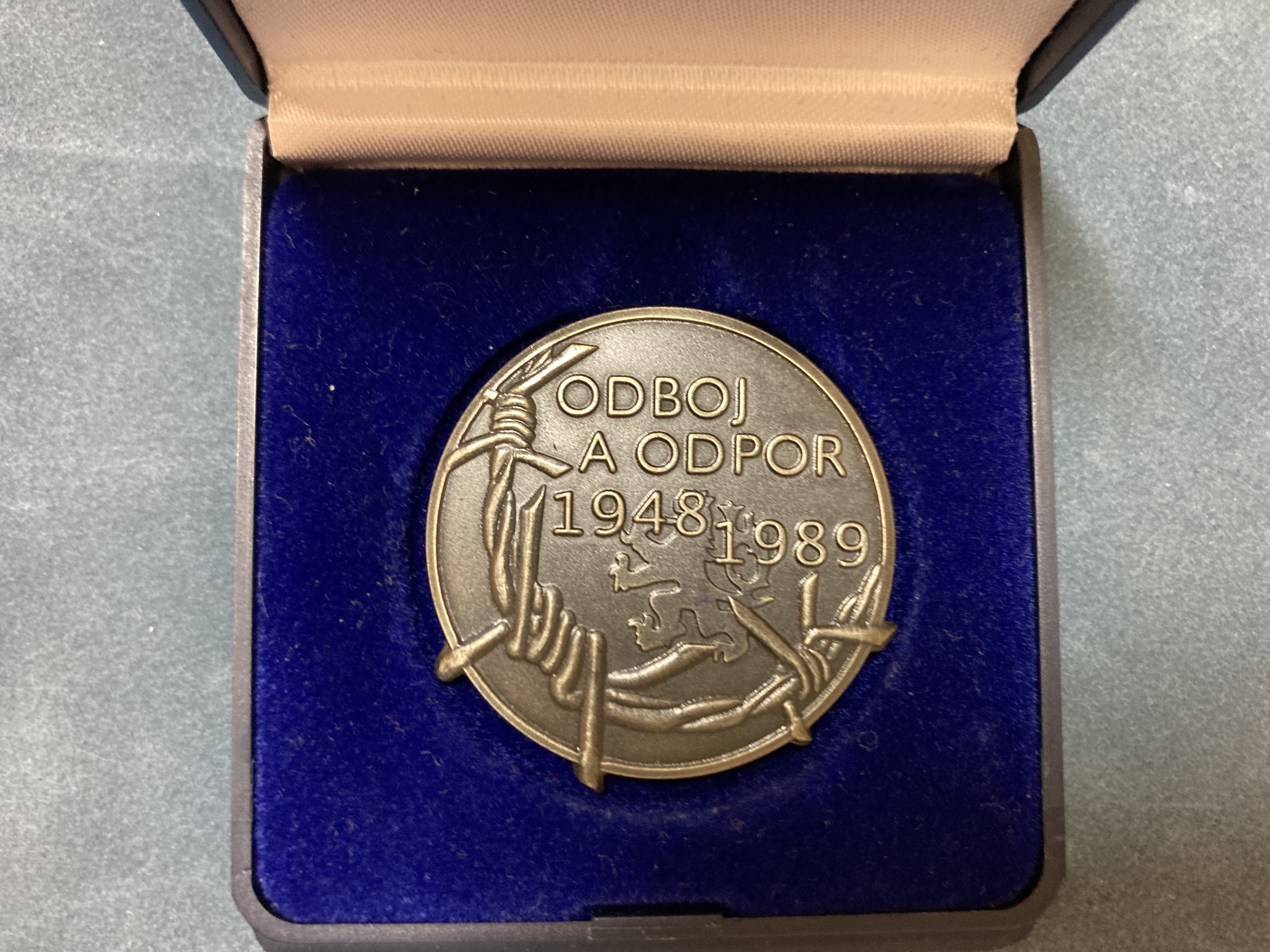
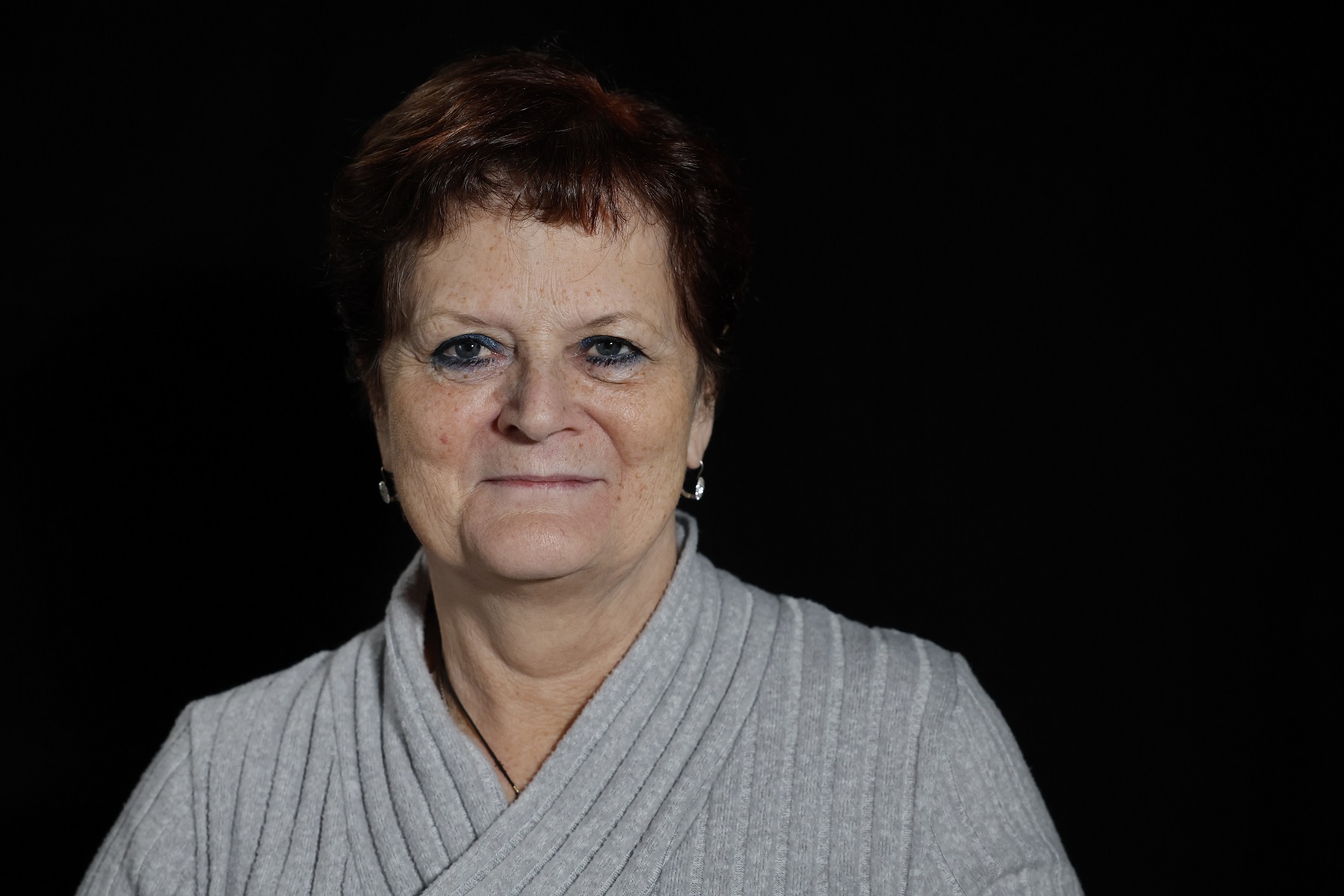
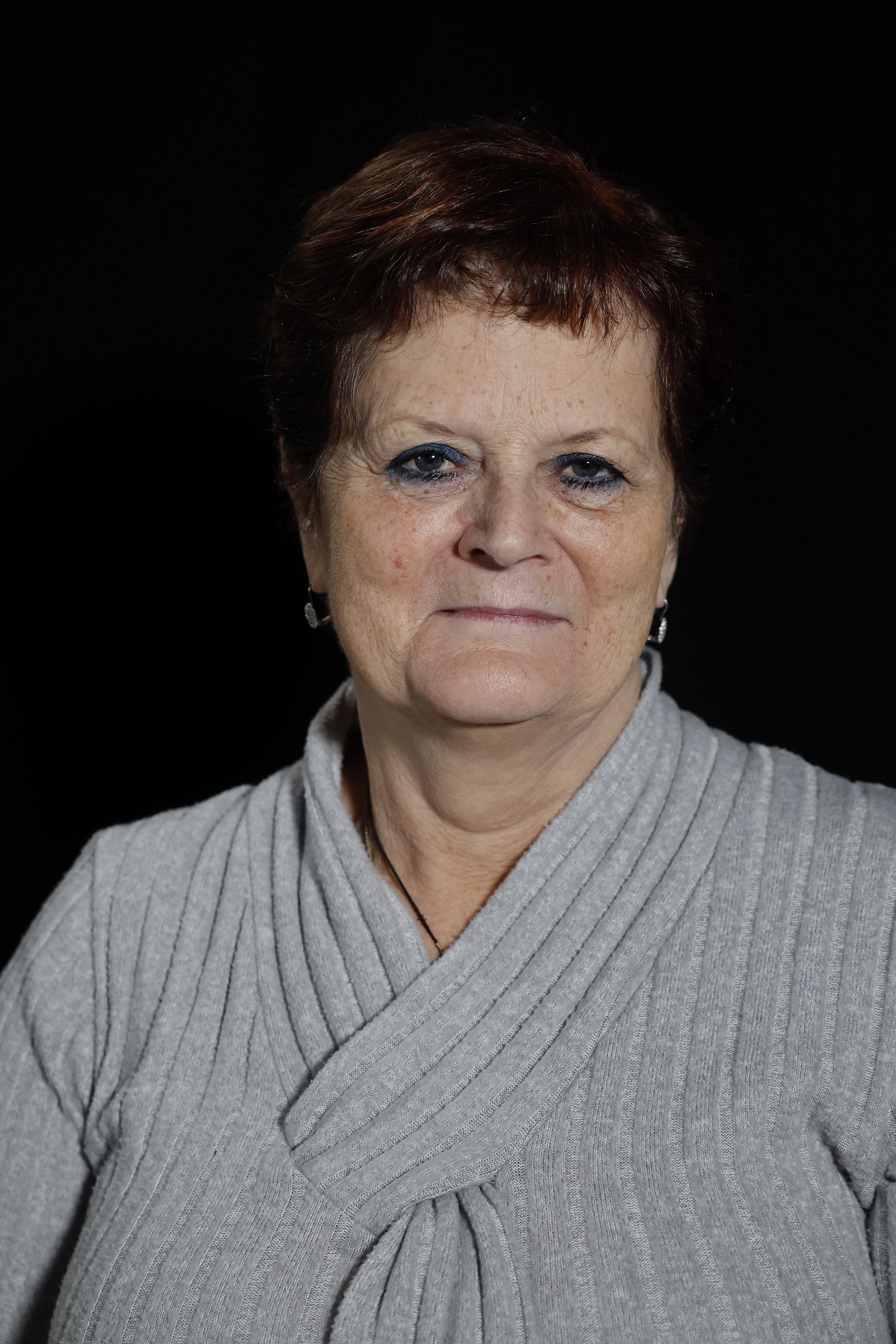
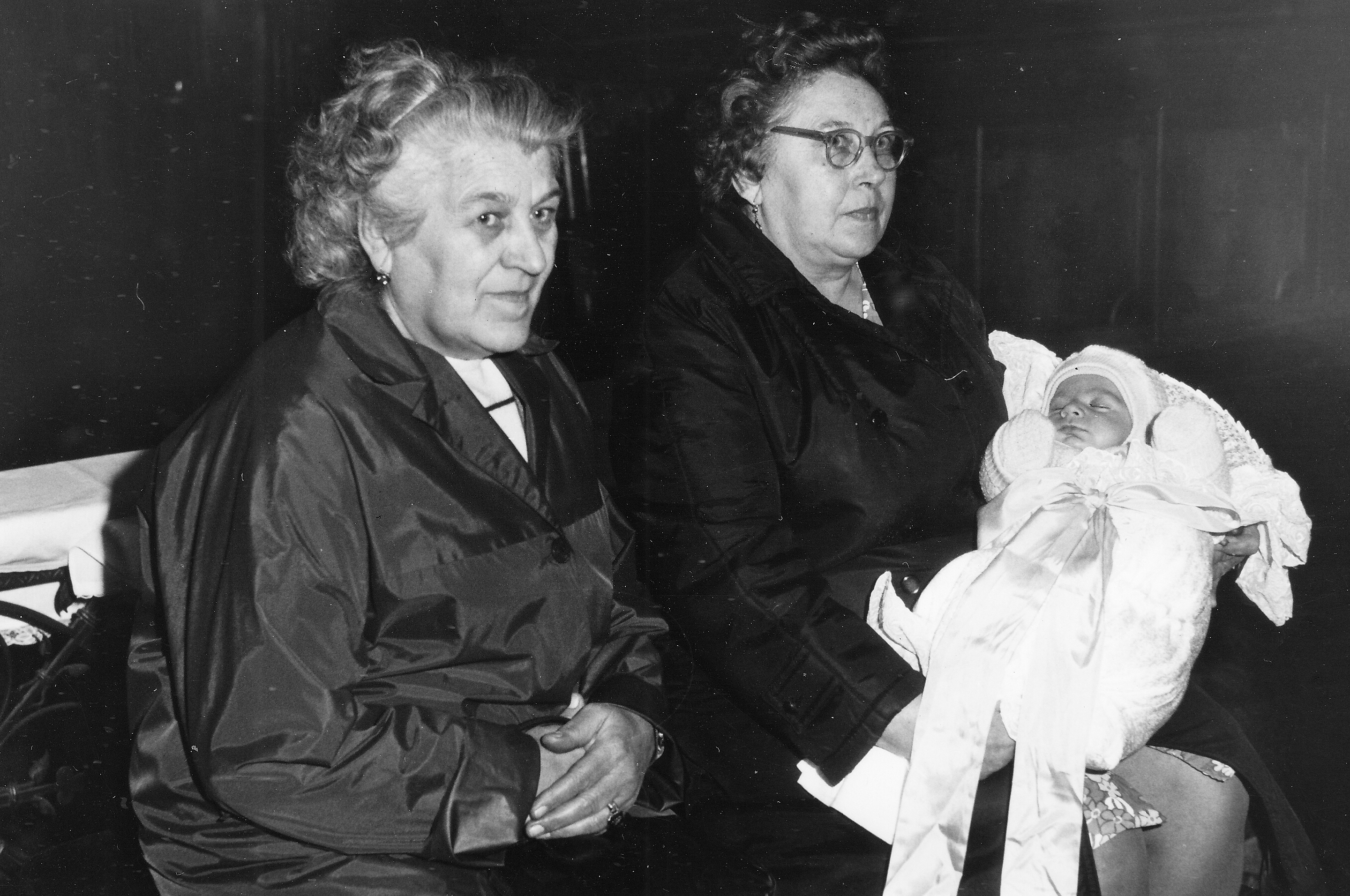
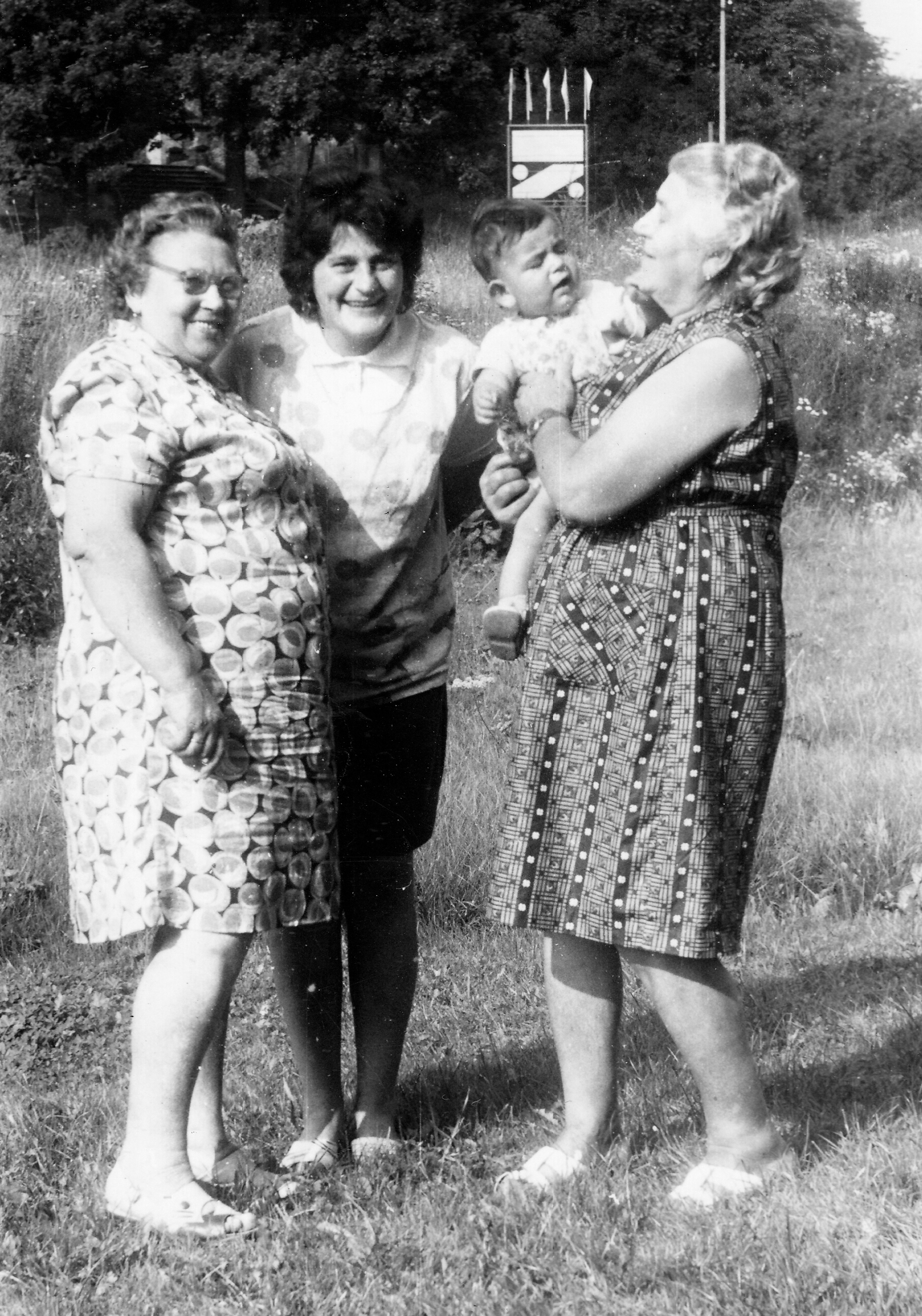
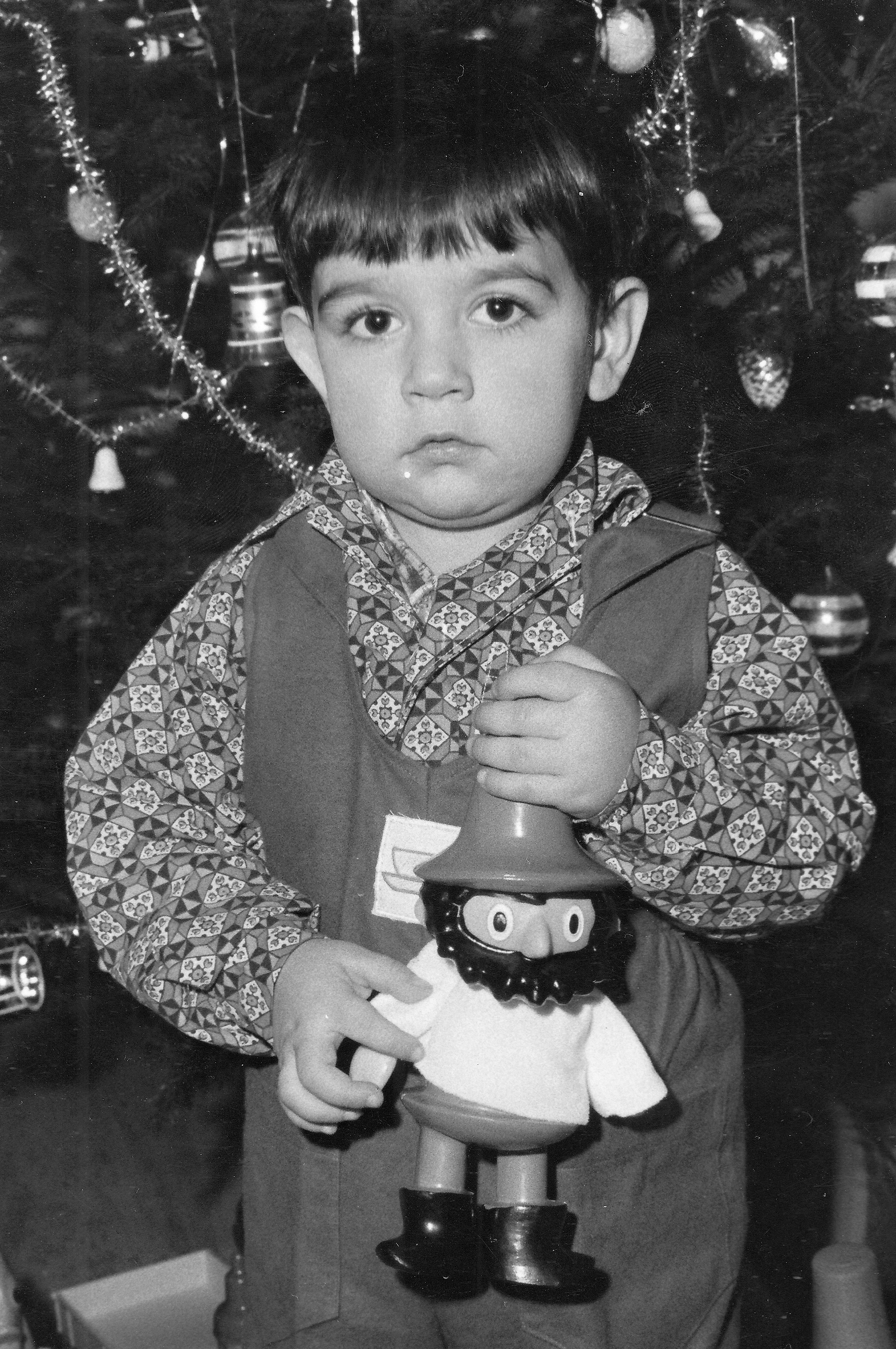
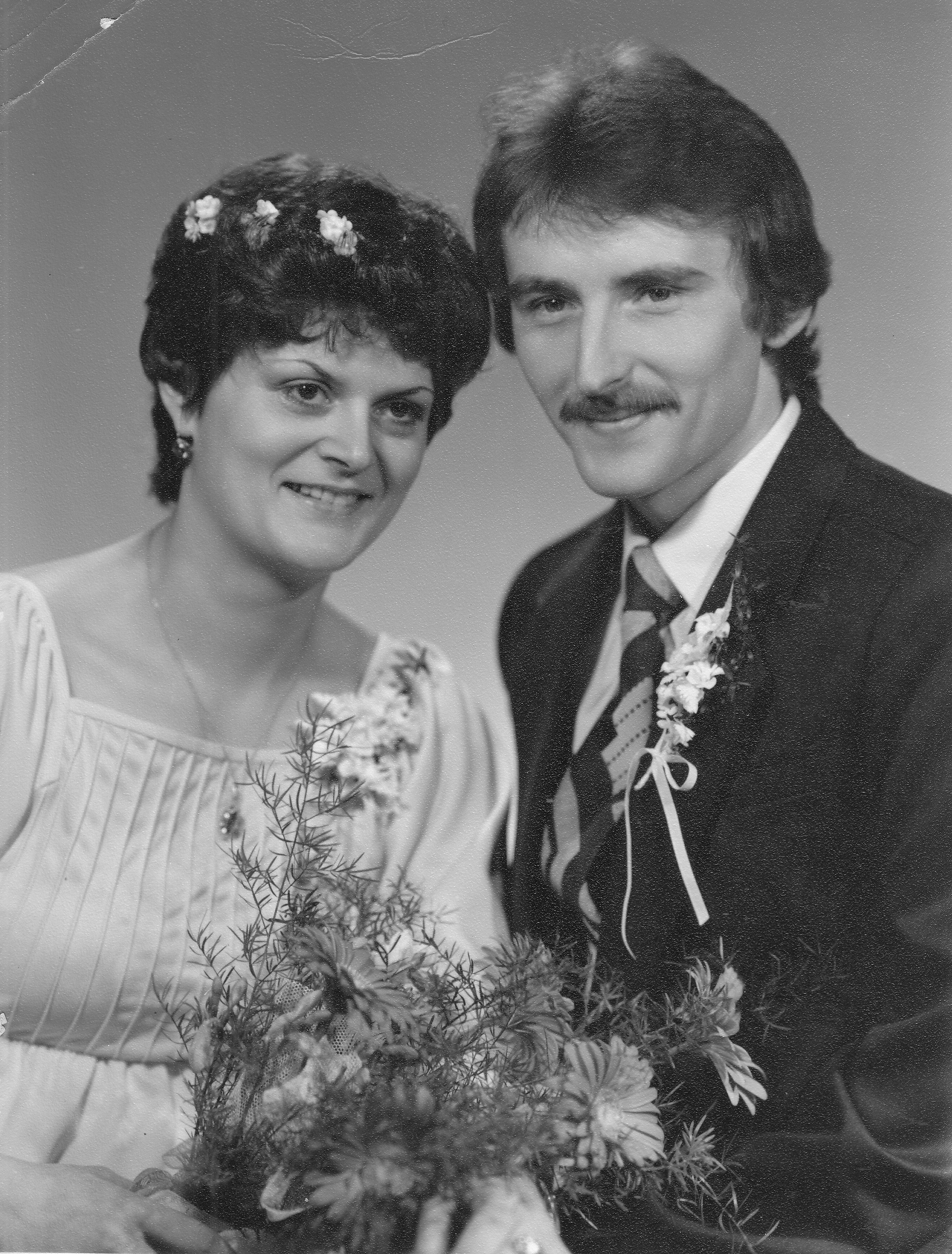
Zdeňka Dušková was born on 16 November 1959 in Rumburk into a family with a troubled past. From an early age, she perceived people’s distant behaviour towards her mother and herself and did not understand why. She was the granddaughter of the leader of the resistance group under the name of Dr. Eduard Beneš, which was active in Rumburk and its surroundings. Her mother’s father, Bedřich Judytka, was a victim of judicial murder during the communist regime. And the label of the enemies of the regime was worn all her life by her mother, her sisters and finally by Zdeňka Dušková herself. In her cadre profile she had such a reference that it was almost impossible for her to study. However, she applied to the Secondary Pedagogical School in Most and only thanks to the intercession of a teacher who came from the Šluknov foothills was she allowed to study. She worked first as a teacher in the children’s home in Lipová u Šluknova, then in the same position at the primary school in Velký Šenov. Subsequently, she worked at the same school as a teacher. Although she had no idea why such a large shadow was cast over her family, she had always felt distrust and reluctance to join the Communist Party. After the Velvet Revolution, she began to untangle her family history, thanks to the writer Marie Rút Křížková, who had dedicated herself to her grandfather’s story. In 2016, she received a certificate from the Ministry of Defense that rehabilitated Bedřich Judytka and identified him as a participant in the resistance and resistance against communism. She and her husband raised two children, and in 2025 she was still living and working as a teacher in Velký Šenov in the Děčín region. We were able to record the story of Zdeňka Dušková thanks to the support of the town of Rumburk.