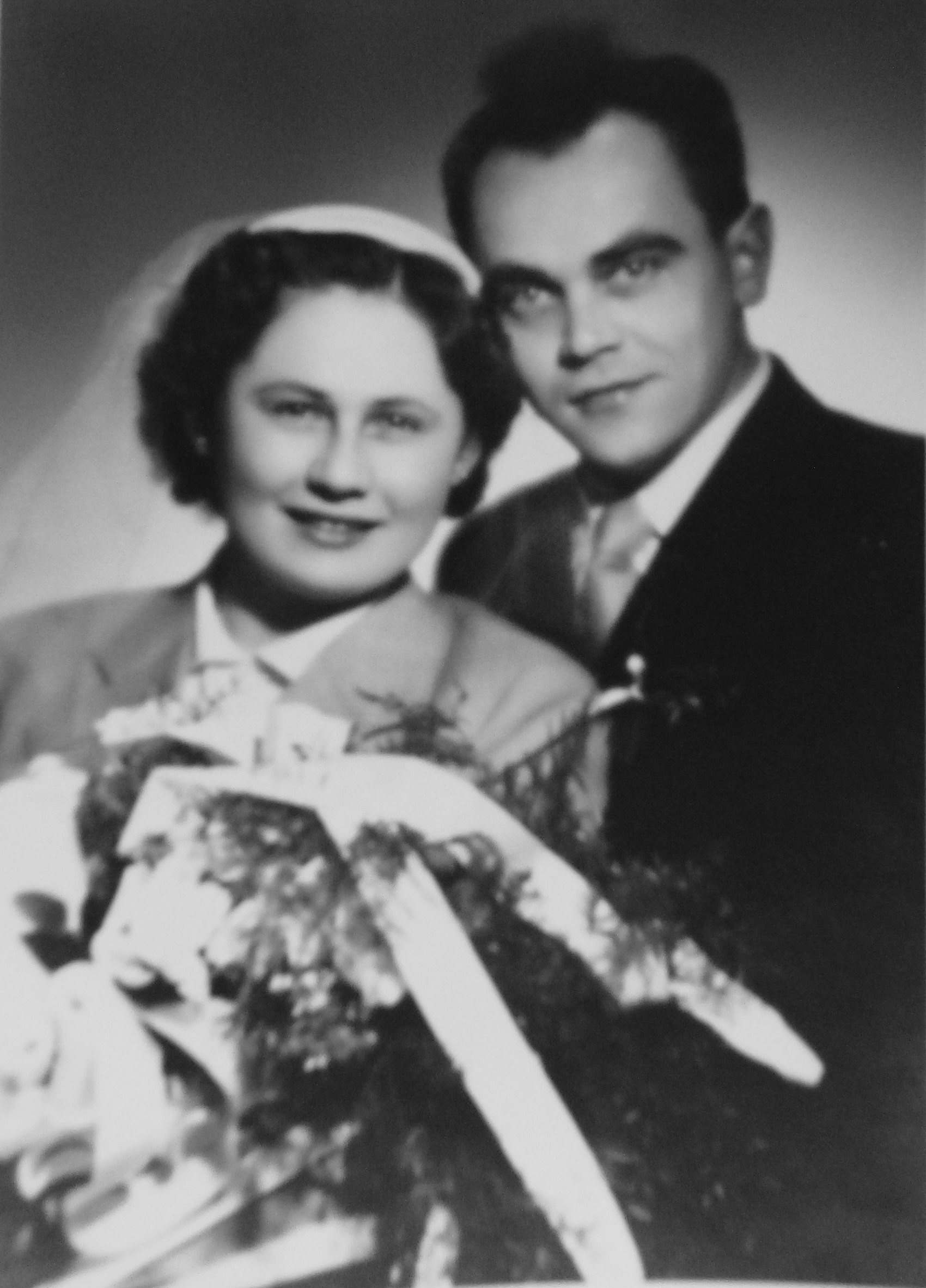
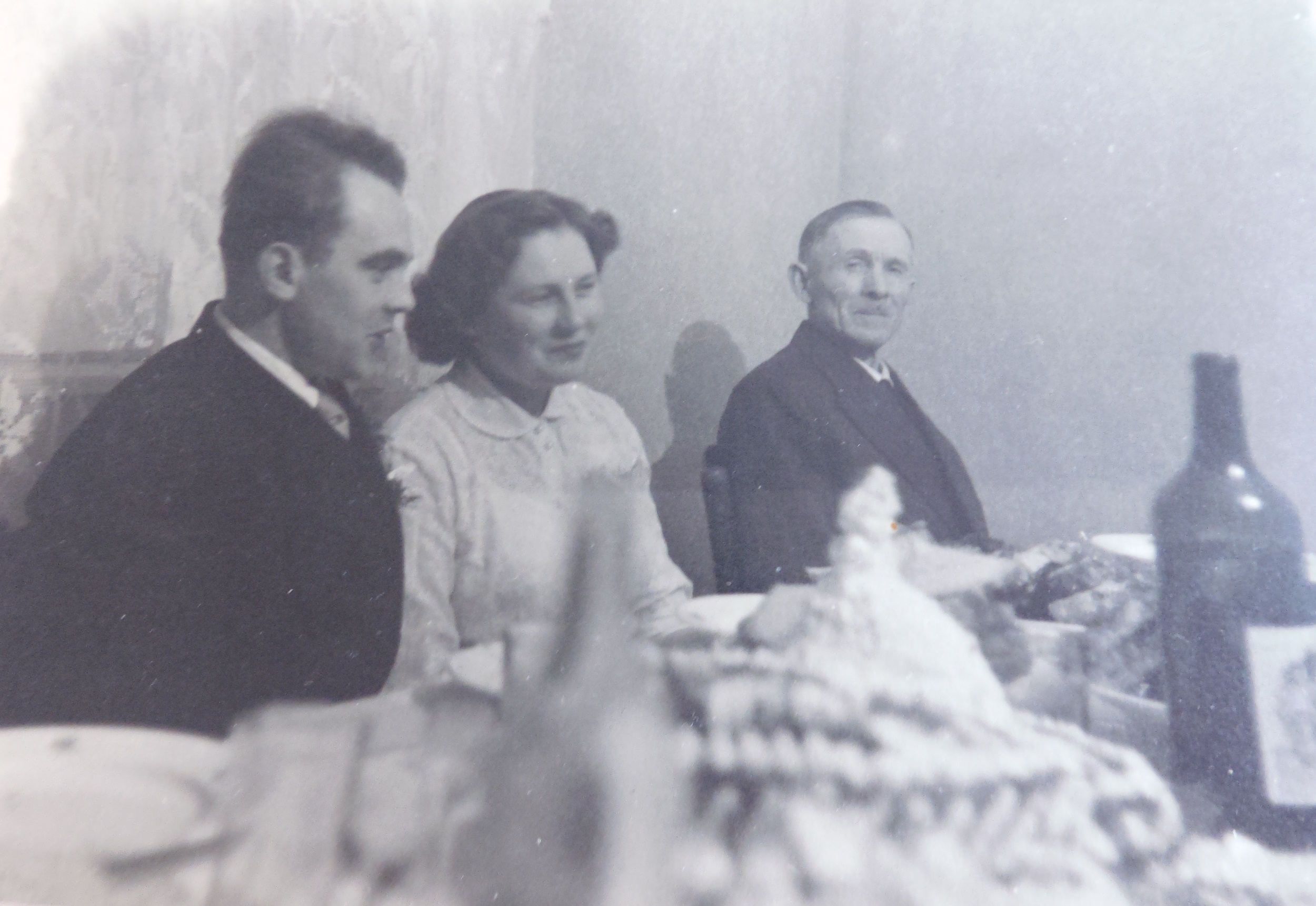
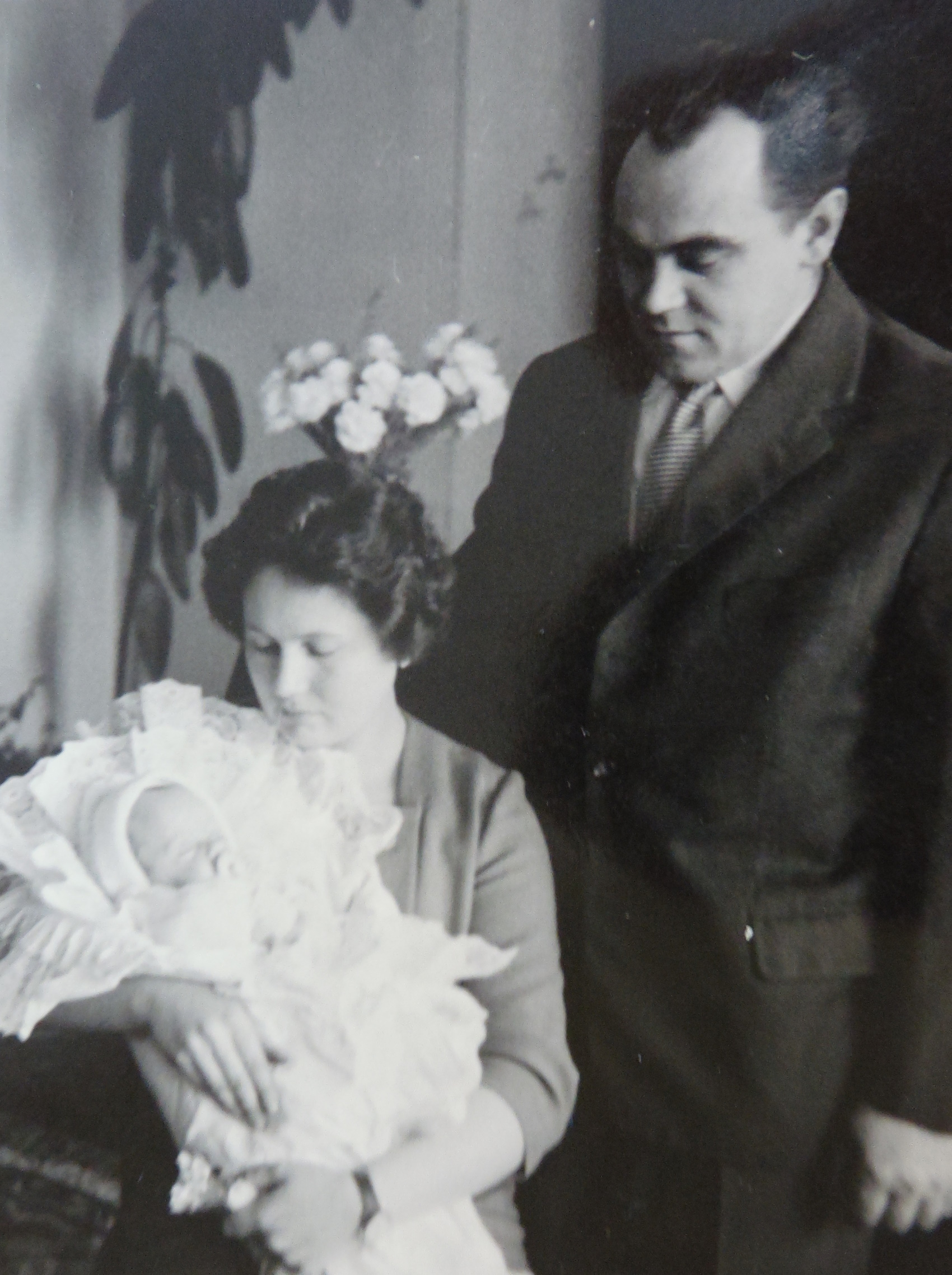
Marie Daňková

* 1934

  • "So we were there that week and we survived. And when it came at night, when they had been shooting before, the Germans and the Russians, we ran at night to hide in some adit that was there when they were mining iron ore. It was across the bridge over the Bílý potok. We got there and it was so crowded that we finally went back to the little house in the cellar and we survived the firefight there before it was over. And then somebody said the war was over, so we packed up, and dad wanted to go home right away. So we went the way we came. A lot of people were coming back, we saw a dead German and a dead horse. We came home - and it was a tragedy when we saw it."

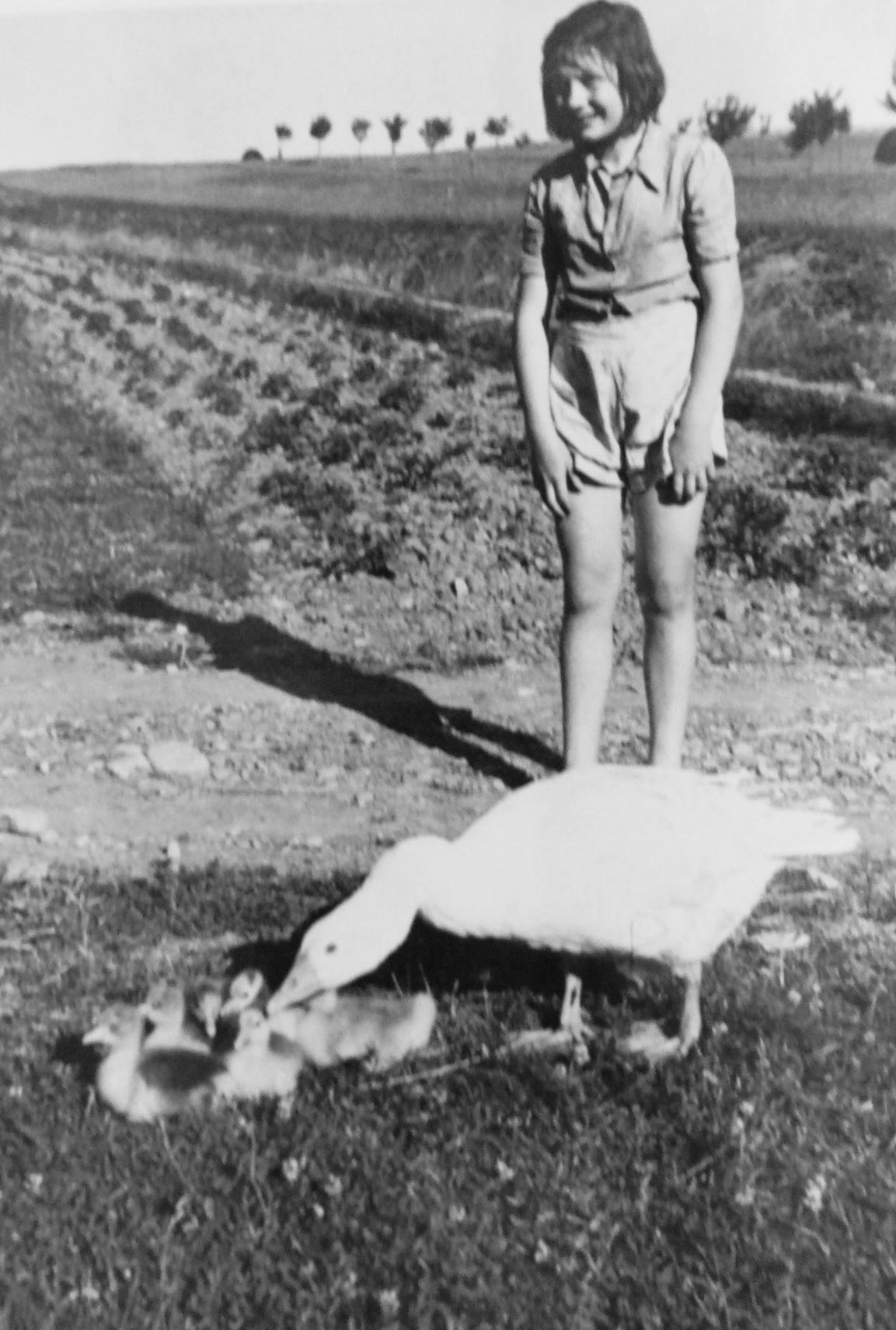
  • "So we packed up, we left the goose and the goslings in Mrs. Veselá's place in Práchovna. She was so good, the goose survived. The goslings were eaten by foxes. And with the cow, the goat – and Dad also carried everything we were dragging with us on a wheelbarrow. So we traveled to the Šmelcovna, but we didn't get there right away. Somewhere in the forest, in front of the cottages, there were several settlements in the forest. The first to be settled were the Fric family, in that forest on a low slope like this. Fric family, Jaroš the miller, from Dubové, opposite us. So he built a kind of dugout out of pine needles, or I don't know how to say it. What do you call it... a kind of paneled one... He chopped it up with pine needles, he made a kind of hut. And we were there for two nights. And because it was terribly cold, the weather was so horrible. It was raining and cold, so we saw that it was impossible, because we had only a few clothes on. blanket with us or something like that, nothing more. And so my mother remembered that cousin, that distant cousin from Javůrek. She was from ... Urbánková, if you look up that name then ... Well, she was married in that Šmelcovna, so we took refuge there, where we stayed for another week.

  • "We were in the Šmelcovna, that was the very end, I remember that. You could clearly see that it was going to be the end because they were overshooting. The Germans were somewhere above Maršovice, there in that area, and the Russians were on the other side of Javůrka, Hvozdec, there. Well, and there were shootings - and for the reason that the Russians knew that they were sewing from that side. There was a road, I don't know whether it was passable or not. A bigger road. The Russians came to that Šmelcovna - no, I got that mixed up. First, a group of such Germans came from that hill from Maršov, about twenty-five of them, and they settled there, just in that Panský house. And the Russians came again from the other side and there they clashed, shot the Germans - and by mistake the first one who ran into the village, the ones who were on the hill shot their own. The Russians shot a Russian soldier, and then we went to see him. I was ten years old, and I had a friend who was there for a week, and we went through everything, into that Panský House, where there were three dead Germans. That's the memory of the end of the war."

  • Full recordings
  • 1

    Veverská Bítýška , 18.11.2024

    (audio)
    duration: 01:37:08
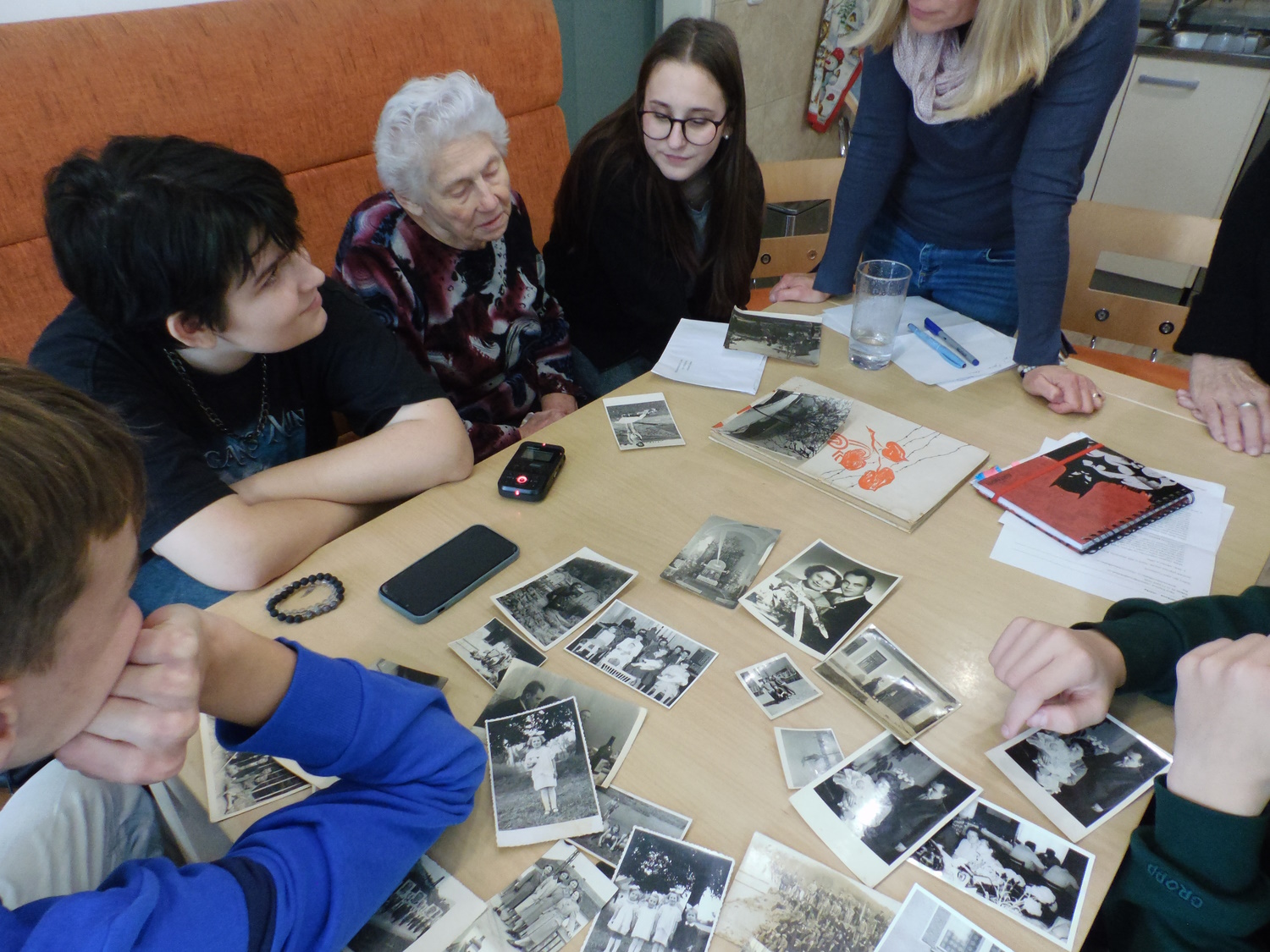
    media recorded in project The Stories of Our Neigbours
Full recordings are available only for logged users.

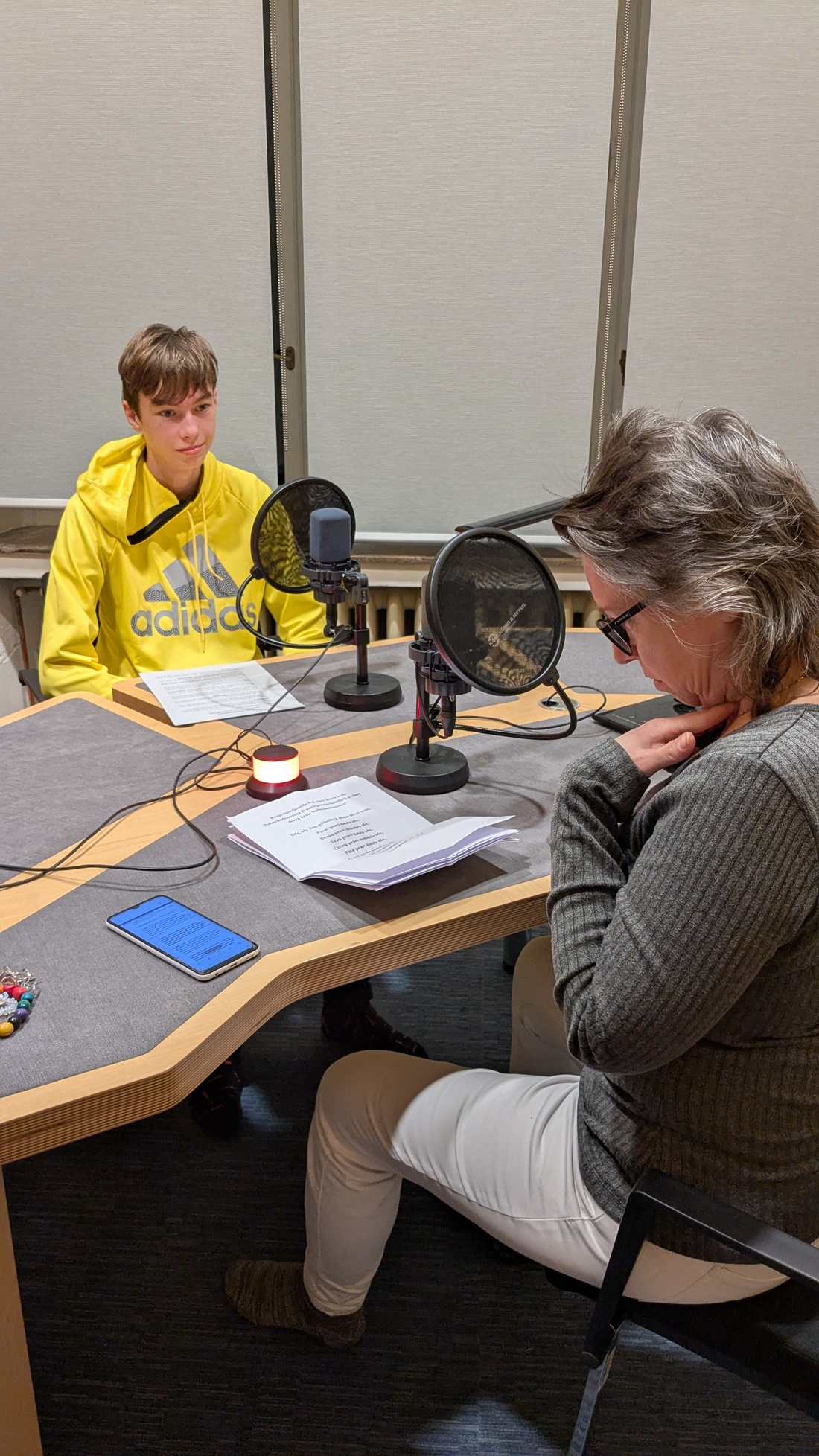
I spent the end of the war in hiding places around Veverská Bítýška
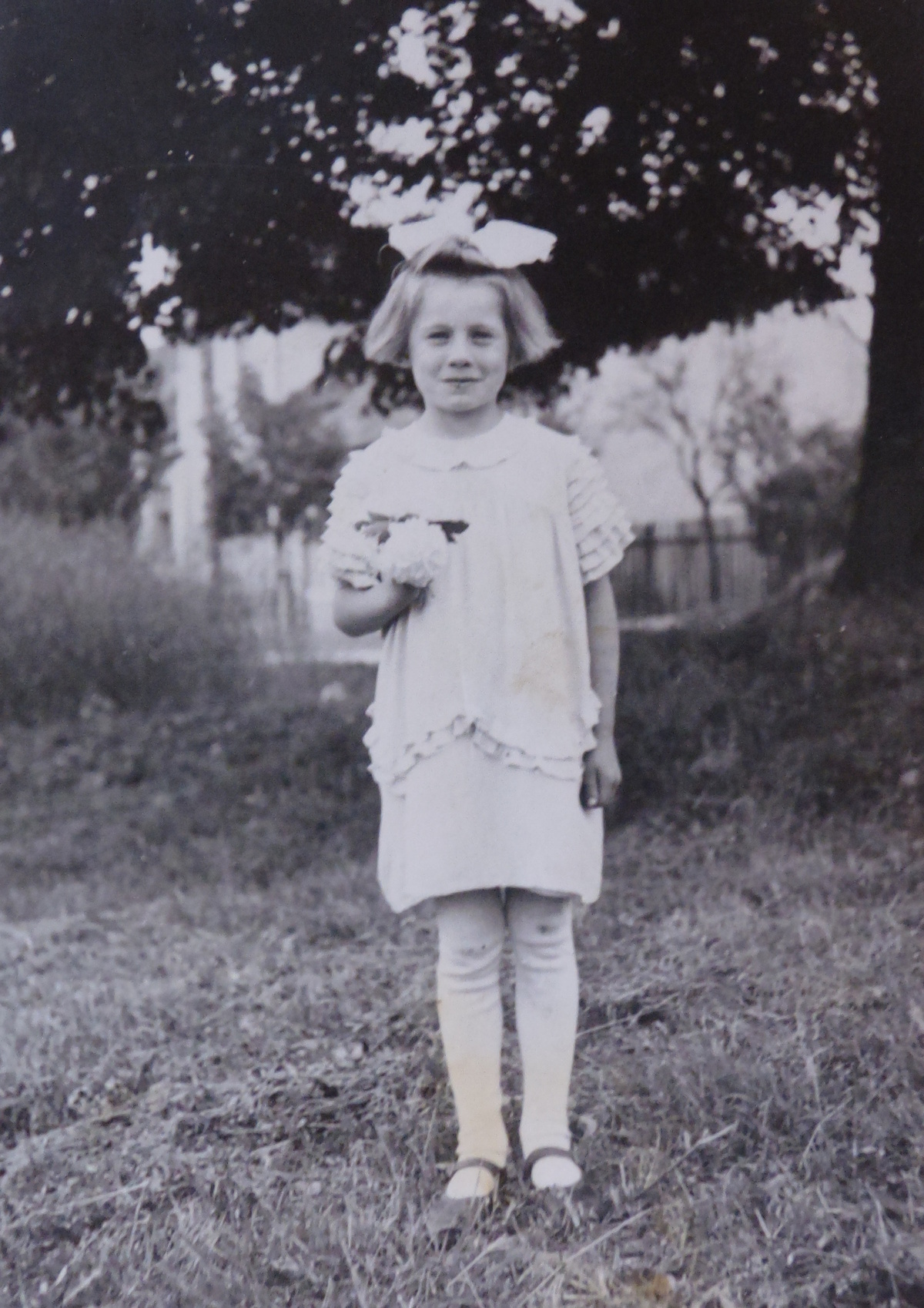
Five-year-old Marie Daňková, ca. 1939
photo: Archive of the witness

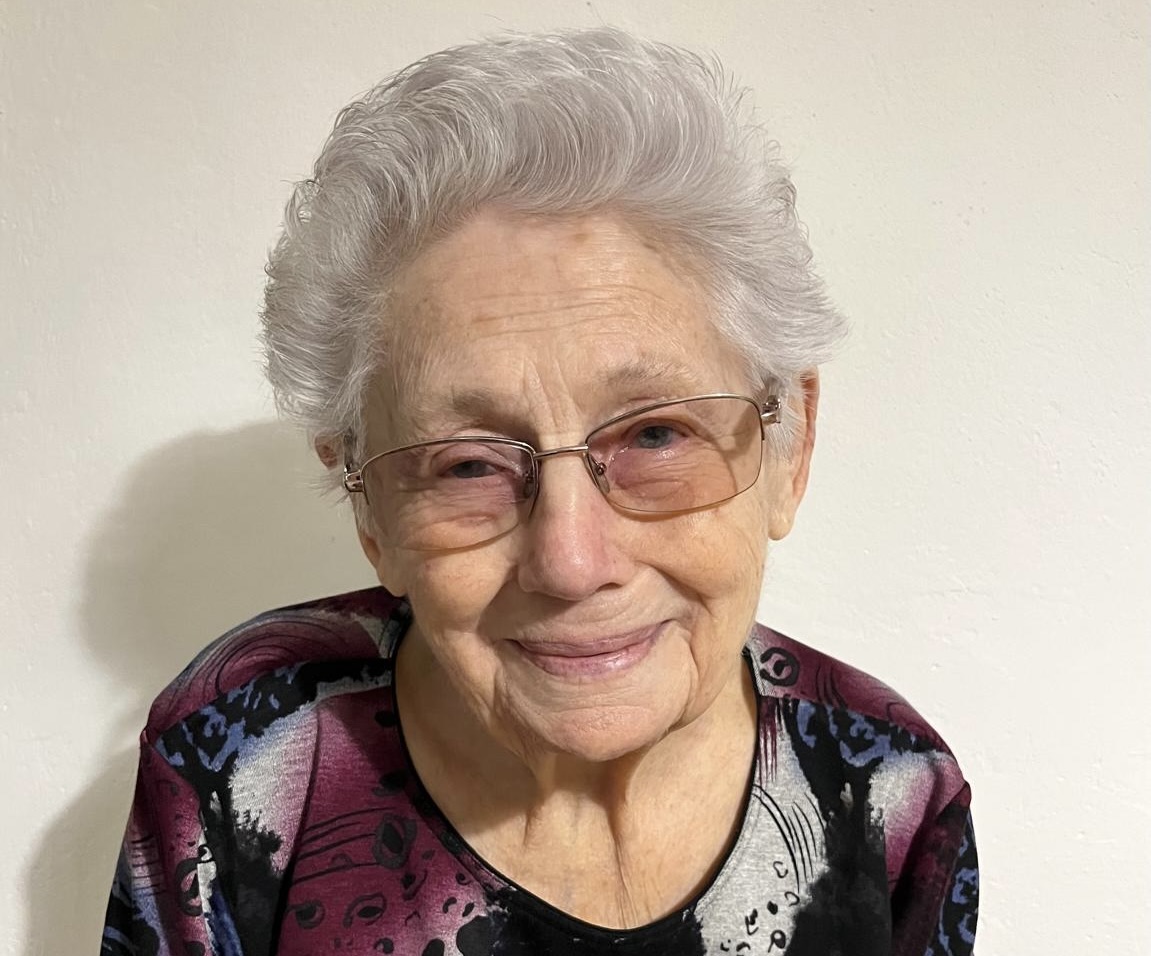
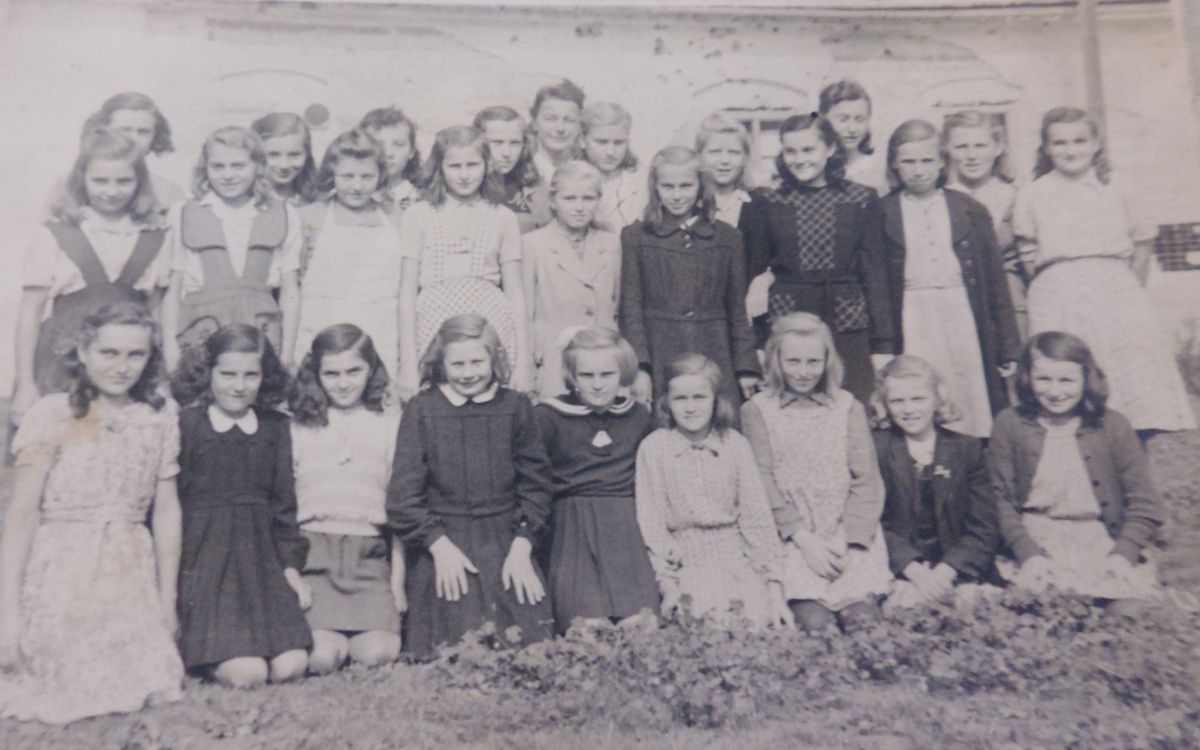
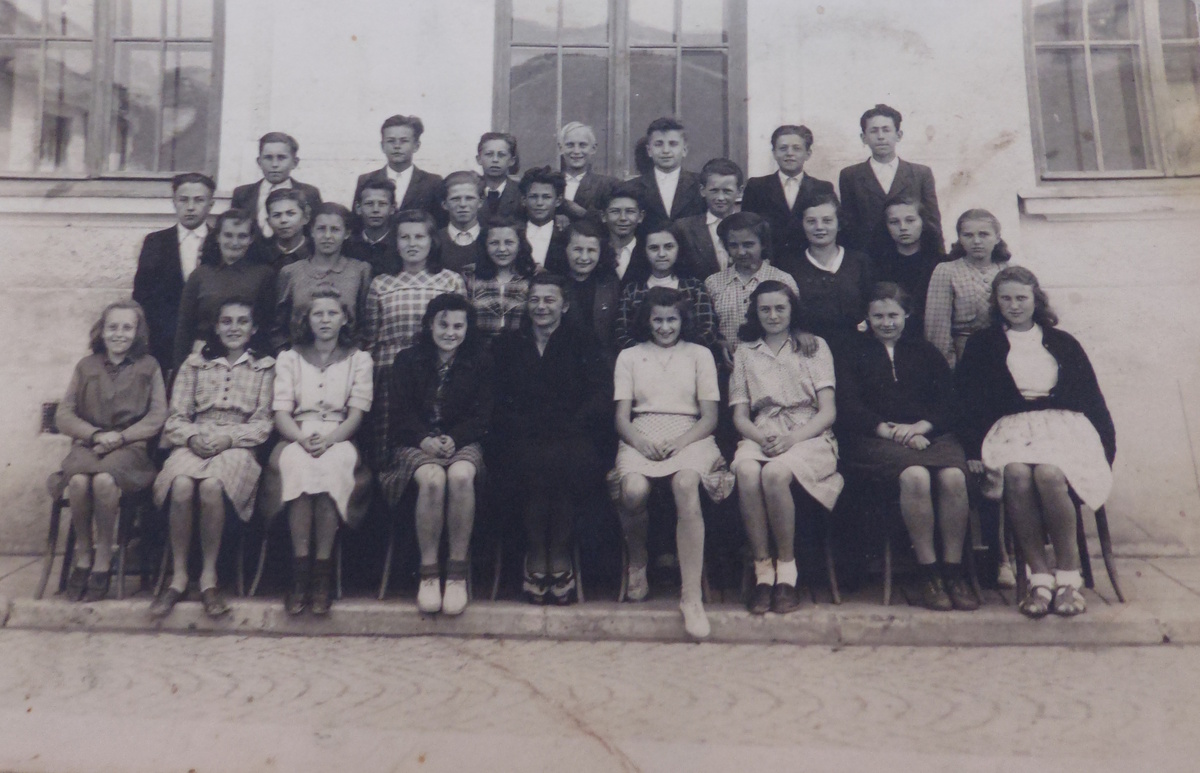
Marie Daňková, née Klimešová, was born on November 17, 1934 in Veverská Bítýška. Her father worked as a bricklayer, her mother was a housewife and took care of the family and the farm, which included not only domestic animals but also fields. All this contributed to the diversification of the diet during the war years, when food was rationed. Marie Daňková entered the first grade in 1940, and from the second grade she learned German. She and her family spent the end of the war hiding in the forests and buildings around Veverská Bítýška, witnessing the firefights between the Germans and the Red Army and seeing fallen soldiers of both armies on the way back home. The family’s house was destroyed - probably by a grenade. As part of collectivisation, the family had to put the fields into a single agricultural cooperative. In 1953, during the currency reform, the family lost their savings, which were intended for the studies of their brother. Marie Daňková worked almost all her life in the Rico company. In her retirement, she earned extra money by baking bread in the local bakery. In 2024 Marie Daňková was living in Veverská Bítýška.