Studio Bratři v triku was a republic of its own
Download image
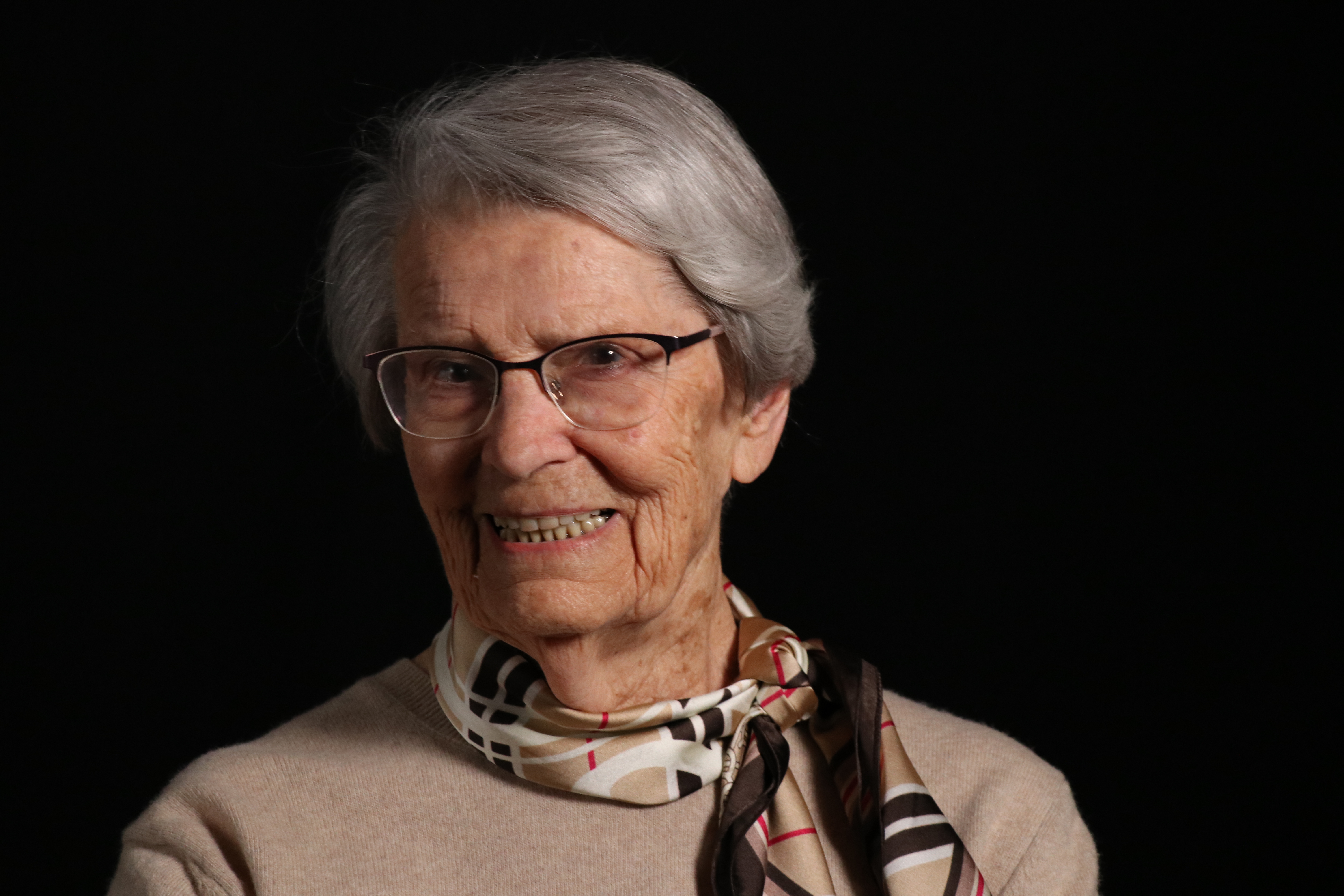
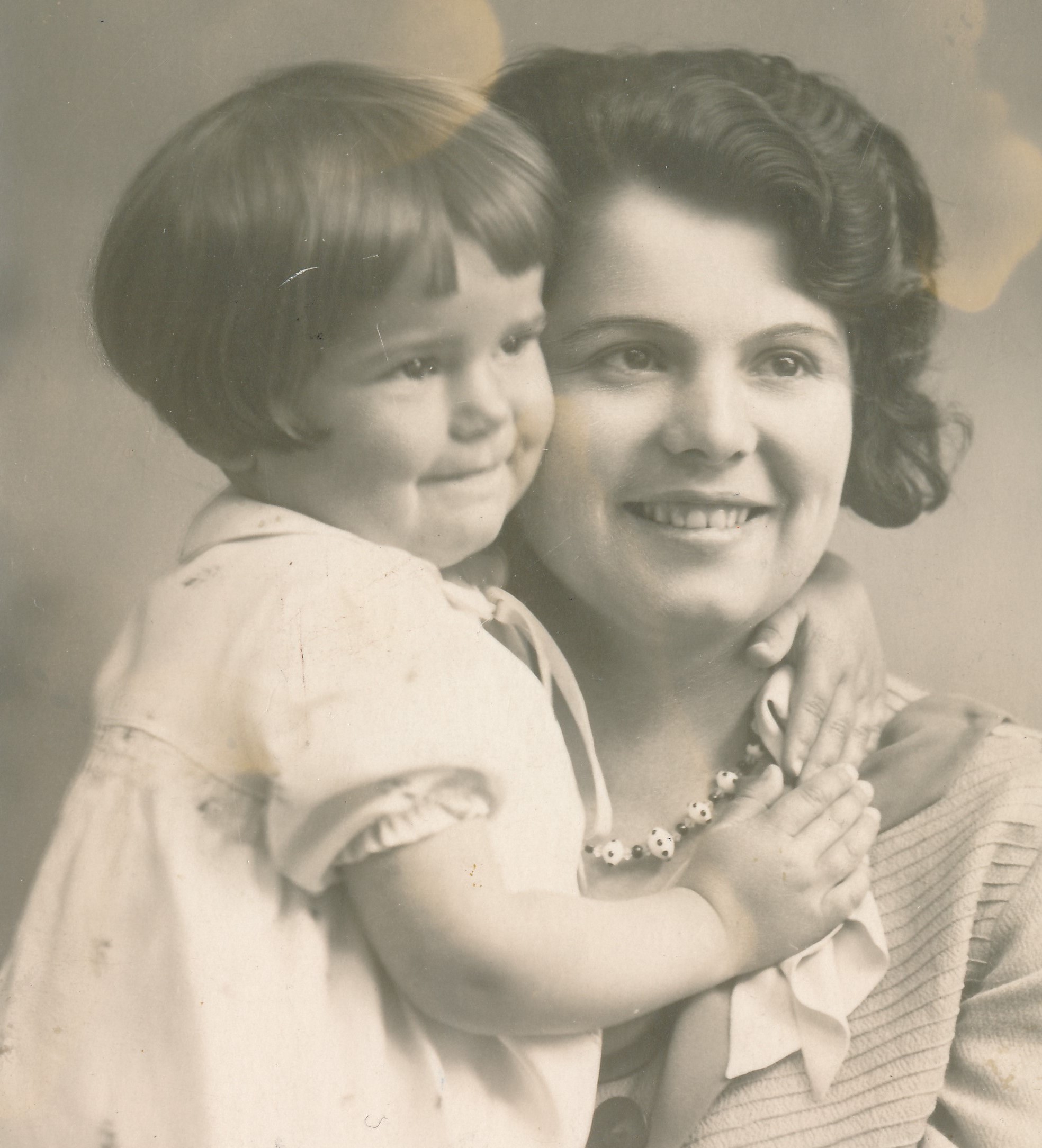
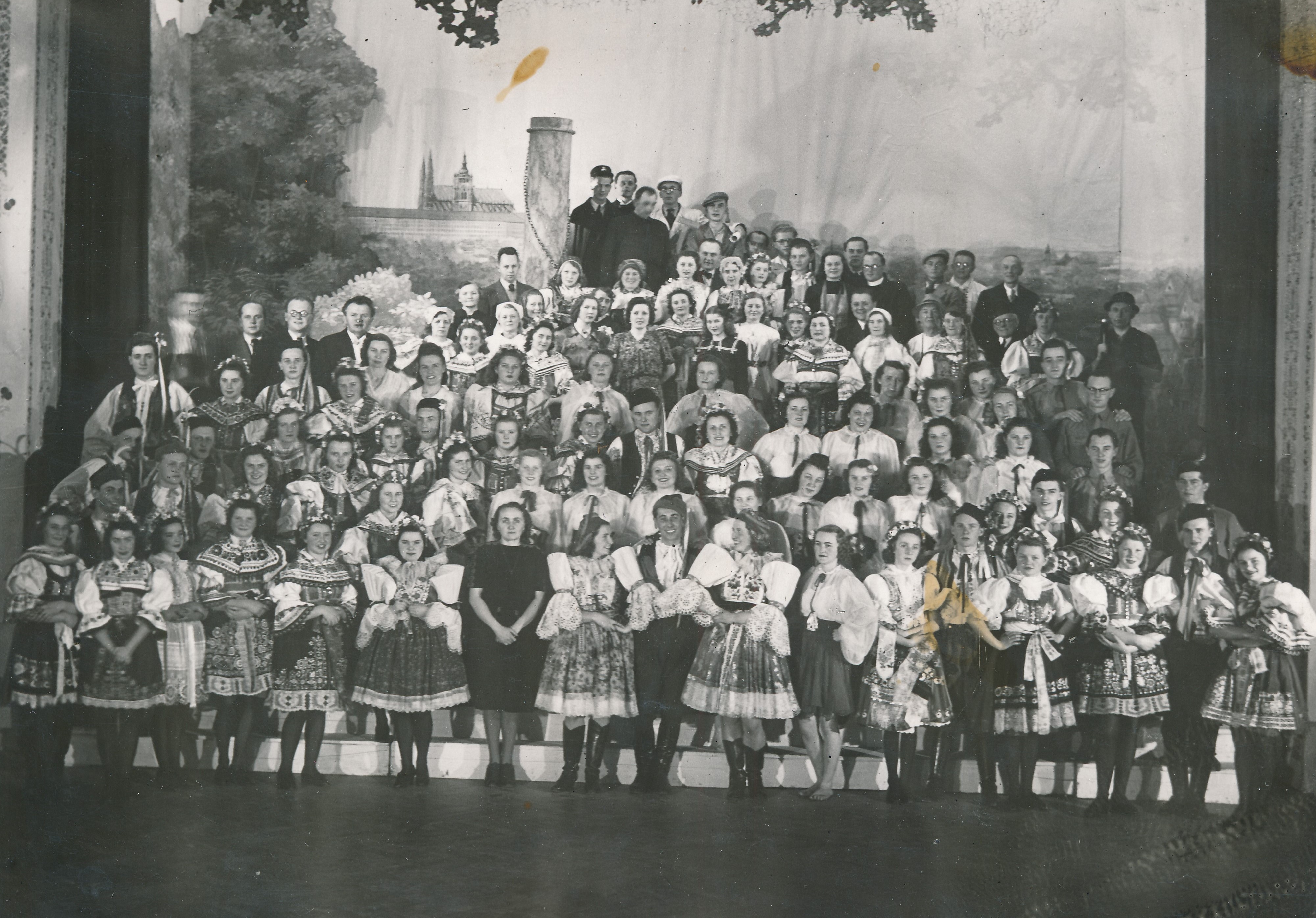
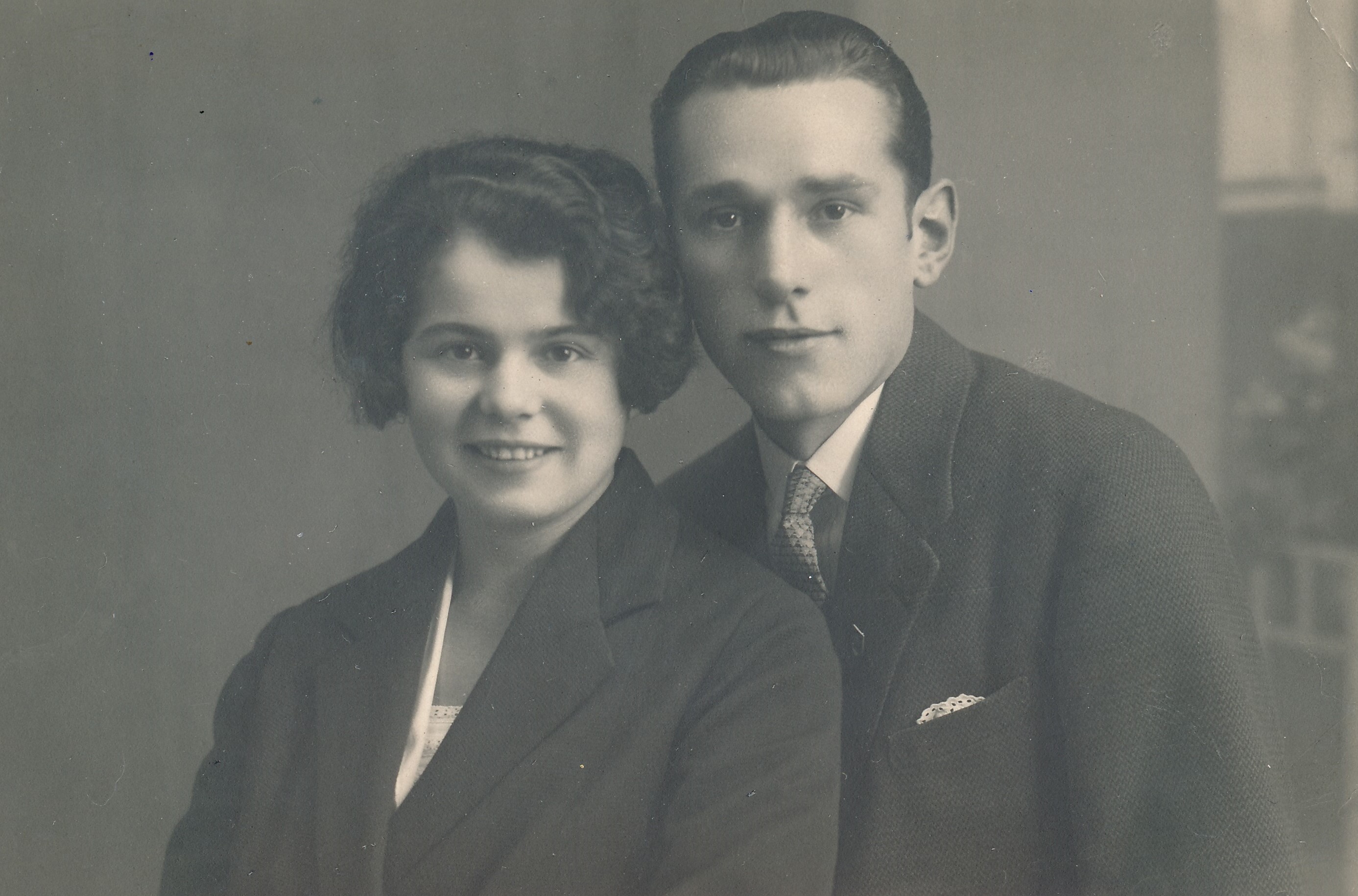
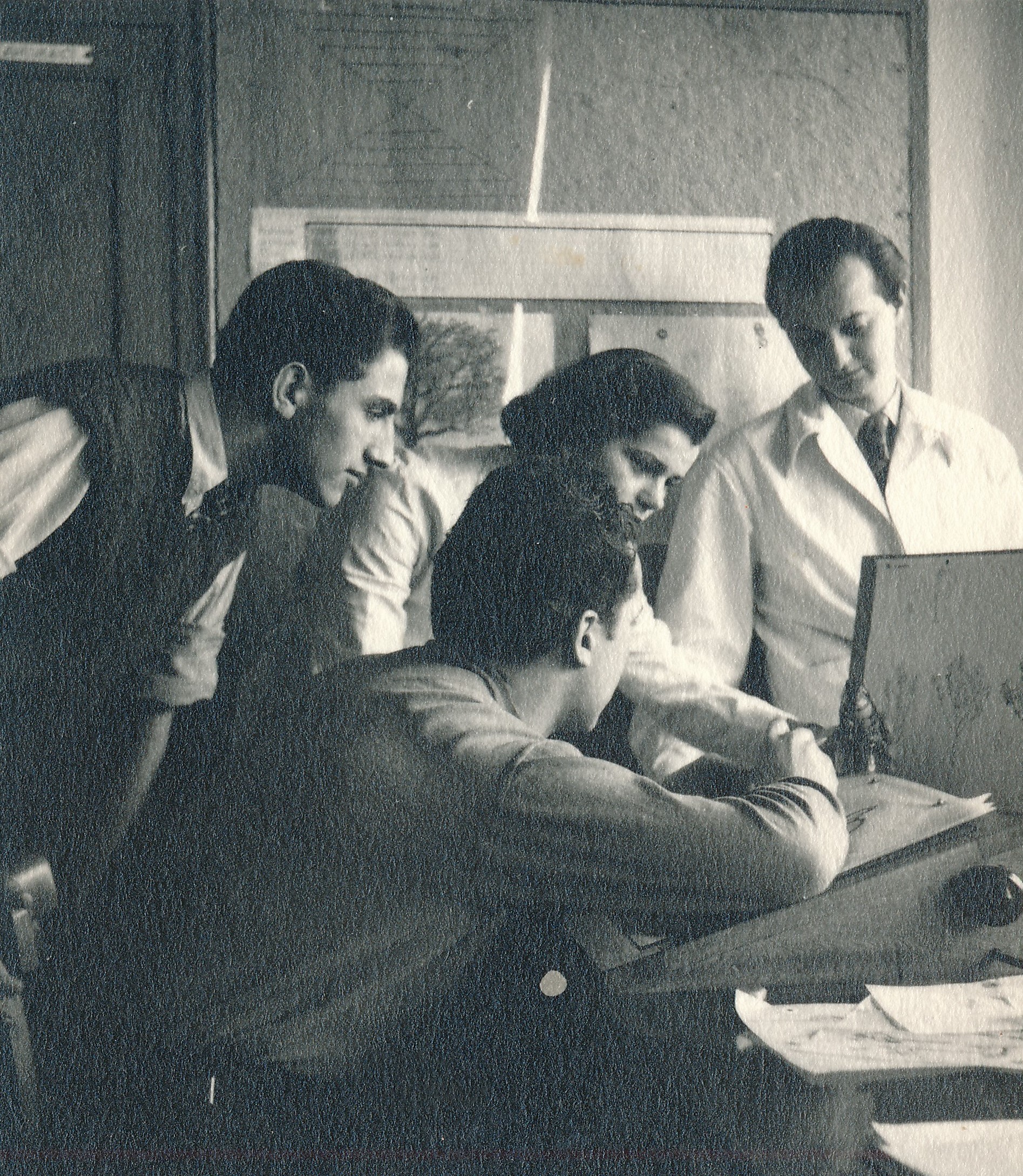
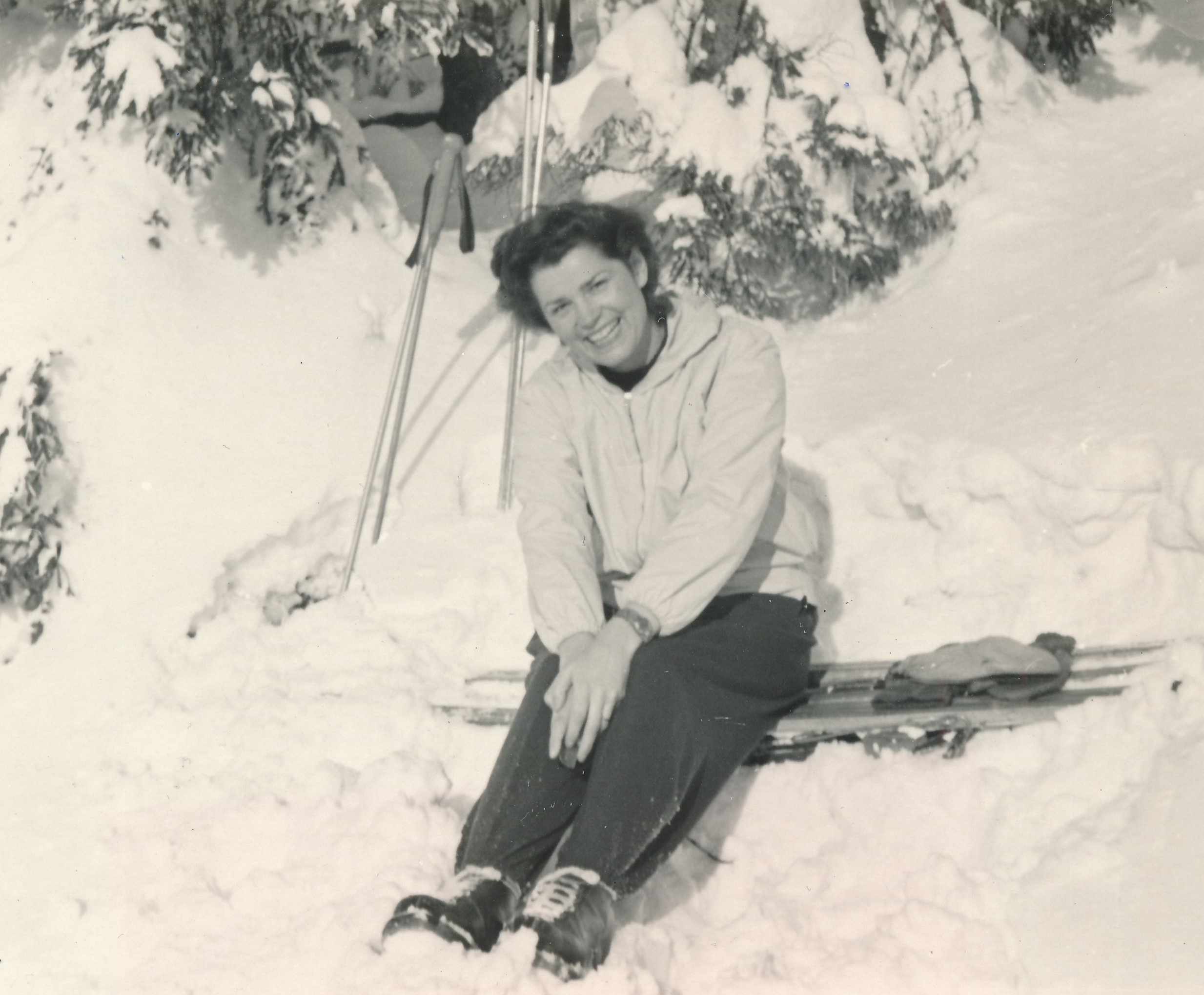
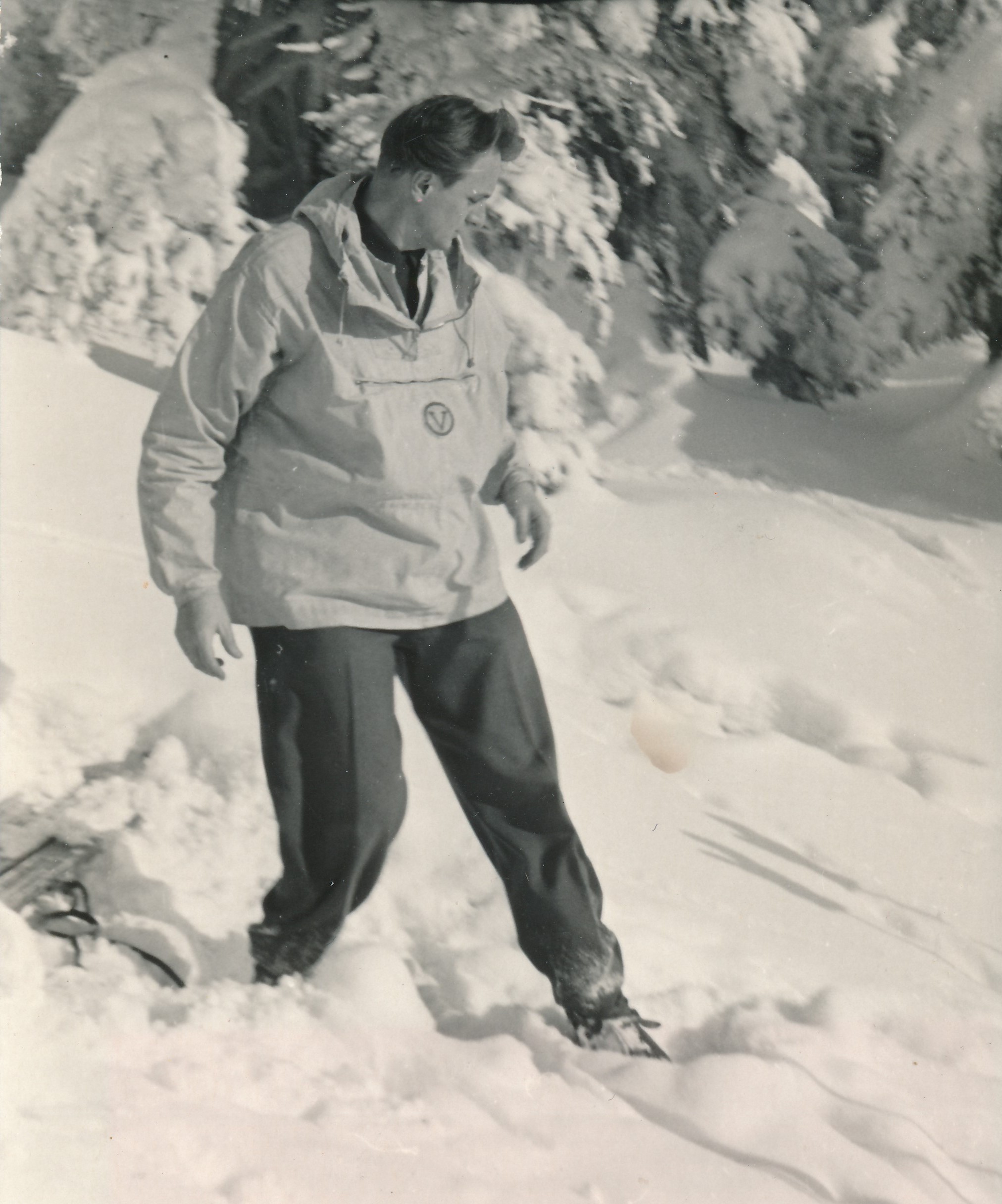
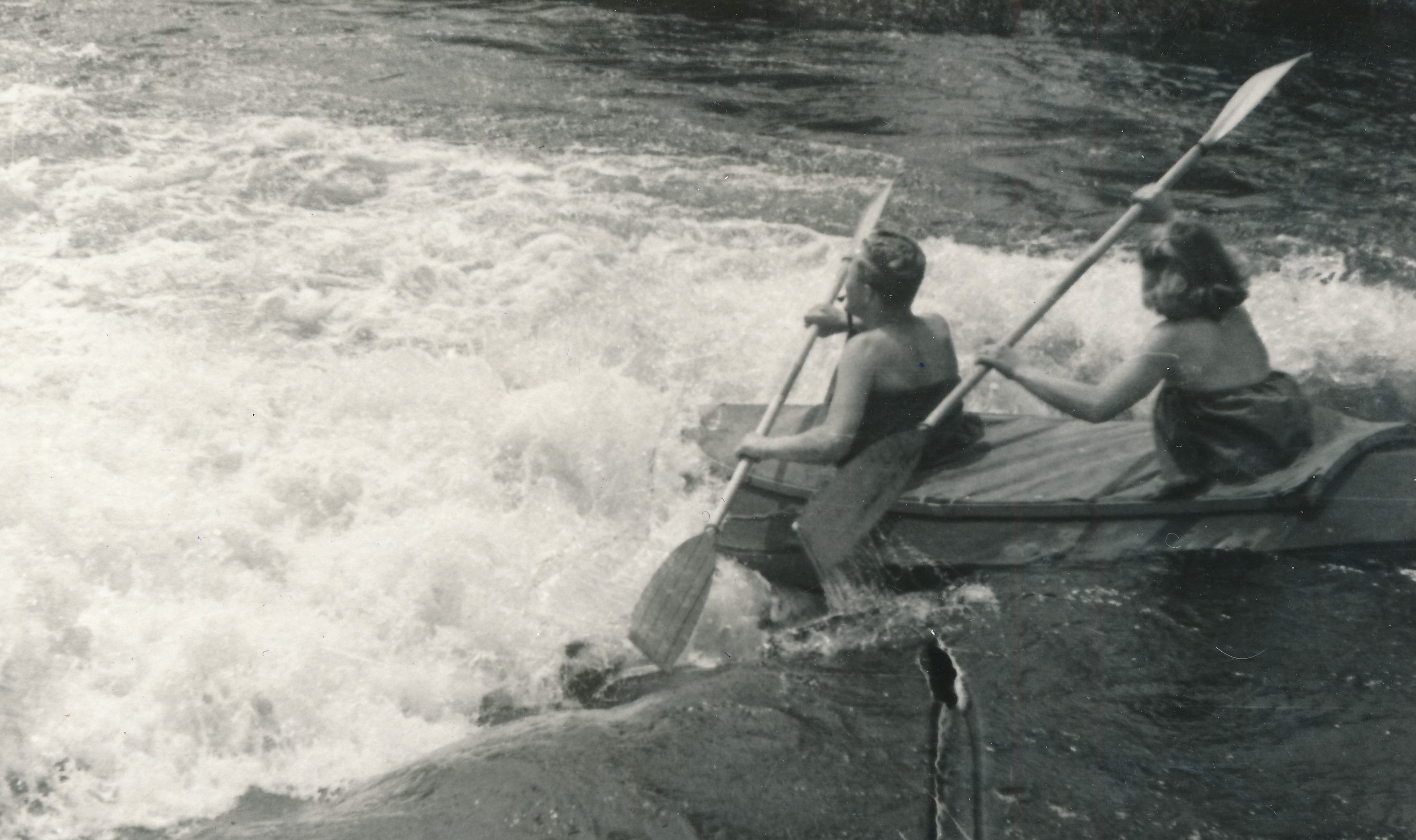
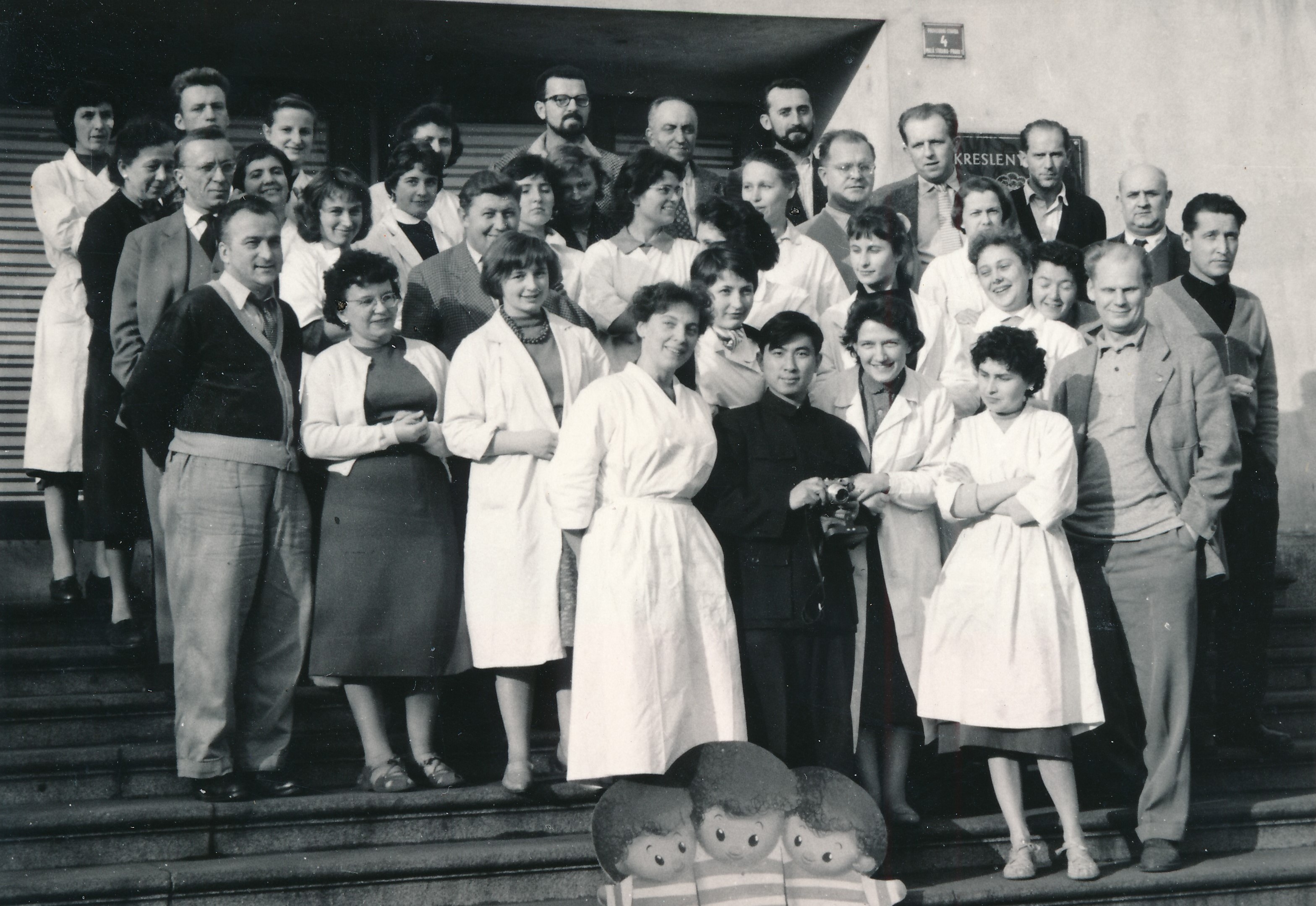
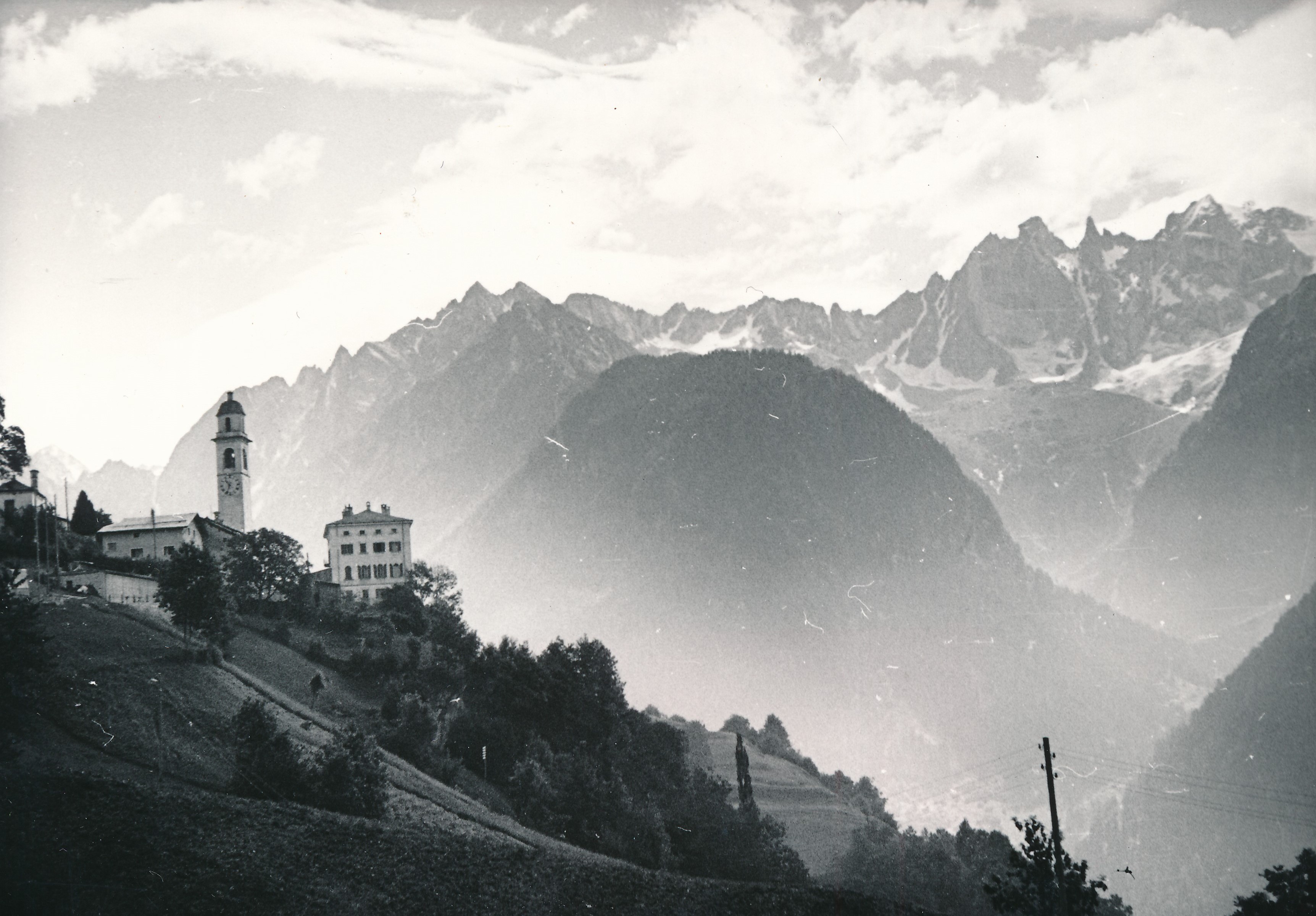
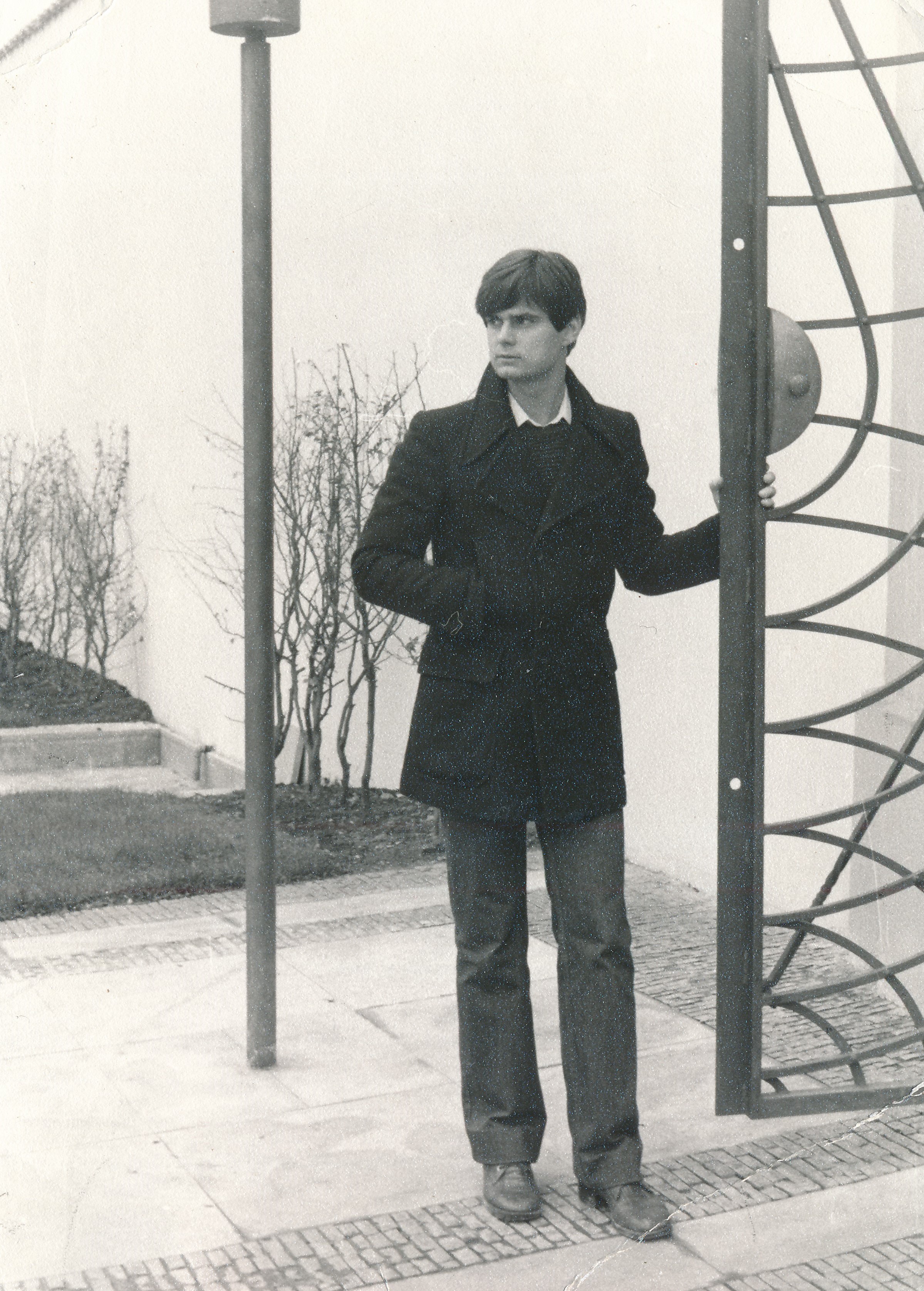
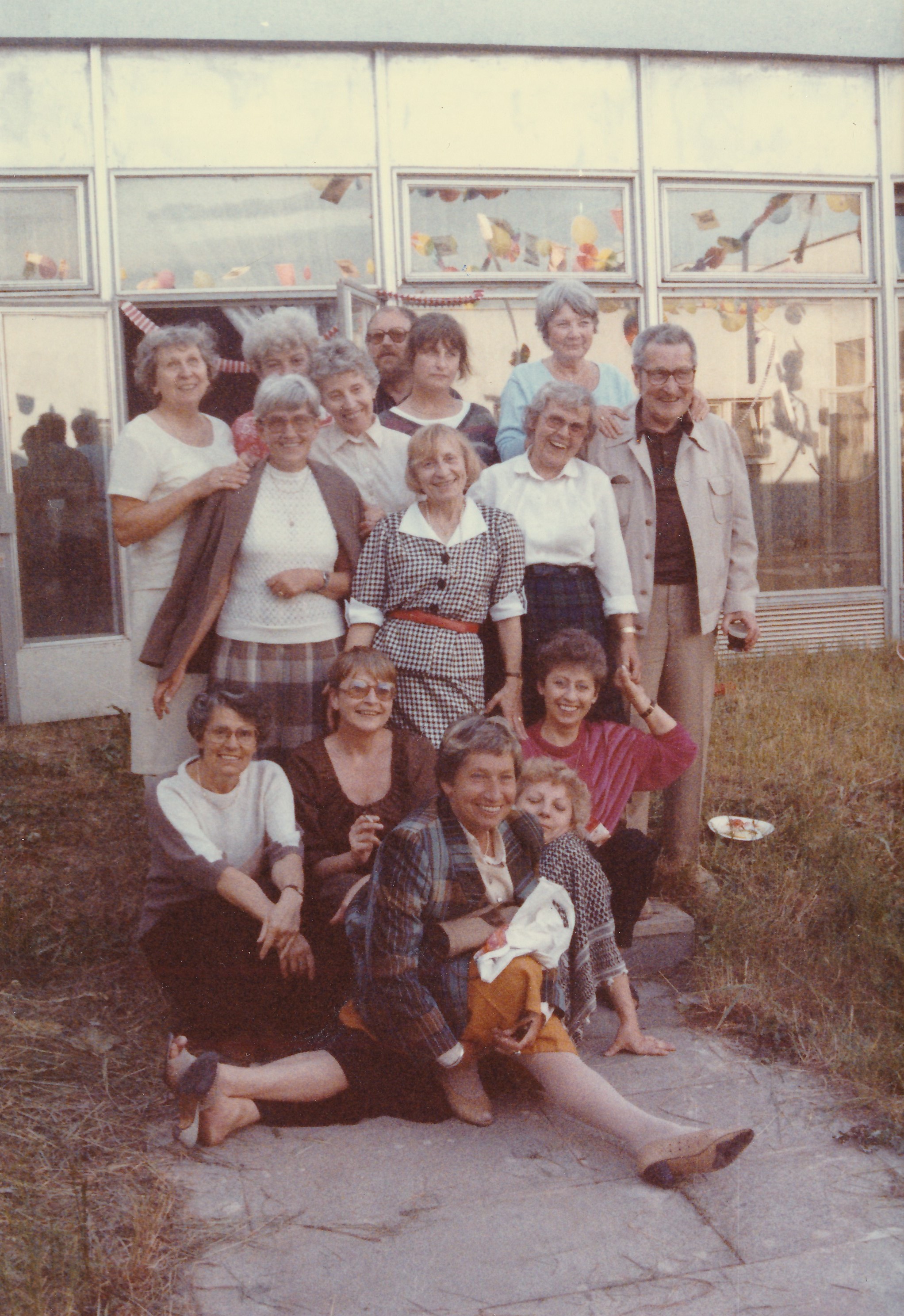
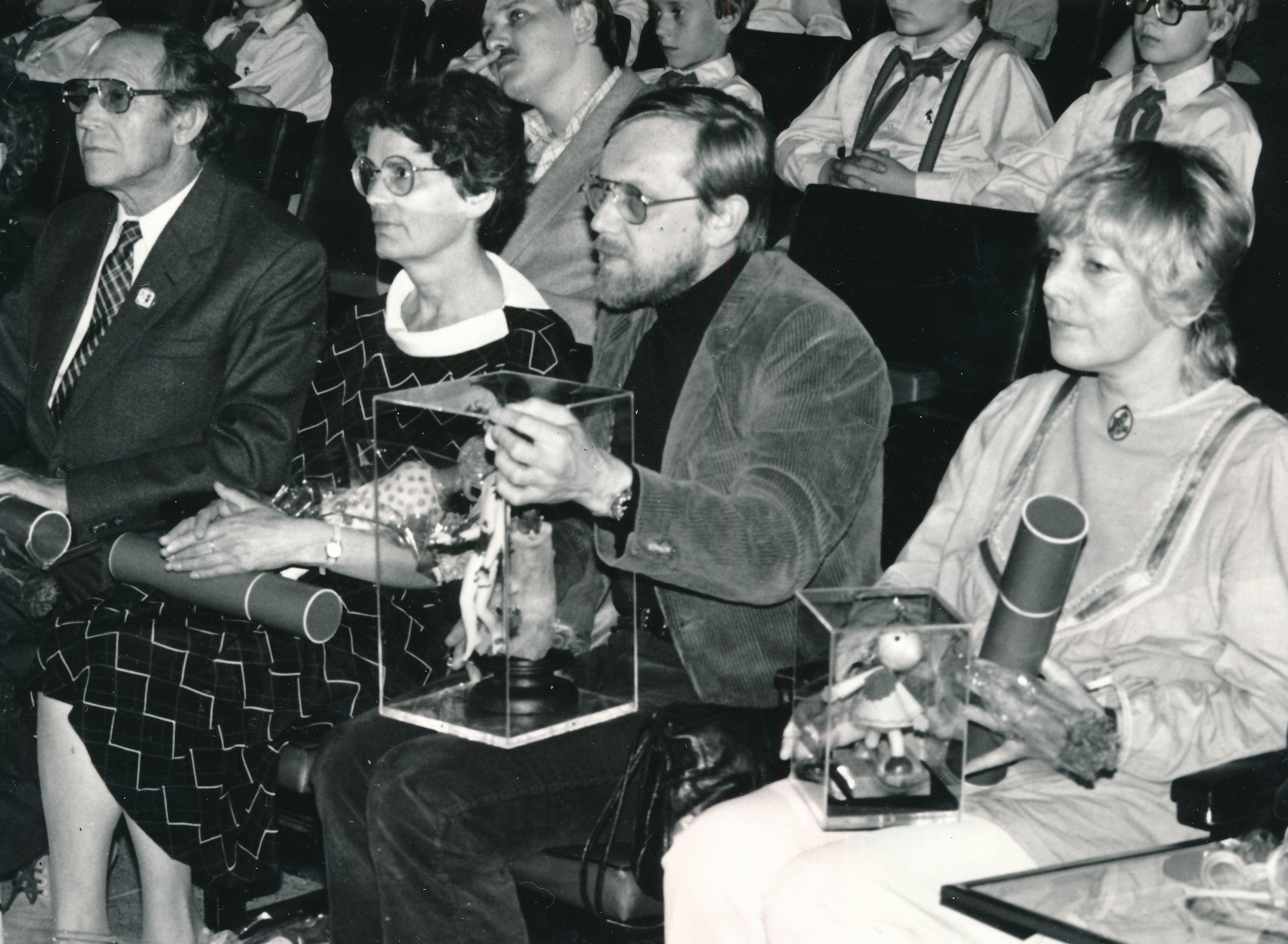
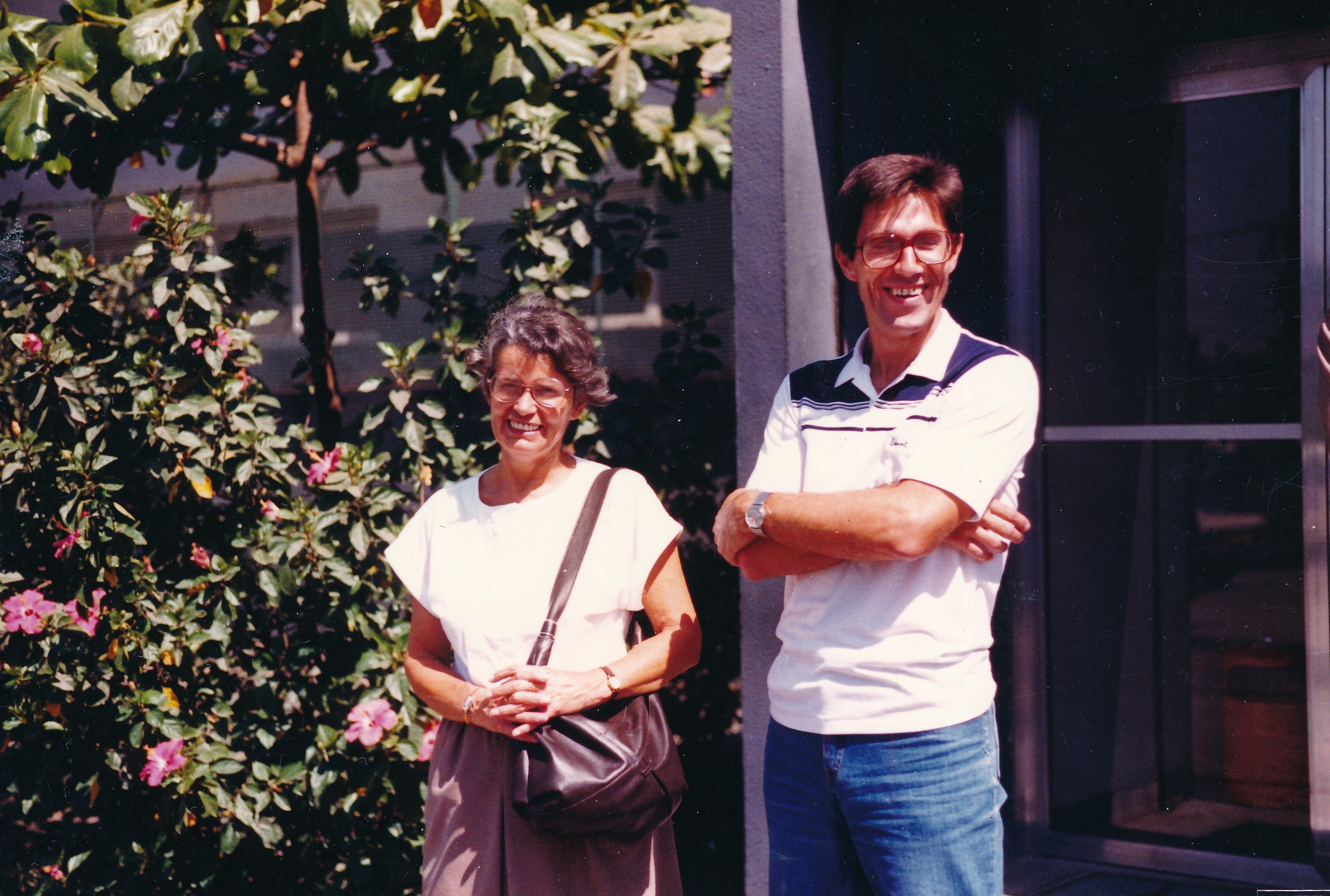
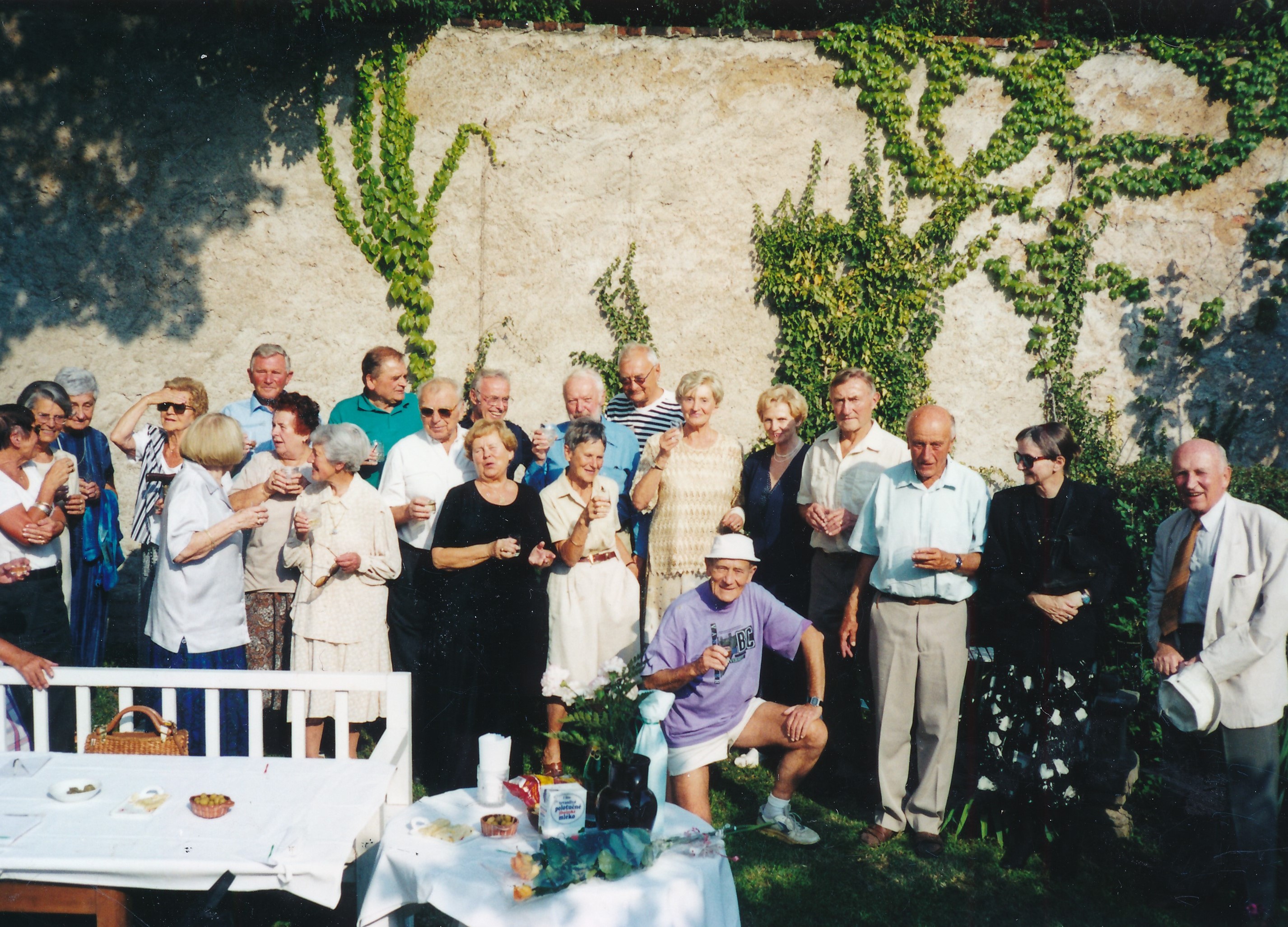
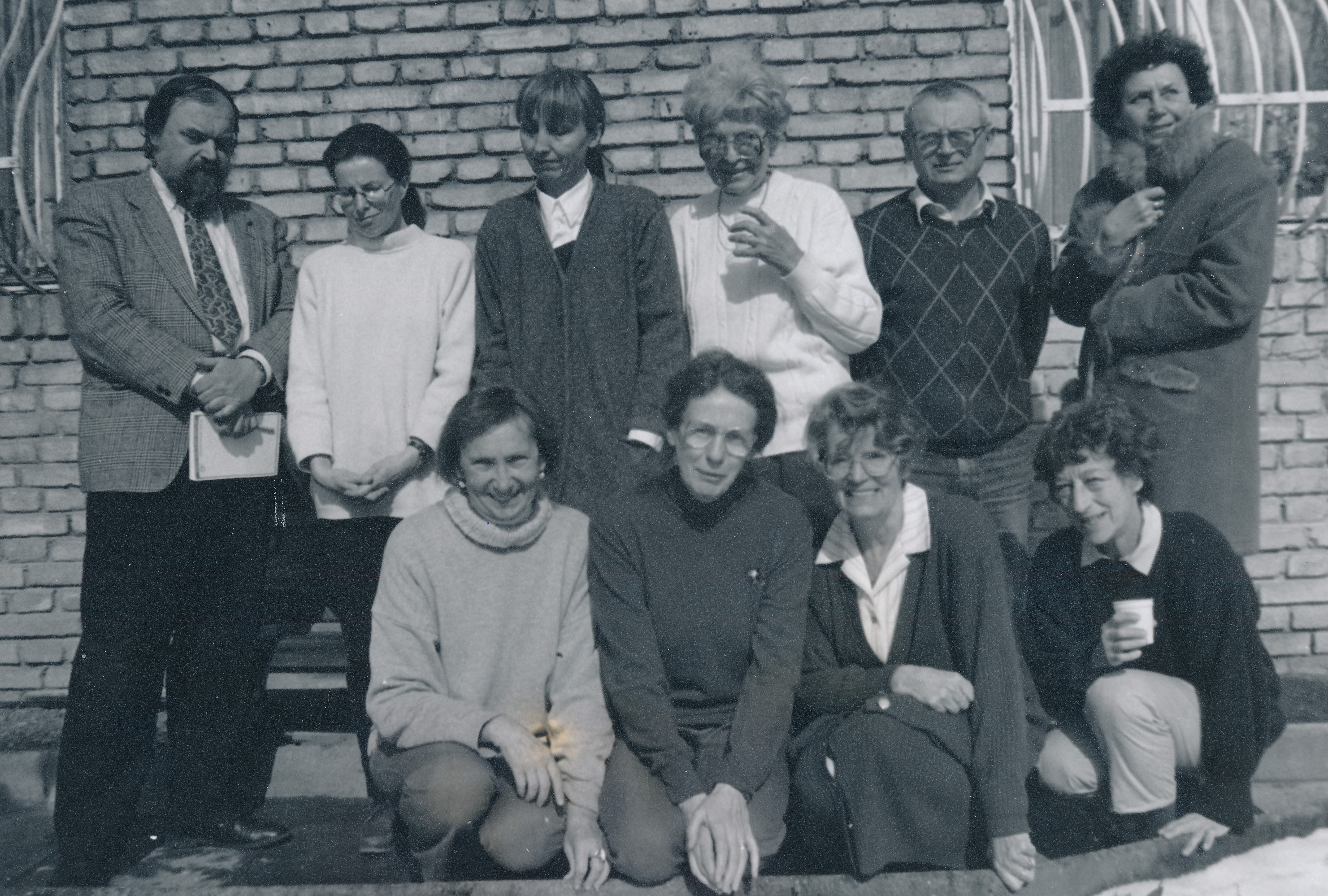
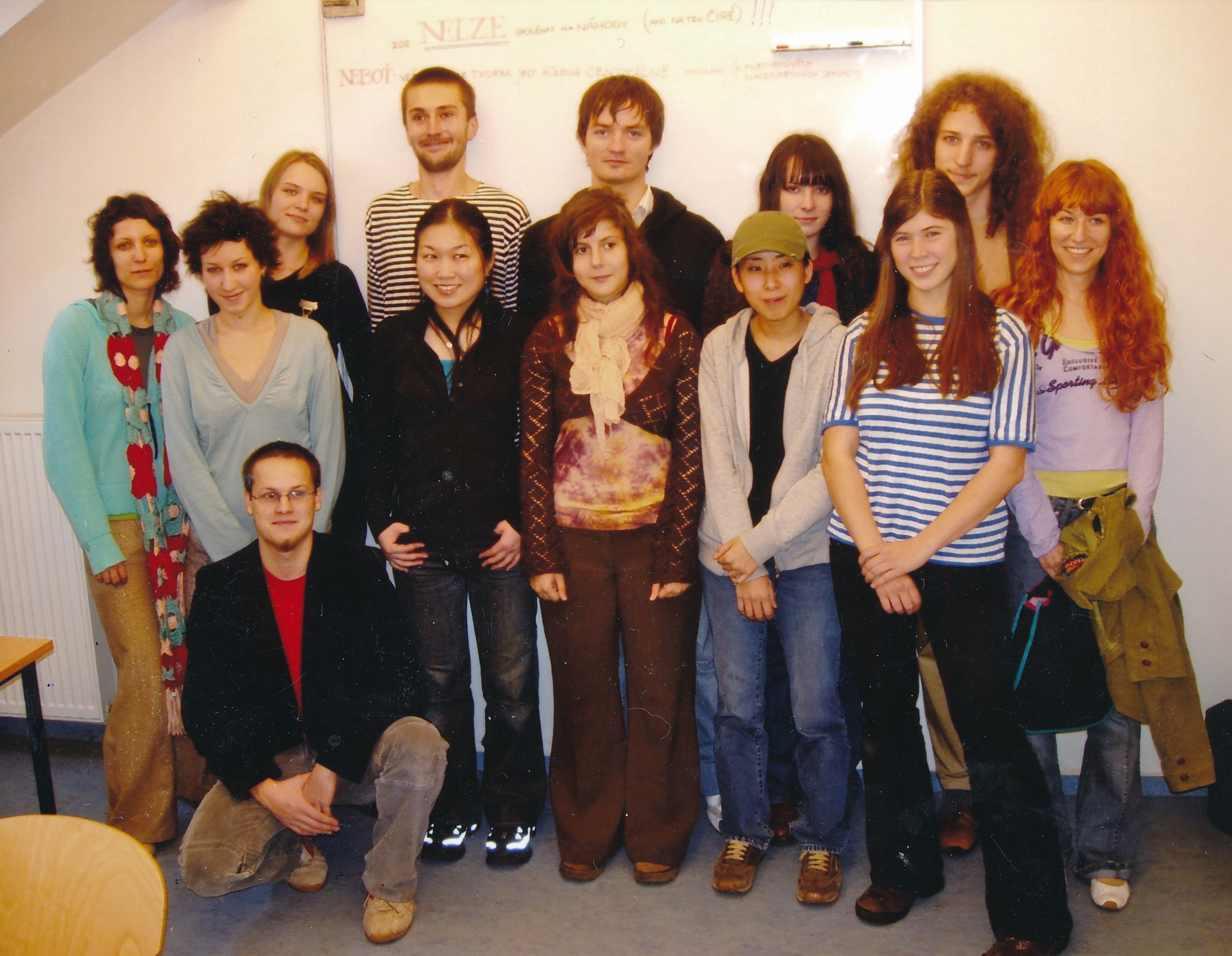
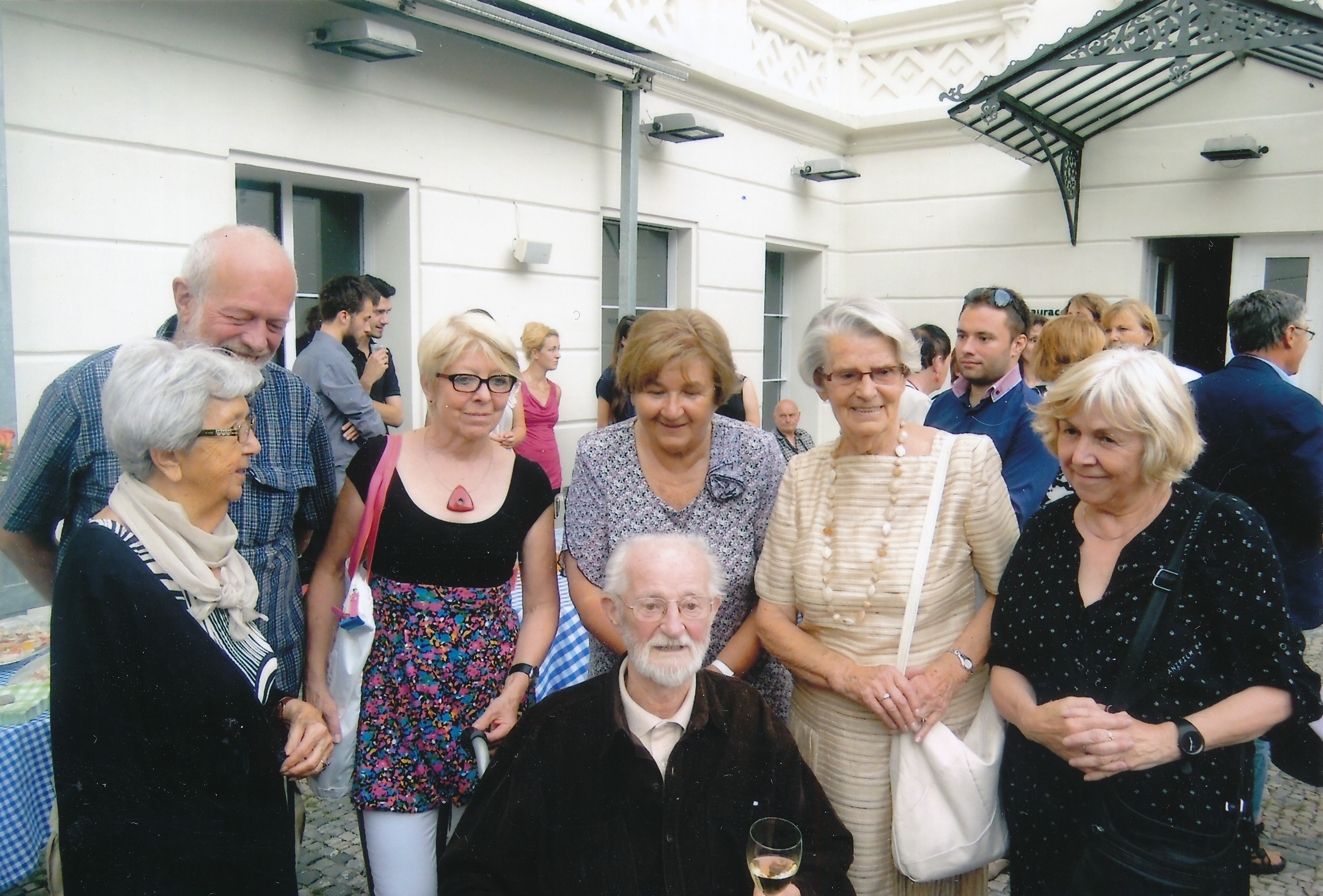
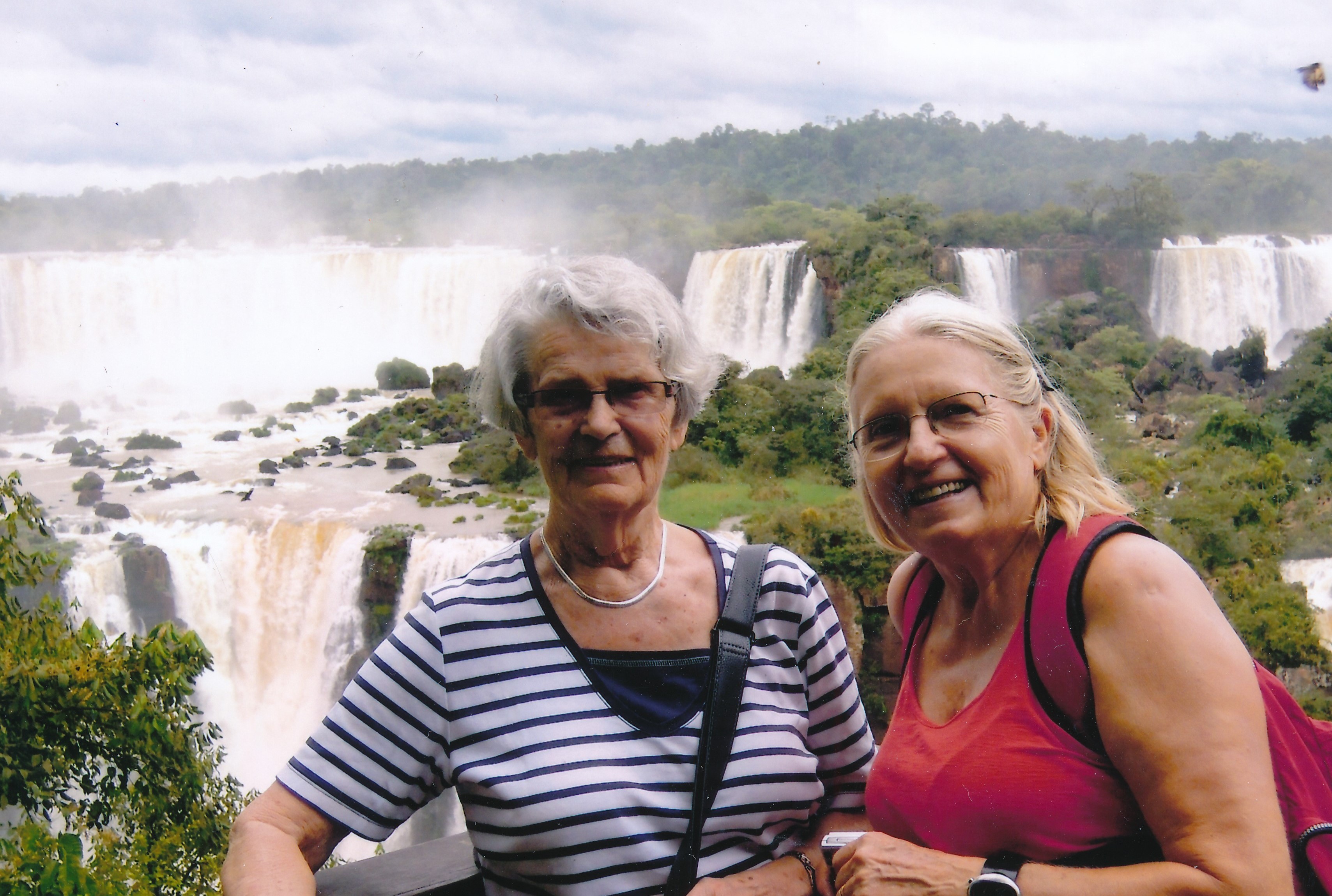
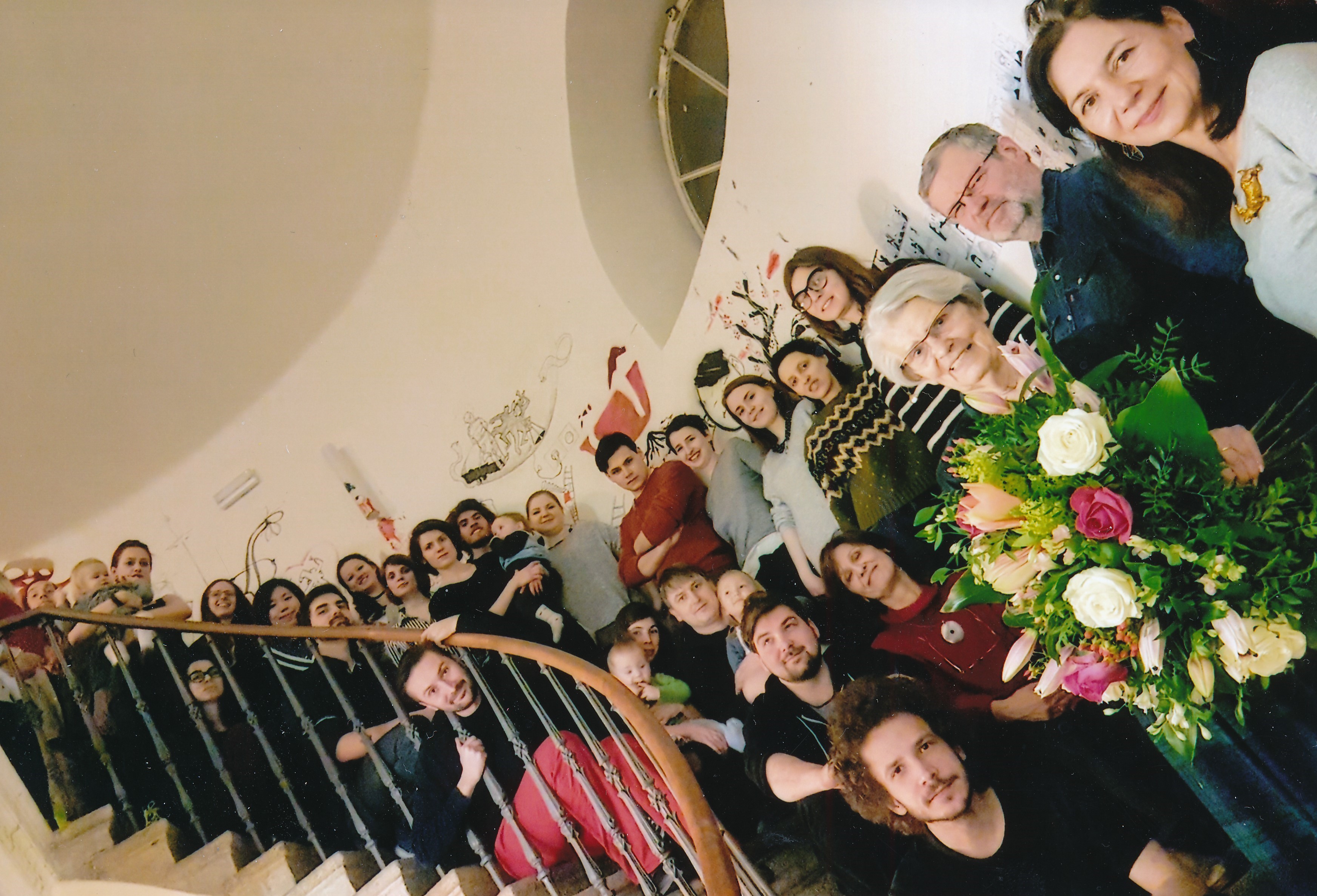
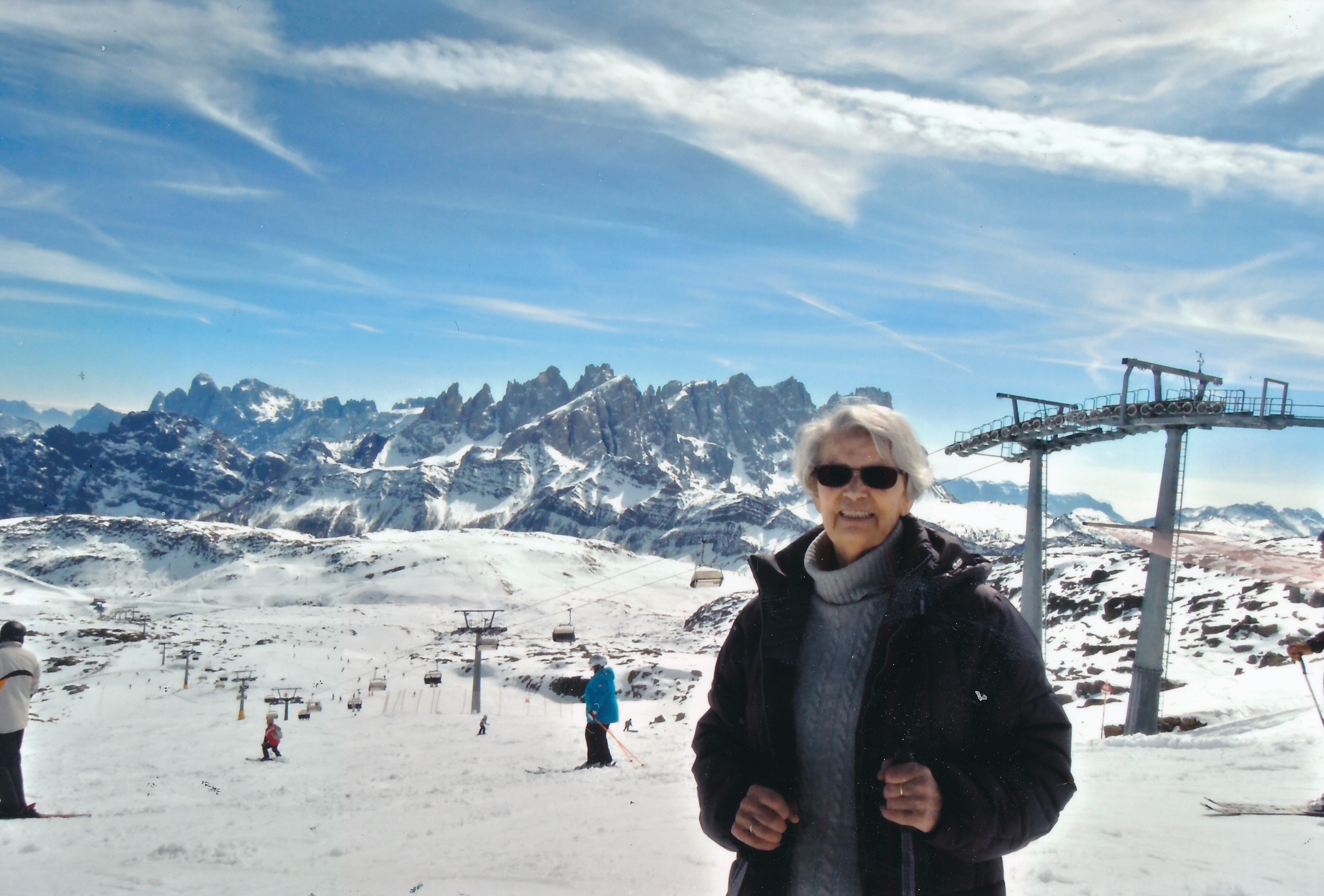
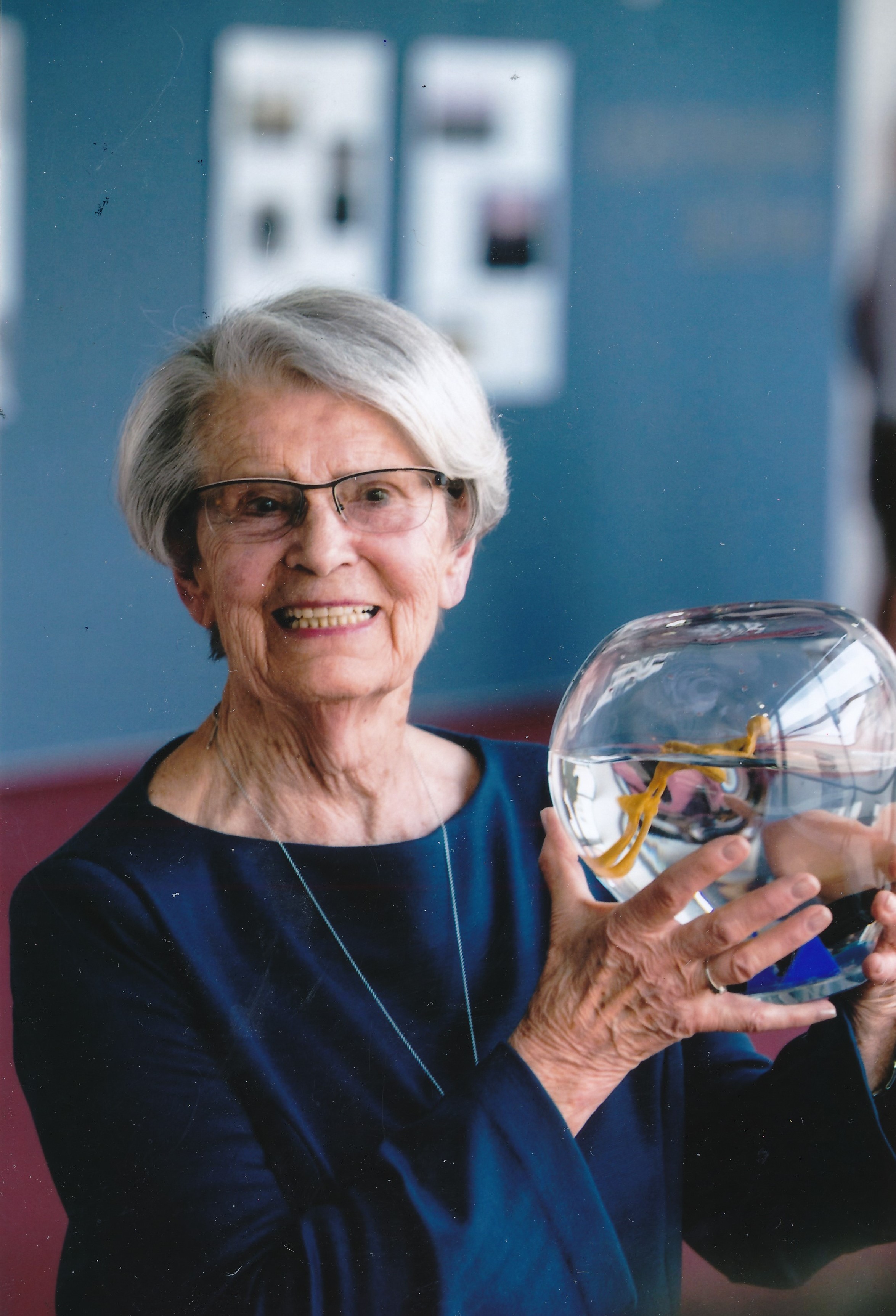
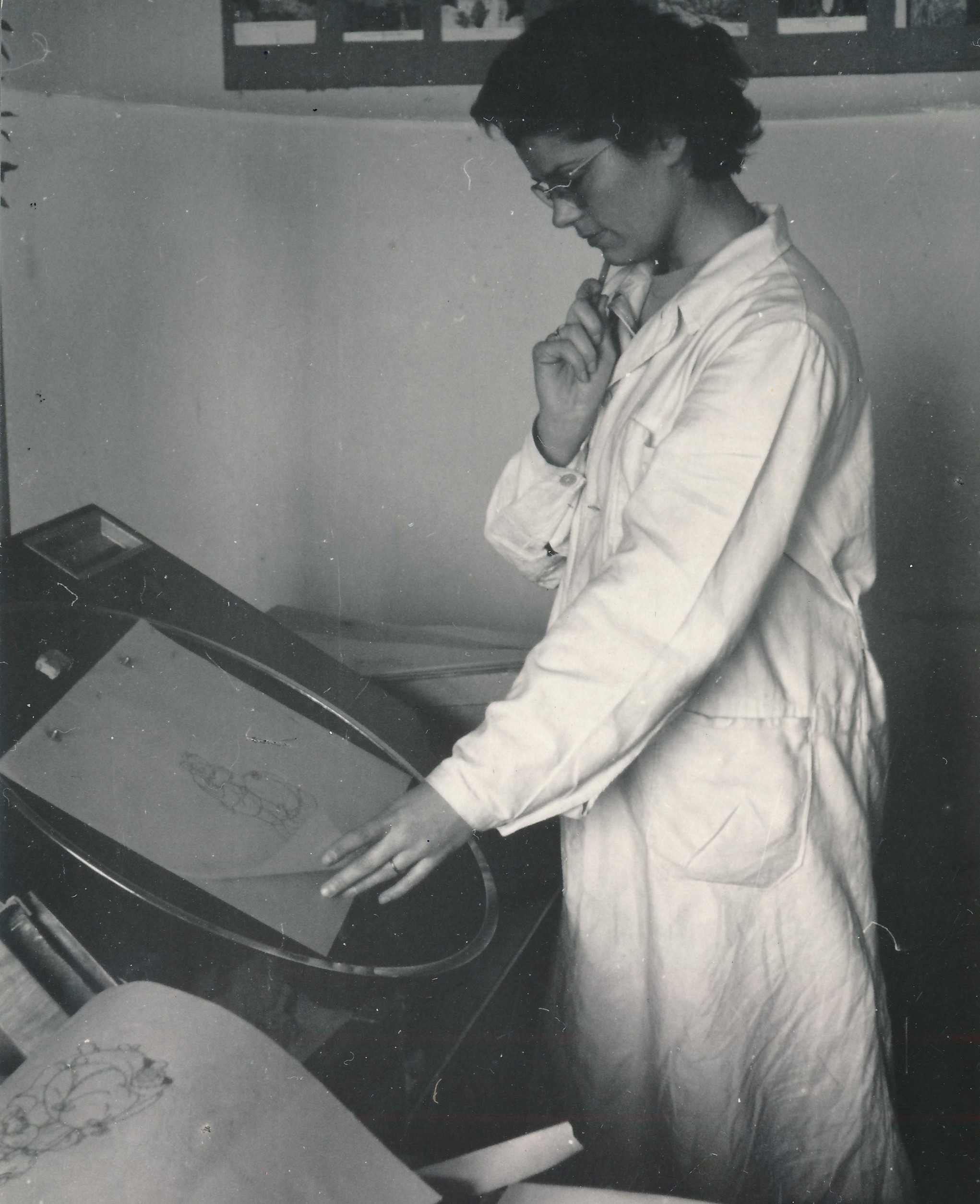
Libuše Čihařová, née Řídká, was born on 2 August 1930 in Moravské Budějovice as the only child in the marriage of Vilém Řídký, a manager of the Jaro J. Rousek factory, and Emílie Řídká, née Piskáčková. The family travelled to Vienna for culture and played sports at home. Libuše did not realise the pre-war tension until 1937 at the funeral of T. G. Masaryk. A year later, her father joined military service for a few days as part of the mobilisation. The family survived the war unharmed. The joy of freedom did not last long, as it was thwarted by the communist coup in February 1948. In June of the same year Libuše practiced at the XI All-Sokol Meeting, where several of her friends were arrested. In the spring of 1951, Vilém Řídký received a draft order to join the Auxiliary Engineering Corps (PTP). In September, the witness joined Krátký Film (Short Film), Studio Bratři v triku in Prague, where the atmosphere and friendly relations were exceptional. Three years later Libuše Řídká married Miloš Čihar, and in 1956 their son Martin was born. Both spouses did not join the Communist Party of Czechoslovakia (KSČ). They survived the 1968 occupation in Switzerland with the extraordinary support of the local people, and returned home in October 1968. The witness did not sign the approving statement to the entry of Warsaw Pact troops. Over the course of 30 years, she contributed to hundreds of films in the cartoon industry and began directing independently in 1981. She has won numerous awards at home and abroad. She welcomed the changes after the Velvet Revolution with enthusiasm. After the collapse of Short Film in 1991, she cared for her ill husband until his death in 1999. In 2001, she accepted an offer to teach animation at FAMU, where she worked for 17 years and found her work fulfilling again. In 2018, she received the Lifetime Achievement Award for her contribution to animation. In 2025 she was in great shape, living in Prague, had three granddaughters and five great-grandchildren. The filming of memories was made possible thanks to the support of the International Visegrad Fund.
The project is co-financed by the Governments of Czechia, Hungary, Poland and Slovakia through Visegrad Grants from the International Visegrad Fund. The mission of the Fund is to advance ideas for sustainable regional cooperation in Central Europe.