"I remember then we were "SZMs". An application for the Youth Union must have been sumitted. It was already in high school. I don't know what were the questions. I wanted to fill out the application several times, but then it seemed suspicious or not right to me. Well, I just couldn't do well ... Those questions didn't suit me. So I wasn't in the Youth Union. I didn't have a blue shirt, nothing. "
"I was, I think, at the end or it was the fifth year. I started making collages then, I didn't paint with oil. Souček allowed it. So I made a big collage. It was called Spring in Paris. It was almost finished, when he came to me and said, 'Well, wouldn't you like it to be called Spring in Julius Fučík Park?' I said no, it's not possible at all. It stayed with it. Then no one forced me into anything. "
"Opposite us in Hodkovičky stands the oldest house, probably from the previous century. A German lived there. He was deported right at the beginning. The family left and I know we ran around their garden. They had beautiful cultivated poppies there, we plucked them. Then some Jelinek, who lived on the site of today's Dancing House, got the apartment from the Germans. Their the house collapsed after bombing, so they lived there because they had nowhere to go. Mrs. Jelínková taught me to play the piano. "
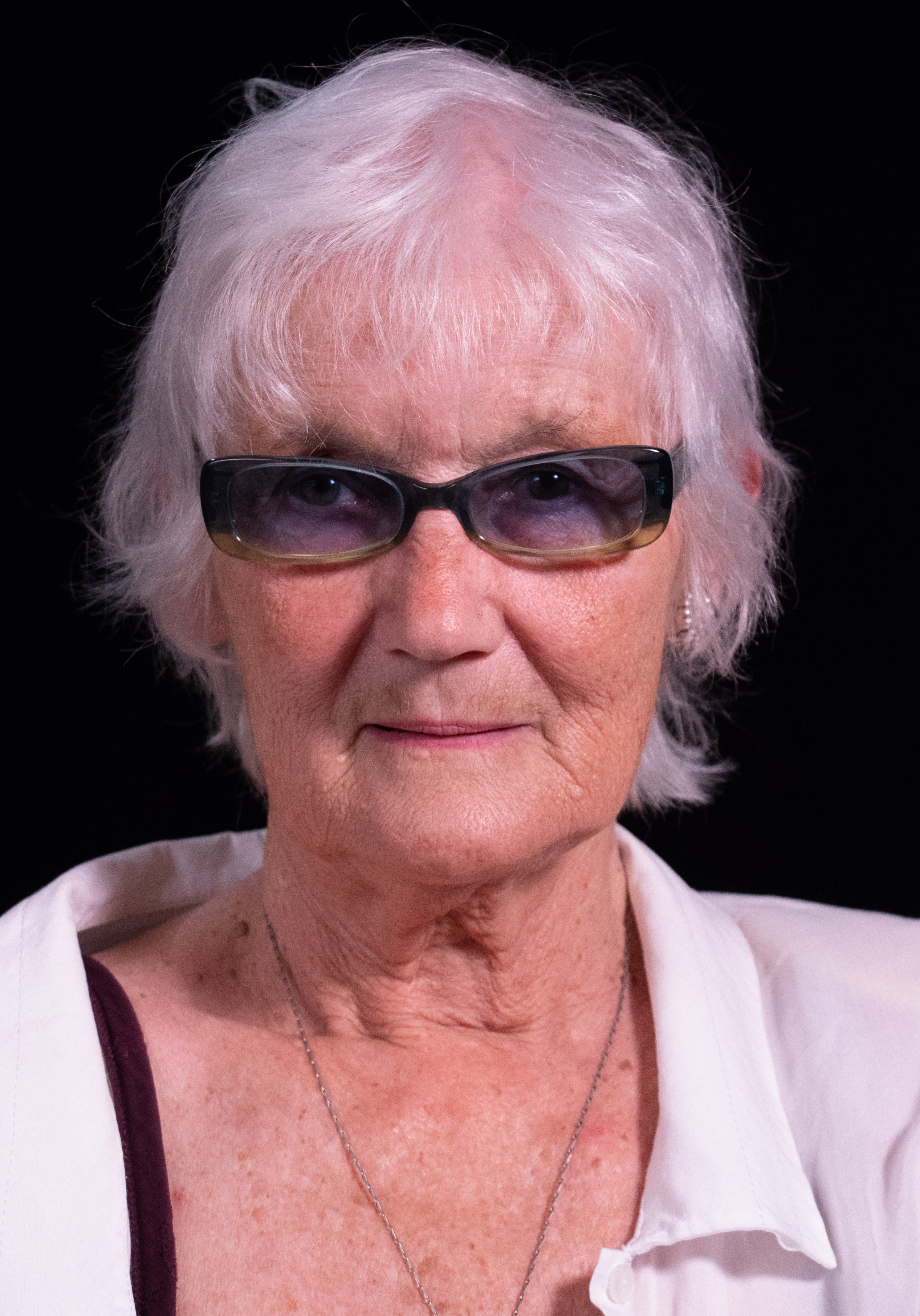
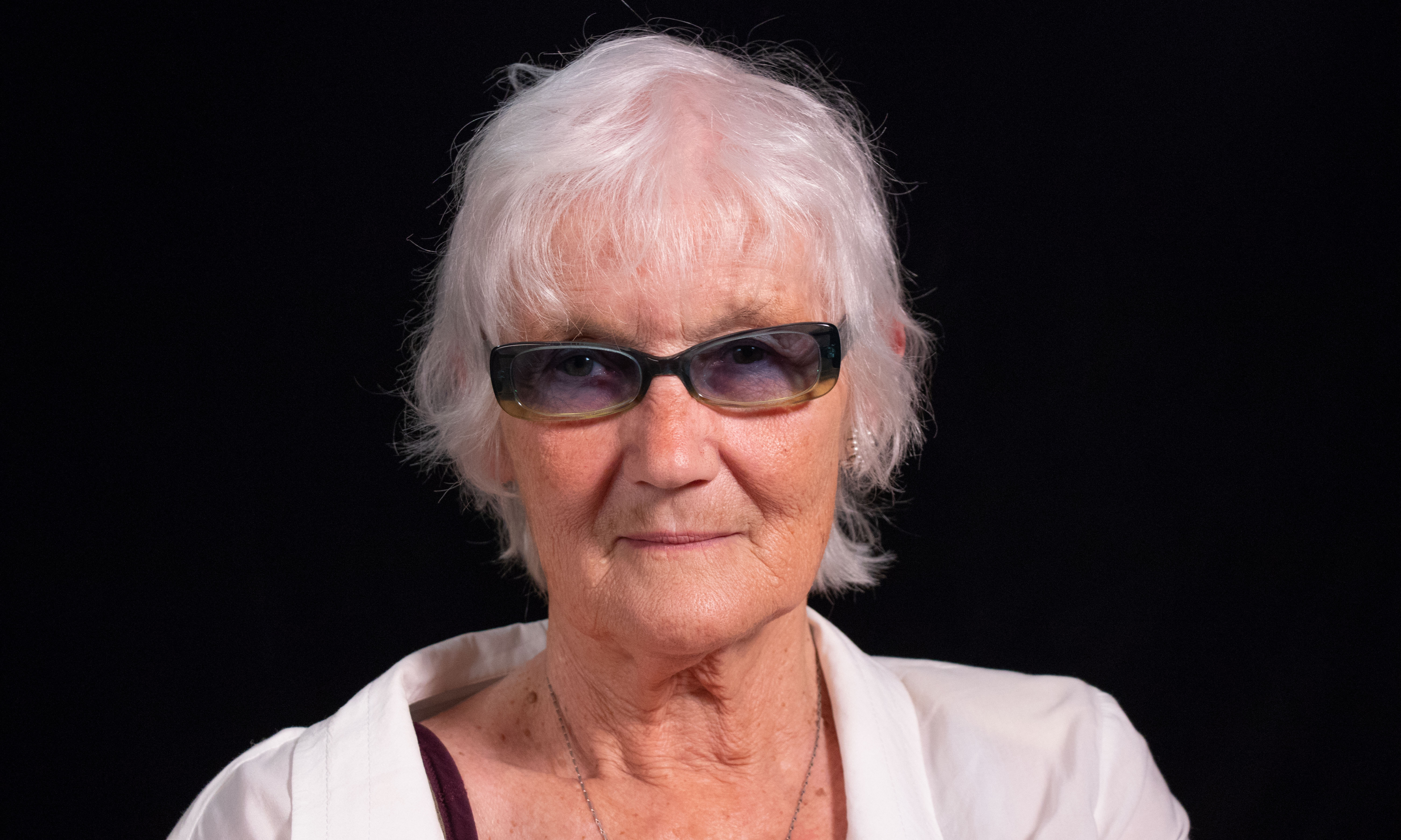
Kateřina Černá was born on August 7, 1937 in Prague. She spent her childhood in a family house in Prague-Hodkovičky, where she lived with her parents and grandfather Ivan Dérer, a prominent First Republic politician. She witnessed his arrest by the Gestapo in 1944. She has been interested in fine arts since childhood. She studied painting at the Academy of Fine Arts in Prague. Although she was considered a talented artist, she never made a living from her own work. She did not enter the competition for contracts that were distributed by the Fund of Fine Artists during socialism. Although she never directly expressed her disagreement with the communist regime, it bothered her and she did not want to cooperate with it. Therefore, she did not make full use of her talent and did not establish herself as an artist in socialist Czechoslovakia. In the early 1970s, she joined the school club as an educator. Then, until her retirement, she worked as a teacher of art education at the People’s School of Art in Prague-Modřany. Her works are part of the collection of the National Gallery in Prague. She died on January 23, 2024.