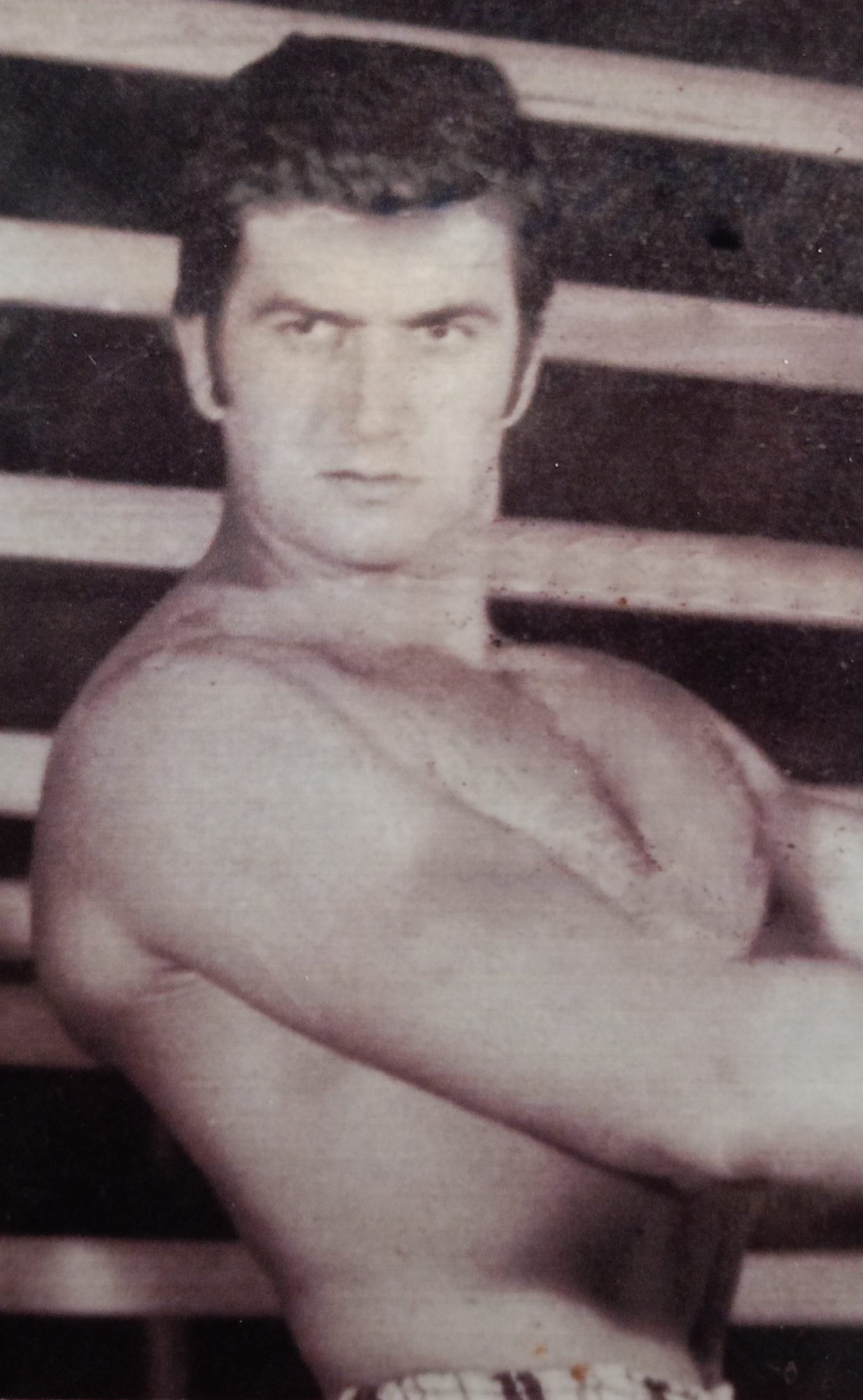
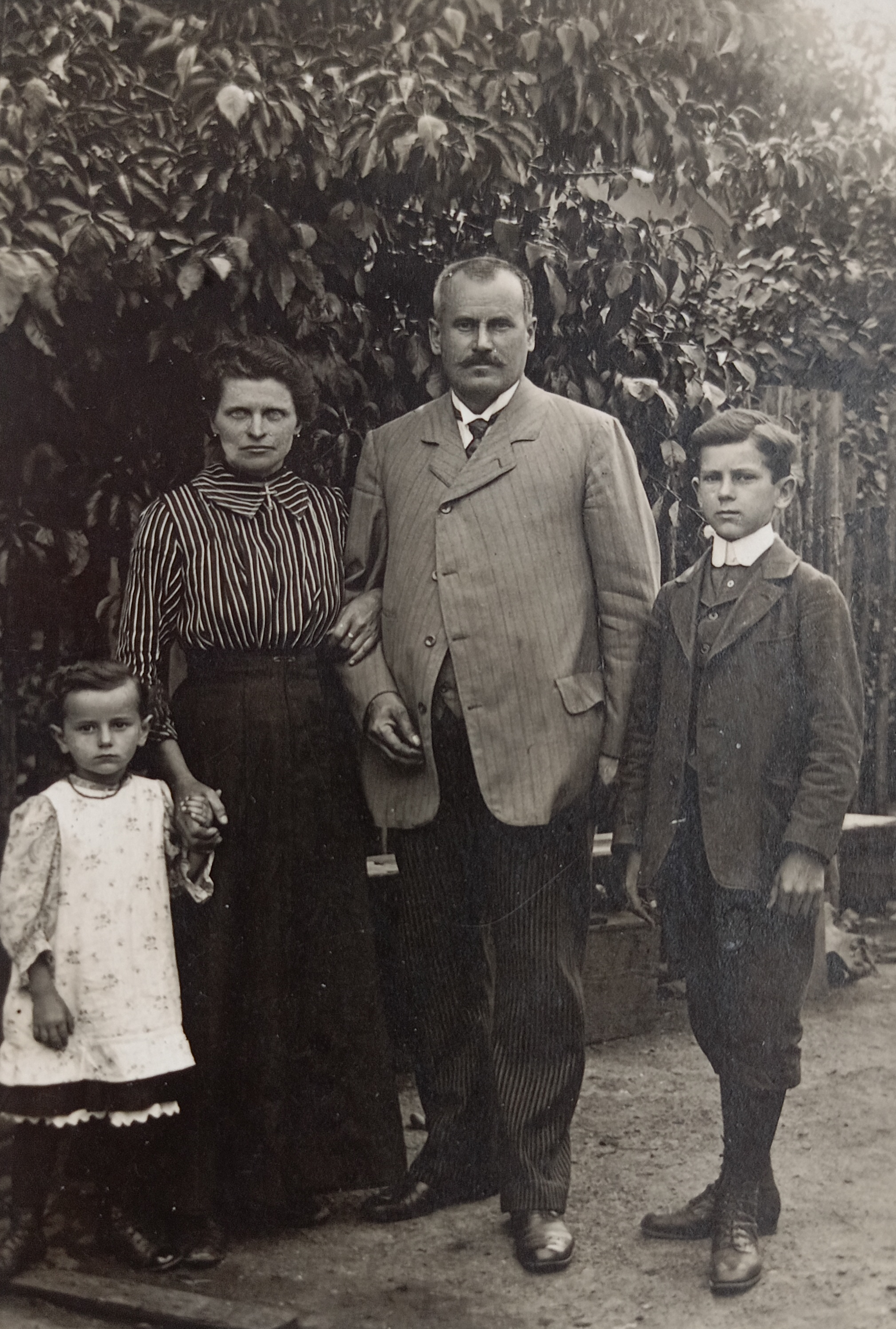
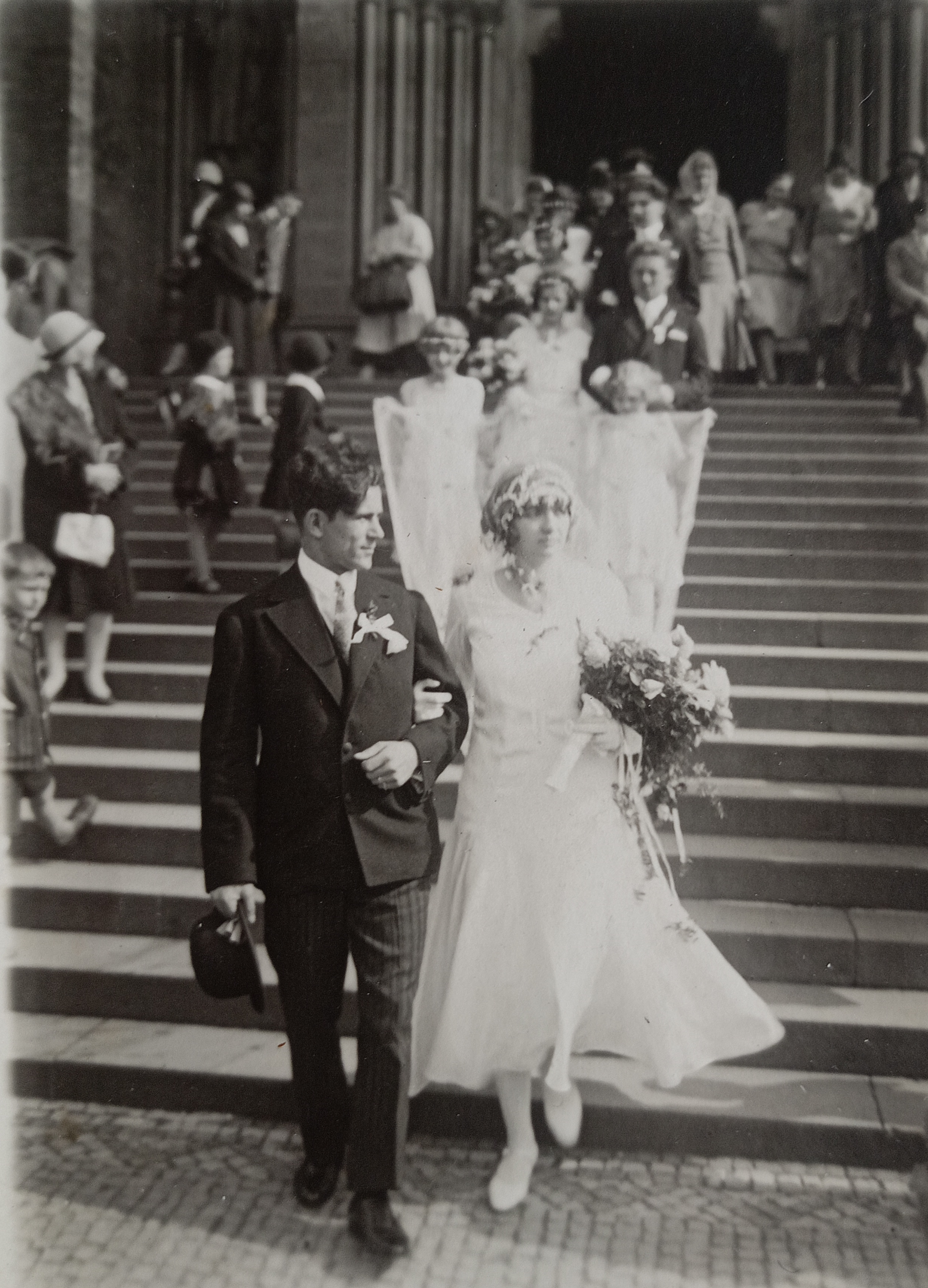
"And then my brother, Kamil, the eldest, the soldier, a member of no party. An officer of the Czechoslovak People's Army - and a non-partisan. All three of us brothers said we would never join any party in our lives, so we didn't. He said, 'They were counting on us to defend ourselves. But the biggest defeat of the Eastern Bloc or the Russians, was that we didn't defend ourselves. They didn't count on that. That first wave was about a million soldiers. They sacrificed them. The Russians sacrificed them because they counted on us defending ourselves, on the civilian population being involved.' Brother Kamil said, 'We would have defeated the one million, but once those were eliminated, they had three more million ready. And by then they would have had a reason to really come in here and overrun us and destroy us.'"
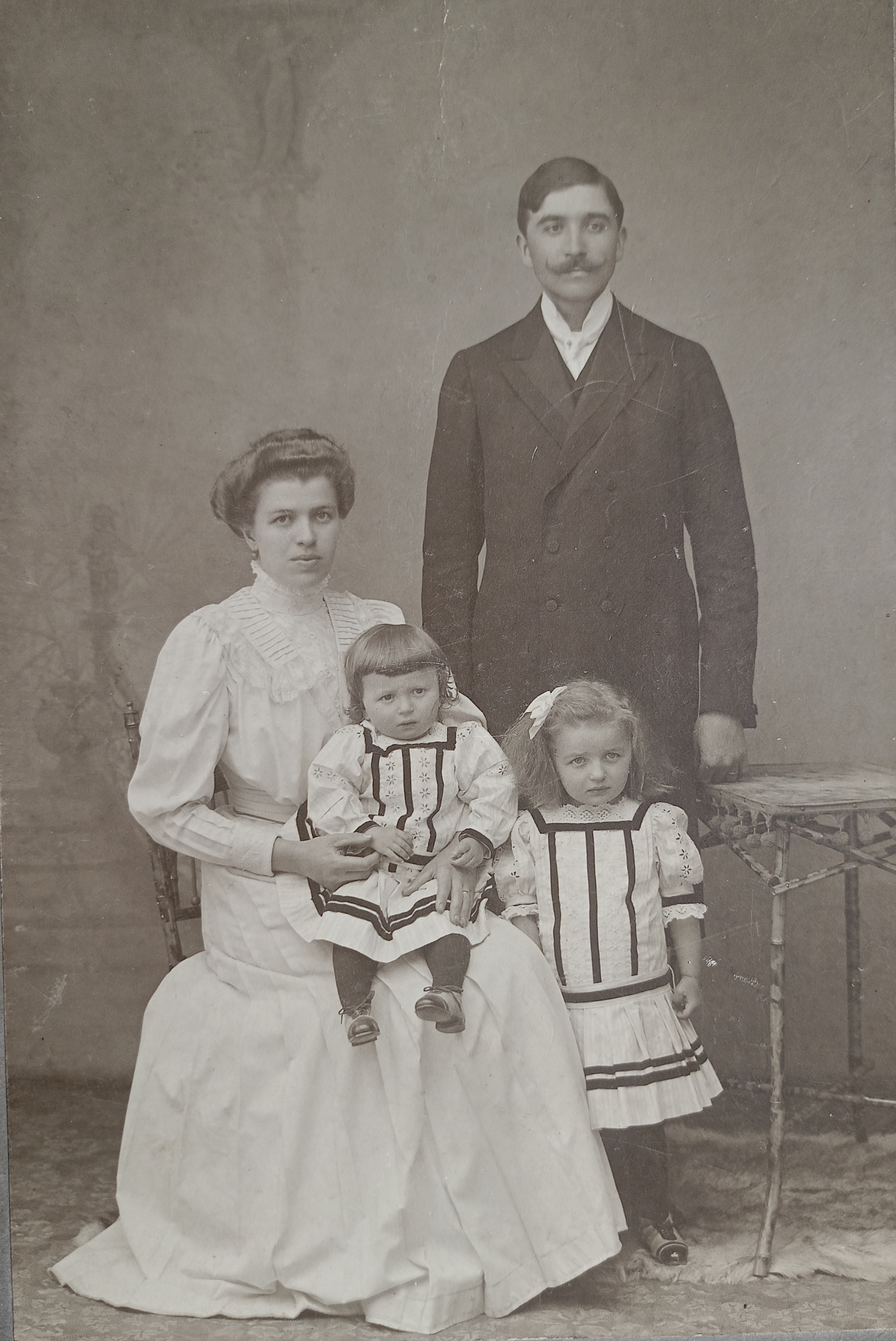
"That was Vlastimil Blahák, born 1905. He was the Head of the Military Geographical Institute in Prague-Dejvice. He was a staff captain who was in the resistance movement when the Germans took us over in t1939. He was a surveyor and an officer of the Czechoslovak army. We were one of the most advanced countries at that time, before the war. We had top-notch surveying instruments. So, to prevent the Germans from getting them, he had them dismantled and hidden with the other members of the underground movement. It was like they brought a package to a villager and told him to hide it in the barn, in the hay or in the straw. They weren't allowed to tell each other names for security reasons. The Gestapo was very capable, unfortunately. Well, about a year or two later, a doctor got into the clutches of the Gestapo, and as a result of the interrogations, they forced him and they came for Blahák too. He was my uncle, he was the husband of my mother's younger sister. The Gestapo came for him, they said, 'Don't worry, he'll be back by the evening.' He came back four years later. When the Gestapo arrested him, he was 105 kilos, a big, sturdy Moravian. And when he came back, he was 47 kilos."
"The one [guerrilla] stayed here at the headquarters and the other was at the brewery gatehouse. A German emerged around the bend, and he saw it and shot at it. Well, there were six or how many cars full of armed SS men following the first one. They wanted to go to Stránčice to the train and get to the south. Well, [the German commander] immediately ordered to shoot everybody. They shot those 27 [civilians] here. The youngest was a 15-year-old boy. The Germans ordered people to get out of the other houses and gathered them at the brewery pub. Lying face down on the ground, they were going to be shot. A German woman found out, so she begged the commander on her knees saying it wasn't a citizen of Velke Popovice who shot at them. They went to the corpse, because they had shot him immediately, and he had a Stránčice ribbon. So [the German commander] ordered his men to withdraw and let the people go home. Sadly, an eleven-year-old boy who had pneumonia had to go there with his mother. He was lying there for about an hour or two on the cold ground, it was cold, early May, and he died due to that in like two days, his condition got worse, the pneumonia. He was probably the youngest victim, his name was Miloš Gregor."
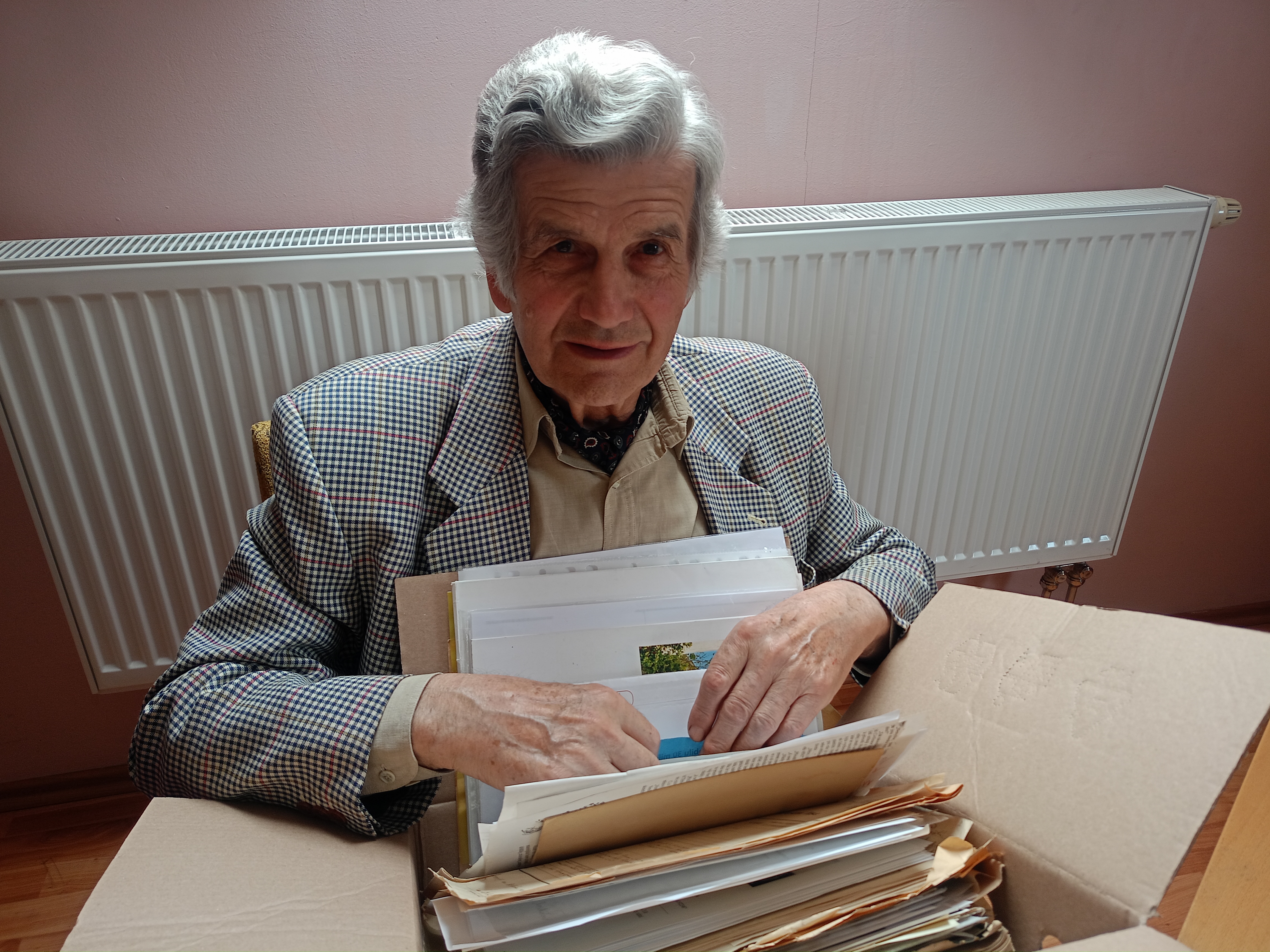
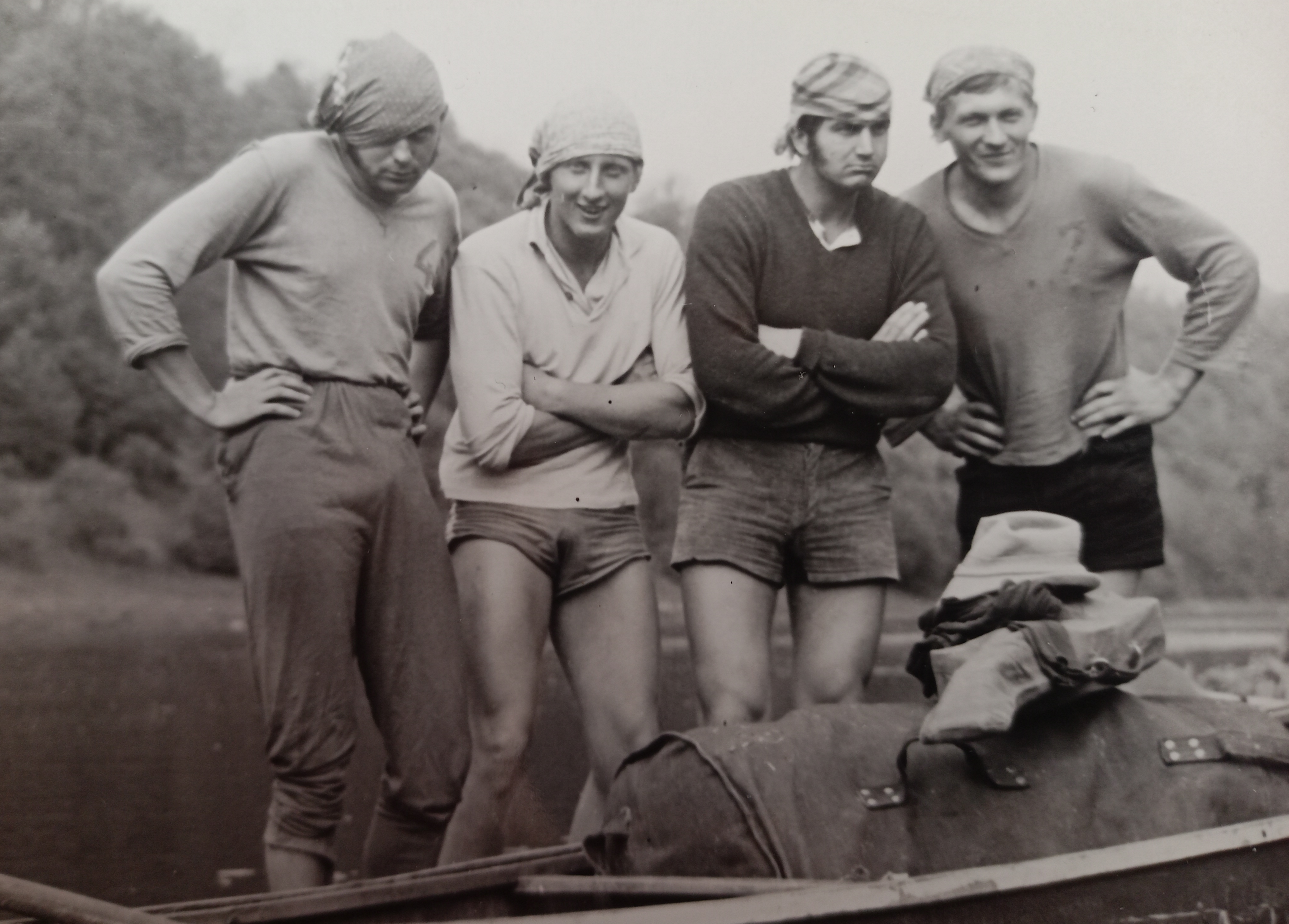
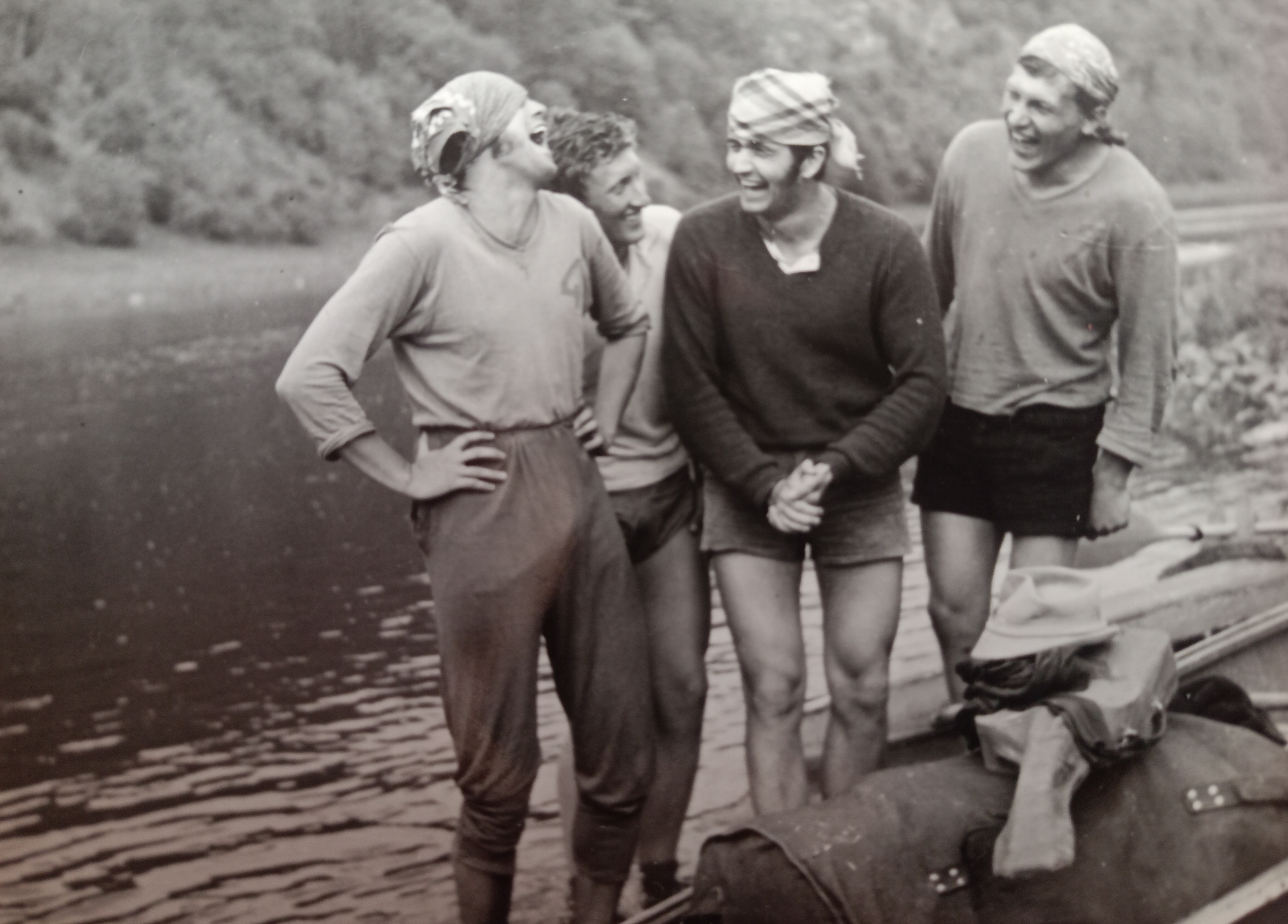
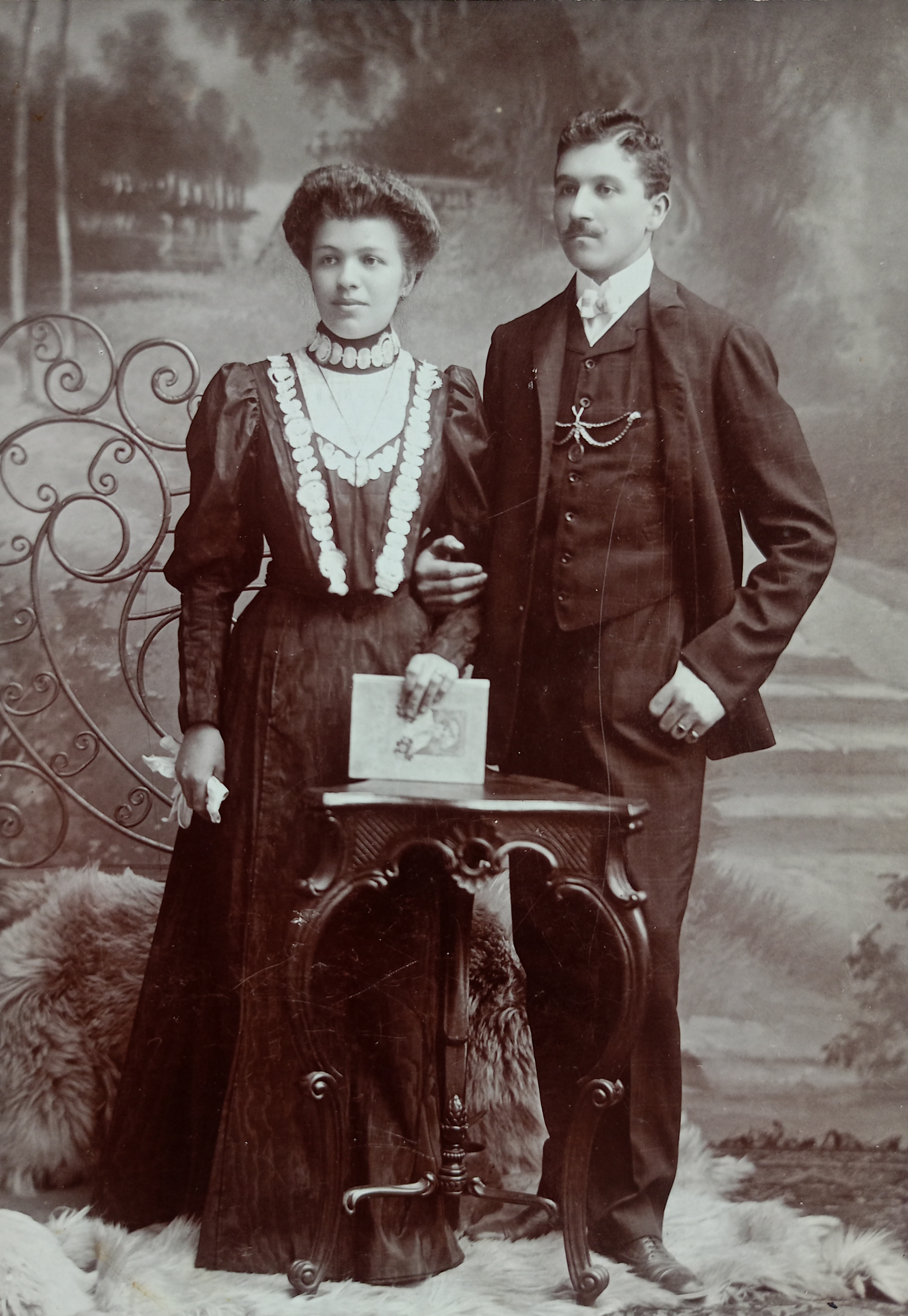
Vlastimil Čelikovský was born on 31 May 1944 as the youngest of three sons to Anna and František Čelikovský. His maternal grandmother owned and operated the Česká koruna inn in Velké Popovice which worked as a centre of patriotic life, providing space for the Sokol and amateur theatre performers. After the 1948 coup, the inn was nationalised. The witness’s father was a master builder. Before and during World War II, he worked for the German business family Ringhoffer; according to Vlastimil Čelikovský’s memories, he was in charge of running the brewery, distillery, brickyard and several farms. After the coup, he worked as chief designer with the Main Administration of Breweries. Witness Vlastimil Čelikovský trained as a carpenter in a district industrial enterprise, then completed a high school of housing design. He wanted to set up his own shop to produce custom atypical furniture, but his plans were thwarted by the invasion of the Warsaw Pact troops. He worked as a teacher at a high school of furniture design until the November Revolution of 1989. After the change of regime, he restored period furniture and worked in Austria. In 2025 he lived in Velké Popovice with his wife.