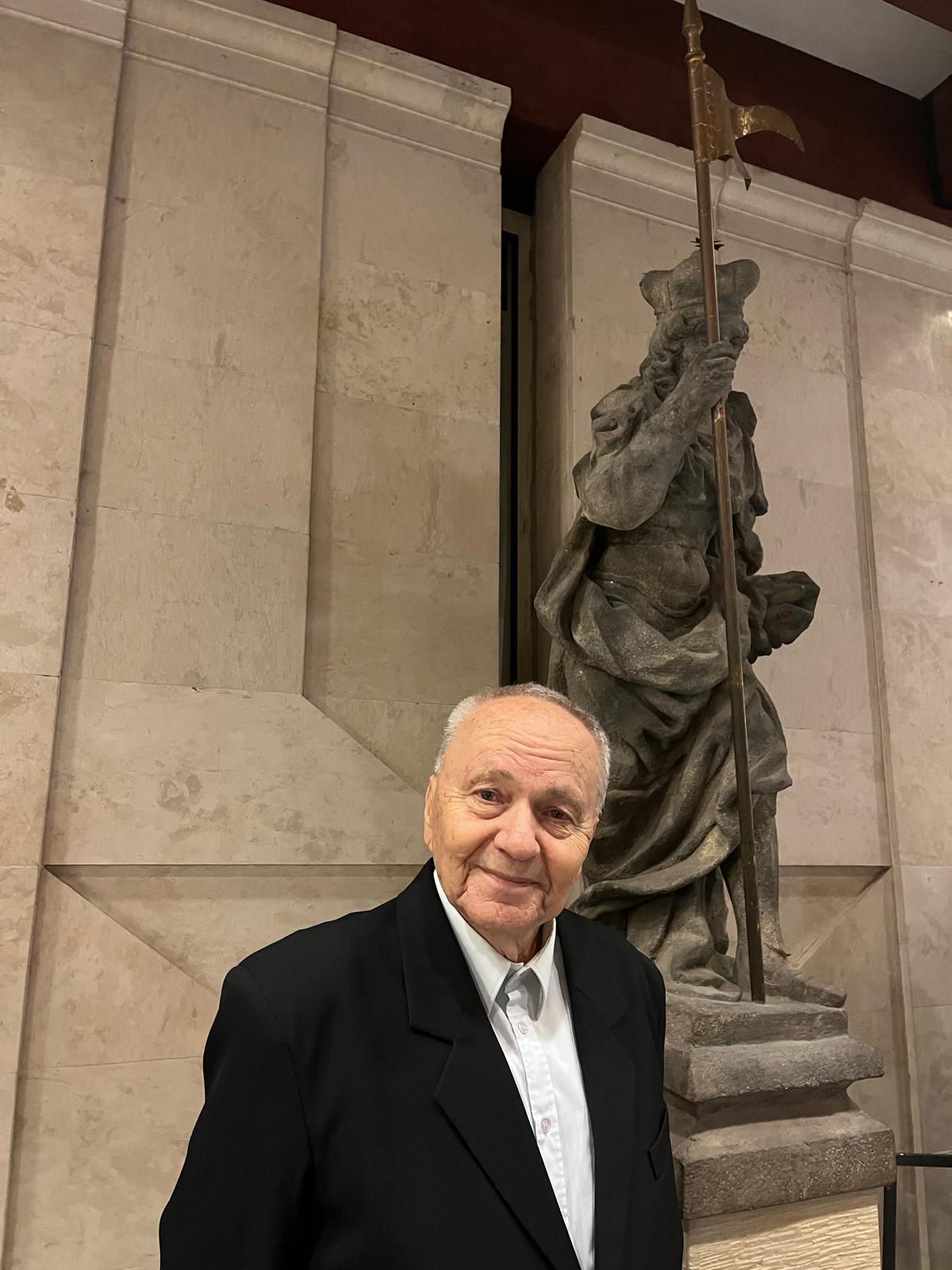
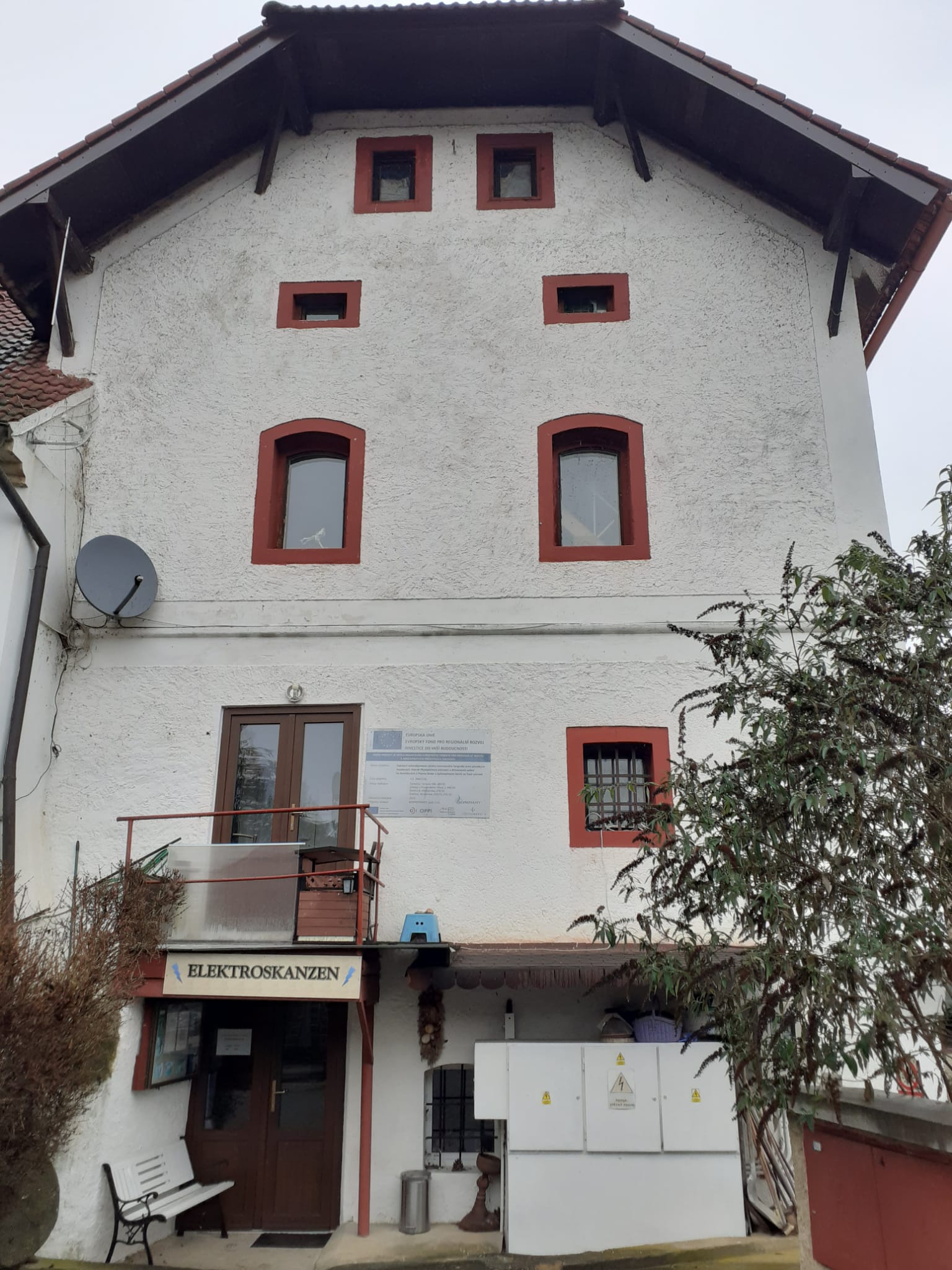
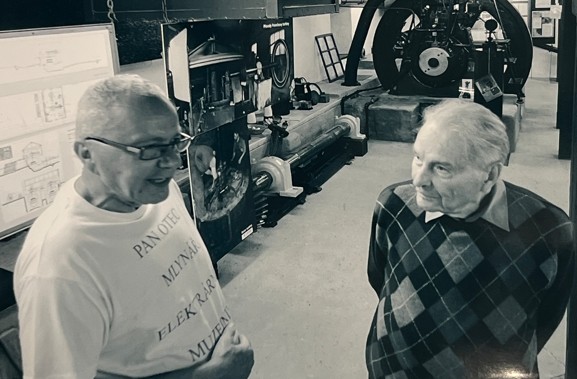
"I have to do maintenance and display additional exhibits if possible. I look for things to do to enliven the exhibition and gain knowledge, especially about Kolben. We even have a frequency device. We're trying our best to get the word out that Kolben was the final icing on the cake that unified the world's electrical systems based on scientific calculations. His discoveries are fantastic; they are crucial for the world in a field that pretty much rules the entire world. In fact, electricity is the only energy that can be transported to where we need it to be, whether by wire or wirelessly. The whole world uses it. What I do is most valuable in the sense that I'm showing the early days - and I'm doing it with passion. I would be betraying his legacy if I did anything else."
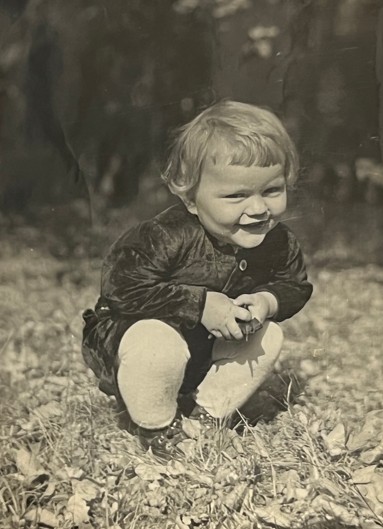
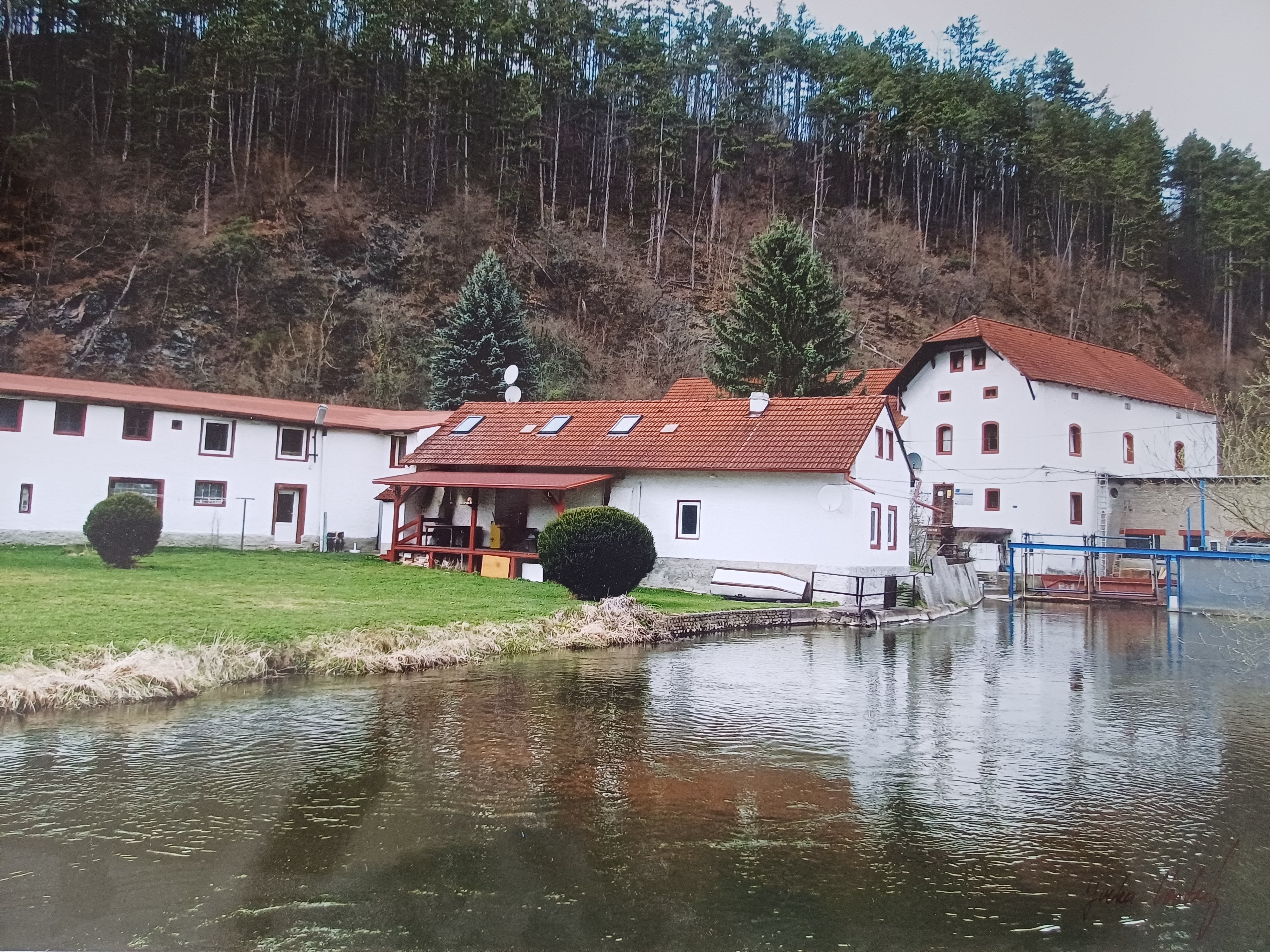
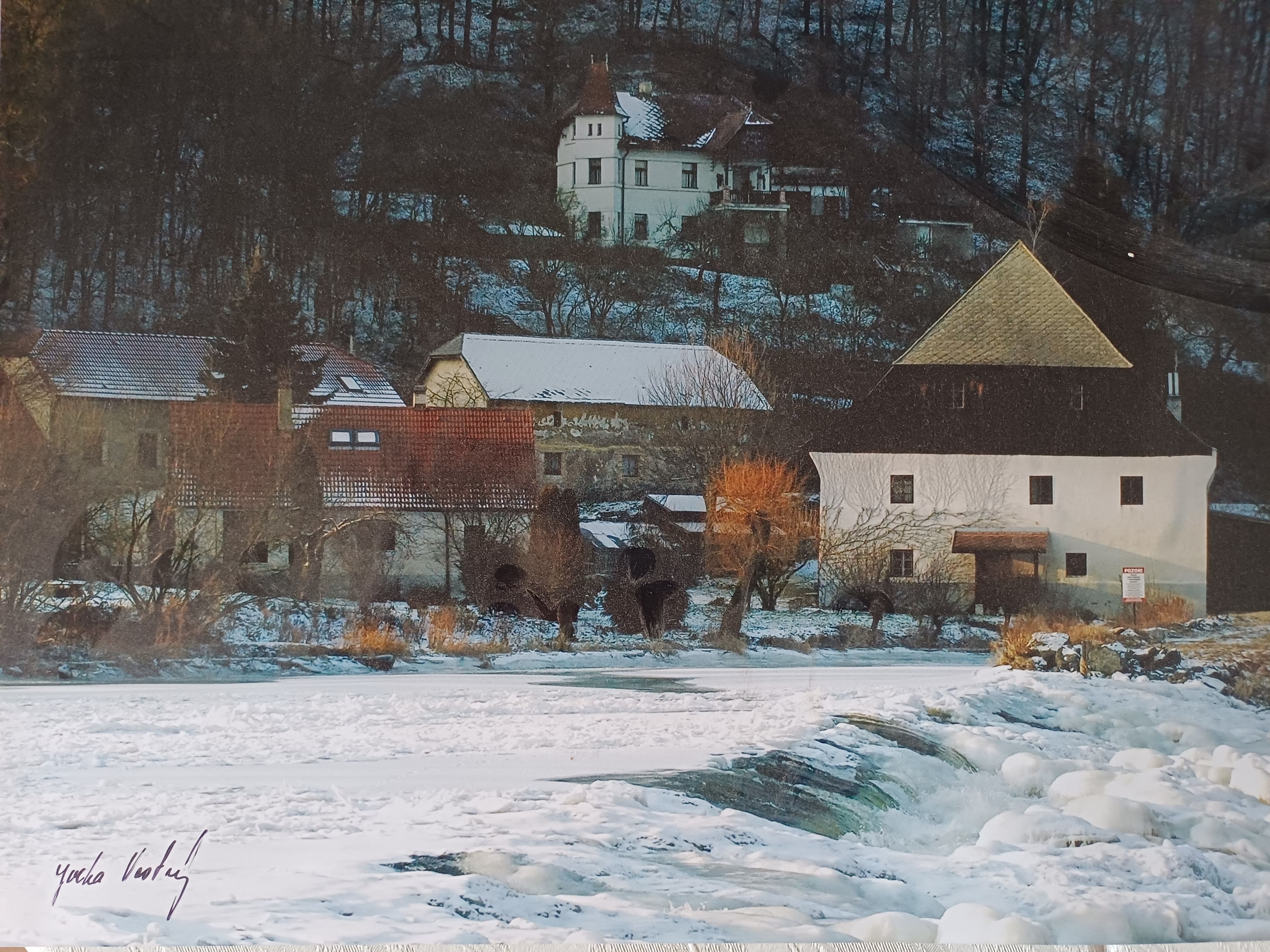
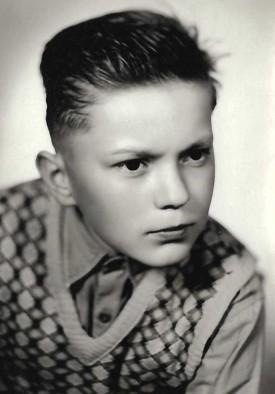
"My childhood memories are earthy. For example, I crossed the river going to school every day. Every day, I would wade or paddle over the weir, or dad would make a footbridge when the water was low. The boat was tied on one side, but when the water was high, it swayed. When the water rose, I thought I was going to be swept away. I wasn't. Quite the experience. When wading, the water was like a carpet. There was seaweed in the water, and I had to tread lightly because when you stepped on it, there were little fish, or even bigger barbels. I was in touch with nature every day. I have to admit I also cheated a little. I walked a few miles every day, across the river. Sometimes we had two hours off, and I ran home and back, four trips there and back. When I was tired or overslept in the morning, I would catch little fish and bring them to the headmaster. I went to a one-room school. I gave the fish to his wife. She put them in a tub of water and then I went to excuse myself. I said to the head teacher, 'I caught your little boys some fish.' 'Yeah, okay, okay.' And I was excused. Every Christmas, we distributed fish to farmers and the head teacher, and the whole class had to draw themed pictures suggesting that fish from the Čech family was the tastiest. That's another fish story."
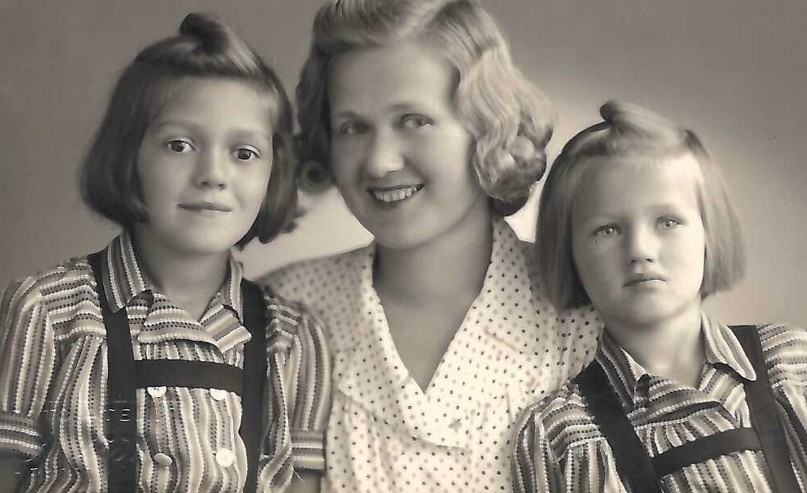
"Dad did odd jobs. 'Cut these tiles out and put new ones in. If a beam breaks, fix it.' Really, the worst jobs ever. But since he was so handy, everybody wondered how he did it. Of course, he was paid like the last man on the job. Mum was even worse off. They gave her a job for two and she did it alone. When she quit, they had to hire two workers on the job. PIcture getting up at 2:30 in the morning at our secluded place to catch the morning bus, and arriving around 5 pm. They had to work even at retirement age because the authorities didn't want to give them pension for the years they 'hadn't worked', as if they didn't work when they ran the power station. Daddy became disabled. The arteries in his legs got clogged, he walked about 50 meters and collapsed. He got ridiculous retirement pay, but destiny helped. Mummy said: 'Don't do it, you won't get anything anyway.' He didn't give up and wrote to several guerrilla friends who had since become prominent communists. They confirmed he had saved their lives. In the end, though with gritted teeth, they had to give Daddy a bonus for the resistance."
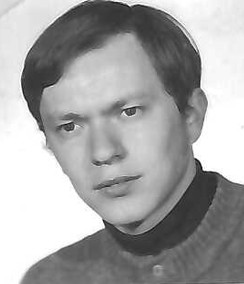
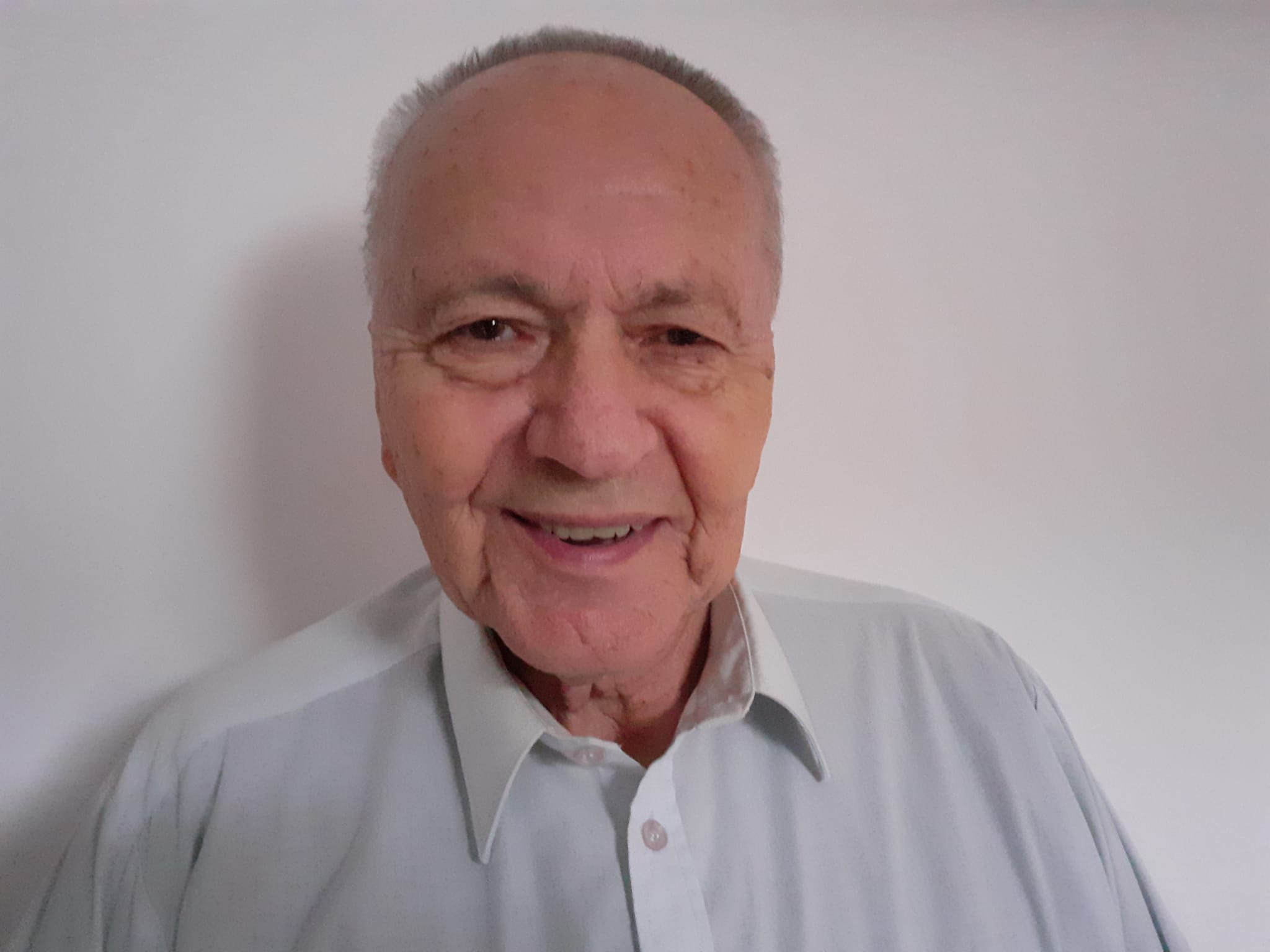
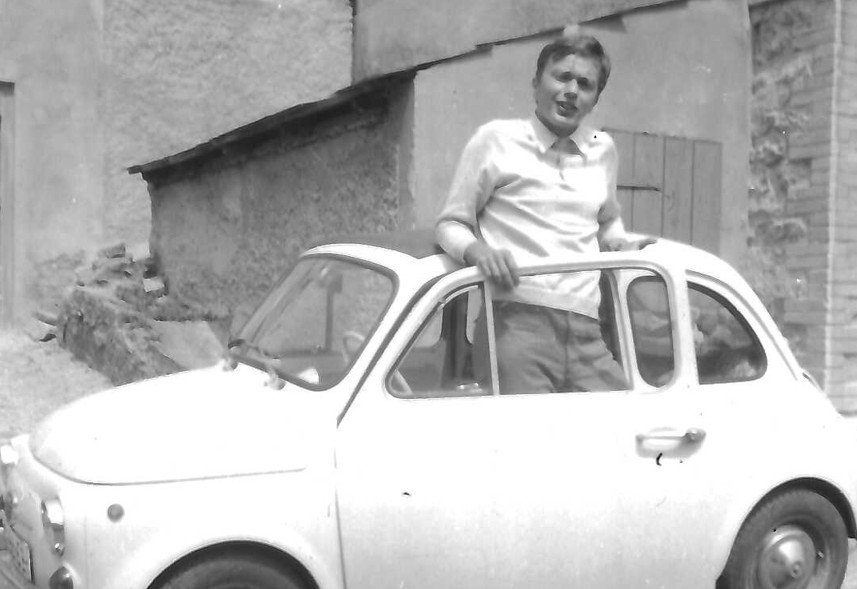
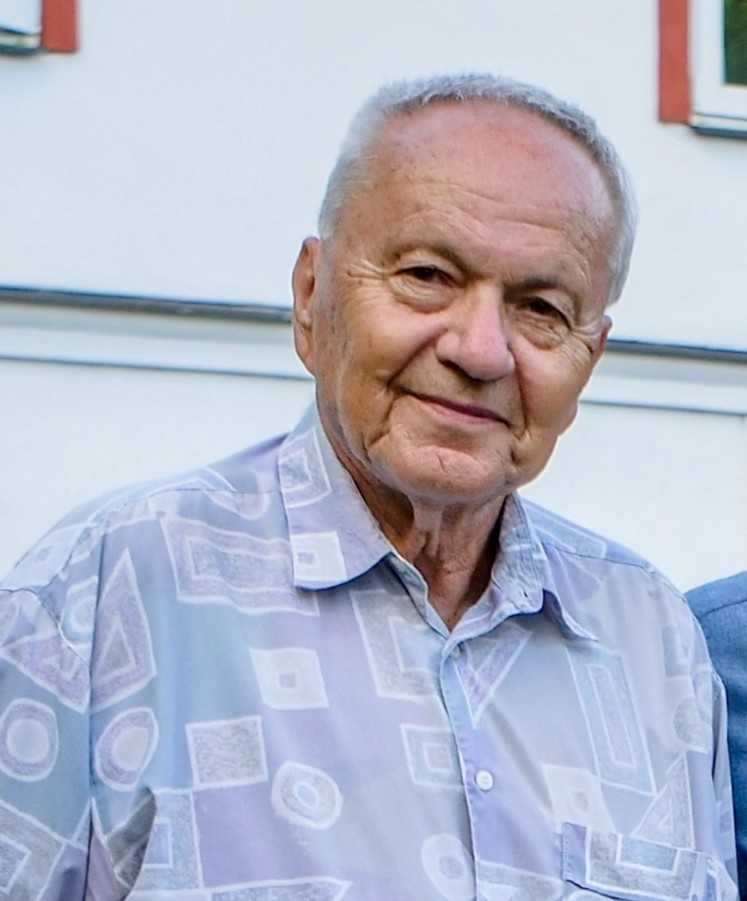
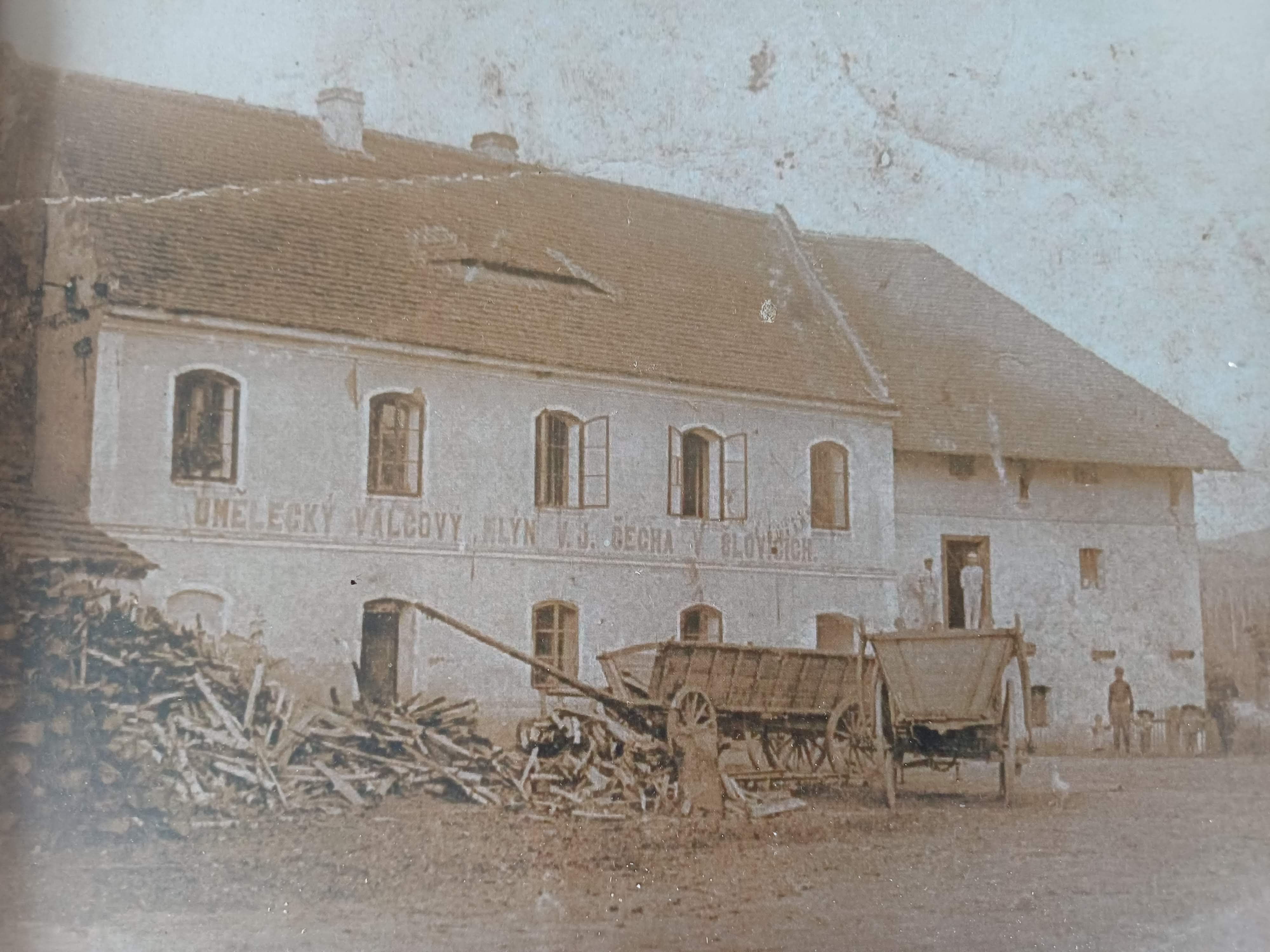
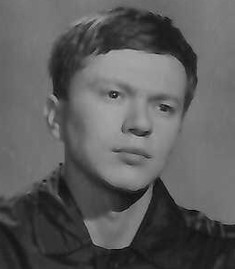
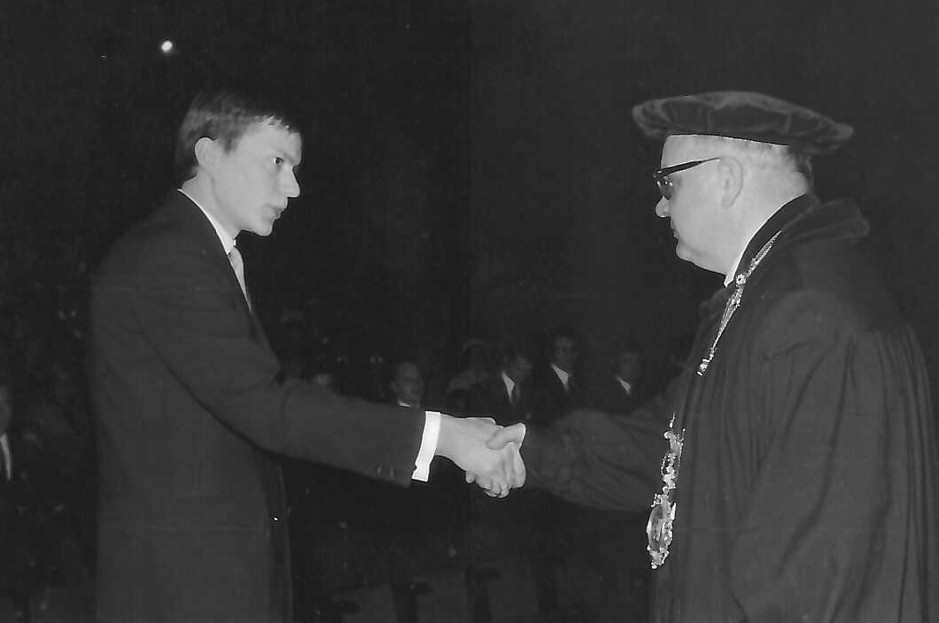
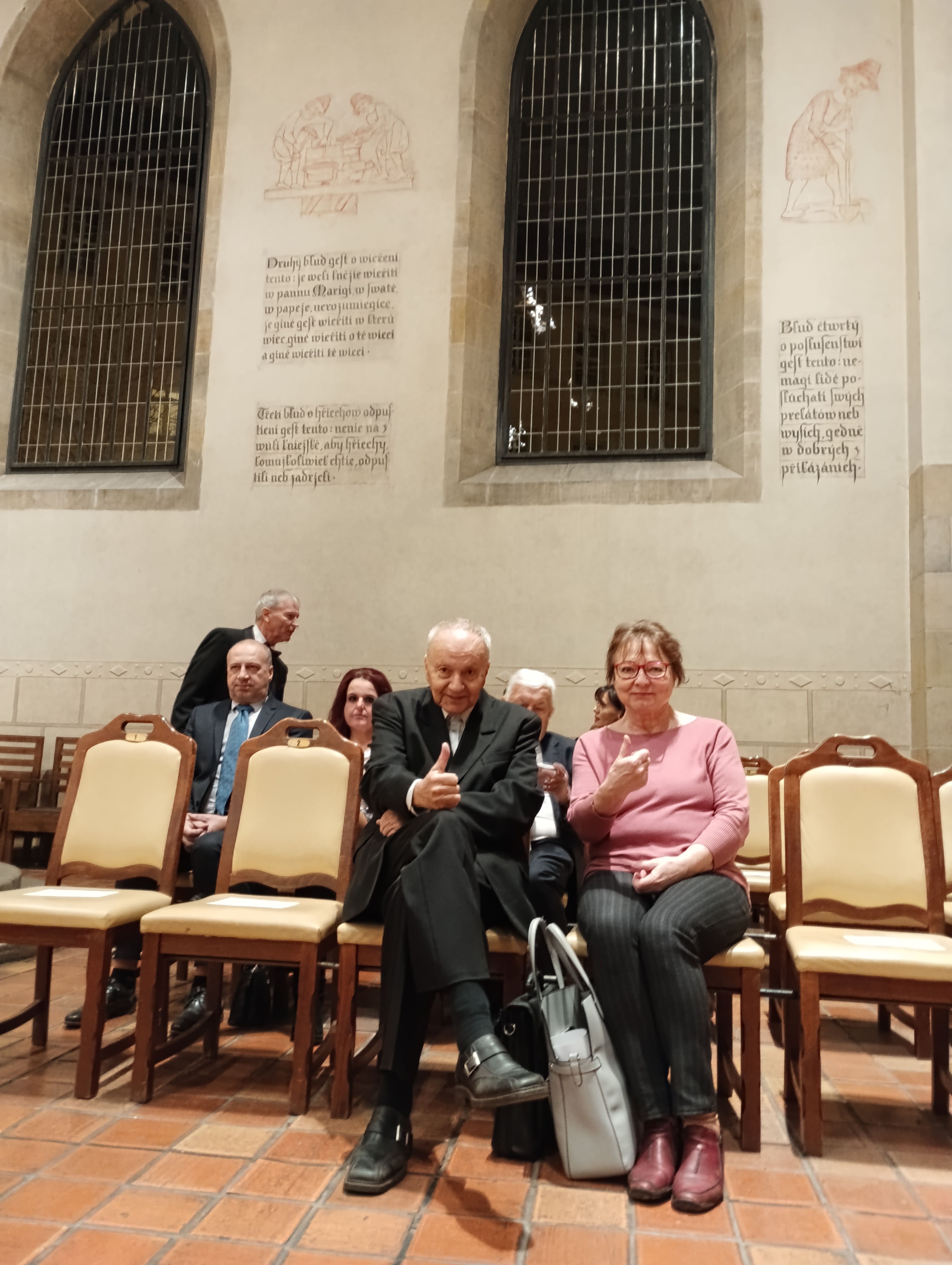
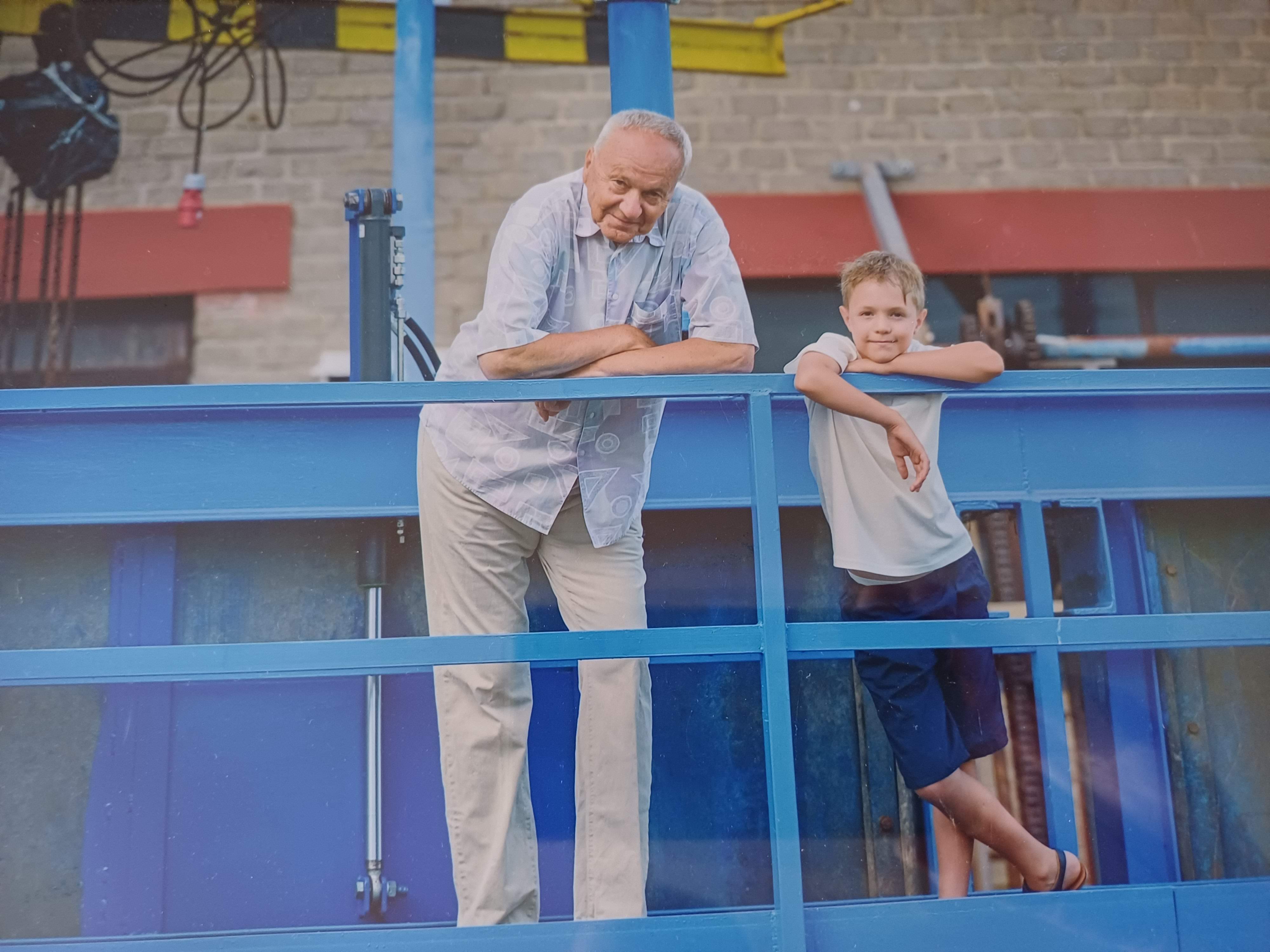
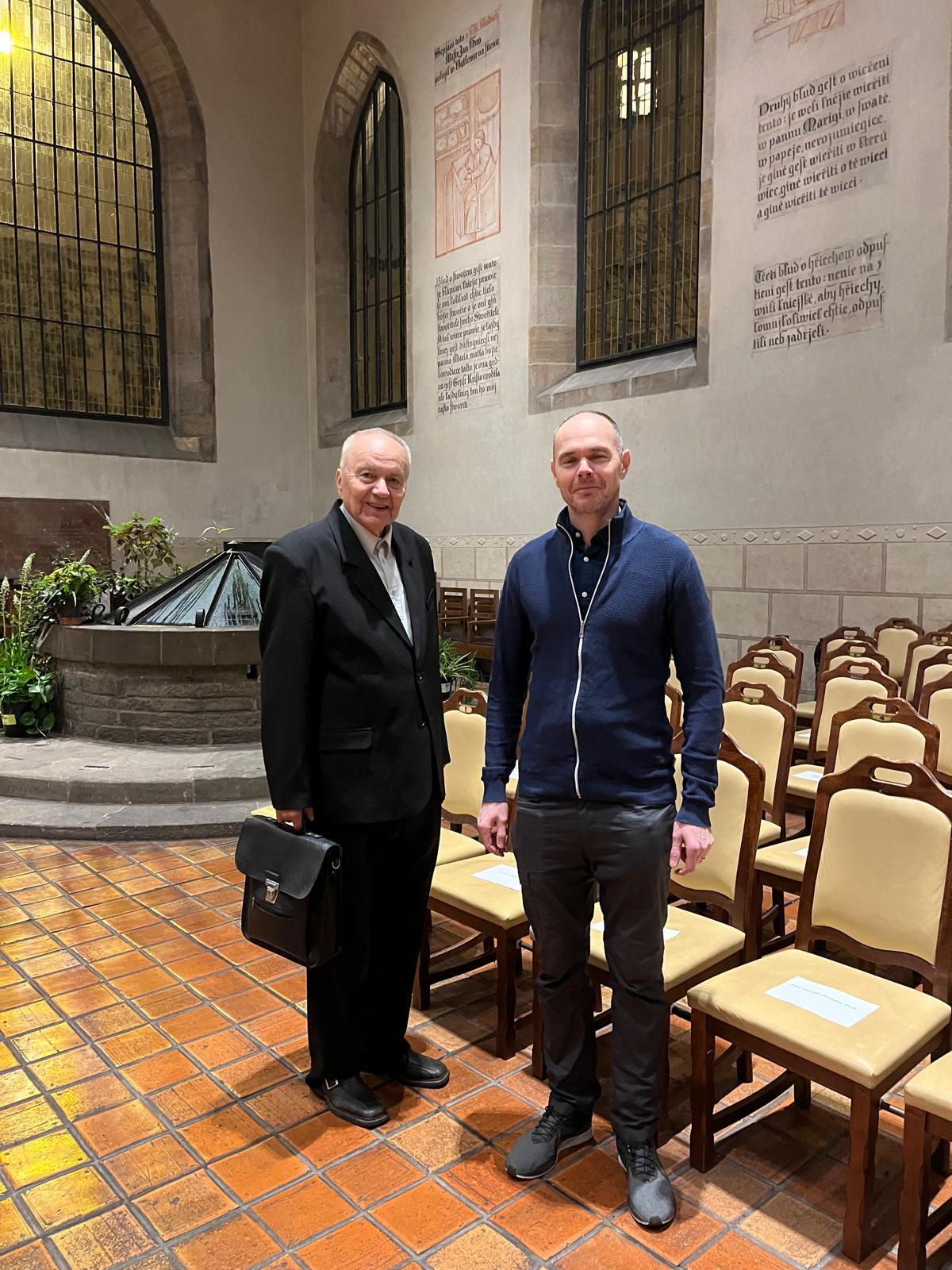
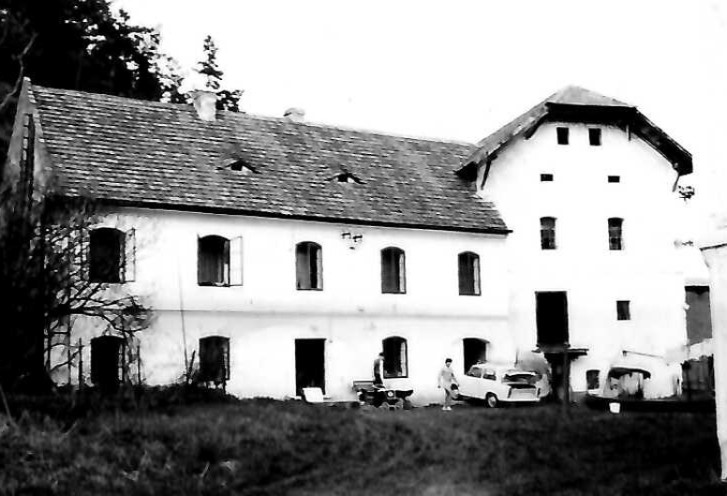
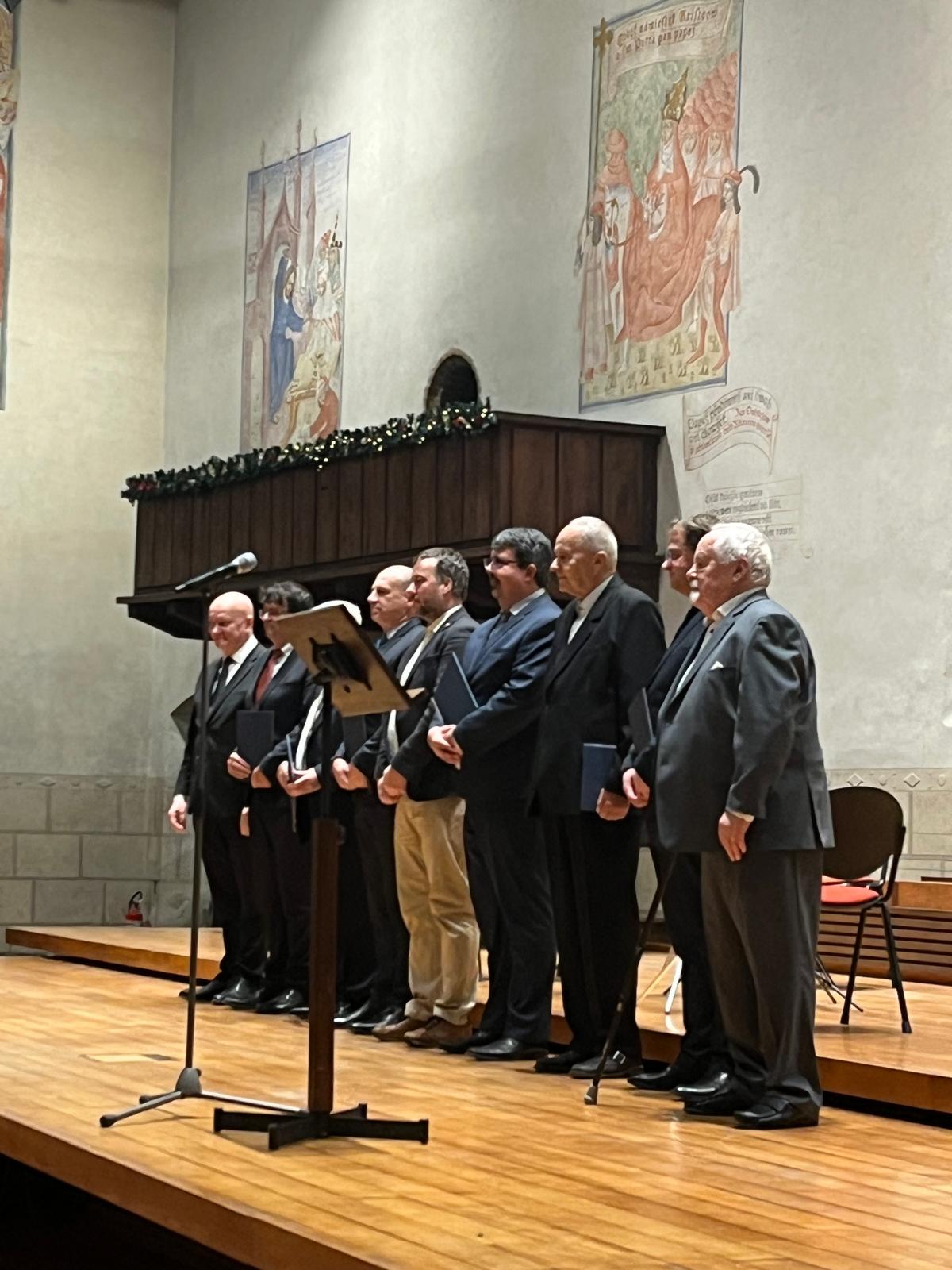
Coming from an ancient milling family, Petr Čech was born in Prague on 18 May 1944. His great-grandfather Jakub bought a mill on the River Berounka in the 19th century, and thirty years later his son Václav married into a mill in nearby Šlovice where Petr Čech still lives. In 1911, Václav signed a contract with famous inventor and electricity pioneer Emil Kolben, thus becoming the owner of the first electrical mill in Austria-Hungary. In the mid-1950s, the communist regime nationalized the mill, and Petr and his two elder sisters faced trouble acquiring education due to being the children of an entrepreneur. Their parents had to do menial jobs for low wages, and things changed only in the late 1960s. Petr was allowed to go to the FRG to improve his language skills and gain valuable professional experience. He completed the Czech Technical University and the Faculty of Education, worked as a Transgas dispatcher for years, and reclaimed the derelict mill after the post-1989 political changes. He immediately started restoring it and making the original machinery operational again. With immense effort and enthusiasm, he built the Electroskanzen, a unique facility which the Ministry of Culture declared a cultural monument of the Czech Republic. He collected many documents from the early days of electrification and shows how the mill worked. Visitors come in large numbers and are impressed by the exhibits and the enthusiastic interpretation alike. In 2025, Ing. Petr Čech was admitted to the Academy of Engineering in 2025 and holds the FEng degree.
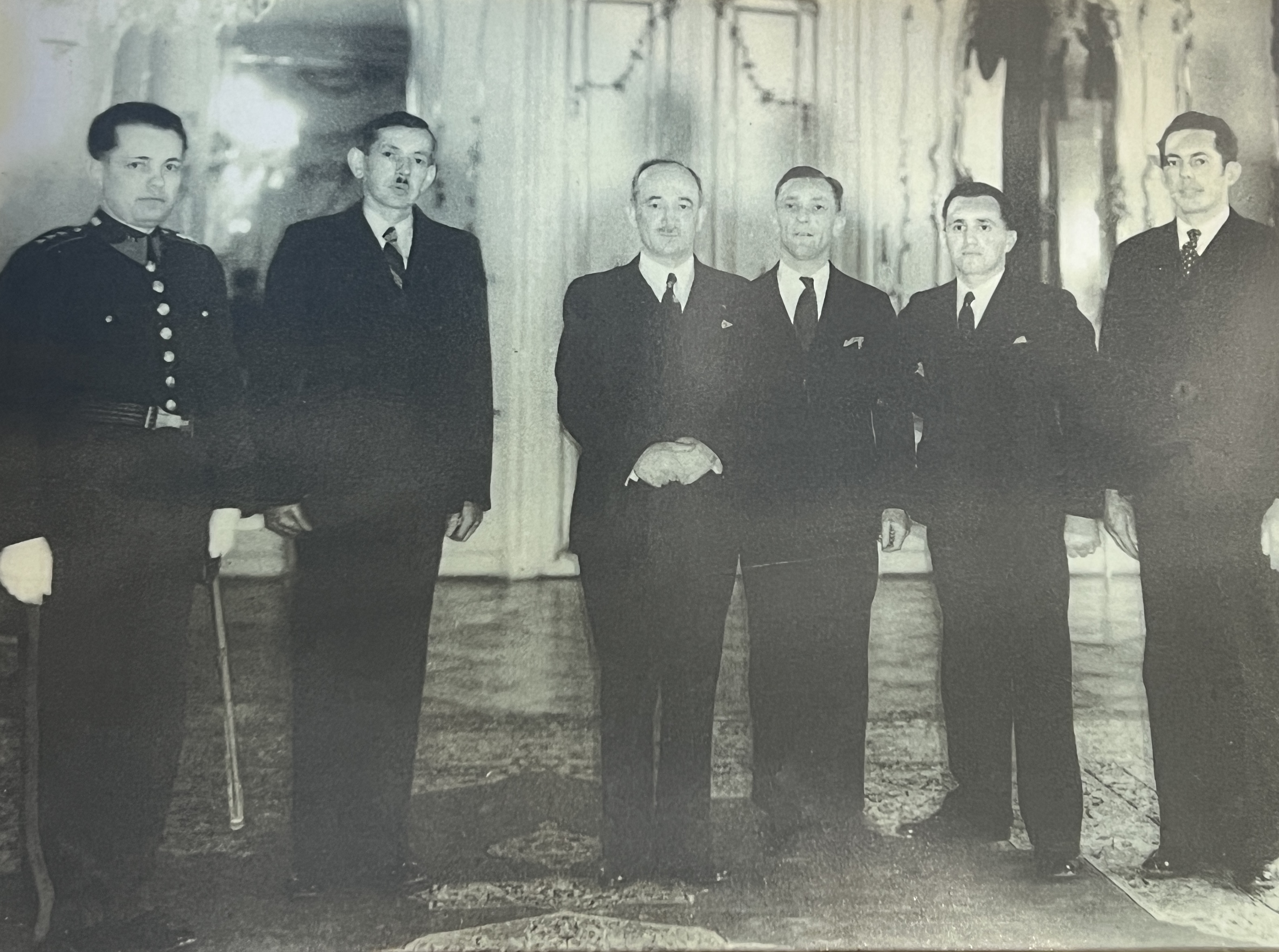
Čech family's visit to President Edvard Beneš. Father František is at right, his two brothers Václav and Josef on the left. Prague Castle, Edvard Beneš is the President Elect, 1935
Čech family's visit to President Edvard Beneš. Father František is at right, his two brothers Václav and Josef on the left. Prague Castle, Edvard Beneš is the President Elect, 1935
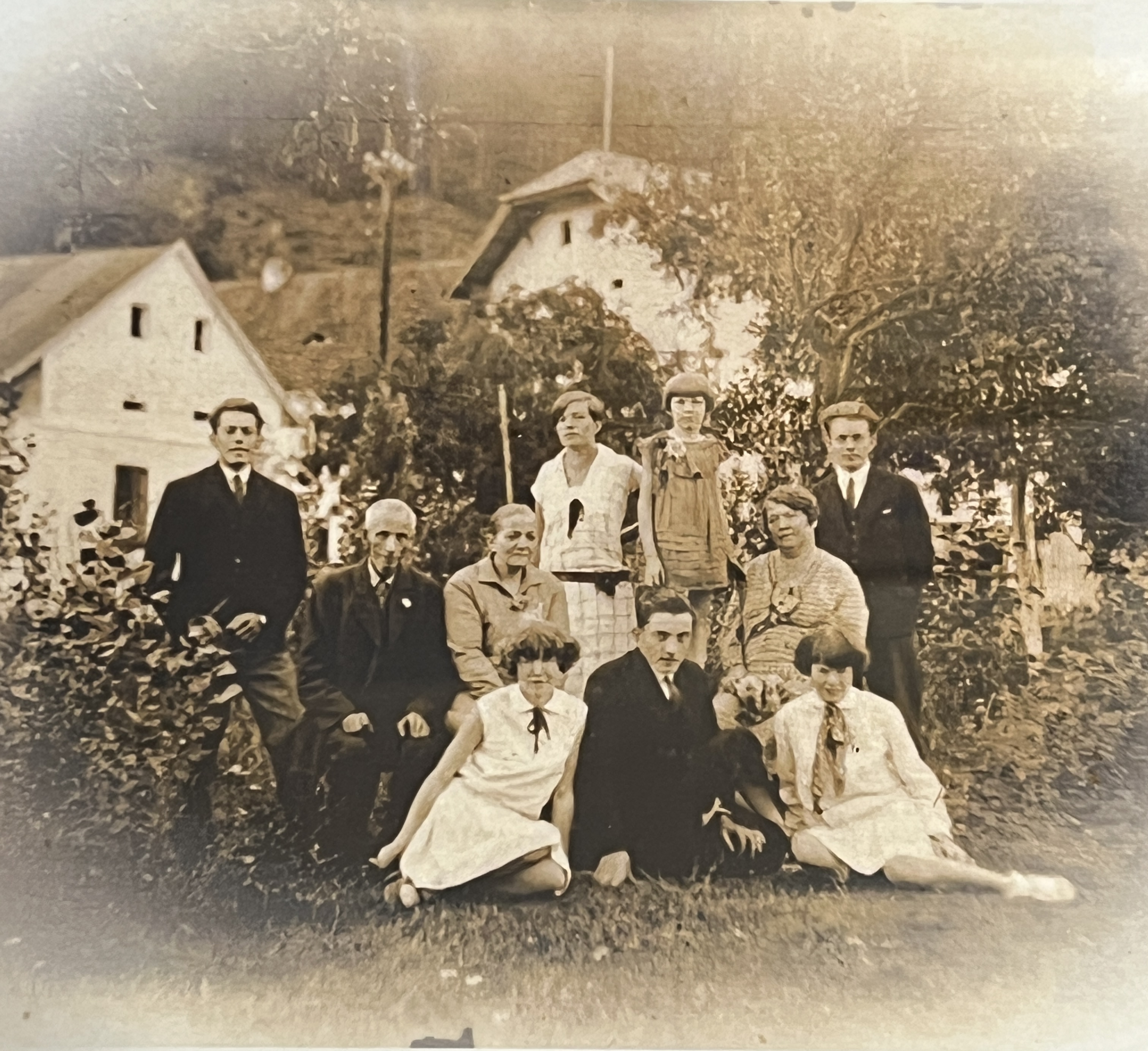
Grandfather Václav's family, left to right: son František, the witness's father, grandfather, and grandmother; middle row: daughter Julie and son Václav; bottom row: son Karel and the daughters of Vojta Beneš the brother of President Edvard Beneš, early 1930s
Grandfather Václav's family, left to right: son František, the witness's father, grandfather, and grandmother; middle row: daughter Julie and son Václav; bottom row: son Karel and the daughters of Vojta Beneš the brother of President Edvard Beneš, early 1930s