He defected from the Auxiliary Technical Batalions and tried to escape to the GDR

Download image
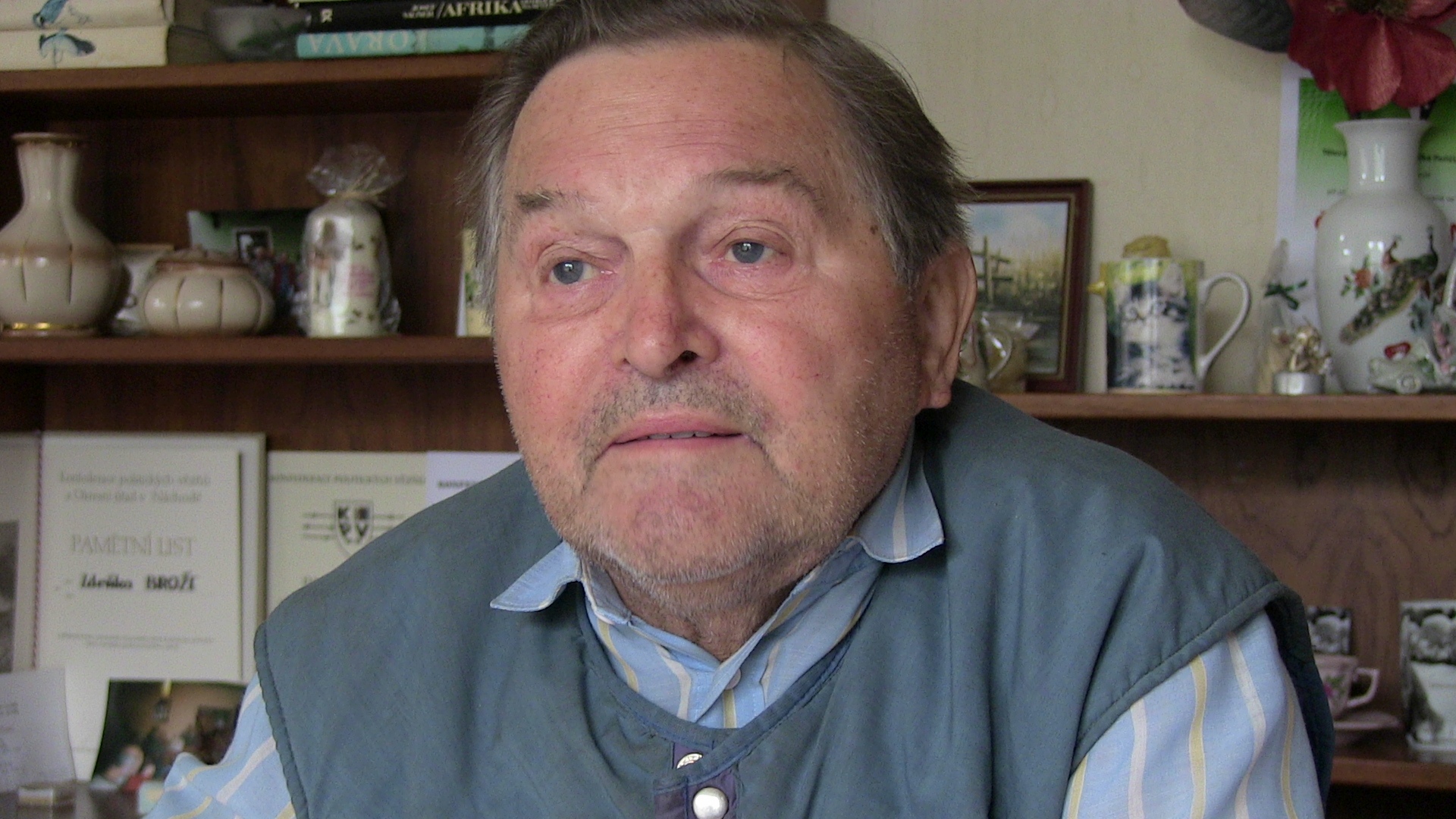
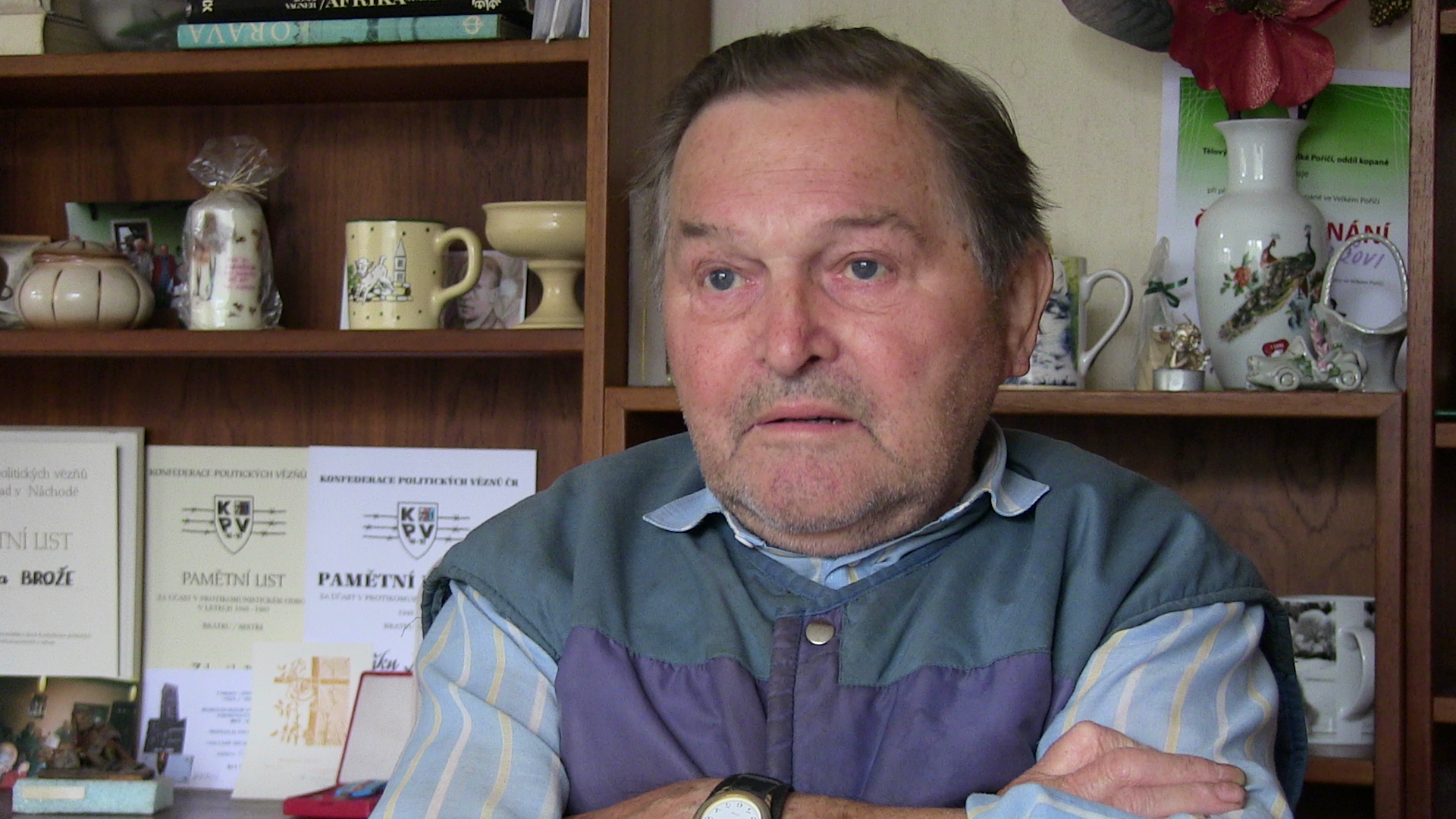
Zdeněk Brož was born on January 2, 1930 in Velké Poříčí. His father worked as a coal merchant and the Brožs also owned a small farm. From the age of five Zdeněk was a member of Sokol. After finishing primary school, he worked for a while as a shop assistant, and at the age of 17 he began to study at the Business Academy in Náchod. He acquired his opposition to communism at a young age - he drew mainly on the experience of his father and his friends who were Russian legionnaires in World War I. Already in November 1948, together with his friend Hynek Prouza and a certain Boyar, who pretended to be an associate of the British intelligence service, they put up about twenty anti-communist leaflets on telephone poles and the station building in Hronov. At the same time, he and Prouza produced about thirty leaflets with anti-regime texts on a printing press they had bought together. They also thought about raiding the prison in Jaroměř. For this purpose, they wanted to obtain weapons from the militia of the textile factory in Hynčice. However, the state security managed to arrest them earlier, on the very day on which they had planned to raid the People’s Militia warehouse. Due to his young age, Zdeněk Brož was eventually released after three days with only a verbal reprimand and a warning. At the intercession of the director of the trade school, he was able to complete at least two years of trade school, after which he took a job as a clerk at the Máj textile factory in Velké Poříčí. His negative attitude towards the communist regime did not change, however, and he began to think about emigrating (at that time his brother fled to the Federal Republic of Germany). In April 1951, he started basic military service with the PTP in Most, but in July he defected from there together with two other soldiers. Four days later, however, they were arrested by the East German police near the town of Auerbach. They were escorted back to Czechoslovakia via the East German prisons in Auerbach and Dresden. From the remand prison in Litoměřice they went to the military prison in Prague on Malostranské náměstí and later to Louny. On October 19, 1951, the Higher Military Court in Prague sentenced Zdeněk Brož to seven years’ imprisonment for desertion. He was imprisoned successively in Prague, in the military penal hospital in Opava and finally in camps in the Upper Slavkov and Jáchymov regions. In 1952, his father was also sentenced to two months’ imprisonment for endangering the unified agricultural plan. Zdeněk Brož was finally released on parole in January 1954 and in the autumn of the same year he resumed his two-year basic military service. After returning from the army he had to work as a labourer, later he retrained and earned a living as an electrician. He was awarded as a participant in the anti-communist resistance.