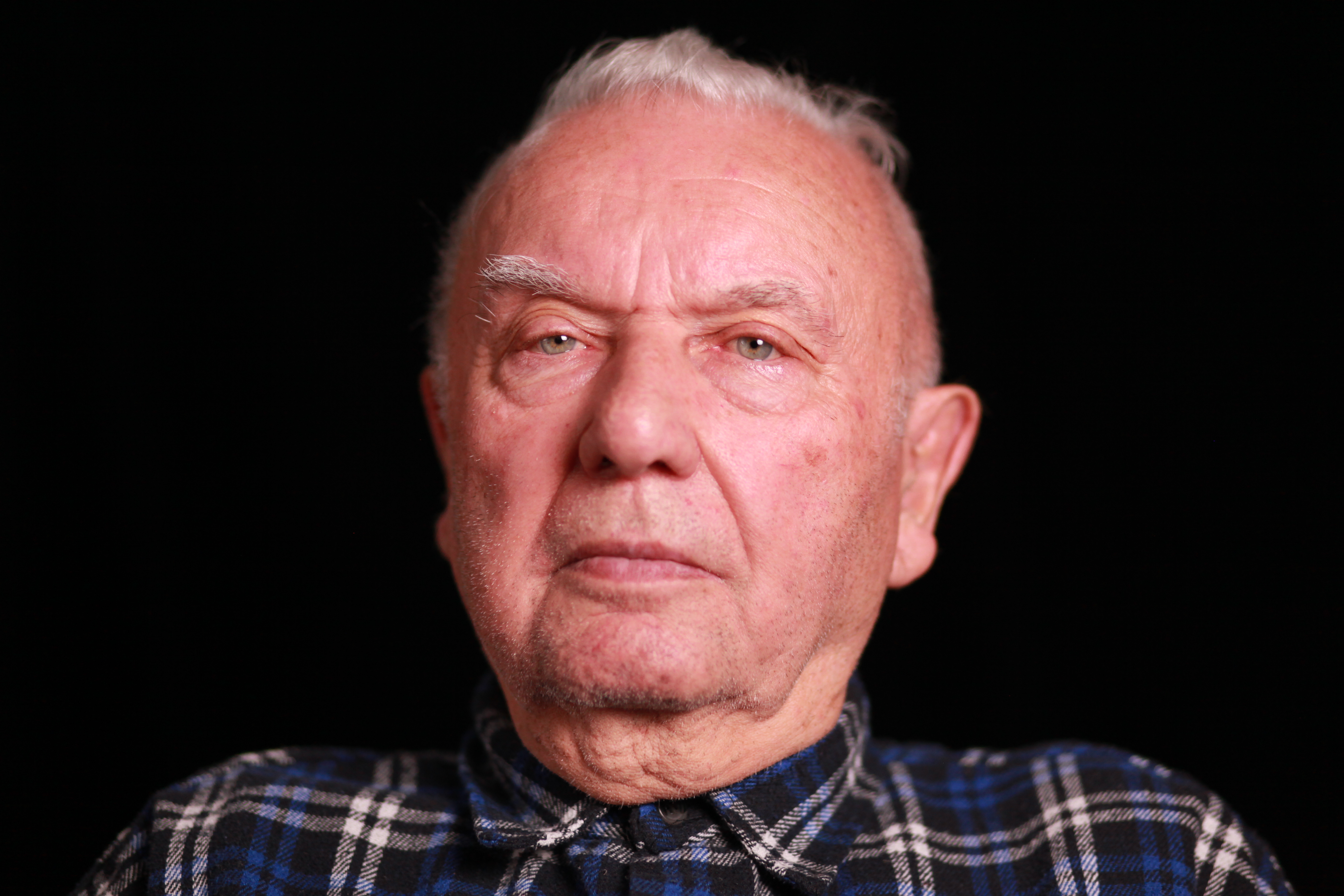
Alois Brejcha

* 1943

  • "There was a line of people at the post office. They were guarding it with machine guns. I was on a bicycle, my brother was on the frame. We met a deaf woman, we rang the bell, we went to the right, she went too, until we collided. The militiamen took my bike, so I hung around for a while. Suddenly some auntie from the queue came running out and said, I'm not giving it to them for 50! And she gave me a thousand crowns, or even more, she just wouldn't give it to them for fifty. So I stood in line at the butcher's, I had sausages around my neck. For the money she gave me, I earned some currency."

  • "Mrs. Šlosarová did not come from Smědčice. The next day, when I asked her what had happened, the Russians and a tank entered her room. They broke the wall, it fell on the couch. She had grown boys. They fixed it, knocked it out, bricked up the hole. In about a month, she tells me that she wishes they would come again. I said, what? The insurance company had paid for it. She was making, like, fourteen hundred a month at the time. The insurance company gave her about fourteen thousand for what those guys fixed."

  • "He brought that type of car, Heydrich's, from here. There was an auto workshop in our yard, Mr. Český had it. He spent two years putting it together, he did a restoration. It was a beautiful car. Then came [the registration]. At the communist headquarters in Pilsen, at the skyscraper, they used to give papers for cars repaired after the war. He took all the invoices he had after the repairs and went to get a number. He came back by train because he was not allowed to take his briefcase with the invoices out of his car. They confiscated it immediately. I remember after that the bishop came to our church and brought some relics. He came in our car, which they confiscated from my dad. I was there among the old women, a little boy like that. I snapped at the bishop that he was the one who stole our car. They chased me out, said it wasn't allowed. I haven't been to church since."

  • Full recordings
  • 1

    Plzeň, 25.10.2024

    (audio)
    duration: 01:36:35
    media recorded in project Příběhy regionu - PLZ REG ED
Full recordings are available only for logged users.

Communism did not bring anything good
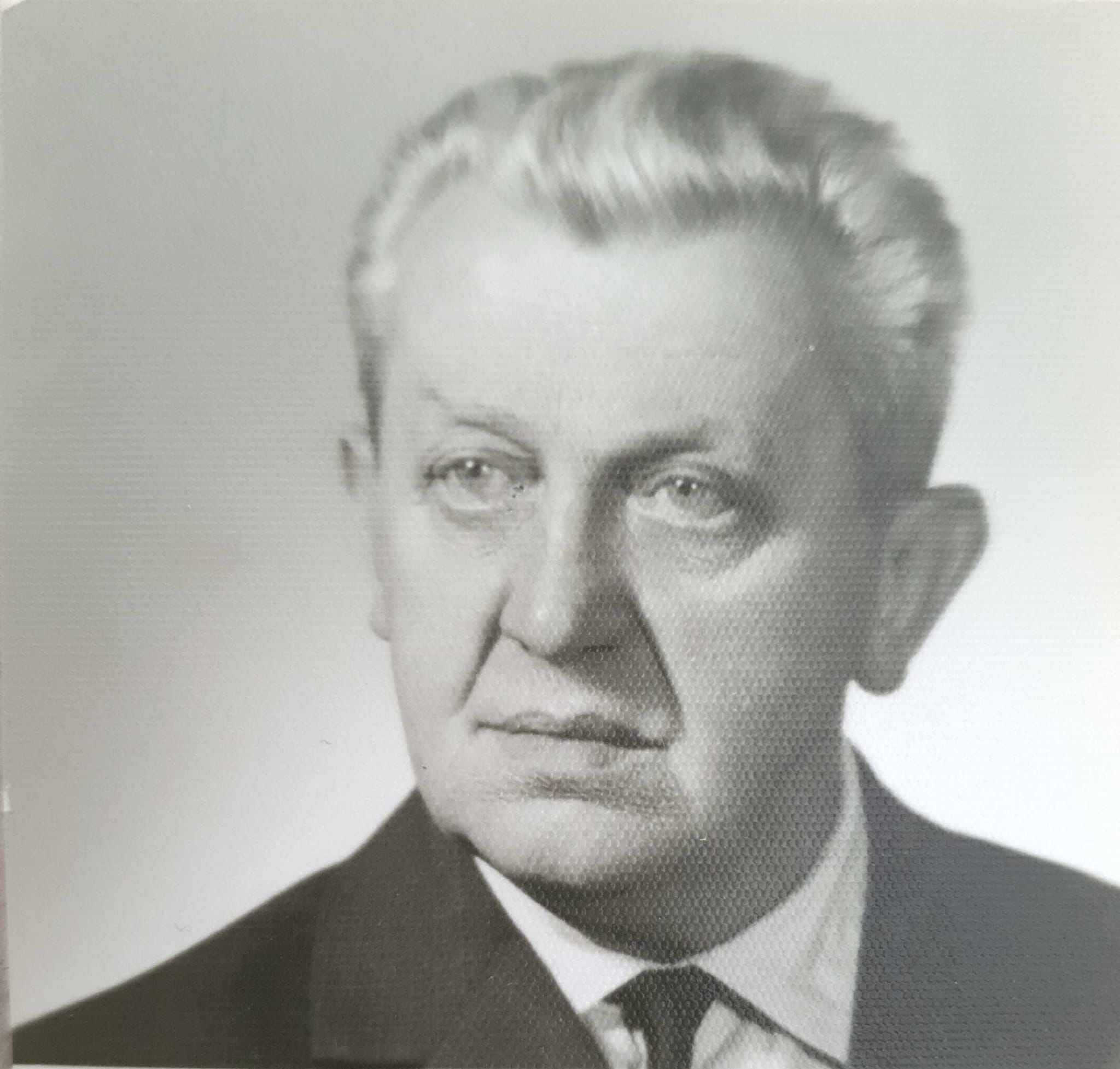
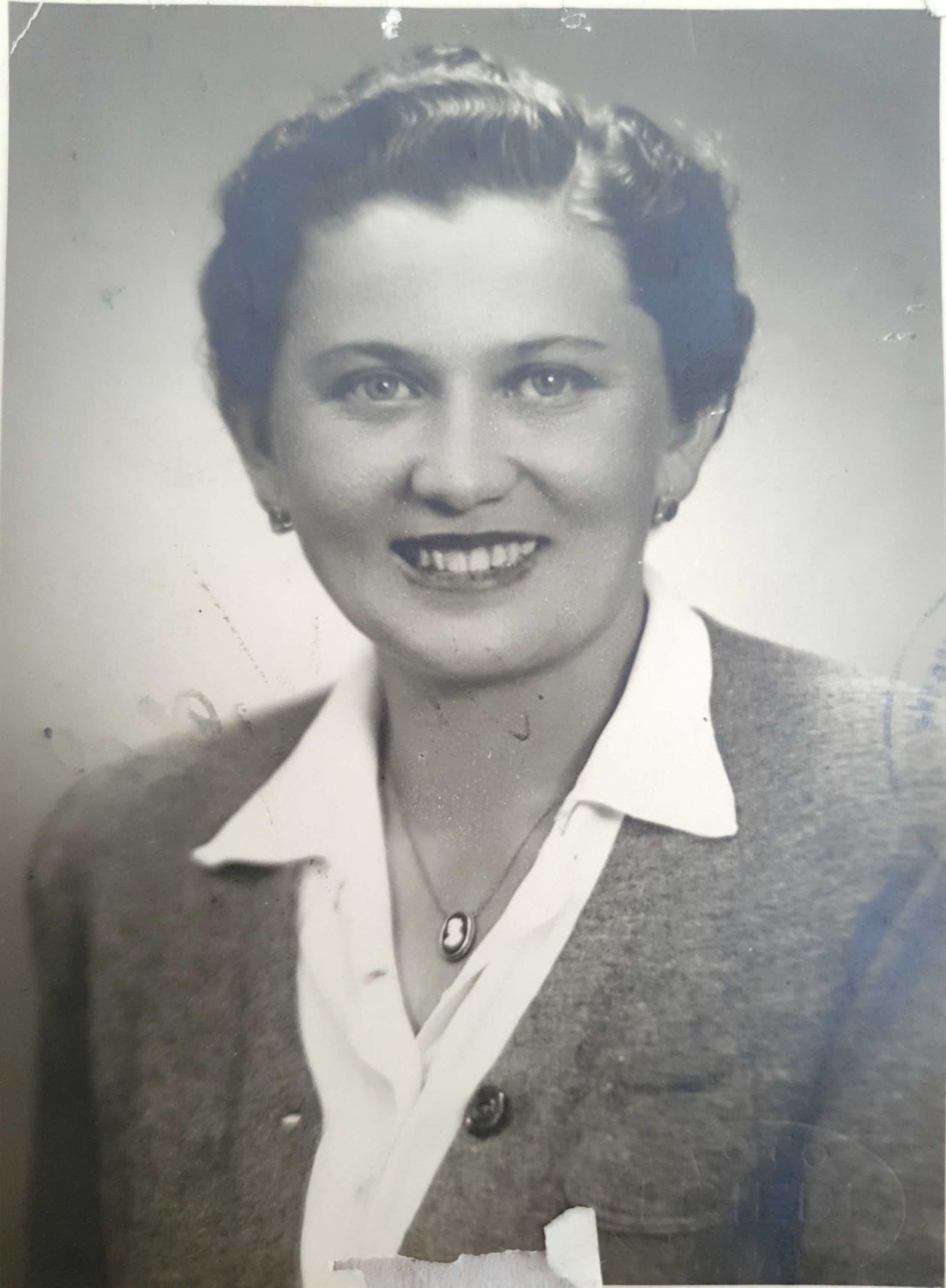
Alois Brejcha in the past
photo: witness´s archive

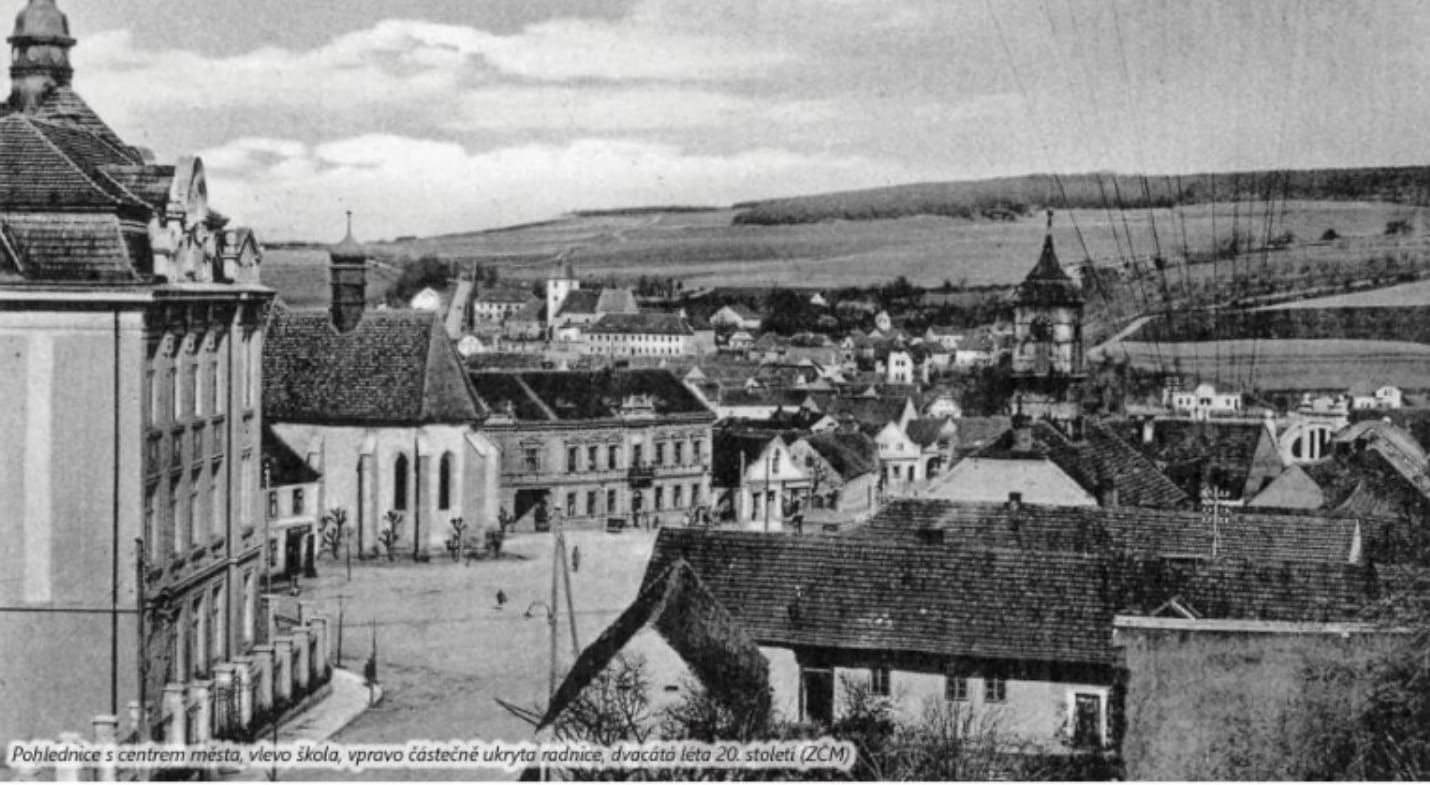
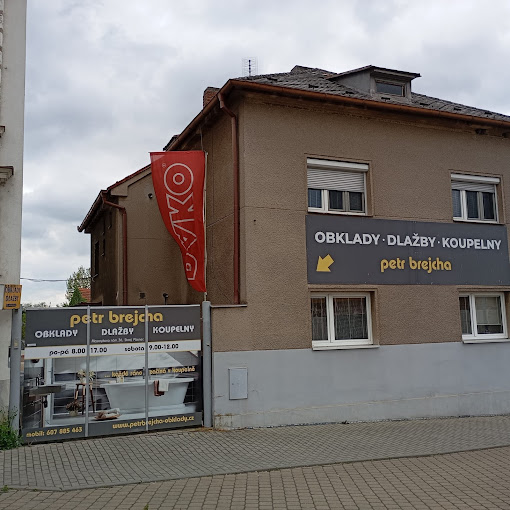
Alois Brejcha was born on 30 June 1943 in Starý Plzenec into a large family of successful businessmen and is related to actresses Jana and Hana Brejchová. The Brejchas’ prosperous business ended in the early 1950s. Grandfather Alois Brejcha lost his shop and funeral business, and the communists also destroyed the thriving Brejcha Printing House. Its original owner, Ervín Brejcha, later committed suicide in prison. Other relatives were also oppressed by the regime. The witness´s aunt Zdeňka Milotová and her son died tragically by the hand of the national property administrator. Alois Brejcha grew up in poor conditions and could not study for political reasons. Nevertheless, he made it to university. Due to a family tragedy, he had to leave it to work in heavy industry and support his family, including his two younger siblings. In August 1968 he witnessed the arrival of Soviet troops in Starý Plzenec, the material damage and the different behaviour of the local population towards the occupiers. In the 1970s, the regime sent him as a respected technologist to build a glass factory in Ramadi, Iraq. Later he also worked in Bangladesh, although his attitude towards the Communist Party was negative. After 1989, his expectations regarding restitution were not fulfilled, but the family tradition continues - today his son Petr Brejcha runs a successful business in his family home on the square.