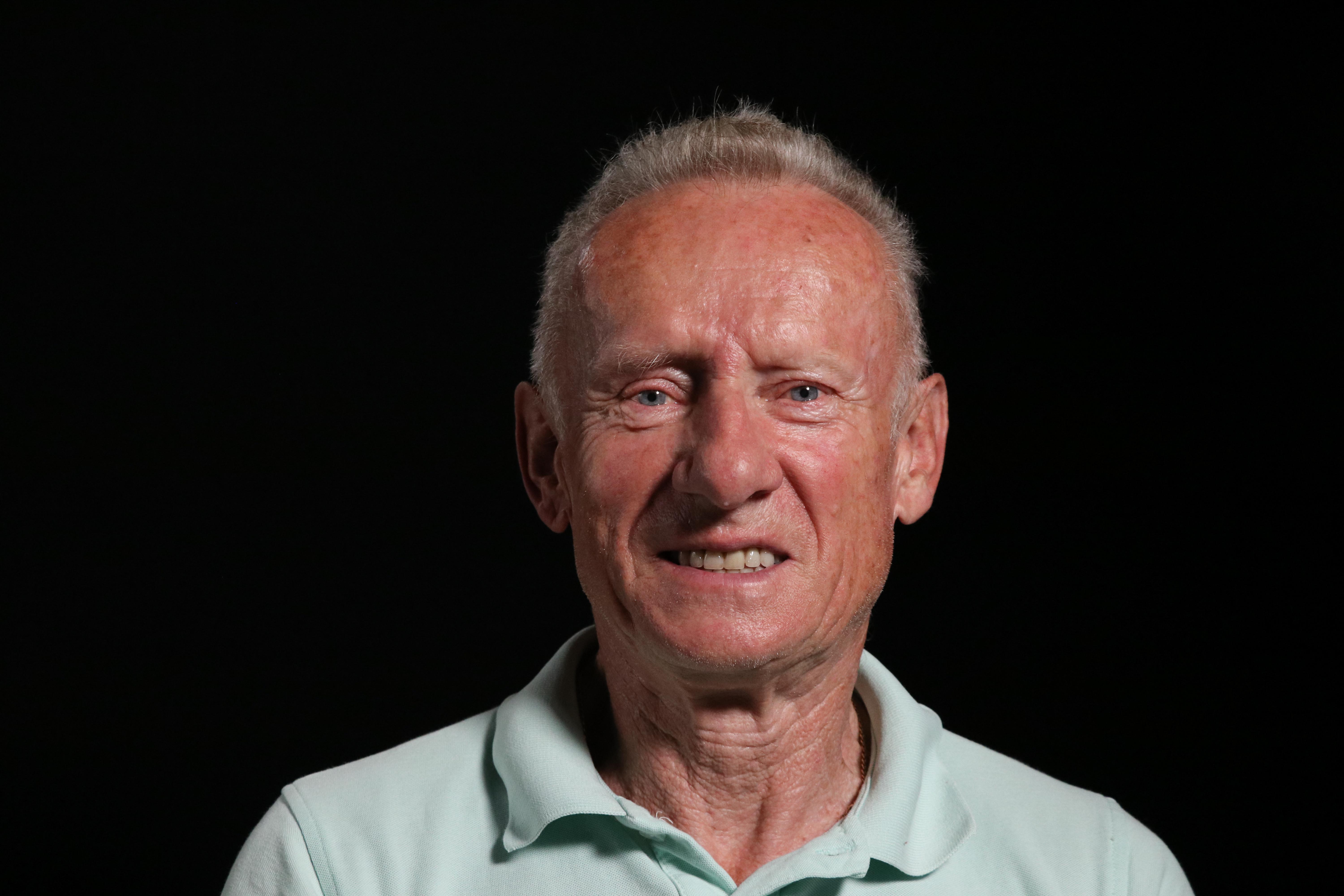
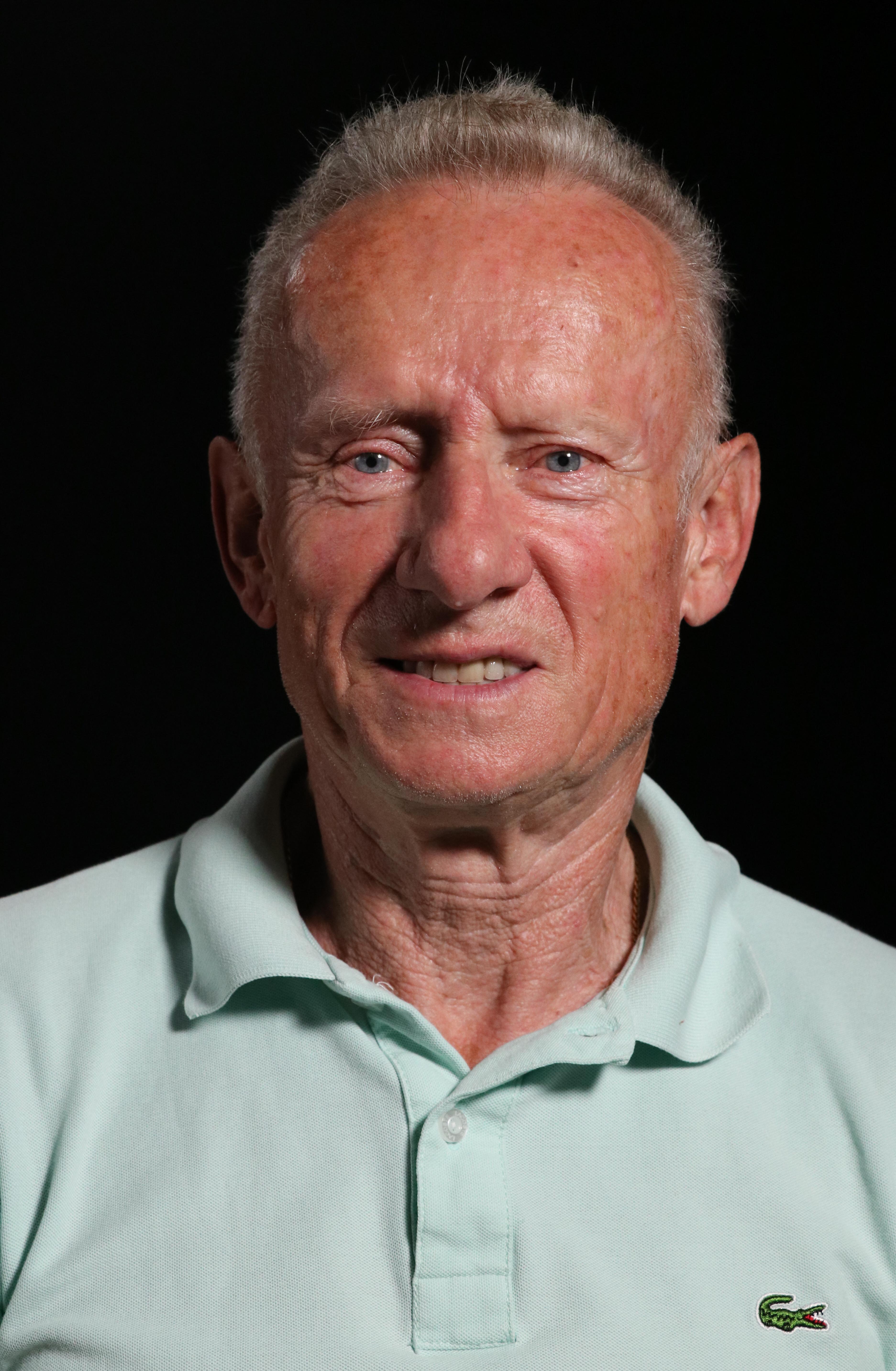
Mgr. Luděk Bohman

* 1946

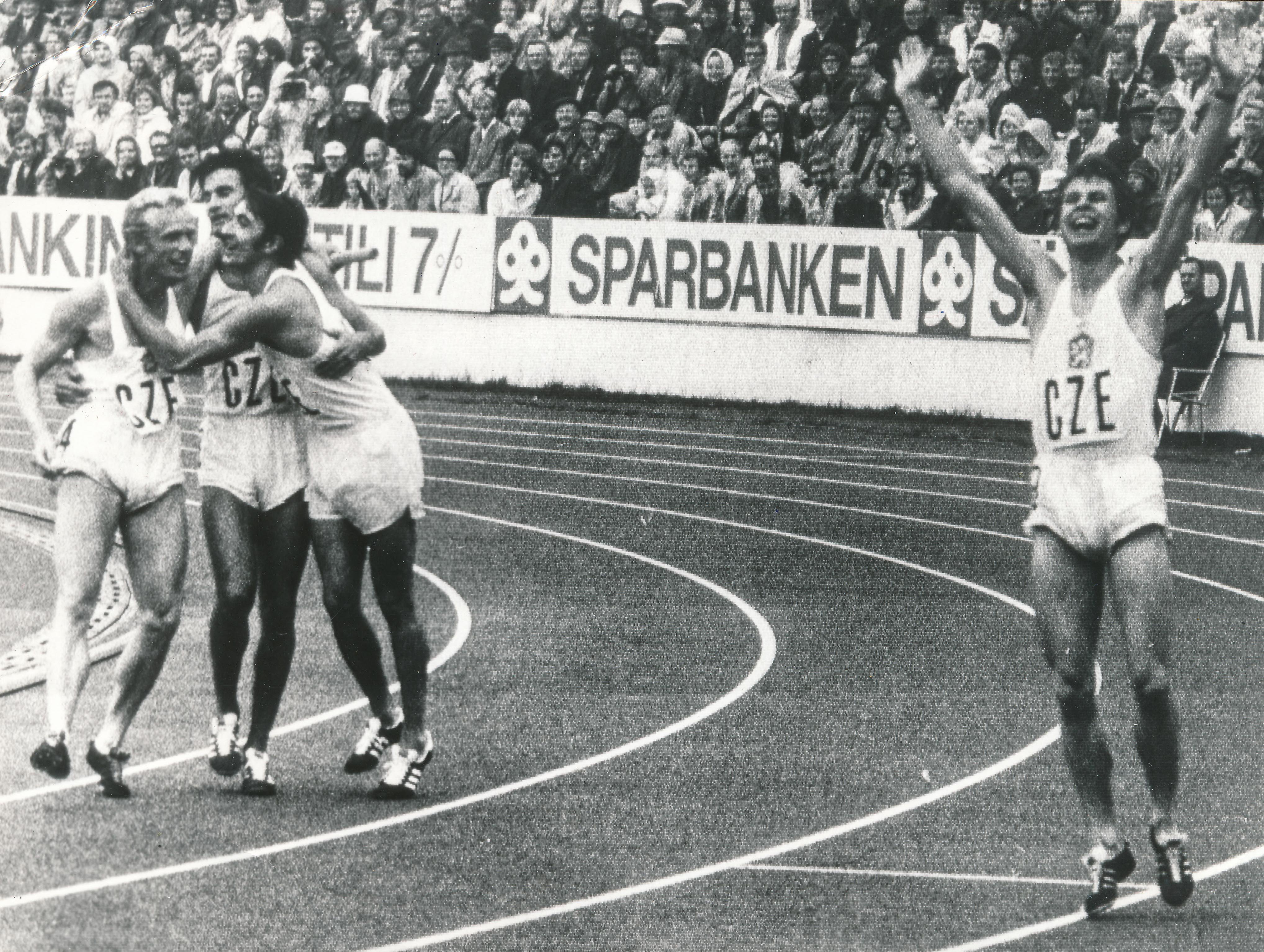
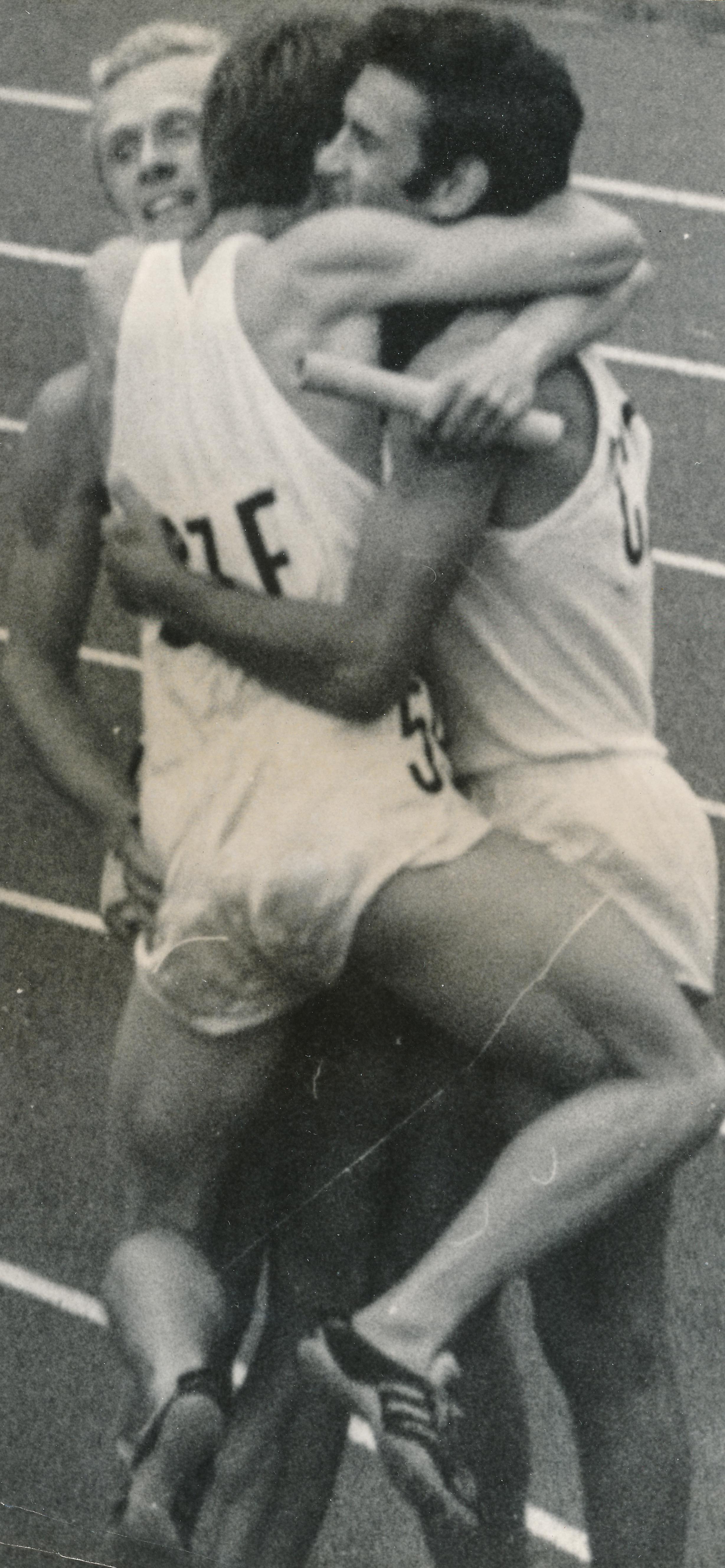
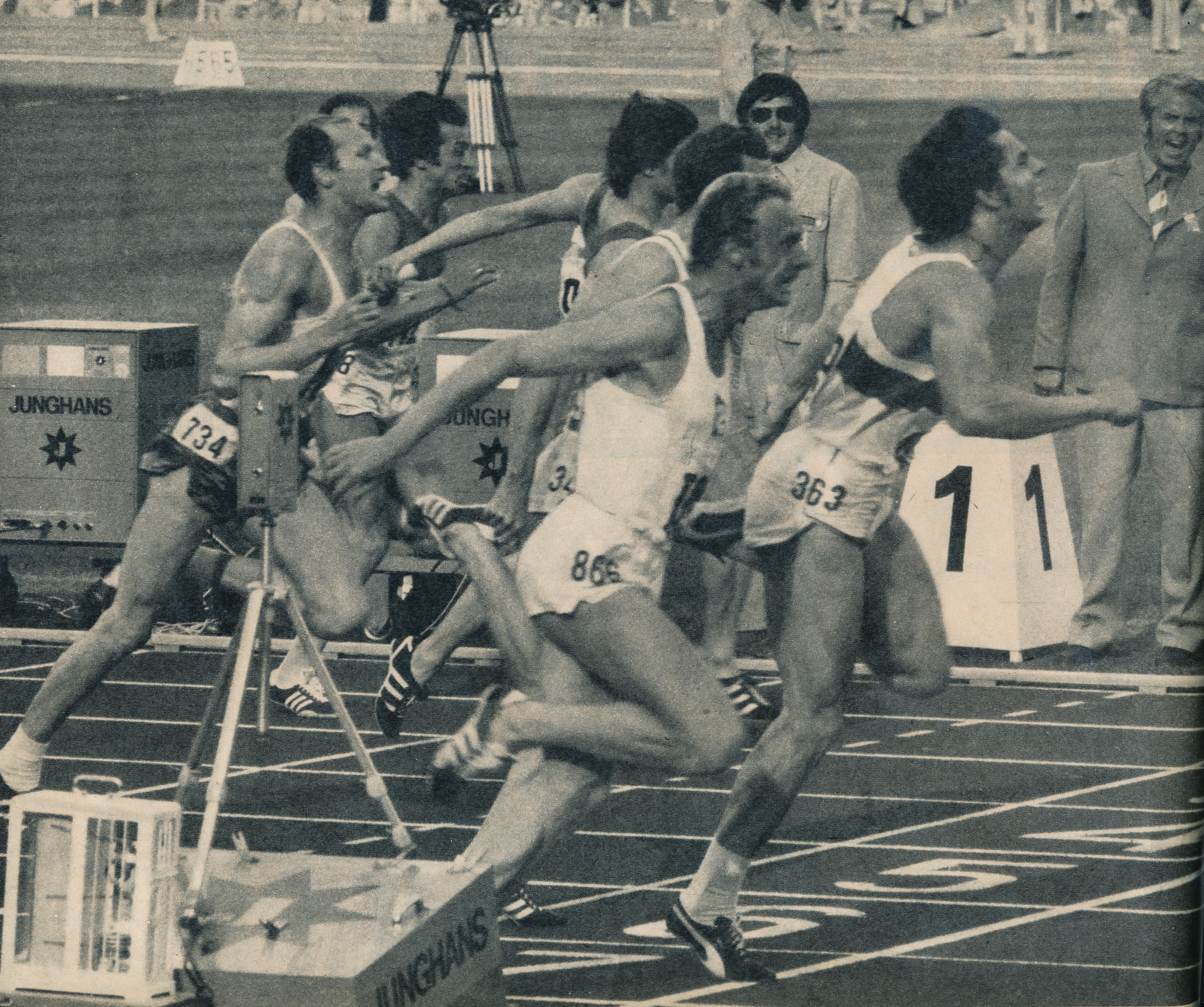
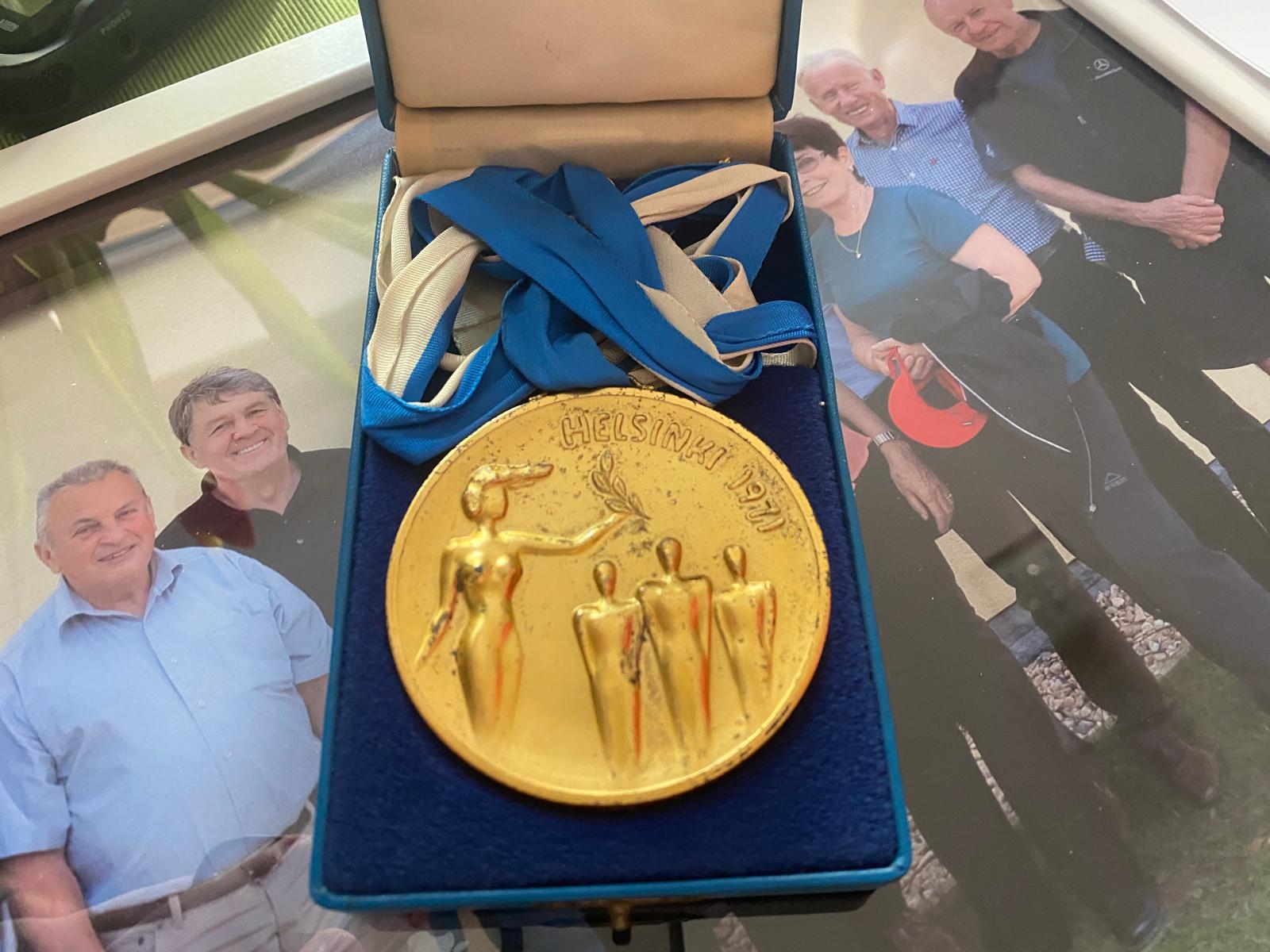
  • "Fortunately, the relay always saved us. It was at the European Championships in 1971, Helsinki, a beautiful stadium. Individually we weren't great there either, I managed to get into the semi-finals of the 100 and 200 metres, but the boys were a bit worse. It didn't look like the relay was going to make a dent in the world, but we did awfully well in the handoffs." - "You made it to the finals in the relay, can you recall our greatest sprinting achievement?" - "Karel Mikyska commented on TV: 'Dear friends, take off your pink glasses, the final itself is a great achievement!'" - "You ran the last leg?" - "Only once did I fill in for the second round. But then in Athens sixty-nine, in Helsinki and at the 1972 Olympics I finished. Kynos and I were running, we were running together, there were small differences, for example, Szegedi was replaced by Demeč, sometimes Petr Utěkal filled in. He was an eternal substitute who never ran in the top event, but he was with us everywhere and was great fun." - "How was your run in the final?" - "We had lane four in the final, the conditions were terrible, it was raining a little bit, it was about thirteen degrees. We used to stick a patch on the tartan every time he ran there, it would run off. When the patch was on the wet tartan, the wind blew it off. I didn't notice. It was already climbing slowly up the blocks, I measured my footprint some more as I am a meticulous person. And the patch was two feet away, and I could have escaped Kynos. So I took the closure pin off the number, moved the patch and pinned it to the tartan. When you watch it in a relay from fourth place, it's confusing, there are handicaps, and it's hard to tell in the crowd if we're leading. I was just concentrating on getting Jirka to run at me. I go out and it was a shock to me, I ran out. We passed first, I ran into the home straight, nobody was anywhere. I was in the lead, my legs completely buckled, but I recovered. And there was no chance of anyone passing me."

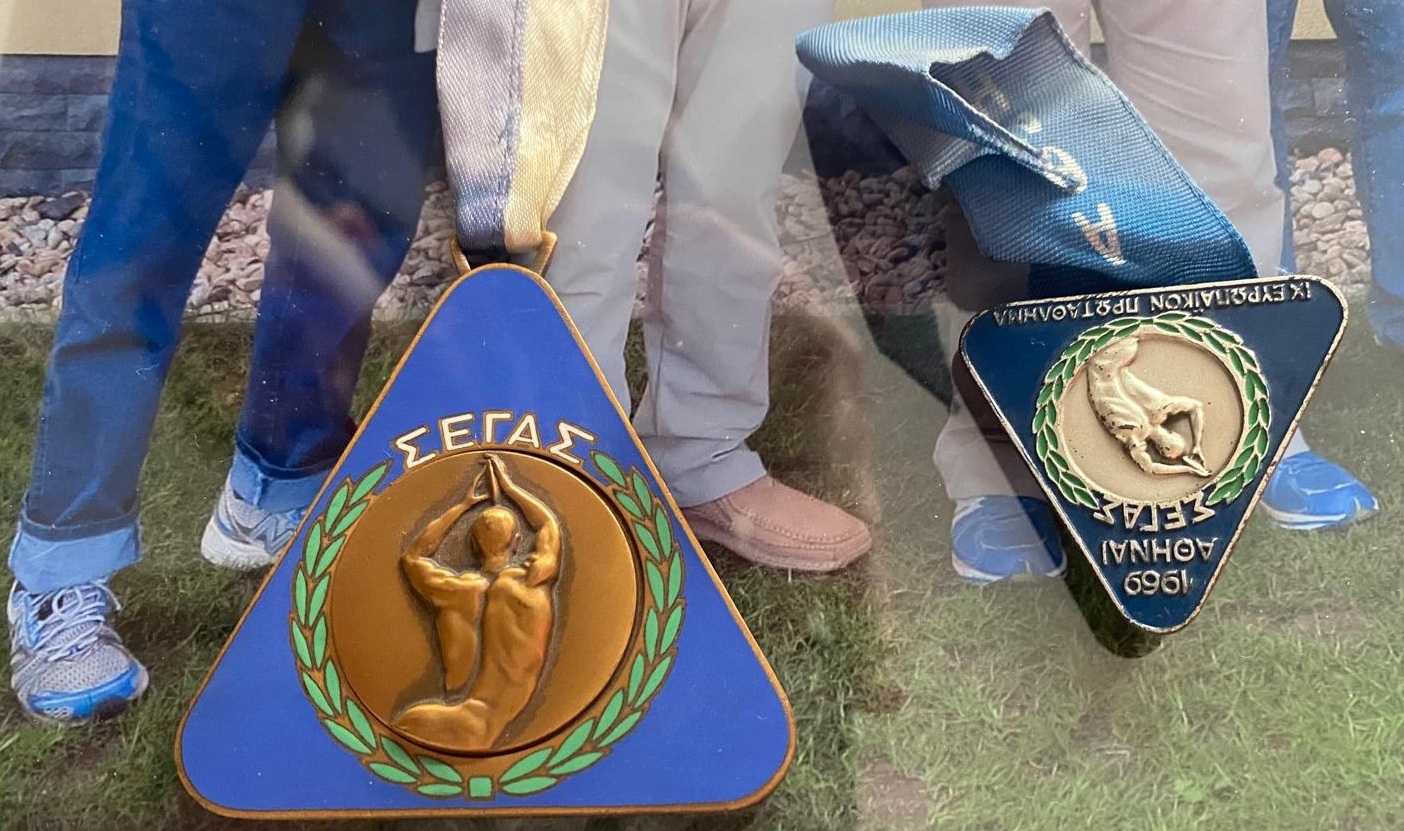
  • "Actually, the very next year, in sixty-ninth year, I was already firmly in the national team, was the European Championships in Athens. We went there and for the first time we saw a tartan, we hadn't had one yet. In the relay, we were in the starting line-up, Demeč was not there yet, Dionys Szegedi was running, a big guy, perfect for the second leg. I ran the 100 and the 200, in both of which I only made it to the semifinals. In the 200 I just missed the final, Jirka Kynos got there and then he was fifth. Recently I was reminiscing about why I didn't make it. It was crazy hot in Athens. I'm a bit of an albino, I had a hard time with it. It was so hot and we were saving money, we weren't in an air-conditioned hotel, there wasn't even a canteen, food was carted in, we had terrible food. And what the hell, we were living by the airport. And we had planes landing over the hotel. We'd watch them, we'd see their bellies a hundred meters above the hotel. And one after the other, one after the other. We'd dip our sheets in the water to cool off a little bit, and that's when the race was on. I think our competitors were probably in much better hotels with air conditioning. Or I don't know."

  • "In Stromovka we had graduates with us, they were university students, they had a freer regime, so they could sleep at home. I think it was from Sunday to Monday. One of the graduates came in the morning and said, 'I have uncle, he has got power, something is happening, the Russians are occupying us here, they're already landing.' We were asleep, not knowing anything. When he woke us up in the morning, we heard planes. The next day, Stromovka was already full of tanks, they were occupying everything, looking for places to take hold. They forbade us to go anywhere, even the commander said, 'If you want to go out, change into sweatpants, so you can be in civilian clothes.' We went to Wenceslas Square, we saw the whole Wenceslas Square covered with posters, people were writing them."

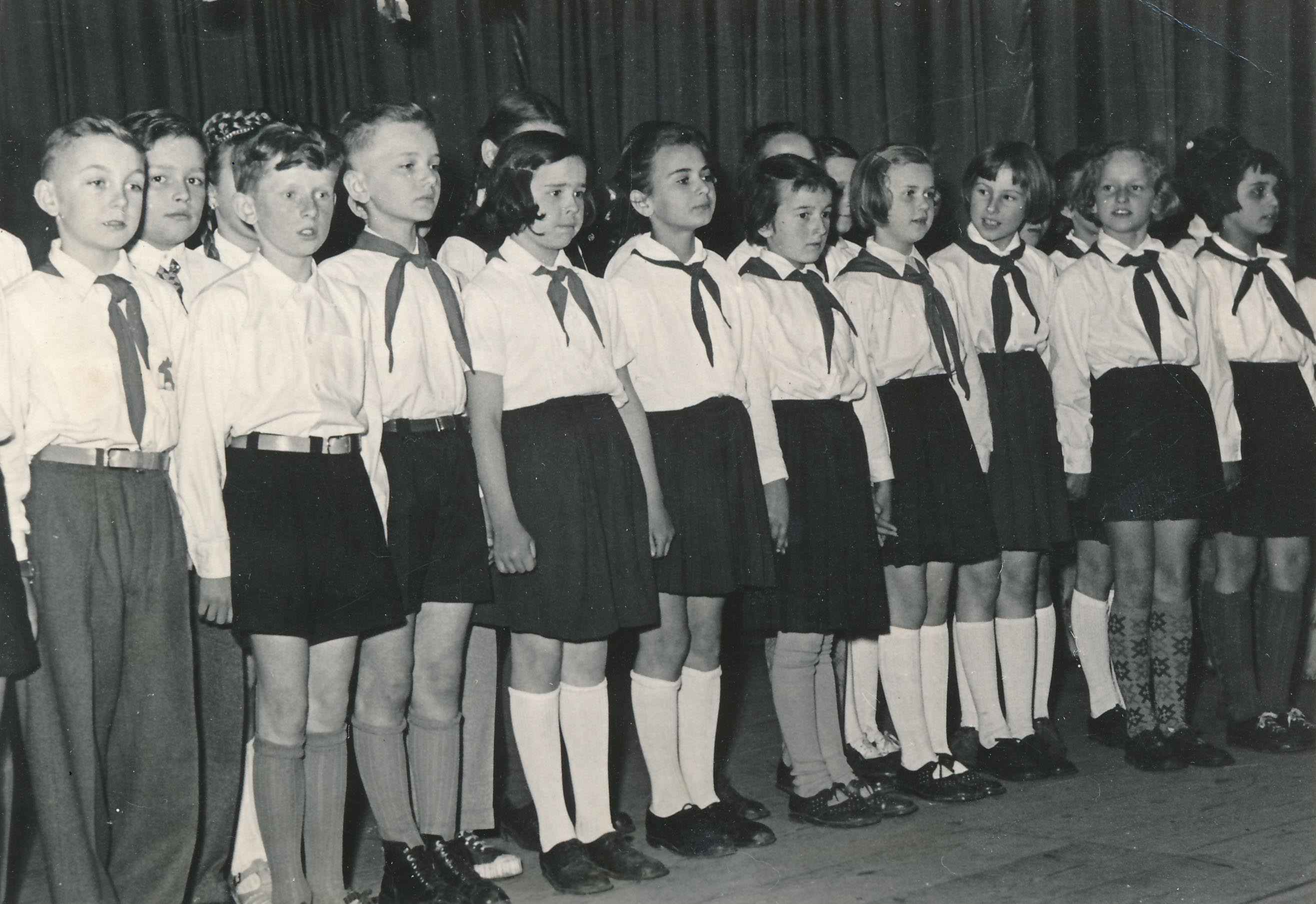
  • "My coach also thought I could be a high jumper. But I stayed at 176 centimetres, I didn't even have that then. He himself wasn't very tall either, the trend was to make taller guys. I wasn't, so I was destined to be a sprinter. There was the Havlas Memorial, they named it after an athlete. I did the race, it wasn't even a sprint. It was on an island, about a 500-meter race. It seemed too long to me, I sat on a chair before the start so I wouldn't get too tired. I didn't even know how to warm up. And now there were guys getting in who were already in school, already had chest hair. I was still in elementary school, I was a pigeon. I started out cautiously, I don't know, I was in the middle of the field. When we hit the home straight, it was quite long, I was third. I was still running beautifully and I ended up first. That was my first success and it definitely decided that I was going to be a runner."

  • Full recordings
  • 1

    Praha, 21.07.2021

    (audio)
    duration: 01:26:55
    media recorded in project Tipsport for Legends
Full recordings are available only for logged users.

Take off your pink glasses. They ended up being golden
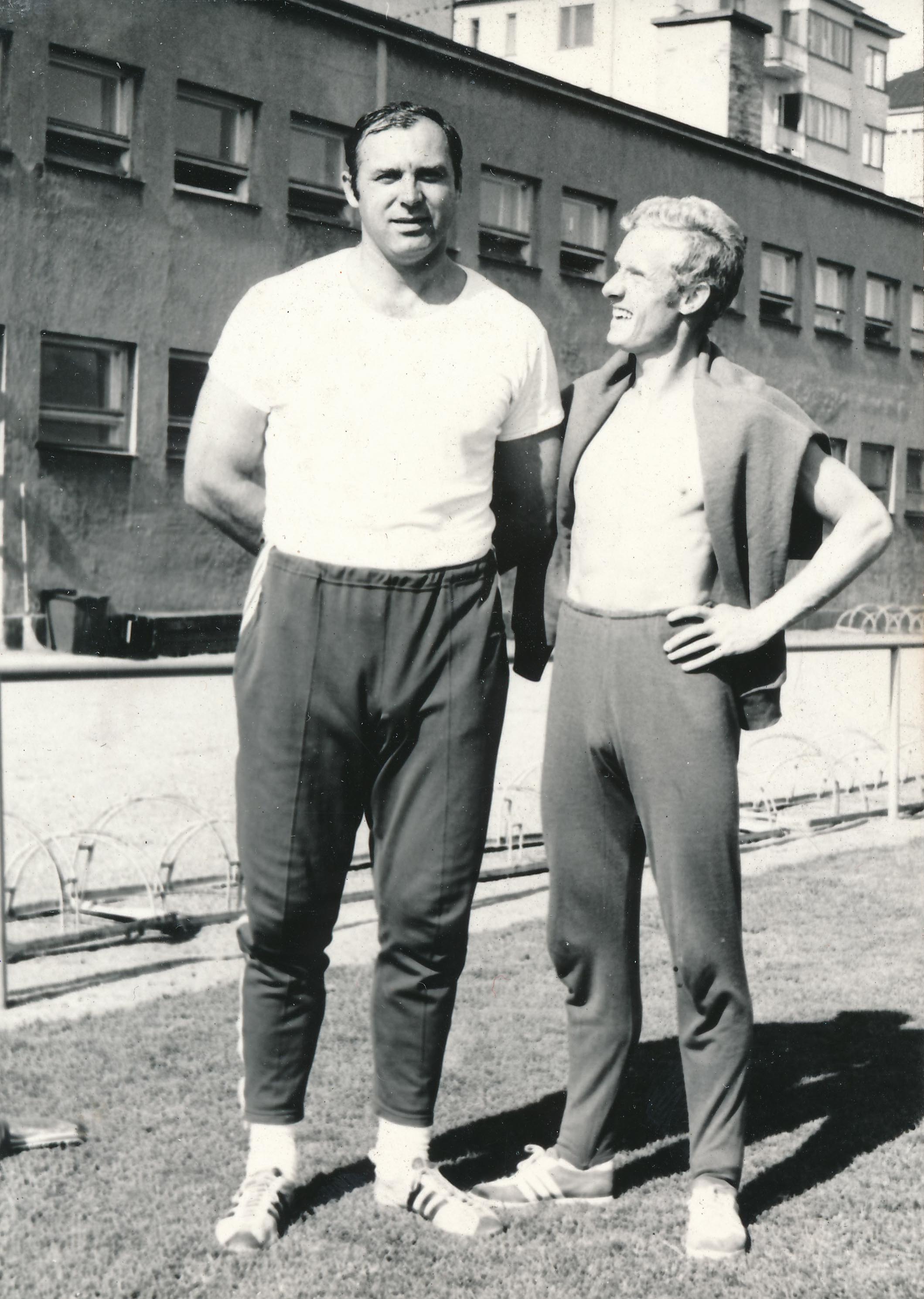
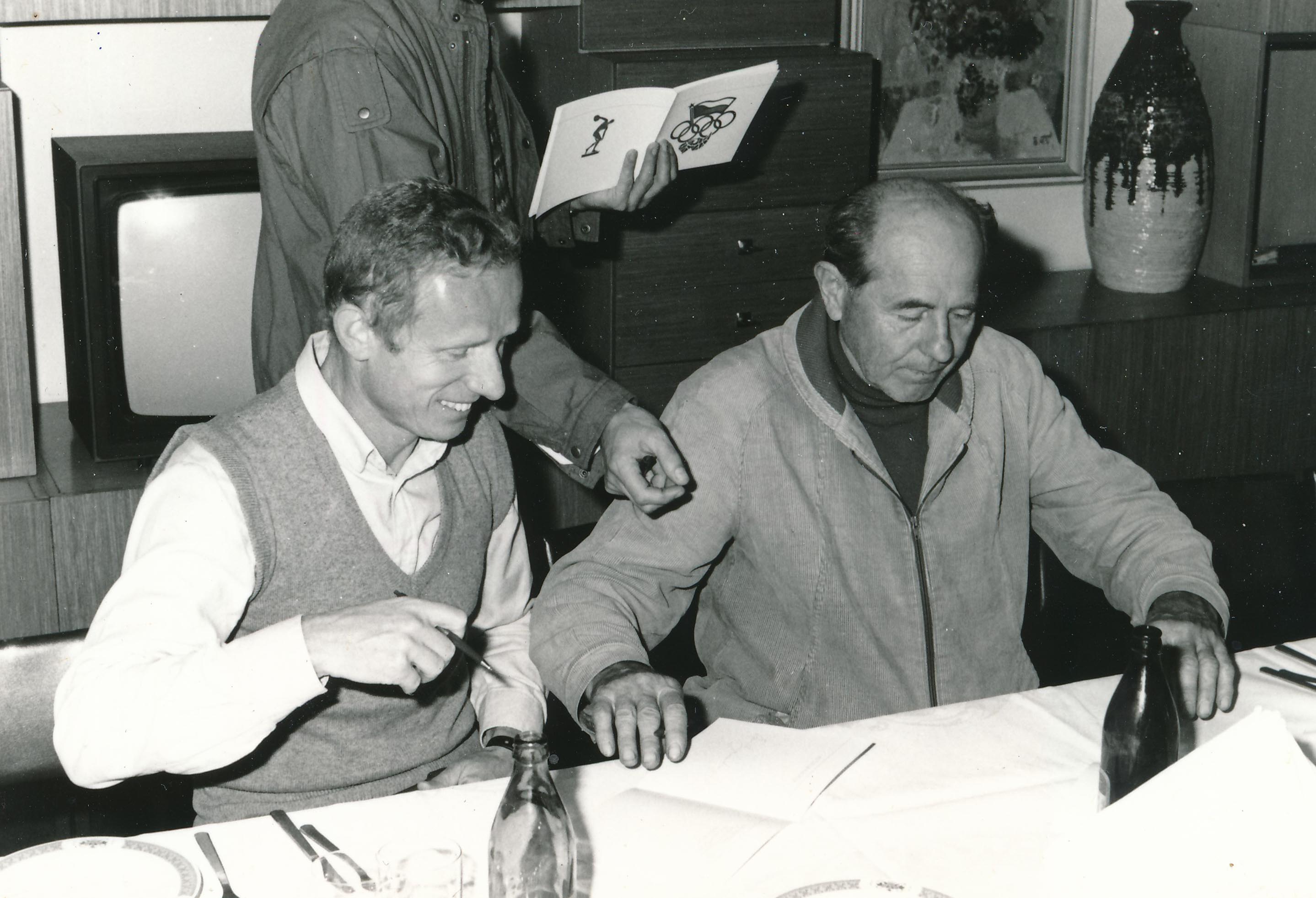
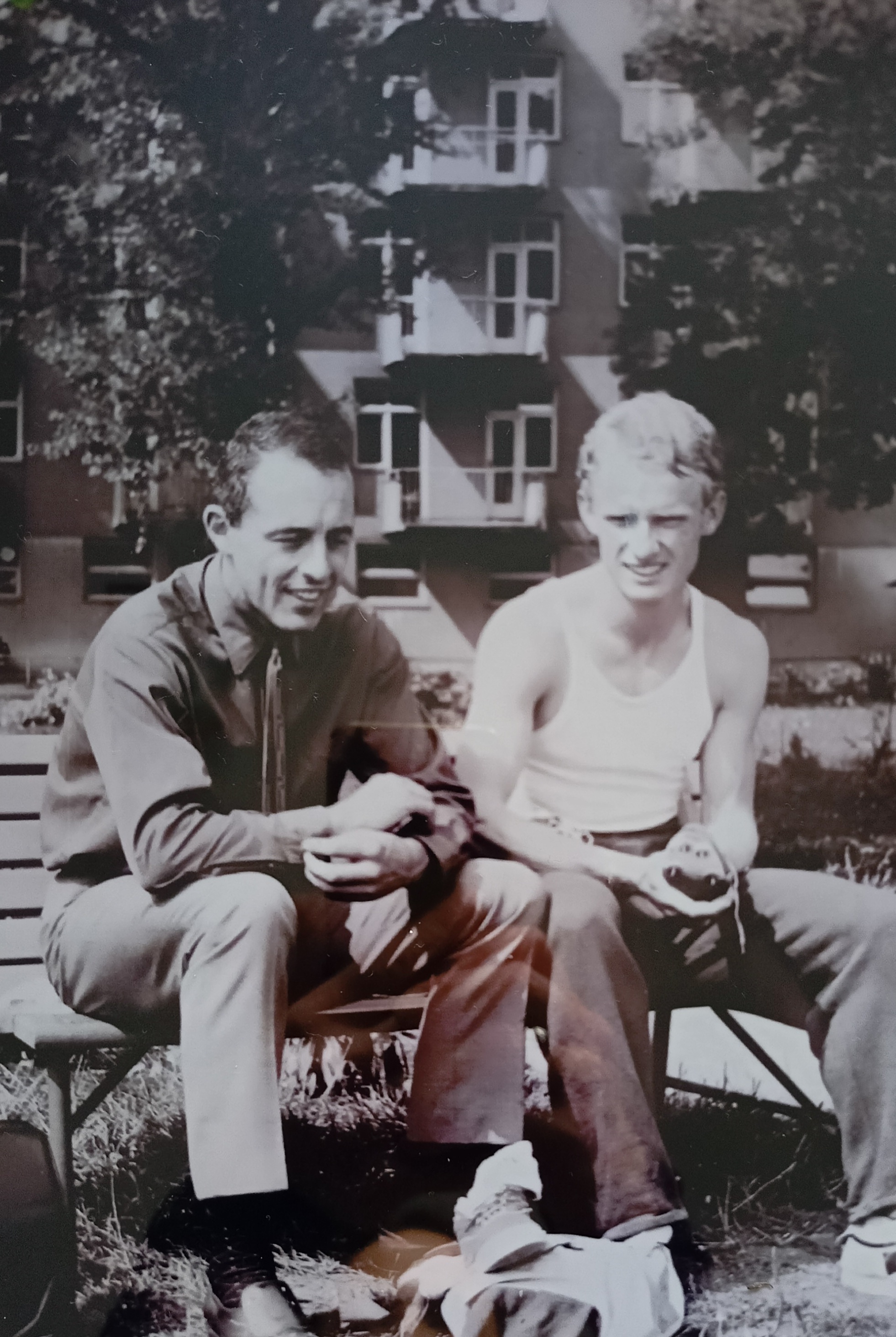
Luděk Bohman (right) with discus thrower Ludvík Daňek, 1971
photo: archive of Luděk Bohman

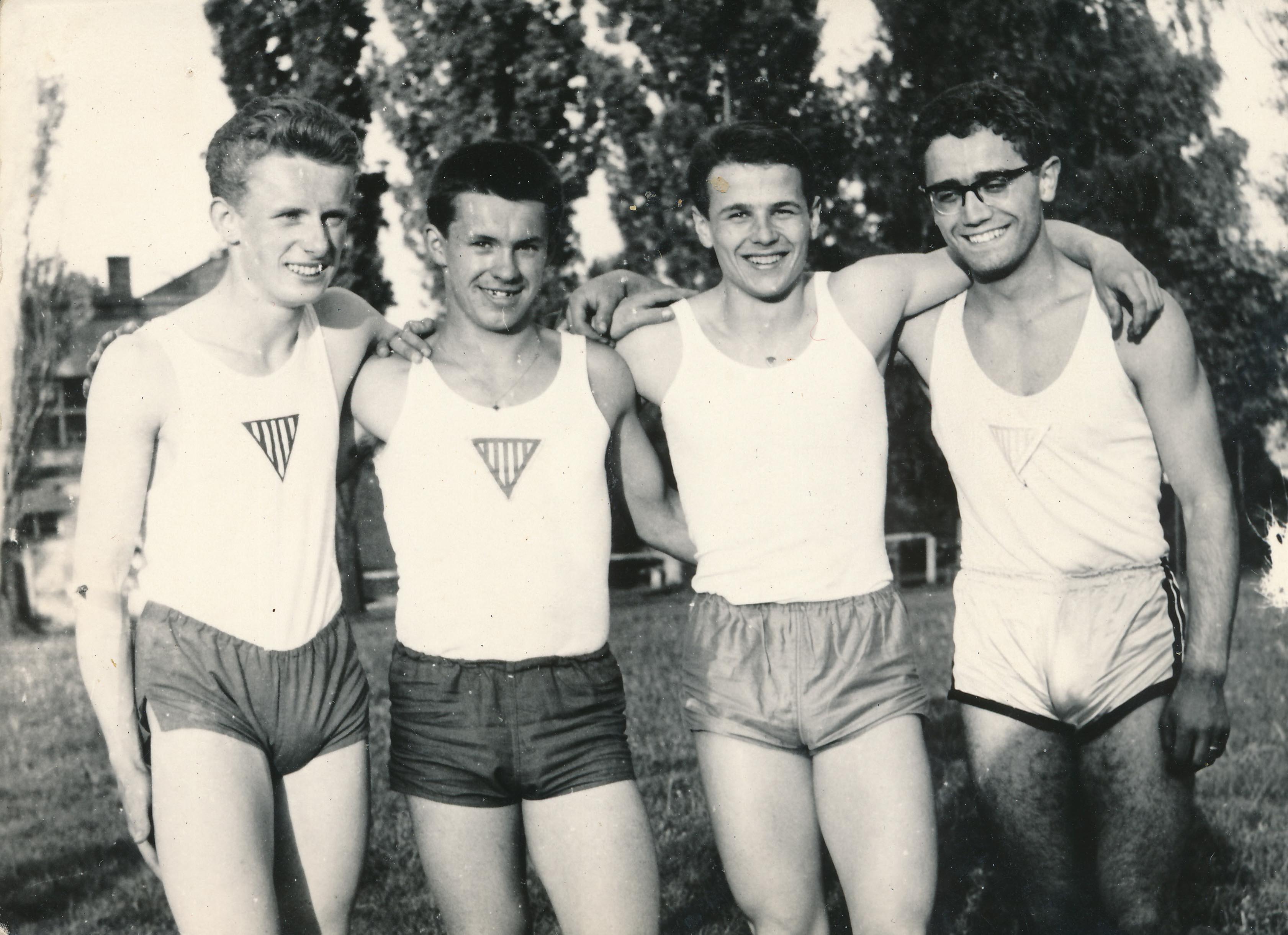
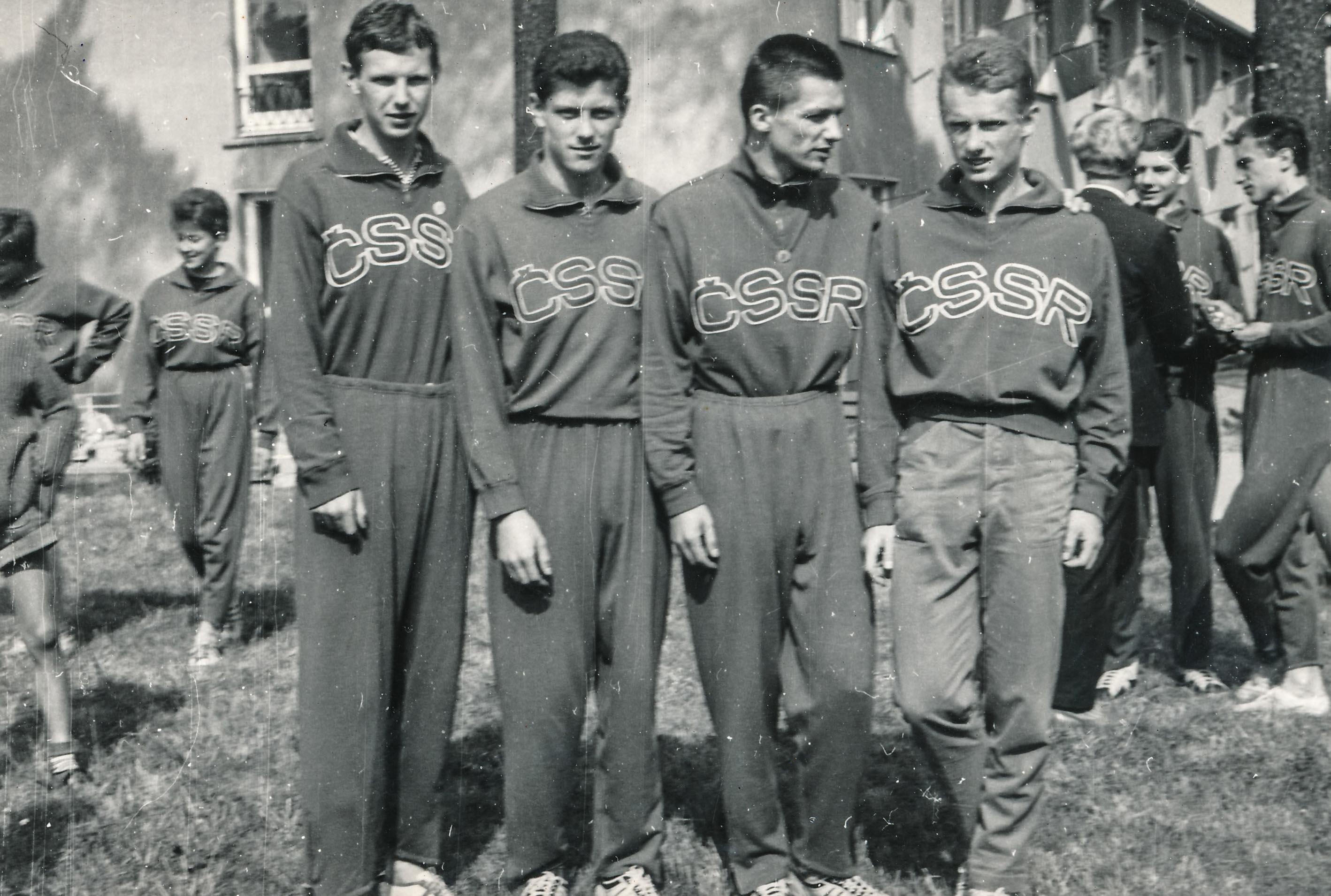
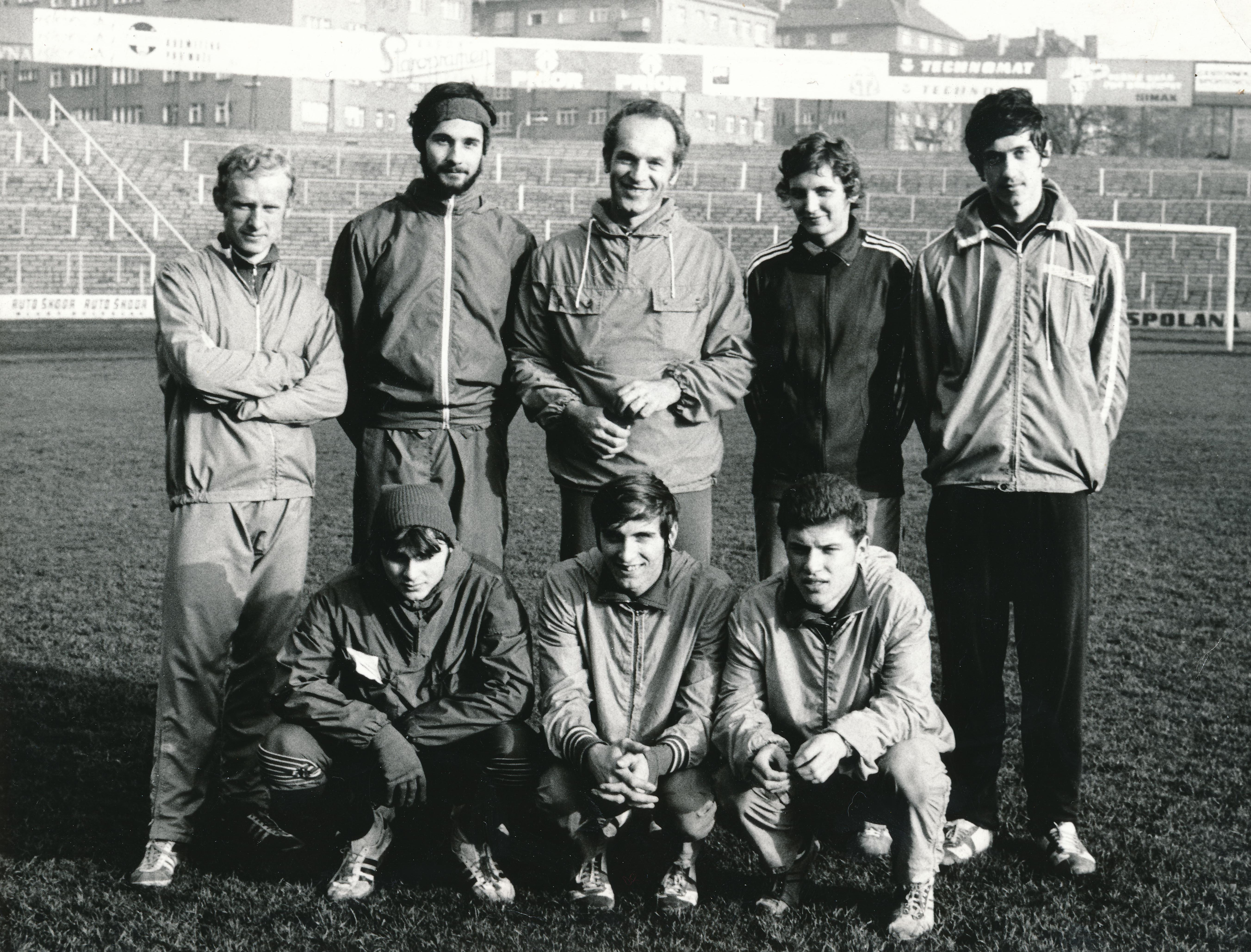
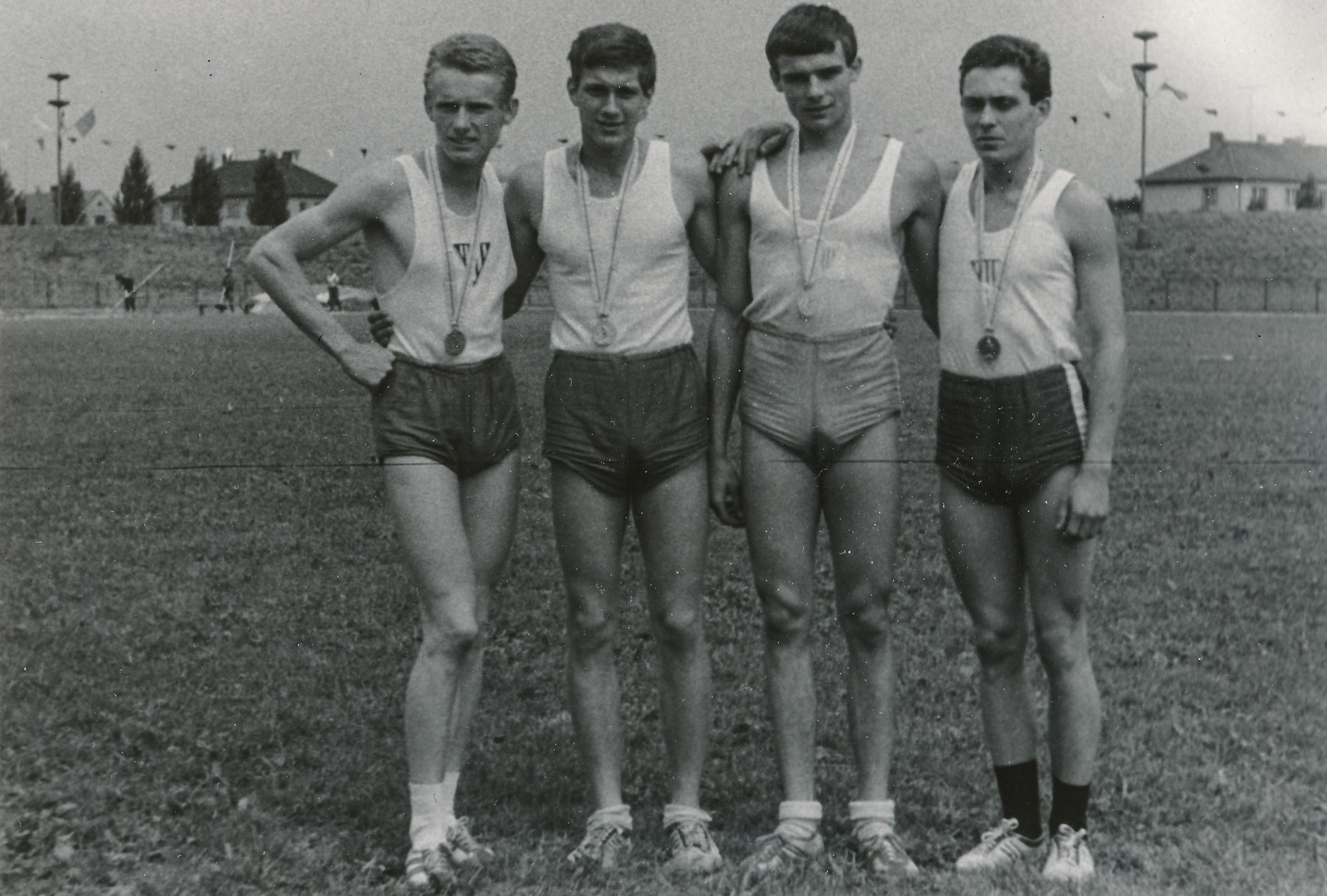
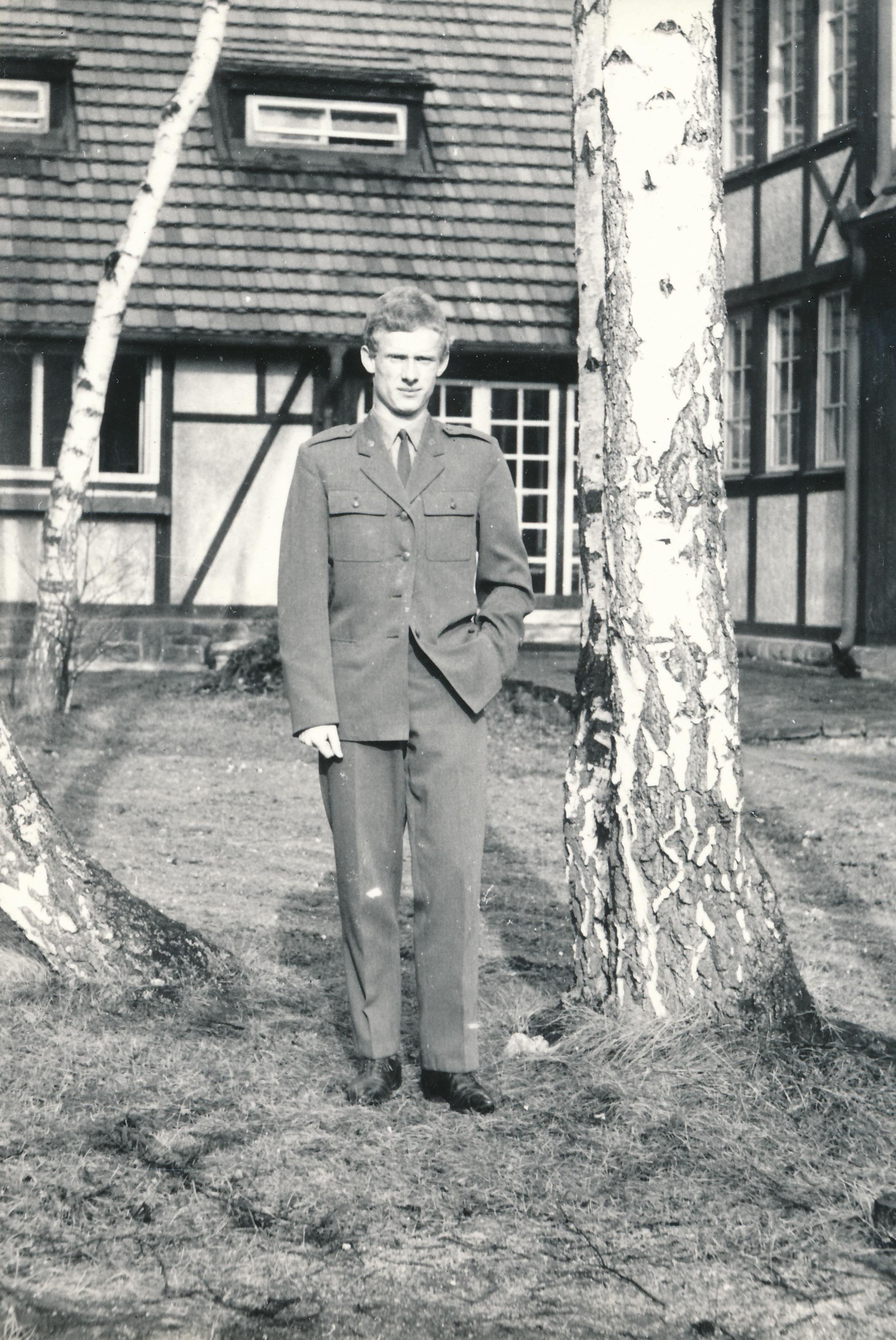
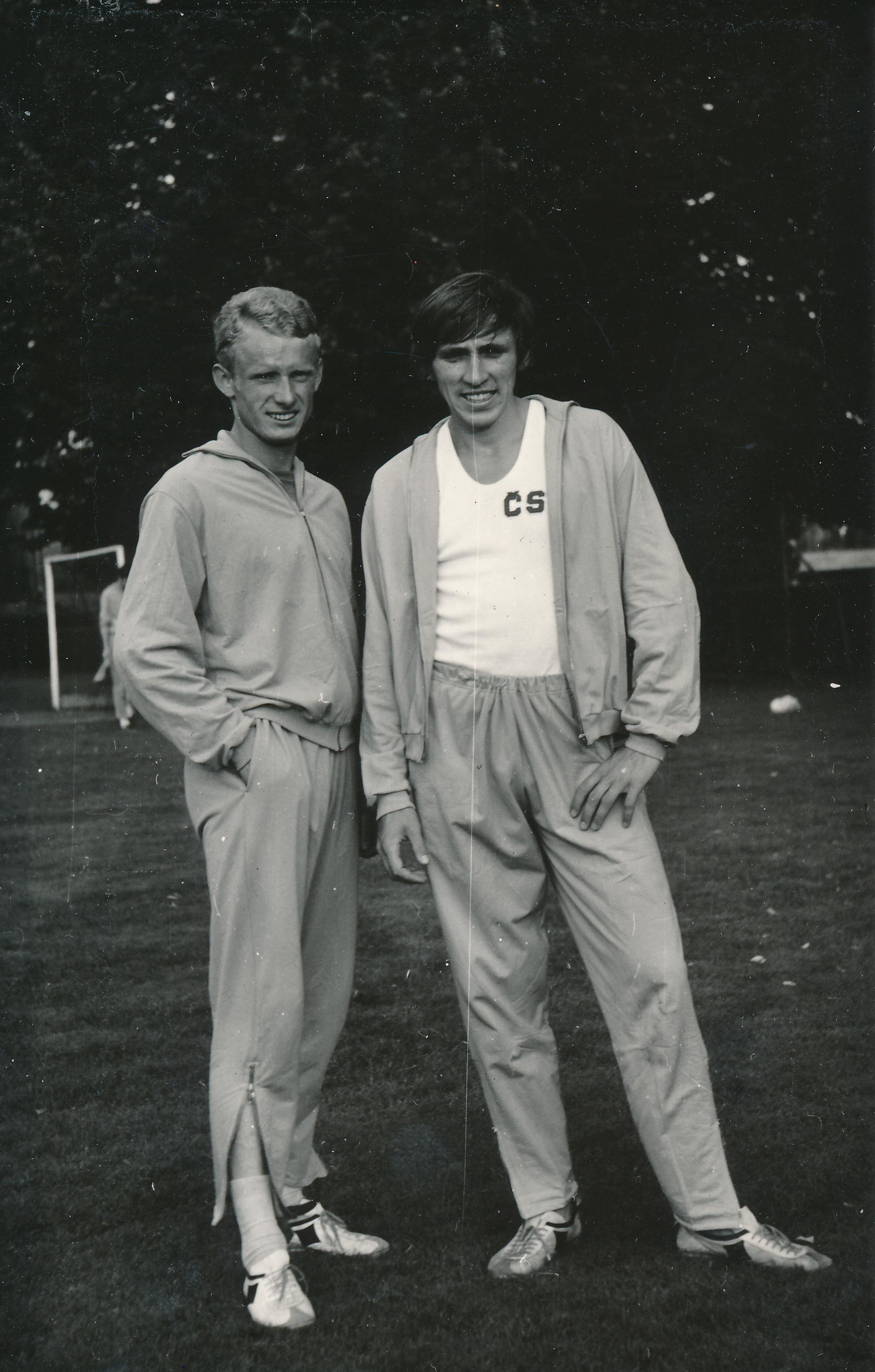
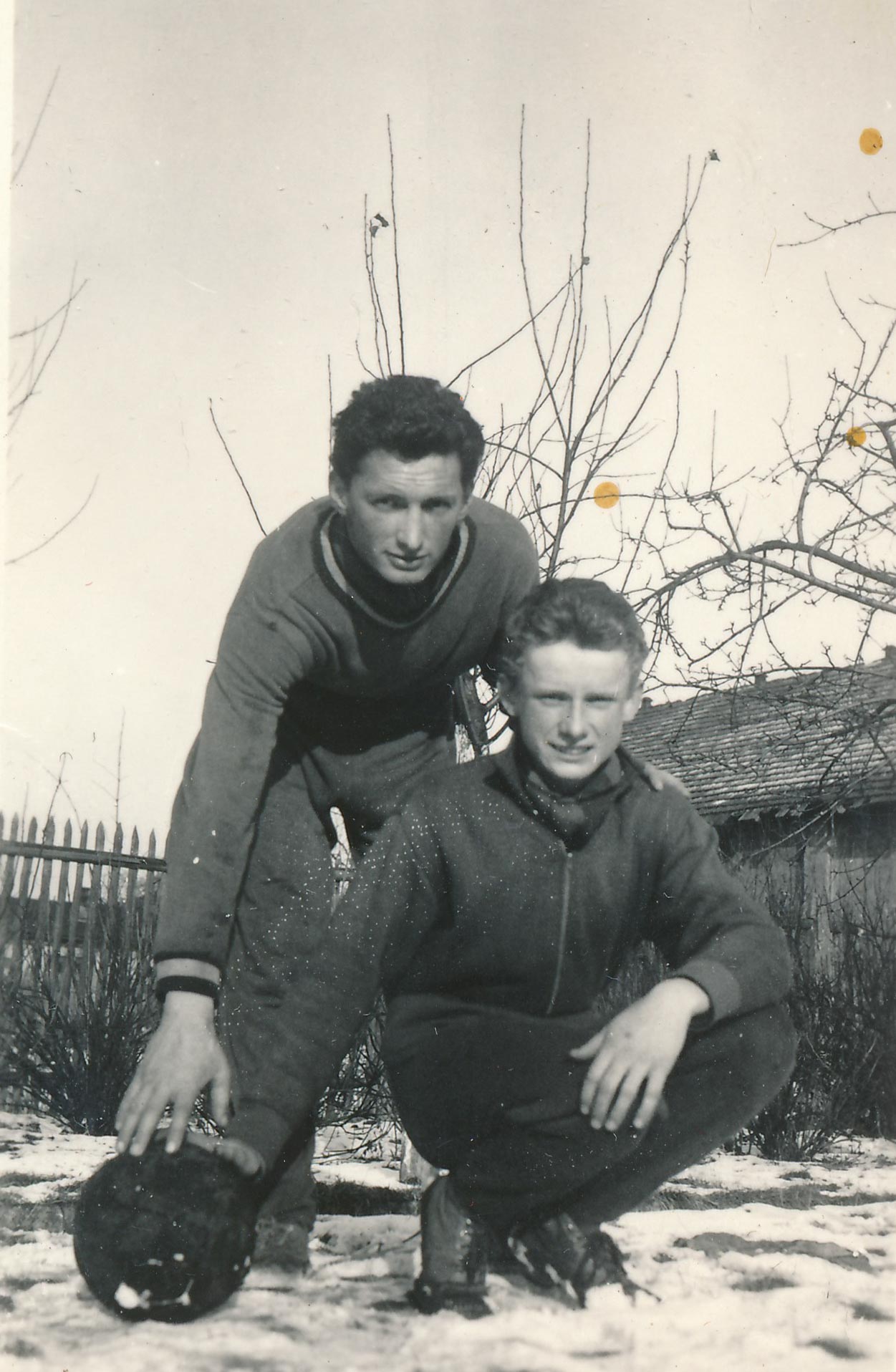
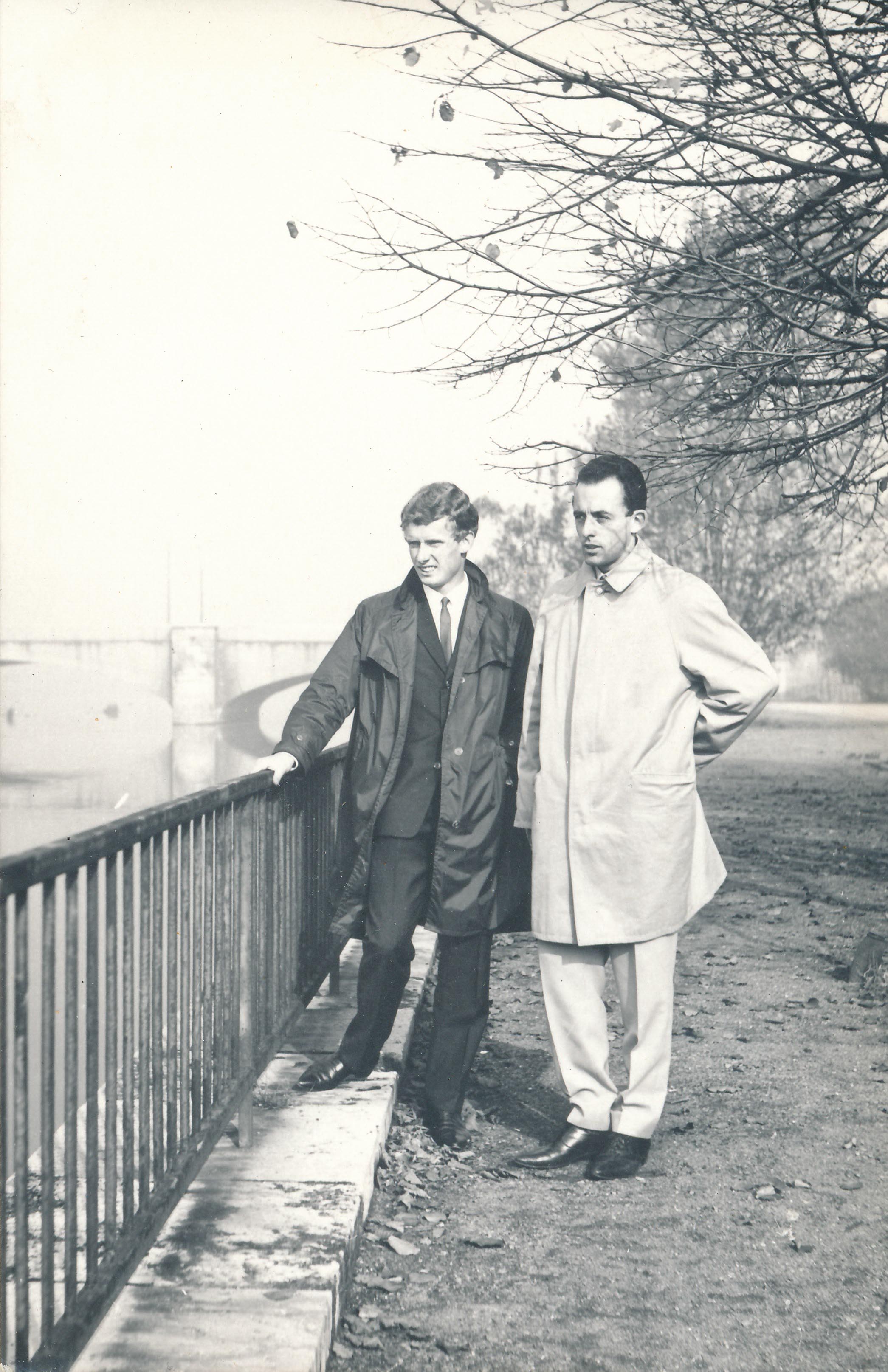
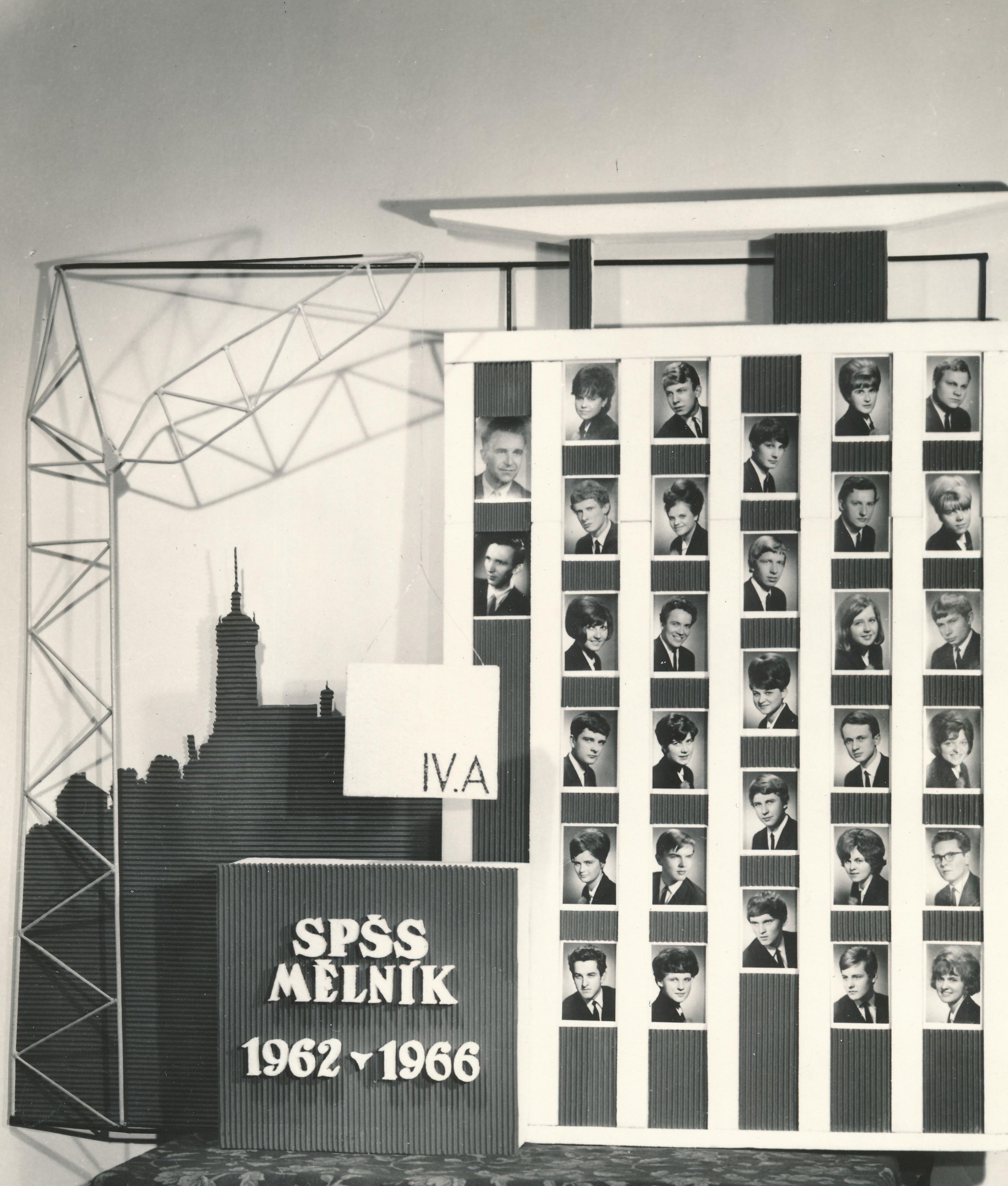
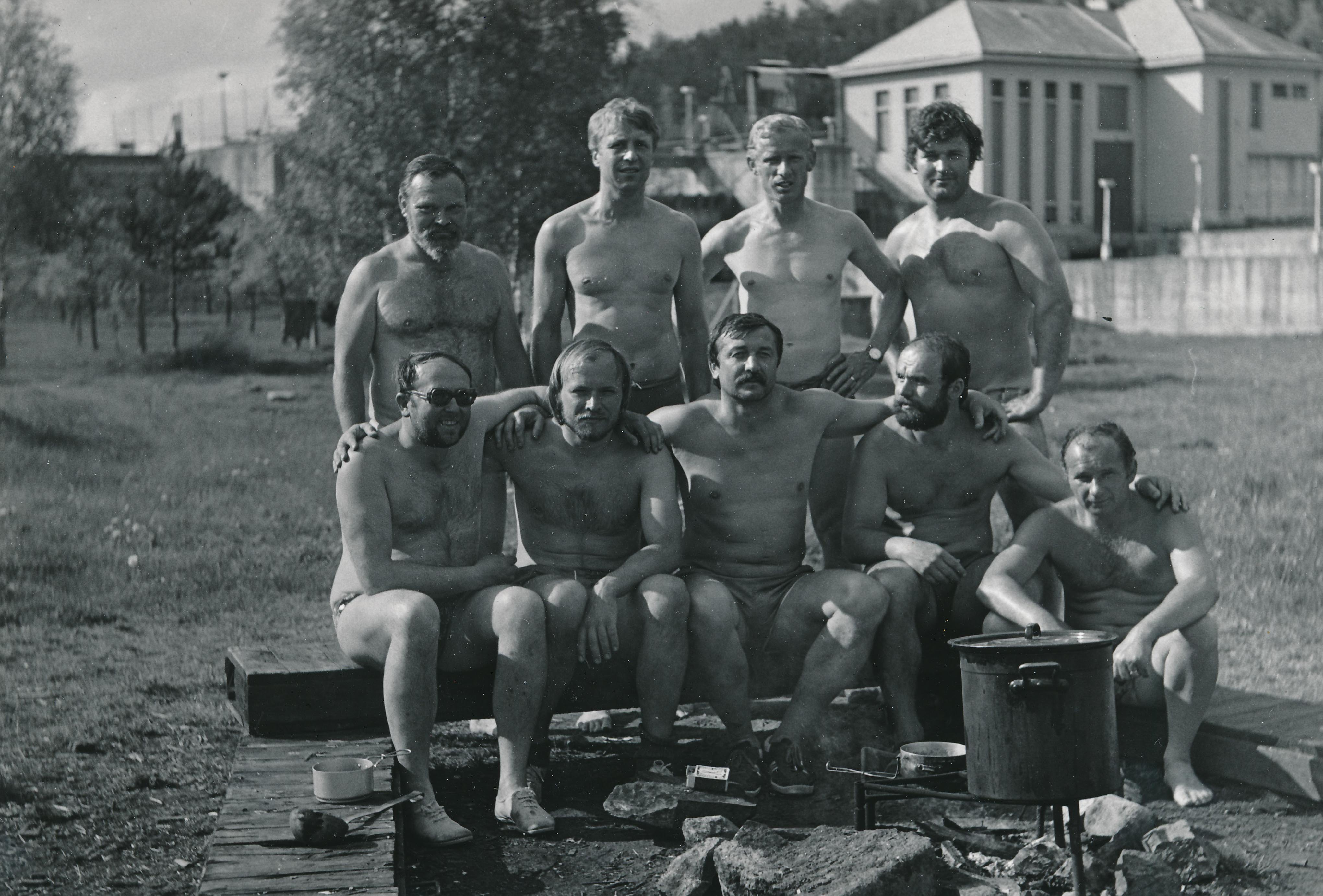
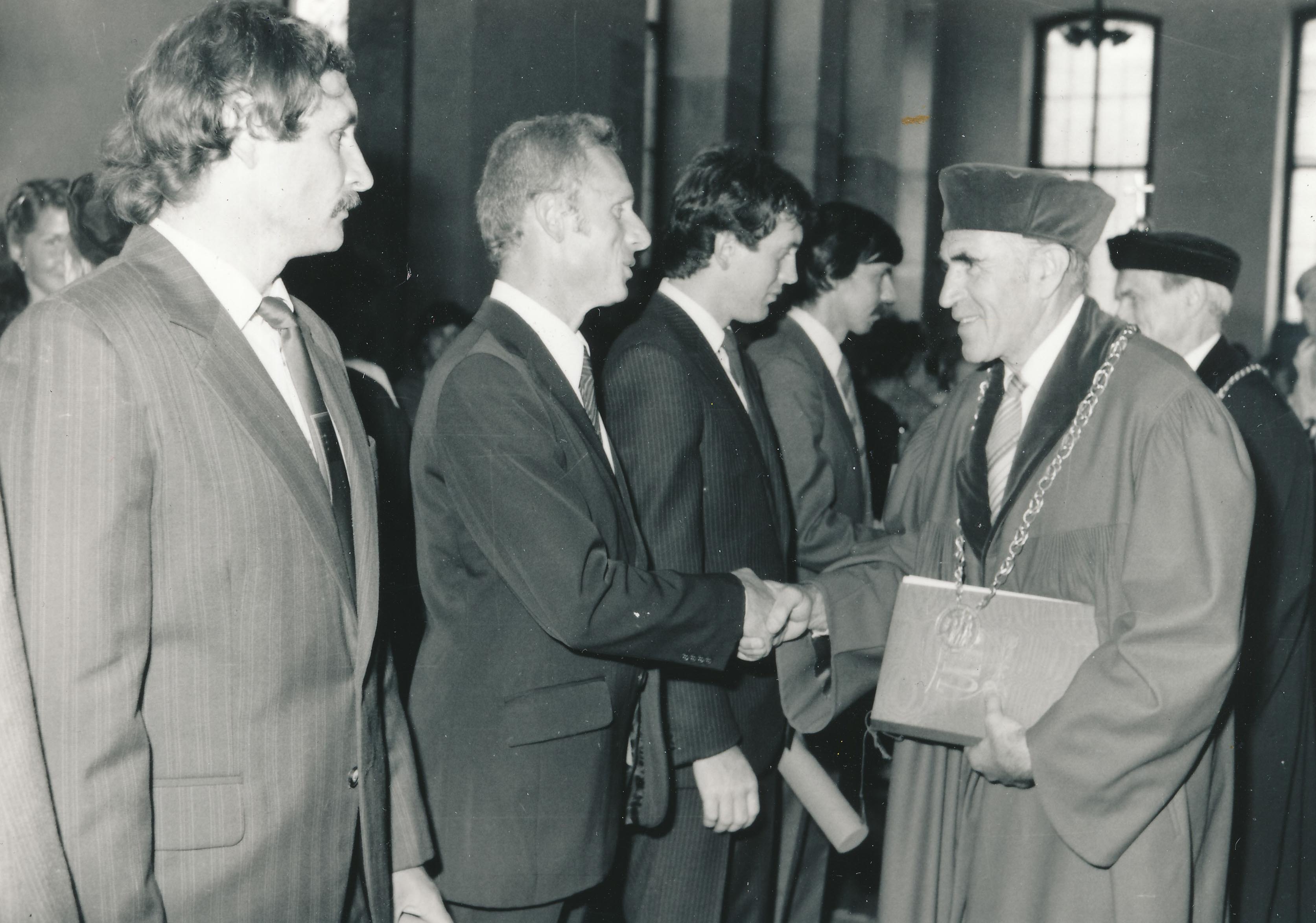
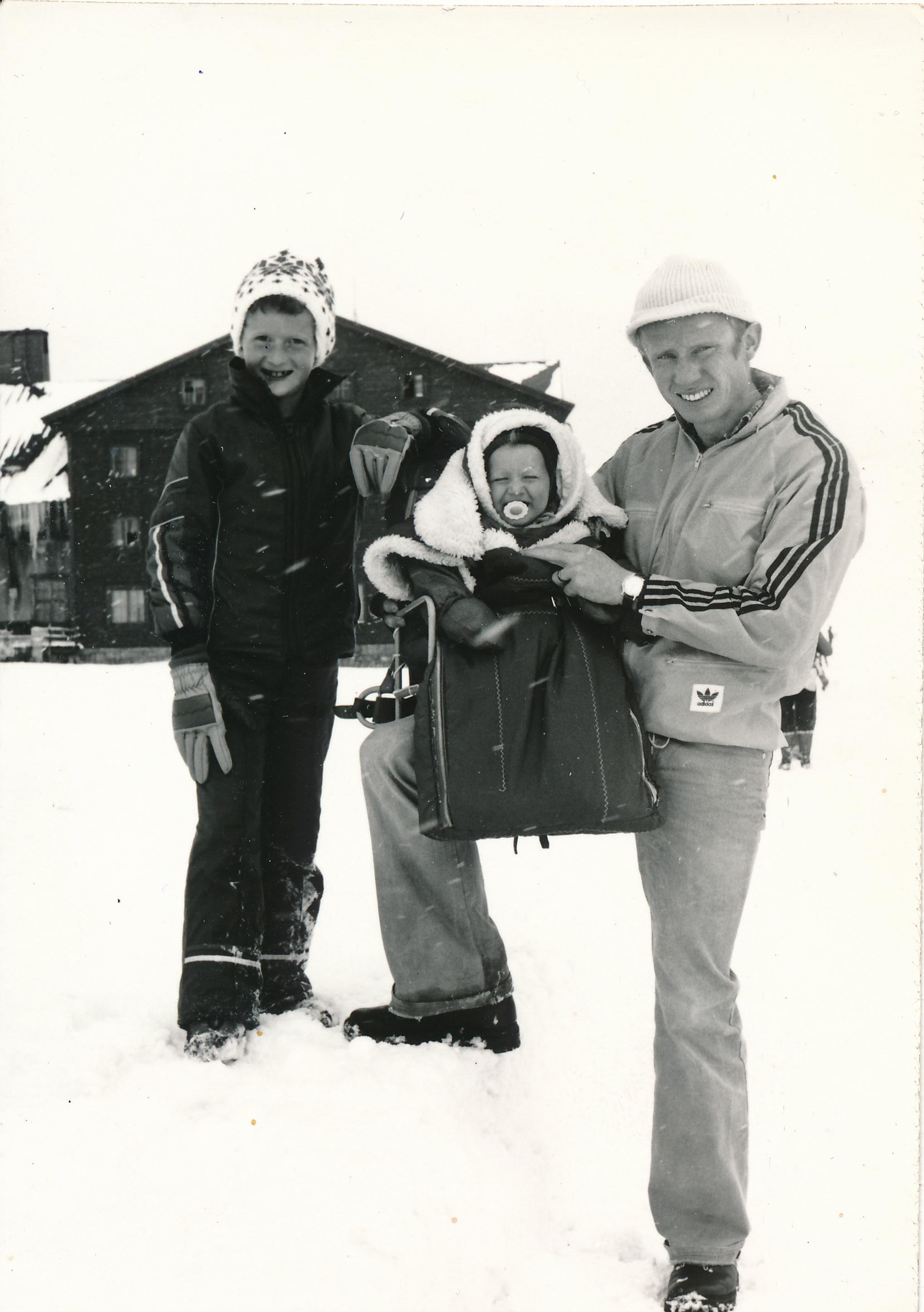
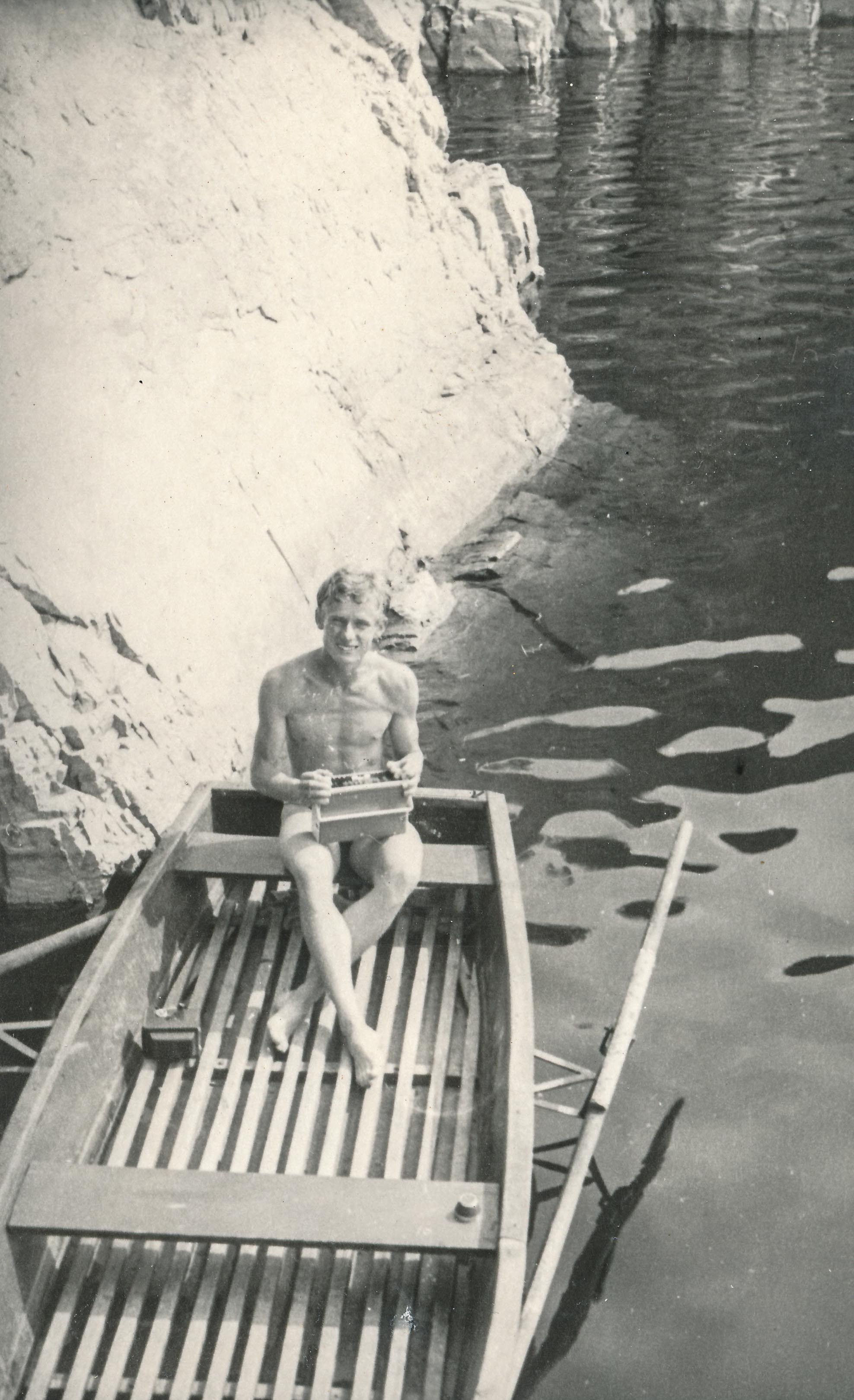
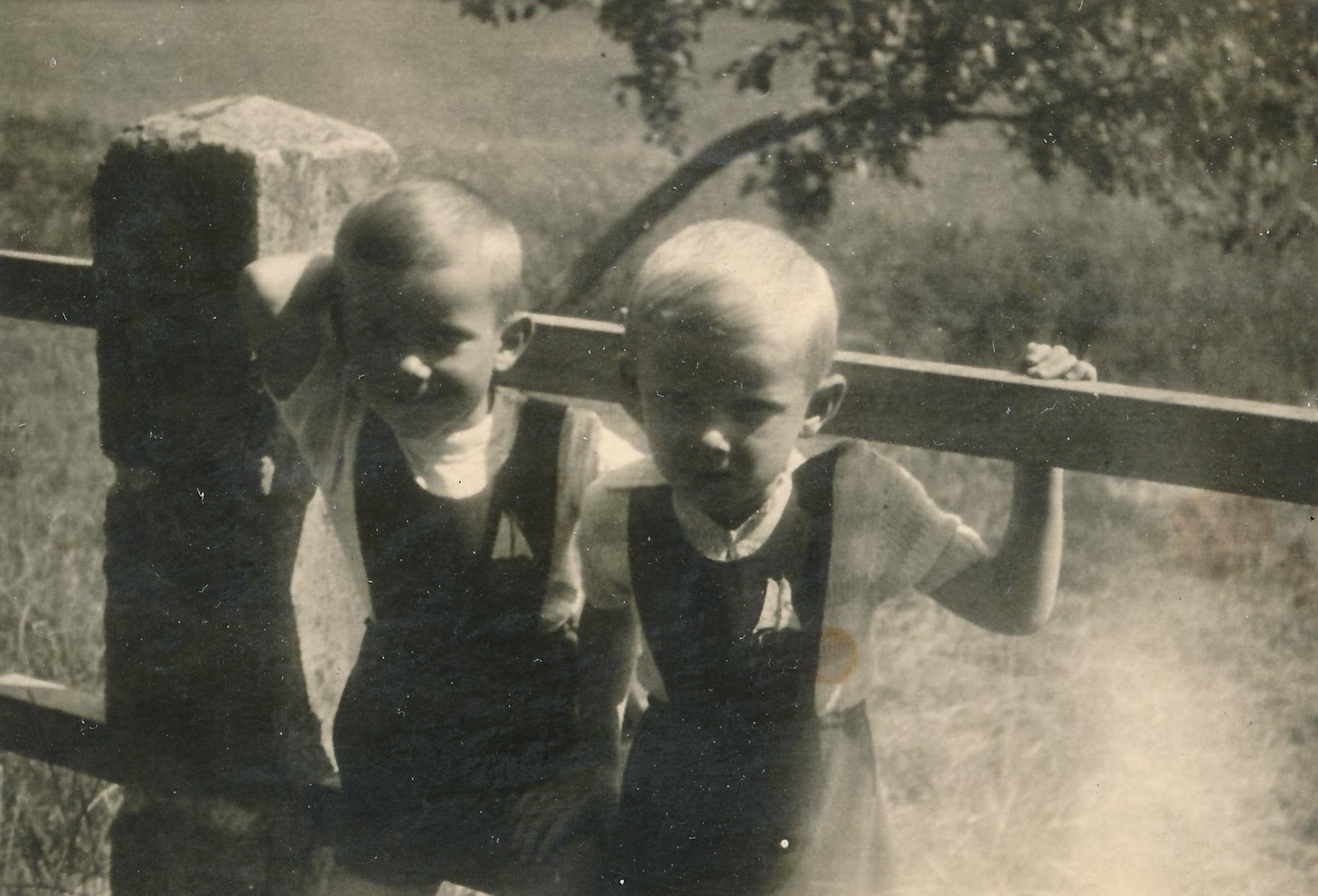
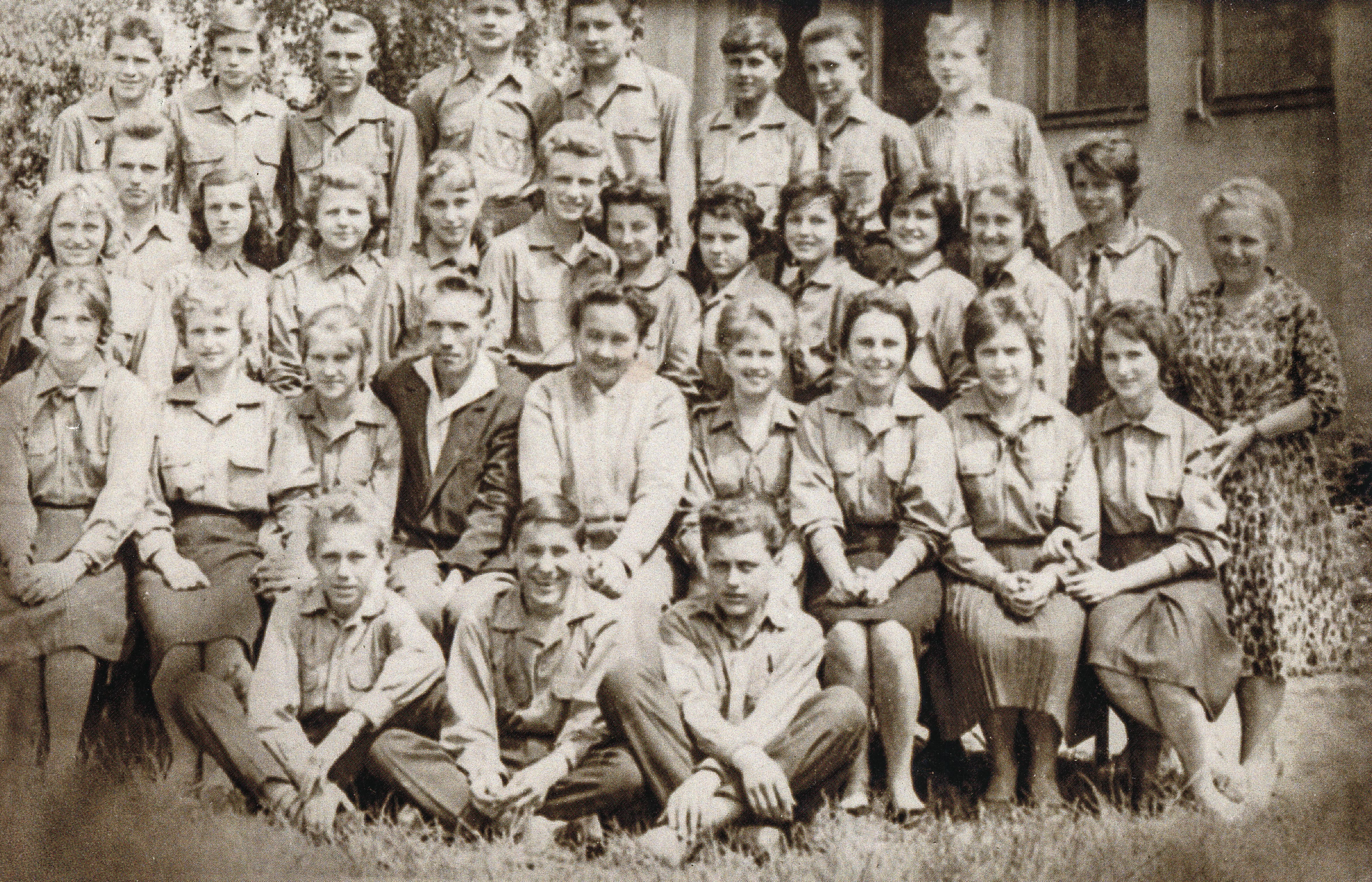
Luděk Bohman was born on December 2, 1946 in Nymburk. His ancestors came to Bohemia from Bavaria. At the age of 14 he started athletics. He graduated from the secondary construction school and later from the Faculty of Physical Education and Sport of Charles University (FTVS UK). He competed for Nymburk and Slavia Prague. He joined the Red Star Prague athletics club during the army and was there from 1966 to 1968. During the occupation of Czechoslovakia by the Warsaw Pact troops he experienced Stromovka full of Soviet tanks. In 1969 he represented Czechoslovakia at the European Championships in Athens, where he won a bronze medal in the 4 x 100 metres relay. In 1971, as a finisher, he led the same relay to first place at the European Championships in Helsinki. A year later he was fourth with the relay at the Summer Olympics in Munich. He competed for the national team until 1978. From 1985 to 1989 he was the central coach of sprinters at the Athletics Federation. He was aware of the doping system but did not get involved. After the Velvet Revolution he worked in the sports centre in Nymburk and in the construction industry. His son Martin represented the Czech Republic at the Winter Olympics in the quadruple jump events, and later worked as a national coach of quadruple jumpers. In 2021 Luděk Bohman lived in Nymburk.