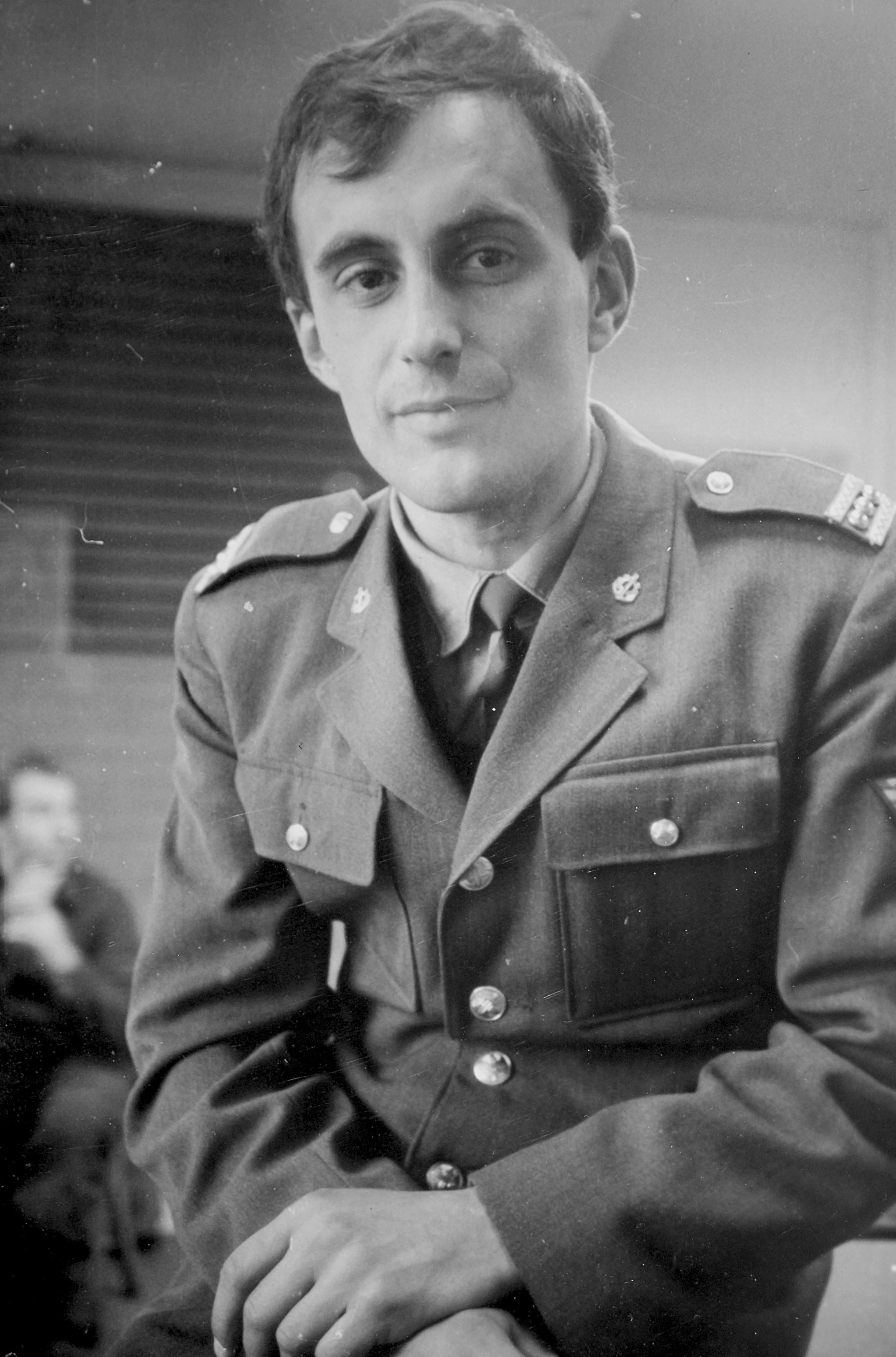
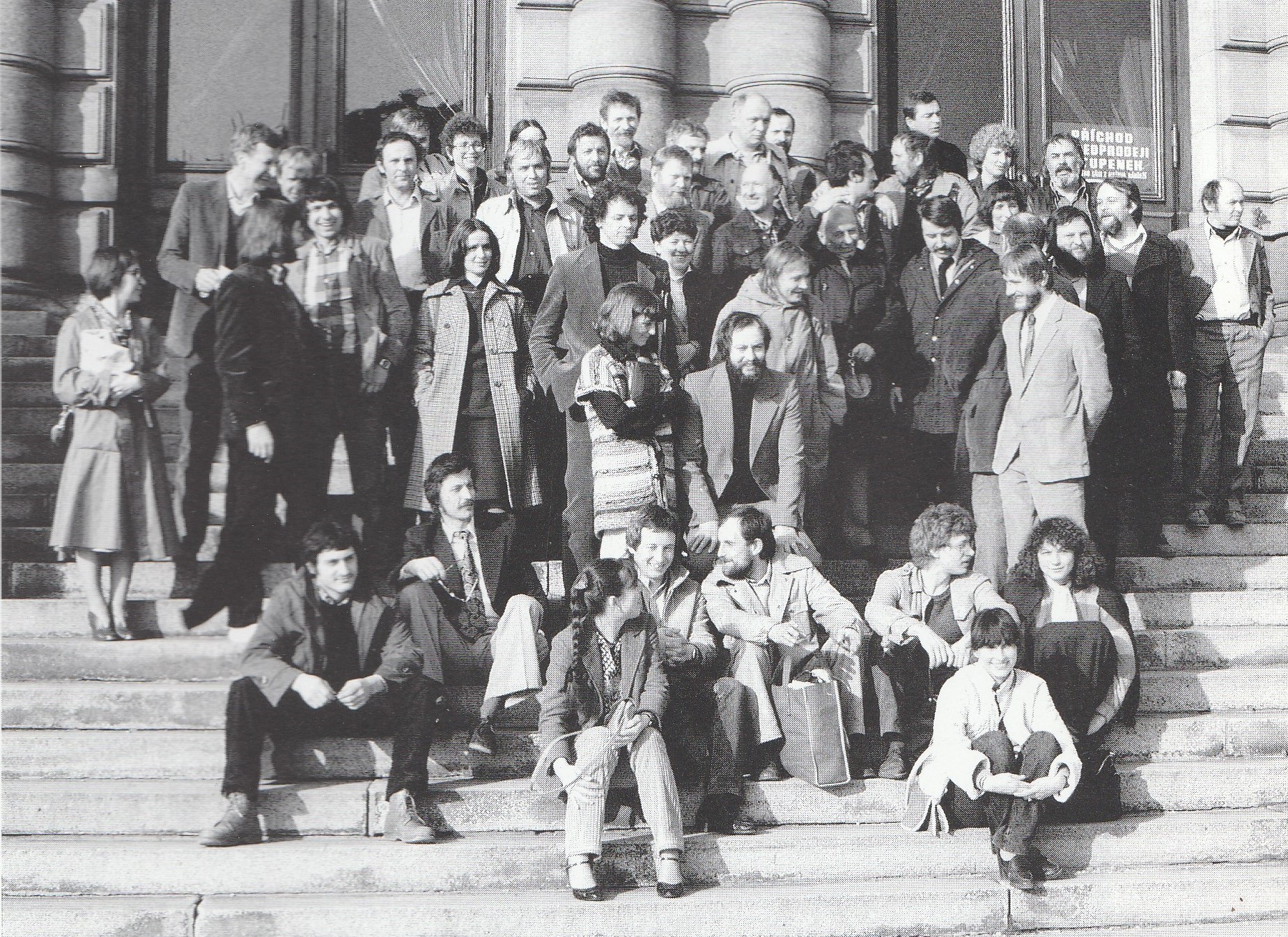
"I was summoned to Bartolomějská Street, there was the typical good cop and bad cop, and the good cop said, 'So tell me, how was it?' So I said it was just an idea, nonsense, you know. And now the other one jumps up and says: 'And don't be stupid, it wasn't that stupid, don't make fools of us, we know everything, look!' Now they've brought out some newspapers and I'm sitting there in the front row on the steps [of Rudolfinum at the assembly]. ‘It won’t be quite like that, that it was probably just a sudden idea of yours! It looks like it was quite a deliberate action on your part, doesn’t it?’ Well, now it's started - he says it's enough for beigng expelled from school. I was there about two months, and that's how it started! Like what, well, I'm a glassworker, so I'll go and work in a factory in a glassworks normally, I'm not going to go mad. I came home and immediately my father and I [a sworn communist] had a fight. He was so annoyed that he told me straight away that he was renouncing me, that he would no longer support the counter-revolution in his own family! And that he would no longer pay for my studies. And I said I didn't mind at all."
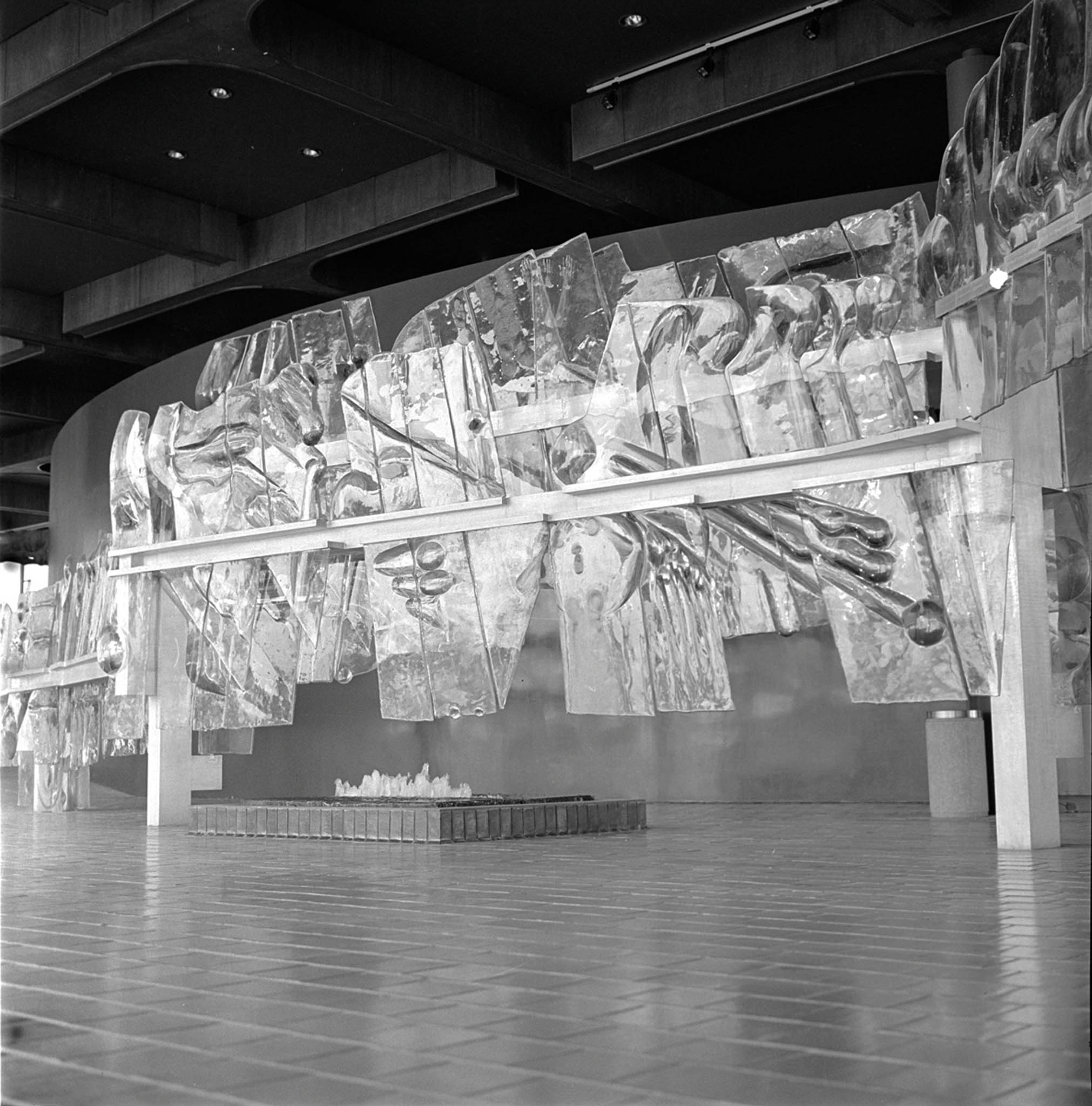
"The River of Life [a monumental glass sculpture] was meant to be like the Vltava River, and it reflected Bedřich Smetana's My Country cycle a lot, it had some sort of order. And this River of Life was crossed by figures, black figures beaten with light metal, they were knights, a little bit, crossed by the soldiers by the sculptor Janoušek. We already knew this and the professor came and said... we were just preparing a very romantic scene with Mirek Čermák, when Libenský's daughter and her friend were imprinted on the glass stones like naked angels, like fairies, such creatures were hanging around the Vltava River. The professor always imprinted them in the wet sand. And it had to be moist, it had to be neither too stiff nor too loose, it had to be just right. And he'd come in there at that very moment and say, 'Well, I'm coming from Prague, so we sat down there and imagine, they blamed me for being so poetic and romantic about the whole thing and that something like that could have used something a little more militant.' And we, as we were sort of making it there freely, I just said, just so that it would be clear we were listening and so that it would be obvious that we were perceiving it, 'Well, do those military footprints there.' When Janoušek makes those soldiers. 'Press it there over those girls, that will be just the place where it will be very dramatic.' And Libenský said, 'Oh yeah, that's a great idea, Ilja! Make the shoe, but you've got to make it bigger, you know, with the hobnails!'"
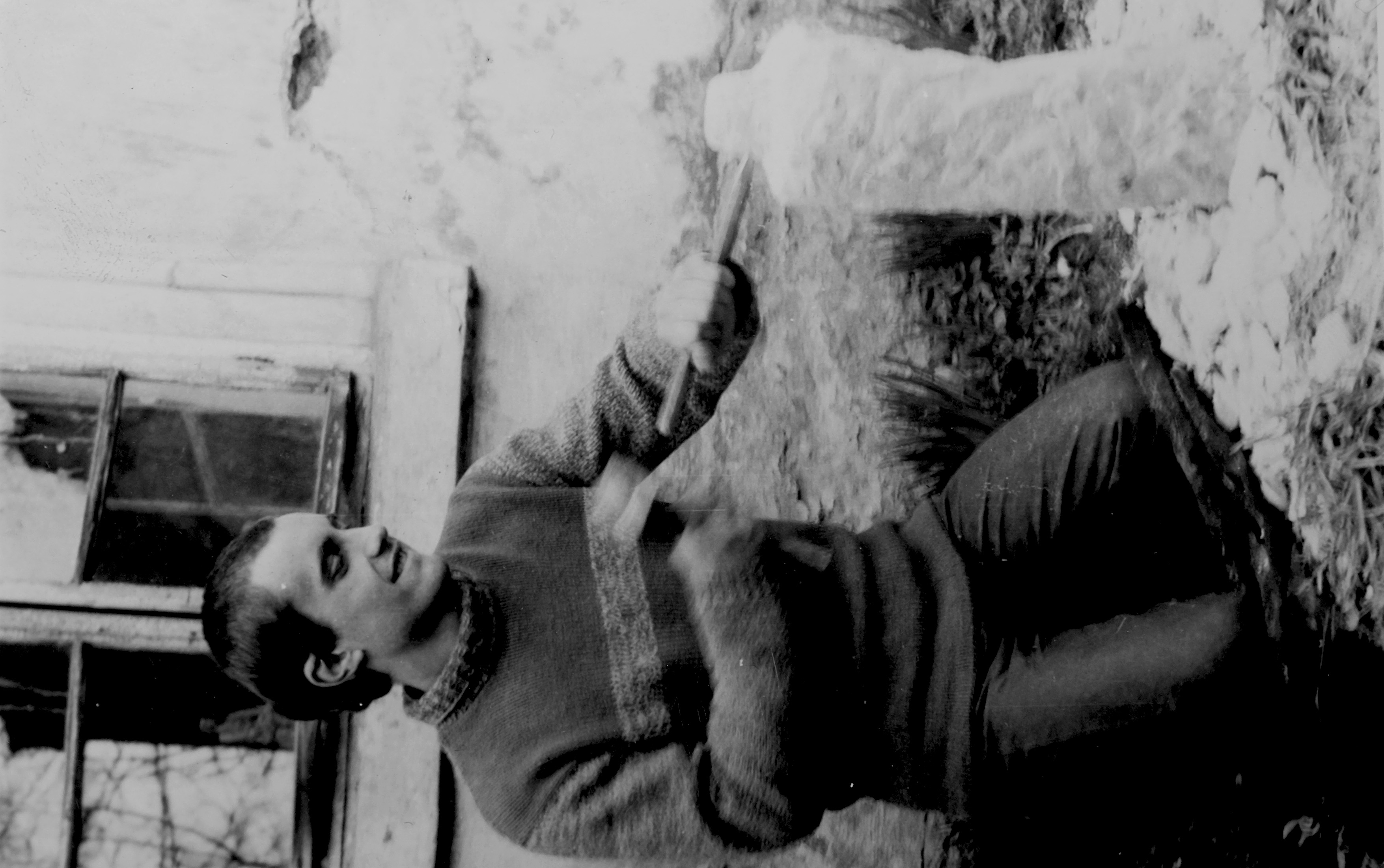
"It was very lucky that we fell into the hands of these two people. Mr. Burian taught art history in a completely different way than we have had so far, with the chronological approach. Suddenly he was explaining art history in the context of contemporary art, looking for those relationships and so on, and the teacher [Pavel Ježek] who taught us the artistic component of metallurgical work as a discipline, he was a sculptor, a prominent sculptor who worked with sandstone, had a sculptural and plastic outlook, and he demanded something completely different from us, independent of the confrontation with the company, the Železný Brod factory. We graduated and with Ivo Dušánek we didn't make the glasses and shots anymore, we made sculptures. Normal glass sculptures! It was a big event, the other teachers were amazed what happened there. That was really such a happy ending to that graduation. And I decided there that I was going to be an artist. About fourth year I was like: I'm gonna go to university. And the glassworks provided such a background. It was warm in the winter, we could wash there, we could bathe there, we spent all that time with Dušánek. When the classes were over, we went there, we drew there, there was always a smelter there at night, putting the raw materials into the pans. We'd draw him, he'd sit patiently, and sometimes we'd get him a beer, and we'd train there. It was kind of a working background for us. We weren't living in boarding houses anymore, we were living in rented rooms, we were already talking about art in the pub and so on."
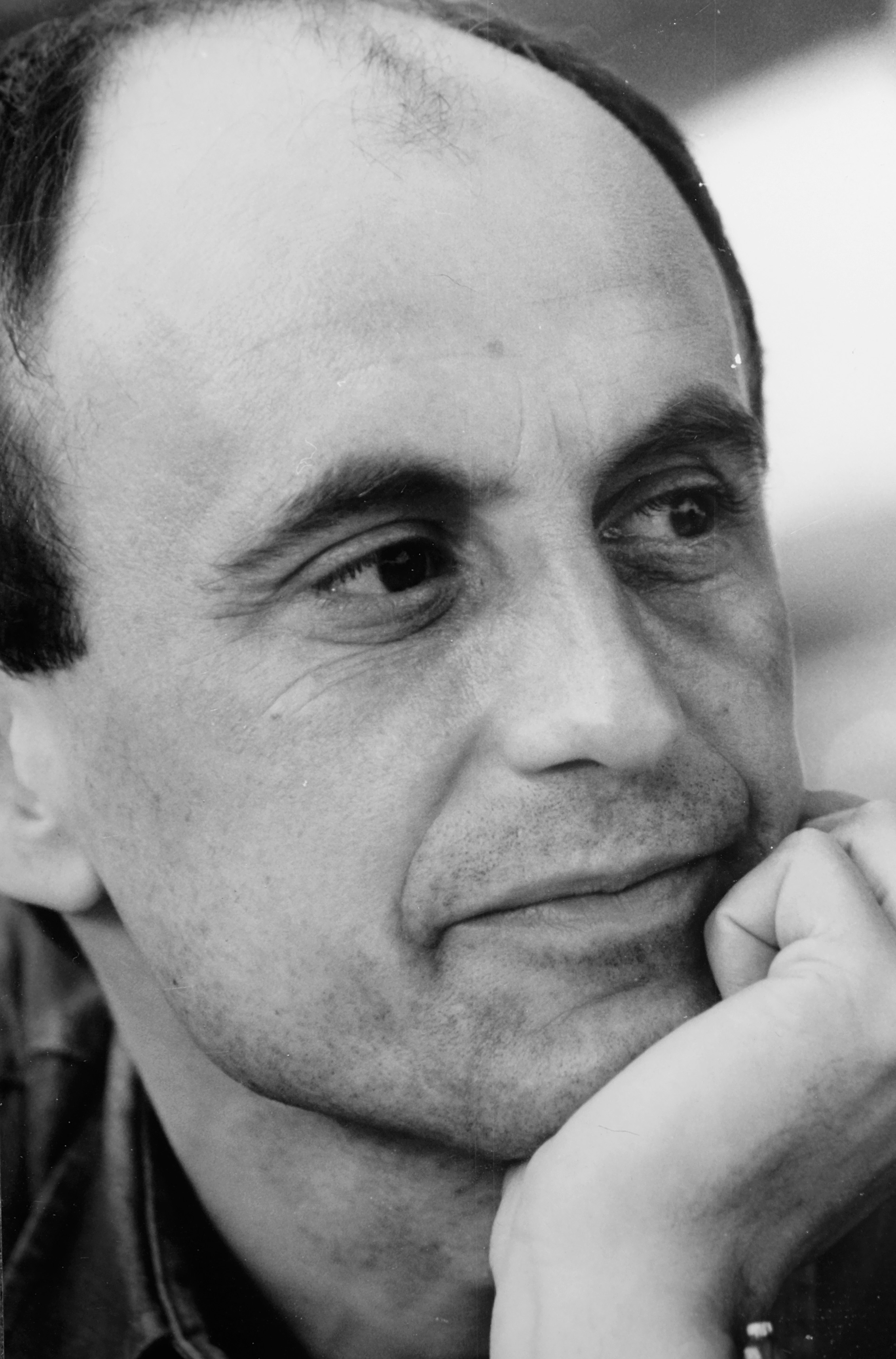
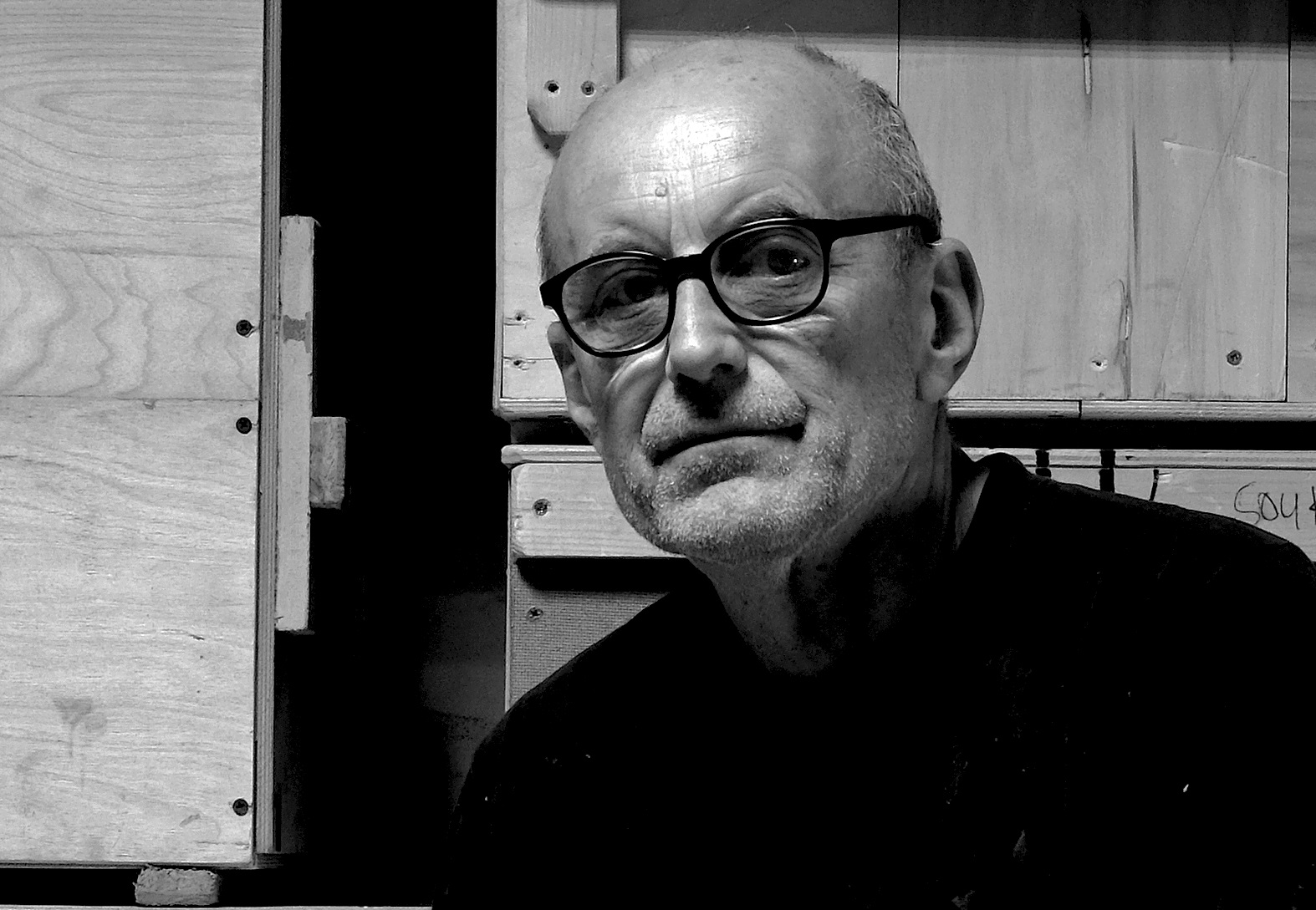
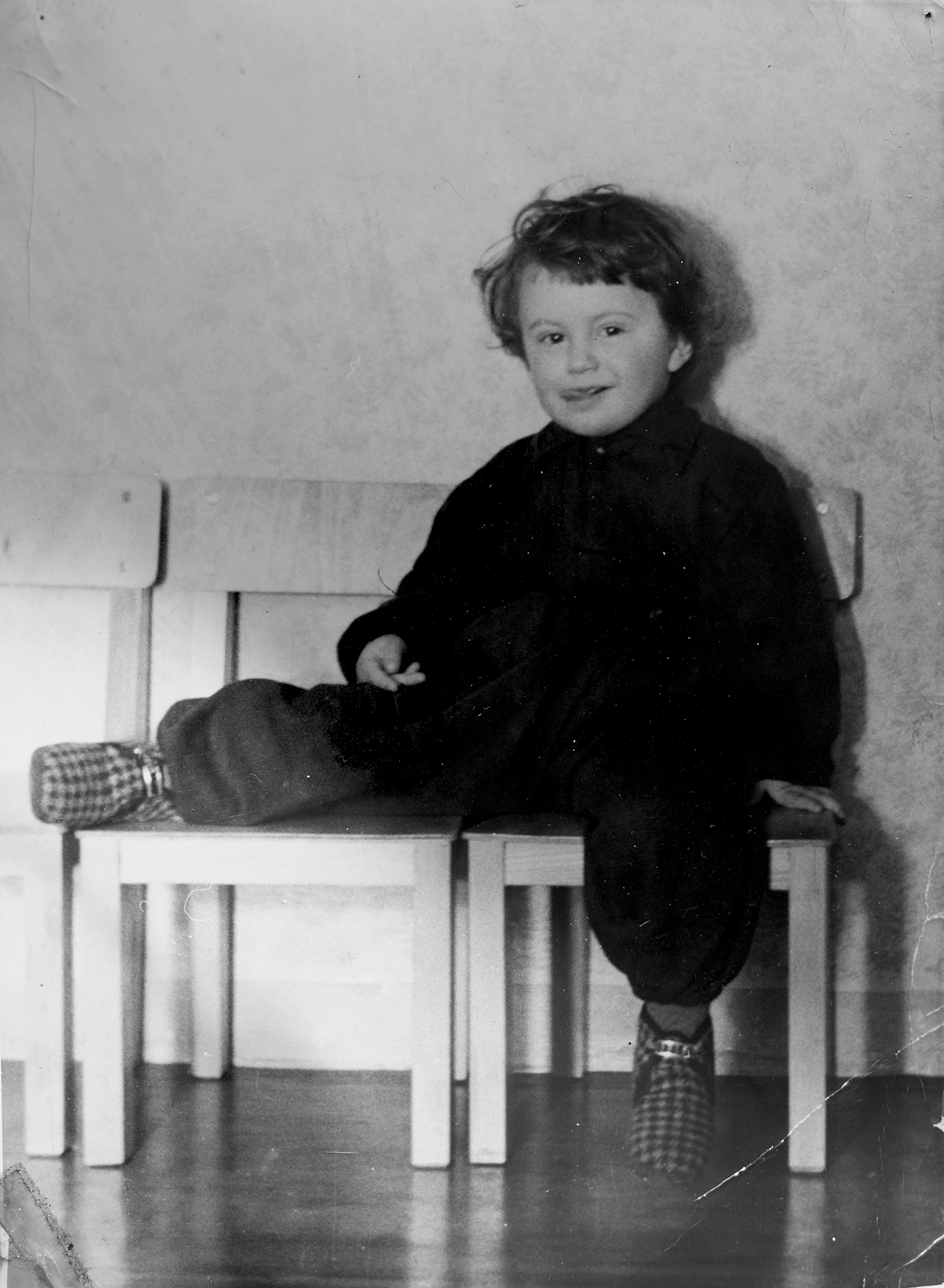
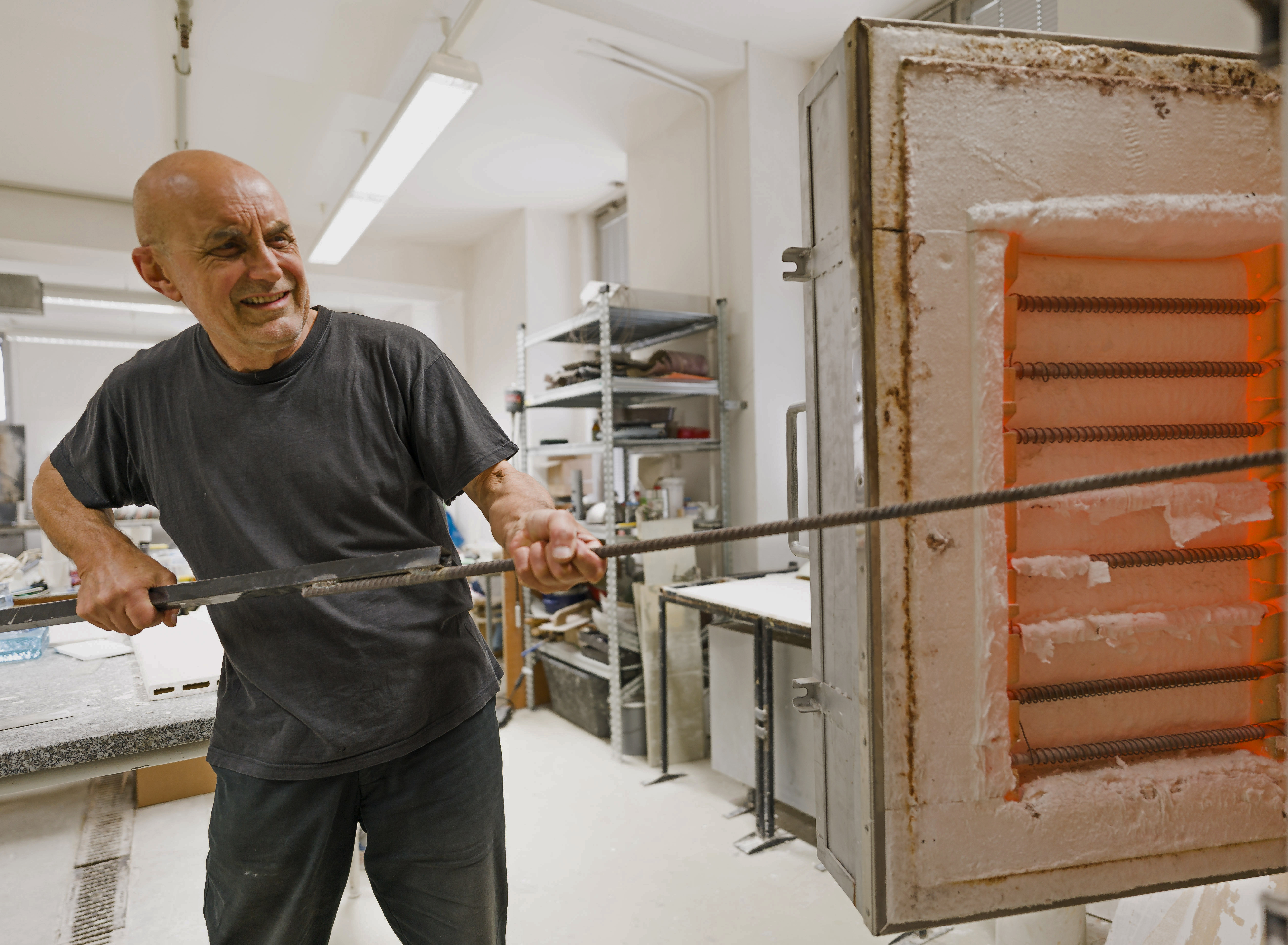
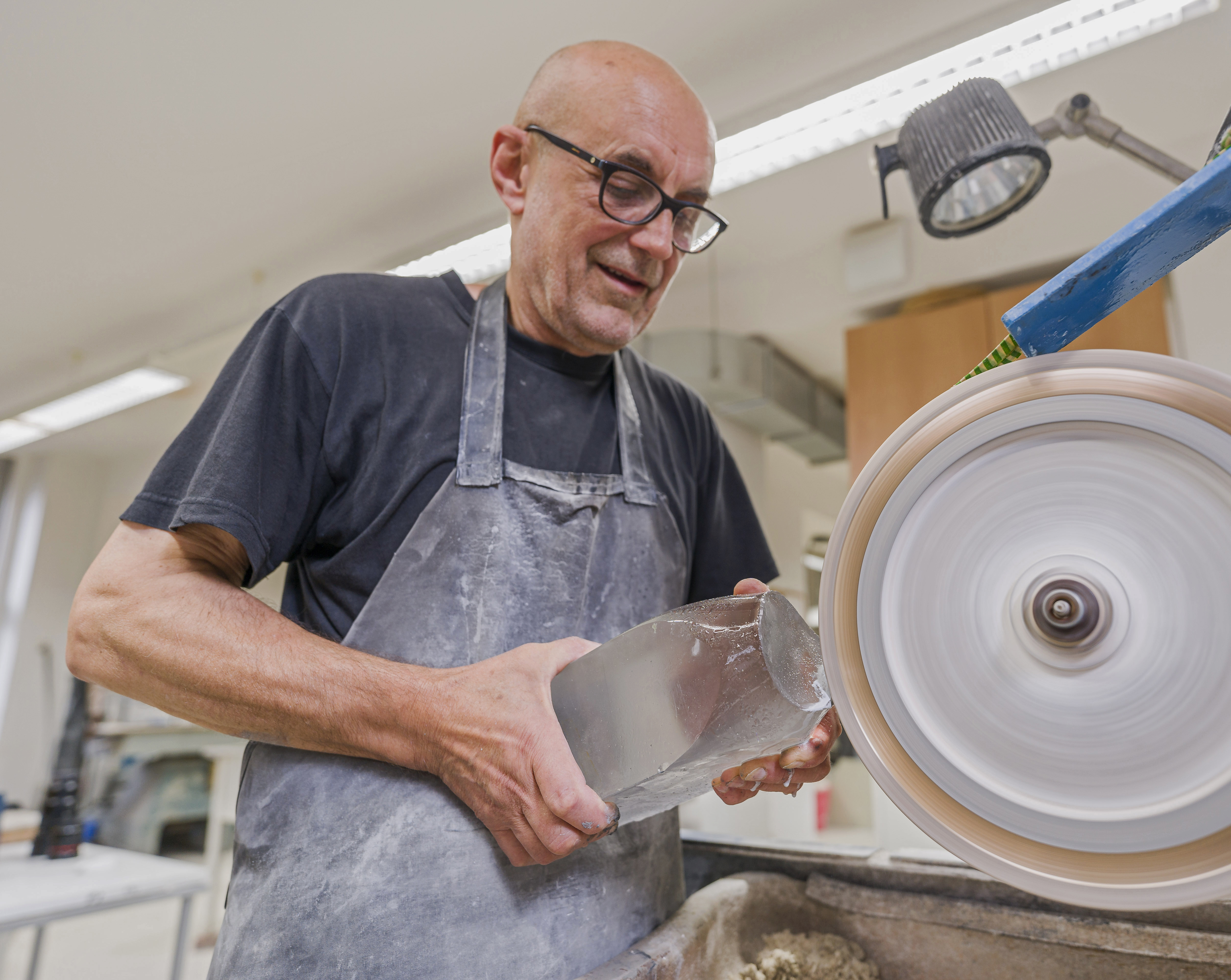
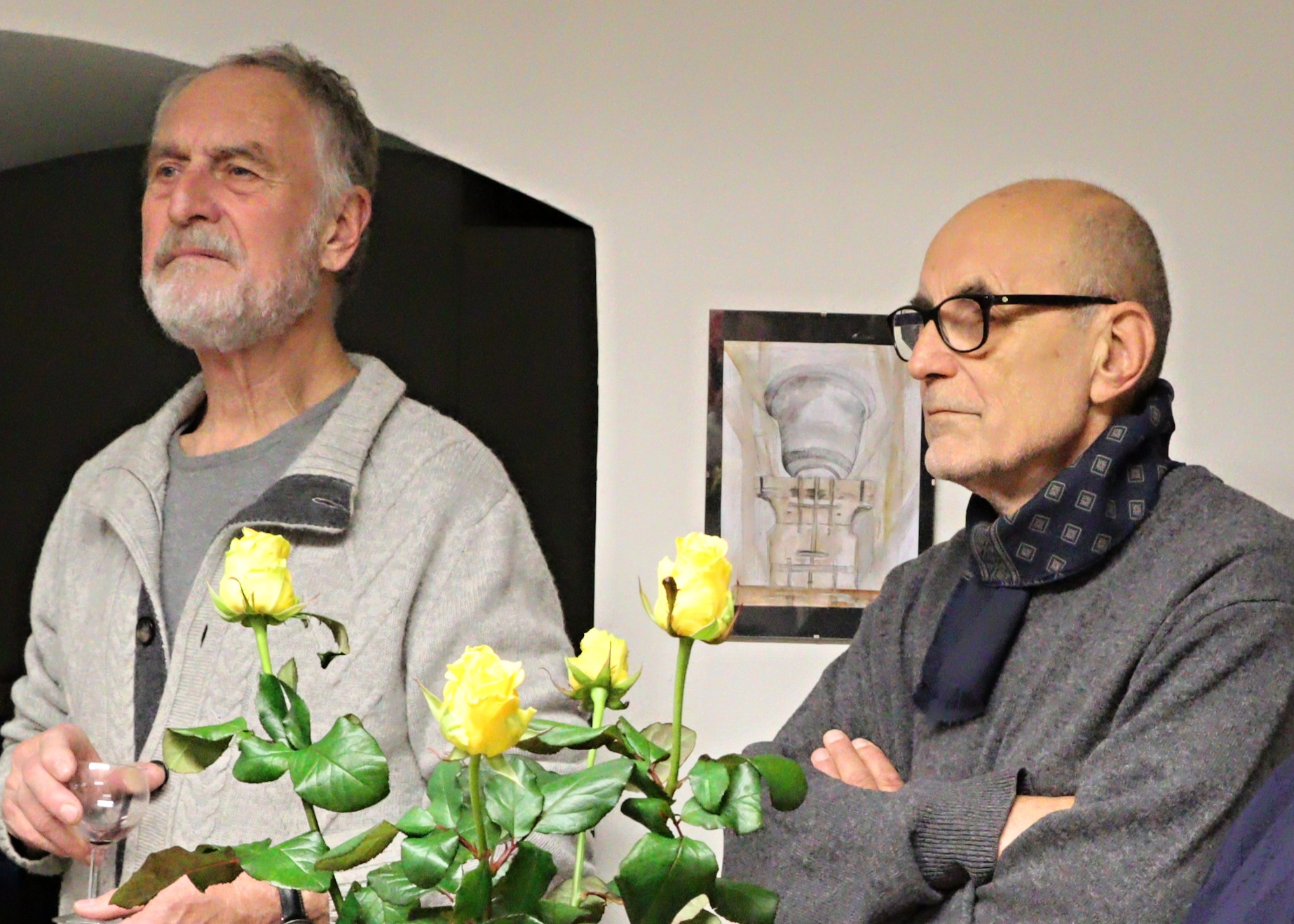
Ilja Bílek was born on 21 December 1948 in Liberec. He graduated from the Secondary School of Arts and Crafts in Železný Brod in its peak period. In August 1968 he travelled to the West for the first time, to Italy. On 21 August, he was back with his friends from the Železný Brod technical school in Liberec, where the occupation of the Czechoslovakia by the Warsaw Pact troops had a very dramatic course. In the autumn of 1969, he began his studies in the glass studio of Professor Stanislav Libenský at the Academy of Fine Arts in Prague. Together with other selected students, he had already participated in the creation of the sculpture River of Life, which the professor and Jaroslava Brychtová realized for Expo 70 in Osaka, Japan. The idea to print the footprints of military boots in glass and thus add drama to the sculpture almost proved fatal for him. To this day, he has no idea who stood up for him when State Security threatened him with expulsion from school. After graduation, he worked for ten years as a designer for Železnobrodské sklo and also worked on architectural projects. From 1996 to 2017, he headed the Glass Studio at Jan Evangelista Purkyně University in Ústí nad Labem. He educated a whole generation of students who today continue to shape the form of contemporary studio glass, either as independent artists or as teachers of glass art at secondary and higher art schools in the Czech Republic or abroad (Toyama Institute of Glass Art, Corning Museum of Glass, Bild-Werk Frauenau). He taught at the school for another five years. Currently, he works as an independent artist, still actively creating and exhibiting in the Czech Republic and abroad. His work is represented in private collections as well as in major cultural institutions, museums and galleries around the world (V&A Museum London, Corning Museum of Glass, etc.). In 2025 Ilja Bílek lived in Ústí nad Labem.
From the celebration of Prof. Libenský's sixtieth birthday - Ilja Bílek in front on the stairs with a briefcase, in conversation with Milan Handl and Stanislava Grebeníčková, Prague 1981
From the celebration of Prof. Libenský's sixtieth birthday - Ilja Bílek in front on the stairs with a briefcase, in conversation with Milan Handl and Stanislava Grebeníčková, Prague 1981