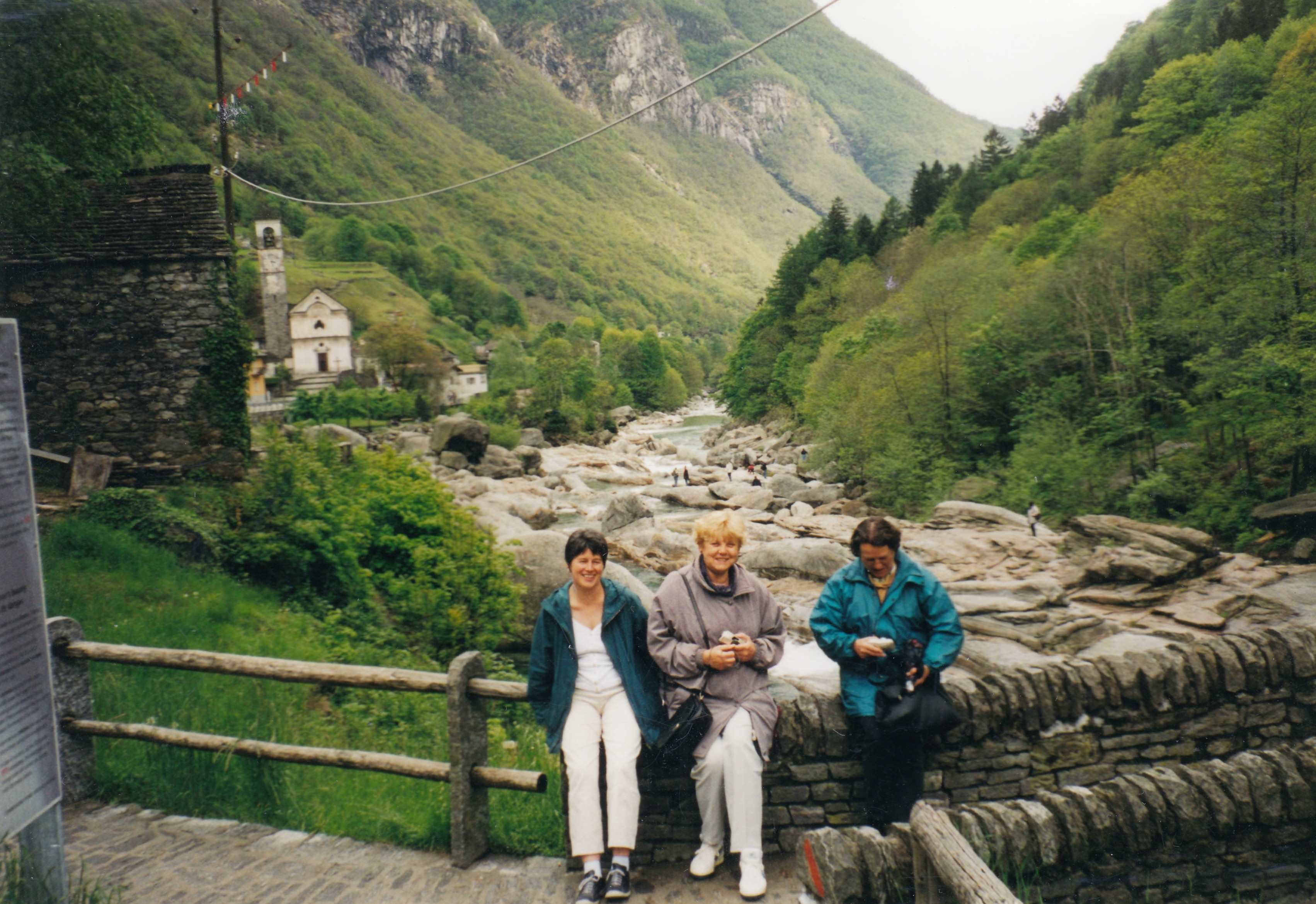
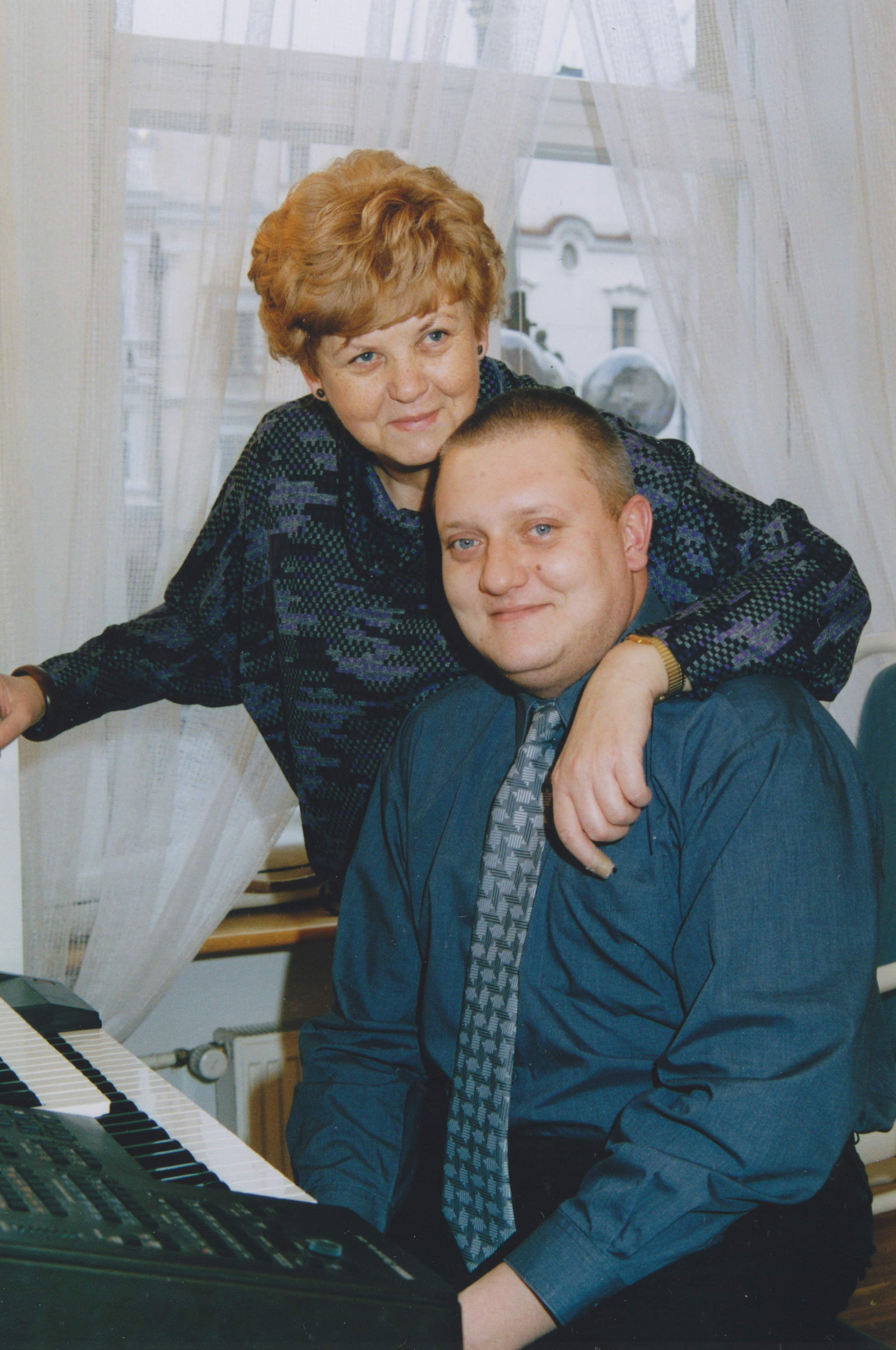
"I finally got to Germany. And there I stared at how mentally handicapped people can live. Because I had already visited such a facility here in the Czech Republic under Kuňka [Kunětická hora], it looked like a gingerbread house. I was completely shocked, I cried for three weeks and I was completely devastated by what I saw there. It was really horrible. Even though there were still nuns there and they treated the people nicely, the people looked miserable, unkempt. It was horrible. Here [in Germany] I suddenly saw that a mentally handicapped person can live like a human being. I came to a facility where everything was beautiful, the people were nicely dressed, they were cared for, they had a job or at least they were in the workplace. I thought of it as some kind of recreational facility, how nice it looked."
"[Alfréd Piffl] had several degrees and was also a dean at the university. He was deprived of all that when he was arrested. When he came back, he had no job, nothing. He was working as a laborer for bricklayers. Over time, because it was known that he was skilled, talented and knowledgeable, over time he regained some status. So he wasn't dying completely marginalized. Again, he had certain positions and titles."
"Yes, [with grandfather Schück] it turned out very badly, because they took everything away from him. He had expensive machines that are still in use today. They [the communists] just confiscated that, but they allowed them to go to their workshop to work on their machines. And they got a salary of about three hundred crowns a month. By then they were both quite old and tired, but there was no other source of income, so they worked in their workshop for quite a long time, but it was no longer theirs."
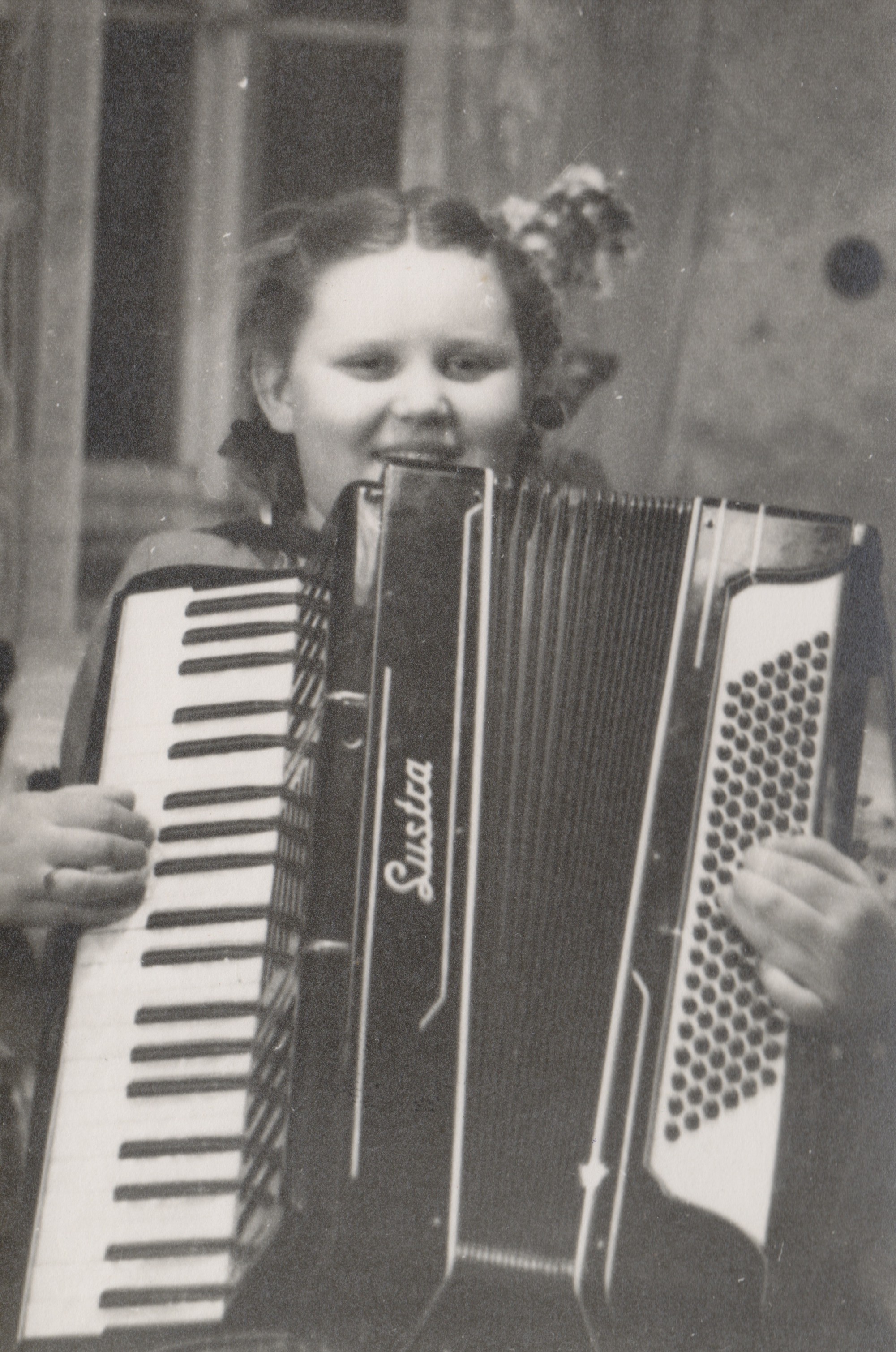
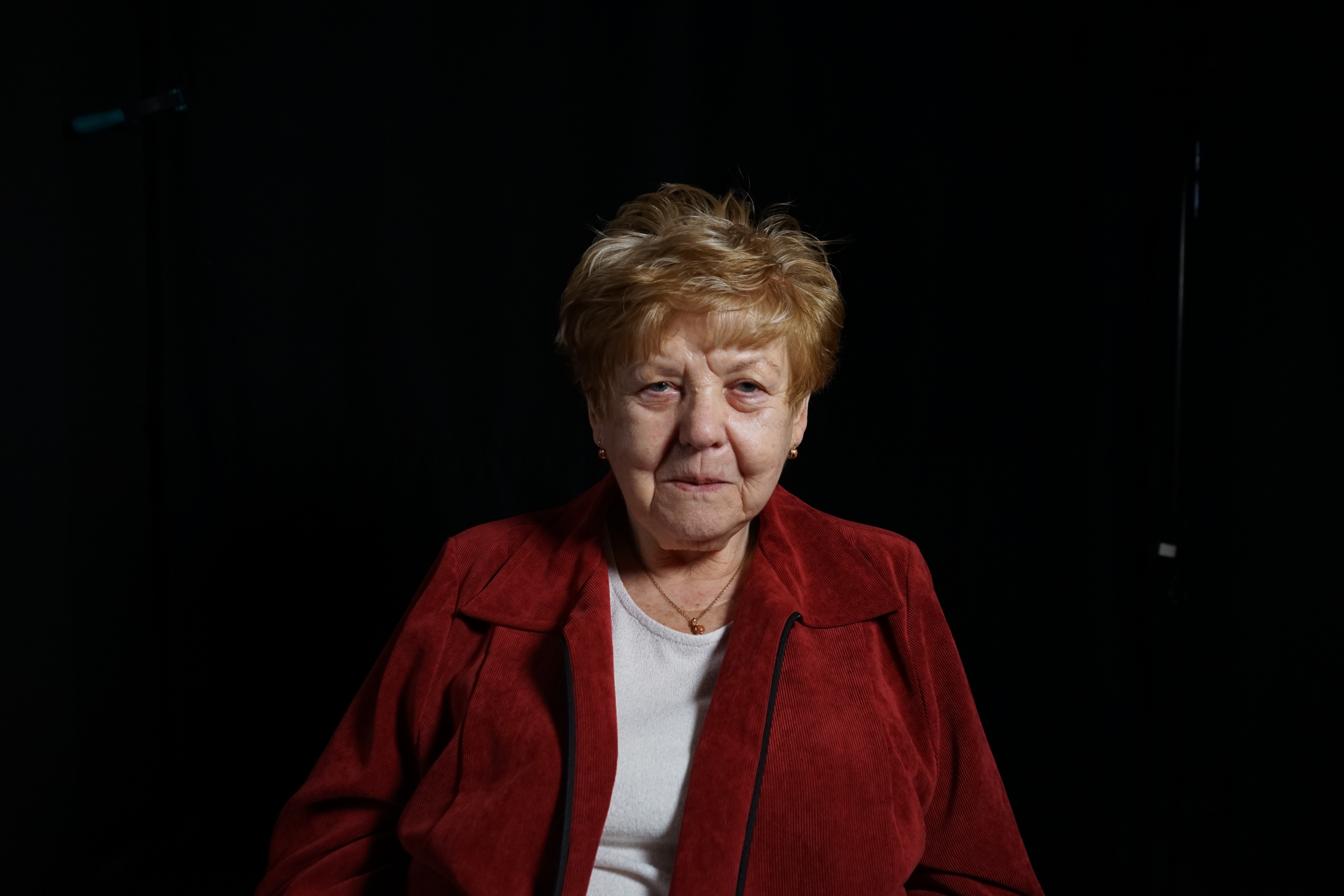
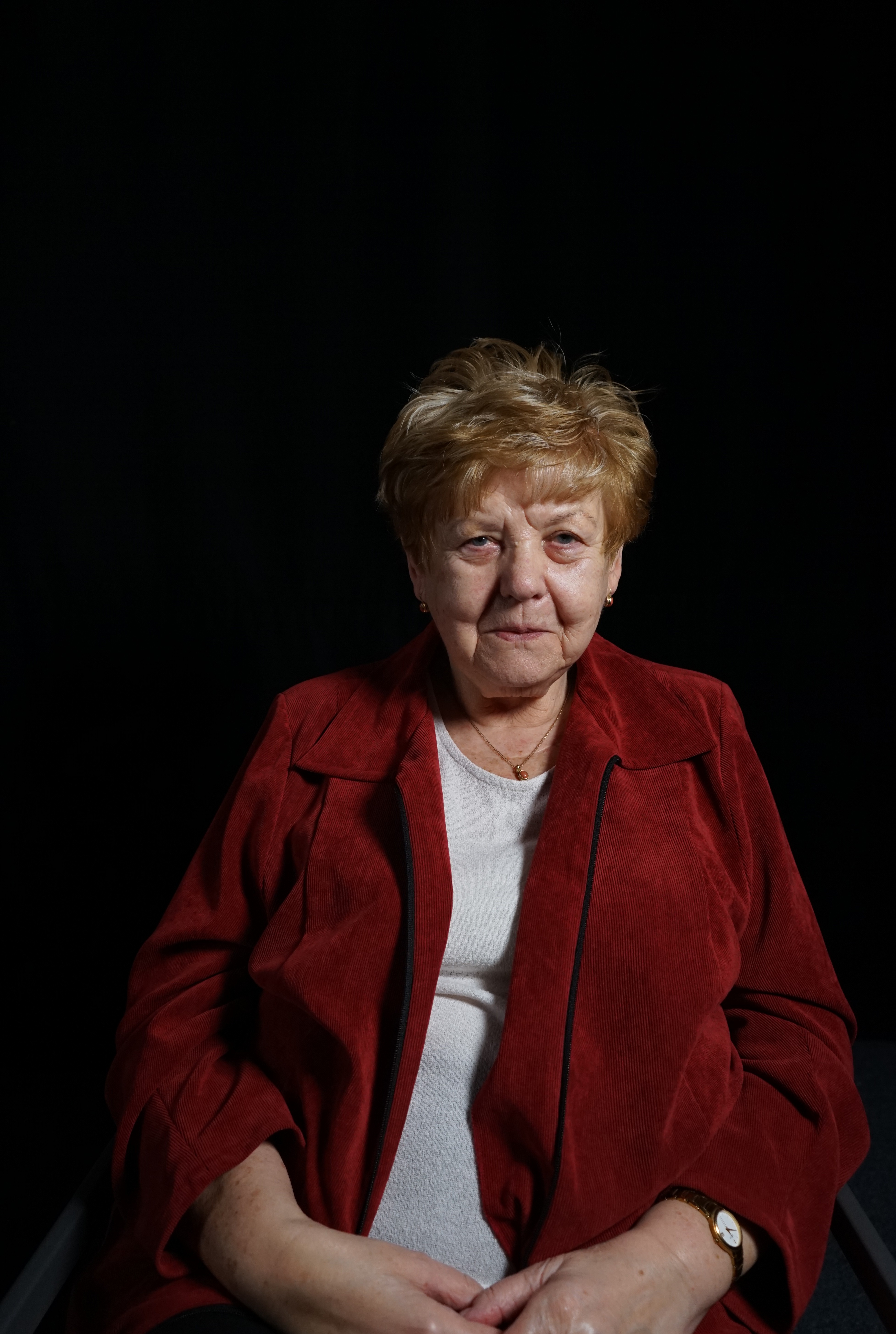
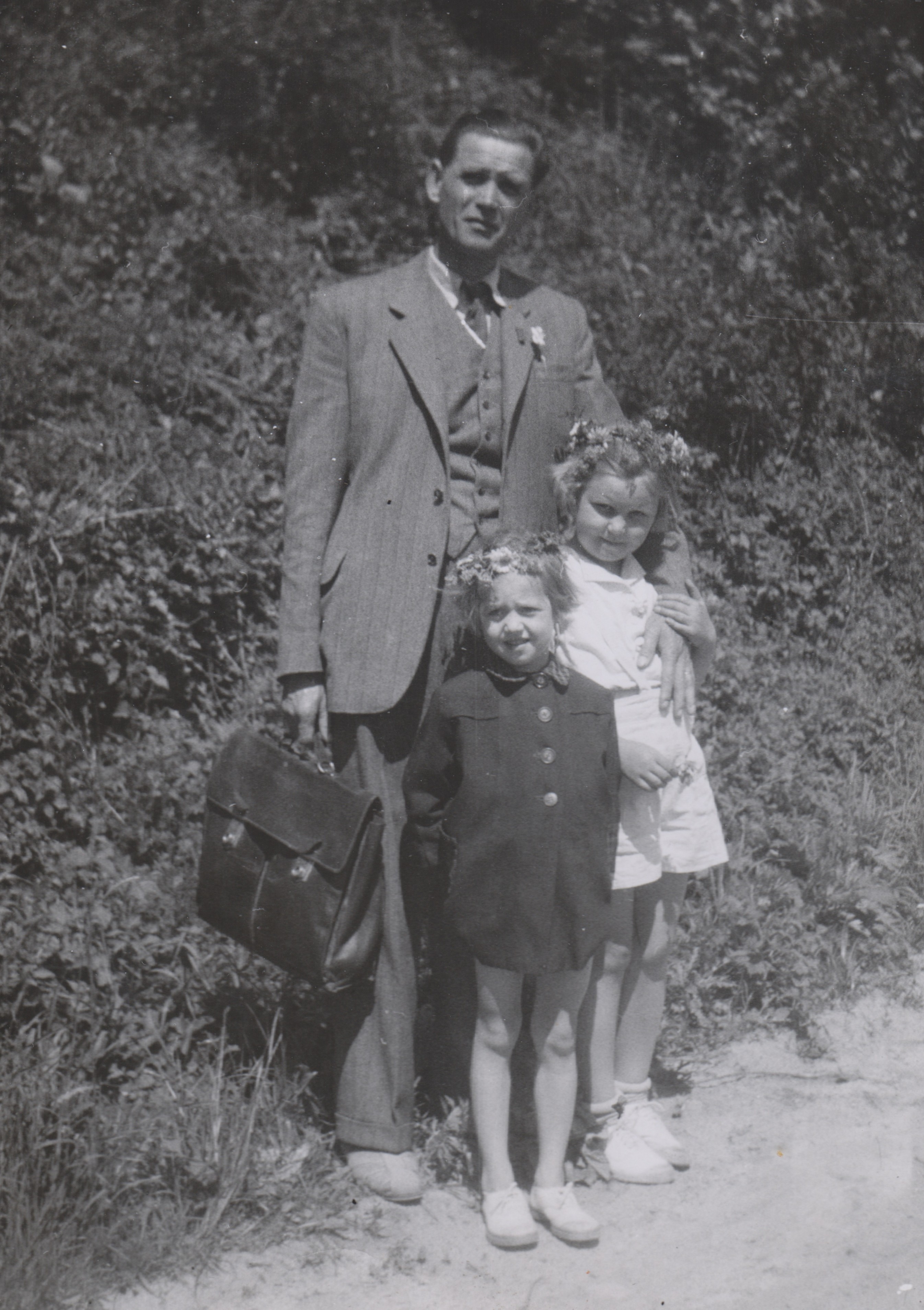
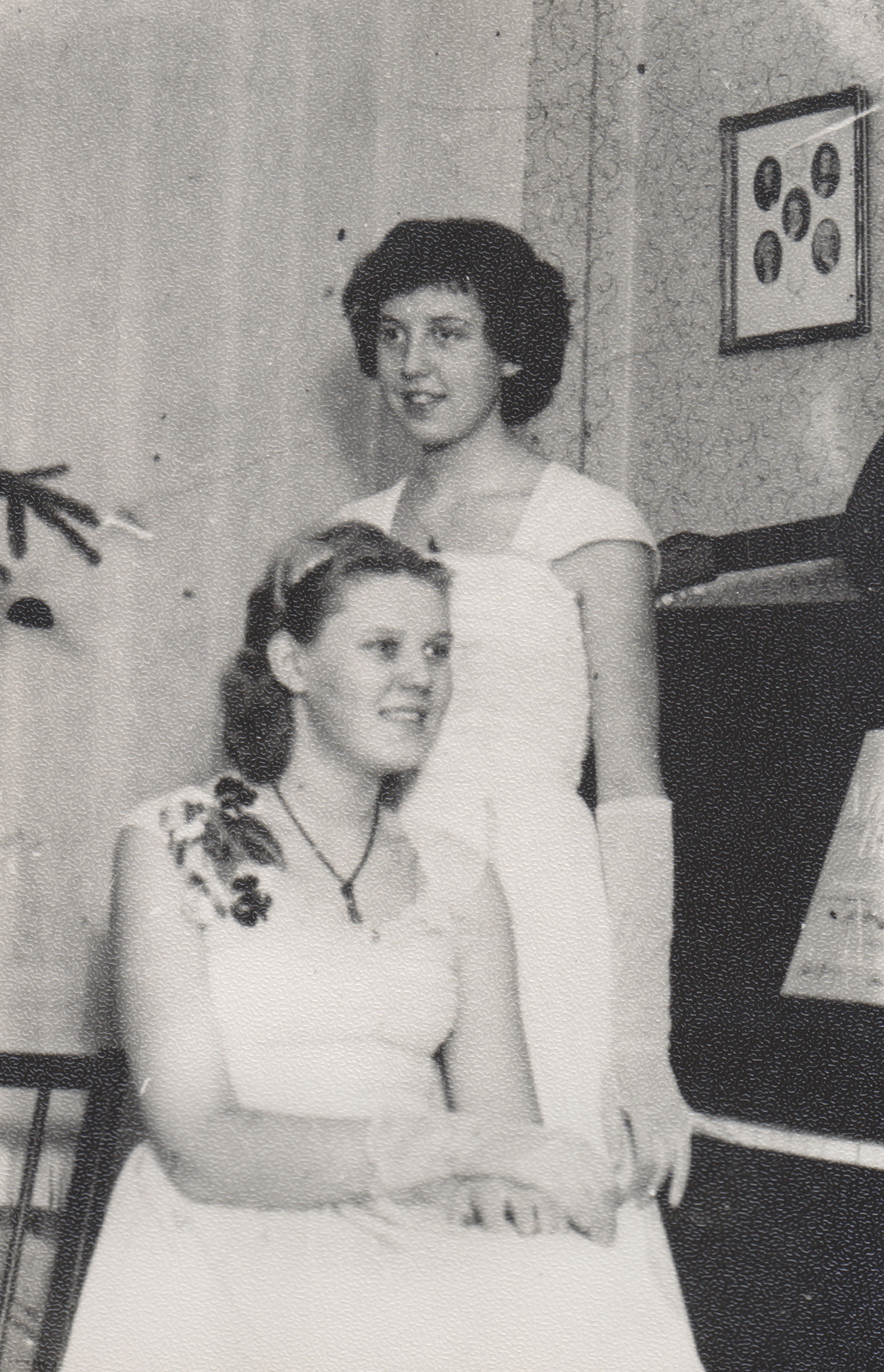
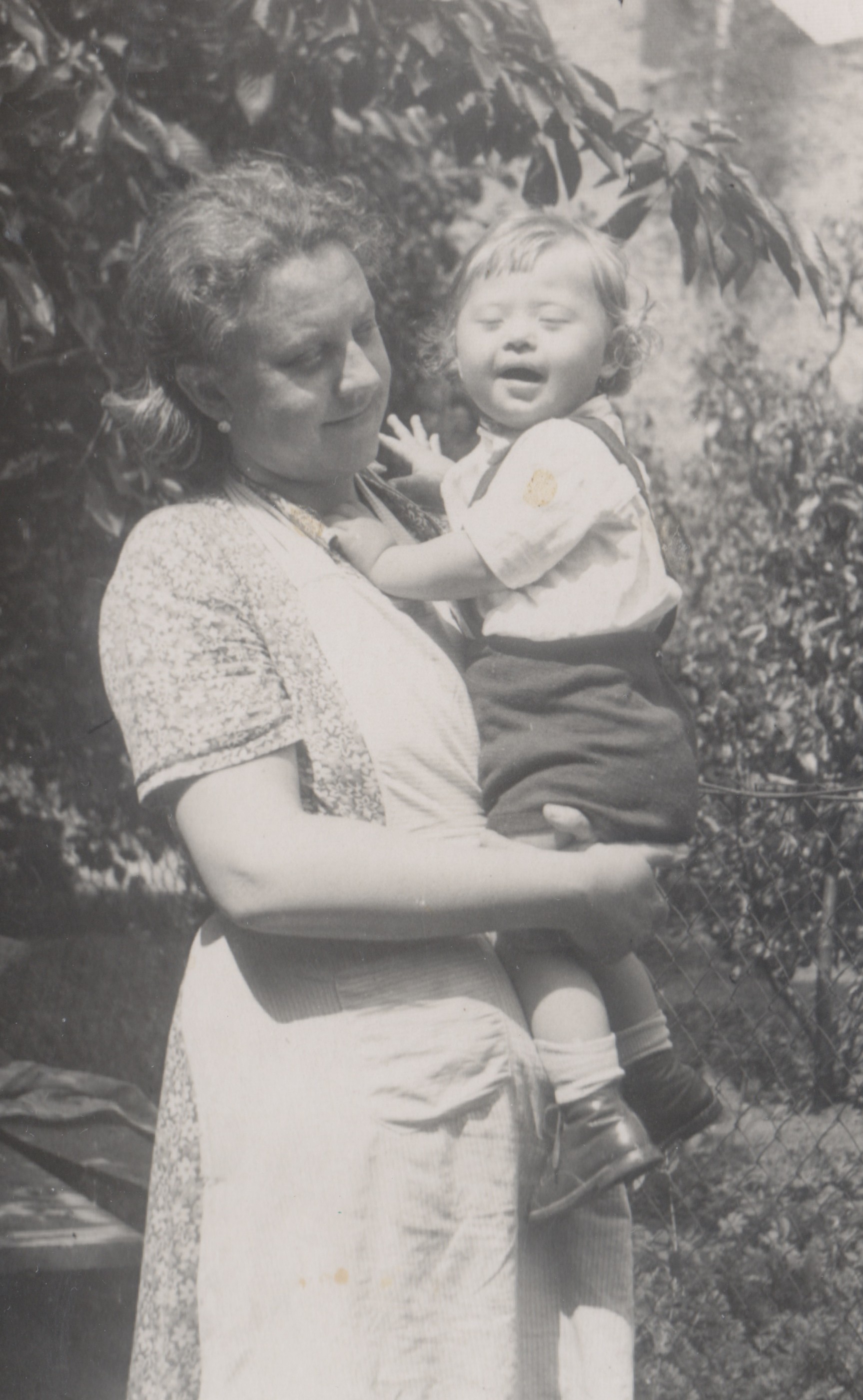
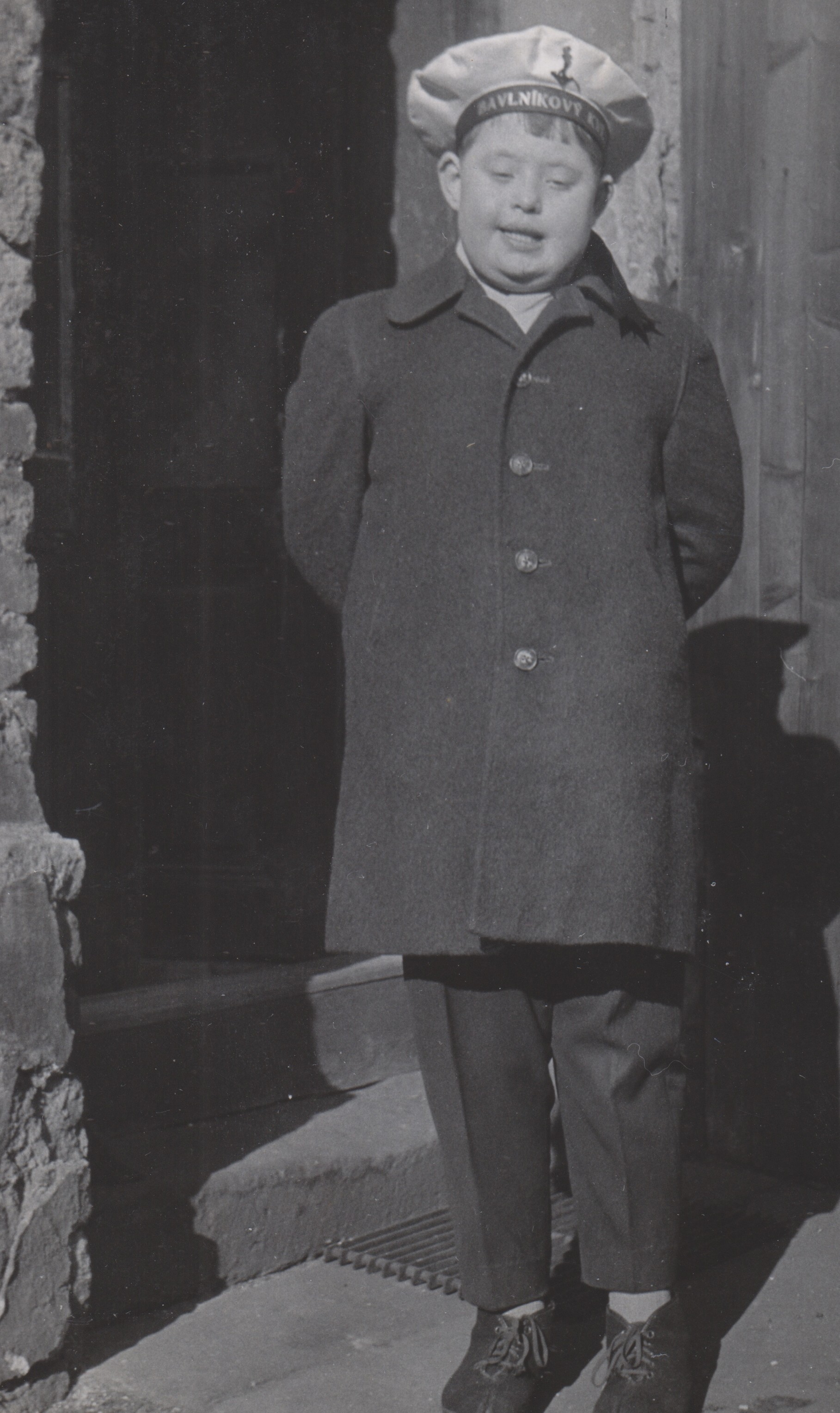
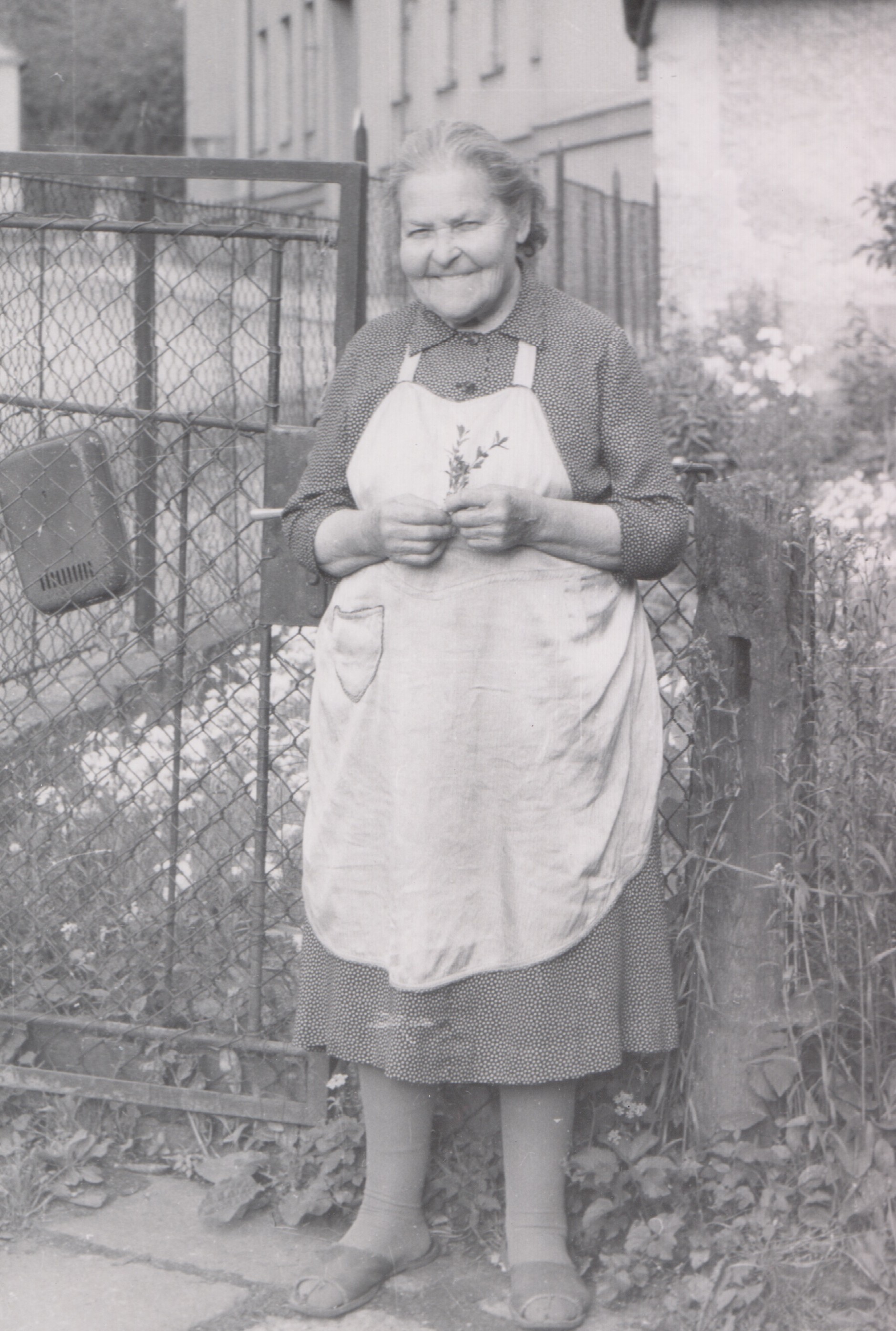
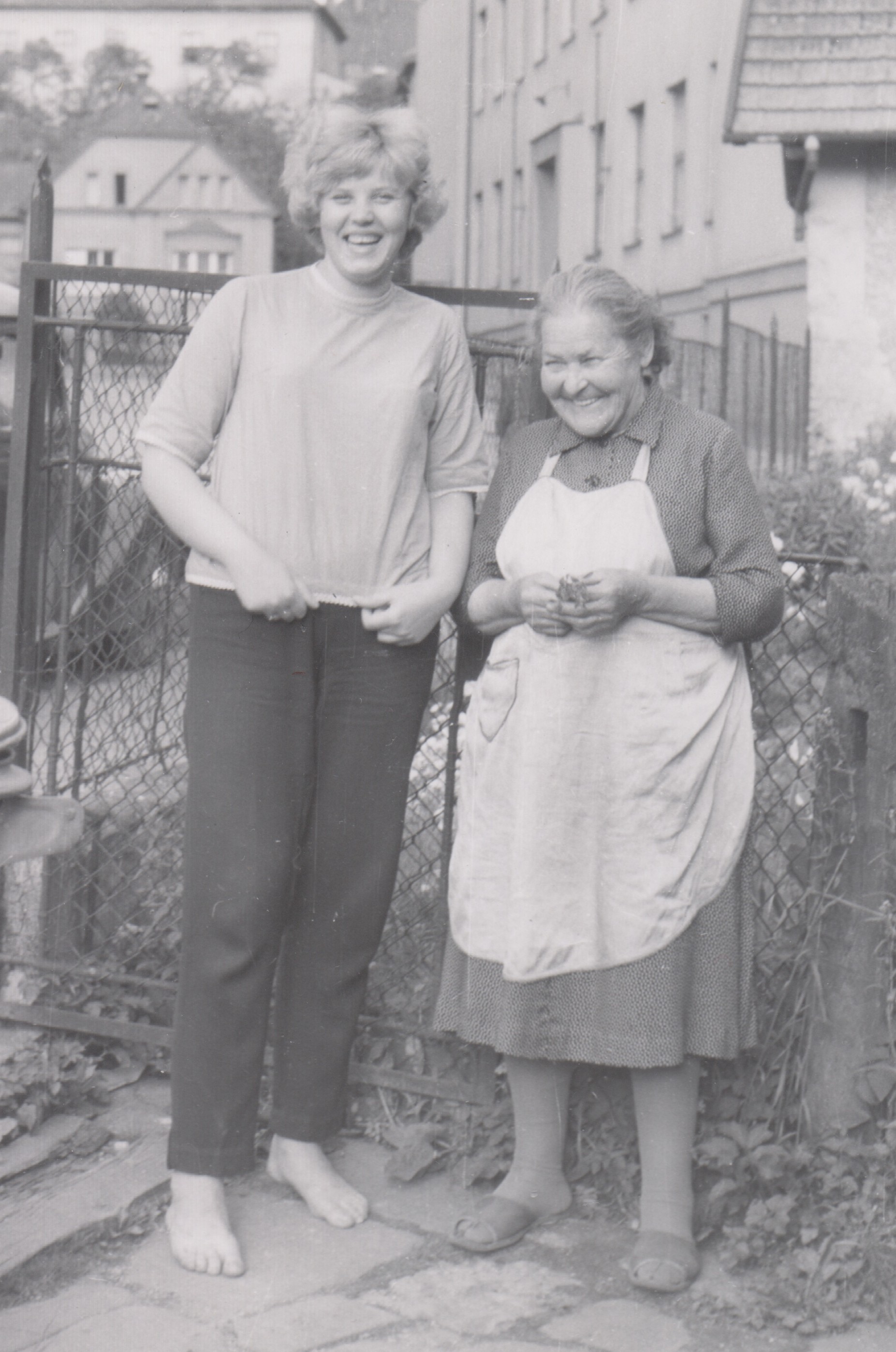
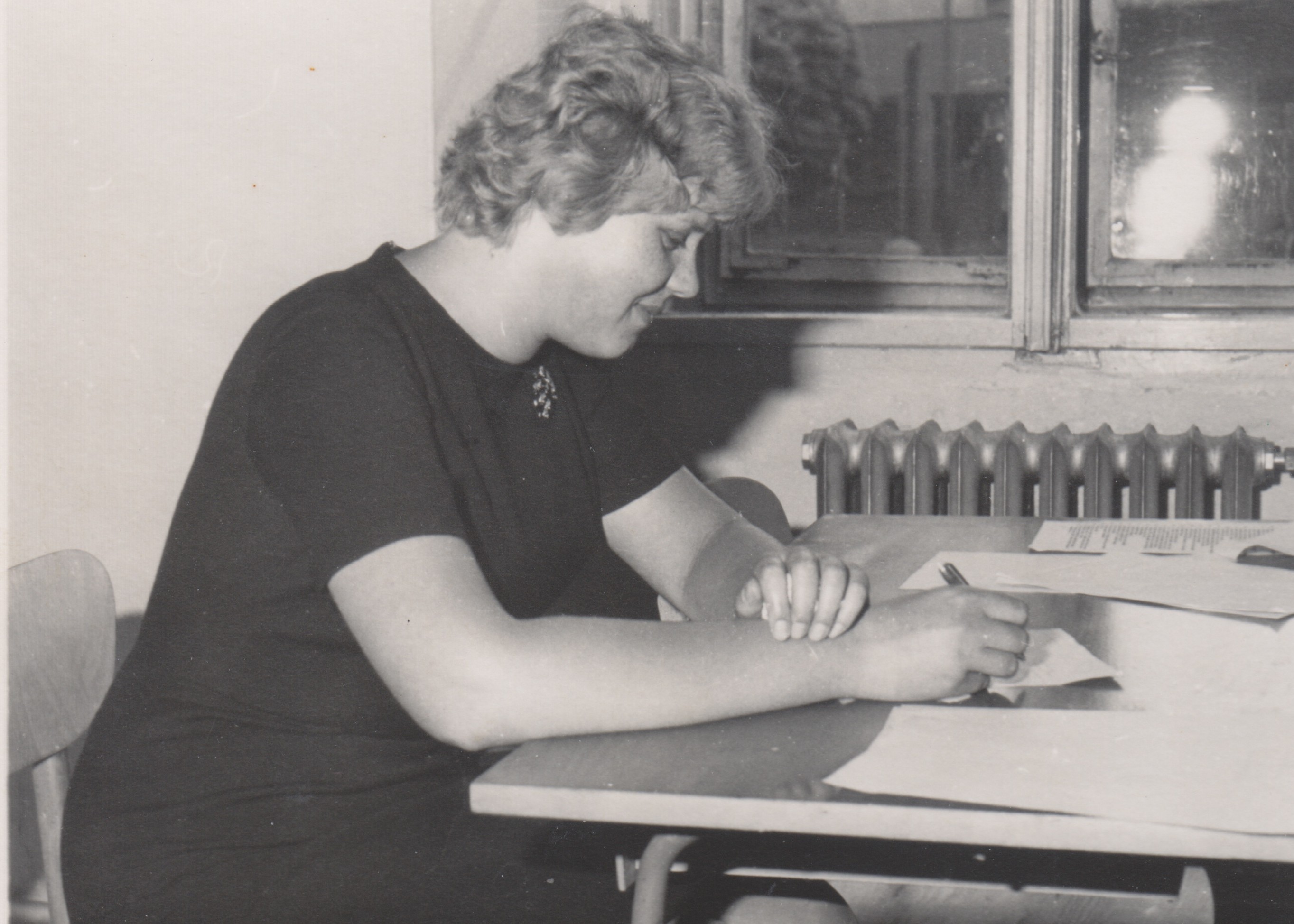
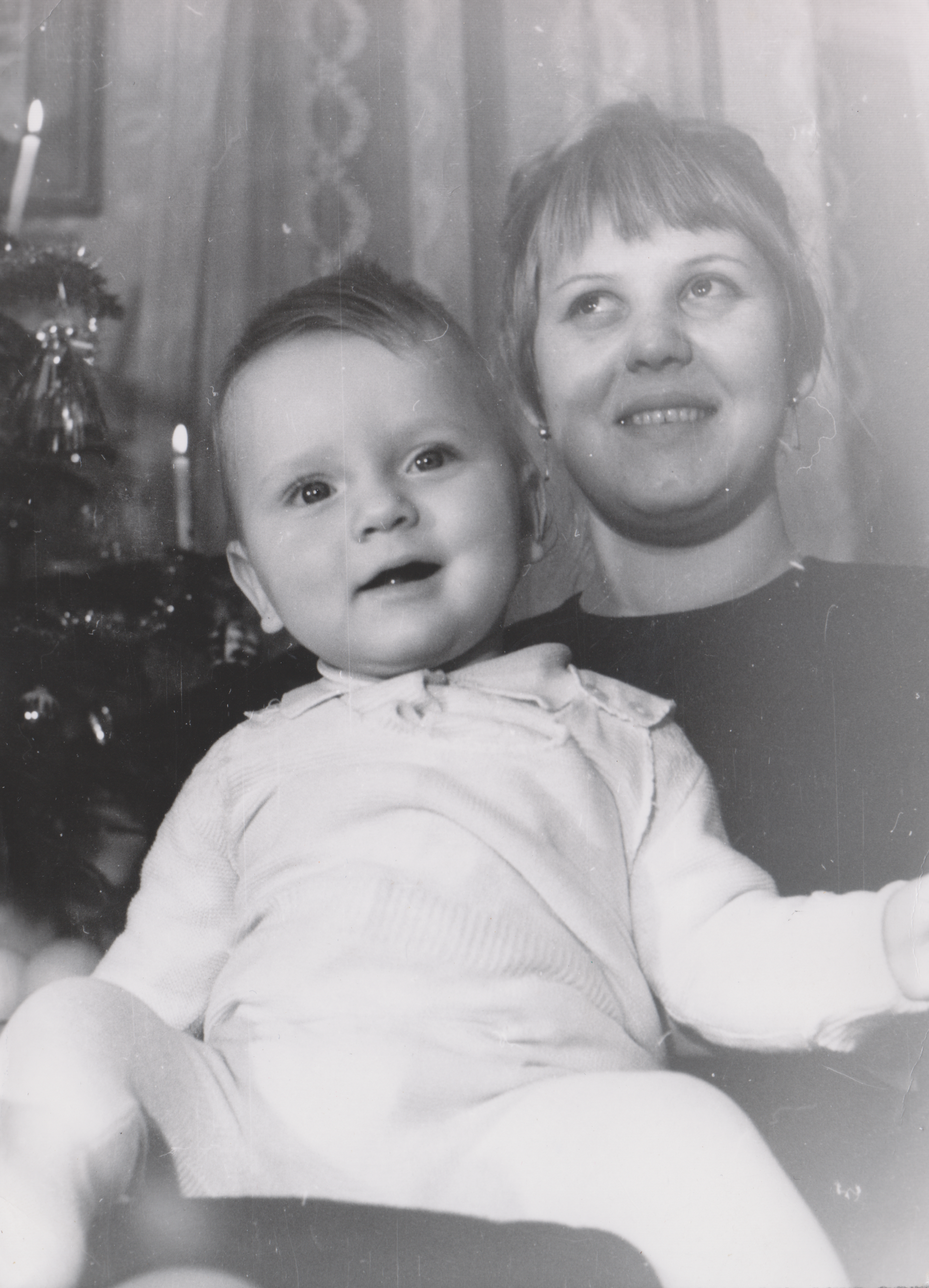
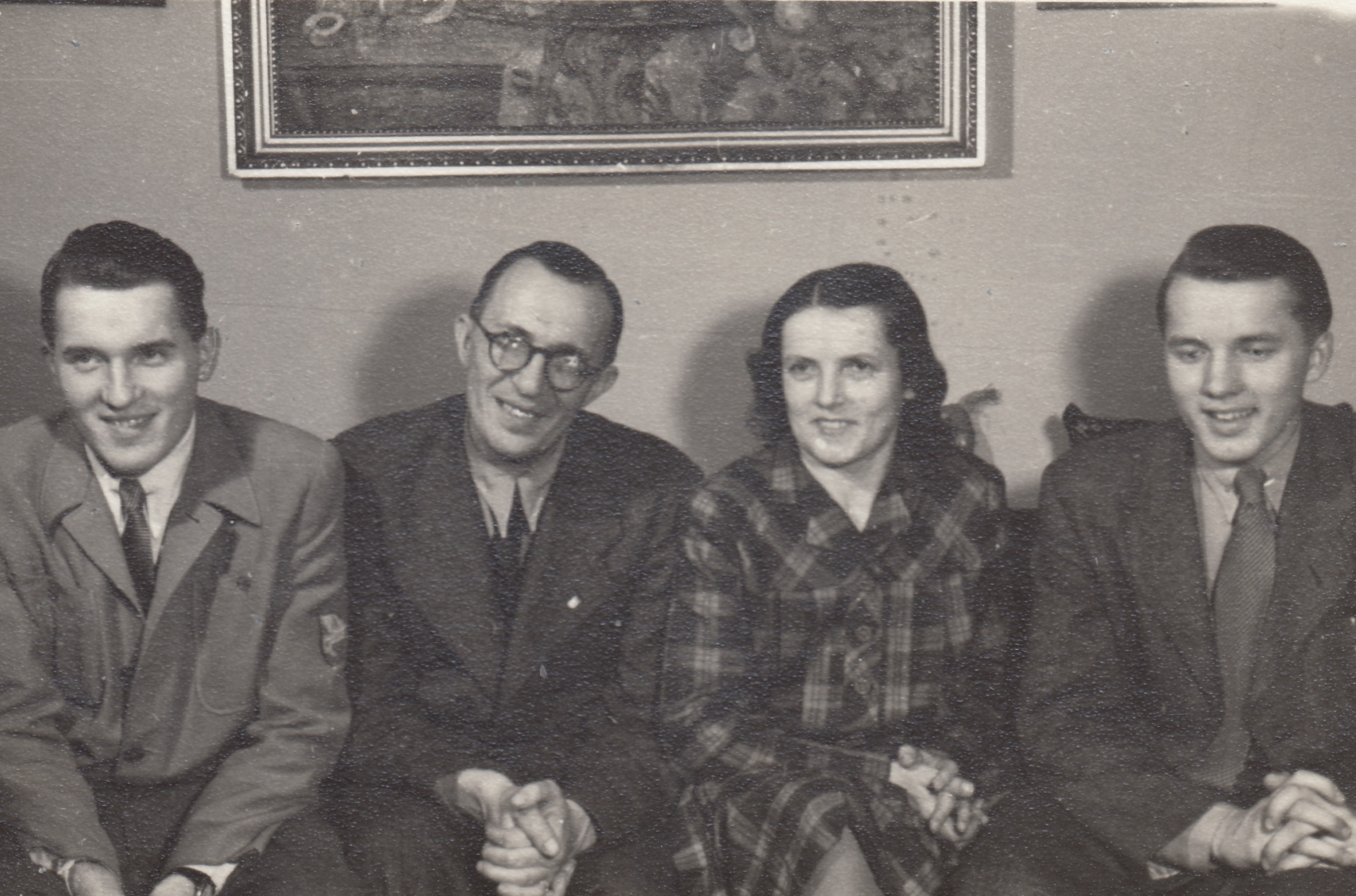
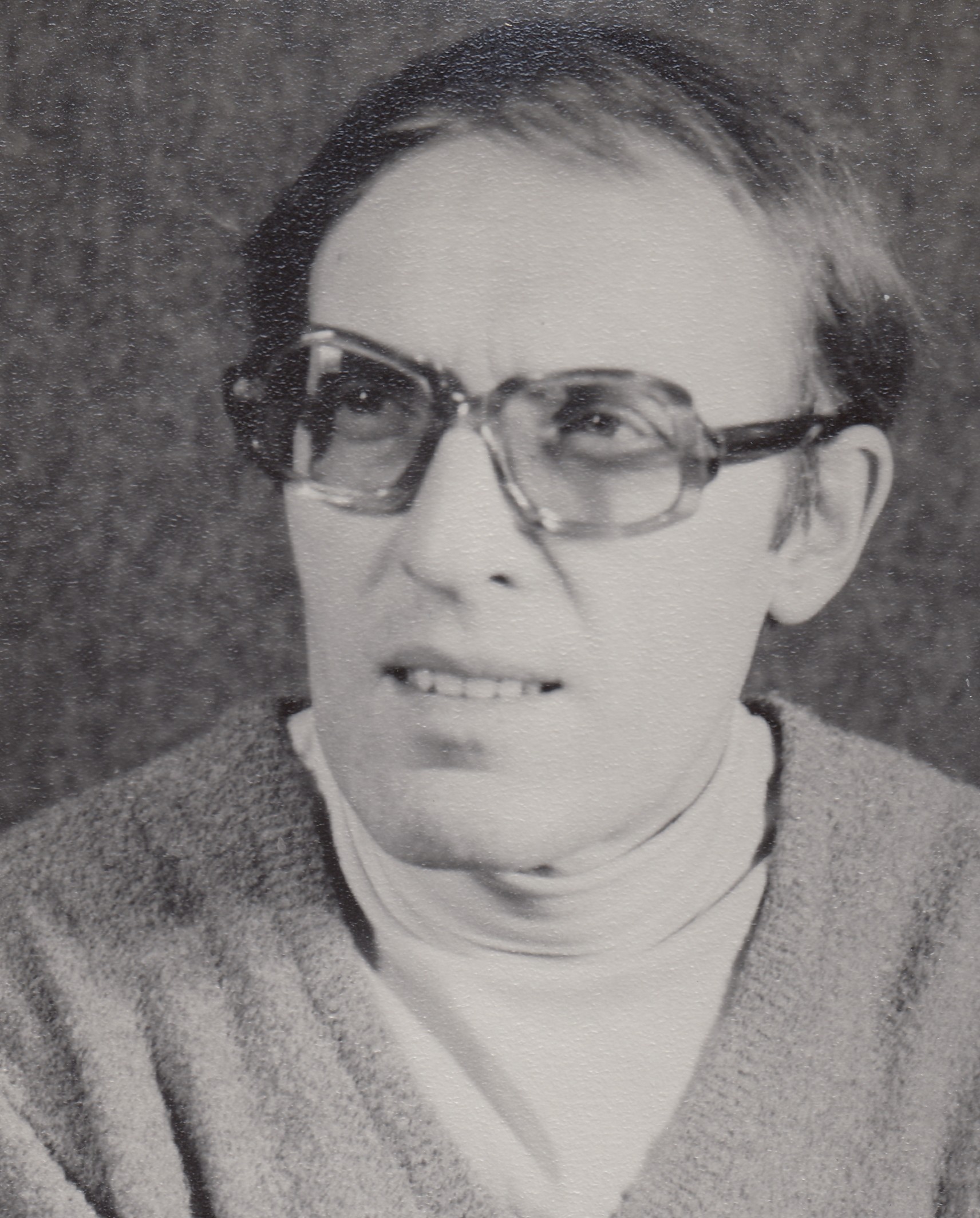
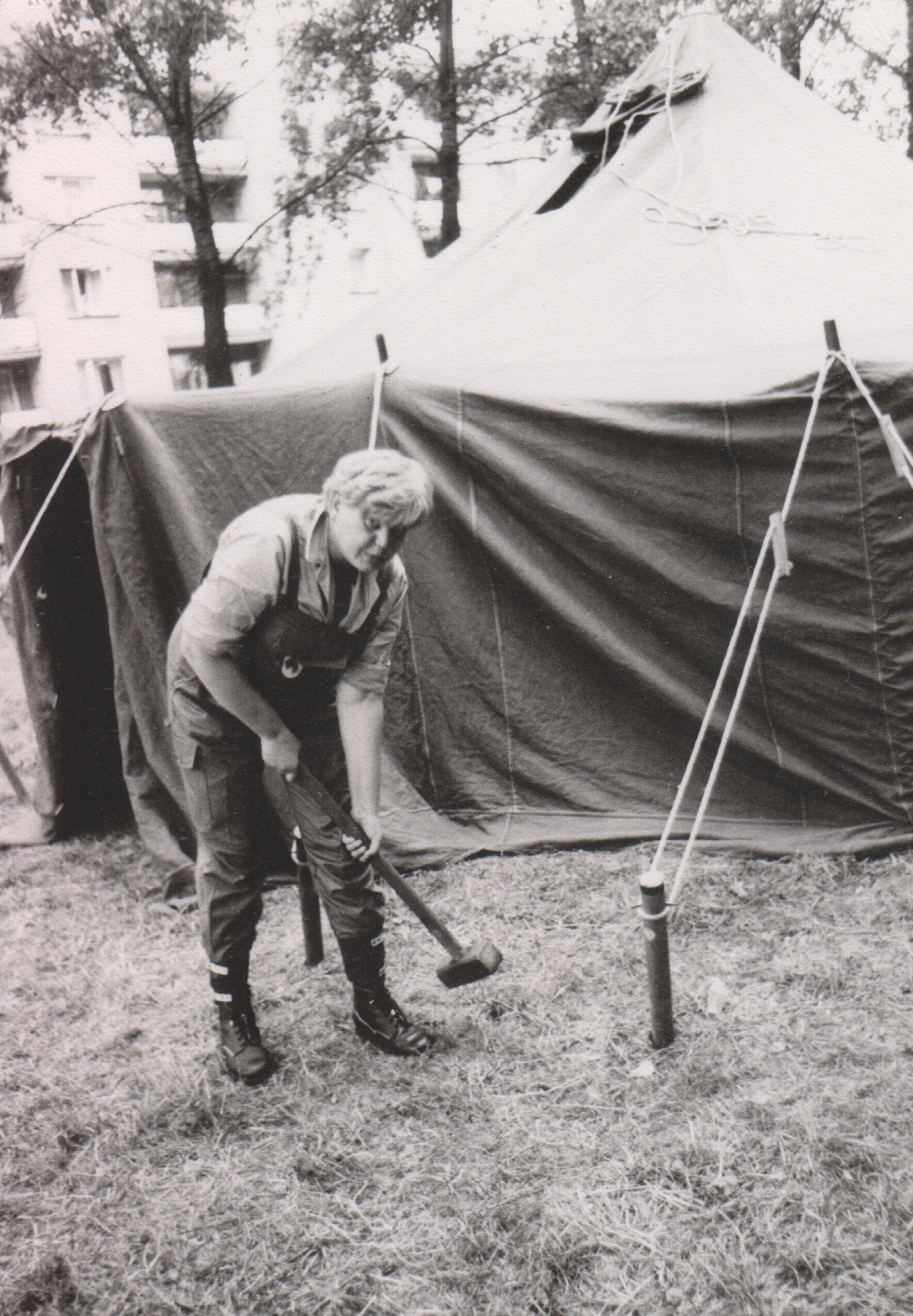
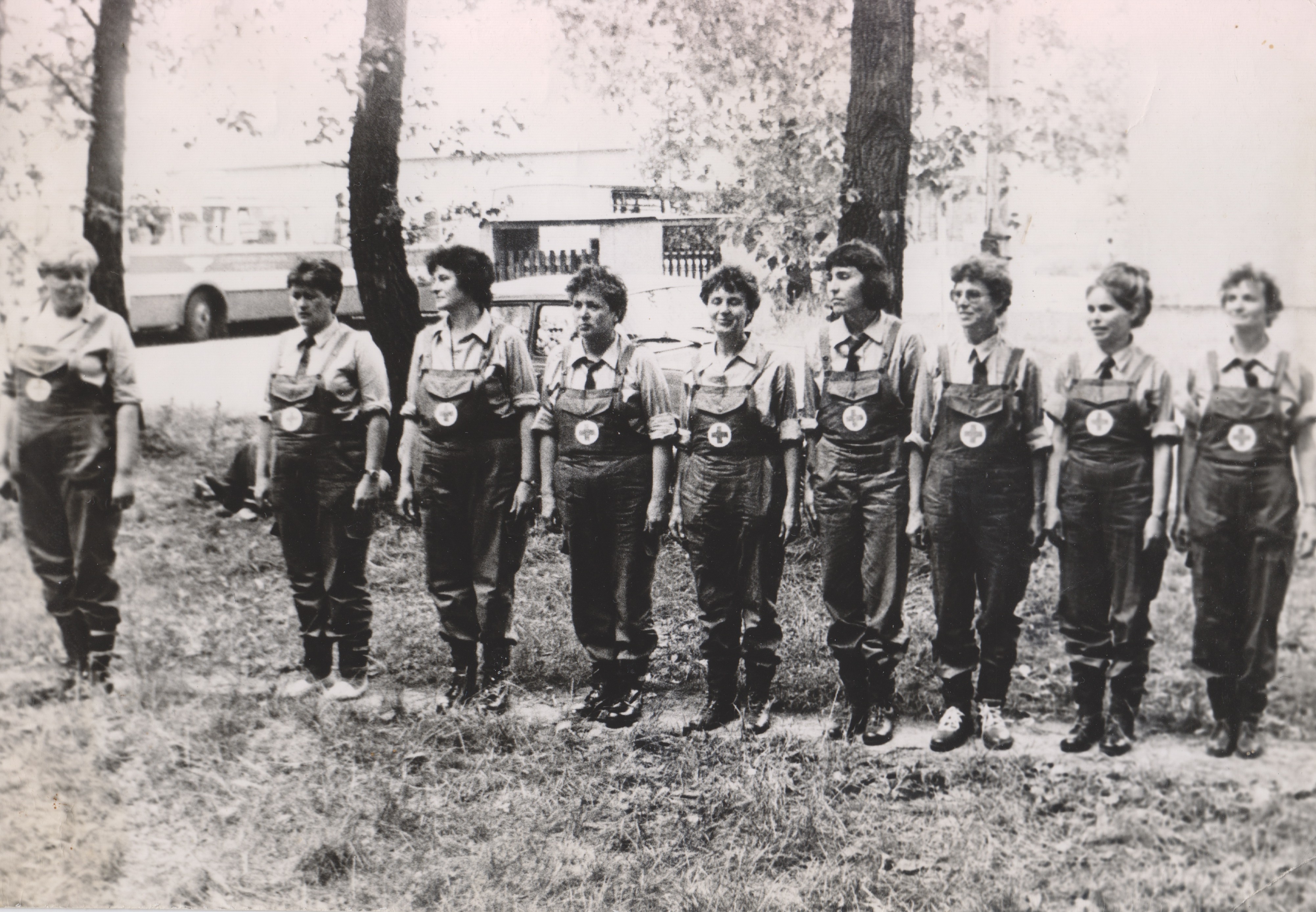
Miloslava Bičíková was born on 19 January 1942 in Pardubice to František and Vlasta Fajkus. As a child, she and her sister experienced the air raids on Pardubice. Her mother was friends with Věra Junková and Alfréd Bartoš, later executed for anti-Nazi resistance. In the 1950s, the Communists nationalised her father’s business of clarinet slices making. His grandparents also lost the family bookbinding business. Uncle Alfred Piffl, a prominent architect, was sent to jail after a show trial. Due to the poor economic situation after the nationalisation, the witness was unable to study and for 20 years worked as a draughtswoman in Tesla in Pardubice. Her marriage to Zdeněk Bičík, an archivist from Pardubice, resulted in the birth of her son Vlastimil in 1972. She was instrumental in founding the Club of Friends of Pardubice and took care of her brother with Down syndrome. After the Velvet Revolution, she repeatedly visited Germany, Neustadt an der Aisch, where she gained experience working with mentally handicapped adults. She wanted to transfer this system to Pardubice. She worked as a director of a residential care home. In 2025 she lived in Pardubice and served as a volunteer in the Contact Club, helping the mentally disabled people.