Jan Berger

* 1955

  • "The police immediately took me to the emergency room. They took me there and I actually slept there until the next morning. My lawyer and I were told that I had to go to Ruzyně, that I was dangerous. They took me to Ruzyne, of course. So I spent some 35 days there. It was pretty rough. The only thing that pleased me at the time was that at the end of the day it was evening, quiet, and suddenly someone shouted from the window: 'Honza Berger is here!' And suddenly the whole prison was chanting, 'Honza Berger!' So that made me a little bit happy."

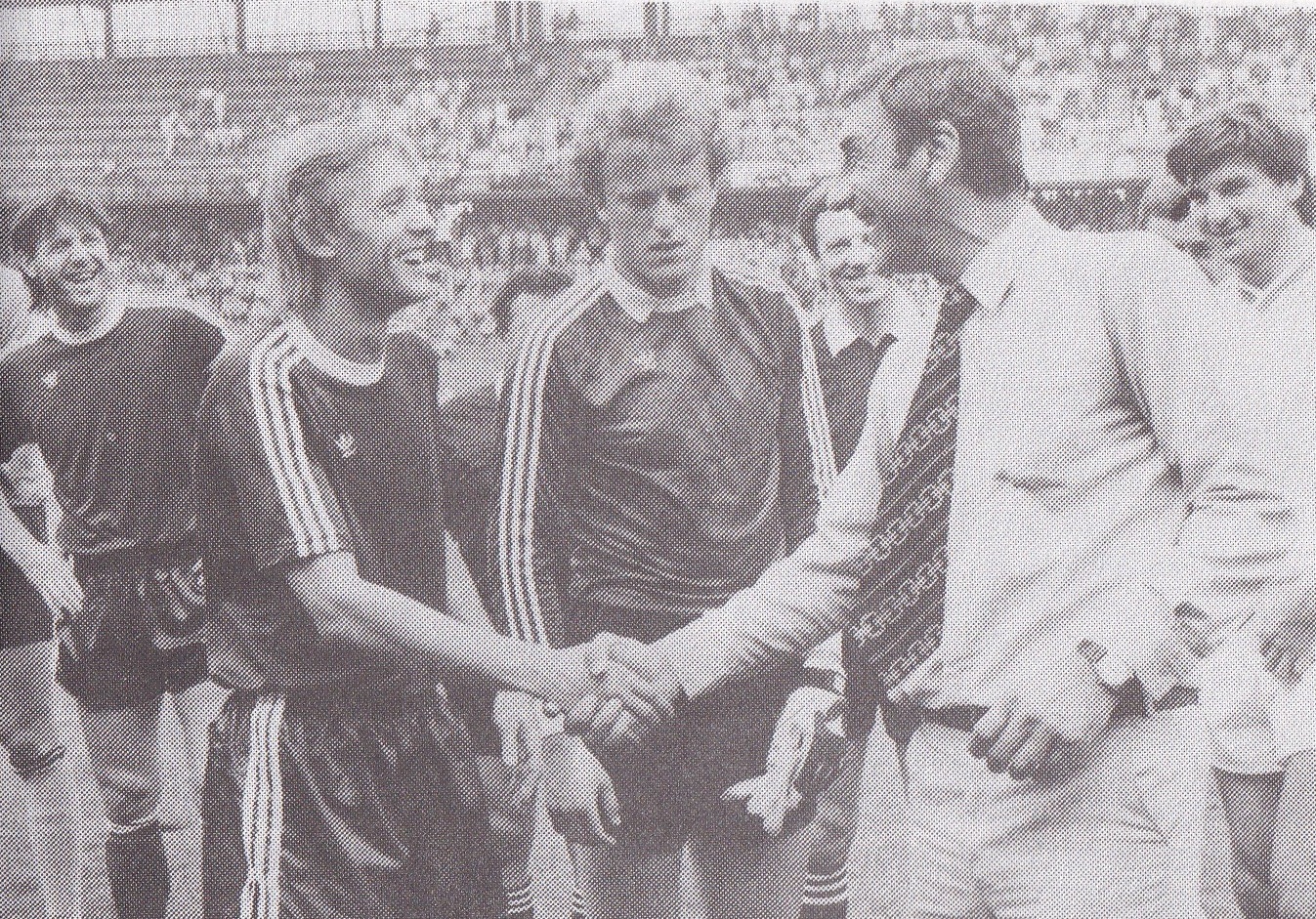
  • "It wasn't easy, it wasn't easy at all, because Widzew Łódź also had an excellent team at that time and I have to say that we qualified... I also think we both played excellent football and there it was just about goals, how it would turn out. And then we got Watford, I feel like. That was a lovely period when Watford were led by Elton John. That was something amazing when he came into the changing room afterwards and shook our hands and gave everyone a signed plaque. So those are such lovely experiences. He was the owner of the club, so I have to say that... We knocked Watford out, we swept Watford out."

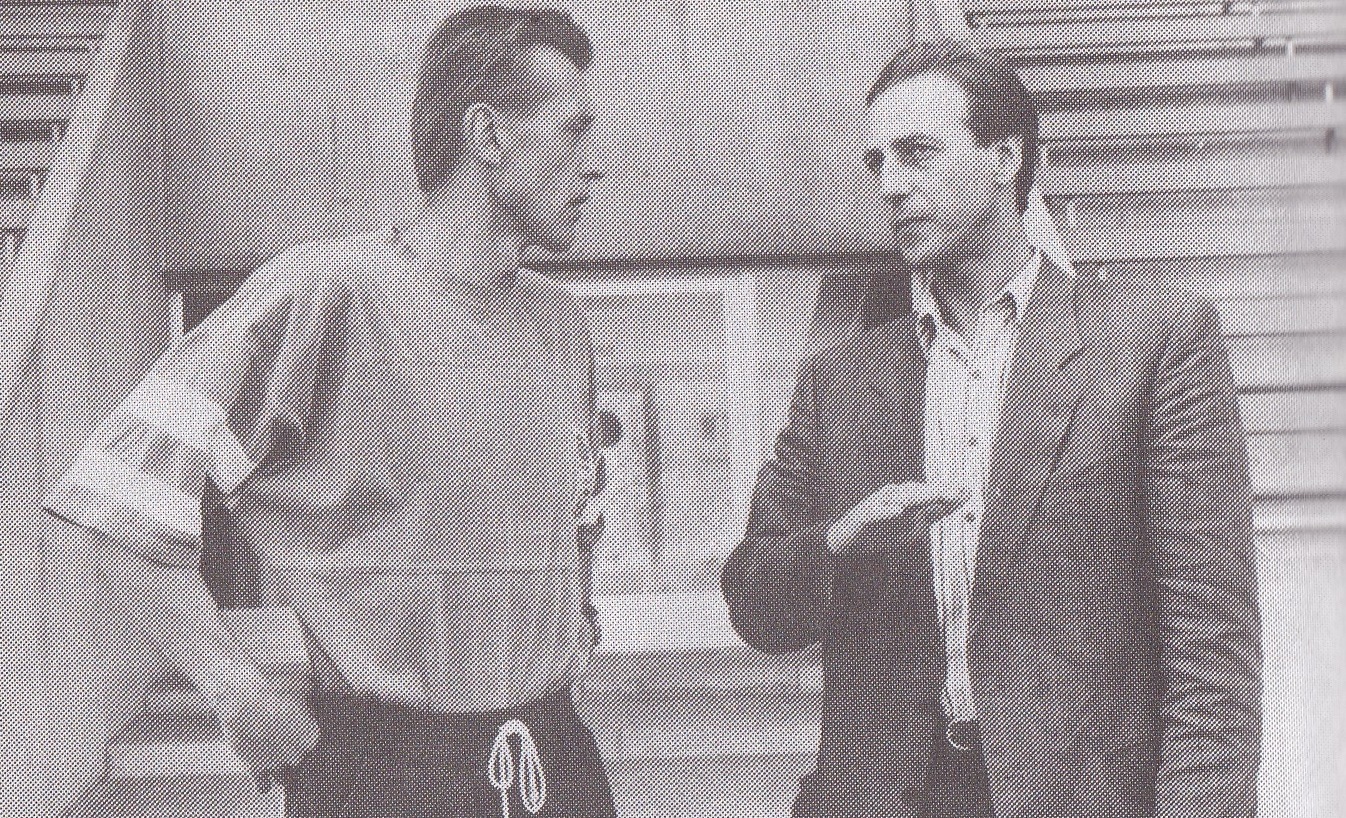
  • "I don't know if it was determined by the year, if they picked me a little earlier, I don't know. I would say it was probably after those two games or one game when we beat them 3-2. They must have seen me somewhere else, because it's not possible for them to see you once and immediately 'make you', that's bullshit. They must have had some scouts watching..." - "How did it work? Did they tell you that personally? Or did it go through Pragosport?" - "What do you think?" - "The Real offer." - "No, no, it was just in Madrid. We sat there with the 'Czech-Spanish' who translated it for me. I said at the time that I just couldn't do it, that maybe they'd take revenge on my family and that sort of thing. And they told me they'd bring them through the Red Cross, but you know how it is - you don't believe it, and besides, you wouldn't play for another year. Like Knoflíček and Kubík, poor things - they ran away four months before the revolution." - "Actually, there would have been a stop sign for those 18 months. It wasn't an official transfer, but emigration?" - "Yes, emigration. I would have had to stay there for a year and then not play. They would have applied to UEFA and FIFA. They would have released me, it would have been automatic and I would have gone to play for Real." - "Did they offer you a bonus on top of that?" - "The bonus they were giving me was a million dollars. Which I said I'd buy half of Wenceslas Square, but I couldn't do that."

  • Full recordings
  • 1

    Praha, 01.12.2025

    (audio)
    duration: 02:12:35
    media recorded in project Tipsport for Legends
Full recordings are available only for logged users.

If I had accepted Real Madrid’s offer, I would have put my whole family at risk
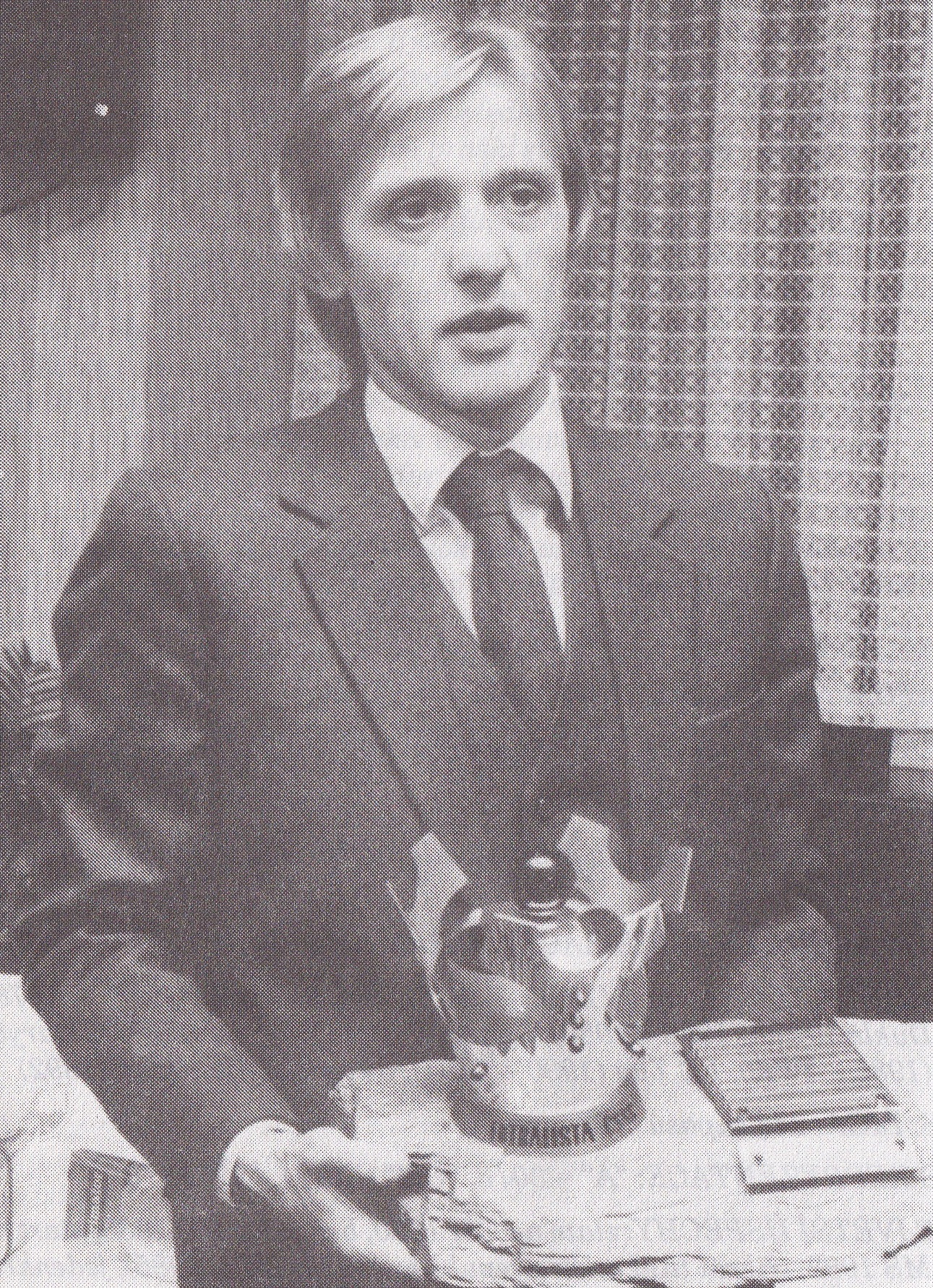
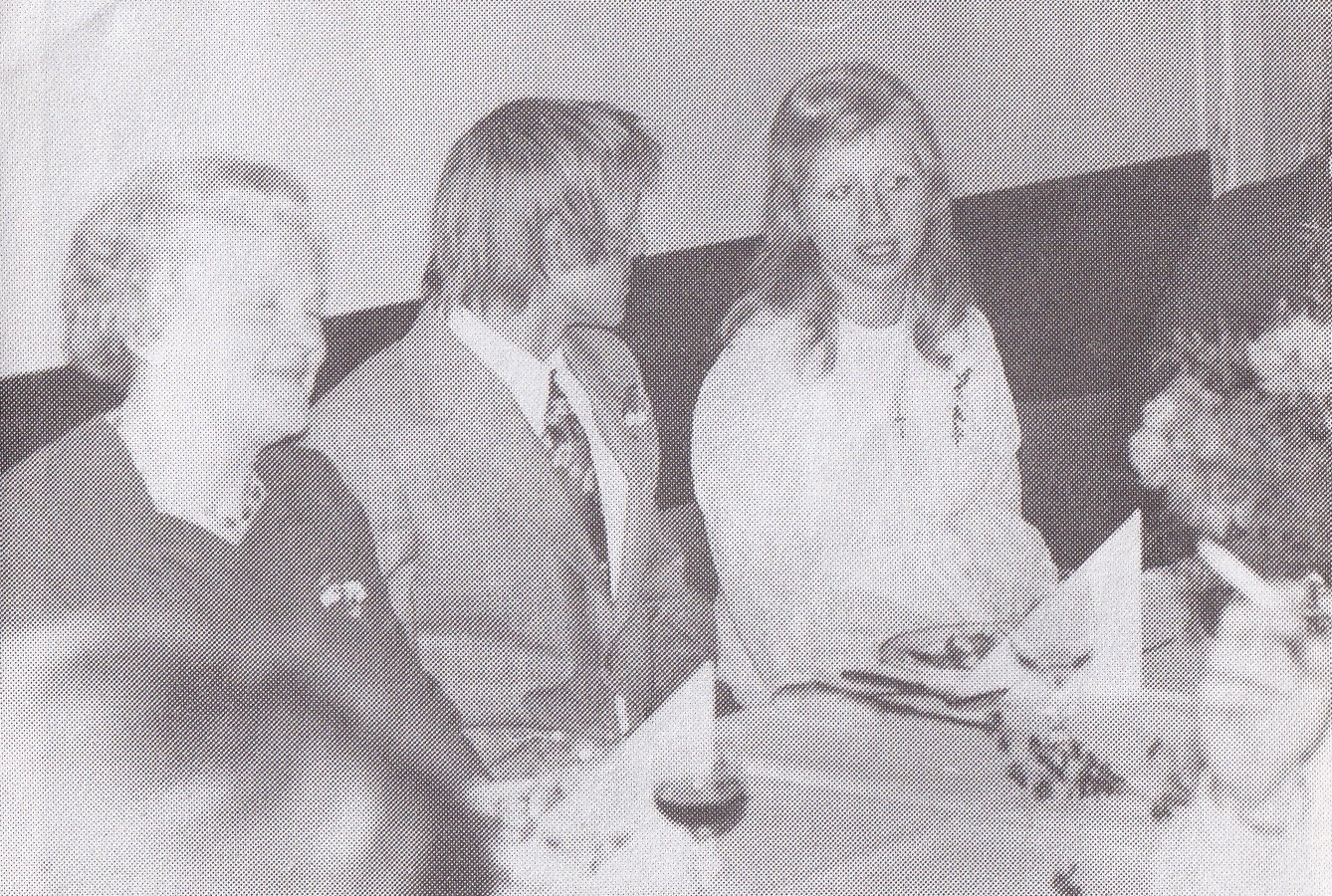
With the award for the best football player of Czechoslovakia, 1984
photo: Witness´s archive

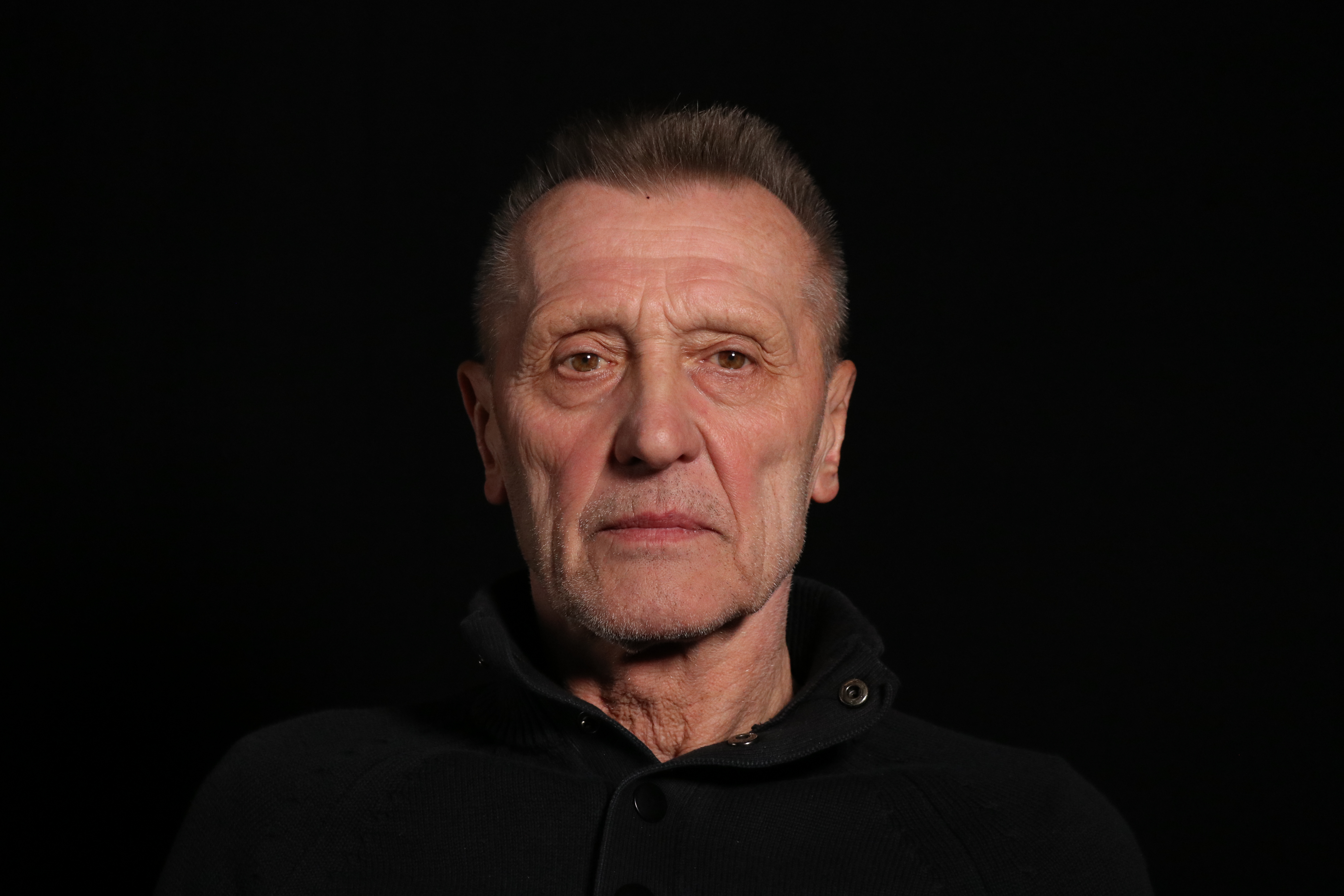
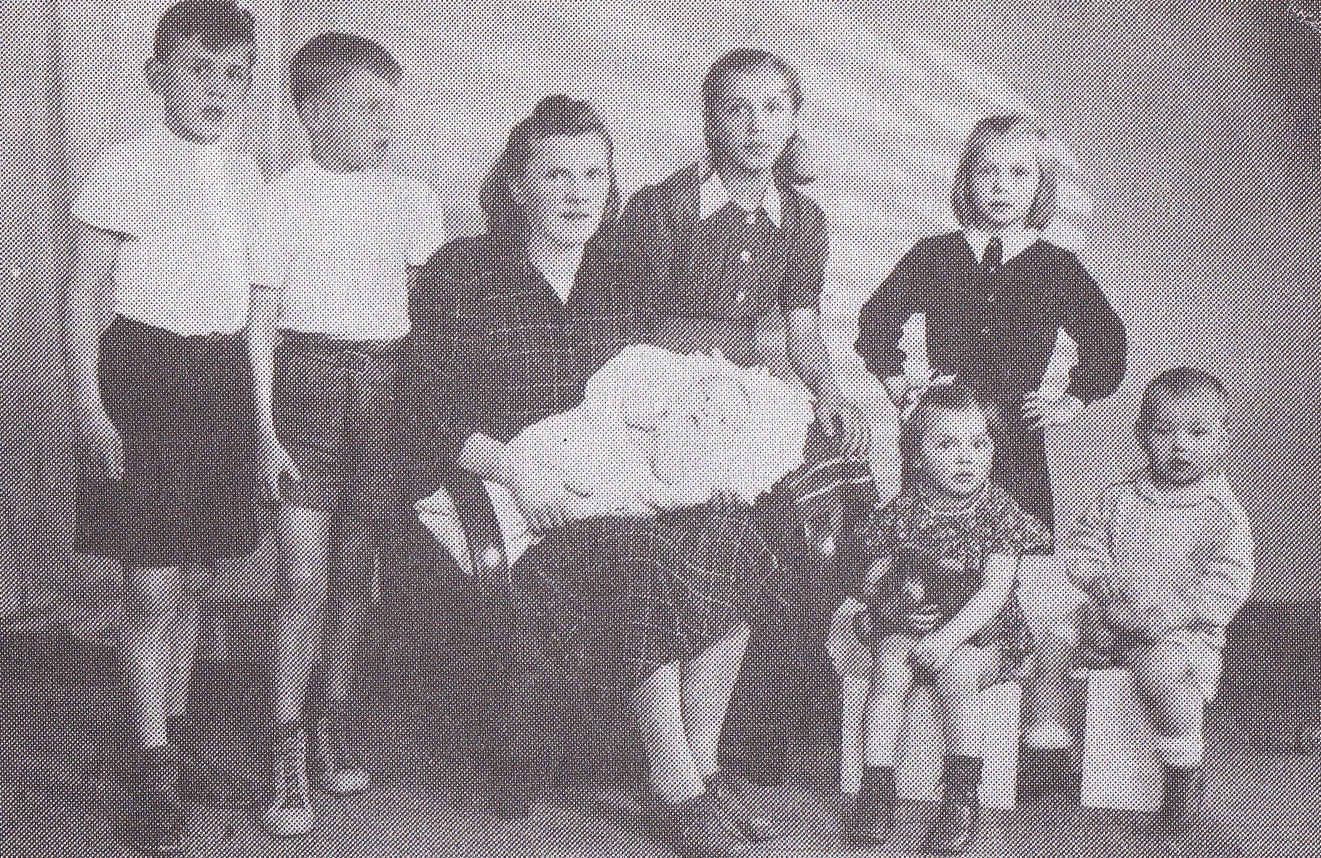
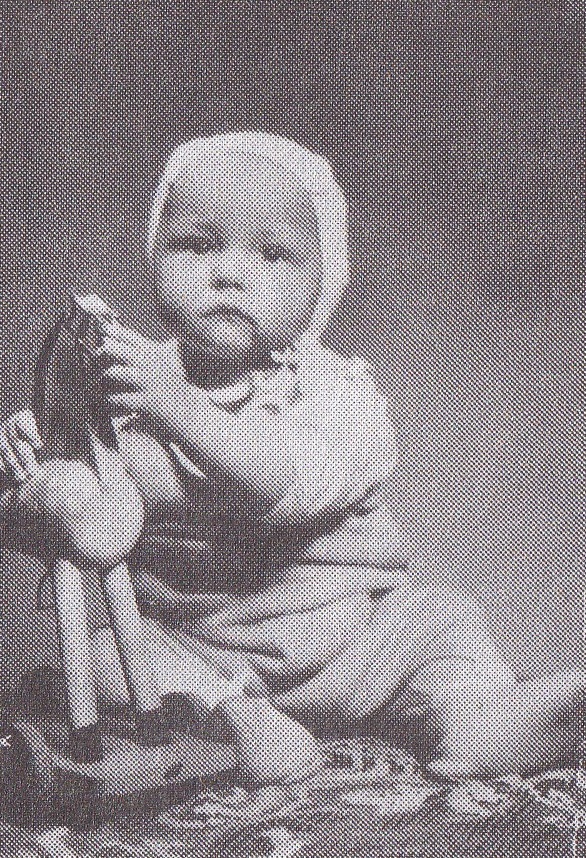
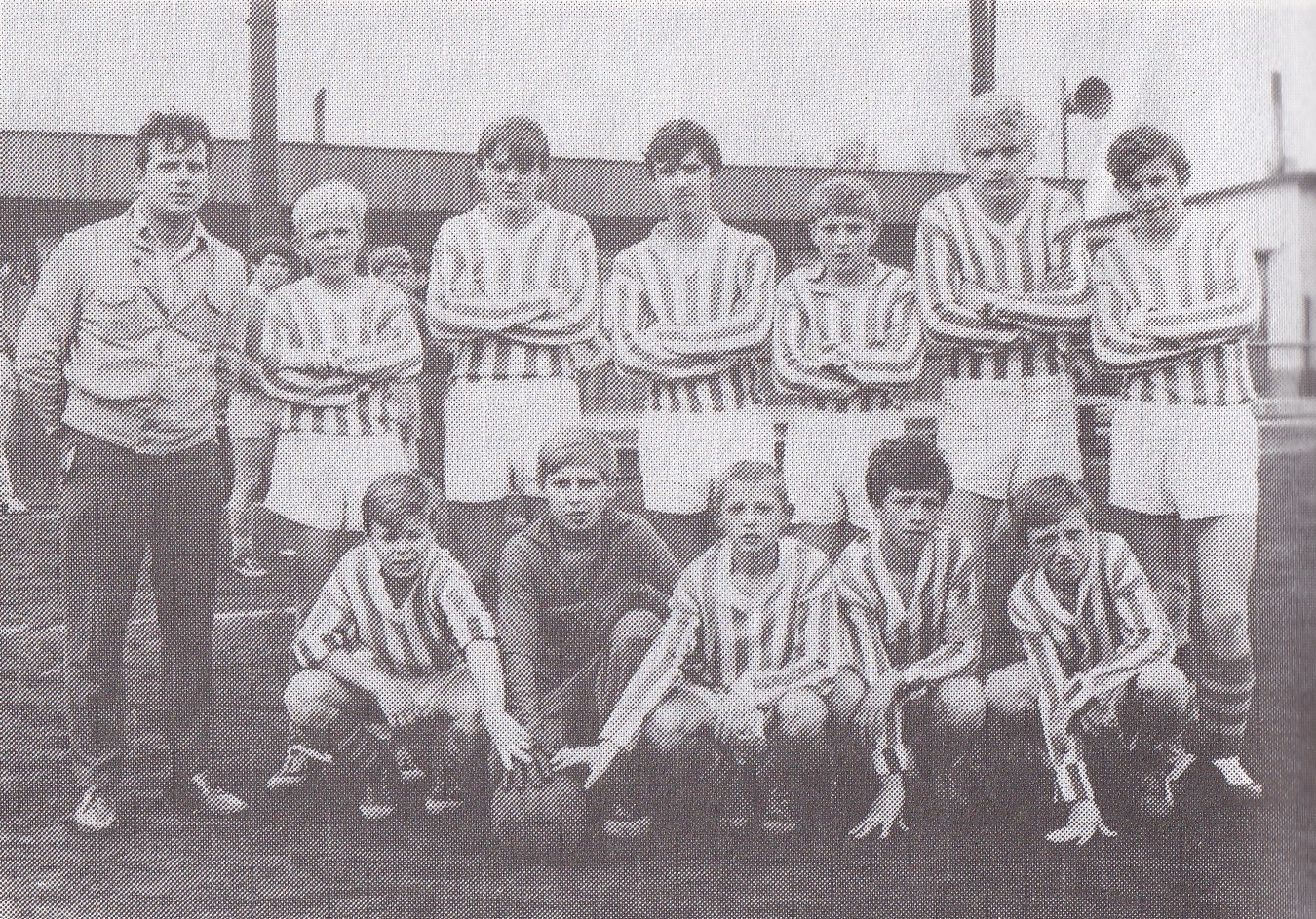
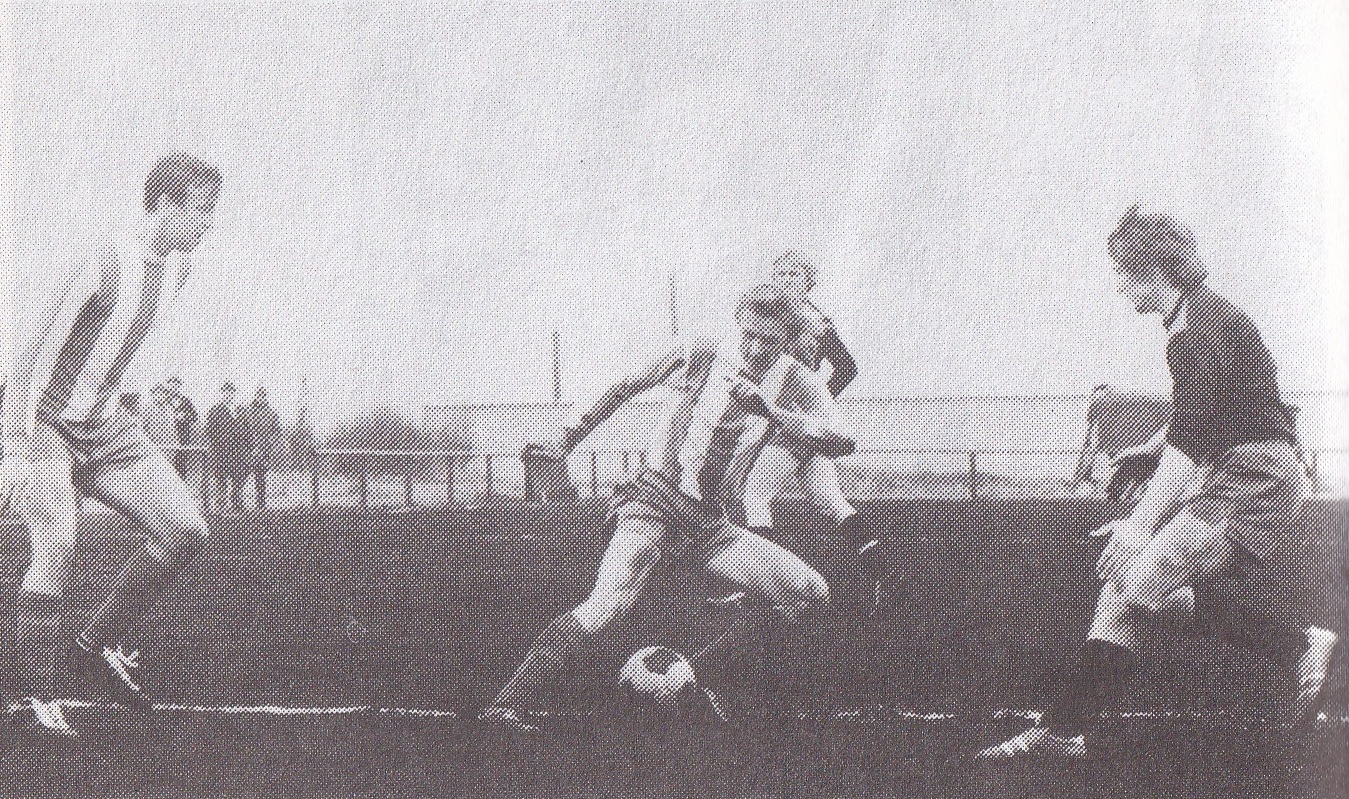
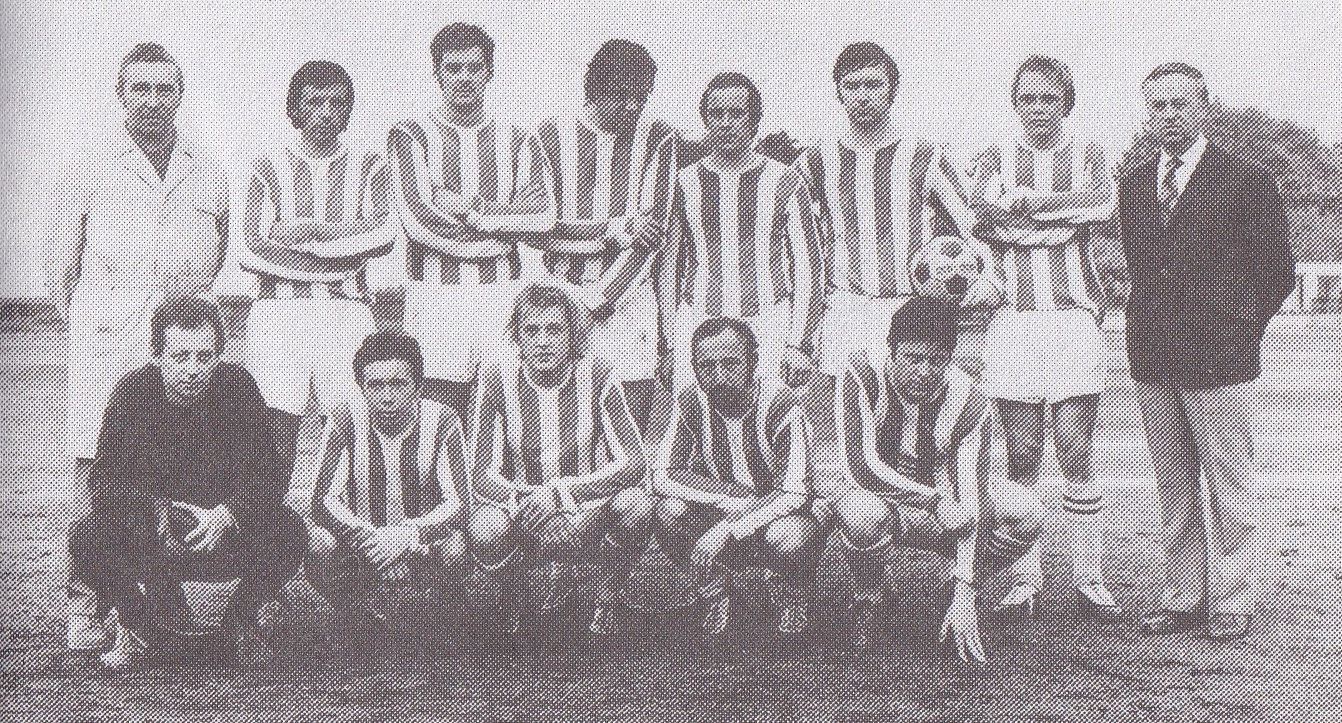
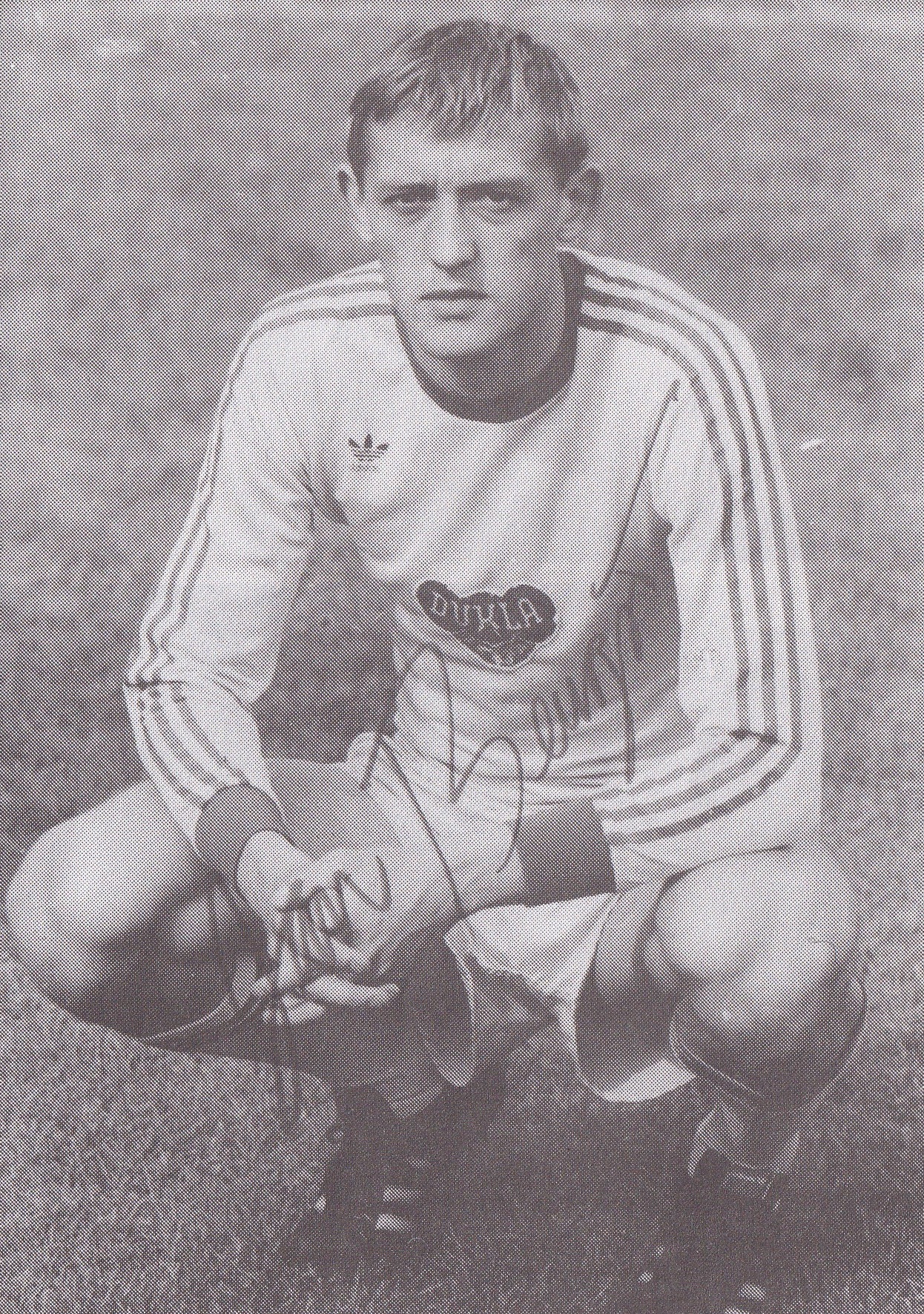
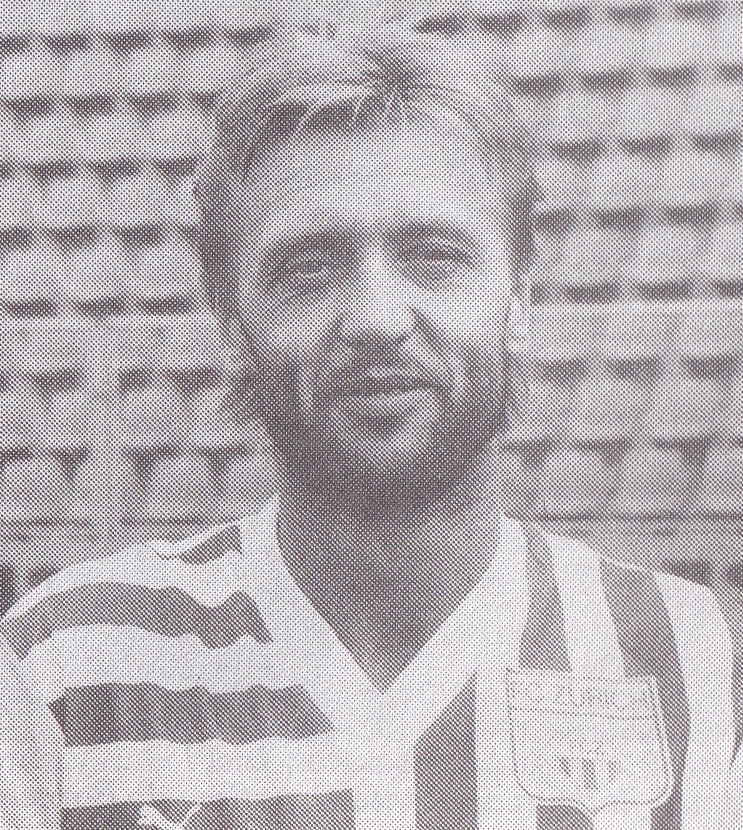
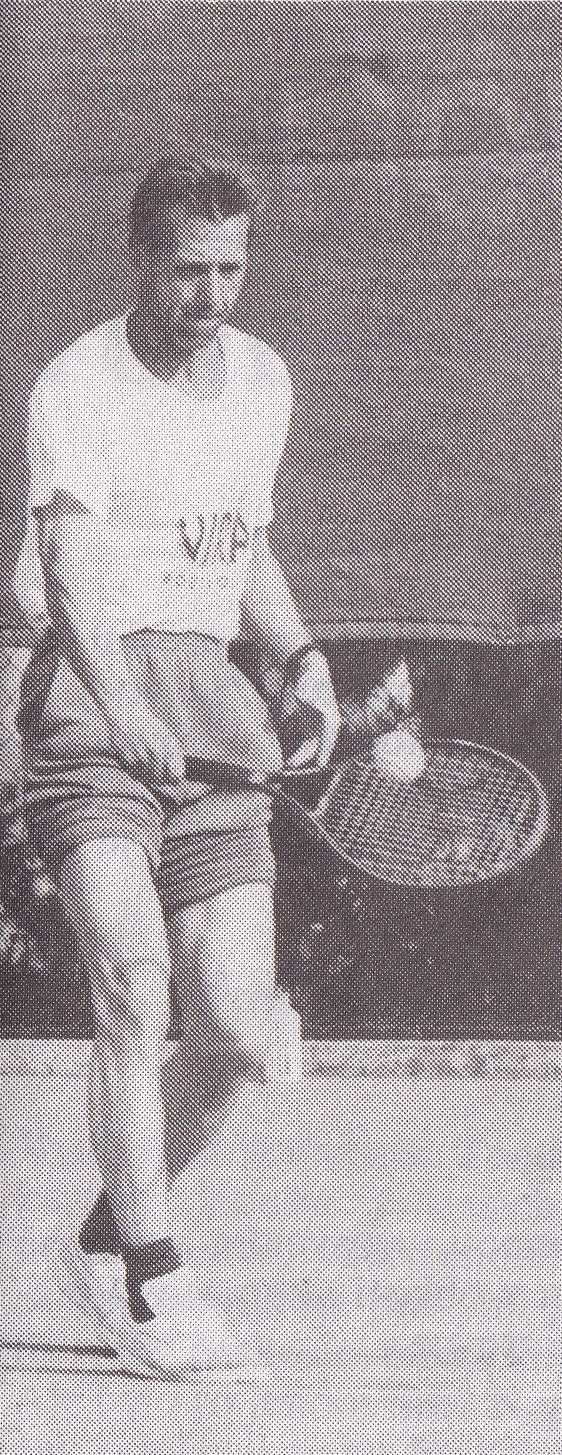
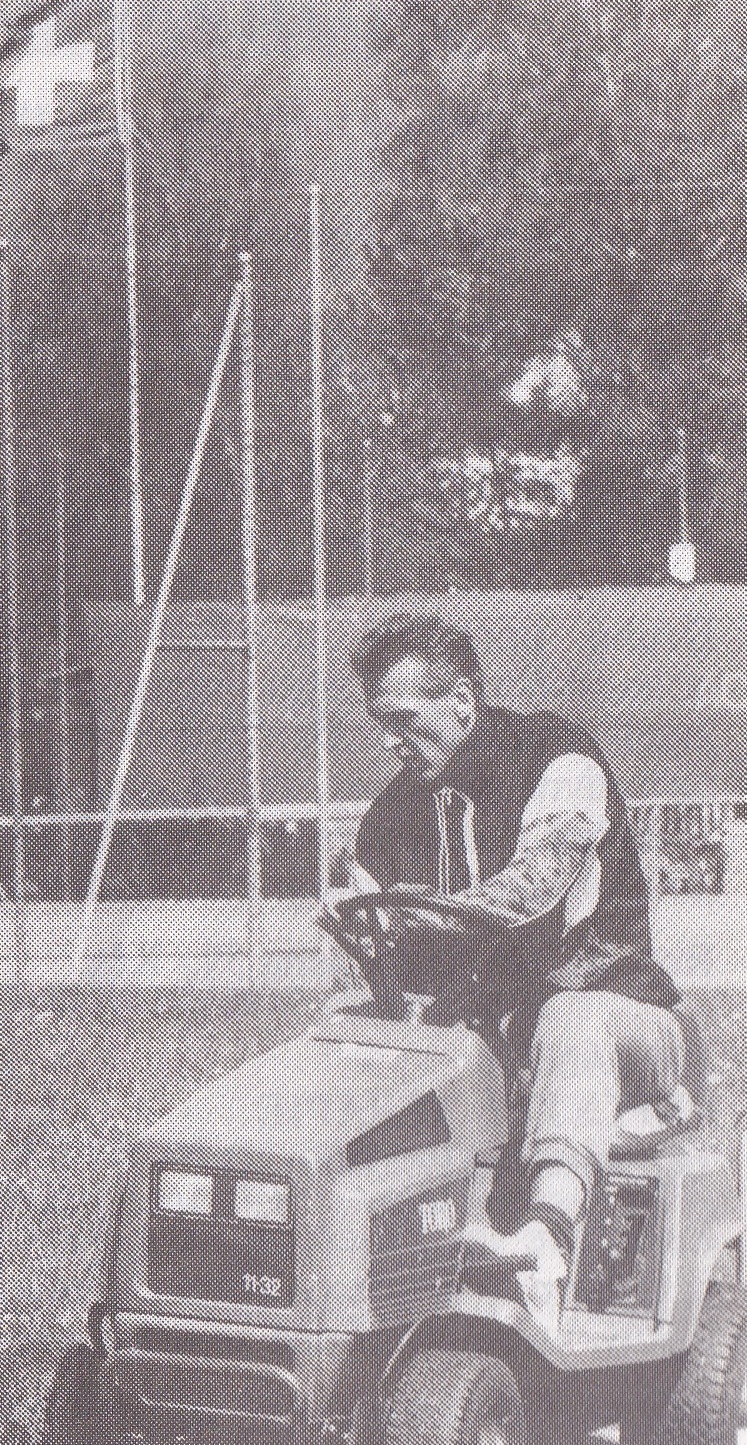
Jan Berger was born on 27 November 1955 in Prague. He spent his childhood in Břevnov, where he also started to get acquainted with the football as a young boy. At the age of ten he started playing football for the local TJ Břevnov, where he played until 1976. Thanks to coach Tomáš Pospíchal, he moved to the then TJ Škoda Plzeň, where he gained experience in the highest football competition. He served his military service in Dukla Prague and from there he moved to Sparta Prague. Here he experienced the greatest football successes, both on the club and international scene. In 1980, he won a bronze medal at the European Championships in Italy and in the same year he became the Olympic football winner at the 1980 Summer Olympics (LOH) in Moscow. In 1982, he competed at the World Championships in Spain, but the Czechoslovak national team finished in the preliminary group. In the same year he was arrested for drunkenly insulting the then president Gustáv Husák. He spent five weeks in Ruzyně Prison and received a four-year suspended sentence. In 1983, he entered the U Apolináře alcohol treatment centre. After a year’s break, he started playing football again and in 1984 became the Czechoslovak Footballer of the Year. After two years he took up an offer to play abroad and went to Switzerland, where he first played for FC Zürich and later for other Swiss teams. After returning to the Czech Republic, he played football in lower competitions. During his Swiss engagement he started to work as a coach and in later years he led the youth team of AC Sparta Prague. At the time of recording in 2025 he was living in Prague.