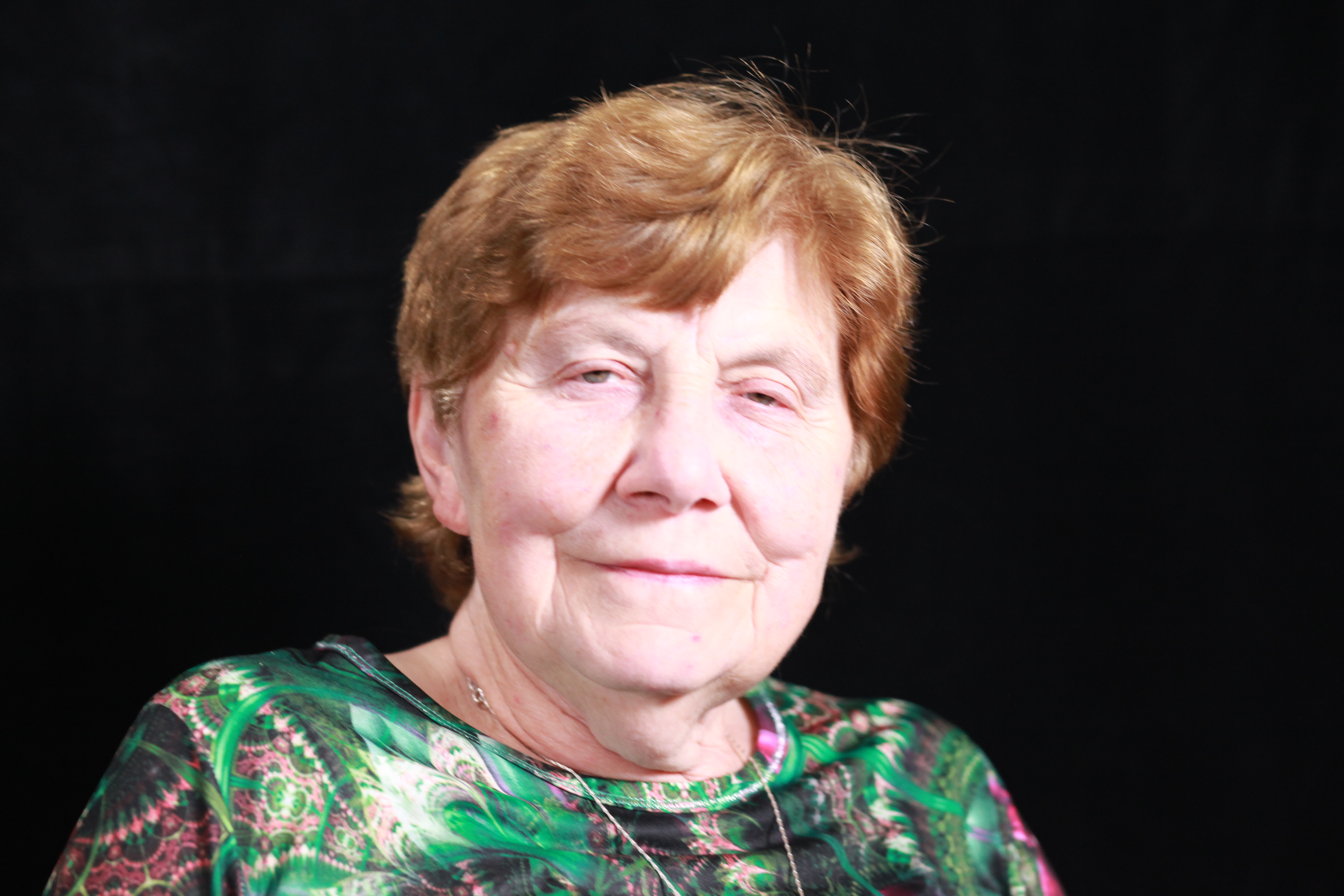
Years later, we were still seen as “those Romanians”
Download image
Antonia Bencová, née Muchová, was born on May 13, 1939 in Marca in today’s northwestern Romania. Her ancestors, who came from eastern Slovakia from the vicinity of Spišská Nová Ves, had lived there since the 18th century. After the end of the Second World War, in 1946, her parents decided to heed the call of President Edvard Beneš and move to Czechoslovakia. The journey to the South Bohemian border region was not easy. After returning to the country, they lived in the village of Psí Koryto (now Koryto) in Prachatice until 1947, but after a year they were forced to return to Slovakia. Here the family settled in the south of Slovakia in the then Šahy district in the village of Fedýmeš (Hungarian: Ipolyfödémes, Födémes, now Ipeľské Úľany). However, they were experiencing great poverty there, so in early 1949 they moved permanently with the whole family to Lipno in the Czech border region. Because of the repeated moves, the witness did not start school until she was ten years old. After graduating from the town school, she became a cook in Náchod. In 1960 she married Jaroslav Bence, the son of a kulak, with whom she had two daughters, Hana and Jaroslava. The elder Hana was not allowed to study at the Veterinary University in Brno, which she chose, because of the cadre profile, and not only because of her father’s kulak origin. Antonie Bencová worked in the gastronomy all her life. In 2021 she lived in Horní Planá.