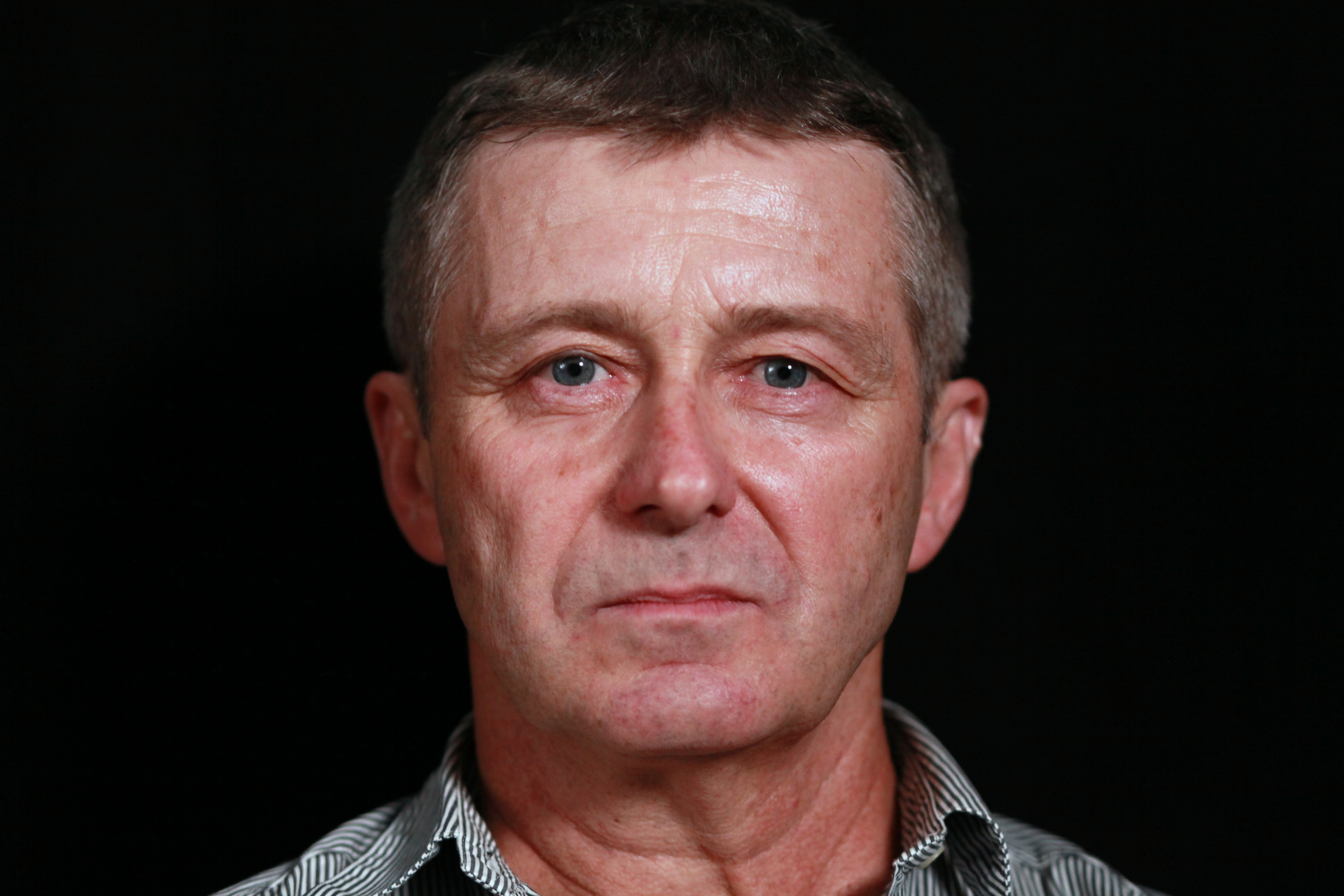
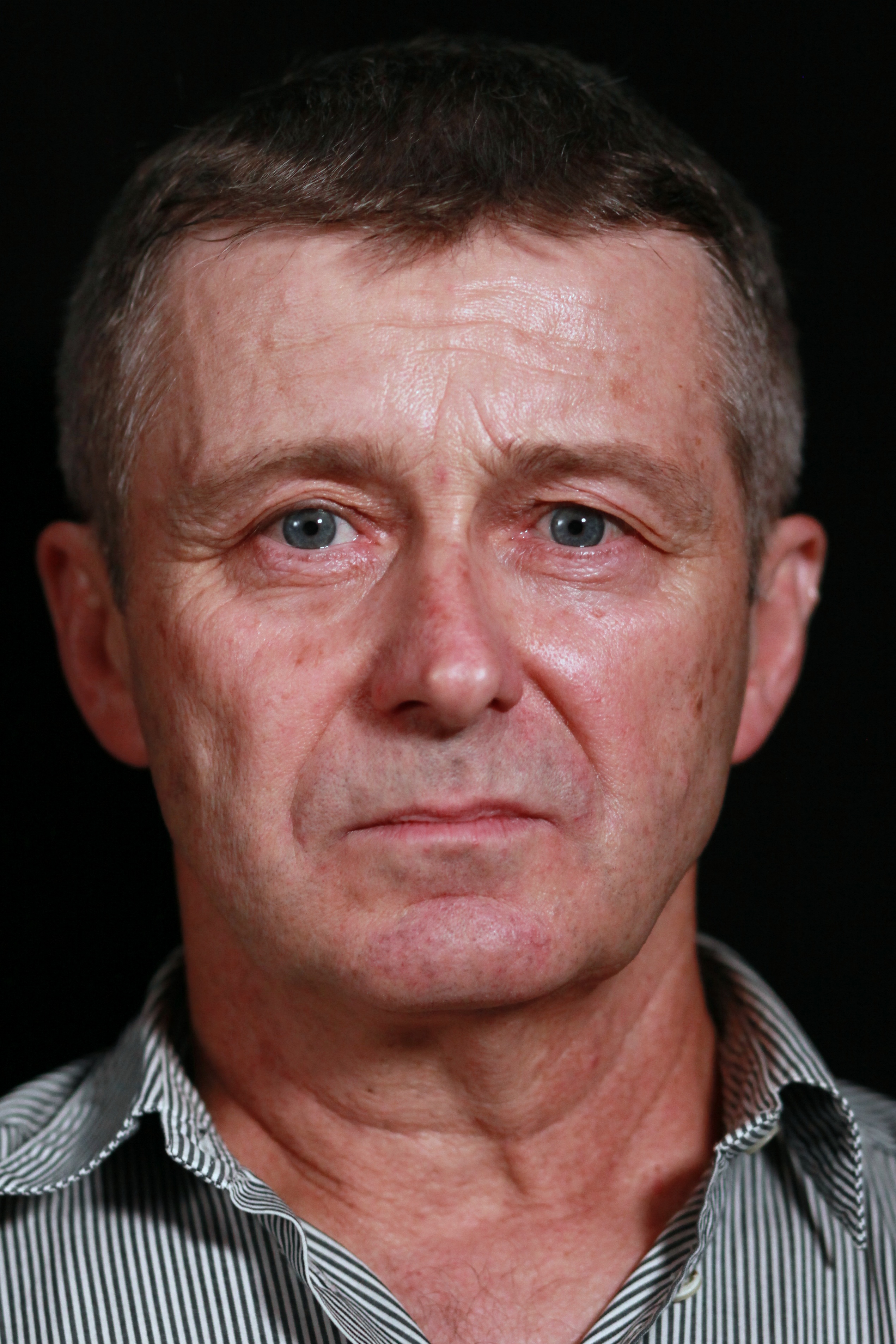
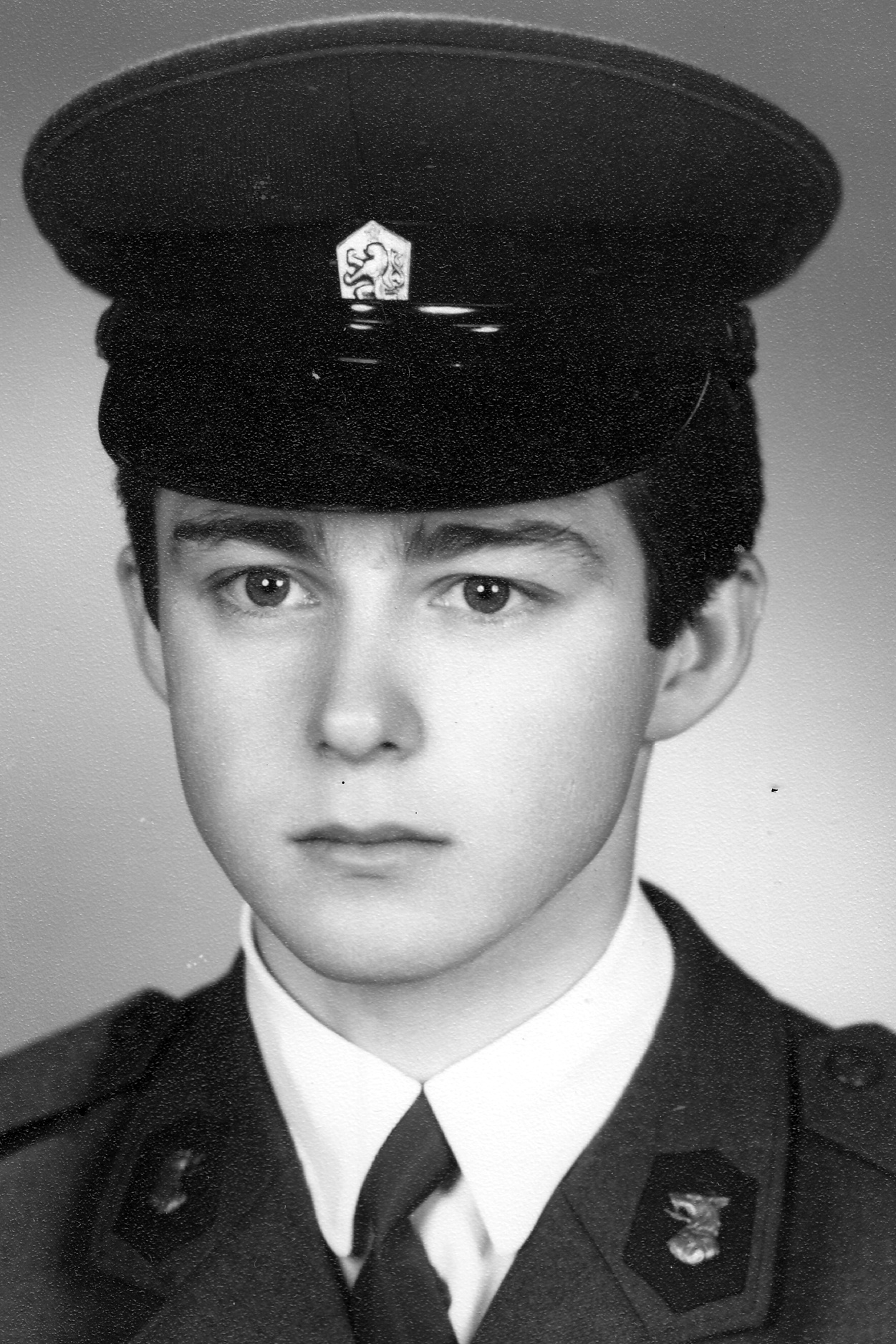
Josef Basovník

* 1966

  • "I got dressed, went out into the hallway and there were guys looking at me for being dressed in civilian clothes. It was like everyone's eyes were killing me. I was there for a month and a couple of days and all of a sudden I was walking around in plain clothes. They thought they were letting me out in civilian clothes. We went to the unit supervisor, and he assigned me a .75-caliber pistol. He assigned me a spray, which was a kind of tear spray. He also gave me handcuffs, and I didn't understand what that meant. Someone once told me something about it, but I didn't understand... I asked why me, since I was a border guard. ,Shut up and sign it here.‘ We went outside and my colleague said, "You're in the secret service. You don't get it?' I said, 'What do you mean, secret service? Nobody gave me any training.' And he says, 'Nobody gave me any training either.' And that we're going to guard the train station. But I didn't know how to do it. And he said I'd understand. He said nobody told him anything either. And that he was gonna introduce me into it."

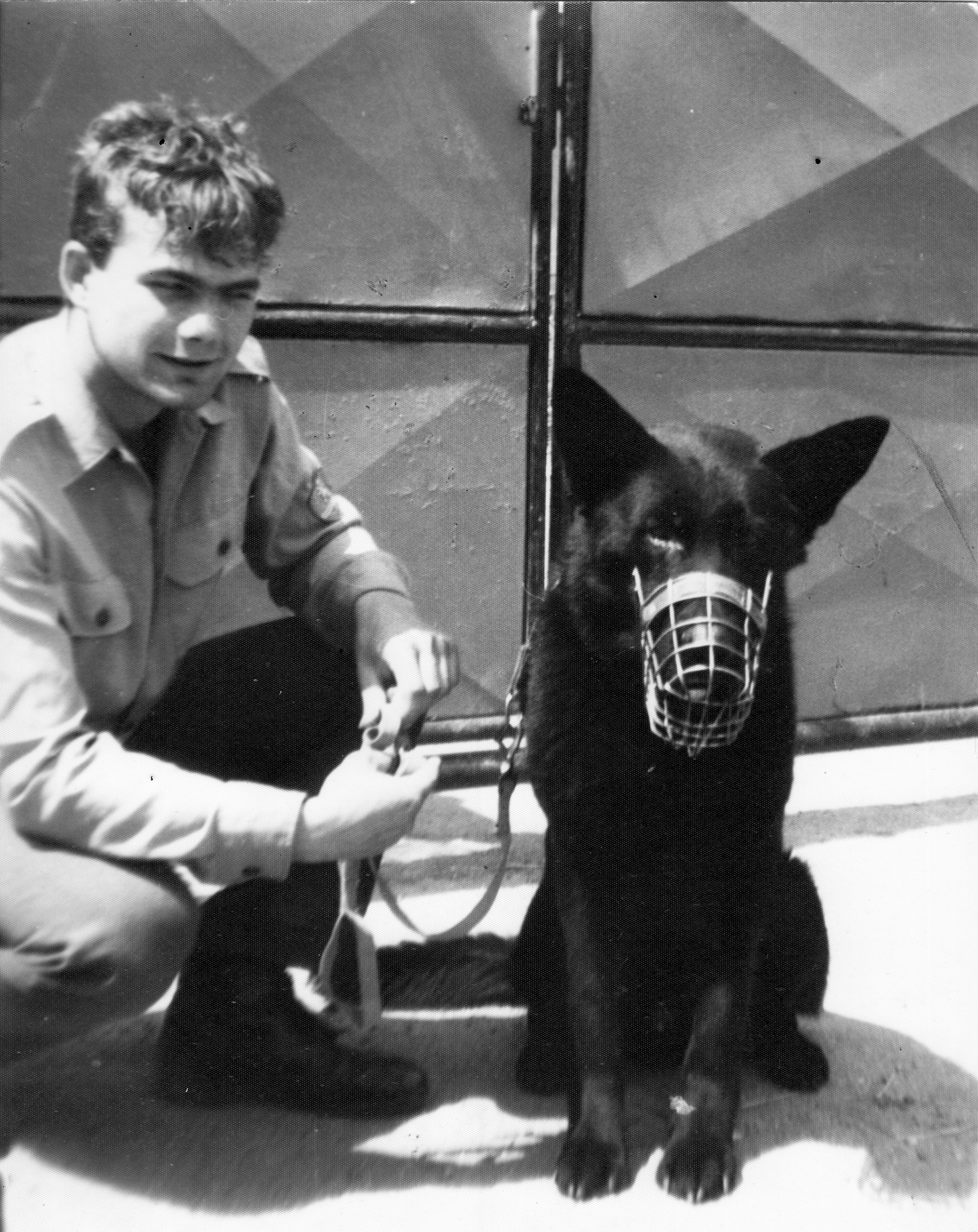
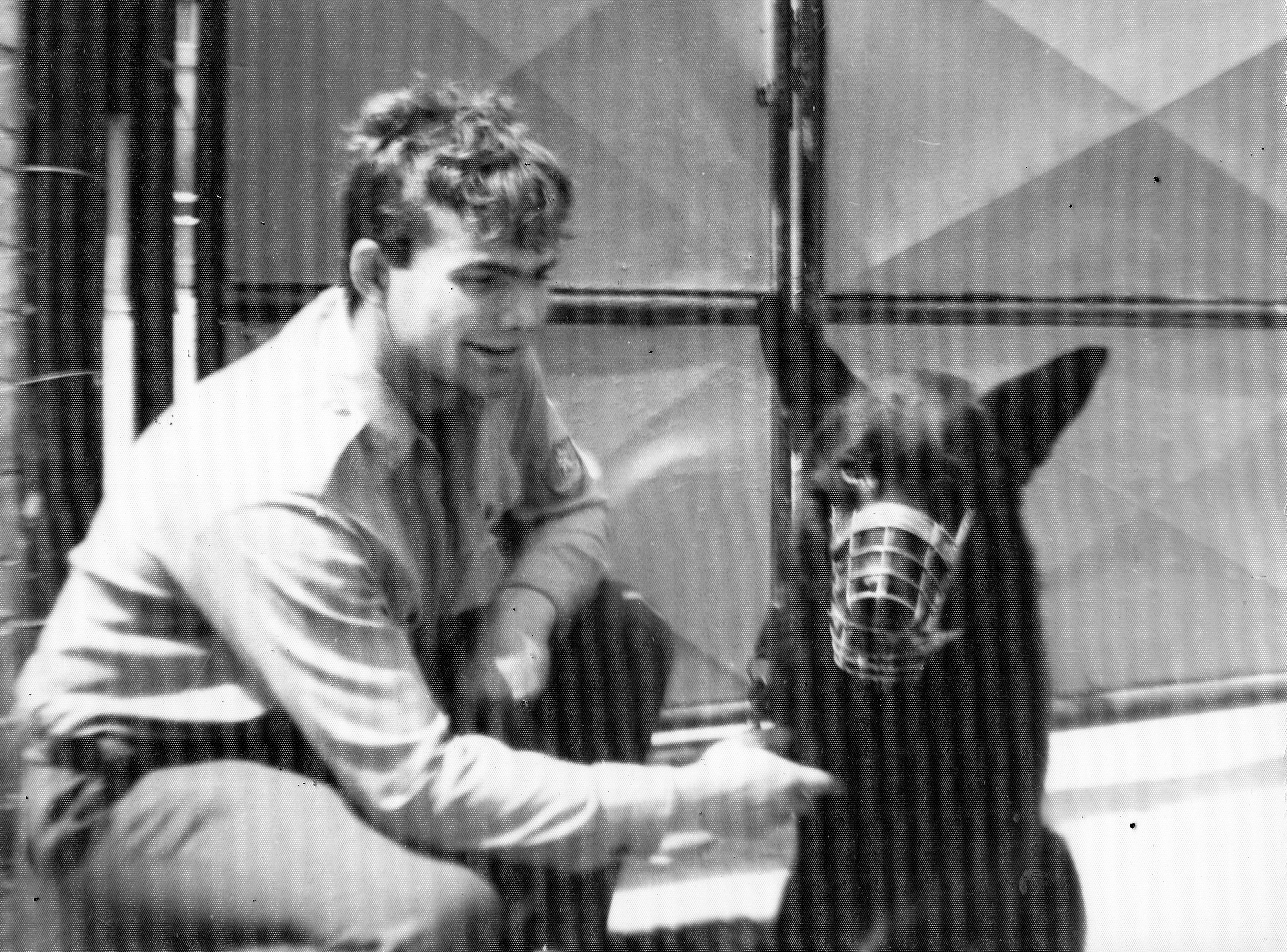
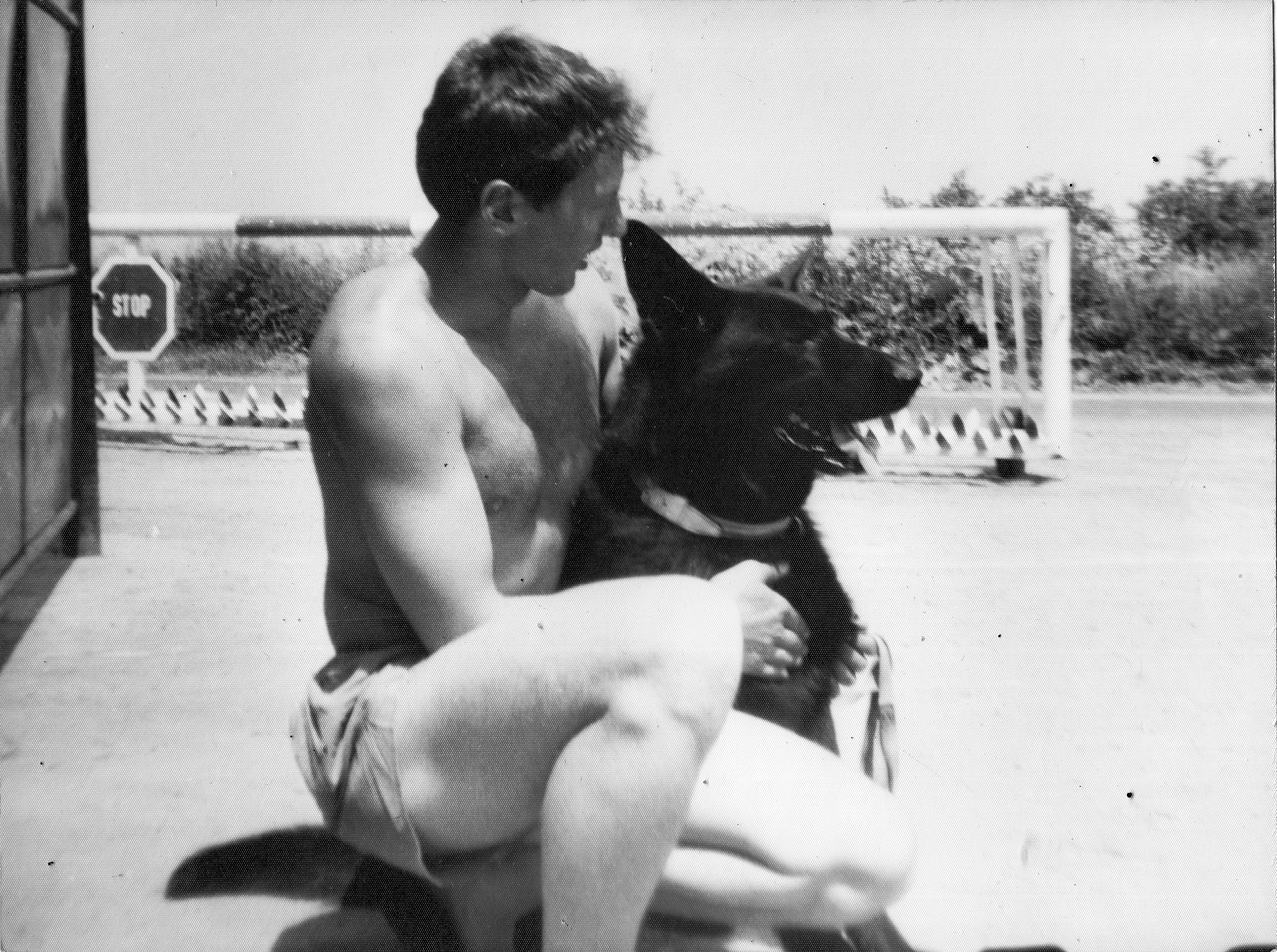
  • - " When you were on duty as a border patrol agent with a dog and a firearm, what were you taught to do in case this so-called intruder showed up?" - "For me as a border guard, the safest thing to do was to use a dog to apprehend. If I wanted to apprehend the person, I wouldn't know if I had encountered, say, a criminal. I didn't know if the person knew self-defense. I didn't know what kind of weapons this person had on him. So a dog was the safest thing for me. If I lost the dog, I would have to use other means." - "What means?" - "If I used guns, the bullets must not have landed on the territory of a neighbouring state. But we were always told to shoot at the legs. We were never told to shoot at the head or the chest. They always said only the legs. But we knew that section. In the area where I operated, Valtice Forge, it was possible to follow, so to speak. But there were places near the border company where it was so close to Austria that you could kick a football ball there. If somebody made a short on the signal wall, the emergency unit wouldn't even have time to go beyond the gate, and already the man would be waving from Austria."

  • "Those who knew they were approaching the age of eighteen went to the draft, so to speak. Nowadays, that tradition is no longer the case... Conscription meant a certain glory in the village. It was a kind of ritual in today's terms, where the boys who had to go to the draft board would make an arrangement with someone who had a horse. The girls decorated the trailer with roses. They wrote some slogans on it. It was arranged for one particular day, and some good winemaker in the village timed the new wine just right so we'd have it at the best time. We sat on the barge singing and drinking. ‘Just make sure you guys aren’t too drunk… When you get to the committee, so you can even speak.’ So we sang all the way from Nedakonice to Hradiště. And our neighbour Láďa Motyčka drove us with his horses from Kladruby."

  • "On the sixth of July 1977, an L 410 transport plane crashed about fifty metres from me. I was cutting wood with my dad at my uncle's house. I was handing him things, and suddenly it was as if a spade had been stuck between Dad and me. Dad turned off the circular, started running around and kept asking what happened. My uncle said he didn't know. He was a Public Safety helper and rushed me quickly to the front of the house to find out what had happened. I ran out in front of the house, it was in Nedakonice by the stream right by the float, and I saw a lot of people running into the yard across the street. I was about fifth among those who ran to the plane... People were rushing into the garden, and I was among them. I ran to the plane, and the man was still bleeding. People were covering my eyes. I was eleven years old. They were taking me away from the plane. The radio said to go through the village and see what we could find. Some fragments. And my grandfather said to go and see if there was a piece somewhere. He said he'd seen a tail fall somewhere nearby. So I climbed up on the roof and there was a huge old pear tree growing about twenty-five yards away from me, across two gardens. It was all split open and the tail was stuck in the pear tree. So then I ran through the garden and I found a piece of sheet metal about thirty by thirty centimeters with some kind of indicator and a cable. In front of the neighbour's house. It's gone down their roof. The wreckage was scattered all over the village."

  • Full recordings
  • 1

    Zlín, 04.08.2025

    (audio)
    duration: 02:01:06
    media recorded in project Stories of the region - Central Moravia
  • 2

    Zlín, 11.08.2025

    (audio)
    duration: 02:52:50
    media recorded in project Stories of the region - Central Moravia
Full recordings are available only for logged users.

With a dog at the border, with a gun at the station. A testimony of the Iron Curtain guard
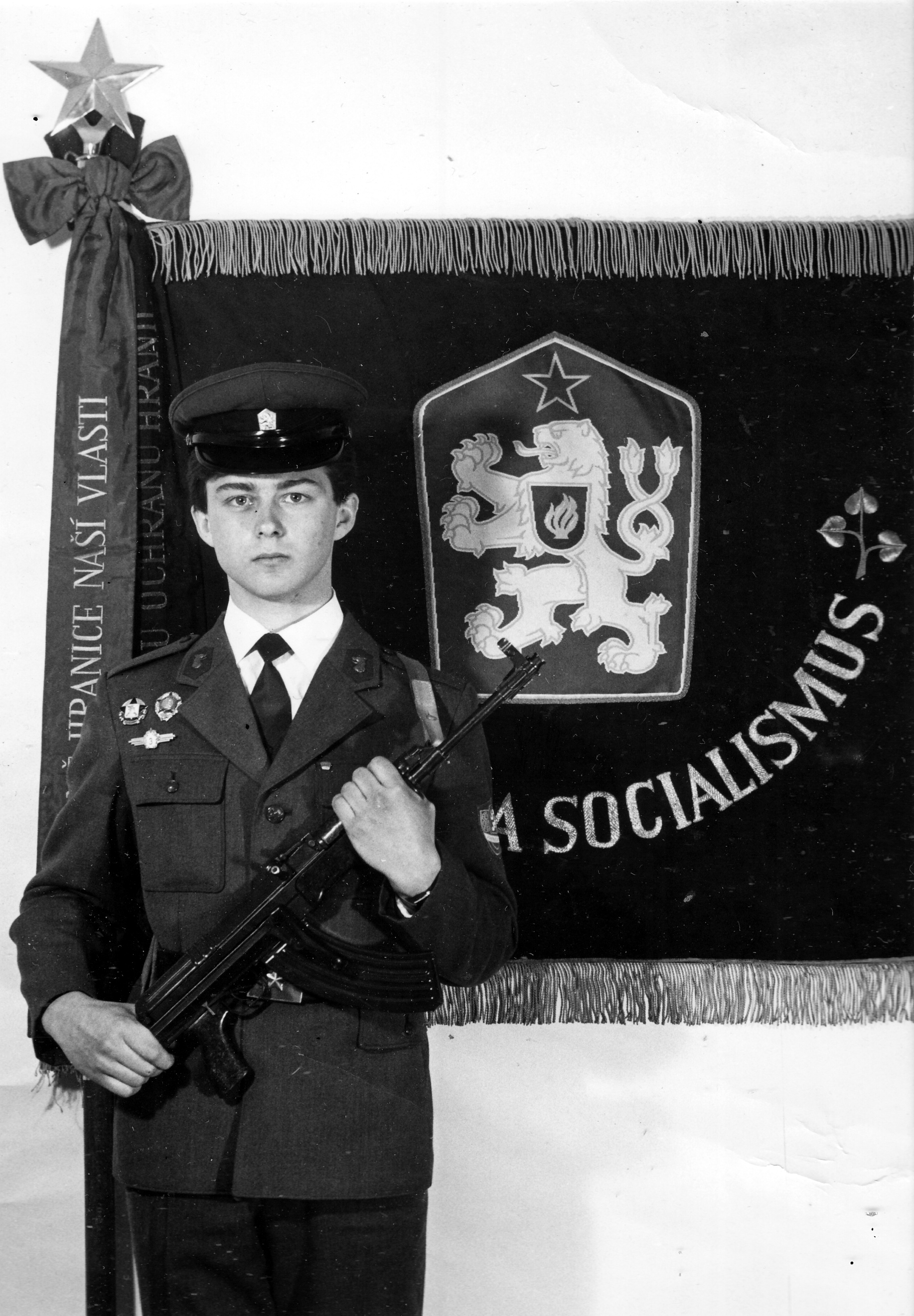
Josef Basovnik, 1986
photo: archive of Josef Basovník

Josef Basovník was born on 12 May 1966 in the maternity hospital in Uherské Hradiště. He grew up with his father Josef and mother Jarmila Basovníková in Nedakonice on the right bank of the Morava River. He experienced the atmosphere of the Slovácko region in the 1970s, when people worked in cooperative farms and farmed their allotments and gardens. On 6 July 1977 he witnessed the crash of a transport plane during a test flight from Kunovice. The plane fell into the village. Two Czech and two Soviet crew members died in the crash. Since 1981 he was a carpenter at the railway apprenticeship in Hodonín. In the spring of 1985 Josef Basovník enlisted for basic military service. He served as a border guard at the border in Valtice and later as a searcher at the railway station in Znojmo. In the Security Services Archive of the Czech Republic he is registered at that time as a counter-espionage agent. He told the Memory of Nations that he had never signed a cooperation with military intelligence. After returning from the war in 1987, he worked in a cooperative farm. In 2025 he lived in Násedlovice near Kyjov.