Pavel Baldinský

* 1948

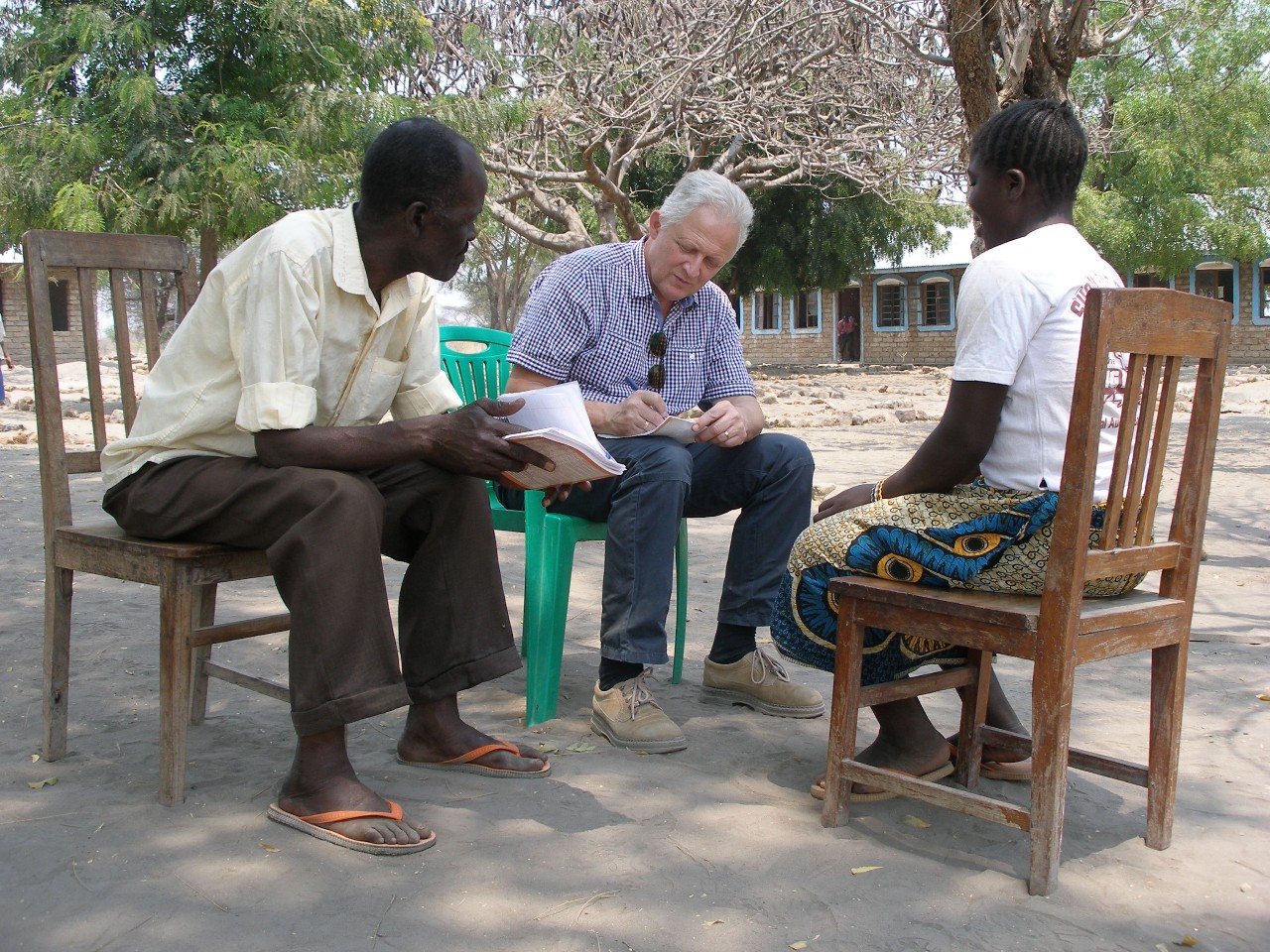
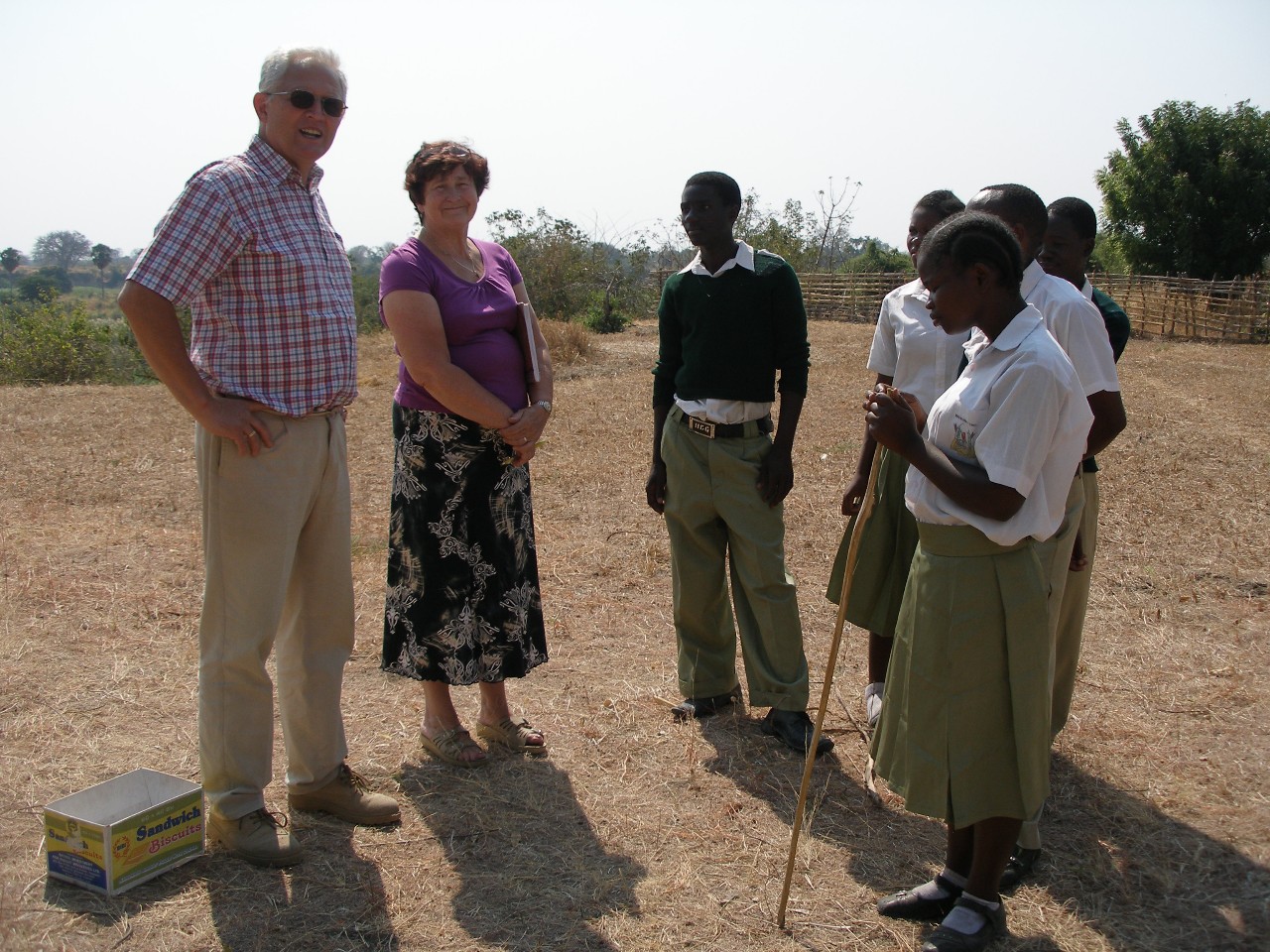
  • "They received us with hope because you actually come there and bring something to them. And they know it, and they don't know yet what form it will take. Of course, there are a lot of smart-asses who will try it on you right away, but the average people - the normal ones I guess, the ones with the sincere intentions - they just look at you as a white guy as a holy picture. Because they have this weird idea that we're extra special technically gifted. They see the technology, the cars, the way we use it - the radios, the TVs, the cell phones... - they see it all, but it has this sort of miraculous effect on them. Of course, they're also philutes, so when they arrive and they have a stick on a twenty-ton truck, they're fiddling with the key and they can't get it loose - because it's rusted and nobody greased it when they put it there originally, so it's even more rusted - and they come to you and say, 'We don't know what to do with it, come show us.' Well, and the person, if they're inexperienced, goes and shows them. He lets one mother in, he lets the other mother in, and they're not supposed to say, 'Give it here, we'll finish it.' No, they're watching, they're smiling and they're happy to discuss, so you can take the whole wheel off and they're not going to be moved. They love discussion. And what was shocking to me was that they're so peaceful. They don't even have much swearing in that language. They're so mild, the swearing... I’ll explain. For example, our typically Czech blunt way of telling someone to get lost — they don’t know that at all; it would probably make their blood run cold. When they want to snap back at you, or if they already have, they say, ‘Ninde zako,’ which basically means, ‘Go your own way, go somewhere else.’”

  • "When the State Security investigated me, they set it up as I mentioned. That it wasn't a workers' initiative - internal to the company... but that it was an external pamphlet that denigrated the work of others. And they pulled one thing on me that I didn't realize. Yes, I knew that something was going on, but I didn't put it in context at all, so I was very surprised that they said to me: 'You're setting up a Polish-style union!' That's what the one who got angry with me said. At first he thought it was a lie, so I quickly recovered and reacted. But it was new to me. To set up a trade union on the Polish model, yes, it was such a topical thing for the party and of course the whole structure of the State Security or the security service that I didn't even think of it..."

  • "After ten years or so at the Transport Company, when I was a driver and wanted to leave, and because I perceived the situation around me in the company as it was, I wrote the Workers' Petition, which was a kind of elaboration, a legal loop. I surrounded myself with literature that I copied it from, not that I'm that much of a lawyer, but I thought, yeah, this fits. And it turned into this kind of a paper, yeah, and I got 200 drivers to sign it, which was a big trouble. But I did the thing that I hid the 200 signatures, I separated it from the actual file, and when the State Security, the State Security, came in and wanted to know, they took me - we're on the subject you asked - they took me and they wanted to know, first of all, where the signatures were, which people had signed it. Because every driver has a service number assigned by the Transport Company, and even if he scribbled his name wrong, he can be identified by that number, and that's what they were interested in. And in Bartolomějská was investigated for that. I took it as a chess game, but I had a tight ass, that's clear, I was afraid, it's a natural thing, fear is a natural thing. So was I, but I didn't want to lose, I wanted to come out victorious. And so I put it on, when they asked where the signatures were, I said, 'Comrades...' - I learned to say 'comrades', I hadn't let it out of my mouth until then, out of my mouth then - and I said, 'Comrades, I don't understand. You are in a position where you are protecting the working class, and you are interested in the signatures, but you are not at all interested in what the working class writes, what the contents of the file are.' So again, they couldn't deny it, but they were very interested, but I hid it so that I couldn't find it for a long time afterwards."

  • "Actually, in the eighties, well, in the eighties, that is 1975-1980 and maybe even earlier, we were members of the underground church. Because the church as such could not work in many things publicly, so a structure was created that was under that official structure. We pretended to be normal, but then maybe we were still studying completely outside of that, so I, for example, studied theology for six years with people who were not allowed by the state, didn't have the so-called state approval, and so on. There were more of us, there were more of these groups, they weren't interconnected, they didn't know about each other, they worked separately. And in connection with that, of course, literature was imported. There was always information being exported from the Czech Republic to abroad and back, because that was the way of life, that's how things were published. And I was involved in that. So when the books arrived, it was usually brought by some foreigner in some car, the car... handed over the keys here, unfortunately it was a big 'america', so it attracted attention, or in the wrong places, like Wenceslas Square by the hotel, so it wasn't very wise, but I just took the car away, took all the books out of it, they smelled a bit of petrol, and I put other information in there, closed it, and the person took it and went back to the country where he came from. So this is what it looked like, it took this form. Then the books went their own ways, of course, their own channels, again, different people did that."

  • Full recordings
  • 1

    Praha, 09.04.2024

    (audio)
    duration: 01:38:09
    media recorded in project The Stories of Our Neigbours
  • 2

    Praha, 09.05.2025

    (audio)
    duration: 02:59:02
    media recorded in project Stories of the 20th Century TV
  • 3

    Praha, 26.11.2025

    (audio)
    duration: 02:26:46
    media recorded in project Stories of the 20th Century TV
Full recordings are available only for logged users.

We are all called to develop the gift of life ad maximum
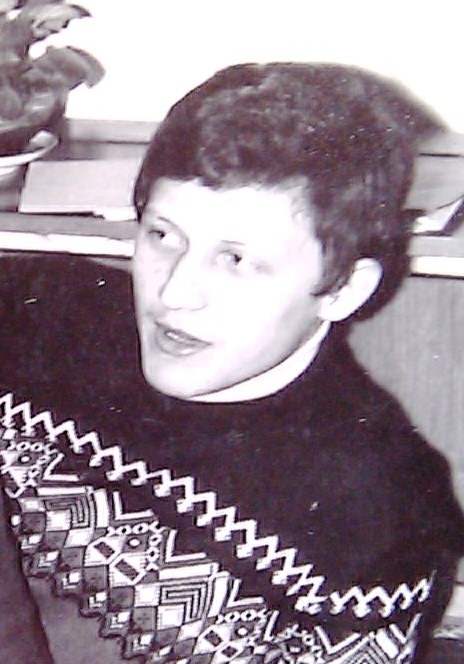
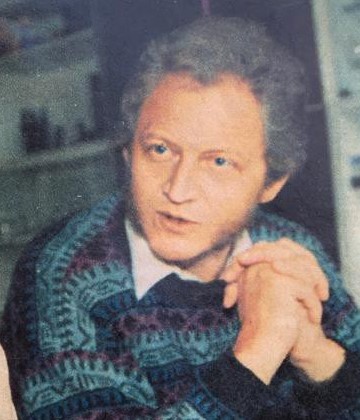
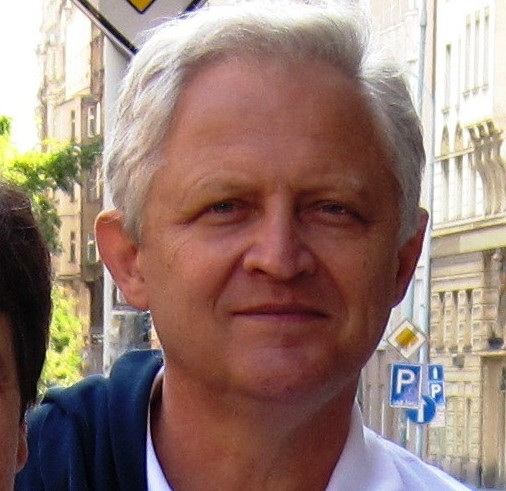
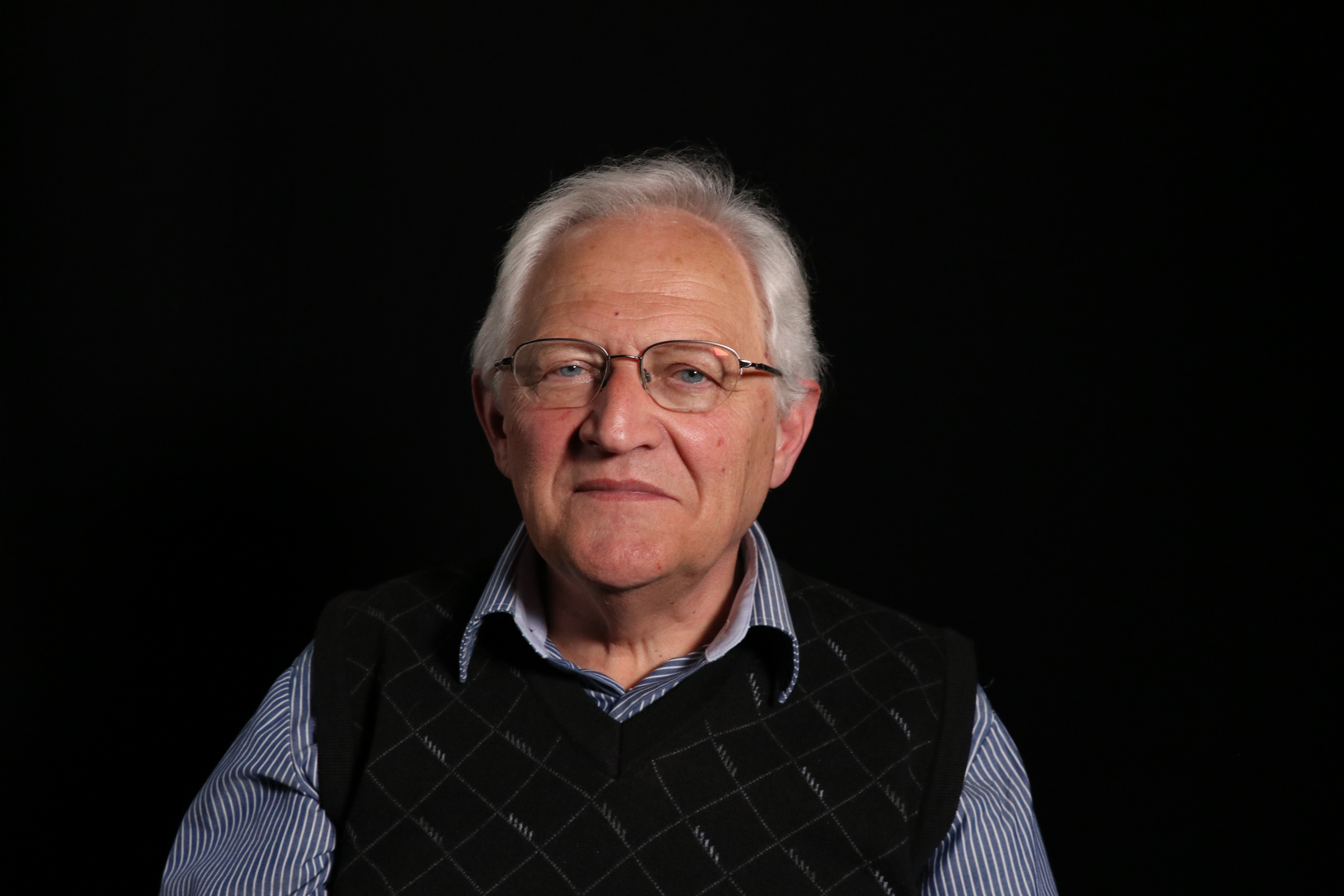
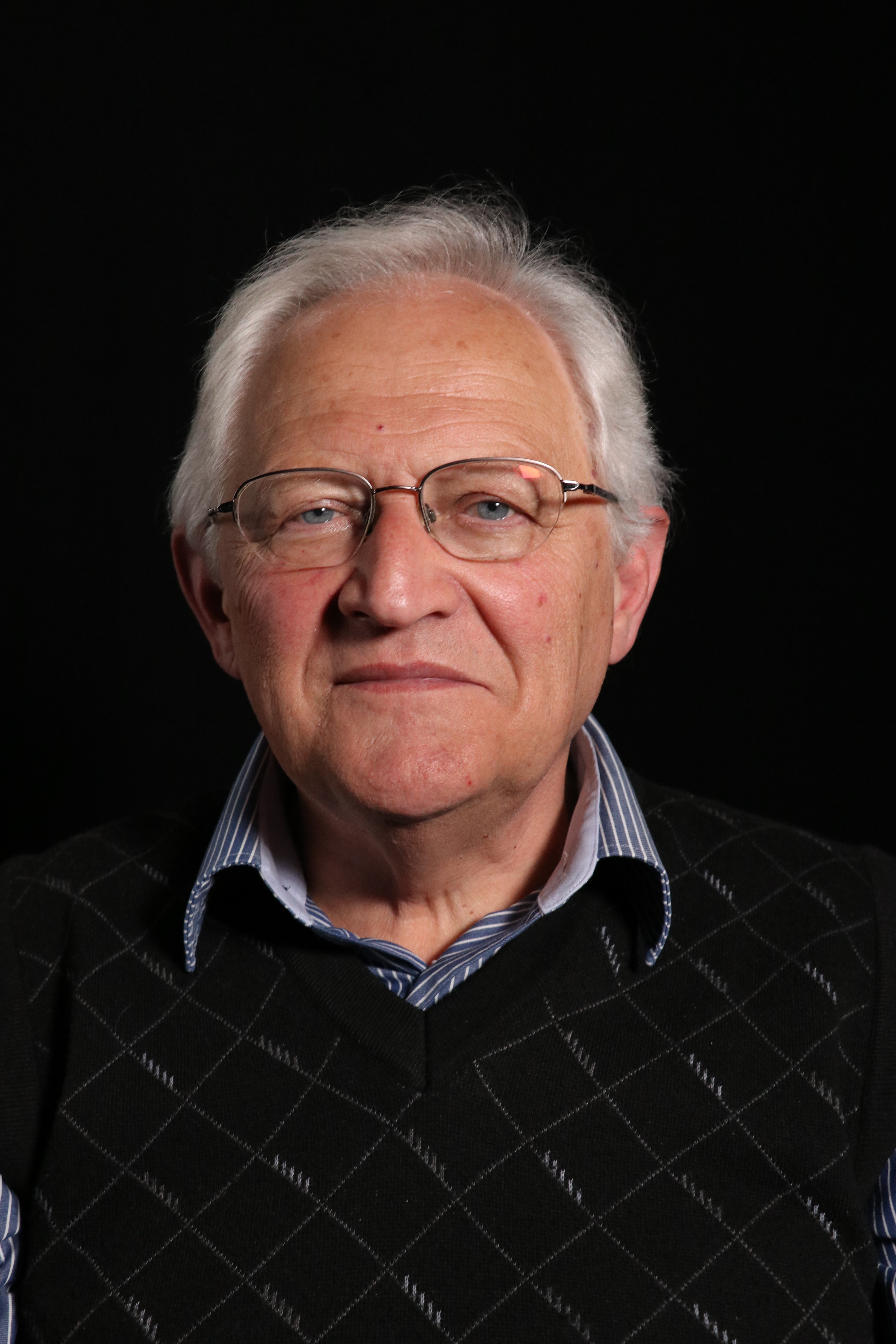
Pavel Baldinský (b. 1968)
photo: Archive of the witness

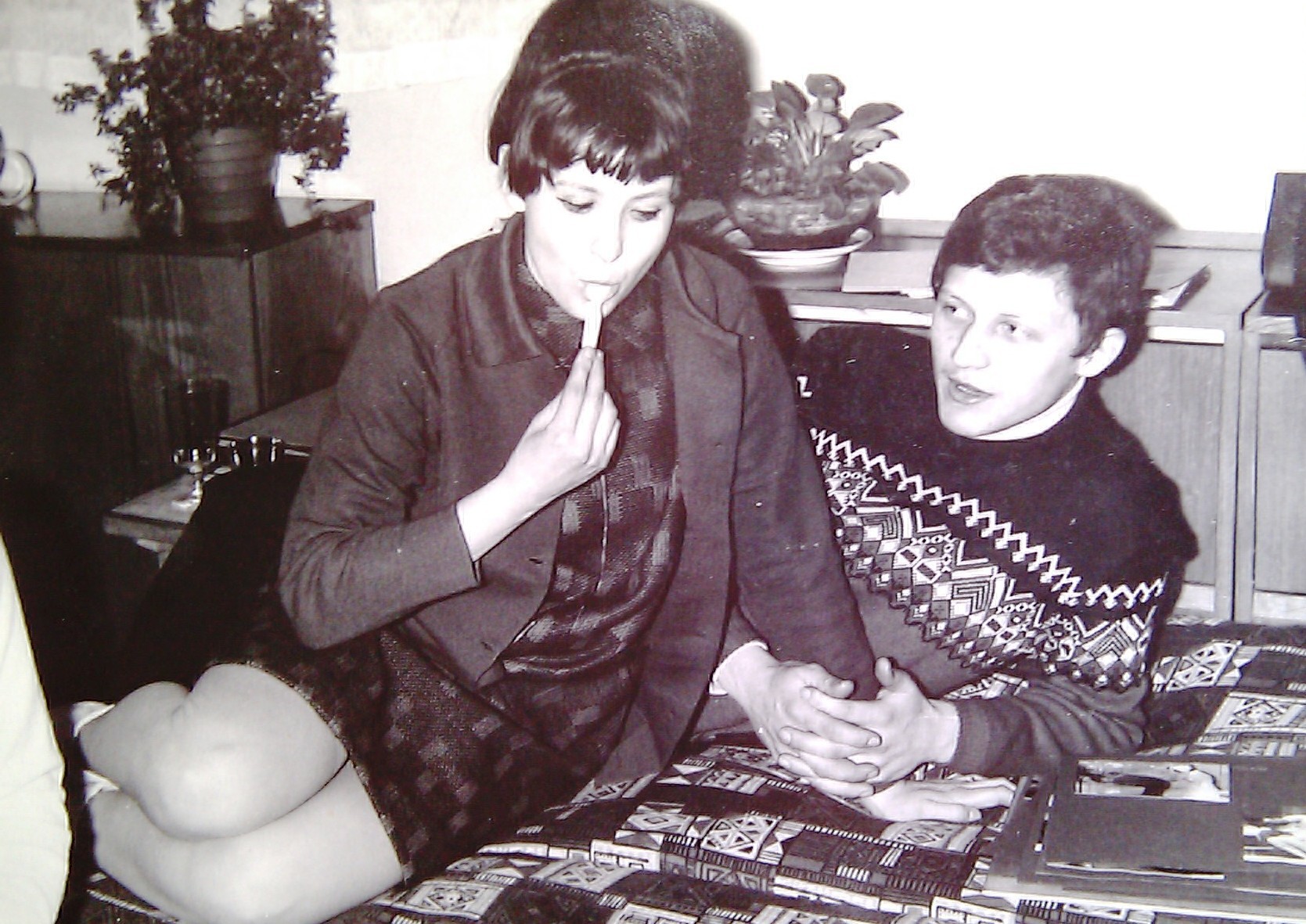
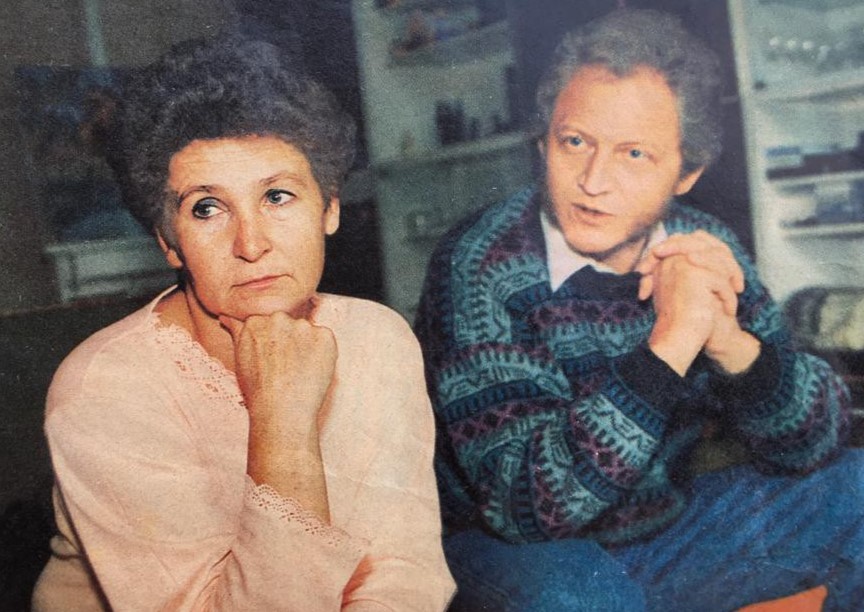
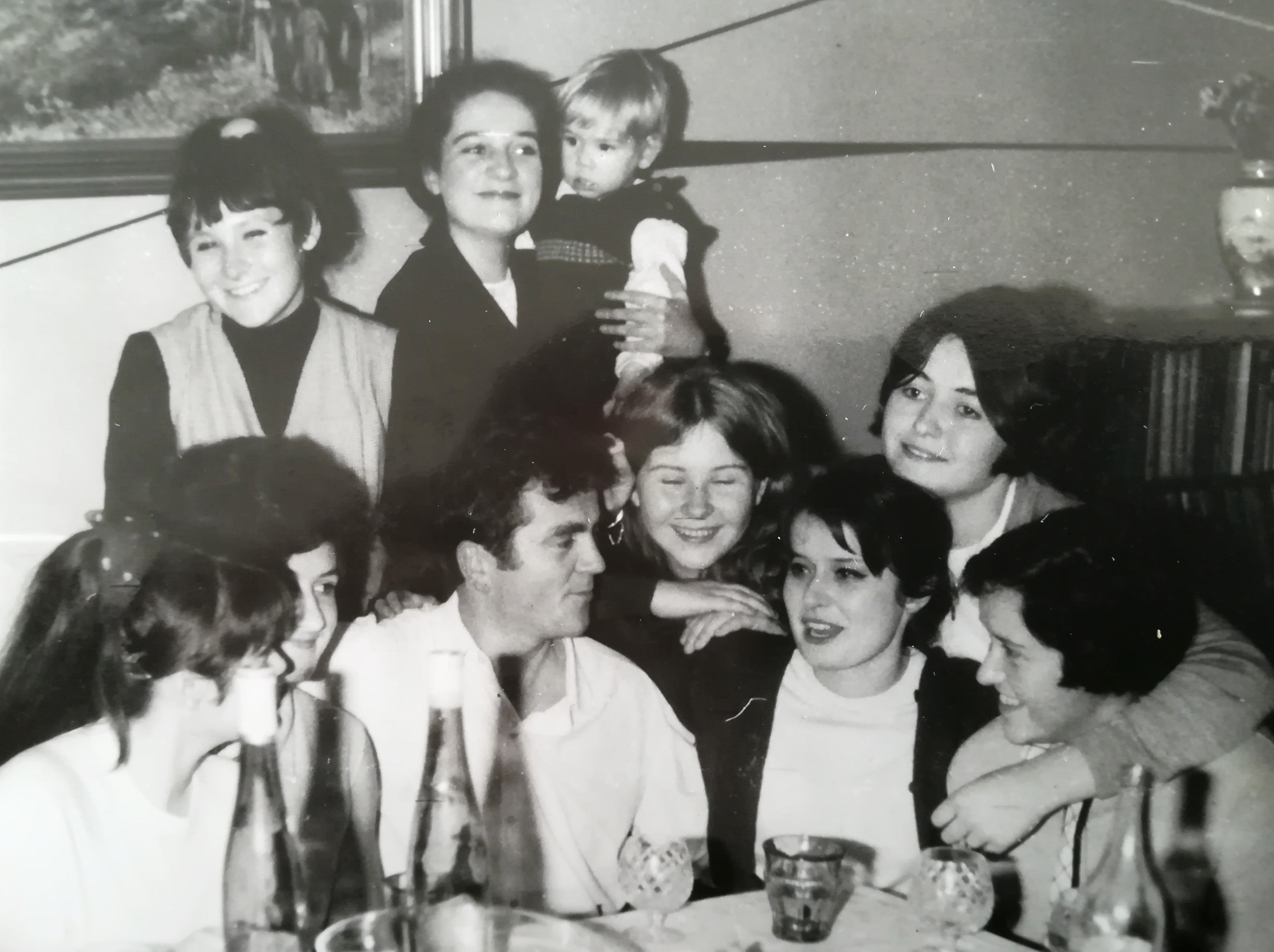
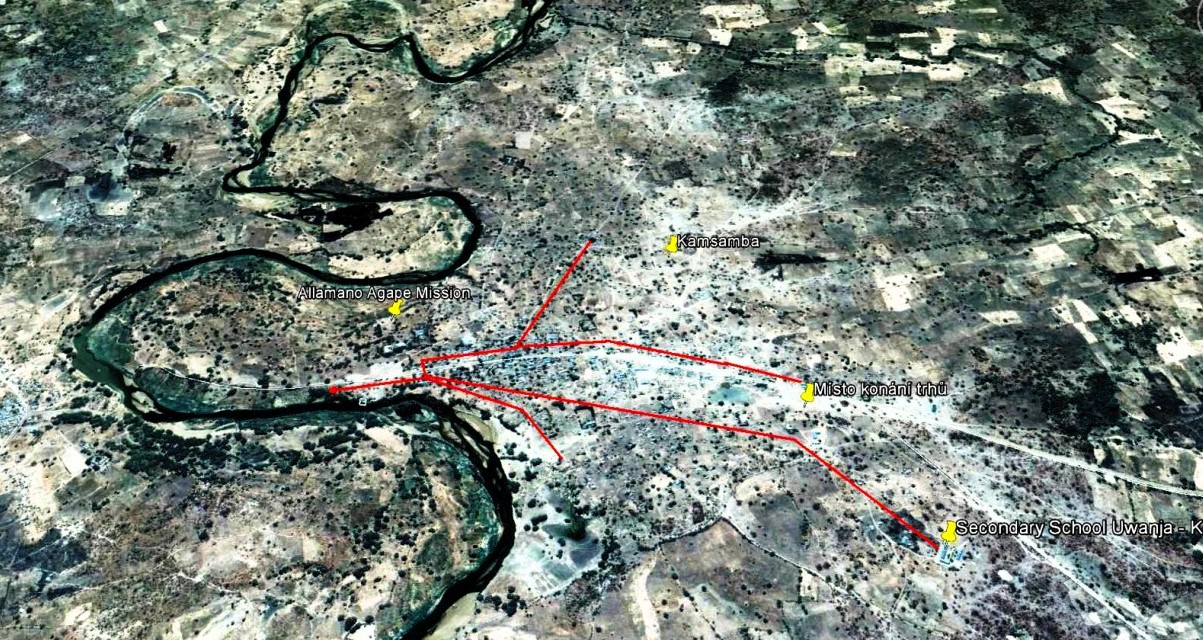
Pavel Baldinský was born on February 7, 1948 in Prague as the second son of Antonín and Božena Baldinský. After finishing primary school, he trained as a turner and soon afterwards started his own family. At the end of the 1960s he established contacts with the Italian Christian community Porte aperte in Livorno, but their cooperation was interrupted by the military invasion in 1968. From the mid-1970s he became a member of the so-called Prague Community, a hidden church led by Fridolin Zahradnik. Professionally, he worked as a driver in the Transport Company of the City of Prague. In 1981, he wrote a document called Workers’ Suggestions, which critically evaluated the company’s policies and practices. For this activity he was investigated by the State Security and subsequently dismissed. From 1982 he worked as an orderly in the Motol hospital. In November 1989 he attended the canonization of Agnes of Bohemia in Rome. On his way back, he visited his old friends in Livorno, where he became acquainted with the activities of the Centro Mondialità Sviluppo Reciproco, an organisation supporting projects in Africa. After the Velvet Revolution, he travelled with his wife Miriam to Tanzania, where he was put in charge of a development mission focusing on health, water supply, agriculture and vocational training - with the aim of making the projects work independently, without foreign financial or organisational support. In 2025, Pavel Baldinský was living in Prague and supporting development projects in Tanzania through the Missionary Bank of the Poor.