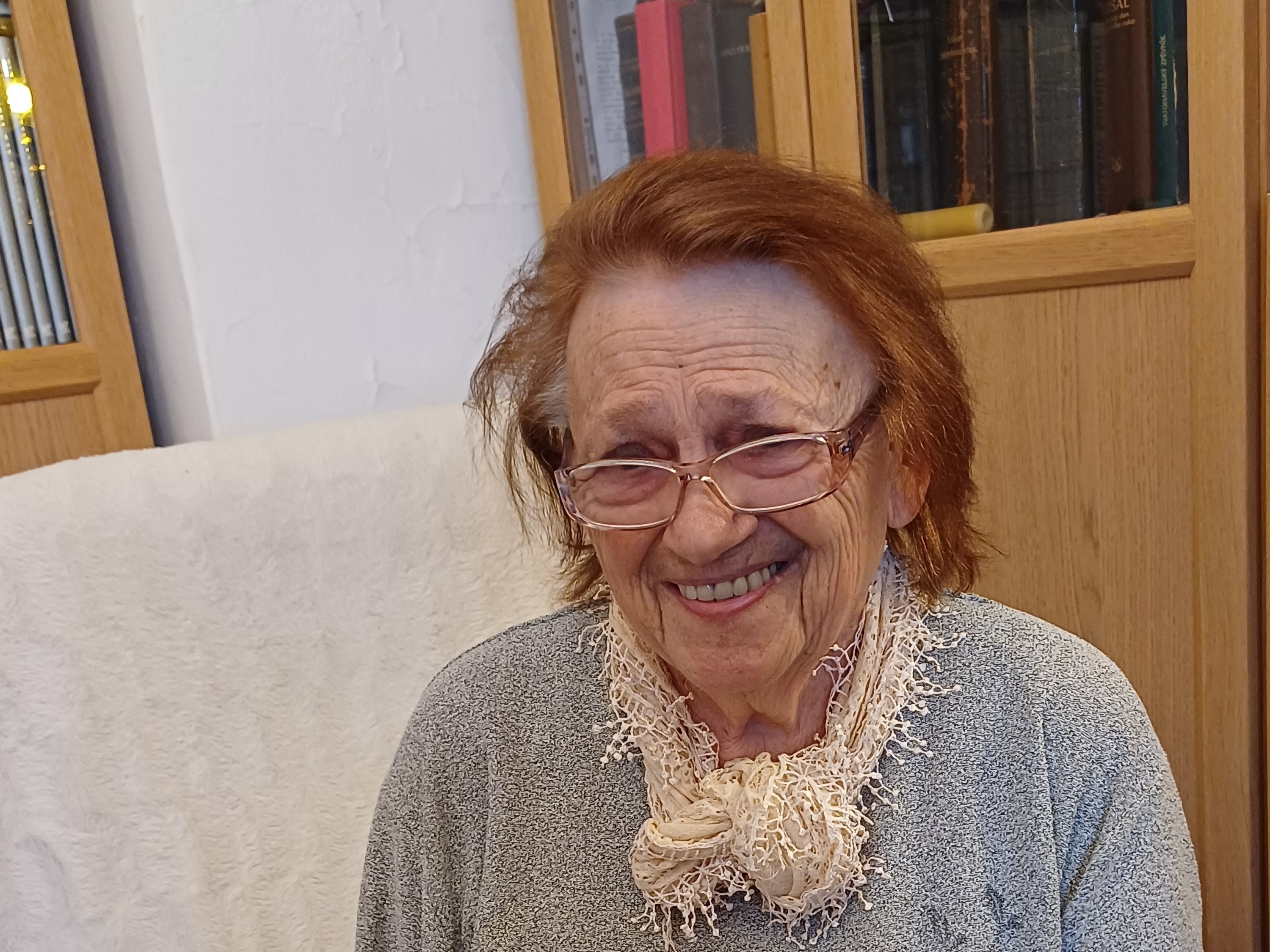
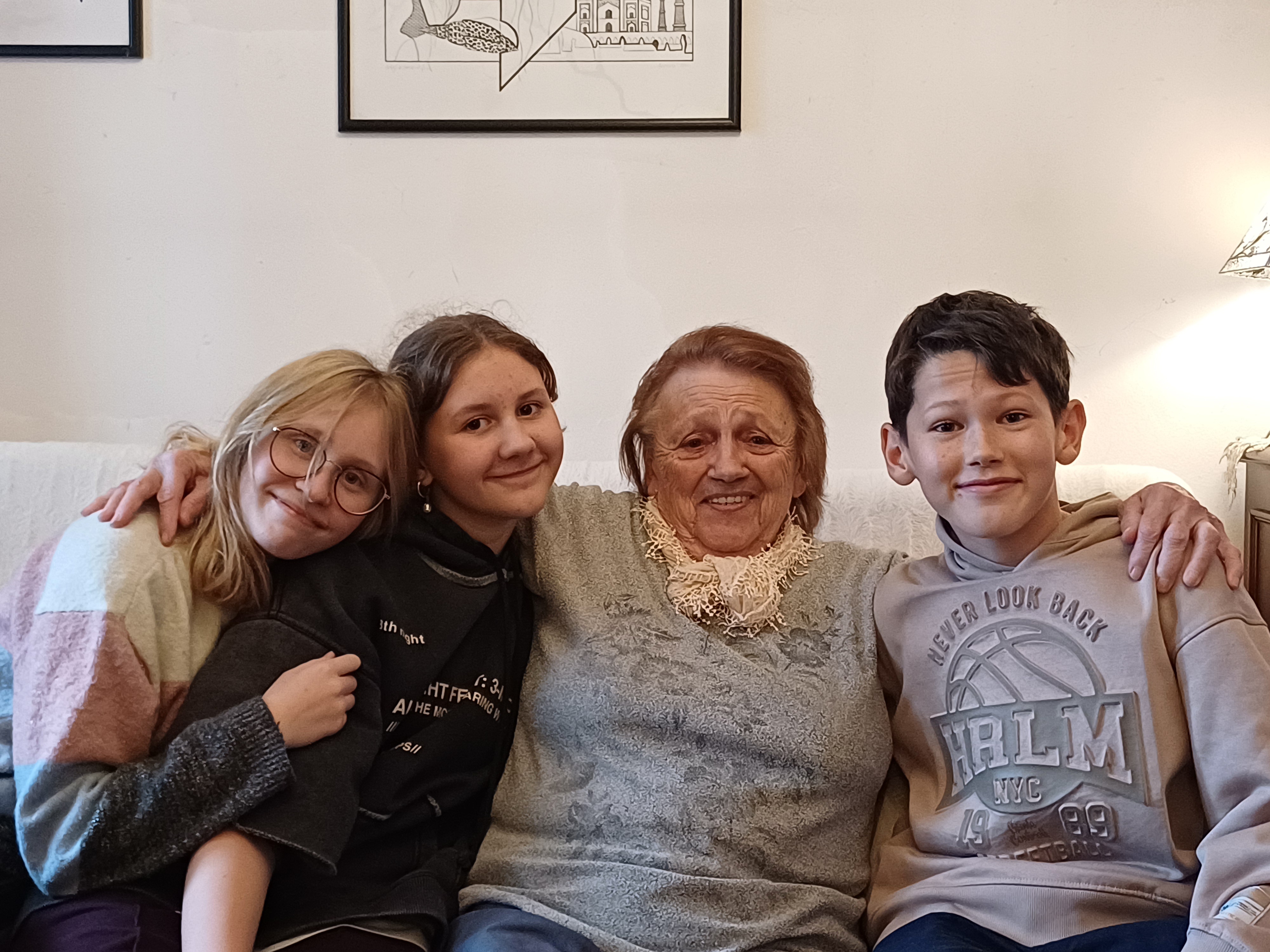
Zdena Žajglová

* 1935

  • "That was a coincidence. One morning, when we got up, there was paper in the yard... not paper, I thought it was paper. But it was silk. I don't know if it was from a parachute or what. It fell in our yard. Mom picked it up, said we had to return it somewhere. But there was nothing there. I had a dress made out of it, and I got married in it. And then I wore the dress when I went to the prom. By then, there were no Germans or Russians. It was my husband... I didn't have... He wanted to take me dancing, but I didn't have anything to wear."

  • "That's what I always wondered, there was a light in that basement, and I was like, 'Dad, why is there a light if there's no one there? And he said, 'Don't go, you'll fall, the stairs are bad,' but I kept saying, 'Why is that light there?' Daddy wouldn't tell me. First, there was a partisan; first, he was in the church, but they guarded the churches to see if anyone was hiding there. It was kind of a three-way thing; my uncle was a druggist, and his friend, a classmate, worked in the pharmacy. And the parish priest: his name was Vinš, he baptised me, and I went to the parish as a pupil. When a German patrol was going to come to the church, the partisan hid in our cellar. I already said, Daddy - he was courageous. I kept asking why the lights were on, and Dad said, 'Well, because we have potatoes there and it's cold, they'd freeze.'"

  • "When the Russians came, I'll digress now, but I'll return to the topic. She was a beautiful woman, blonde. But she couldn't come out at all in the daytime. The Russians moved in with us, in that yard; they had their things there. So if she... I don't know, it is strange to you, but the Russians were harassing these young girls or how to put it. So they were abusing them, I don't have to explain how, I don't even want to say it. Unfortunately, that's the way it was. She used to hide in the basement at night. She didn't come out during the day, and she hid at night."

  • Full recordings
  • 1

    Beroun, 19.11.2024

    (audio)
    duration: 01:32:04
    media recorded in project The Stories of Our Neigbours
Full recordings are available only for logged users.

I still remember Erika with the yellow star
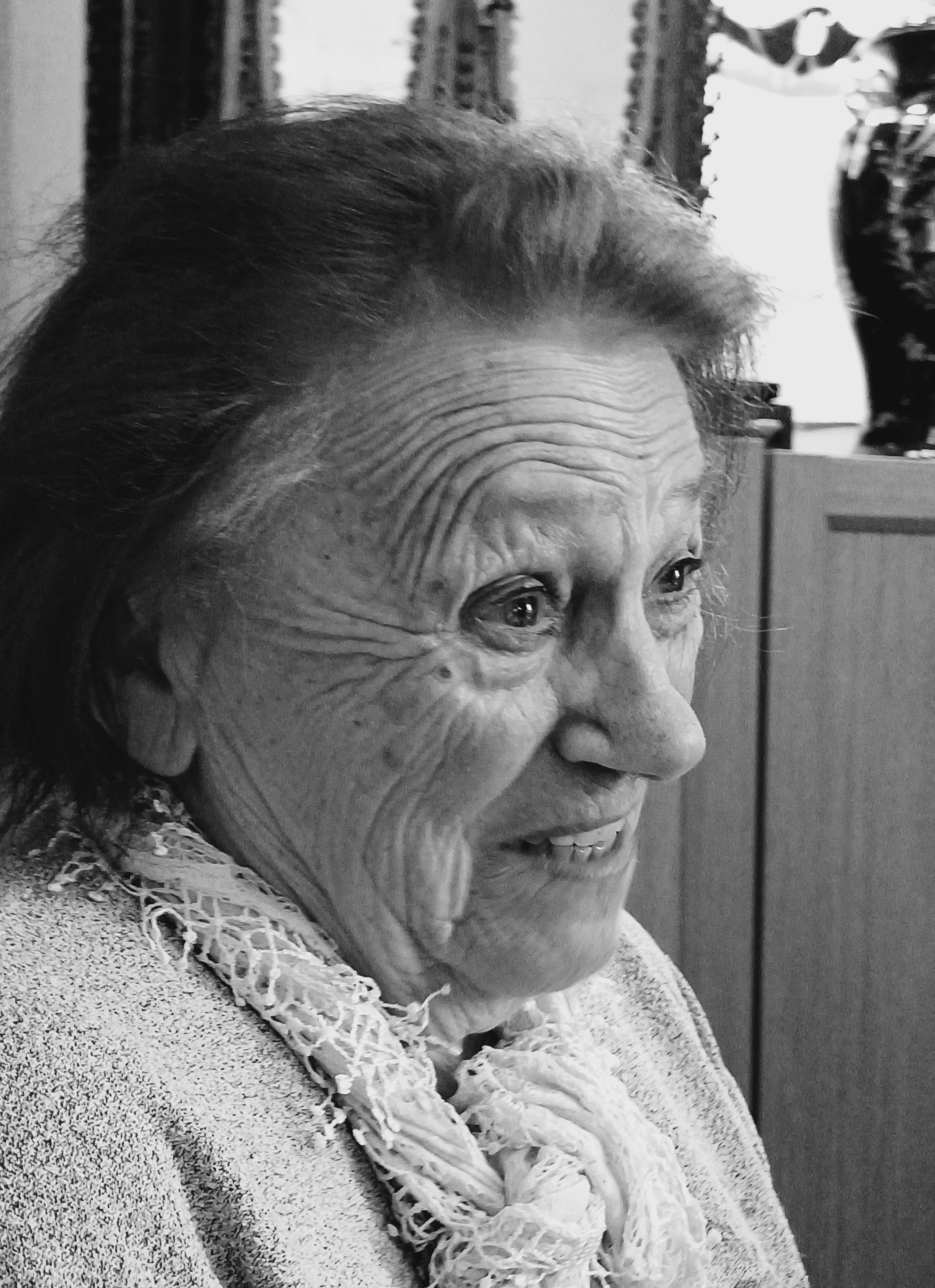
Zdena Žajglová, 2024
photo: Post Bellum

Zdena Žajglová was born on 4 September 1935 in Kralovice, near Pilsen. Her father owned a shop where members of the Gestapo went shopping. She has several strong memories of German soldiers from the war. In the first grade, she was affected by the fate of her Jewish classmate Erika, who was taken to a concentration camp. She never saw her again. At the age of ten, she saw American soldiers arriving in Pilsen, and also Russian soldiers arriving from the other side of Prague. At the age of seventeen, she married, but the marriage was not a happy one. Her husband was a drunk and had other partners, which he made no secret of. However, her attempts to get a divorce were in vain, and she was not formally divorced until after 1989. She worked in the health care sector and had a difficult time completing her education as an adult while working and being a mother of two children. In 2024, she was living in Beroun.