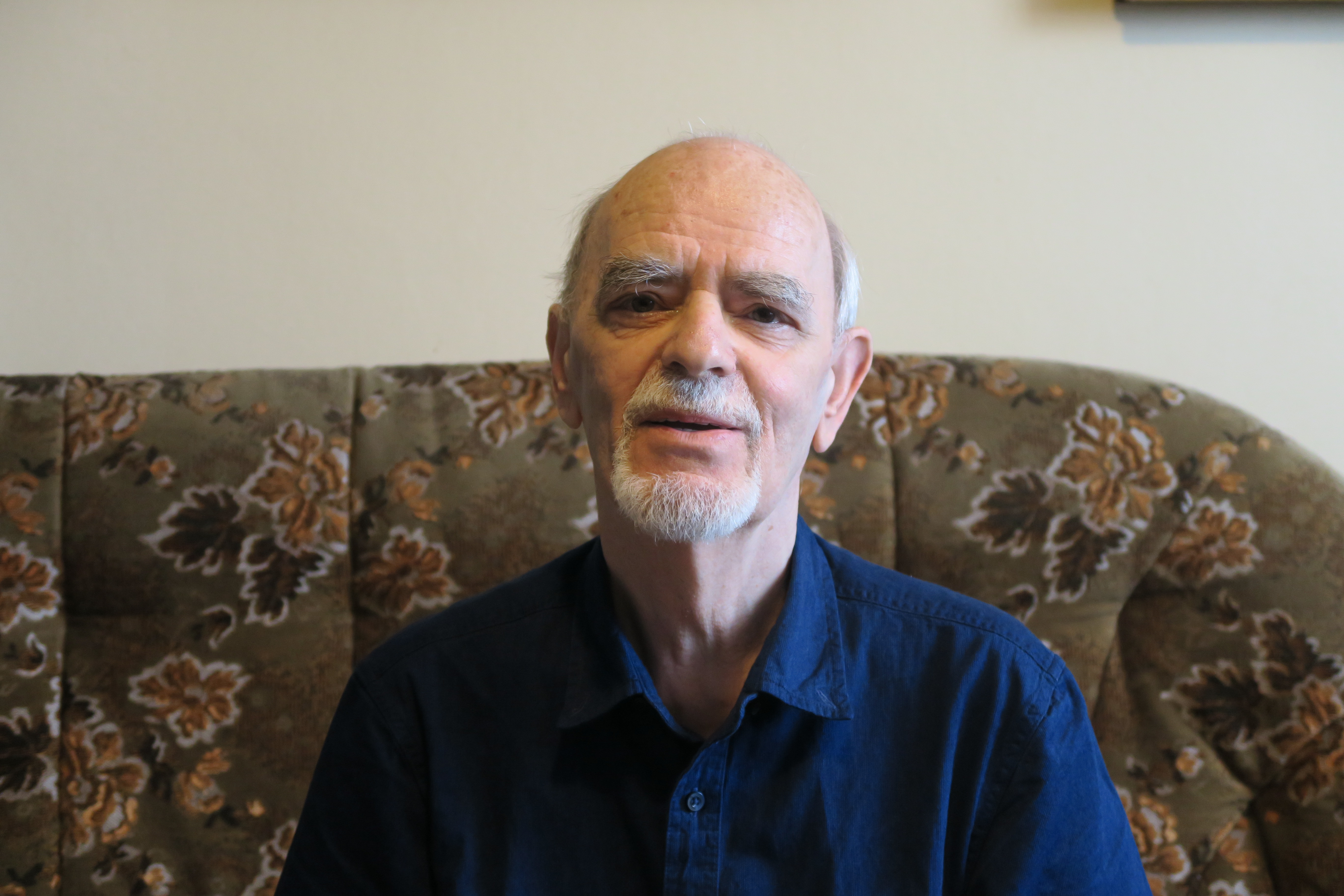
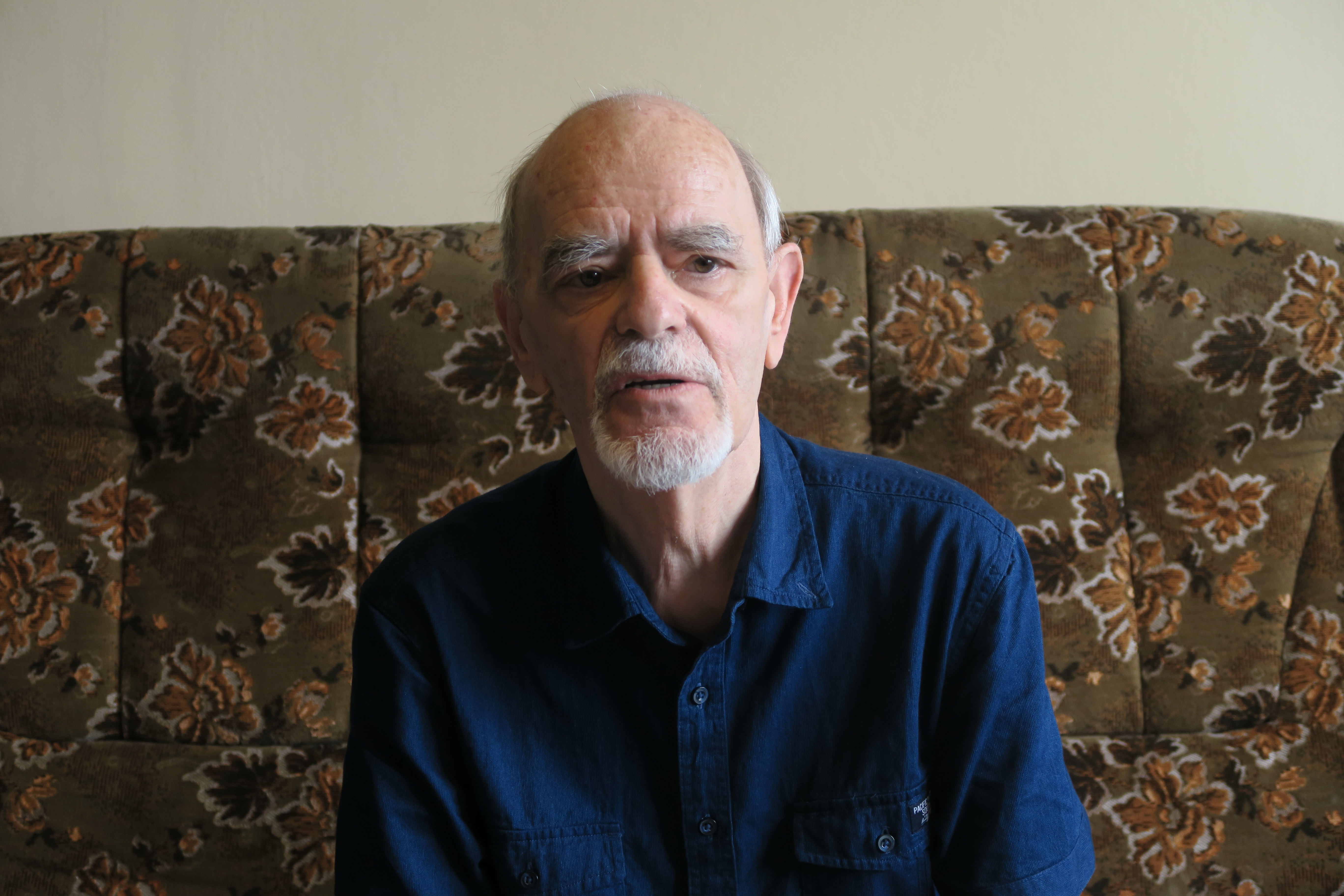
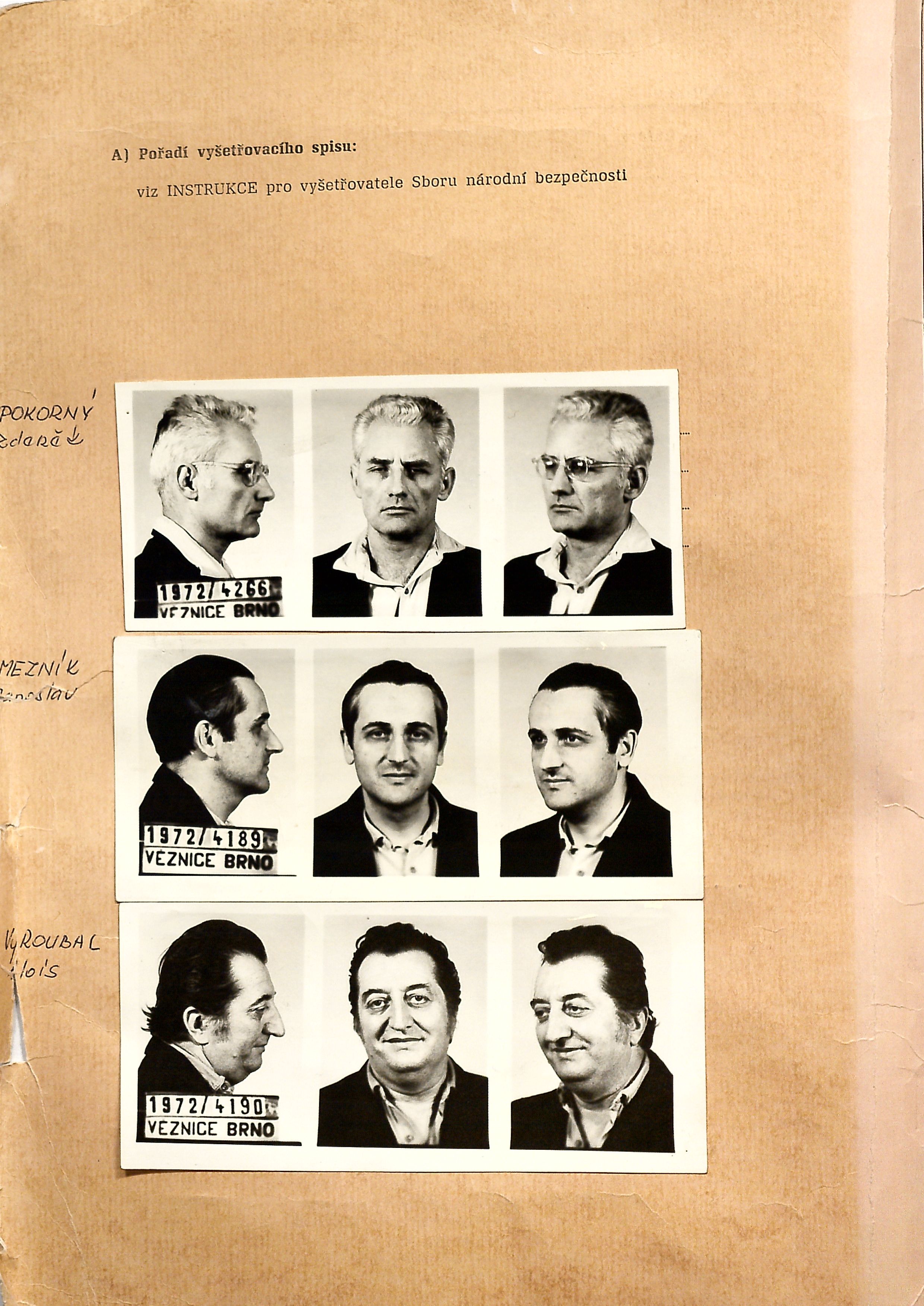
I was interrogated for eight months. It was 1972.
Download image
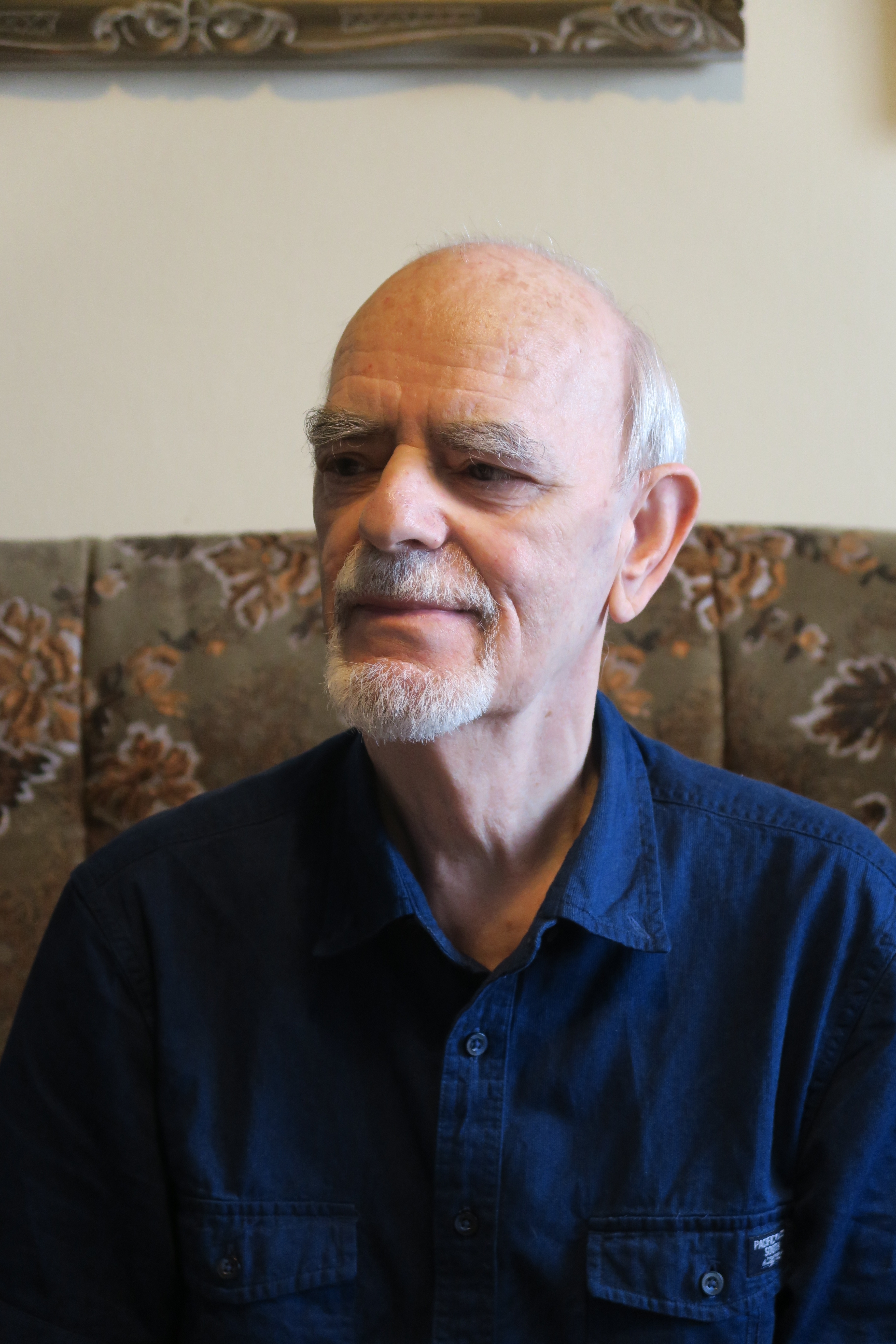
Petr Wurm was born in Prague on 22 September 1936. His father was an active social democrat, his mother a housewife. His parents had two other sons and a daughter. They lived in Slovakia during the First Republic but had to leave after the Slovak State declaration. They survived the war in the Příbram region. The father became the deputy CEO of the Czechoslovak Mines in Prague after the war. He headed the Geological Institute in Prešov after February 1948. They eventually settled in Brno where Petr Wurm completed high school in 1953. He joined the “Thirty-Sixers” generation, a group of young people interested in art and social discussion. Poet Jiří Kuběna and writers Alena Wagnerová and Pavel Švanda were also members. They also became close to Václav Havel’s Prague “Thirty-Sixers”. Petr Wurm began studying at the University of Economics in Prague at the time. Early in his fifth year, however, he was expelled from the school due to his negative views on Marxism-Leninism. He had to enlist for two years of military service immediately. While in the military, his father Jaroslav was arrested and sentenced to 26 months in prison in 1960 for allegedly subverting the republic. After his service, Wurm married and worked as a miner in Ostrava, then as a labourer and then as a comptroller at Zetor in Brno. He completed university in 1968-69 and participated in the ‘revival process’. He joined the Czechoslovak Socialist Party, founded the first non-communist workers’ union in Brno, and published articles on modern socialism inspired by the French model. After the 1968 invasion, he wrote the Small Action Programme and also worked with Jaroslav Šabata and other reformist communists. Early into the normalisation, the Brno group of socialists went underground, disseminating anti-communist statements, samizdat and Tigrid’s Svědectví magazine. Petr Wurm was arrested on 31 January 1972 and taken directly from his work to the Bohunice detention centre. The interrogations took almost eight months, sometimes 10 to 12 hours a day, fortunately without physical violence. On 26 July 1972, the Regional Court in Brno sentenced Peter Wurm to three years in prison for subversive activities against social and state establishment. He served his sentence in Bory Prison and in Ostrava, producing patent pins and cartons. He was released on parole for good behaviour at Christmas 1974. He was unable to find even a working-class job for a long time. He eventually got a job at Průmyslové stavby as a warehouse worker, staying until 1989. He was regularly checked by the state security and was once offered collaboration in exchange for a permission for his wife to visit her father in the Netherlands, but refused. His older son was not allowed to get into university and his younger son emigrated for the same reasons. After 1989, Wurm founded and became the chair of the Democratic Labour Party, but it did not last long. He was fully rehabilitated by the Regional Court in Brno in 1991. He received an award as a participant in the anti-communist resistance.